


















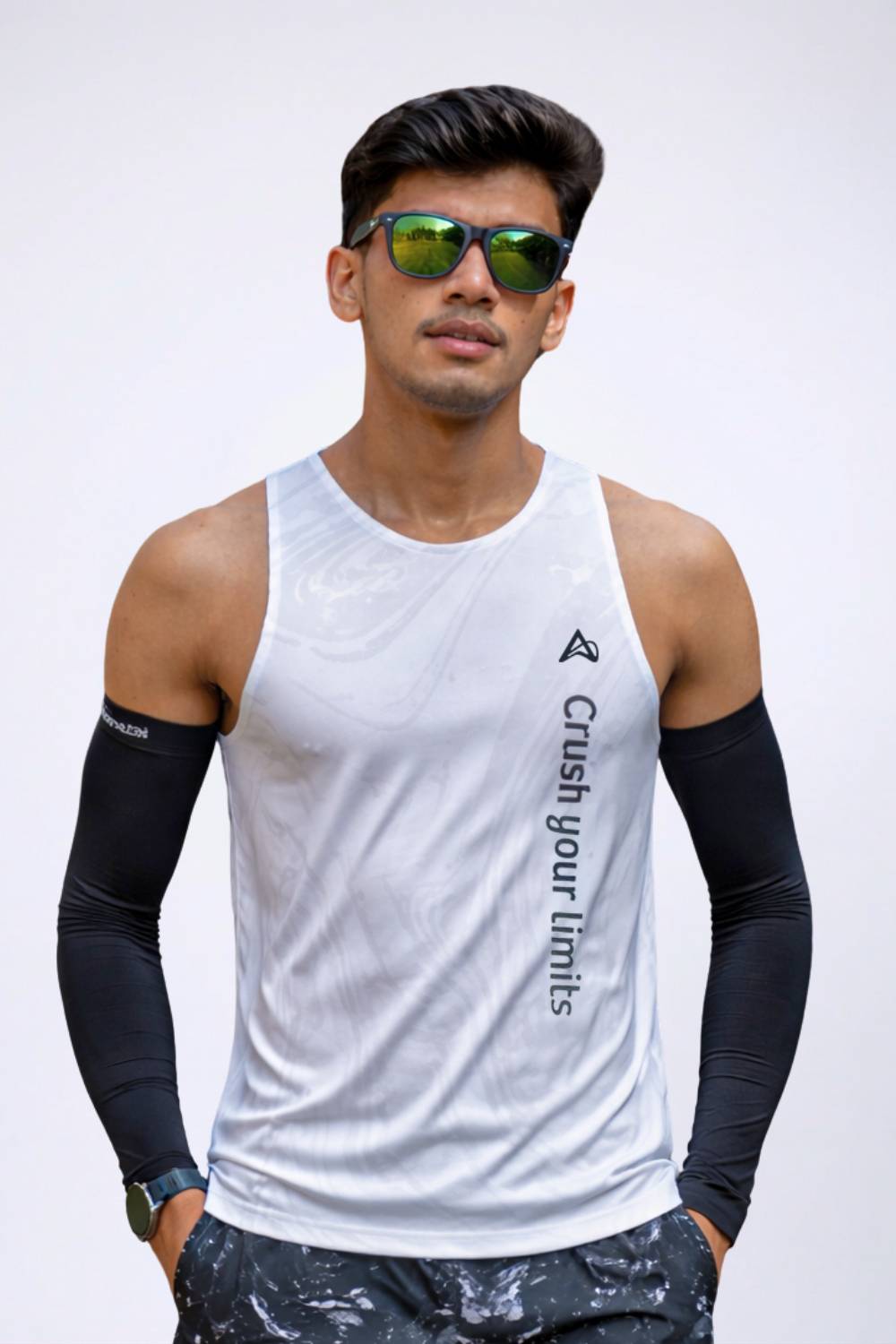

Preparing for a marathon is less about improvisation on race day and more about disciplined planning in the days leading up to it. Whether it's your first long-distance event or you're refining your routine, knowing what to pack for marathon day can make the difference between a smooth performance and unnecessary stress. A well-structured marathon packing list helps runners stay focused on pacing, endurance, and execution rather than last-minute surprises. From apparel and hydration to nutrition and recovery essentials, every item plays a role in shaping comfort and consistency across 42.2 kilometers of effort.
Tired of gear that slows you down? Chafing, soggy fabrics, and missing pockets kill your run's momentum. At Aguante, we're runners who get it. Our high-performance activewear features moisture-wicking fabrics, ergonomic designs, and smart storage to keep you focused. Shop Now!
Building a Reliable Marathon Packing Strategy
A strong marathon packing approach starts with understanding how race-day conditions differ from training runs. Temperature changes, hydration needs, and unexpected delays before the start all require preparation that goes beyond running fitness alone. Experienced runners often build their marathon runner essentials around three priorities: comfort, performance support, and contingency planning.
One of the most practical ways to structure preparation is to align your gear with race-day phases: pre-start waiting time, in-race performance, and post-finish recovery. This ensures nothing critical is missed when assembling your marathon gear checklist. Many runners also rehearse their setup during long training runs to reduce uncertainty on race day, treating their gear system as part of the overall performance plan rather than an afterthought.
Race-day Apparel: Running Apparel for Marathon Comfort
Choosing the right running apparel for marathon conditions is one of the most important decisions in your preparation. Apparel must balance breathability, temperature control, and friction reduction over several hours of continuous movement.
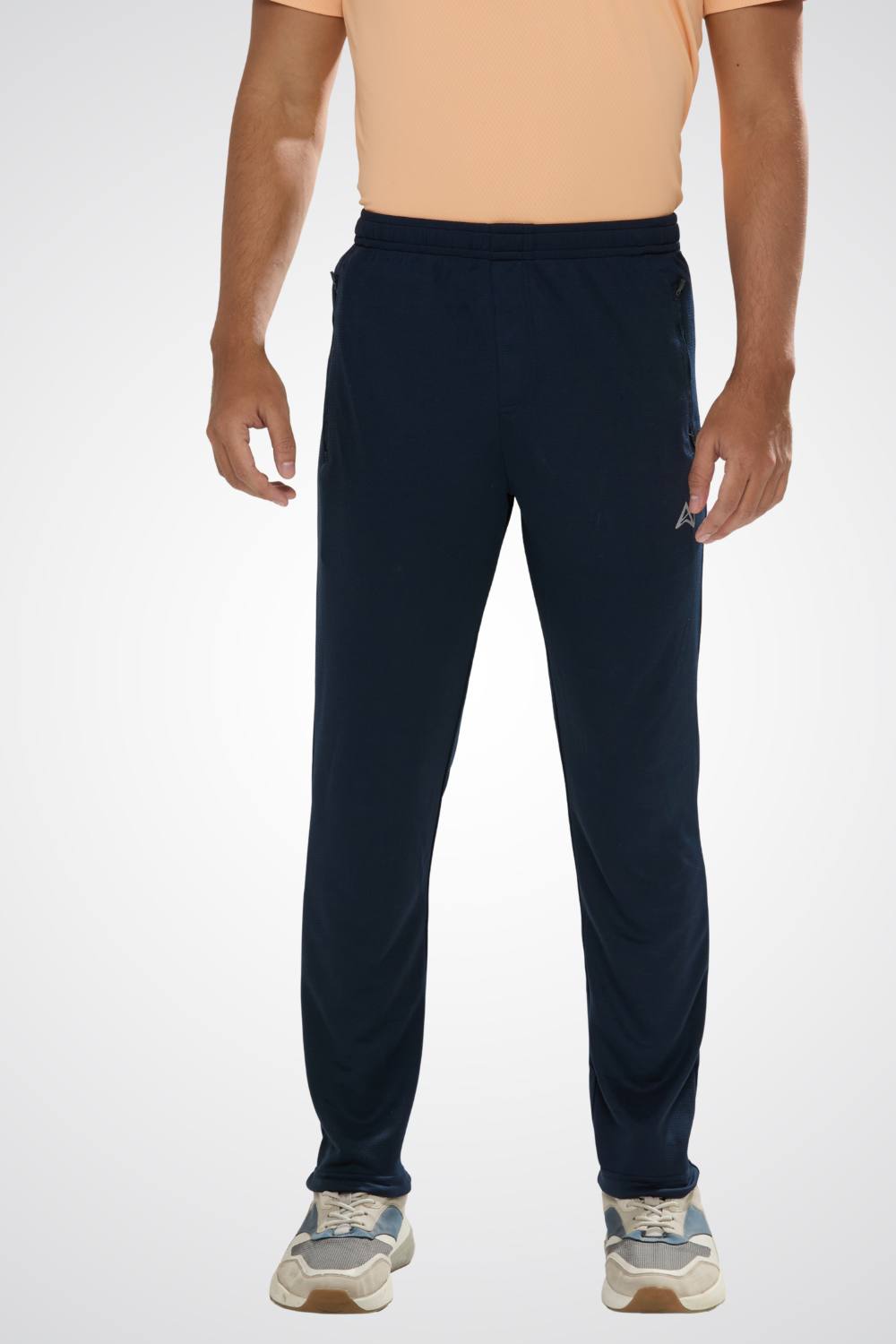
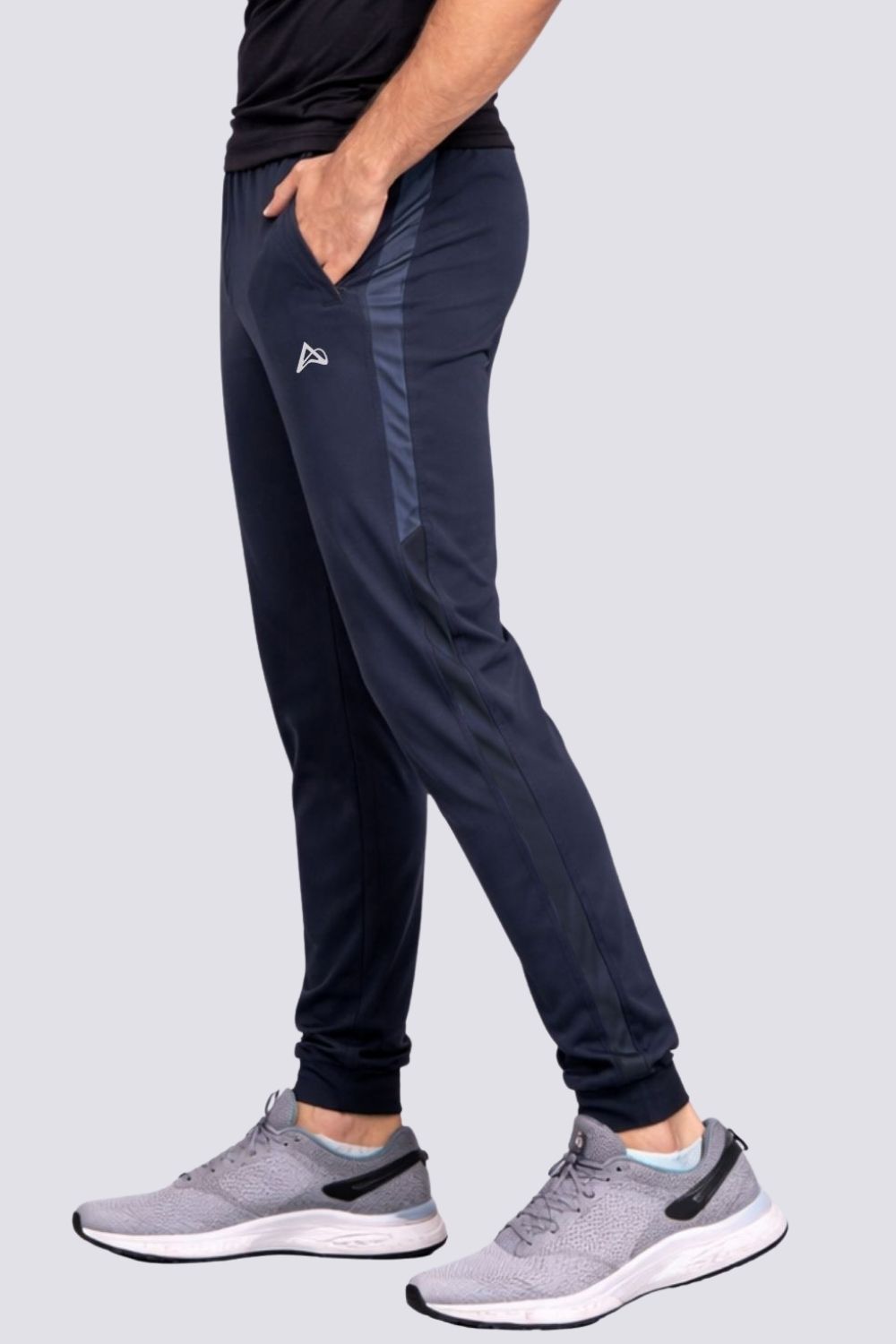
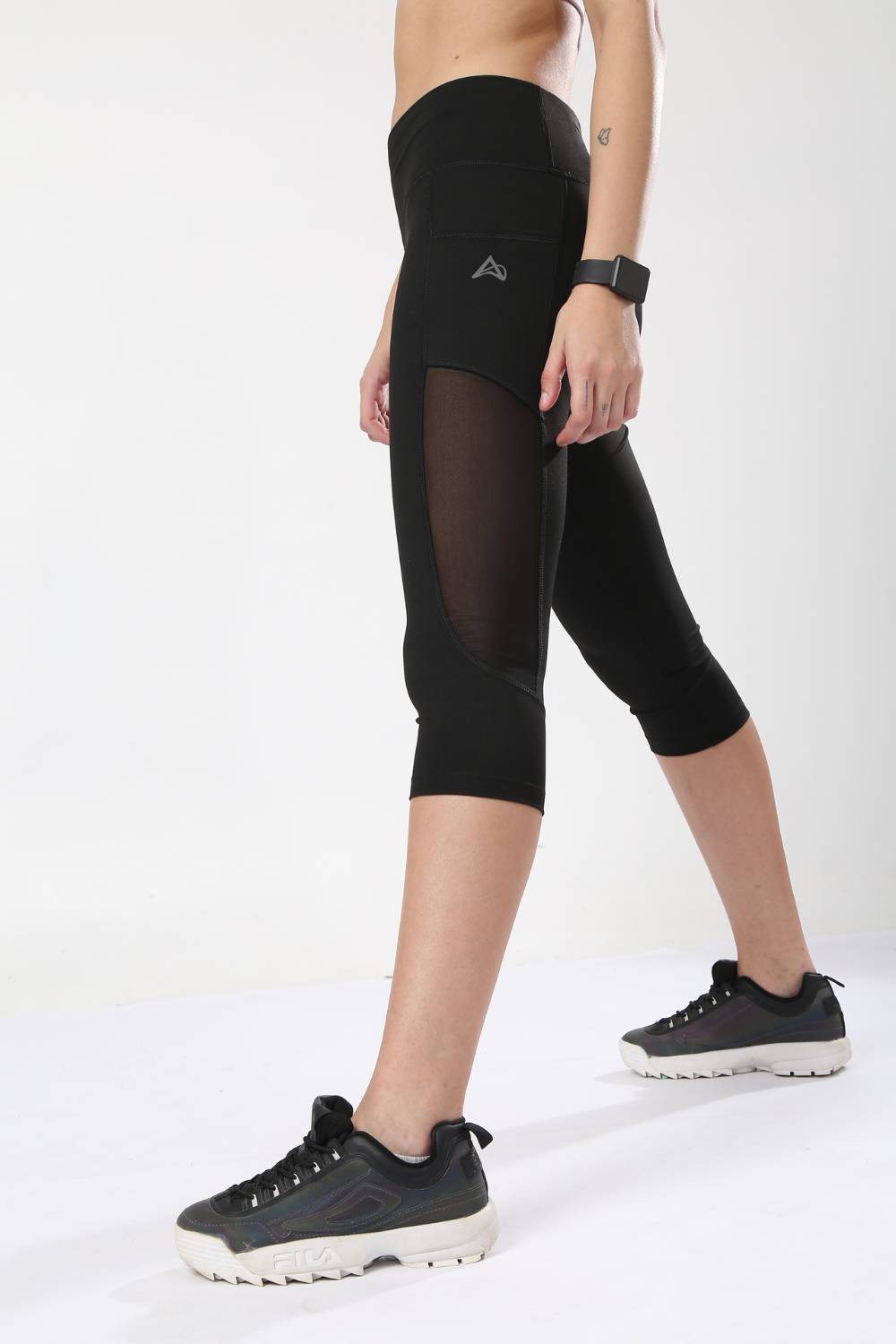
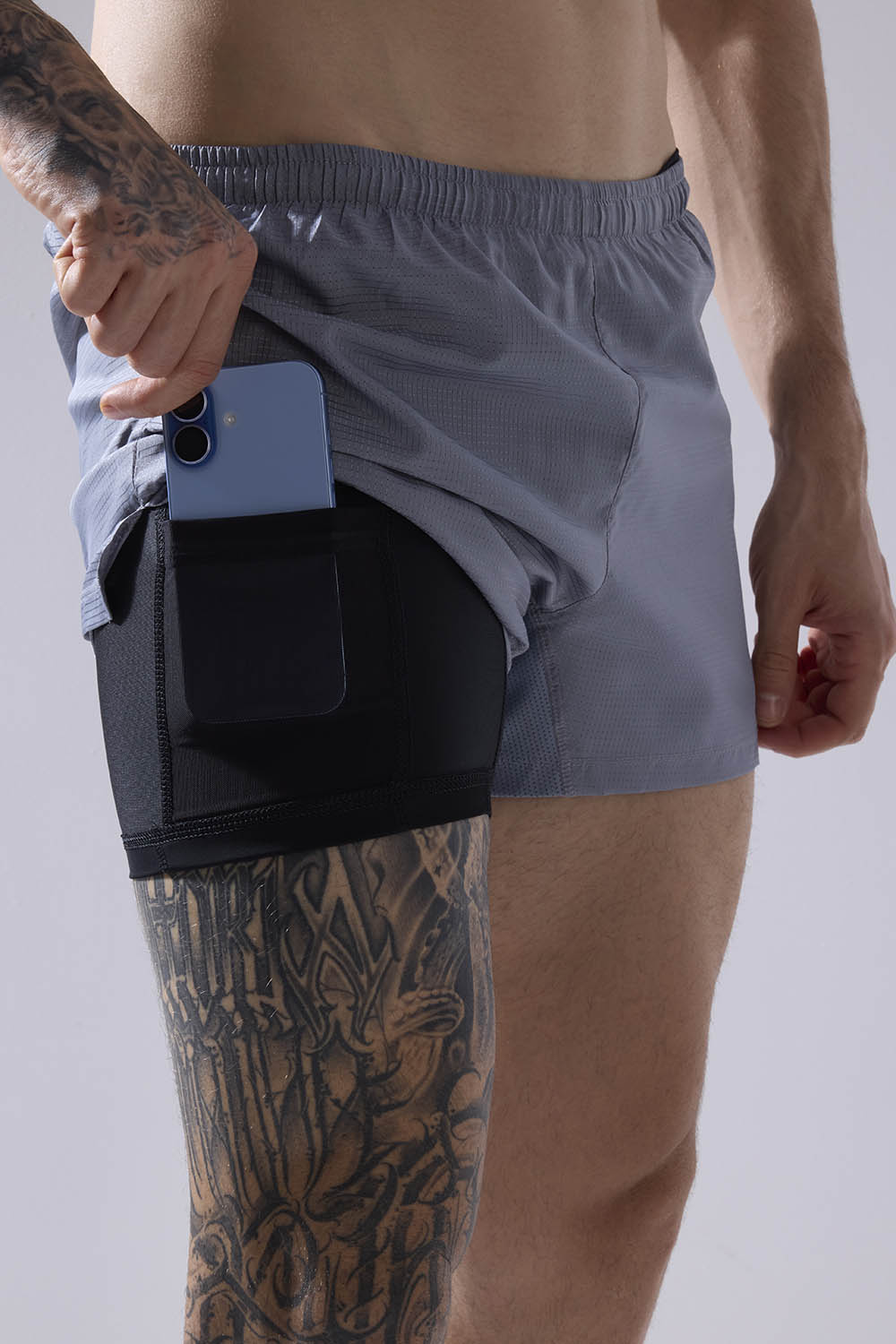
A core race-day outfit typically includes a moisture-wicking singlet or technical top, lightweight shorts or tights, and moisture-control socks. Many runners also pack throwaway layers such as sweatpants or a warm top for early morning wait times at the start line. Accessories like a hat, arm sleeves, and gloves help adapt to shifting weather conditions without compromising mobility.
Anti-chafing protection is another essential component of the marathon packing list. Products like balm or petroleum jelly are commonly applied to friction-prone areas to reduce irritation during long-distance running. These small adjustments can significantly improve comfort over extended endurance efforts.
For post-race recovery, comfortable clothing is just as important as race-day gear. A change of dry apparel, sandals or flip-flops, and a light outer layer help the body transition out of exertion mode more comfortably after finishing the event.
Hydration and Nutrition: Marathon Hydration and Nutrition Essentials
Effective marathon hydration and nutrition planning is central to maintaining energy levels throughout the race. Without a structured fueling approach, even well-trained runners can experience performance drops in later stages.
Reliable gear recommendations emphasize that hydration and fuel systems work best when tested during training rather than introduced on race day. According to the best running gear for marathon training, hydration belts or handheld bottles carrying at least 16 ounces help sustain fluid intake between aid stations. Energy gels such as those formulated with fast-absorbing carbohydrates are widely used to maintain steady energy levels and prevent late-race crashes.
Modern marathon setups often include GPS running watches for pace tracking and performance feedback, helping runners avoid starting too fast or fading late. Bone-conduction headphones are also commonly used because they allow awareness of surroundings while still providing motivational audio support, striking a balance between safety and focus during long efforts.
Technology and Pacing Tools for Race Execution
Modern marathon preparation increasingly relies on technology to support pacing and performance tracking. A GPS running watch is one of the most common tools included in a marathon runner essentials kit. It helps runners monitor distance, pace, and overall effort, enabling more informed decisions during the race.
In addition to watches, many runners use headphones to maintain rhythm and motivation. Bone-conduction or open-ear designs are often preferred because they allow awareness of surroundings while still providing audio support. This balance between safety and motivation makes them a practical addition to any race day running essentials setup.
These tools are not just about convenience they help runners maintain discipline in pacing strategy. Without real-time feedback, it becomes easier to start too fast or lose consistency in later stages of the race, both of which can significantly affect overall performance.
Comfort, Safety, and Anti-chafing Essentials
Long-distance running places sustained stress on the body, making comfort and protection essential parts of preparation. Anti-chafing products, sunscreen, lip balm, and other protective items are often overlooked but play a critical role in maintaining physical stability throughout the marathon.
A well-prepared marathon packing list also includes items that address environmental factors such as weather variability and sun exposure. Lightweight accessories like sunglasses can reduce eye strain, while moisture-control gear helps regulate body temperature during prolonged activity.
Small comfort-focused items such as wet wipes or tissues may seem minor, but they significantly improve post-race recovery convenience. These additions reflect the broader principle of marathon preparation: eliminating friction wherever possible so that physical and mental energy can be directed toward performance.
Pre-race Organization: a Practical Marathon Checklist Approach
Organizing your gear before race day is just as important as selecting the items themselves. A structured approach to assembling a pre race marathon checklist helps reduce cognitive load and ensures nothing essential is left behind.
According to the ultimate marathon gear checklist, a complete race-day system typically includes racing shoes, moisture-wicking socks, weather-appropriate apparel, and throwaway layers for pre-start warmth. Protective items such as anti-chafing balm, sunscreen, lip balm, and blister prevention tools are essential for injury reduction and comfort over long distances.
The checklist also highlights the importance of hydration systems, energy gels, GPS watches, and optional accessories like headphones and sunglasses. Post-race recovery items comfortable clothing, snacks, and gear for changing conditions help runners transition smoothly after finishing. Experts also emphasize practicing with full race-day gear during training runs to avoid surprises and improve comfort on race day.
One effective method is to group items into categories: apparel, hydration, nutrition, technology, and recovery. This system makes it easier to verify that every component of your marathon gear checklist is accounted for before heading to the start line.
Another key strategy is practicing with your full race setup during long training runs. This helps identify issues such as uncomfortable gear placement or inefficient hydration access before race day, when adjustments are no longer possible.
Post-race Recovery Essentials and Transition Planning
Recovery is an often underestimated part of marathon preparation. What you pack for after the race can significantly influence how quickly your body begins the recovery process. Comfortable clothing, hydration, and light nutrition help restore balance after prolonged exertion.
Many runners include recovery snacks, dry layers, and a towel or blanket in their gear to support immediate post-race needs. The goal is to shift the body out of performance mode without sudden discomfort or exposure to cold conditions.
Organizing these items in advance ensures that once the finish line is crossed, attention can shift entirely to recovery rather than logistics. This completes the full cycle of a well-planned marathon packing list, from preparation to performance to restoration.
Smarter Packing for Stronger Marathon Performance
Understanding what to pack for marathon day is ultimately about creating a system that supports endurance, comfort, and consistency. Every item in your kit from hydration tools and energy gels to apparel and technology serves a functional role in helping you manage the physical and mental demands of long-distance running.
When runners approach preparation with structure and intention, race day becomes less about managing uncertainty and more about executing a well-rehearsed plan. A thoughtful marathon packing list doesn't just reduce stress it builds confidence, allowing athletes to focus on rhythm, pacing, and personal performance goals from the first kilometer to the final stretch.
Frequently Asked Questions
What should every marathon runner pack on race day?
Every marathon runner should pack essentials that support comfort, performance, and recovery. This includes race apparel like moisture-wicking clothing, hydration tools, energy gels, and anti-chafing products. Many runners also bring a GPS watch, sunglasses, and optional headphones for pacing and motivation. Post-race items like dry clothes, snacks, and recovery gear are also important for a smooth transition after finishing.
How do I create a marathon packing list for race day?
A strong marathon packing list is best created by grouping items into categories such as apparel, hydration, nutrition, technology, and recovery. This helps ensure nothing important is forgotten and makes pre-race preparation more organized. Many experienced runners also test their full setup during long training runs to avoid discomfort or equipment issues on race day. This structured approach reduces stress and improves overall race-day confidence.
Why are hydration and nutrition important in a marathon packing strategy?
Hydration and nutrition are essential for maintaining energy levels and preventing fatigue during long-distance running. Tools like hydration belts or handheld bottles and energy gels help sustain performance between aid stations. When tested in training, these systems support steady pacing and reduce the risk of energy crashes in later stages of the race. Proper fueling is a key part of any effective marathon packing strategy.
Disclaimer: The above helpful resources content contains personal opinions and experiences. The information provided is for general knowledge and does not constitute professional advice.
You may also be interested in: How Runners Are Preparing for India's Expanding Marathon Calendar
Tired of gear that slows you down? Chafing, soggy fabrics, and missing pockets kill your run's momentum. At Aguante, we're runners who get it. Our high-performance activewear features moisture-wicking fabrics, ergonomic designs, and smart storage to keep you focused. Shop Now!
Powered by flareAI.co