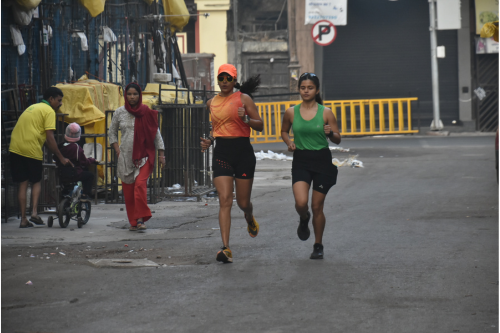
























Urban environments are evolving rapidly, shaping the way residents navigate daily life and engage in physical activity. For runners, city design significantly influences safety, accessibility, and overall experience on running routes. From the bustling streets of Delhi to the planned green corridors of Pune, urban planning decisions from traffic flow management to pedestrian-friendly zones directly affect the quality and safety of running paths. Understanding the intersection of city infrastructure, public spaces, and runner behavior provides insight into creating healthier, more active urban communities.
Tired of gear that slows you down? Chafing, soggy fabrics, and missing pockets kill your run's momentum. At Aguante, we're runners who get it. Our high-performance activewear features moisture-wicking fabrics, ergonomic designs, and smart storage to keep you focused. Shop Now!
How Urban Design Shapes Running Safety
Urban design dictates the interaction between pedestrians, cyclists, and motor vehicles, impacting how safe it feels to run through city streets. In Mumbai, for instance, high-density traffic areas often limit options for uninterrupted running routes, forcing runners onto narrow sidewalks or shared pedestrian lanes. Conversely, cities that prioritize pedestrian-friendly planning, such as Navi Mumbai, incorporate wide sidewalks and jogging tracks that separate foot traffic from vehicular congestion. These urban interventions reduce risk and enhance the overall running experience.
City planners increasingly recognize that runner safety is not merely a function of road width but also lighting, visibility, and accessibility. Gurugram has introduced well-lit public parks and cycling tracks that double as running paths, illustrating a trend where multi-use spaces accommodate a variety of active lifestyles. Implementing such design principles ensures that running remains a viable and safe activity, even in rapidly growing metropolitan areas.
Public Parks and Green Corridors as Vital Running Spaces
Access to green spaces is a key factor in the creation of safe and enjoyable running routes. Urban parks in Delhi, like the Lodhi Garden area, offer structured paths with minimal vehicle interaction, allowing runners to train without constant vigilance against traffic hazards. Similarly, Pune's regional park networks have been designed with continuous jogging trails, integrating natural landscapes with urban convenience. By connecting residential areas to parks via pedestrian-friendly streets, cities encourage residents to adopt regular running habits while maintaining safety.
Beyond providing routes, these green corridors contribute to mental well-being and community engagement. In Ahmedabad, neighborhood running clubs often utilize park circuits to organize group sessions, demonstrating how thoughtfully designed public spaces can foster social interaction while supporting active lifestyles. As urban populations expand, the inclusion of such spaces becomes a critical consideration for planners focused on health-oriented city design.
Case Study: Running Infrastructure in Bangalore and Hyderabad
Bangalore's rapid urbanization has prompted municipal authorities to rethink pedestrian access and safety. The city has introduced dedicated jogging paths alongside major thoroughfares such as Cubbon Park and the Palace Grounds, offering runners well-maintained surfaces free from vehicular intrusion. Similarly, Hyderabad has developed a network of riverfront promenades and lake circuits, providing safe, scenic routes that balance exercise opportunities with environmental preservation. These examples highlight the potential for integrating running infrastructure within broader urban mobility plans.
In both cities, collaboration between urban planners and local running communities ensures that design decisions reflect actual runner needs. In practice, this means considering route continuity, signage, and safety audits, demonstrating that successful running infrastructure requires both strategic planning and community input.
Traffic Management and Runner Safety
Traffic density remains one of the most significant determinants of running safety in major cities. In Delhi and Gurugram, fluctuating traffic patterns, poorly timed signals, and inconsistent pedestrian crossings can make routine runs unpredictable. Urban planners are mitigating these risks by introducing pedestrian-priority zones and low-traffic streets, creating environments where runners can move with confidence. Additionally, some cities are implementing temporary road closures during weekends to encourage recreational running and cycling.
Runner-friendly traffic management also includes integrating technology and real-time monitoring. Cities such as Pune have experimented with smart traffic signals that extend pedestrian crossing times near parks and schools. This approach not only protects casual runners but also promotes a broader culture of active mobility, reinforcing the link between urban infrastructure and healthy lifestyle adoption.
Community Engagement and Safety Initiatives
Safe running routes are not solely a product of physical infrastructure; community engagement plays a pivotal role. In Mumbai and Ahmedabad, local running groups work with municipal authorities to identify high-risk streets and suggest improvements, such as adding reflective markers, enhancing lighting, or rerouting paths away from congested roads. Such collaborations ensure that urban design evolves in response to the lived experiences of runners rather than purely theoretical models.
Educational campaigns also enhance safety awareness. In Navi Mumbai, initiatives promoting running etiquette, visibility gear, and awareness of traffic regulations have reduced accidents and improved compliance with shared space norms. This interplay between community action and urban planning underscores that safer running environments require both top-down design and bottom-up participation.
Integration of Technology in Urban Running Planning
Digital tools are increasingly used to map and monitor running routes, providing real-time insights into safety and accessibility. Mobile apps and GPS platforms allow runners in cities like Hyderabad and Pune to identify well-lit paths, track congestion, and share route feedback. Municipalities can leverage this data to prioritize infrastructure upgrades, ensuring that high-traffic routes receive attention for maintenance, lighting, and signage enhancements. By combining data-driven decision-making with urban design, cities can create continuously safer running environments.
Additionally, technology supports community-building. Social features in running apps encourage group runs and peer support, fostering a sense of shared responsibility for safety. Such integration demonstrates the potential of digital platforms to complement physical urban planning initiatives, creating holistic solutions for active urban lifestyles.
Designing for Inclusivity and Accessibility
Urban planning that considers inclusivity expands safe running opportunities to a broader population. In Bangalore, for instance, accessible paths accommodate differently-abled runners and elderly populations, ensuring that public fitness infrastructure is equitable. This approach extends to lighting, surface materials, and gradient considerations, enabling a variety of fitness levels and abilities to use city running routes comfortably.
Moreover, incorporating cultural and recreational elements such as public art, water features, and seating enhances the experience, encouraging more residents to engage in outdoor exercise. Cities that embed inclusivity and engagement into urban design not only improve running safety but also foster social cohesion and community identity.
Implications for Retail Activewear and Running Brands
Understanding urban planning trends and safe running route development offers strategic insights for activewear brands. In markets like the United States, Canada, and Europe, as well as rapidly growing Indian cities such as Delhi and Pune, consumers increasingly seek functional, performance-oriented clothing that supports outdoor activity in varied urban conditions. Awareness of local infrastructure can guide product innovation, marketing campaigns, and community engagement initiatives, aligning brand relevance with real-world runner experiences.
For example, the global sports apparel market, valued at USD 211.57 billion in 2024, is experiencing growth driven by increasing participation in running and outdoor activities. Brands that emphasize performance, safety, and comfort are well-positioned to resonate with urban runners navigating diverse cityscapes, highlighting the intersection between infrastructure awareness and product strategy.
Urban planning profoundly influences the safety, accessibility, and appeal of running routes in major cities. By prioritizing pedestrian-friendly design, green corridors, community engagement, and technological integration, cities can foster safer and more enjoyable running environments. For runners, urban planners, and activewear brands alike, these insights emphasize the importance of coordinated efforts to create sustainable, health-promoting urban spaces.
Frequently Asked Questions
How does urban planning affect the safety of running routes in major cities?
Urban planning directly shapes runner safety by determining how pedestrians, cyclists, and vehicles share space. Key design elements like wide sidewalks, dedicated jogging tracks, proper lighting, and pedestrian-priority zones significantly reduce risk for runners. Cities that invest in multi-use infrastructure such as Gurugram's well-lit parks or Navi Mumbai's separated jogging paths create environments where running remains safe even in high-density areas.
What role do public parks and green corridors play in creating safe urban running routes?
Public parks and green corridors provide structured, low-traffic paths that allow runners to train without constant exposure to vehicular hazards. Examples like Delhi's Lodhi Garden and Pune's regional park networks offer continuous jogging trails that connect residential areas to natural landscapes. Beyond physical safety, these spaces also support mental well-being and community engagement, making them a critical component of health-oriented city design.
How is technology being used to improve running safety and route planning in cities?
Cities like Hyderabad and Pune are leveraging mobile apps, GPS platforms, and smart traffic signals to enhance urban running safety. Runners can use these tools to identify well-lit paths, monitor congestion, and share real-time route feedback with municipalities. This data-driven approach helps city planners prioritize infrastructure upgrades such as better lighting and signage while also fostering community-building through social features in running apps.
Disclaimer: The above helpful resources content contains personal opinions and experiences. The information provided is for general knowledge and does not constitute professional advice.
You may also be interested in: Exploring Regional Differences in Running Gear Needs Across India
Tired of gear that slows you down? Chafing, soggy fabrics, and missing pockets kill your run's momentum. At Aguante, we're runners who get it. Our high-performance activewear features moisture-wicking fabrics, ergonomic designs, and smart storage to keep you focused. Shop Now!
Powered by flareAI.co