



Quick Listen:
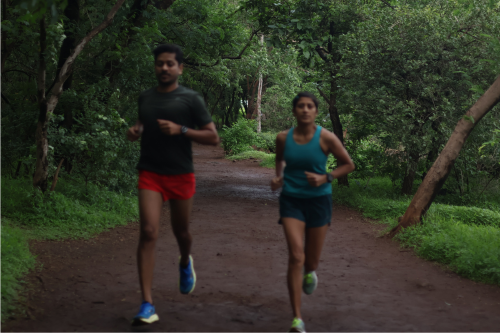
Picture the early morning light filtering through the trees in Bangalore as you start your run, or the thick coastal air pressing against you in Mumbai. Summer running in India tests more than your endurance it challenges every layer of clothing you wear. The fabric next to your skin determines whether you finish feeling energized or drained, comfortable or chafed, motivated or ready to call it quits. In Choosing the Right Fabrics for Summer Running in India: A City-Specific Guide, the focus shifts to what actually works when the heat and humidity hit hard, offering practical ways to stay cool, dry, and focused no matter which city you call home.
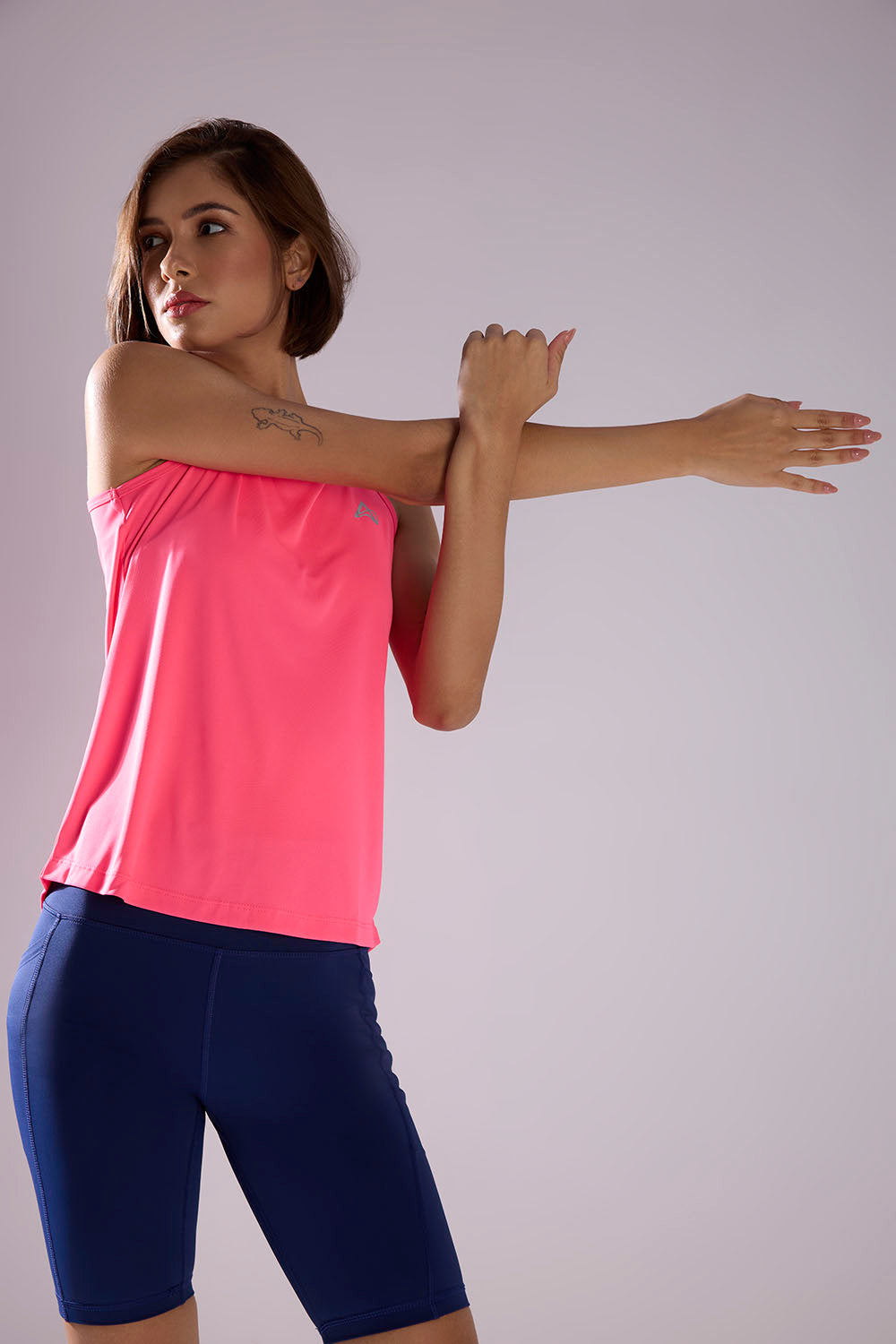
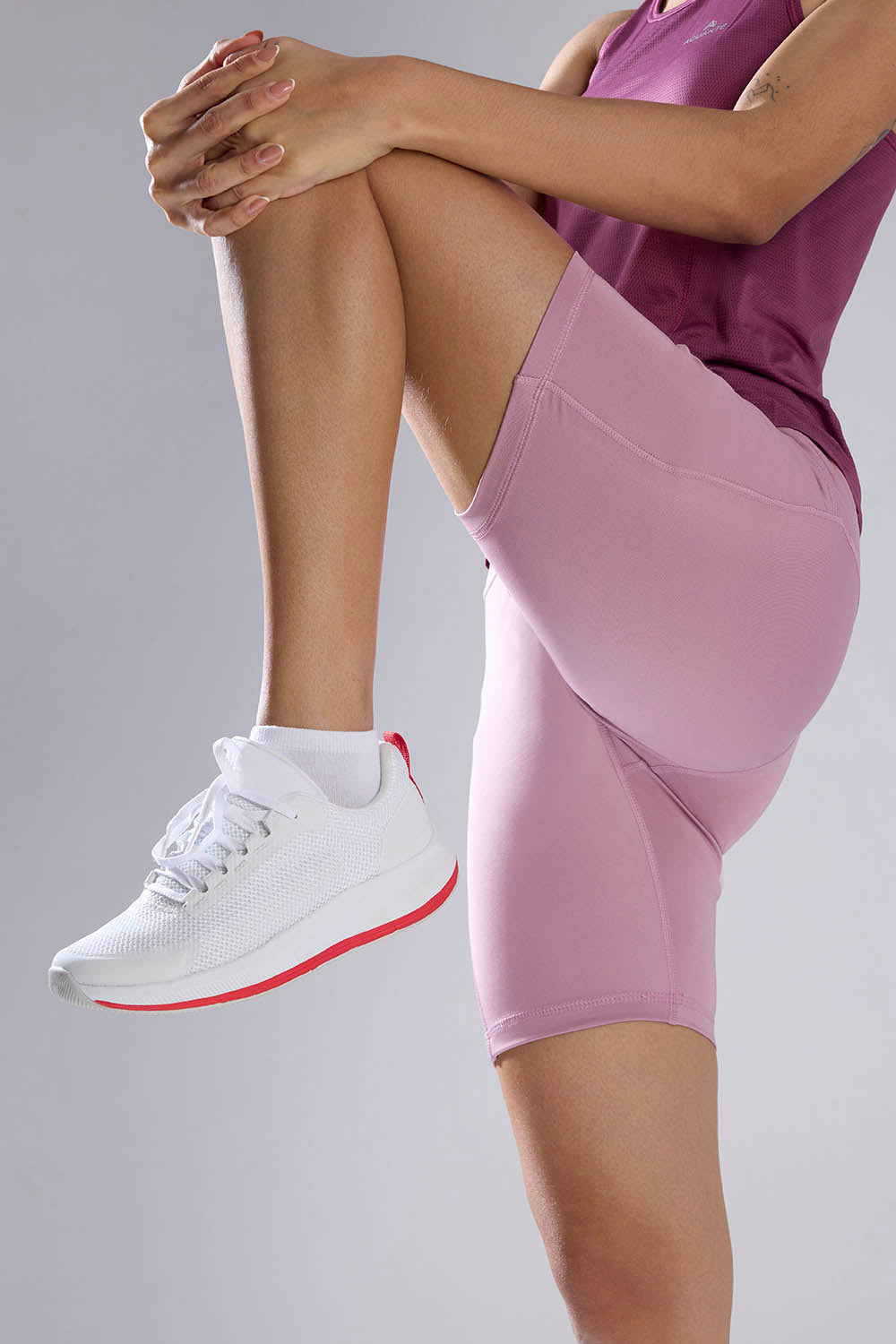
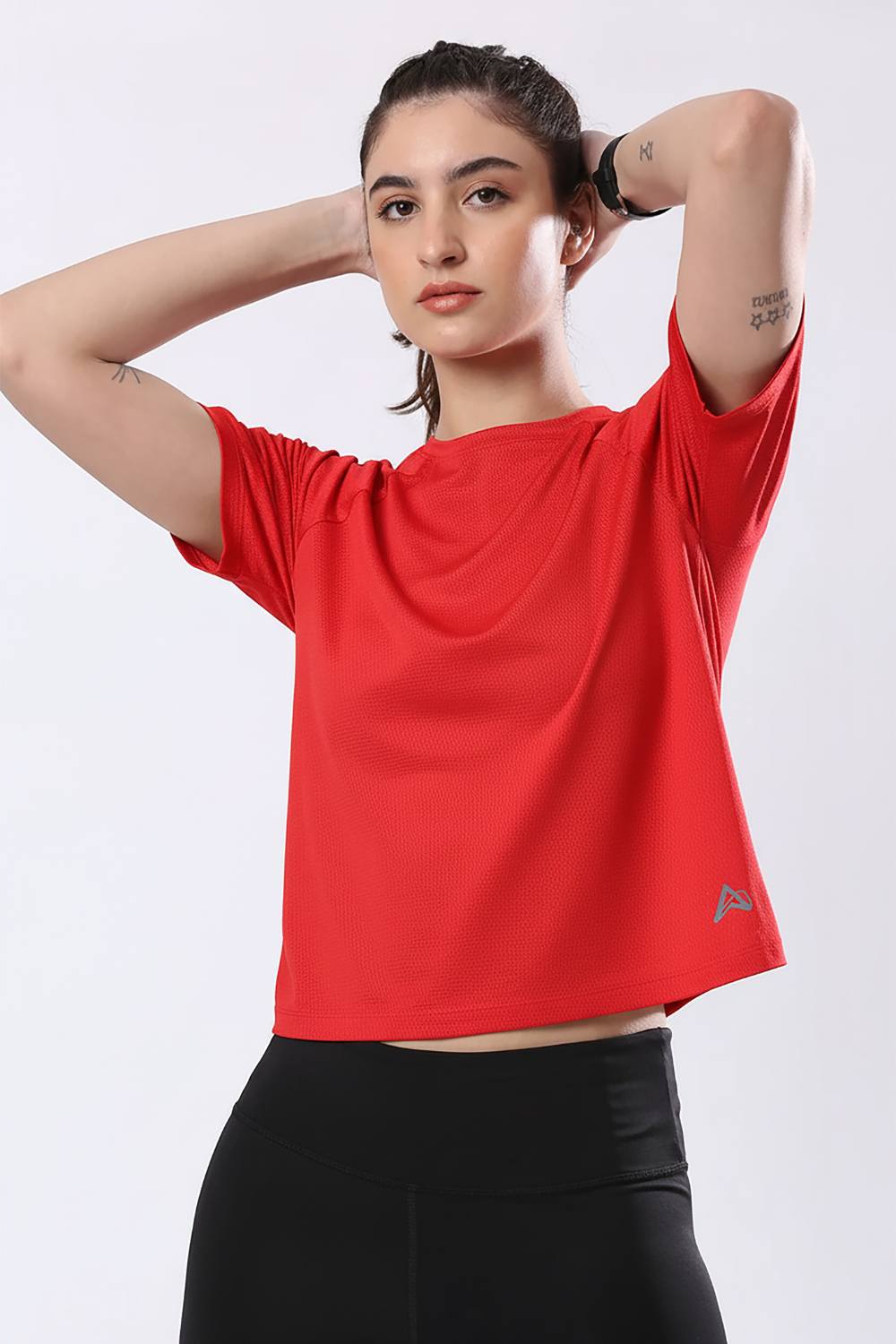
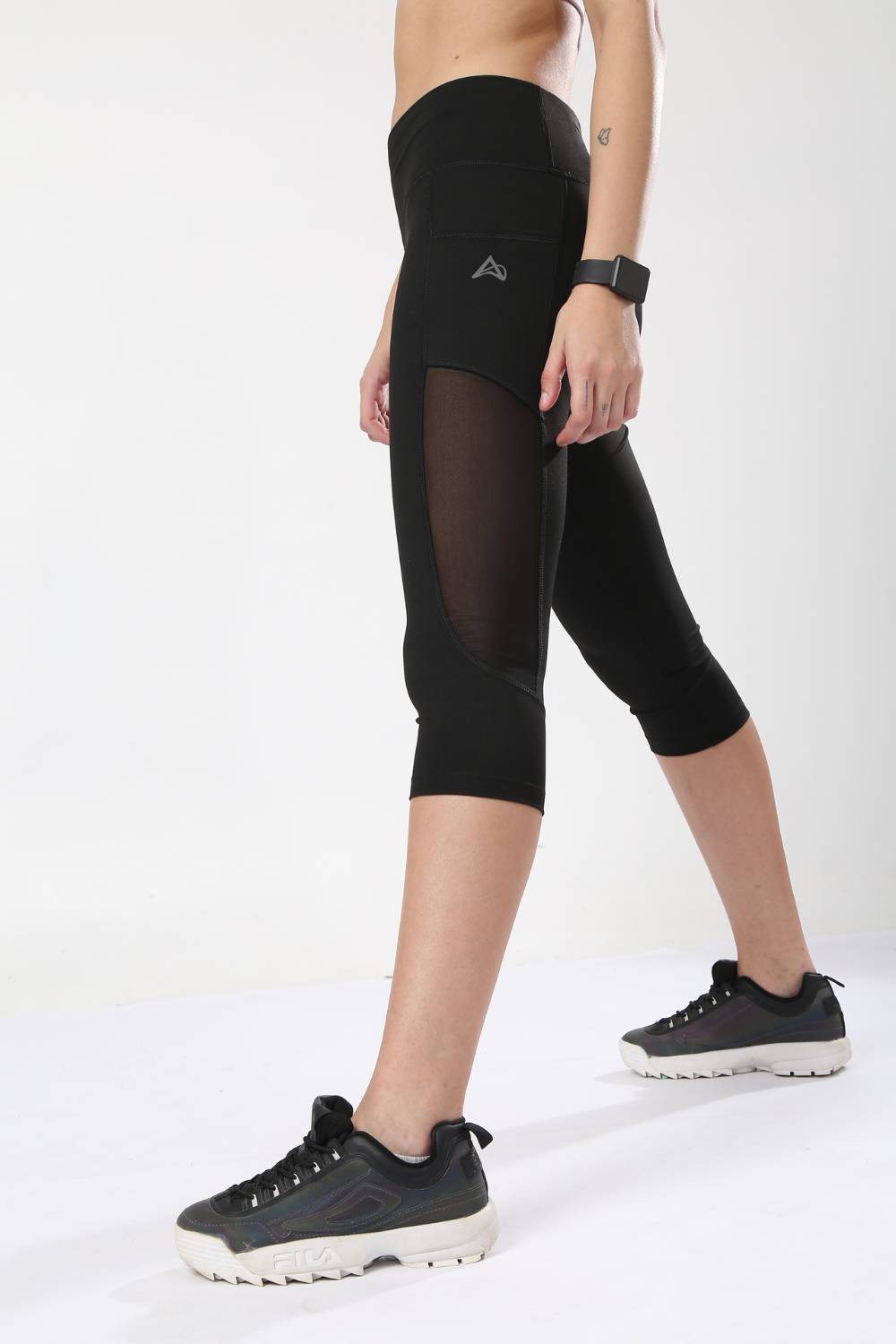
Tired of gear that slows you down? Chafing, soggy fabrics, and missing pockets kill your run's momentum. At Aguante, we're runners who get it. Our high-performance activewear features moisture-wicking fabrics, ergonomic designs, and smart storage to keep you focused. Shop Now!
Why Fabric Matters for Summer Running in Indian Cities
Fabric choice is far more than a wardrobe decision. It shapes how your body handles heat, manages sweat, and maintains comfort mile after mile. In places like Mumbai and Pune, where humidity turns every drop of sweat into a sticky film, the wrong material can trap moisture and spike your core temperature. Head north to Delhi or Gurugram and the dry, relentless heat demands something that lets air circulate freely while shielding skin from intense sun. Even in Bangalore and Hyderabad, where temperatures feel more moderate but evenings still bring sticky warmth, the right fabric prevents that creeping fatigue that turns a good run sour.
Choose poorly and the consequences show up quickly chafing under the arms, soaked shirts that cling and weigh you down, or that heavy, exhausted feeling long before you reach your usual distance. The best fabrics, by contrast, work with your body's natural cooling system. They pull moisture away, allow it to evaporate fast, and keep the air moving so you stay in the zone longer. For runners across India's cities, this isn't about chasing trends. It's about showing up consistently when the weather refuses to cooperate. Runners who master fabric selection report fewer interruptions in training and greater overall enjoyment, turning potential obstacles into opportunities for stronger performance .
Emerging Trends in Summer Running Apparel
Indian runners are moving away from heavy cotton T-shirts and toward gear designed to handle real heat. Lightweight synthetics that wick moisture have become staples in running stores from Bangalore to Ahmedabad. These fabrics feel almost weightless yet stand up to repeated washing and hard training sessions. Many now include built-in UV protection, subtle mesh panels for ventilation, and treatments that fight odor even after sweaty morning runs.
Urban runners in Bangalore and Gurugram lean toward high-tech polyester blends that dry in minutes. Along the western coast in Mumbai and Hyderabad, blends that combine synthetic fibers with a touch of natural material are gaining ground because they balance breathability with a softer feel against the skin. Brands are responding with quick-dry shorts featuring strategic vents and technical tees that stay fresh longer. The shift isn't flashy marketing it's runners discovering what actually performs when the sun climbs and the pavement radiates heat.
Innovations like anti-odor finishes and fabrics that block harmful rays without feeling stiff have quietly changed what's available on shelves. Runners no longer need to choose between comfort and protection; modern options deliver both without sacrificing movement. This evolution reflects how sportswear brands are blending functionality with everyday wearability to meet the needs of active Indians who value both performance and style.
Regional Insights on Fabric Performance
Bangalore & Hyderabad
These cities bring moderate heat with occasional showers and evening humidity that can still soak a shirt. Runners here favor moisture-wicking fabrics that handle variable conditions without growing heavy. Polyester blends excel because they move sweat away from the skin and dry fast enough to keep you comfortable even if a light drizzle starts midway through your route. Local running groups often recommend lightweight technical tops for evening sessions when the air feels thick but the temperature has dropped slightly. The key is choosing pieces that breathe well yet offer enough structure to handle longer training runs without sagging or clinging. Many enthusiasts experiment with layering options that adapt to shifting conditions throughout the day, ensuring consistent comfort from warm-up to cool-down.
Mumbai, Pune & Navi Mumbai
High humidity defines the challenge here. Sweat doesn't evaporate easily, so breathable mesh panels and ventilated designs become essential. Runners in Navi Mumbai and Pune swear by technical tees with open weaves that let air flow across the torso and lightweight shorts that reduce drag and heat buildup. The goal is preventing that clammy, trapped feeling that leads to early fatigue or worse. Many opt for fabrics engineered to spread moisture across a larger surface area so it can finally evaporate once a breeze picks up near the coast. Practical testing during shorter loops helps identify which combinations perform best under these demanding conditions.
Delhi & Gurugram
Extreme dry heat and punishing sun demand different priorities. Lightweight fabrics with strong UV protection and anti-chafing seams rise to the top of every serious runner's list. Bamboo blends and technical cottons appear more frequently in local stores because they feel naturally cool against the skin while still offering durability for daily training. Runners here prioritize pieces that block the sun's intensity without adding weight or restricting airflow during the hottest stretches of the day. This approach not only protects skin but also supports sustained effort when temperatures push higher than expected.
Surat & Ahmedabad
In these drier western cities, the emphasis falls on maximum airflow and rapid sweat evaporation. Polyester-cotton blends prove popular for early-morning sessions because they balance breathability with enough toughness to handle repeated use. Runners learn quickly that fabrics with open structures and strategic venting keep them cooler longer, letting them maintain pace even as temperatures climb steadily through the morning. Adjusting wardrobe choices based on seasonal patterns helps build resilience and confidence in local conditions.
Real-World Applications and Case Studies
Runners in Mumbai and Bangalore share stories of how switching fabrics transformed their training. One group in Mumbai discovered that swapping standard cotton for ventilated technical tops meant they could extend their long runs by several kilometers without the usual mid-run slump. In Bangalore, club members report that moisture-wicking blends keep evening runs feeling fresh even when the air hangs heavy after a hot day. These real experiences highlight how small changes in gear lead to meaningful gains in consistency and enjoyment.
Urban marathon organizers in Pune and Gurugram now regularly advise participants on fabric choices for peak summer events. Their guidance is simple and experience-based: prioritize pieces that manage sweat and allow air movement over anything that looks impressive on a rack. In Hyderabad, specialty stores notice consistent demand for lightweight compression options during the hottest months because they help reduce muscle vibration while still letting the body cool itself effectively. Such insights from the community continue to shape smarter purchasing decisions across regions.
Key Challenges and Limitations
Availability remains an issue outside major metros. Runners in smaller cities sometimes settle for whatever reaches local shops, which may not match the demands of their specific climate. Price also plays a role high-performance fabrics cost more upfront, though many find they last longer and perform better over time. In humid zones, even good synthetics can occasionally cause skin irritation during very long efforts if not laundered properly after each use.
The contrast between Mumbai's sticky humidity and Ahmedabad's dry heat illustrates how no single fabric wins everywhere. What feels liberating in one city can feel stifling in another. Smart runners learn to test options during shorter runs before committing to longer training blocks, adjusting based on how their body responds rather than following general advice. This trial-and-error process builds deeper knowledge and prevents costly mistakes in the long run.
Opportunities, Efficiencies, and Business Impacts
Indian apparel brands have a clear opening to create gear tailored to regional climates rather than generic “summer” collections. Hybrid fabrics that combine breathability, UV protection, and odor resistance are already emerging from workshops in Bangalore and Delhi. These innovations don't just help individual runners they raise the standard for what's possible in local performance wear. As health awareness grows, companies are investing in materials that support both athletic demands and casual daily use.
When fabrics work with the body instead of against it, runners train more consistently, recover faster, and reduce the risk of heat-related setbacks. Brands that listen to real feedback from city-specific running communities stand to build stronger loyalty while pushing the entire category forward. The focus is shifting from flashy designs to genuine functional improvements that make summer running more accessible and enjoyable across India. Consumer interest in versatile athleisure options further encourages development of clothing that transitions seamlessly from trail to street.
Conclusion and Expert Insights
The right fabric choice ultimately comes down to matching material properties to your city's unique weather patterns. In Bangalore and Hyderabad, prioritize quick-drying wicking blends. Mumbai and Pune runners need maximum ventilation and moisture management. Delhi and Gurugram call for UV protection and lightweight cooling. Surat and Ahmedabad benefit most from high-airflow fabrics that evaporate sweat efficiently.
Across every region, the consistent advice is straightforward: focus on moisture management, breathability, and sun protection rather than chasing the latest color or logo. The payoff isn't just a more comfortable run it's the ability to keep showing up day after day when the heat tries to keep you indoors. As awareness grows in India's running communities, expect more options that truly understand what it takes to run strong through summer, no matter where you lace up. By embracing these principles, runners and brands alike contribute to a more vibrant, resilient fitness culture that thrives even under challenging conditions.
Frequently Asked Questions
What is the best fabric for running in hot and humid Indian cities like Mumbai and Pune?
For high-humidity cities like Mumbai and Pune, breathable fabrics with mesh panels, open-weave structures, and advanced moisture-wicking technology are the best choice. These materials spread sweat across a larger surface area so it can evaporate more quickly, even in sticky coastal air. Technical tees and lightweight shorts with strategic ventilation prevent the clammy, trapped feeling that leads to early fatigue. Avoid cotton, which absorbs moisture and clings to the skin, making humid runs significantly more uncomfortable.
Which running fabrics work best in the dry summer heat of Delhi and Gurugram?
In the intense dry heat of Delhi and Gurugram, runners should prioritize lightweight fabrics with strong UV protection and anti-chafing seams. Bamboo blends and technical cottons are popular choices because they feel naturally cool against the skin while offering durability for daily training. Unlike humid cities, the focus here is less on rapid evaporation and more on blocking the sun's intensity without adding weight or restricting airflow. These fabrics help sustain effort even when temperatures climb well beyond comfortable levels.
Is it worth investing in high-performance running apparel for Indian summer conditions?
Yes while performance fabrics cost more upfront, they consistently outperform cheaper alternatives in India's demanding summer climate. Runners in cities like Mumbai and Bangalore report being able to extend their long runs by several kilometers after switching from standard cotton to ventilated technical tops. Modern quick-dry polyester blends and hybrid synthetics also include added benefits like built-in UV protection, odor-resistant finishes, and lasting durability through repeated washing. Over time, the investment pays off through fewer training disruptions, reduced chafing, and greater overall running consistency.
Disclaimer: The above helpful resources content contains personal opinions and experiences. The information provided is for general knowledge and does not constitute professional advice.
You may also be interested in: The Best Fabrics for Running Shorts: Comfort Meets Performance
Tired of gear that slows you down? Chafing, soggy fabrics, and missing pockets kill your run's momentum. At Aguante, we're runners who get it. Our high-performance activewear features moisture-wicking fabrics, ergonomic designs, and smart storage to keep you focused. Shop Now!
Powered by flareAI.co