



Quick Listen:
Picture this: you're deep into a long Sunday run, pushing past the 15-kilometer mark through humid urban streets, when that familiar burning sensation begins. For long-distance runners, chafing isn't merely uncomfortable it's a serious barrier that disrupts rhythm, damages skin, and derails carefully built training plans. This is precisely where anti-chafing clothing makes a transformative difference, delivering practical solutions that enhance comfort and performance for endurance athletes facing real-world conditions.
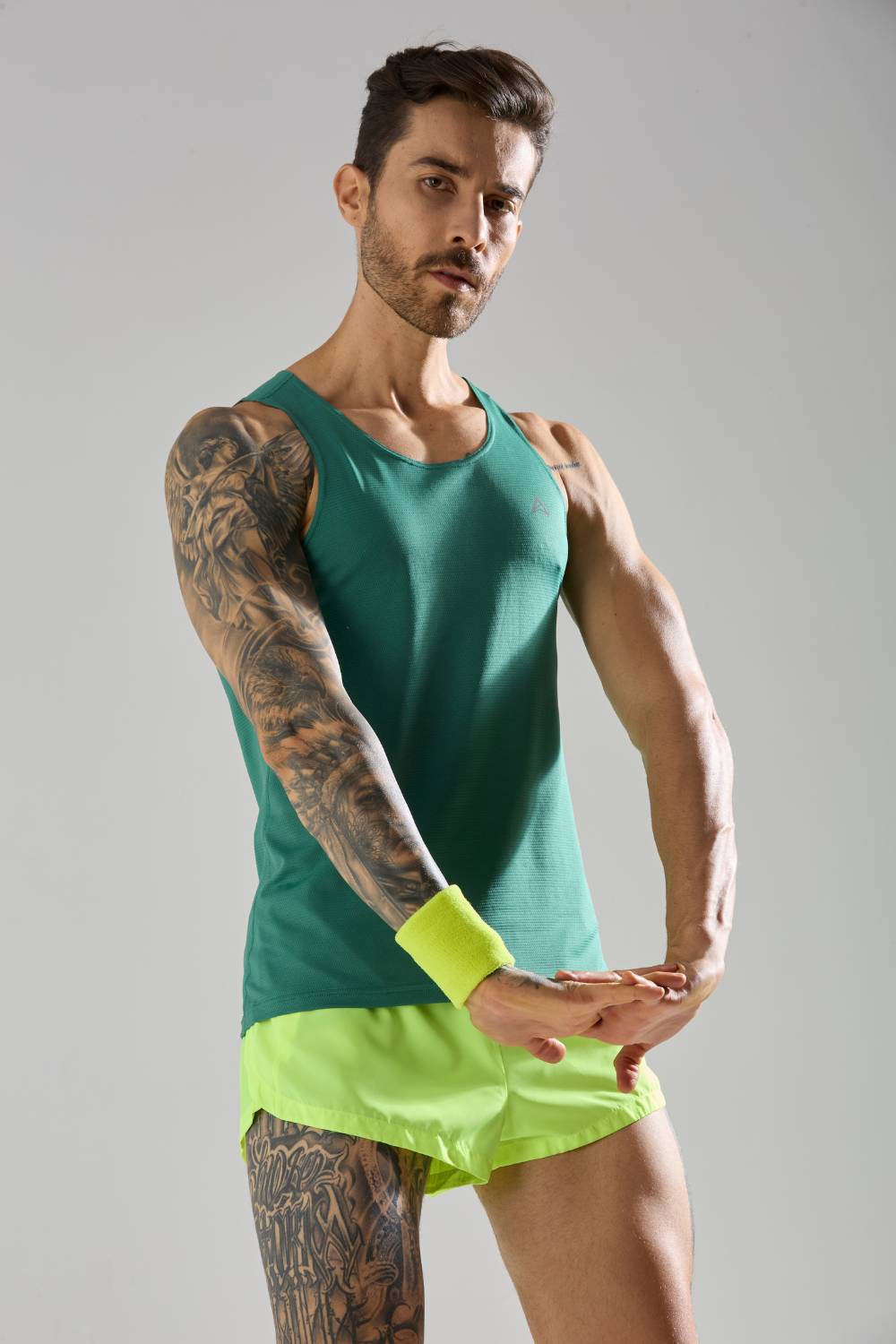
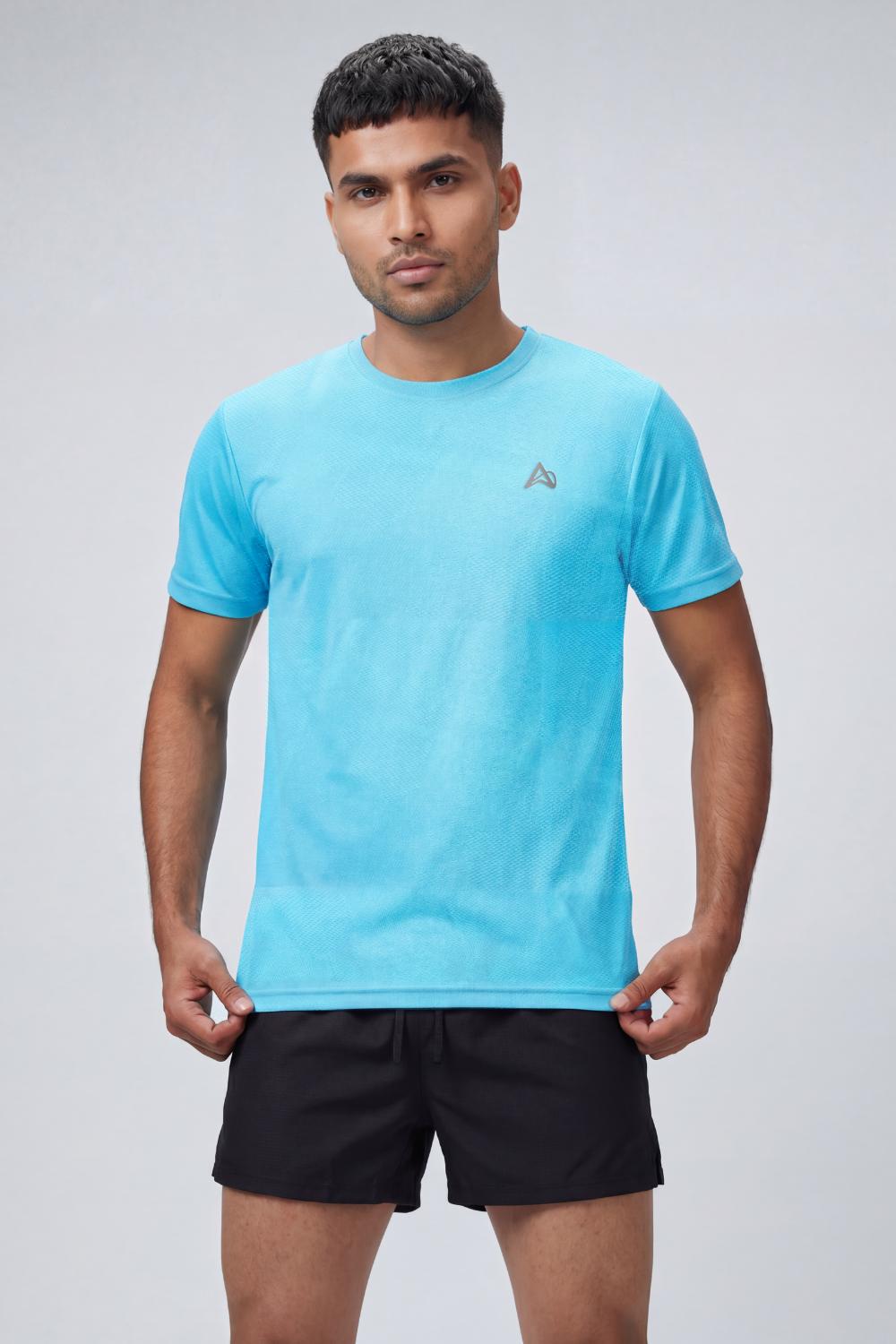
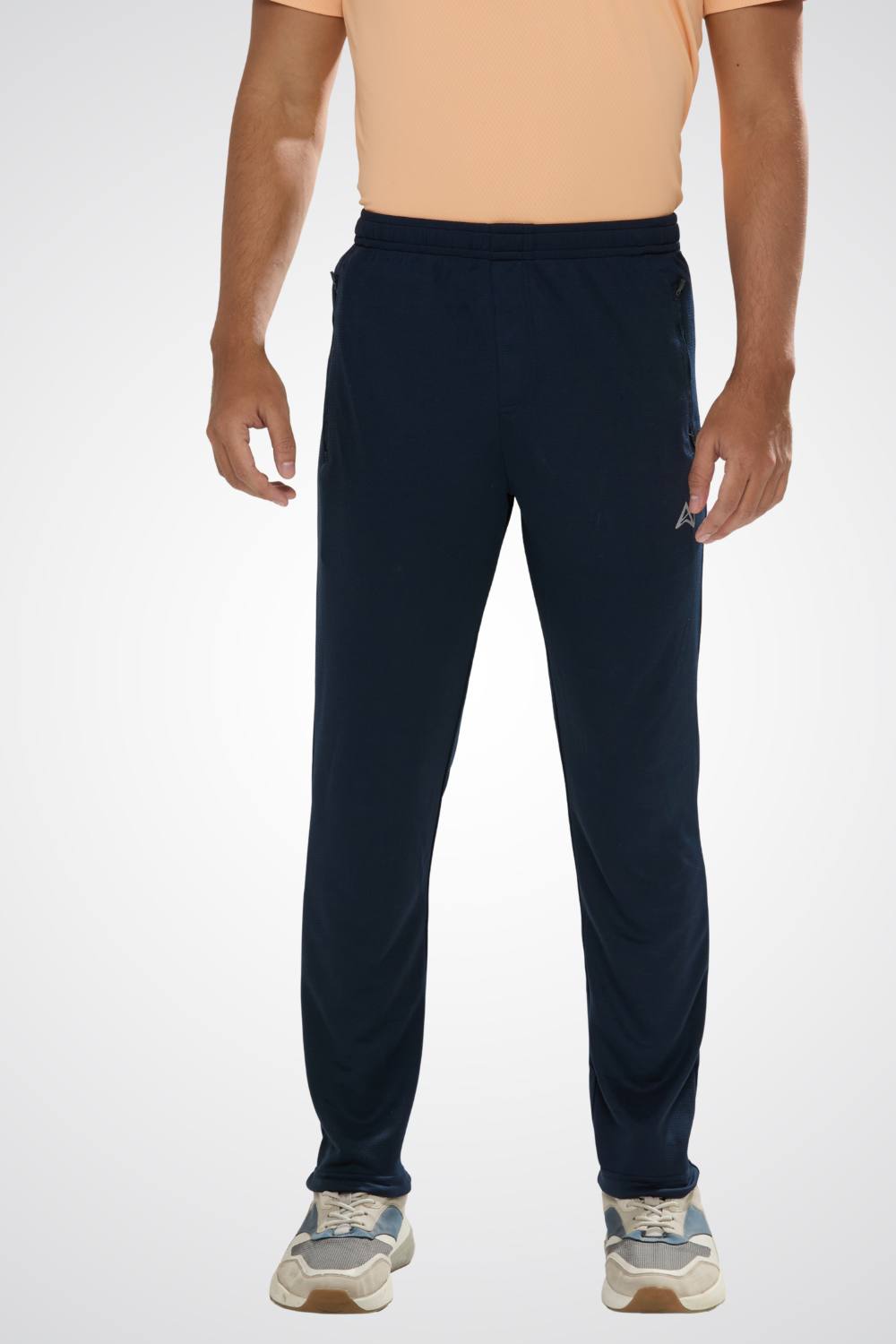
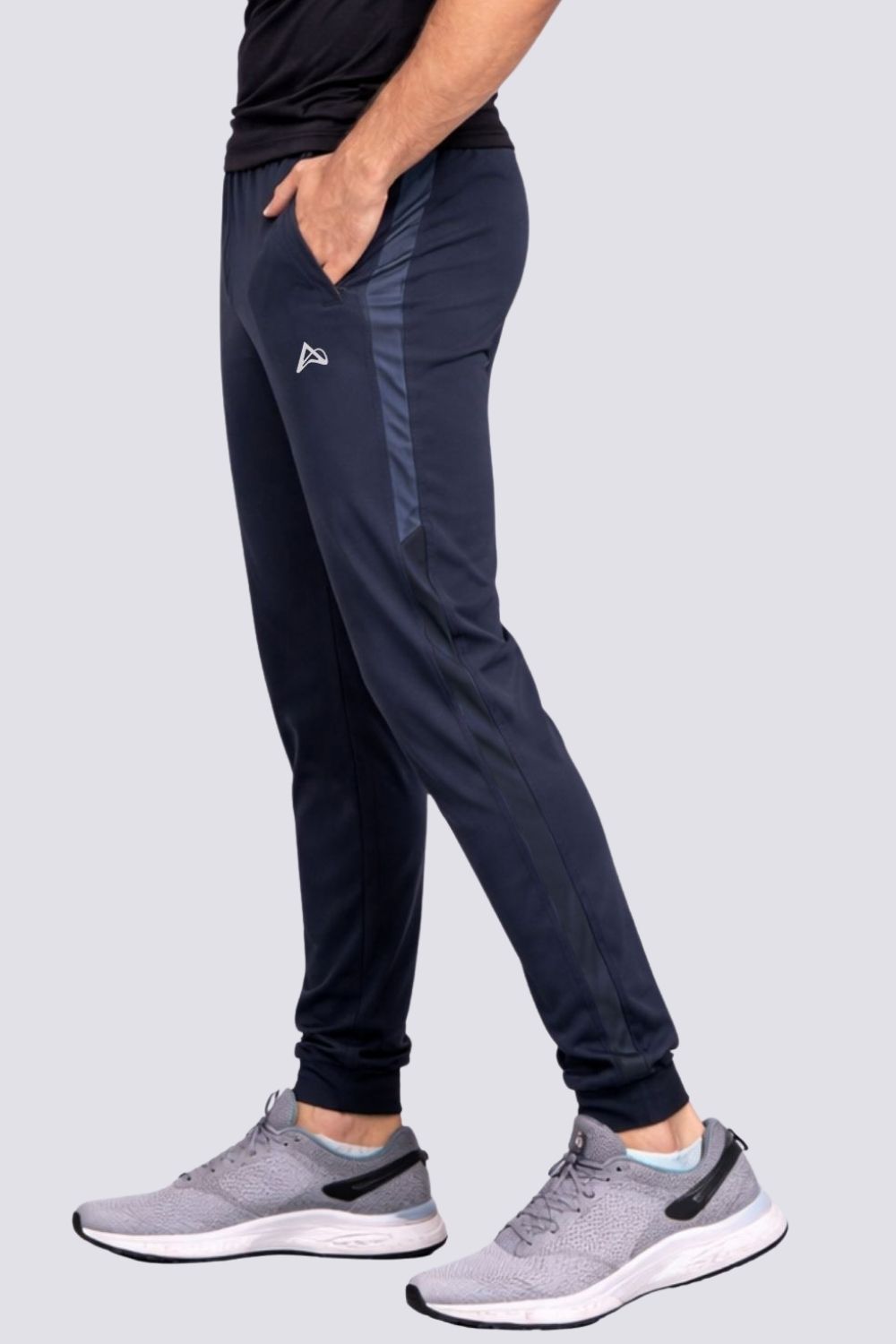
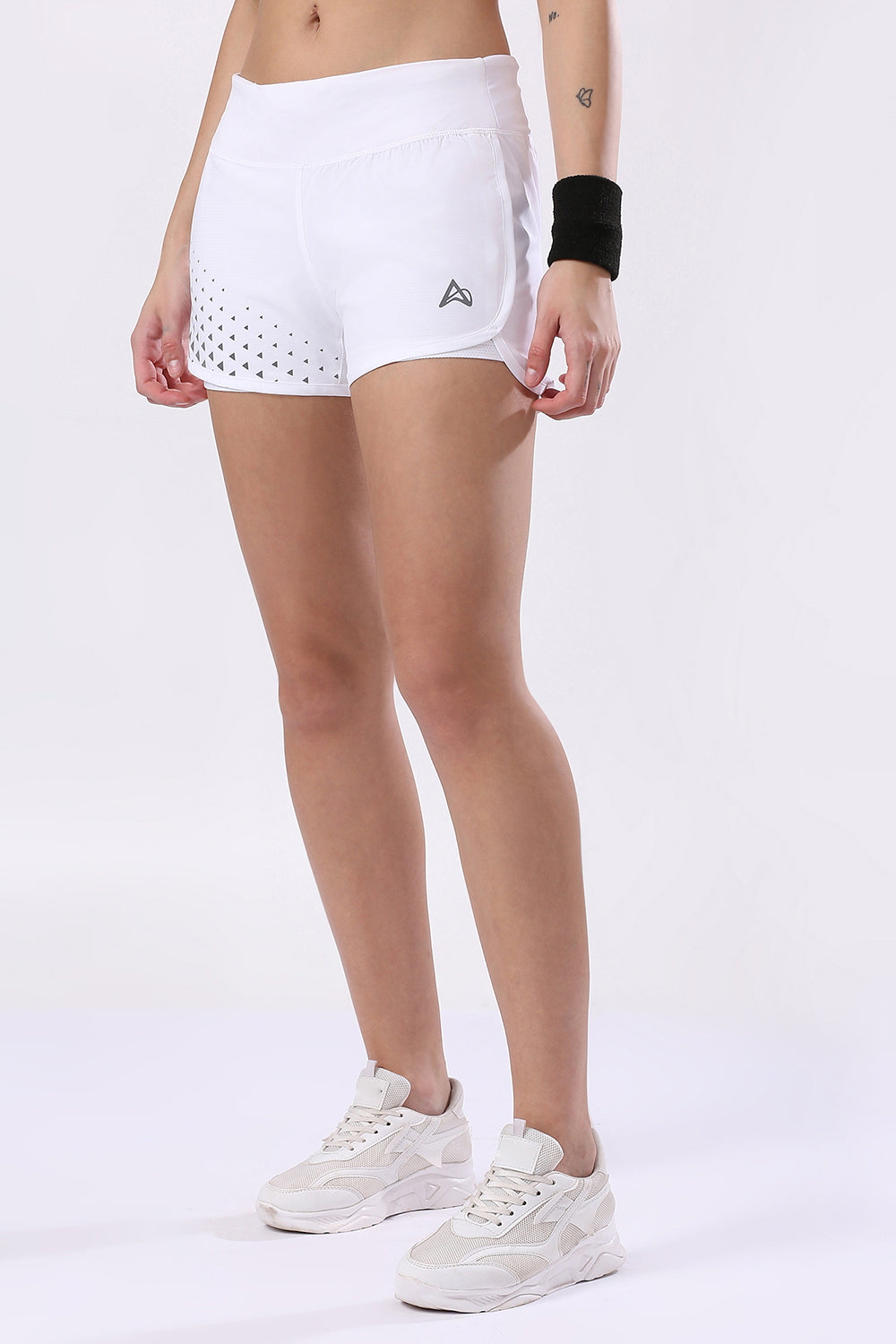
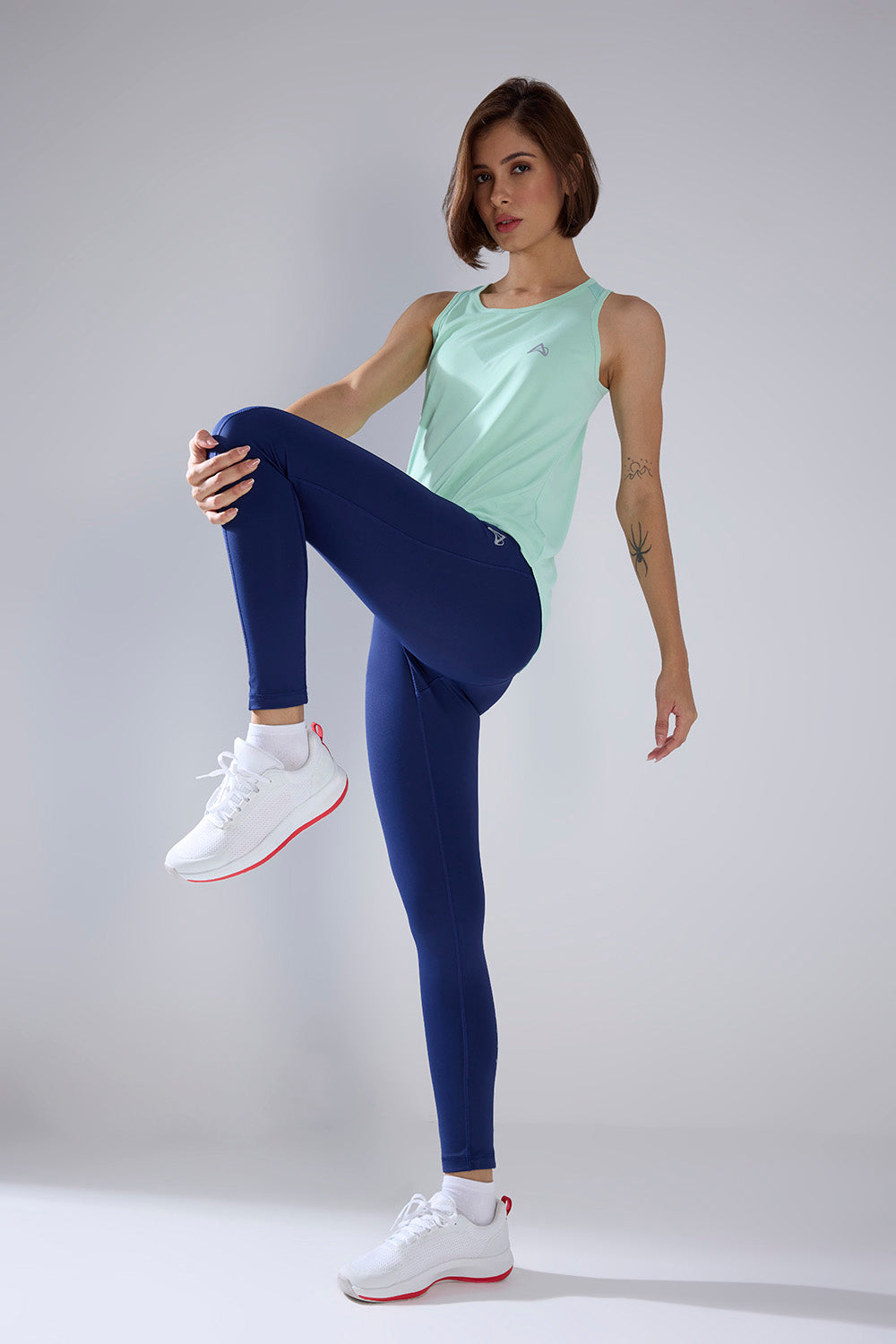
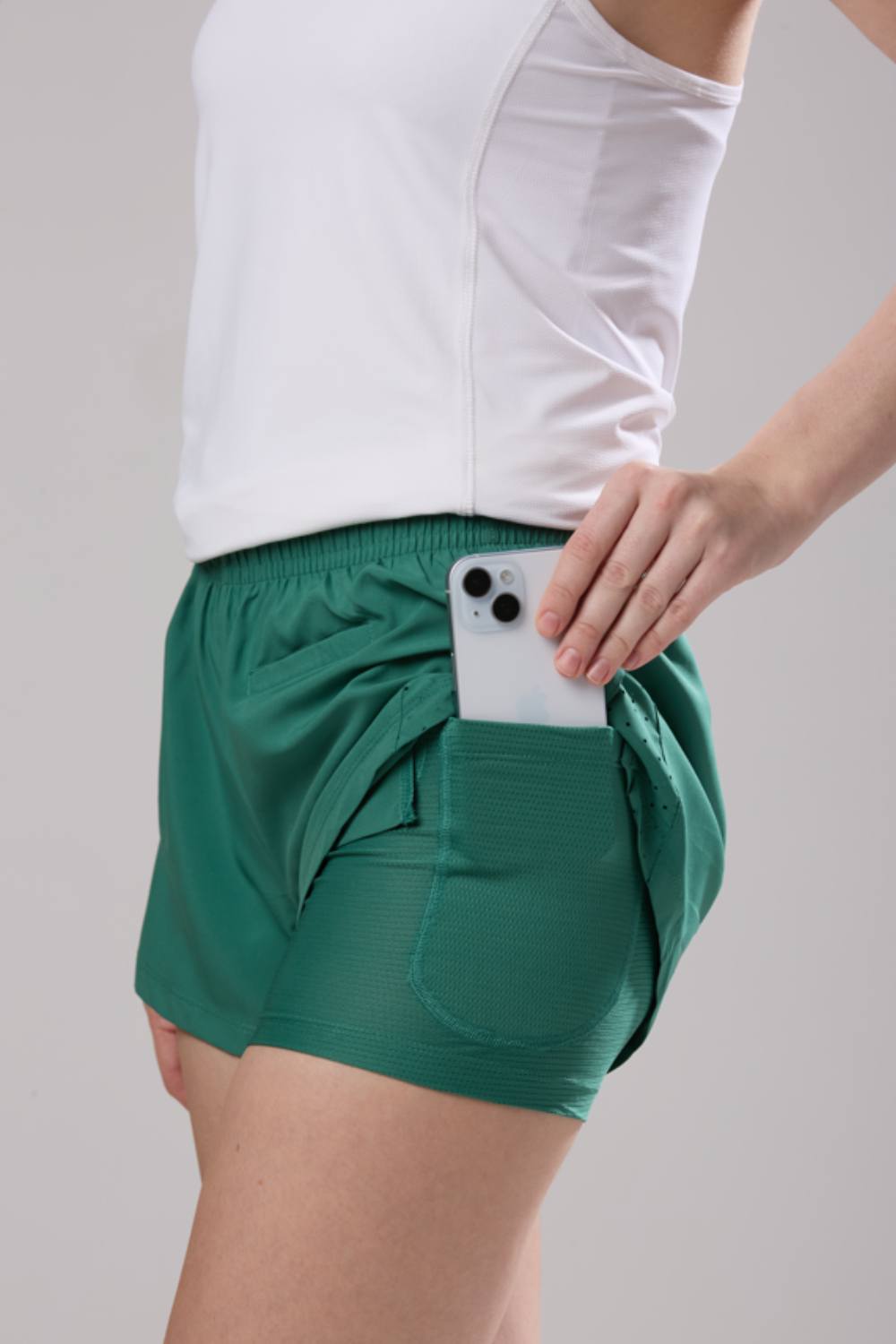
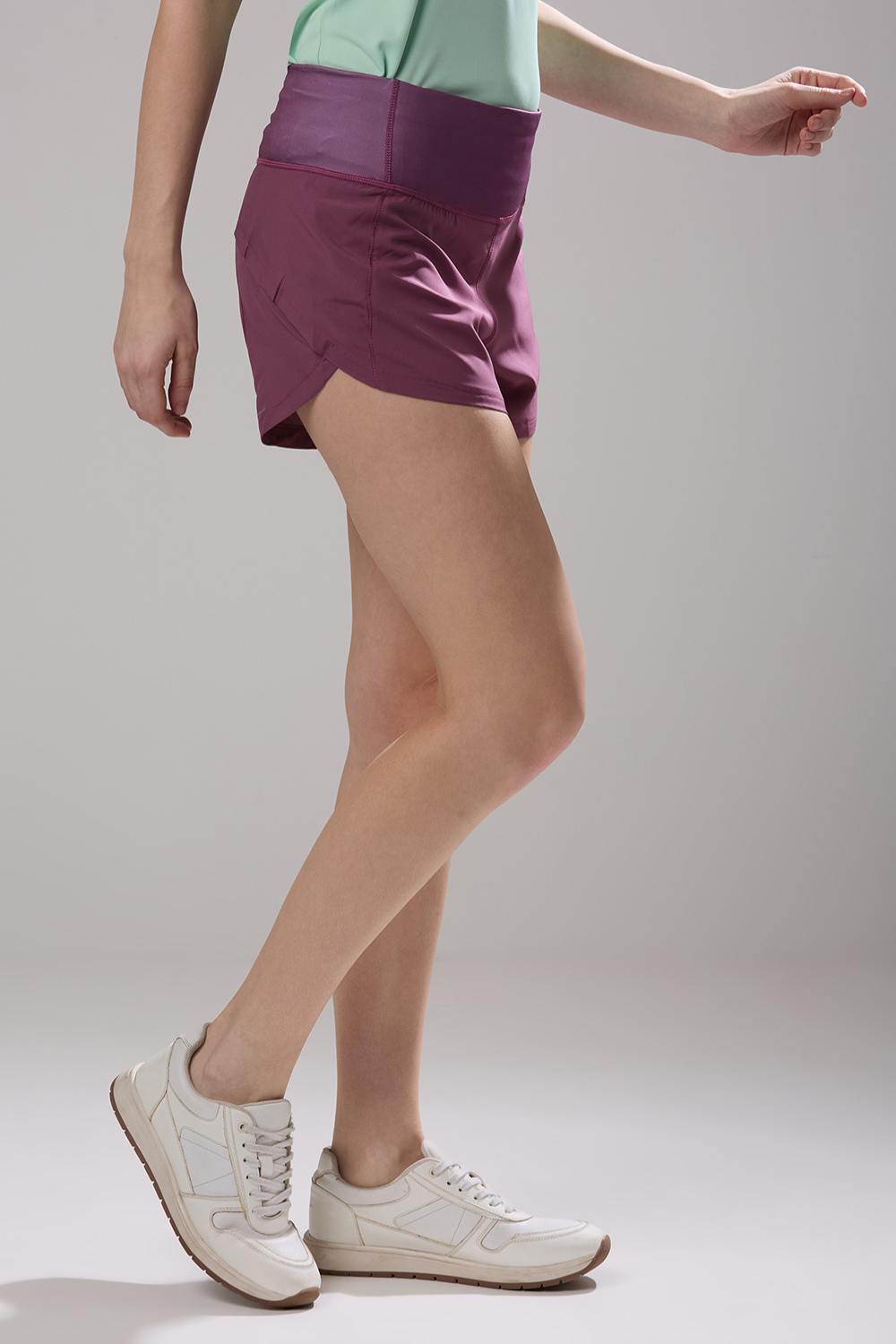
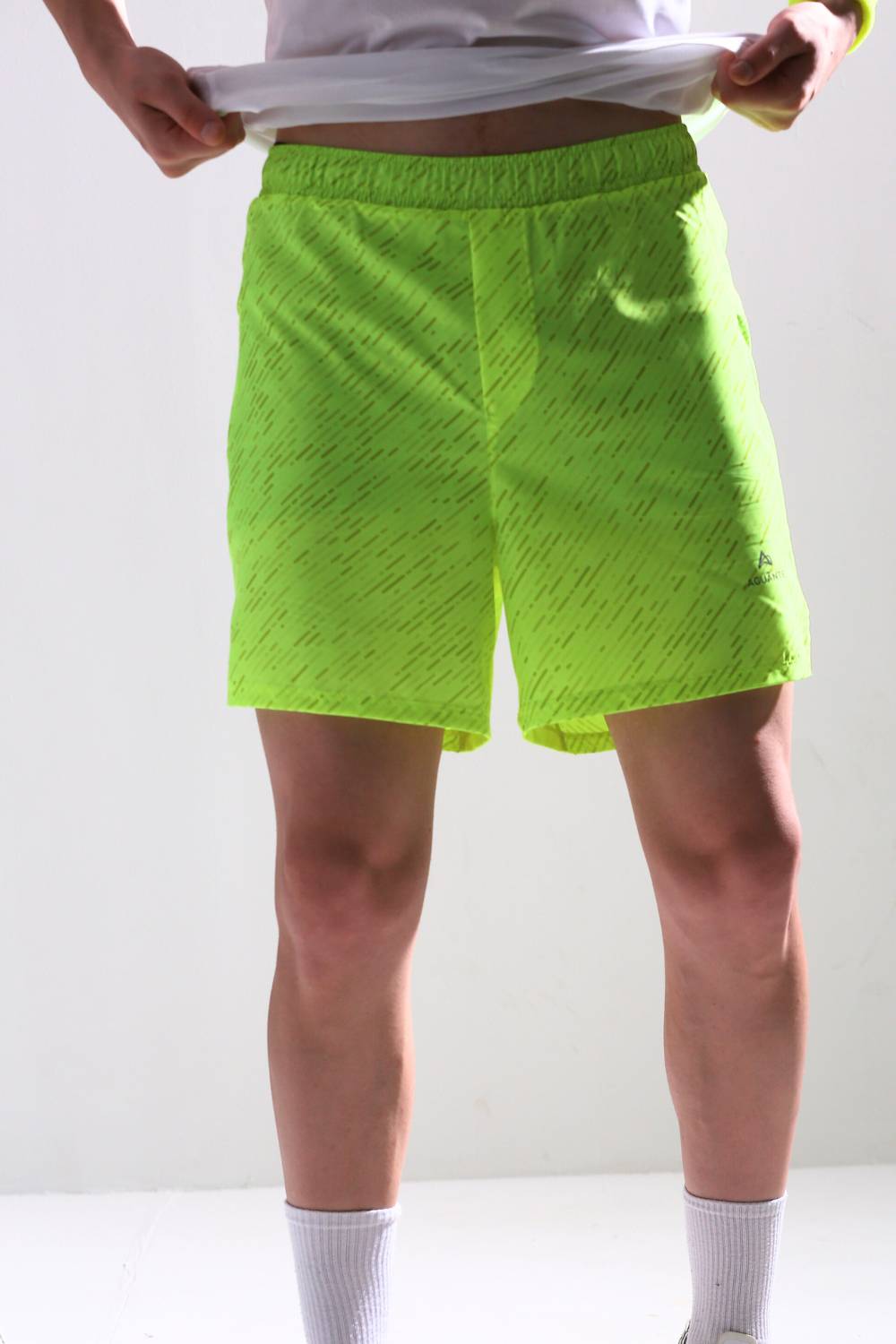
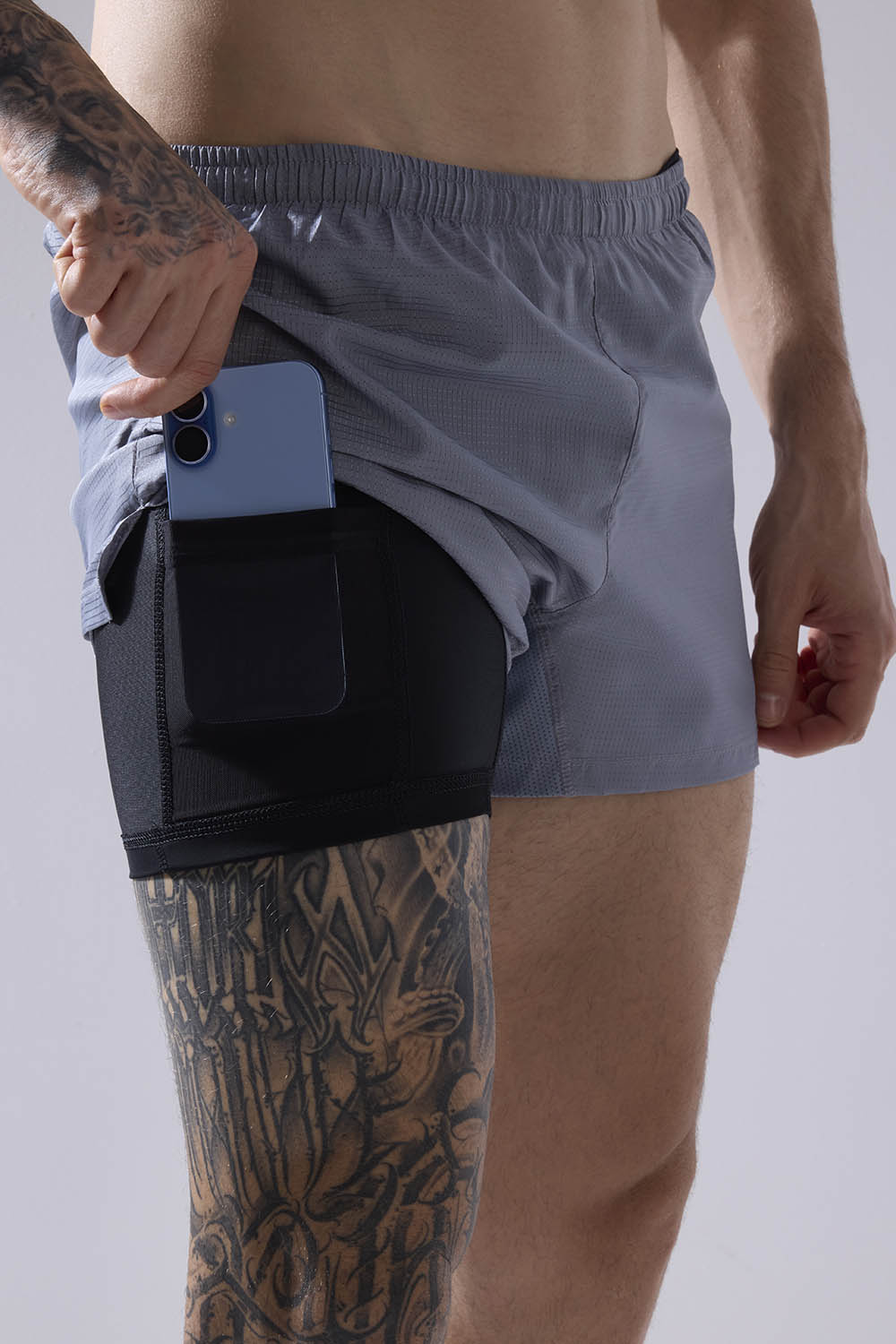
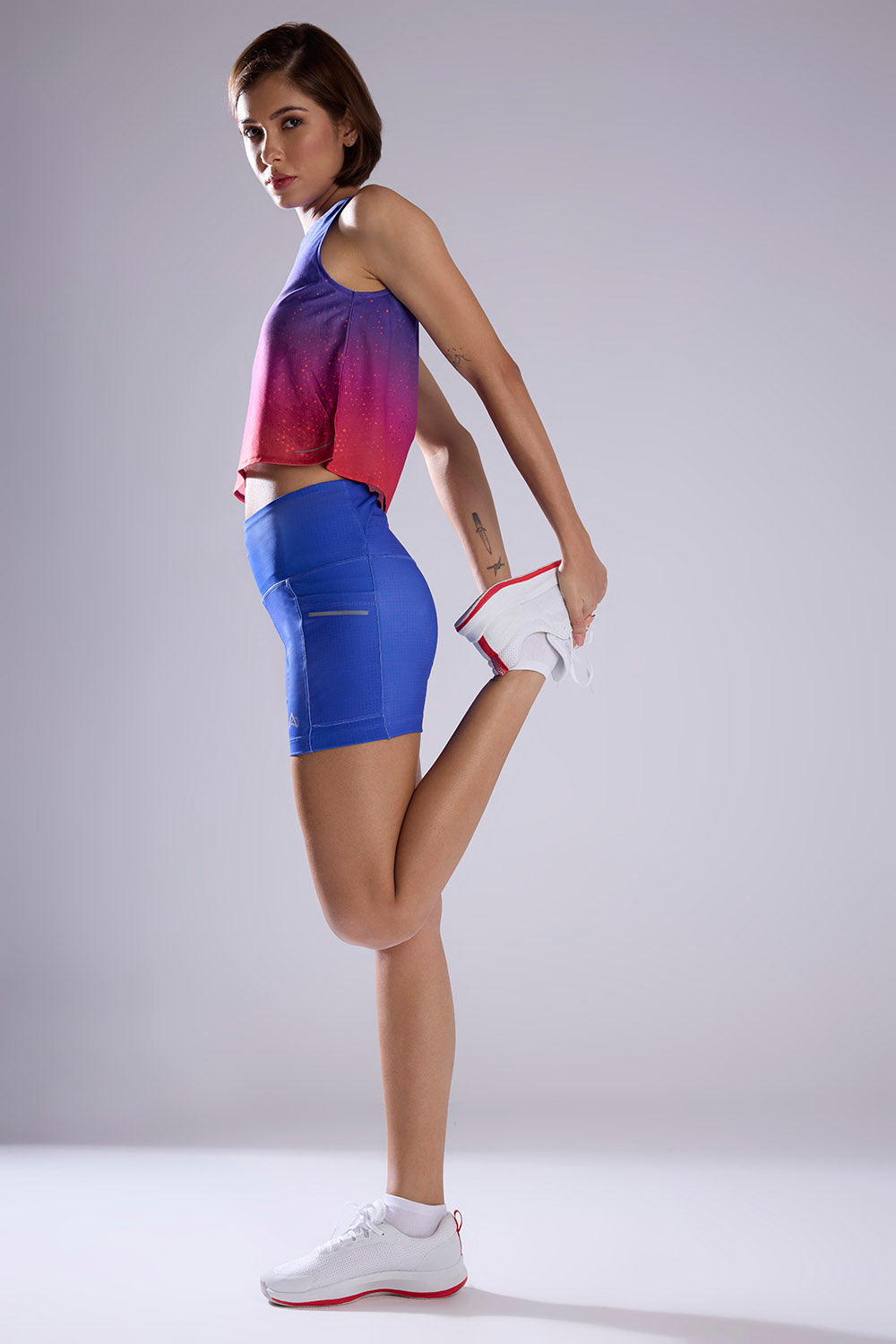
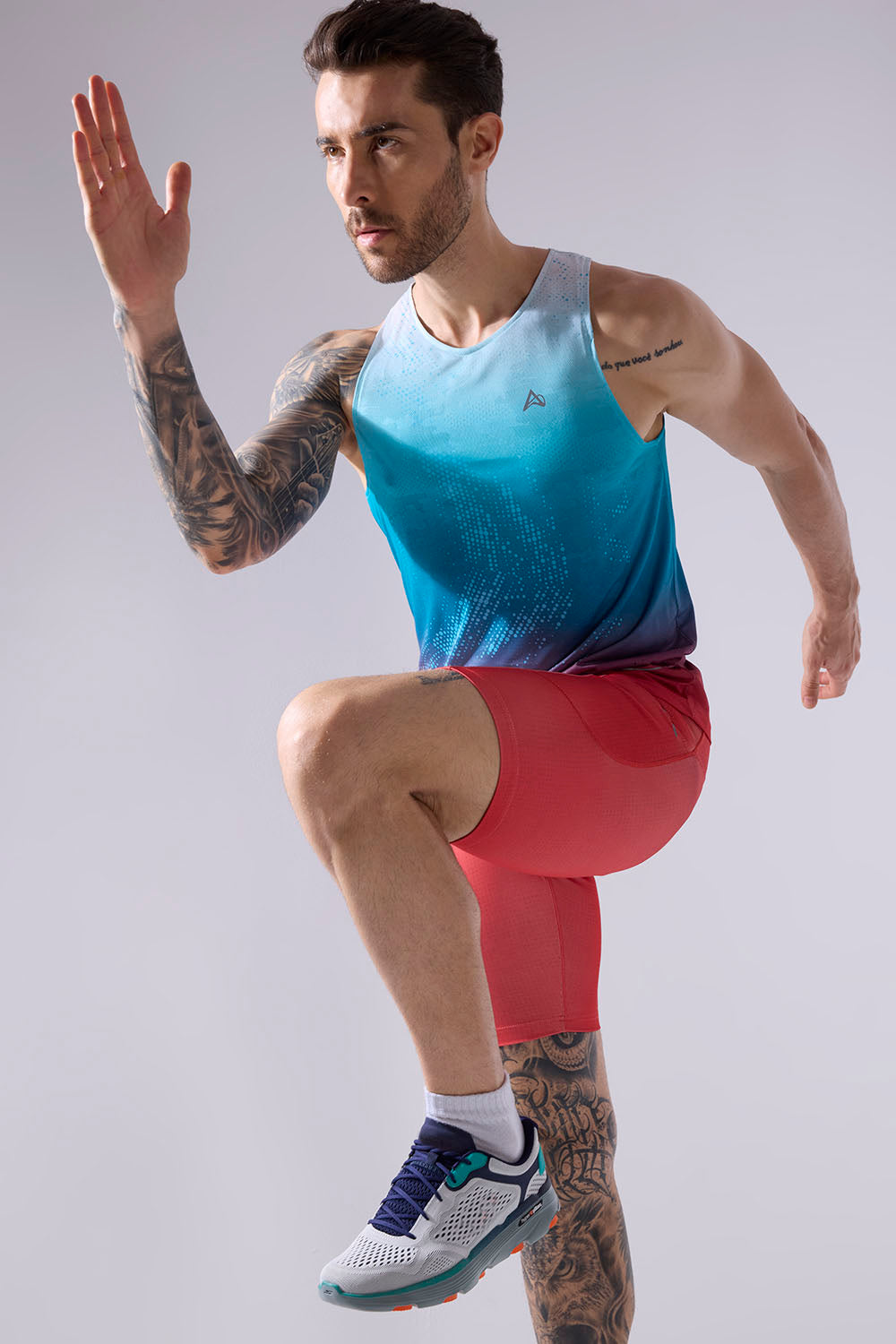
Tired of gear that slows you down? Chafing, soggy fabrics, and missing pockets kill your run's momentum. At Aguante, we're runners who get it. Our high-performance activewear features moisture-wicking fabrics, ergonomic designs, and smart storage to keep you focused. Shop Now!
The Growing Demand for Better Running Gear
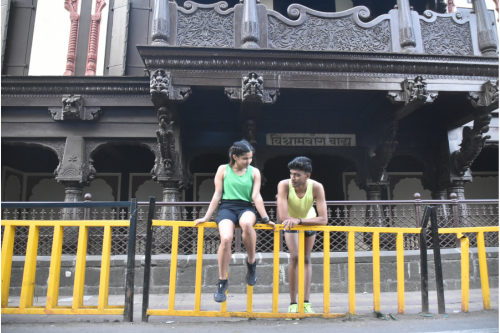
Long-distance running continues to gain momentum in vibrant urban centers. Weekend crews fill popular routes, marathon training groups expand, and more everyday athletes commit to half-marathons and full distances. As participation rises, the focus has evolved beyond mileage alone to every element that supports sustained effort including what runners wear next to their skin.
Anti-chafing clothing has emerged as an essential category in modern running apparel. These garments employ advanced seamless construction and specialized fabrics to dramatically reduce friction during hours of continuous movement. The payoff is immediate: fewer distractions mid-run, sharper focus on form, and the freedom to maintain effort when it matters most.
This shift reflects a deeper understanding of how clothing technology directly influences real-world results. Runners who eliminate constant adjustments and skin irritation preserve energy, hold better posture, and lower the chance of small issues escalating into training setbacks.
Emerging Innovations in Anti-Chafing Technology
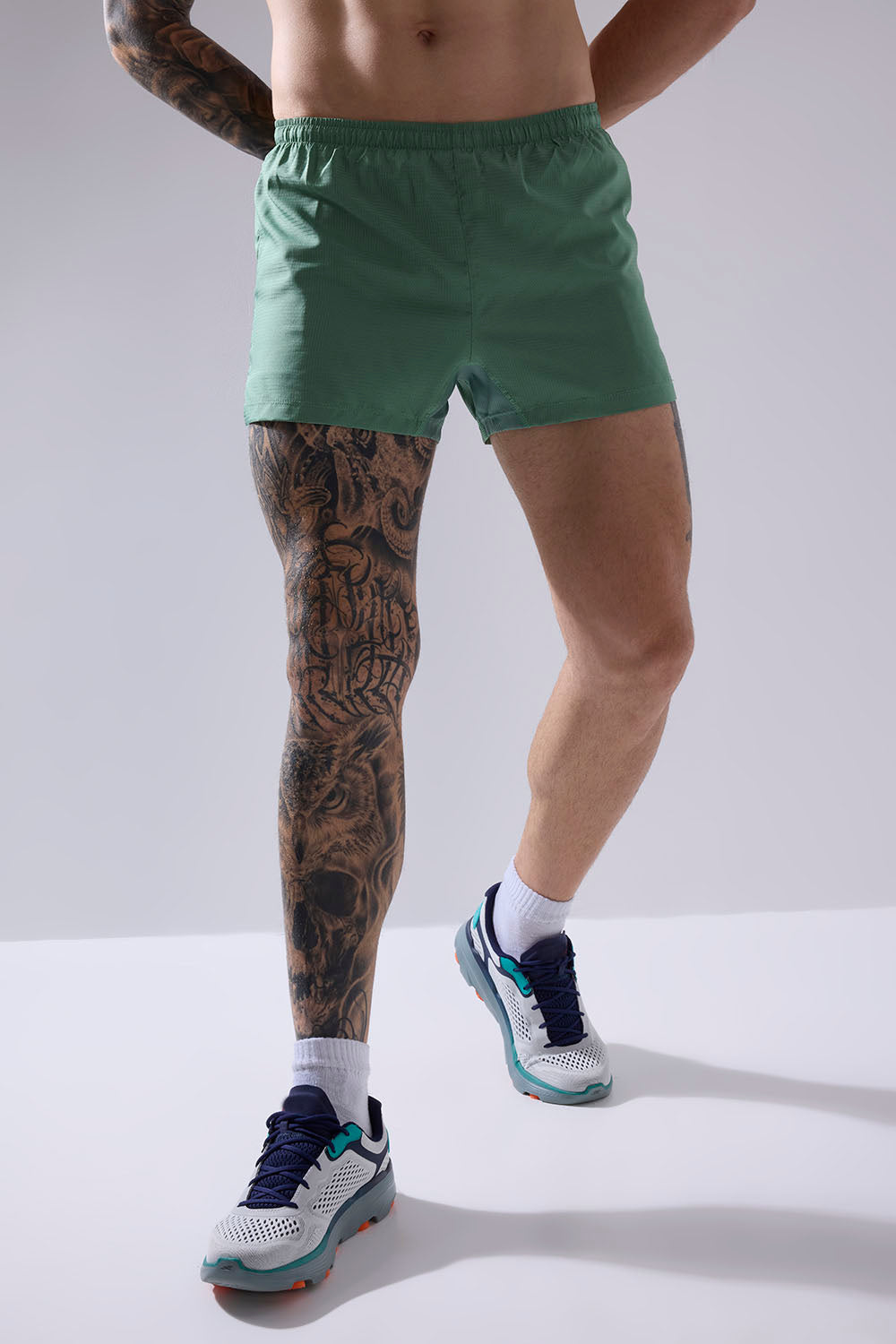
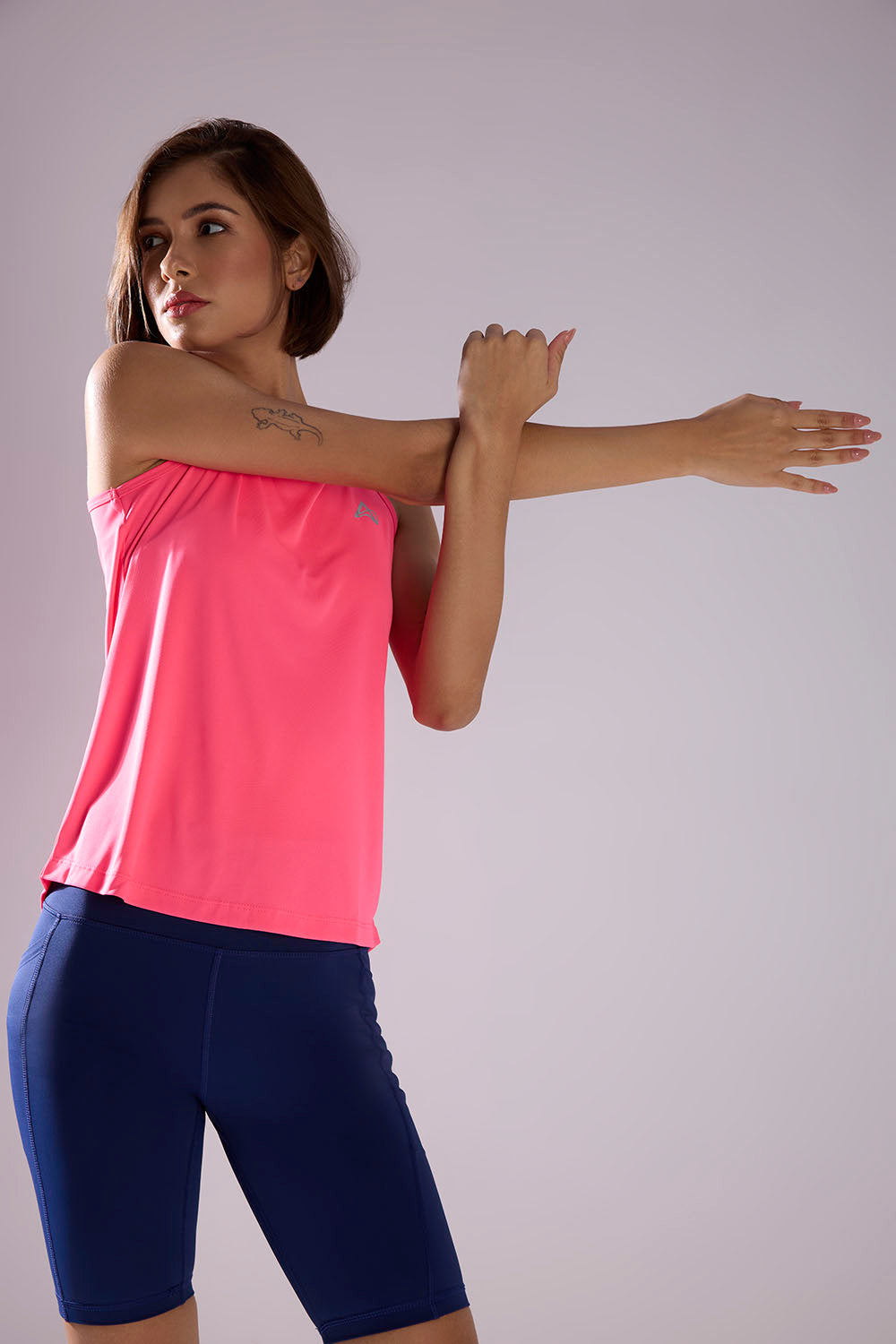
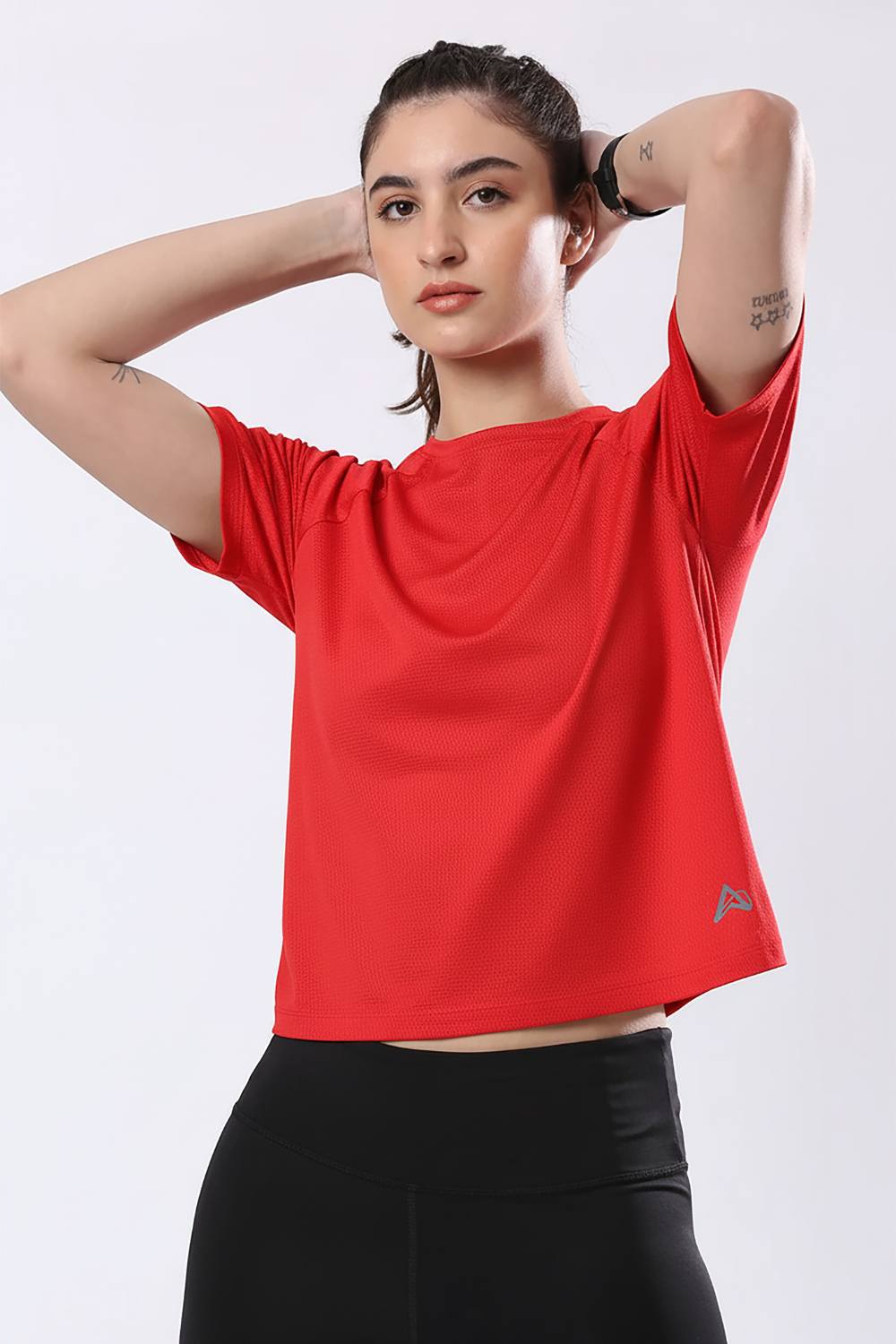
Humid coastal climates and intense summer heat have driven meaningful innovation in performance fabrics. Moisture-wicking materials that actively move sweat away from the body, combined with seamless designs that remove irritating seams, now define quality running shorts, tops, and base layers. These features prove especially valuable during extended efforts in challenging conditions.
Lightweight, highly breathable constructions help manage the fatigue that builds when temperatures climb. Rather than simply feeling lighter, these textiles work to keep skin drier and cooler, allowing athletes to sustain pace and enjoyment across long sessions.
Brands are forging smarter partnerships between local design knowledge and global textile expertise. The result is apparel refined for diverse body types, regional climates, and the specific movement patterns of urban runners. Details like strategic panel placement and inclusive sizing reflect a maturing approach that prioritizes real usability over generic solutions.
Real-World Impact on Training and Events
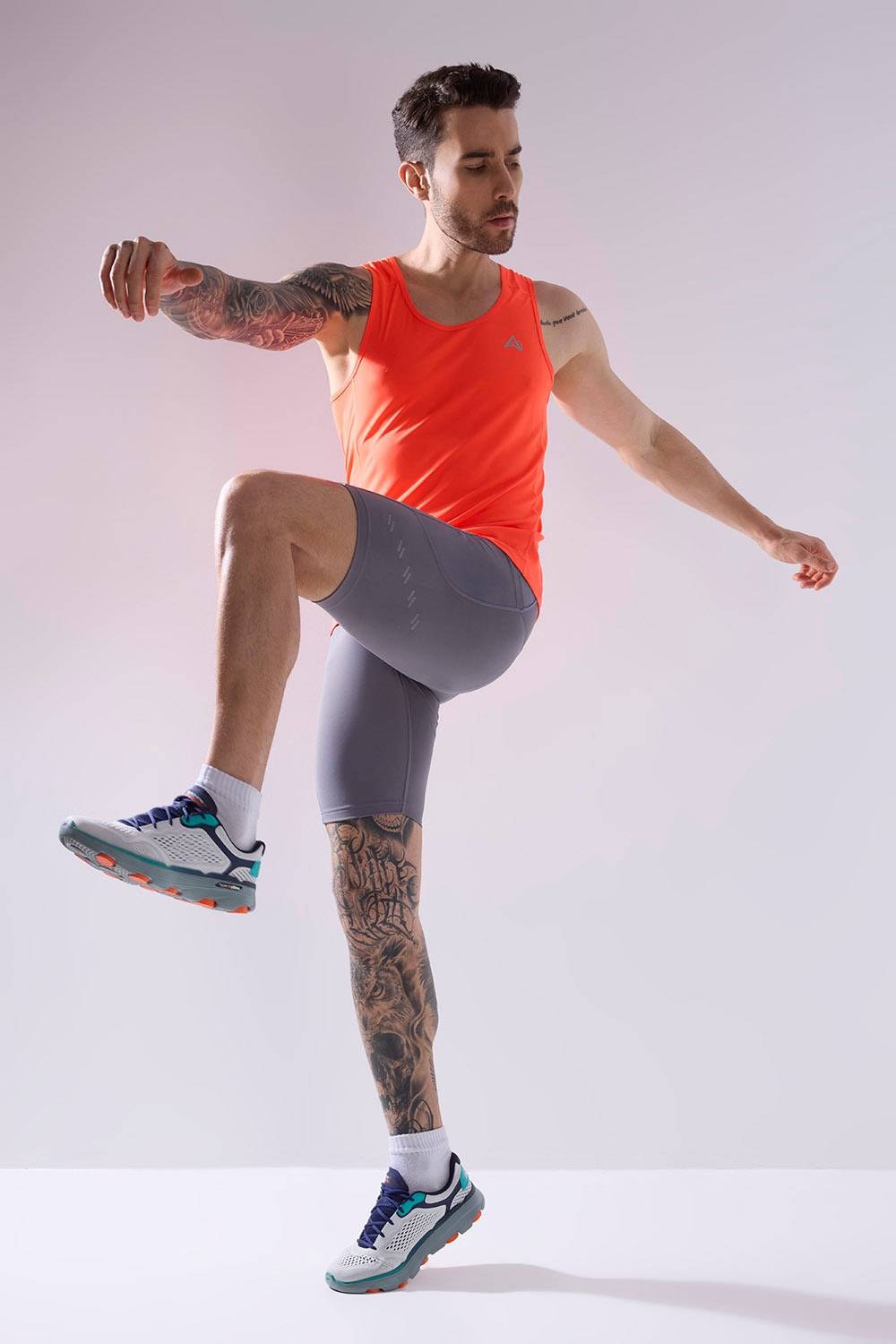
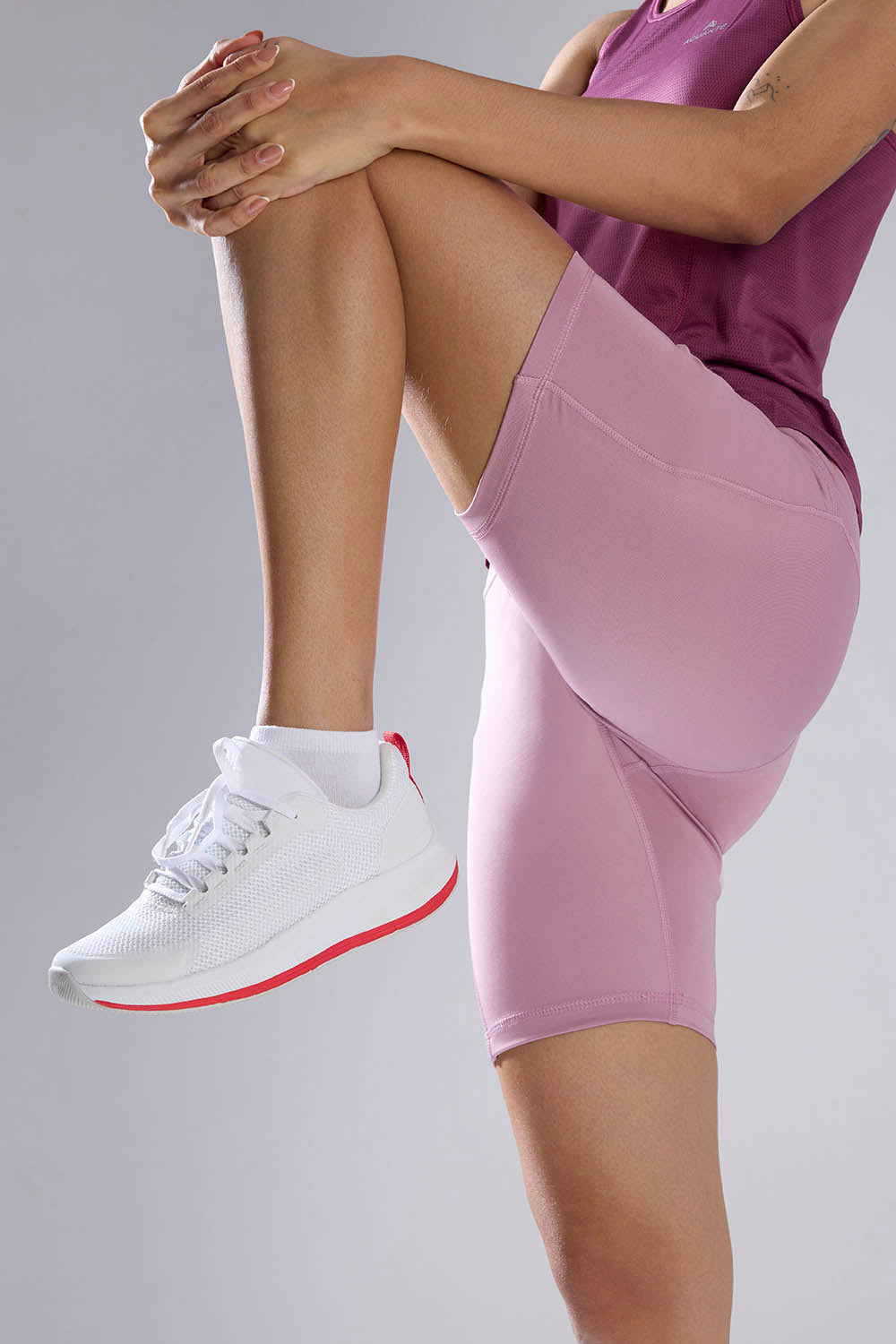
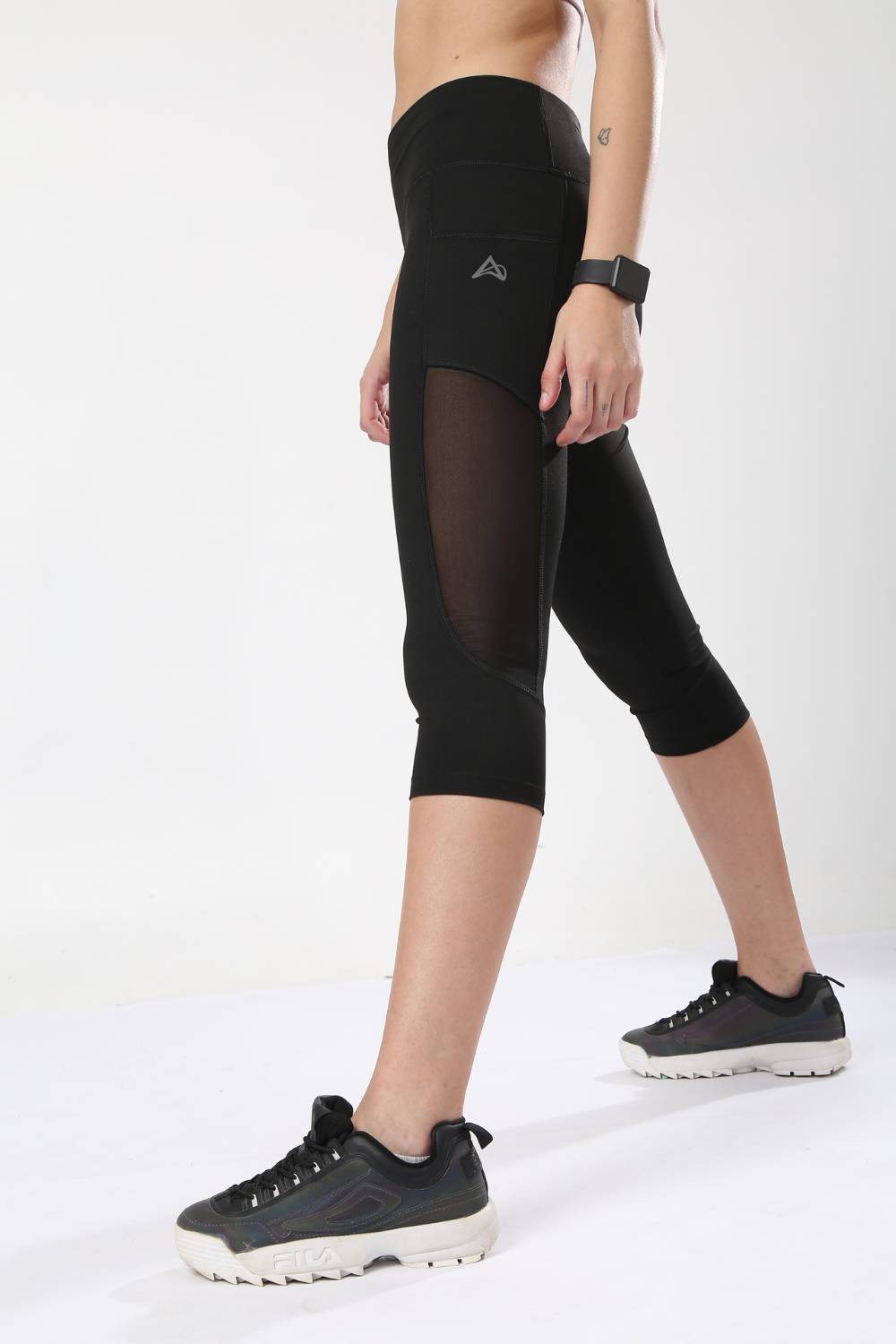
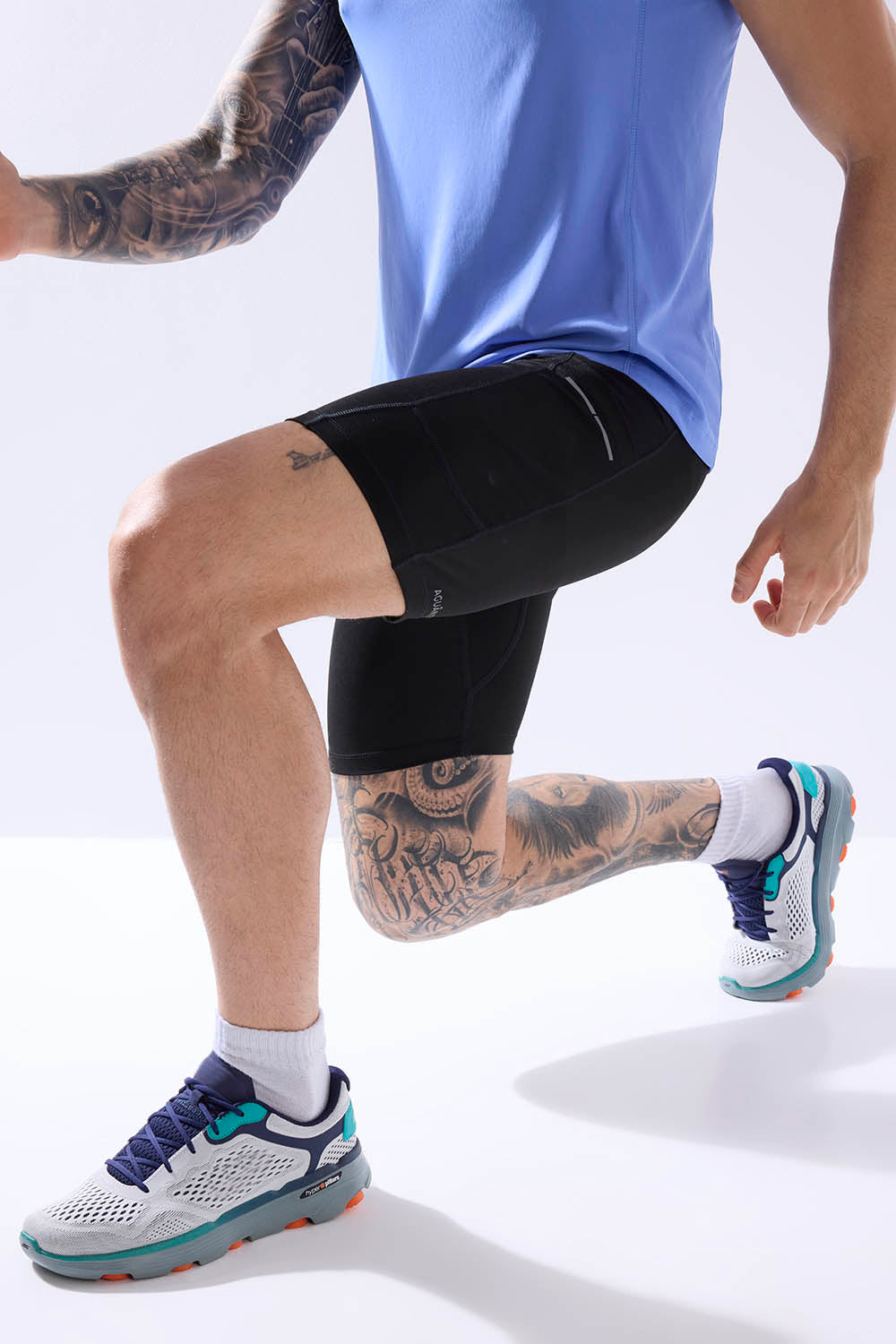
Running clubs in major cities have integrated anti-chafing shorts and compression pieces into regular training cycles. Members consistently note improved comfort during consecutive long runs and faster recovery between tough sessions. The difference becomes especially clear when comparing efforts in standard gear versus purpose-built options.
Corporate wellness initiatives have also embraced these advancements. Organizations promoting employee fitness discover that better apparel choices lead to higher engagement and fewer interruptions caused by preventable discomfort. Participants stay consistent longer and report greater satisfaction with their routines.
Athletes preparing for major city marathons share similar feedback: markedly less skin irritation and the ability to hold steady pacing even as conditions turn difficult. Sports science observations at university programs reinforce these experiences, highlighting measurable gains in training adherence among those using specialized garments.
These outcomes extend beyond individual success stories. Across active running communities, thoughtful clothing decisions help more people maintain momentum instead of stepping back due to avoidable setbacks.
Understanding the Challenges Runners Face
Access remains an obstacle in some areas. Premium anti-chafing options can represent a significant investment, particularly where local retail selection is still developing. Runners in emerging scenes sometimes need to seek specialized pieces online or through dedicated running stores.
Effectiveness also depends heavily on local weather patterns. Fabrics that excel in drier heat may require different properties in high-humidity environments, encouraging athletes to test and refine their choices based on personal experience and conditions.
Awareness gaps persist as well. Many casual runners continue with basic cotton or standard activewear, unaware of how modern alternatives can transform their experience. Bridging this knowledge divide through community education and events represents an ongoing opportunity.
Fit diversity continues to improve but requires sustained attention. Brands must keep refining offerings to serve the wide range of body types found in today's inclusive running population.
Market Insights and Industry Momentum
The broader running ecosystem shows strong vitality. Running shoe demand reflects growing enthusiasm for quality athletic gear, with enthusiasts and brands alike prioritizing pieces that genuinely support performance and injury prevention. Similar patterns appear in apparel categories, where innovation focuses on practical benefits rather than hype.
North American and European markets demonstrate parallel energy, as runners seek gear that addresses real demands of long-distance training. Companies respond by expanding options that combine comfort, durability, and thoughtful design exactly the direction anti-chafing clothing is heading.
Practical Opportunities and Runner Benefits
Regional brands have clear openings to create accessible anti-chafing solutions tailored to local running realities. This includes addressing combined challenges of heat, humidity, and daily urban training in ways that deliver value without premium pricing barriers.
Collaborations between manufacturers and event organizers provide ideal testing grounds and education platforms. Marathon expos, club clinics, and training camps become natural venues to demonstrate benefits and gather direct feedback from active users.
Sustainability increasingly influences choices. Athletes who value environmental responsibility seek durable, responsibly produced garments that perform reliably over many kilometers and seasons. This alignment of performance and principles appeals to conscious consumers across metros.
For individual runners, the advantages are direct and compelling: smoother efforts through reduced friction, decreased risk of chafing-related problems, and greater overall enjoyment that encourages regular participation. Comfort becomes a foundation for consistency.
Expert Guidance on Training Integration
Physiologists and coaches recommend treating high-quality anti-chafing apparel as core training equipment. Incorporating these pieces early in build phases helps athletes identify optimal combinations for their body and local climate well before key races.
Common Questions About Anti-Chafing Clothing
- How soon will I notice the difference? Many runners report immediate improvement on their first long run in proper gear, with benefits compounding as skin stays protected over repeated efforts.
- Is this only for elite athletes? Not at all. Recreational runners logging weekend long runs often benefit most, as they lack the recovery resources of professionals.
- What should I look for in fabrics? Prioritize moisture management, seamless construction where possible, and flatlock or bonded seams that minimize irritation points.
Looking Ahead for Endurance Running
As running culture deepens its roots in cities worldwide, wider acceptance of performance-focused apparel appears certain. Growing awareness paired with improving availability creates encouraging momentum for athletes at every level.
Future developments may include textiles that dynamically respond to moisture or offer more personalized fit options. These advances will continue removing barriers so runners can focus on the pure experience of covering distance.
The core principle remains straightforward: attention to details like anti-chafing technology represents a smart investment in consistency, well-being, and long-term progress. For anyone dedicated to their running journey, exploring these solutions can unlock more rewarding miles.
Final Thoughts
Endurance running through urban environments rewards preparation and smart choices. Anti-chafing clothing stands out as one of the most practical upgrades available delivering tangible benefits that support both immediate runs and bigger ambitions. Whether building toward a first 10K or pursuing new personal records, protecting your skin enables you to train with confidence and joy.
The most successful runners share a common trait: they show up consistently. By addressing small friction points with better gear, more athletes can sustain that consistency and fully embrace the physical and mental rewards this sport offers. The road ahead looks smoother when comfort is part of the equation.
Frequently Asked Questions
What makes anti-chafing clothing different from regular running gear?
Anti-chafing clothing is specifically engineered with seamless construction, flatlock or bonded seams, and advanced moisture-wicking fabrics that actively move sweat away from the skin. Unlike standard activewear or cotton garments, these garments minimize friction points during hours of continuous movement. The result is reduced skin irritation, better focus on form, and less energy wasted on constant adjustments mid-run.
How does anti-chafing running apparel improve long-distance performance?
By eliminating the burning and distraction of chafing, purpose-built running gear helps athletes maintain their pace and posture even as conditions get tough. Runners using specialized anti-chafing shorts and compression pieces report improved comfort during back-to-back long runs and faster recovery between sessions. Sports science observations back this up, showing measurable gains in training adherence among athletes who switch to specialized garments.
What fabrics and features should I look for in anti-chafing running clothing?
Prioritize moisture-wicking materials that keep skin dry, seamless or minimal-seam construction, and flatlock or bonded seams that reduce irritation points. Lightweight, breathable fabrics are especially important in humid or high-heat conditions, as they help regulate skin temperature over long efforts. For best results, test your gear during training runs well before race day to find the combination that suits your body type and local climate.
Disclaimer: The above helpful resources content contains personal opinions and experiences. The information provided is for general knowledge and does not constitute professional advice.
You may also be interested in: Why Aguantes Anti-Chafing Shorts Are a Game-Changer
Tired of gear that slows you down? Chafing, soggy fabrics, and missing pockets kill your run's momentum. At Aguante, we're runners who get it. Our high-performance activewear features moisture-wicking fabrics, ergonomic designs, and smart storage to keep you focused. Shop Now!
Powered by flareAI.co