









Quick Listen:
The running community knows the feeling all too well: that moment on a humid Mumbai morning or a dusty trail outside Bangalore when the gear either carries you forward or holds you back. In 2026, as more Indians lace up for daily runs, marathons, or casual jogs through city streets, the apparel they choose is evolving dramatically. The industry is shifting toward pieces that deliver real performance while honoring the planet a dual demand that's no longer a niche preference but a defining force in activewear.
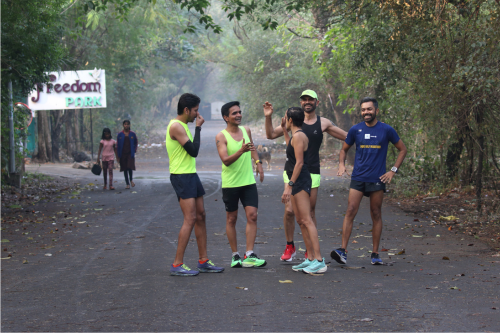
This transformation is especially visible in fast-growing urban hubs like Bangalore, Hyderabad, Mumbai, Pune, Navi Mumbai, Delhi, Gurugram, Surat, and Ahmedabad, where rising fitness participation meets heightened environmental awareness. Runners here face intense heat, monsoon humidity, and uneven roads, making generic imports feel inadequate. Enter a new wave of running wear that prioritizes both sustainability and thoughtful functionality.
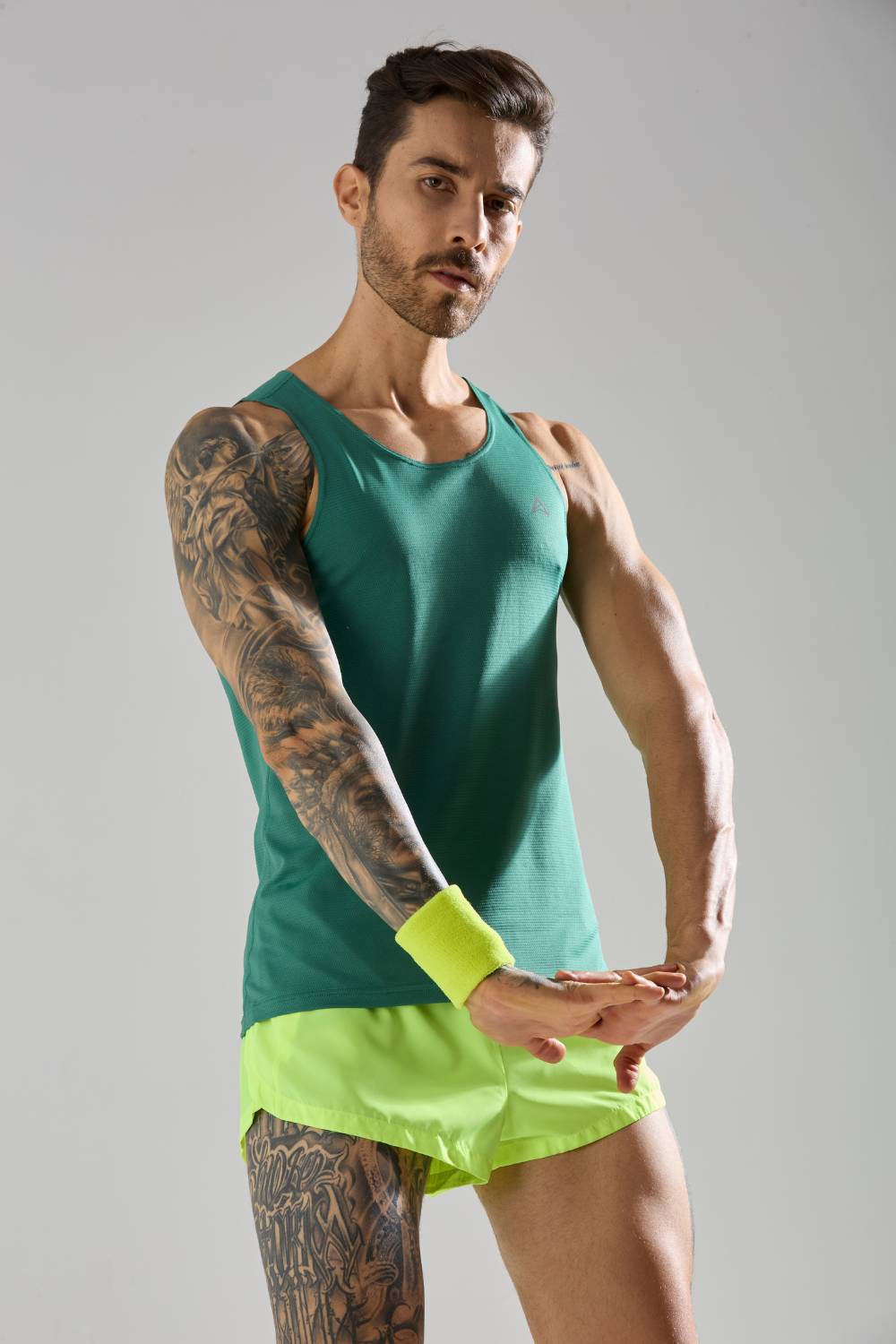
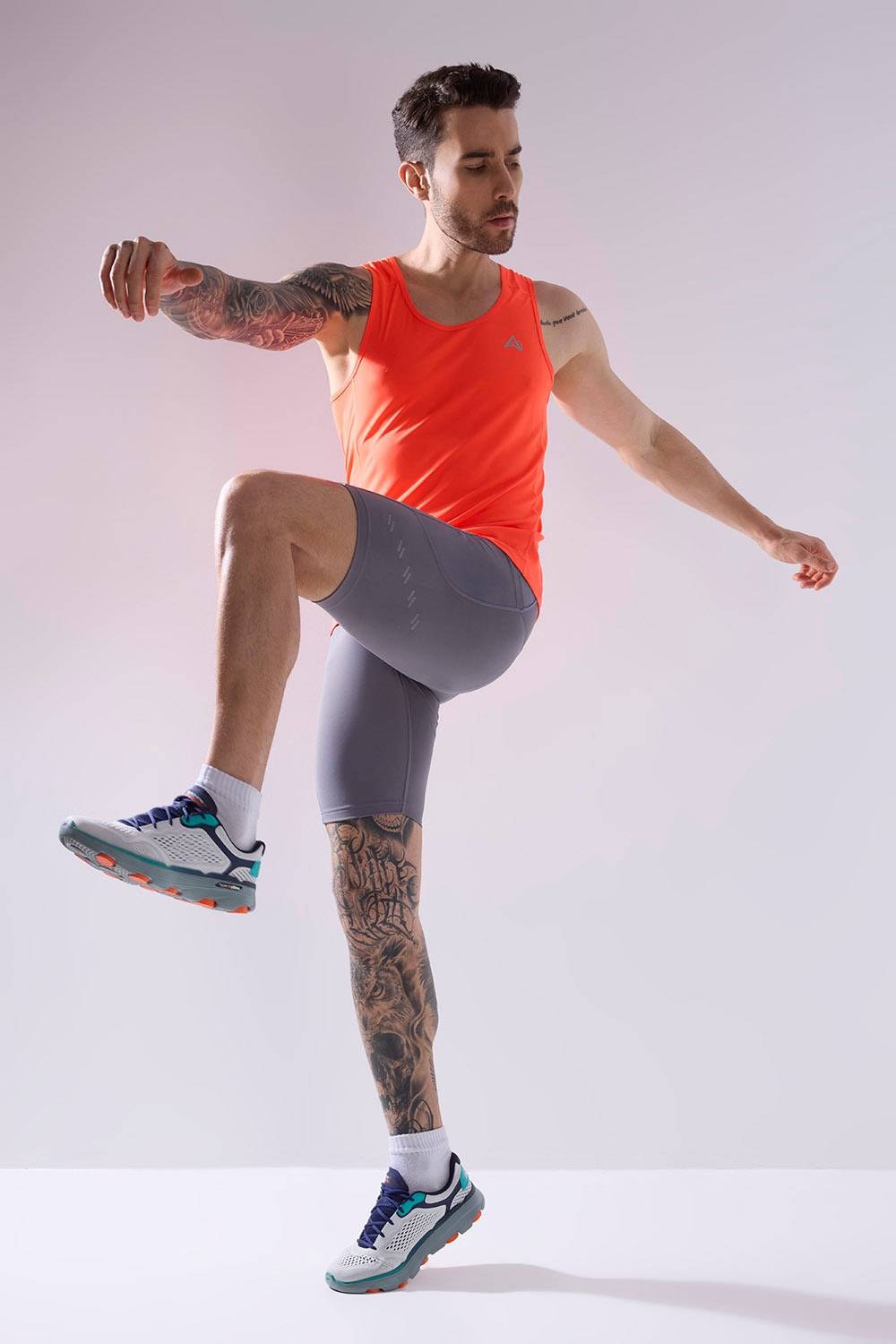
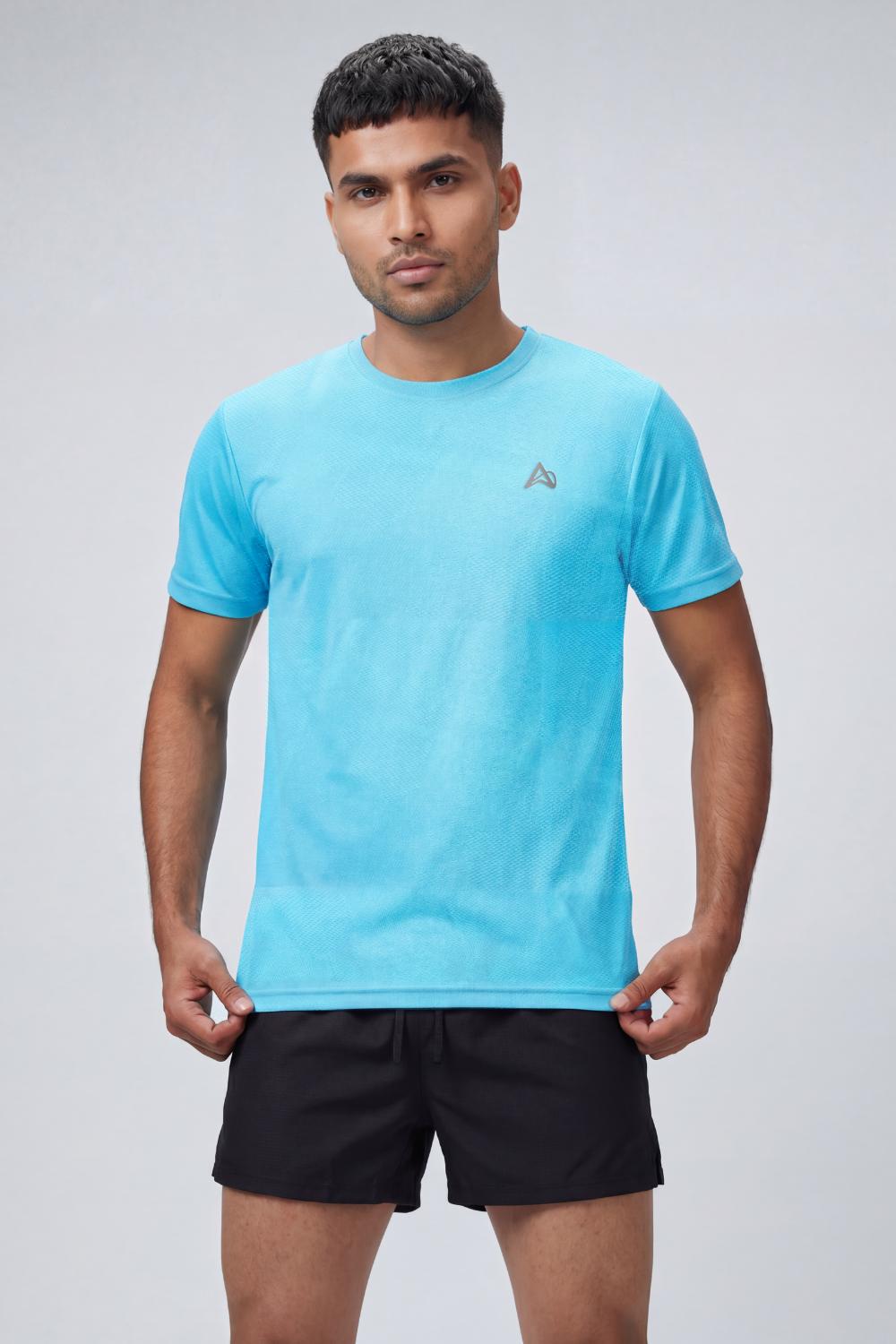
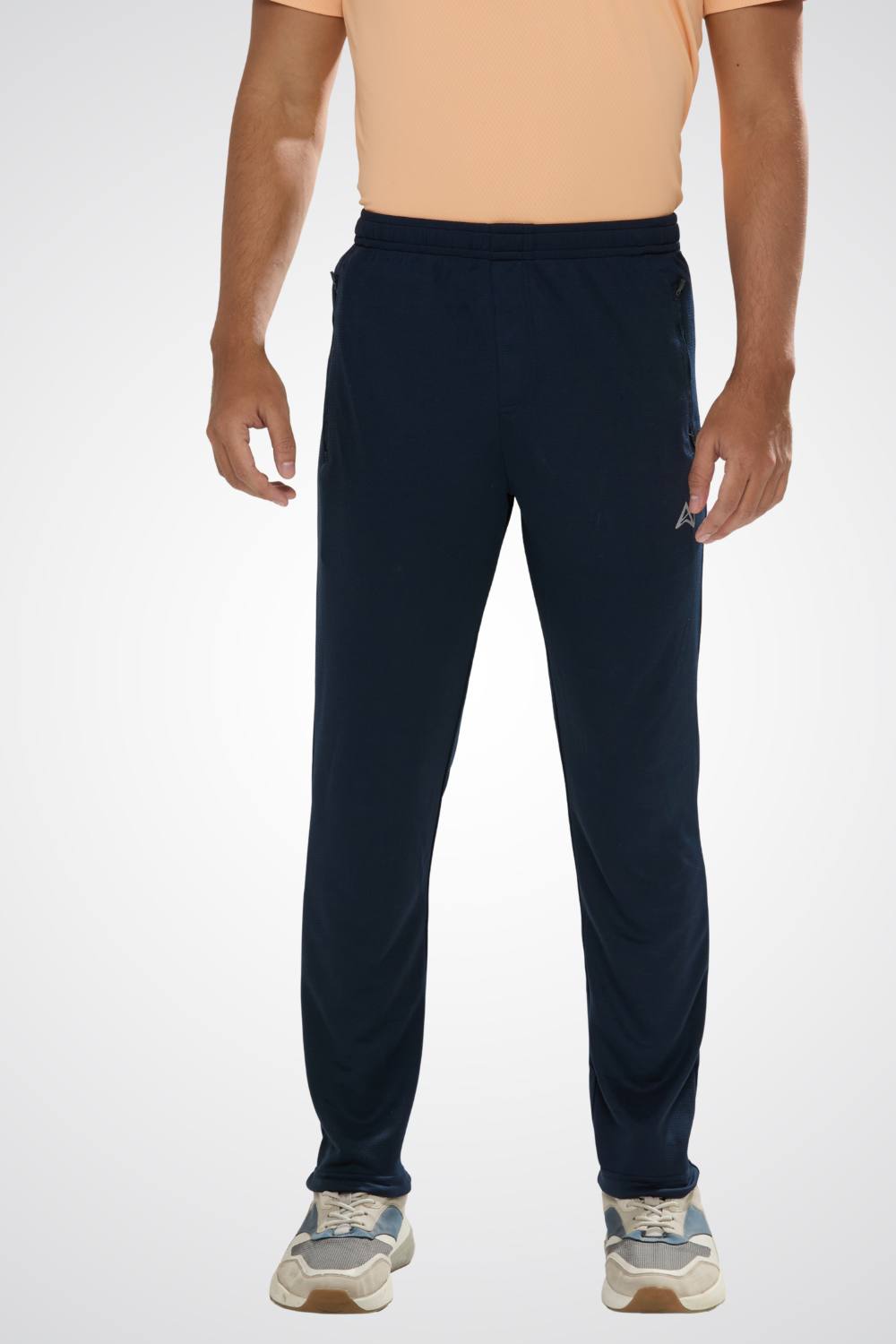
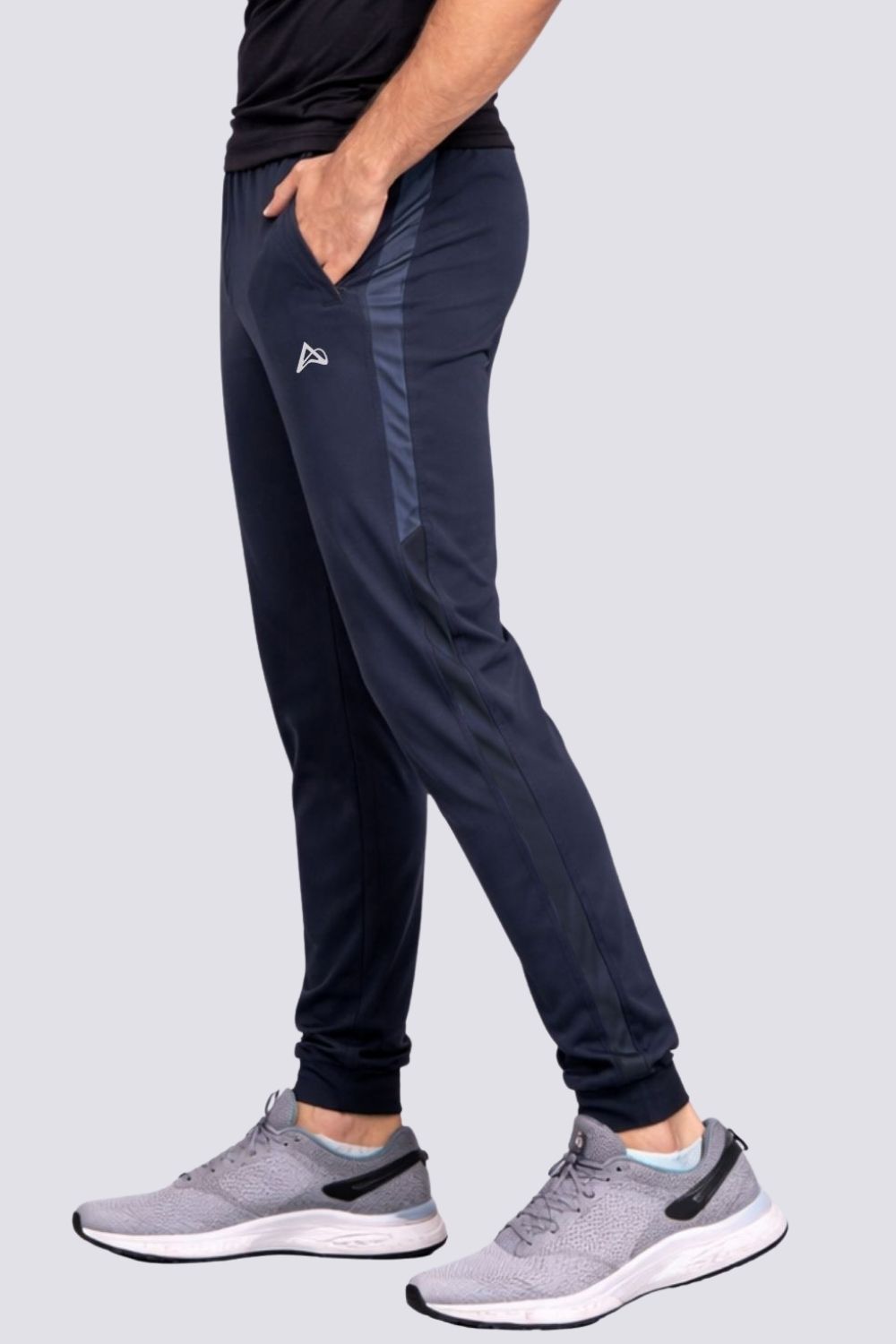
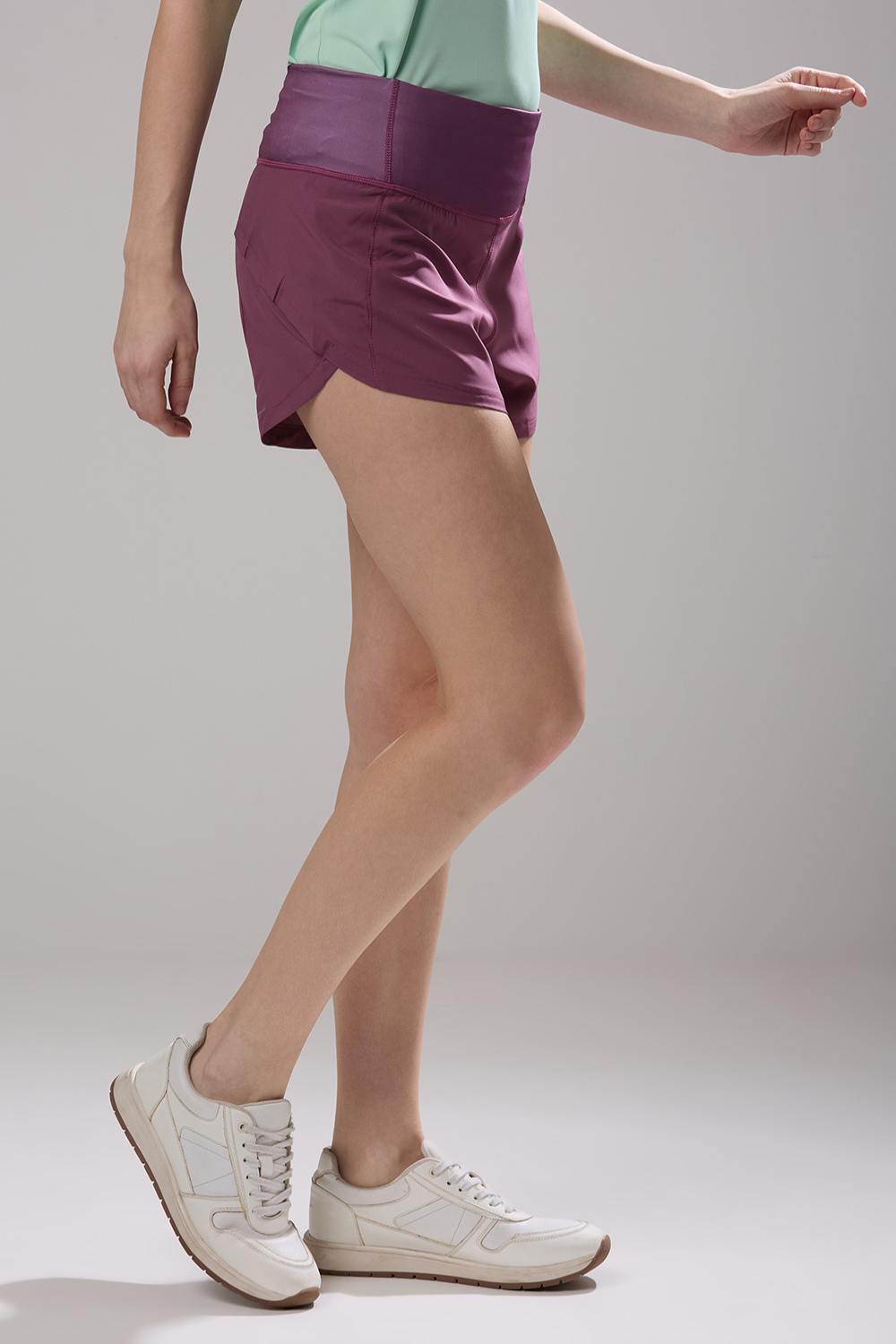
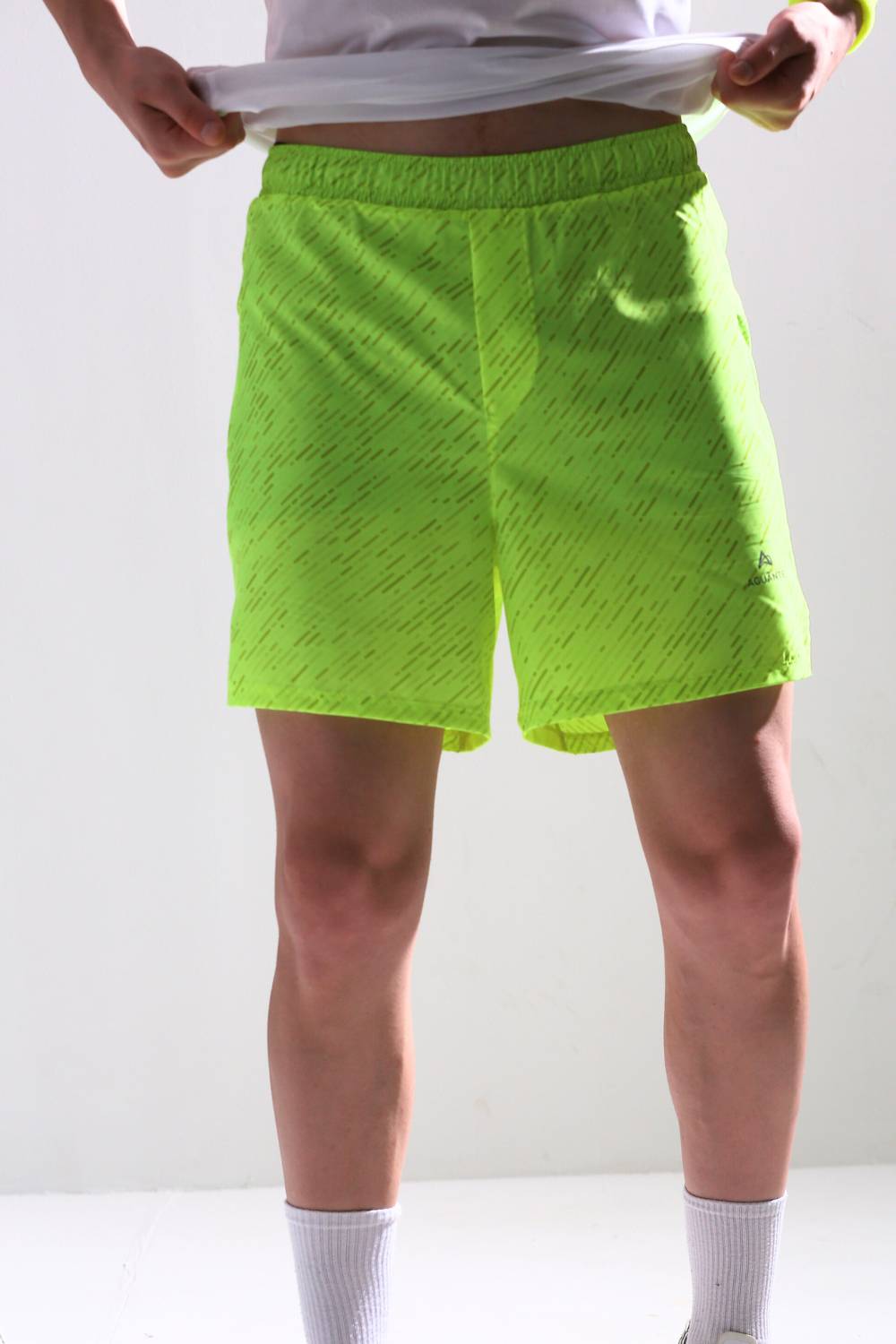
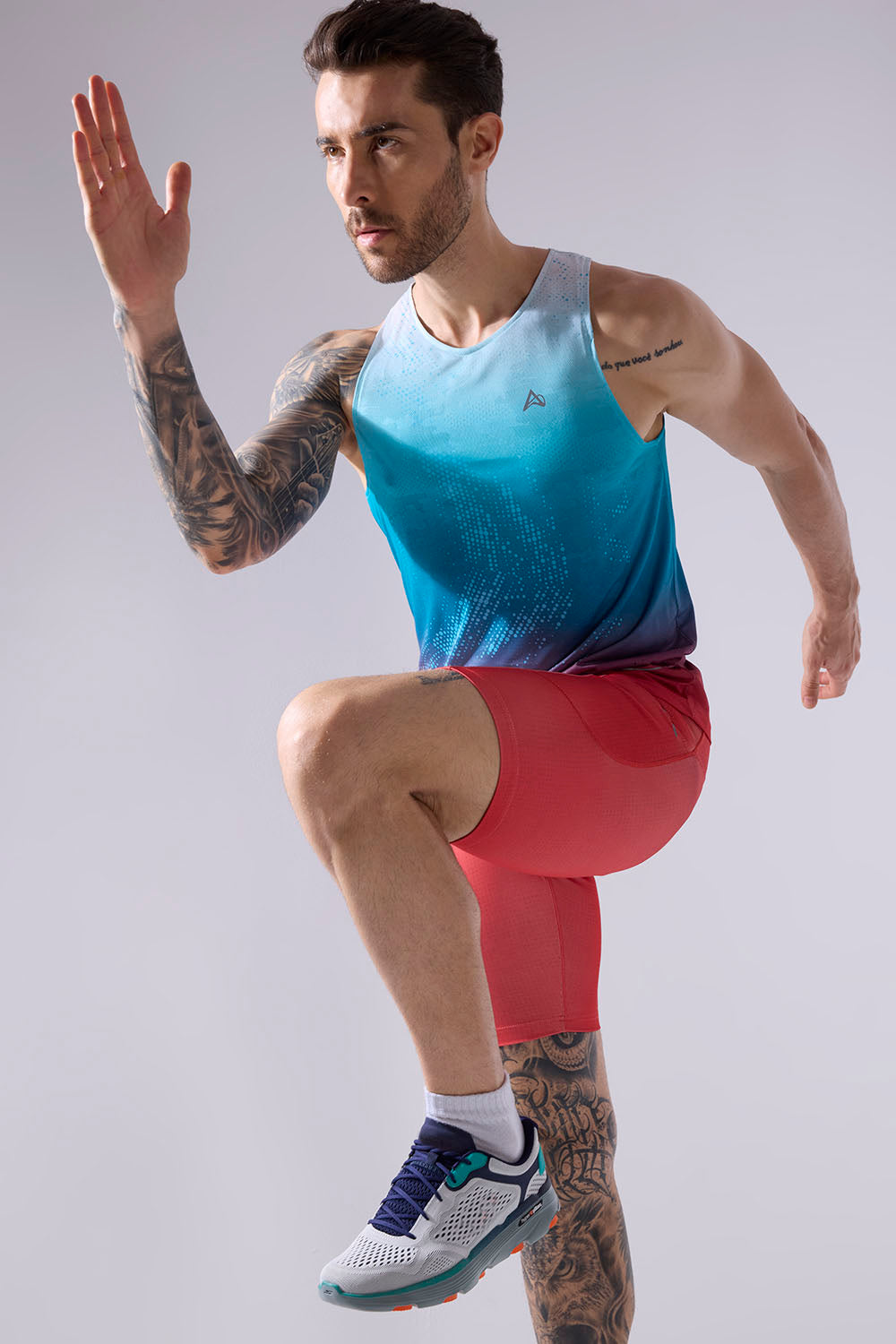
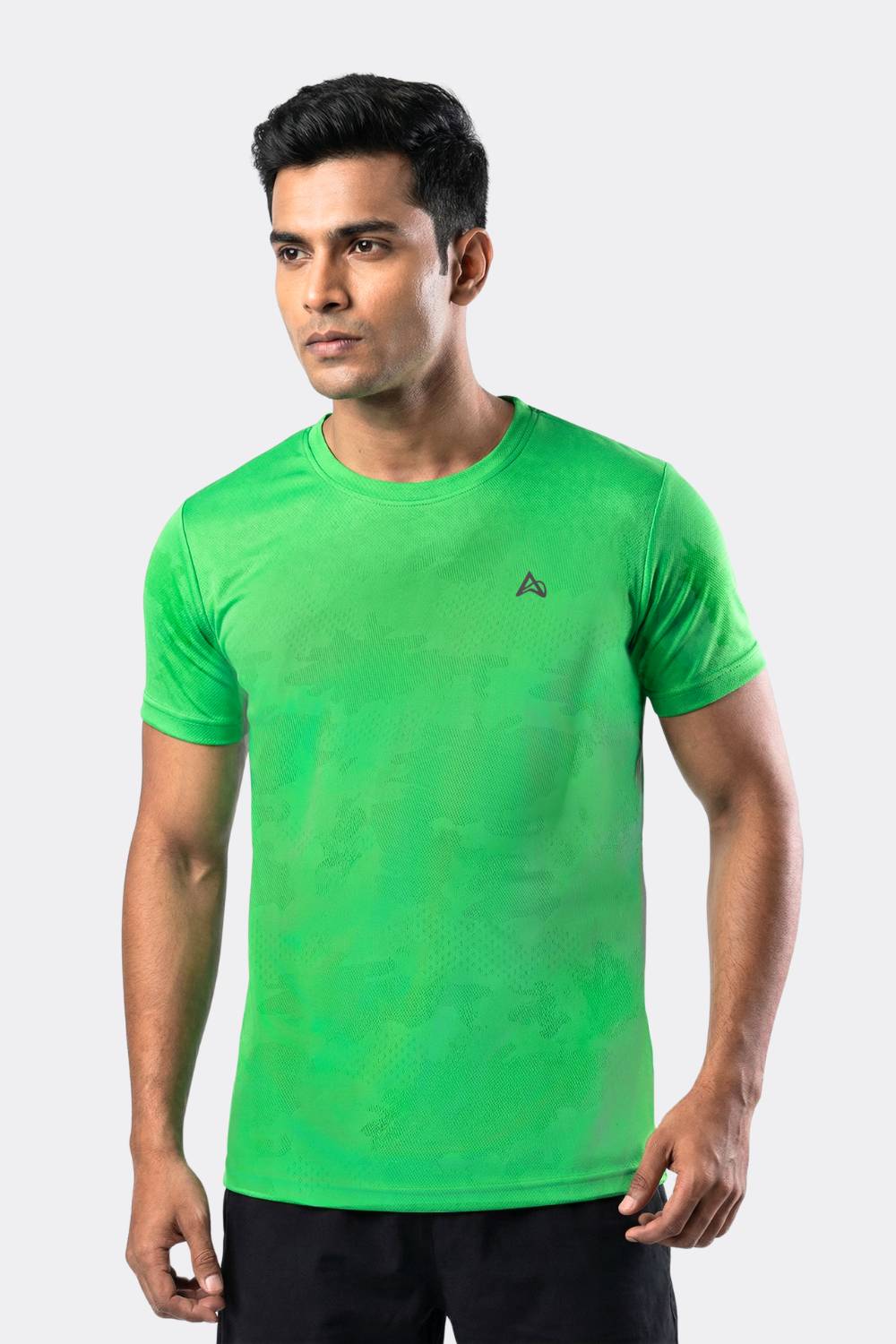
Tired of gear that slows you down? Chafing, soggy fabrics, and missing pockets kill your run's momentum. At Aguante, we're runners who get it. Our high-performance activewear features moisture-wicking fabrics, ergonomic designs, and smart storage to keep you focused. Shop Now!
The Dual Rise of Sustainability and Performance
Global figures underscore the momentum. According to industry analysis, the running apparel market was valued at USD 90.44 billion in 2026 and is estimated to grow from USD 97.02 billion in 2026 to reach USD 137.98 billion by 2031, at a CAGR of 7.28% during the forecast period (2026-2031). This expansion is attributed to increasing health awareness, advancements in material innovation, and the integration of performance and lifestyle apparel, which appeals to a wide range of age groups.
The broader athleisure market reflects similar momentum, with the global size standing at USD 415.28 billion in 2026 and set to reach USD 647.21 billion by 2031, translating into a 9.28% CAGR over the forecast window. This growth is driven by a notable consumer shift from traditional, purpose-specific sportswear to versatile apparel designed with performance fabrics, enabling technical clothing and footwear to transition seamlessly into gyms, workplaces, educational institutions, and social gatherings.
Sustainability forms a critical layer in this evolution. The sustainable athleisure segment, made from bio-based, recyclable, natural, renewable, recycled, biodegradable, and low-impact textiles, provides high-performance activewear while protecting both people and the planet. Recent analyses show the market is experiencing strong and steady growth, driven by expanding demand, technological advancements, and broader adoption across industries. Momentum is expected to continue over the coming years, supported by sustained innovation, rising consumer awareness, and increasing investment, positioning the sector for long-term expansion through the end of the decade. The role of eco-friendly clothing remains a key driver, fueled by heightened consumer awareness of environmental concerns and a desire for ethical choices.
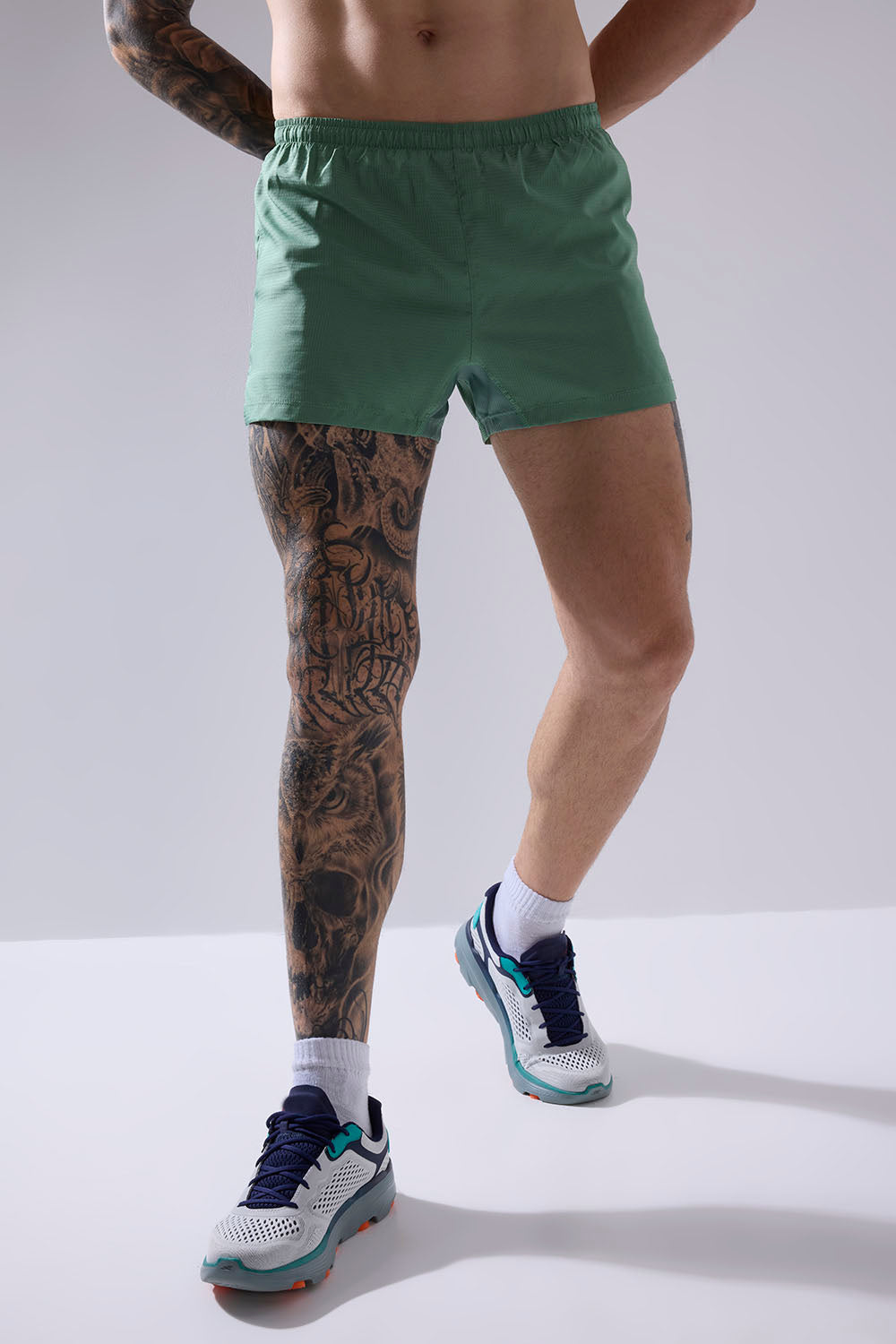
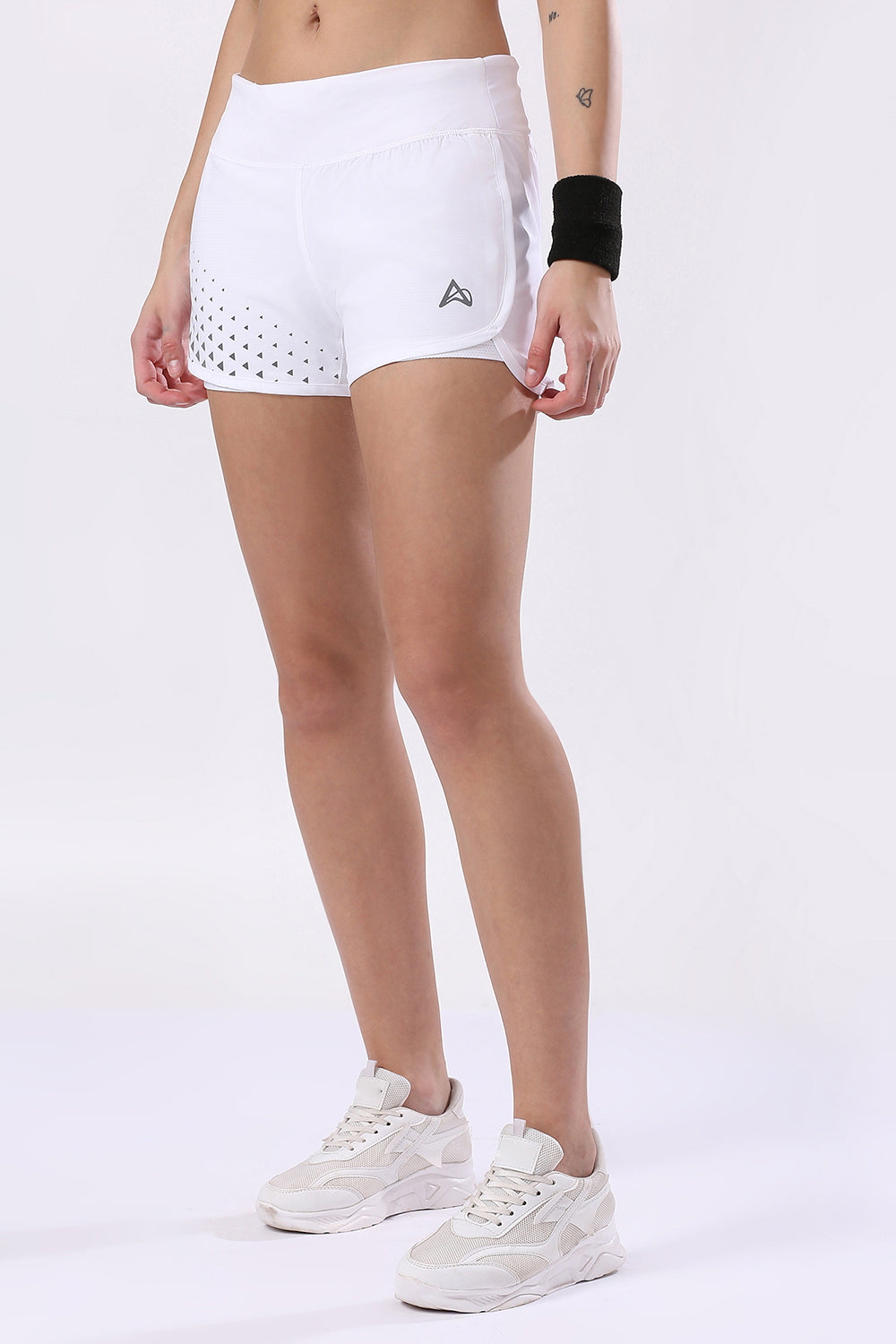
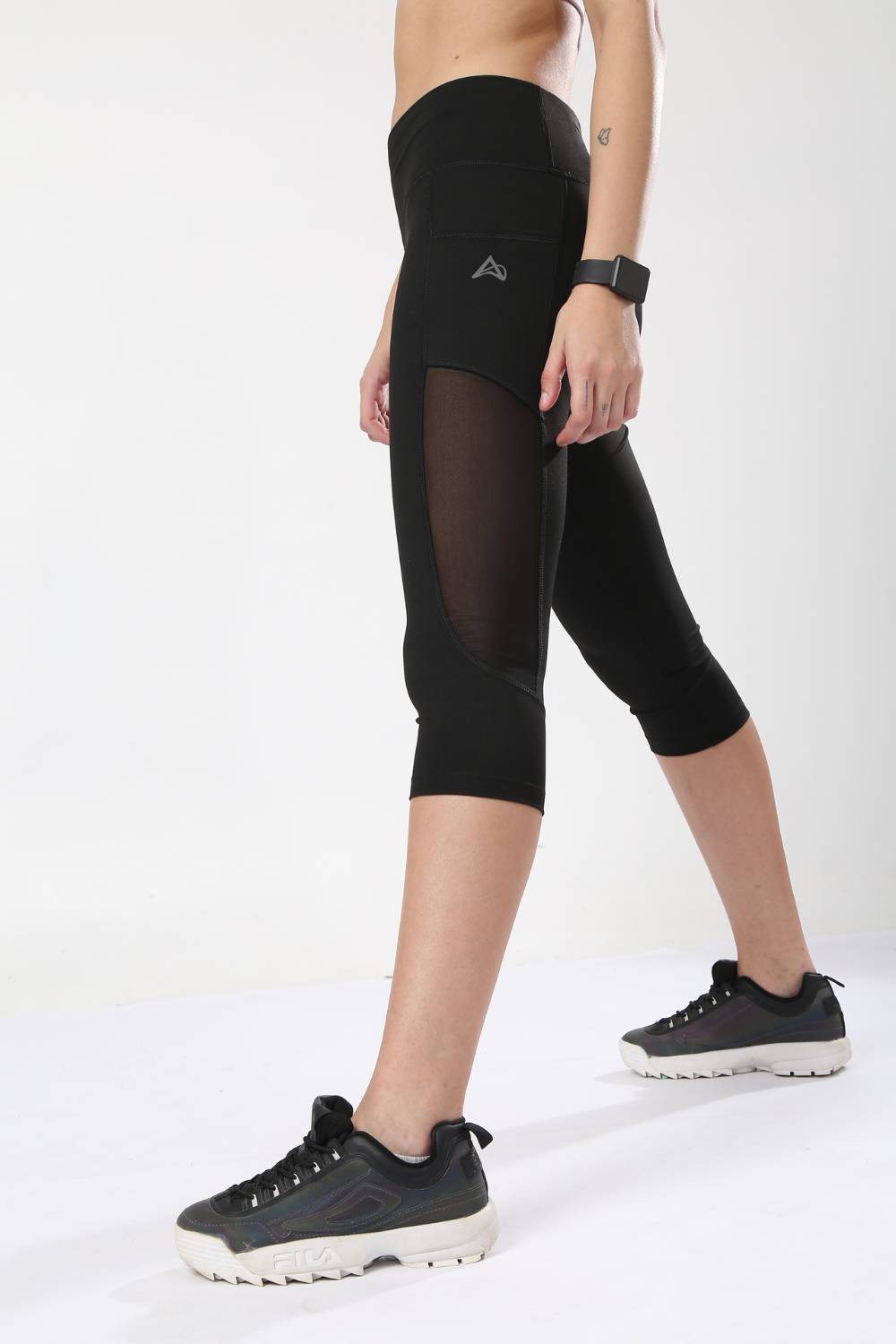
In India, these global trends find strong resonance. Local brands are engineering gear specifically for Indian conditions breathable fabrics that combat humidity, secure pockets that stay put on bumpy terrain, anti-chafing inner linings, reflective detailing for low-light safety, and fits refined through real-runner testing. This approach ensures unmatched comfort, breathability, and performance on local roads. Far from generic activewear, these products represent local innovation meeting global quality standards, delivered at honest prices rather than premium markups from overseas designs.
Real-World Impact in India's Running Scenes
Across Bangalore and Mumbai, runners are actively embracing these advances. Recycled and bio-based synthetics are gaining significant ground in the running apparel space, with such materials forecasted to grow at a CAGR of 8.29% through 2031. Women, in particular, are driving demand, with the women's segment expected to expand at a CAGR of 8.72% over the same period, fueled by greater female participation in fitness and running, alongside demand for gender-specific designs and collections.
In Delhi and Gurugram, where consumers often seek premium quality, sustainable options distinguish themselves by merging eco-materials with practical, high-performance features. In more price-sensitive markets like Ahmedabad and Surat, the balance between cost, durability, and environmental benefits remains key yet innovative local players are closing this gap through efficient production, transparent sourcing, and targeted value propositions.
Government initiatives, such as the Fit India Movement, continue to boost participation across demographics, creating fertile ground for brands that align performance with planetary responsibility. Urbanization, rising disposable incomes in emerging economies, and the influence of social media further accelerate adoption.
Navigating the Challenges
Progress comes with real hurdles. Producing sustainable fabrics often entails higher material costs and more complex manufacturing processes, which can impact pricing in markets where affordability is paramount. Maintaining rigorous quality control is essential to ensure that eco-standards do not compromise essential attributes like moisture-wicking, durability, or precise fit.
Consumer perception also requires attention. In bustling urban centers, many runners still prioritize immediate performance benefits over long-term environmental impact. However, as awareness grows amplified through community events, social media engagement, and visible real-world results the willingness to invest in thoughtfully designed, sustainable gear is steadily increasing.
A Bright Horizon for Runners and Brands
The opportunities ahead are substantial. In Pune, Hyderabad, and similar hubs, eco-conscious consumers show growing readiness to support brands that reflect their values. Digital platforms enable companies to demonstrate transparency in sourcing, manufacturing, and packaging, fostering deeper trust and loyalty.
Indian brands are uniquely positioned to lead in sustainable performance gear. Ongoing technological advancements in fabrics will continue to make eco-friendly options more accessible and cost-effective, heightening competition while spurring further innovation. Ultimately, runners stand to gain the most: apparel that performs flawlessly under Indian conditions while contributing meaningfully to a healthier planet.
For those hitting the pavement in 2026, the choice is sharpening. The best running wear does more than complete the miles it respects the environment you're running through. As this shift gains speed, more runners will seek out, and find, gear as intentional and capable as their own strides. Discover how this evolution is taking shape for Indian runners at Aguante.in, where high-performance design meets genuine purpose.
Frequently Asked Questions
What is driving the growth of sustainable running apparel in India in 2026?
The sustainable running apparel market is growing due to increased health awareness, rising environmental consciousness among urban runners, and government initiatives like the Fit India Movement. Indian consumers, particularly in cities like Bangalore, Mumbai, and Delhi, are seeking gear that combines high-performance features such as breathability and moisture-wicking with eco-friendly materials like recycled and bio-based synthetics. This shift is supported by local brands engineering products specifically for Indian conditions at honest prices.
How does sustainable running wear perform compared to traditional running apparel?
Modern sustainable running wear delivers performance on par with or better than traditional options, featuring breathable fabrics for humidity control, anti-chafing linings, secure pockets, and reflective detailing for safety. These garments are engineered using recycled and bio-based materials that maintain essential attributes like durability, moisture-wicking, and precise fit while reducing environmental impact. Local Indian brands are specifically testing these products under real Indian conditions intense heat, monsoon humidity, and uneven terrain to ensure unmatched comfort and functionality.
What is the market size for sustainable athleisure and running apparel globally?
The global sustainable athleisure market reached approximately USD 117.37 billion in 2026 and is projected to grow to USD 164.11 billion by 2030 at a CAGR of 8.7%. The broader running apparel market is estimated at USD 97.02 billion in 2026 and expected to reach USD 137.98 billion by 2031, growing at a CAGR of 7.28%. Within this, recycled and bio-based materials in running wear are forecasted to grow at 8.29% CAGR through 2031, with women's running apparel expanding at 8.72% CAGR, reflecting strong consumer demand for sustainable, performance-oriented activewear.
Disclaimer: The above helpful resources content contains personal opinions and experiences. The information provided is for general knowledge and does not constitute professional advice.
You may also be interested in: Urban Running Culture Shapes Activewear Trends in India
Tired of gear that slows you down? Chafing, soggy fabrics, and missing pockets kill your run's momentum. At Aguante, we're runners who get it. Our high-performance activewear features moisture-wicking fabrics, ergonomic designs, and smart storage to keep you focused. Shop Now!
Powered by flareAI.co