
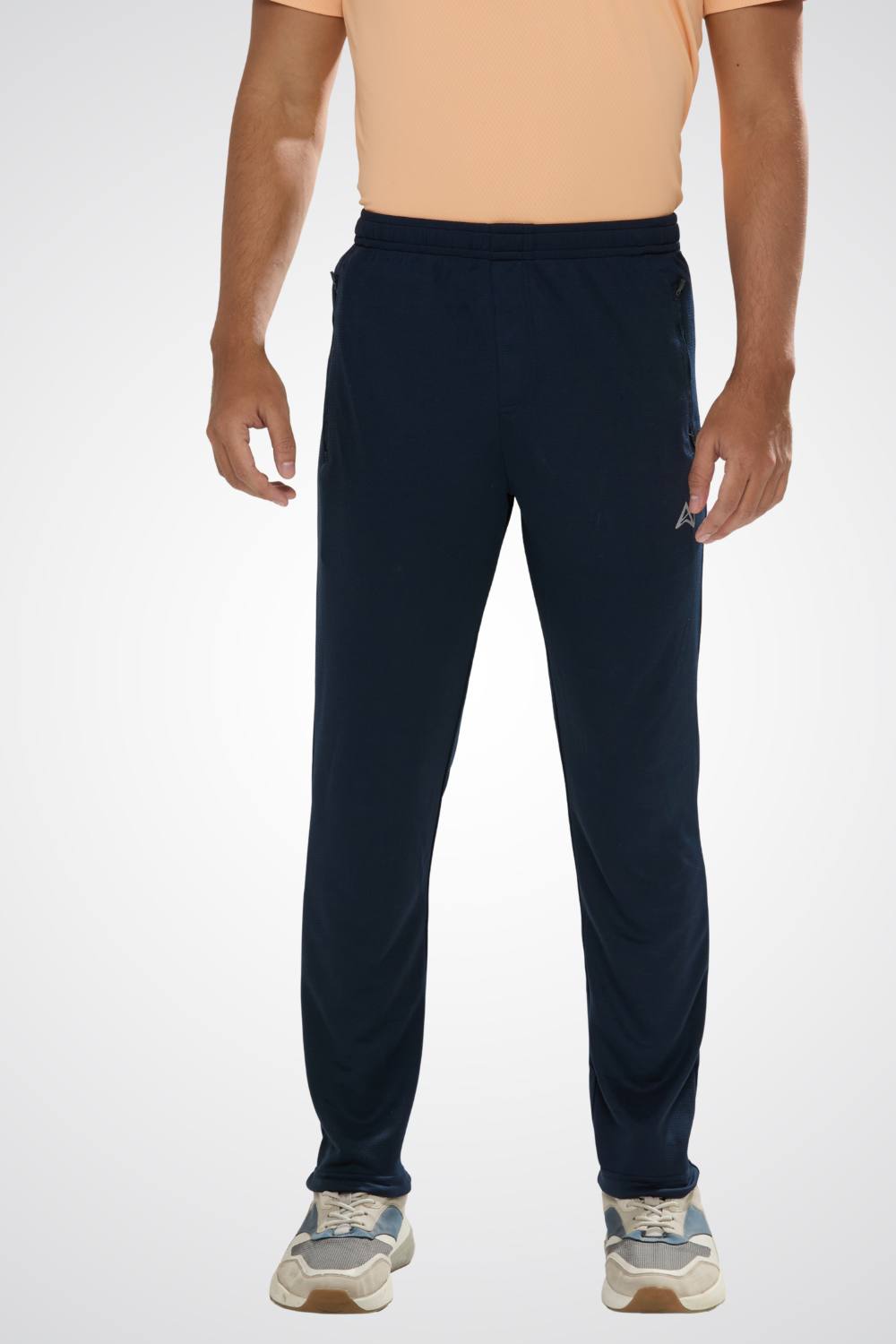
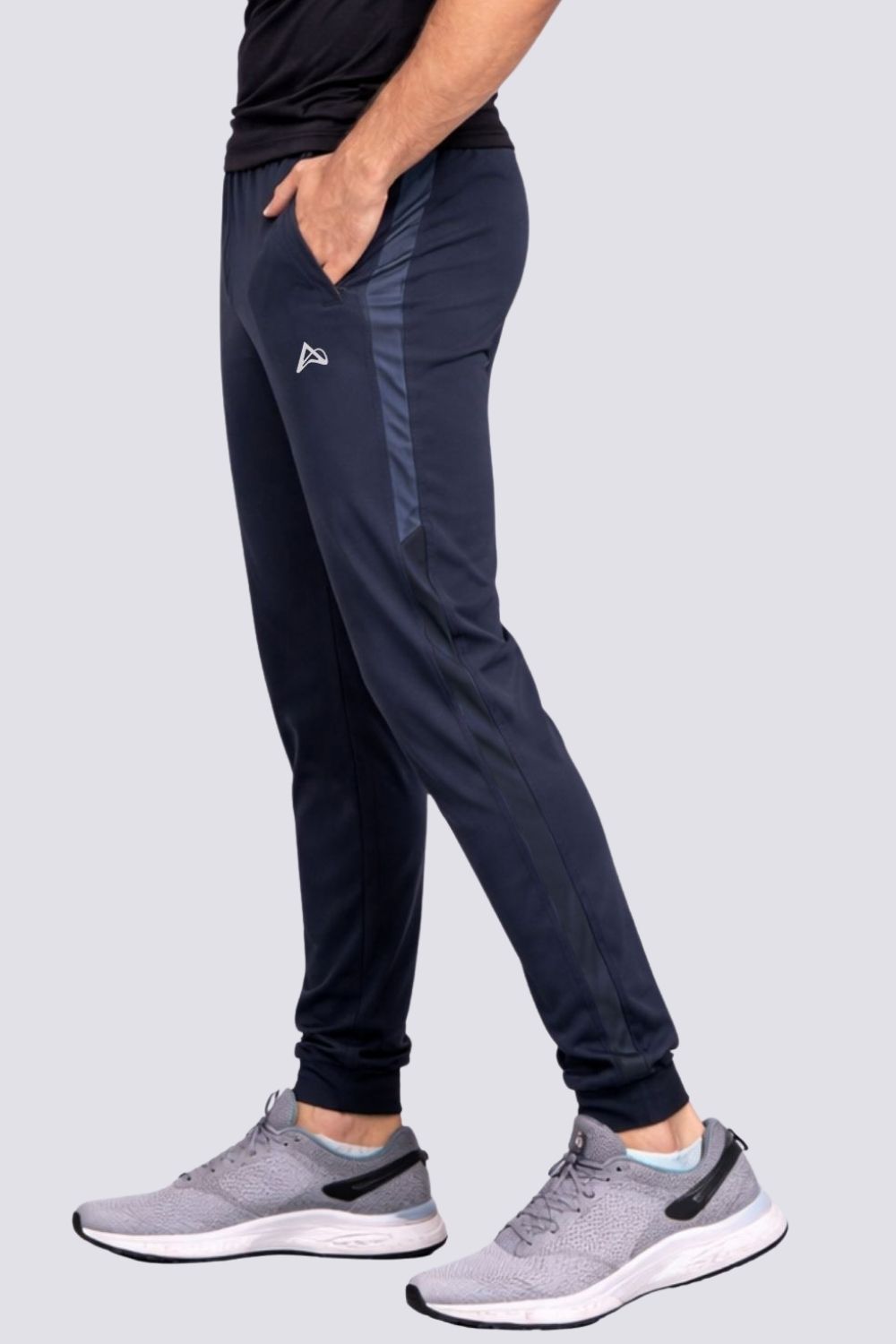
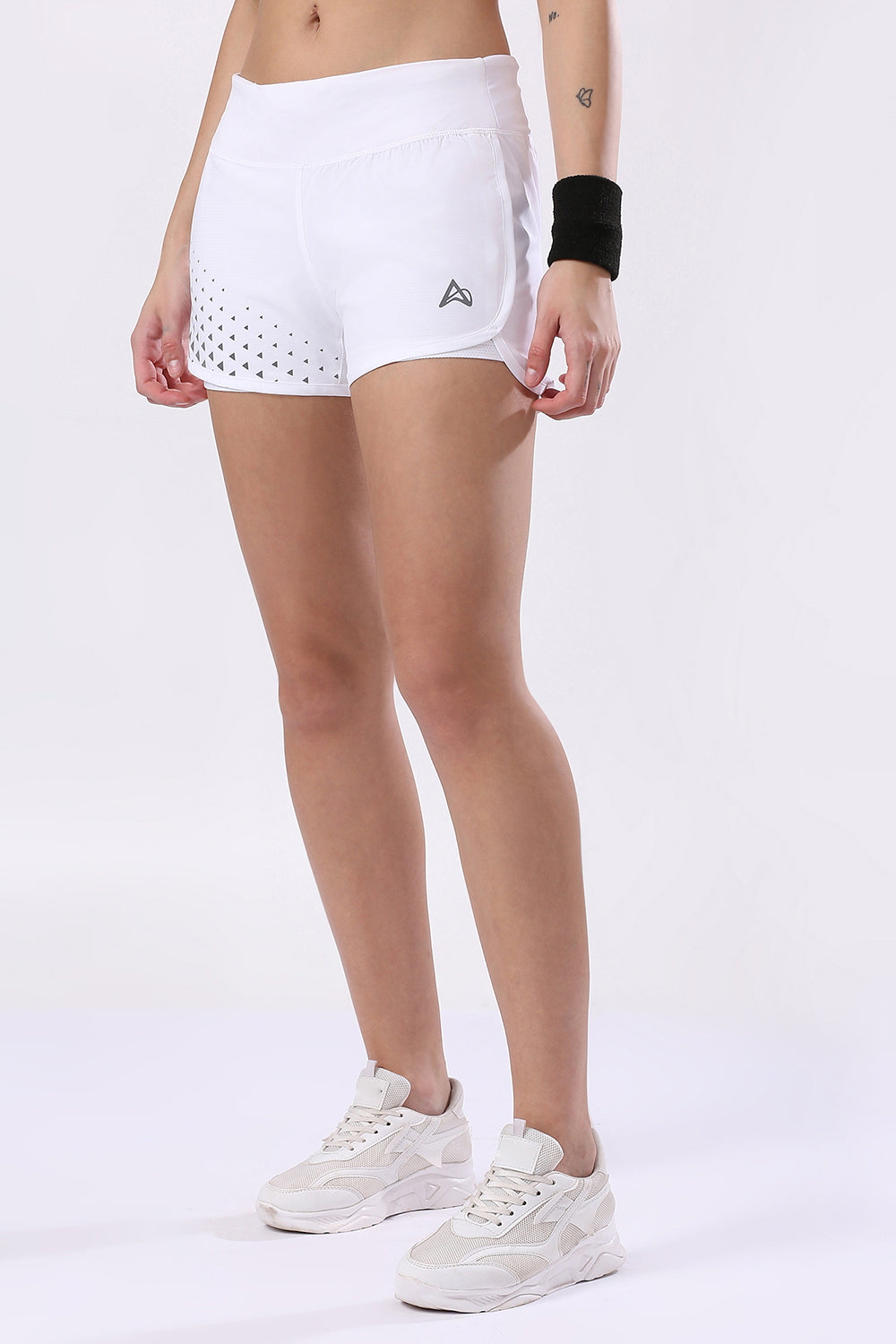
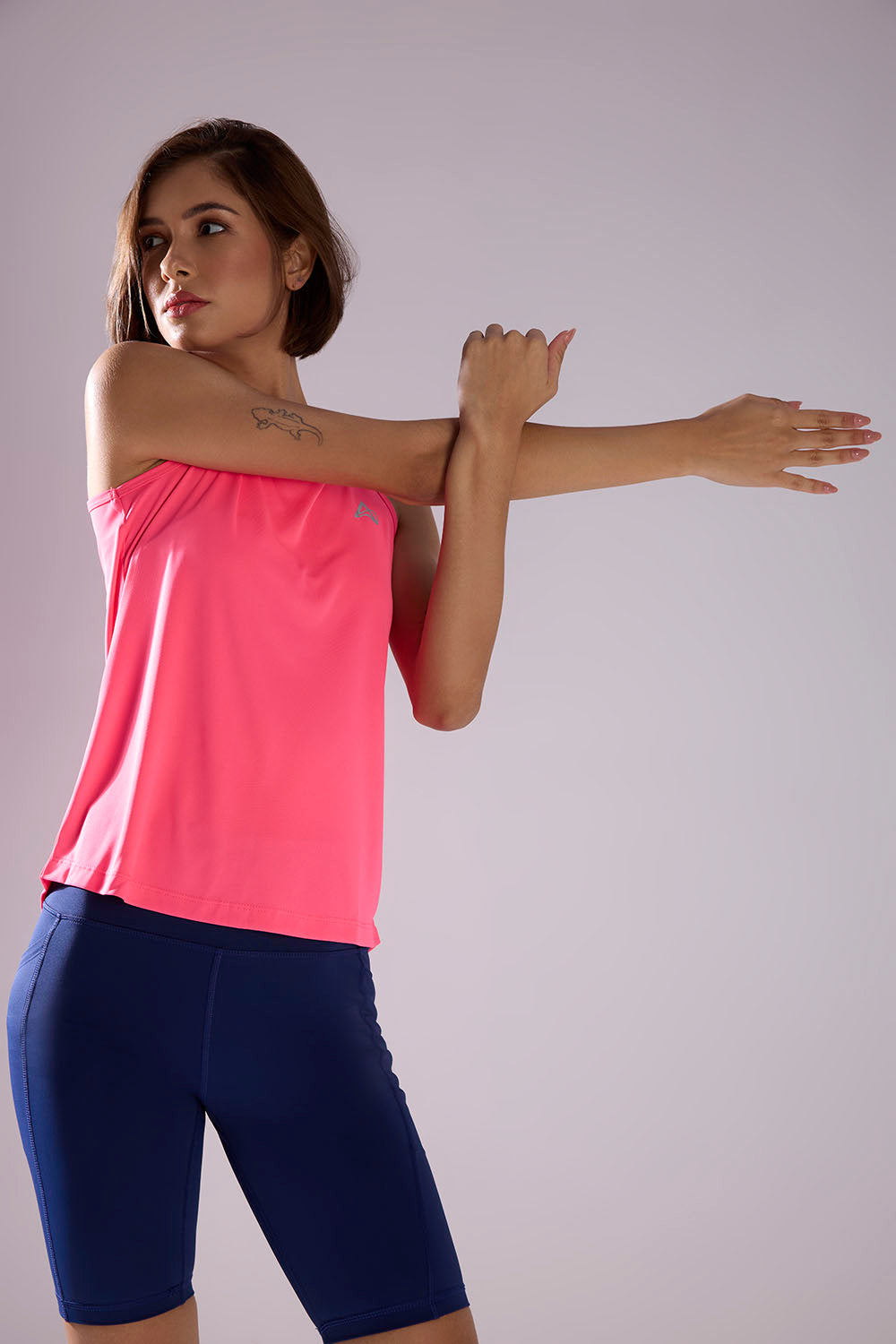



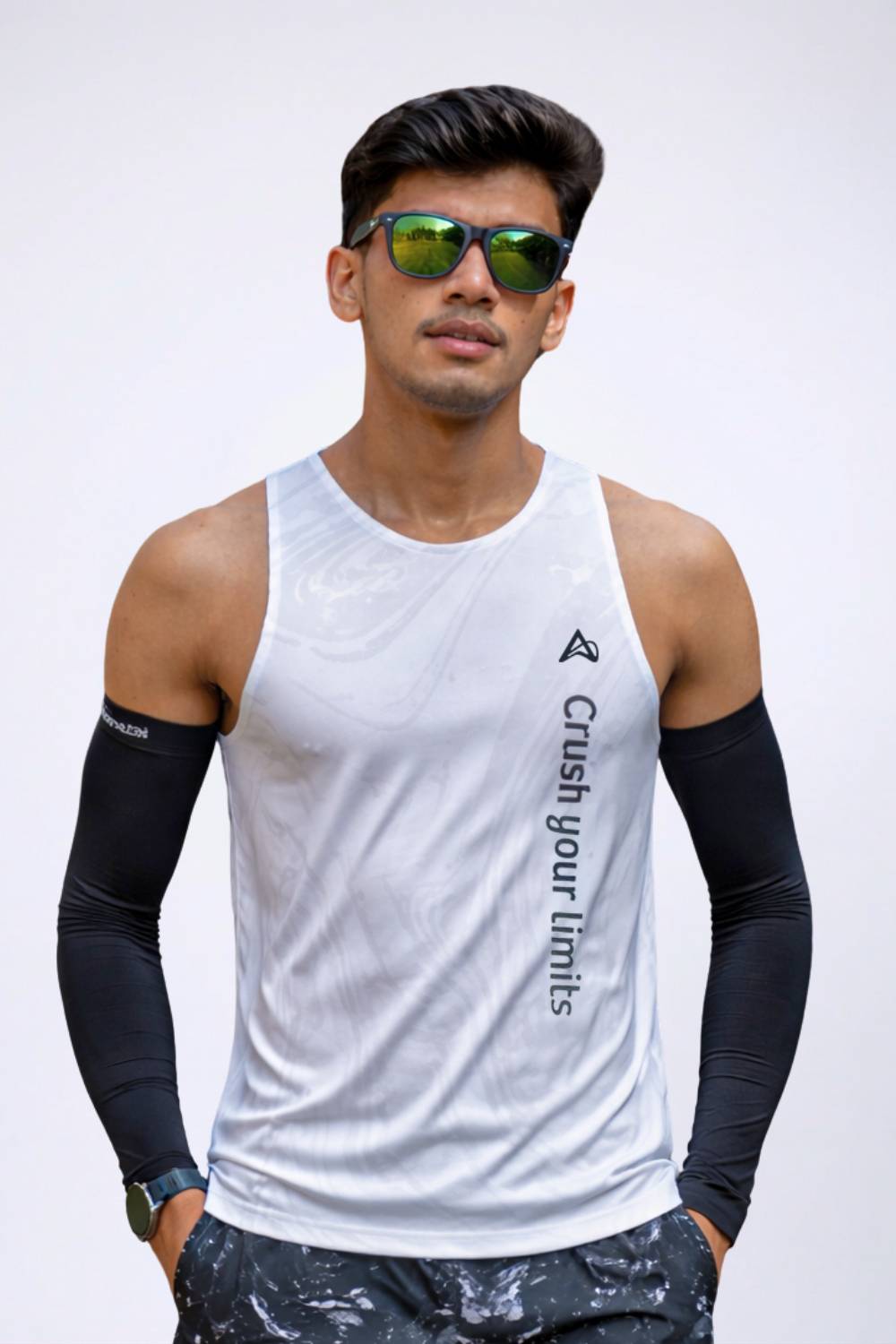

In the sweltering streets of India's major cities, where summer temperatures regularly climb past 35°C and humidity turns every stride into a test of will, endurance runners face a unique challenge: staying cool, protected, and chafing-free without sacrificing performance. Mastering Layering for Hot Weather Endurance Runs isn't just about throwing on extra clothes it's a strategic science that balances sweat evaporation, UV defense, and skin protection. Runners in Bangalore, Hyderabad, Mumbai, Pune, Navi Mumbai, Delhi, Gurugram, Surat, and Ahmedabad know this all too well.
Tired of gear that slows you down? Chafing, soggy fabrics, and missing pockets kill your run's momentum. At Aguante, we're runners who get it. Our high-performance activewear features moisture-wicking fabrics, ergonomic designs, and smart storage to keep you focused. Shop Now!
Why Layering Matters in Hot Weather Running
Layering for endurance runs in extreme heat goes far beyond basic comfort. The right combination of fabrics and garments helps manage moisture, shield skin from intense sunlight, and promote airflow where it counts most. In high-humidity coastal cities like Mumbai and Navi Mumbai, improper layering can quickly lead to soaked clothes that cling and chafe. In drier but fiercely hot inland spots like Delhi, Gurugram, and Ahmedabad, the focus shifts to rapid sweat evaporation and sun protection.
This approach directly supports injury prevention by reducing skin irritation that can derail training. It also improves hydration efficiency when your body isn't fighting constant friction or overheating, you conserve energy and fluids more effectively. Local runners report better sustained performance during long sessions when they dial in their layers thoughtfully.
Emerging Trends in Hot-Weather Running Gear
Across Indian urban running communities, lightweight technical fabrics have become essential. Moisture-wicking materials that pull sweat away from the skin while offering built-in UV protection are gaining traction, particularly among serious runners in Delhi and Mumbai. Studies and practical testing from institutions like IIT Delhi have highlighted how these fabrics perform under real urban conditions.
Marathon organizers in events such as the Mumbai Marathon and Delhi Half Marathon frequently share observations on optimal clothing choices when temperatures soar. Runners are moving toward seamless constructions and advanced synthetics that combine breathability with durability. In tech-forward hubs like Bangalore and Hyderabad, running clubs are even experimenting with smart fabrics and wearable sensors that monitor body temperature and sweat rates in real time, allowing for on-the-fly layering adjustments.
Real-World Examples from Indian Cities
In Pune, dedicated endurance training groups have conducted informal experiments comparing single-layer setups against strategic dual-layer approaches during peak summer runs. Their findings show that a well-chosen base layer paired with a loose, breathable outer piece often outperforms a single heavy garment in maintaining comfort over long distances.
Research insights from teams in Surat emphasize fabric breathability for humid coastal environments, advice that resonates strongly with runners in Mumbai and Navi Mumbai. Meanwhile, athletes in Ahmedabad have popularized the combination of lightweight running caps and UV-protective arm sleeves, which help reduce overall heat stress without adding significant weight or restricting movement.
The Role of Anti-Chafing Solutions in Layering Systems
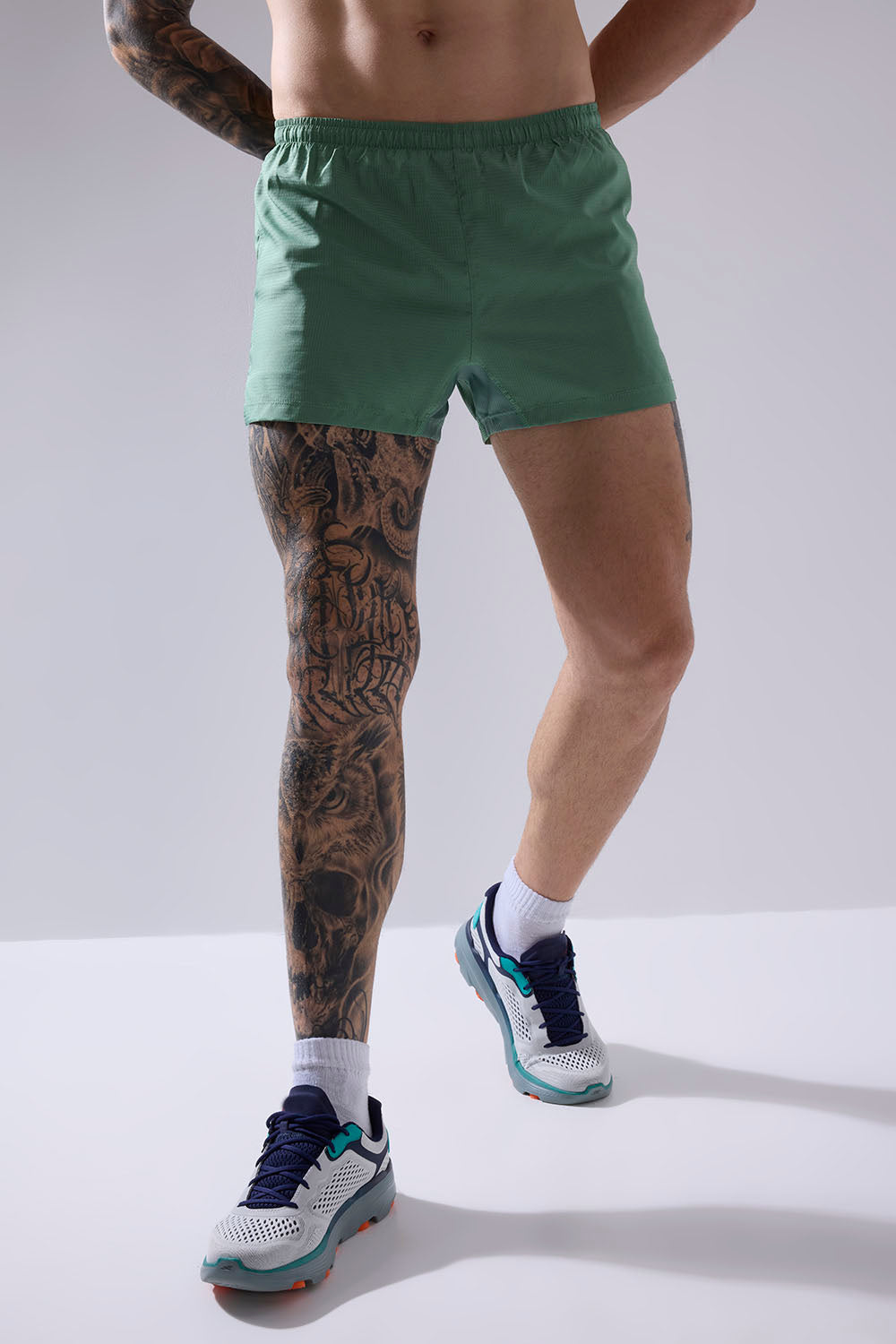
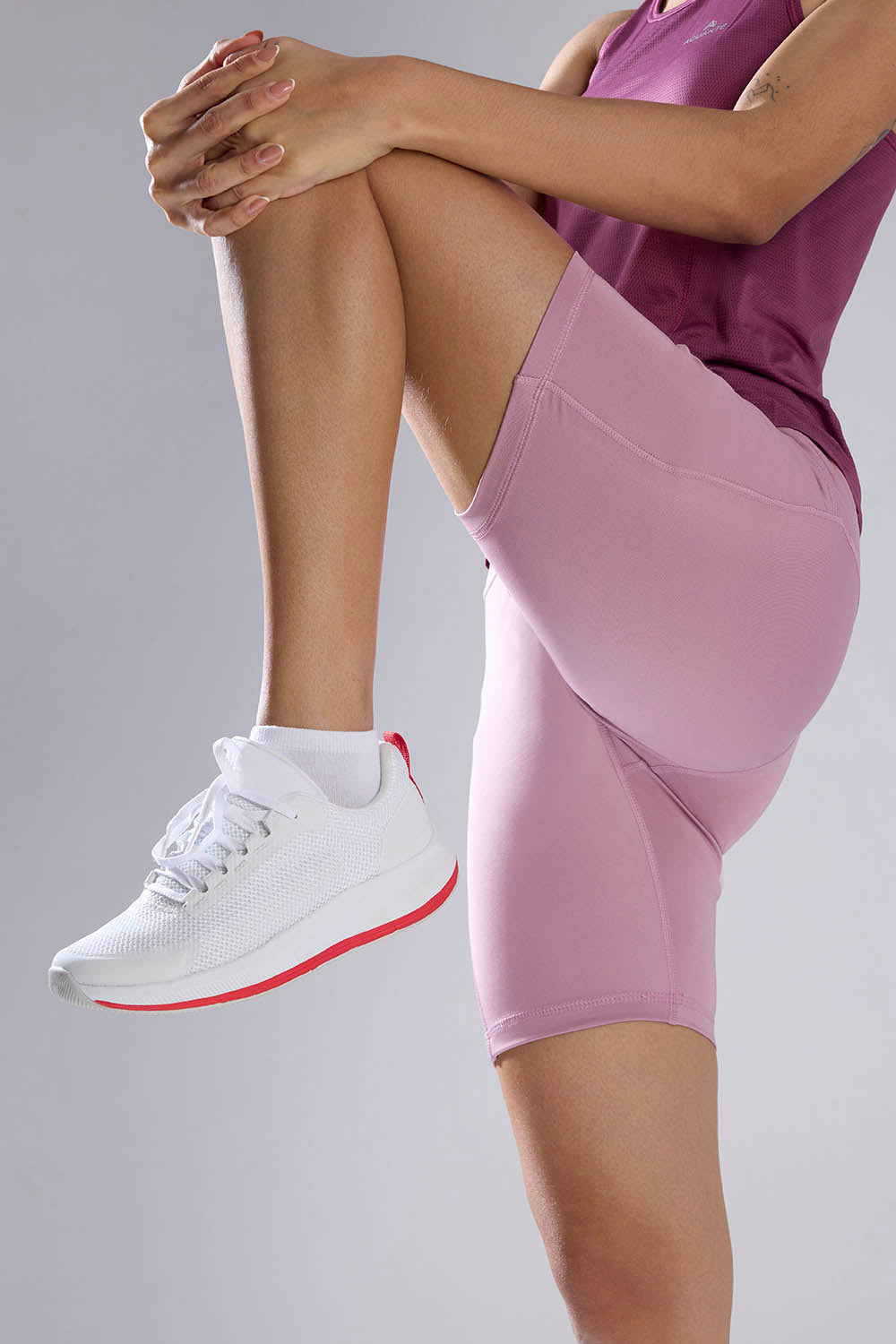
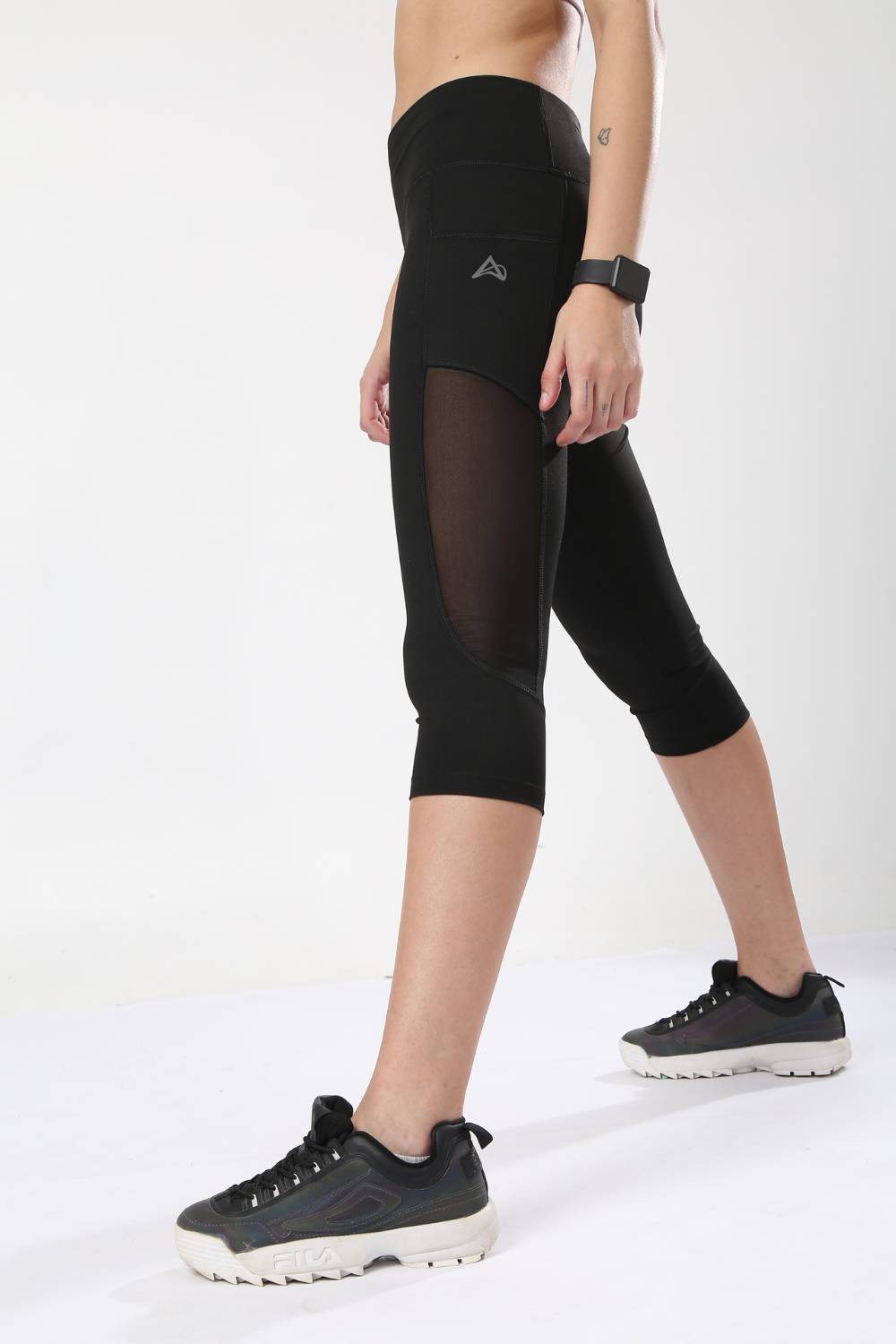
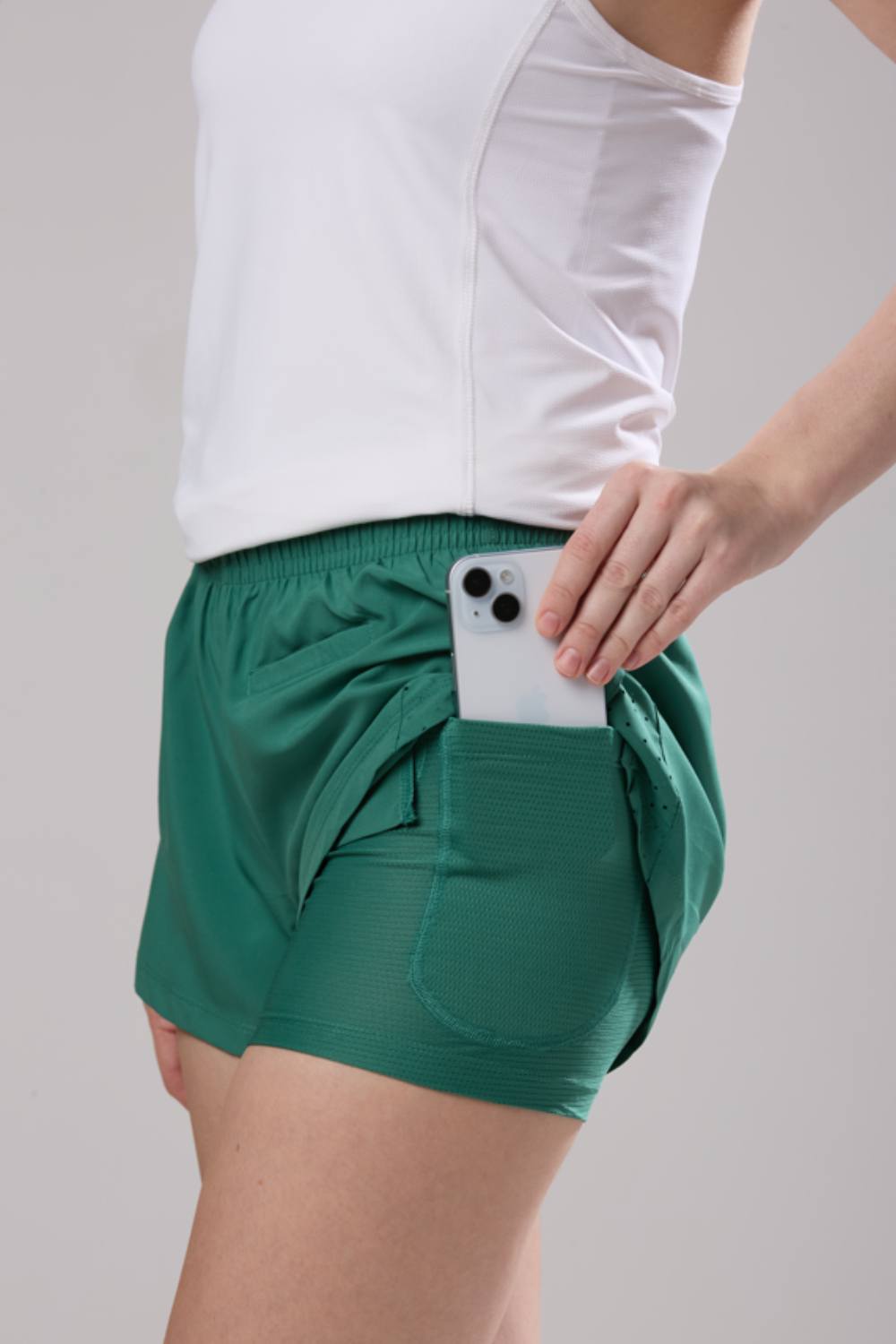
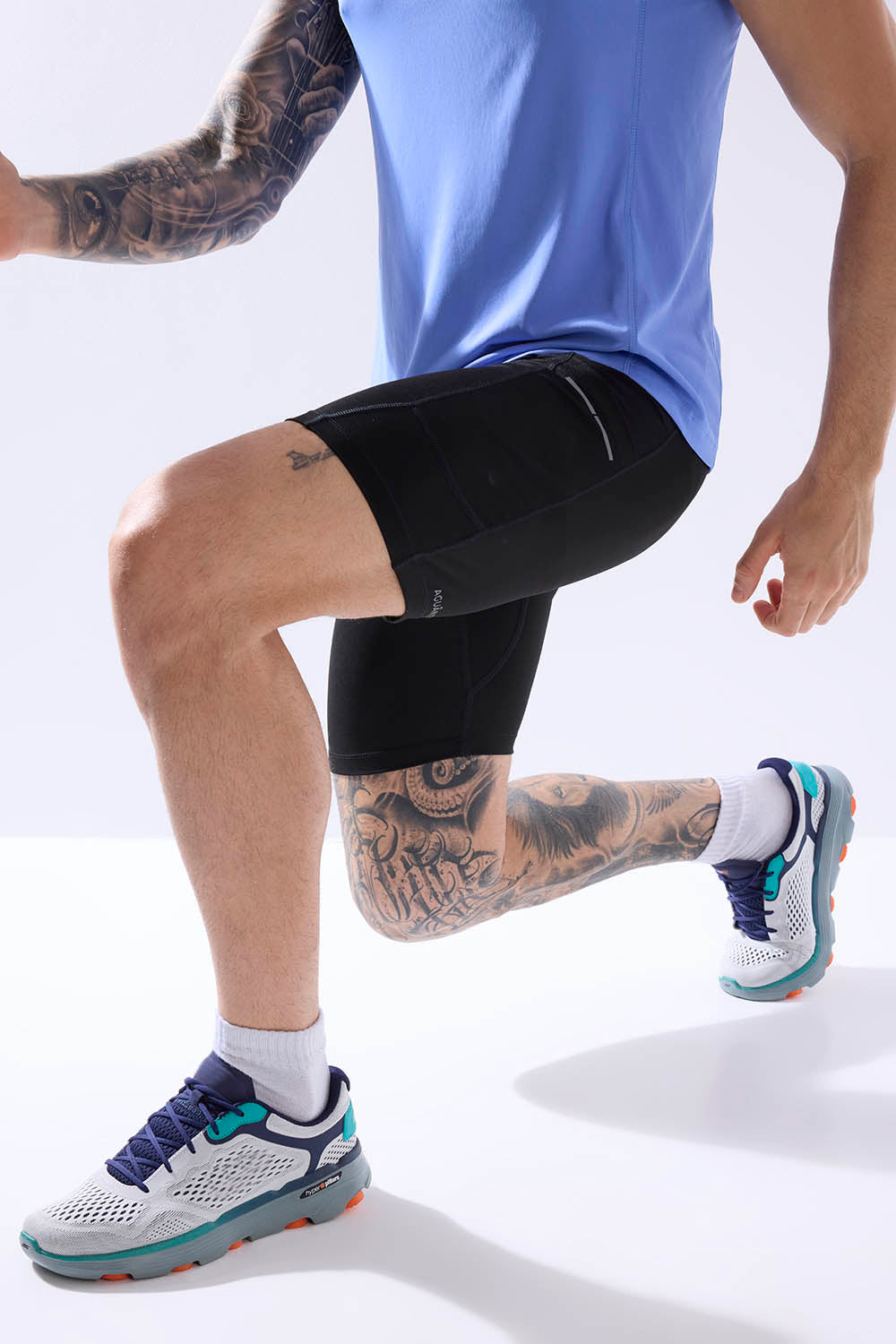
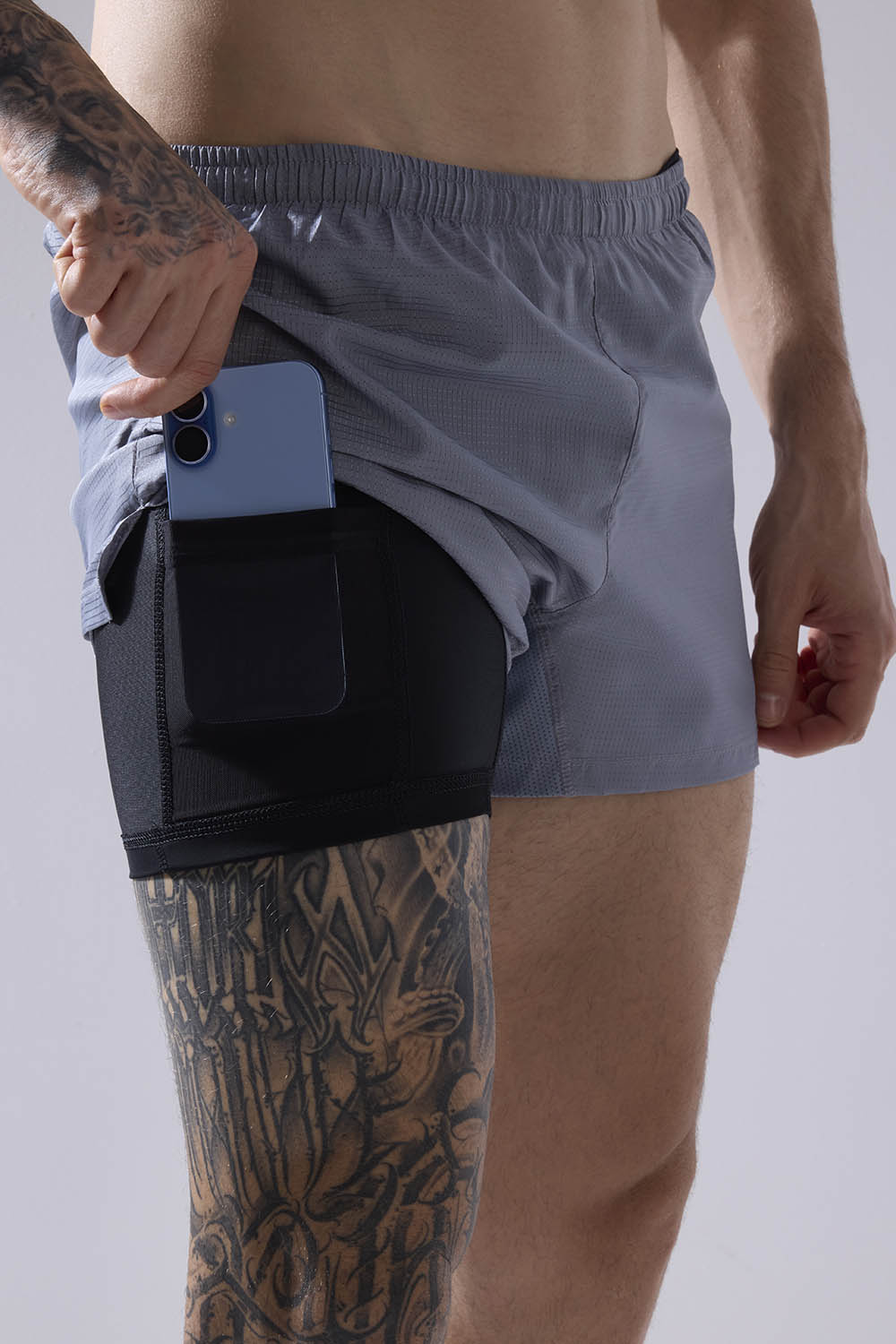
Anti-chafing products have emerged as vital companions for runners tackling high-mileage efforts in hot conditions. Brands are developing specialized anti chafing shorts featuring advanced moisture-wicking technologies, seamless construction, and ergonomic designs that provide optimal coverage while maintaining breathability and flexibility. These garments cater to athletes and everyday runners alike, addressing friction during prolonged physical activities like running.
Consumer awareness about skin health continues to rise, driving demand for solutions that prevent irritation and support comfort. Athletes and healthcare professionals increasingly endorse these products, recognizing their importance for sustained training in challenging environments. Similarly, anti-chafing creams formulated with effective ingredients offer targeted relief for friction-induced discomfort, becoming essential tools for outdoor enthusiasts pushing their limits.
Key Challenges and Risks of Poor Layering
Despite growing awareness, many runners still encounter problems. In Delhi and Gurugram, improper layering especially too many non-breathable pieces can accelerate heat exhaustion and dehydration. The contrast between Mumbai and Navi Mumbai's oppressive humidity and the comparatively drier heat of Bangalore or Pune demands different strategies. What works beautifully in one city can cause discomfort in another.
Common pitfalls include excessive layering that traps heat, choosing fabrics that don't wick moisture effectively, and failing to monitor hydration alongside clothing choices. Accessibility remains an issue too; while major metros offer plenty of options, runners in cities like Surat sometimes struggle to find specialized gear locally.
Performance Benefits and Smart Strategies
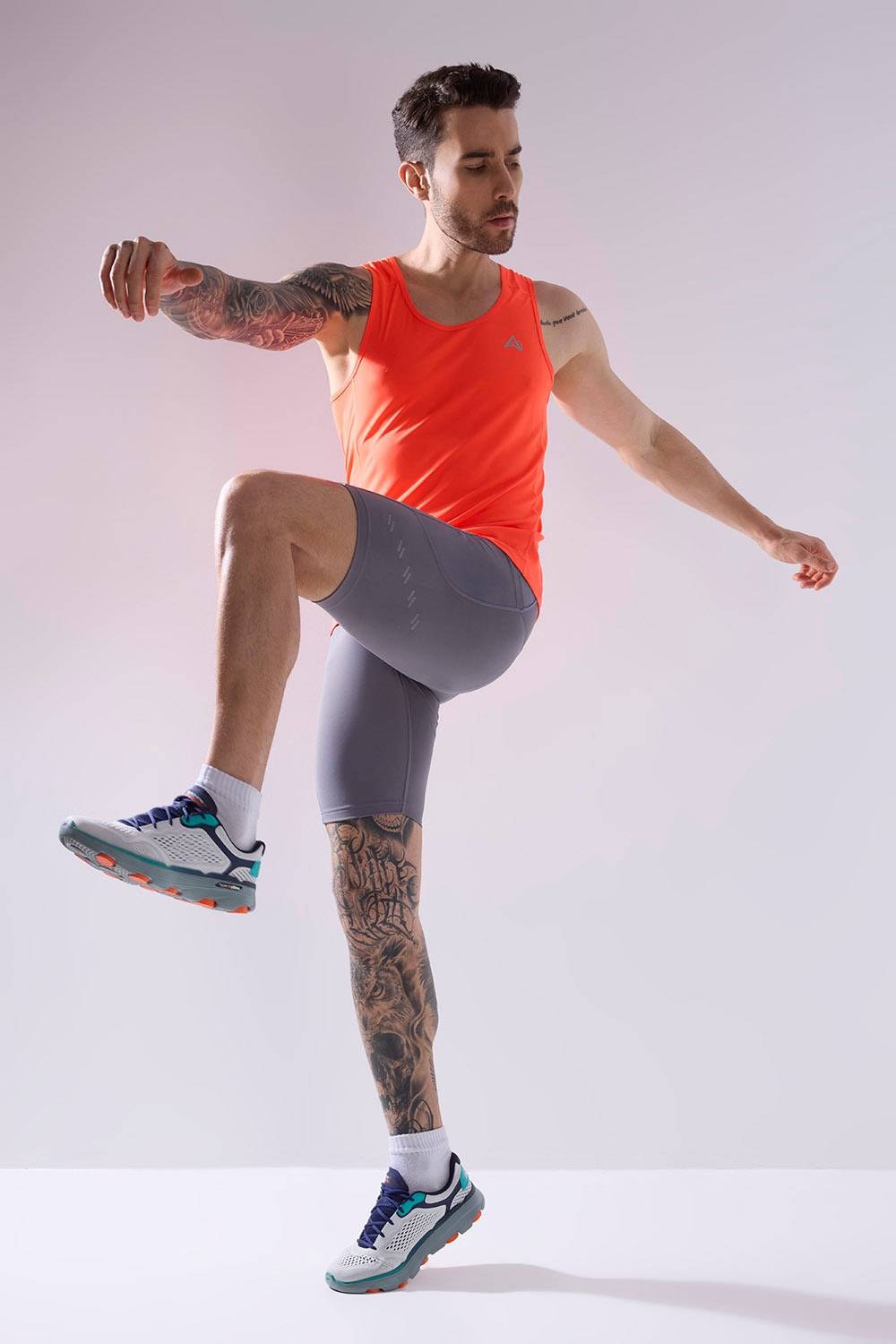
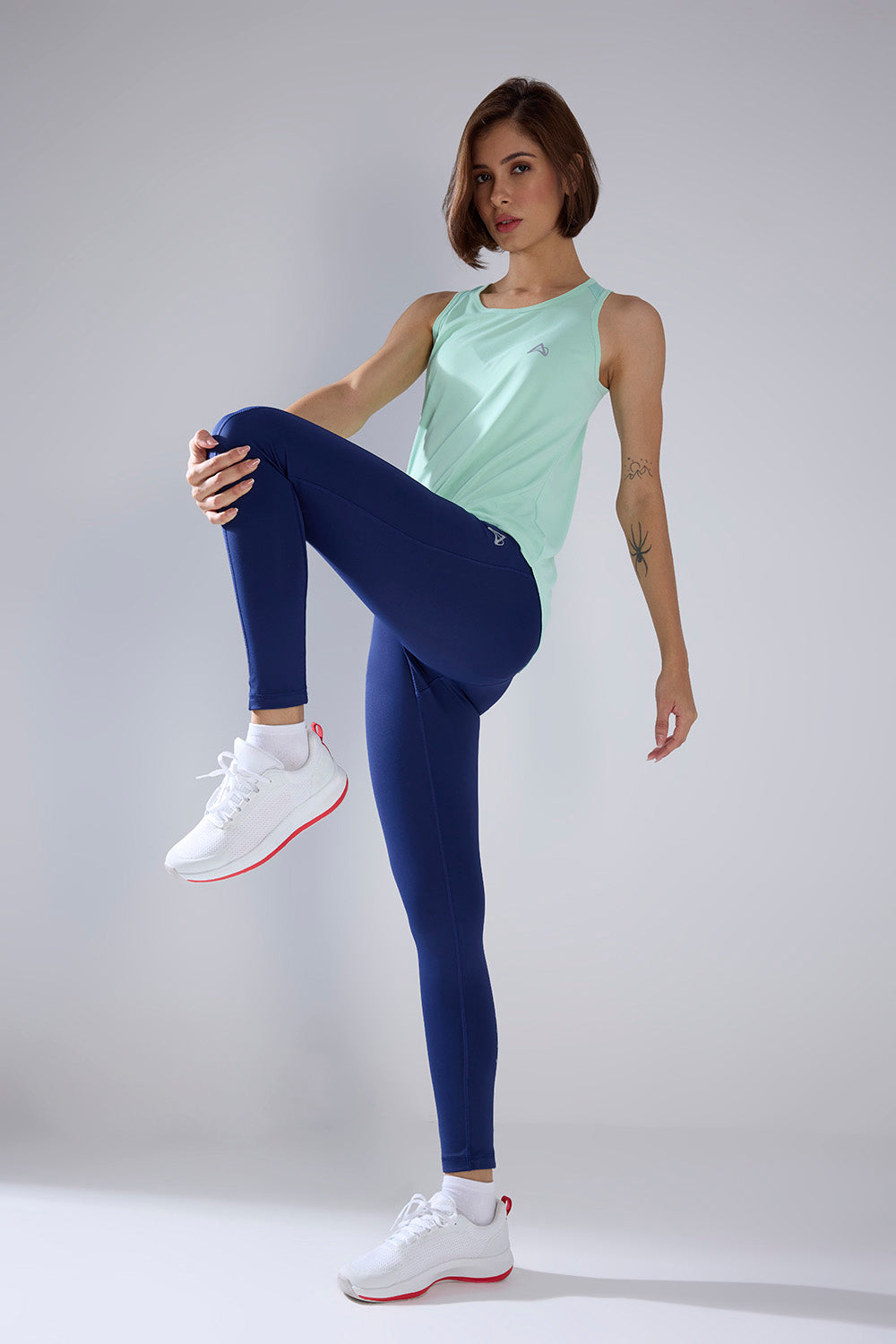
When executed well, thoughtful layering delivers noticeable gains in endurance and reduced fatigue. Sports science observations from places like IIT Hyderabad underscore how scientifically selected layers help runners maintain pace longer in demanding conditions. The key lies in choosing pieces that work together: a moisture-wicking base layer next to the skin, perhaps paired with anti-chafing shorts for high-friction areas, and a lightweight, protective outer layer that allows air circulation.
Cross-city knowledge sharing is accelerating progress. Delhi runners are adopting moisture-management techniques refined by Mumbai and Hyderabad groups, while training apps that incorporate regional weather data are helping athletes make smarter real-time decisions about their layers.
Practical Layering Tips for Hot Conditions
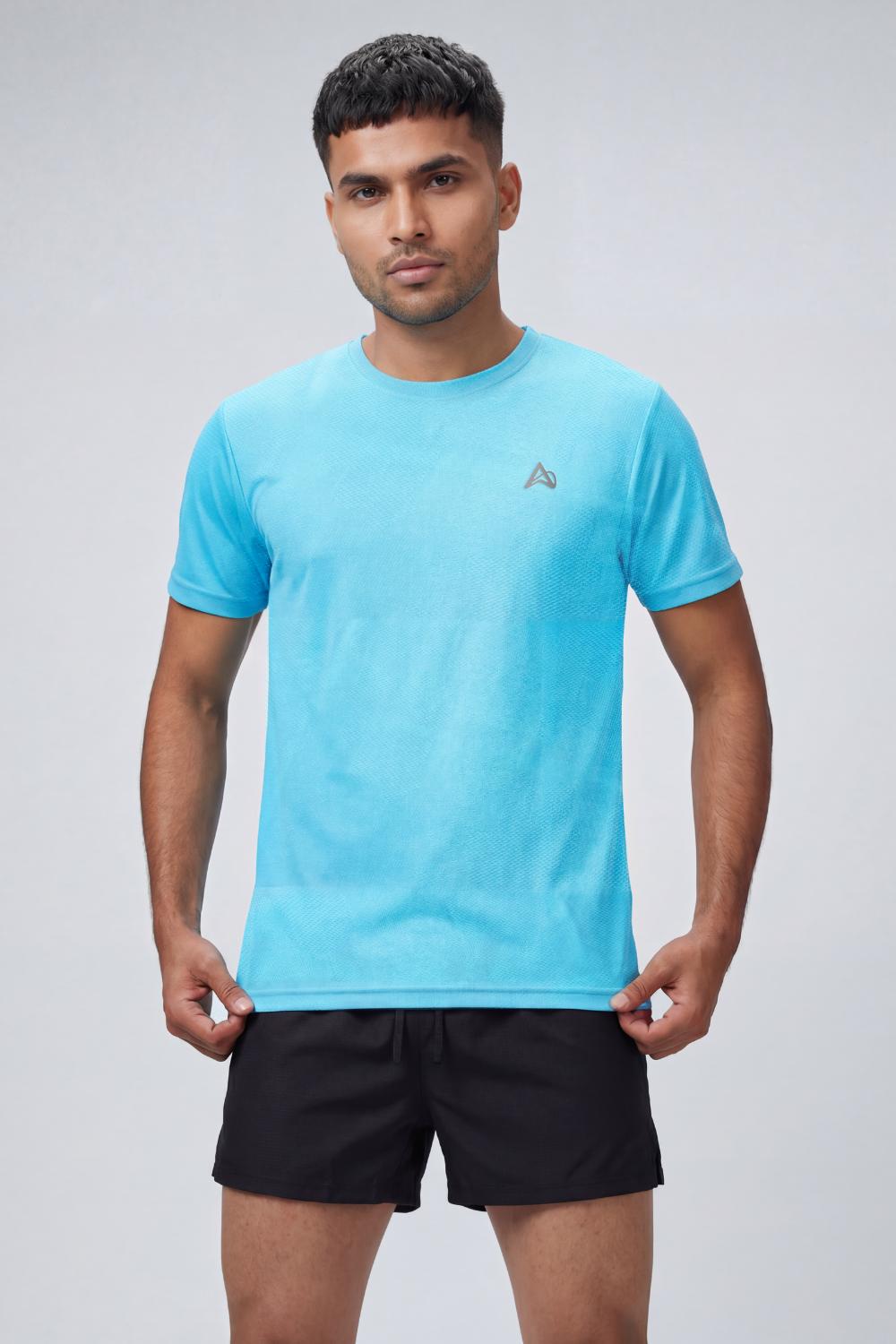
- Start with a fitted, moisture-wicking base layer that sits smoothly against the skin to reduce friction points.
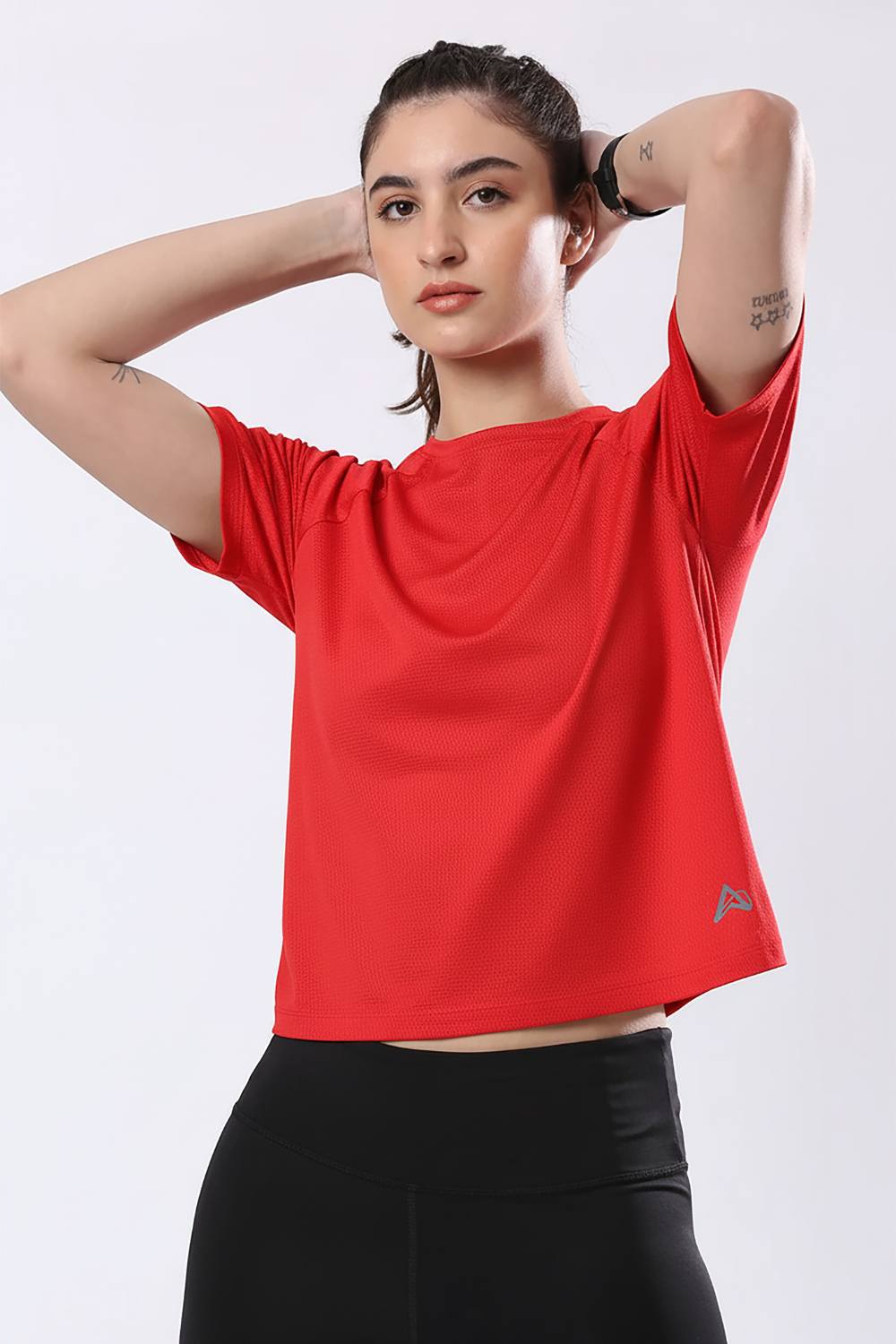
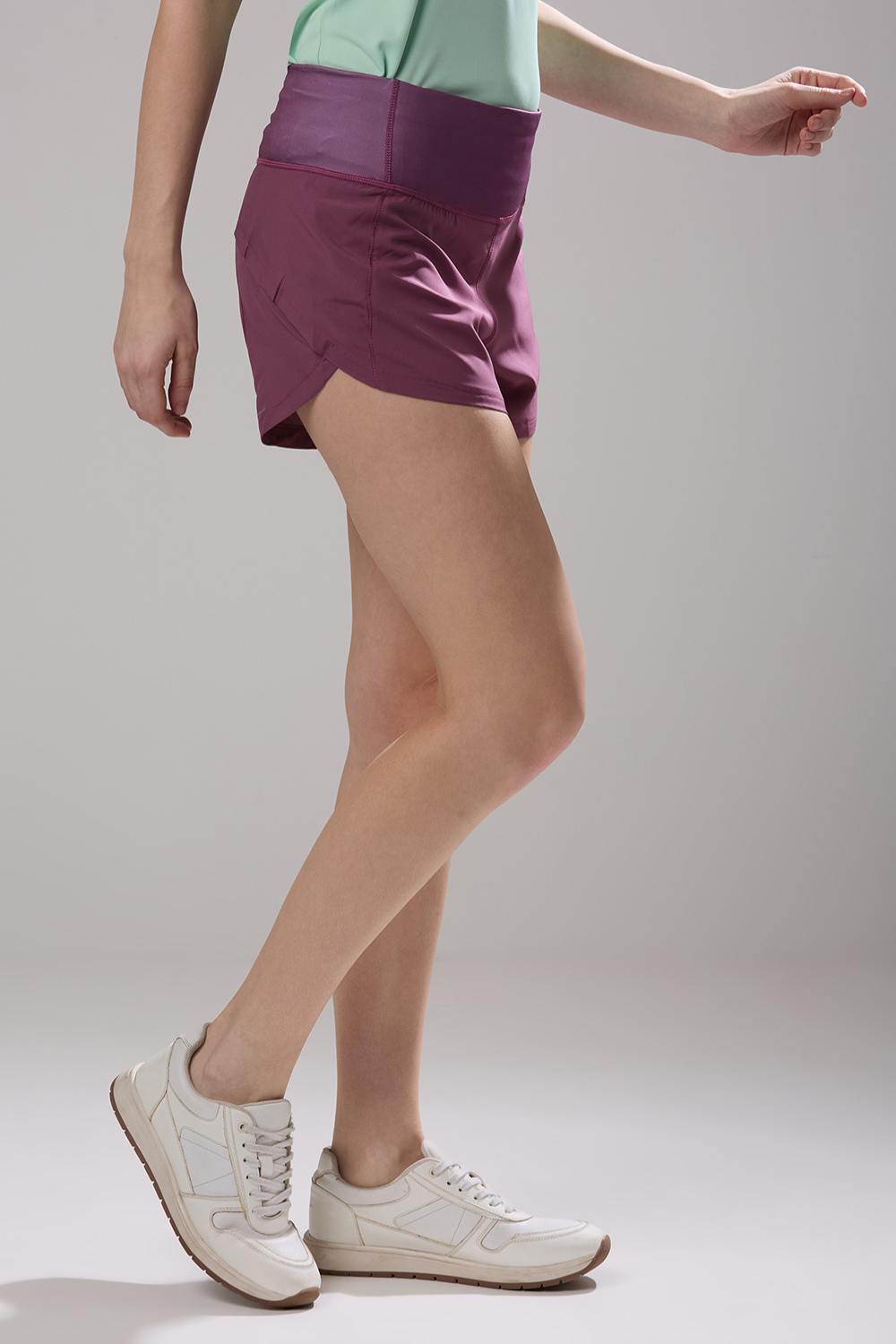
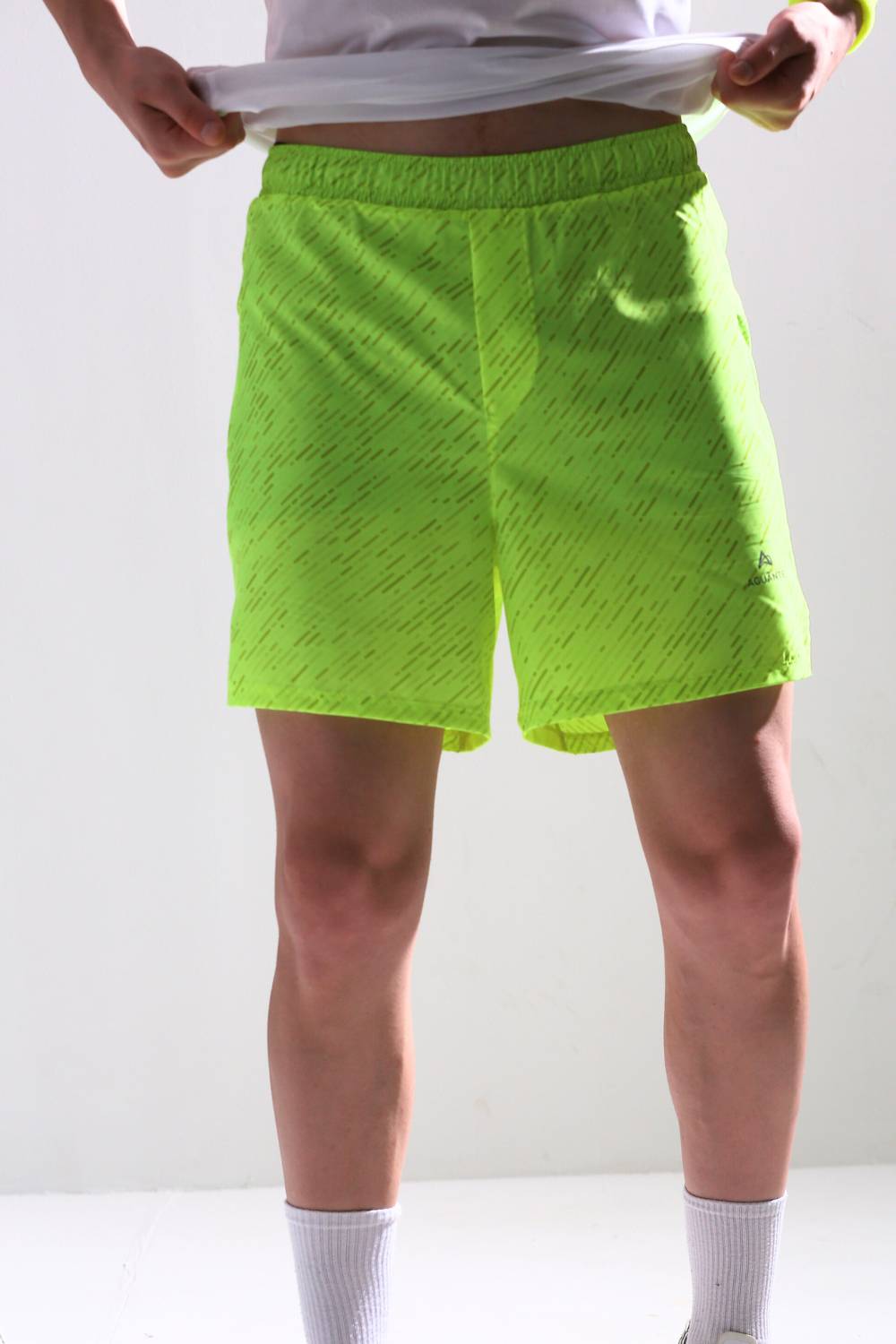
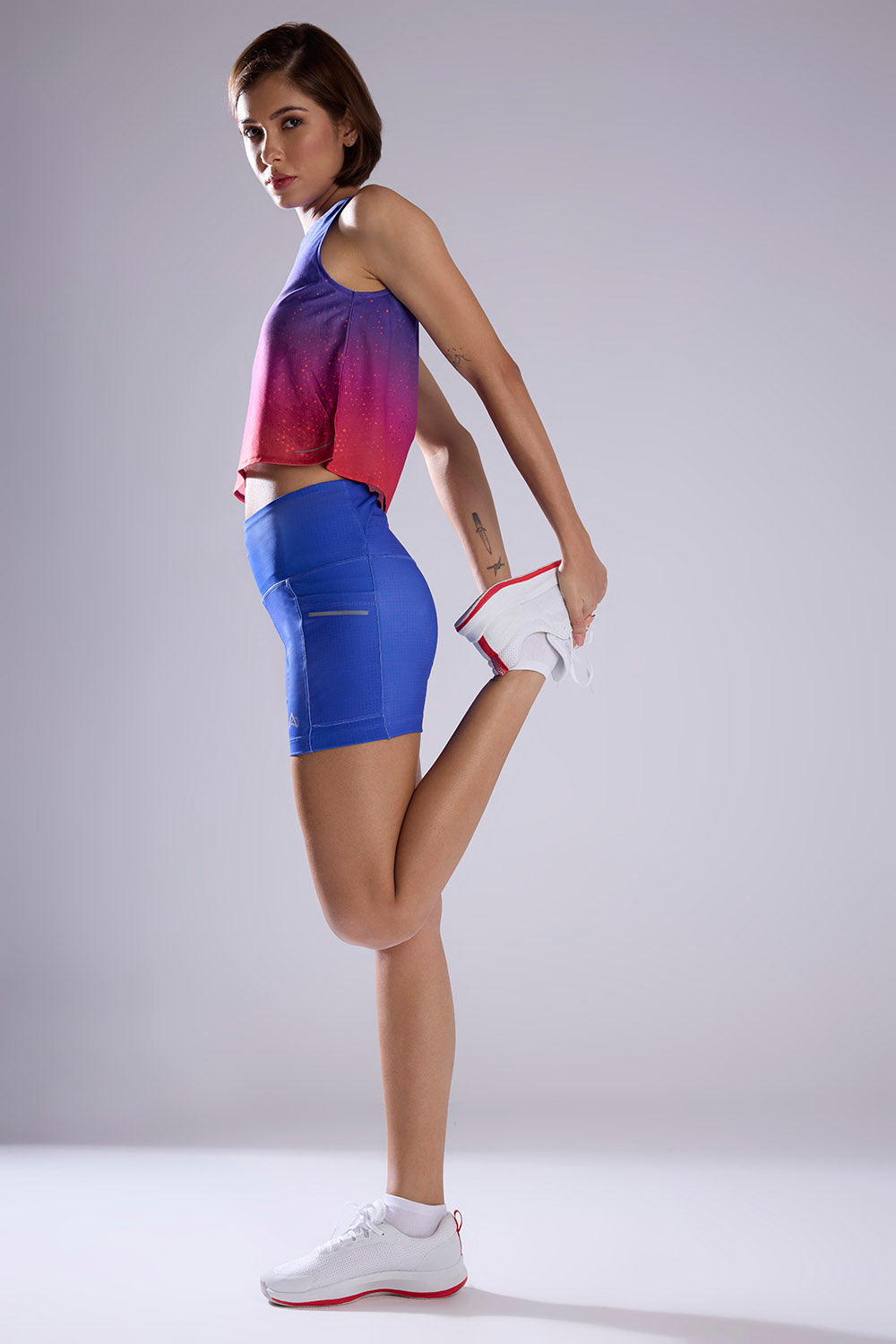
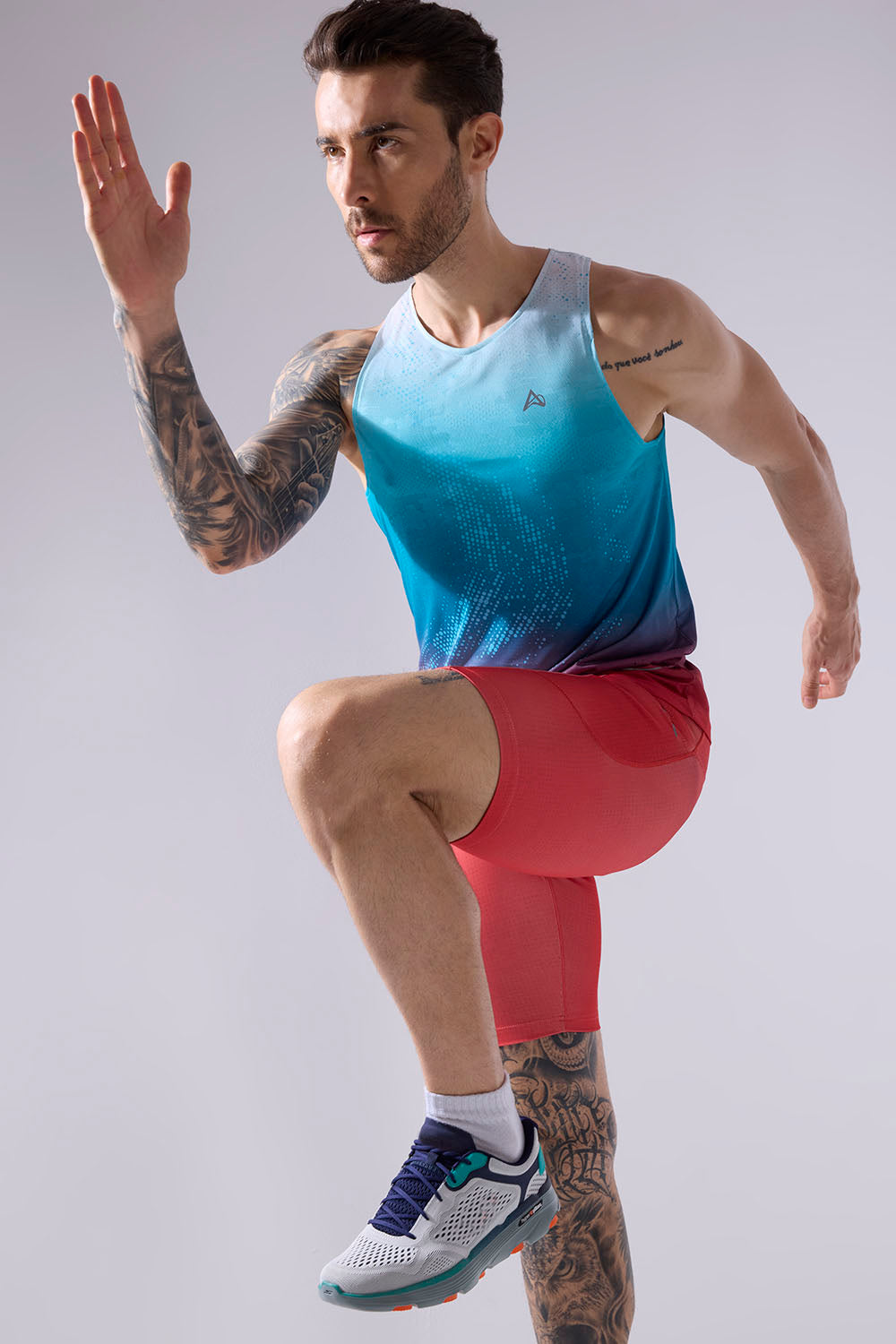
- Add a loose, highly breathable short or singlet that promotes airflow and quick drying.
- Incorporate UV-protective sleeves or a lightweight cap for exposed areas during midday runs.
- Choose anti-chafing solutions or apply targeted creams for thighs and other high-movement zones.
- Always test your full layering system on shorter runs before committing to long efforts in extreme heat.
- Monitor how different fabric combinations interact with your local climate and personal physiology.
Overcoming Regional Climate Variations
Success depends on understanding local conditions. Coastal humidity in Mumbai and Navi Mumbai calls for fabrics that excel at moving moisture outward and drying rapidly. Inland dry heat in Ahmedabad or Pune rewards ultra-light, reflective materials that minimize heat absorption. Bangalore's variable microclimates reward versatile, adaptable layering that can handle both sunny afternoons and occasional showers.
Runners who pay attention to these nuances and adjust accordingly consistently report fewer interruptions from discomfort and better overall training consistency. This climate-aware approach transforms potential barriers into opportunities for smarter training.
Common Questions About Hot Weather Layering
Many runners wonder whether adding layers in already hot conditions makes sense. The answer lies in strategic selection rather than volume breathable, functional pieces enhance rather than hinder performance. Another frequent concern involves balancing UV protection with breathability. Modern technical fabrics solve this by offering both without excess bulk.
Questions about anti-chafing gear often arise: do these specialized shorts truly make a difference during long runs? Experience from endurance athletes suggests they significantly reduce friction-related setbacks, allowing focus to remain on pace and form rather than discomfort.
Looking Ahead: The Future of Heat-Adaptive Running
Indian sports science researchers and marathon organizers agree that optimal layering in hot conditions requires careful balance: enough coverage for protection, minimal weight for efficiency, and smart material choices for sweat management. The coming years will likely see wider adoption of high-tech performance fabrics and more personalized strategies informed by local climate patterns and individual physiology.
For runners across these cities, the message is clear: treat layering as a skill worth mastering. Experiment with region-specific combinations, pay close attention to how your body responds, and refine your approach based on real experience. The payoff is smoother, safer, and more enjoyable miles even when the sun is blazing overhead.
The runners who thrive in India's challenging urban heat aren't necessarily those with the most expensive gear they're the ones who understand how different layers interact with their environment and their own physiology. By embracing this science, you can turn oppressive weather from a limiter into a manageable variable, keeping your training strong no matter what the forecast brings.
Whether you're preparing for your next early morning run in Hyderabad or tackling a long weekend effort in Pune, thoughtful layering combined with reliable anti-chafing support creates the foundation for consistent progress. This isn't about following trends blindly but about applying practical insights that respect both the science and the unique demands of running in India's diverse urban climates.
Frequently Asked Questions
Does wearing layers actually help during hot weather runs, or does it make you overheat?
Strategic layering in hot weather is about quality and function, not quantity. Choosing breathable, moisture-wicking fabrics in a smart combination such as a fitted base layer paired with a loose outer singlet helps manage sweat evaporation and airflow far better than a single heavy garment. The key is selecting technical pieces that work together rather than simply piling on clothing.
How do I choose the right running layers for India's humid cities like Mumbai versus drier cities like Delhi or Ahmedabad?
Climate plays a major role in layering strategy. In high-humidity coastal cities like Mumbai and Navi Mumbai, prioritize fabrics that rapidly move moisture outward and dry quickly to prevent soaked, chafing clothing. In drier, intensely hot cities like Delhi, Ahmedabad, or Gurugram, ultra-light and reflective materials that minimize heat absorption and accelerate sweat evaporation are more effective.
Do anti-chafing shorts really make a difference for long-distance running in the heat?
Yes especially for high-mileage efforts in hot, humid conditions. Anti-chafing shorts with seamless construction, moisture-wicking fabrics, and ergonomic designs significantly reduce friction in high-movement zones like the thighs, allowing runners to stay focused on pace and form rather than skin irritation. Endurance athletes and healthcare professionals increasingly endorse these garments as an essential part of any serious runner's hot-weather kit.
Disclaimer: The above helpful resources content contains personal opinions and experiences. The information provided is for general knowledge and does not constitute professional advice.
You may also be interested in: Track Pants vs. Tights: Which is Best for Your Run? - Aguante
Tired of gear that slows you down? Chafing, soggy fabrics, and missing pockets kill your run's momentum. At Aguante, we're runners who get it. Our high-performance activewear features moisture-wicking fabrics, ergonomic designs, and smart storage to keep you focused. Shop Now!
Powered by flareAI.co