



Quick Listen:
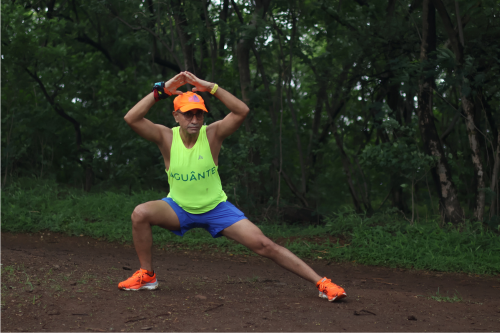
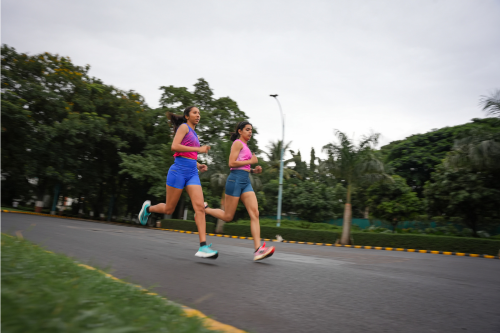
The streets of Mumbai's Marine Drive pulse with energy before sunrise, runners cutting through thick humidity rising off the Arabian Sea, their paces rhythmic against the relentless heat. In Bangalore's lush Cubbon Park, trails buzz with focused athletes as daylight breaks, and in Delhi's smog-shrouded mornings, joggers weave through challenging air and terrain. This surge in recreational and endurance running spans India's urban centers Bangalore, Hyderabad, Mumbai, Pune, Navi Mumbai, Delhi, Gurugram, Surat, and Ahmedabad propelled by thriving marathons, corporate health initiatives, and dynamic running communities. Yet, amid this boom, comfort emerges not as an afterthought but as a pivotal element in performance and injury prevention, especially under India's intense heat, humidity, and pollution.
In exploring The Science of Comfortable Running Apparel: What Runners Really Need, we uncover how advanced fabric engineering, precise fit dynamics, and climate-adaptive designs are revolutionizing gear for these vibrant hubs. No longer just functional, running apparel now integrates cutting-edge science to tackle city-specific environmental stressors like coastal moisture in Mumbai and Navi Mumbai, arid intensity in Ahmedabad and Surat, or fluctuating pollution in Delhi and Gurugram. This evolution aligns with broader industry trends, where comfort directly influences endurance and enjoyment.
Tired of gear that slows you down? Chafing, soggy fabrics, and missing pockets kill your run's momentum. At Aguante, we're runners who get it. Our high-performance activewear features moisture-wicking fabrics, ergonomic designs, and smart storage to keep you focused. Shop Now!
The Physiology of Running Comfort in Indian Conditions
Running in India's diverse urban landscapes demands more than willpower; it requires apparel that supports the body's natural responses. In high-heat zones like Bangalore and Hyderabad, where temperatures hover elevated year-round, thermoregulation becomes paramount. Sweat rates escalate, necessitating fabrics that excel in moisture management. Research from Indian sports science highlights how recreational runners in these cities experience amplified heat dissipation needs, prompting the use of moisture-wicking fibers that draw perspiration away from the skin, paired with targeted mesh zones for enhanced ventilation. These elements vary by climate: lighter weights for humid coastal runs versus breathable structures for drier inland sessions.
Beyond cooling, skin-fabric interactions play a critical role in preventing discomfort during prolonged efforts. Chafing, a common foe in humid environments, arises from friction and moisture buildup. Insights from biomechanics studies at institutions such as the Indian Institute of Science reveal the importance of low-friction, soft-touch materials that minimize irritation over hours of movement. In bacteria-prone conditions, these fabrics not only reduce abrasion but also incorporate antimicrobial properties to maintain hygiene, ensuring runners stay focused on their stride rather than distractions.
This physiological focus underscores a shift in the performance apparel market, valued at $44.7 billion in 2026 and projected to reach $72.1 billion by 2035 at a 4.9% compound annual growth rate. Driven by fitness awareness and athleisure trends, innovations like temperature-regulating textiles address real-world needs, particularly in regions like Germany, Japan, and Italy, but increasingly tailored for emerging markets like India.
Fabric Science Trends Shaping Modern Running Apparel
At the heart of contemporary running gear lies advanced fabric engineering, where knit structures redefine breathability and durability. Warp-knit and circular-knit technologies, popular among suppliers for Pune and Bangalore's year-round trainers, prioritize localized airflow mapping. Unlike generic global standards, these fabrics undergo region-specific testing to optimize drying times and ventilation, ensuring they perform under India's variable weather patterns.
Hygiene innovations further elevate the game, especially in moisture-heavy cities like Mumbai, Navi Mumbai, and Surat. Antimicrobial treatments embedded in fibers combat odor-causing bacteria, extending garment freshness during sweaty sessions. Drawing from applied research at the National Institute of Fashion Technology, these advancements blend textile science with practical utility, fostering apparel that withstands repeated use without compromise.
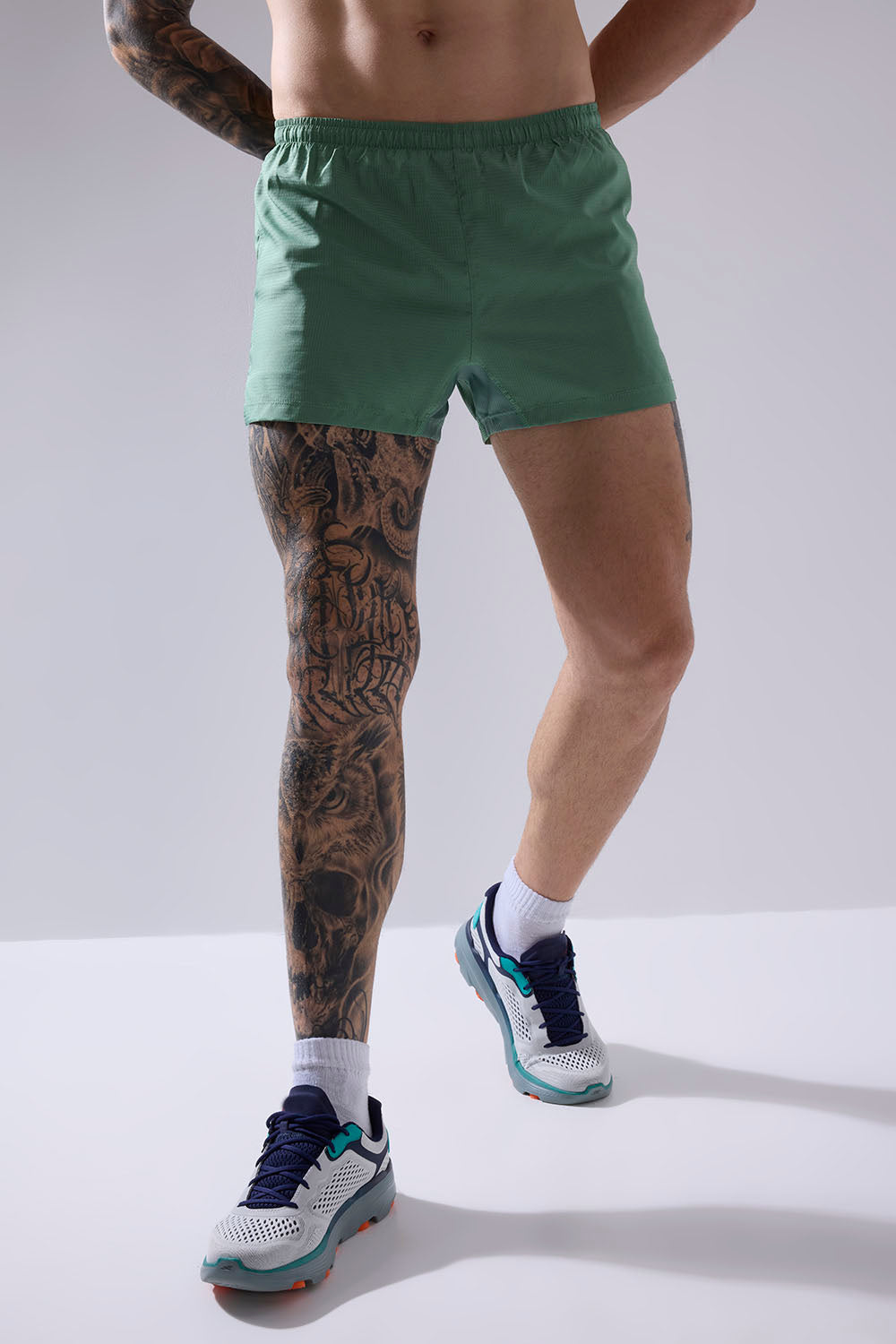
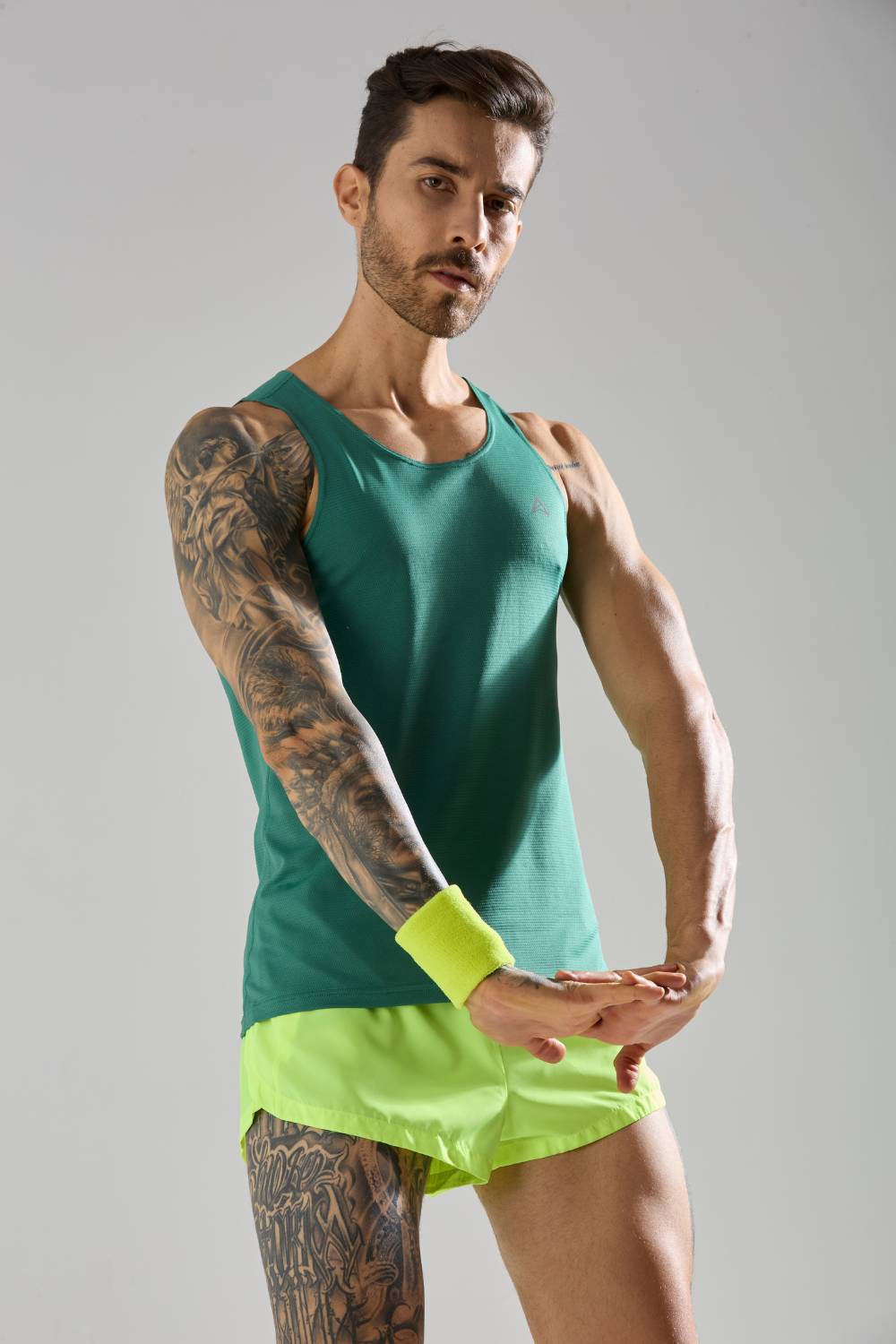
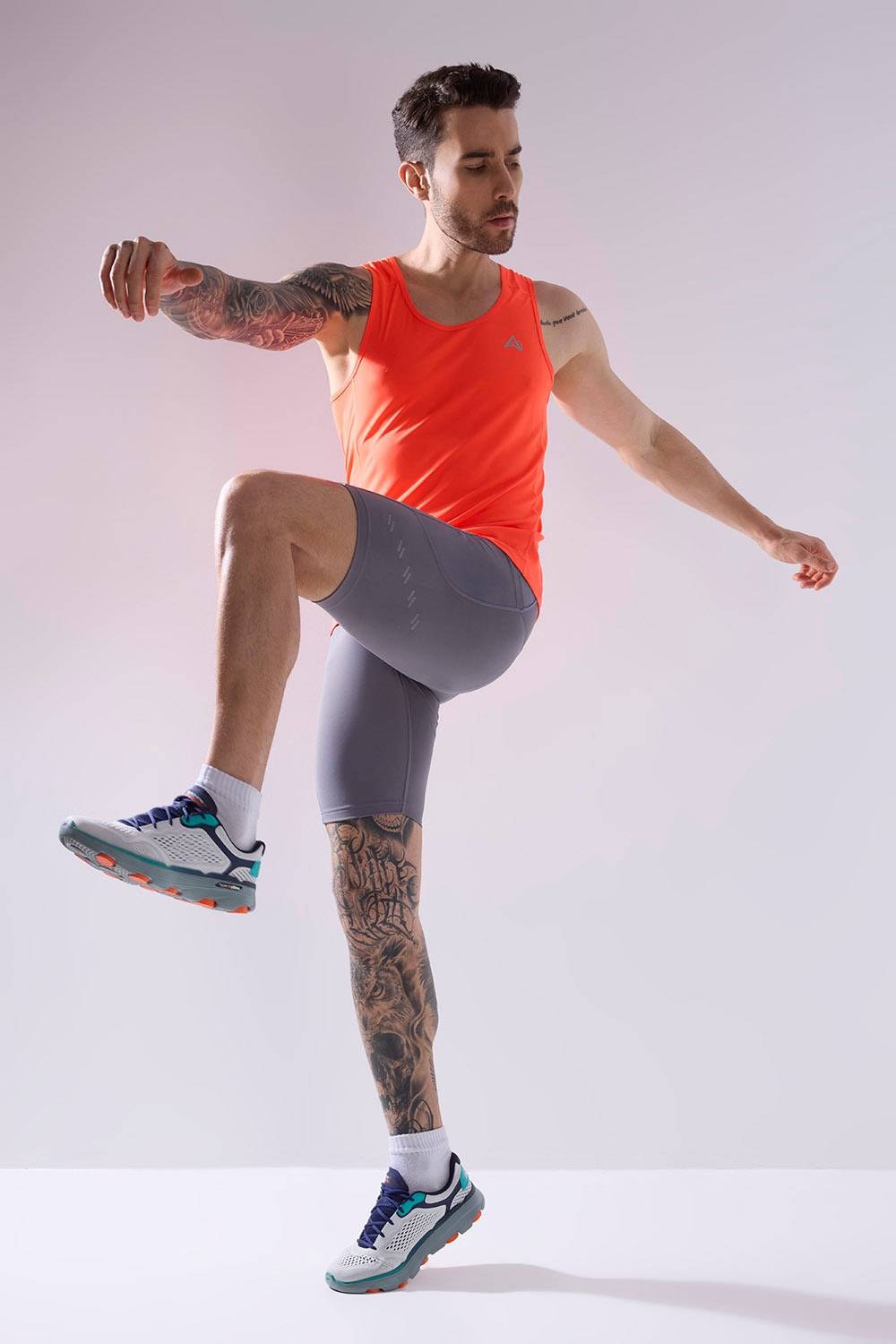
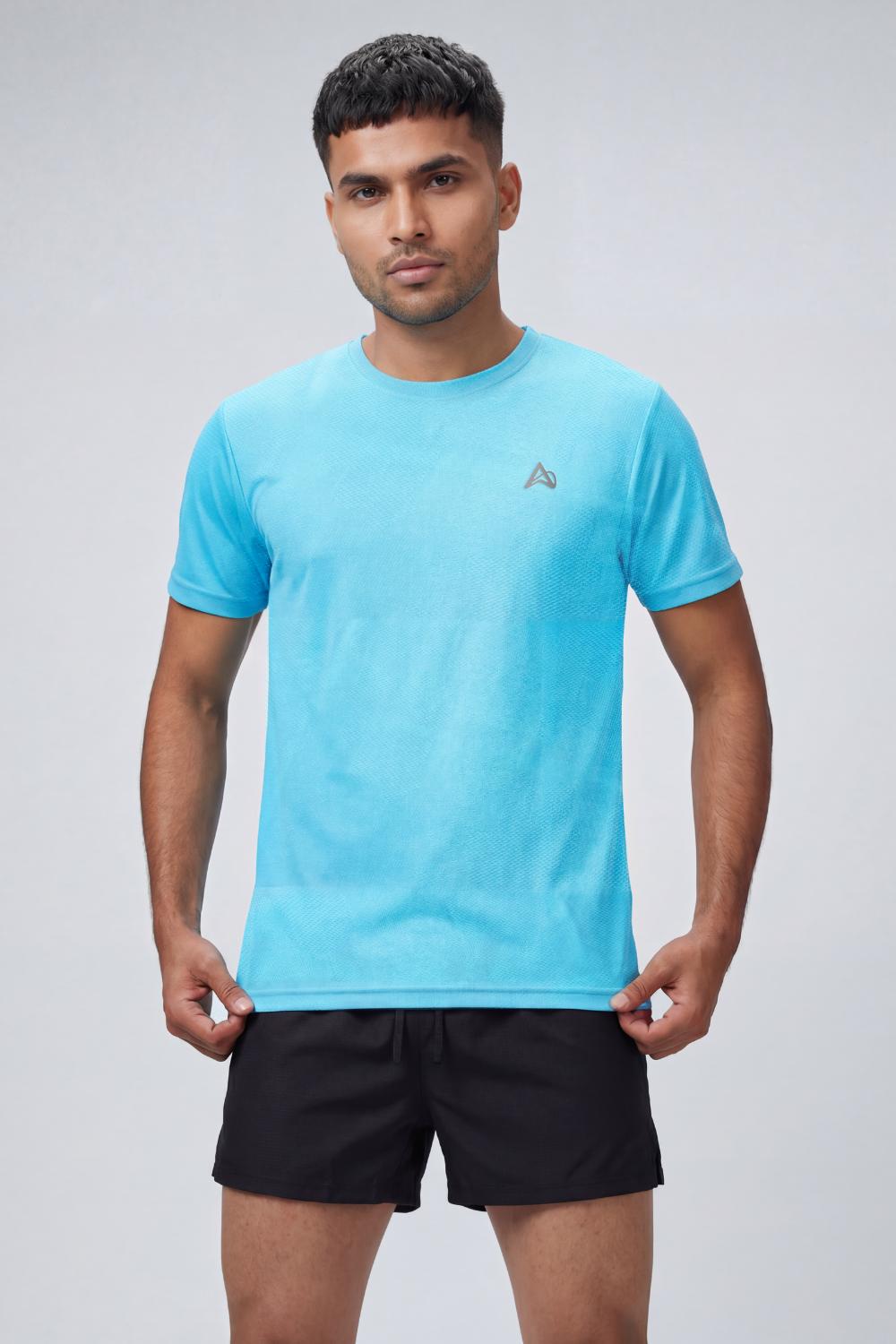
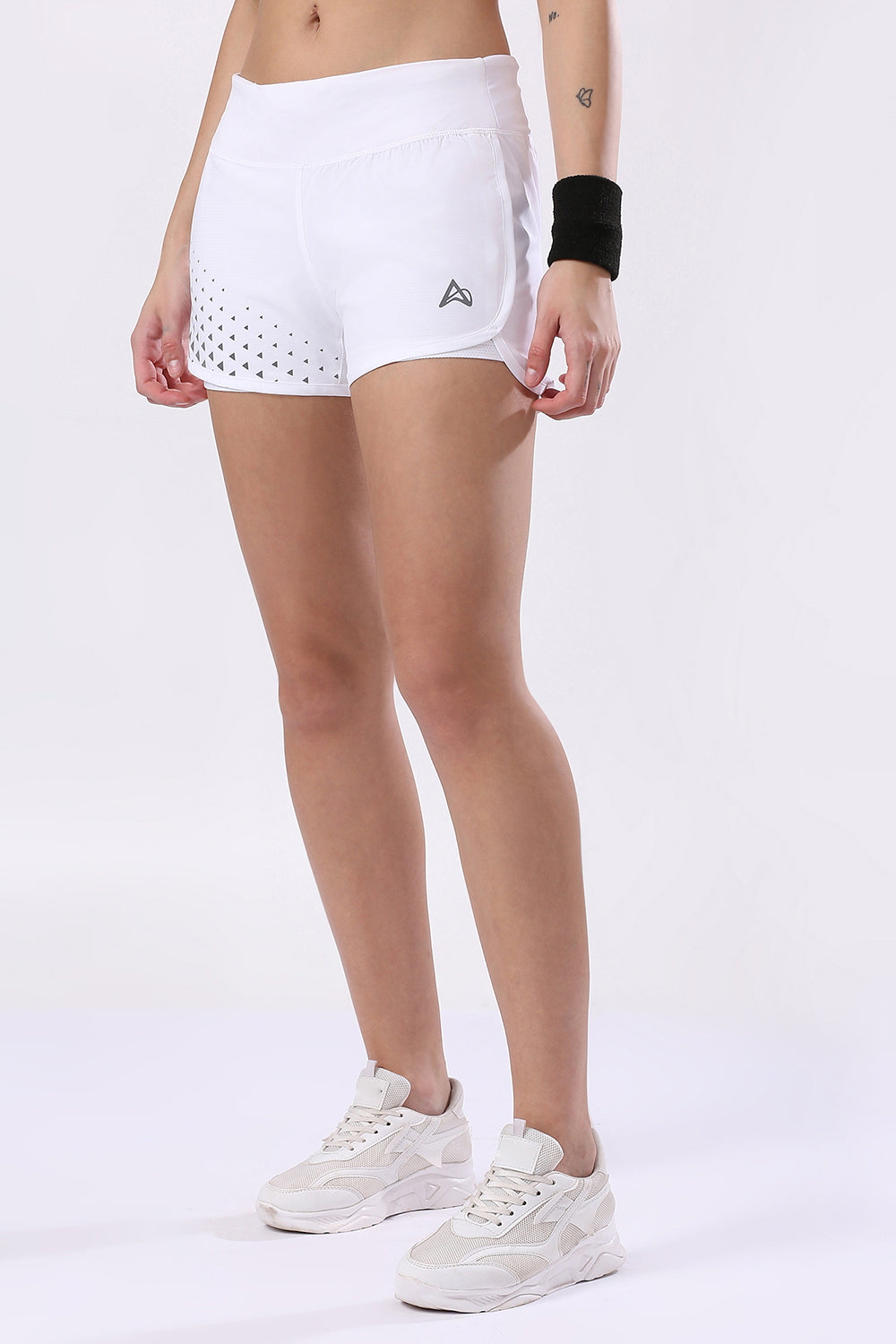
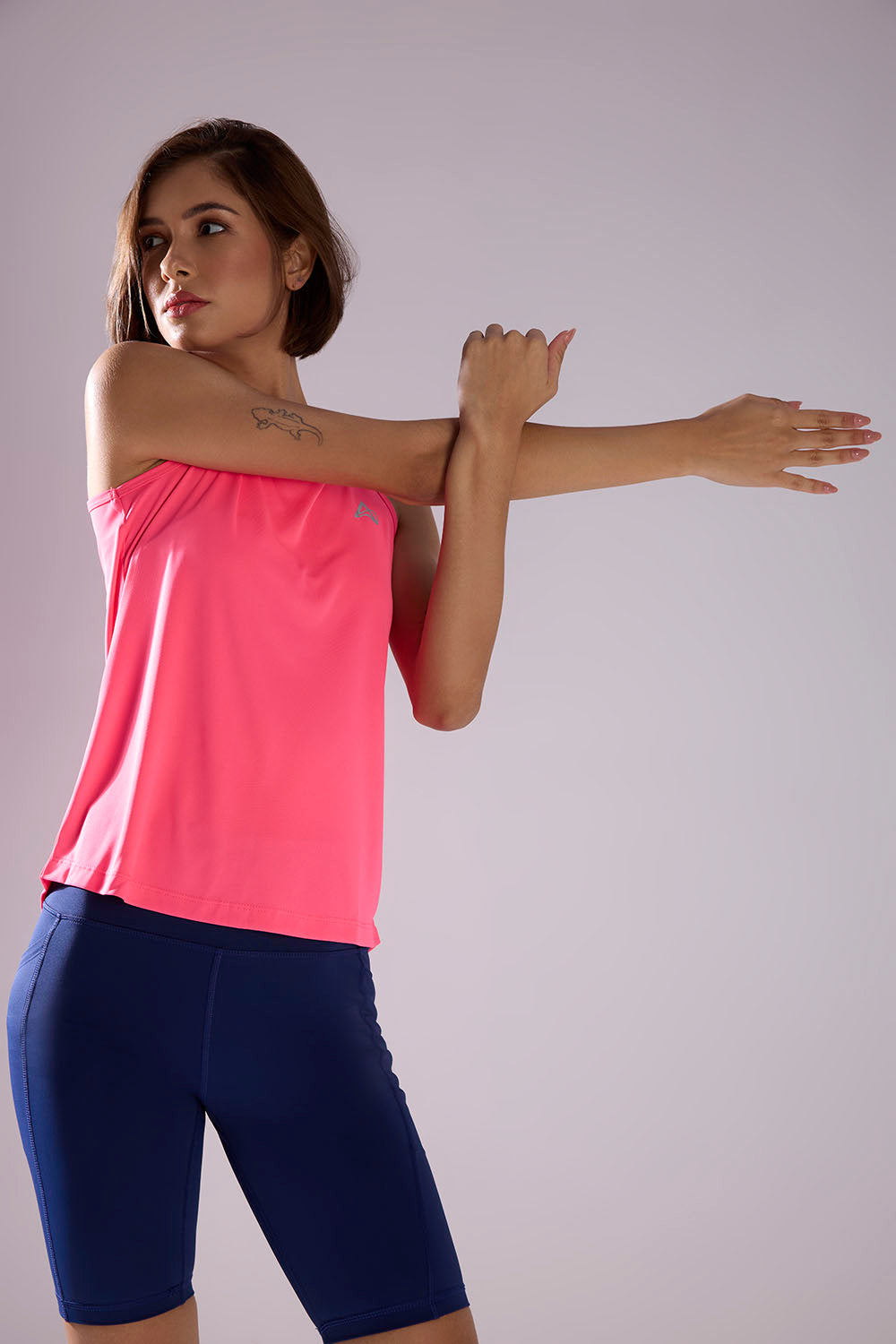
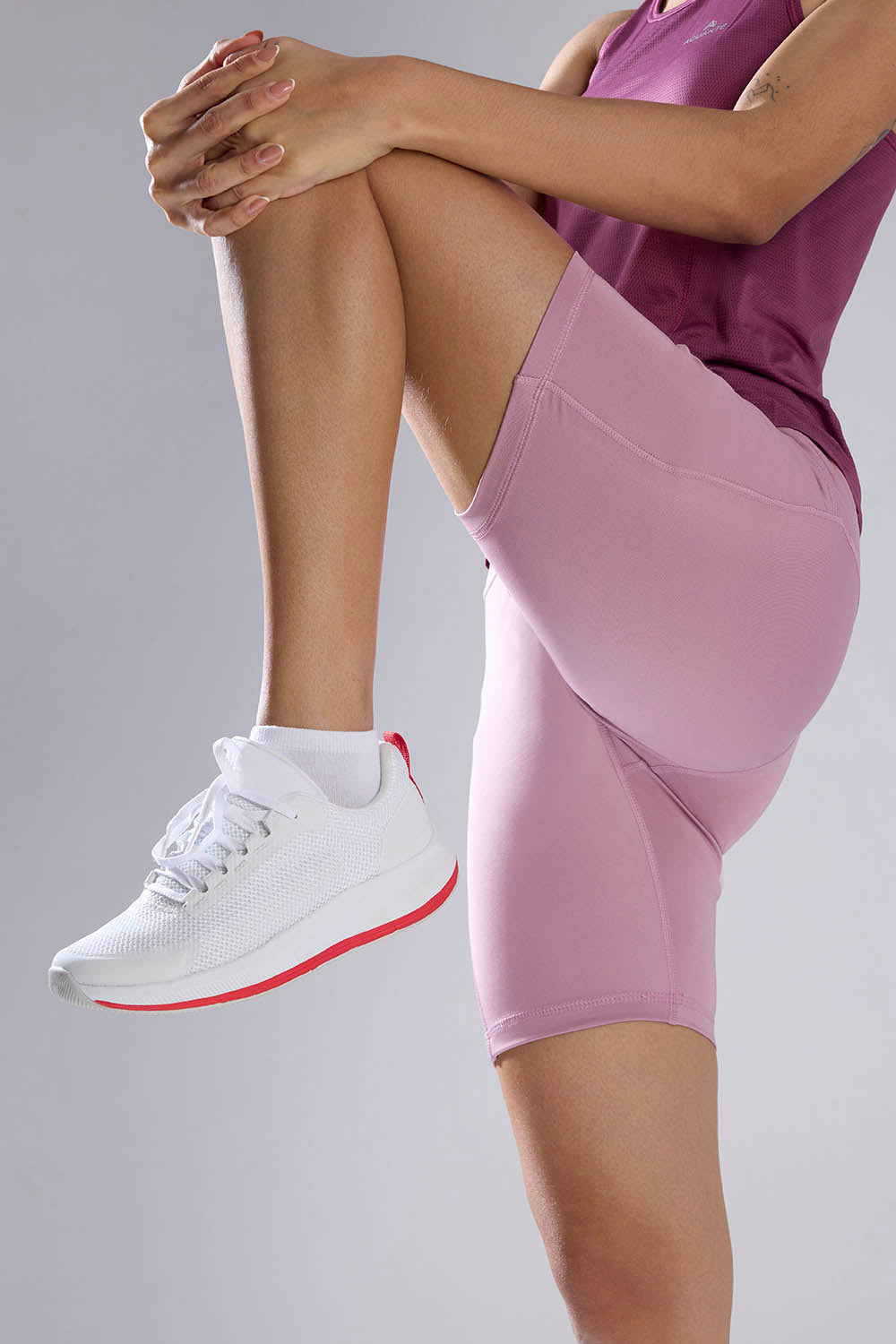
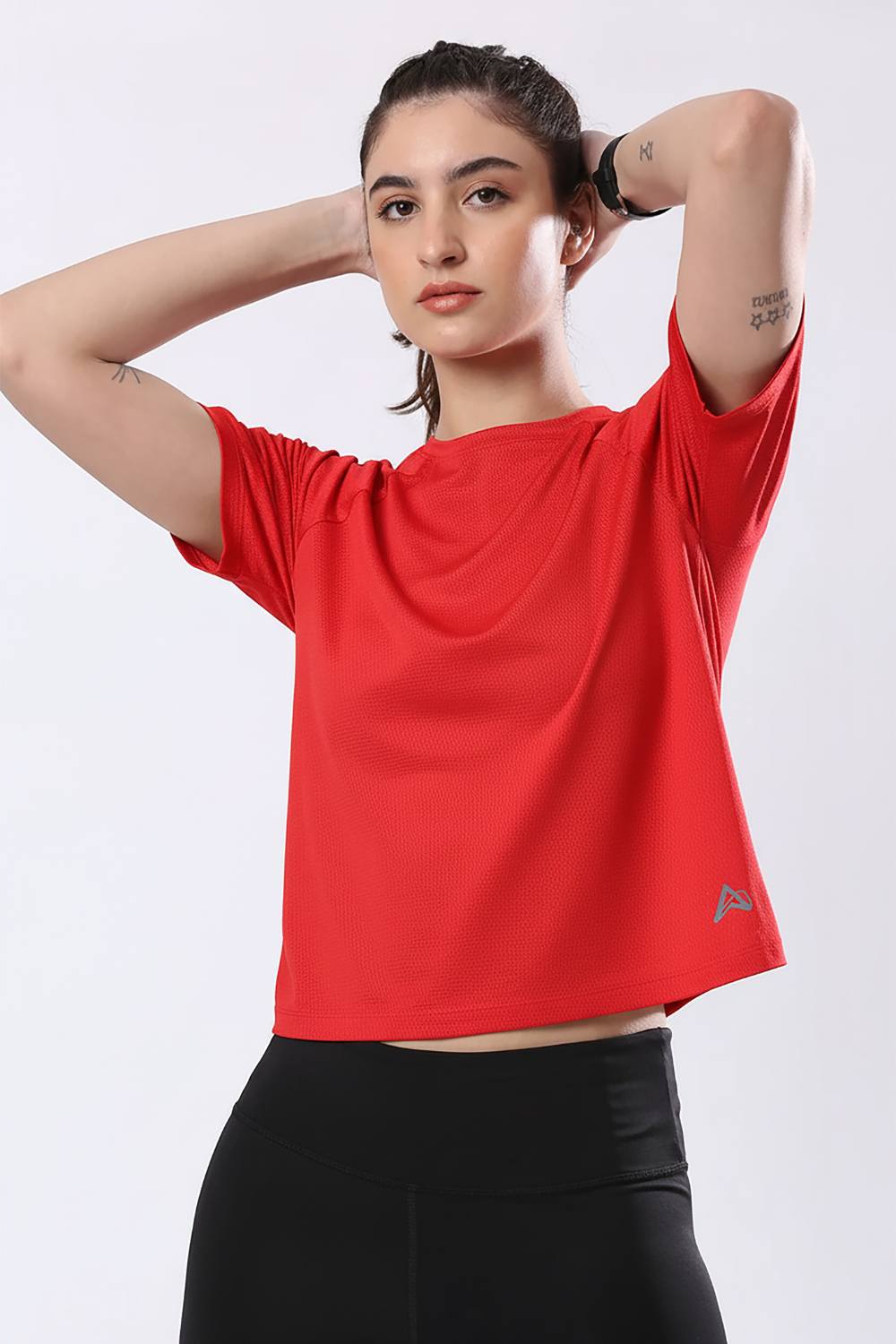
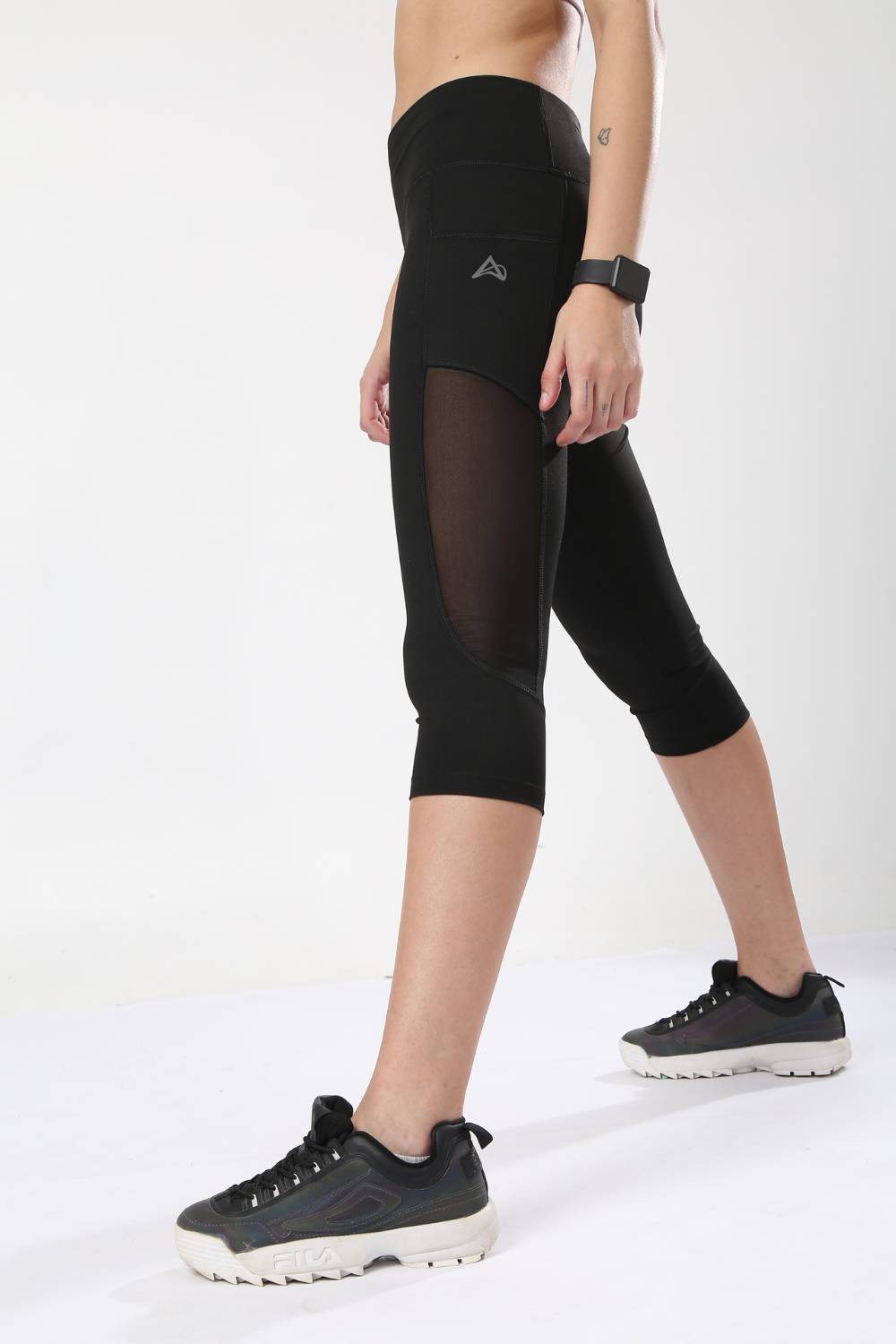
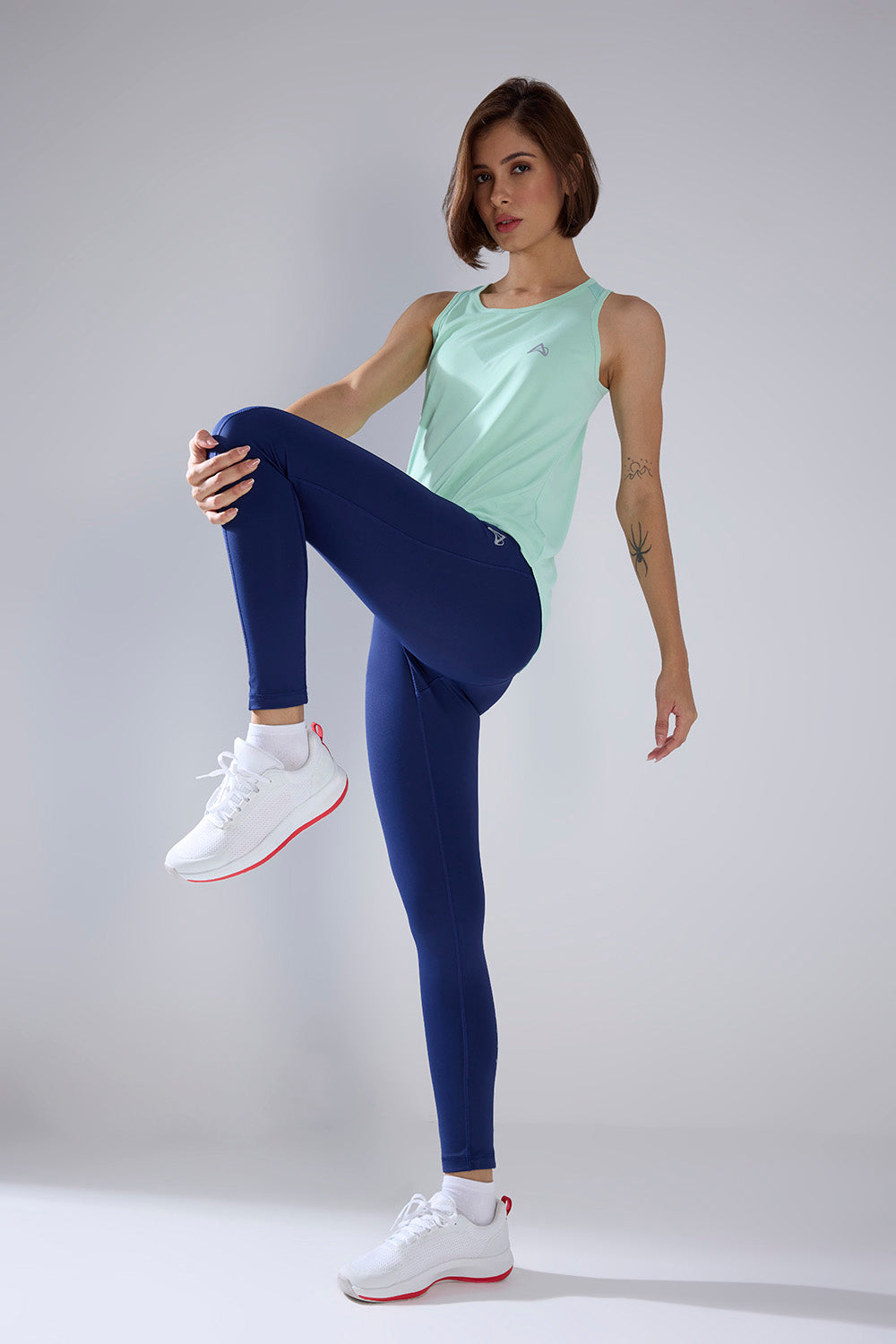
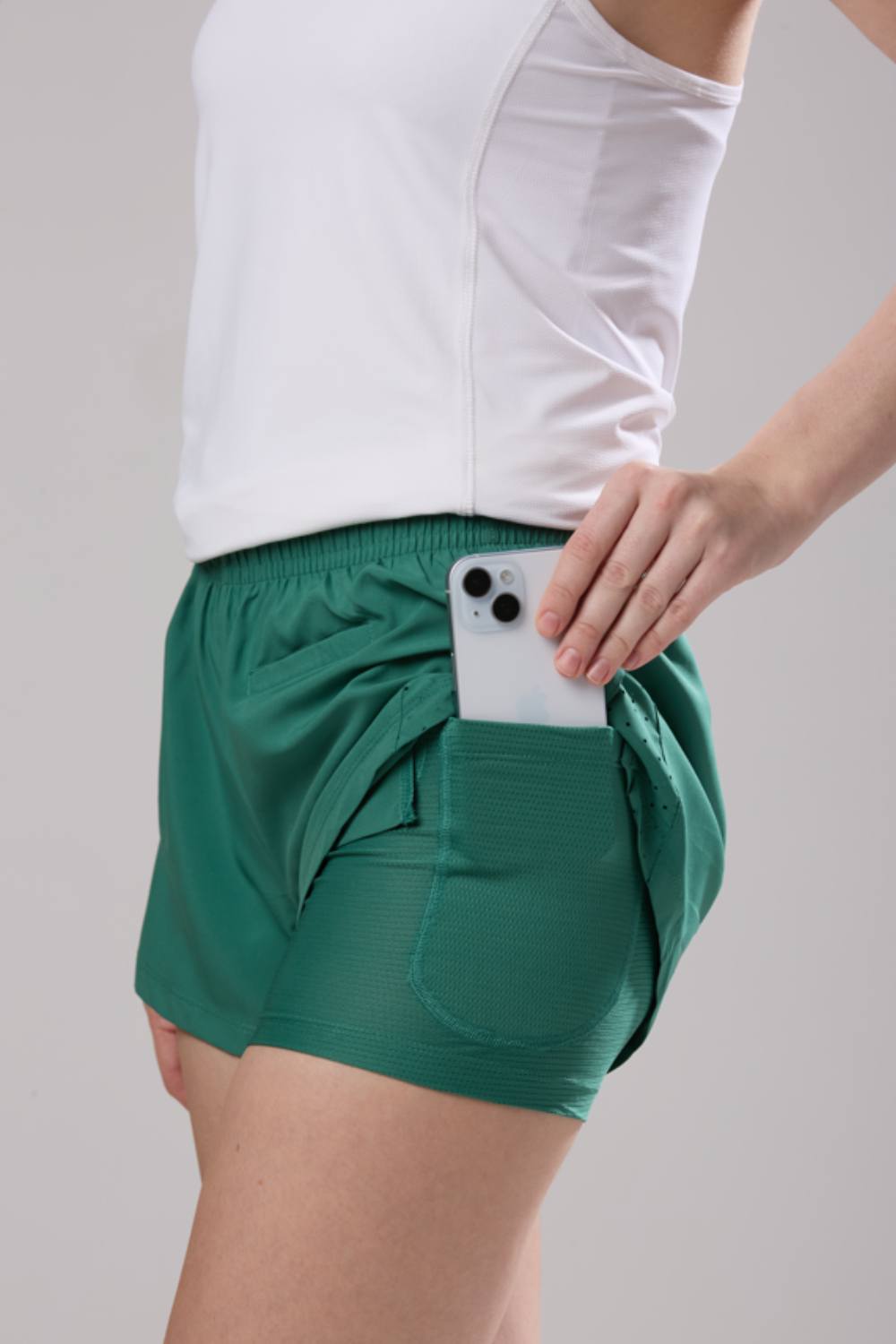
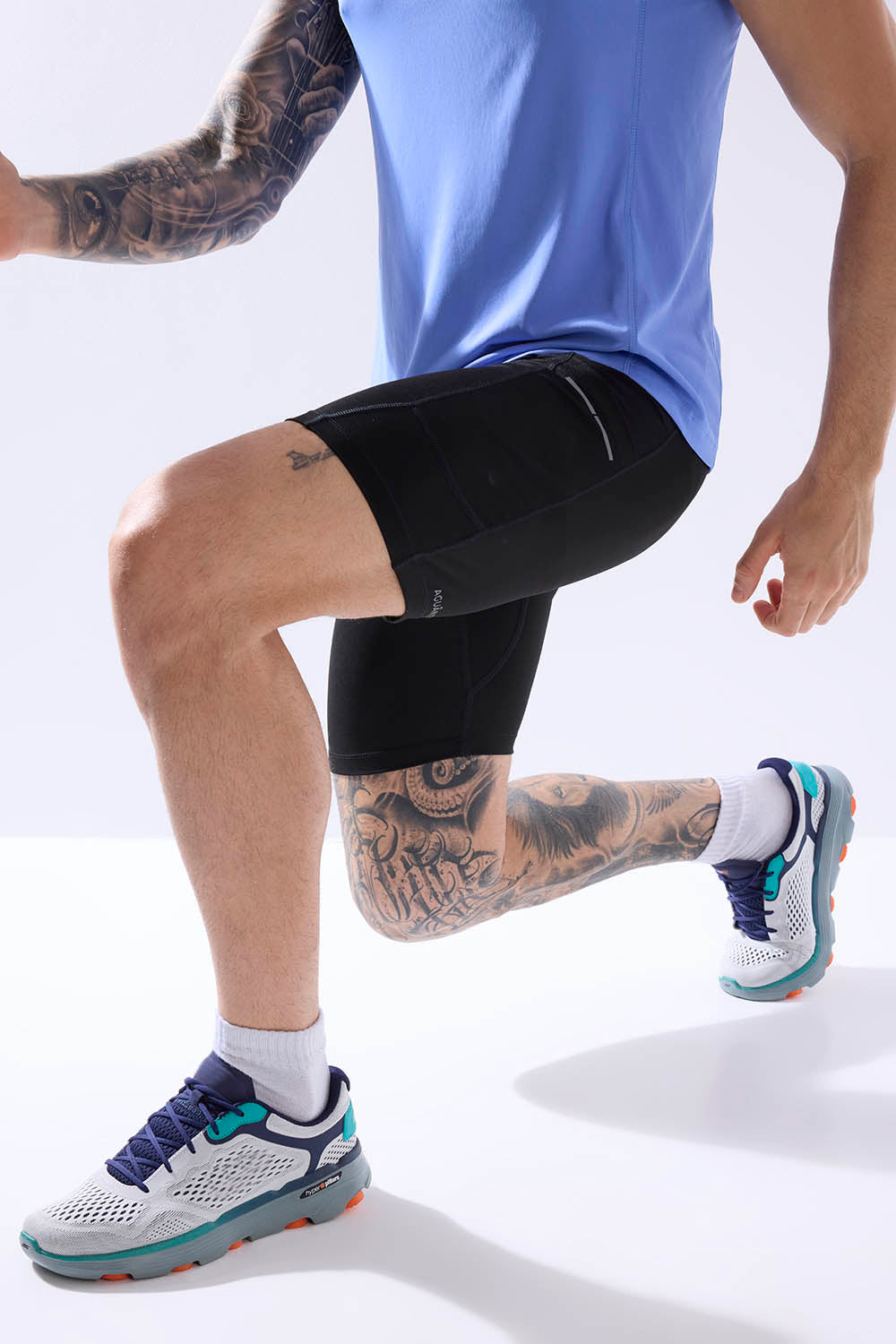
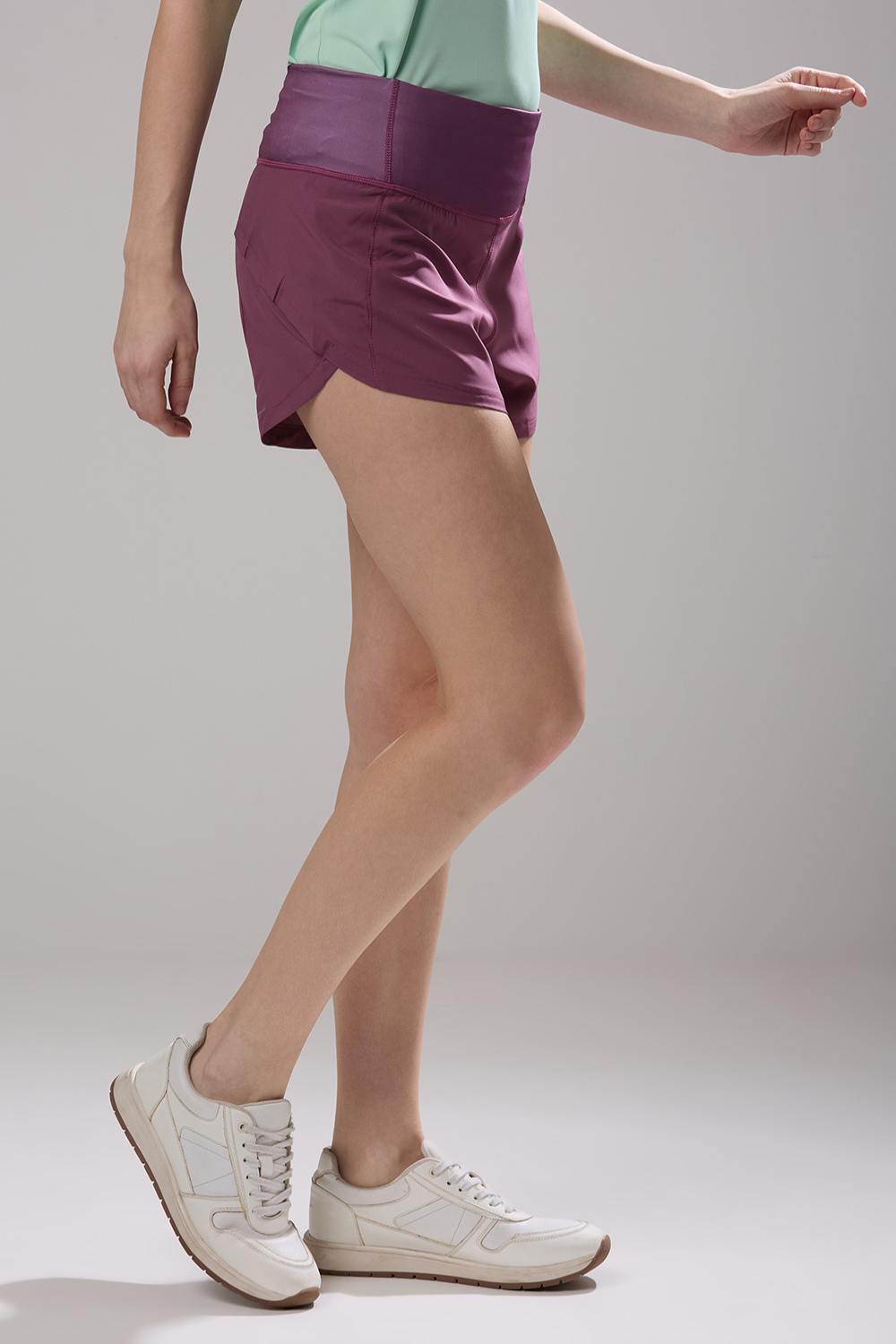
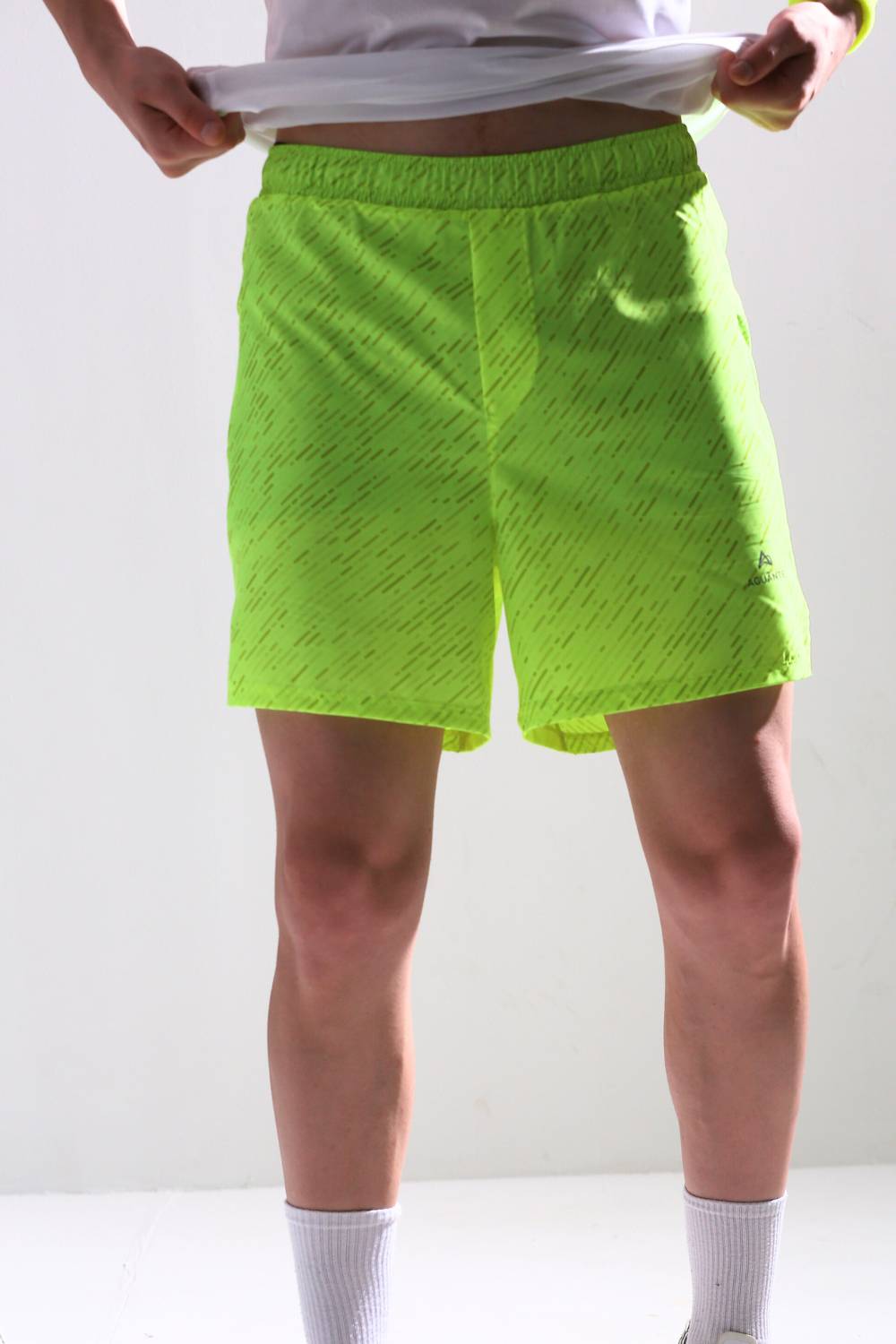
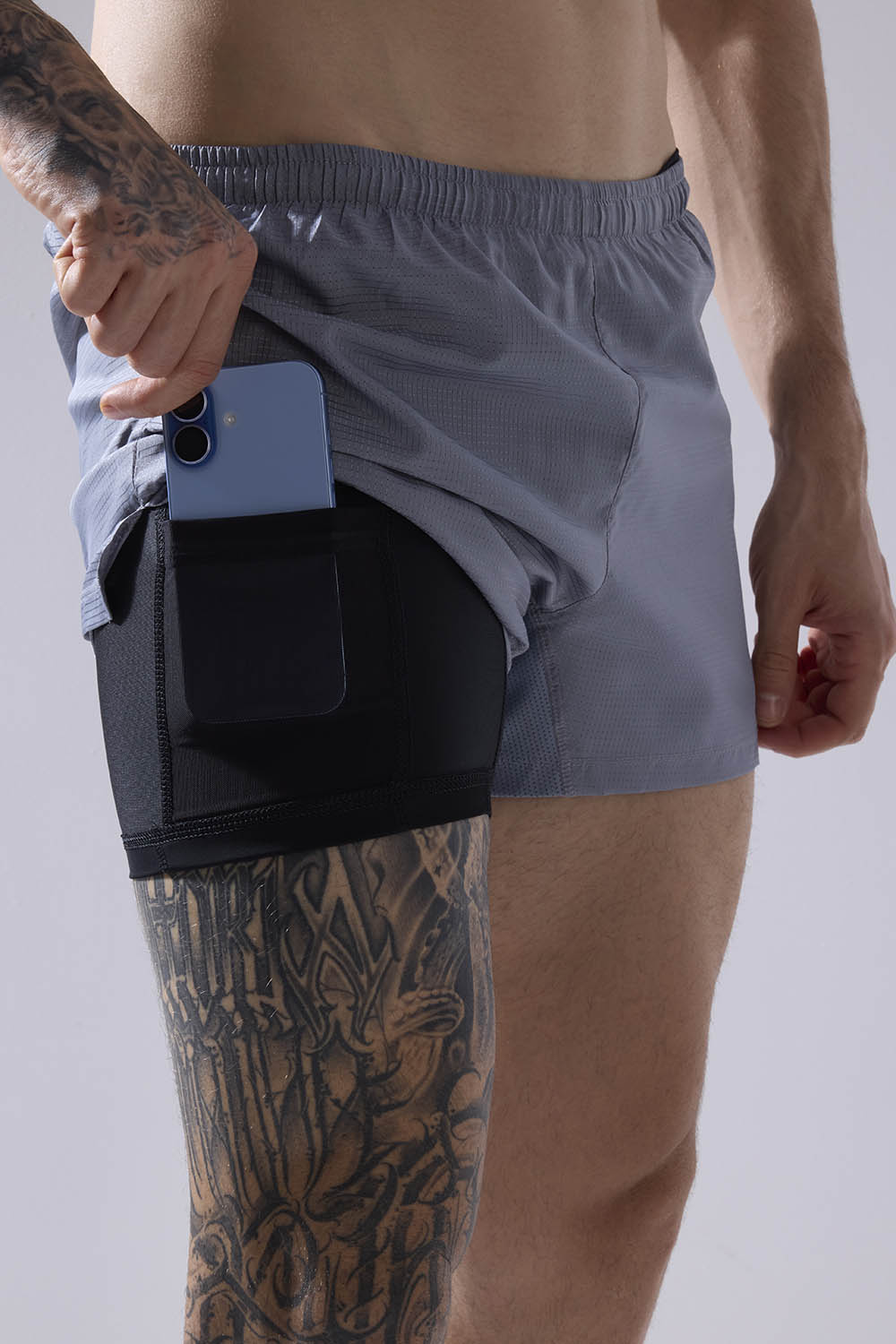
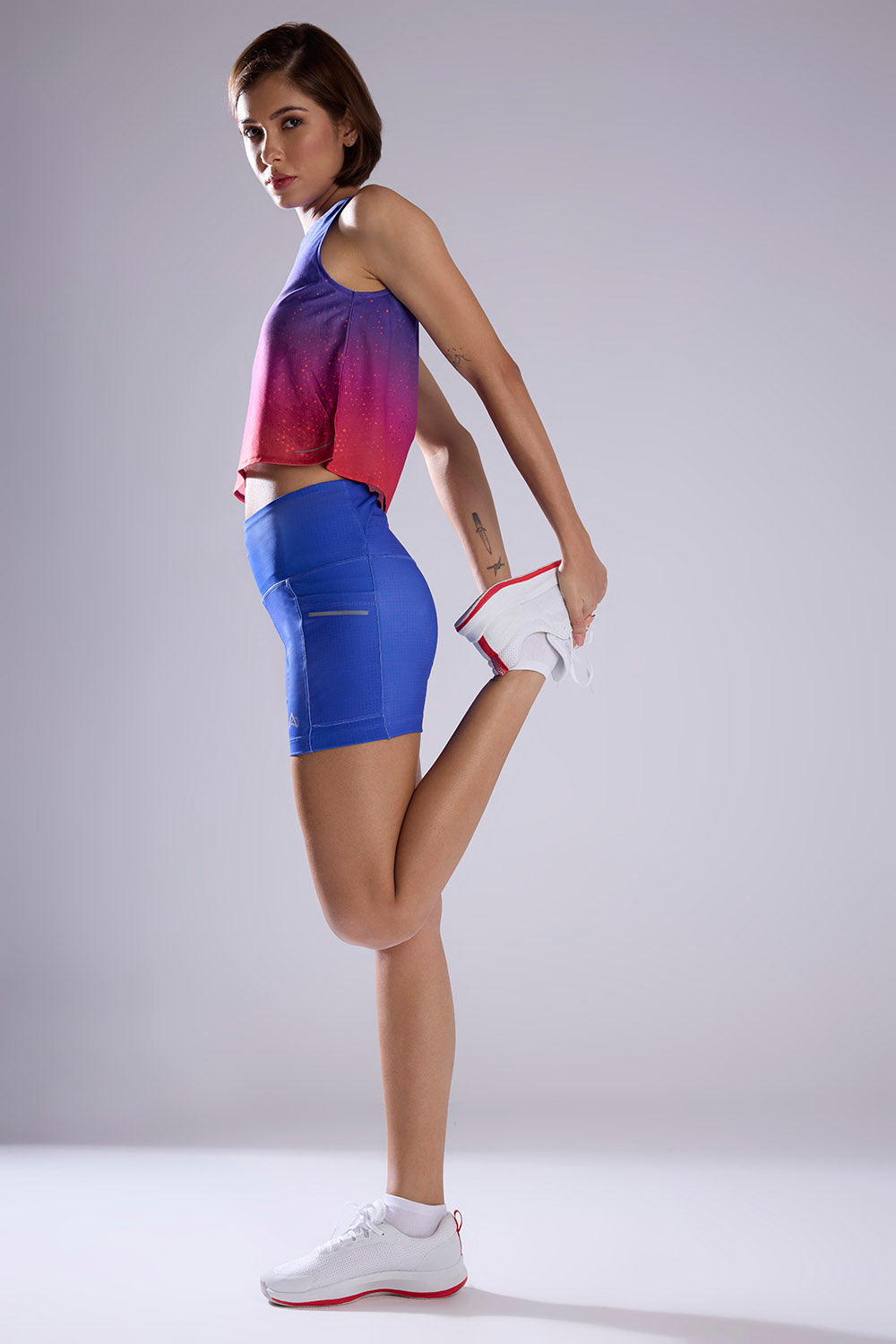
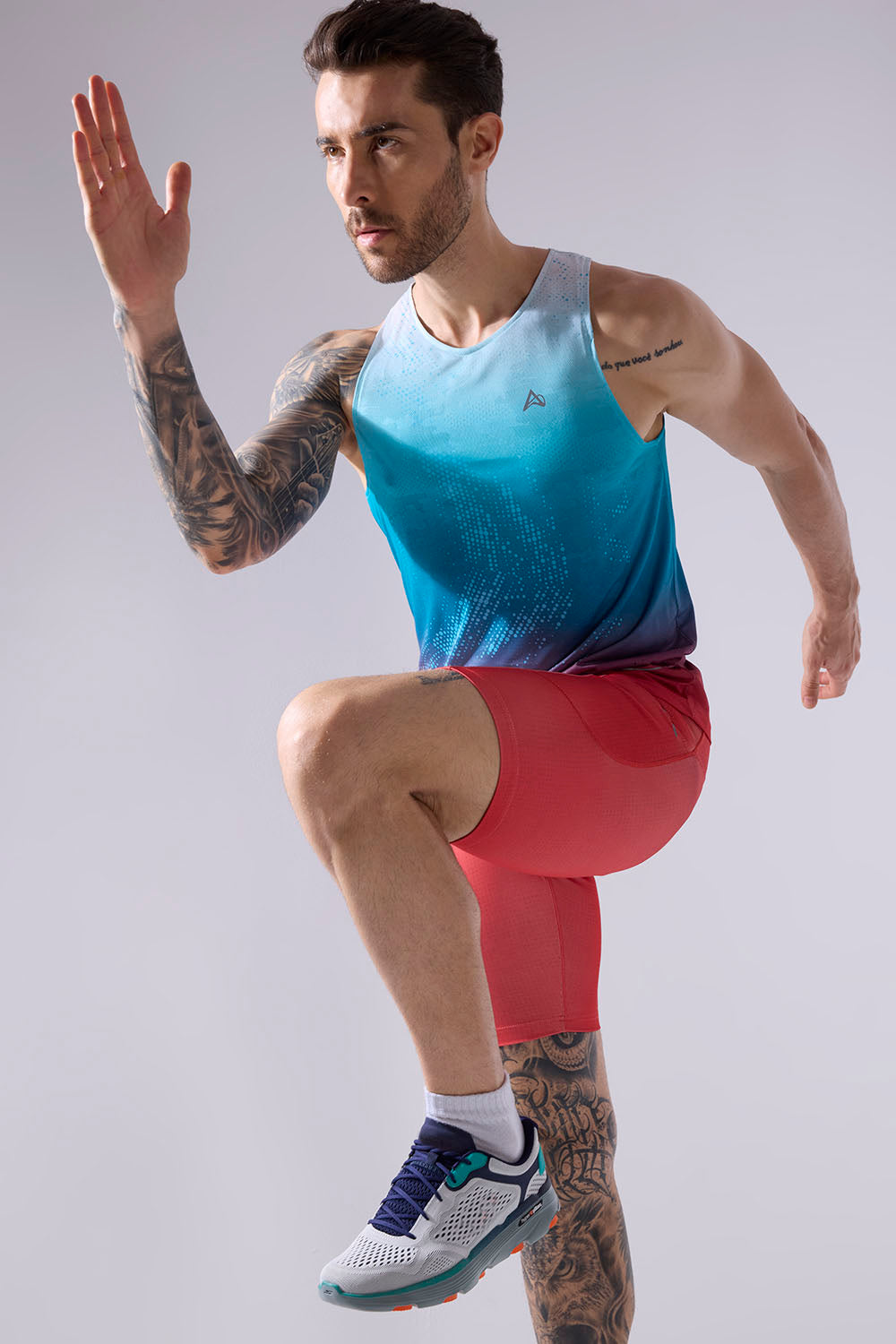
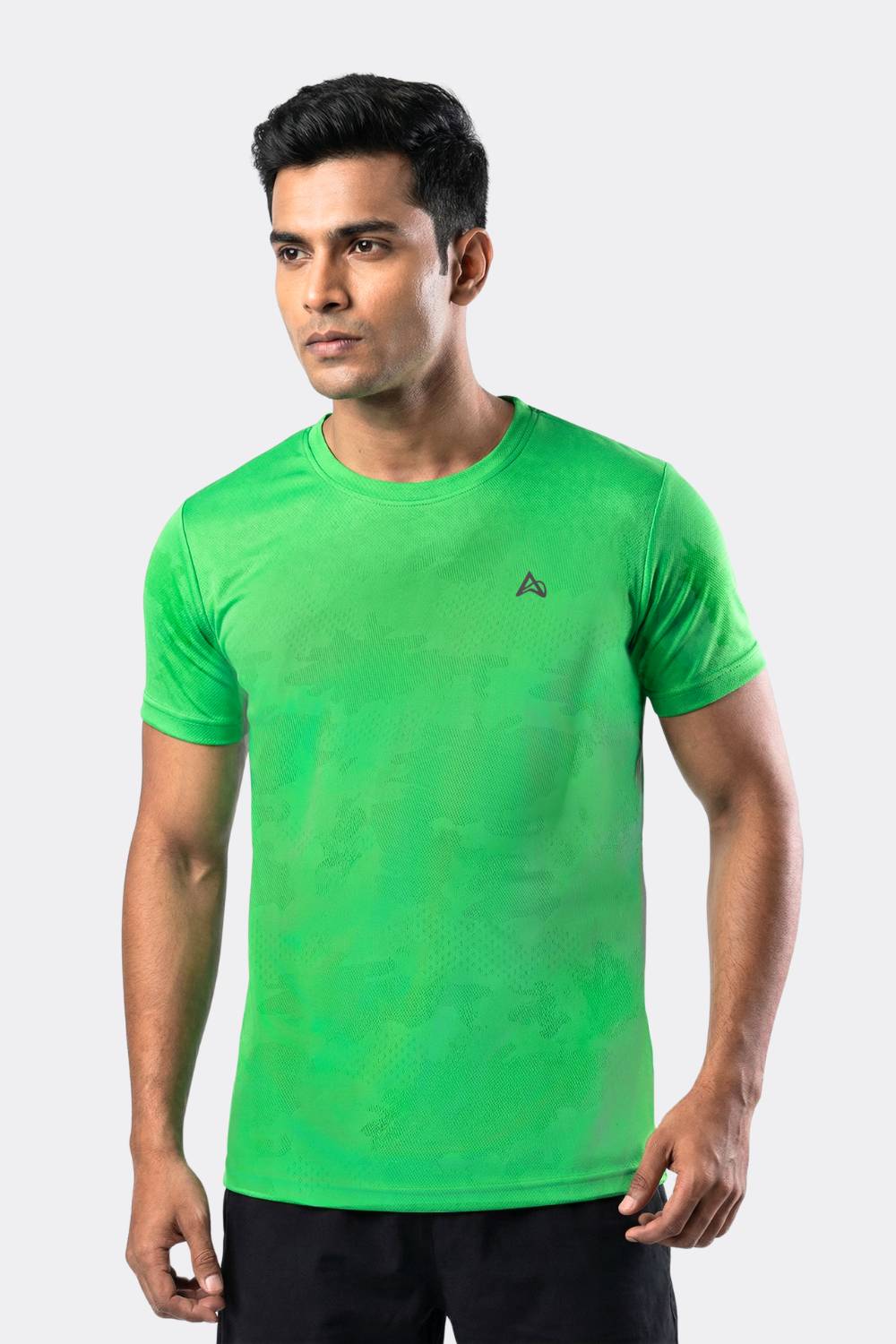
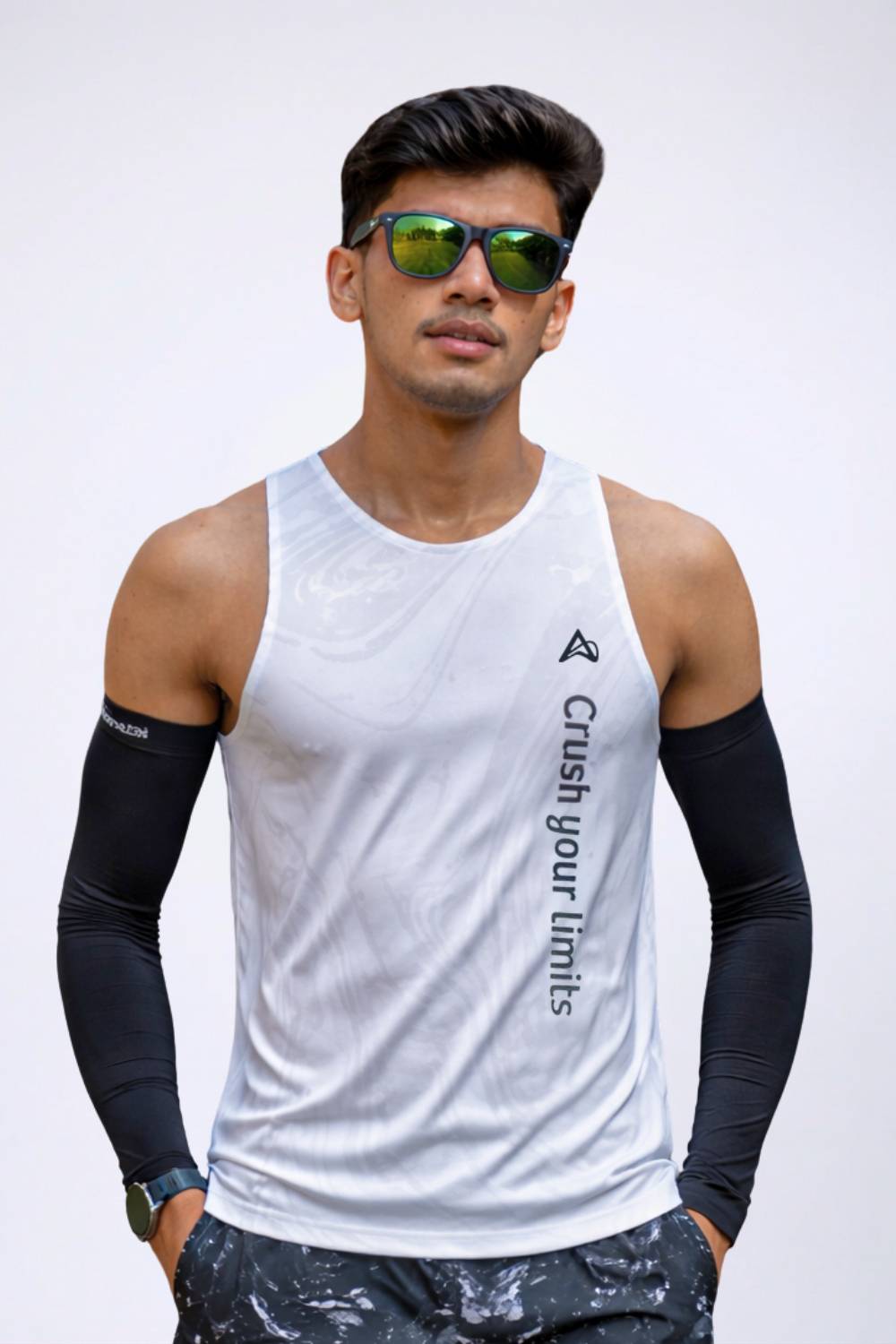
Brands embodying this progress, such as Aguante, deliver running shorts, singlets, and half-tights with superior moisture-wicking, anti-chafing liners, and practical pockets crafted specifically for India's demanding runs. This mirrors broader market momentum in the running apparel sector, which stood at $90.44 billion in 2026 and is set to climb from $97.02 billion in 2026 to $137.98 billion by 2031, growing at 7.28% annually. Factors like health consciousness and material breakthroughs fuel this expansion, with women's participation driving gender-tailored designs.
Complementing these developments, the adoption of sustainable synthetic materials such as recycled and bio-based fabrics addresses growing environmental expectations. These materials are becoming a dominant choice within the fabric landscape, supported by rising awareness of sustainability and increasing preference for eco-conscious production practices, positioning them for continued long-term growth.Such trends not only enhance performance but also align with global shifts toward responsible manufacturing.
Fit, Pattern Engineering, and Movement Science
Superior fit isn't optional it's foundational to efficient running. Ill-fitting gear can disrupt stride mechanics, cause thermal imbalances, or lead to ride-up issues, all eroding performance. To counter this, Indian brands are leveraging anthropometric data from diverse populations, moving away from Western sizing norms. Initiatives like those from the National Institute of Fashion Technology, gathering measurements across Delhi, Gurugram, and Ahmedabad, enable precise, body-type-inclusive charts that boost comfort and mobility.
Pattern engineering advances, including seamless or bonded seams, draw from biomechanics feedback and marathon insights in Delhi and Mumbai. These designs minimize chafing points while offering subtle muscle support, allowing natural movement without restriction. The result? Gear that feels like a second skin, enhancing endurance in urban challenges.
This precision ties into the running apparel market's growth, pegged at $23.4 billion in 2026 and forecasted to hit $32.7 billion by 2030 at a 6.9% CAGR. Recreational running's rise, coupled with smart textiles for biometric monitoring, underscores the demand for fitted, versatile pieces like compression tops, dominant in amateur and semi-pro circles.
Climate-Responsive Design by City
India's running scenes vary dramatically by locale, demanding apparel that adapts accordingly. Coastal runners in Mumbai and Navi Mumbai battle persistent humidity, favoring ultra-lightweight, quick-dry fabrics with expansive ventilation. In contrast, Ahmedabad and Surat's dry heat calls for UV-protective, heat-reflective materials that shield against intense sun exposure.
Bangalore and Pune, with their milder transitions, benefit from layered systems breathable bases for dawn chills evolving into vented options as temperatures rise. Meanwhile, Delhi and Gurugram's air quality woes necessitate balanced designs: highly breathable yet dense enough to offer minor particulate resistance during pollution spikes, informed by urban health guidelines.
These adaptations reflect the global sports apparel market, valued at $283.66 billion in 2026 and expected to reach $400.83 billion by 2031 at a 7.16% CAGR. Running apparel within this holds 37.45% share, growing at 7.83%, driven by performance fabrics and digital consumer engagement.
Real-World Applications and Industry Examples
Bridging lab to track, Indian brands collaborate with local running clubs in Bangalore, Pune, and Hyderabad for prototype testing, refining designs through real feedback. Partnerships with academic powerhouses like Indian Institute of Technology Bombay facilitate rigorous fabric trials, ensuring innovations translate to everyday use.
Marathon organizers in Mumbai and Delhi provide invaluable data, aggregating runner experiences on comfort factors that influence race-day success. Such grassroots input drives iterative improvements, from pocket placements to seam durability.
While North America continues to lead at a regional level, the Asia-Pacific region signals strong future momentum, with India emerging as a key growth engine. Rapid urbanization, rising disposable incomes, and evolving consumer lifestyles are accelerating demand and positioning the region as a significant contributor to long-term market expansion.
Challenges and Limitations Facing the Sector
Despite progress, hurdles persist. Scaling high-tech fabrics to affordable mass production often inflates costs, limiting accessibility. Scarce longitudinal data on apparel-related injuries per city hampers targeted R&D, while supply chains for specialized yarns face domestic constraints, relying on imports that delay innovation. Premiumization thrives in mature markets, but emerging economies grapple with price sensitivity, even as sustainability demands rise.
Business Opportunities and Competitive Advantages
The landscape brims with potential. Hyper-local lines customized for individual cities over national averages could capture niche demands, like pollution-resistant gear for northern hubs. B2B avenues expand via corporate wellness in Gurugram, Bangalore, and Pune, bundling apparel with training programs.
Data integration from wearables and feedback loops promises smarter design cycles. In the running apparel arena, Asia-Pacific's rapid ascent, led by India, underscores opportunities in smart integration and women's segments, with overall growth from $23.4 billion in 2026 to $32.7 billion by 2030. Established players like Nike and Puma dominate, but nimble locals gain ground through eco-materials and DTC models.
The Future of Comfortable Running Apparel
Looking ahead, India's running apparel will be defined by adaptive fabrics, exacting fits, and localized R&D. Experts from sports science, textiles, and design advocate for deepened city-focused studies, pilots, and collaborations to address runner's core needs.
As urban running flourishes, gear evolves from mere clothing to performance enablers. In these bustling hubs, where elements test every step, science-backed comfort transforms enthusiasts into resilient athletes. Embrace the run equipped, empowered, and unyielding.
Frequently Asked Questions
What makes running apparel comfortable for India's climate conditions?
Comfortable running apparel for India combines moisture-wicking fabrics that draw sweat away from the skin, targeted mesh ventilation zones for enhanced airflow, and antimicrobial treatments to prevent odor in humid conditions. The key is climate-adaptive design coastal cities like Mumbai require ultra-lightweight, quick-dry materials for humidity, while cities like Ahmedabad need UV-protective, heat-reflective fabrics for dry, intense heat. Advanced knit structures and low-friction materials also minimize chafing during prolonged runs in challenging weather.
How does proper fit impact running performance and injury prevention?
Proper fit is foundational to efficient running as ill-fitting gear disrupts stride mechanics, causes thermal imbalances, and leads to ride-up issues that erode performance. Modern running apparel uses anthropometric data from diverse populations to create precise, body-type-inclusive sizing that boosts comfort and mobility. Pattern engineering advances like seamless or bonded seams minimize chafing points while offering subtle muscle support, allowing natural movement without restriction essentially creating a "second skin" that enhances endurance and reduces injury risk.
What fabric technologies are essential for moisture management in running apparel?
Essential fabric technologies include warp-knit and circular-knit structures that optimize localized airflow and reduce drying times, especially important in moisture-heavy cities. High-performance running gear features moisture-wicking synthetic fibers that excel in heat dissipation, often paired with antimicrobial treatments embedded in the fabric to combat odor-causing bacteria. These advanced textiles undergo region-specific testing to ensure they perform under variable Indian weather patterns, maintaining hygiene and comfort during intense, sweaty training sessions.
Disclaimer: The above helpful resources content contains personal opinions and experiences. The information provided is for general knowledge and does not constitute professional advice.
You may also be interested in: How Indian Runners Benefit From Moisture-Wicking Tops
Tired of gear that slows you down? Chafing, soggy fabrics, and missing pockets kill your run's momentum. At Aguante, we're runners who get it. Our high-performance activewear features moisture-wicking fabrics, ergonomic designs, and smart storage to keep you focused. Shop Now!
Powered by flareAI.co