



Quick Listen:
As the sun rises over Central Park in New York or the pathways along the Thames in London, endurance runners tie their laces and head out for another training session. The air can turn humid and warm quickly in many regions, yet their clothing stays comfortably dry and lightweight. This transformation comes from advanced moisture-wicking fabrics . Exploring these advances in The Science Behind Moisture-Wicking Fabrics: Innovations for Endurance Runners reveals how textile science supports athletes in cities across the United States, Canada, and Europe as they tackle varying climates and demanding distances.
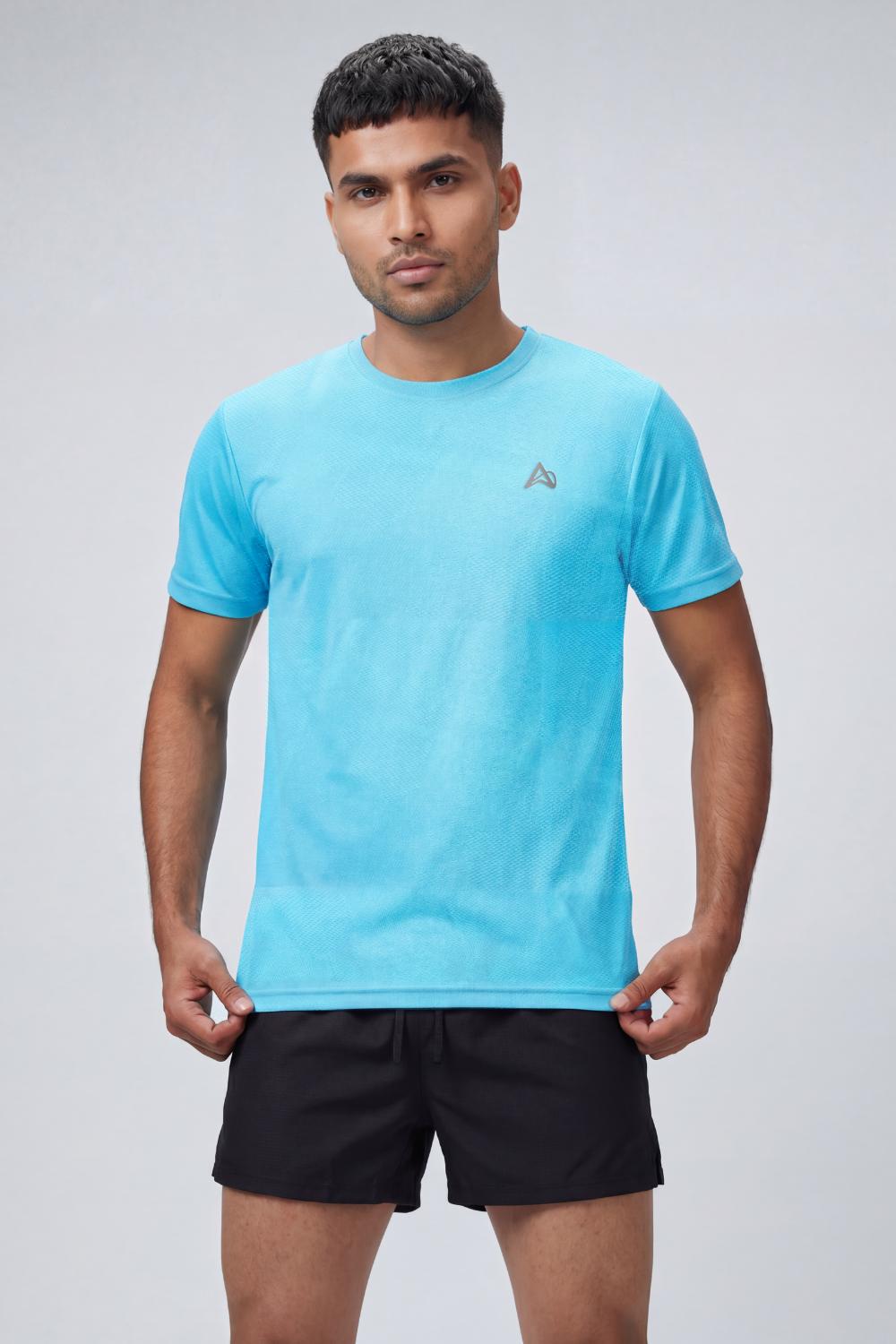
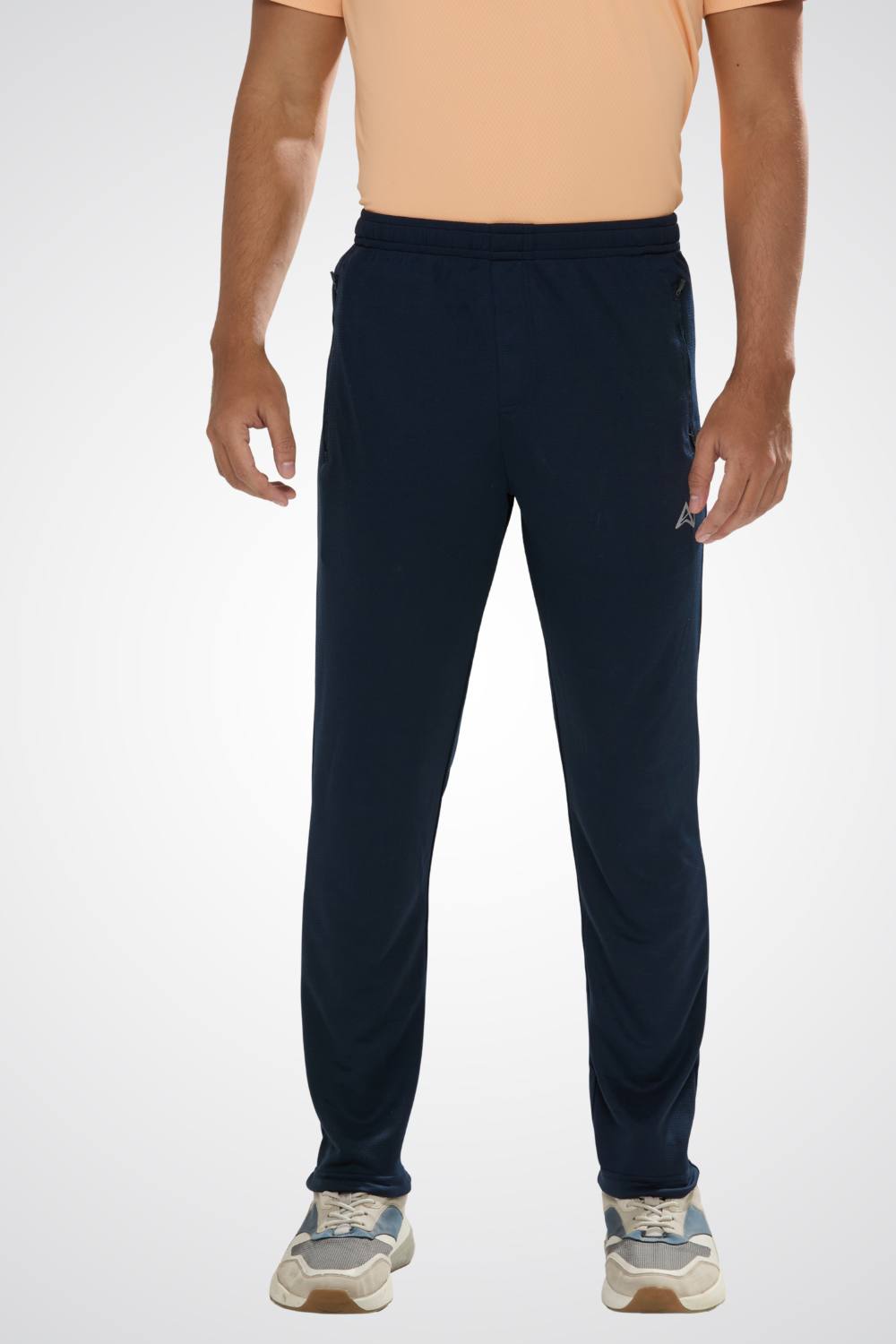
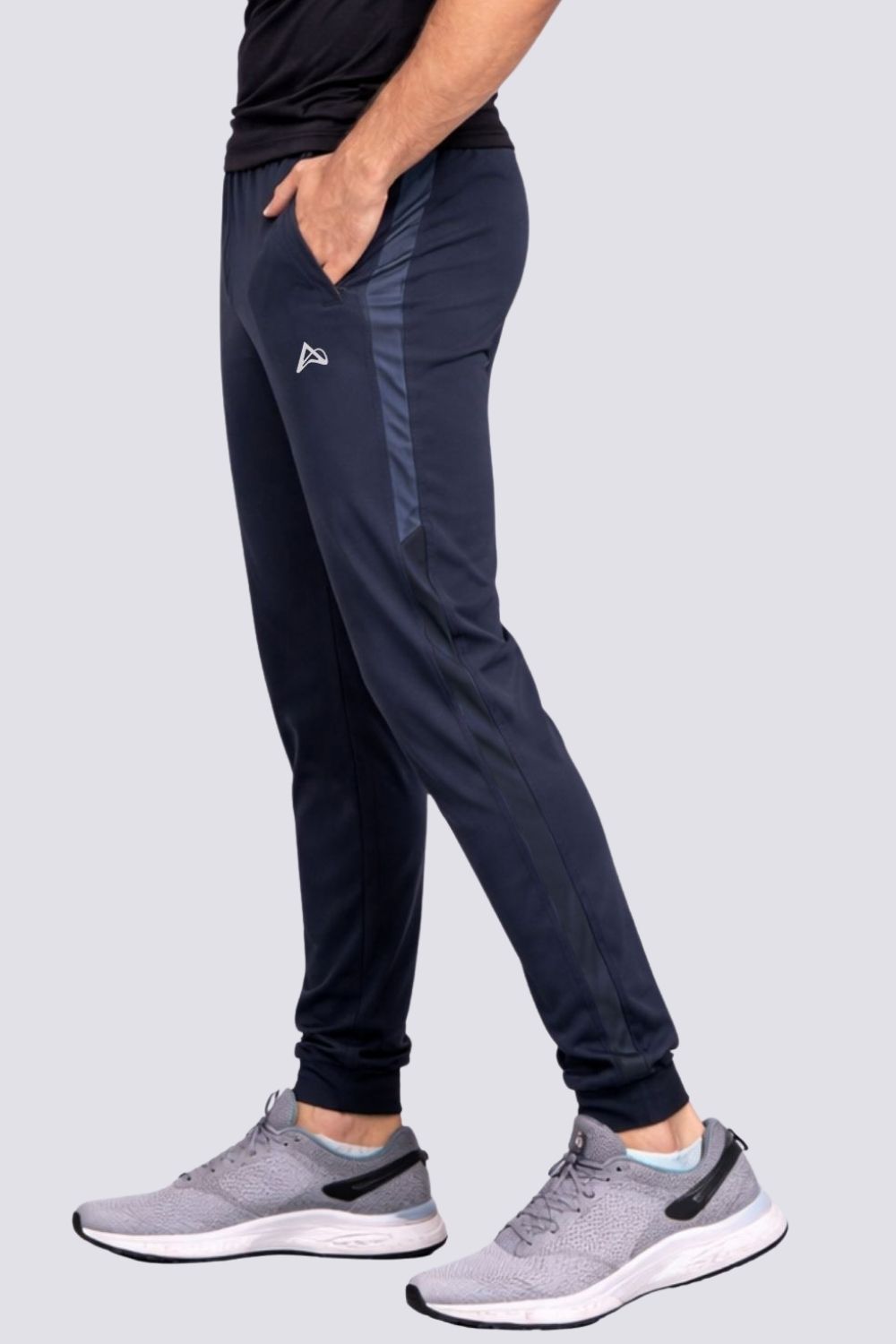
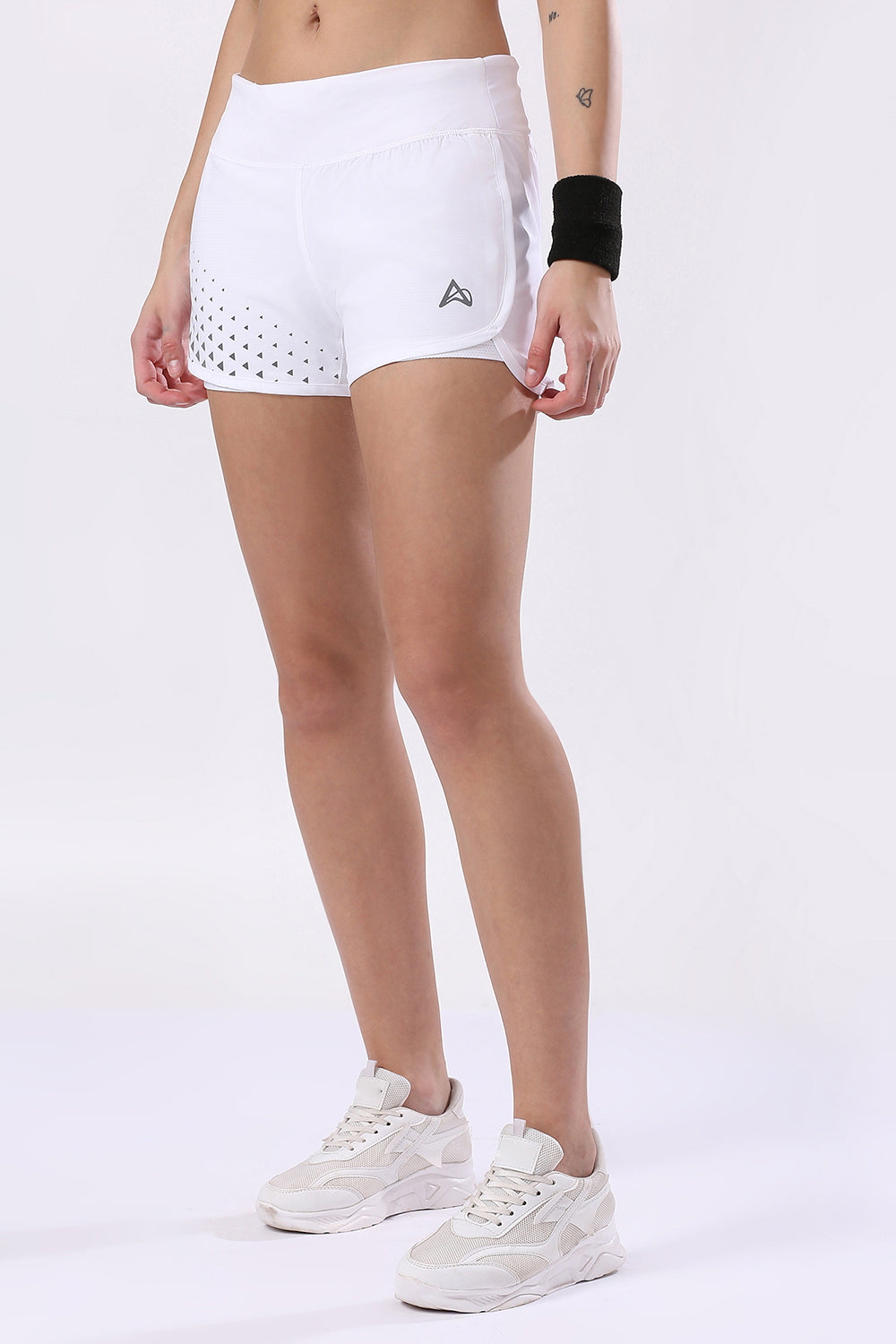
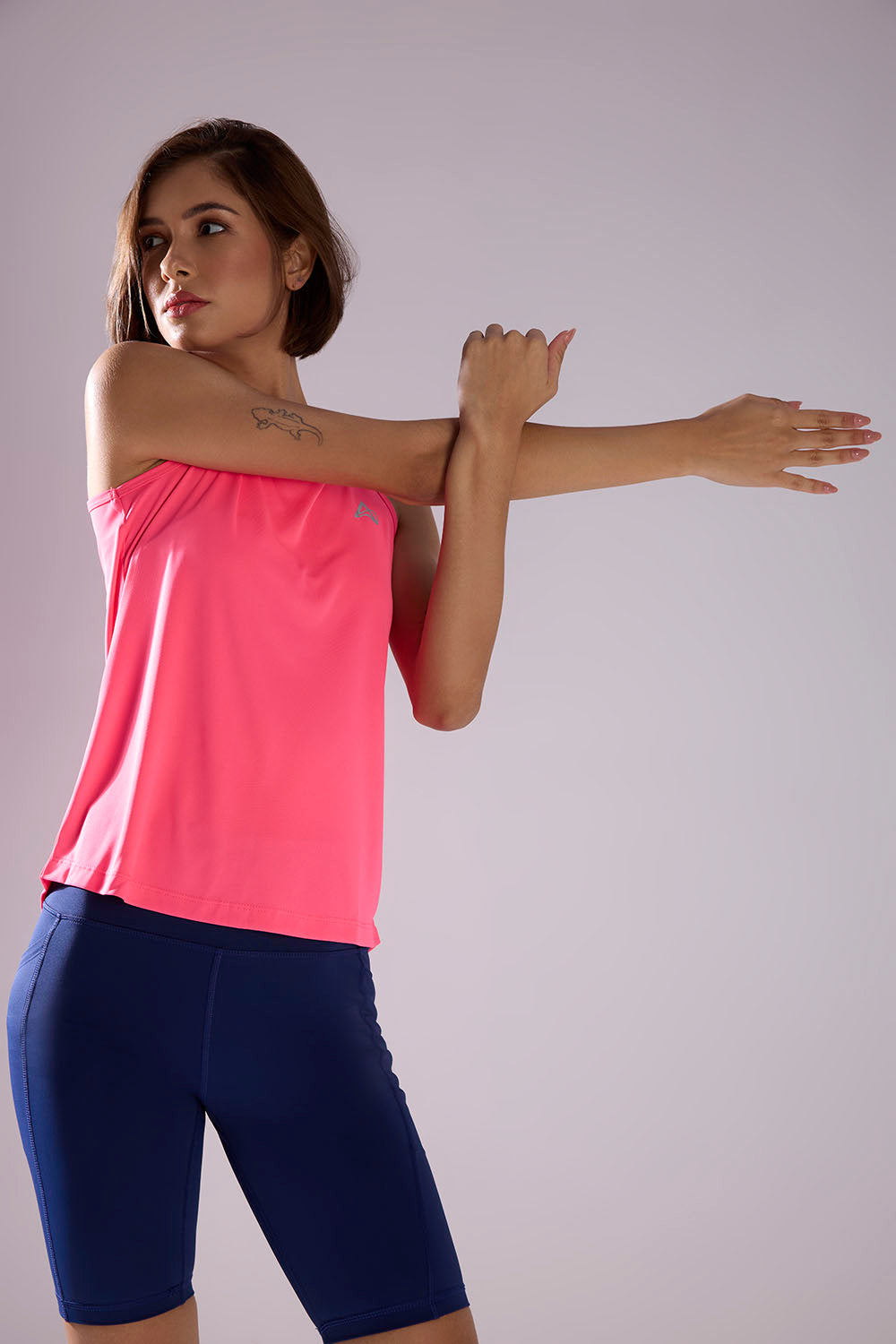
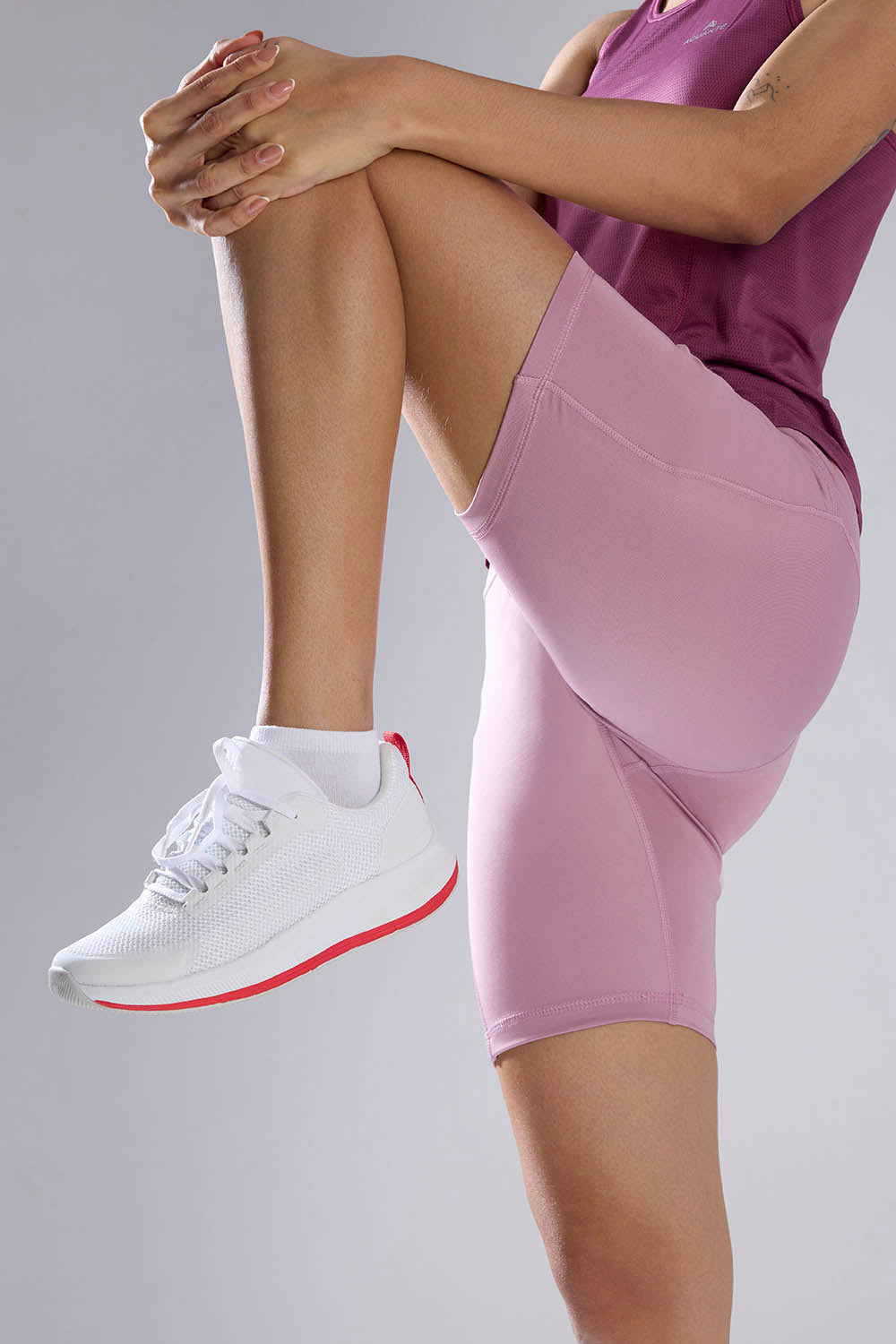
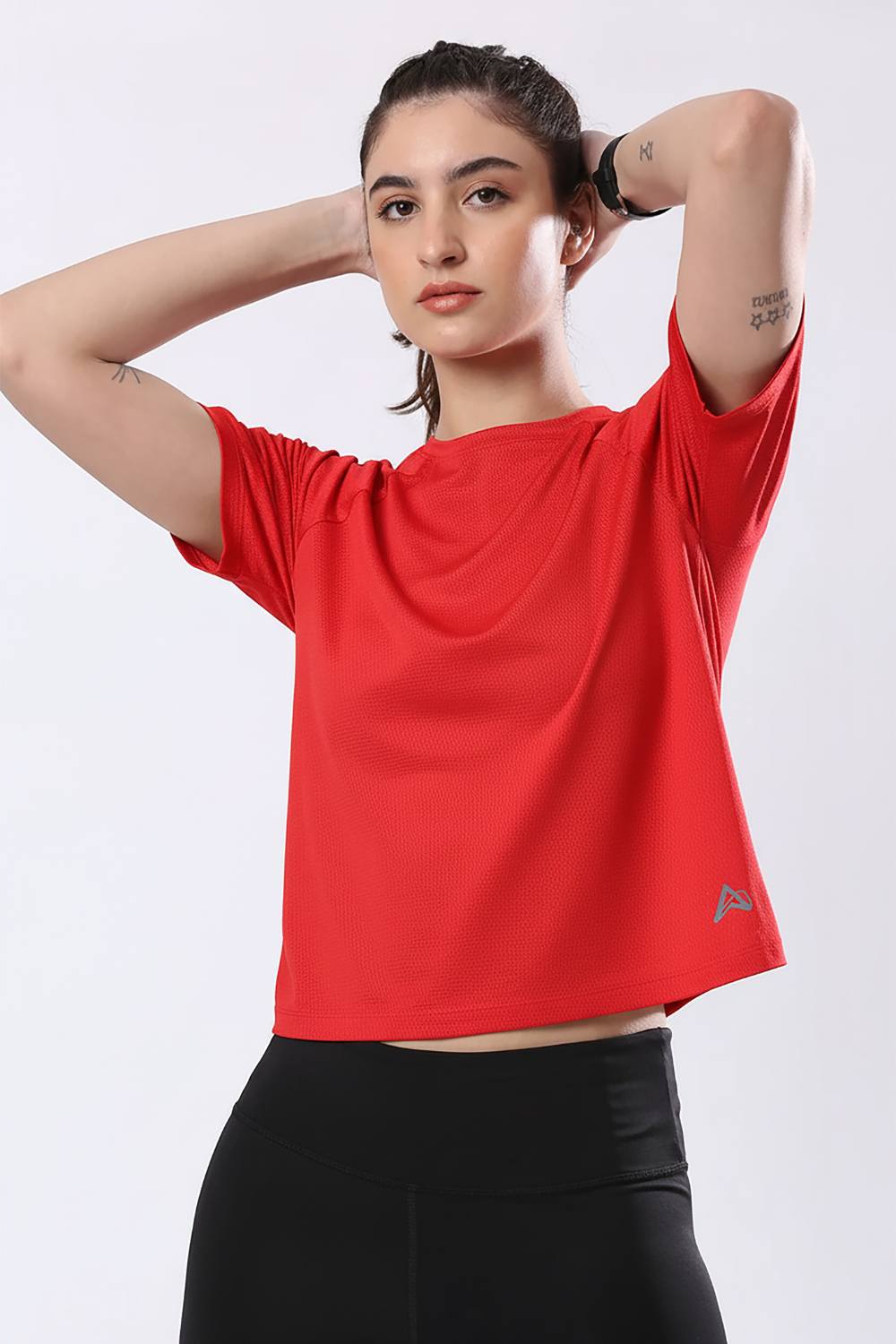
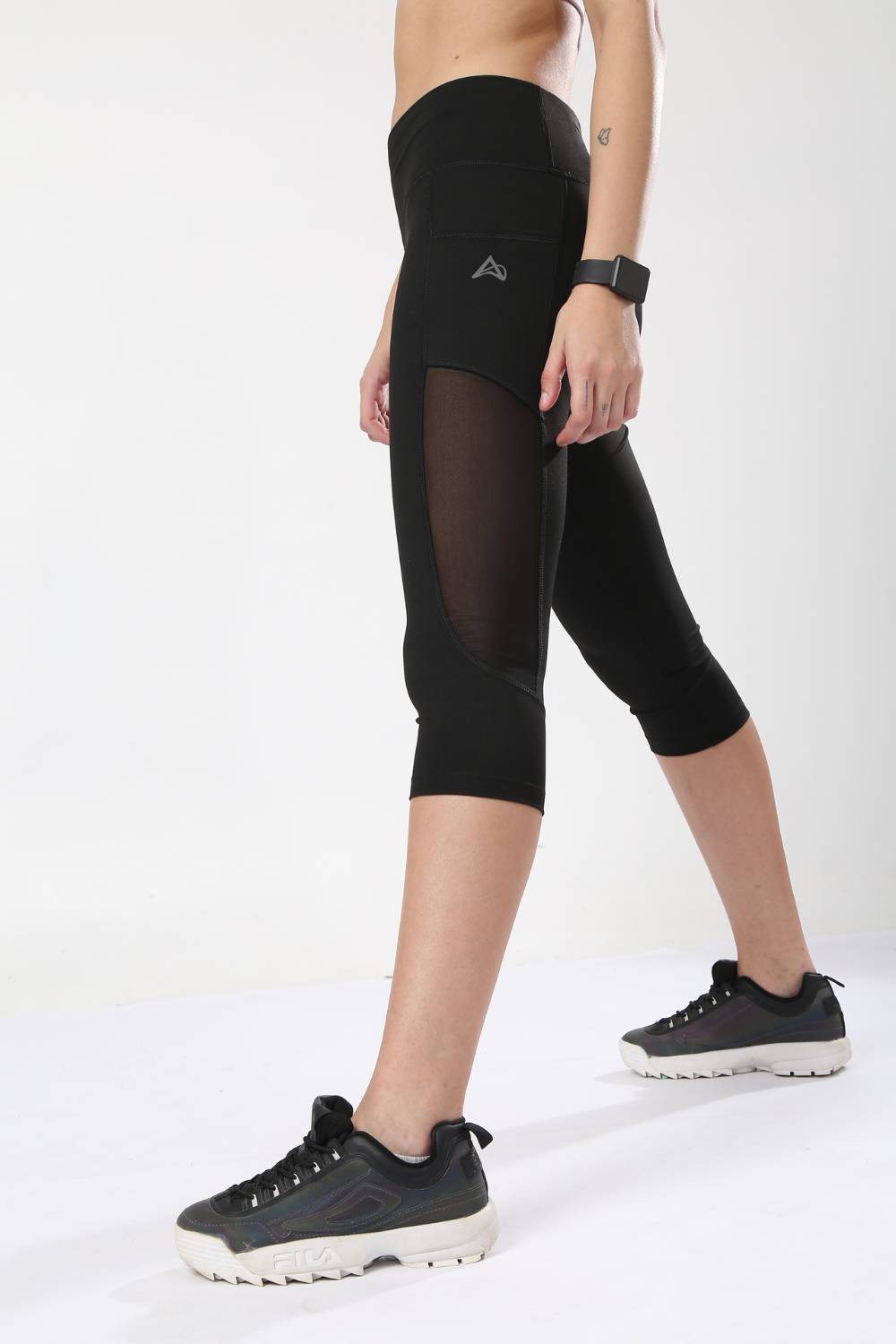
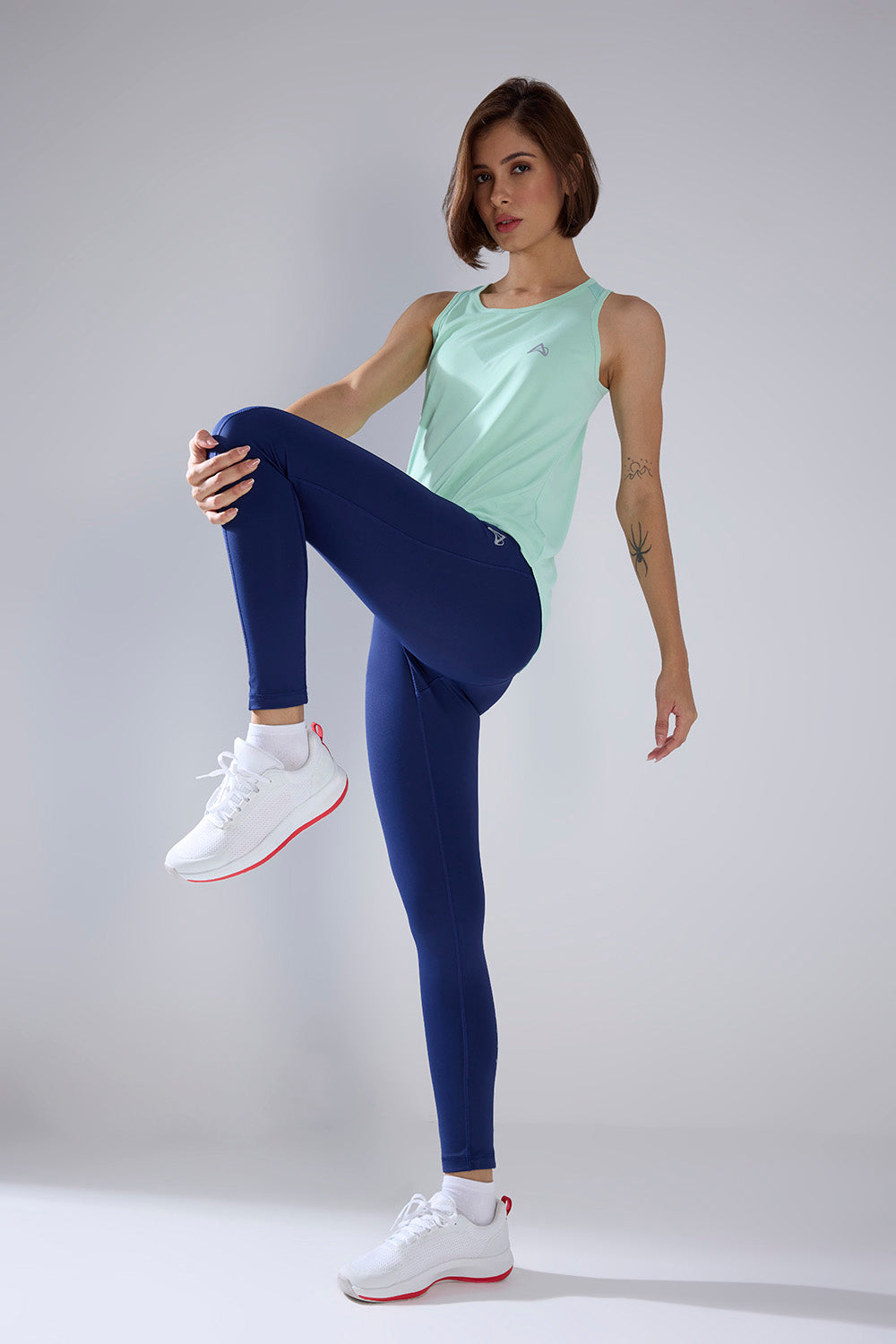
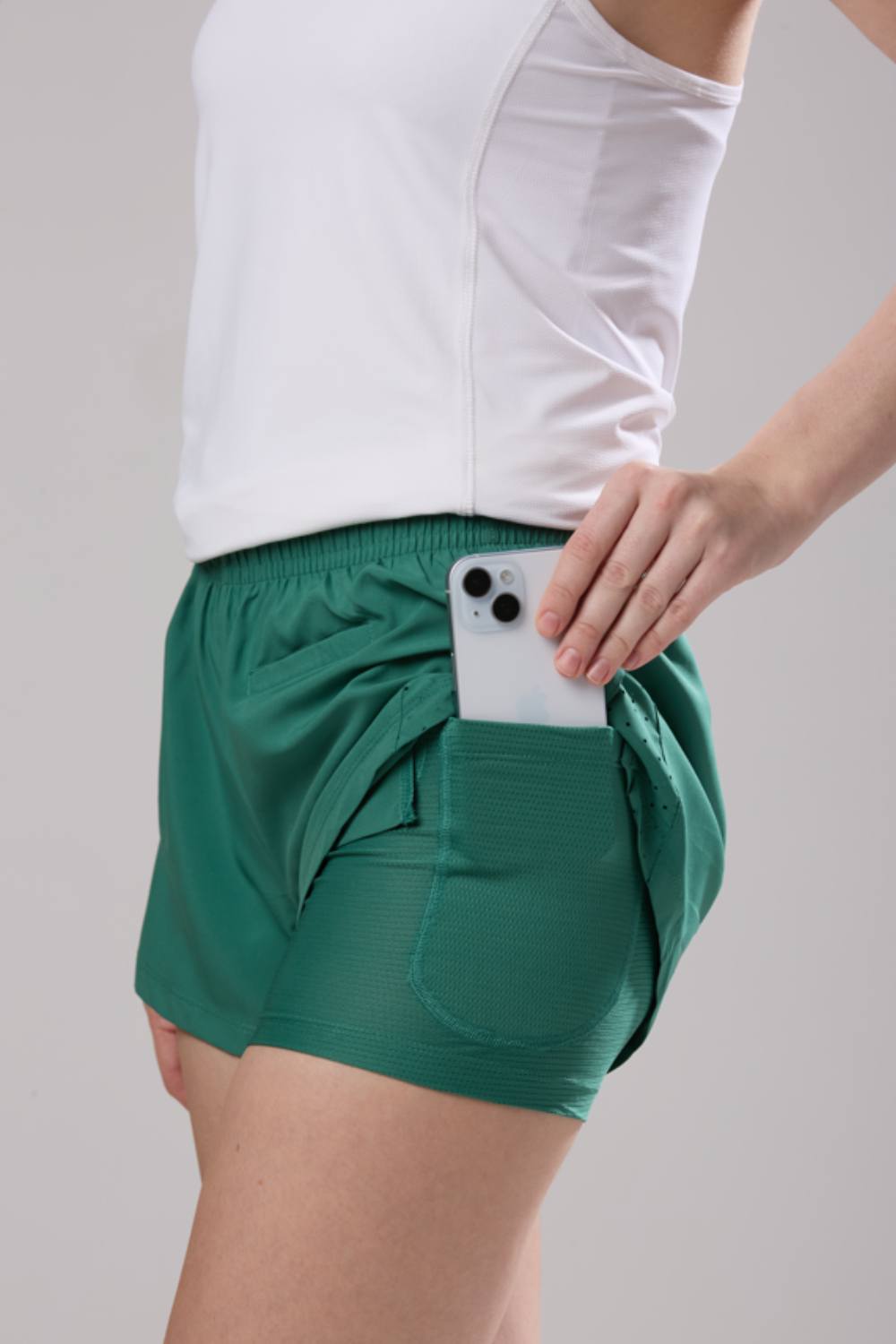
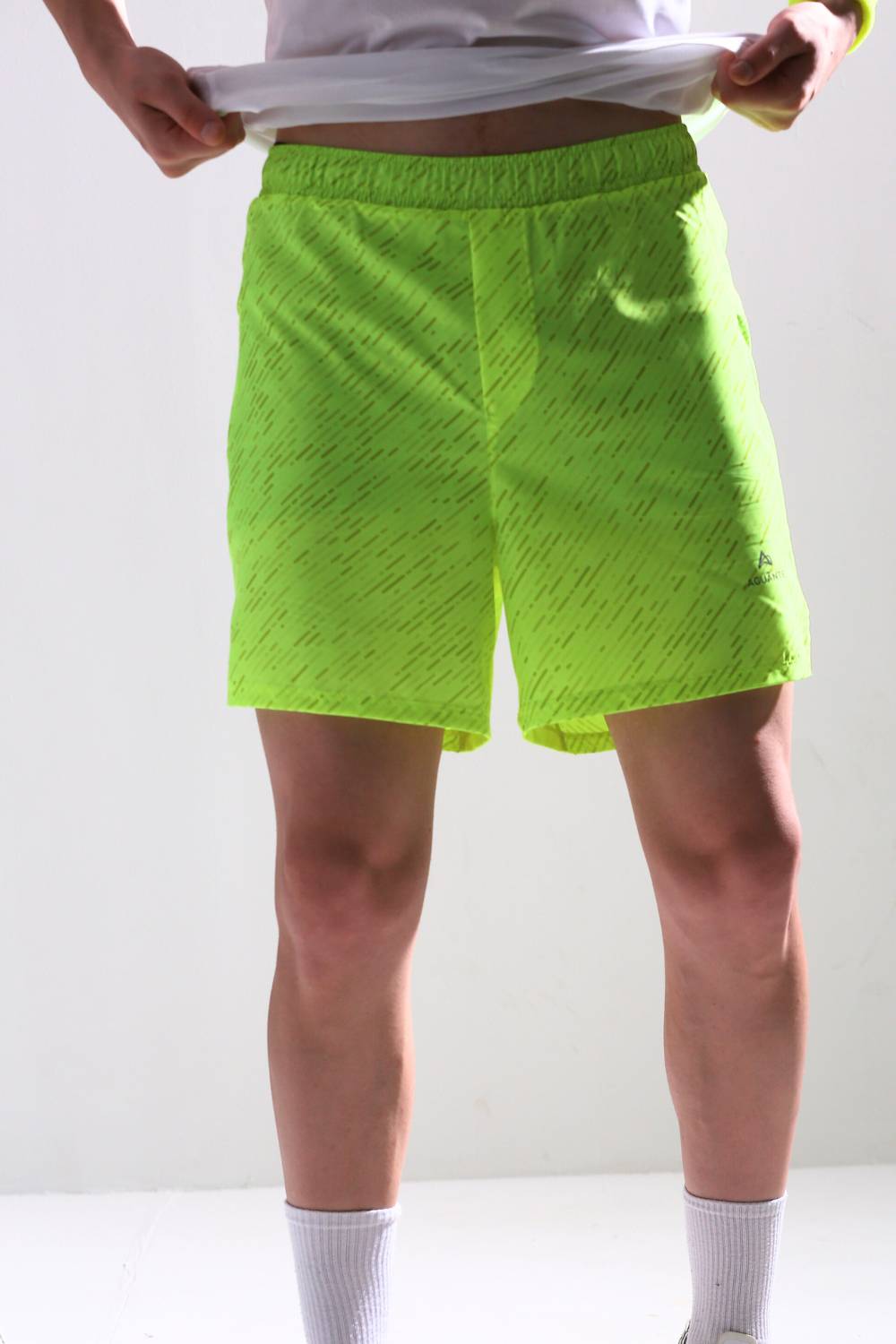
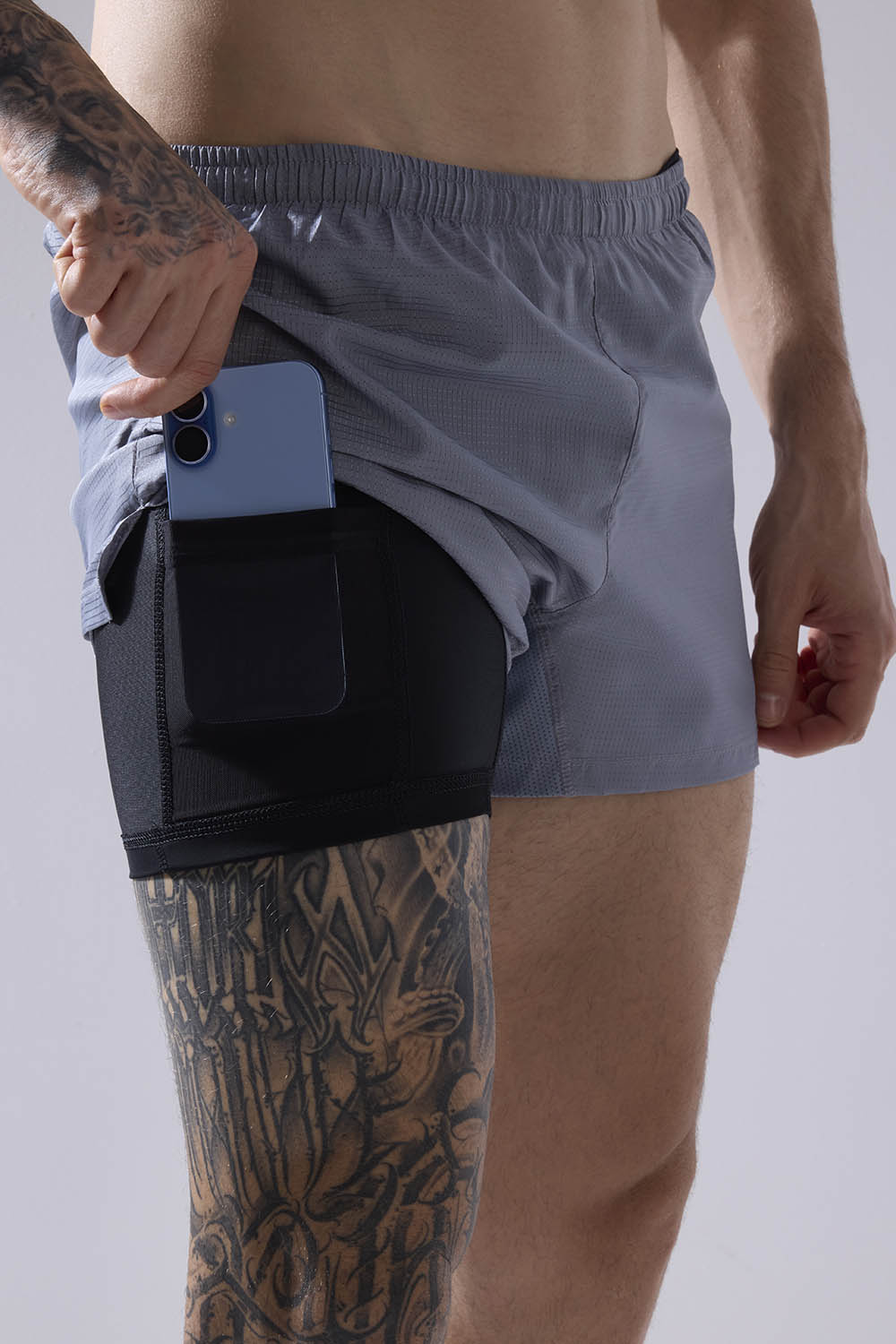
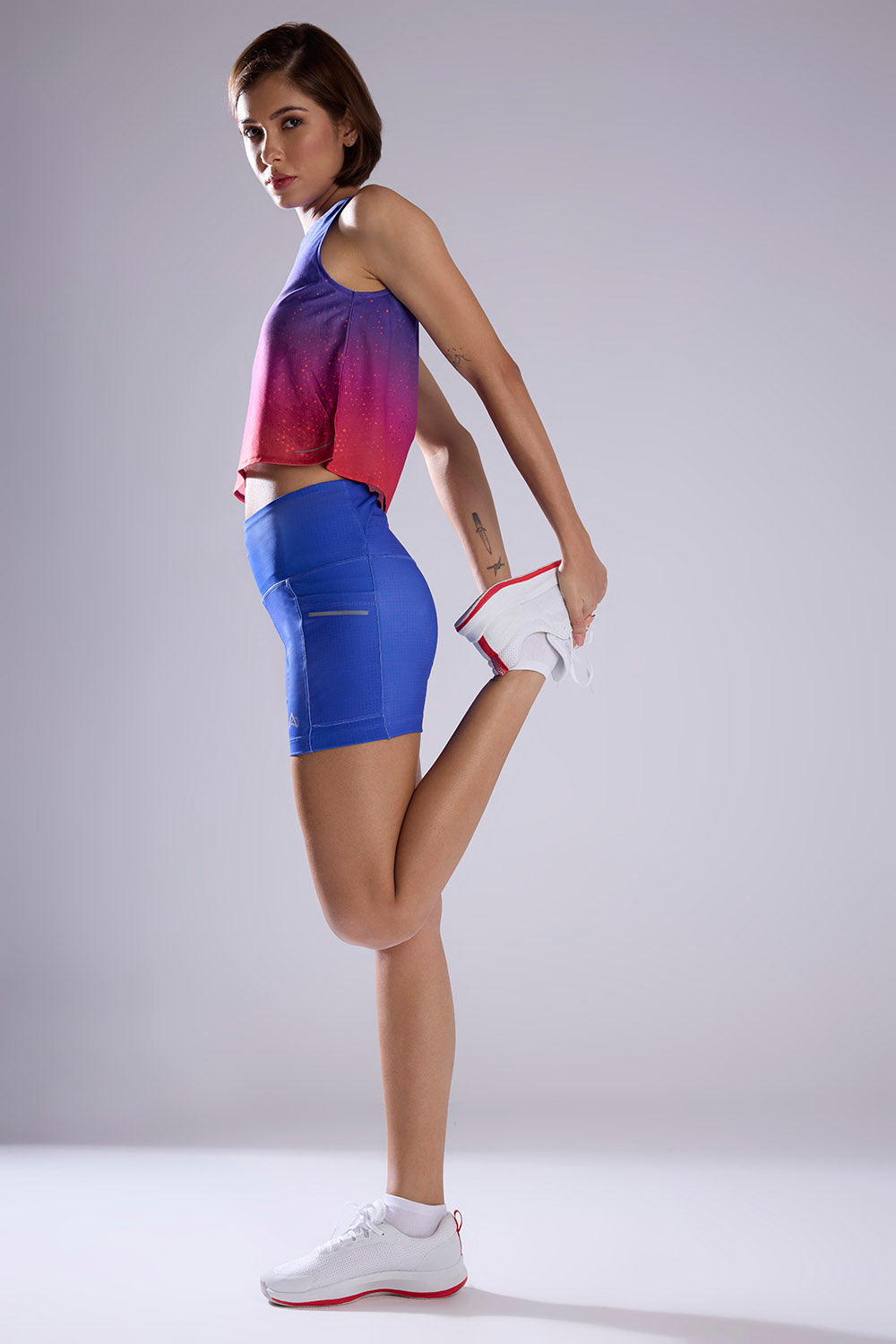
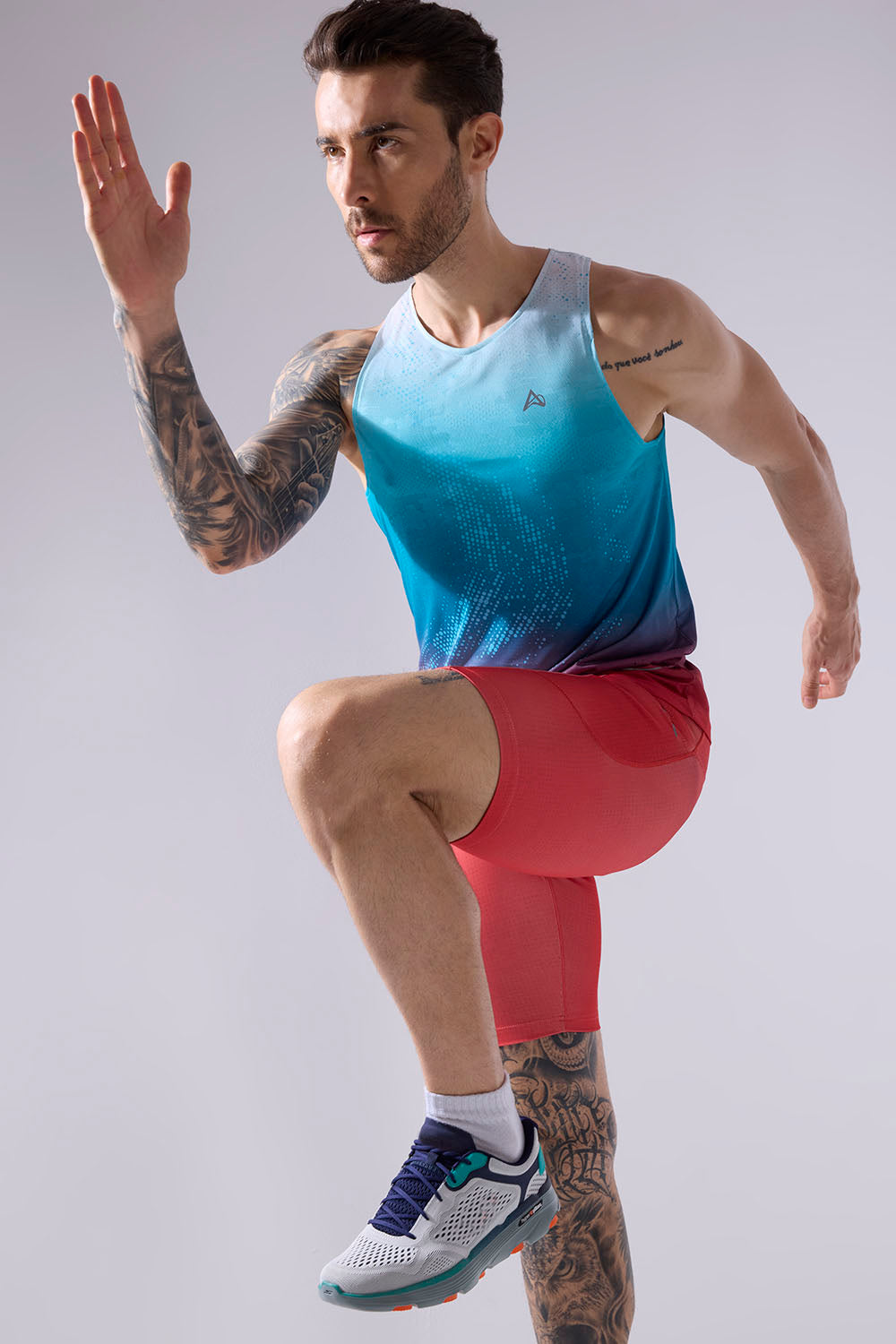
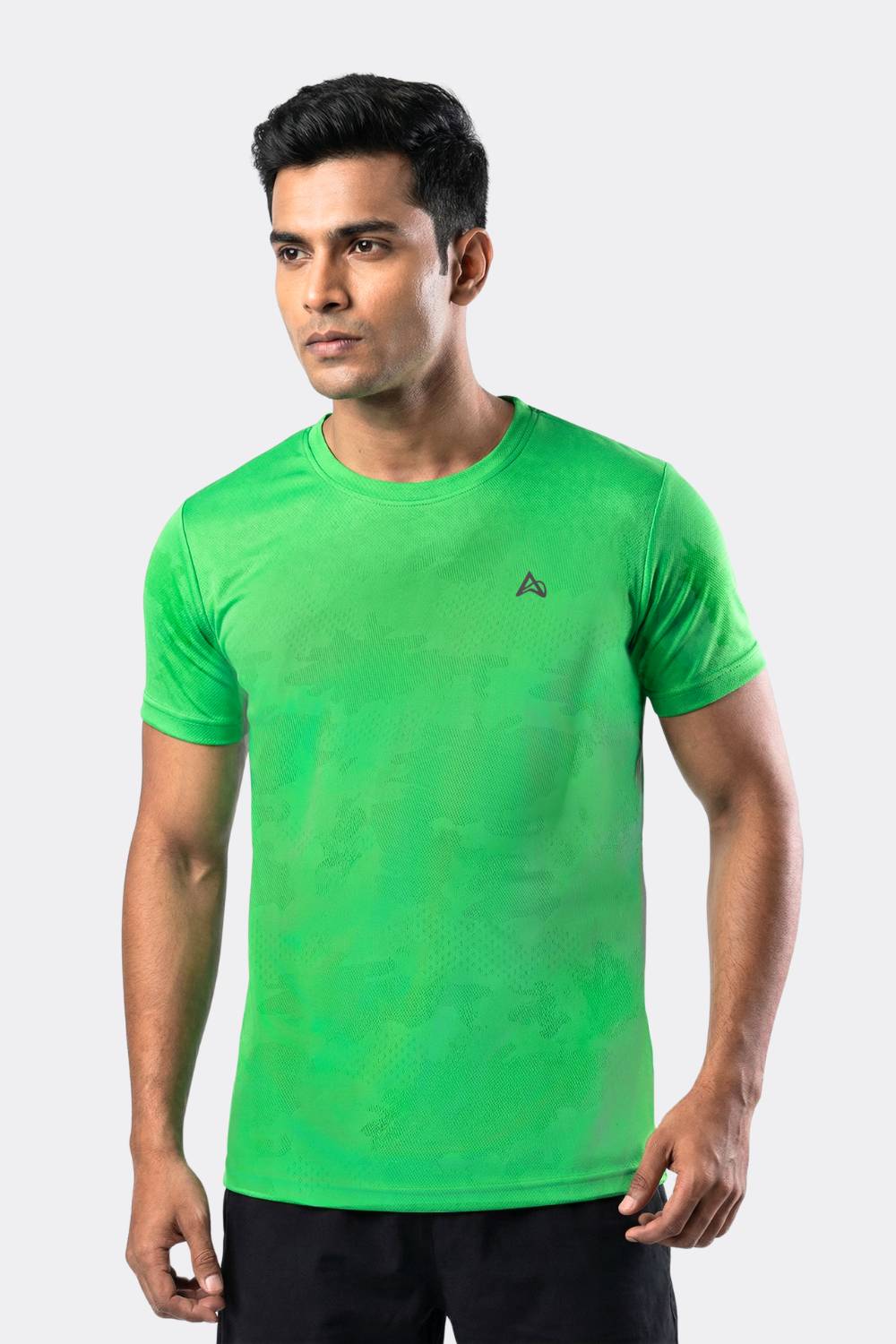
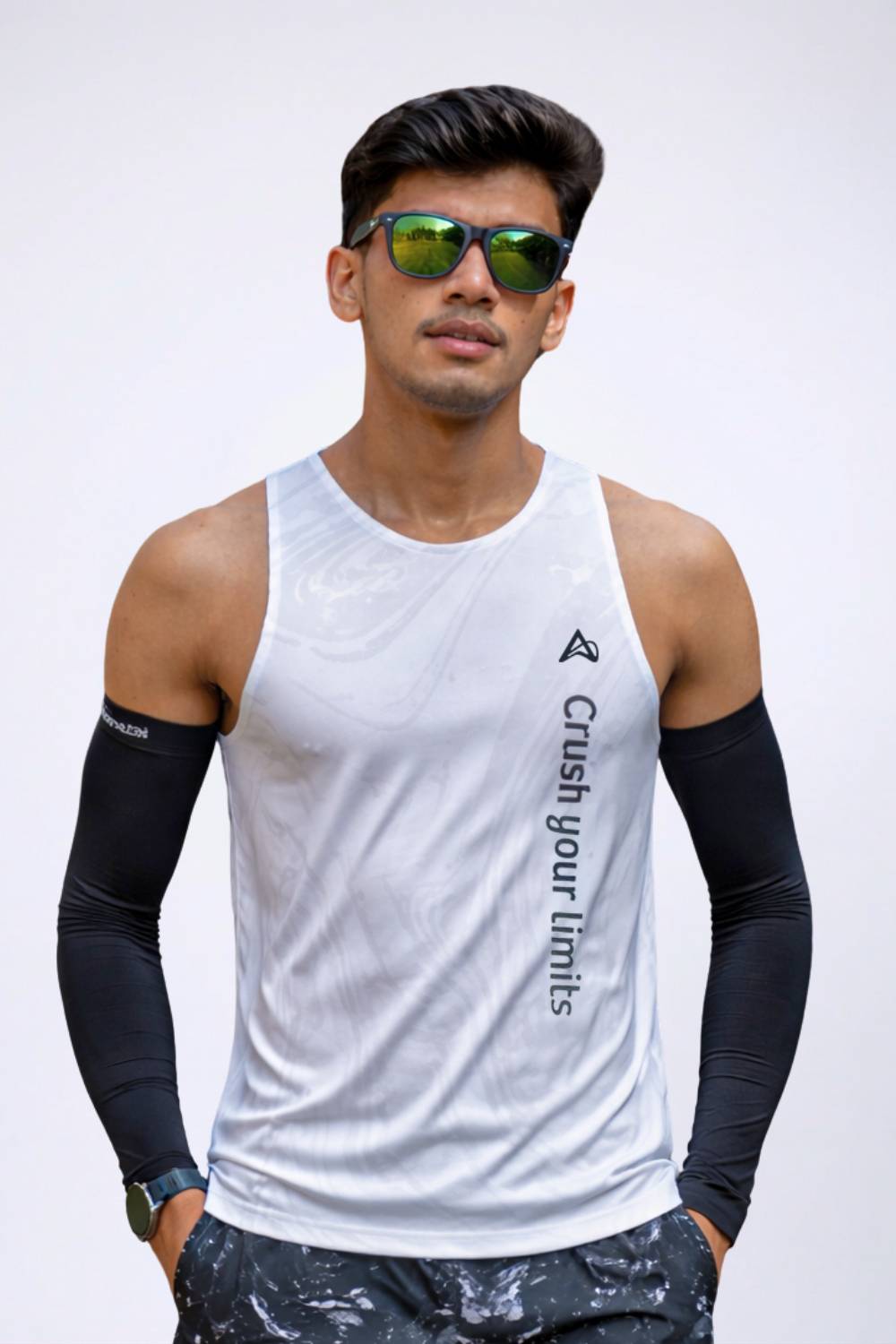
Tired of gear that slows you down? Chafing, soggy fabrics, and missing pockets kill your run's momentum. At Aguante, we're runners who get it. Our high-performance activewear features moisture-wicking fabrics, ergonomic designs, and smart storage to keep you focused. Shop Now!
The Rise of Performance Apparel Across North America and Europe
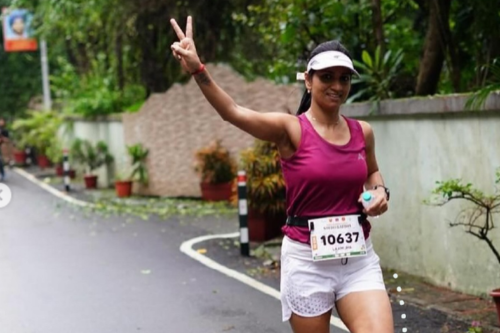
Endurance running continues to gain momentum in urban centers throughout the United States, Canada, and Europe. Weekend group runs in Boston's Emerald Necklace, morning circuits around Vancouver's seawall, and trail events in the Alps or London's parks attract growing numbers of participants who value both health and community. These runners often encounter humid summers, temperature swings, and unpredictable weather that can quickly make standard clothing uncomfortable.
Moisture-wicking fabrics address this challenge directly by pulling sweat away from the skin and promoting rapid evaporation. In regions with humid conditions or intense training blocks, this technology helps maintain focus and performance instead of fighting soggy layers. The move toward performance apparel reflects a broader emphasis on practical innovation that enhances everyday training and race-day experiences.
How Moisture-Wicking Fabrics Work
These materials operate through straightforward scientific principles. Capillary action transports moisture along tiny channels within synthetic fibers, while hydrophobic properties prevent water from soaking in. Strategic fabric constructions, including specialized weaves and yarn combinations, spread perspiration across a wider area so it dries faster.
Textile research conducted at institutions across North America and Europe demonstrates strong results when these fabrics are evaluated in real-world running conditions. Performance often meets or exceeds lab expectations because local humidity, wind, and temperature patterns interact dynamically with the engineered textiles.
Unlike traditional cotton garments that retain moisture and feel heavy, modern moisture-wicking options keep the body drier and more comfortable. Runners consistently report reduced irritation, more stable core temperatures, and greater confidence during long efforts.
Emerging Trends in Athletic Apparel
Manufacturers in the United States, Canada, and Europe are advancing beyond basic moisture management. Antimicrobial treatments help control odors during extended wear in warmer months, while blends incorporating natural and synthetic fibers deliver improved breathability and resilience. These developments are especially valued in humid urban environments and during multi-hour training sessions.
Temperature-regulating smart fabrics are gaining popularity among running groups in places like Toronto, Berlin, and San Francisco. The materials adapt to body heat and external conditions, supporting comfort whether conditions are cool at the start or warmer later. Startups focused on sustainability are also introducing recycled-fiber moisture-wicking solutions that appeal to environmentally conscious athletes who refuse to compromise on performance.
Real-World Applications and Case Studies
Marathon participants in Boston, Chicago, and major European cities often highlight how moisture-wicking gear helps them sustain effort through challenging segments. Brands that design specifically for regional climates have earned strong loyalty, with runners noting better endurance and fewer distractions on hot or humid days.
Running clubs in areas such as the San Francisco Bay Area have collaborated with textile specialists to refine jerseys optimized for variable weather. Feedback emphasizes fewer adjustments during races and more consistent pacing. University sports laboratories have evaluated evaporation performance in locally developed fabrics, confirming what athletes experience firsthand: quicker drying leads to tangible comfort and performance gains.
Key Challenges and Limitations
Even advanced fabrics must contend with real variability. Humidity and temperature differ significantly between coastal cities and inland areas, so a textile that performs well in one location may require adjustments elsewhere. Cost remains a consideration for many recreational runners seeking premium options.
Durability after repeated laundering in local water conditions also receives attention. Standardized testing protocols continue to evolve, with research hubs in key innovation centers helping validate how products hold up under typical training demands across diverse climates.
Opportunities and Industry Impact
Textile producers have significant potential to meet the needs of active urban communities with climate-adapted solutions. Runners and everyday athletes increasingly seek gear that combines function, comfort, and thoughtful design. This demand drives manufacturers to prioritize innovations tested in relevant conditions, creating opportunities for both domestic markets and international exports of high-performance fabrics suited to varied weather patterns.
Stronger partnerships between sports science programs and apparel developers accelerate progress, resulting in gear that genuinely improves training consistency and recovery. Enhanced apparel ultimately supports healthier, more engaged running communities across major cities in the United States, Canada, and Europe.
Common Questions About Moisture-Wicking Technology
- How quickly do these fabrics dry compared to traditional options? Most advanced materials spread and evaporate moisture far faster, often within minutes under active conditions.
- Are they suitable for both training and everyday wear? Yes many designs blend technical performance with casual aesthetics, making them versatile for gym sessions, runs, and daily activities.
- What maintenance do they require? Following manufacturer guidelines preserves wicking properties through regular washing cycles.
Expert Insights and Future Outlook
Moisture-wicking fabrics have become indispensable for endurance athletes, delivering meaningful improvements in comfort and capability across demanding environments. Specialists recommend integrating advanced fibers with thoughtful, region-specific design to maximize benefits.
Looking forward, developments in adaptive textiles, data-informed testing, and broader accessibility will continue to shape the category. Collaboration across research, manufacturing, and athletic communities offers the clearest path to gear that truly addresses the needs of runners at every level.
Great performance often begins with fundamentals done exceptionally well. When clothing works seamlessly with the body, athletes can focus on effort, progress, and enjoyment. For the expanding community of endurance runners, the science behind moisture-wicking fabrics delivers practical advantages that make every mile more rewarding.
Frequently Asked Questions
How do moisture-wicking fabrics work for endurance runners?
Moisture-wicking fabrics use capillary action to transport sweat along tiny channels within synthetic fibers, while hydrophobic properties prevent water from soaking in. Strategic weaves and yarn combinations spread perspiration across a wider surface area, accelerating evaporation. Unlike traditional cotton, which retains moisture and feels heavy, these materials keep runners drier, reduce irritation, and help maintain more stable core temperatures during long efforts.
What are the latest innovations in moisture-wicking fabric technology for runners?
Beyond basic moisture management, modern performance fabrics now feature antimicrobial treatments to control odors during extended wear, as well as blends of natural and synthetic fibers for improved breathability and durability. Temperature-regulating smart fabrics are gaining popularity, adapting to body heat and changing external conditions throughout a run. Sustainability-focused brands are also introducing recycled-fiber moisture-wicking options that deliver high performance without compromising environmental values.
Are moisture-wicking fabrics worth it for recreational runners, and how should they be cared for?
Yes moisture-wicking fabrics benefit runners at all levels by reducing chafing, improving comfort in humid or warm conditions, and helping maintain focus during training. Many modern designs also blend technical performance with everyday aesthetics, making them versatile for both workouts and casual wear. To preserve the wicking properties over time, it's important to follow the manufacturer's care guidelines through regular washing cycles.
Disclaimer: The above helpful resources content contains personal opinions and experiences. The information provided is for general knowledge and does not constitute professional advice.
You may also be interested in: How Indian Runners Benefit From Moisture-Wicking Tops - Aguante
Tired of gear that slows you down? Chafing, soggy fabrics, and missing pockets kill your run's momentum. At Aguante, we're runners who get it. Our high-performance activewear features moisture-wicking fabrics, ergonomic designs, and smart storage to keep you focused. Shop Now!
Powered by flareAI.co