





Quick Listen:
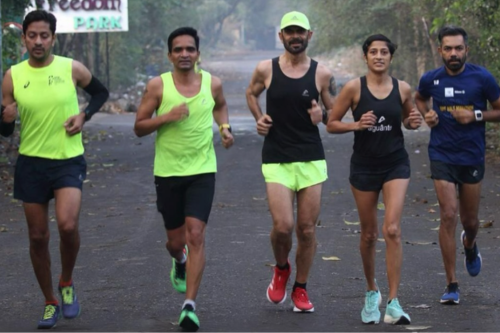
In the predawn stillness of Bengaluru's Cubbon Park, the steady cadence of runner's footsteps cuts through the mist. From Delhi's hazy trails to Mumbai's seafront paths, a quiet revolution is unfolding one woven into the fabric of India's performance activewear. This isn't merely about sportswear; it's about a nation channeling centuries of textile expertise into gear that matches the resilience of its people. Fueled by local innovation, shaped by India's unforgiving climate, and driven by a burgeoning urban fitness culture, India's running gear industry is staking its claim on the global stage.
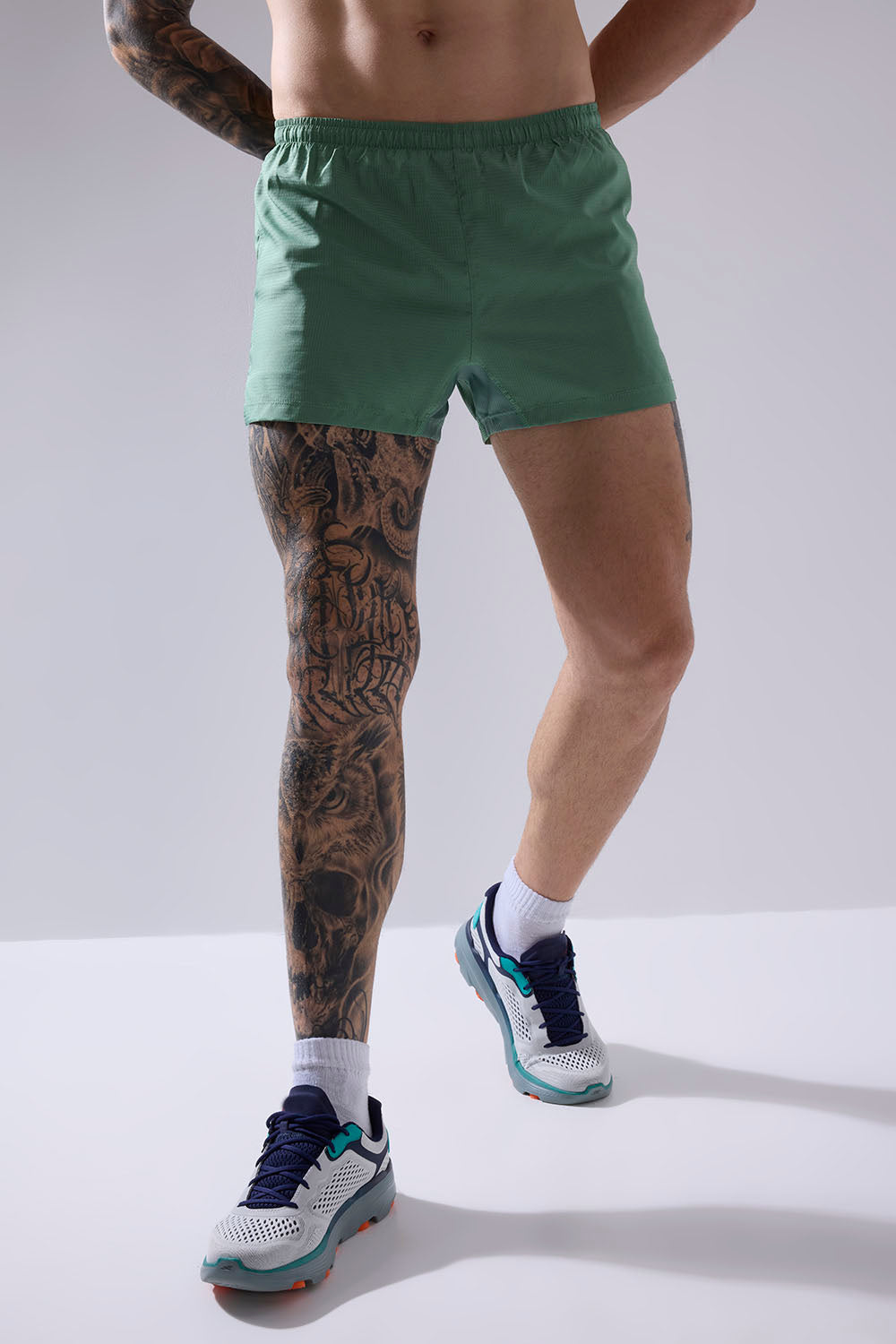
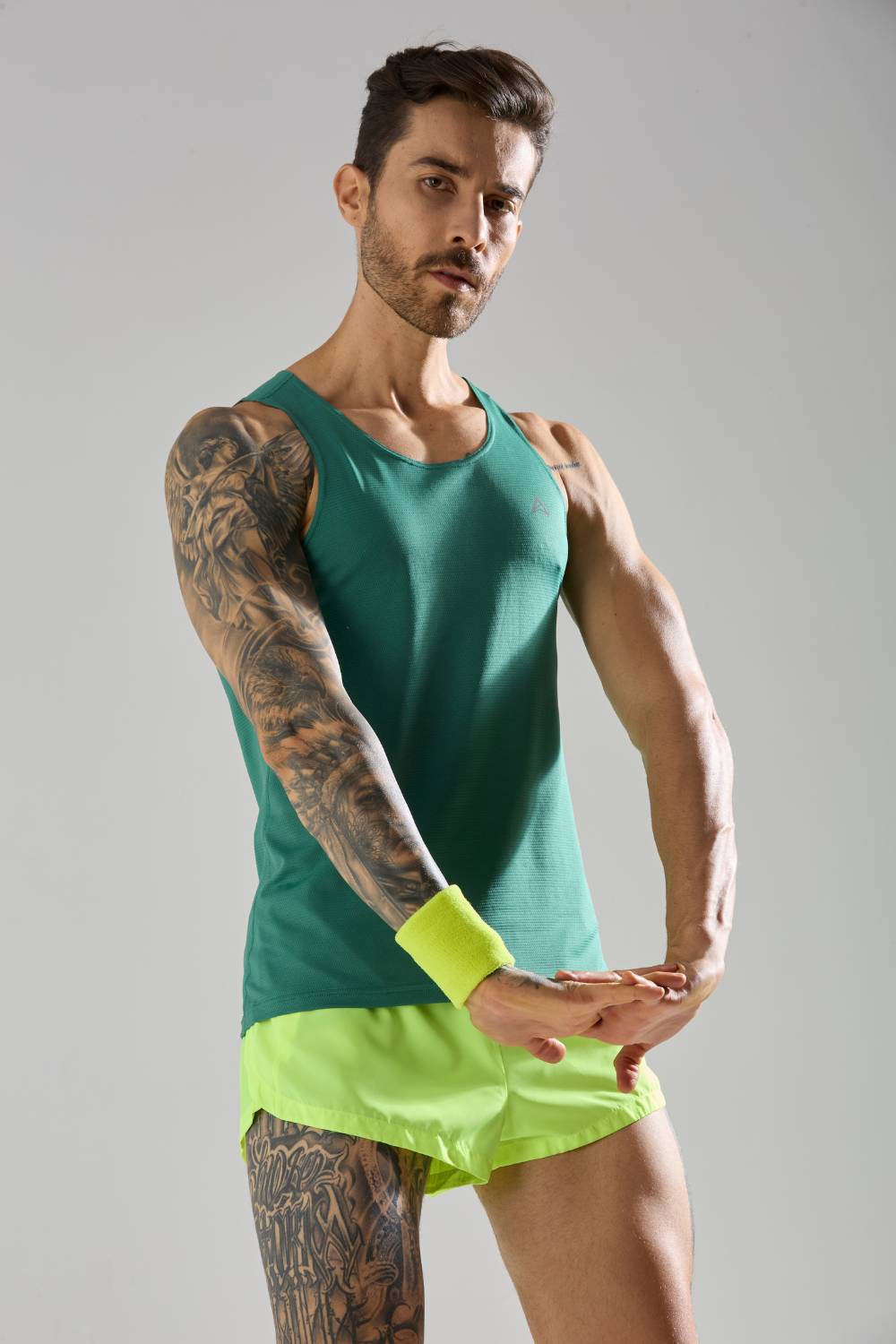
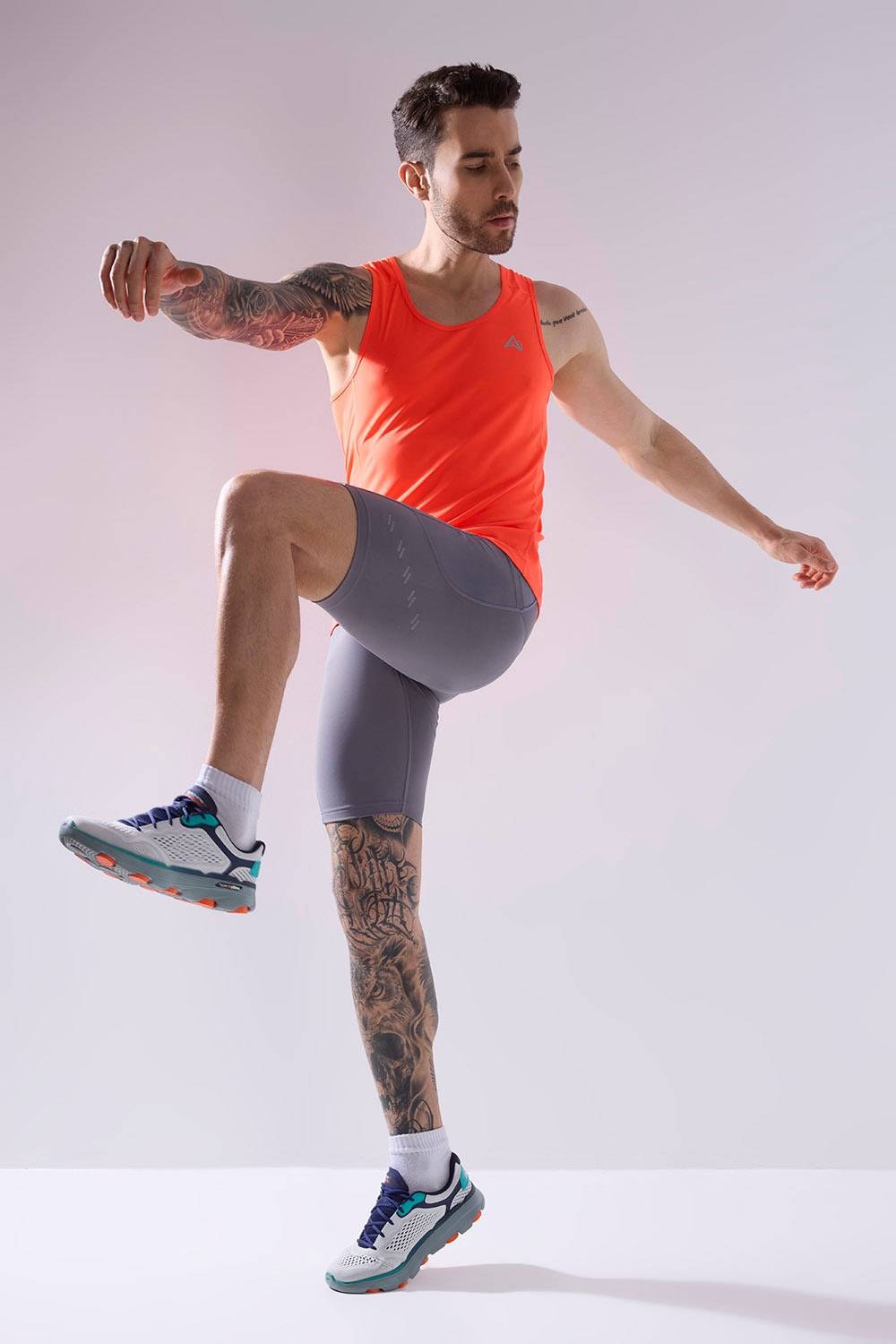
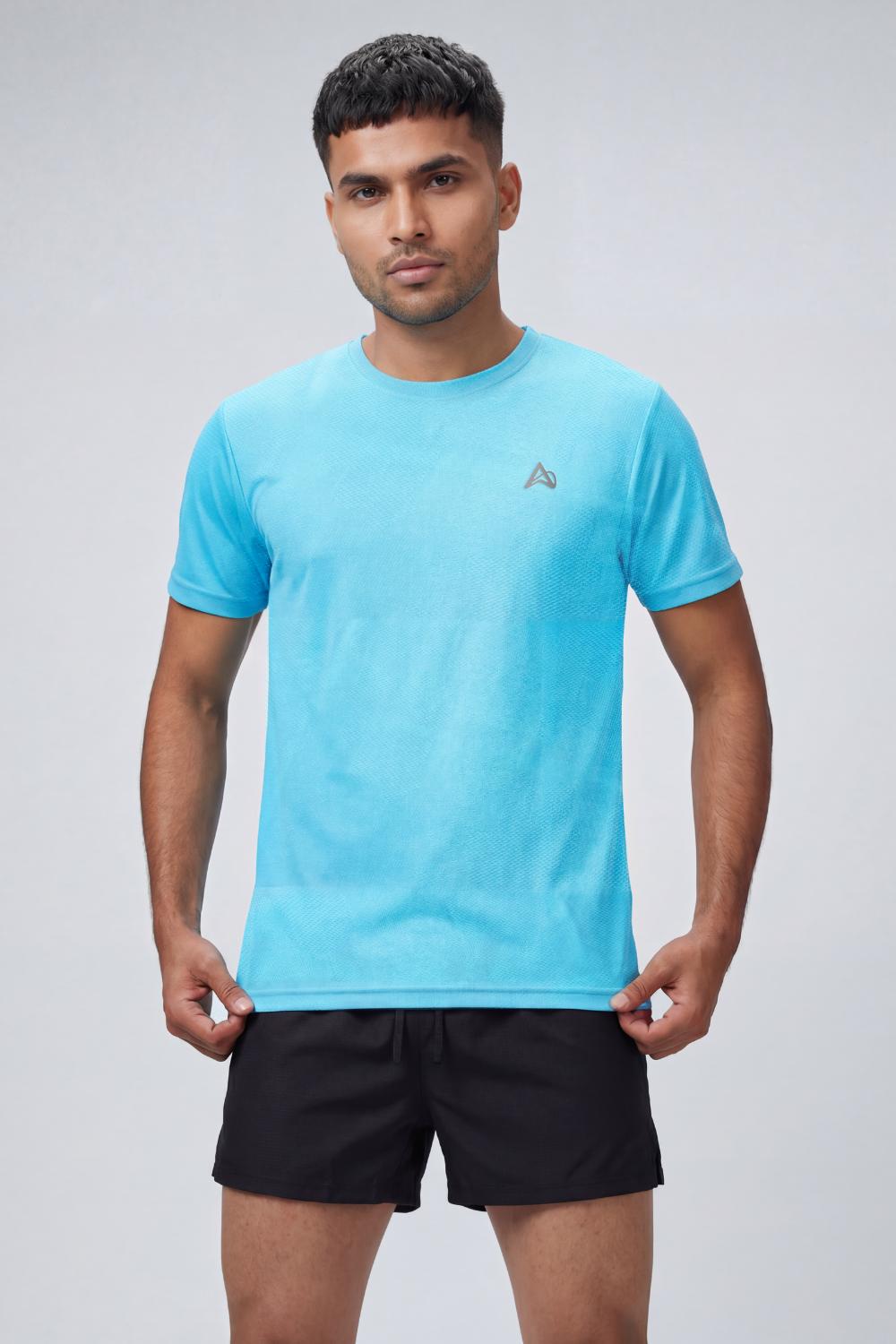
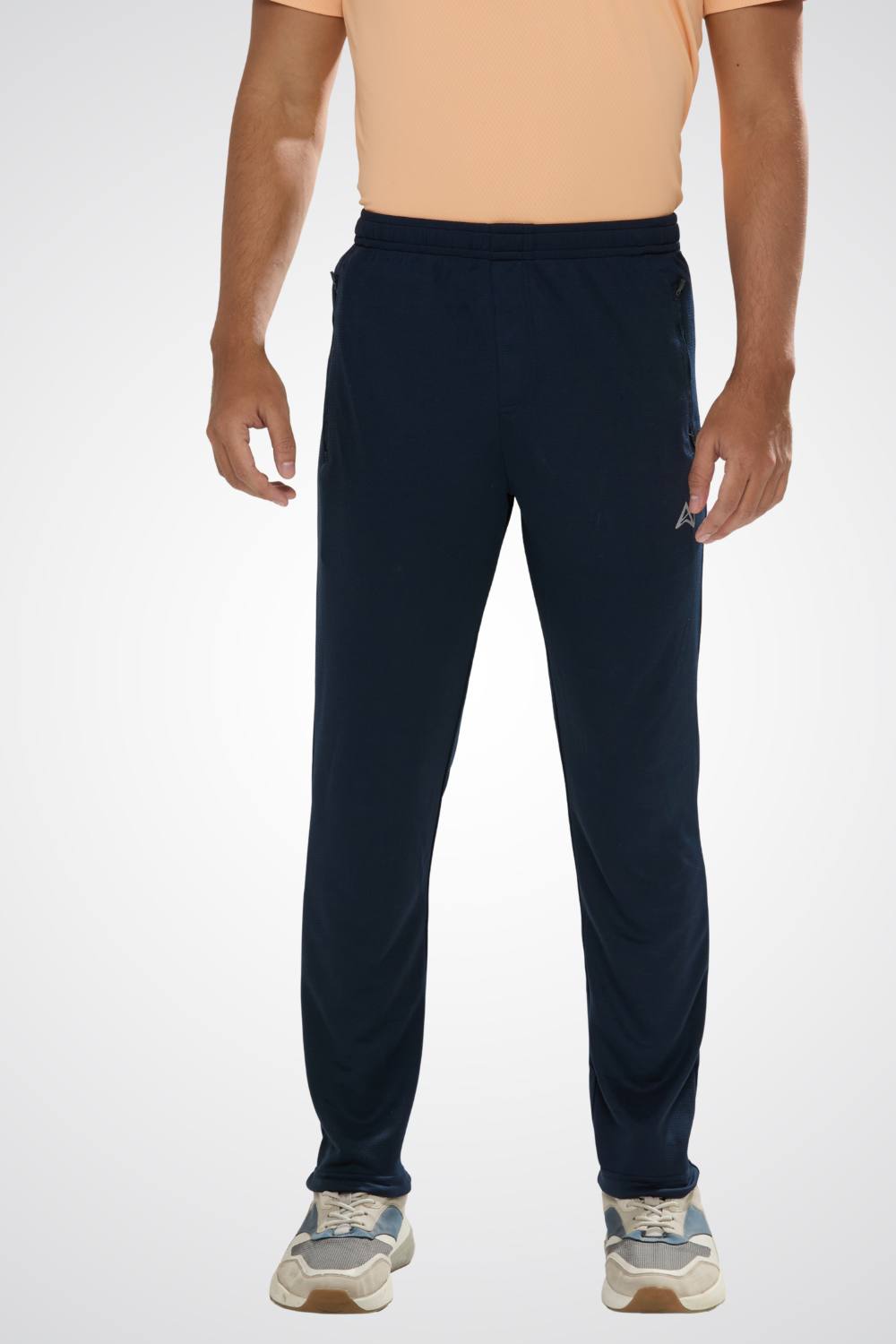
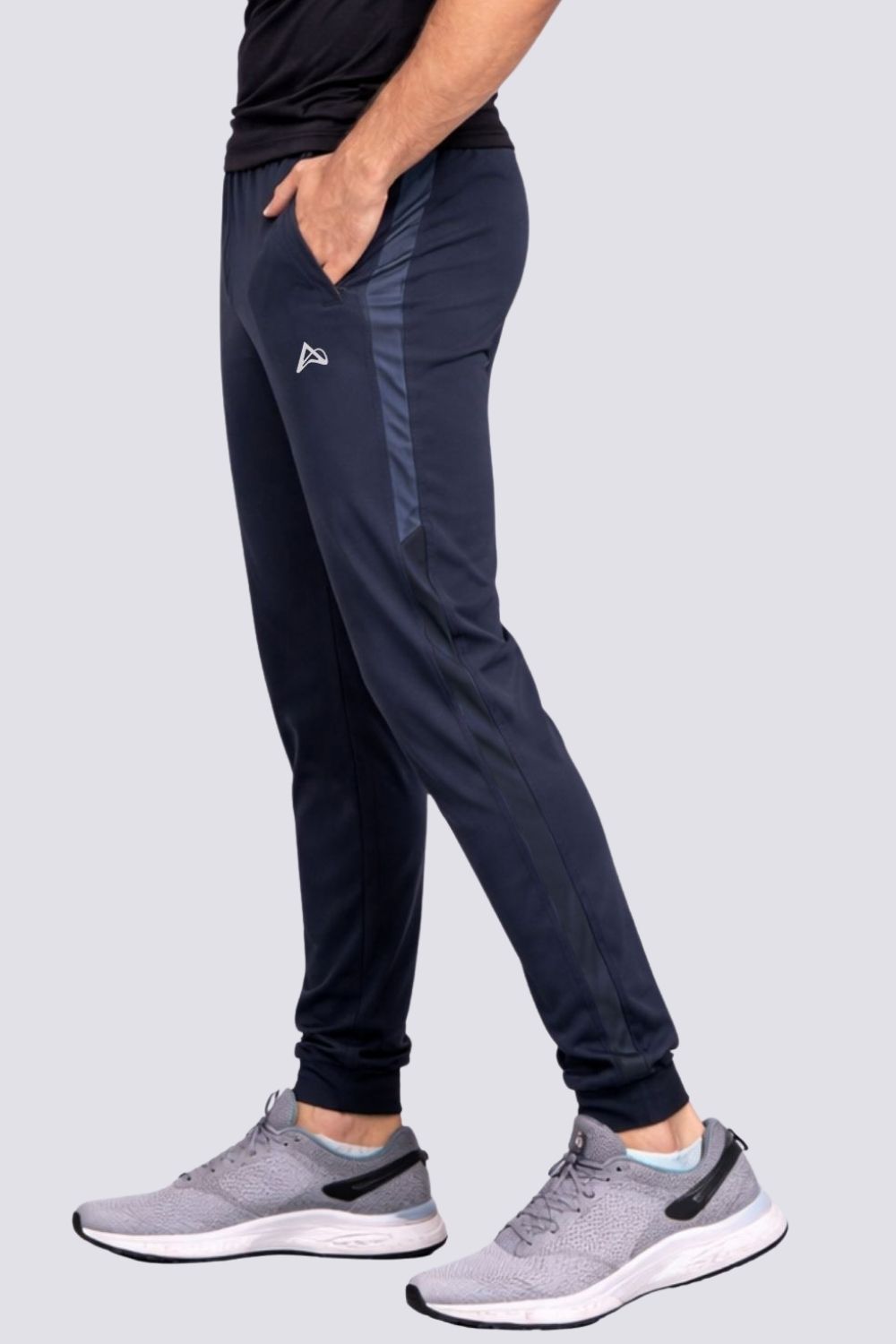
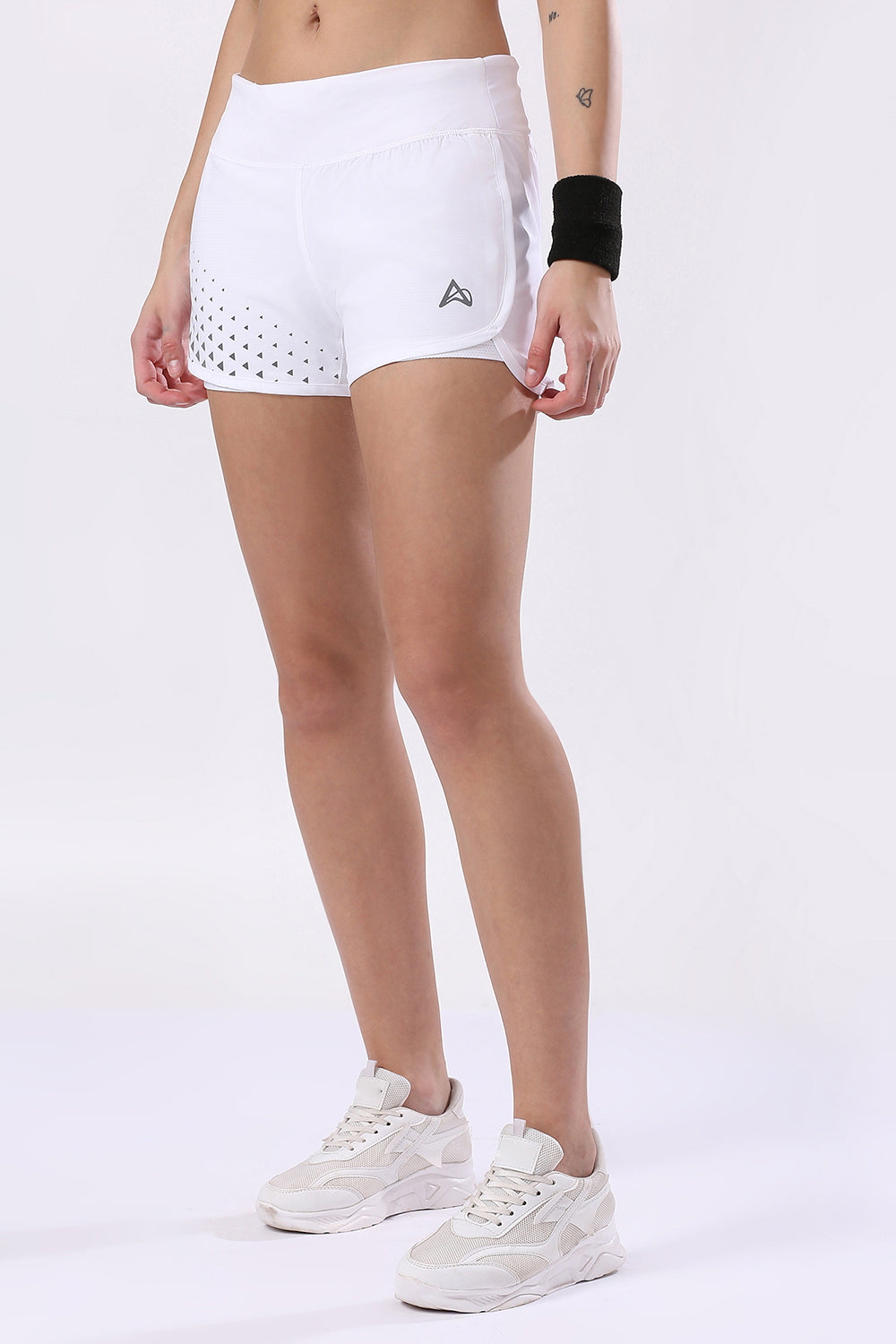
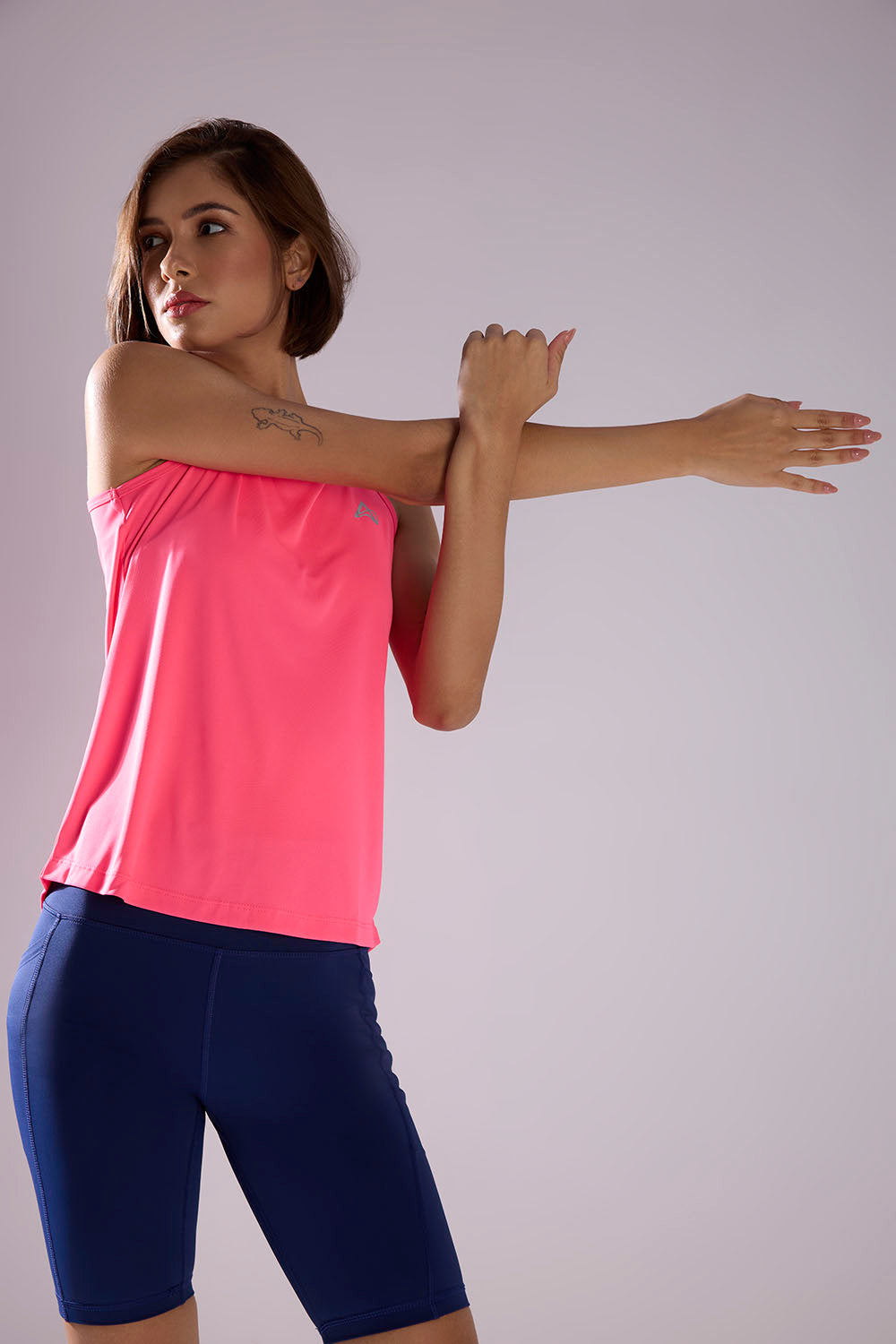
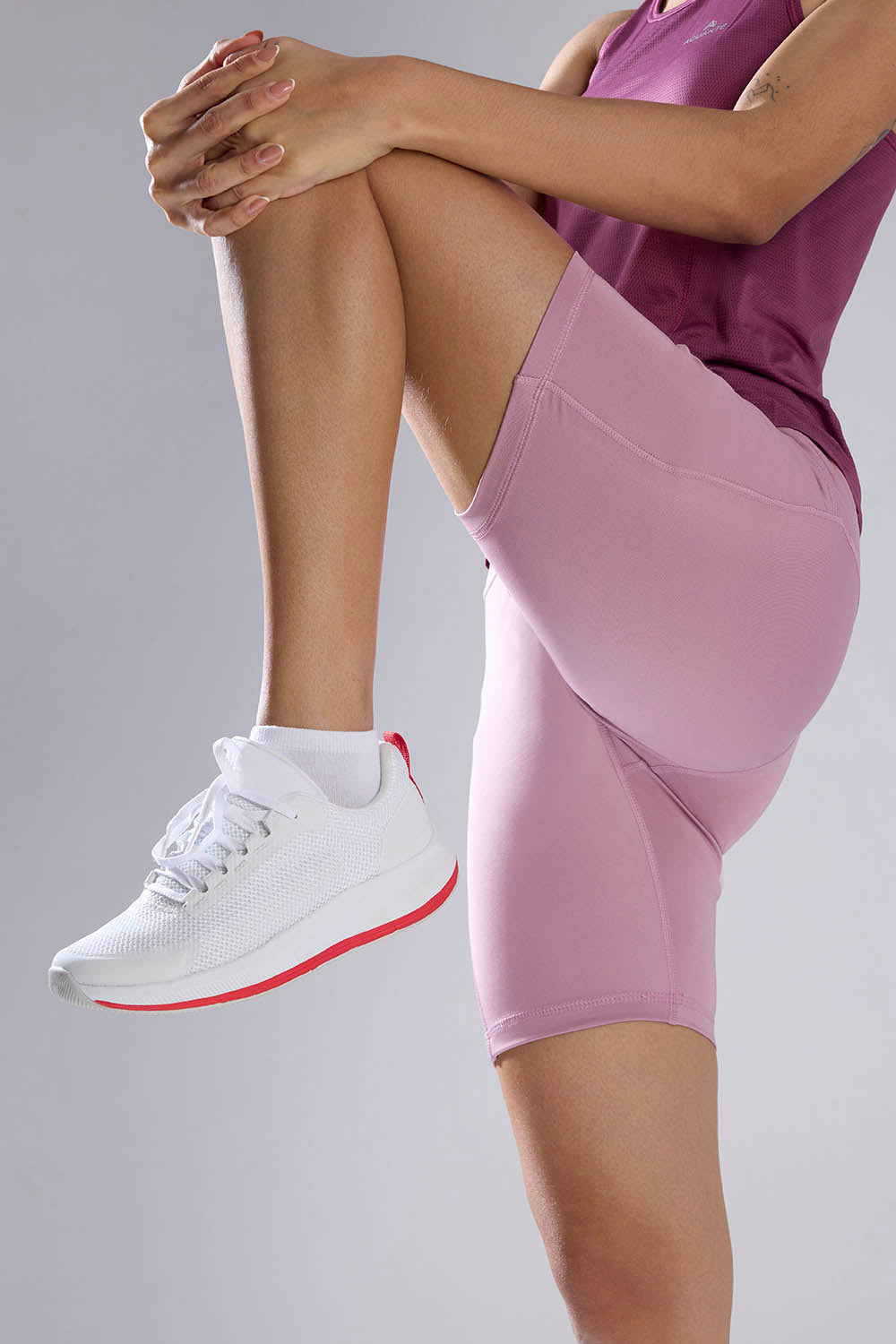
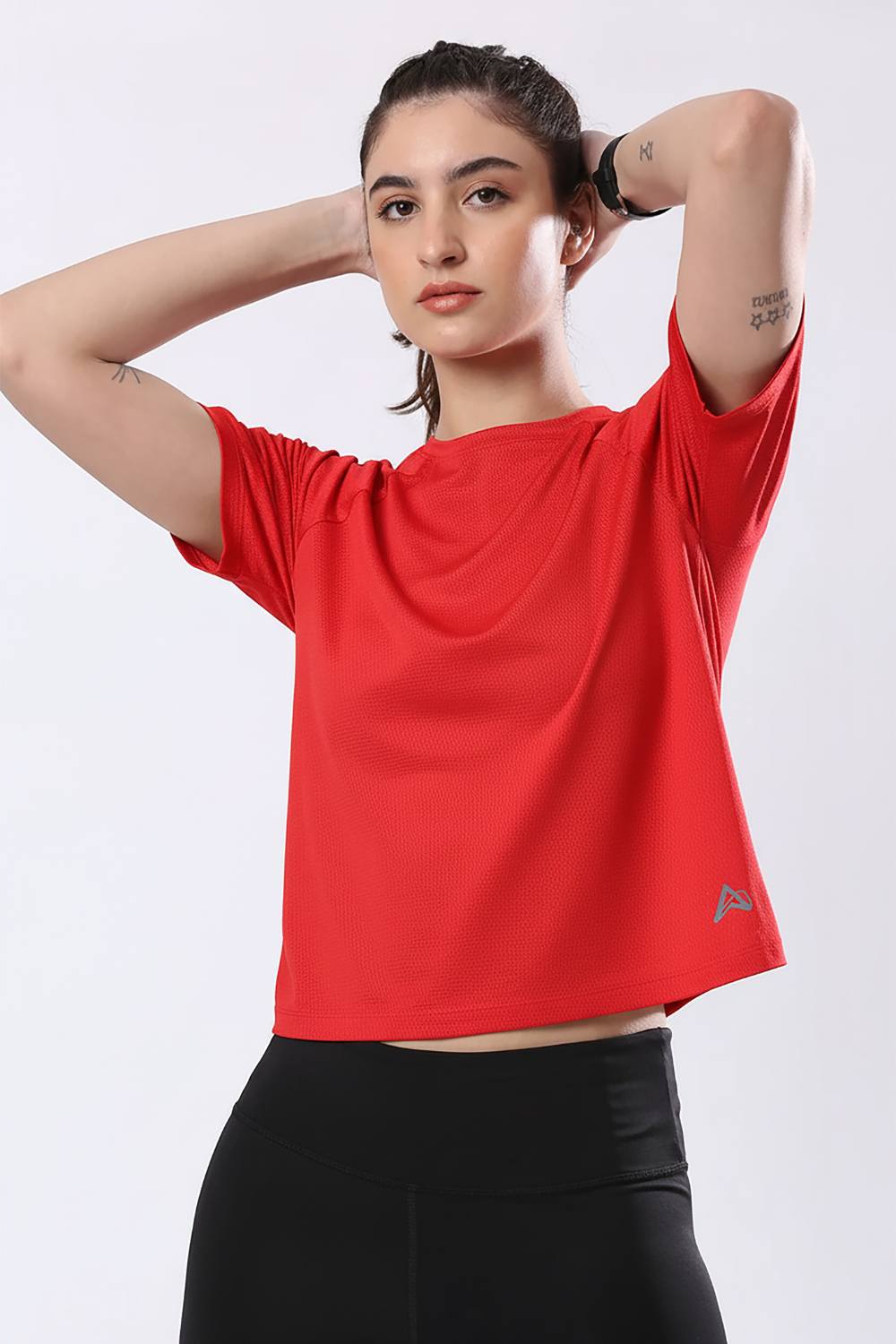
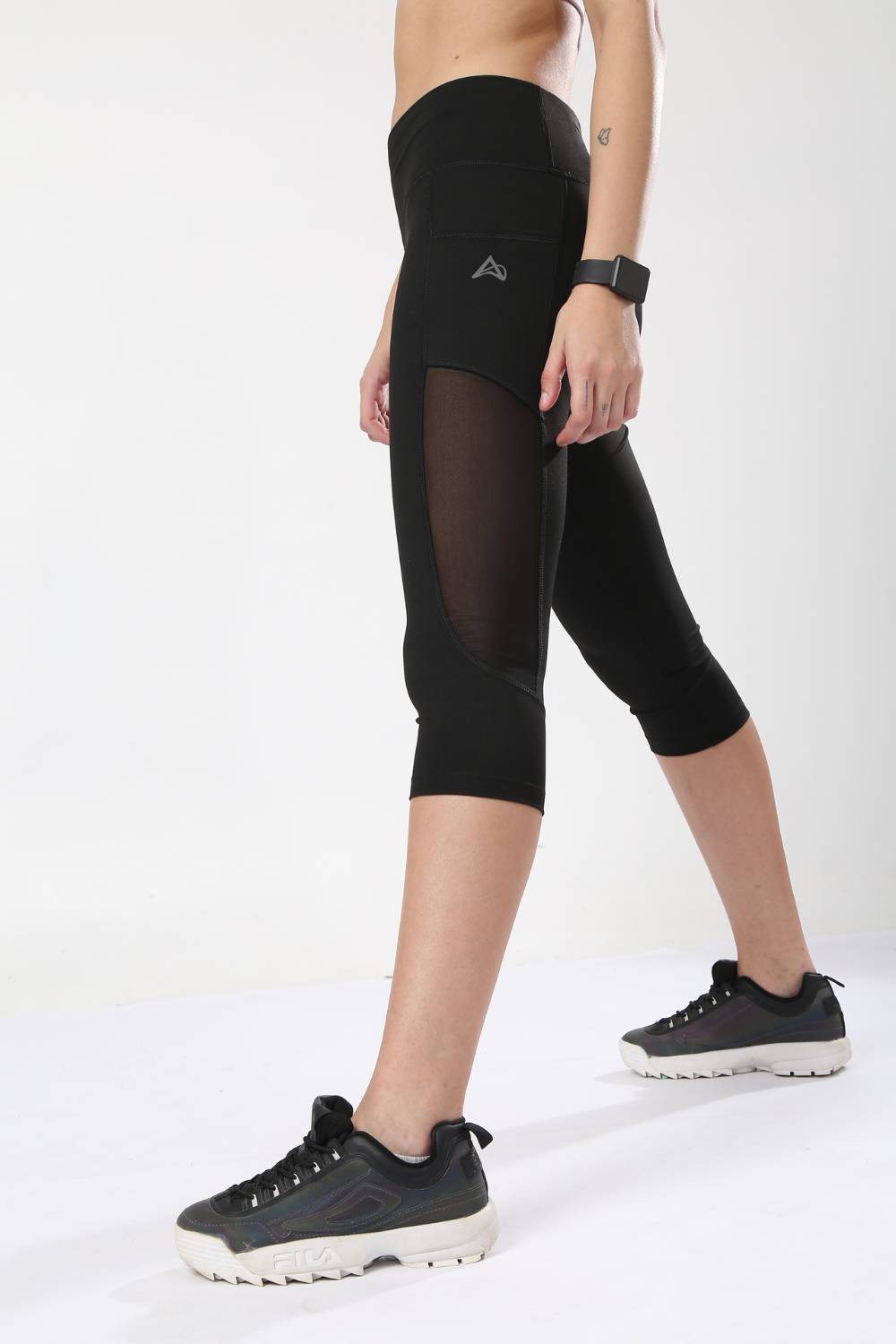
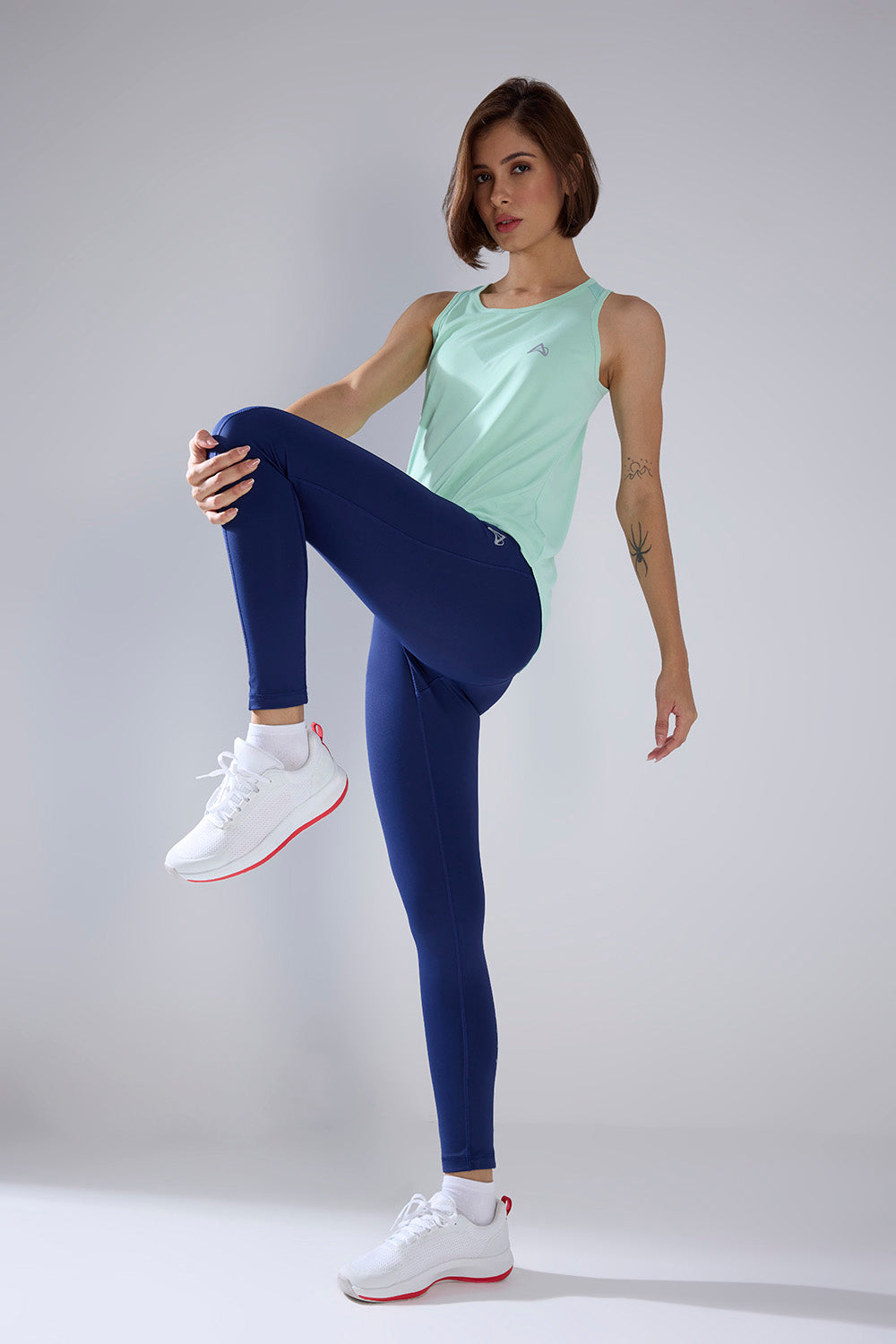
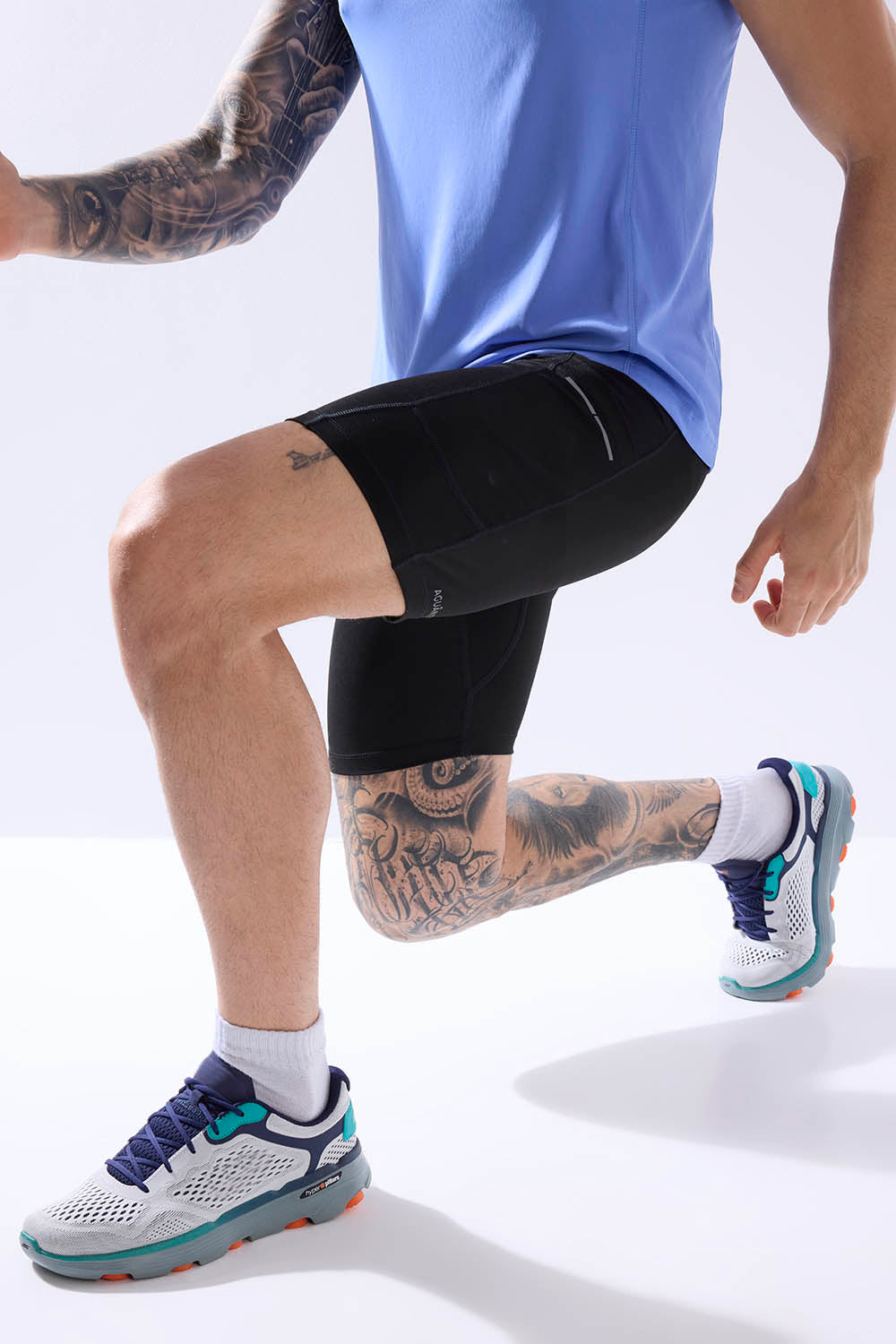
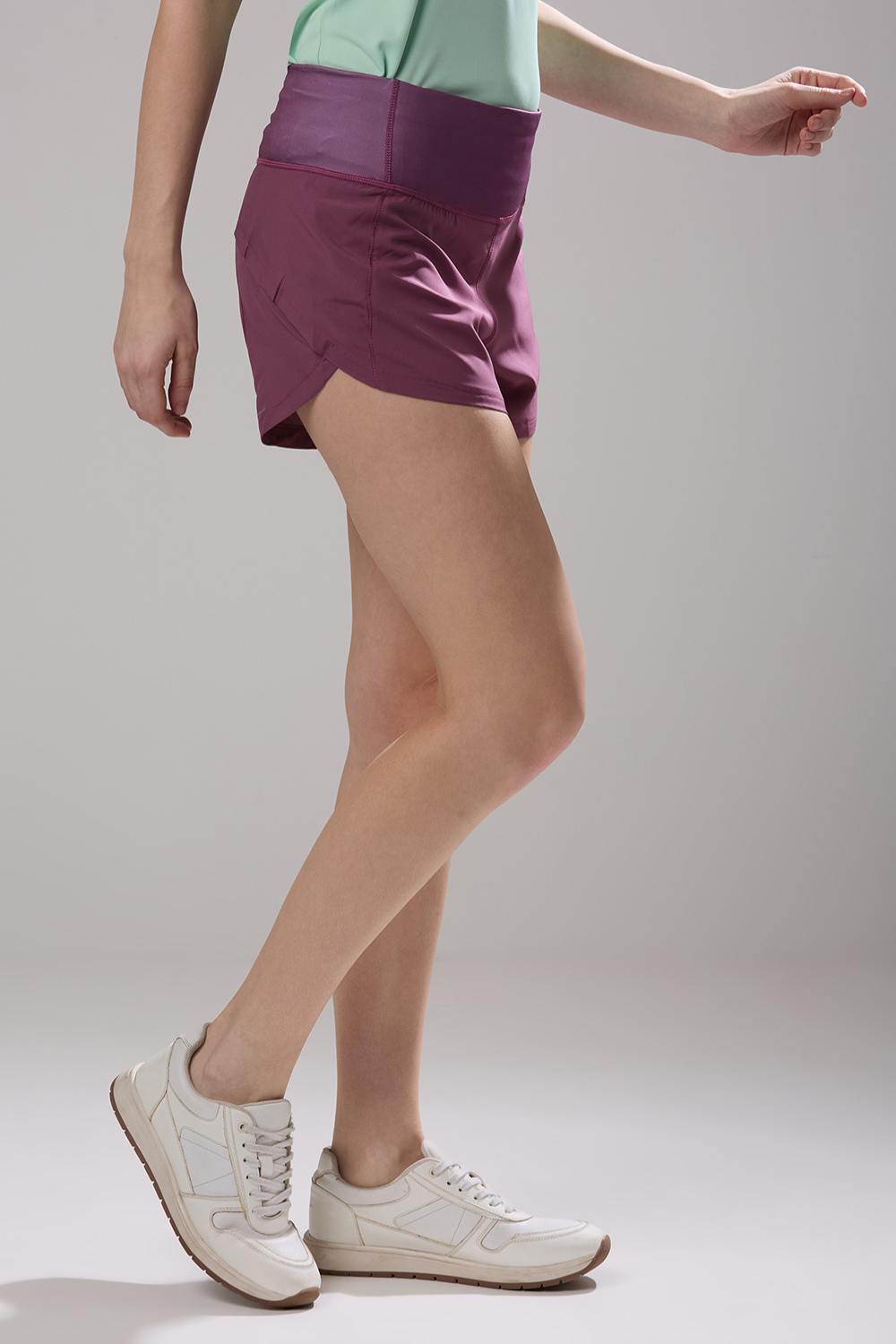
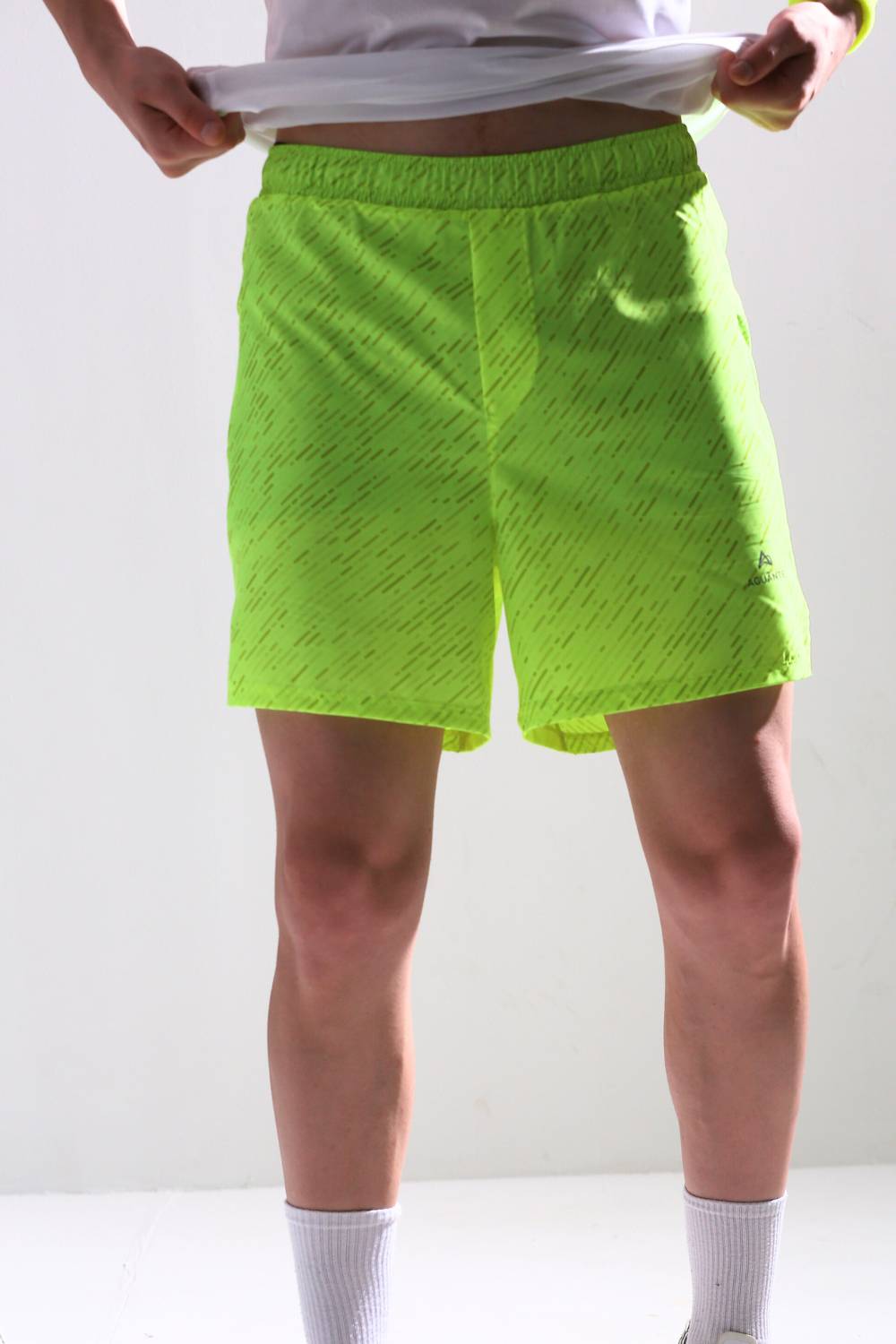
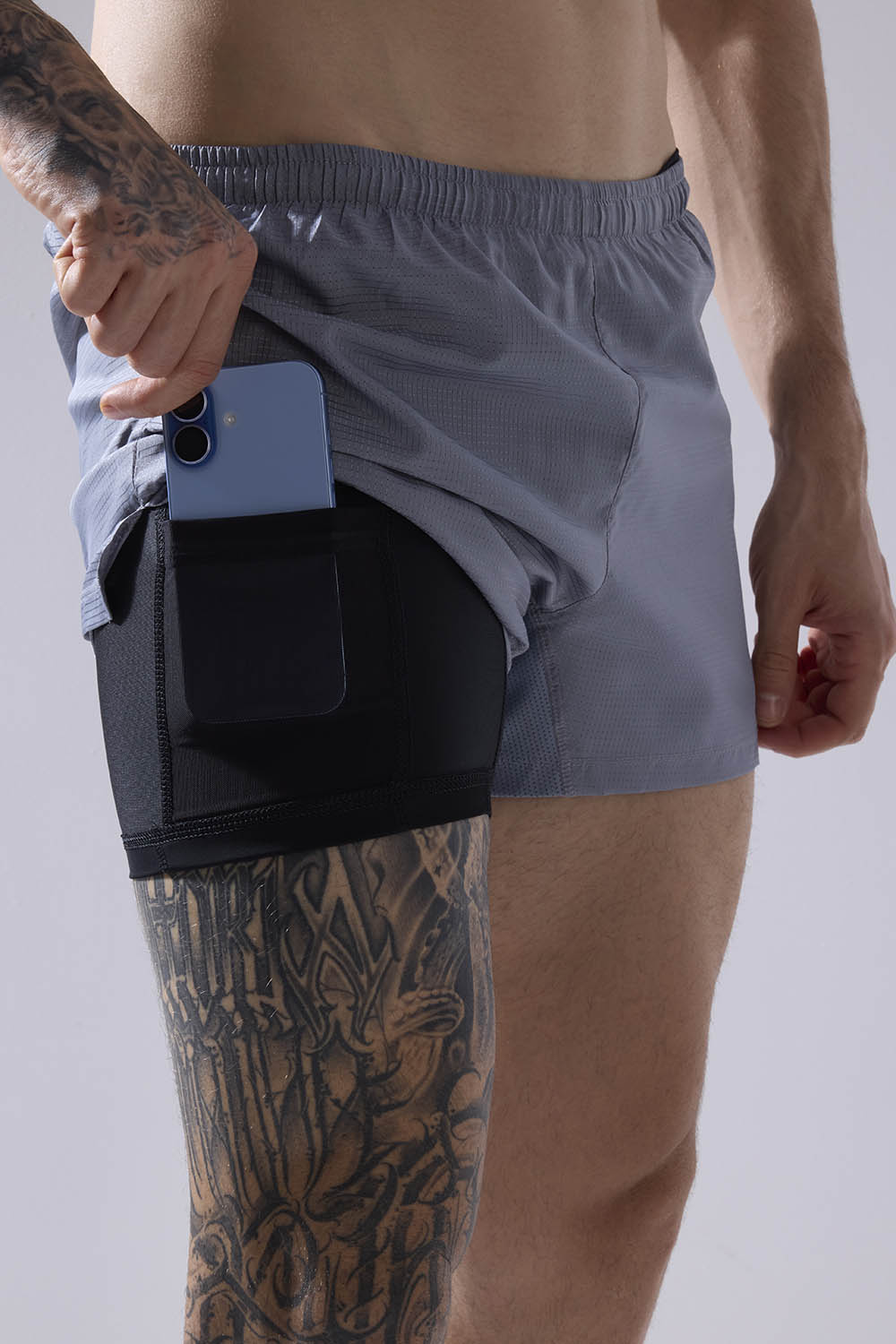
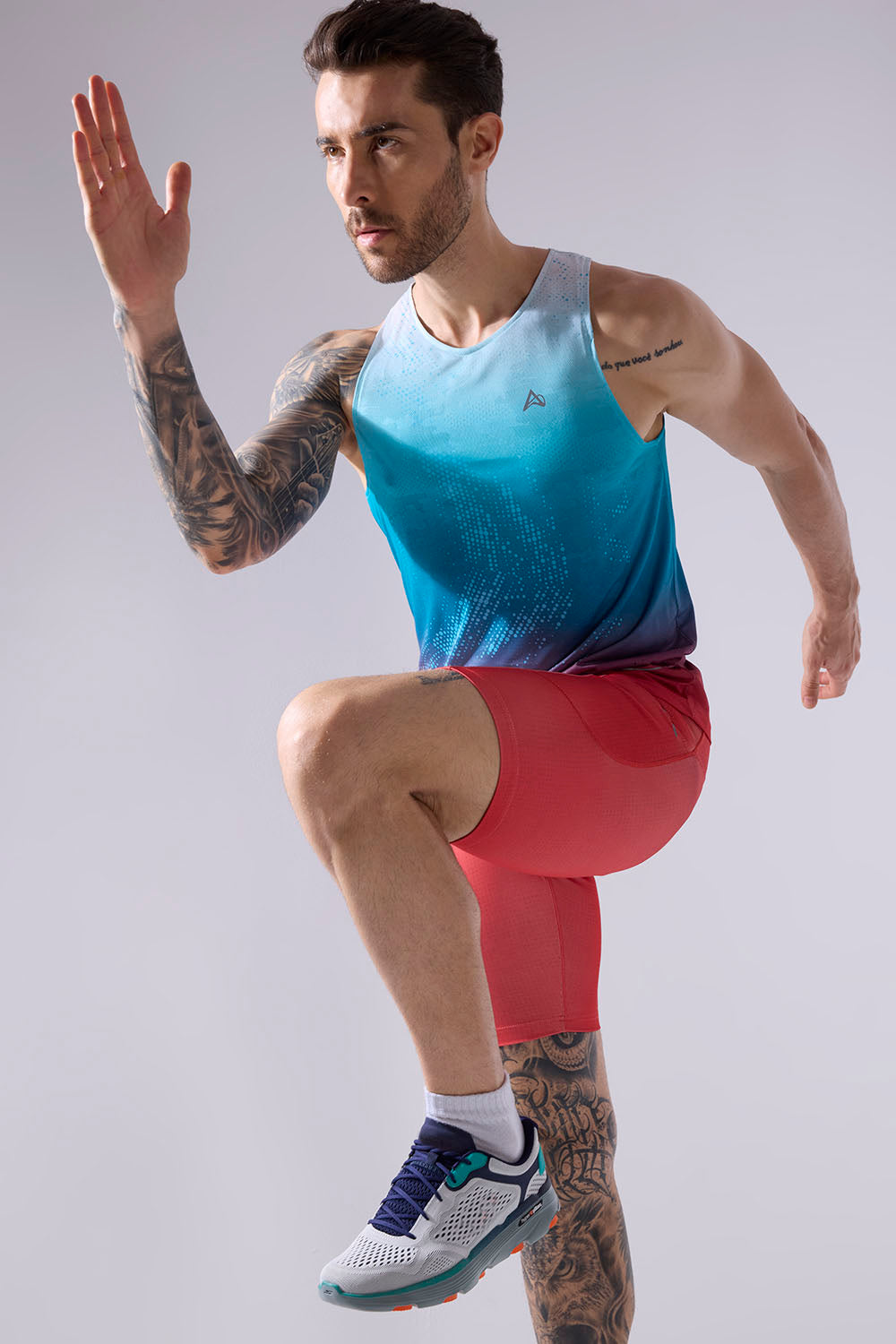
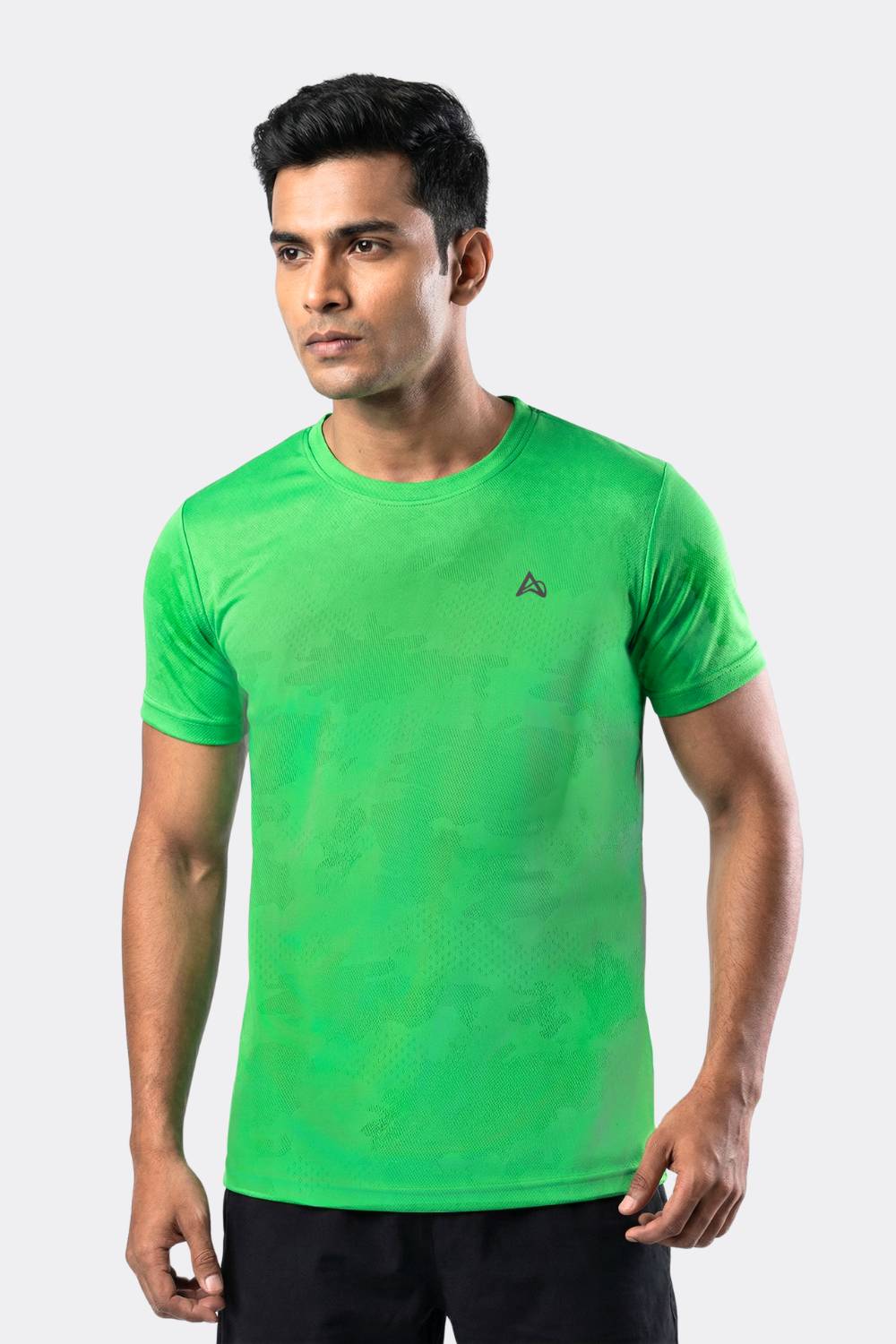
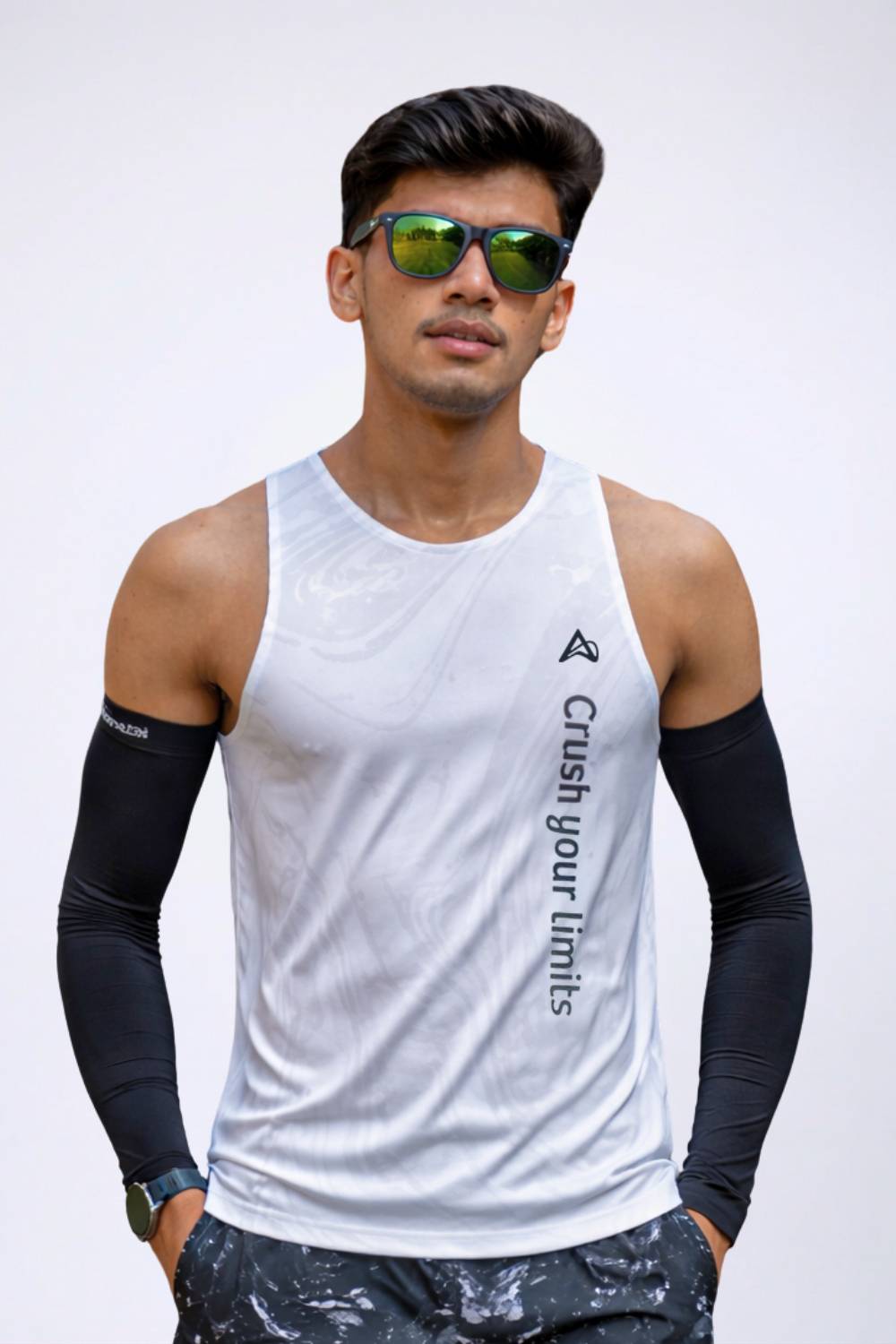
Tired of gear that slows you down? Chafing, soggy fabrics, and missing pockets kill your run's momentum. At Aguante, we're runners who get it. Our high-performance activewear features moisture-wicking fabrics, ergonomic designs, and smart storage to keep you focused. Shop Now!
The Rise of India's Activewear Ecosystem
India's performance activewear sector is accelerating at an unprecedented pace, propelled by a fitness revolution in cities like Bangalore, Mumbai, and Delhi. The India running gear market reached USD 2.4 billion in 2024 and is forecast to double to USD 4.8 billion by 2033, with a compound annual growth rate of 7.71%. This growth stems from rising health consciousness, increased participation in marathons, and the expansion of e-commerce, alongside endorsements from athletes. Unlike markets dominated by global brands, India's surge is distinctly local, rooted in innovations in material science, ergonomic design, and sustainable production. Research from IIT Delhi's Textile Engineering Department and NIFT Bengaluru underscores how domestic fabric technologies are crafting apparel tailored to India's diverse environments, from arid plains to coastal humidity.
At the heart of this transformation are India's innovation hubs cities where tradition meets cutting-edge technology to redefine what activewear can achieve. These hubs are not just producing gear; they're shaping a new narrative for India's textile legacy, one that employs over 45 million people and blends cultural heritage with modern demands.
Innovation Hubs Powering Progress
Bengaluru, India's tech capital, is also its epicenter for sportswear research and development. Startups here are pioneering lightweight, moisture-wicking fabrics, supported by the Karnataka Textiles Policy 2023–28, which incentivizes technical textiles. In Mumbai and Navi Mumbai, design-driven brands collaborate with groups like the Mumbai Road Runners to create apparel that balances style and functionality. Pune and Gurugram are pushing boundaries with wearable technology, integrating IoT-based health monitors into running gear to deliver real-time fitness insights.
In Gujarat, Ahmedabad and Surat are transforming the supply chain. Gujarat Technological University's Fabric Engineering Division is leading efforts in polyester recycling and yarn blending, producing sustainable fabrics that maintain high performance. The technical textiles sector, valued at USD 29 billion in FY2024, is a cornerstone of this shift, driven by innovation and global demand, as industry leader Mohan Ramaswamy emphasizes. These regional powerhouses are not just crafting products they're redefining India's role in the global activewear market.
Fabrics Engineered for India's Climate
India's climate poses unique challenges: scorching summers in Delhi, monsoon deluges in Mumbai, and relentless humidity in Chennai. Designing activewear for such diversity demands ingenuity. Bengaluru's Central Silk Technological Research Institute is developing breathable biopolymer blends that keep runners cool in extreme heat. Hyderabad's DRDO Technical Textiles Lab is testing coatings that repel water while allowing ventilation, ensuring comfort in wet conditions. In Navi Mumbai, the Textile Research Association's 2024 trials of quick-dry, antimicrobial yarns are producing apparel that withstands India's unpredictable weather.
These advancements are grounded in real-world testing, informed by feedback from India's runners. The result is gear that doesn't merely cope with India's climate it excels, offering durability and comfort tailored to the nation's unique environmental demands.
A Running Culture Driving Design
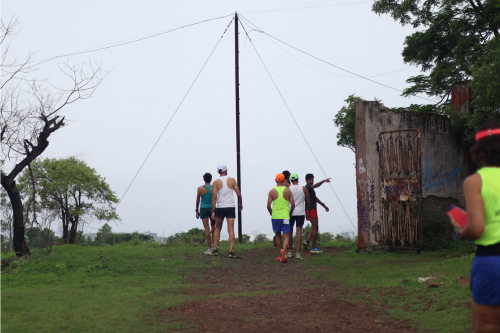
India's urban running boom is more than a fitness trend; it's a cultural movement shaping product design. Community running groups in Delhi, Pune, and Bangalore serve as living laboratories, providing feedback that refines local brand's offerings. Bengaluru-based direct-to-consumer startups are crafting fits suited to Indian body types, incorporating reflective elements for safety during low-light runs. The Mumbai Marathon 2024 Participation Report notes a 37% increase in purchases of domestic activewear, signaling a growing preference for homegrown brands.
Delhi Technological University's research on ergonomics is further optimizing compression wear for tropical climates, ensuring functionality without sacrificing comfort. These designs embody the spirit of India's running culture a blend of community, resilience, and local pride that's reshaping the activewear landscape.
Sustainability at the Core
In India's activewear industry, sustainability is a mandate, not an afterthought. Mumbai and Ahmedabad mills are pioneering closed-loop polyester recycling, transforming waste into high-performance fabrics. The Gujarat Industrial Research Institute reports that dyeing processes have reduced water usage by 40%, setting a benchmark for eco-friendly production. Bangalore-based brands are partnering with artisans in Channapatna and Tiruppur to source sustainable trims, while Delhi-NCR exporters are embracing PETA-approved and OEKO-TEX certifications to meet global ethical standards.
This commitment to circularity aligns with consumer demand for responsible products, giving Indian brands a competitive edge. As India supplies 3.9% of global textiles, particularly to markets like the US and EU, its focus on green innovation is reshaping perceptions of its textile industry.
Market Momentum and Consumer Shifts
The data paints a vivid picture of growth. The Retailers Association of India reports an 18% CAGR in activewear sales in Tier-1 cities like Bangalore, Mumbai, and Delhi. E-commerce platforms in Navi Mumbai and Gurugram are enhancing supply chains, offering personalized fit recommendations to streamline purchases. A 2023 survey by Pune's MIT School of Design reveals a growing consumer preference for domestic brands, a trend reinforced by the sports apparel market's rise from USD 705.85 million in 2024 to a projected USD 1,592.58 million by 2030, with a CAGR of 14.52%.
Surat is bolstering India's global presence, with surging exports of technical sports textiles. Tirupur, India's knitwear hub, is targeting a doubling of its USD 4.5 billion turnover by 2030, capitalizing on the global ‘China Plus One' sourcing shift to tap markets in Africa and Latin America. This growth reflects India's ability to merge scale with innovation, redefining its textile heritage.
Navigating Scalability Challenges
Despite its progress, India's activewear industry faces obstacles. Fragmentation between R&D and mass production hinders efficiency in Bangalore and Delhi. Hyderabad and Pune lack advanced weaving and sustainable dyeing facilities, limiting scalability. The Textile Committee's 2024 report highlights the absence of standardized testing protocols across India's climatic zones, complicating quality control. Additionally, Ahmedabad and Surat's reliance on imported synthetic fibers underscores a need for greater self-sufficiency.
Addressing these challenges requires coordinated efforts among researchers, manufacturers, and policymakers. Streamlining infrastructure and standards will be critical to sustaining India's competitive edge.
A Vision for Global Leadership
India's running gear revolution is a testament to its ingenuity, forged in the labs of Bengaluru, the mills of Surat, and the running paths of Delhi. Government initiatives like ‘Make in India for Textiles 2.0' and Atmanirbhar Bharat's Technical Textiles Mission are fostering regional innovation, positioning India as a global leader in performance wear. By 2030, the running apparel market could reach ₹24,000 crore, driven by localized research and sustainable practices.
The runners weaving through Cubbon Park, Marine Drive, and Lodhi Garden are more than athletes they're ambassadors of a textile future that's distinctly Indian. As they chase their next milestone, they carry forward a legacy of innovation, resilience, and pride, proving that India's activewear isn't just keeping pace it's setting the global standard.
Frequently Asked Questions
How has local innovation shaped the running gear industry in India?
Local innovation has transformed India's running gear industry by blending traditional craftsmanship with modern technology to create durable, culturally resonant products. Indian brands leverage local materials and designs inspired by regional aesthetics, offering affordable, high-quality gear tailored to diverse terrains. This approach has made running gear more accessible and appealing to India's growing fitness community.
What role do Indian brands play in the evolution of running gear?
Indian brands are driving the evolution of running gear by focusing on sustainability, affordability, and performance. They incorporate eco-friendly materials and innovative designs suited for India's varied climates and running conditions. By prioritizing local needs, these brands compete with global giants while fostering a sense of pride in homegrown products.
Why is culturally inspired running gear popular in India?
Culturally inspired running gear is popular in India because it resonates with runner's sense of identity and heritage. Designs incorporating traditional motifs and locally sourced materials appeal to consumers seeking authenticity. This trend, fueled by local innovation, enhances the emotional connection runners feel with their gear, boosting its demand.
Disclaimer: The above helpful resources content contains personal opinions and experiences. The information provided is for general knowledge and does not constitute professional advice.
You may also be interested in: Running Apparel for Beginners: What to Look for in Your First Kit
Tired of gear that slows you down? Chafing, soggy fabrics, and missing pockets kill your run's momentum. At Aguante, we're runners who get it. Our high-performance activewear features moisture-wicking fabrics, ergonomic designs, and smart storage to keep you focused. Shop Now!
Powered by flareAI.co