



Quick Listen:
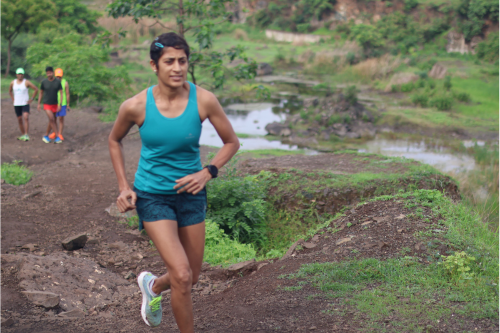
On a humid morning in Bengaluru's Cubbon Park, runners weave through the mist, their strides fluid and effortless. The secret isn't just training it's apparel engineered to move with the body, wicking sweat and reducing drag. This is ergonomics in action, the disciplined science elevating running gear from basic clothing to a vital tool for peak performance and injury prevention.
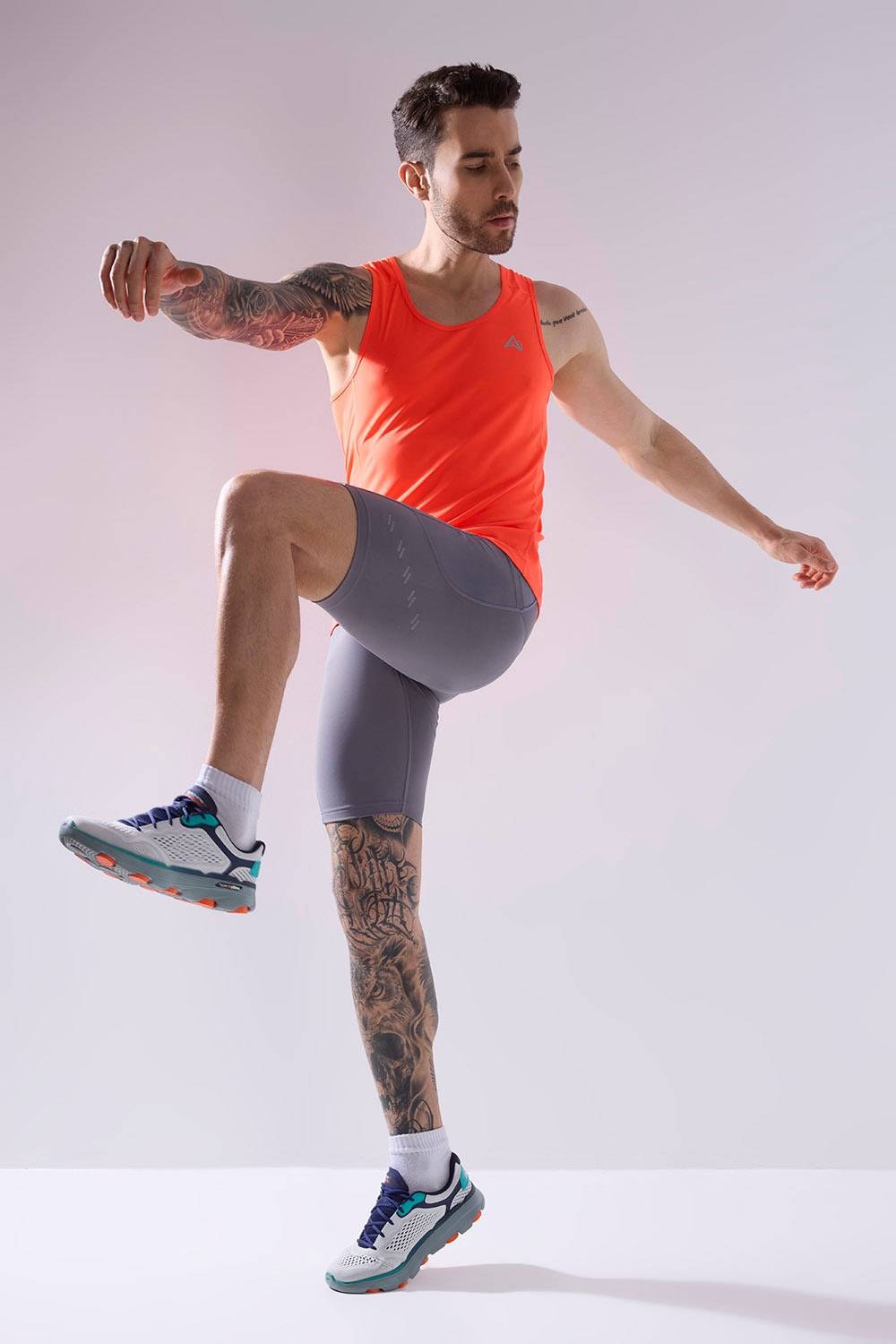
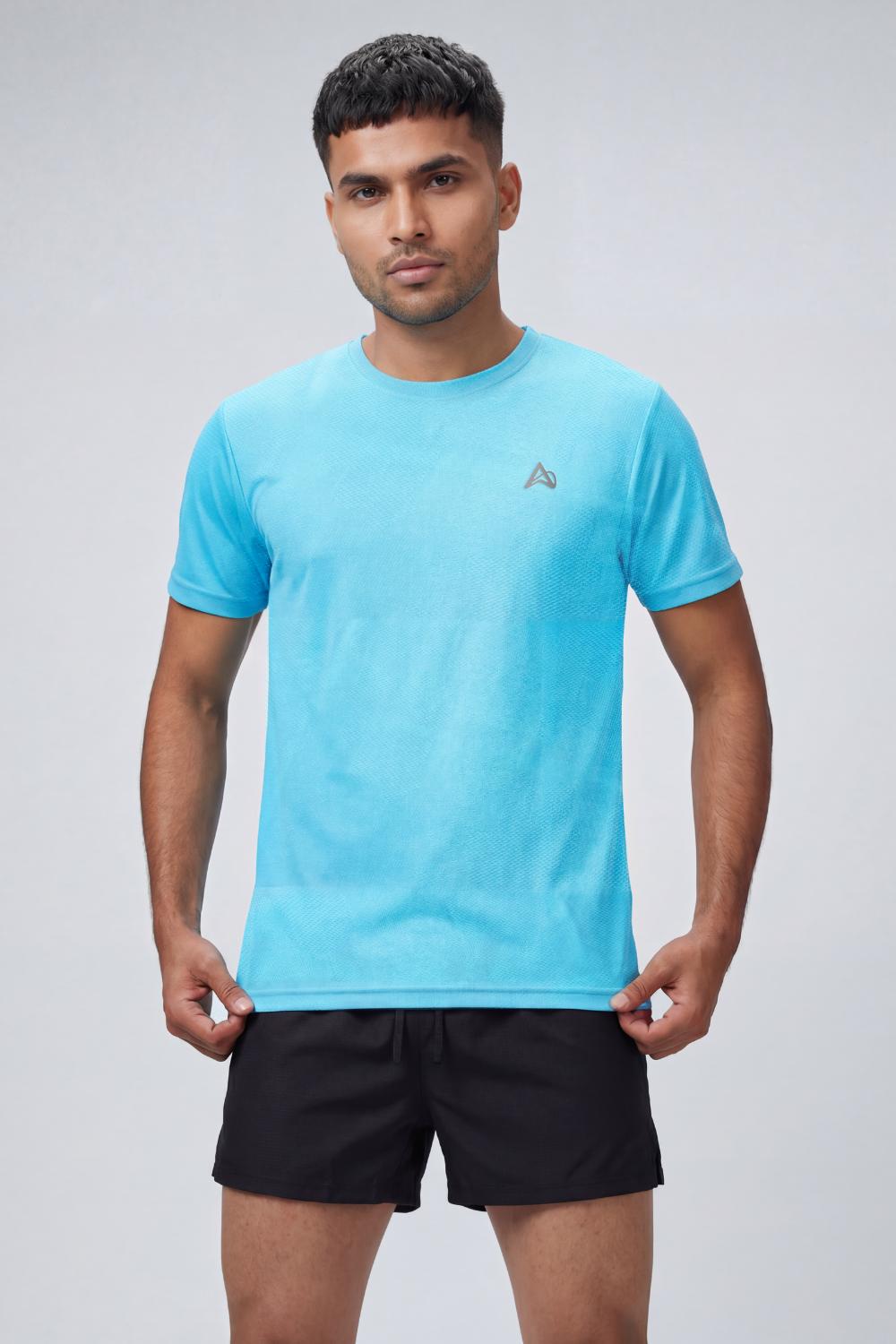
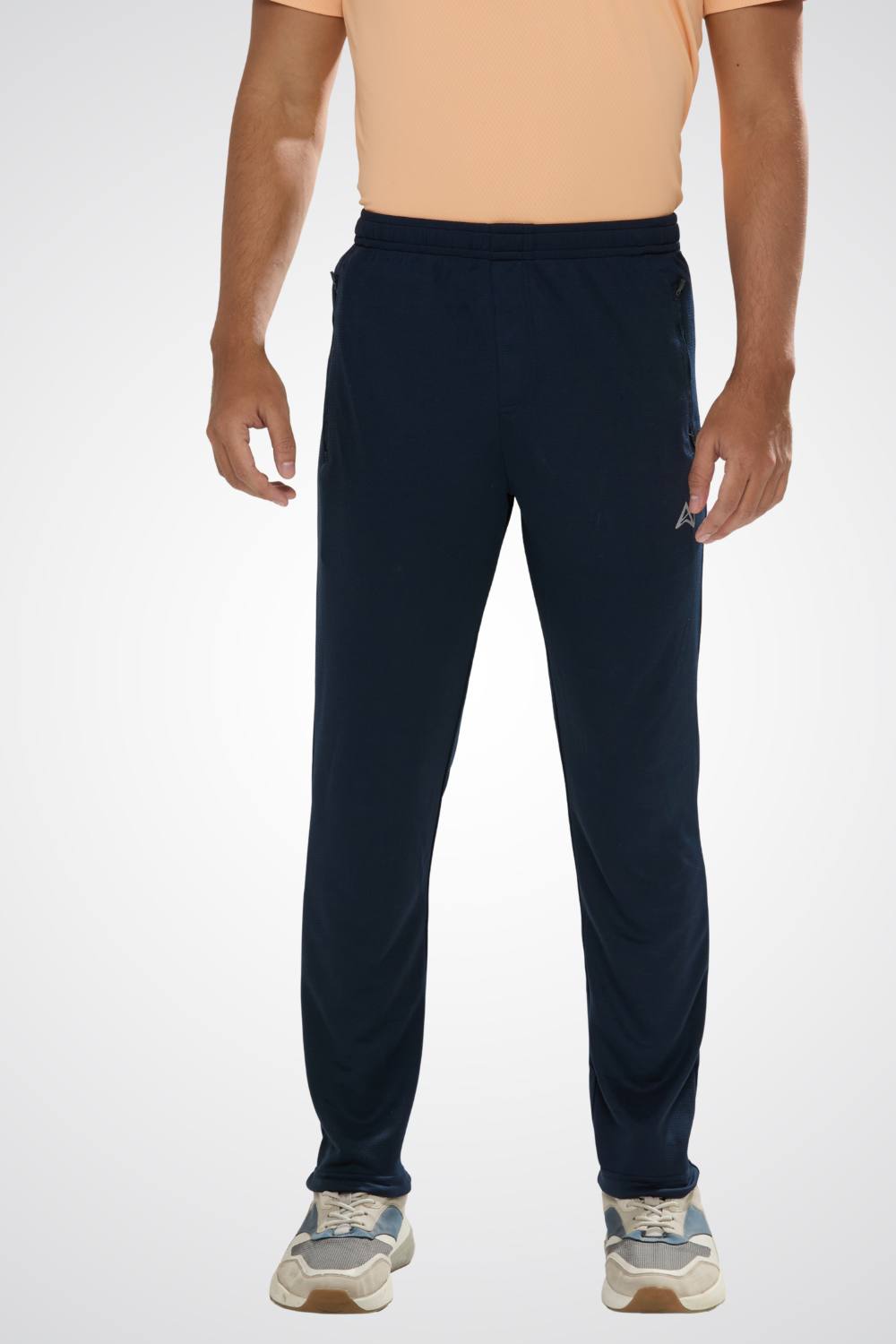
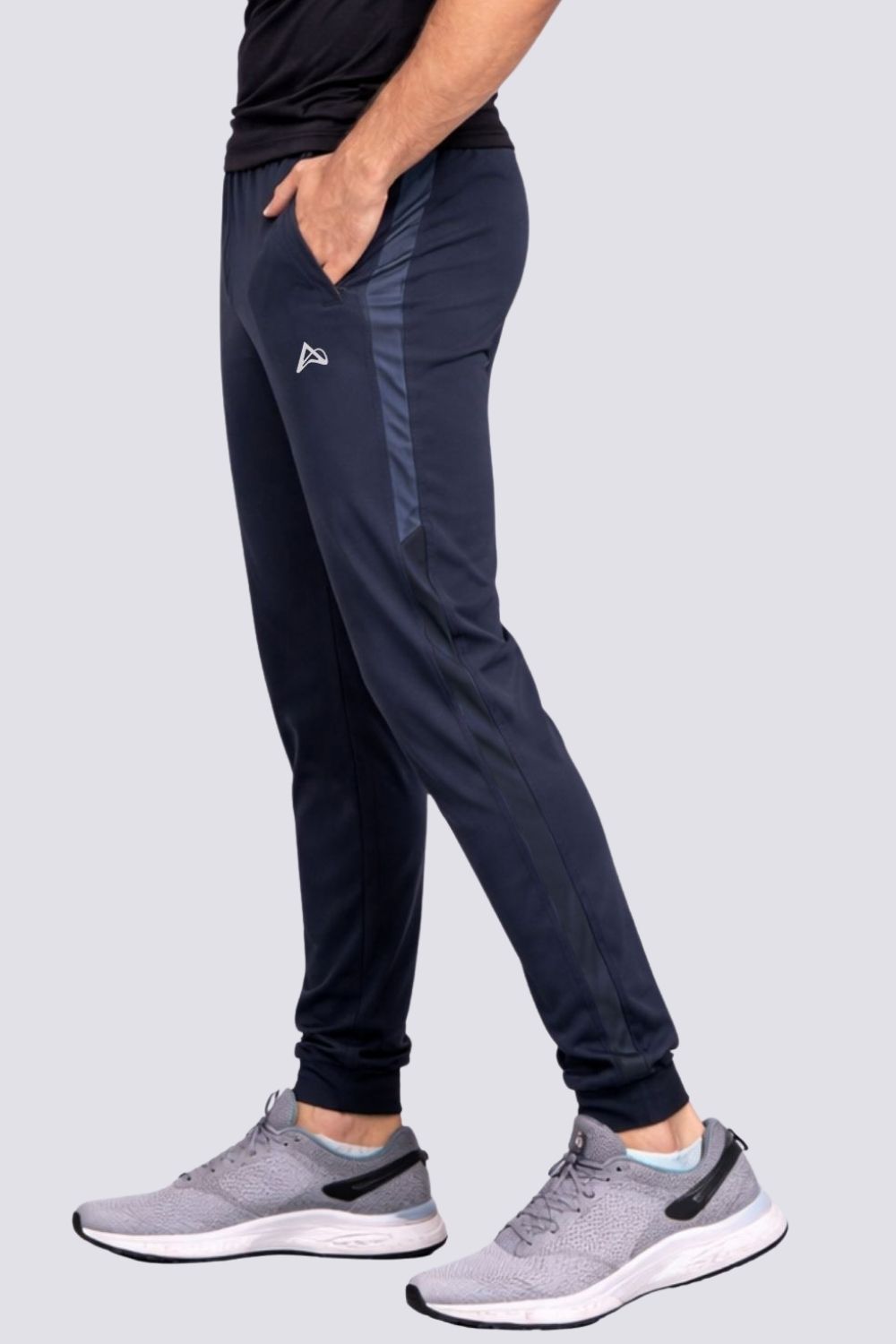
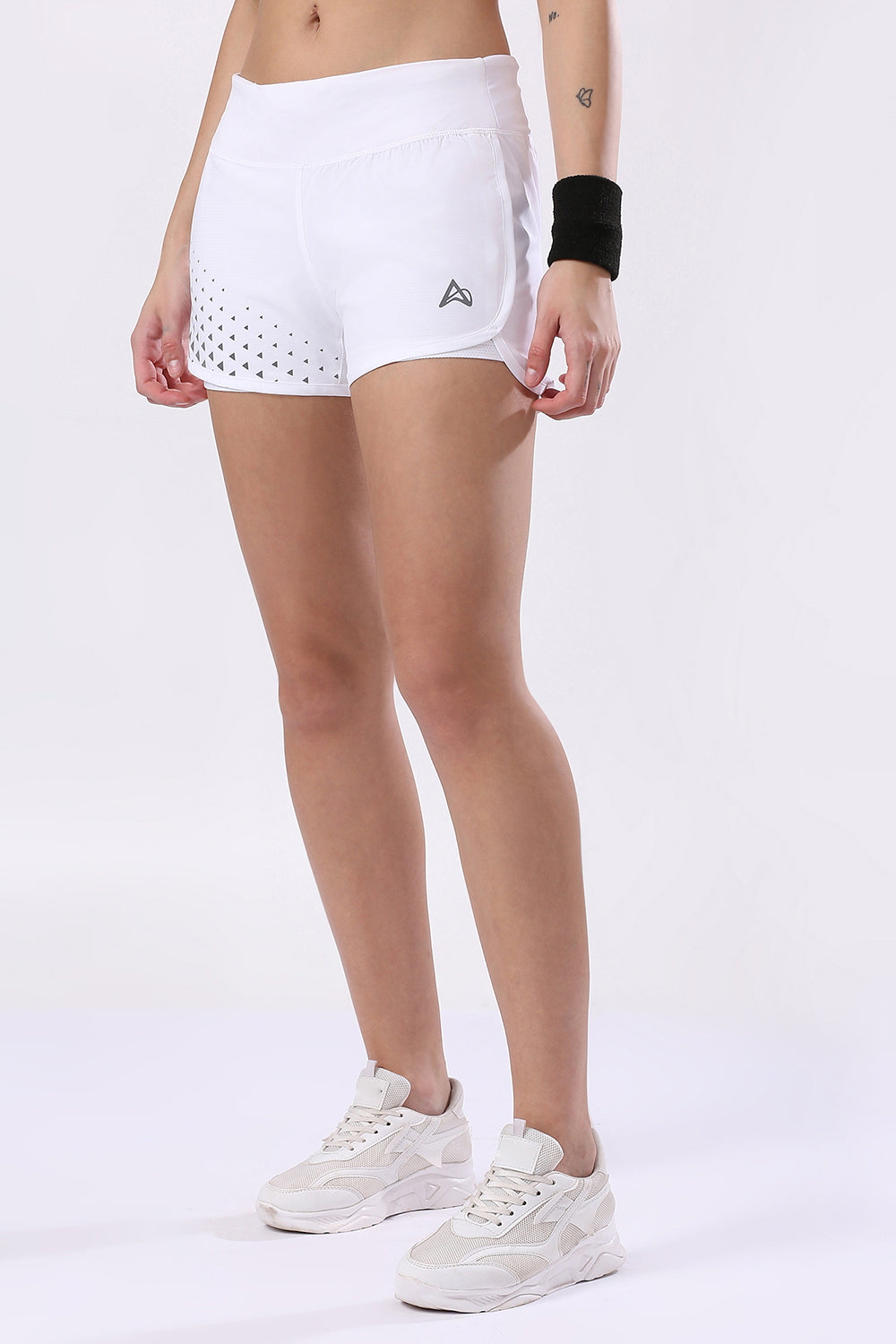
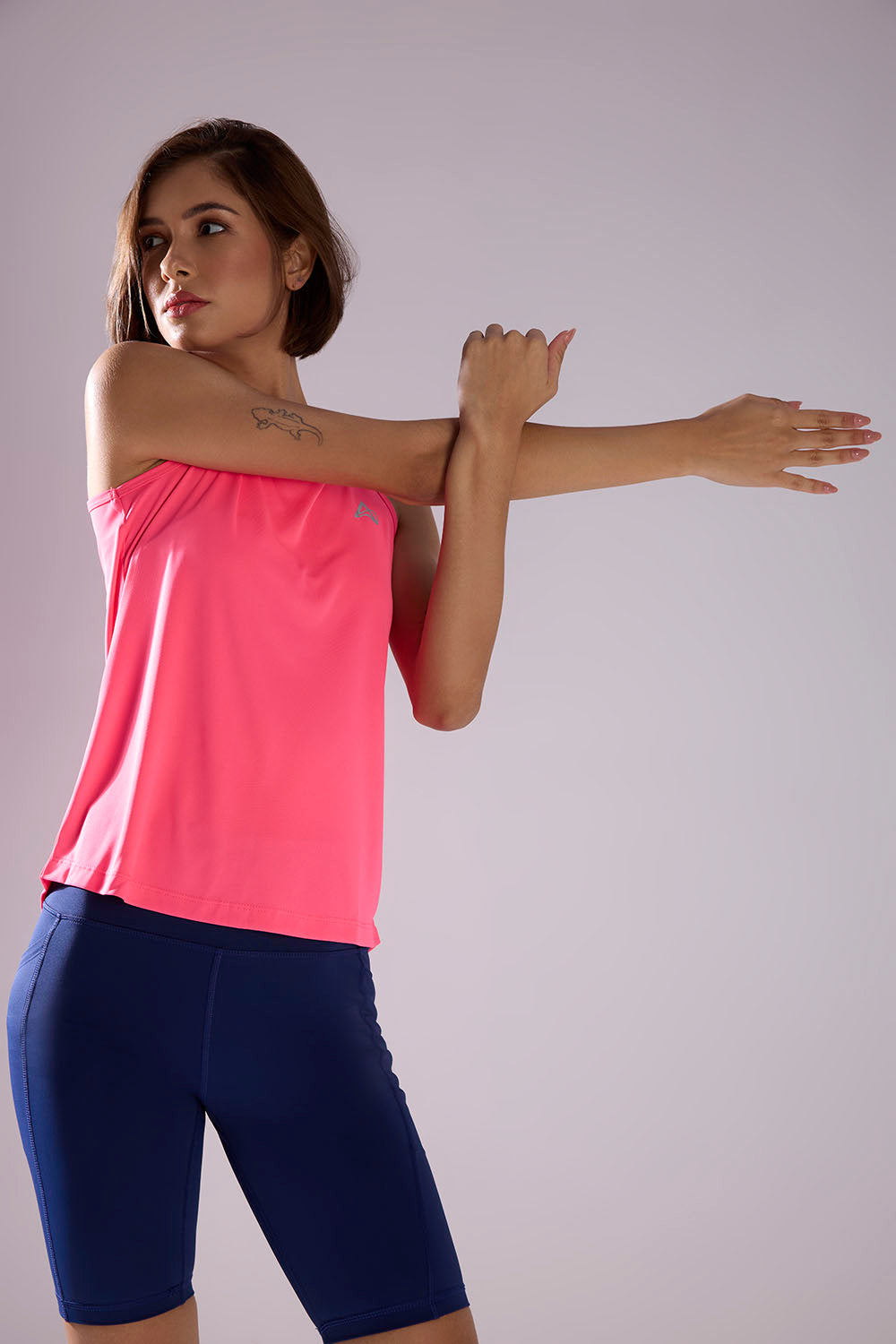
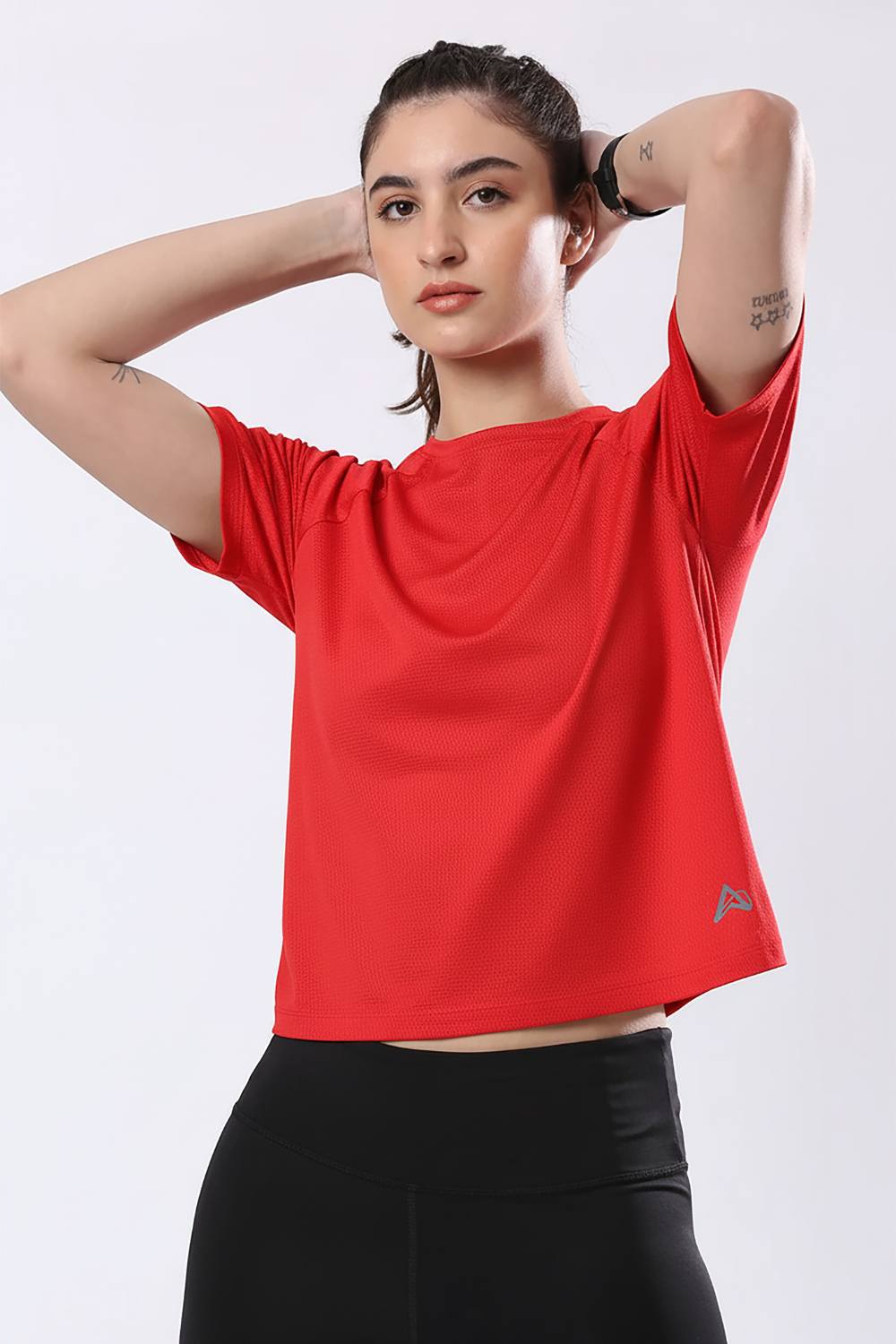
Tired of gear that slows you down? Chafing, soggy fabrics, and missing pockets kill your run's momentum. At Aguante, we're runners who get it. Our high-performance activewear features moisture-wicking fabrics, ergonomic designs, and smart storage to keep you focused. Shop Now!
The Role of Ergonomics in Running Apparel: Why Fit Matters for Peak Performance
How precise design enhances comfort, boosts efficiency, and safeguards against injuries in India's rapidly expanding activewear sector.
Running has surged in popularity across India's urban landscape. From packed marathons in Mumbai and Delhi to dawn jogging groups in Pune and Bangalore, millions are hitting the pavement. Driving this movement is a thriving activewear industry, where ergonomics the meticulous alignment of clothing with human anatomy and movement has emerged as a cornerstone. Superior fit isn't merely comfortable; it directly influences speed, endurance, and long-term joint health in a market experiencing robust expansion.
Globally, the sports apparel market was valued at USD 211.57 billion in 2024, advancing to USD 220.35 billion in 2025 and projected to reach USD 298.06 billion by 2032 at a CAGR of 4.41%. Rising participation in activities like running in countries such as India contributes significantly to this trajectory.
Emerging Trends in Ergonomic Running Apparel
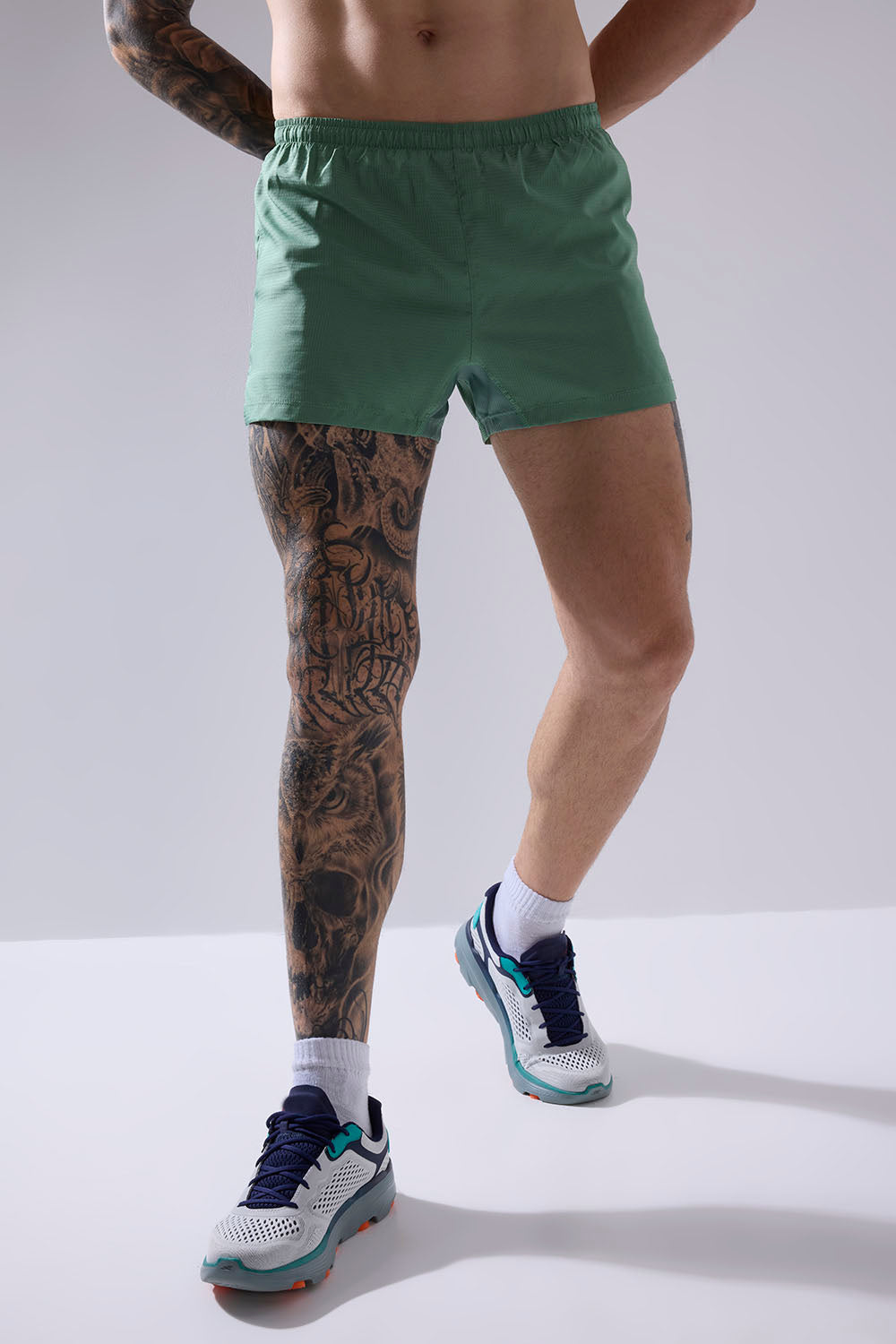
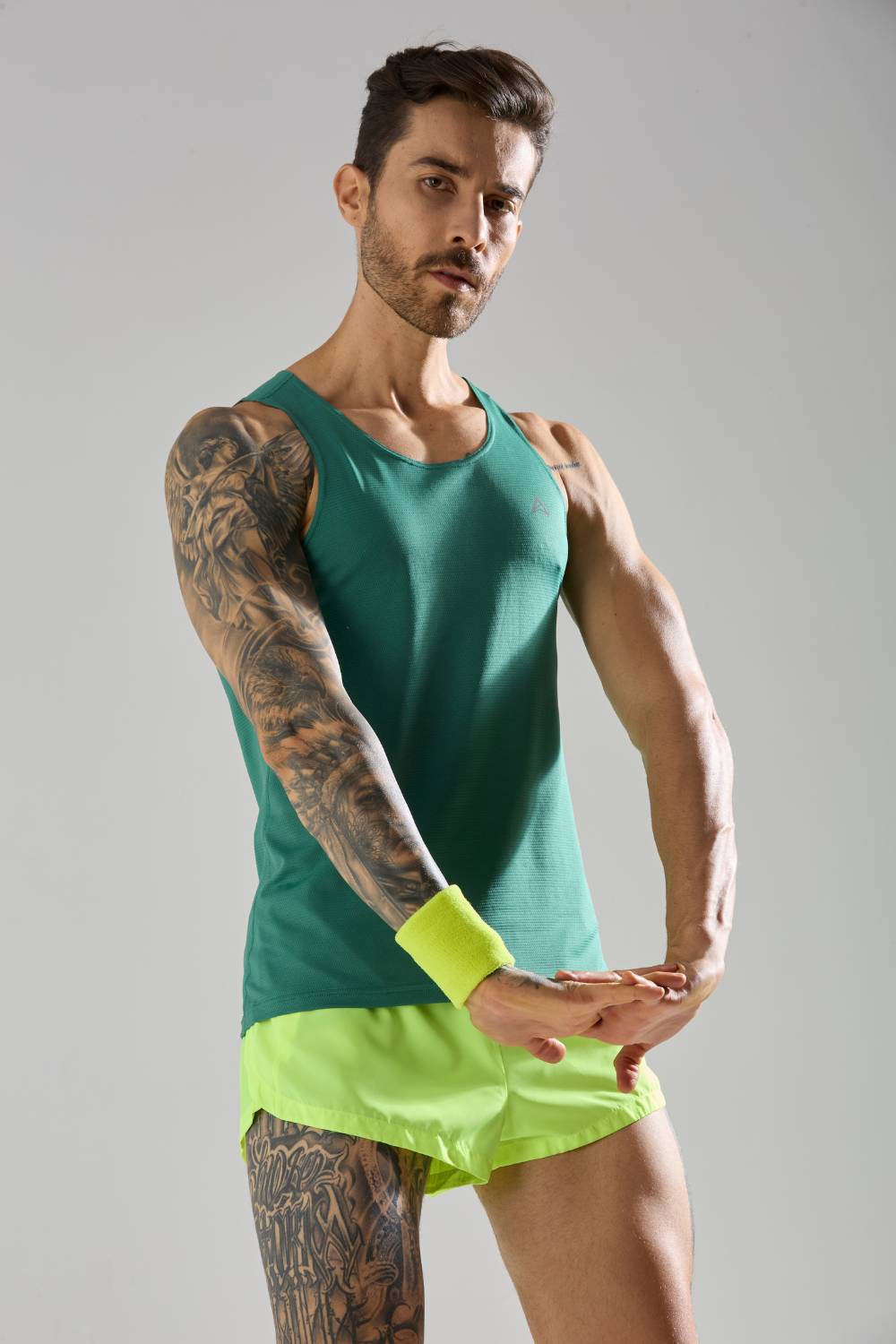
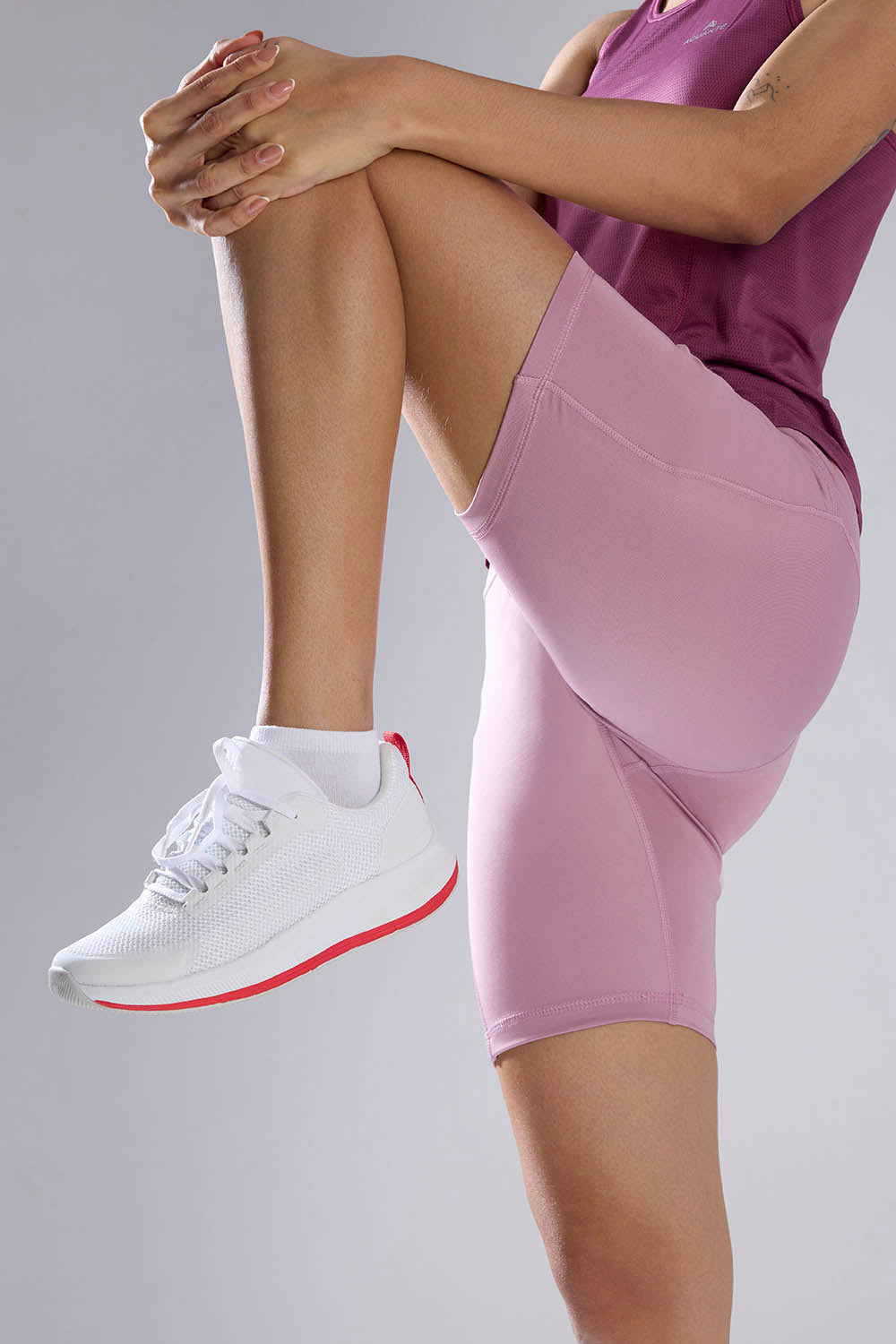
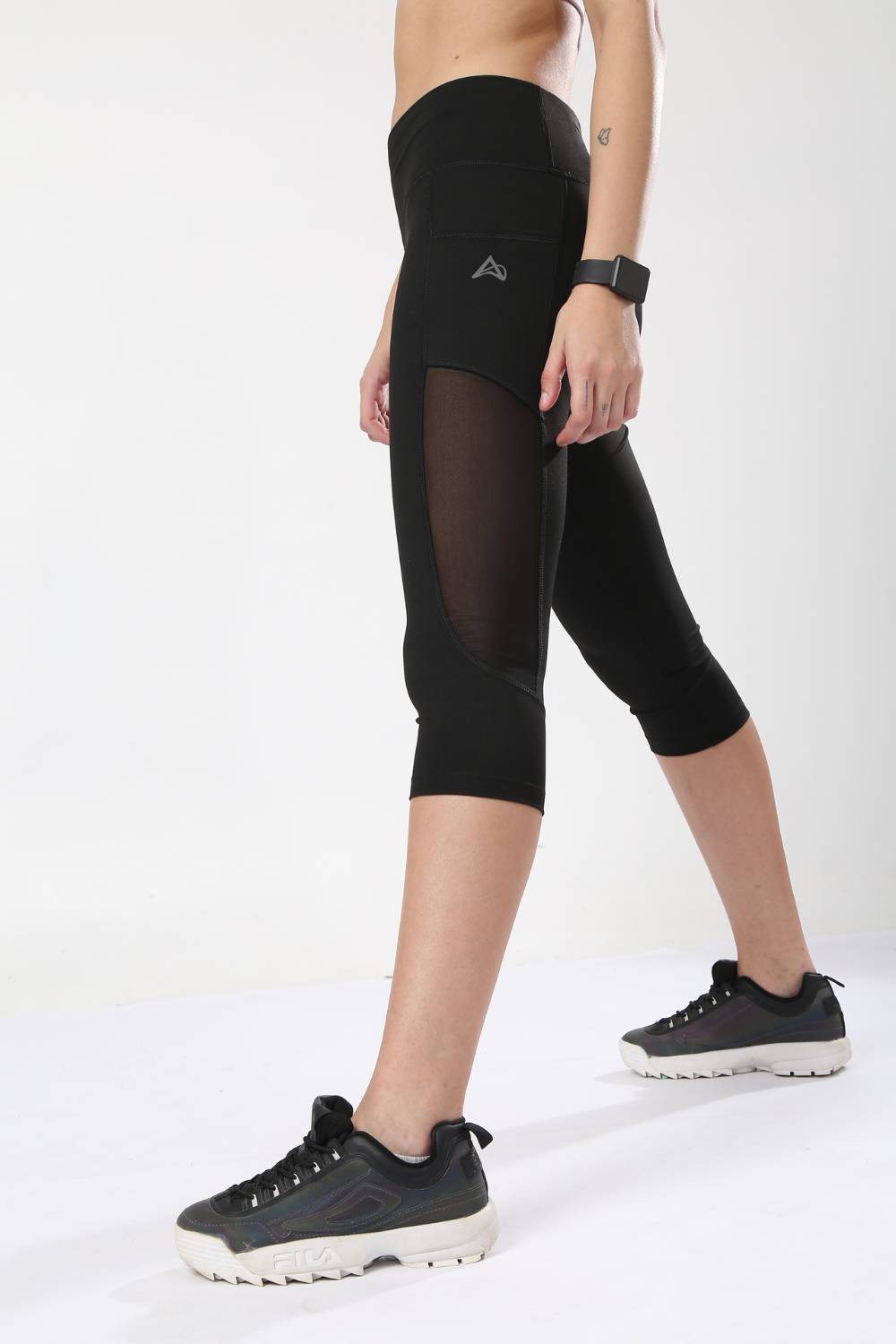
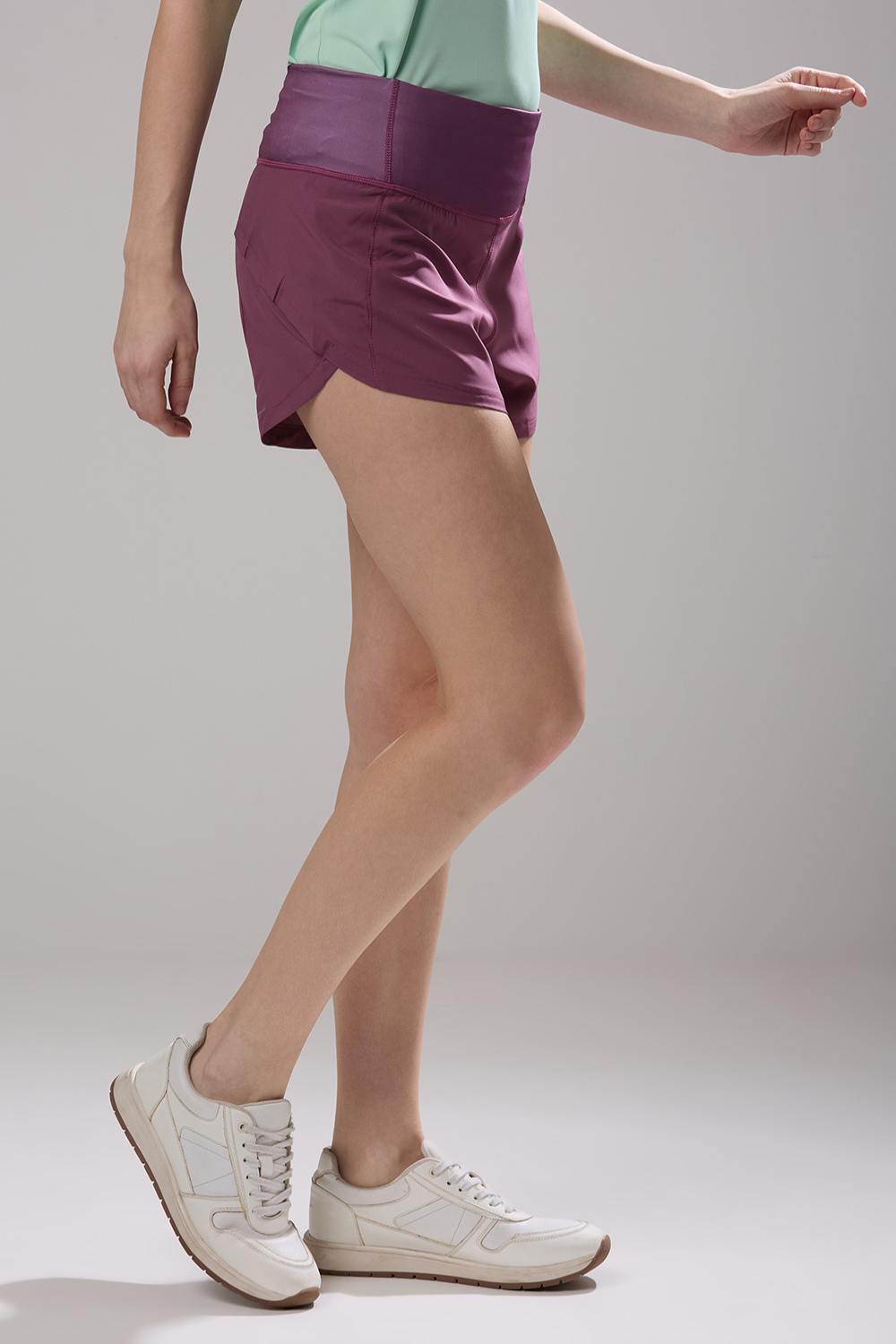
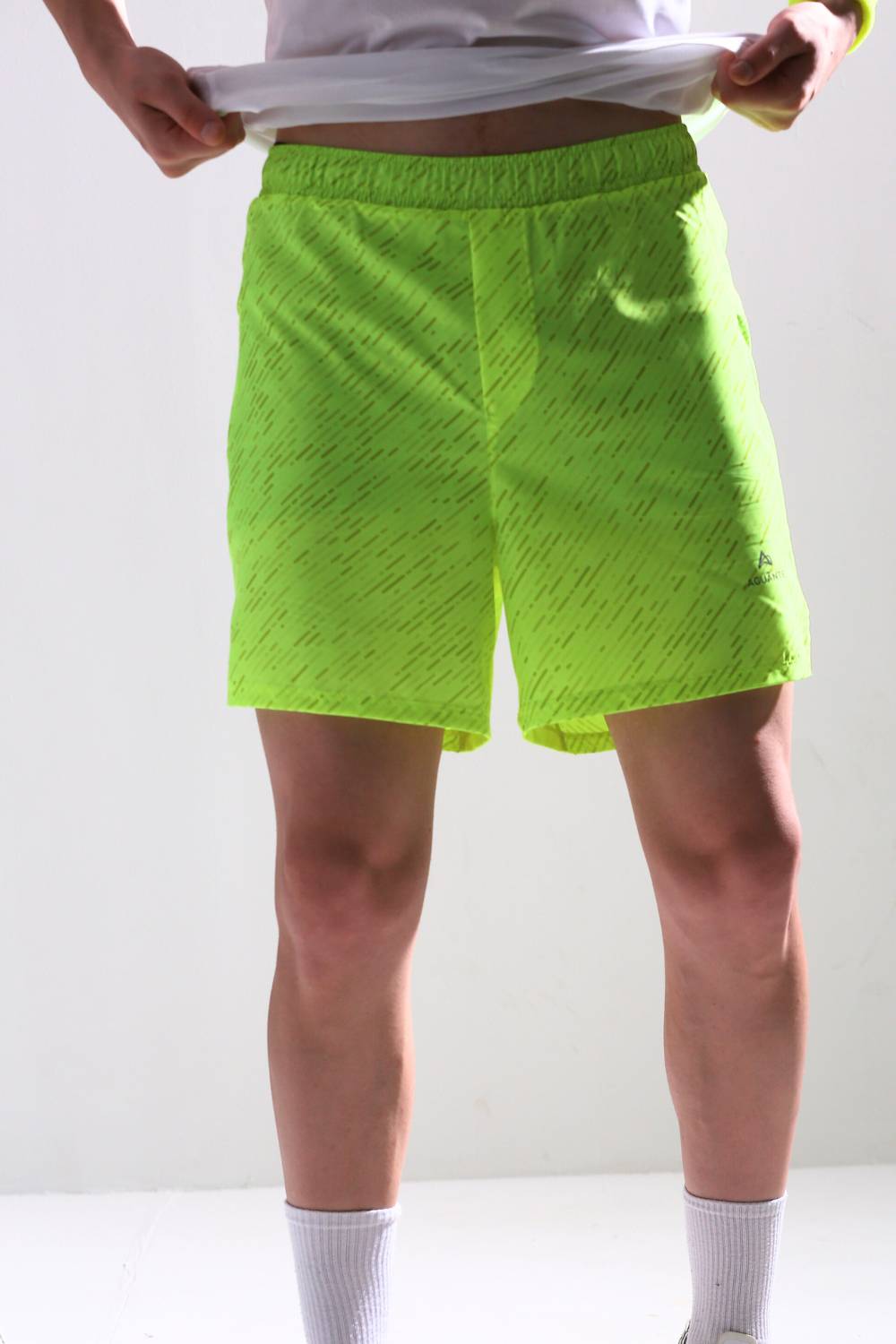
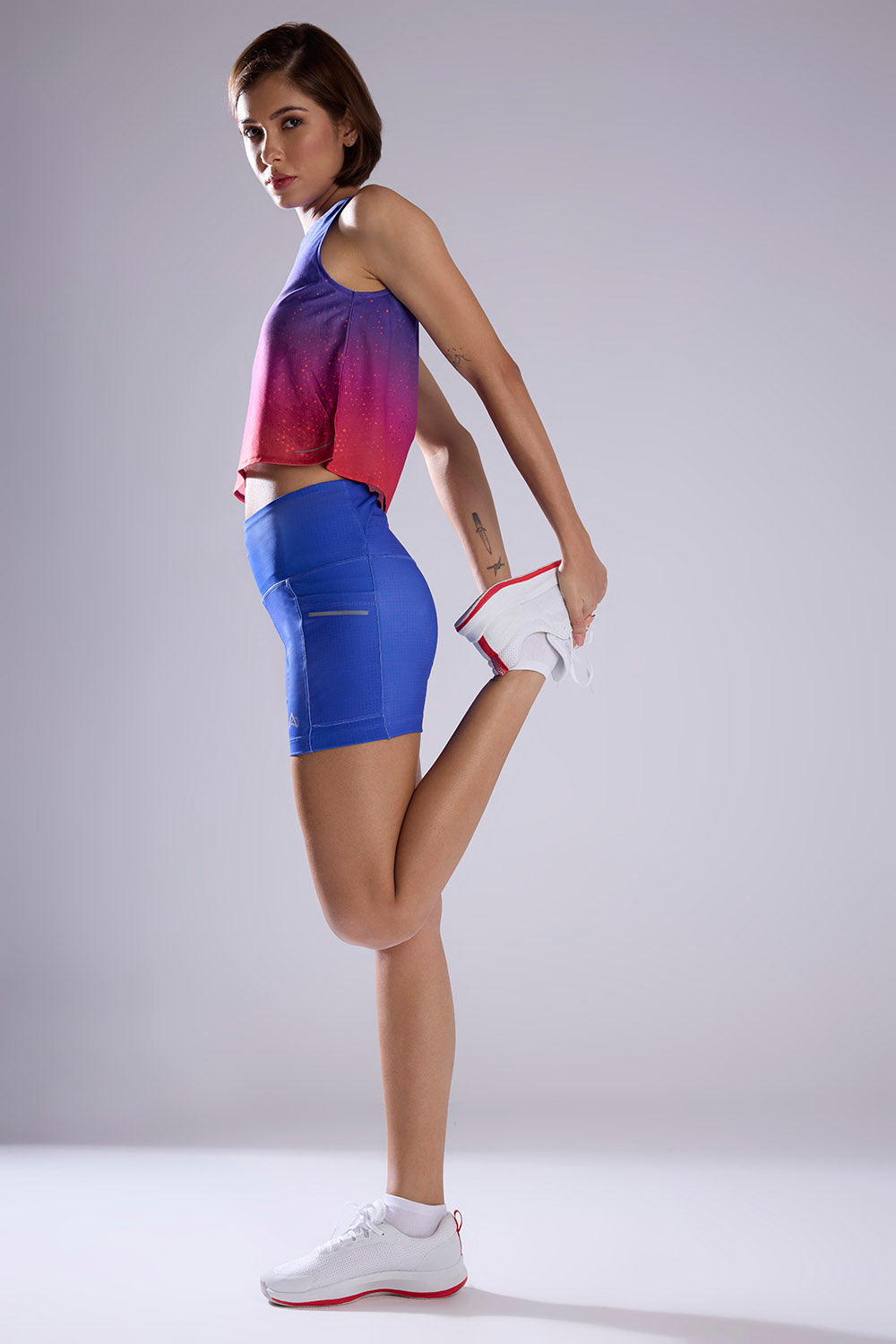
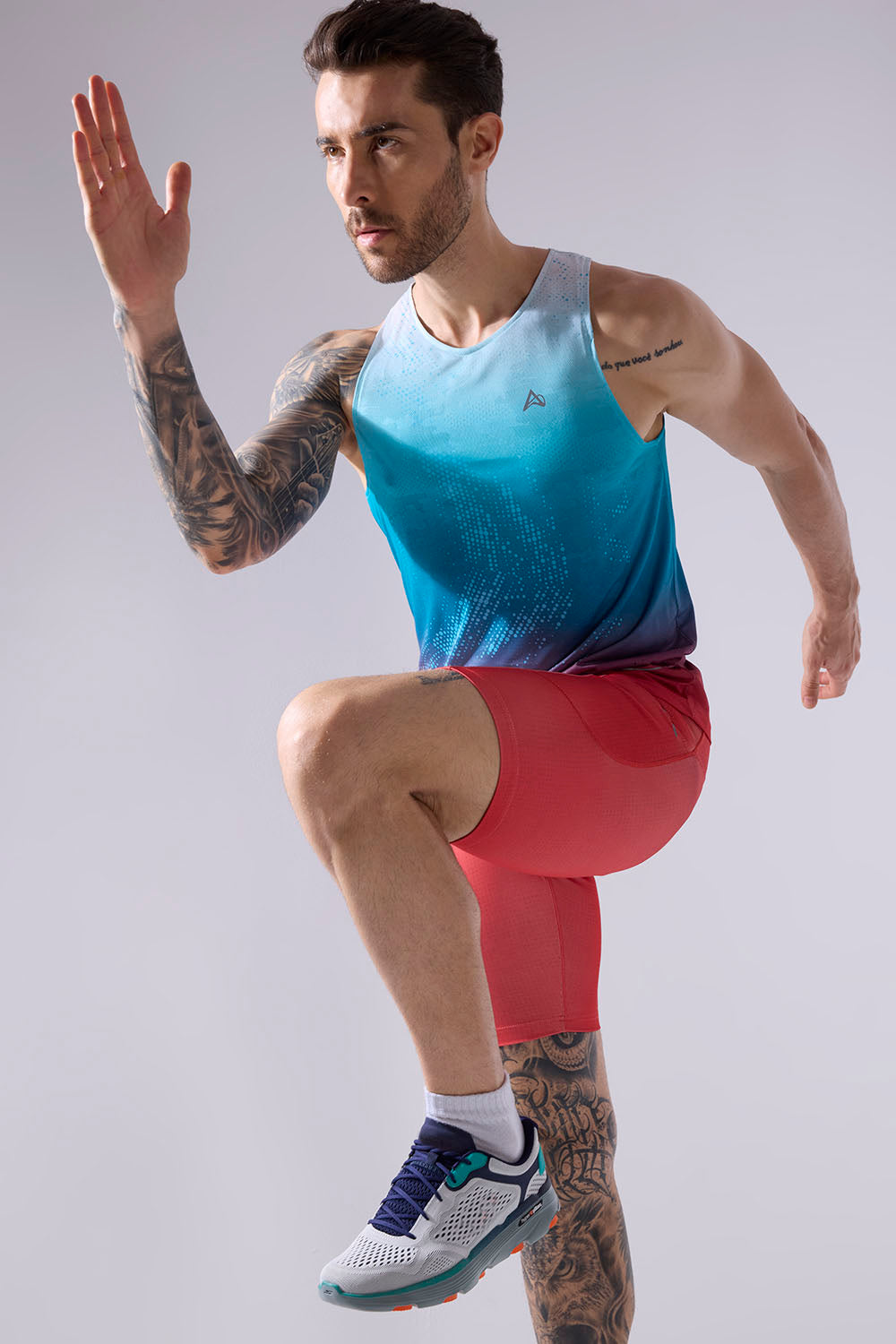
Ergonomics prioritizes biomechanical efficiency: flatlock seams to prevent abrasion, four-way stretch fabrics for unrestricted motion, and strategic paneling to support posture. In India's tropical climate, this means advanced moisture-wicking and ventilation systems that combat heat and humidity effectively.
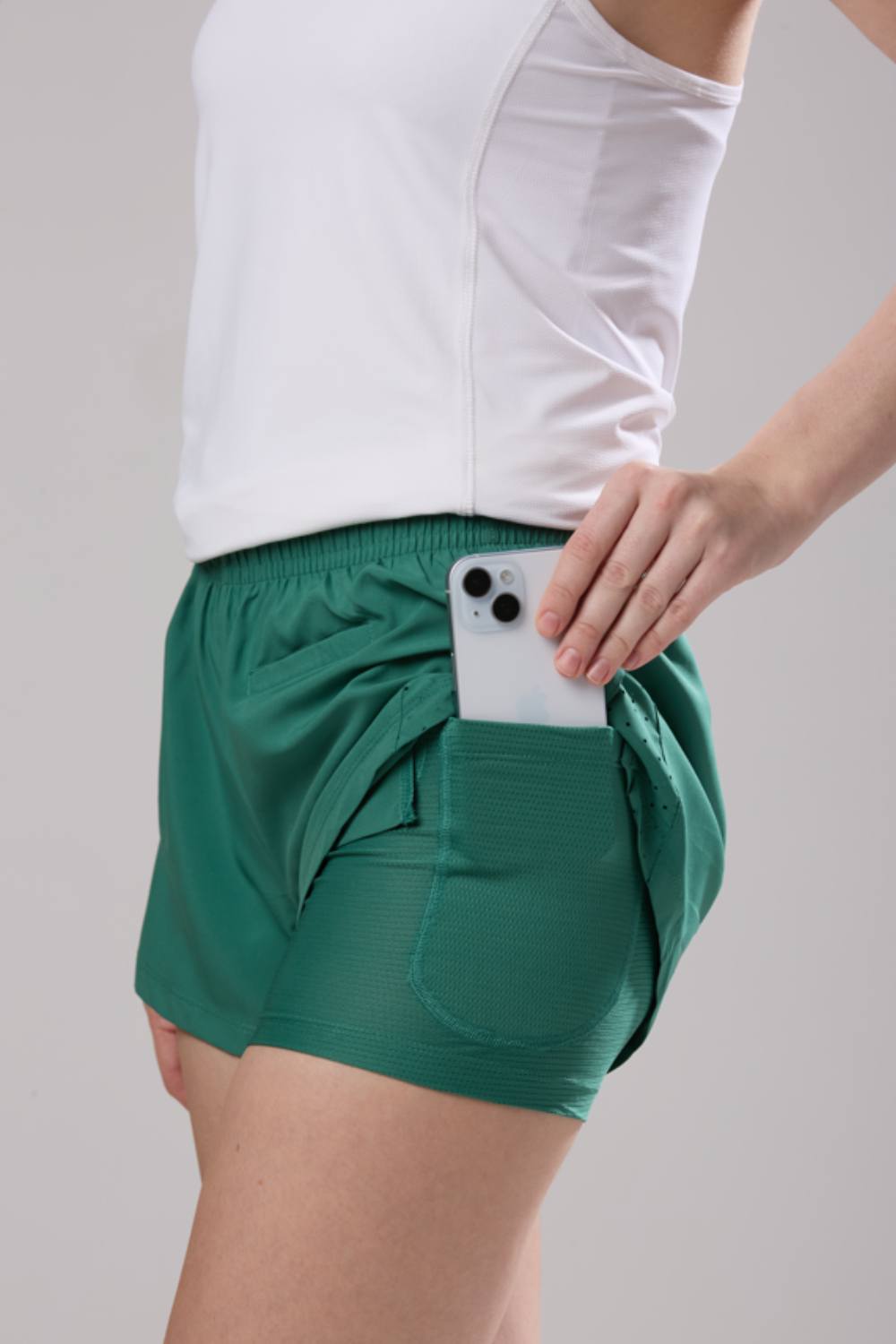
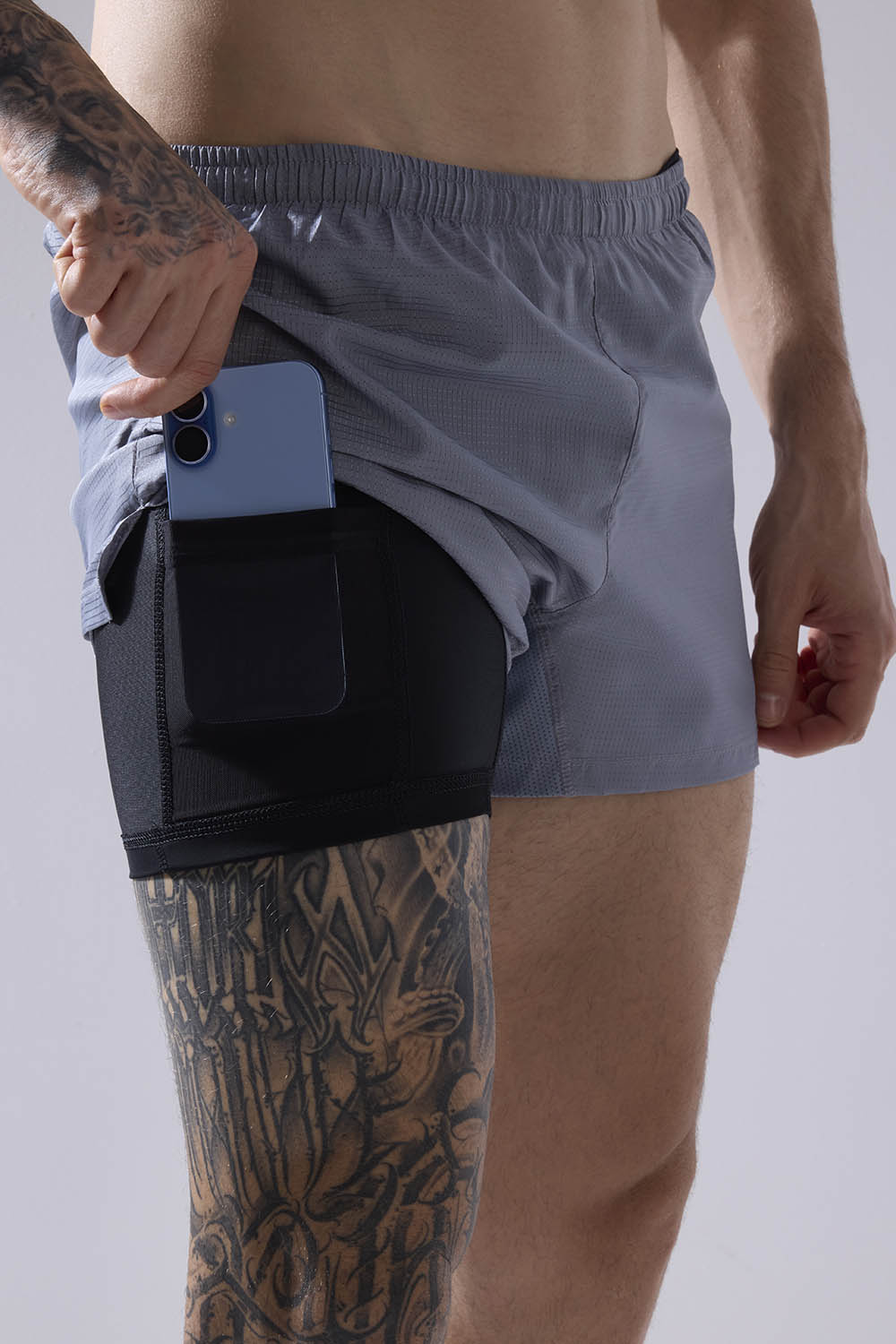
Technological leaps are reshaping the category. Compression panels promote circulation and faster recovery, while seamless 3D knitting eliminates irritating ridges. Brands are increasingly adapting designs to Indian body morphologies, departing from imported templates that often fall short. In innovation centers like Bangalore and Delhi, runners demand specialized features secure pocket placements in shorts, anti-slip singlets, and leggings optimized for high-humidity performance.
Closer to home, India's running gear segment reached USD 2.4 billion in 2024 and is forecasted to double to USD 4.8 billion by 2033. The broader sportswear market reflects similar momentum, underscoring a clear preference for ergonomically superior, climate-appropriate products.
The global running apparel market, meanwhile, stands at USD 90.44 billion in 2025, on track to hit USD 131.89 billion by 2030 with a 7.84% CAGR. Factors like heightened health awareness, fabric advancements, and the fusion of performance with everyday style fuel this rise, particularly in emerging markets where urbanization and disposable incomes are climbing.
Real-World Impact in India's Running Communities
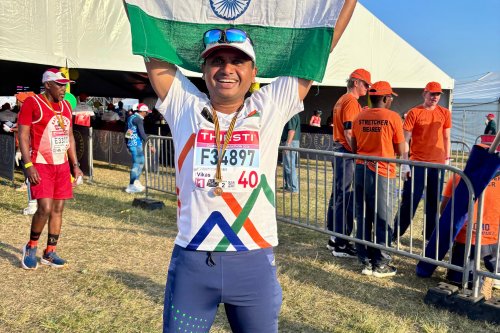
In Bangalore's vibrant running scene, domestic brands pioneer ergonomic innovations: precisely positioned seams to eradicate chafing, zoned compression for enhanced blood flow, and inclusive sizing that fits diverse builds. Mumbai runners navigating coastal moisture praise drier, cooler experiences, while Delhi's competitive athletes attribute personal bests and reduced downtime to apparel that aligns perfectly with their mechanics.
Major events in these cities reveal patterns runners in well-fitted, ergonomic gear report lower fatigue levels and fewer strains. Scientifically grounded, optimal fit evenly distributes forces, stabilizes joints, and curtails repetitive stress, converting potential injuries into sustained training consistency.
Functional apparel worldwide, encompassing high-performance categories, valued USD 430 billion in 2024, growing to USD 457.1 billion in 2025 and projected toward USD 611.34 billion by 2030 at a 6.3% CAGR, according to analyses from Deep Market Insights. Sportswear and athleisure command about 40% of revenues, with Asia Pacific emerging as the fastest-expanding region due to middle-class growth and fitness adoption in nations like India.
Challenges on the Path to Perfect Fit
Significant obstacles persist. Manufacturers must harmonize advanced functionality such as antimicrobial treatments and zoned airflow with contemporary aesthetics, as athleisure increasingly dominates wardrobes beyond workouts.
Sizing remains a persistent pain point. Variability between brands confounds consumers, exacerbated by India's wide range of physiques. Progressive companies counter this with broadened size charts, adaptive fabrics, and region-specific tailoring.
Premium ergonomic technologies elevate costs, restricting widespread adoption outside major metros like Mumbai and Pune. Urban centers enjoy abundant options, but smaller cities rely increasingly on online platforms to close the accessibility gap.
Opportunities in a Fitness-Driven Nation
India's wellness awakening presents immense potential. In hubs like Gurugram and Surat, affluent consumers readily invest in gear proven to amplify results and mitigate risks. Ergonomic excellence fosters brand allegiance by minimizing common ailments IT band issues, plantar strains, or overuse syndromes encouraging runners to remain active longer.
Running clubs and influential voices in Delhi actively endorse these advancements, sharing evidence of improved stamina and recovery. For manufacturers, ergonomics serves as a compelling differentiator, empowering Indian labels to carve niches with localized, high-efficacy solutions in an intensely competitive arena.
Expert Views and the Road Ahead
Industry authorities concur: ergonomics has transitioned from desirable to essential. Specialists highlight its proven contributions to injury mitigation and efficiency gains, anticipating even tighter integration as buyer sophistication rises.
The horizon promises integration of intelligent textiles capable of real-time posture feedback and AI-driven customization using individual biometric profiles. In India's evolving ecosystem, such breakthroughs signal apparel that doesn't just accompany runners but actively collaborates with them.
Why Fit Will Define the Future of Running in India
As wellness integrates seamlessly into everyday routines from lush parks in Bangalore to Marine Drive sprints in Mumbai ergonomic running apparel leads the charge. It fuses unparalleled comfort with measurable performance edges, transforming runs from endurance tests into empowering rituals. In a country wholeheartedly pursuing healthier lifestyles, brands excelling in this synergy will not only market products; they will catalyze millions of personal victories. Ultimately, superior fit evolves from advantage to expectation the new benchmark for India's running revolution.
Frequently Asked Questions
Why is ergonomic design important in running apparel?
Ergonomic design in running apparel aligns clothing with human anatomy and movement patterns, directly enhencing speed, endurance, and long-term joint health. Features like flatlock seams prevent chafing, four-way stretch fabrics allow unrestricted motion, and strategic compression panels promote circulation and faster recovery. Properly fitted ergonomic gear distributes forces evenly, stabilizes joints, and reduces repetitive stress injuries, allowing runners to train more consistently.
How is the running apparel market growing in India?
India's running gear segment reached USD 2.4 billion in 2024 and is forecasted to double to USD 4.8 billion by 2033, reflecting the country's surging fitness movement. This growth is driven by increased participation in marathons and running clubs across major cities like Mumbai, Delhi, Bangalore, and Pune. Rising disposable incomes, heightened health awareness, and demand for climate-appropriate, ergonomically superior products are fueling this expansion in India's activewear sector.
What features should I look for in running apparel for India's tropical climate?
For India's hot and humid conditions, prioritize running apparel with advanced moisture-wicking fabrics and ventilation systems that combat heat effectively. Look for seamless 3D knitting to eliminate irritating ridges, zoned compression for enhanced blood flow, and designs adapted to Indian body morphologies. Features like secure pocket placements, anti-slip technology, and leggings optimized for high-humidity performance are essential for comfortable runs in cities like Bangalore, Mumbai, and Delhi.
Disclaimer: The above helpful resources content contains personal opinions and experiences. The information provided is for general knowledge and does not constitute professional advice.
You may also be interested in: How Ergonomics and Design Merge in India's Modern Sportswear
Tired of gear that slows you down? Chafing, soggy fabrics, and missing pockets kill your run's momentum. At Aguante, we're runners who get it. Our high-performance activewear features moisture-wicking fabrics, ergonomic designs, and smart storage to keep you focused. Shop Now!
Powered by flareAI.co