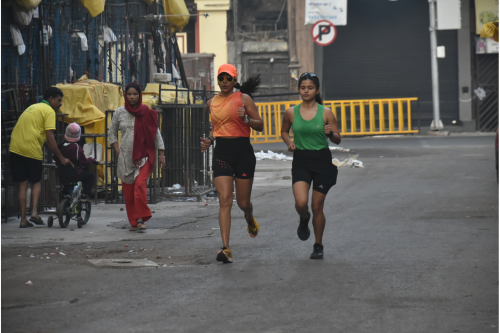
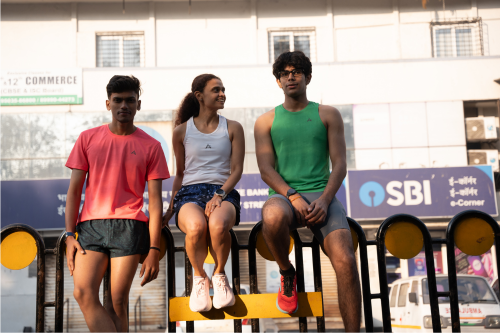
In the humid dawn of a Bangalore park or along Mumbai's coastal routes, long-distance runners know the silent enemy that can derail even the best training plan: chafing and shares practical insights from India's top running cities.
Tired of gear that slows you down? Chafing, soggy fabrics, and missing pockets kill your run's momentum. At Aguante, we're runners who get it. Our high-performance activewear features moisture-wicking fabrics, ergonomic designs, and smart storage to keep you focused. Shop Now!
The Growing Focus on Comfort in Running Gear
Runners across India are becoming far more intentional about their clothing choices. It's no longer just about looking athletic it's about finishing strong without the raw skin or distracting discomfort that forces unplanned recovery days. In cities like Bangalore, Hyderabad, Mumbai, Delhi, Pune, Navi Mumbai, Gurugram, Surat, and Ahmedabad, where heat and humidity shape daily training, the right gear often determines whether a run feels satisfying or punishing.
Chafing typically arises from prolonged friction combined with sweat. Indian climates intensify the problem: sticky air that slows evaporation, sudden monsoon downpours, and uneven urban terrain that demands constant small adjustments in stride and posture. Runners in Gurugram and Surat also contend with dust and fluctuating air quality that can further sensitize skin.
The Science Behind Ergonomic Fit
Ergonomic fit is more than a marketing term. It describes clothing engineered to align with the body's natural movement patterns reducing drag, eliminating irritating seams in high-friction zones, and actively managing moisture where it counts most.
Defining Ergonomic Fit for Runners
Effective ergonomic design features secure yet non-restrictive waistbands, flatlock seams that lie smoothly against the skin, and strategic patterning that respects the broader hip and thigh proportions common among Indian runners. Thoughtful details such as targeted padding, highly flexible fabrics with excellent shape retention, and advanced moisture-wicking materials combine to deliver a true second-skin feel that supports rather than fights the body.
How Ergonomic Design Prevents Chafing
On long runs, thighs rub together, shirts ride up, and waistbands can dig in. Well-designed ergonomic shorts and tops counter these issues with precise patterning and soft anti-chafing inner linings. Superior moisture-wicking fabrics actively pull sweat away from the skin, dramatically reducing the wet friction that quickly escalates into painful irritation. Reflective detailing further enhances safety during early morning or evening runs through busy Indian city streets.
In humid environments like Mumbai and Hyderabad, effective moisture management is essential. Fabrics that trap heat and perspiration create discomfort fast, while intelligently chosen materials maintain a drier, cooler microclimate next to the skin.
Emerging Trends in Running Gear for Indian Runners
Local innovation is transforming the options available to runners. Forward-thinking brands are moving beyond one-size-fits-all international templates to create solutions genuinely built for Indian bodies, roads, and weather patterns.
Local Innovations Addressing Real Needs
Brands like Aguante stand out by designing gear specifically for Indian running conditions heat, humidity, and unpredictable terrain. Their products emphasize secure pockets that stay stable during strides, anti-chafing linings, and highly breathable fabrics that perform reliably on humid Mumbai sea links or Pune's challenging hilly routes. This isn't generic activewear; it represents thoughtful local engineering delivered at honest prices.
Technology Meets Practical Performance
Runners are increasingly adopting fabrics with superior stretch recovery and construction details rigorously tested by real Indian athletes. The emphasis is shifting toward gear that virtually disappears during the run, letting athletes focus on pace, breathing rhythm, and the simple joy of movement instead of constant adjustments.
Real-World Examples from India's Running Communities
In Bangalore, tech professionals carving out early morning runs around Cubbon Park or weekend long efforts toward Nandi Hills have found ergonomic shorts to be a quiet yet powerful advantage. Many report completing longer distances without the familiar post-run discomfort that once made even a shower painful.
The Mumbai Marathon offers one of the sternest tests: coastal humidity that makes every kilometer feel more demanding. Runners here are turning to gear offering superior moisture management and chafe-resistant construction. Comparable experiences surface in Delhi and Gurugram, where winter pollution adds yet another layer of challenge to skin comfort.
Feedback from running communities in Surat, Navi Mumbai, and Ahmedabad consistently highlights the same insight: when gear fits properly and accounts for local conditions, runner confidence rises noticeably. Athletes carry gels, phones, and essentials securely without annoying bounce, stay cooler longer, and recover more quickly for subsequent sessions.
Understanding the Growing Demand for Anti-Chafing Solutions
Rising participation in running, cycling, and other outdoor activities has heightened awareness around skin health and the real impact of chafing. As more athletes educate themselves about the long-term effects of skin irritation, demand grows for specialized clothing that delivers meaningful protection and sustained comfort during prolonged physical efforts. Endorsements from healthcare professionals and fellow athletes continue to play an important role in spreading practical knowledge about effective anti-chafing gear.
Common Challenges and How to Overcome Them
Not every product claiming ergonomic benefits actually delivers in real-world conditions. Issues like incorrect sizing, suboptimal material choices, or designs that overlook the diversity of Indian body types can still lead to problems. Many international fits, for instance, fall short when it comes to adequate thigh coverage or appropriate waist shaping for local runners.
Education is crucial. Too many athletes still choose gear based primarily on price or appearance rather than performance details. The most reliable approach is progressive testing trying new items on shorter runs first before committing them to full long-run efforts in actual local conditions.
Practical Recommendations for Runners
- Seek out flatlock or seamless construction in areas prone to friction.
- Prioritize moisture-wicking fabrics with strong breathability suited to your city's specific climate.
- Select ergonomic cuts that accommodate your body shape without riding up or constricting during extended efforts.
- Always test new gear on shorter distances first, then gradually increase mileage under real training conditions.
- Pay close attention to pocket design and security vital for safely carrying keys, phones, or nutrition during runs.
Runners navigating Pune's hills or Ahmedabad's streets particularly benefit from gear engineered to work harmoniously with their environment. Even modest improvements in fit and fabric technology can produce significant gains in daily comfort and training consistency.
Looking Ahead: Better Gear for Better Runs
As India's running communities expand encompassing everyone from casual park runners to committed marathoners the call for intelligent, locally relevant gear will keep growing. The most promising path forward involves closer collaboration between brands and the athletes who use their products, ensuring continuous evolution based on authentic feedback from the very roads and trails we run every day.
At its core, ergonomic fit is not merely a nice-to-have feature. It forms a fundamental element for long-term enjoyment of the sport. When your gear truly works with both your body and your environment, running shifts away from a battle against discomfort and toward the pure experience: the steady rhythm of breath, the quiet of early morning streets, and the deep satisfaction of covering meaningful distance under your own power.
Whether you are preparing for your first half marathon in Delhi or simply building consistent kilometers around Hyderabad, choosing thoughtfully designed gear rewards you with greater comfort, growing confidence, and many more enjoyable miles ahead.
“The best running gear is the kind you forget you're wearing until you realize how much better you feel at the end of a long run.”
That remains the quiet yet powerful promise of ergonomic design created with Indian runners in mind.
Frequently Asked Questions
How does ergonomic fit in running gear help prevent chafing during long runs?
Ergonomic fit reduces chafing by aligning clothing with the body's natural movement patterns, eliminating irritating seams in high-friction zones, and using moisture-wicking fabrics that pull sweat away from the skin. Features like flatlock seams, anti-chafing inner linings, and secure non-restrictive waistbands work together to minimize the prolonged friction that causes painful skin irritation. By maintaining a drier microclimate next to the skin, well-designed running gear dramatically lowers the risk of chafing even on extended efforts.
What running gear features should Indian runners look for to prevent chafing in hot and humid conditions?
Indian runners should prioritize highly breathable, moisture-wicking fabrics that perform reliably in heat and humidity, along with flatlock or seamless construction in areas prone to friction like the thighs and waistband. Ergonomic cuts tailored to Indian body proportions offering adequate thigh coverage and appropriate waist shaping are especially important, as many international fits fall short in these areas. Additional features like targeted padding, flexible fabrics with strong shape retention, and secure pockets that don't bounce during strides further enhance comfort on long runs.
How should runners test new anti-chafing running gear before using it in a race or long run?
The most reliable approach is progressive testing wearing new gear on shorter runs first before committing to full long-run or race conditions. This allows runners to identify any fit issues, fabric sensitivities, or design flaws specific to their body type and local climate before they become a serious problem mid-run. Gradually increasing mileage in the new gear under real training conditions ensures it performs as expected when it matters most.
Disclaimer: The above helpful resources content contains personal opinions and experiences. The information provided is for general knowledge and does not constitute professional advice.
You may also be interested in: Why Aguantes Anti-Chafing Shorts Are a Game-Changer
Tired of gear that slows you down? Chafing, soggy fabrics, and missing pockets kill your run's momentum. At Aguante, we're runners who get it. Our high-performance activewear features moisture-wicking fabrics, ergonomic designs, and smart storage to keep you focused. Shop Now!
Powered by flareAI.co