



Quick Listen:
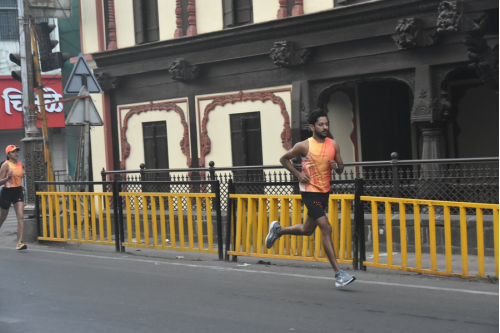
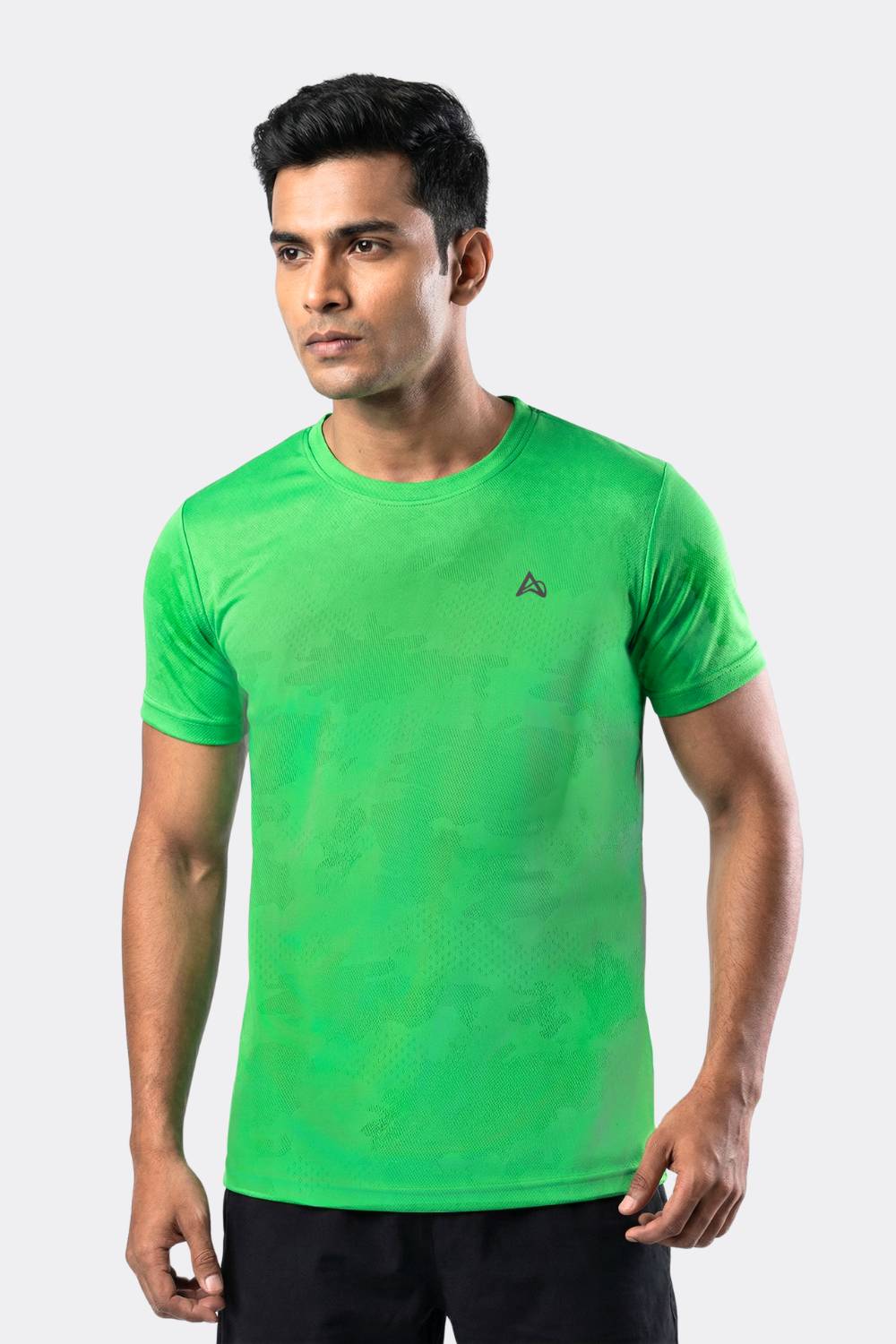
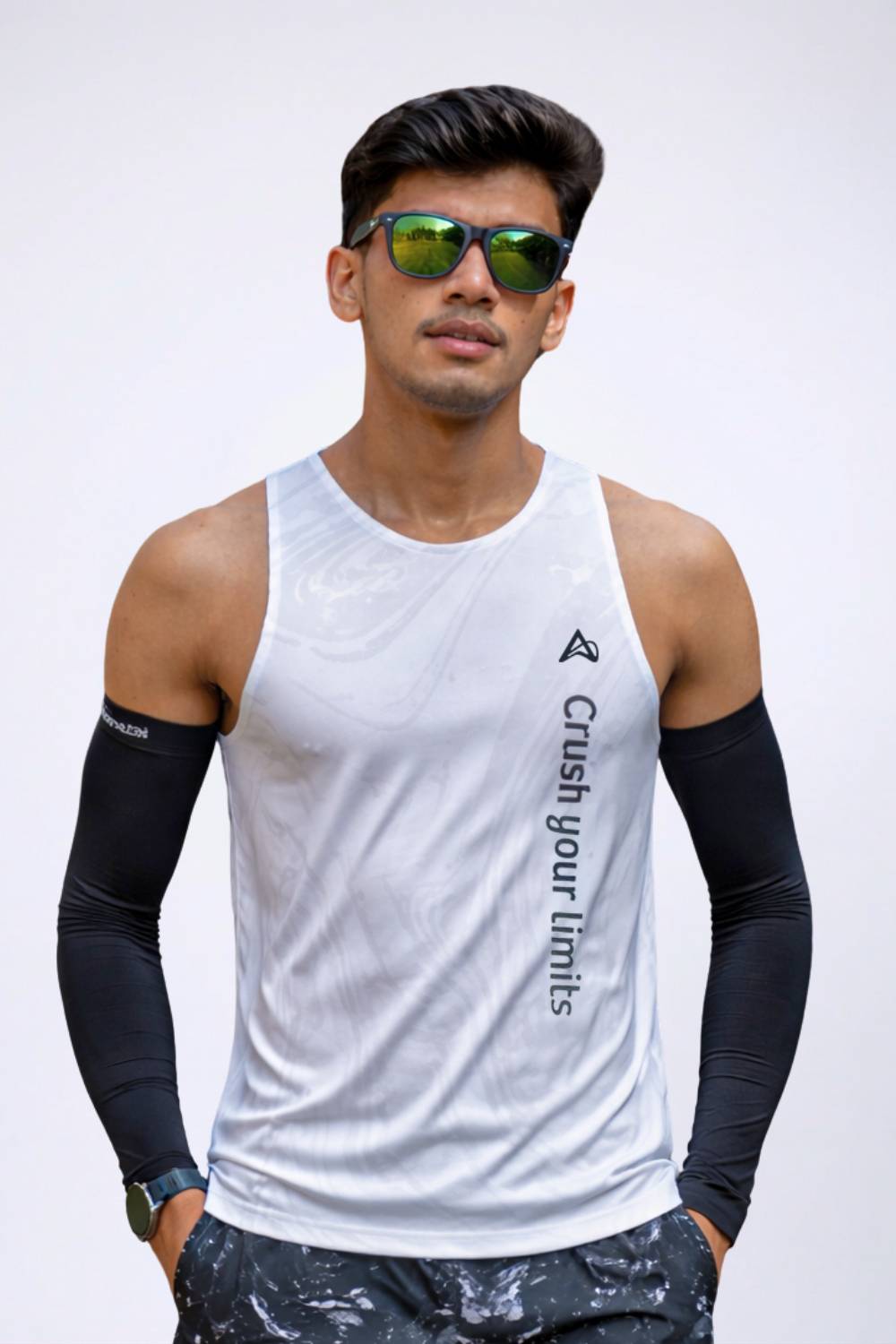
When the mercury climbs and the pavement begins to shimmer underfoot, every endurance runner confronts an unforgiving reality: extreme heat doesn't merely slow progress it threatens to halt it entirely. In examining the critical role of breathable running singlets during hot weather endurance runs, it becomes evident how this seemingly simple garment can transform a grueling ordeal into a more controlled and sustainable effort. The finest singlets do far more than reduce weight; they actively combat rising temperatures by promoting continuous airflow and rapid moisture escape, allowing the body to channel energy into forward motion rather than desperate cooling.
Tired of gear that slows you down? Chafing, soggy fabrics, and missing pockets kill your run's momentum. At Aguante, we're runners who get it. Our high-performance activewear features moisture-wicking fabrics, ergonomic designs, and smart storage to keep you focused. Shop Now!
The Scorching Reality of Hot-Weather Endurance Runs
Endurance events staged in tropical climates or intense summer conditions impose exceptional physiological stresses. Core body temperature escalates quickly, clothing becomes saturated with sweat, and a stifling layer forms against the skin. Conventional cotton shirts or heavier tops trap both heat and humidity, resulting in painful chafing, accelerated fatigue, and heightened risk of heat-related problems. Most seasoned runners recognize these warning signs after even a single difficult session on a humid morning route. The body diverts significant resources toward thermoregulation, siphoning power that would otherwise drive performance. Breathable running singlets counter this challenge directly by reducing fabric coverage while optimizing ventilation, thereby reshaping how the body manages extended exposure to heat.
Practical experience and athlete feedback demonstrate that modest enhancements in airflow can meaningfully delay the onset of exhaustion. Success here stems not from aesthetics alone, though many designs achieve that too, but from the thoughtful intersection of human physiology and intelligent garment engineering.
What Sets a Truly Breathable Singlet Apart
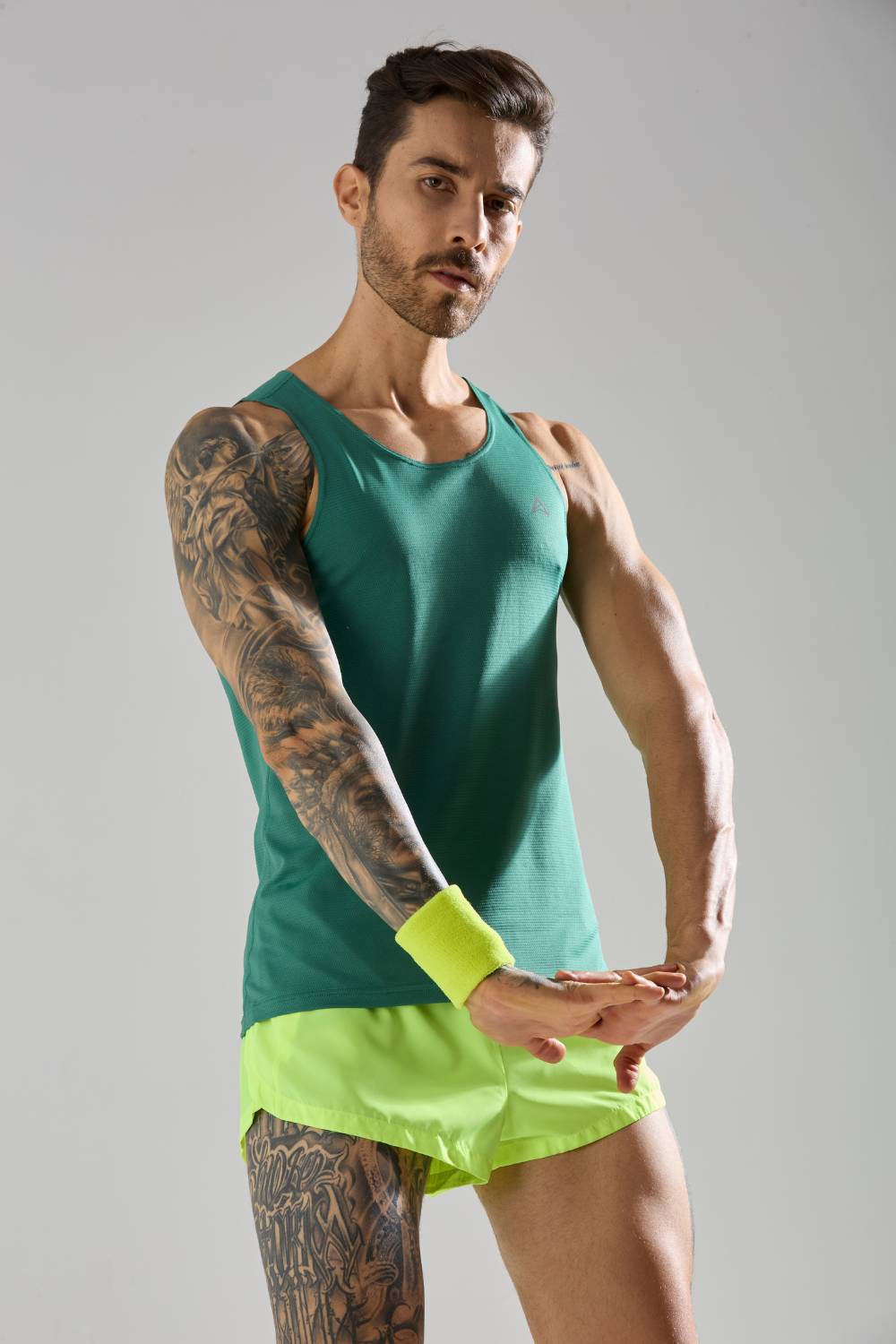
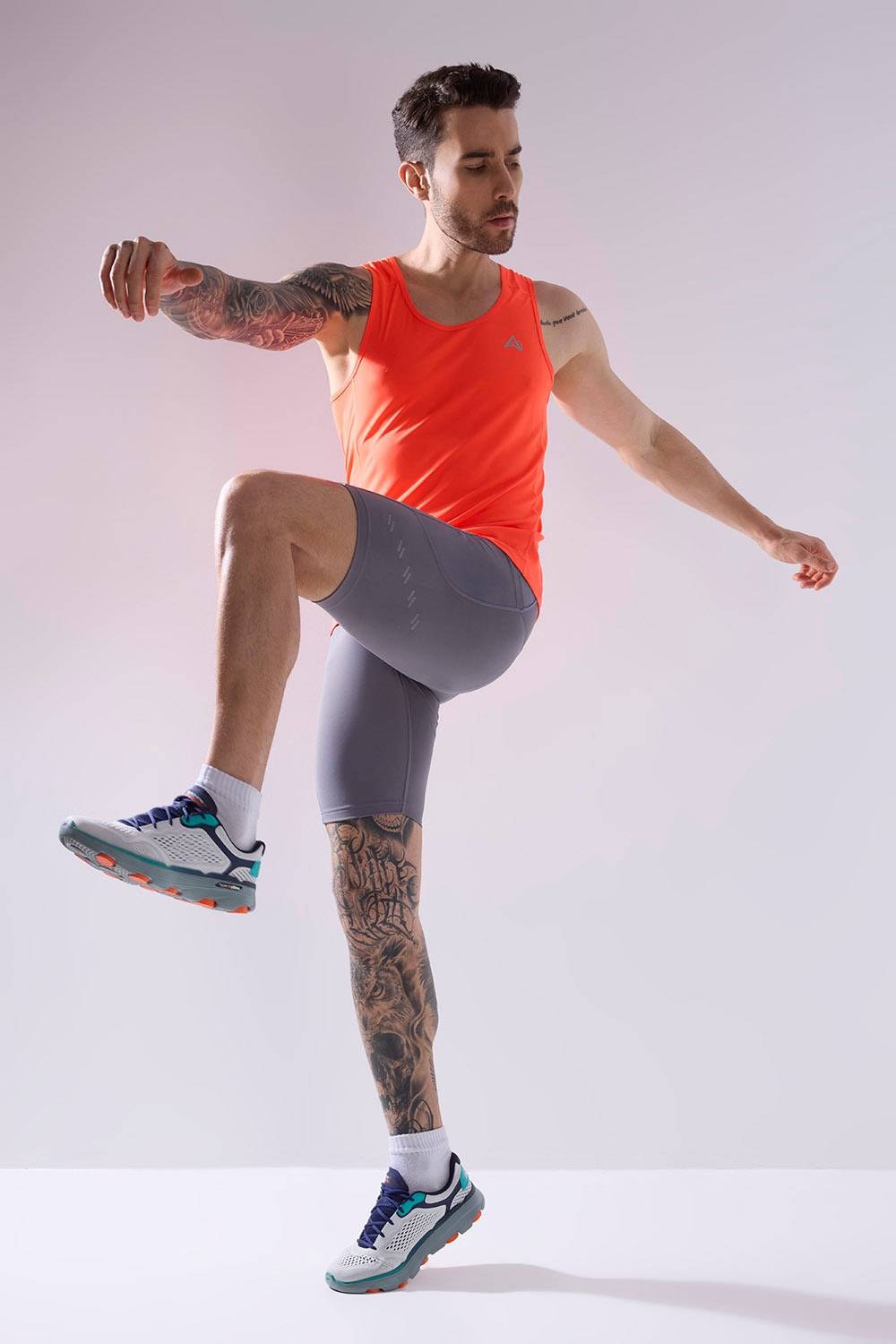
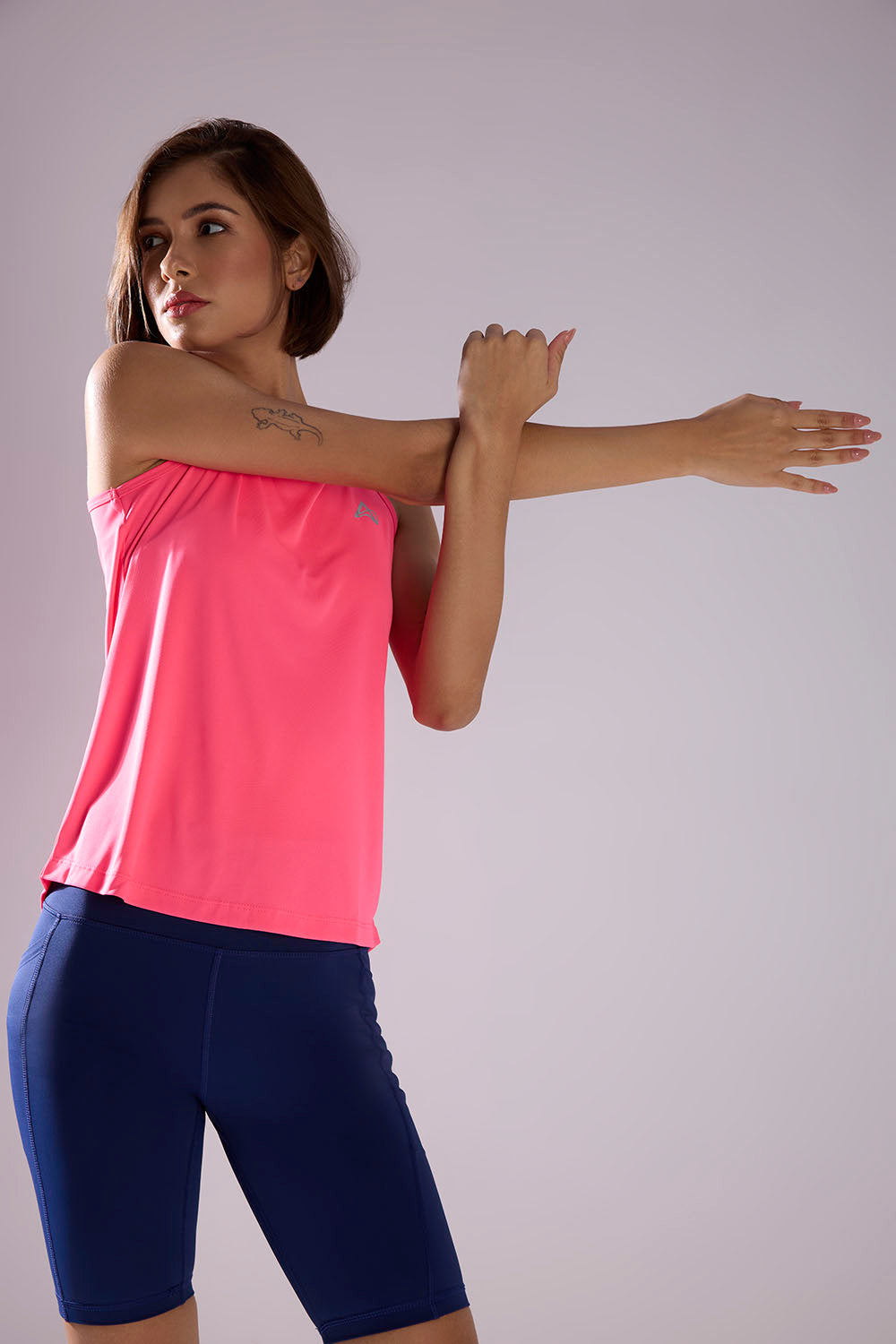
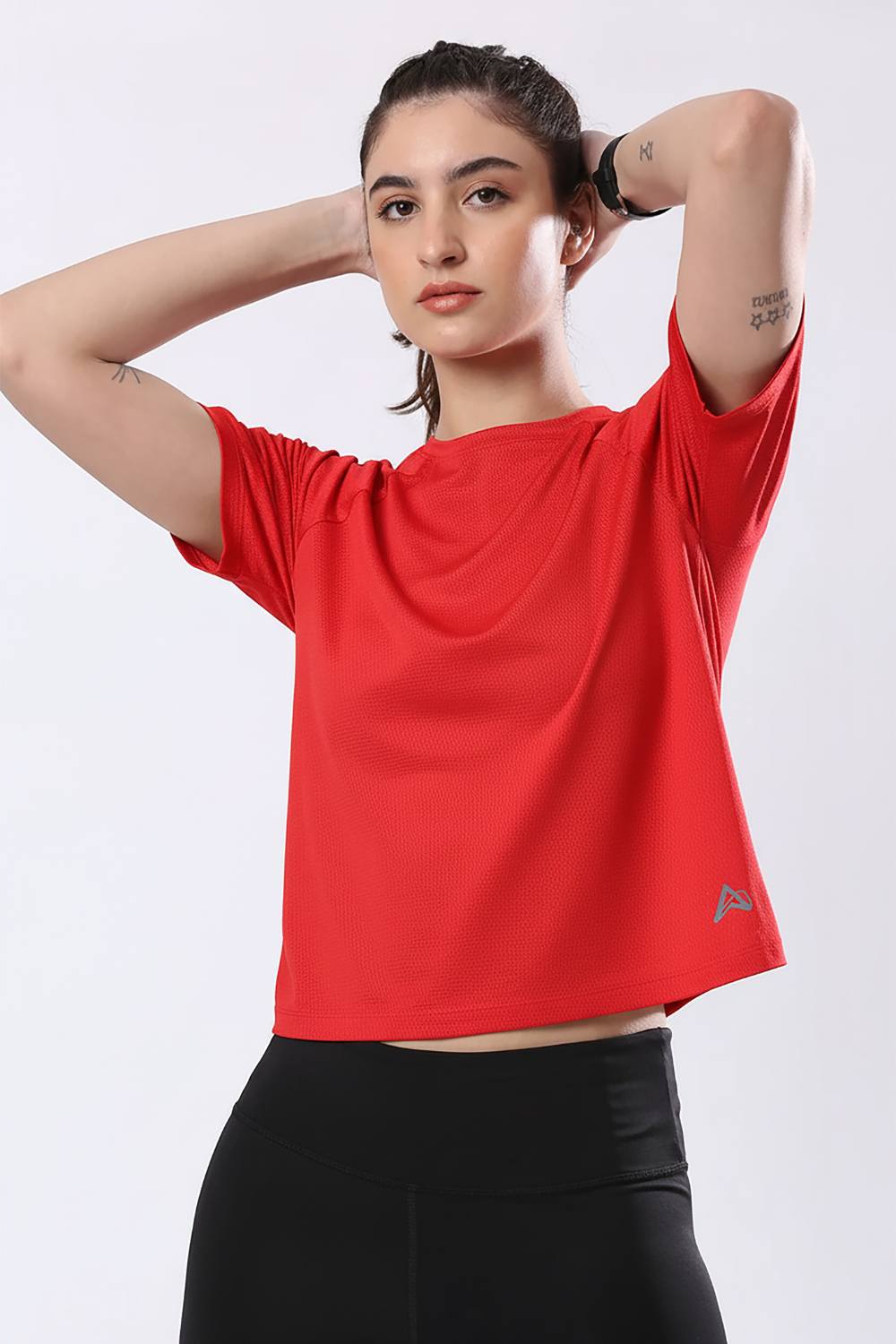
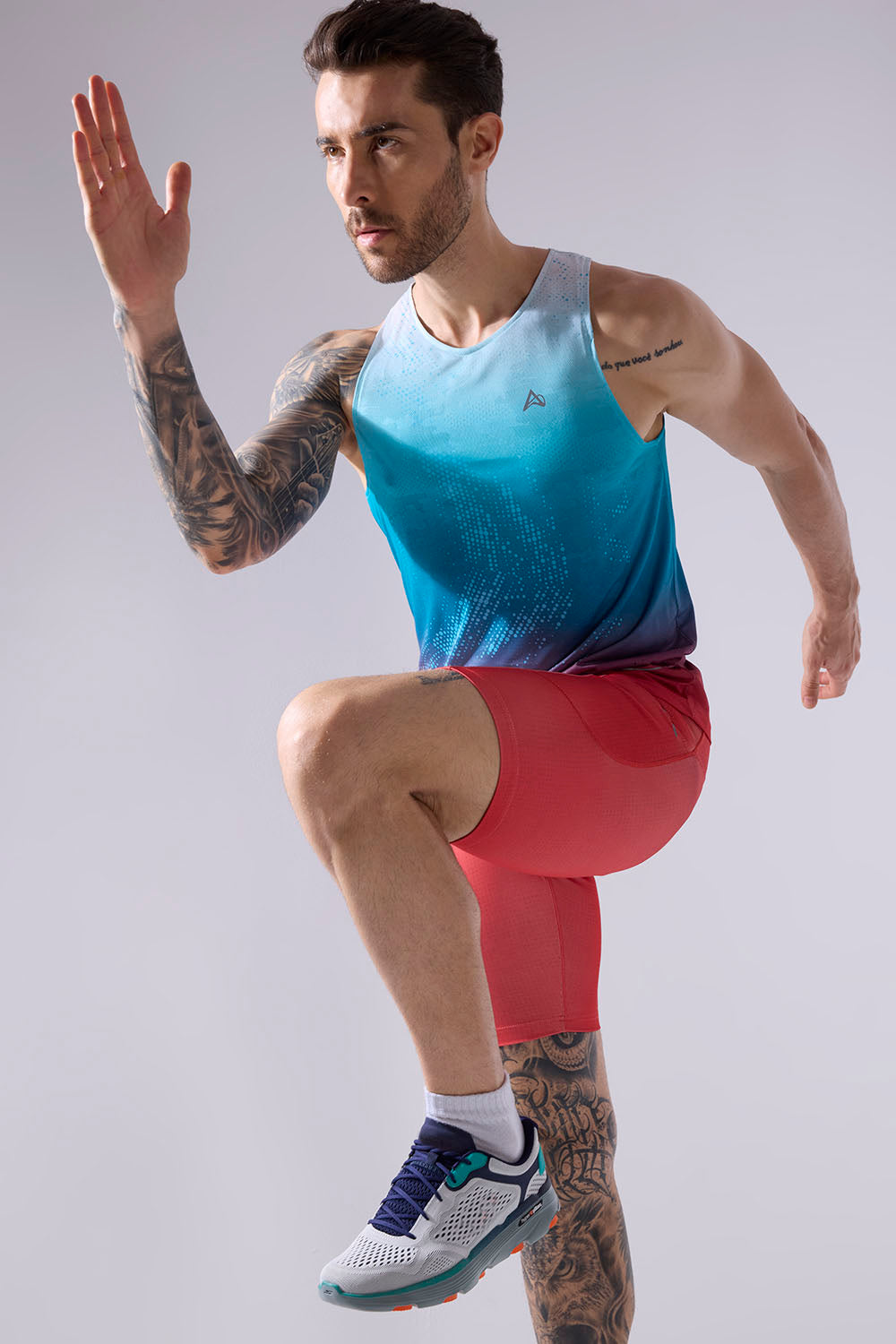
Not every sleeveless running top qualifies as genuinely breathable. The most effective versions incorporate targeted mesh panels across the chest and upper back, creating deliberate pathways for air movement. Ultra-lightweight synthetic fibers supplant heavier materials, frequently weighing less than a typical short-sleeve shirt while delivering four-way stretch that adapts seamlessly to every stride. Advanced moisture-wicking properties draw perspiration away from the skin and spread it across a broader area, enabling swift evaporation even in demanding humidity.
Premium models further enhance comfort with flatlock seams that minimize friction and subtle reflective elements for visibility during low-light runs. These refinements may appear subtle on the rack, yet they prove decisive ten miles into a sweltering half-marathon when the garment continues supporting rather than hindering effort.
Why Singlets Outperform Standard Running Shirts in the Heat
Place a singlet beside a traditional crew-neck shirt on a day when temperatures approach ninety degrees, and the performance gap emerges immediately. Full-coverage shirts generate a greenhouse-like environment, locking warm, damp air against the torso. In contrast, a well-designed singlet exposes greater skin surface to circulating air, accelerating natural cooling mechanisms through both convection and evaporation. Runners frequently describe feeling noticeably fresher for longer periods, with reduced sense of strain during those critical middle miles when heat stress typically intensifies.
This edge becomes even more pronounced during ultradistance events or consecutive training days in warm conditions. Lower retained heat translates to more consistent pacing, improved hydration management, and faster post-run recovery. In competitions held under oppressive heat, athletes equipped with advanced singlets commonly maintain stronger splits in the later stages where others begin to falter.
The Fabric Revolution Behind Modern Performance Singlets
Contemporary leading singlets depend on sophisticated polyester blends and recycled yarns that harmonize toughness with an exceptionally light feel. These textiles harness capillary action to transport moisture outward, often drying within minutes instead of hours. Certain constructions include antimicrobial treatments to manage odor across extended efforts, while strategic elastane integration provides supportive fit without constriction.
Ongoing innovation focuses on zoned ventilation approaches tighter weaves in areas requiring stability paired with open mesh in zones where cooling delivers maximum benefit. The overarching priority remains functional: equipment that fades into the background during the run, enabling the athlete to remain fully immersed in the experience.
Real Benefits on the Road and Trail
Athletes tackling hot-weather endurance events regularly highlight superior thermoregulation as the primary motivation for adopting singlets. Lower skin temperatures help sustain cardiovascular efficiency, directing blood flow toward active muscles instead of primarily toward the skin surface for heat dissipation. The mental advantage proves equally significant simply feeling cooler renders the overall challenge more manageable and sustainable.
Whether navigating urban marathons beneath unrelenting sun or pushing through humid trail ultras, the outcome follows a consistent pattern. Runners who previously approached summer sessions with reluctance now anticipate them, confident that their chosen singlet will effectively manage conditions that once proved debilitating. The impact extends beyond single-race performances to encompass greater training consistency throughout demanding seasonal blocks.
The Growing Appetite for Performance Sports Apparel
This evolution appears most clearly within expanding fitness landscapes where enthusiasm for running and endurance activities keeps rising. India's sports apparel market, valued at USD 705.85 million in 2024, illustrates a worldwide pattern propelled by heightened health awareness, increased gym participation, and strong youth interest in both functional performance wear and versatile athleisure options. E-commerce platforms have broadened access to specialized equipment, while public initiatives supporting sports have encouraged more individuals to engage outdoors despite difficult environmental conditions.
Such market vitality delivers improved variety and more accessible pricing for runners across regions. Manufacturers increasingly refine products according to direct input from athletes who regularly train and compete in authentic heat, resulting in gear that genuinely addresses real-world demands.
Selecting the Right Singlet for Your Conditions
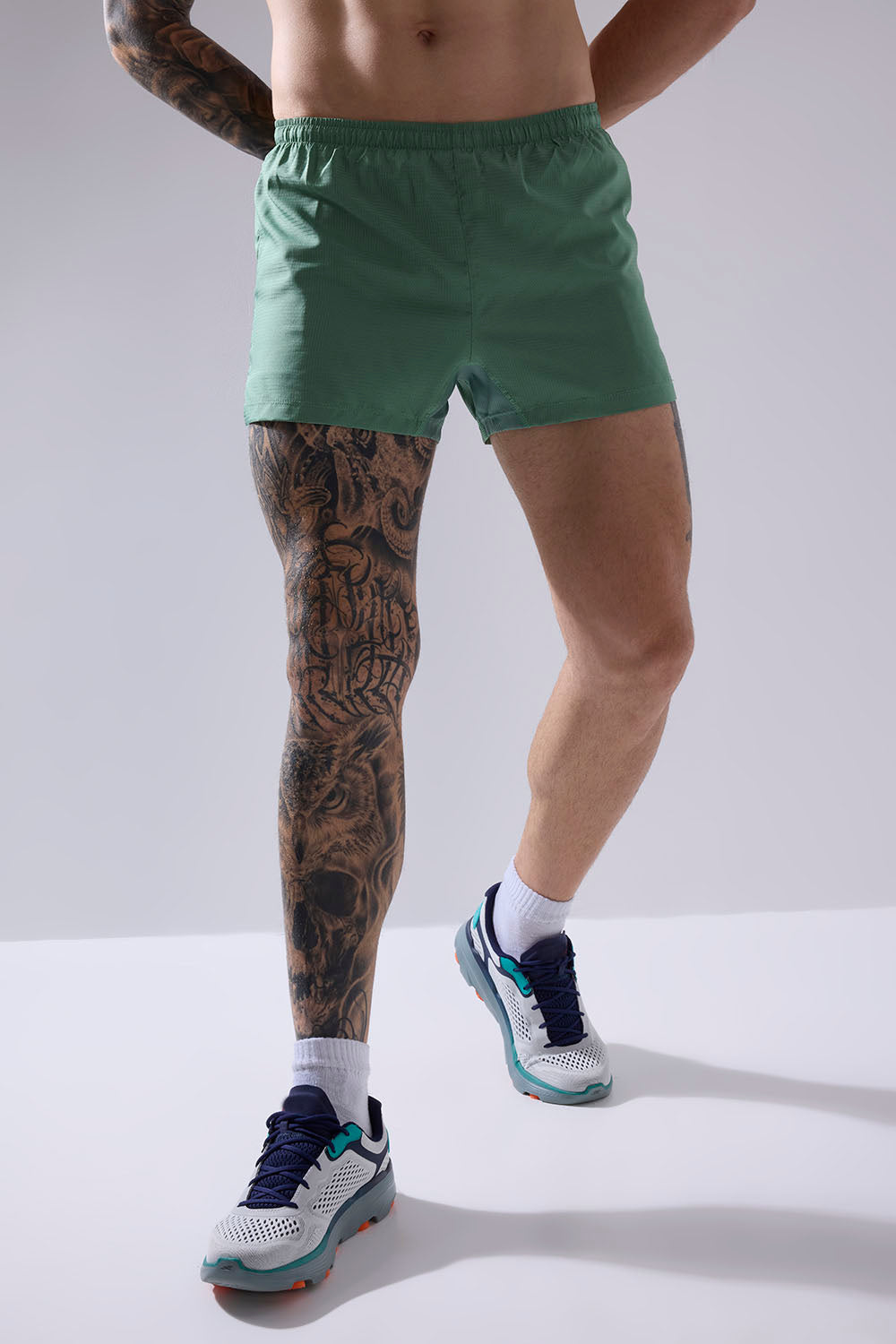
Proper fit establishes the foundation: snug enough to remain stable throughout long efforts yet never binding. Seek racerback or refined tank silhouettes that reconcile freedom of movement with adequate coverage. Always evaluate fabric performance during typical training temperatures certain materials excel in dry heat while others thrive when humidity remains unrelenting.
- Opt for lighter shades that reflect rather than absorb solar radiation.
- Emphasize rapid-drying characteristics on routes offering limited shade or hydration opportunities.
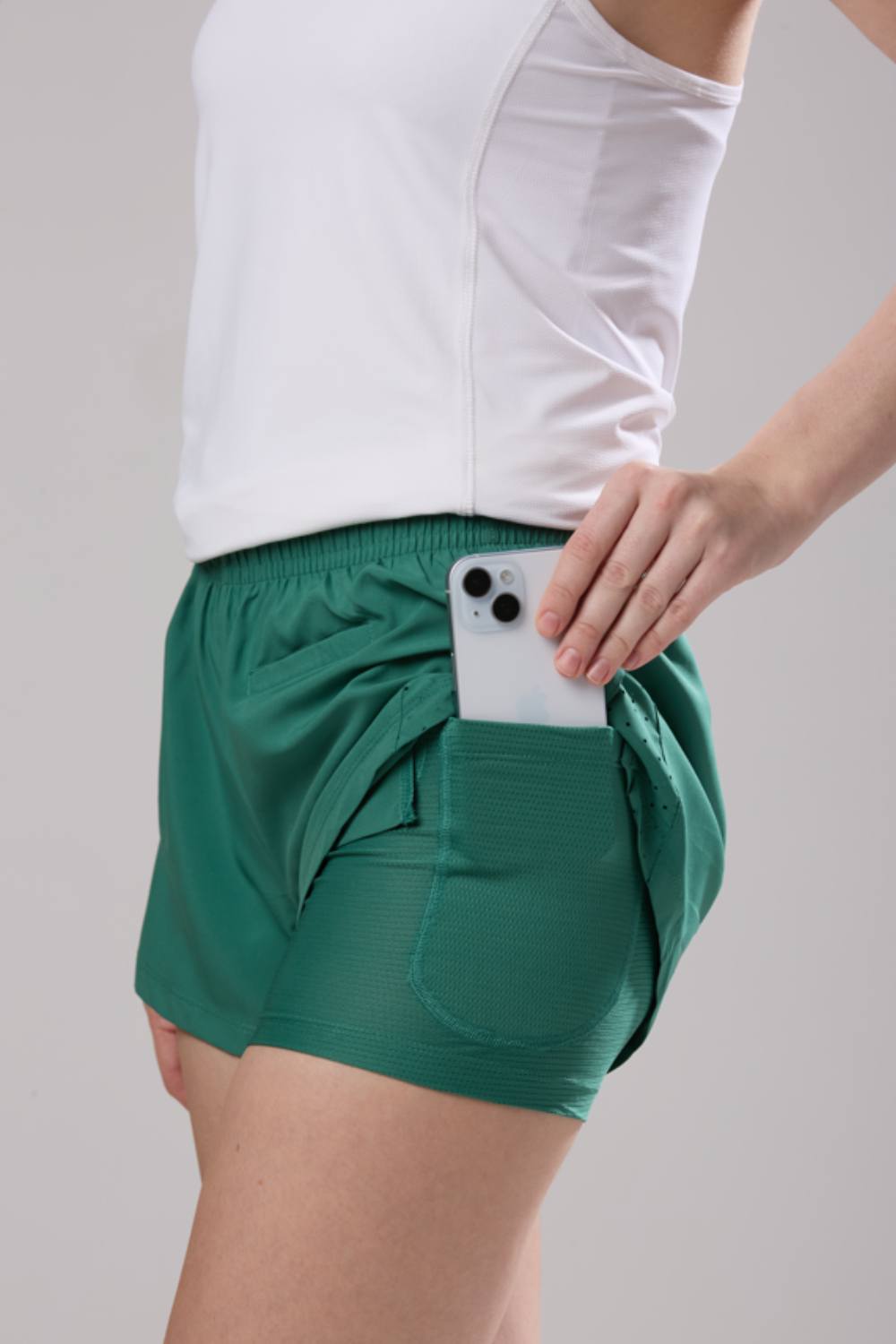
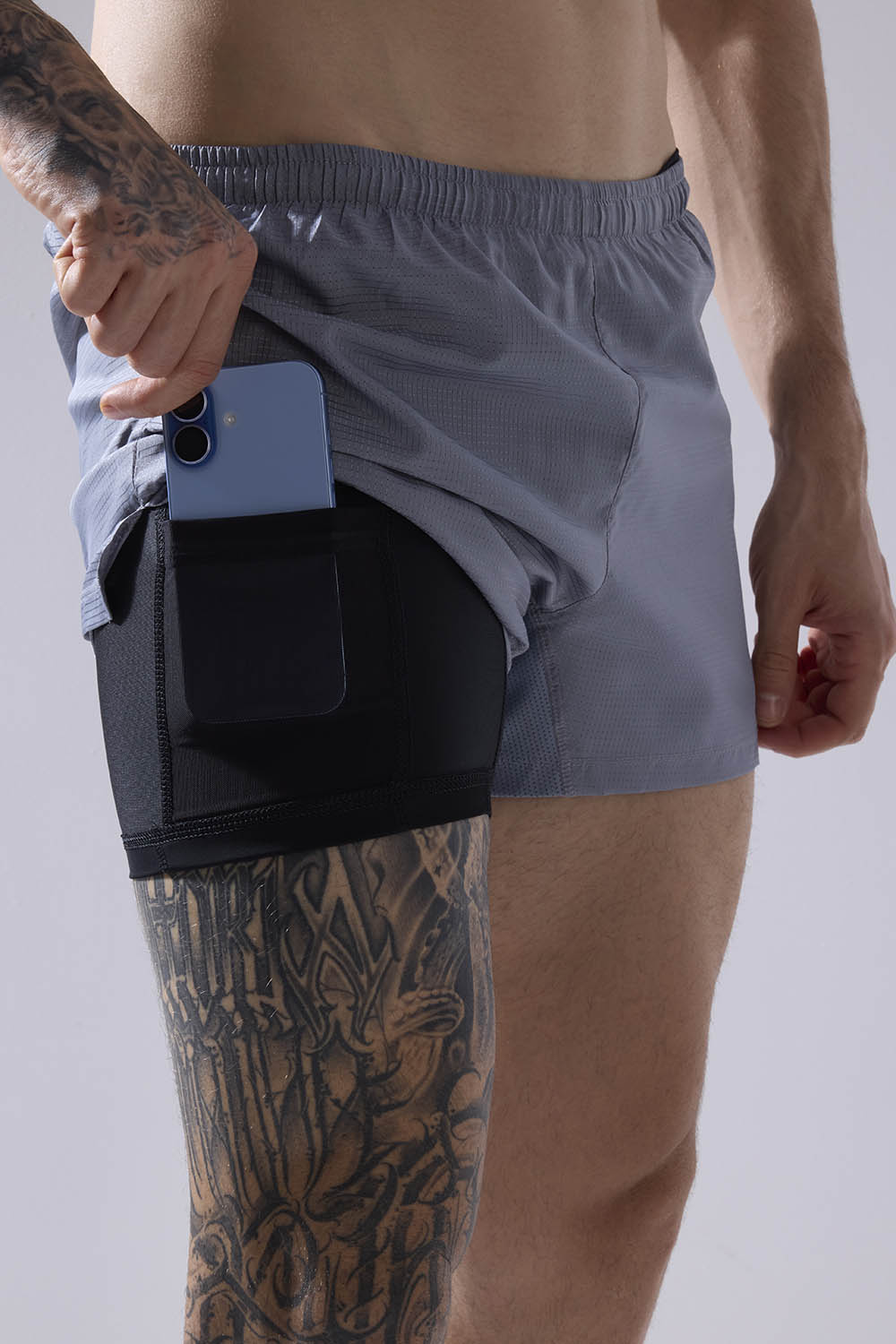
- Evaluate strategic pocket placement for carrying nutrition or essentials without introducing unnecessary weight.
A brief test run in representative warm conditions discloses far more valuable insights than specifications alone. The singlet that registers as nearly imperceptible from the opening mile represents the keeper worth repeated use.
Clearing Up Common Misconceptions
Certain runners remain hesitant, concerned that a singlet provides insufficient coverage or feels overly exposed. Modern constructions, however, achieve appropriate modesty alongside markedly superior functionality. Others presume any sleeveless option suffices, underestimating how inadequate ventilation or dense fabric can undermine an otherwise sound training regimen. True value emerges from precise engineering that elevates a basic singlet into an effective performance asset rather than ordinary apparel.
Durability across repeated laundering cycles also prompts frequent questions. Superior options preserve shape, moisture management, and appearance substantially longer than lower-cost choices, allowing the upfront cost to deliver strong returns across extensive mileage.
Why Breathable Singlets Belong in Every Hot-Weather Runner's Rotation
Supporting evidence continues to accumulate, ranging from improved personal records in demanding conditions to noticeably more enjoyable regular training sessions. As participation in endurance running expands within warmer regions and seasonal temperatures intensify, intelligent equipment decisions distinguish consistent advancement from persistent difficulty. A thoughtfully engineered singlet represents not an indulgence but a pragmatic response to environmental realities.
The next time forecasts indicate rising heat, select the singlet engineered to facilitate easier breathing and extended effort. The miles will unfold differently, and the body will respond appreciatively as the finish line materializes through the haze.
Frequently Asked Questions
Why are breathable running singlets better than regular shirts for hot weather runs?
Breathable running singlets expose more skin to circulating air, accelerating cooling through both convection and evaporation unlike full-coverage shirts that trap warm, damp air against the torso. They feature targeted mesh panels, ultra-lightweight synthetic fibers, and advanced moisture-wicking fabrics that draw sweat away from the skin for rapid evaporation. This translates to more consistent pacing, better hydration management, and faster post-run recovery, especially during ultradistance events or consecutive training days in warm conditions.
What features should I look for in a breathable running singlet for hot weather endurance runs?
Look for singlets with mesh panels on the chest and upper back, four-way stretch synthetic fabrics, and flatlock seams to minimize chafing over long miles. Moisture-wicking and quick-drying properties are essential, particularly on routes with limited shade or hydration stops. Additional features worth considering include antimicrobial odor control, reflective elements for low-light visibility, and lighter colors that reflect rather than absorb solar radiation.
Do breathable running singlets actually improve endurance performance in the heat?
Yes by promoting superior thermoregulation, breathable singlets help maintain lower skin temperatures, which keeps cardiovascular efficiency higher and directs more blood flow toward active muscles instead of the skin surface. Athletes report feeling noticeably fresher through the critical middle miles of hot-weather races, often maintaining stronger splits late in competition when others begin to fade. Beyond physical benefits, simply feeling cooler carries a meaningful mental advantage that makes long efforts more sustainable.
Disclaimer: The above helpful resources content contains personal opinions and experiences. The information provided is for general knowledge and does not constitute professional advice.
You may also be interested in: Breathable Fabrics Help Urban Runners Beat the Heat - Aguante
Tired of gear that slows you down? Chafing, soggy fabrics, and missing pockets kill your run's momentum. At Aguante, we're runners who get it. Our high-performance activewear features moisture-wicking fabrics, ergonomic designs, and smart storage to keep you focused. Shop Now!
Powered by flareAI.co