



Quick Listen:
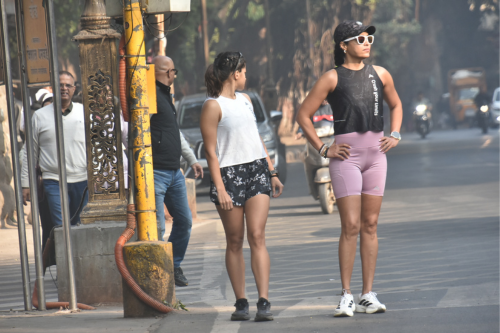
In the early morning light filtering through Bangalore's Cubbon Park or along the salty breeze of Mumbai's Marine Drive, a subtle but powerful change is taking root among India's urban runners. Women, men, non-binary athletes, corporate professionals, and lifelong marathoners are quietly rejecting sportswear that sorts bodies into strict gender categories. What they want instead is equipment that simply works fits different shapes comfortably, moves with them through humid kilometers, and lets them focus on the run rather than the clothing. This growing demand for gender-inclusive running apparel is quietly reshaping fitness culture in India's biggest cities, merging serious performance with everyday comfort and a deeper sense of belonging.
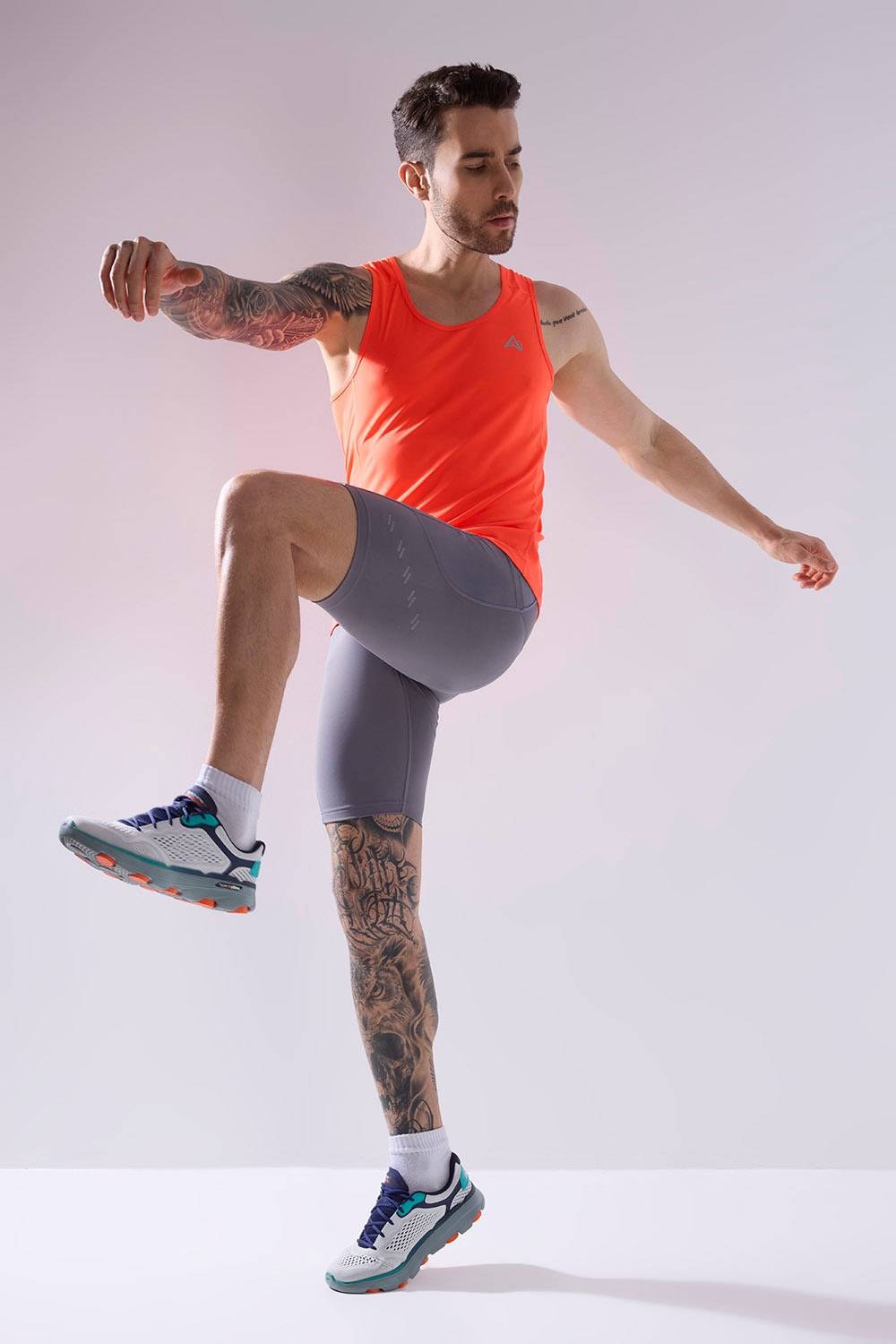
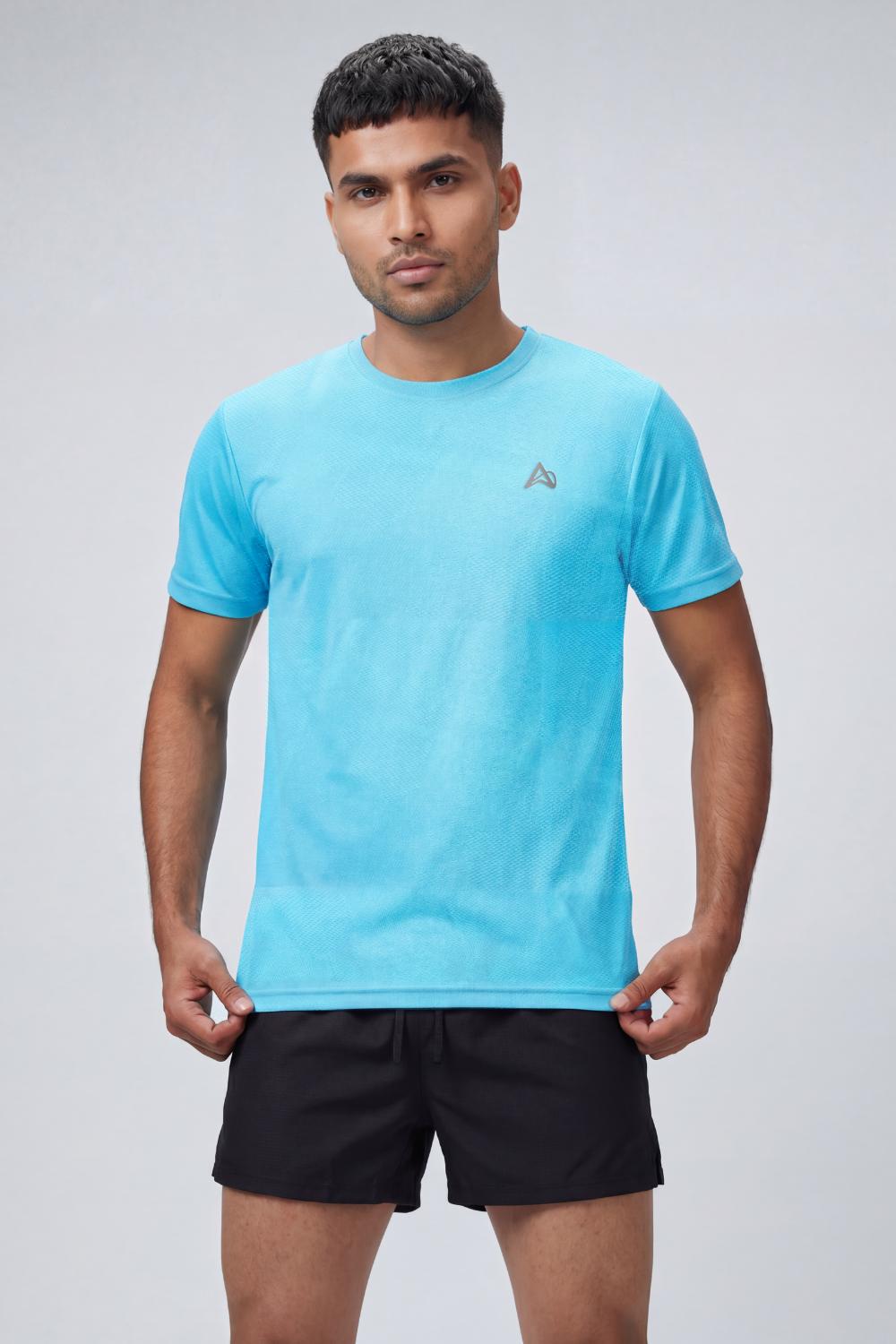
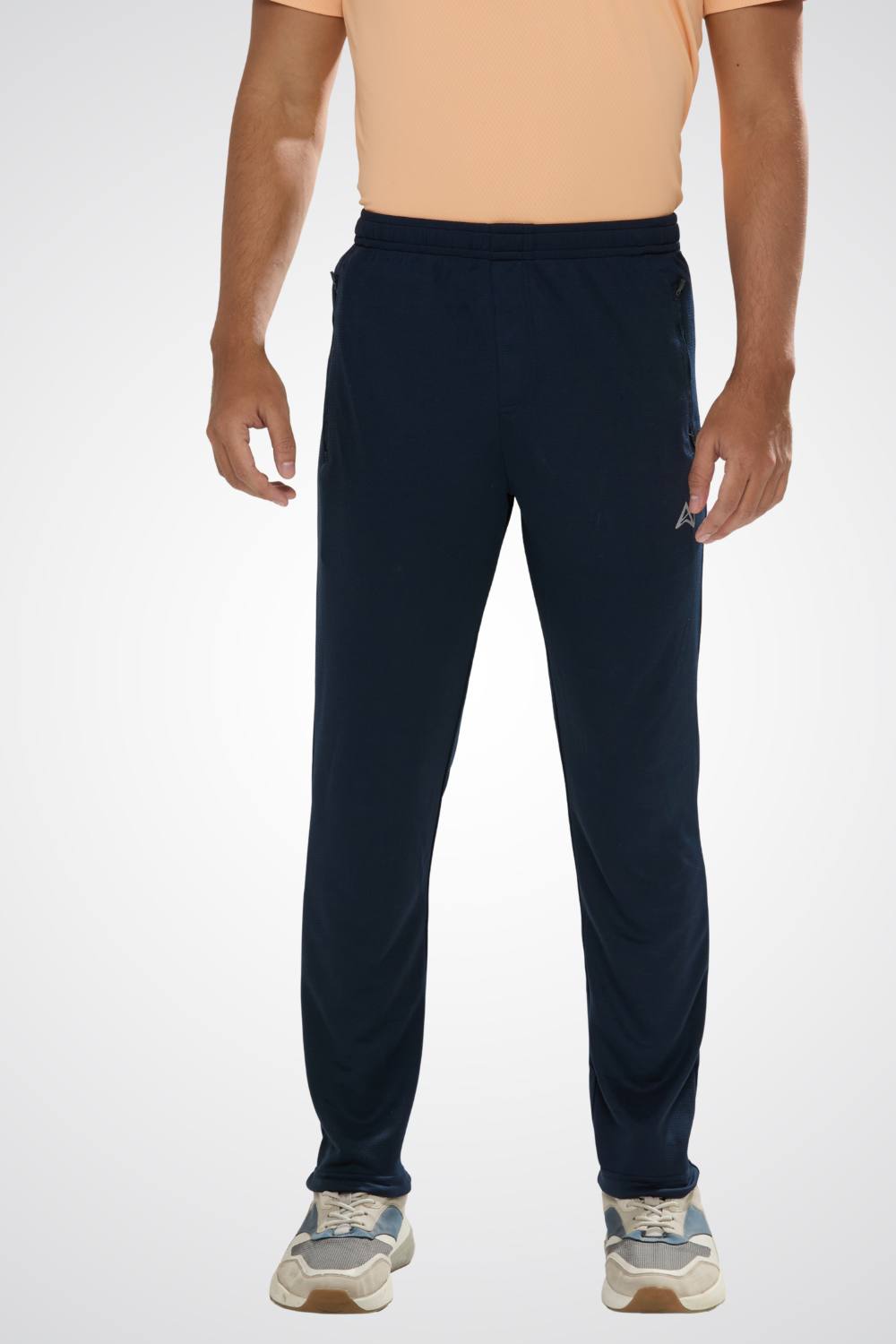
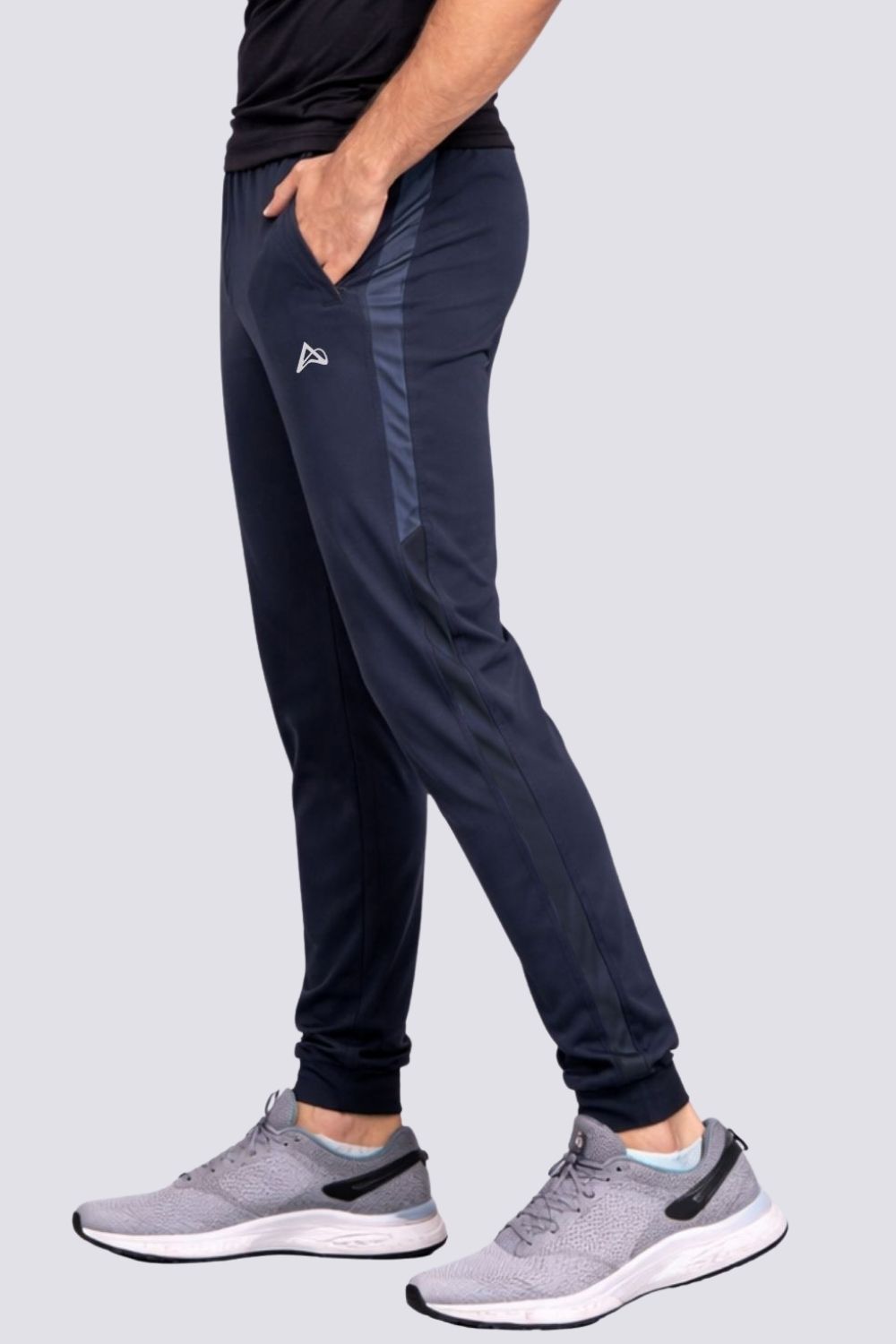
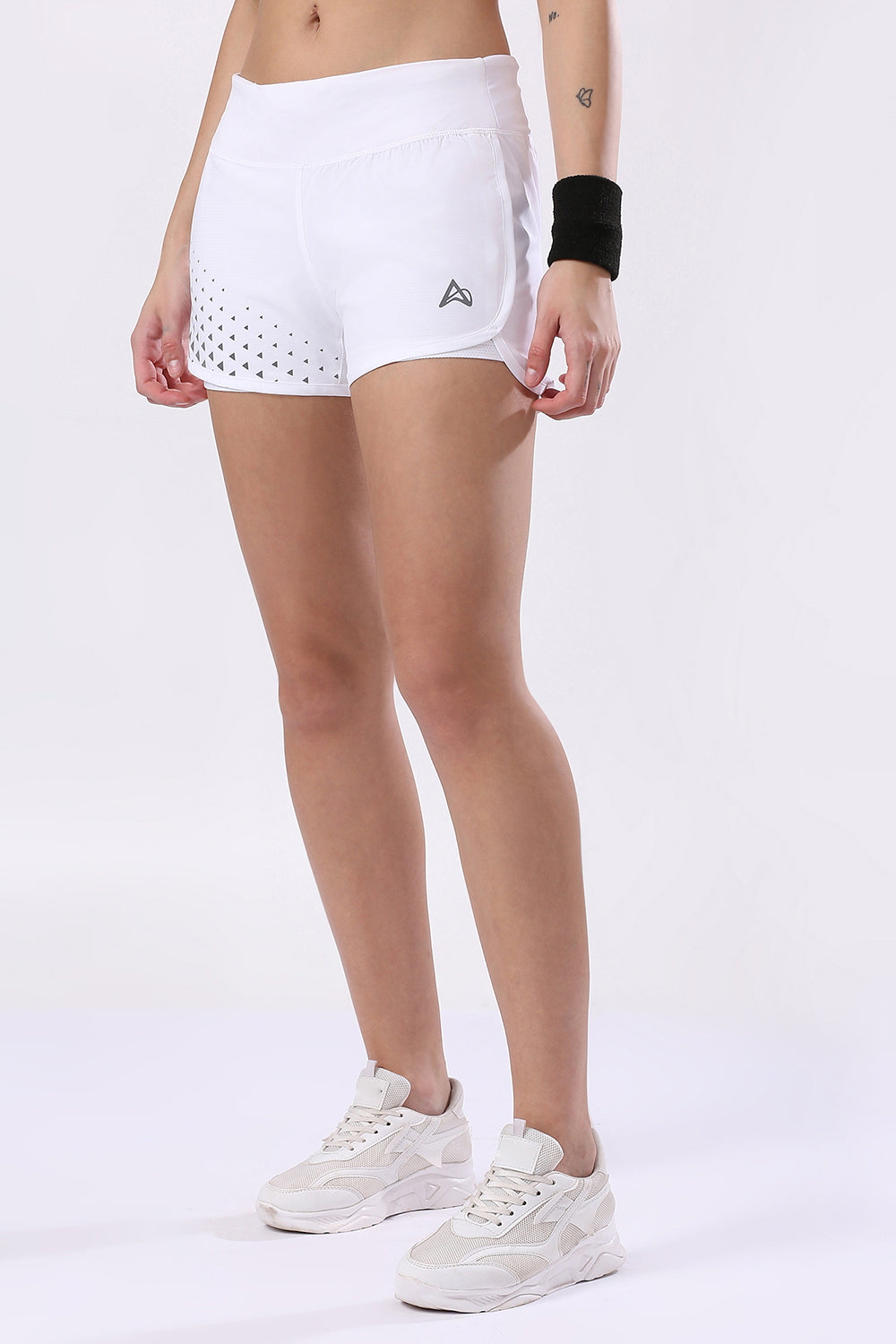
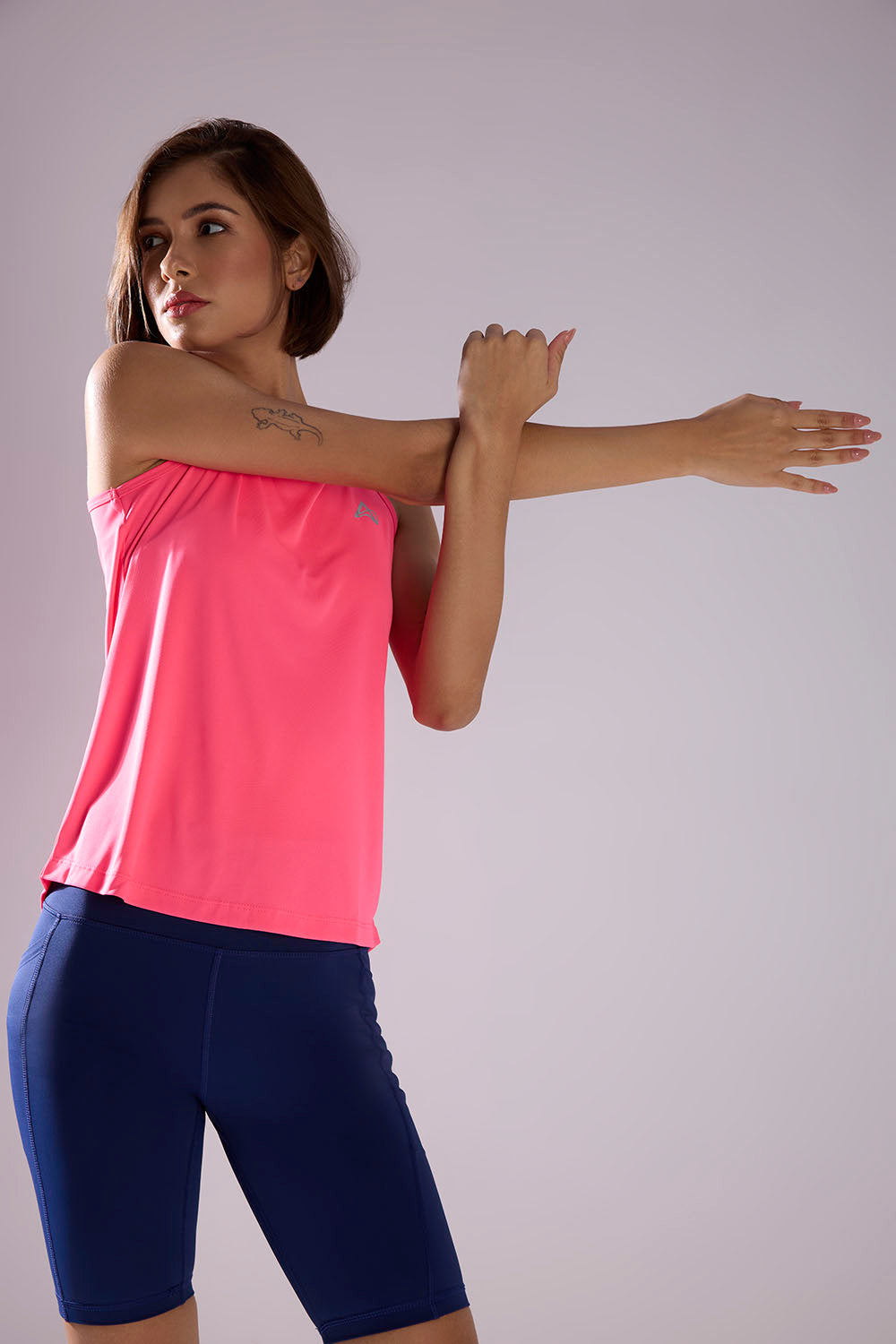
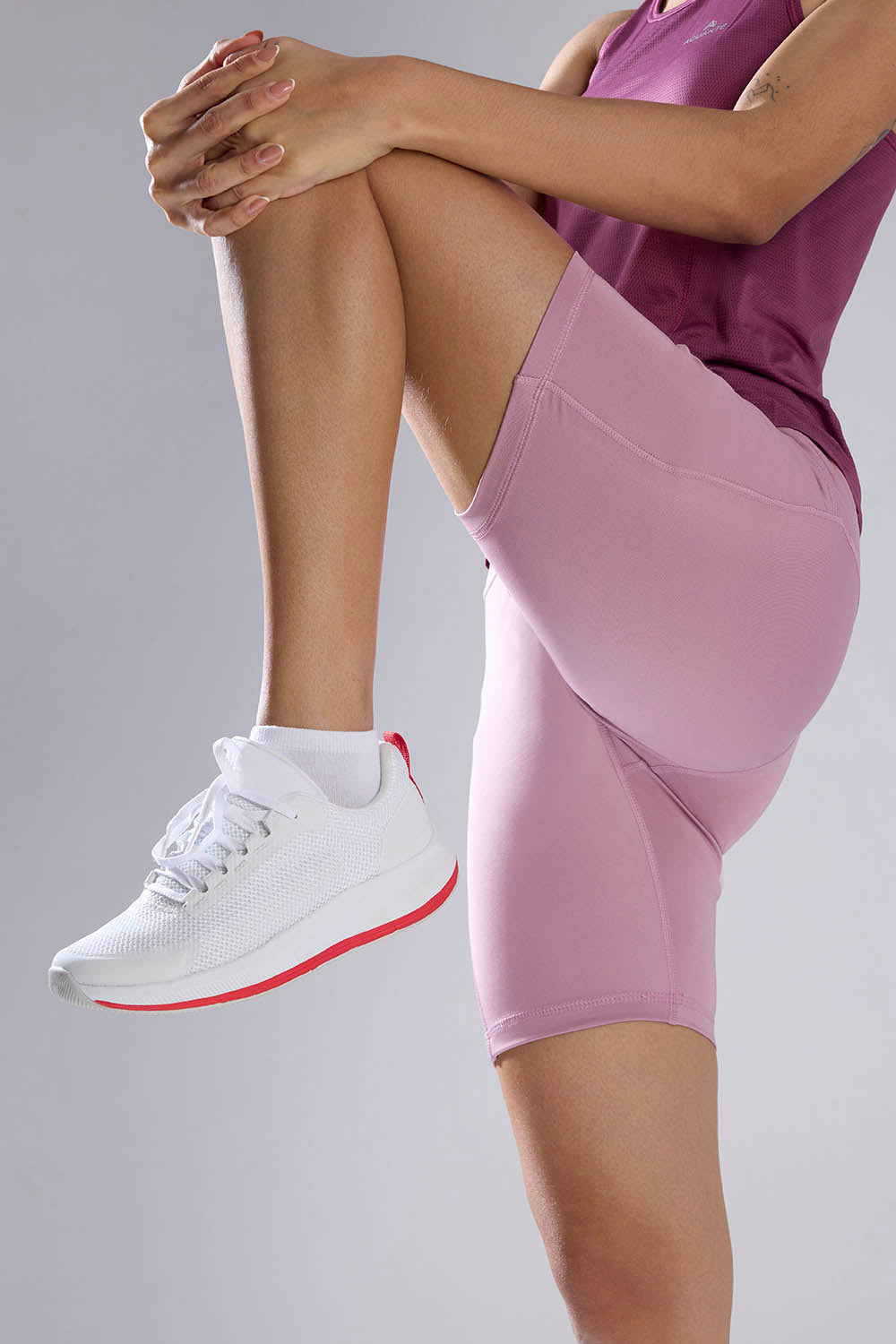
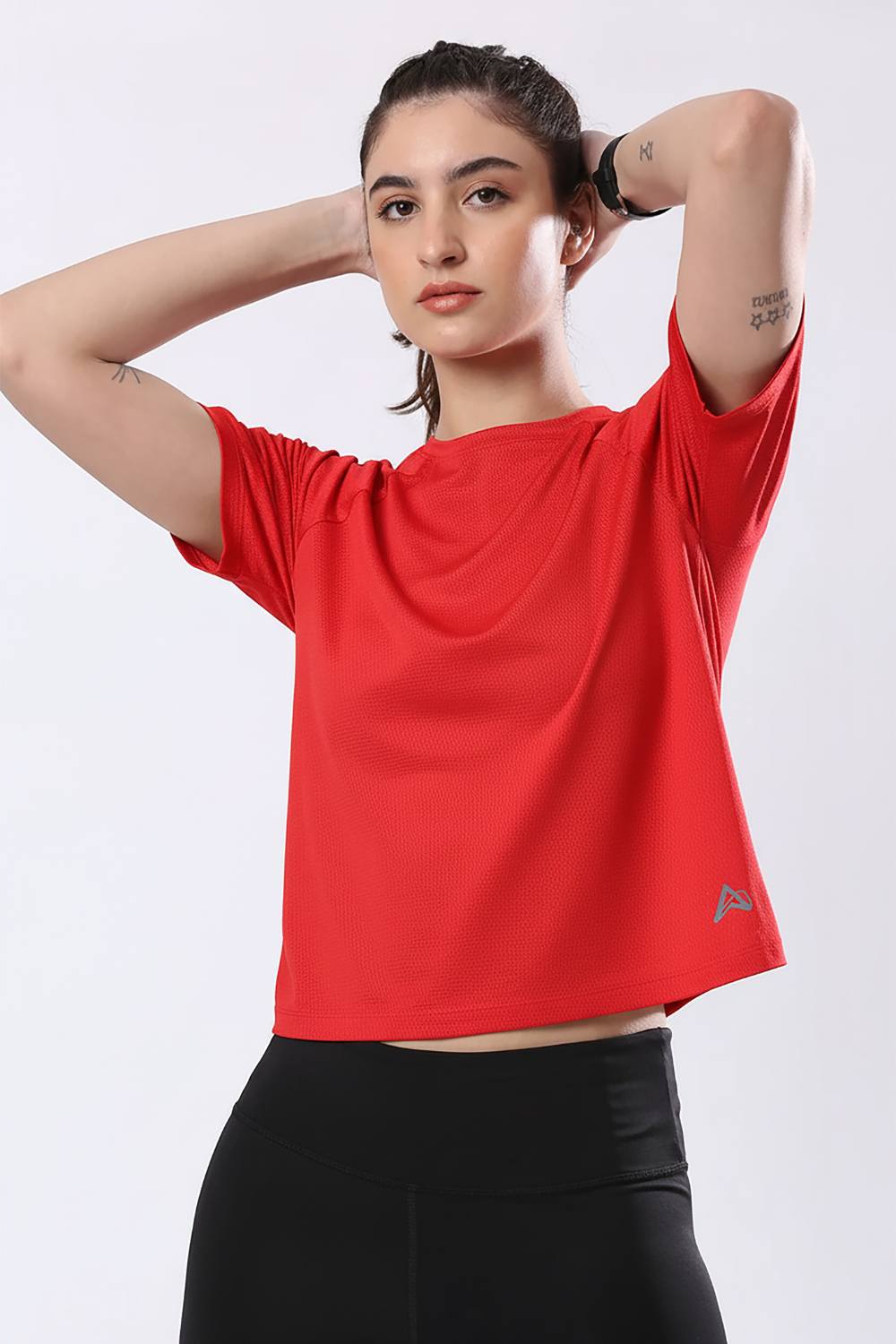
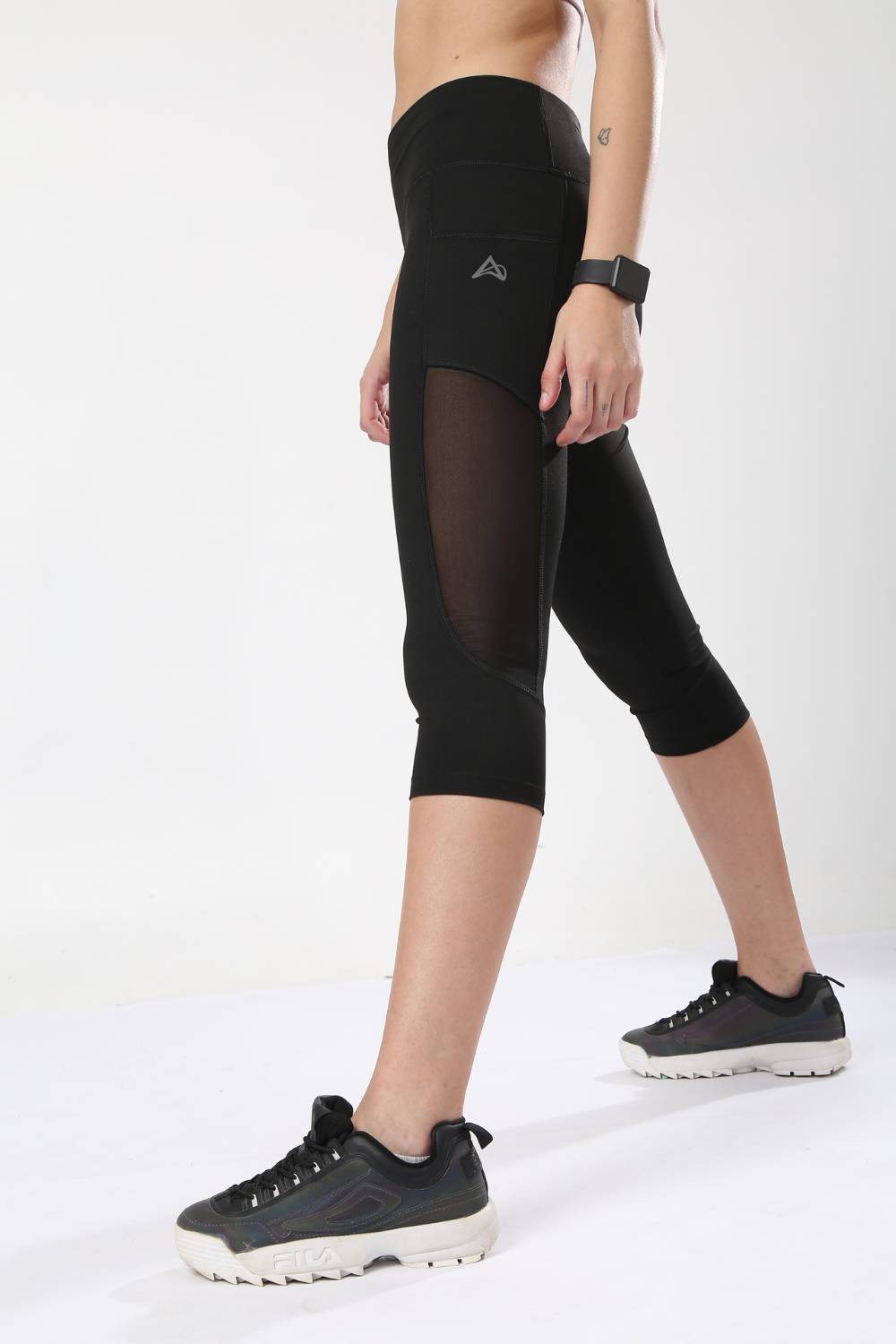
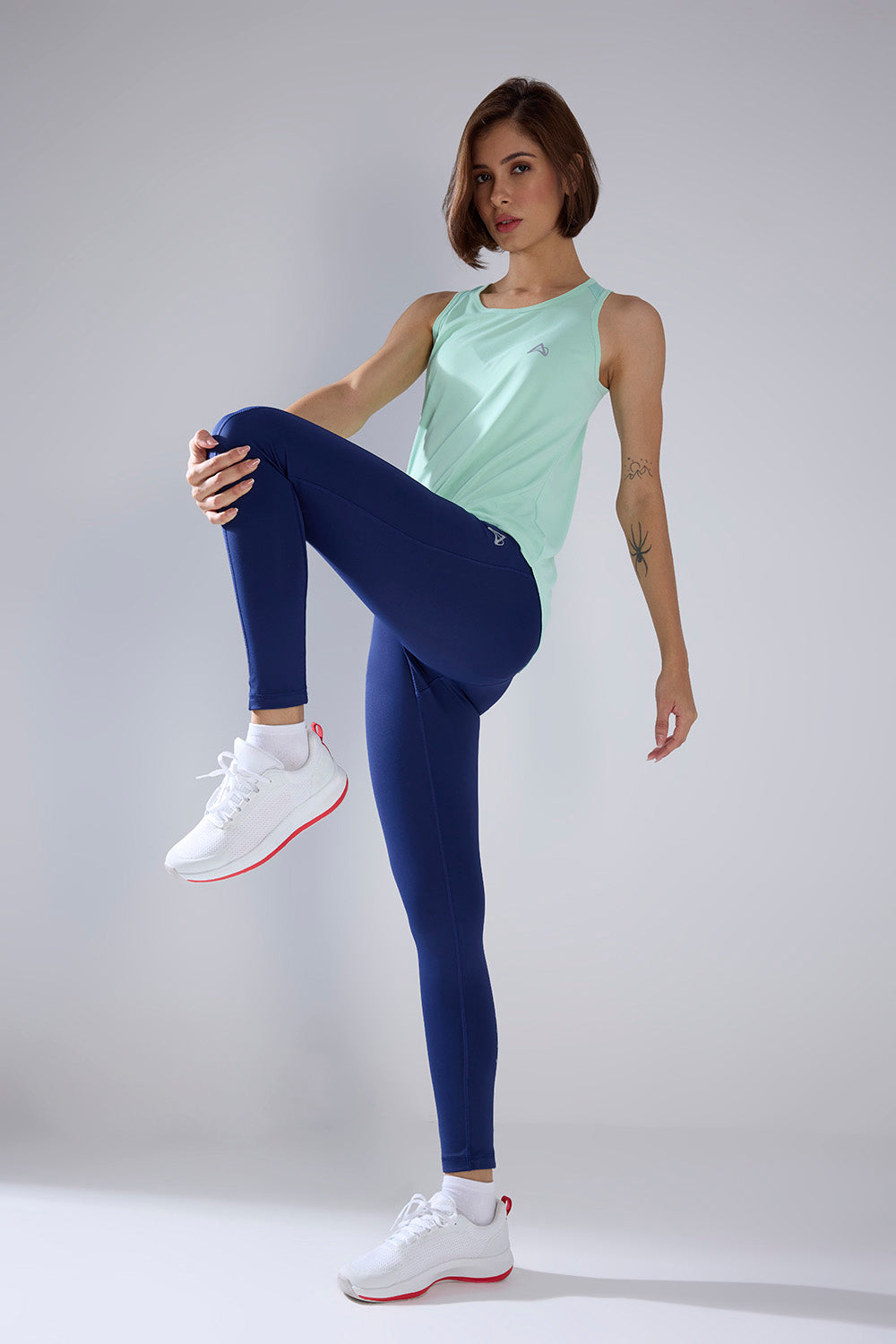
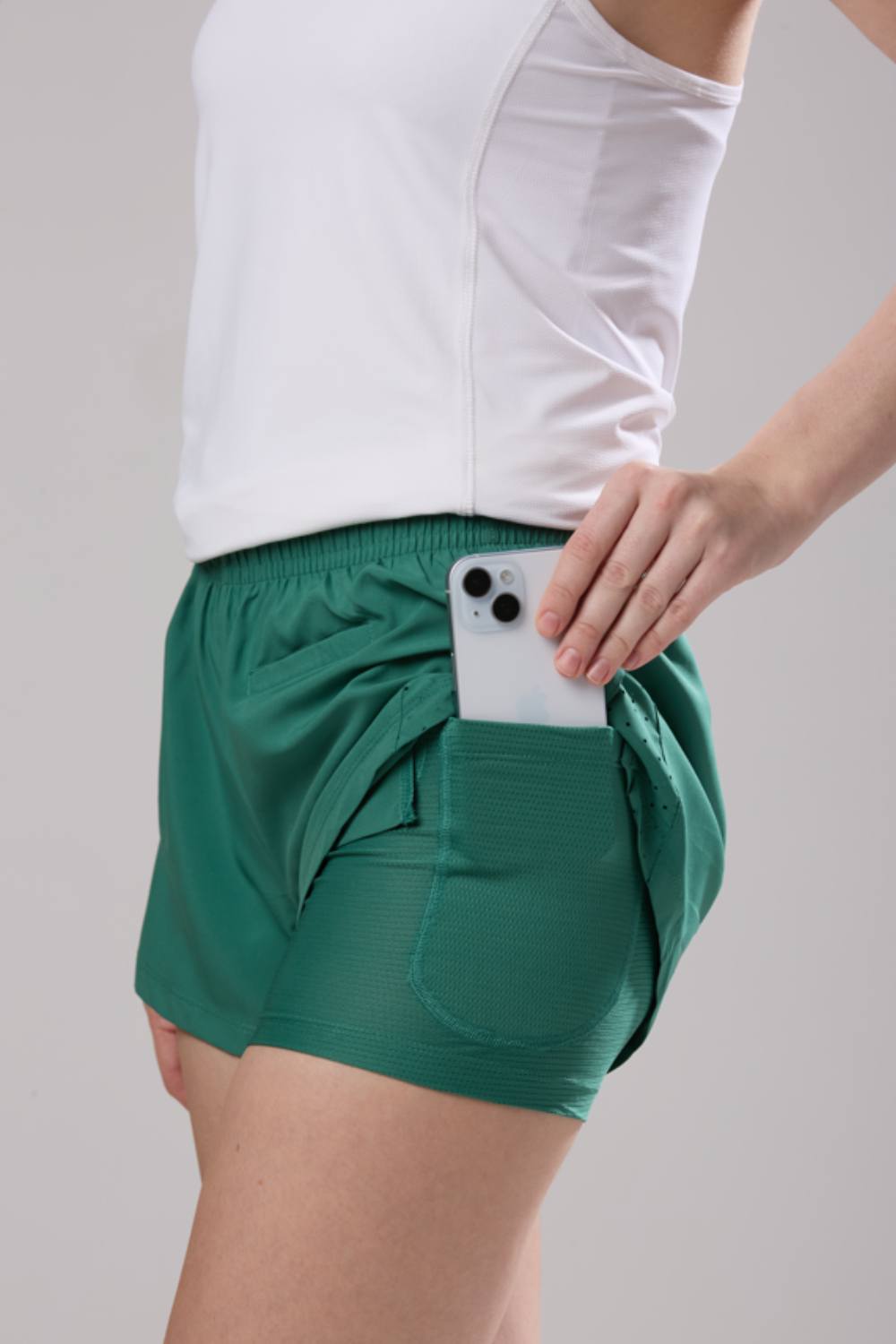
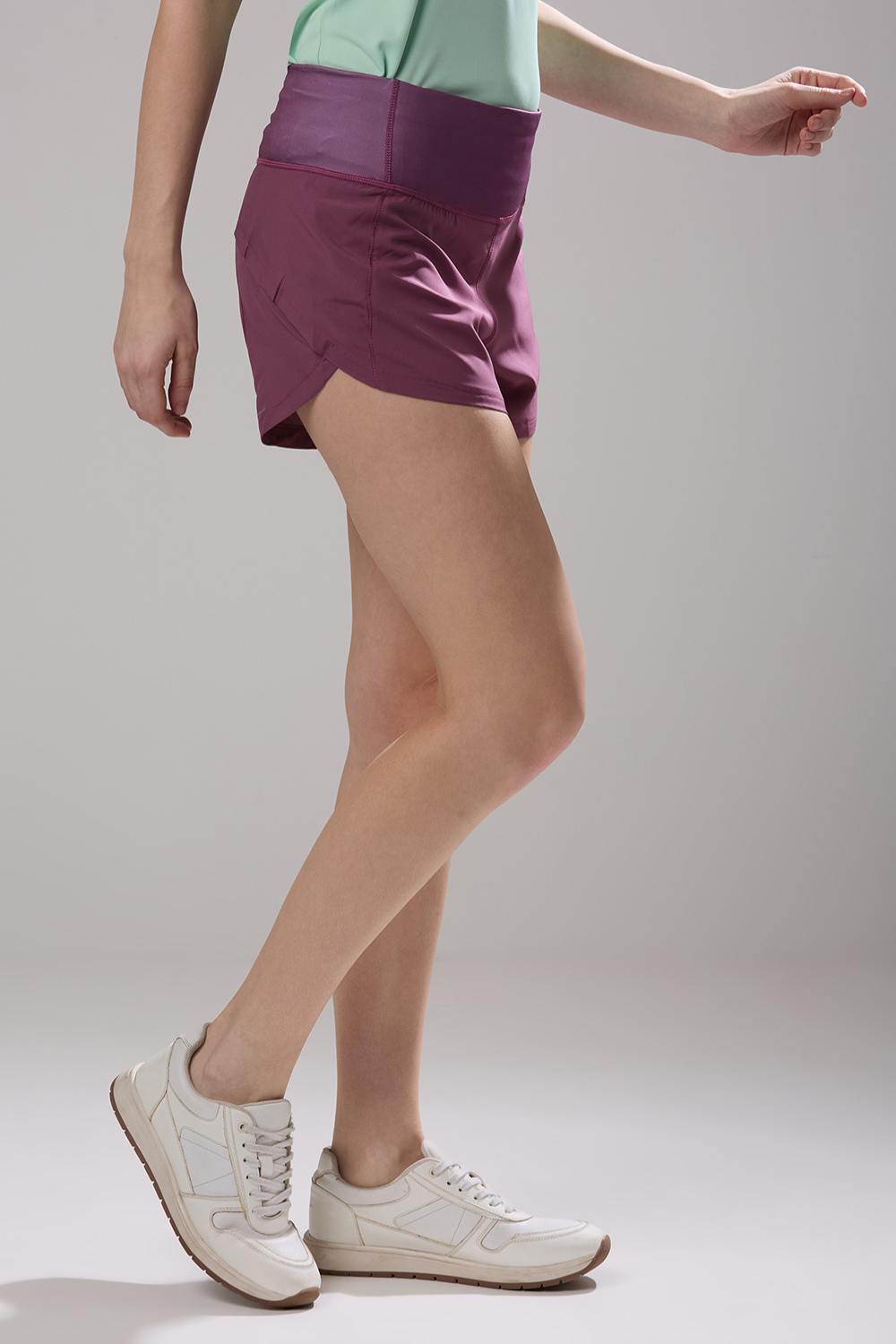
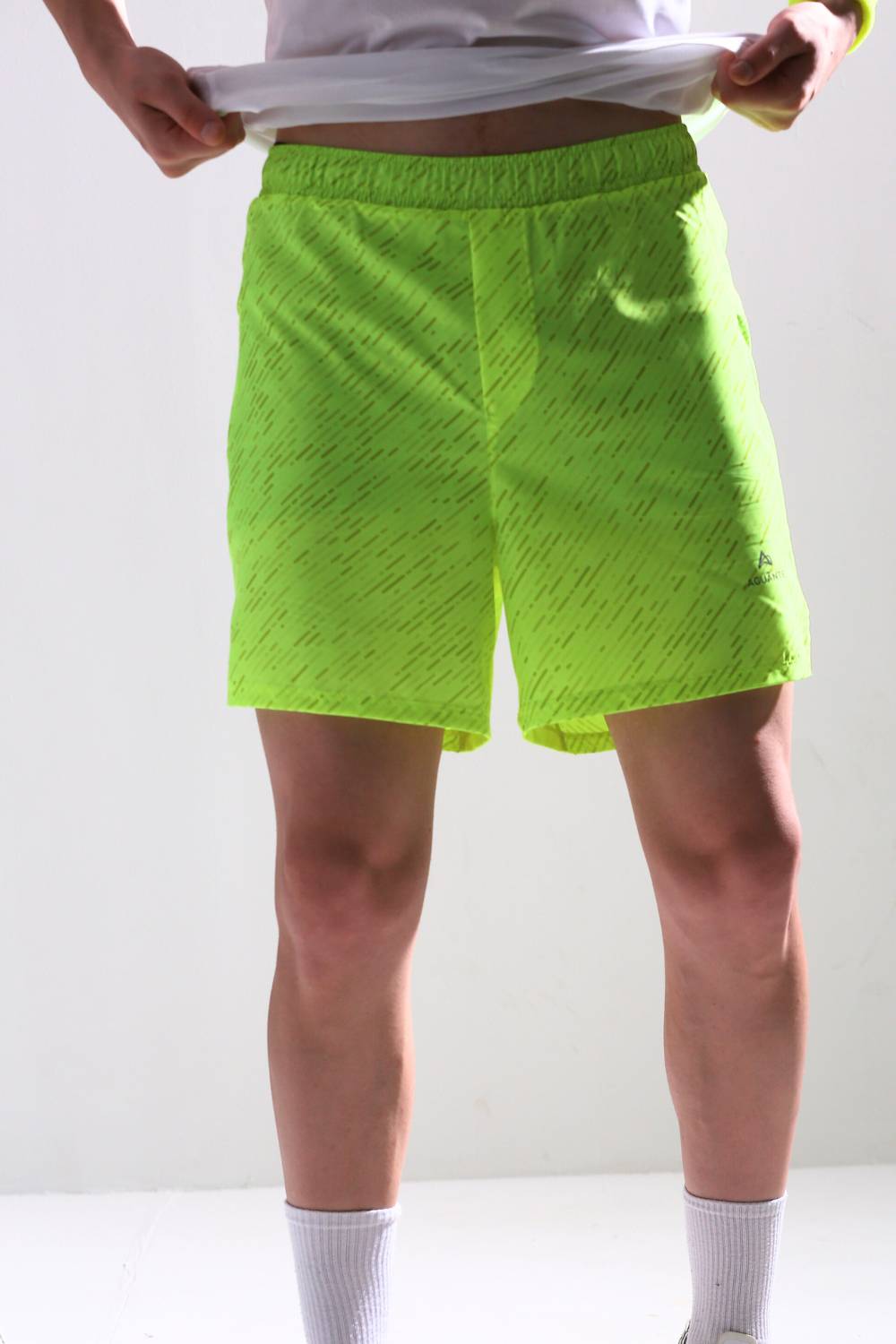
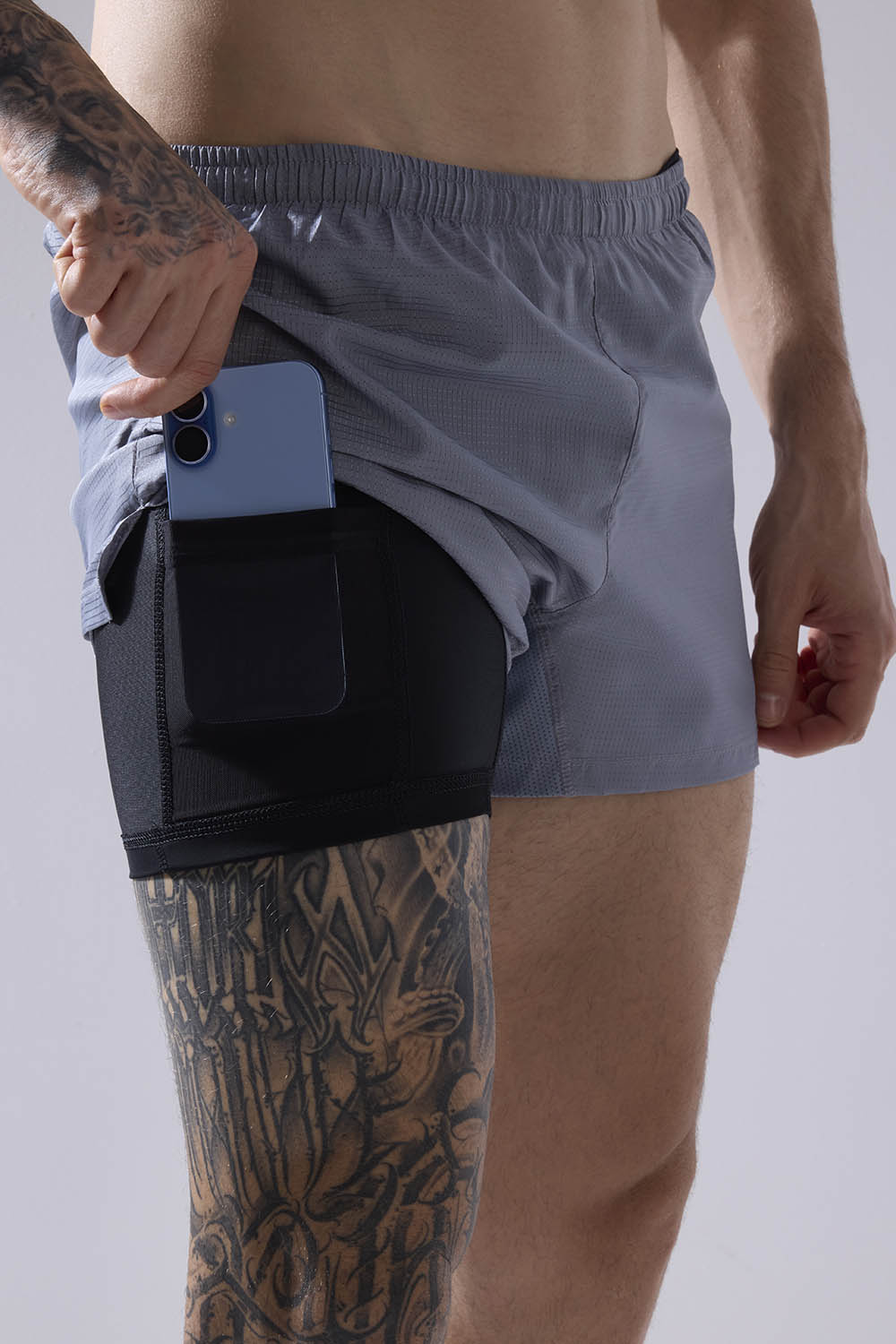
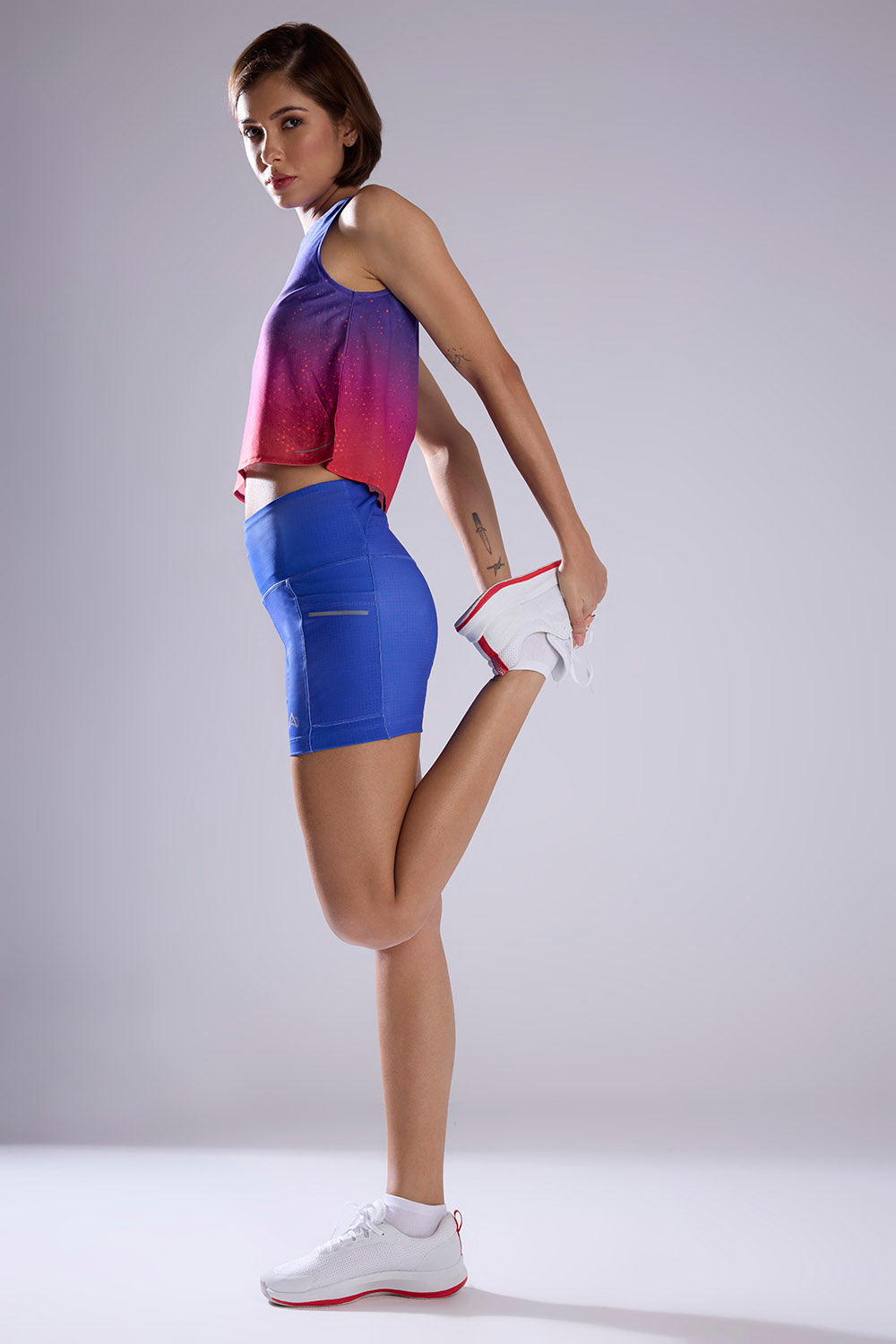
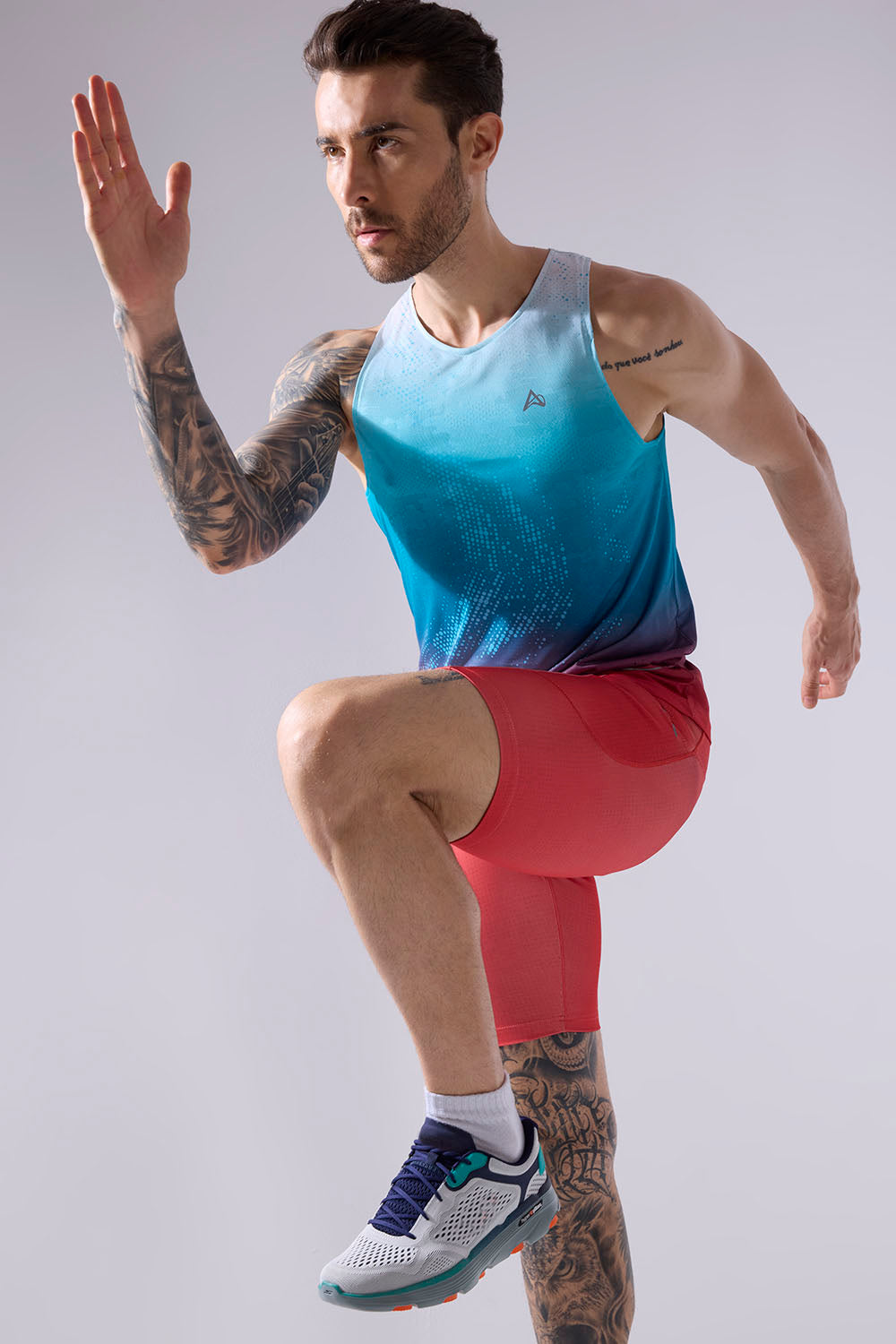
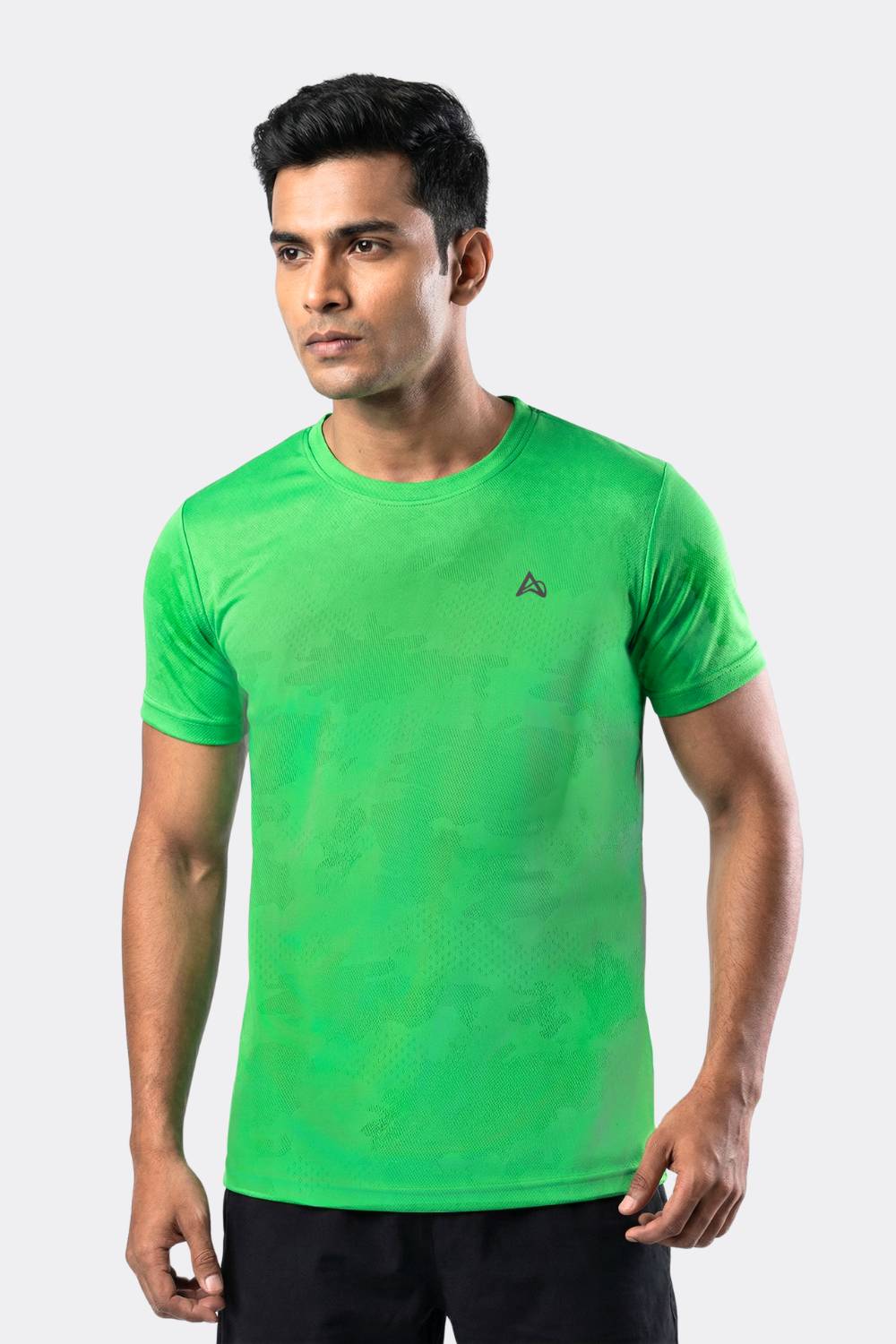
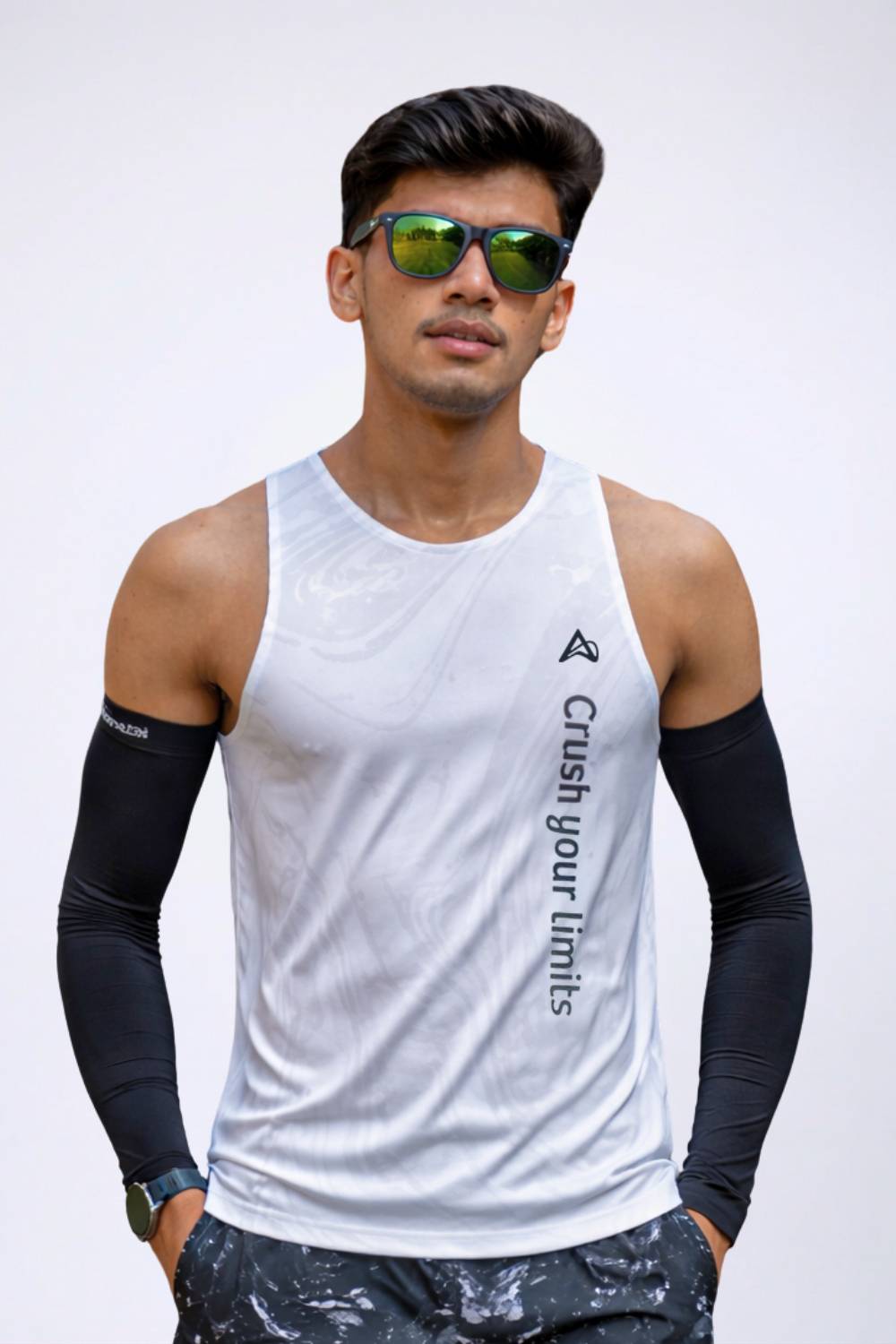
Tired of gear that slows you down? Chafing, soggy fabrics, and missing pockets kill your run's momentum. At Aguante, we're runners who get it. Our high-performance activewear features moisture-wicking fabrics, ergonomic designs, and smart storage to keep you focused. Shop Now!
The Explosion of Urban Running Culture
India's metropolitan running scene has grown dramatically over the past decade. Tech-powered run clubs in Bangalore, the legendary Tata Mumbai Marathon, early-morning groups in Delhi's Lodhi Gardens, Pune's trail runs, and Hyderabad's expanding community events have turned pavement pounding into a mainstream urban activity. The Mumbai Marathon, one of Asia's largest, continues to draw massive crowds each year, with female participation showing steady, meaningful increases.
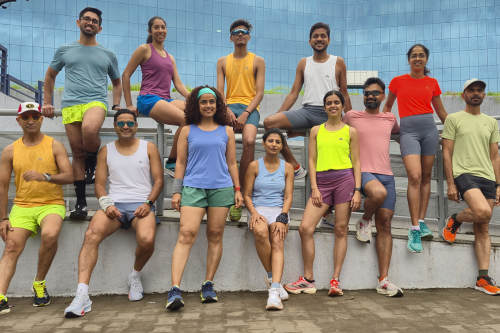
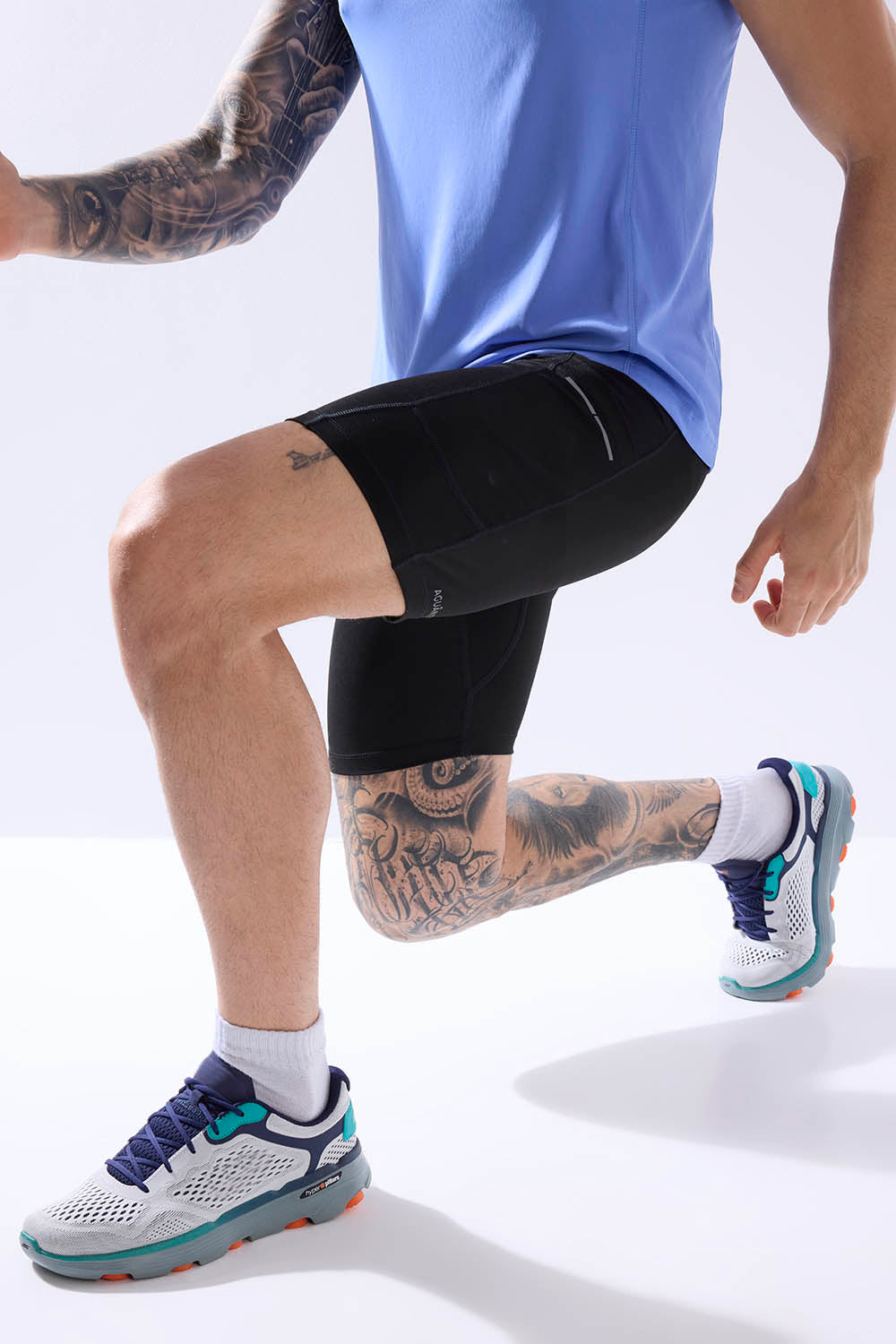
These gatherings are more than exercise routines they are emerging social ecosystems. Mixed-gender training crews in Pune, women-led packs in Navi Mumbai, and visible LGBTQ+ running groups in Delhi and Gurugram corporate corridors are expanding who feels welcome on the starting line. That diversity naturally brings new expectations: runners increasingly seek apparel free of outdated binary assumptions neutral sizing, adaptable cuts, moisture management that actually works in Indian heat, and designs that prioritize function over tradition.
The global market size for tank tops and sleeveless shirts is projected to reach USD 50 billion by 2032, growing at a compound annual growth rate (CAGR) of 6.2% from its 2023 valuation of USD 28 billion. The growth of this market can be attributed to rising fashion consciousness, the increasing adoption of athleisure wear, and the growing influence of social media on consumer purchasing behaviors.
Global Winds Reaching Indian Shores
The Indian shift echoes larger movements in performance wear worldwide. The activewear category continues its strong upward trajectory, propelled by urbanization, rising disposable incomes, and a cultural embrace of fitness as lifestyle rather than occasional hobby. In the Asia Pacific region home to India the segment ranks among the fastest-expanding markets globally, reflecting both growing gym culture and the everyday adoption of athletic clothing.
Closer to the runner's wardrobe, tank tops and sleeveless shirts remain indispensable for warm-weather training and racing. Industry observers note robust long-term growth in this category, driven by the same forces shaping athleisure: heightened fashion awareness, social media's influence on purchasing decisions, and a broad preference for comfortable, versatile pieces that move seamlessly between workouts, casual settings, and even remote-work wardrobes. These broader patterns help explain why Indian brands, retailers, and direct-to-consumer labels are investing seriously in more inclusive silhouettes and sizing.
The global activewear market size was estimated at USD 406.83 billion in 2024 and is projected to reach USD 677.26 billion by 2030, growing at a CAGR of 9.0% from 2025 to 2030. The growth is attributed to the rising inclination toward modern clothing in the gym and for everyday activities. North America activewear market accounted for a revenue share of 38.46% in 2024.
City-by-City Innovation
Bangalore: Where Tech Culture Meets Inclusive Design
Bangalore's IT campuses have become unlikely incubators of progressive sportswear thinking. Corporate wellness programs quietly encourage gender-neutral dress codes for fitness activities, while homegrown startups listen closely to diverse run-club feedback when prototyping new cuts and fabrics. Breathable, quick-drying materials engineered for South India's humidity are seeing rapid adoption.
Mumbai & Navi Mumbai: Marathon Energy Drives Demand
Each January, the Mumbai Marathon injects fresh momentum into the local market. Retailers in both Mumbai and Navi Mumbai report consistent post-race interest in unisex compression pieces, adaptive waistbands, and versatile tops that transition easily from finish-line photos to weekday wear mirroring the city's characteristic blend of performance and daily practicality.
Delhi–Gurugram: Corporate Fitness Meets Urban Style
In the National Capital Region, brands headquartered in Gurugram are testing inclusive sizing ranges while corporate fitness initiatives merge professional ambition with forward-leaning fashion. Delhi NCR consumers increasingly expect sportswear that accommodates real bodies without forcing awkward compromises.
Surat & Ahmedabad: Textile Heartland Adapts
Further west, Gujarat's textile powerhouses are recalibrating. Surat manufacturers are retooling lines for neutral color stories and more flexible sizing conventions, often in partnership with academic textile programs that emphasize sustainability and climate-appropriate performance fabrics.
Real Barriers That Remain
Meaningful change rarely arrives smoothly. In many traditional retail markets particularly in Ahmedabad and Surat binary sizing is still the ingrained default, and the very phrase “gender-inclusive” remains unfamiliar to large segments of shoppers. Legacy inventory systems in cities like Pune and Hyderabad struggle to accommodate wider size ranges, while manufacturers face genuine cost and complexity when shifting established production patterns to unisex or gender-neutral cuts.
Even so, the tide is turning. Direct-to-consumer labels in Bangalore and Mumbai sidestep many of these legacy constraints by selling online with transparent, inclusive size charts. More importantly, real-time feedback from run clubs, Instagram stories, and WhatsApp groups is moving the needle far faster than any boardroom directive ever could.
Clear Opportunities Taking Shape
The commercial upside is substantial and growing. Rising marathon and community-run participation across Delhi, Mumbai, Bangalore, Pune, and other hubs naturally widens the customer pool for versatile, body-friendly athletic wear. Younger consumers in Hyderabad and Gurugram show particular openness to progressive design values, giving nimble D2C brands room to build loyalty through thoughtful omnichannel experiences.
Academic-industry collaboration adds further fuel. Research groups at institutions such as the National Institute of Fashion Technology and IIT Delhi continue exploring gender-neutral silhouettes, heat-managing textiles, and more sustainable material choices work that manufacturers and forward-thinking brands are already beginning to translate into actual products.
Looking Ahead: A More Inclusive Stride
The next few years promise continued evolution. Demand will likely deepen in India's leading running cities, with early experiments in smart textiles and truly adaptive fits already visible on the horizon. Brands that root their marketing in authentic stories of urban running communities rather than recycled gender stereotypes stand to earn lasting trust from runners who care as much about values as they do about ventilation and chafe resistance.
Ultimately this movement transcends fabric and fit. It is about expanding who feels entitled to occupy public space in motion, who can train without self-consciousness, and who can cross finish lines feeling fully seen. As thousands of footsteps echo through India's waking cities each morning, the steady rise of gender-inclusive running apparel quietly affirms a larger truth: the path forward is wider, more welcoming, and one determined stride at a time more equitable than ever before.
Frequently Asked Questions
What is gender-inclusive running apparel and why is it gaining popularity in India?
Gender-inclusive running apparel refers to sportswear designed without strict binary sizing or gender-specific cuts featuring neutral sizing, adaptive fits, and functional fabrics that work for all body types. It's gaining traction in India's major cities like Bangalore, Mumbai, and Delhi as diverse running communities including women, non-binary athletes, and LGBTQ+ groups demand gear that prioritizes performance over outdated conventions. The rise of urban run clubs, marathons like the Tata Mumbai Marathon, and socially connected fitness communities are all accelerating this shift.
Which Indian cities are leading the trend in gender-neutral sportswear for runners?
Bangalore, Mumbai, Delhi-NCR, Pune, and Hyderabad are at the forefront of India's gender-inclusive activewear movement. Bangalore's tech-driven startup culture and corporate wellness programs are fostering progressive apparel design, while Mumbai's marathon ecosystem drives demand for versatile, unisex pieces post-race. In Delhi and Gurugram, brands are actively testing inclusive sizing ranges to meet the expectations of corporate fitness communities.
What are the biggest challenges facing gender-inclusive running apparel brands in India?
The primary challenges include entrenched binary sizing norms in traditional retail markets especially in cities like Ahmedabad and Surat where "gender-inclusive" as a concept is still unfamiliar to many shoppers. Legacy inventory systems and higher production costs also make it difficult for established manufacturers to shift to unisex cuts at scale. However, direct-to-consumer brands in Bangalore and Mumbai are bypassing these hurdles by selling online with transparent size charts and leveraging real-time community feedback through social media.
Disclaimer: The above helpful resources content contains personal opinions and experiences. The information provided is for general knowledge and does not constitute professional advice.
You may also be interested in: Marathon Growth in India Influences Gear Choices for Endurance
Tired of gear that slows you down? Chafing, soggy fabrics, and missing pockets kill your run's momentum. At Aguante, we're runners who get it. Our high-performance activewear features moisture-wicking fabrics, ergonomic designs, and smart storage to keep you focused. Shop Now!
Powered by flareAI.co