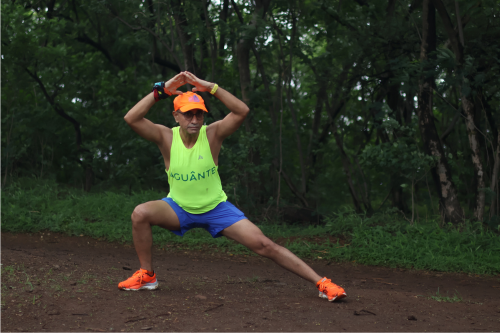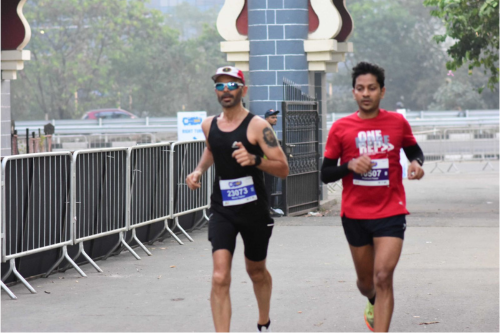


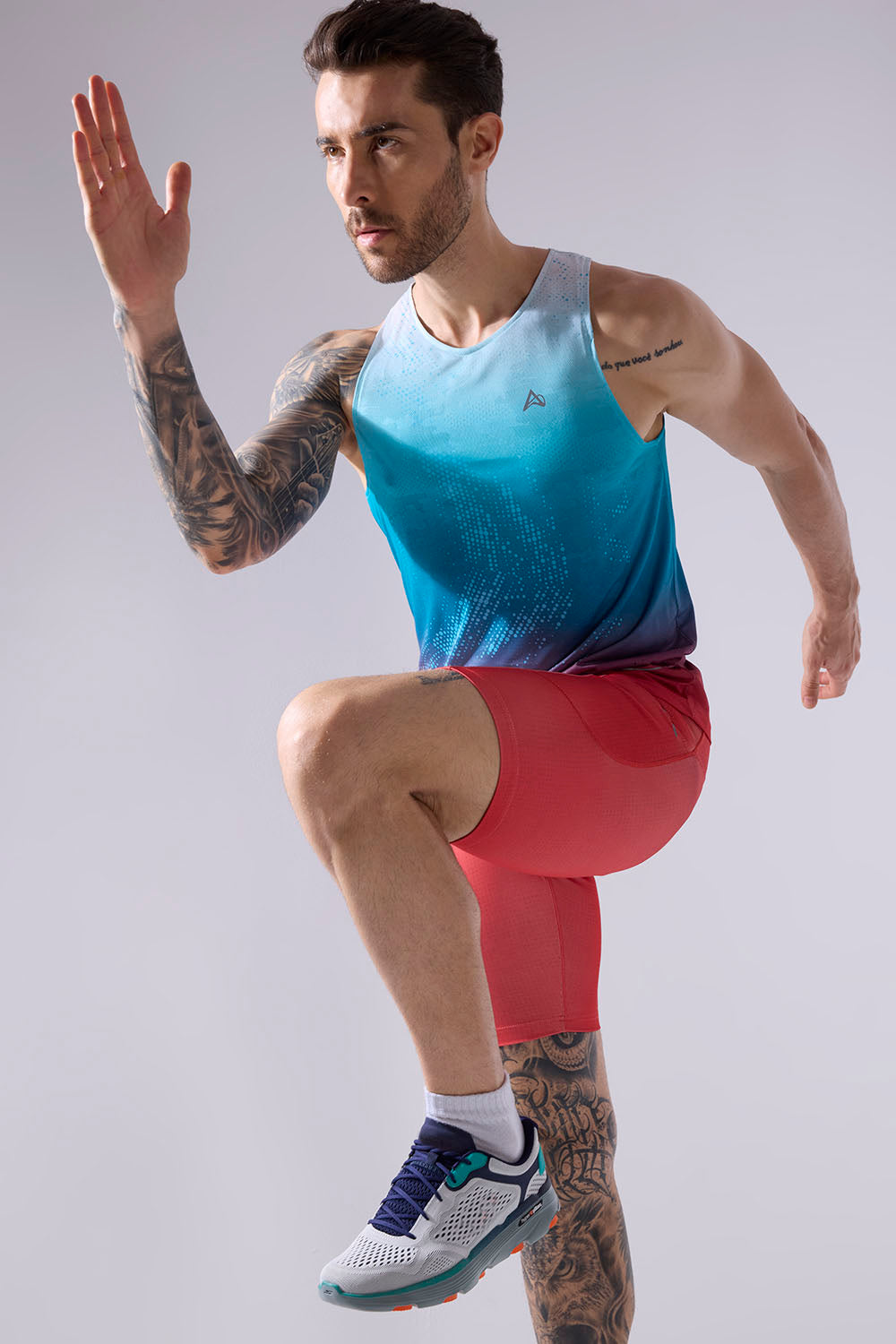

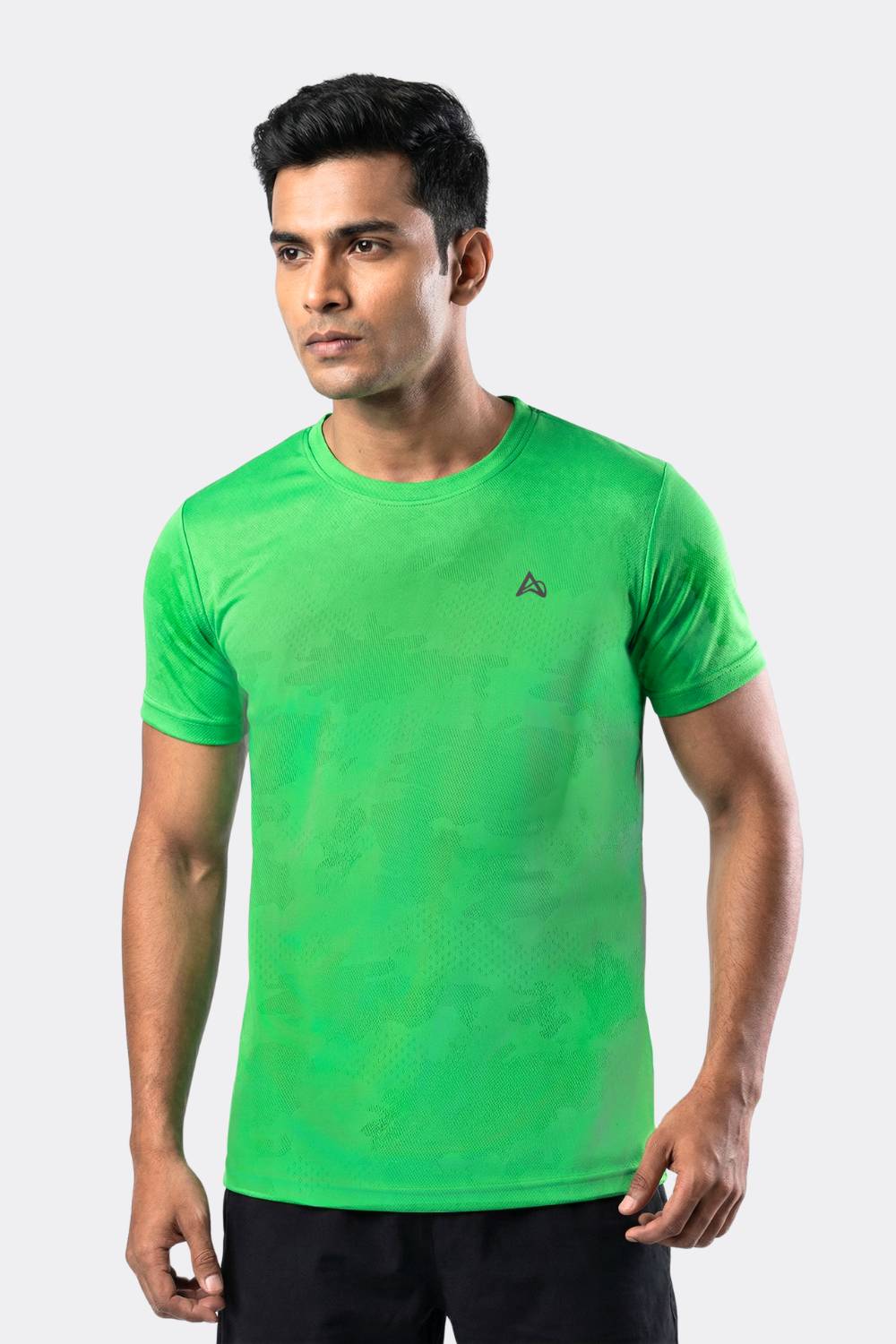
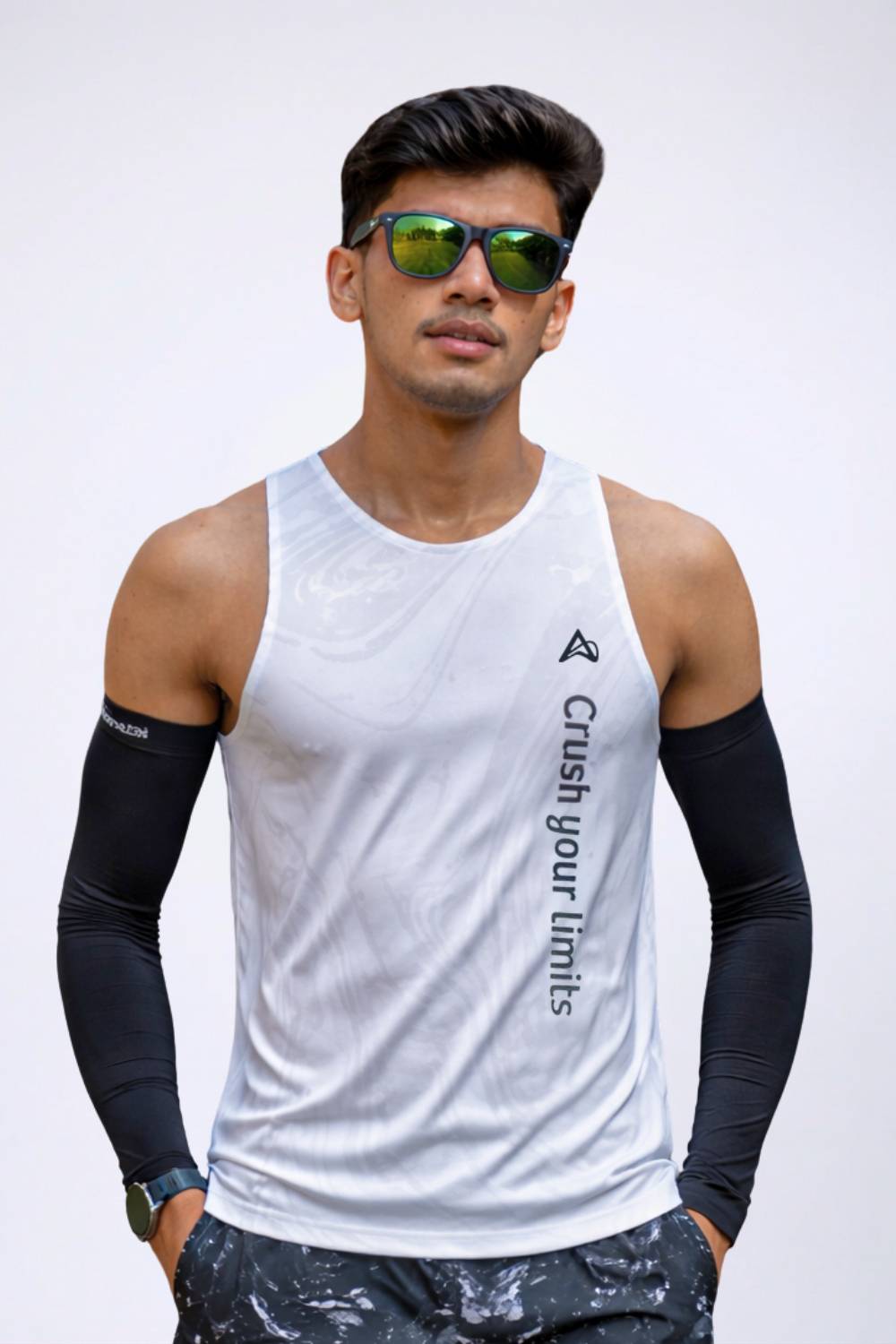

The streets of Mumbai pulse with energy before sunrise during marathon season, as thousands of runners lace up, their headlamps cutting through the thick, humid dawn while footsteps echo against the pavement. In Bangalore, groups conquer weekend trails amid steady warmth that tests both body and will. Delhi offers crisp winter mornings for relief, yet its scorching summers transform every session into a grueling challenge. Spanning Hyderabad, Pune, Navi Mumbai, Gurugram, Surat, and Ahmedabad, a profound shift is underway: India has embraced running like never before, demanding gear that rises to the occasion of its varied landscapes and climates.
A recent exploration of performance apparel reveals how moisture-wicking fabrics are proving indispensable for athletes navigating these demanding environments.
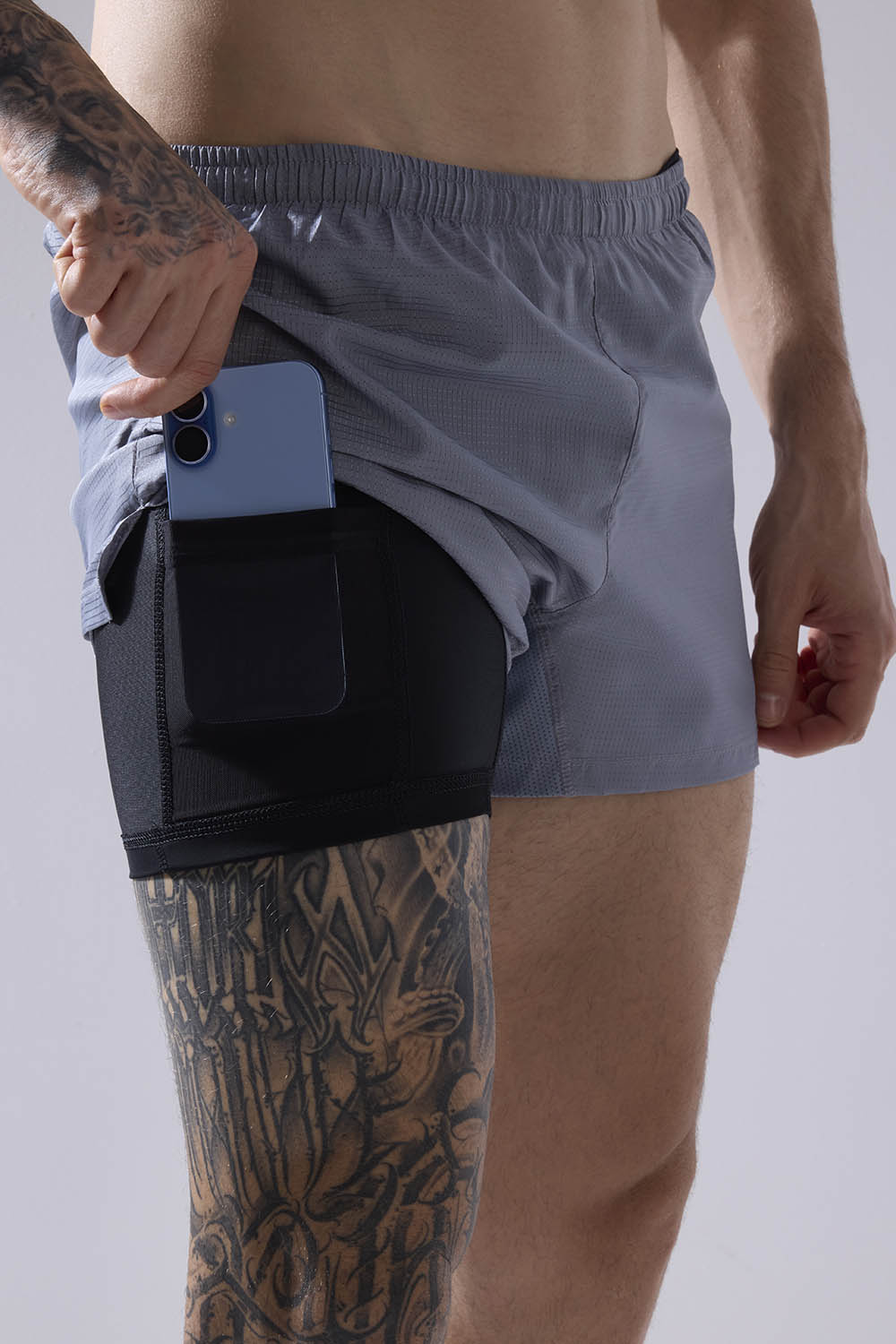
Tired of gear that slows you down? Chafing, soggy fabrics, and missing pockets kill your run's momentum. At Aguante, we're runners who get it. Our high-performance activewear features moisture-wicking fabrics, ergonomic designs, and smart storage to keep you focused. Shop Now!
Navigating Heat, Humidity, and Urban Running Challenges
Each of India's premier running centers presents unique obstacles shaped by geography and weather. Coastal hubs like Mumbai and Navi Mumbai contend with relentless humidity that amplifies sweat, heightening risks of chafing and discomfort over long distances. Bangalore and Hyderabad endure consistent high temperatures that accumulate during extended training, necessitating apparel that sustains comfort on diverse terrains. Pune's rolling paths demand reliable support, while Delhi and Gurugram experience dramatic seasonal swings from chilly winters to intense heat waves requiring adaptable gear. In Surat and Ahmedabad, arid heat calls for fabrics that facilitate swift evaporation to maintain coolness and focus.
This surge in running aligns with a broader fitness awakening. India hosts more than 1,200 running events each year, drawing widespread participation across urban and emerging areas. Iconic races like the Tata Mumbai Marathon attracted over 63,000 participants in 2025, underscoring the sport's mass appeal. The nation's running community now numbers around 2.5 to 2.6 million dedicated individuals, fostering economic vitality through events that boost local tourism, hospitality, and retail. In 2026 alone, marathons in Mumbai and Bengaluru injected an estimated USD 65 million into their economies, highlighting the profound financial ripple effects of this movement.assets.kpmg.com
These developments mirror expansive market growth. The India activewear market achieved a valuation of USD 10.20 million in 2024, with projections indicating expansion to USD 16.60 million by 2033 at a compound annual growth rate of 5.10% from 2025 onward. This trajectory is fueled by heightened awareness of health benefits, booming online retail channels, and the rising popularity of versatile athleisure wear that seamlessly blends gym functionality with daily style. Similarly, the India sportswear market stood at USD 10.69 million in 2025, anticipated to climb to USD 16.65 million by 2034 with a 5.04% CAGR starting from 2026. Factors propelling this include amplified focus on fitness, everyday athleisure integration, increasing disposable incomes for premium items, governmental pushes for sports infrastructure, youth engagement programs, and e-commerce accessibility in smaller cities.imarcgroup.comimarcgroup.com
The Transformative Role of Moisture-Wicking Technology
Fundamentally, moisture-wicking fabrics function by transporting perspiration from the skin to the outer layer, where it disperses and vaporizes rapidly. Crafted primarily from synthetic materials like polyester or nylon, often combined with natural fibers for added softness, these textiles maintain thermal balance, ensuring dryness and ease during exertion. They excel in sportswear, activewear, and outdoor garments, boosting performance while averting sweat-induced unease.thebusinessresearchcompany.com
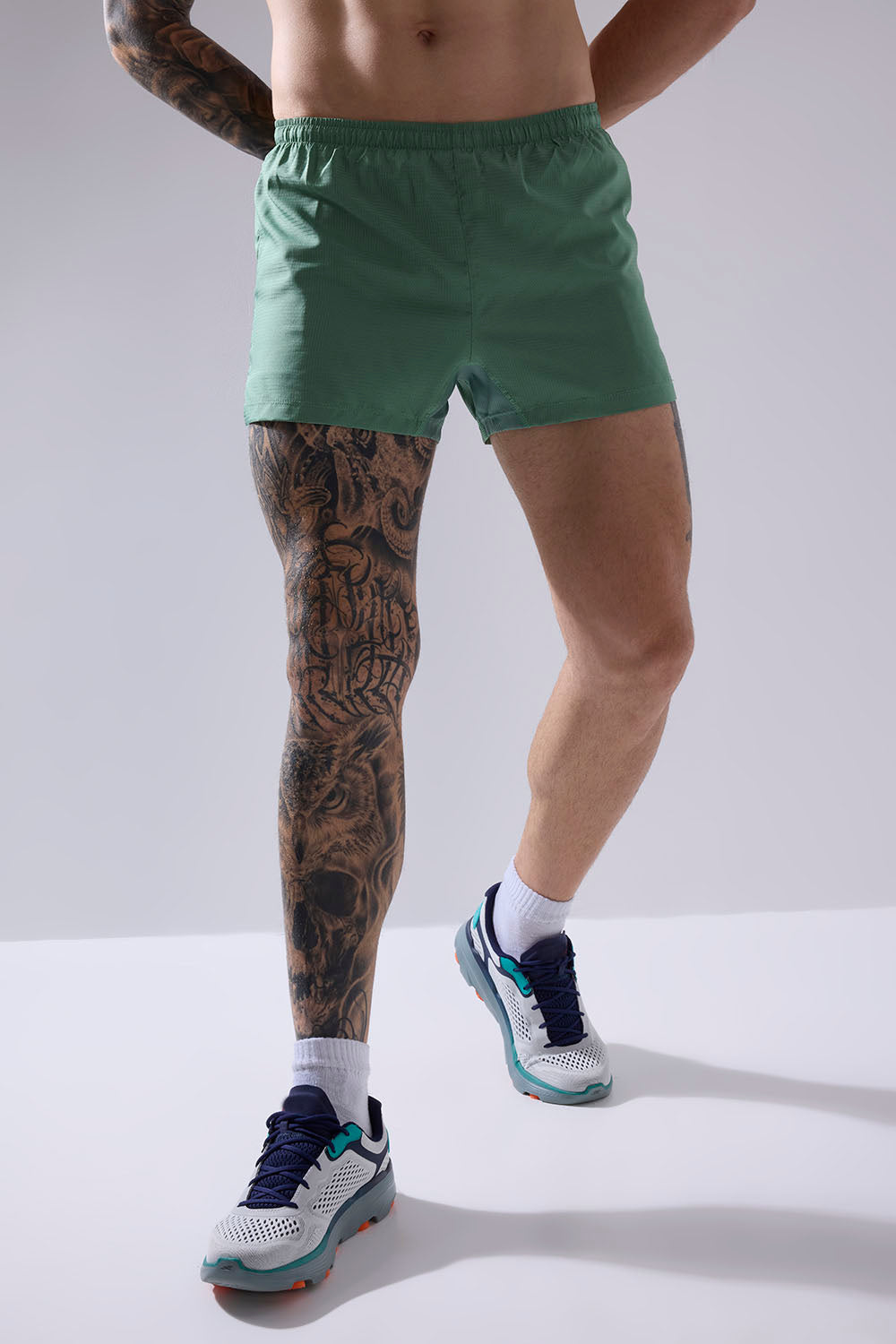
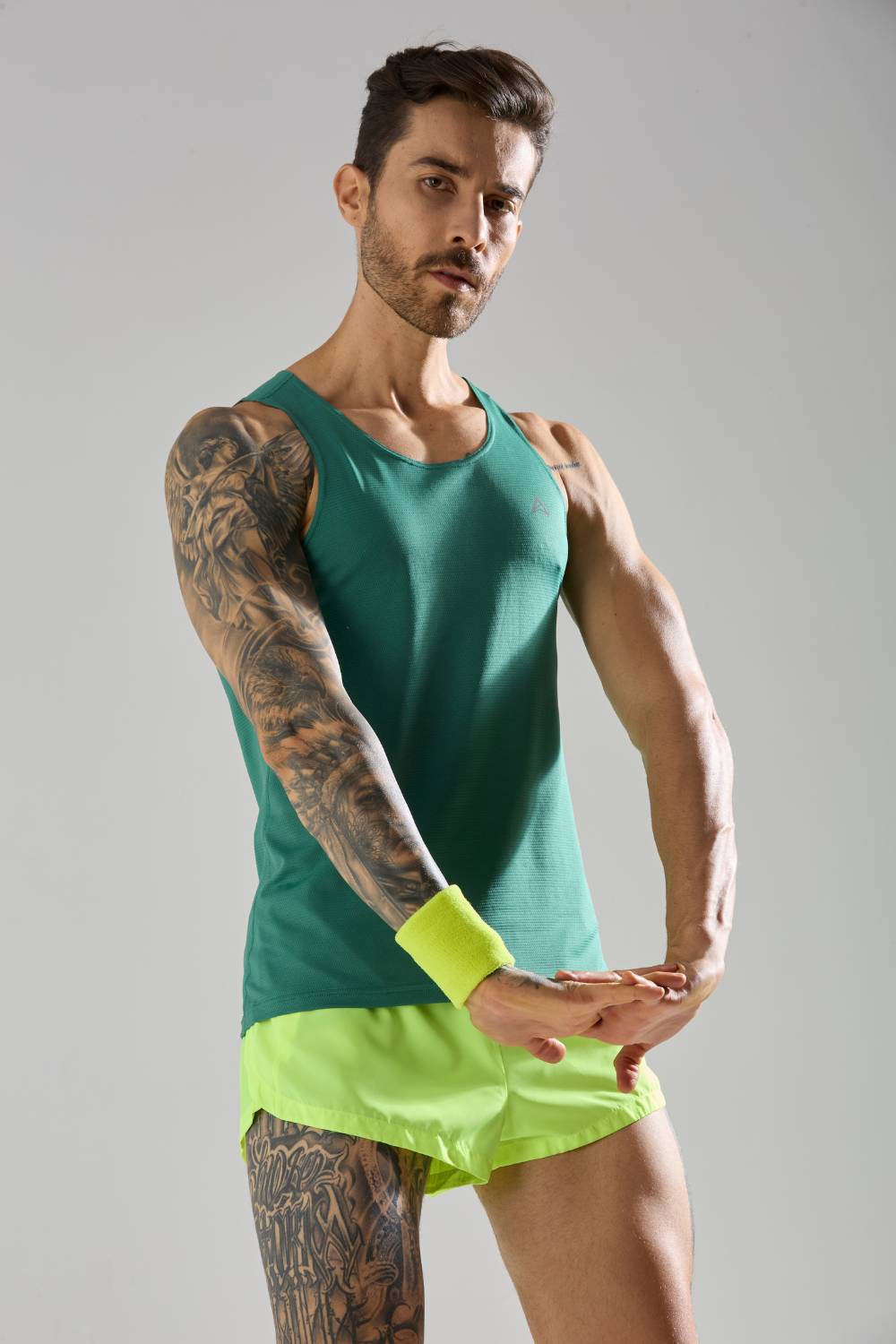
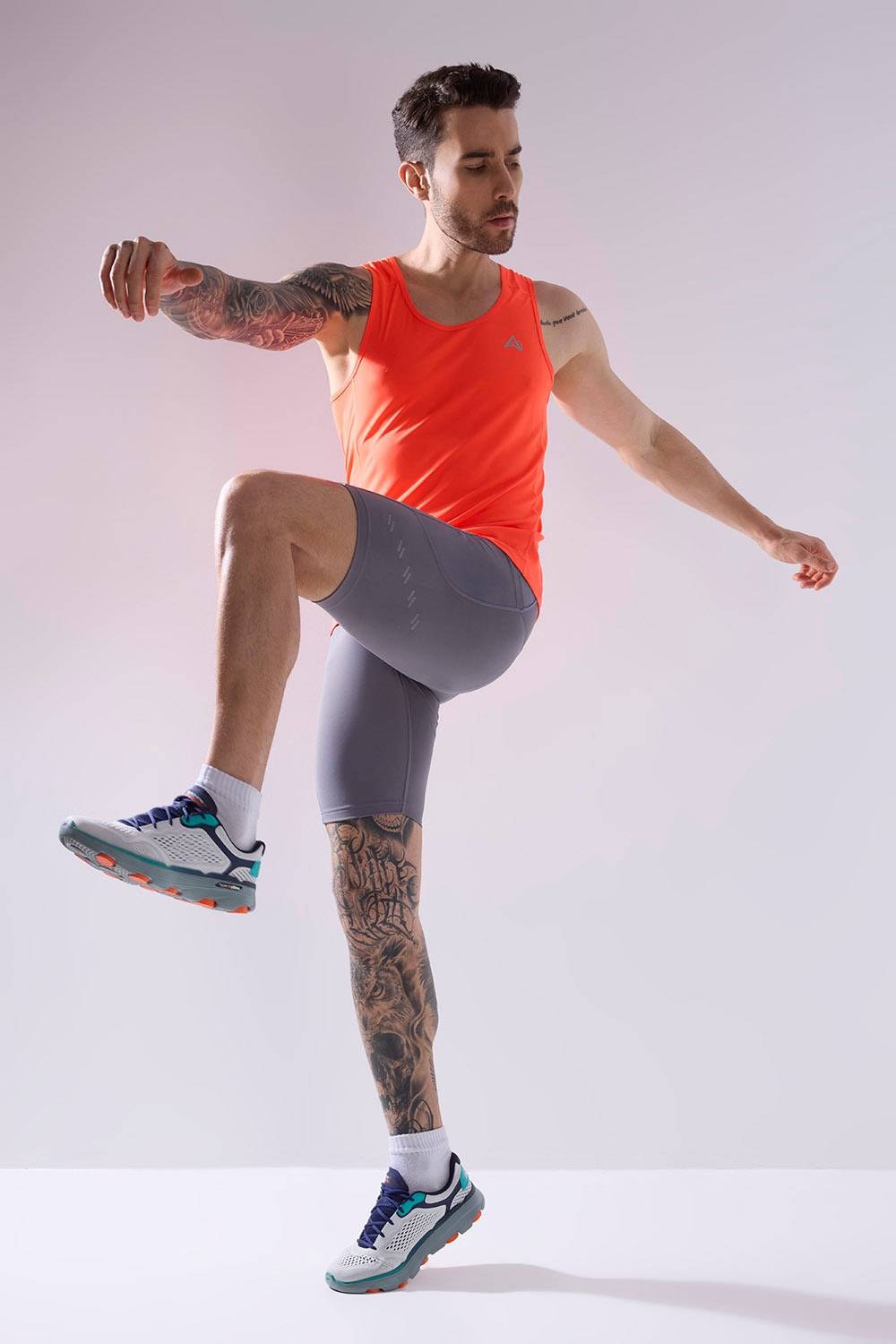
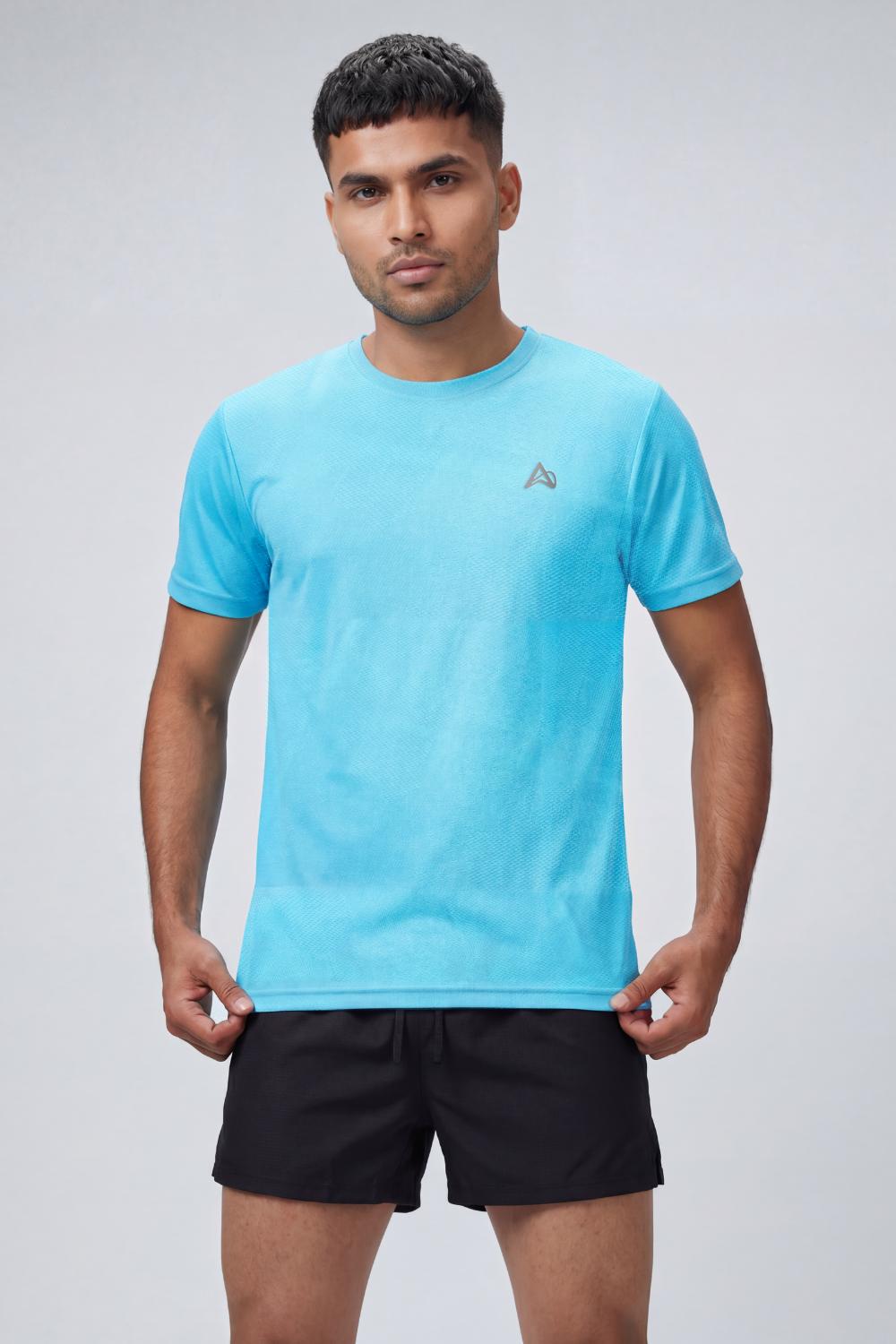
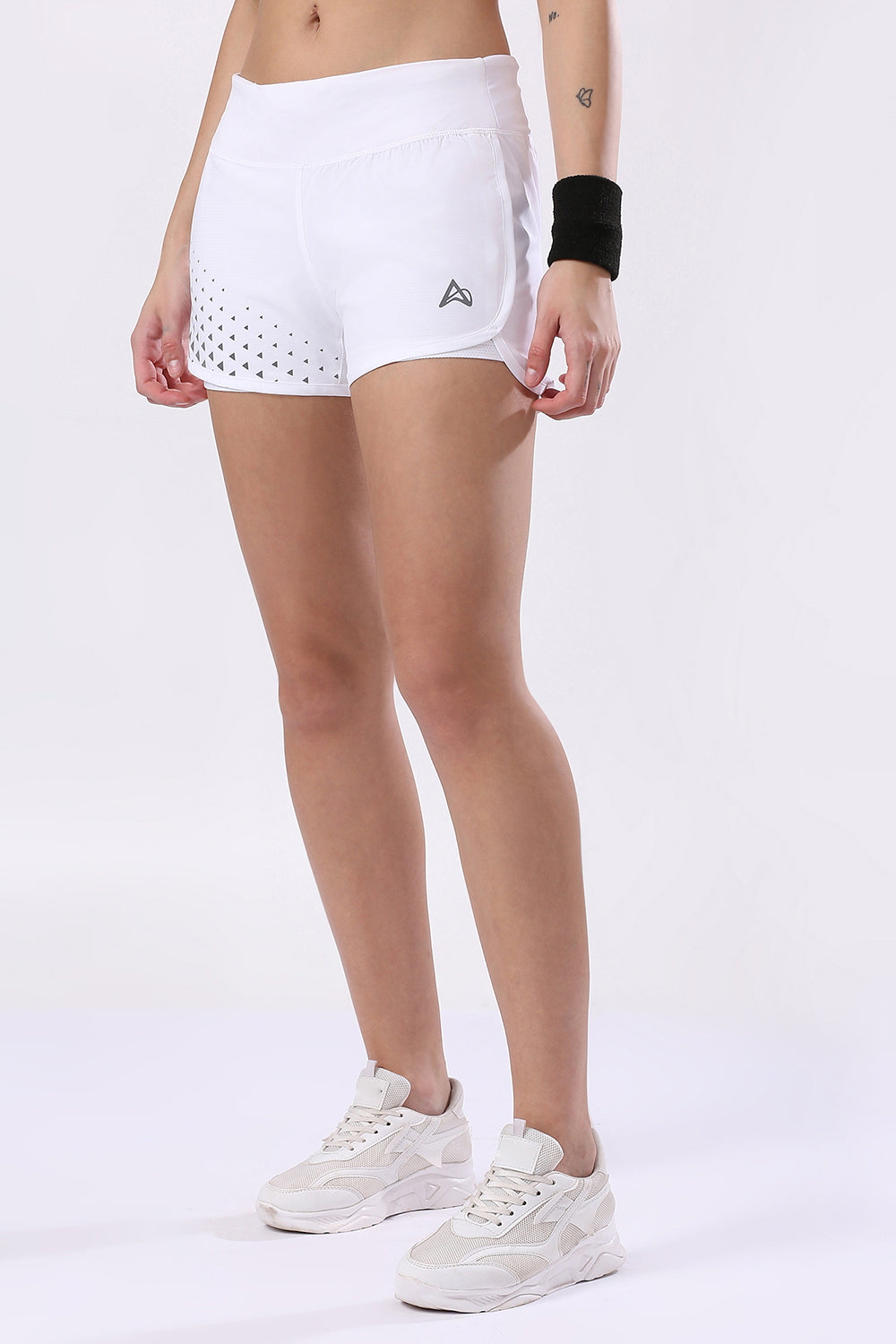
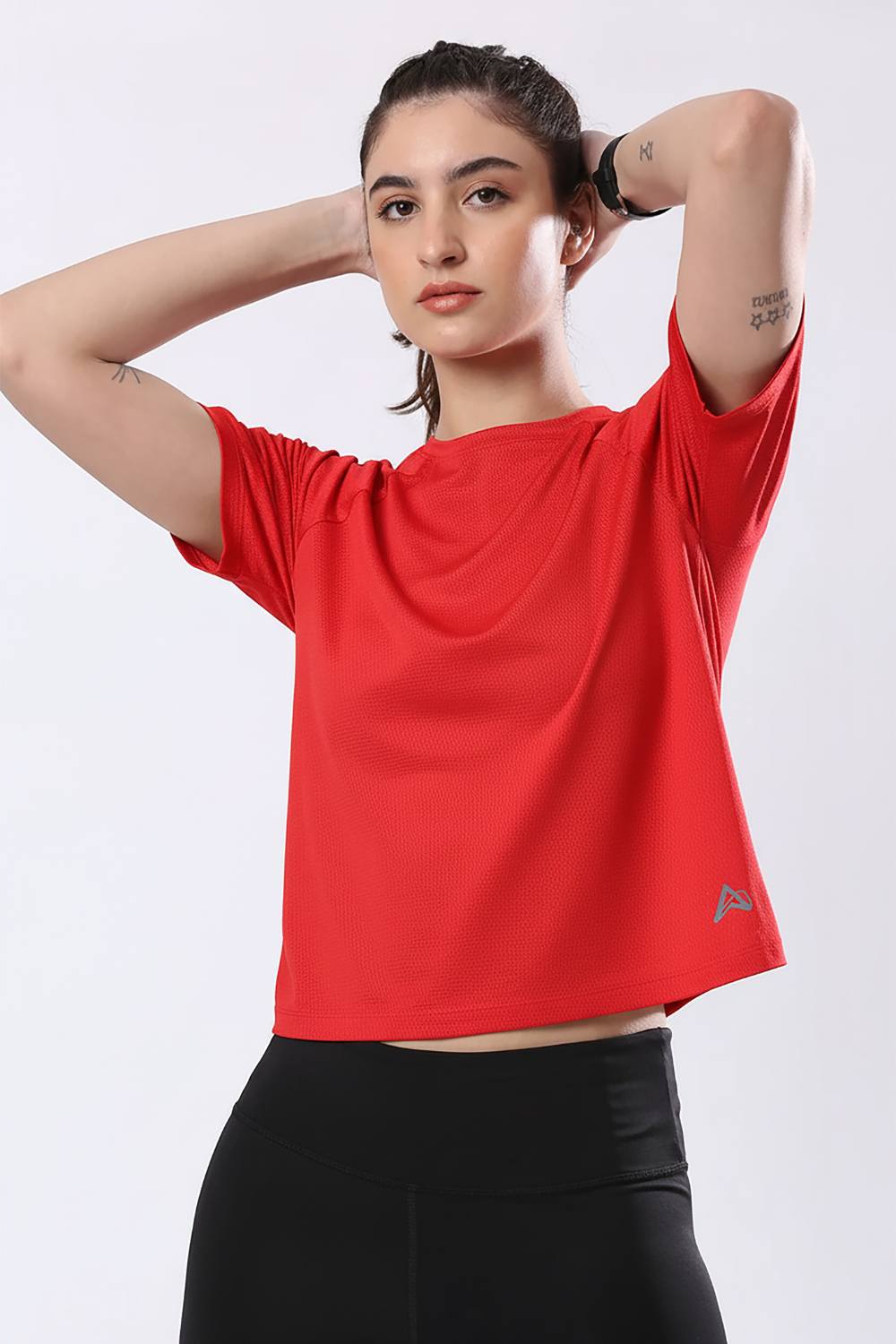
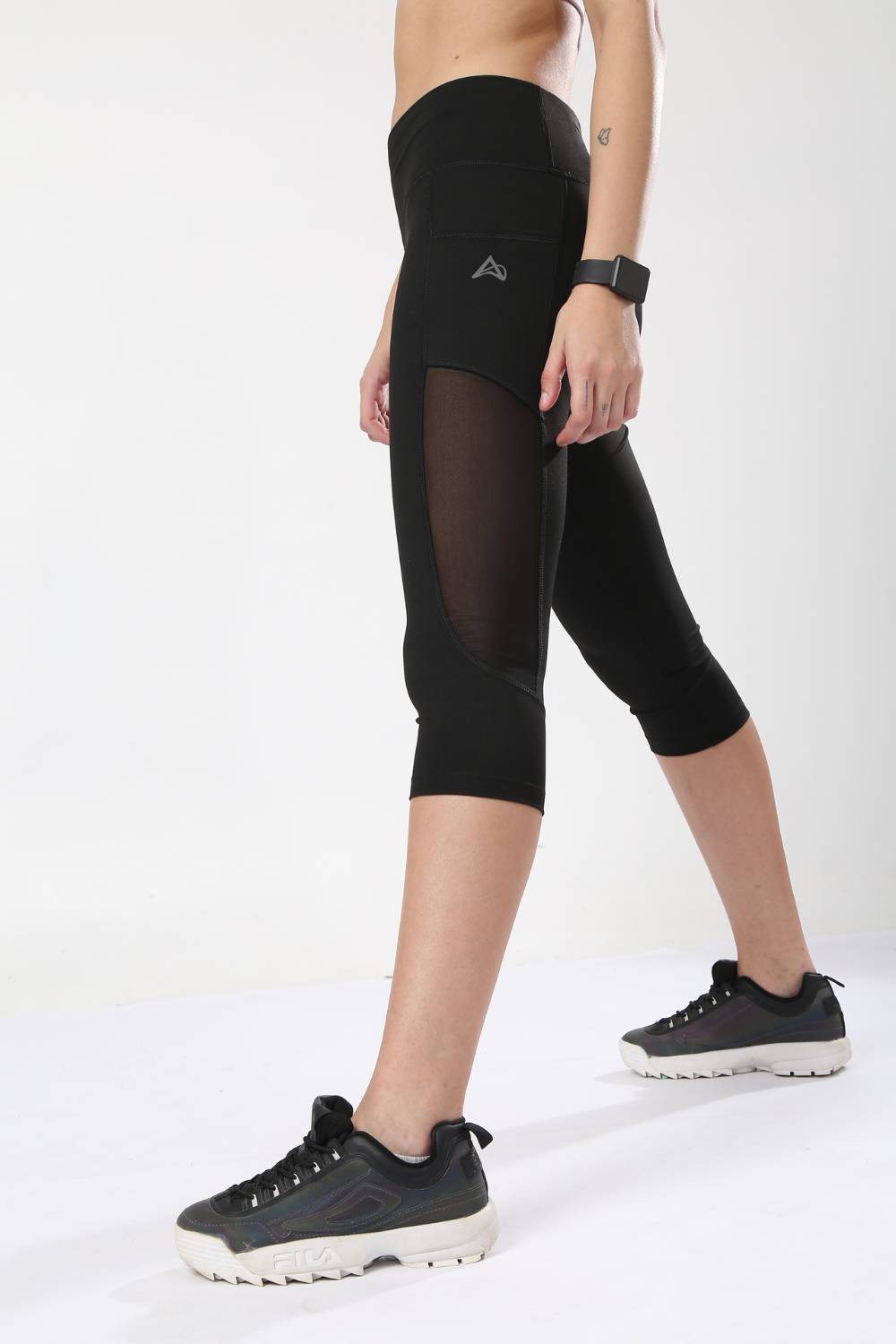
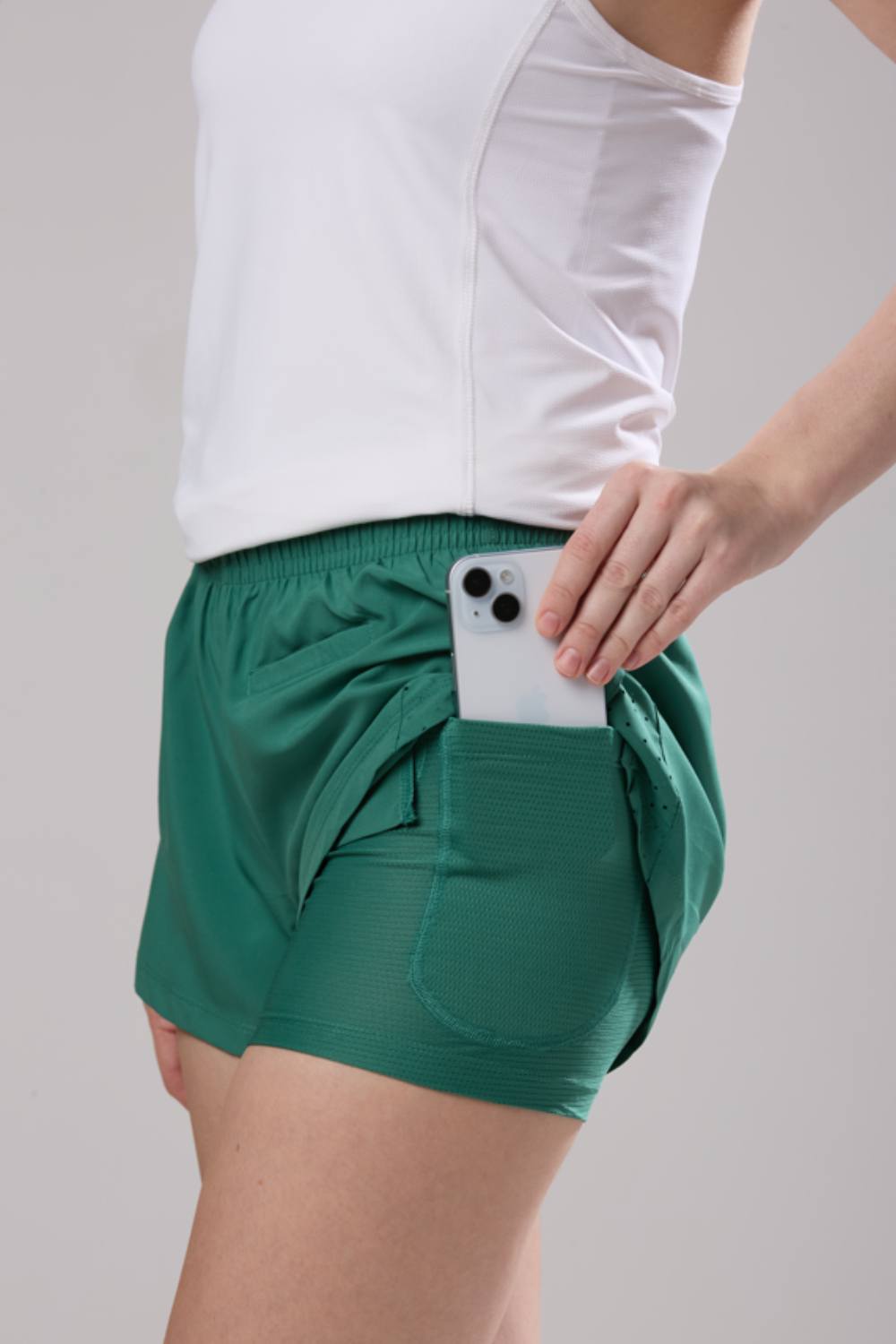
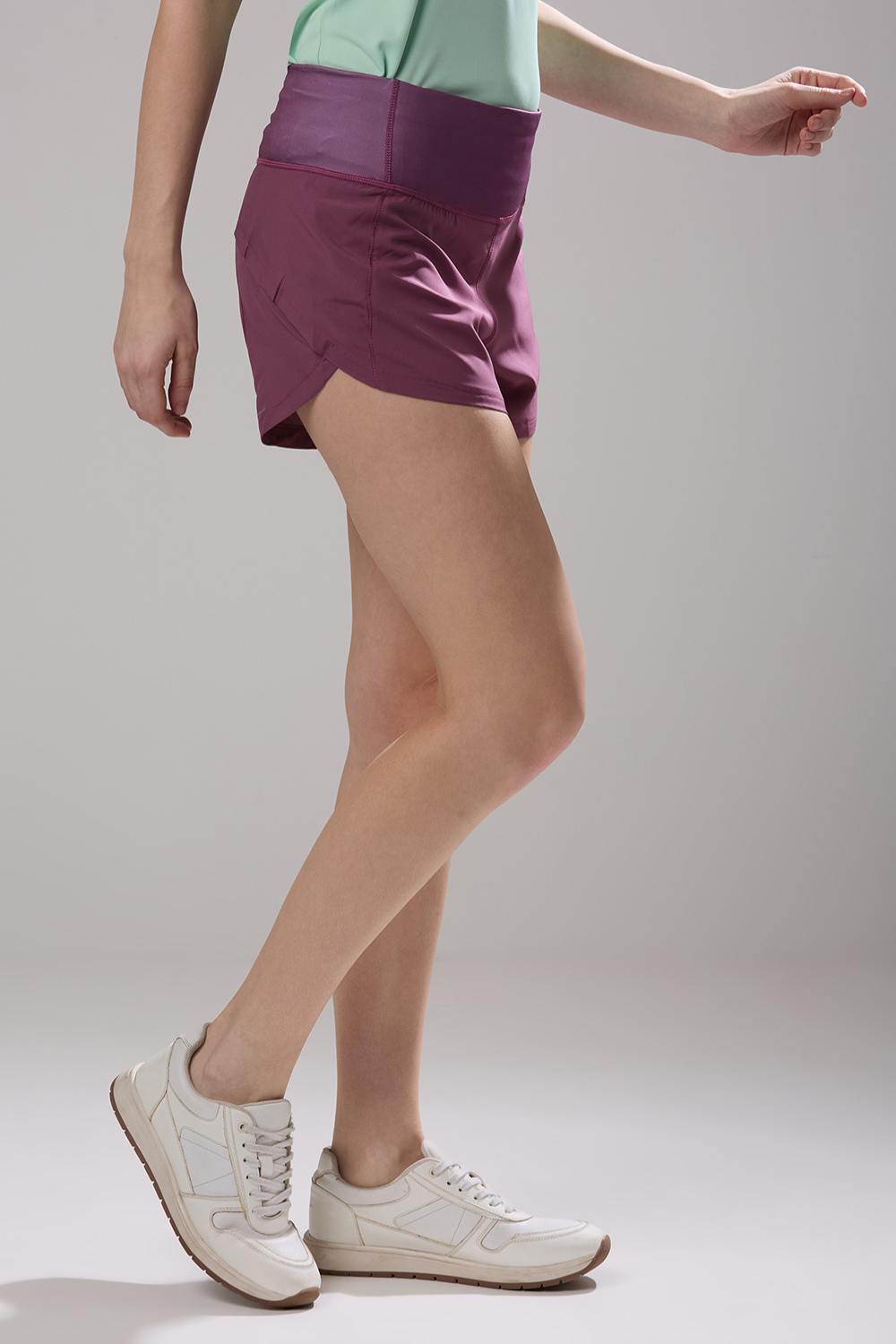
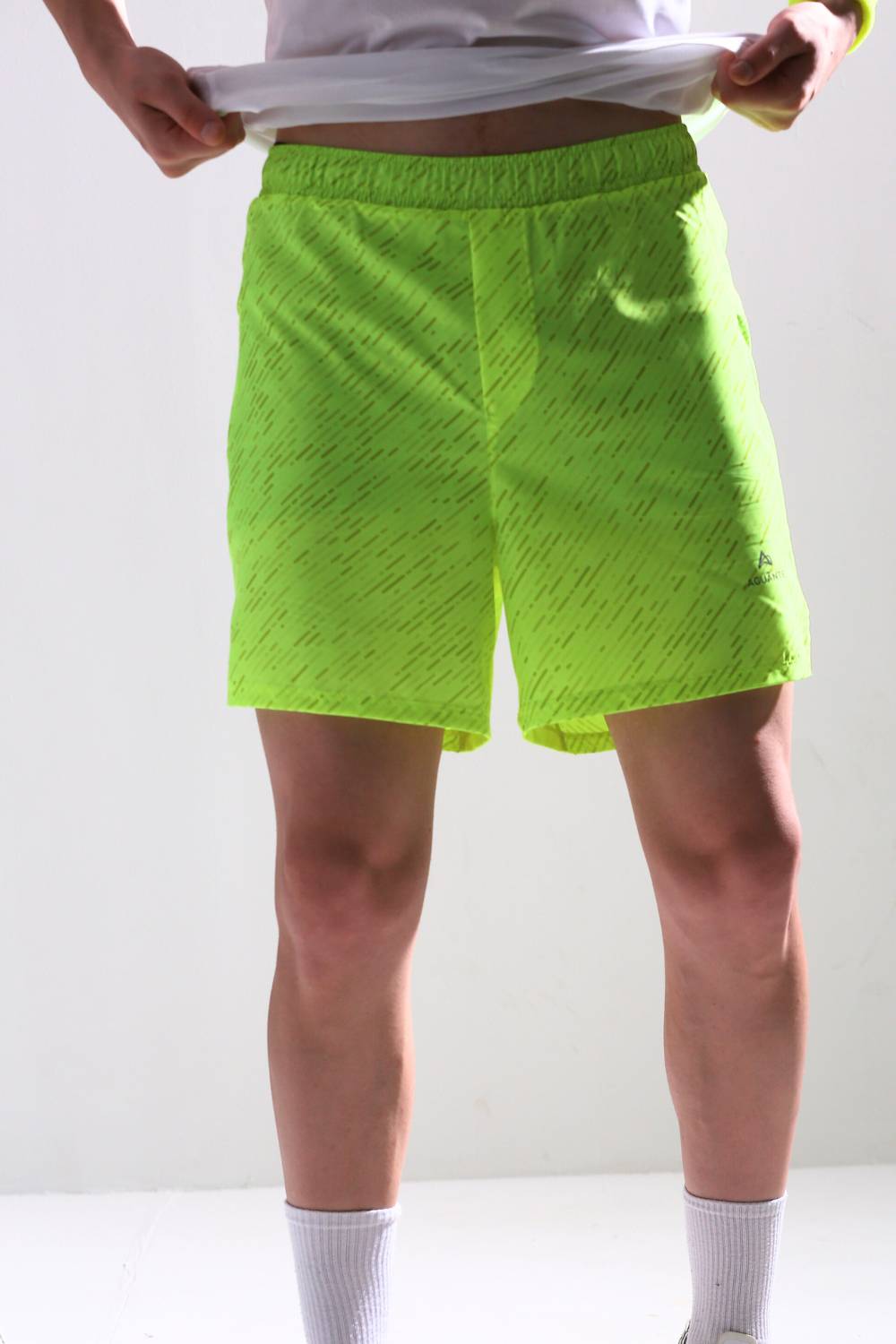
In Mumbai's sticky climate, rapid-drying shorts minimize distractions from clinging material, allowing runners to maintain rhythm. Bangalore's prolonged outings gain from airy singlets that stabilize body heat over hours. Delhi's fluctuating weather benefits from adaptable t-shirts that shift effortlessly from intense sessions to casual wear, free of residual moisture.
The India sports fabric market reached USD 1.66 billion in 2024, forecasted to grow to USD 3.47 billion by 2033 at a 7.87% CAGR through 2025-2033. This expansion stems from escalating health awareness, greater involvement in activities like running and yoga, and a call for superior, airy materials. Athleisure's rise and technological progress in features such as moisture control, sun shielding, and germ resistance further enhance user comfort and utility, directly supporting running apparel demands.
Globally, the performance fabric market was valued at USD 80.70 billion in 2024, expected to hit USD 114.66 billion by 2033 with a 4.1% CAGR from 2025, reaching USD 83.27 billion in 2025. Driven by sportswear and activewear needs amid fitness booms, it emphasizes traits like moisture handling, ventilation, UV defense, and elasticity. Asia Pacific commanded 39.2% of the market in 2024, with India's middle-class fueling high-performance apparel interest.
The moisture-wicking fabrics market globally attained $2.98 billion in 2025, poised for $3.16 billion in 2026 at 6.1% CAGR, and $3.99 billion by 2030 at 6.0%. Growth is linked to outdoor pursuits, eco-friendly innovations, and applications spanning men's, women's, and children's wear in diverse sectors.
Key Trends Shaping Indian Running Apparel
Communities in Bangalore and Pune have pivoted from cumbersome cotton to advanced synthetic wicks that manage perspiration without added weight, ideal for intensive club sessions. In humid locales like Mumbai and Hyderabad, runners prioritize anti-chafing interiors and ventilated designs as essentials. Delhi and Gurugram favor sweat-proof fabrics with visibility enhancers for low-light runs, ensuring safety alongside performance.
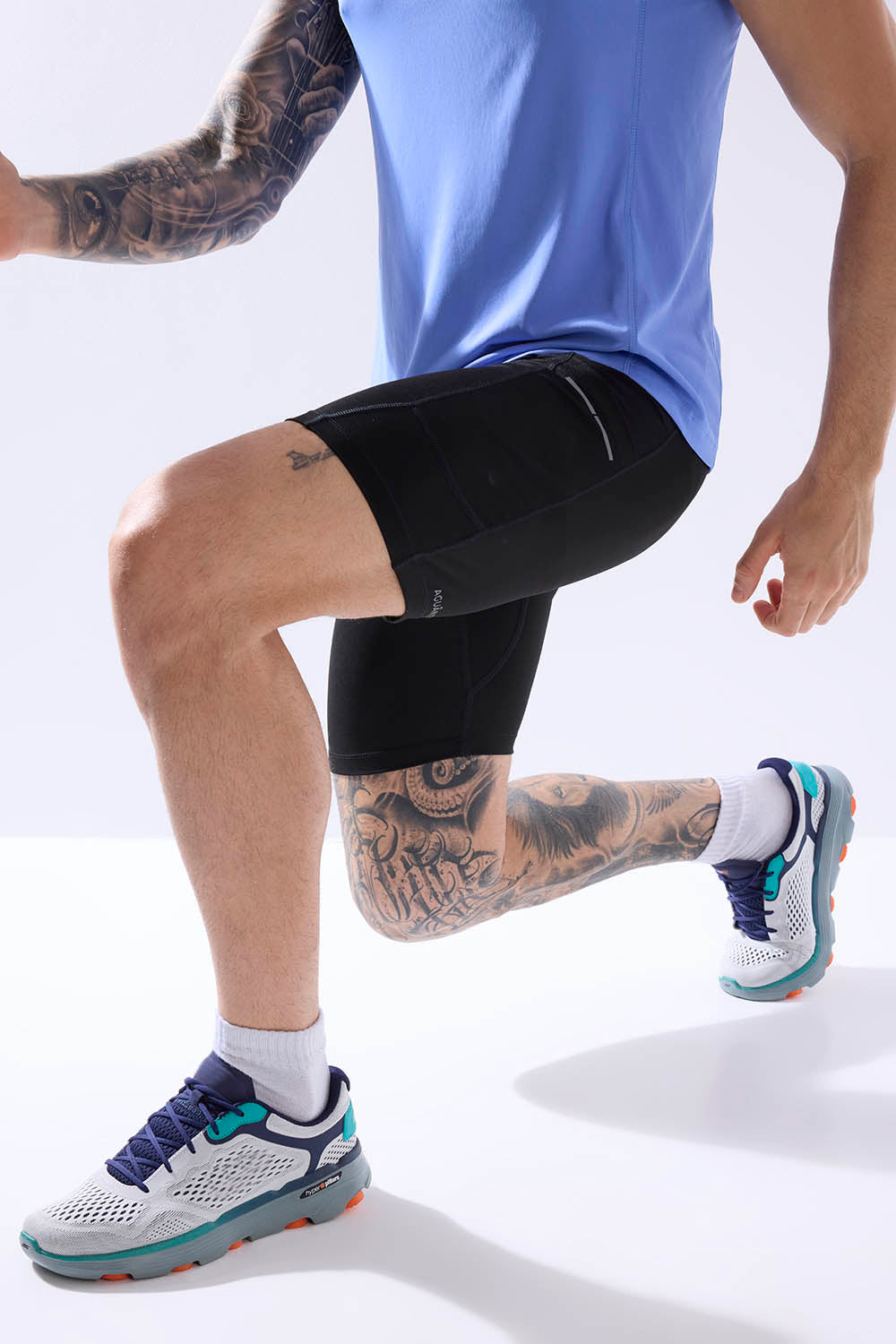
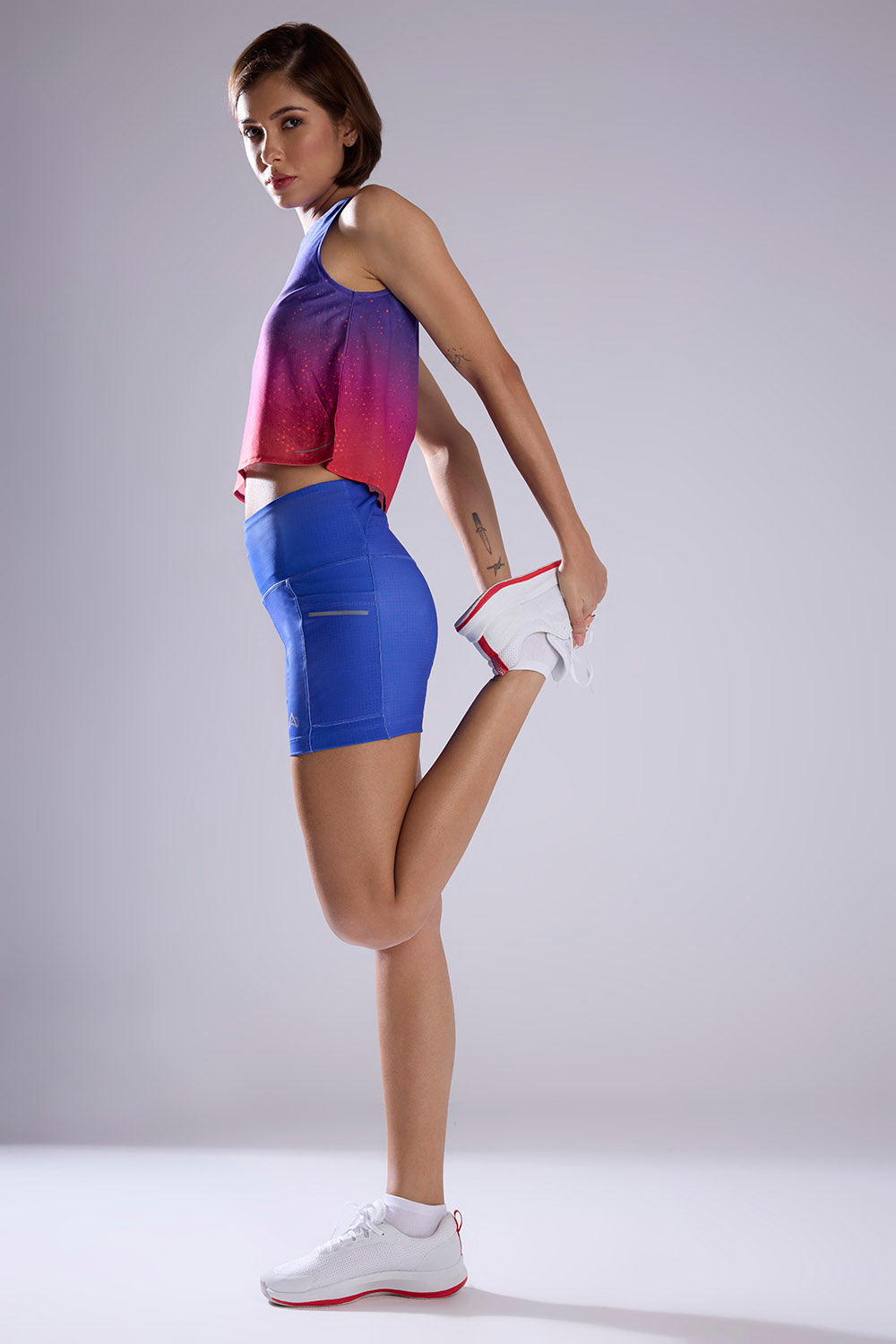
Platforms such as Myntra and Amazon India report surging queries for men's running tees, women's tanks, shorts, half-tights, and singlets equipped with wicking tech tailored for authentic Indian scenarios rather than universal standards. This reflects a market attuned to local needs, where innovation meets practicality.
Everyday Advantages for City Runners
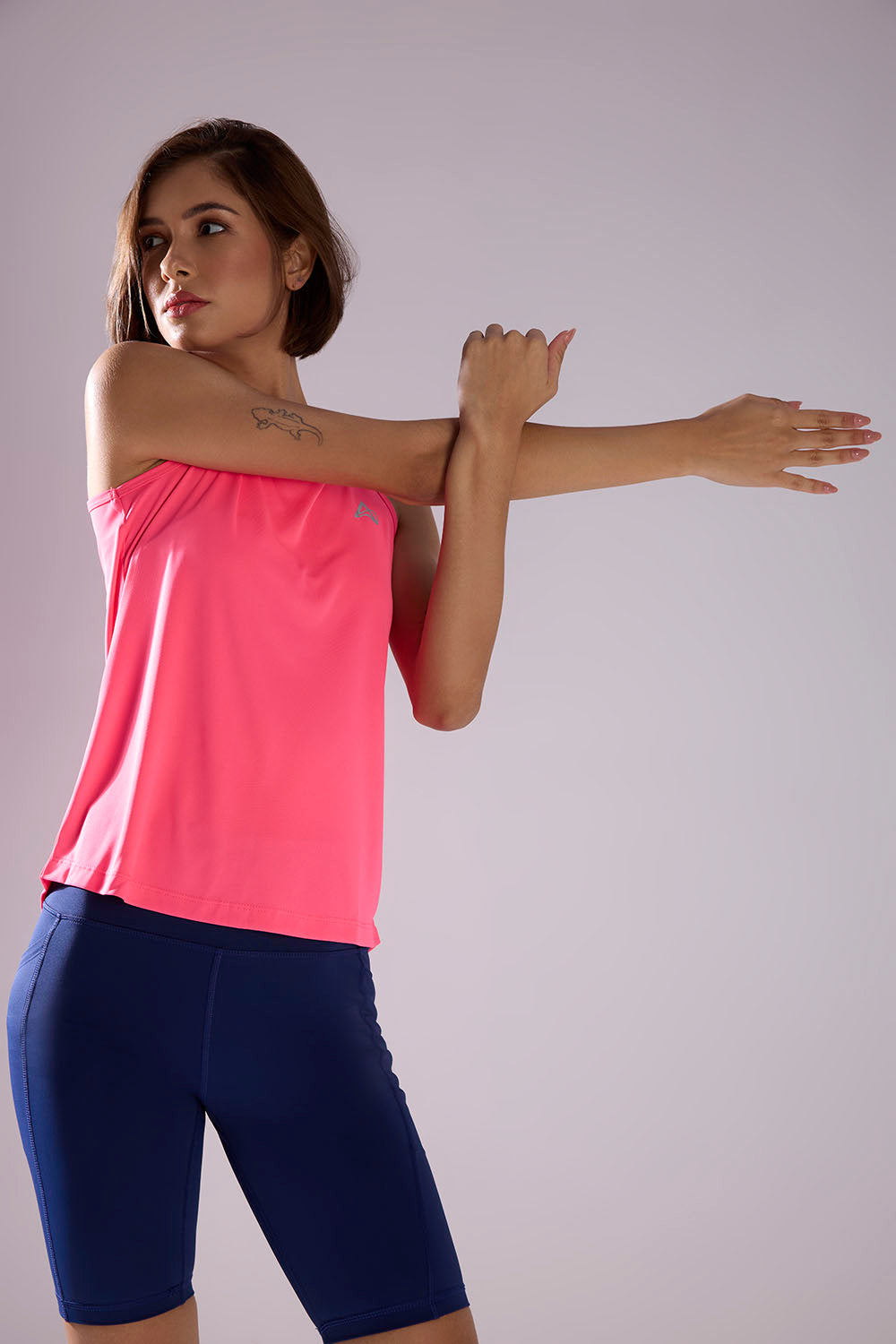
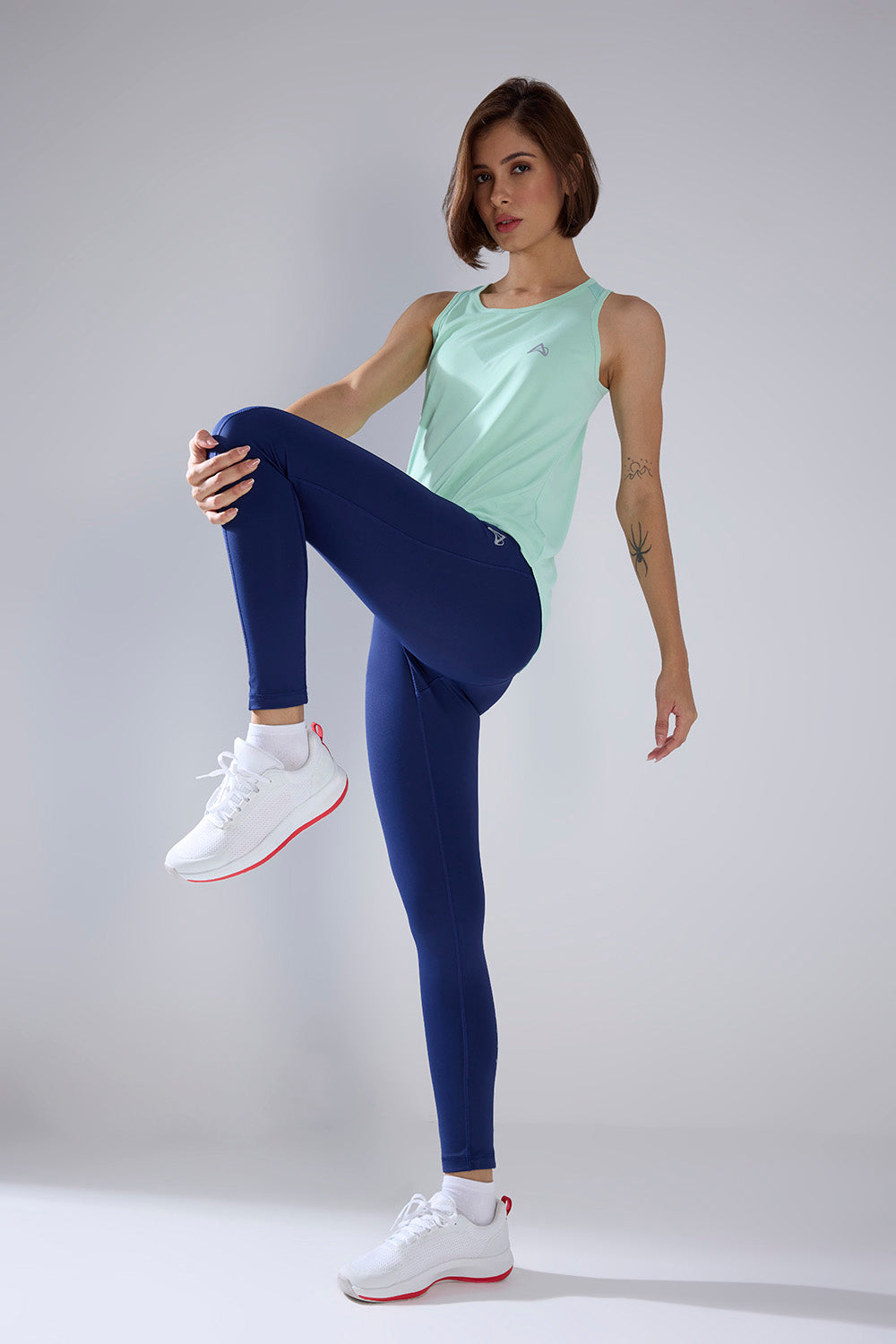
Endurance athletes in Bangalore and Pune depend on featherlight wicking singlets during marathon prep, prioritizing technique over adjustments. Mumbai's seaside joggers select fast-dry shorts to counter humidity, preserving flow in twilight circuits. Professionals in Delhi and Gurugram choose multifunctional tees that excel in moisture management and style, bridging exercise and daily routines.
Such preferences inform brand strategies, emphasizing reductions in discomfort, fewer returns, and stronger allegiance within urban circles. Coaches on Instagram, like those from barefoot_coach_shanth_koushik or coach_amitkumar, often highlight these features in training tips, amplifying awareness.
Overcoming Practical Barriers
Challenges persist. These advanced fabrics incur steeper manufacturing expenses than simple cotton, posing accessibility issues in cost-conscious areas like Surat and Ahmedabad. Misunderstandings between mere breathability and genuine wicking lead to suboptimal choices. Ill-suited designs for Indian physiques or weather can falter, diminishing confidence.
However, growing education via testimonials and platforms like Instagram, Facebook, and YouTube is bridging these divides, empowering informed selections.
The Broader Implications for Activewear
Brands excelling in India-centric approaches accounting for regional heat, moisture, landscapes, and habits distinguish themselves. Offering reliable quality at fair prices curtails returns, fosters loyalty, and builds esteem in committed groups.
The sportswear sector's focus on athleisure, digital outreach to hinterlands, and state-backed sports efforts magnifies prospects for high-function apparel, positioning it as a growth engine.
Looking Forward
With engagement soaring in Bangalore, Hyderabad, Mumbai, Pune, Navi Mumbai, Delhi, Gurugram, Surat, and Ahmedabad, moisture-wicking innovations will anchor future advancements. Success lies in domestically crafted solutions attuned to Indian pursuits, eclipsing imported generics.
For those pursuing records or savoring dawn vistas, optimal fabric transcends coverage it empowers movement. In a nation where running has evolved into a collective passion, this edge translates to boundless potential.
Frequently Asked Questions
Why are moisture-wicking fabrics important for running in India's climate?
Moisture-wicking fabrics are essential for Indian runners because they transport sweat away from the skin and allow it to evaporate quickly, maintaining thermal balance during workouts. India's diverse climates from Mumbai's high humidity to Delhi's extreme heat and Bangalore's consistent warmth make traditional cotton inadequate, as it traps moisture and causes chafing. Performance fabrics made from polyester or nylon blends keep runners dry and comfortable, allowing them to focus on their training rather than discomfort, especially during long-distance runs in challenging weather conditions.
What makes moisture-wicking running gear better than regular cotton clothing?
Unlike cotton that absorbs and retains sweat, moisture-wicking fabrics actively pull perspiration from your skin to the outer surface where it disperses and evaporates rapidly. This technology maintains body temperature regulation and prevents the heavy, clingy sensation that cotton creates when wet. For runners in humid cities like Mumbai and Navi Mumbai or those facing Delhi's summer heat waves, moisture-wicking gear significantly reduces chafing, prevents overheating, and allows for better performance during extended training sessions.
How is the Indian running apparel market growing and what does this mean for athletes?
India's activewear market reached USD 10.20 million in 2024 and is projected to grow to USD 16.60 million by 2033, driven by increased health awareness and the rise of athleisure. With over 1,200 running events annually and approximately 2.5-2.6 million dedicated runners nationwide, there's growing demand for high-performance gear tailored to Indian climates and body types. This market expansion means more affordable options, better availability of quality moisture-wicking fabrics through e-commerce in smaller cities, and brands increasingly designing products specifically for India's unique heat, humidity, and diverse regional conditions.
Disclaimer: The above helpful resources content contains personal opinions and experiences. The information provided is for general knowledge and does not constitute professional advice.
You may also be interested in: The rise of cross-training routines among Indian endurance athletes
Tired of gear that slows you down? Chafing, soggy fabrics, and missing pockets kill your run's momentum. At Aguante, we're runners who get it. Our high-performance activewear features moisture-wicking fabrics, ergonomic designs, and smart storage to keep you focused. Shop Now!
Powered by flareAI.co