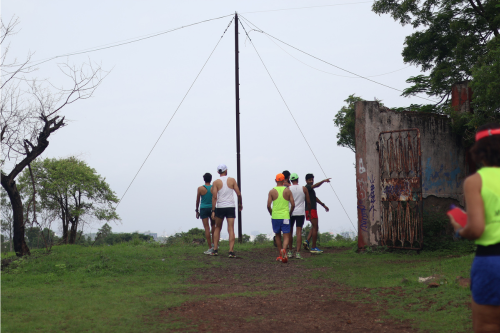






















The landscape of running culture in India has transformed significantly over the past decade, not just because of increased health awareness but due to the powerful influence of social media. Platforms like Instagram, YouTube, and Strava have reshaped how runners discover training methods, connect with communities, and stay motivated. In cities such as Bangalore, Mumbai, Delhi, Hyderabad, Pune, Gurugram, Ahmedabad, Surat, and Navi Mumbai, running is no longer just a solitary fitness activity it has evolved into a socially connected, digitally amplified lifestyle movement. This shift has created a new kind of running identity, one that blends physical endurance with online engagement, shared experiences, and community validation.
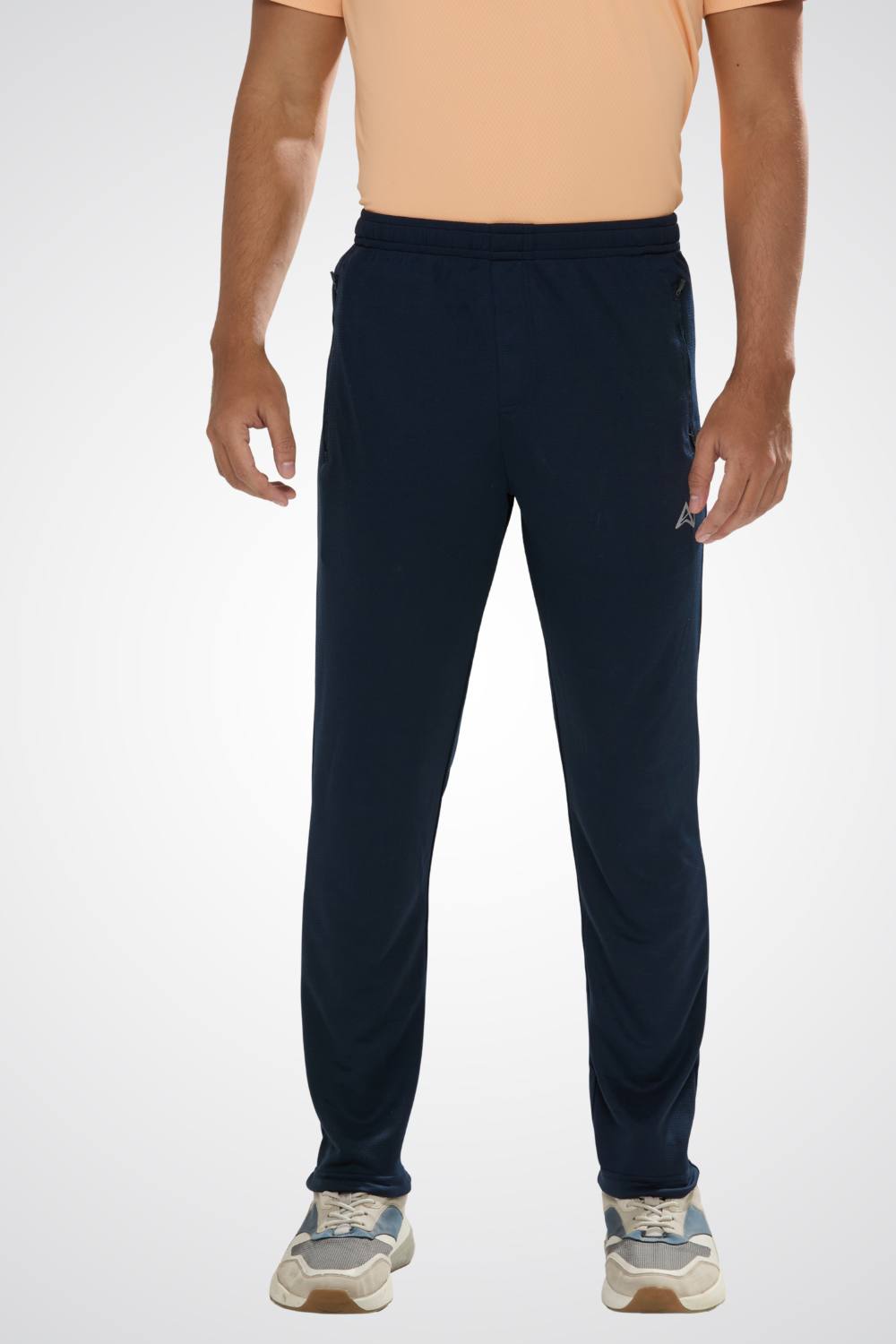
Tired of gear that slows you down? Chafing, soggy fabrics, and missing pockets kill your run's momentum. At Aguante, we're runners who get it. Our high-performance activewear features moisture-wicking fabrics, ergonomic designs, and smart storage to keep you focused. Shop Now!
Social Media as the New Running Track in India
The emergence of social media running India communities has fundamentally changed how runners perceive progress and participation. Earlier, running culture in India was largely driven by local clubs, marathons, and personal discipline. Today, digital platforms have become an informal training ground where runners learn pacing strategies, recovery techniques, and race preparation tips from peers across cities like Bangalore and Mumbai or even globally connected influencers.
In Hyderabad and Pune, for example, running groups often extend their presence beyond physical meetups into WhatsApp communities and Instagram pages. These digital extensions help maintain consistency, encourage accountability, and keep runners engaged even on non-training days. This hybrid model where offline running meets online community interaction has become a defining feature of modern running culture in India.
The Influence of Instagram on Runners and Identity Building
The influence of Instagram on runners has introduced a visual dimension to fitness culture. Running is no longer just about performance metrics; it is also about storytelling. Runners in cities like Delhi, Gurugram, and Bangalore often share route photos, race medals, morning runs, and recovery routines, turning their fitness journey into a curated narrative.
This visual storytelling has both motivational and behavioral impacts. On one hand, it encourages consistency and inspires beginners to start running. On the other, it subtly introduces performance comparison, where runners may measure their progress against highly curated content. In cities like Mumbai and Navi Mumbai, where urban pace and lifestyle pressures are high, Instagram-driven motivation often plays a dual role fueling ambition while also increasing the pressure to perform or “look like a runner” online.
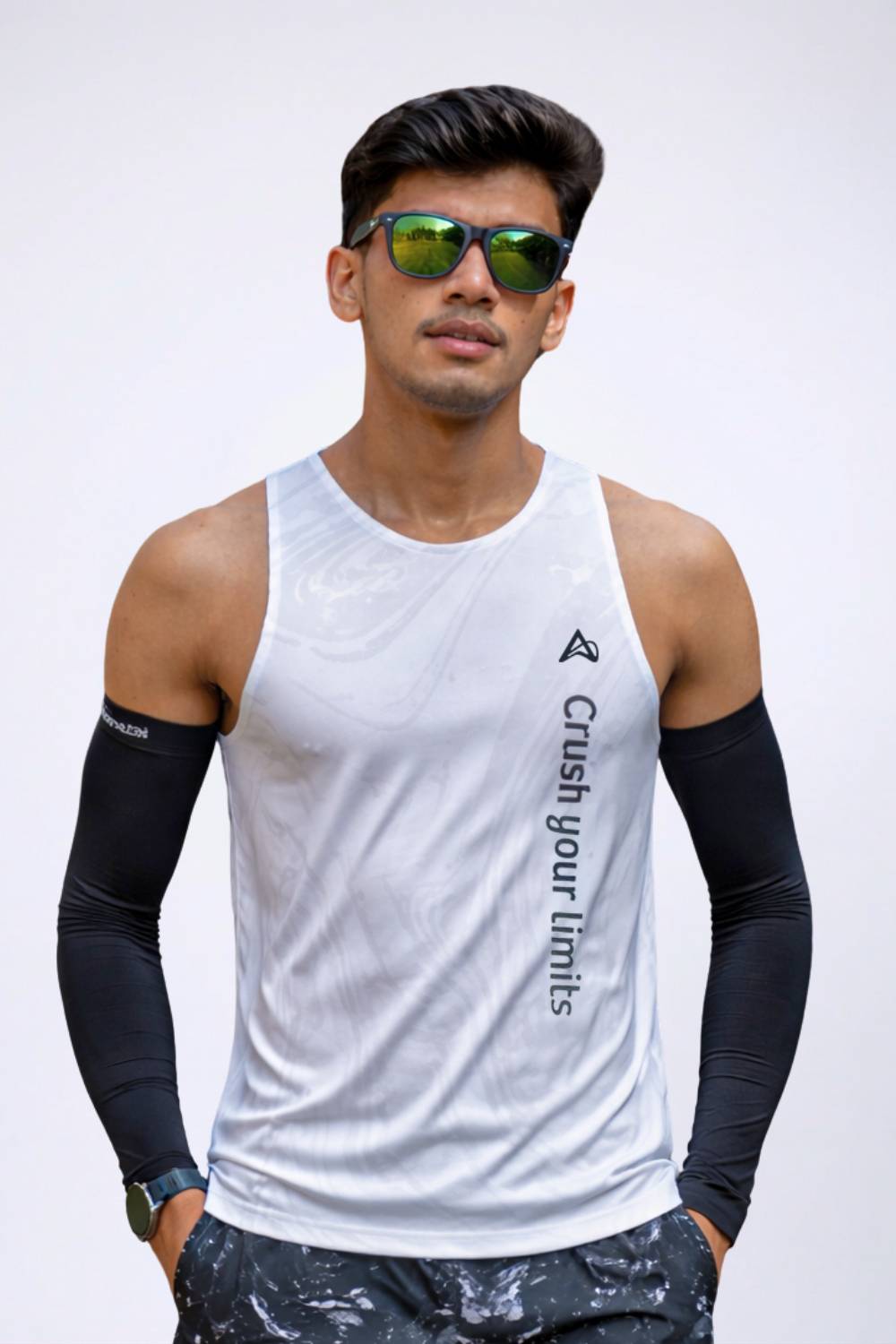
Brands in the performance apparel space, including companies like Aguante, are increasingly observing how digital identity influences product preferences. Running gear is no longer chosen only for functionality; it is also selected for how it appears in photos, reels, and race-day storytelling.
Digital Fitness Trends Reshaping Running Habits in India
The rise of digital fitness trends India has expanded the definition of what it means to be a runner. Virtual challenges, step-count competitions, and app-based training programs are now deeply embedded into running routines. In cities such as Bangalore and Hyderabad, runners frequently participate in hybrid events that combine physical runs with digital tracking platforms, enabling participation even when travel or scheduling conflicts arise.
These digital systems have introduced structure and flexibility at the same time. A runner in Ahmedabad or Surat can now participate in the same themed challenge as someone in Delhi or Pune, creating a shared sense of achievement across geographies. This democratization of participation has strengthened motivation, especially for beginners who may not yet feel confident joining large physical running groups.
At the same time, digital tools have made performance tracking more accessible. Runners can analyze pace, elevation, and recovery patterns without needing professional coaching infrastructure. This has shifted running from intuition-based training to data-informed decision-making, even at the amateur level.
Urban Running Communities and City-Specific Cultures
Each major Indian city contributes uniquely to the evolution of Indian running communities. In Bangalore, early morning runs in tech corridors and parks have become a cultural norm among young professionals. The city's moderate climate and tech-driven population make it one of the most active hubs for structured running groups.
In Mumbai and Navi Mumbai, running culture is shaped by coastal routes, marathon training programs, and tightly scheduled urban lifestyles. Runners often adapt to limited space by organizing early morning or late-night group runs along marine drives and residential circuits.
Delhi and Gurugram present a different dynamic, where air quality challenges and seasonal variations influence training habits. Here, running communities often rely heavily on social coordination, adjusting schedules based on environmental conditions. Meanwhile, cities like Pune, Hyderabad, Surat, and Ahmedabad are witnessing steady growth in recreational running groups, where community engagement is as important as fitness outcomes.
Across all these cities, social media acts as the connective tissue that links localized running cultures into a broader national identity.
Running Motivation in the Age of Online Validation
One of the most significant shifts in modern running motivation online is the role of validation. Likes, comments, shares, and digital badges now function as motivational triggers for many runners. Completing a long run is often followed by posting route screenshots or race photos, reinforcing a cycle of achievement and recognition.
This behavioral shift has positive and negative implications. On the positive side, runners who struggle with consistency often find external encouragement through online communities. In cities like Hyderabad and Pune, beginner runners frequently cite social media accountability as a key reason for maintaining training discipline.
However, this same validation loop can sometimes overshadow intrinsic motivation. Instead of focusing purely on health or endurance, runners may prioritize visually appealing routes or faster times for online visibility. This shift highlights how deeply social media fitness influence has integrated into everyday running habits.
Challenges Emerging from Social Media-Driven Running Culture
While digital platforms have strengthened community engagement, they have also introduced new challenges to running culture. One major concern is the spread of oversimplified training advice. Without proper context, runners in cities like Bangalore or Delhi may adopt routines that are not suited to their fitness levels, increasing the risk of injury or burnout.
Another challenge is comparison culture. Seeing highly trained athletes or influencers post exceptional performances can create unrealistic benchmarks for everyday runners. This is particularly relevant in densely active urban centers like Mumbai, where competitive running communities are highly visible online.
Additionally, the pressure to maintain a consistent digital presence can sometimes shift focus away from rest and recovery. In the long term, this may affect sustainable fitness habits. Despite these challenges, many running groups are becoming more aware of the need for balanced messaging, emphasizing gradual progress over instant results.
The Future of Running Culture in India: Community, Technology, and Apparel
The future of running culture in India is likely to be shaped by a deeper integration of community-driven platforms, wearable technology, and purpose-built performance apparel. As runners in cities like Pune, Bangalore, and Mumbai continue to blend offline training with online engagement, the distinction between physical and digital running spaces will continue to blur.
Brands in the performance apparel industry are also adapting to this shift. Running clothing is increasingly being designed not just for endurance and comfort but also for versatility across different environments training runs, race days, and social media storytelling moments. The modern runner seeks apparel that supports performance while also aligning with personal identity and visual expression.
Ultimately, social media has not replaced traditional running culture in India; it has expanded it. It has created new pathways for motivation, community building, and self-expression. As digital fitness ecosystems continue to evolve, the Indian running community is likely to become even more interconnected, diverse, and dynamic.
Frequently Asked Questions
How has social media influenced running culture in India?
Social media platforms like Instagram, YouTube, and Strava have transformed running in India from a solitary activity into a digitally connected lifestyle movement. Runners across cities like Bangalore, Mumbai, and Delhi now use these platforms to discover training methods, join virtual challenges, and build community beyond physical meetups. This shift has created a hybrid model where offline running and online engagement reinforce each other, making running more accessible and socially motivating than ever before.
What role does Instagram play in shaping the identity of Indian runners?
Instagram has introduced a visual storytelling dimension to running culture in India, where fitness journeys are shared through route photos, race medals, and recovery reels. This influence goes beyond motivation it also shapes product choices, as runners increasingly select performance apparel based on how it looks in photos and race-day content. While this drives consistency and inspires beginners, it can also create performance comparison pressure, particularly in high-pace urban centers like Mumbai and Gurugram.
What are the key digital fitness trends shaping running habits in Indian cities?
Virtual challenges, app-based training programs, and step-count competitions are now deeply embedded in the routines of Indian runners, especially in cities like Hyderabad, Ahmedabad, and Pune. These digital tools democratize participation by allowing runners across different geographies to join the same themed events and track performance data without professional coaching. However, they also bring challenges such as oversimplified training advice and comparison culture, making balanced, community-driven messaging increasingly important.
Disclaimer: The above helpful resources content contains personal opinions and experiences. The information provided is for general knowledge and does not constitute professional advice.
You may also be interested in: India's Activewear Revolution: From Global Influence to Local Identity
Tired of gear that slows you down? Chafing, soggy fabrics, and missing pockets kill your run's momentum. At Aguante, we're runners who get it. Our high-performance activewear features moisture-wicking fabrics, ergonomic designs, and smart storage to keep you focused. Shop Now!
Powered by flareAI.co