



Quick Listen:
When the starting gun cracks at a major marathon, the energy is electric. Thousands of runners surge forward, their technical gear gleaming under city lights breathable fabrics wicking away sweat, lightweight shoes cushioning every stride. But the real story unfolds in the days and weeks before and after, as locals flood into specialty stores, searching for the same performance apparel that turns ordinary jogs into personal victories. This dynamic is exactly what drives The Influence of Major Marathons on Local Demand for Technical Running Clothes , turning one-day spectacles into year-round boosts for the gear that makes running possible.
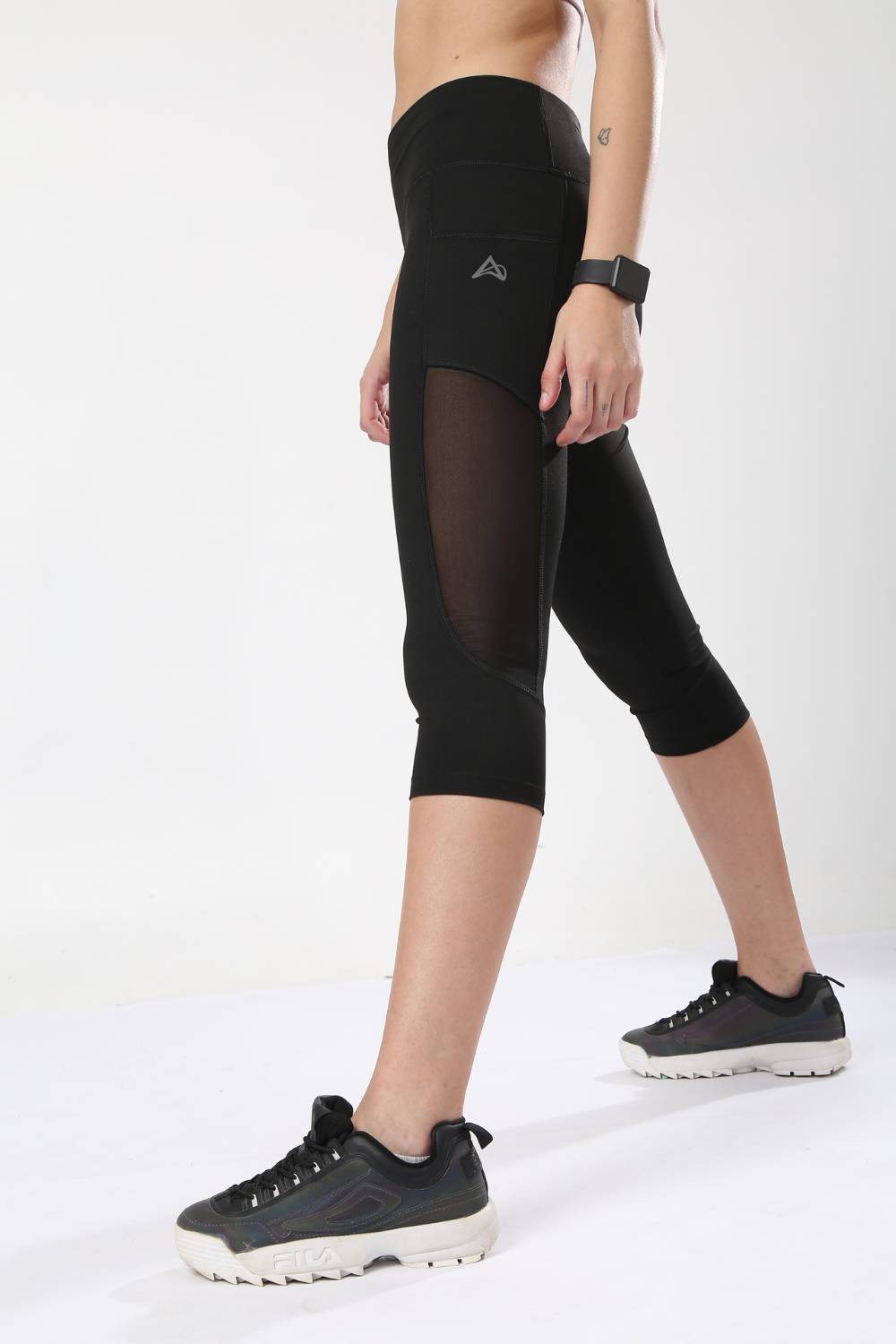
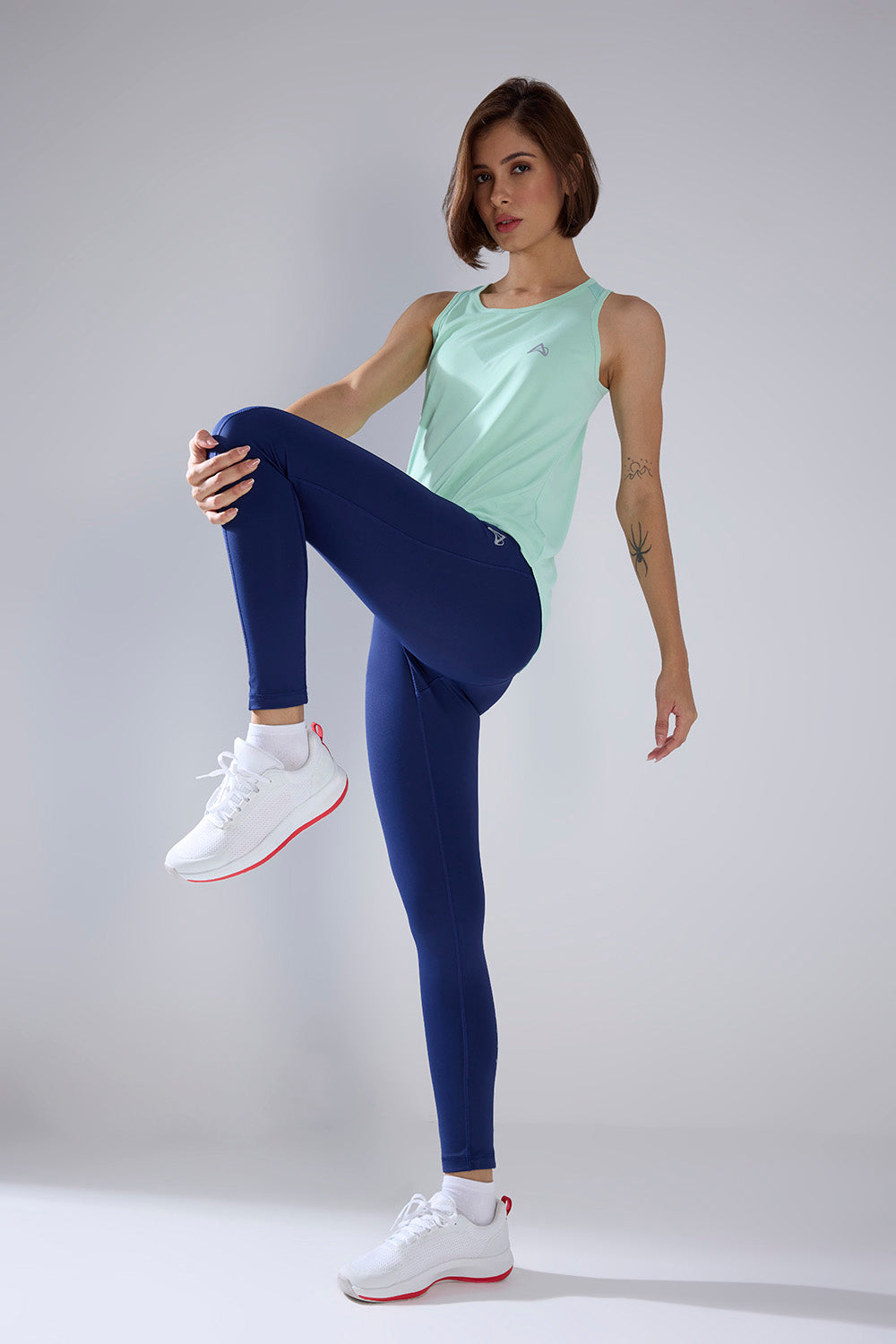
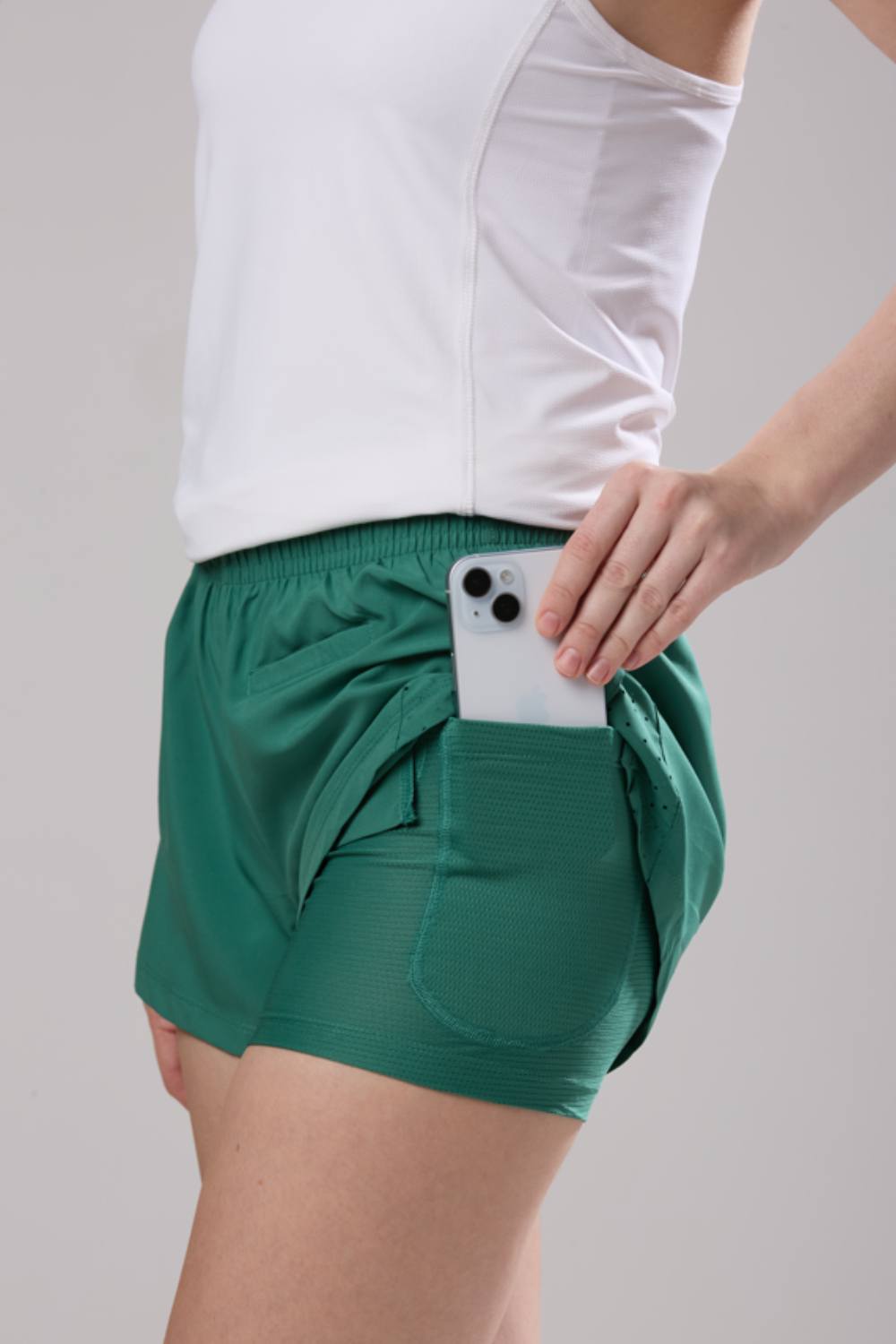
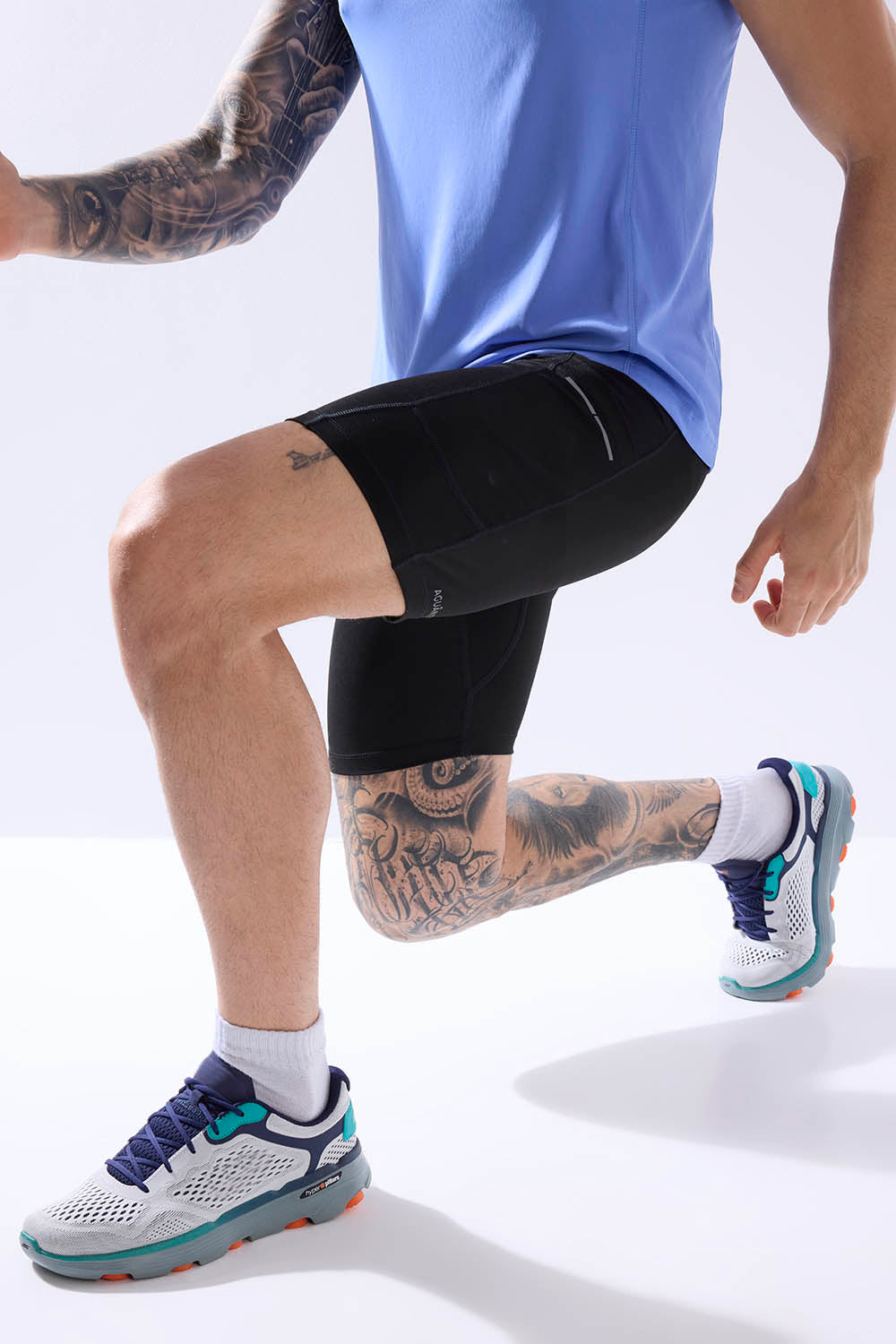
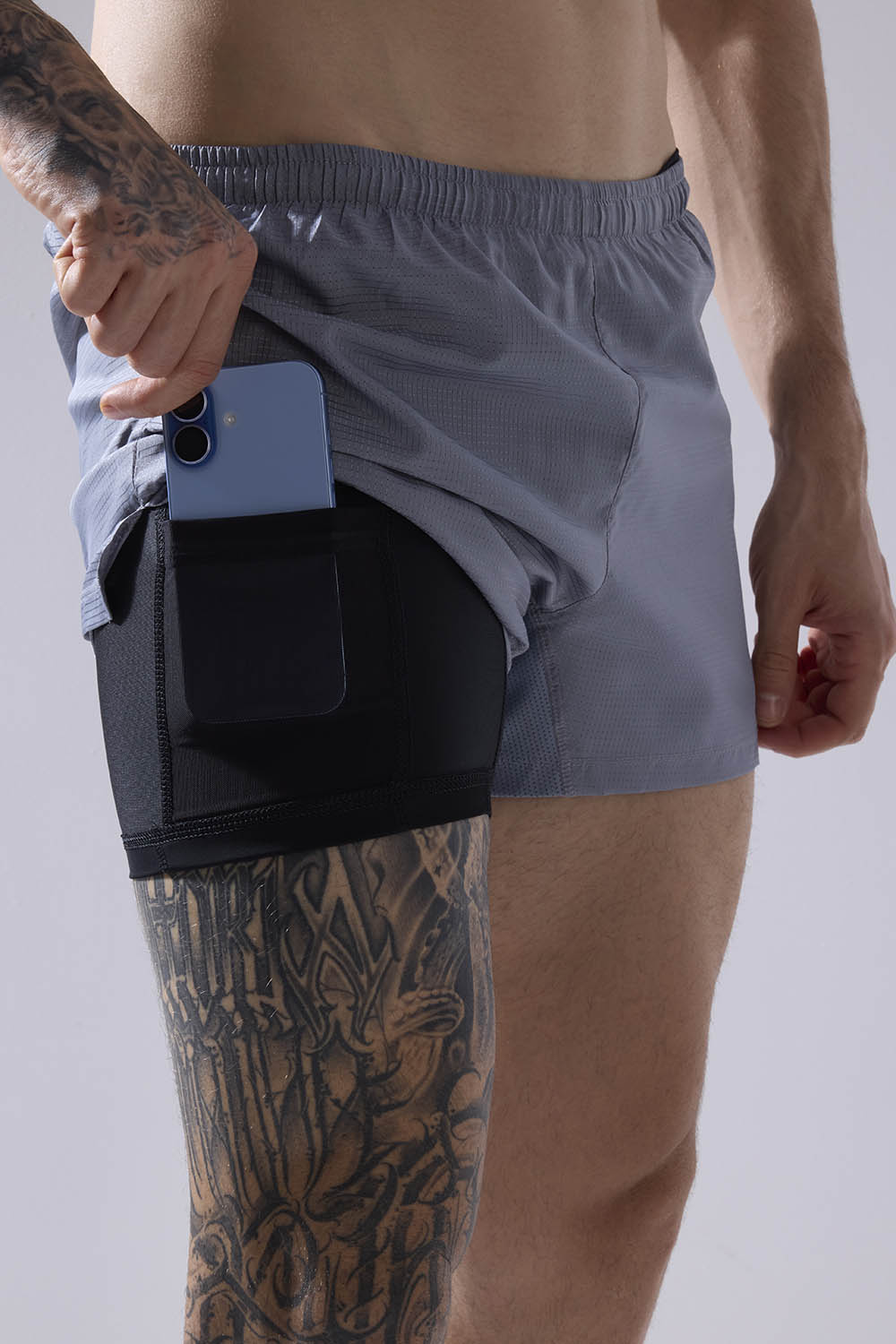
Tired of gear that slows you down? Chafing, soggy fabrics, and missing pockets kill your run's momentum. At Aguante, we're runners who get it. Our high-performance activewear features moisture-wicking fabrics, ergonomic designs, and smart storage to keep you focused. Shop Now!
The Marathon Spark: Turning Spectators into Participants
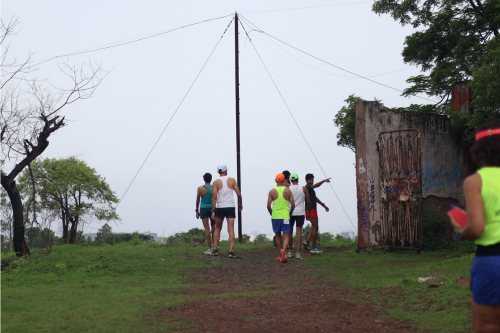
Every major marathon creates a ripple that spreads far beyond the finish line. Cities like Boston, Chicago, and New York don't just host races they ignite a local running culture. People who once watched from the sidelines suddenly lace up their own shoes. Training programs fill up, park paths grow crowded, and running clubs see membership spikes that last long after the medals are handed out.
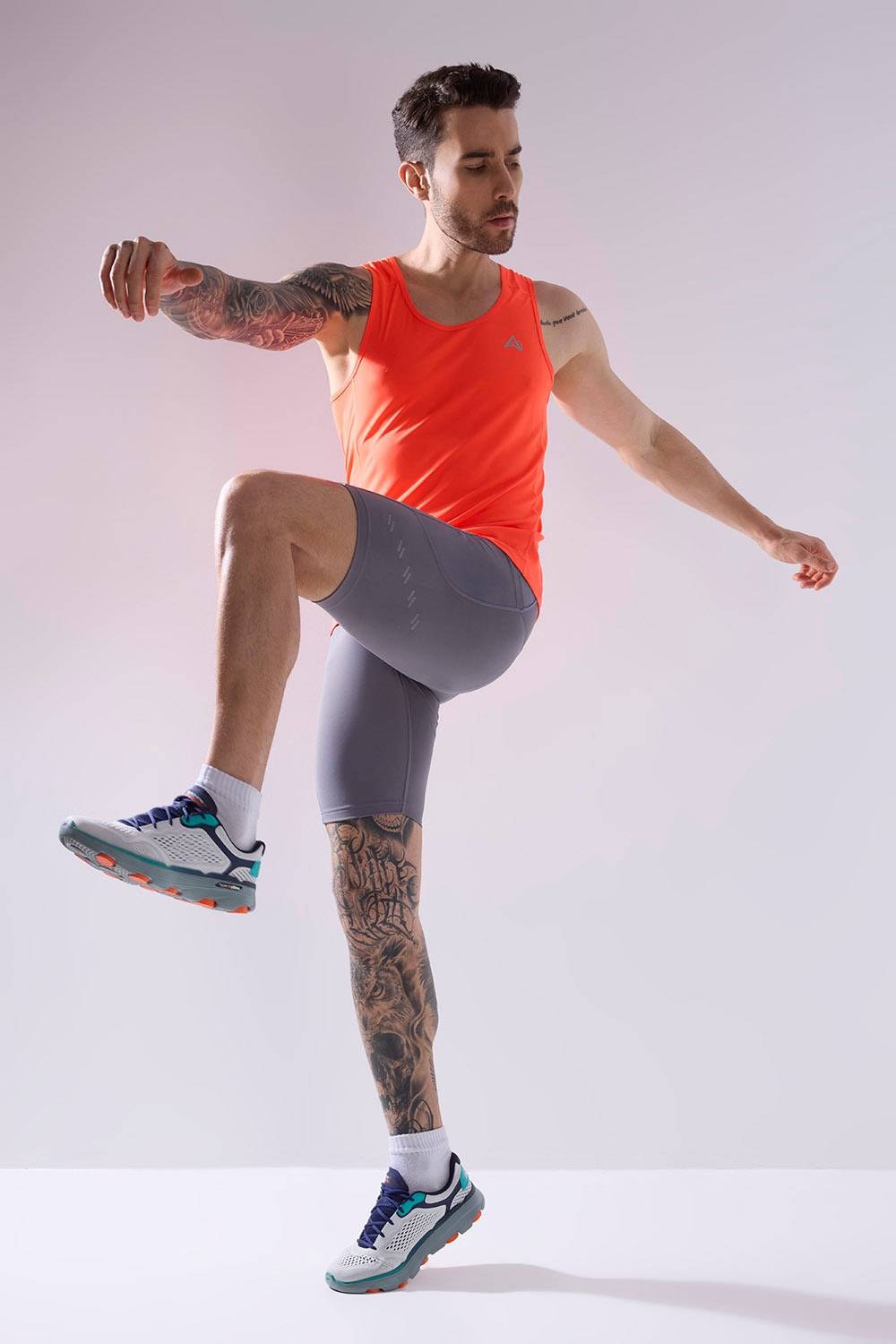
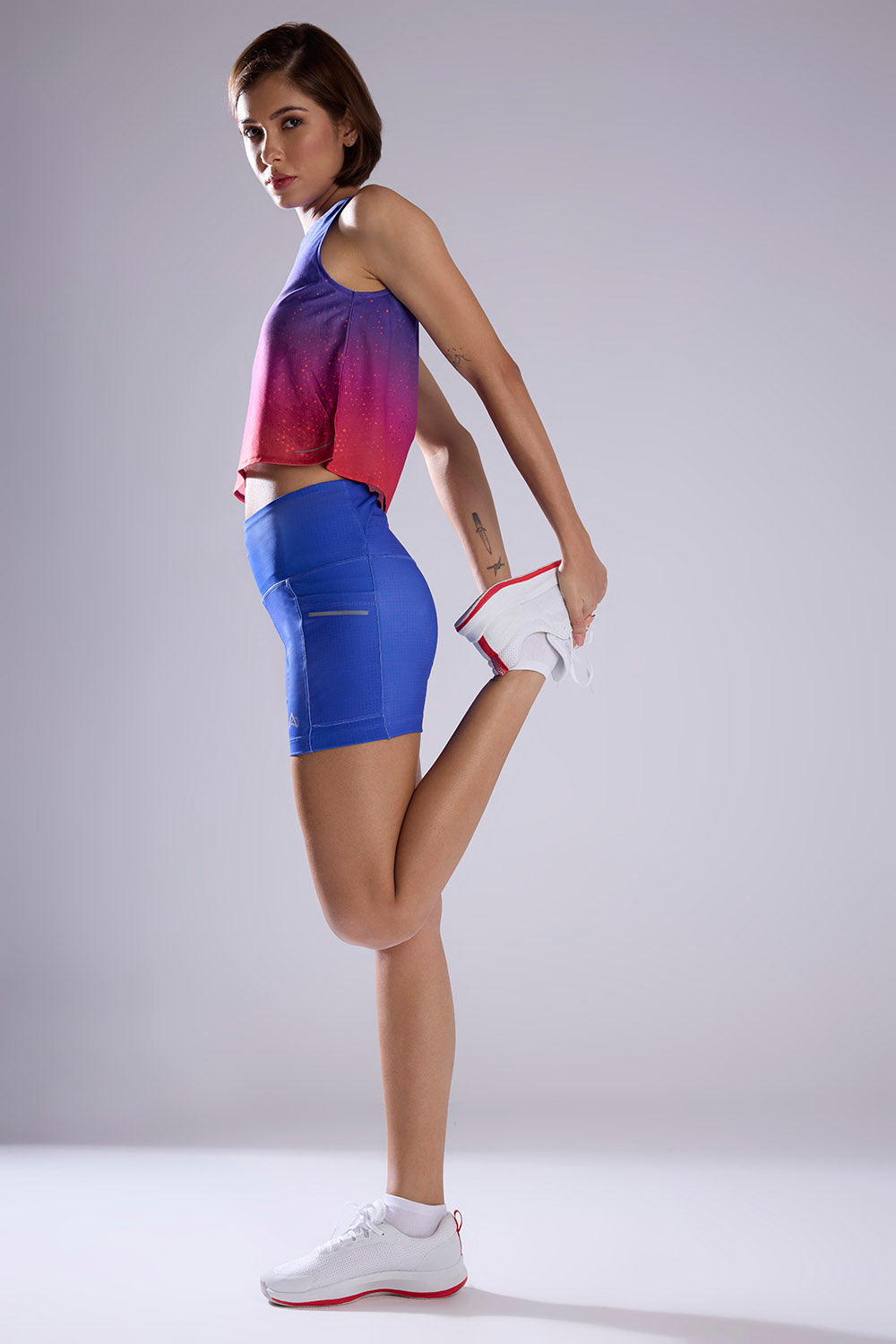
This surge isn't accidental. The visibility of elite athletes in cutting-edge apparel inspires everyday runners to upgrade their own kit. A simple moisture-wicking shirt or compression shorts suddenly feels essential, not optional. And as more people commit to the sport, local demand for technical running clothes climbs steadily.
Why Technical Apparel Becomes Essential
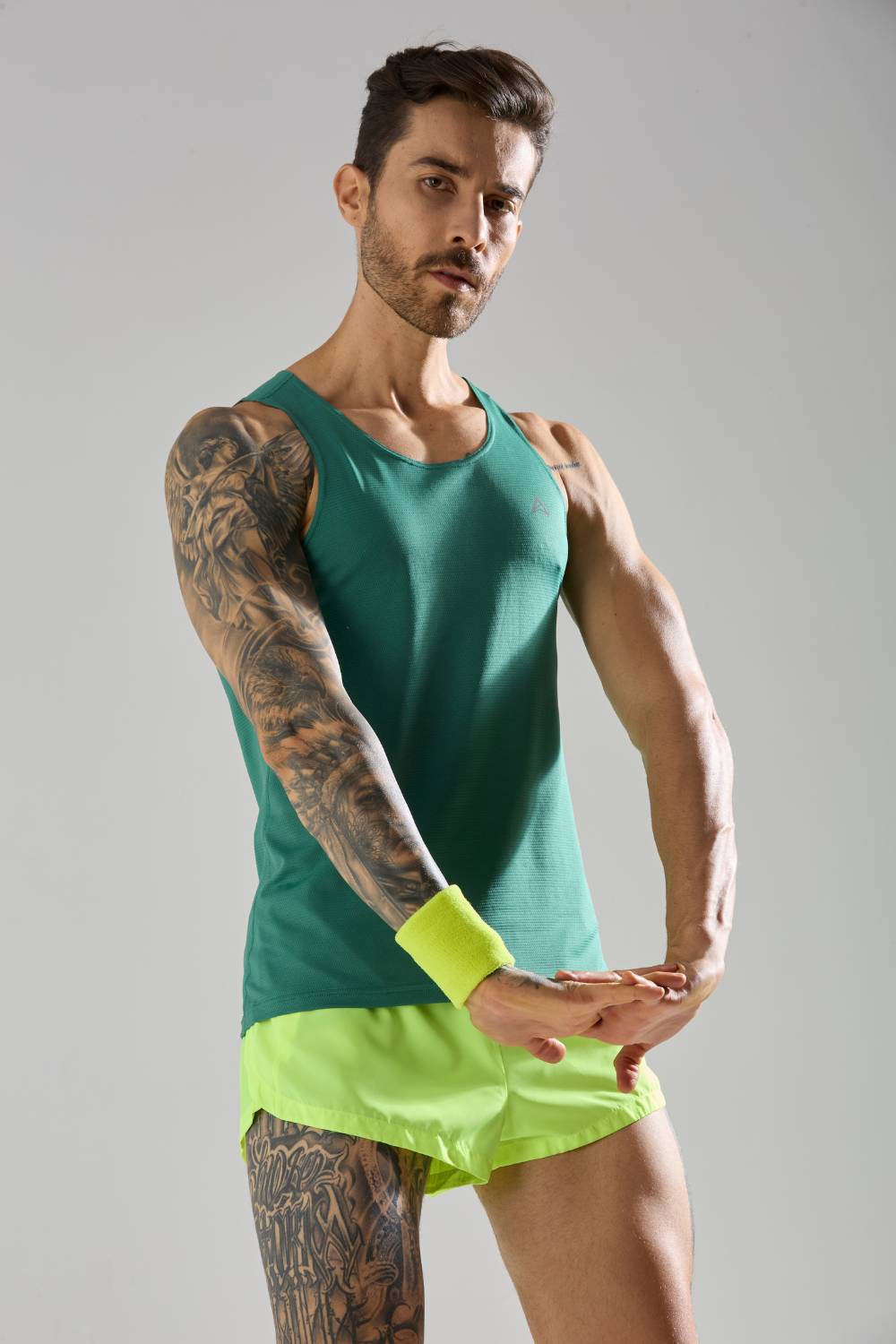
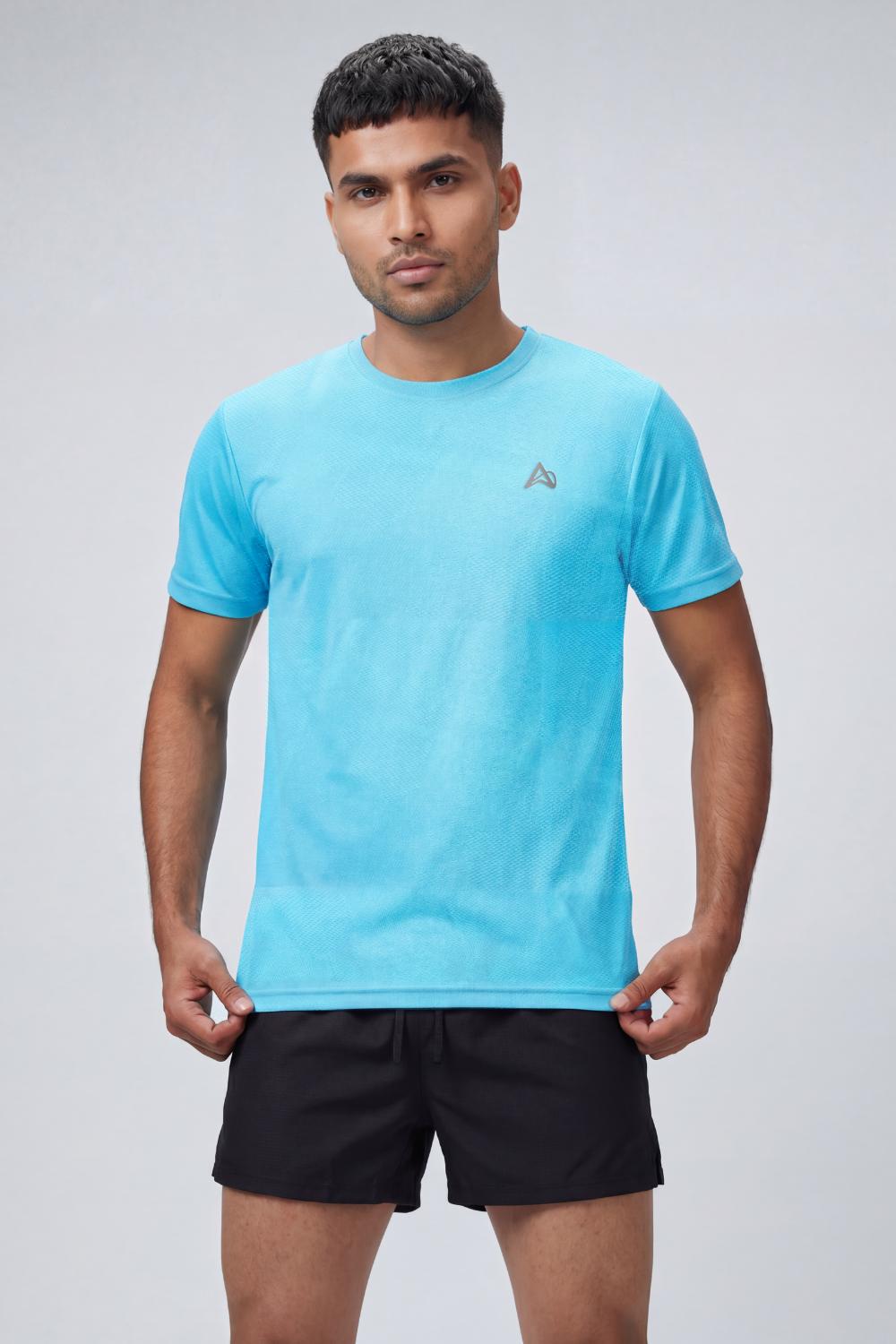
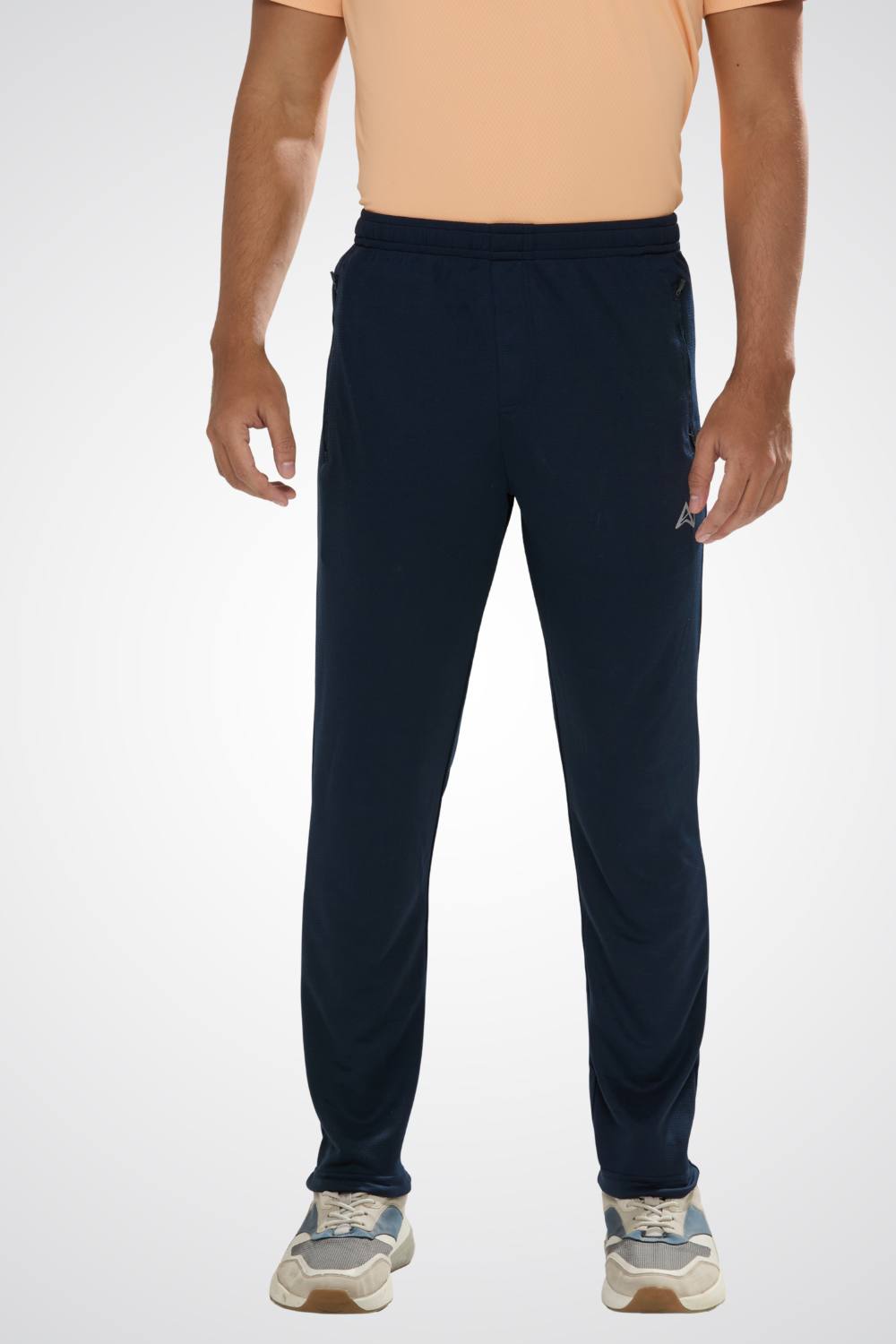
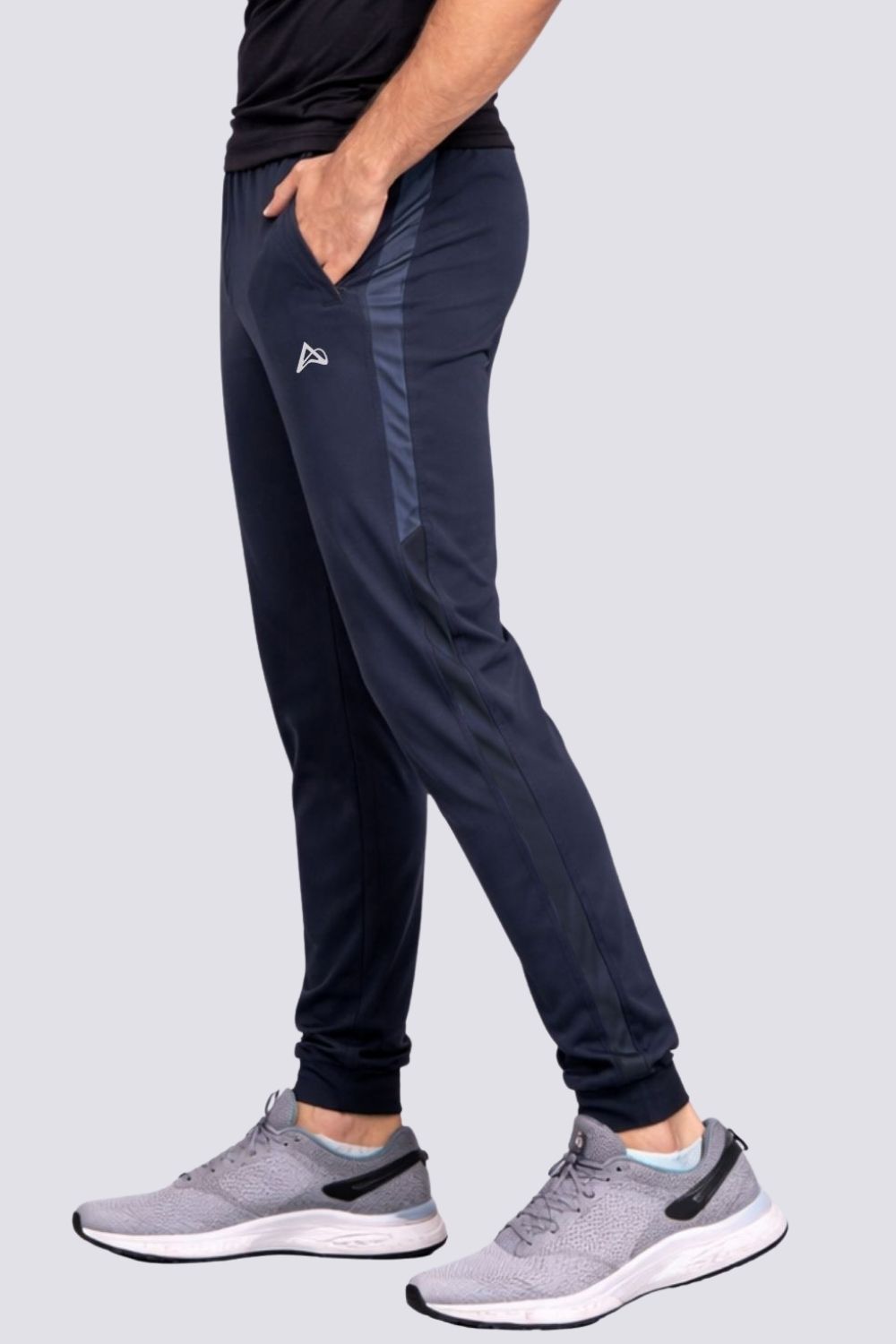
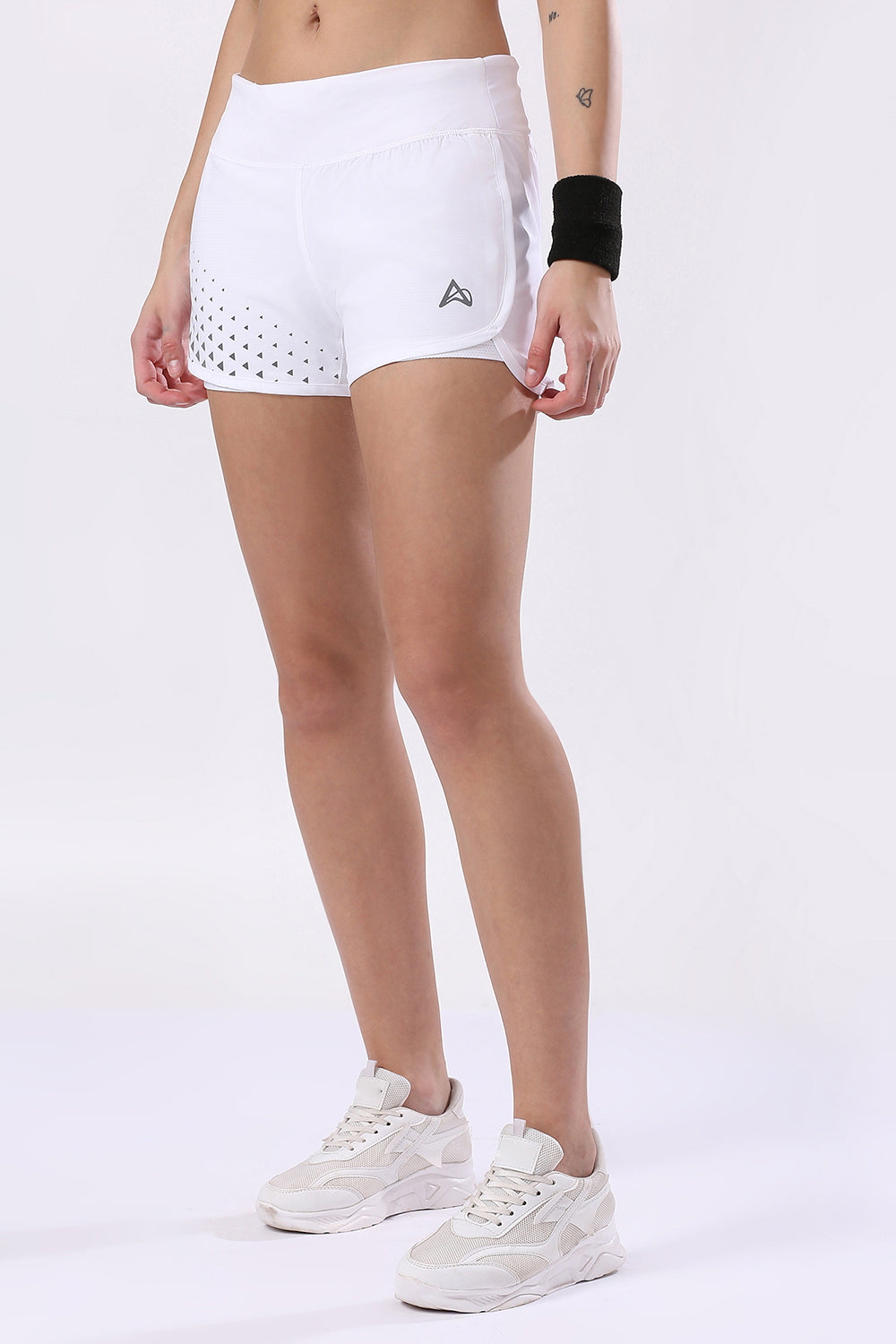
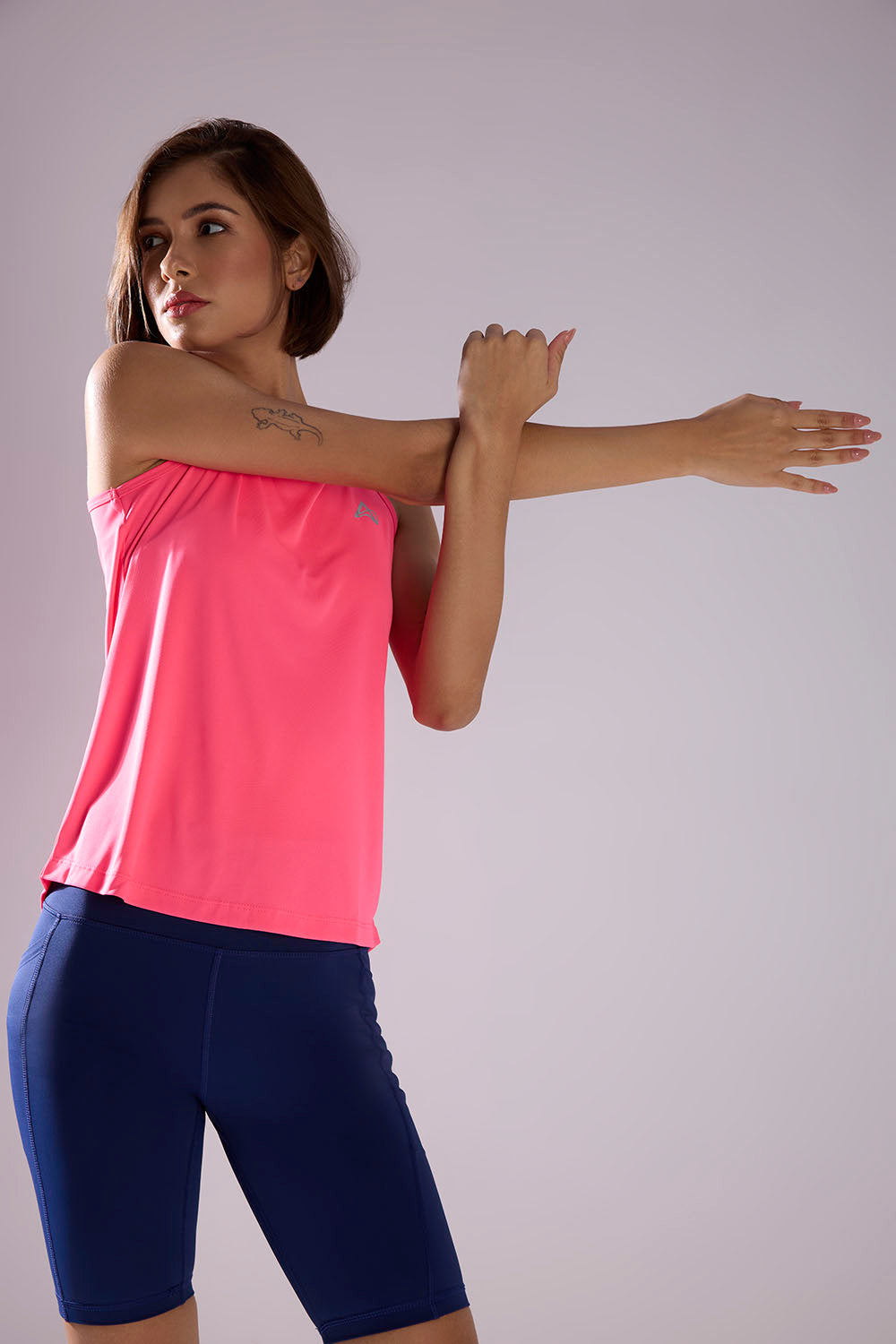
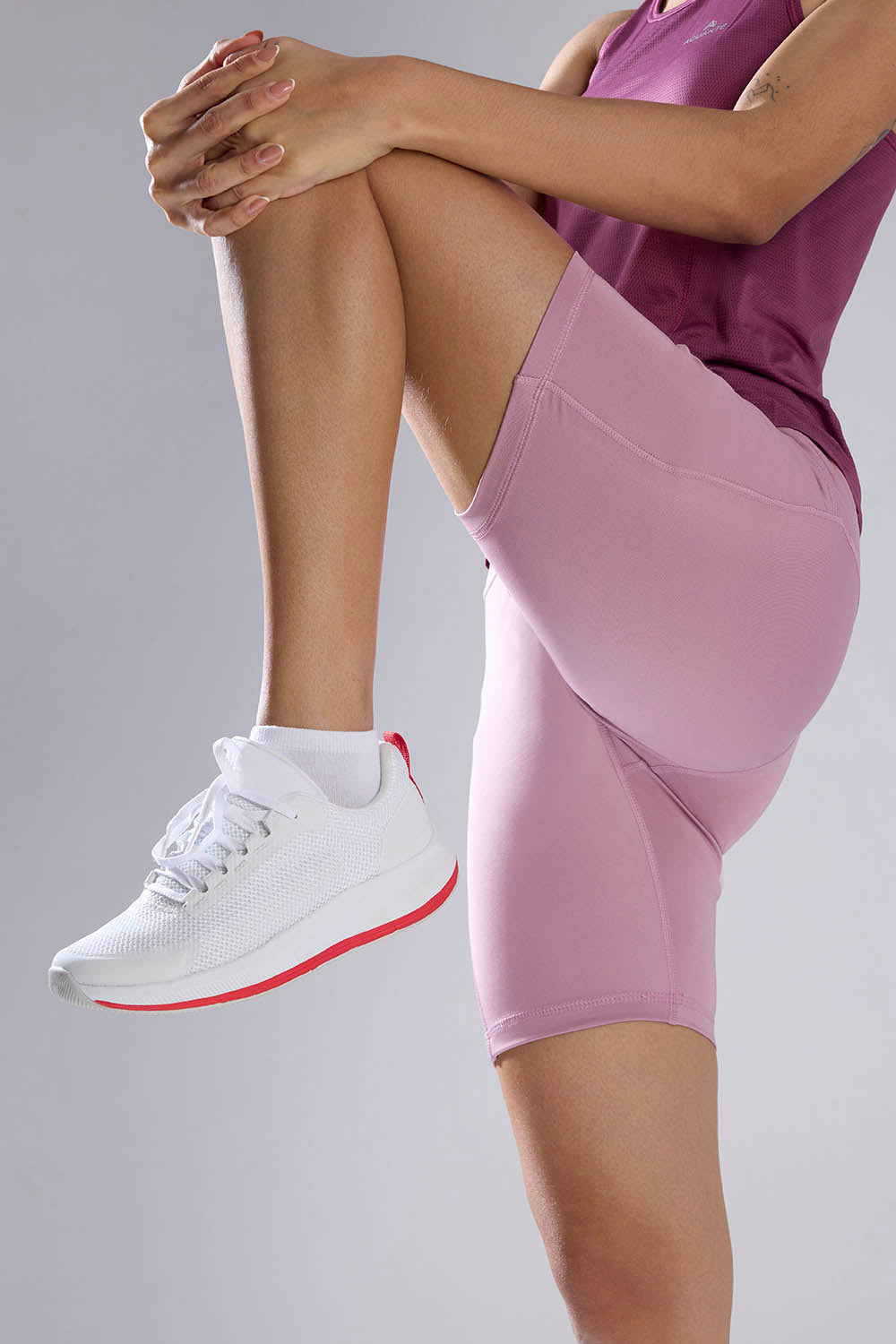
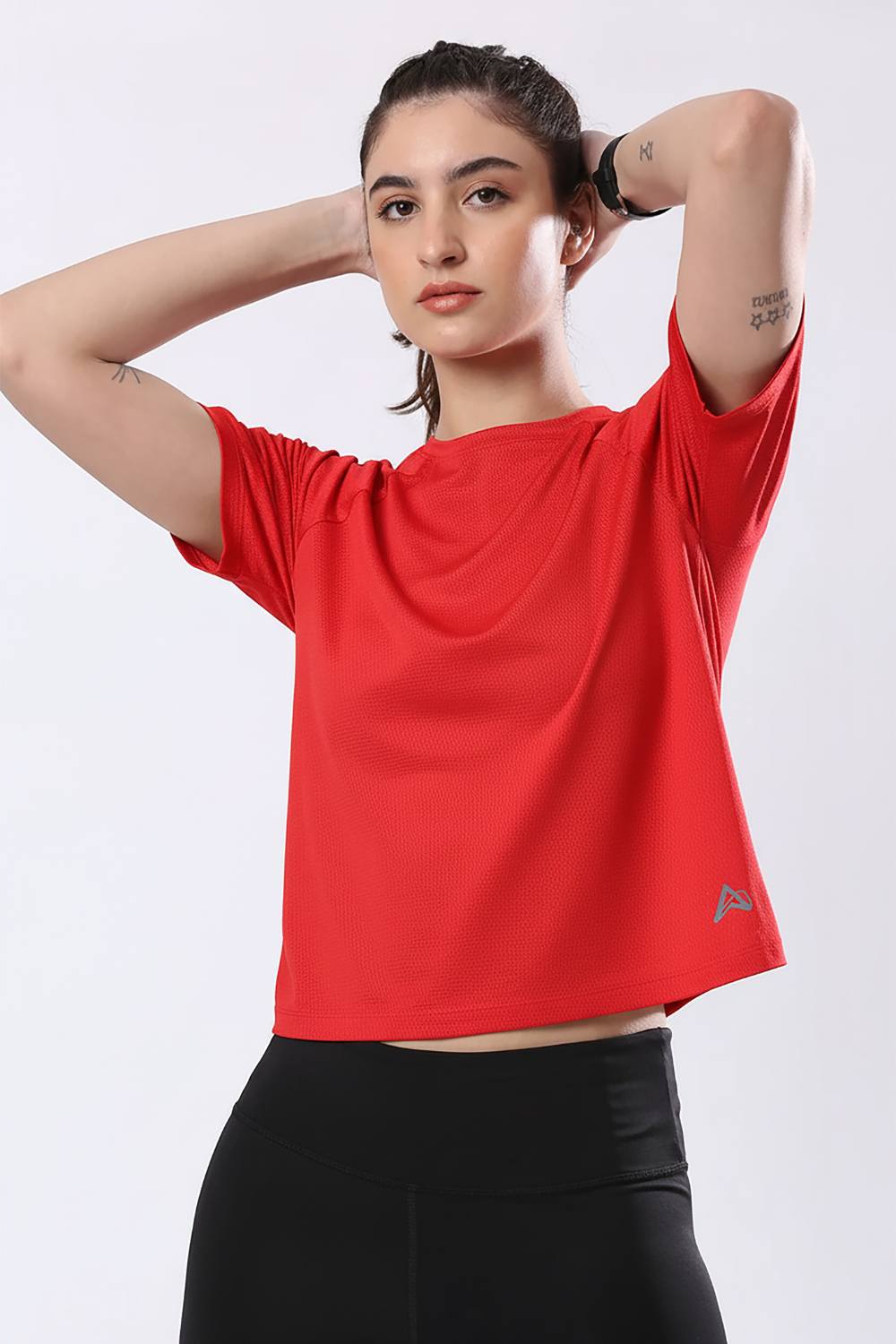
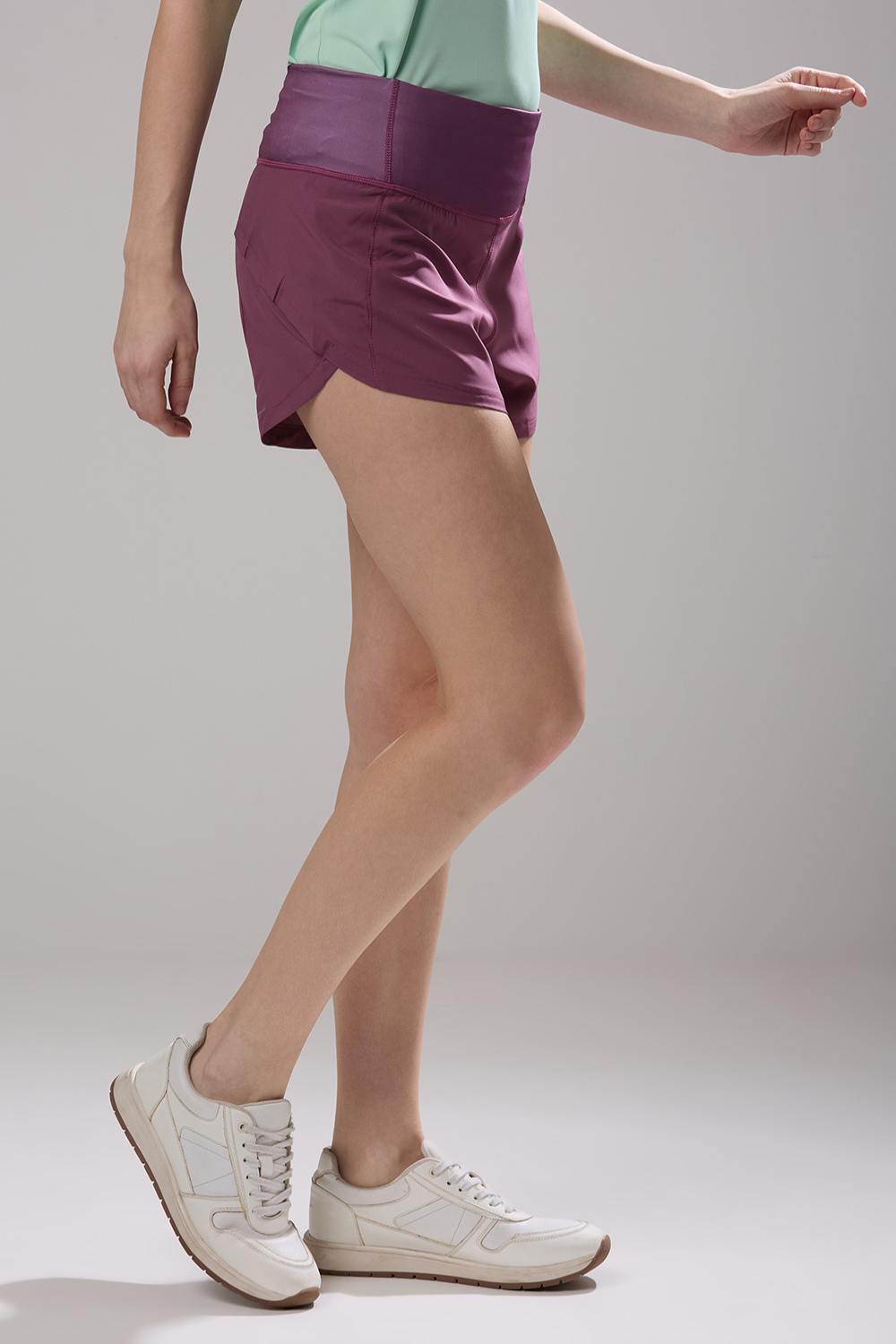
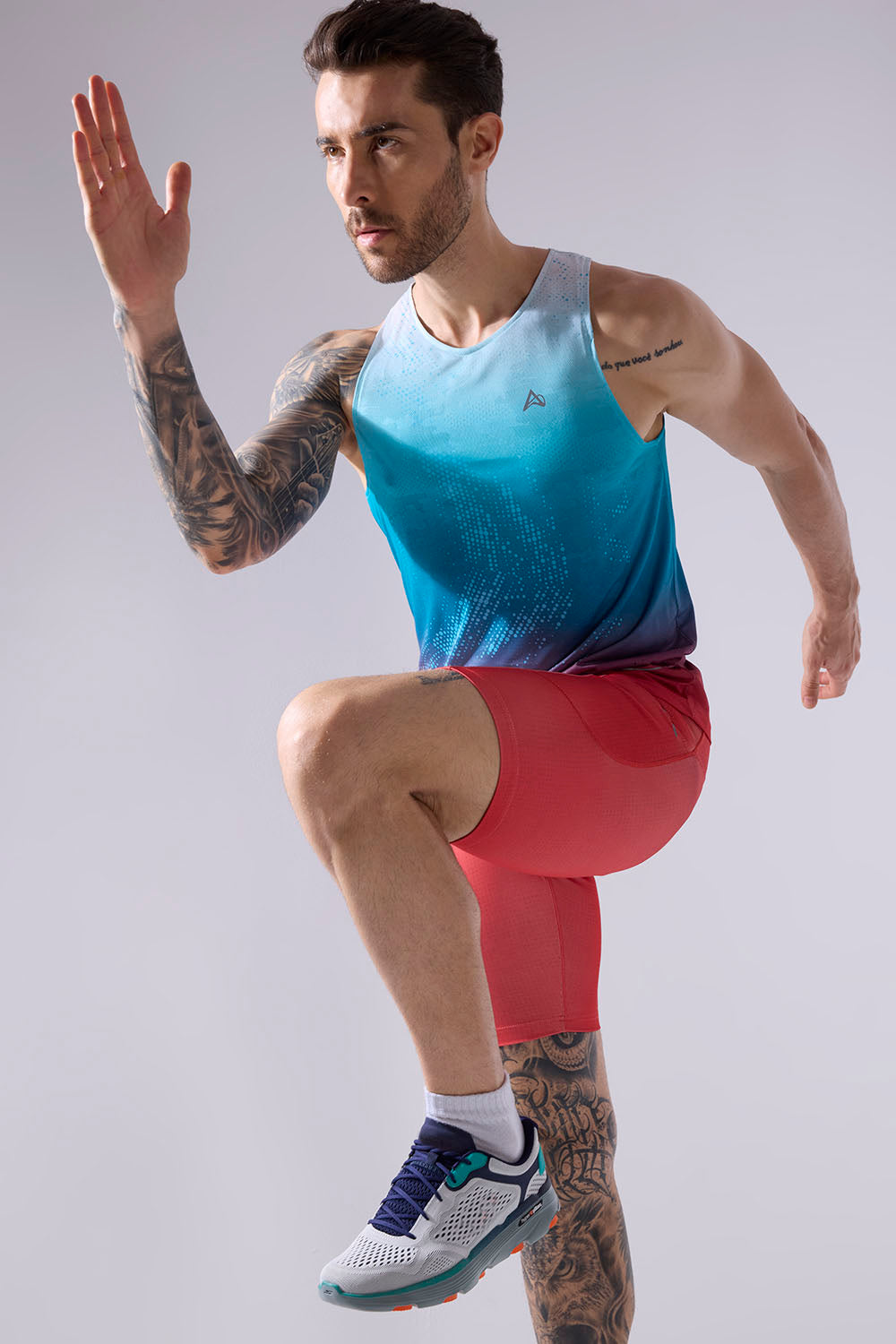
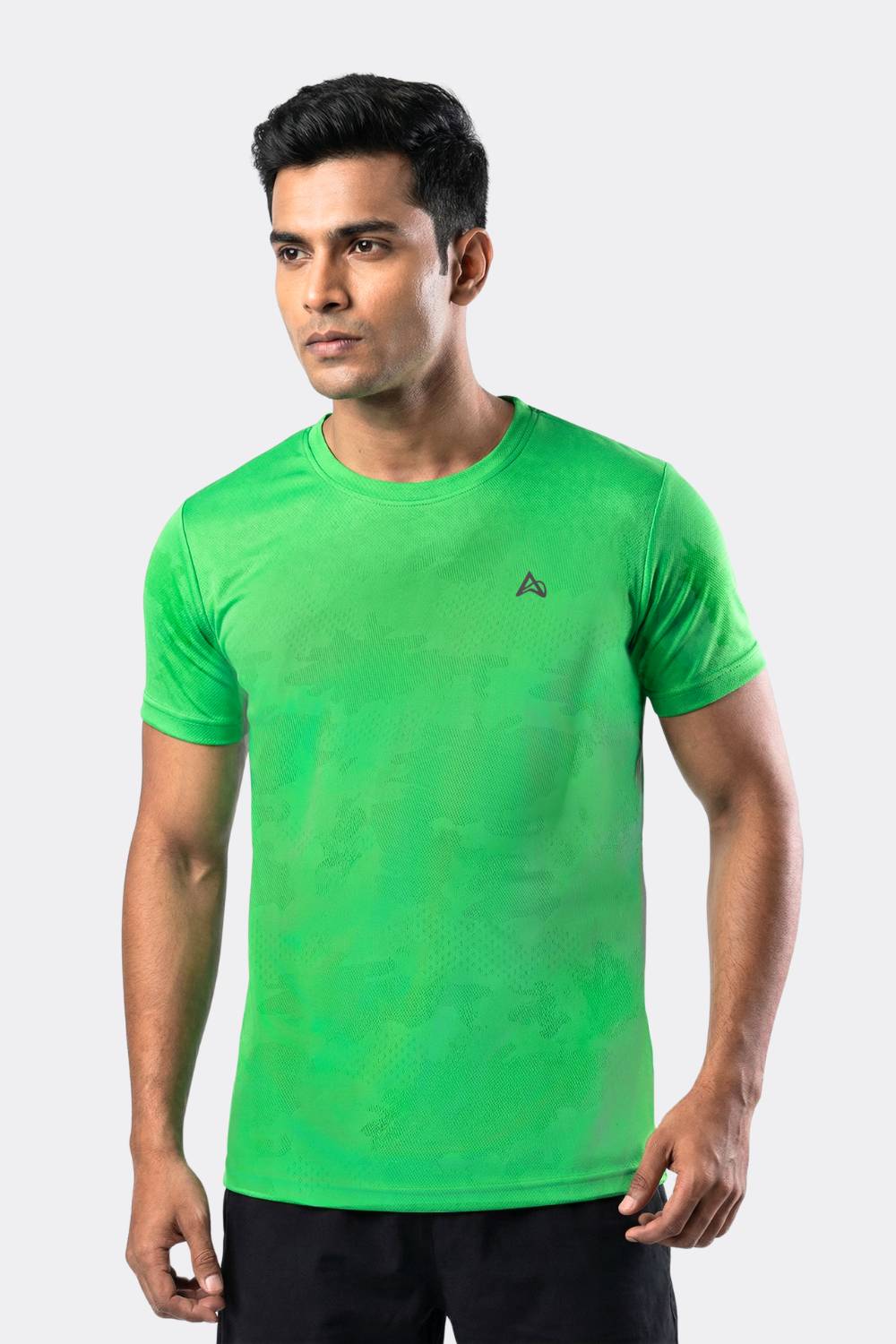
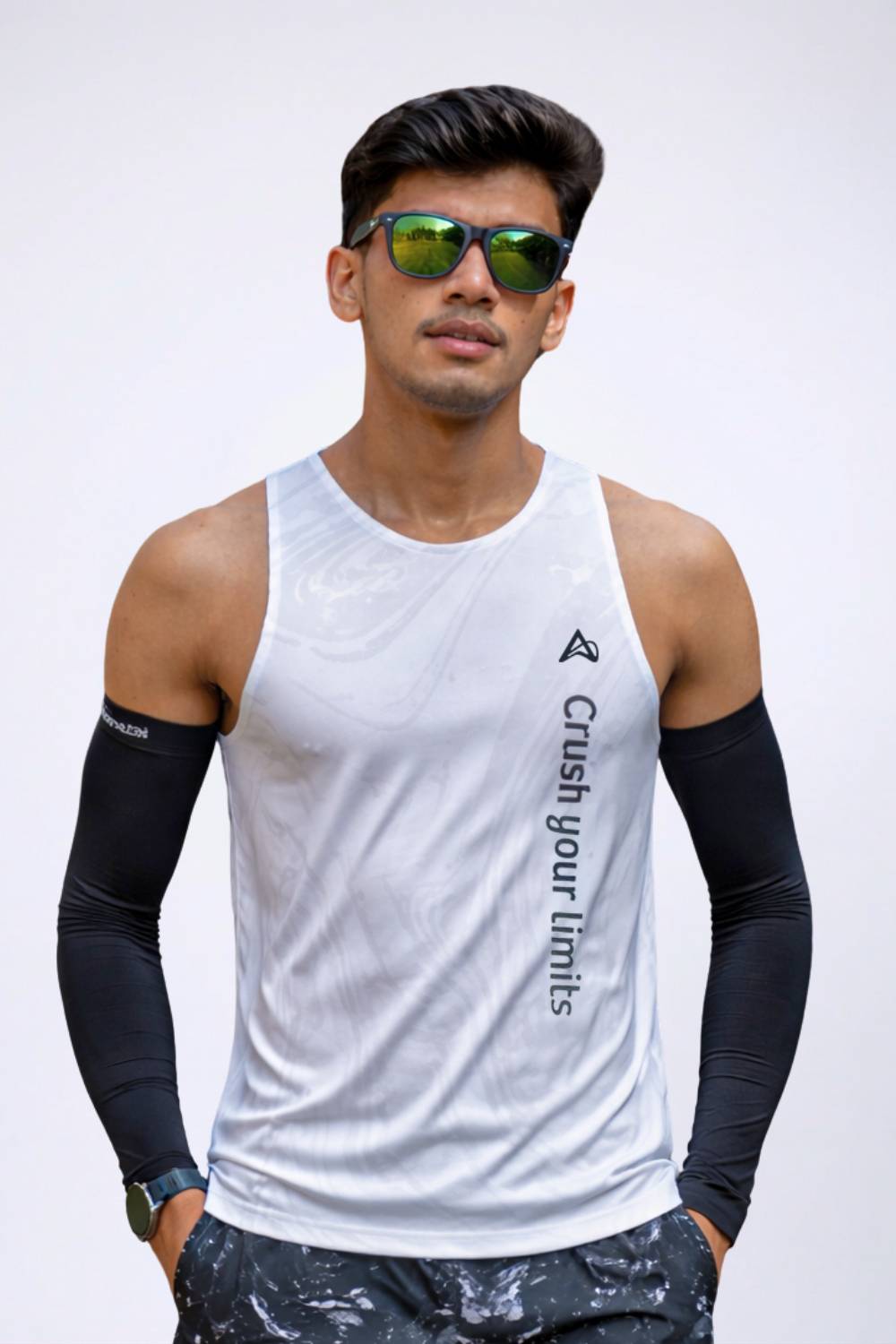
Technical running clothes are more than fashion they're engineered tools. Fabrics that manage temperature, reduce chafing, and support muscles make the difference between a painful training run and one that leaves you energized. During marathon season, stores report steady sales of these items as novices and veterans alike prepare for the big day.
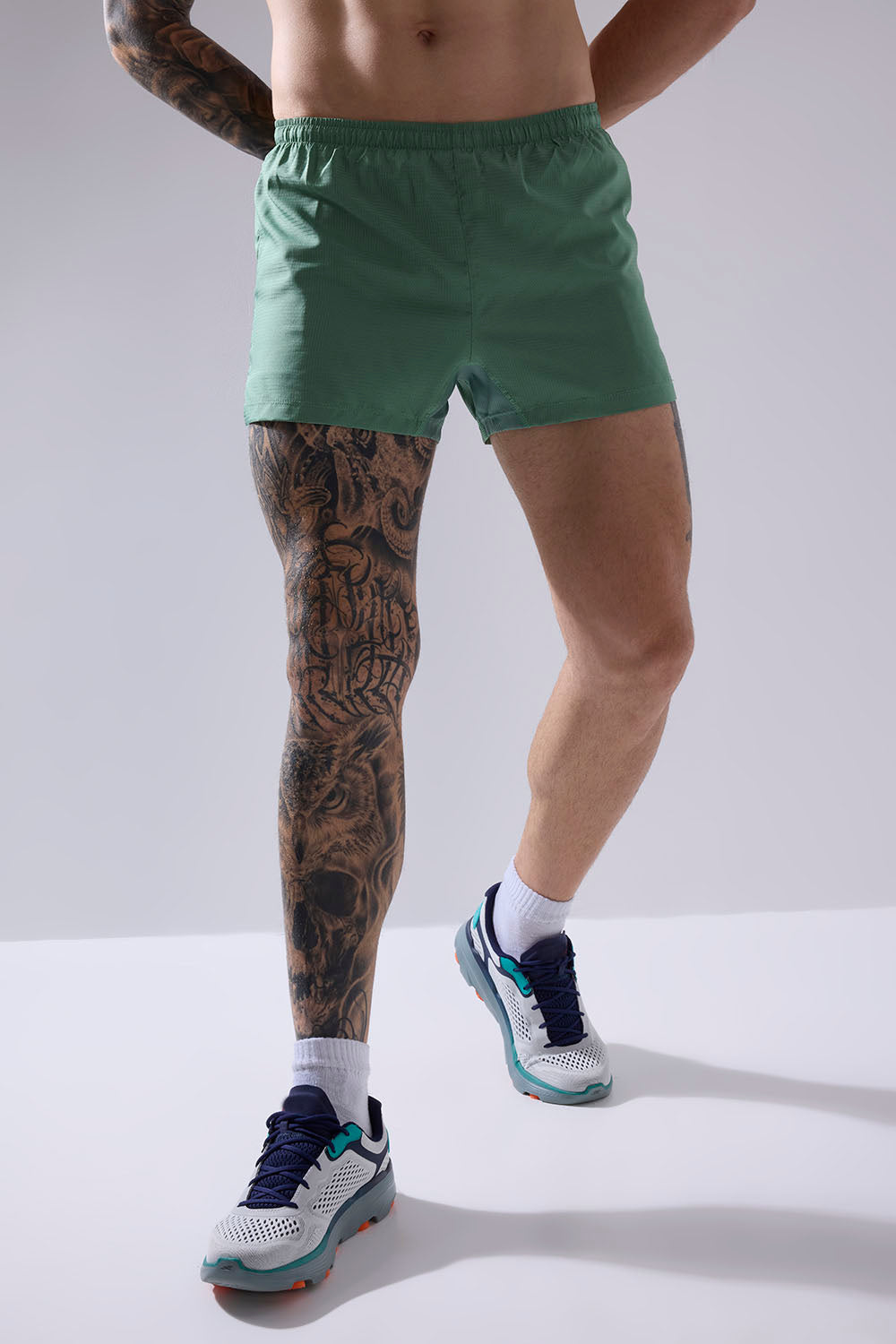
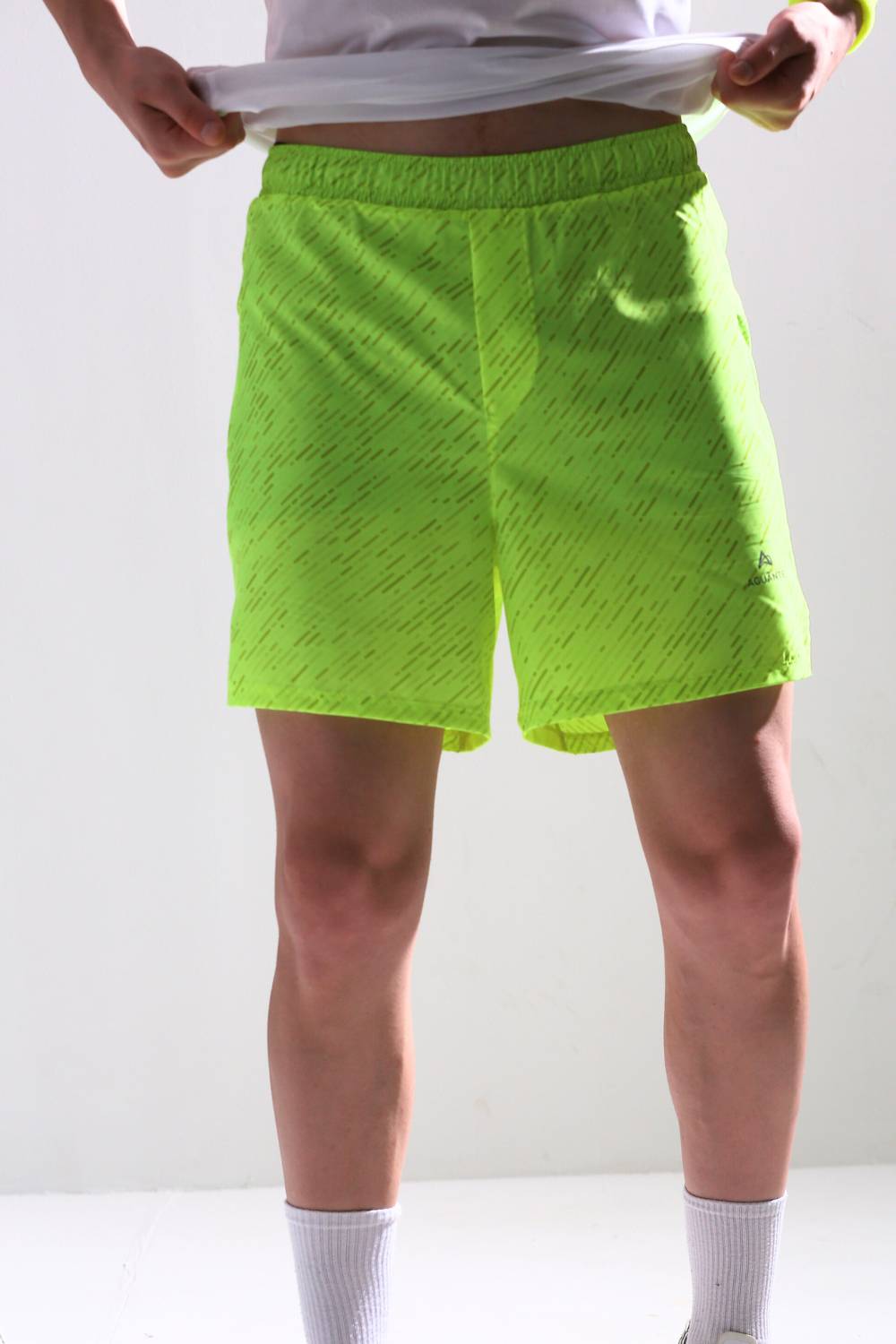
Consider the materials: advanced synthetics that dry quickly, reflective elements for early-morning or evening runs, and designs tailored for different body types and weather conditions. Major events highlight these features in real time, prompting runners to seek out gear that mirrors what they see on the course. The result is a tangible uptick in purchases of performance-focused apparel right in host cities.
Local Retailers Feel the Boom
Independent running shops and big-box retailers in marathon cities experience a predictable but welcome surge. Weeks before race day, shelves empty of popular items lightweight jackets, specialized tights, and high-tech socks. The foot traffic isn't limited to out-of-town visitors; local residents make up the majority of buyers, stocking up for their own training loops around familiar neighborhoods.
Offline channels continue to play a starring role in this demand. Shoppers value the chance to try on gear, speak with knowledgeable staff, and walk out with exactly what they need. This hands-on experience reinforces loyalty and drives repeat business long after the marathon crowds have gone home.
The Growing Role of Women in the Running Revolution
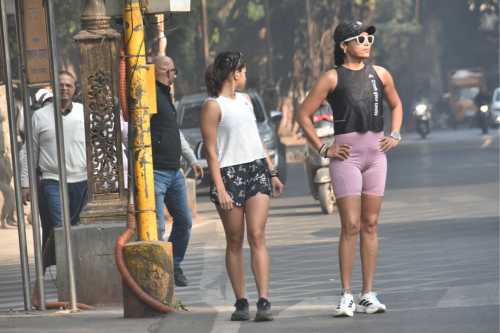
One of the most noticeable shifts in recent years has been the rising participation of women in running and fitness activities. This trend has created strong demand for gender-specific designs and collections that address fit, support, and style preferences unique to female runners.
From supportive bras to flattering yet functional leggings, brands have responded with thoughtful innovation. Marathon weekends amplify this demand as women train together, share recommendations, and celebrate their progress in gear that finally feels made for them. Local boutiques in host cities often feature dedicated displays, turning the event into a catalyst for more inclusive apparel choices year-round.
Innovation Meets Everyday Performance
Major marathons don't just sell clothes they push the entire industry forward. Designers watch how fabrics perform under race conditions and translate those lessons into new collections. The integration of performance features with lifestyle appeal means today's technical running clothes transition seamlessly from the trail to the coffee shop.
This blend explains much of the broader market momentum. Health awareness continues to climb, and people want apparel that supports their active lives without sacrificing comfort or style. Urbanization and rising disposable incomes in many regions have only accelerated the trend, making quality running gear more accessible to a wider audience.
What the Numbers Reveal About Sustained Growth
The running apparel market reached USD 90.44 billion in 2025 and shows every sign of continued expansion, driven by increasing health awareness, material innovations, and the appeal of gear that works as well on city streets as it does on race courses. In the United States, the running apparel and footwear sector is experiencing solid gains, with high profit margins on footwear helping fuel the category and offline retail remaining a key channel.
These figures reflect real-world behavior. When a marathon comes to town, the appetite for technical clothes isn't fleeting it settles in as a lasting habit. Runners who invest in proper gear tend to stick with the sport, creating steady demand that benefits local stores season after season.
Challenges and Opportunities for Brands and Shops
Not every effect is purely positive. Sudden demand spikes can strain inventory, and smaller retailers must forecast carefully to avoid stockouts or over-ordering. Yet the opportunities outweigh the hurdles. Brands that align collections with marathon calendars releasing limited-edition colors or city-specific designs often see enthusiastic uptake.
Shops that host fitting events, training clinics, or post-race recovery meetups turn one-time buyers into regulars. The key is understanding that technical running clothes are now part lifestyle, part performance tool. Those who get the balance right thrive when the marathon spotlight arrives.
Looking Beyond Race Day
The influence of major marathons extends well past the final finisher. They create communities of runners who support one another year-round, whether through group runs, charity events, or casual park gatherings. This ongoing engagement keeps demand for technical apparel consistent rather than seasonal.
From premiumization in established markets to growth fueled by urbanization elsewhere, the pattern holds: when people run more, they buy better gear to match. And when a city hosts a marquee event, that cycle accelerates in ways that benefit everyone from elite athletes to first-time 5K participants.
Final Thoughts: A Running Legacy That Outlasts the Medals
Major marathons are more than races they're cultural moments that reshape local attitudes toward fitness and gear. They remind us that the right technical running clothes don't just help you finish stronger; they make the entire journey more enjoyable. As cities continue to embrace these events, the demand for thoughtful, high-performance apparel will keep growing right alongside the runners who wear it.
In the end, every stride taken in well-designed clothes carries a little piece of that marathon magic. Whether you're training for your first big race or simply enjoying a sunrise jog through your own neighborhood, the influence is clear: great events create great habits, and great habits keep the demand for technical running clothes alive and thriving.
Frequently Asked Questions
How do major marathons influence local demand for technical running clothes?
Major marathons act as powerful cultural catalysts, inspiring spectators to become participants and prompting runners at all levels to invest in better gear. The visibility of elite athletes wearing high-performance apparel motivates everyday runners to seek out similar technical clothing moisture-wicking fabrics, compression gear, and lightweight shoes. This effect isn't short-lived; it tends to settle into lasting purchasing habits that benefit local retailers well beyond race day.
What types of technical running apparel see the biggest sales boost during marathon season?
In the weeks leading up to a major marathon, local stores typically see strong demand for lightweight jackets, performance tights, high-tech socks, and moisture-wicking shirts. Reflective elements for low-light training runs and gender-specific designs such as supportive sports bras and ergonomic leggings for women also experience notable upticks. Brands that align new collections or limited-edition colorways with marathon calendars tend to see especially enthusiastic consumer response.
Why is the running apparel market continuing to grow beyond just race participants?
The running apparel market, valued at USD 90.44 billion in 2025, is expanding because today's technical gear appeals equally to serious athletes and casual fitness enthusiasts. Rising health awareness, urbanization, and growing disposable incomes have made quality performance clothing more accessible to a broader audience. The seamless transition of modern technical apparel from trail to everyday lifestyle combining performance with style means demand stays consistent year-round, not just during race season.
Disclaimer: The above helpful resources content contains personal opinions and experiences. The information provided is for general knowledge and does not constitute professional advice.
You may also be interested in: The Role of Community in India's Running Apparel Market - Aguante
Tired of gear that slows you down? Chafing, soggy fabrics, and missing pockets kill your run's momentum. At Aguante, we're runners who get it. Our high-performance activewear features moisture-wicking fabrics, ergonomic designs, and smart storage to keep you focused. Shop Now!
Powered by flareAI.co