















In the vibrant design studios and manufacturing facilities of India's dynamic urban centers, a significant transformation is underway in how high-performance clothing is conceived and created. The close connection between designers, textile specialists, and production teams is emerging as a key driver of creativity and responsiveness in the performance apparel industry. What began as reliance on distant supply chains has matured into a more integrated model where local manufacturing fuels faster innovation and culturally attuned design.
Local Manufacturing as a Catalyst for Innovation in Performance Apparel Design in India's Key Hubs explores how cities such as Bangalore, Hyderabad, Mumbai, Pune, Surat, and Ahmedabad are redefining the development of running gear, activewear, and technical sportswear through proximity, collaboration, and practical expertise.
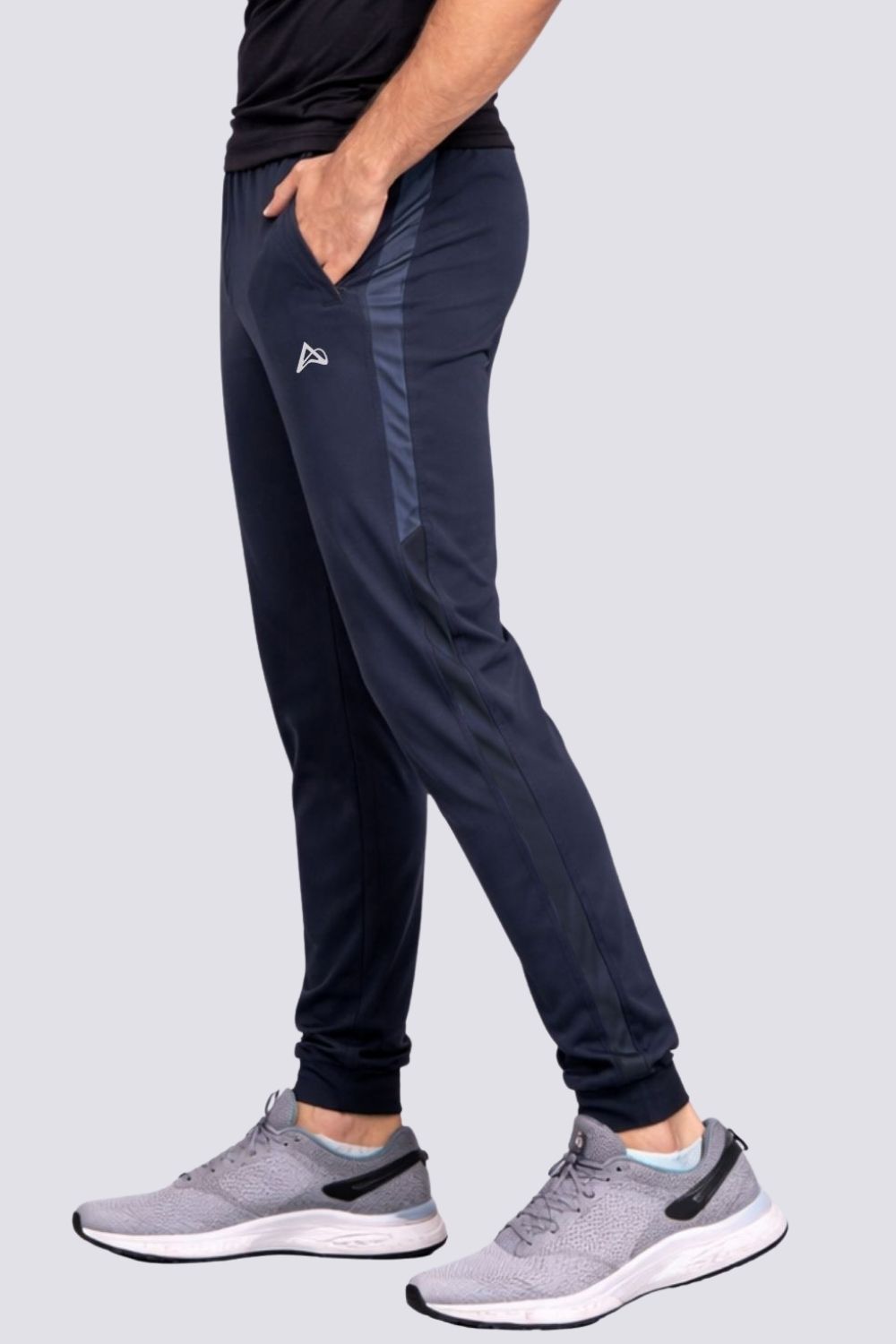
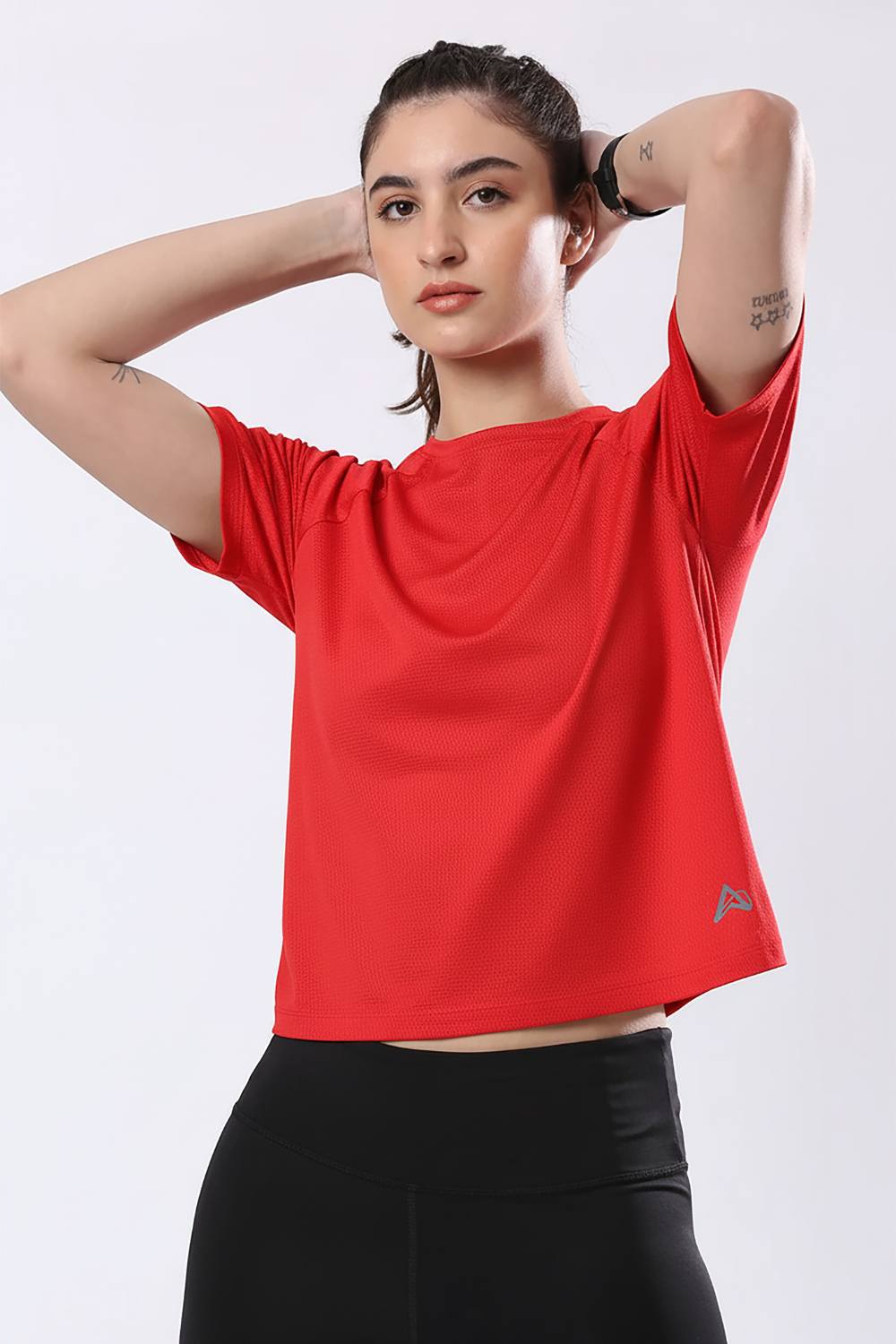
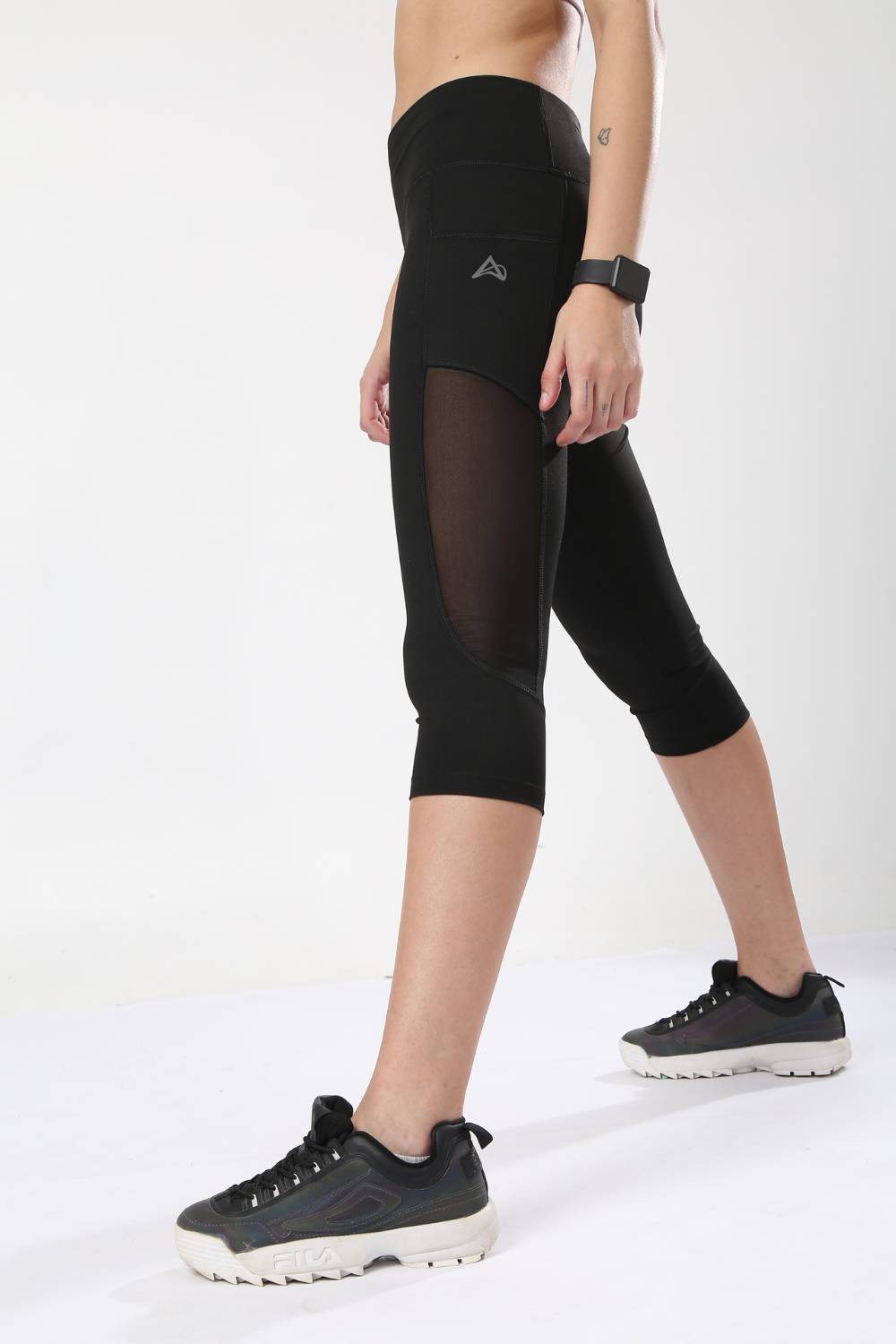
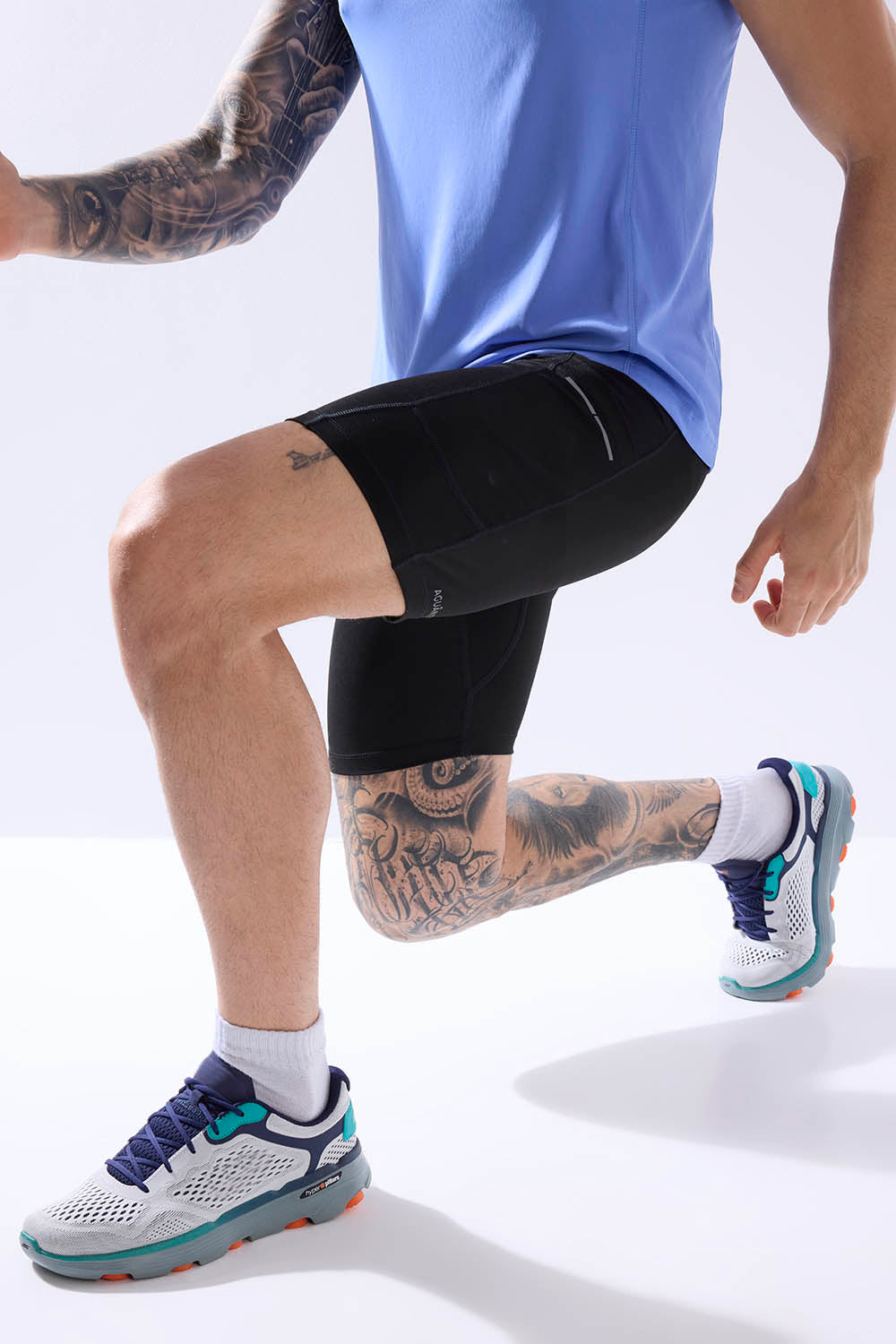
Tired of gear that slows you down? Chafing, soggy fabrics, and missing pockets kill your run's momentum. At Aguante, we're runners who get it. Our high-performance activewear features moisture-wicking fabrics, ergonomic designs, and smart storage to keep you focused. Shop Now!
The Growing Role of Local Production in Performance Apparel
India's major cities have long served as textile powerhouses, but their influence on performance apparel has deepened considerably. Designers and engineers now collaborate directly with factories in the same region, allowing rapid iteration and real-time adjustments based on feedback from local athletes and fitness communities. This approach contrasts sharply with traditional global outsourcing models that often involve lengthy shipping times and limited customization.
The diversity across Indian urban landscapes makes this localized model particularly valuable. From the tech-savvy environment of Bangalore to the humid coastal conditions of Mumbai, each hub contributes distinct insights that shape more effective products for real-world use.
Key Trends Emerging from On-the-Ground Manufacturing
Proximity has accelerated the integration of advanced textile technologies. Manufacturers in Bangalore and Mumbai are prioritizing fabrics with superior moisture-wicking properties and temperature regulation, essential for India's varied climates ranging from intense humidity to fluctuating temperatures. These innovations stem directly from observing how garments perform during actual training sessions in local conditions.
Sustainability efforts are gaining strong traction as well. Textile clusters in Surat and Ahmedabad work hand-in-hand with brands to incorporate recycled materials and lower-impact production methods. This close partnership enables quicker experimentation and refinement, moving sustainable performance wear from concept to market more efficiently than import-dependent processes.
In hubs like Hyderabad and Gurugram, teams are developing smart apparel prototypes featuring integrated sensors. Testing occurs with nearby fitness groups and research institutions, creating garments that deliver meaningful data while maintaining comfort and durability.
Bridging Academia and Industry for Practical Innovation
National Institute of Fashion Technology campuses in Delhi and Mumbai play a vital role by partnering with nearby manufacturers. This collaboration transforms academic research into functional solutions, addressing challenges such as fabric performance during monsoon seasons and creating inclusive fits for diverse body types common among Indian consumers.
City-Specific Applications Driving Real Progress
Bangalore startups exemplify the advantages of local supply chains, moving from initial concepts to functional prototypes in a matter of weeks. This agility enables extensive testing with marathon runners and recreational athletes, resulting in running gear that effectively balances technical performance with the practical demands of Indian training environments.
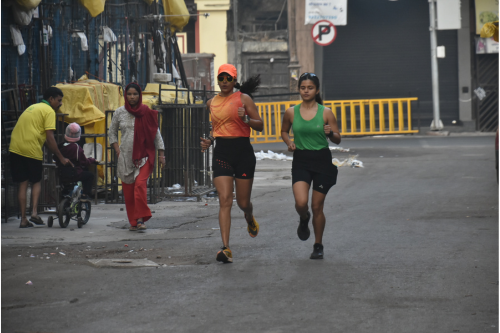
Mumbai-based firms excel at creating performance wear suited to dense urban settings. Their designs emphasize breathability, quick-drying capabilities, and strategic ventilation to handle heat, humidity, and the varied movement patterns of city-based workouts. These features arise from direct observation rather than abstract assumptions.
The established textile ecosystems in Surat and Ahmedabad provide high-quality technical fabrics to brands nationwide. Their flexibility in handling smaller, specialized production runs supports more experimental designs and frequent updates to meet evolving consumer expectations in the activewear space.
Hyderabad enterprises collaborate with technology incubators to embed wearable sensors into everyday fitness apparel. Meanwhile, small and medium enterprises in Navi Mumbai showcase how localized production dramatically reduces lead times between design approval and retail availability.
Addressing Challenges in Localized Manufacturing Networks
While promising, scaling high-quality performance apparel across multiple urban centers presents notable hurdles. Consistent quality control demands robust systems and continuous workforce training, especially for advanced materials and precision manufacturing techniques.
Logistical coordination between production hubs and broader distribution networks requires careful management. Additionally, adherence to workplace safety and environmental regulations remains a priority, particularly in high-density industrial zones such as parts of Delhi and Gurugram.
Forward-thinking companies are responding by investing in skill development programs and strengthening regional supplier relationships, building more resilient and responsive local ecosystems over time.
Strategic Benefits and Business Opportunities
One of the clearest advantages of localized production lies in dramatically shortened innovation cycles. When design and manufacturing teams operate in close proximity, concepts evolve rapidly through multiple refinement stages. This responsiveness helps brands adapt quickly to shifting preferences in fitness and athleisure wear.
Reduced dependence on international shipping also creates cost efficiencies and environmental benefits, freeing resources for superior materials and enhanced features. Most significantly, local manufacturing supports deeper understanding of consumer needs, including cultural considerations around fit, modesty, color preferences, and activity patterns.
Brands that champion “Made in India” positioning for their performance lines strengthen their storytelling around sustainability, craftsmanship, and community impact. These narratives connect powerfully with both domestic and international consumers who value ethical production.
Particularly in Pune and Ahmedabad, the blend of traditional textile knowledge with contemporary sustainable practices positions these cities as potential leaders in eco-friendly performance apparel development.
Insights for Global Brands and Industry Stakeholders
India's manufacturing landscape offers valuable lessons for companies worldwide seeking more agile and contextually relevant supply chains. The model demonstrates how localized ecosystems can enhance development speed, cultural appropriateness, and sustainability outcomes while upholding rigorous technical standards.
Rising participation in fitness activities, driven by greater health awareness and urbanization, continues to shape demand. Consumers increasingly seek moisture-wicking, stretchable, and stylish garments suitable for both intense workouts and daily wear. Women, in particular, represent a dynamic and fast-growing segment within activewear, influencing design priorities across brands.
Local production enables brands to respond to these trends with greater precision and authenticity.
Future Outlook for Performance Apparel Innovation in India
The impact of local manufacturing on performance apparel design reaches far beyond India's borders. These urban hubs illustrate how integrated design, technology, and production capabilities can establish new benchmarks for the global industry.
Success will depend on continued investment in workforce capabilities, nurturing of supplier networks, and full utilization of these dynamic manufacturing ecosystems. As collaboration between technologists, designers, and producers deepens, the resulting products will better serve active individuals across diverse conditions and lifestyles.
Ultimately, India's key cities are not merely manufacturing centers but vibrant innovation laboratories. They demonstrate the power of contextual design creating gear that performs exceptionally because it is developed in close connection with the people and environments it serves. For business leaders, designers, and industry professionals monitoring the evolution of performance apparel, these developments offer both inspiration and actionable strategic insights.
Frequently Asked Questions
How does local manufacturing improve performance apparel design in India?
Local manufacturing enables designers and production teams to work in close proximity, allowing rapid prototyping, real-time feedback from athletes, and faster iteration cycles. Cities like Bangalore and Mumbai benefit from direct observation of how garments perform in actual local conditions from intense humidity to fluctuating temperatures resulting in technically superior activewear. This integrated model dramatically shortens the time from concept to finished product compared to traditional global outsourcing.
Which Indian cities are leading innovation in performance and activewear manufacturing?
Several urban hubs are driving growth in India's performance apparel sector. Bangalore is known for its agile startup ecosystem and rapid prototyping for running gear, Mumbai excels in breathable urban activewear, and Surat and Ahmedabad are recognized textile powerhouses advancing sustainable technical fabrics. Hyderabad is emerging as a center for smart apparel with embedded wearable sensors, while Pune blends traditional textile expertise with modern eco-friendly practices.
What are the sustainability benefits of locally manufactured sportswear in India?
Local production reduces dependence on international shipping, cutting both carbon emissions and logistics costs freeing resources for higher-quality, sustainable materials. Textile clusters in Surat and Ahmedabad collaborate closely with brands to incorporate recycled materials and lower-impact production methods, accelerating the path from sustainable concept to market-ready product. Brands adopting a "Made in India" positioning also benefit from stronger storytelling around ethical production, craftsmanship, and community impact.
Disclaimer: The above helpful resources content contains personal opinions and experiences. The information provided is for general knowledge and does not constitute professional advice.
You may also be interested in: The Impact of India's Weather Diversity on Apparel Design - Aguante
Tired of gear that slows you down? Chafing, soggy fabrics, and missing pockets kill your run's momentum. At Aguante, we're runners who get it. Our high-performance activewear features moisture-wicking fabrics, ergonomic designs, and smart storage to keep you focused. Shop Now!
Powered by flareAI.co