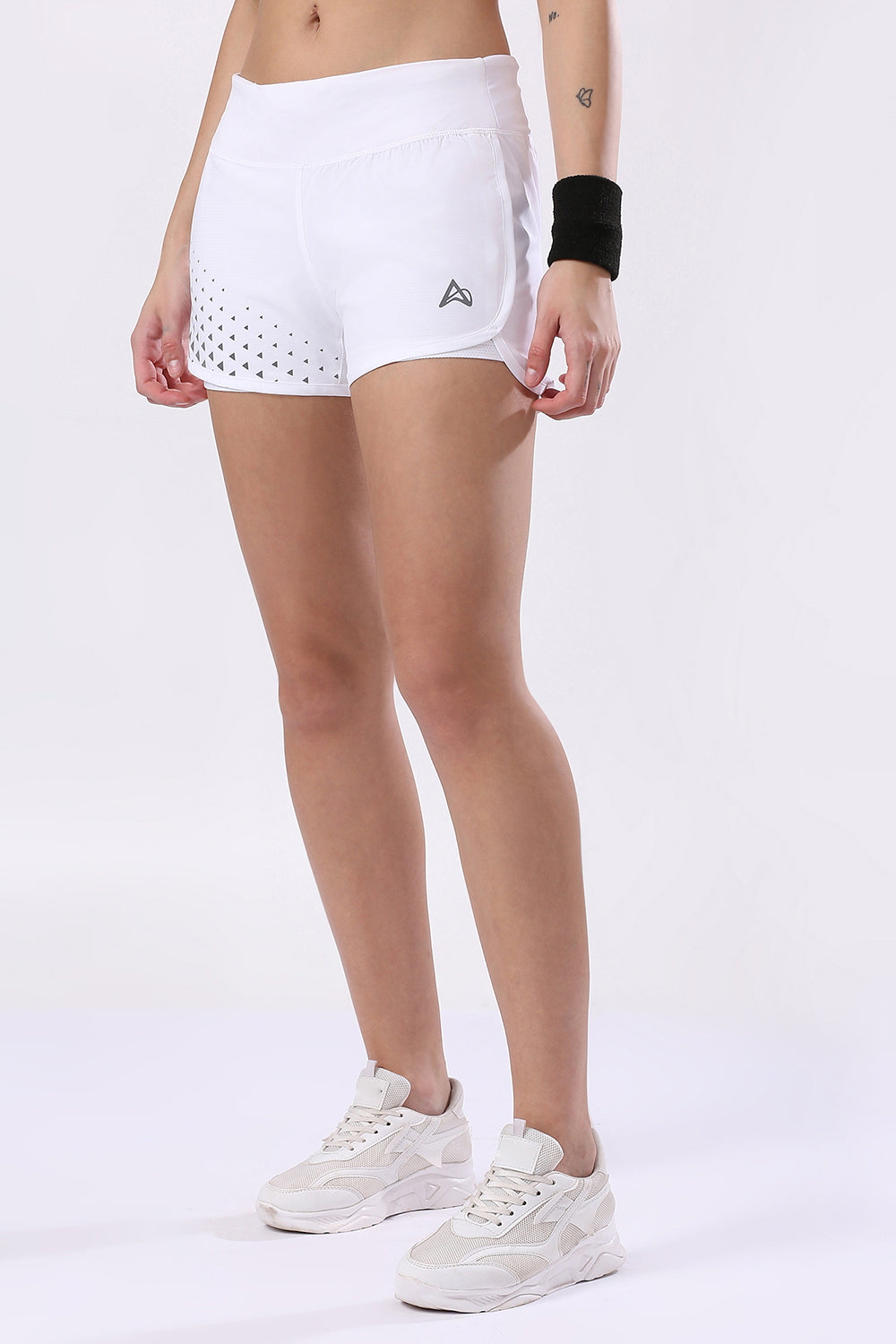
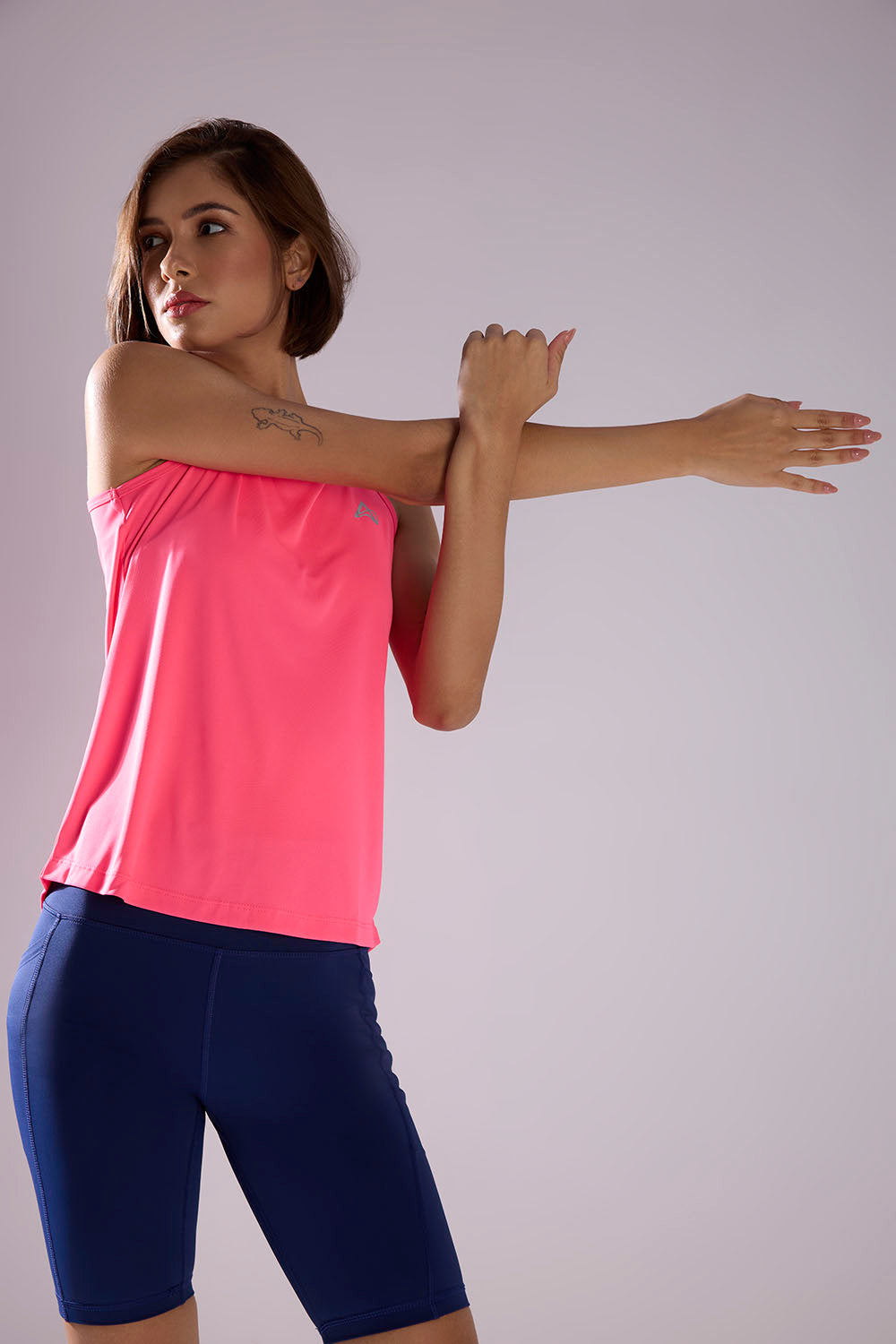
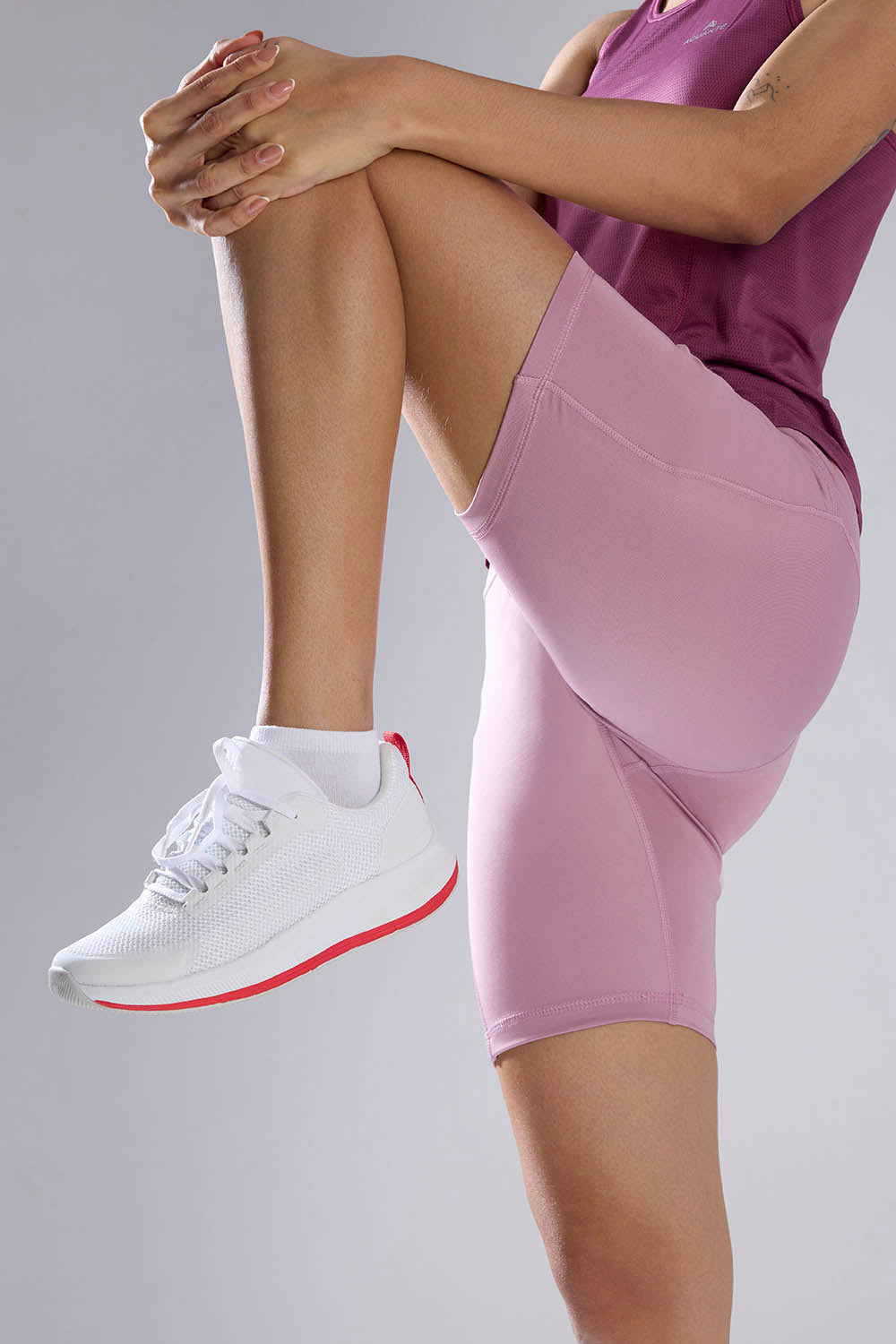
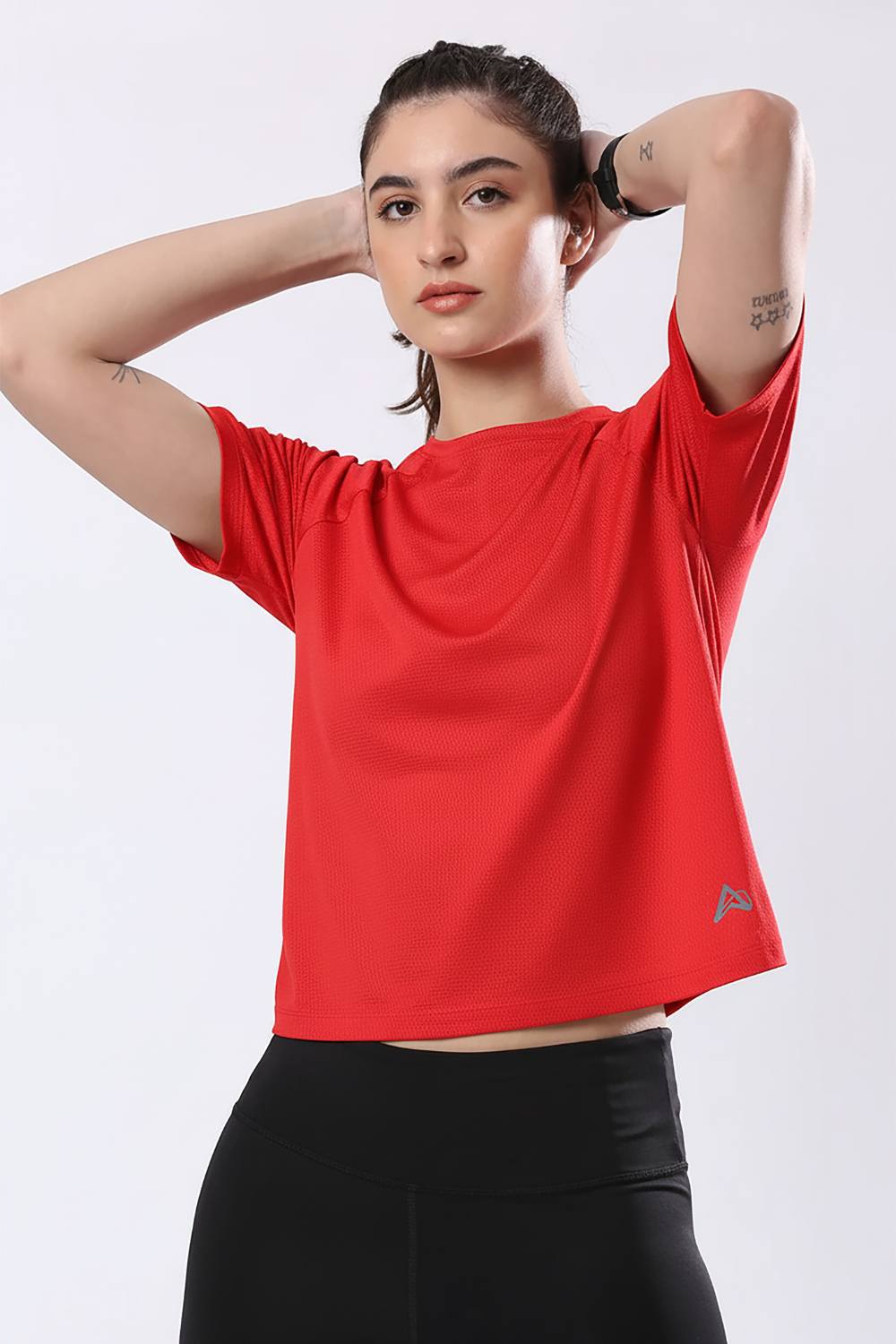

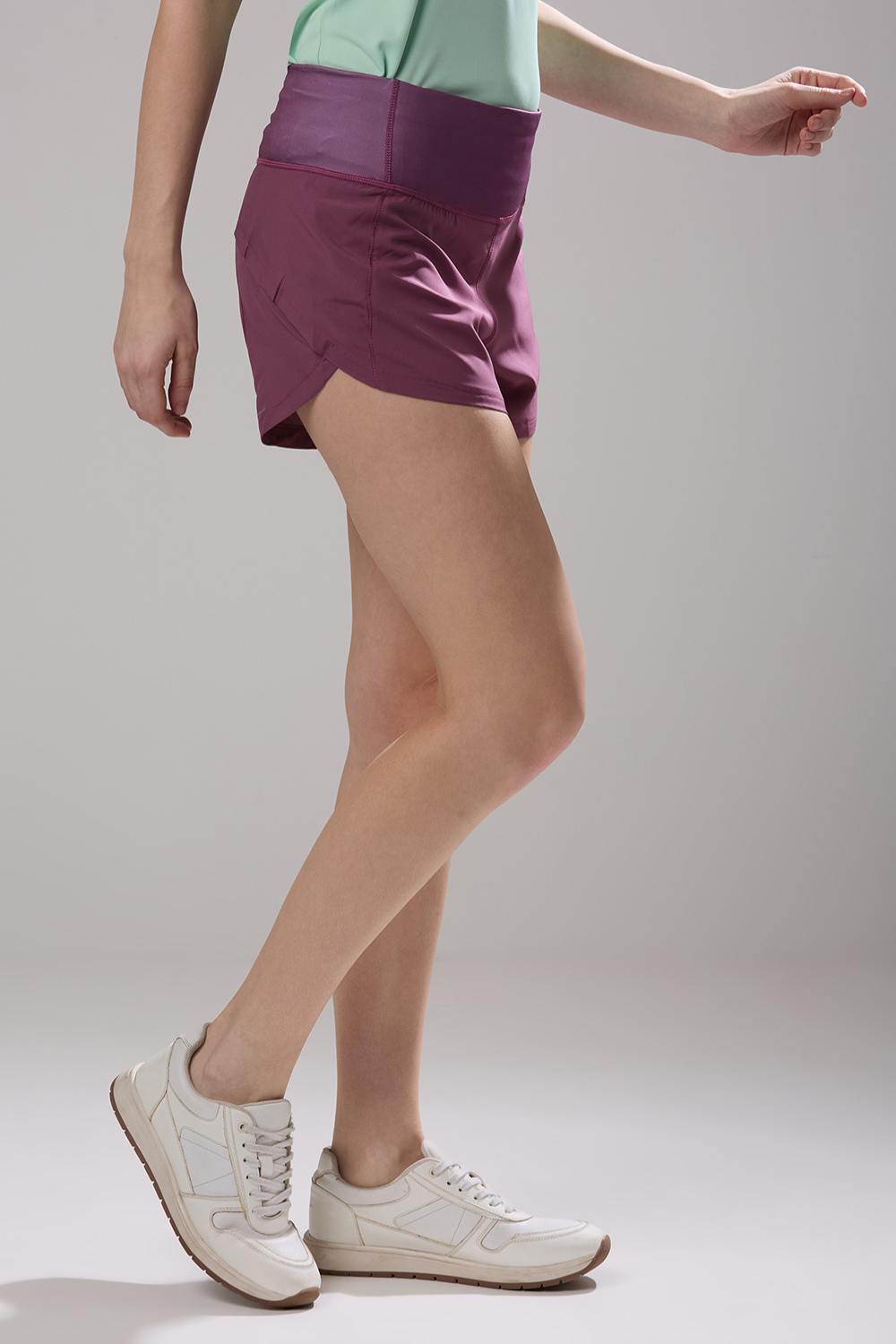
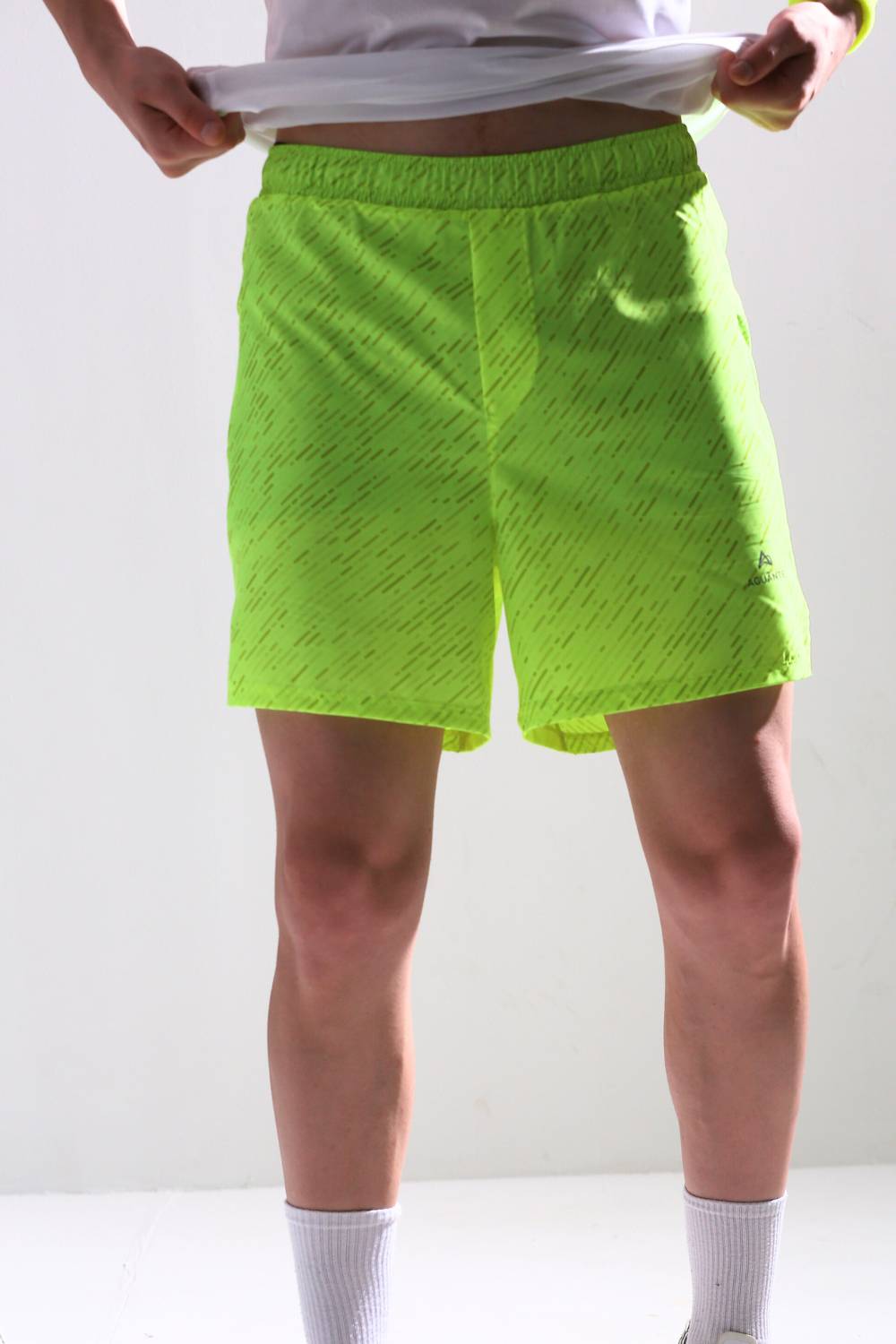

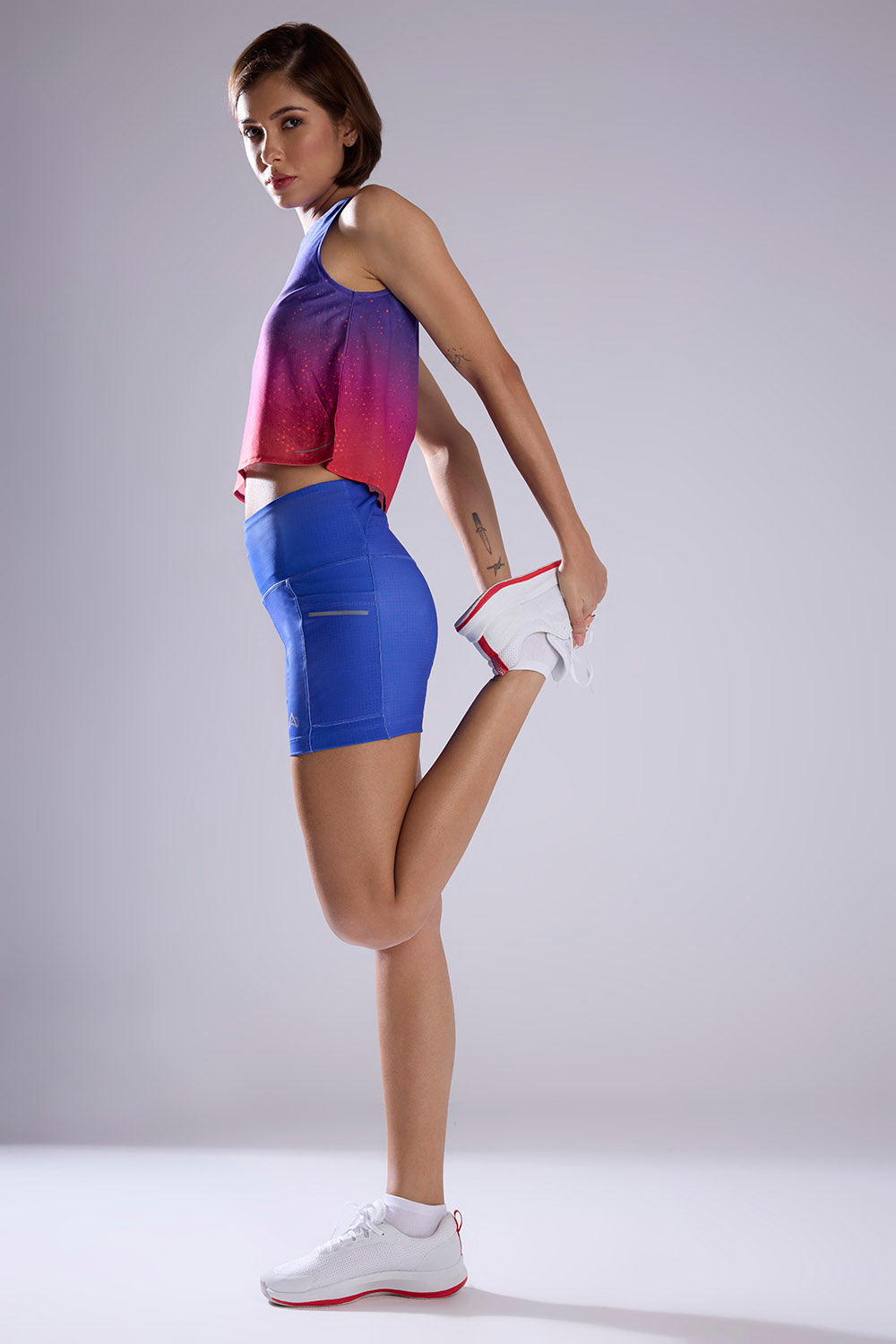
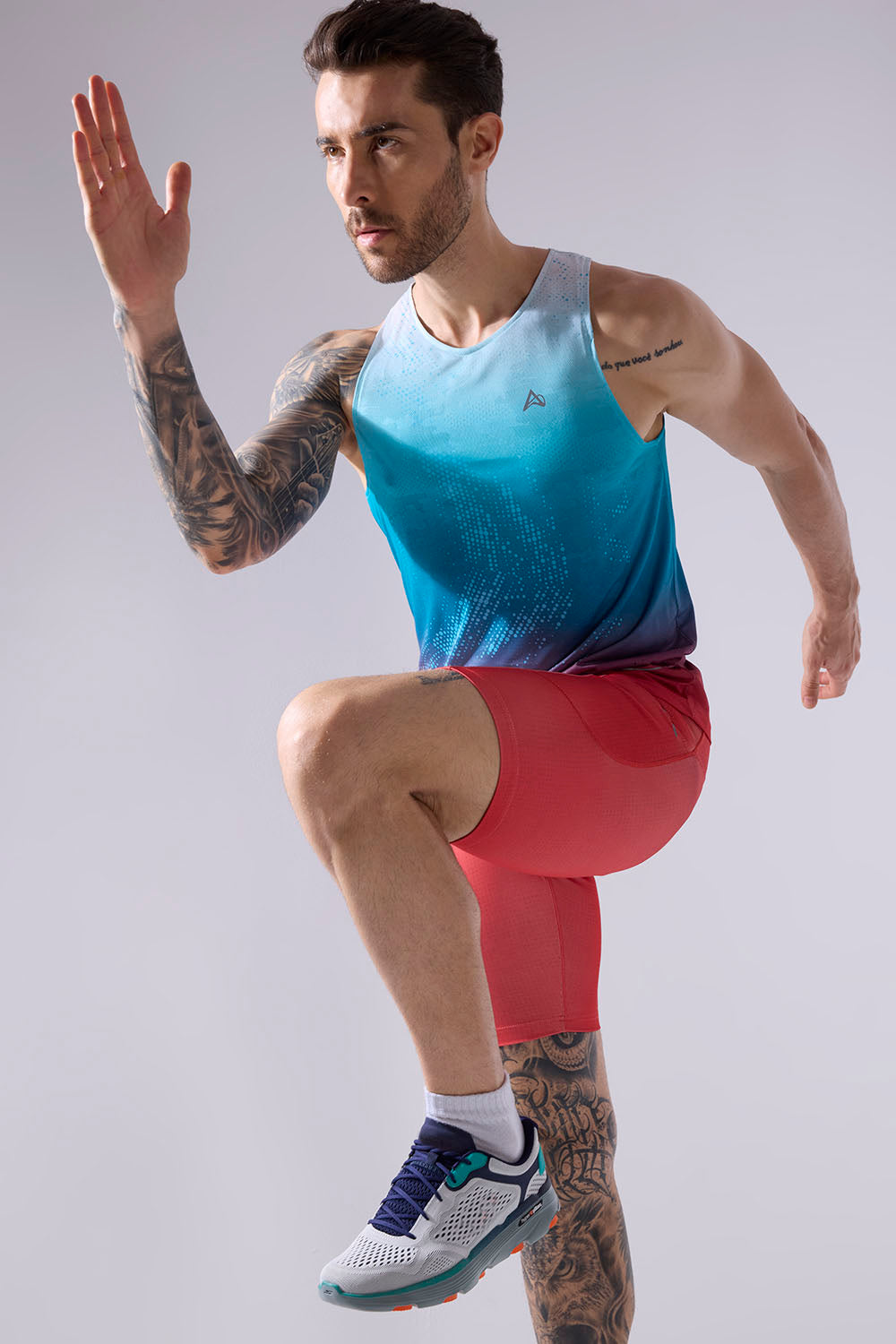


In the humid dawn of Mumbai's coastal paths, where every footfall contends with uneven sidewalks and salty breezes, runners seek edges that turn grueling miles into manageable strides. Gear crafted for such realities can transform the experience. Delve into The Impact of Compression Gear on Running Performance, where specialized apparel is redefining endurance in India's vibrant urban landscapes.
Tired of gear that slows you down? Chafing, soggy fabrics, and missing pockets kill your run's momentum. At Aguante, we're runners who get it. Our high-performance activewear features moisture-wicking fabrics, ergonomic designs, and smart storage to keep you focused. Shop Now!
Understanding Compression Gear: Essentials for Indian Urban Runners
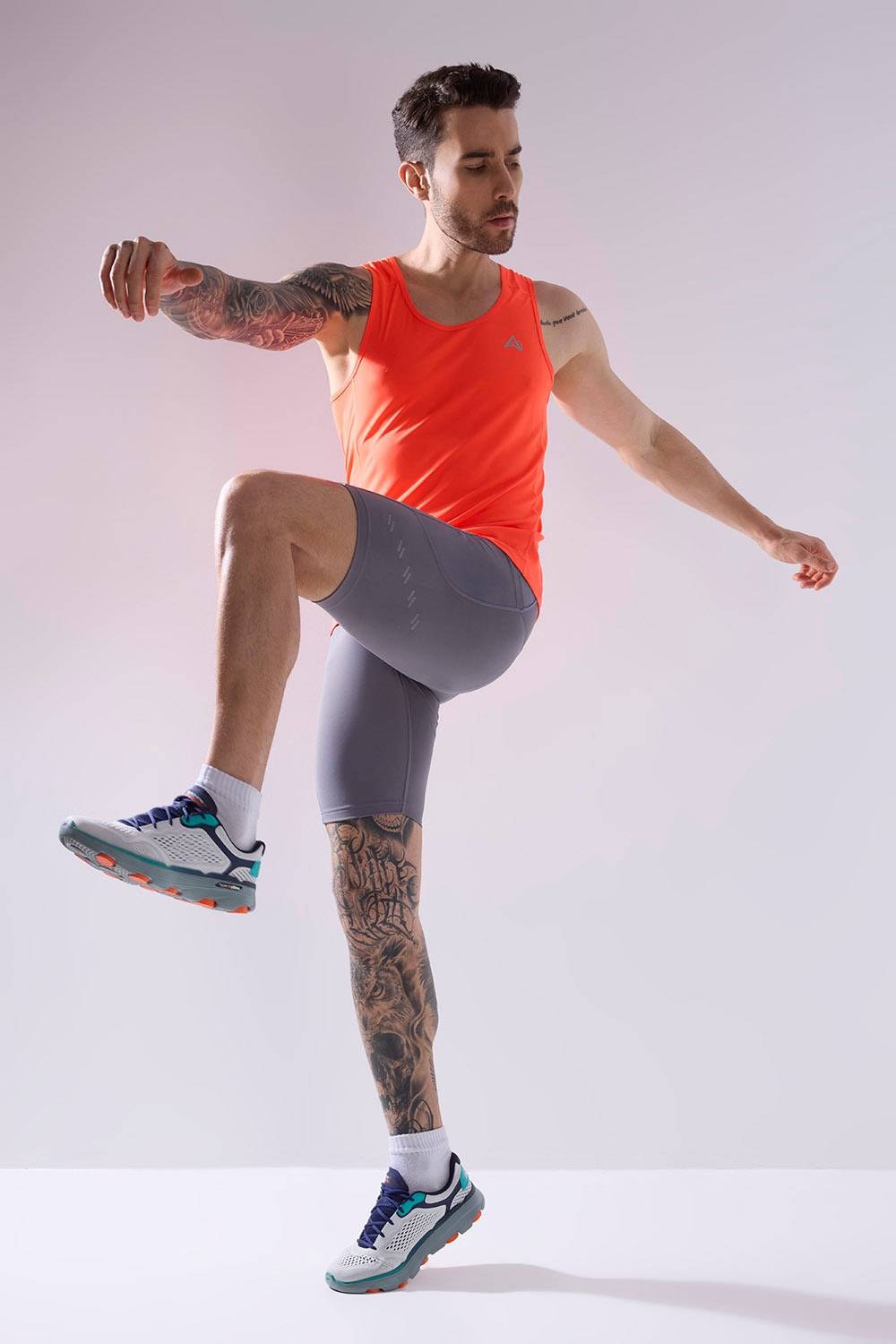
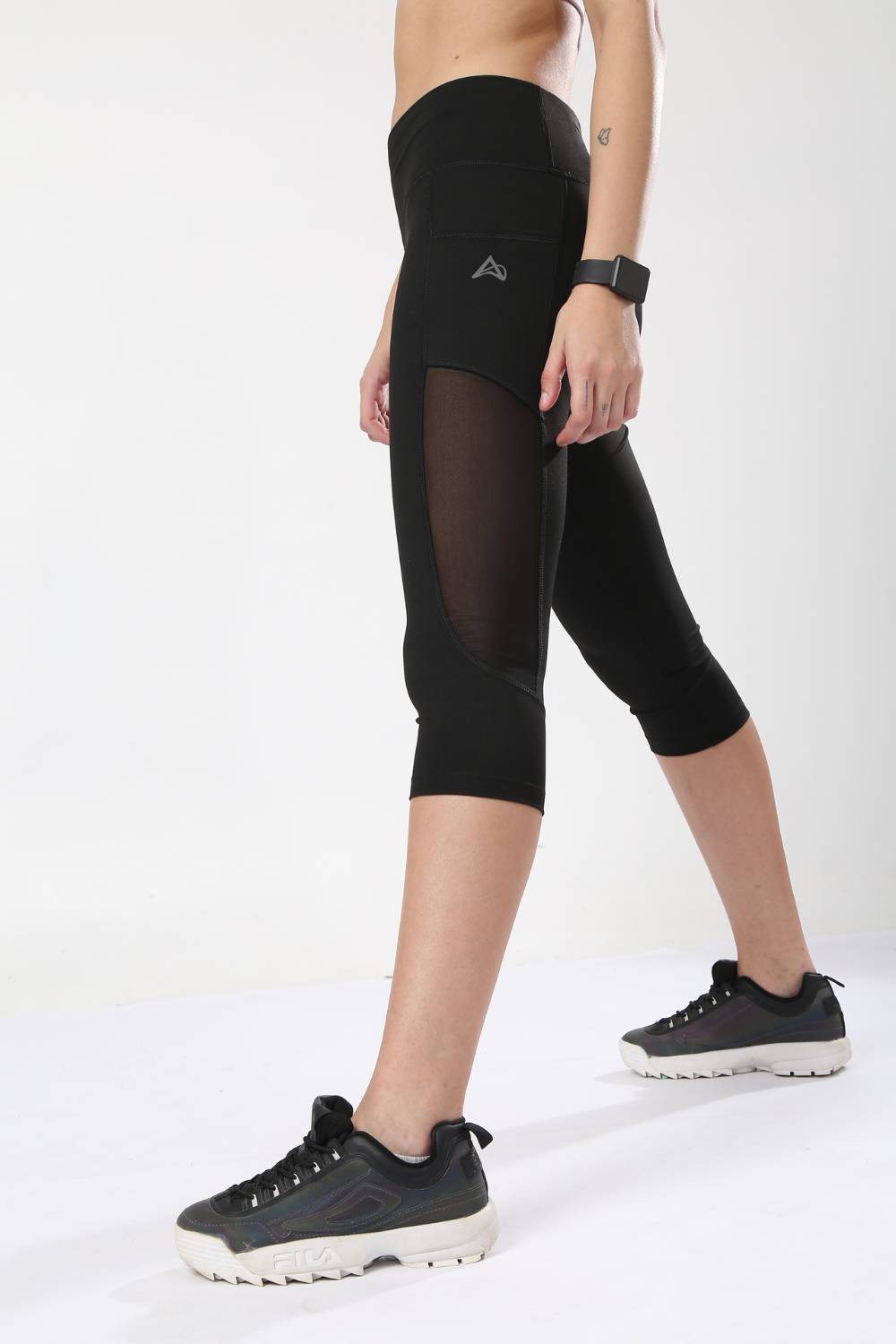
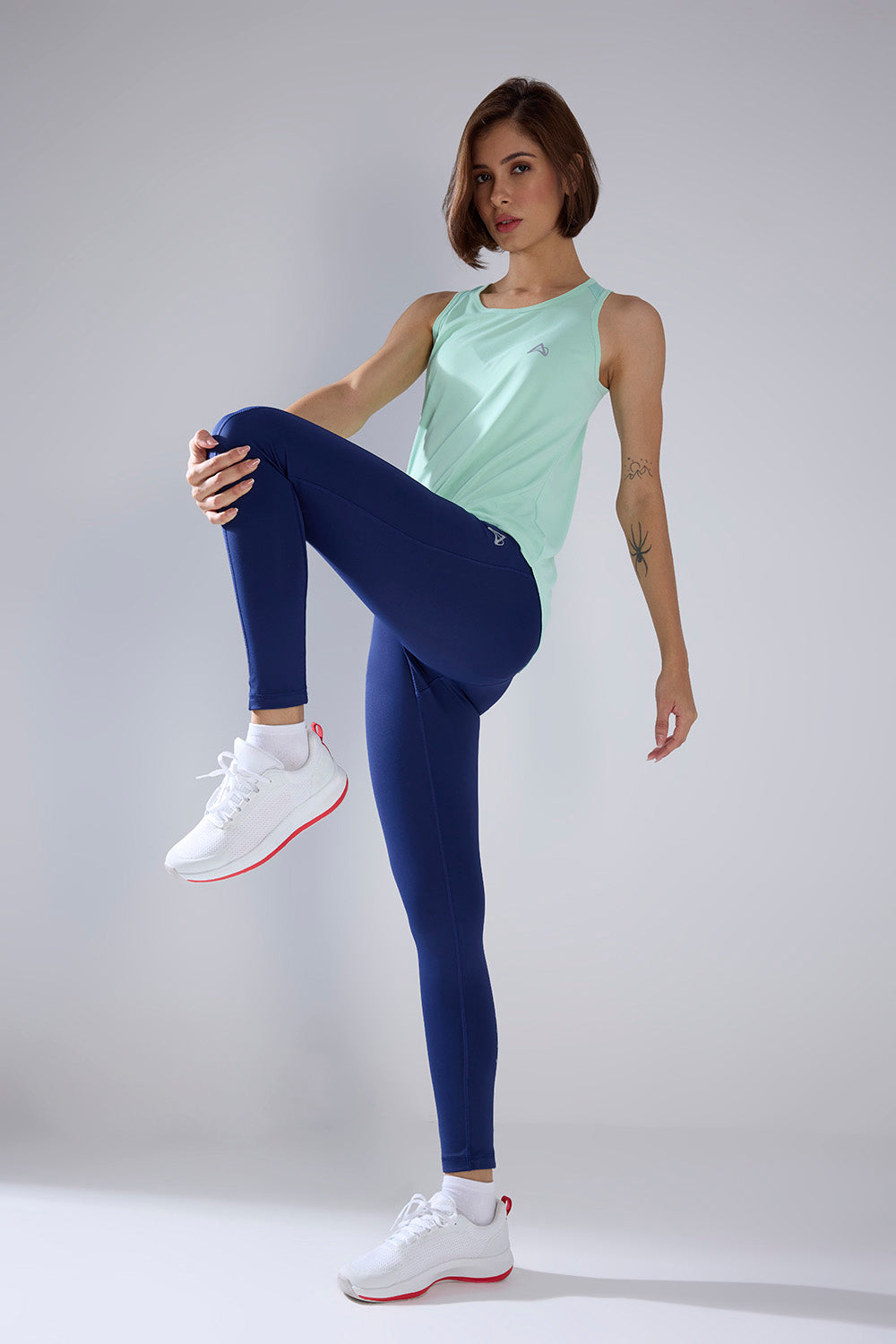
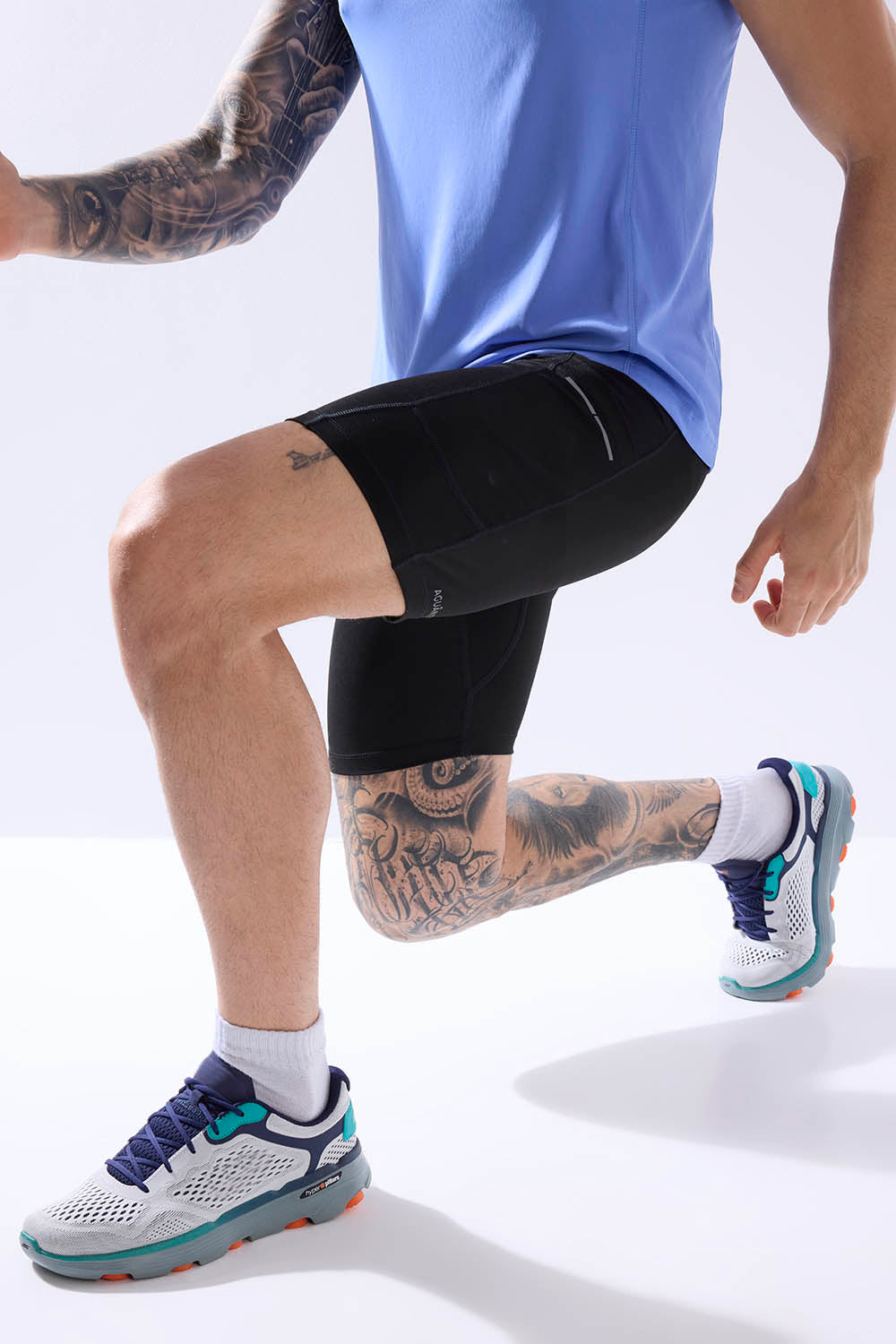
Compression gear encompasses items like socks, sleeves, tights, and shorts that deliver graduated pressure to muscles and veins, enhancing circulation and tissue stability during exertion. In heat-soaked hubs such as Bangalore and Hyderabad, this aids in warding off fatigue amid persistent humidity. Tailored for local demands, these garments emphasize breathability and moisture management, ideal for sweat-drenched jaunts near Mumbai's Marina or through Delhi's hazy green spaces.
In Pune and Gurugram, where routes weave through bumpy roads and bustling parks, compression minimizes muscle oscillation, potentially easing post-run aches. Yet, efficacy varies. Insights from the global running gear market highlight its growth, fueled by health consciousness and material innovations, making such apparel increasingly accessible via e-commerce.
Emerging Trends in Compression Technology
Running apparel evolves with compression leading innovations, focusing on fabrics suited to tropical climes in Surat and Ahmedabad, where scorching summers test limits. Features like anti-chafing protections and reflective accents suit low-light runs in Navi Mumbai's zones.
Sustainability surges, with eco-materials blending efficacy and environmental care. In India's dynamic scene, designs incorporate local ergonomics for varied physiques. Trends include smart integrations like sensors for performance tracking, prominent in Mumbai's fitness circles. Compared to worldwide patterns, India's emphasis on humidity resistance accelerates adoption, aligning with broader sports apparel expansion.
Tech-Infused Customization
Biometric-embedded gear allows real-time adjustments, enhancing training in Delhi's variable weather.
What the Science Says: Performance and Evidence
Research presents a nuanced view. A 2025 meta-analysis on compression garments found no notable boosts in race times or exhaustion thresholds, yet noted reduced soft tissue vibration, beneficial in humid Indian settings where fatigue amplifies.
Studies on endurance show small positives; one indicated preserved hip awareness up to 14km in half-marathons, relevant for Pune's hilly paths or Surat's flat expanses. Recovery benefits include lowered damage markers, aiding rebound after Ahmedabad's rigorous sessions. However, some research, like from Ohio State, shows no fatigue mitigation in intense runs.
In India, anecdotal reports from Bangalore clubs suggest soreness relief in muggy conditions, though robust local studies from institutions like IIT Delhi are pending. Globally, 2023 analyses confirm minor endurance gains via oscillation reduction. India's focus on heat-adapted gear may enhance these effects over standard global applications.
Real-World Applications: Insights from India's Running Communities
Amid Bangalore's Cubbon Park mists, runners in compression sleeves report steadier calves against slippery grounds. Coaches note fewer fatigue complaints, linking to better circulation in thick air.
In Mumbai, tights offer stability on chaotic routes like the Sea Link, curbing cramps post-run. Delhi groups, facing pollution at India Gate, find form maintenance easier, with testimonials echoing delayed cramps. Hyderabad's evening joggers appreciate dryness amid humidity.
- Pune trail enthusiasts cite improved recovery on inclines.
- Surat runners value it for seamless shifts from workout to work.
- Ahmedabad marathon preppers use it against dry heat.
Key Challenges and Limitations
Compression isn't foolproof. Evidence shows inconsistent aerodynamic or fatigue benefits, risking overdependence. In India's heat, subpar designs may retain warmth, worsening dehydration in Mumbai or Delhi.
Fit challenges: overly tight restricts motion; loose nullifies advantages. Studies note no enhancements in jumps or sprints, limiting for speed-focused runners. Hyderabad users occasionally report sweat discomfort. Potential irritations or misplaced confidence underscore needs for balanced training. India's market variability heightens quality concerns over global standards.
Opportunities and Business Impacts
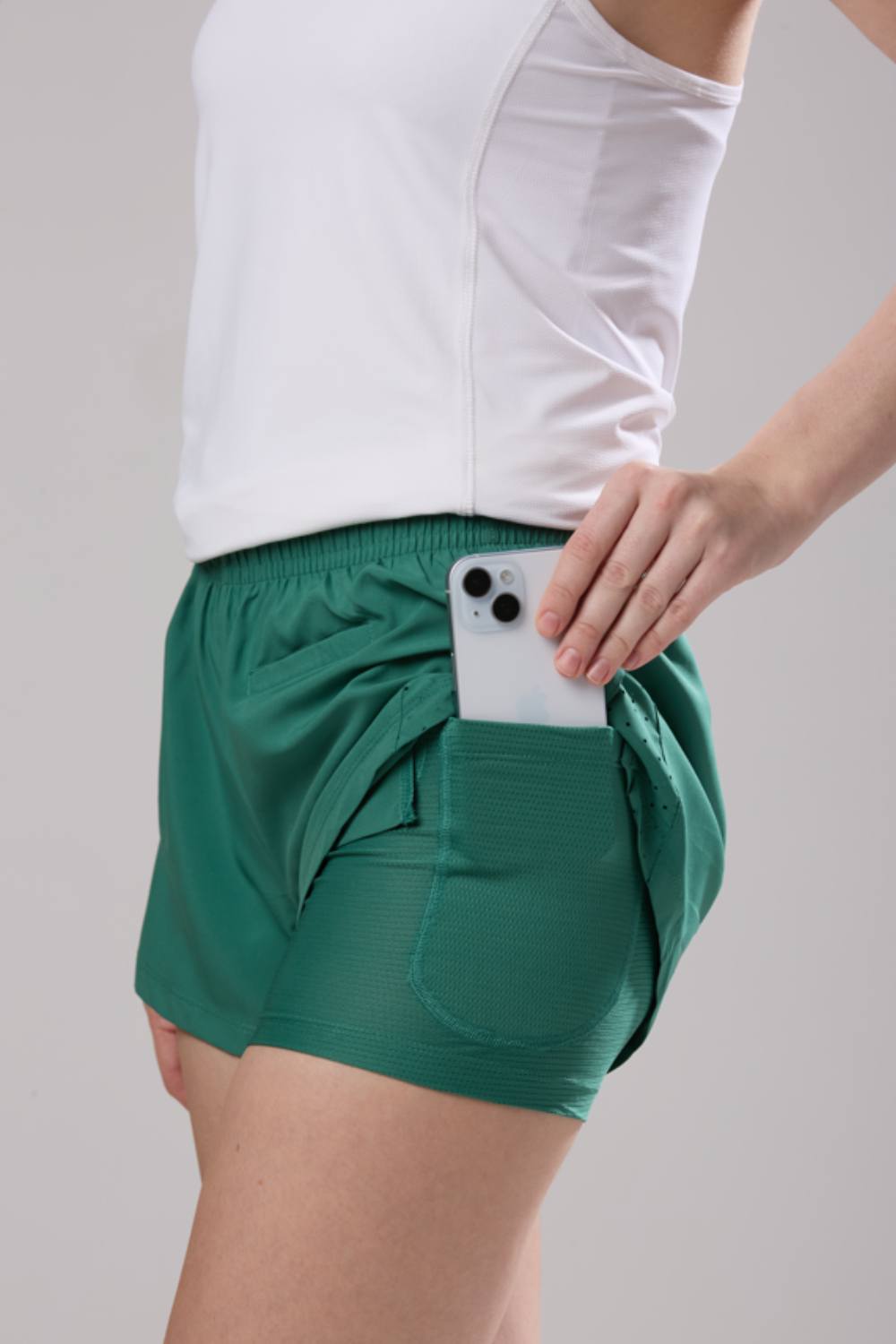
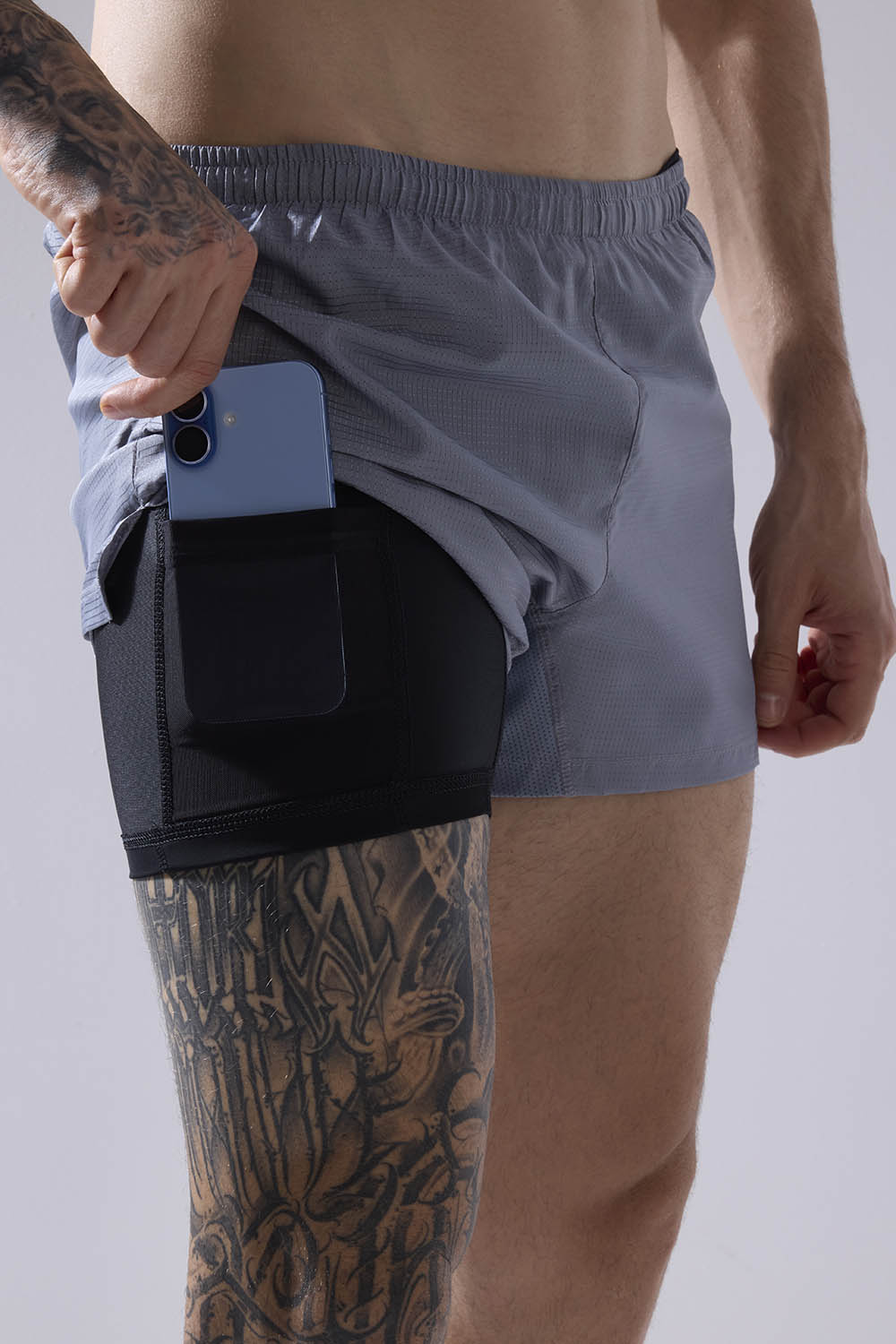
India's fitness boom presents avenues for localized compression, with features like secure pockets capturing urban shares in Bangalore or Pune.
Social endorsements from Instagram influencers boost visibility, leveraging proof for sales. Growth, driven by urbanization and awareness, promises loyalty through inclusive designs. The India running gear market reflects this, expanding with e-commerce and events.
Economic Influences
Adoption spurs sectors like online retail and events, generating employment in Ahmedabad's production centers.
Future Prospects for Indian Runners
Compression embeds in India's running ethos, offering recovery edges in tough climates, albeit modestly. Experts advise quality selections suited locally, paired with holistic regimens. Horizons include intelligent, budget-friendly variants reshaping city fitness. For Delhi or Mumbai enthusiasts, it's edging performance pragmatically. True gains stem from persistence, bolstered by attuned gear.
Frequently Asked Questions
Does compression gear actually improve running performance?
The evidence is mixed but promising in specific areas. A 2025 meta-analysis found no significant improvements in race times or exhaustion thresholds, but did confirm reduced soft tissue vibration and muscle oscillation benefits that are especially relevant in humid running conditions. Runners may experience modest endurance gains and better proprioception (body awareness), particularly on longer distances like half-marathons, though compression gear is unlikely to deliver dramatic speed boosts for all runners.
What are the best types of compression gear for running in India's hot and humid climate?
For Indian runners dealing with heat and humidity in cities like Mumbai, Bangalore, and Hyderabad, the most effective compression gear prioritizes breathability, moisture-wicking fabrics, and anti-chafing properties. Compression socks and calf sleeves are popular for circulation support, while tights and shorts help stabilize muscles on uneven urban routes. Look for humidity-resistant, eco-friendly materials and avoid poorly designed gear that can trap heat and worsen dehydration.
How does compression gear help with post-run recovery?
Compression garments aid recovery by reducing muscle damage markers and improving blood circulation, helping muscles rebound faster after intense sessions. Indian running communities in cities like Ahmedabad and Pune report reduced soreness after long runs and trail workouts when wearing compression gear. While robust local clinical studies are still emerging, the combination of graduated pressure and improved venous return makes compression a practical recovery tool, especially after heat-intensive training.
Disclaimer: The above helpful resources content contains personal opinions and experiences. The information provided is for general knowledge and does not constitute professional advice.
You may also be interested in: How Ergonomic Fit Improves Running Performance: A Deep Dive
Tired of gear that slows you down? Chafing, soggy fabrics, and missing pockets kill your run's momentum. At Aguante, we're runners who get it. Our high-performance activewear features moisture-wicking fabrics, ergonomic designs, and smart storage to keep you focused. Shop Now!
Powered by flareAI.co