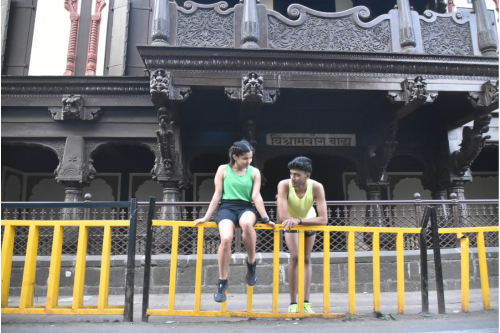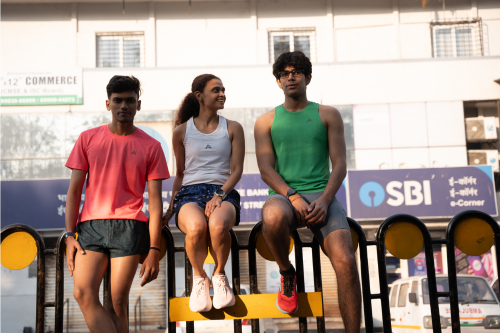










The landscape of running culture is undergoing a quiet but powerful transformation, especially as women's running events India continue to grow across major urban centers such as Bangalore, Mumbai, Delhi, Hyderabad, and Pune. What was once a niche participation category is now evolving into a structured movement shaped by community engagement, lifestyle fitness, and increasing visibility of women in endurance sports. Across cities like Gurugram, Ahmedabad, Surat, and Navi Mumbai, the rise of organized races and informal running collectives is redefining how women perceive fitness not as an isolated activity, but as a shared, social experience that blends health, identity, and empowerment.
This shift is not happening in isolation. It reflects broader cultural and behavioral changes where fitness is becoming a lifestyle priority rather than a seasonal goal. As more women participate in marathons, 5Ks, and community runs, the ecosystem around them including apparel, training groups, and event organizers is adapting rapidly. Brands, coaches, and event organizers are now responding to the evolving expectations of female runners who seek comfort, performance, inclusivity, and community-driven motivation.
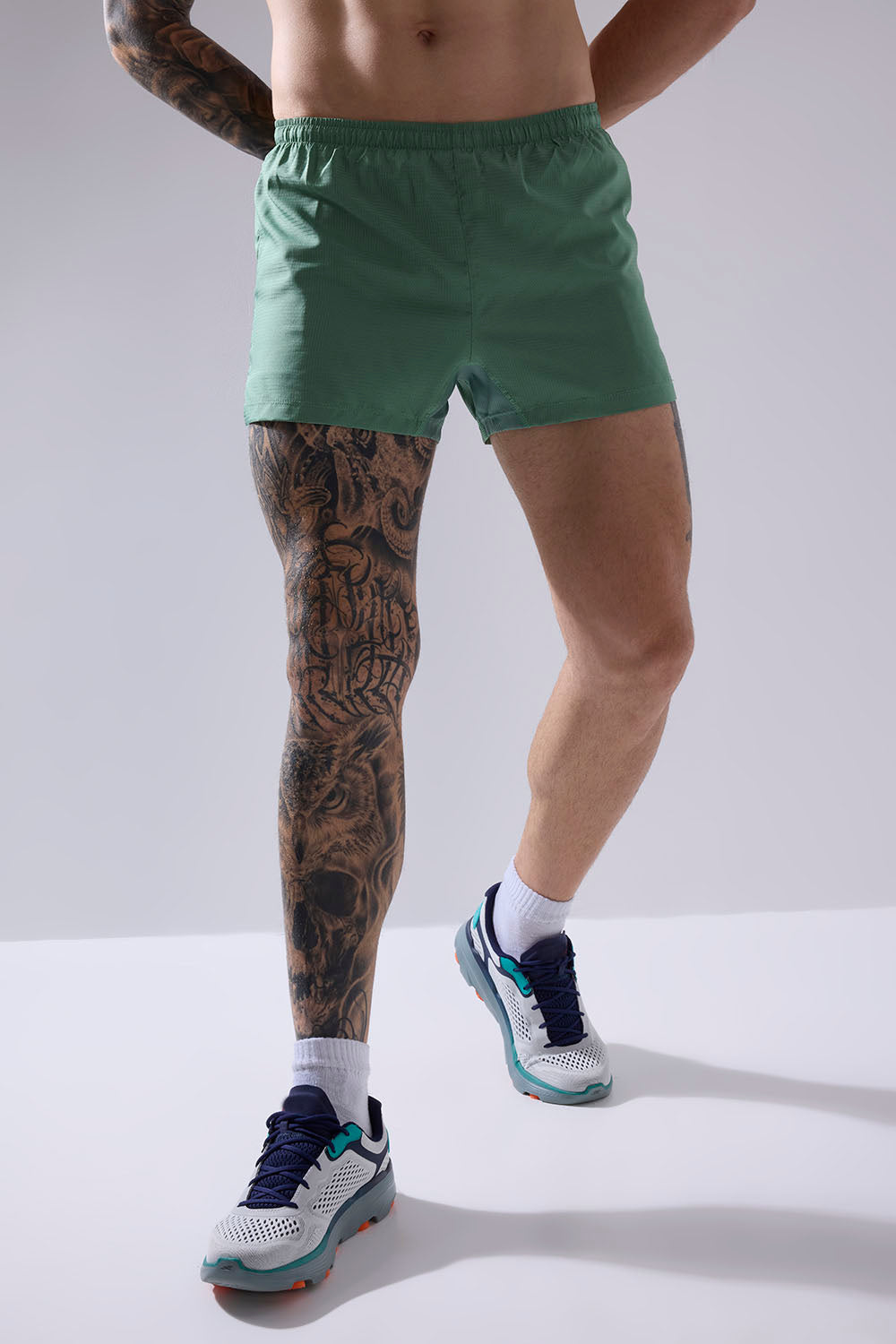
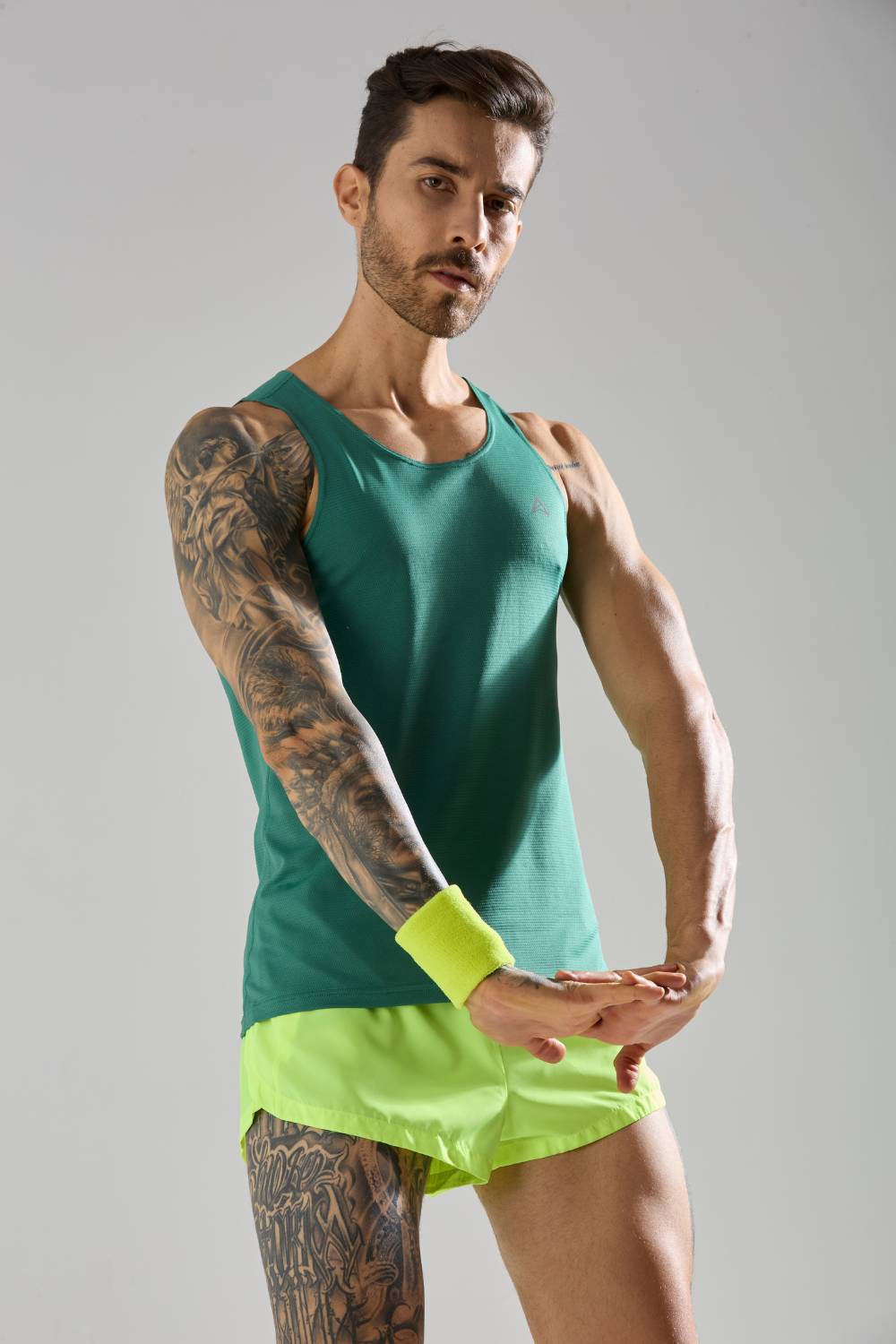
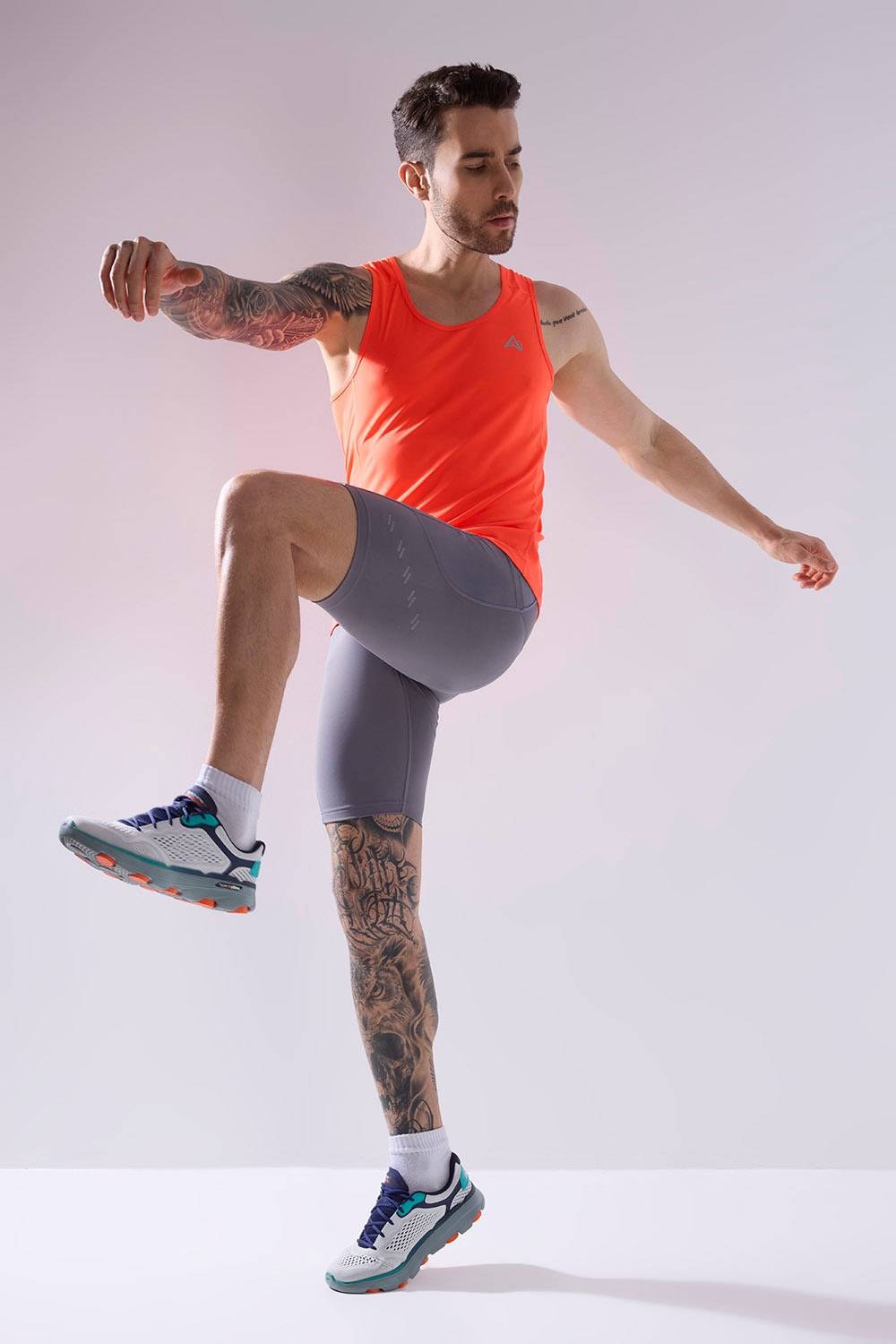
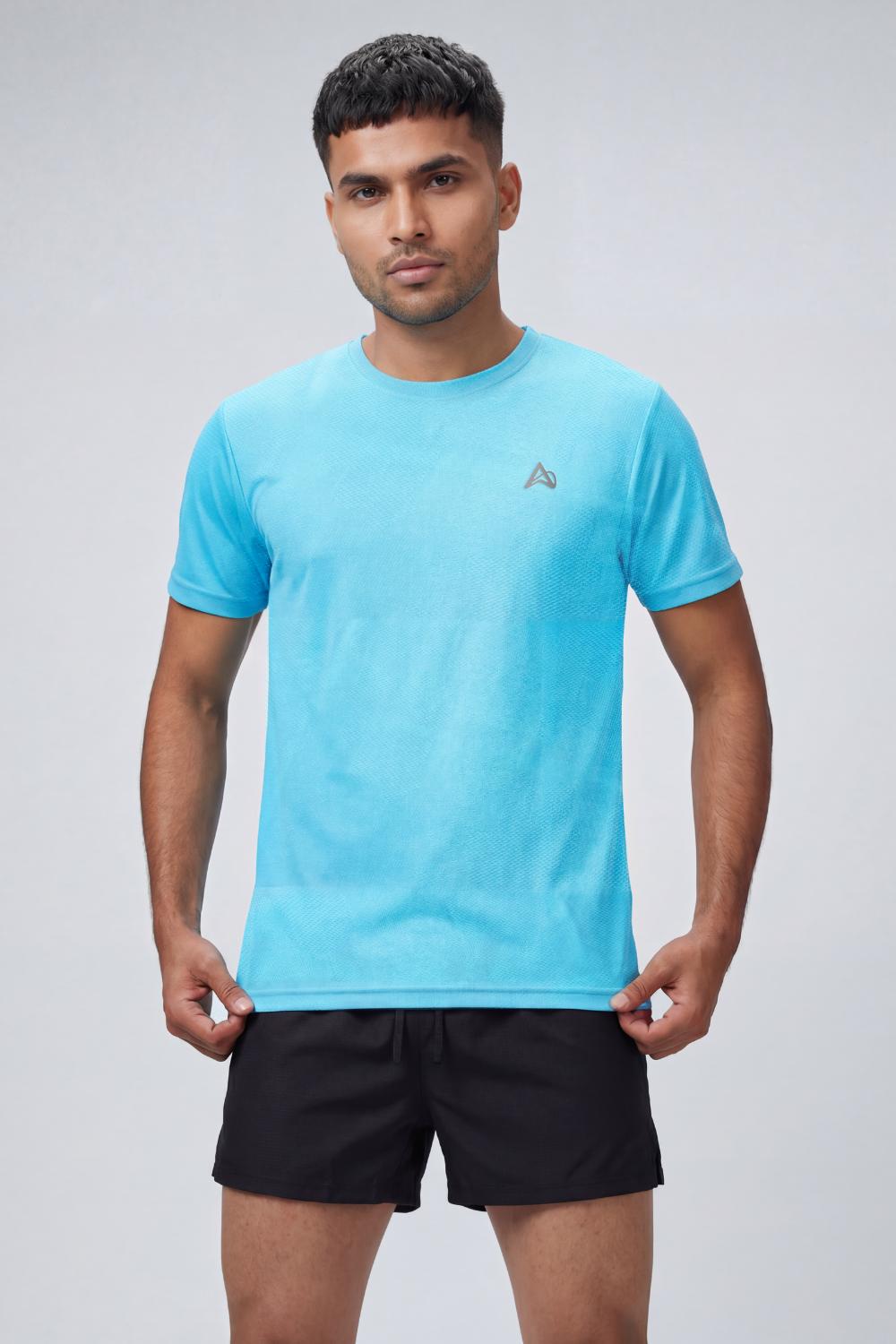
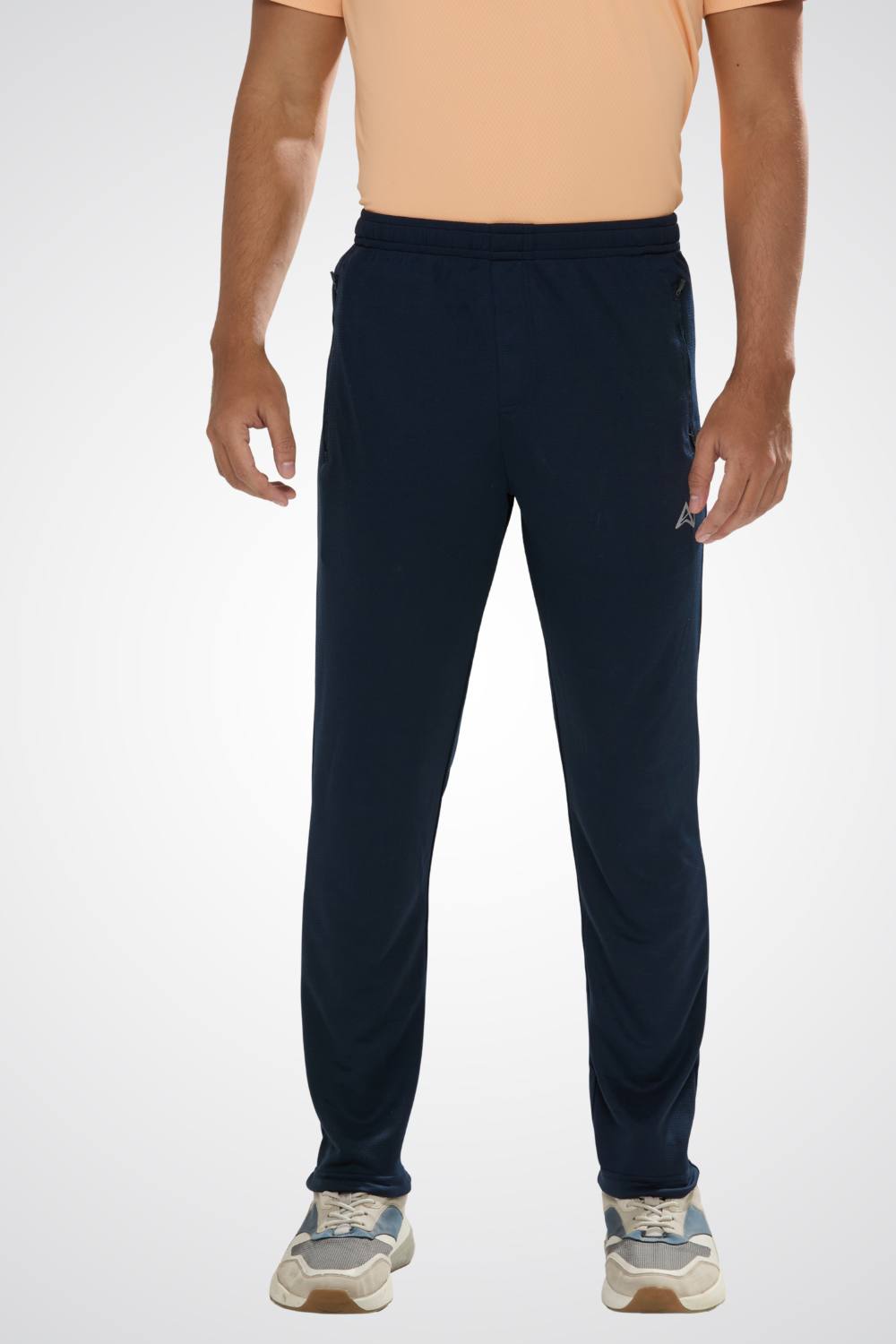
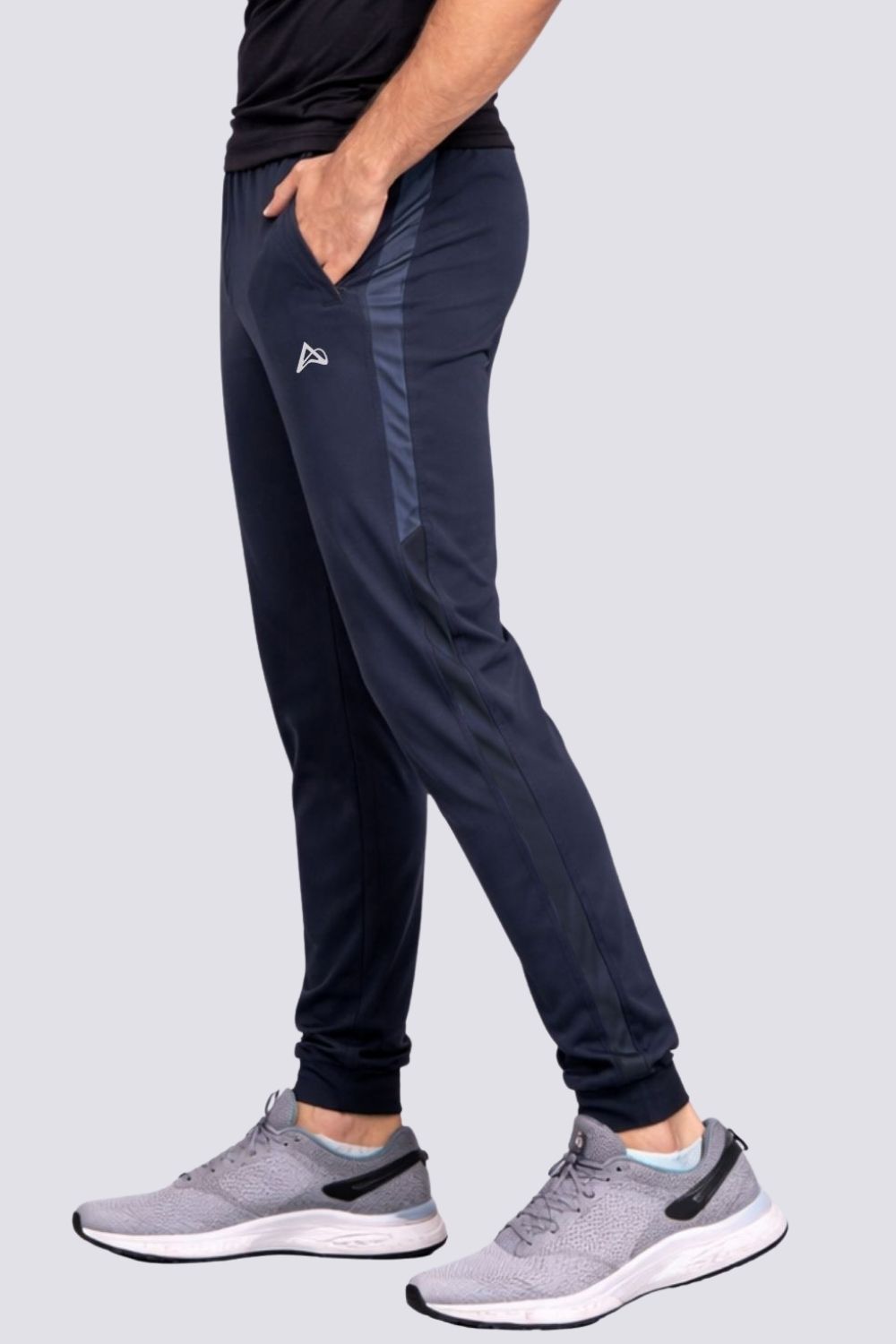
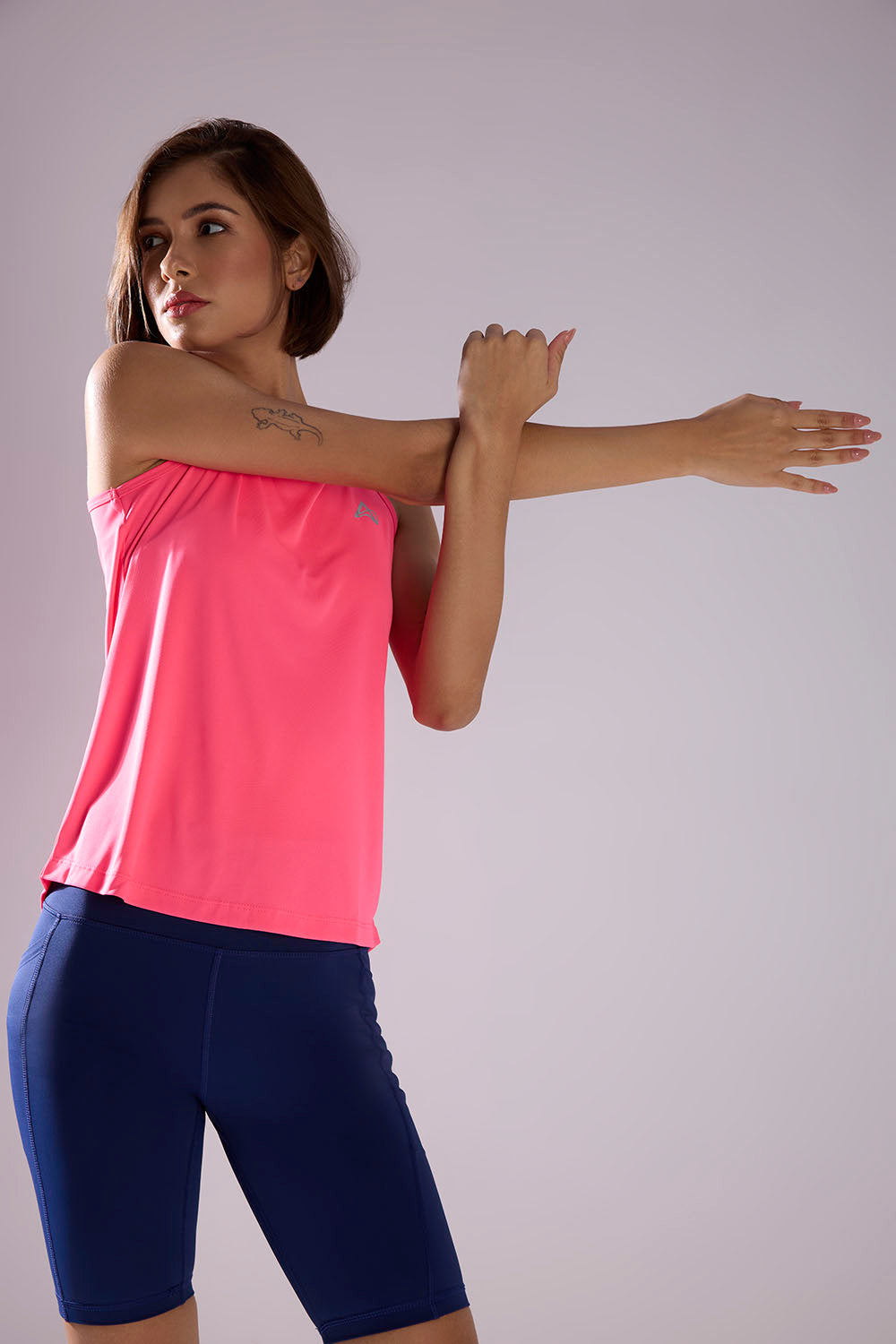
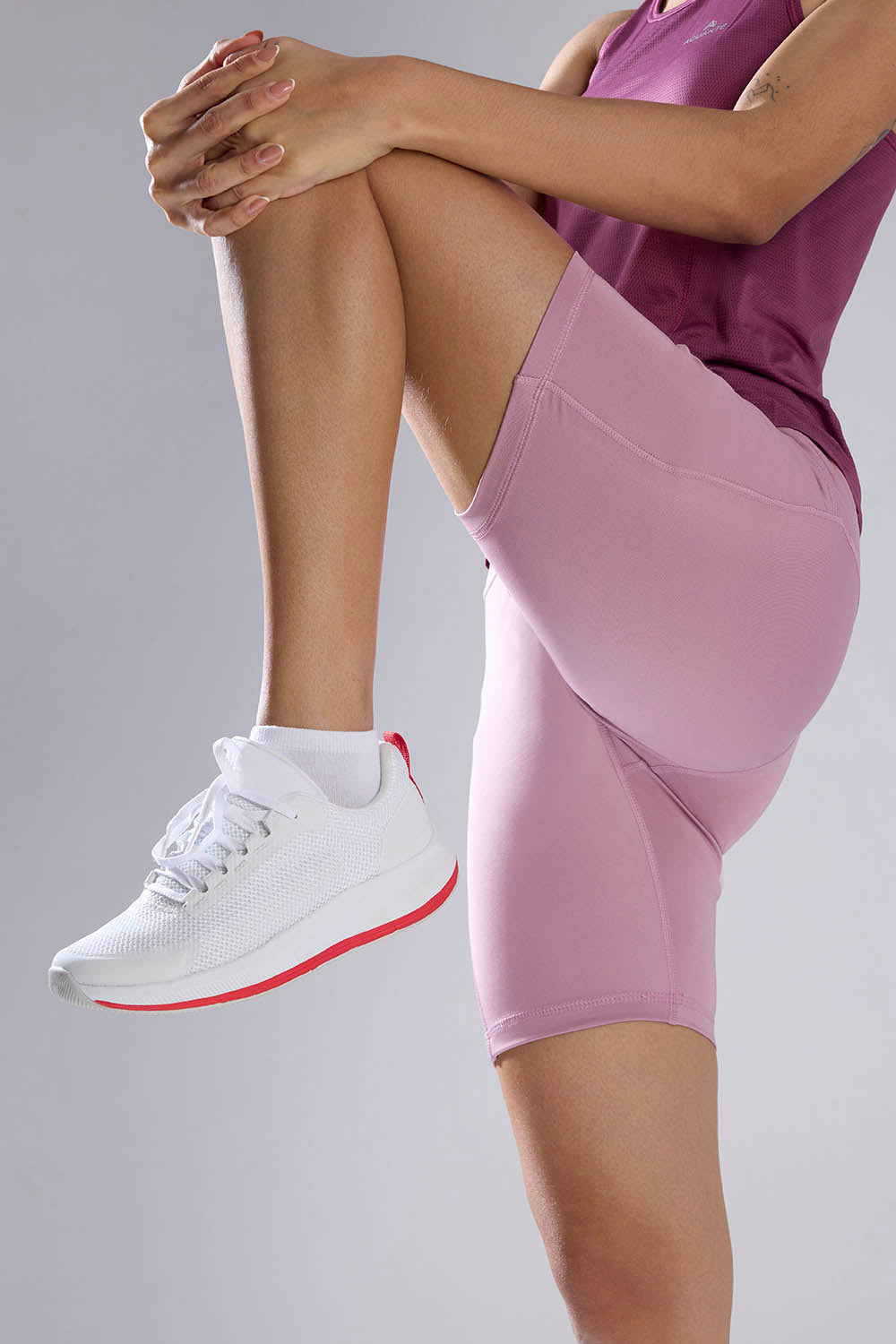
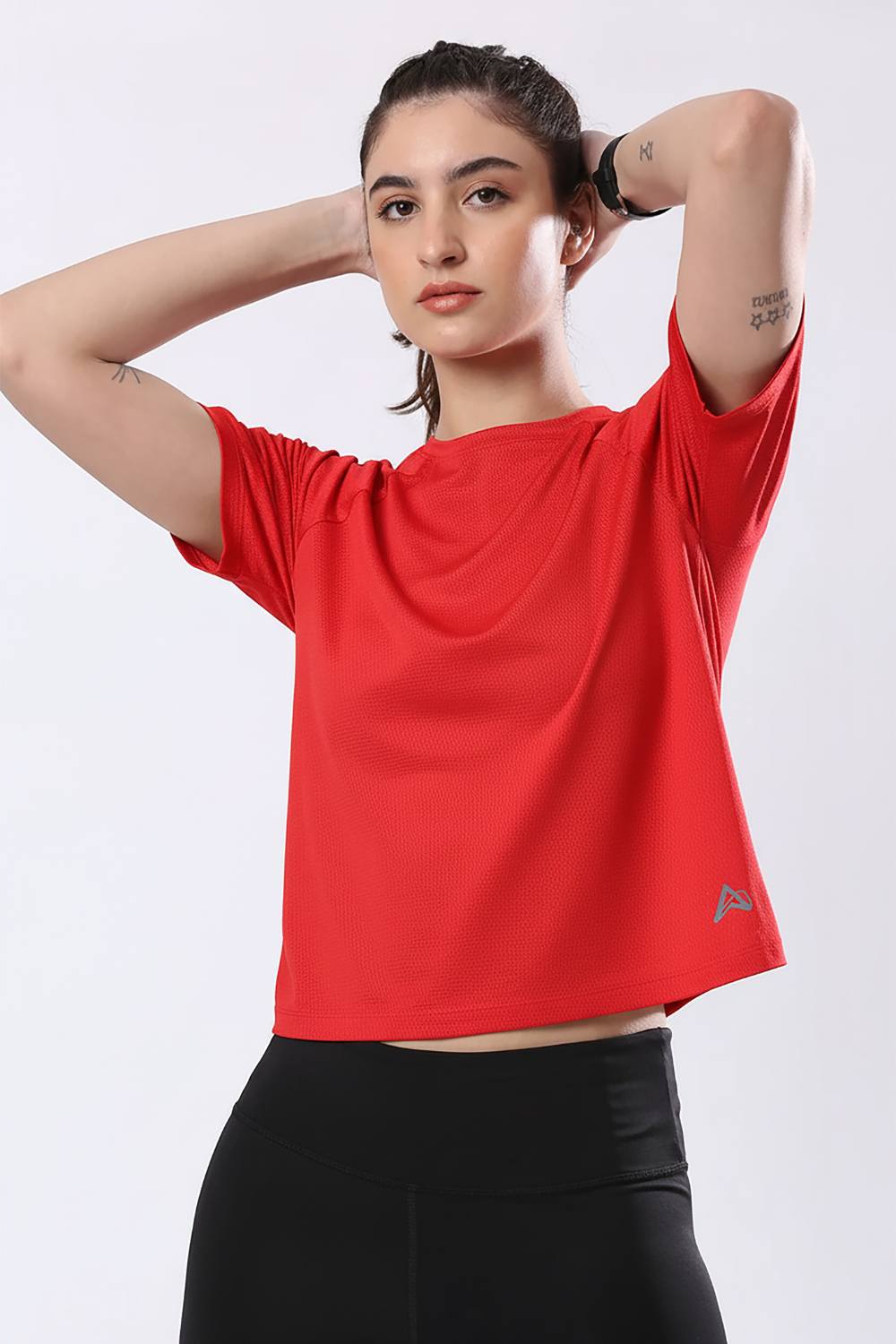
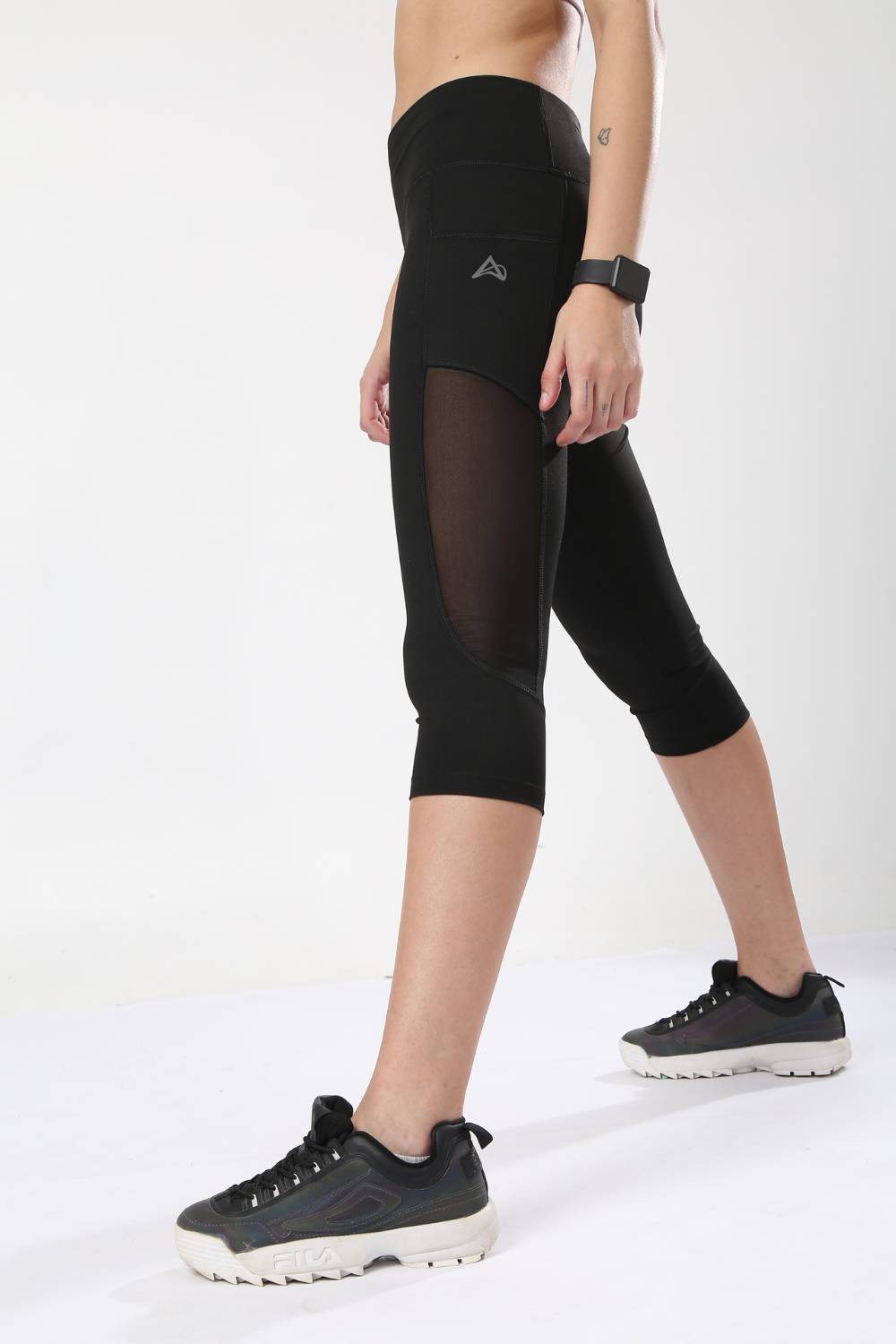
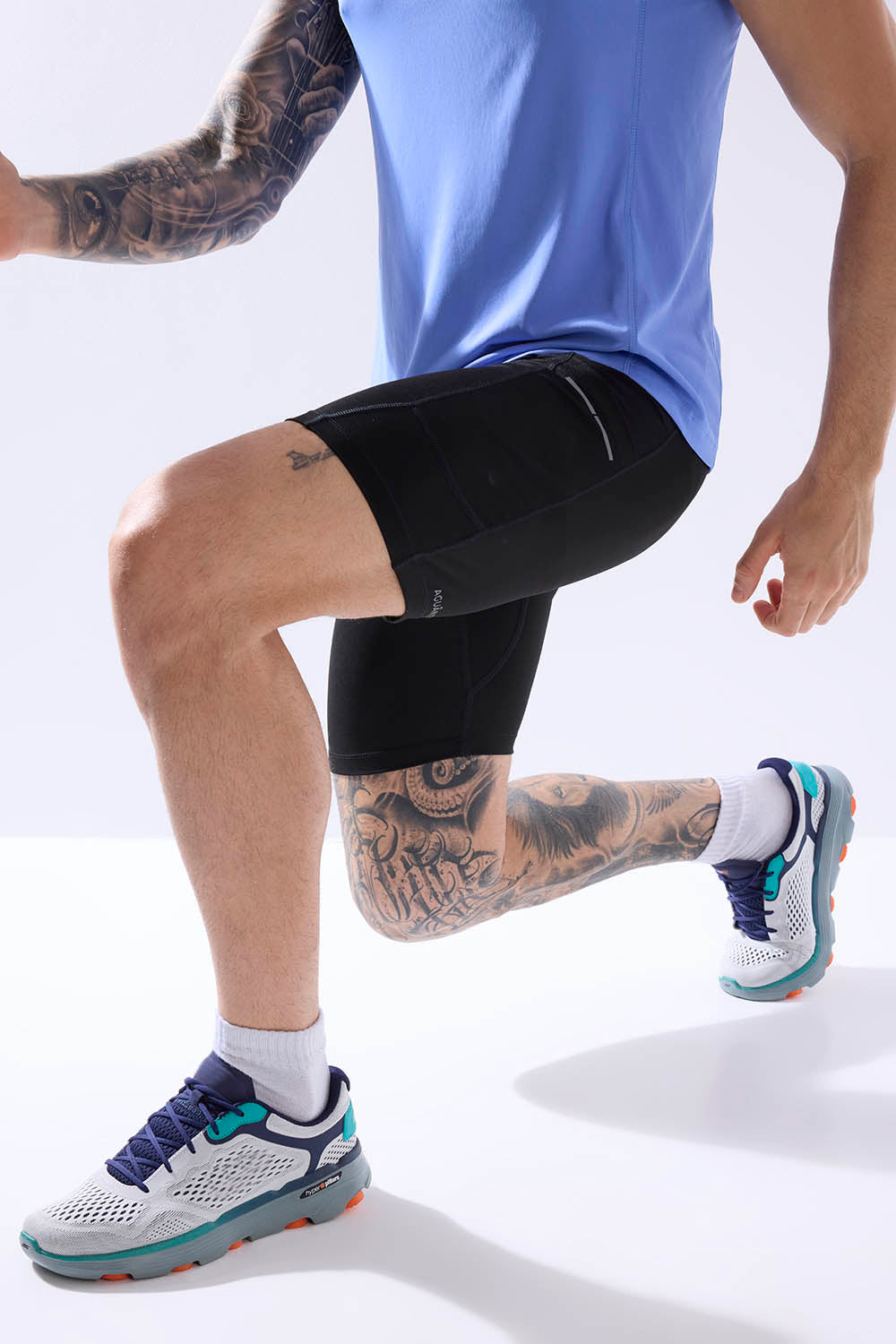
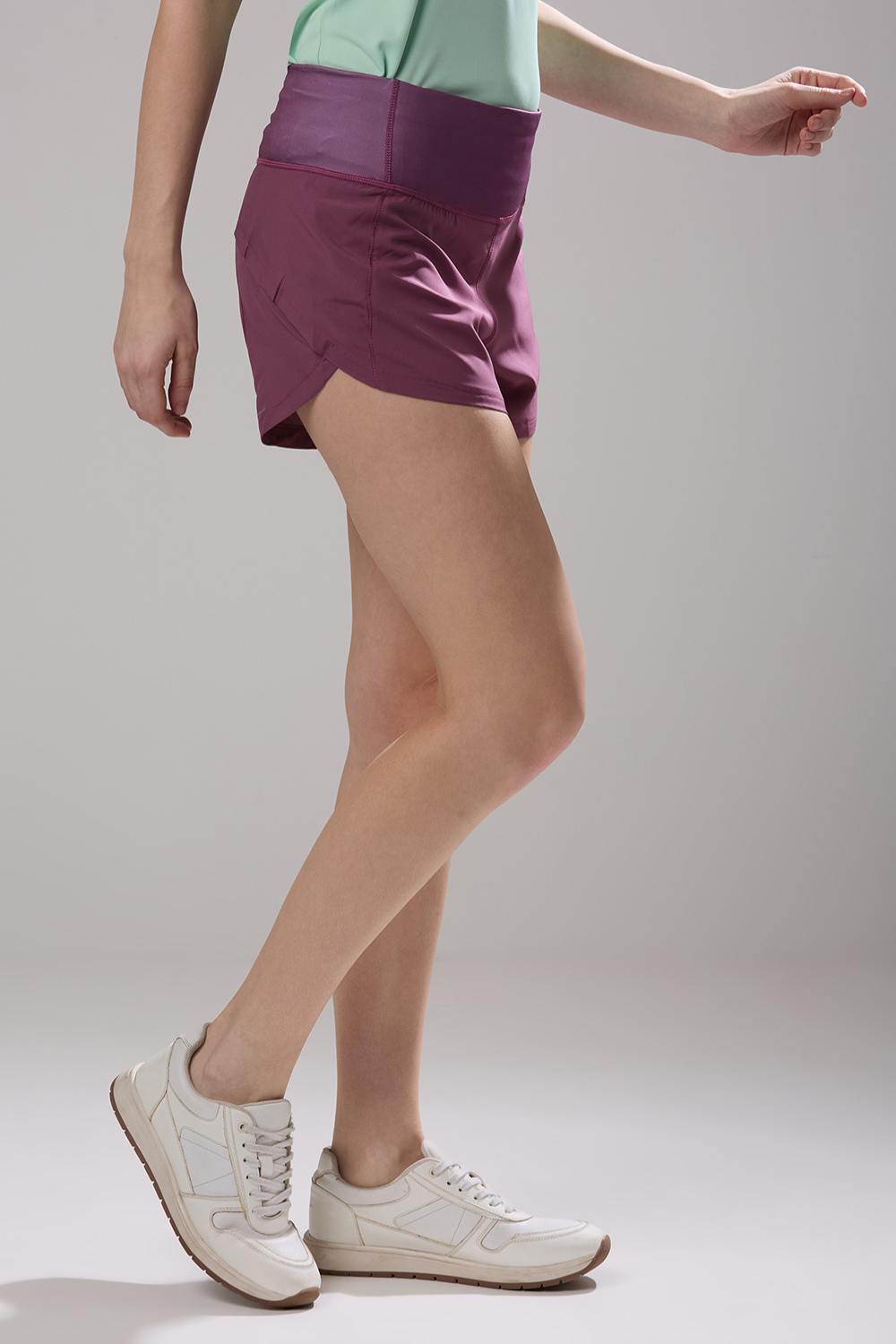
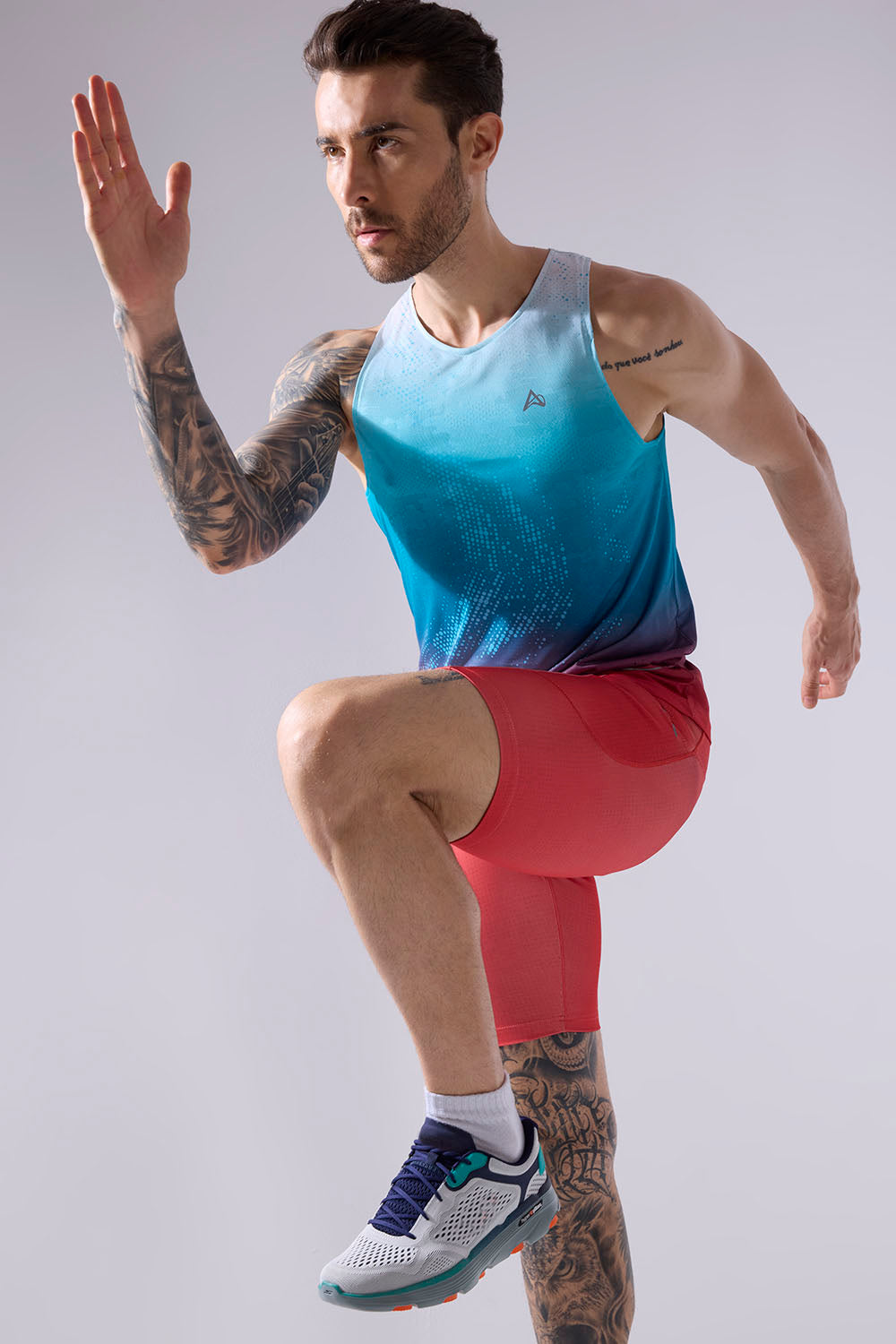
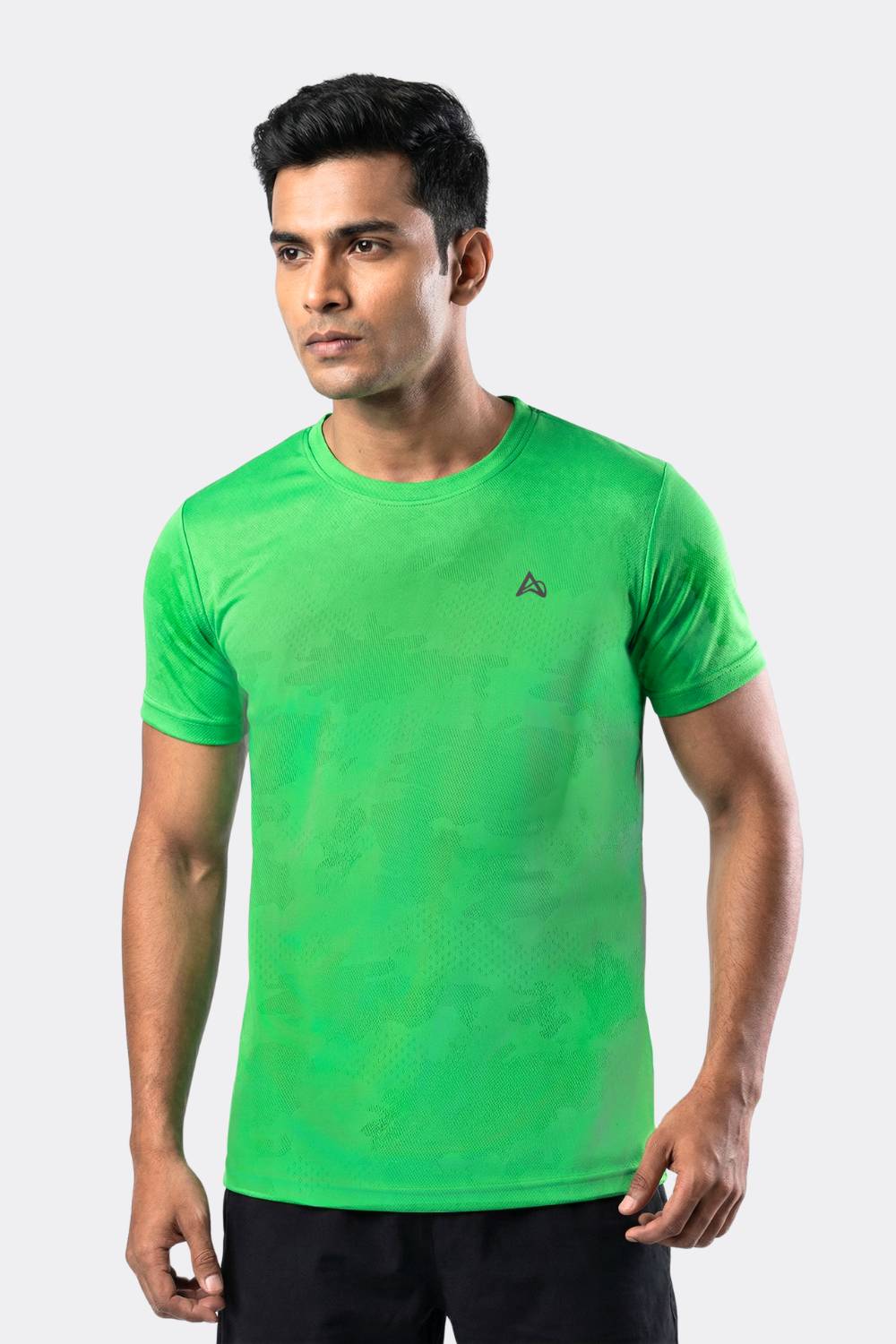
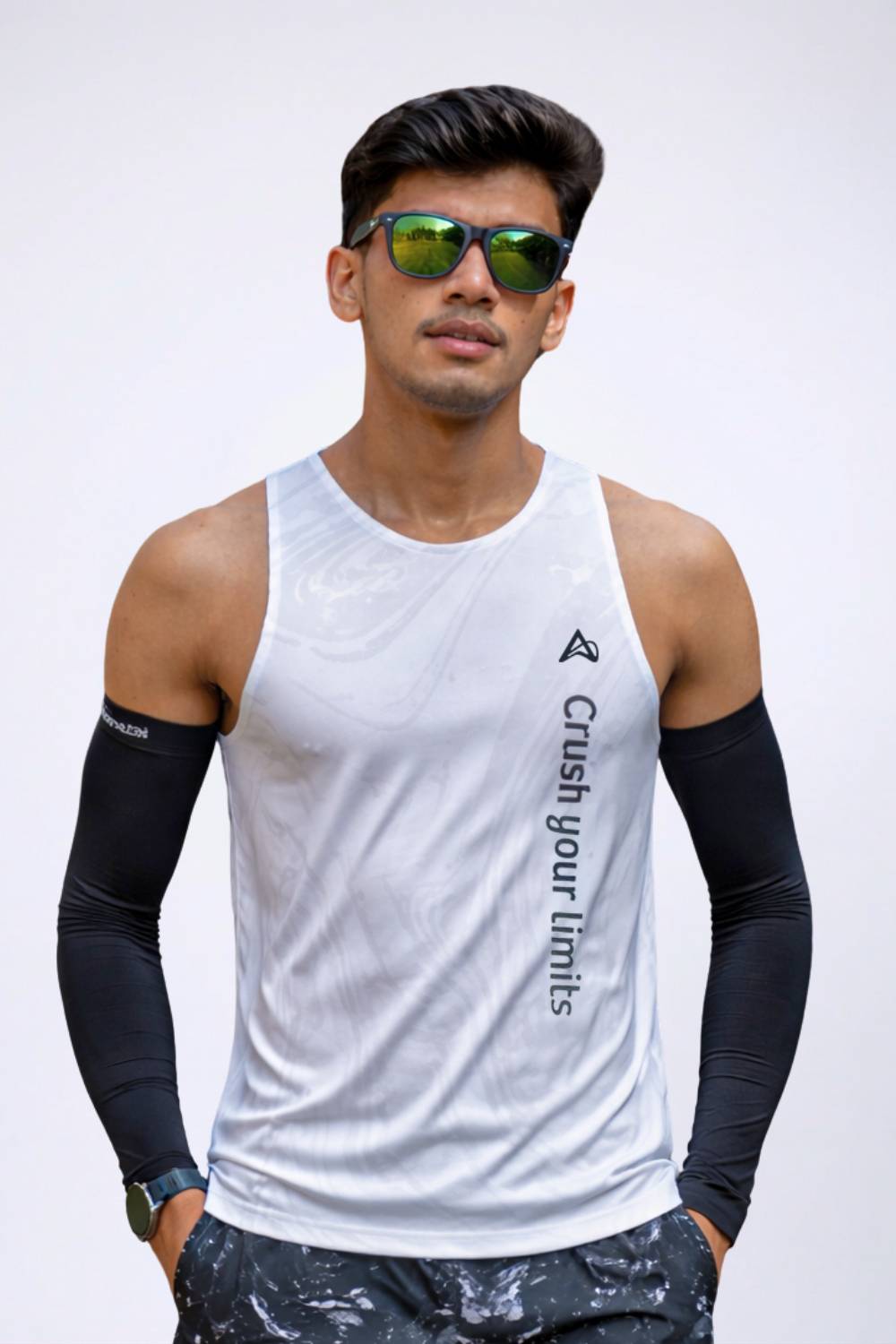
Tired of gear that slows you down? Chafing, soggy fabrics, and missing pockets kill your run's momentum. At Aguante, we're runners who get it. Our high-performance activewear features moisture-wicking fabrics, ergonomic designs, and smart storage to keep you focused. Shop Now!
Rise of Women's Running Events Across Urban India
In major metropolitan regions such as Bangalore and Mumbai, women's participation in running events has grown from occasional participation to structured engagement through weekly events and seasonal races. Cities like Delhi and Hyderabad have also seen a rise in women-only running groups that provide safe, supportive environments for beginners and experienced runners alike. These events are often designed to reduce entry barriers by offering shorter distances, guided pacing, and inclusive participation formats that welcome all fitness levels.
The expansion of women's marathons India is also influenced by changing perceptions of fitness as a social identity. Running events are no longer just competitive platforms; they are becoming wellness gatherings that encourage participation over performance. In Pune and Ahmedabad, for example, community-driven races often incorporate wellness workshops, warm-up sessions, and post-run social activities, reinforcing the idea that participation itself is the achievement.
This shift is particularly significant for first-time runners who may have previously viewed endurance sports as intimidating. The growing visibility of female athletes and influencers in these cities has also helped normalize participation, encouraging more women to join structured events and training groups.
Social Transformation and the Growth of Female Running Communities
One of the most important drivers behind the rise of female participation in running is the emergence of community-based fitness culture. In cities such as Mumbai and Bangalore, informal running clubs and structured training groups have become central to building consistency and motivation. These communities often operate in public parks, waterfronts, and urban trails, providing accessible spaces for women to train safely and regularly.
The concept of a female running community has evolved beyond fitness into a broader support system. Participants often cite accountability, friendship, and mental well-being as key reasons for joining group runs. In Delhi and Gurugram, early morning running groups have become particularly popular among working professionals seeking structured fitness routines that fit into busy urban schedules.
This cultural shift reflects a broader global trend in fitness where social engagement is becoming as important as physical performance. Women are increasingly prioritizing environments where they feel supported, visible, and encouraged, which is leading to higher retention rates in running programs and events across multiple cities in India.
What Is Driving Participation in Women's Running Events
The rise of women runners growth India can be attributed to a combination of lifestyle changes, health awareness, and evolving urban infrastructure. Improved access to fitness spaces, the popularity of wearable fitness tracking, and increased awareness of preventive health have all contributed to higher participation rates in organized running events.
In cities like Hyderabad and Surat, women are increasingly viewing running as a practical and sustainable form of exercise that fits into demanding schedules. Unlike gym-based routines, running offers flexibility and requires minimal equipment, making it an accessible entry point for beginners. Additionally, the growing focus on mental health has positioned running as a stress-relieving activity that supports emotional well-being alongside physical fitness.
Another important factor is safety and inclusivity. Event organizers are placing greater emphasis on well-lit routes, volunteer support systems, and women-centric event design. This has helped reduce hesitation among first-time participants, particularly in densely populated urban environments such as Mumbai and Delhi, where safety considerations often influence fitness choices.
City-Level Ecosystems and the Expansion of Running Culture
Each city contributes uniquely to the expansion of city running events for women. Bangalore, for instance, has developed a strong early-morning running culture driven by tech professionals and fitness enthusiasts who prefer structured group runs in urban parks and lake trails. In contrast, Mumbai's coastal routes provide scenic long-distance running opportunities that attract both amateur and experienced runners.
Delhi and Gurugram have seen rapid growth in organized fitness events supported by corporate wellness programs and community fitness initiatives. These cities often host large-scale running events that integrate participation across age groups, skill levels, and professional backgrounds. Meanwhile, Pune and Ahmedabad are emerging as strong hubs for recreational running due to their balanced urban layouts and active youth populations.
Across these cities, the common denominator is accessibility. Whether through weekend events, weekday training groups, or charity runs, women are finding more opportunities than ever to participate in structured physical activity. This decentralized but rapidly growing ecosystem is helping normalize running as a daily lifestyle choice rather than a sporadic fitness activity.
The Role of Performance Apparel in Supporting Women Runners
As participation in running events increases, the demand for performance-focused apparel has also evolved. Women runners are increasingly prioritizing comfort, breathability, and adaptability in their clothing choices, especially during long-distance events and high-intensity training sessions. This has influenced the broader activewear market, which continues to grow as consumers seek functional yet lifestyle-oriented fitness clothing.
According to a athleisure market analysis, the global athleisure category was valued at USD 338.48 billion in 2024, reflecting the growing integration of athletic wear into everyday lifestyles. This trend underscores how running apparel is no longer limited to performance contexts but is now part of daily fashion and identity expression.
Similarly, broader activewear industry growth highlights how modern consumers increasingly prioritize modern clothing designed for both gym and everyday use, reinforcing the shift toward versatile performance apparel. For women participating in running events across Indian cities, this translates into a stronger preference for apparel that supports movement, comfort, and long-duration wear without compromising style.
These changes are particularly relevant for female runners who often balance multiple roles and require adaptable clothing solutions that transition seamlessly from workouts to daily routines. As a result, performance apparel is becoming an essential enabler of participation rather than just an accessory.
How Participation Rates Are Evolving Through Community Momentum
The growth of women's running participation is not just visible in event registrations but also in sustained engagement. More women are returning to events after their first experience, indicating stronger retention and long-term interest. This is largely driven by community reinforcement, where social accountability and shared goals encourage consistency.
In cities like Bangalore and Mumbai, running groups often track collective progress, celebrate milestones, and encourage incremental improvement rather than competitive performance. This approach has proven effective in maintaining participation among beginners who might otherwise drop out after initial attempts. It also fosters a sense of belonging that extends beyond fitness into broader social interaction.
Event organizers are also adapting by introducing tiered race formats, allowing participants to choose distances that match their fitness levels. This flexibility has contributed to increased participation among women who may be new to structured endurance events but are eager to explore fitness in a supportive environment.
Future Outlook: Women-Led Running Culture in India
The future of women's running culture in India is likely to be shaped by continued urban expansion, digital fitness integration, and stronger community ecosystems. As cities invest in better infrastructure such as running tracks, pedestrian-friendly zones, and organized event calendars, participation is expected to become even more accessible.
Technology will also play a growing role, with mobile apps and wearable devices helping runners track performance, join virtual challenges, and connect with local communities. This hybrid model of physical and digital engagement will further strengthen participation rates and improve long-term consistency among women runners.
For brands operating in the performance apparel space, this evolution presents an opportunity to focus on functionality, inclusivity, and community alignment rather than purely product-driven messaging. As women's running events India continue to expand across Bangalore, Delhi, Mumbai, and other major cities, the ecosystem supporting female runners will become increasingly interconnected, dynamic, and influential in shaping the future of urban fitness culture.
Frequently Asked Questions
What is driving the growth of women's running events in India?
The rise of women's running events across Indian cities like Bangalore, Mumbai, Delhi, and Hyderabad is being driven by a combination of lifestyle changes, health awareness, improved urban infrastructure, and a growing focus on mental well-being. Event organizers are also prioritizing safety and inclusivity through well-lit routes, volunteer support, and beginner-friendly formats like shorter distances and guided pacing. The shift from viewing fitness as a solo goal to a shared social experience has further accelerated participation.
How are female running communities changing fitness culture in Indian cities?
Female running communities have evolved beyond just physical fitness into broader support networks built on accountability, friendship, and mental well-being. In cities like Mumbai, Bangalore, and Gurugram, informal running clubs and structured training groups meet regularly in parks and urban trails, offering safe and motivating environments for women of all fitness levels. This community-driven approach has led to higher retention rates and normalized running as an everyday lifestyle choice rather than a seasonal activity.
What role does performance apparel play in supporting women's participation in running events?
As more women participate in organized running events across India, demand for functional performance apparel prioritizing breathability, comfort, and adaptability has grown significantly. The global athleisure market reflects this trend, with women increasingly seeking clothing that transitions seamlessly from workouts to daily routines. For female runners, well-designed activewear is no longer just an accessory but an essential enabler of consistent participation and long-duration comfort.
Disclaimer: The above helpful resources content contains personal opinions and experiences. The information provided is for general knowledge and does not constitute professional advice.
You may also be interested in: Marathon Growth in India Influences Gear Choices for Endurance
Tired of gear that slows you down? Chafing, soggy fabrics, and missing pockets kill your run's momentum. At Aguante, we're runners who get it. Our high-performance activewear features moisture-wicking fabrics, ergonomic designs, and smart storage to keep you focused. Shop Now!
Powered by flareAI.co