



Quick Listen:
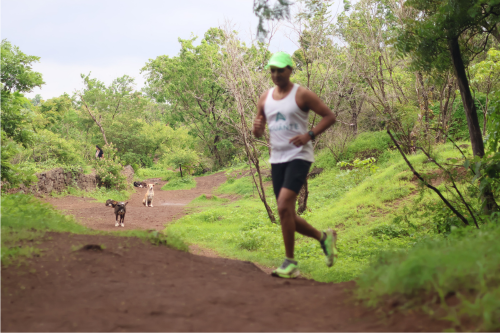
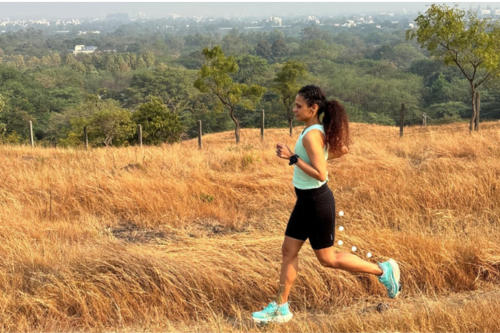
In the sweltering streets of Bangalore, where the air hangs heavy even before the sun climbs high, runners push through another humid morning. Sweat soaks through ordinary cotton tees in minutes, leaving chafed skin and sapped energy. Yet a quiet revolution is underway in running apparel, transforming how athletes in India's tropical urban centers train, compete, and stay motivated. This evolution of running apparel for hot and humid Indian cities moves from basic coverage to climate-engineered performance wear built for real conditions.
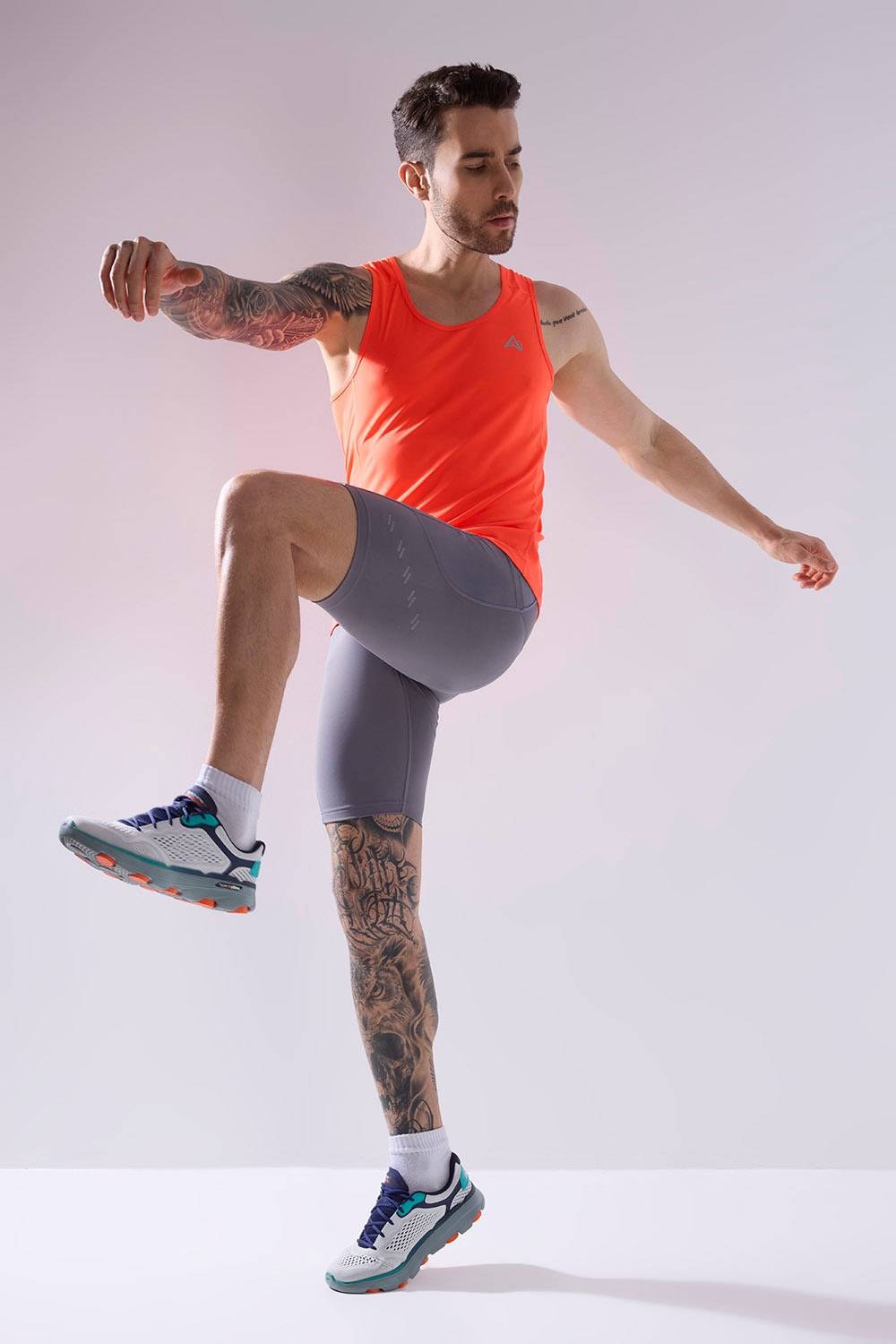
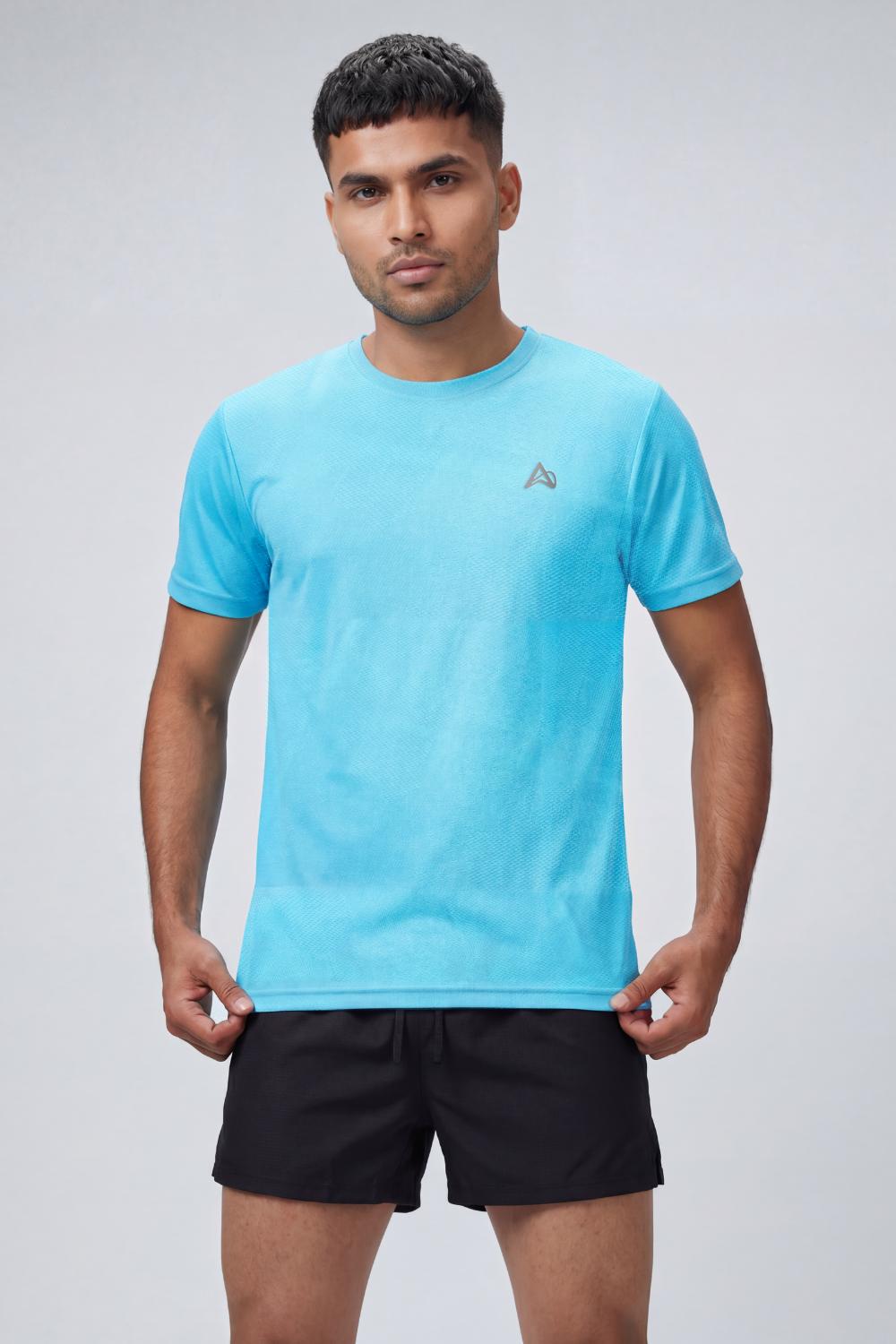
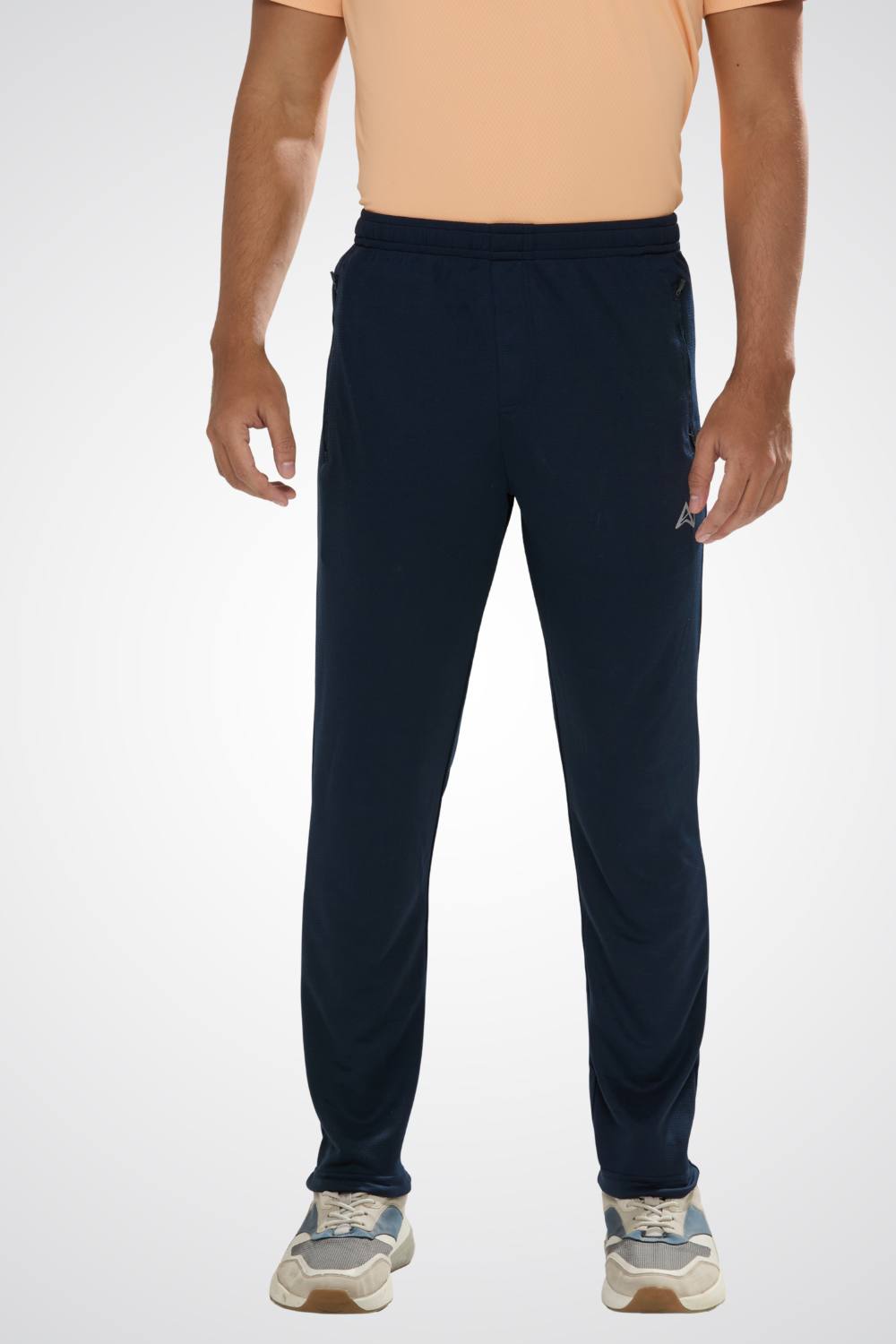
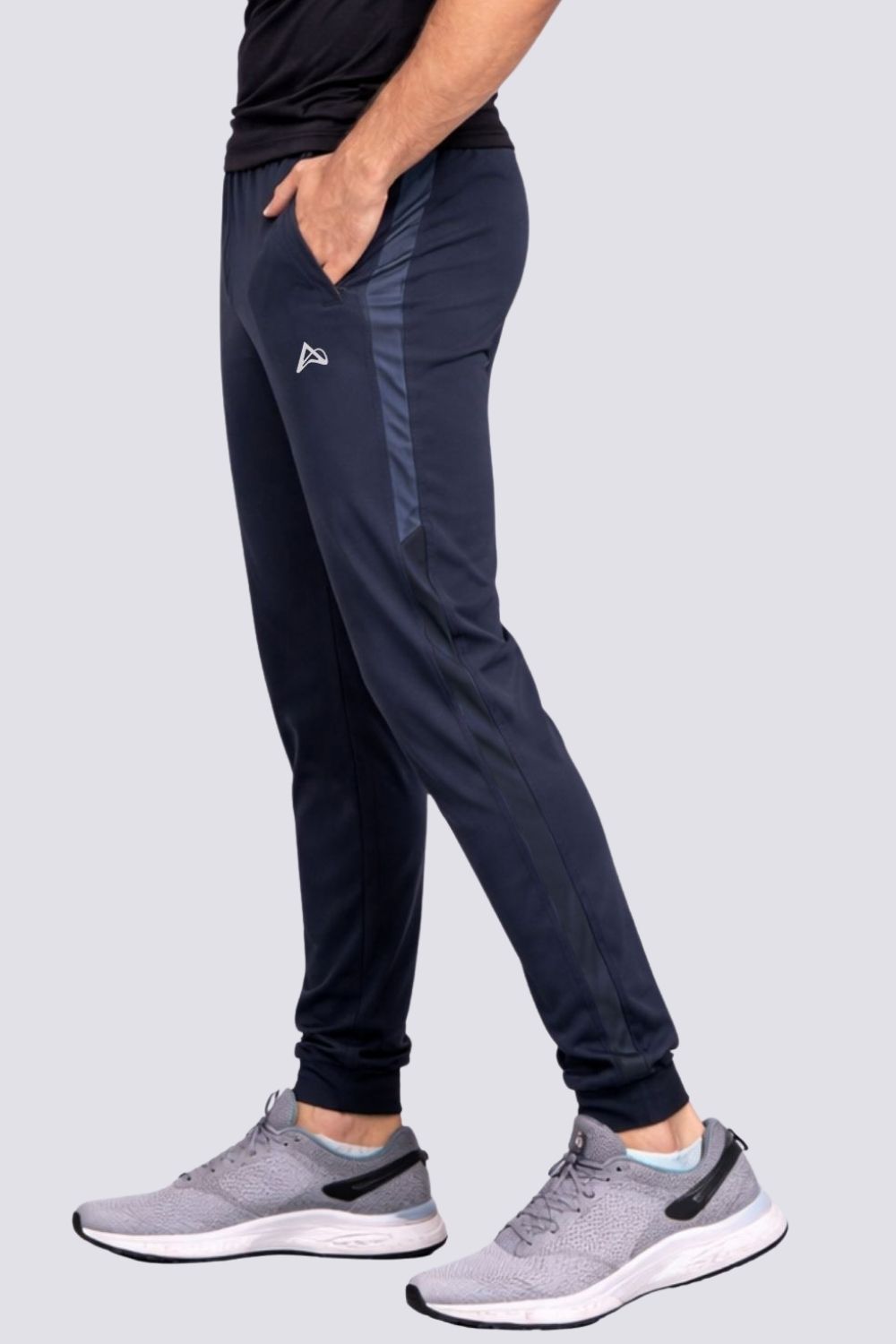
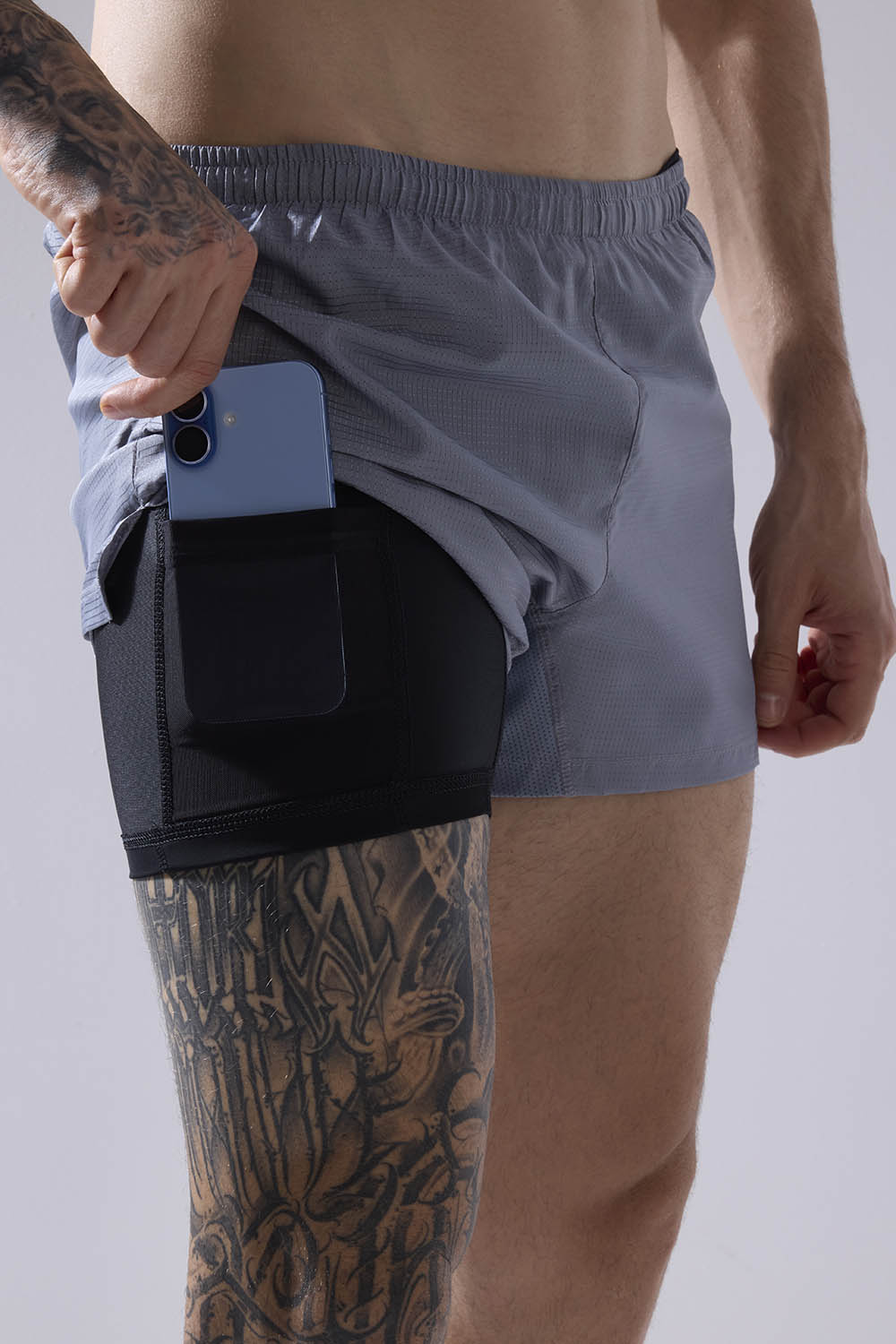
Tired of gear that slows you down? Chafing, soggy fabrics, and missing pockets kill your run's momentum. At Aguante, we're runners who get it. Our high-performance activewear features moisture-wicking fabrics, ergonomic designs, and smart storage to keep you focused. Shop Now!
Why Running Apparel Matters in India's Urban Heat
Running culture thrives across Bangalore, Hyderabad, Mumbai, Pune, Navi Mumbai, Delhi, Gurugram, Surat, and Ahmedabad. Early-morning groups gather in parks and along waterfronts, weekend warriors tackle familiar routes, and marathon training programs draw dedicated participants. The climate, however, presents constant challenges. High temperatures combined with heavy humidity slow sweat evaporation, raise core body temperature, and test both comfort and performance.
Runners feel the impact right away: fabrics that cling uncomfortably, persistent odors, and that drained sensation after runs that should energize. These conditions drive growing interest in gear that actively supports the body rather than fighting against the environment. Apparel designed for India's unique microclimates helps athletes maintain consistency where it matters most.
Recent Developments Shaping Performance Wear
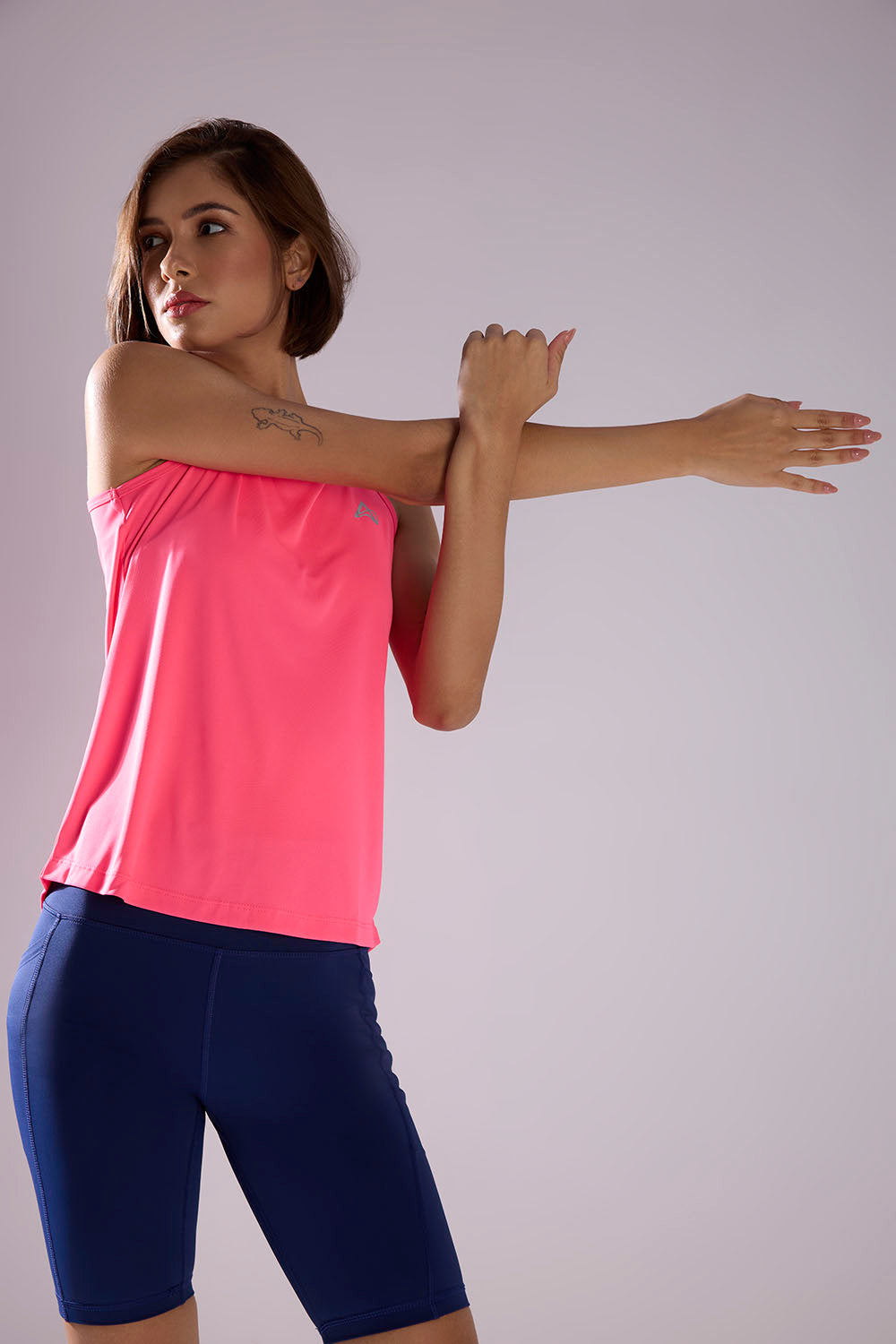
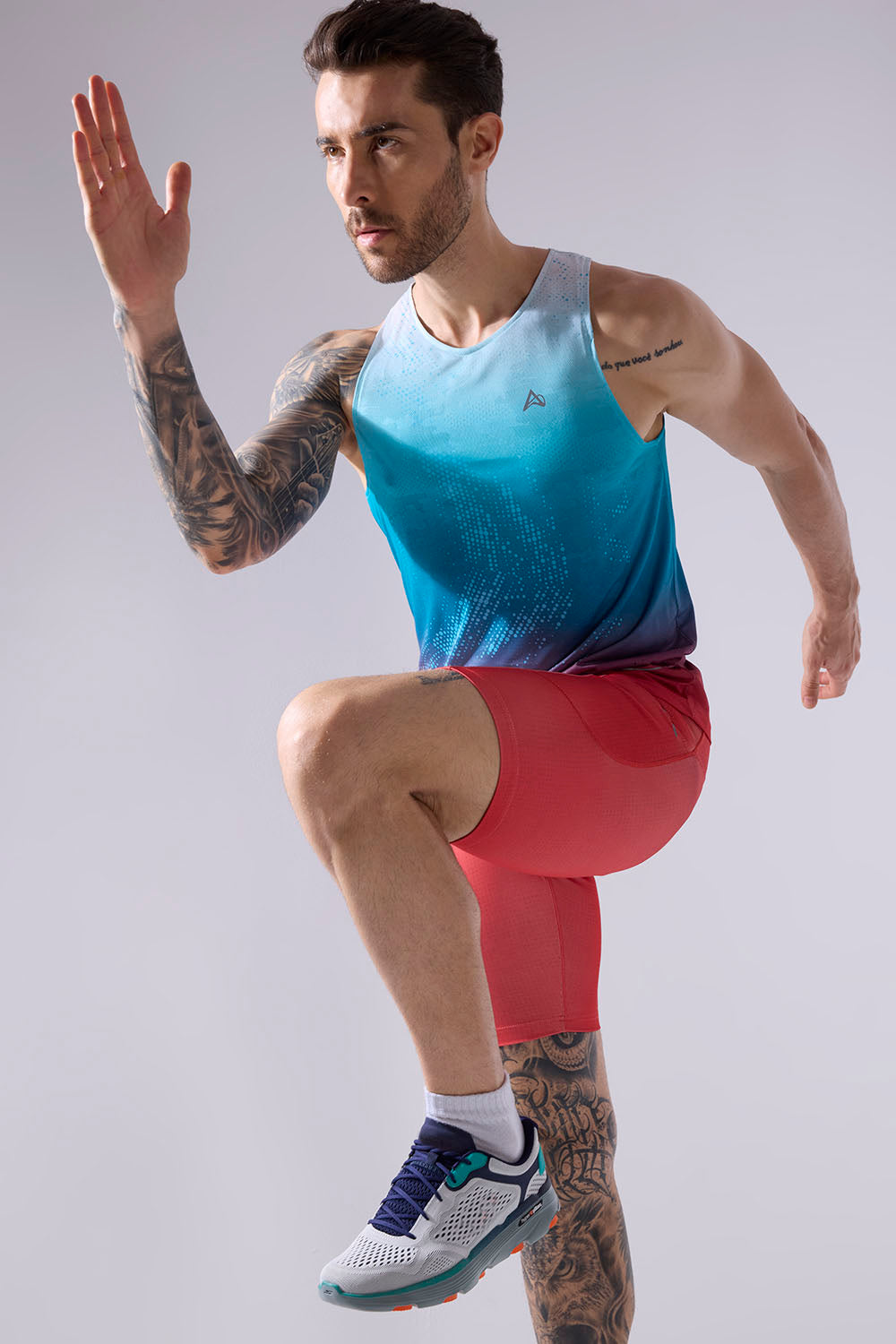
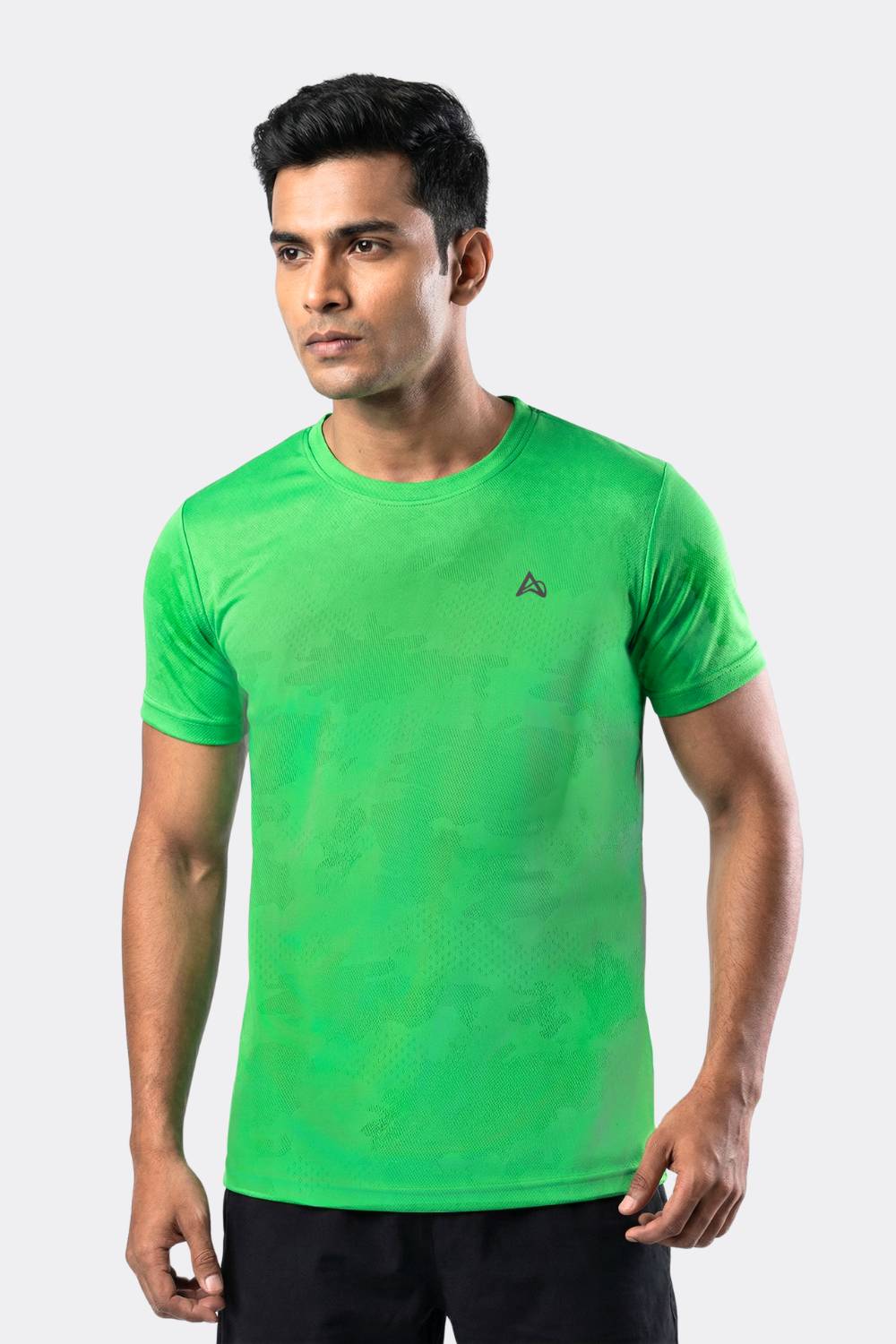
Innovation responds directly to these demands. Advanced moisture-wicking fabrics pull sweat away from the skin and dry rapidly. Anti-microbial treatments help garments stay fresher during repeated use, while integrated UV protection offers defense against intense sun exposure. Brands active in Mumbai and Pune have refined these materials for extended sessions in sticky, humid air.
Fabric Innovation for Humid Conditions
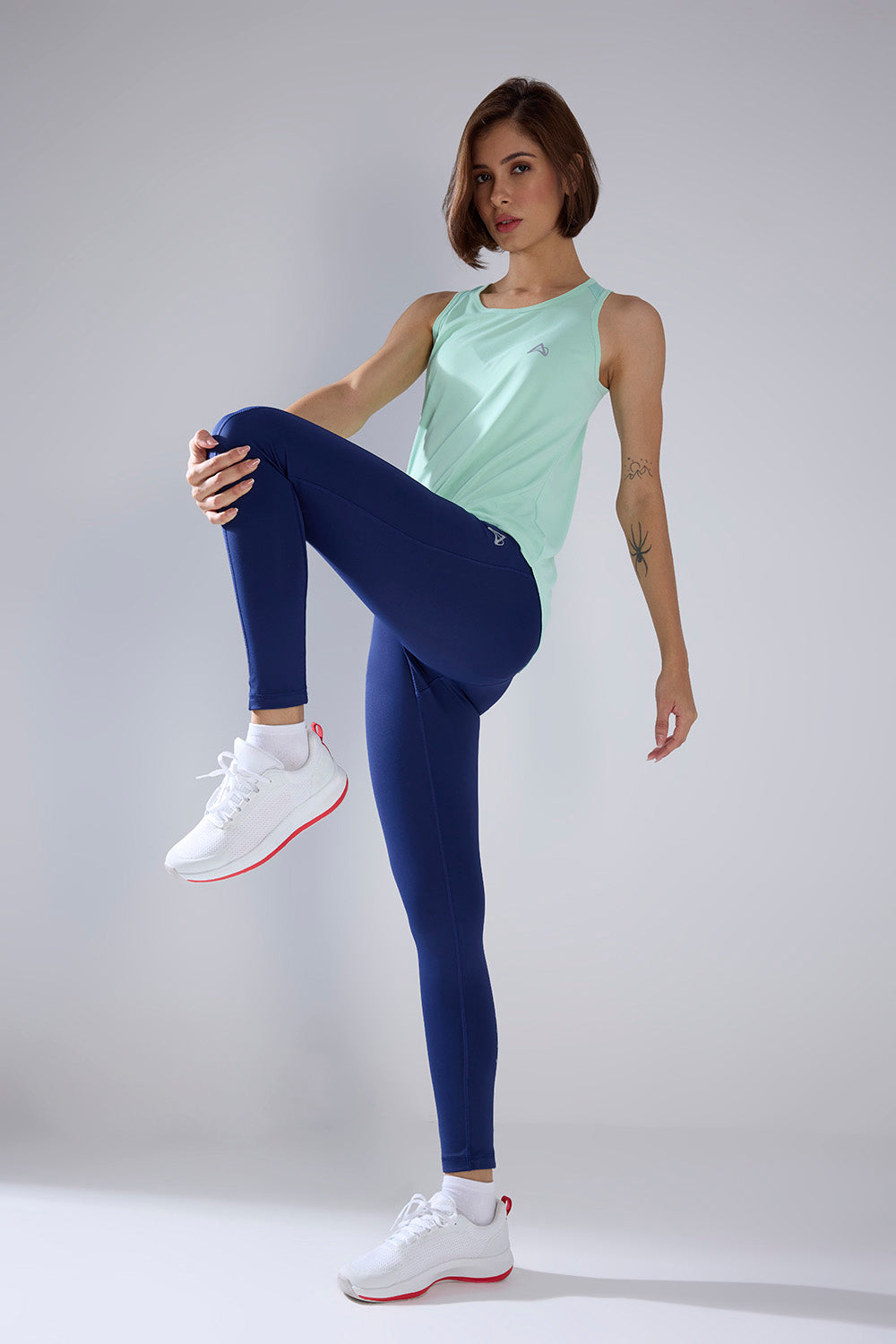
Lightweight polyester blends and engineered knits now lead modern collections. These materials move naturally with the body, resist clinging, and enhance airflow precisely where needed. Runners in humid zones consistently report less saturation, faster recovery between intervals, and noticeably reduced skin irritation over longer distances.
Ventilation and Breathability Advances
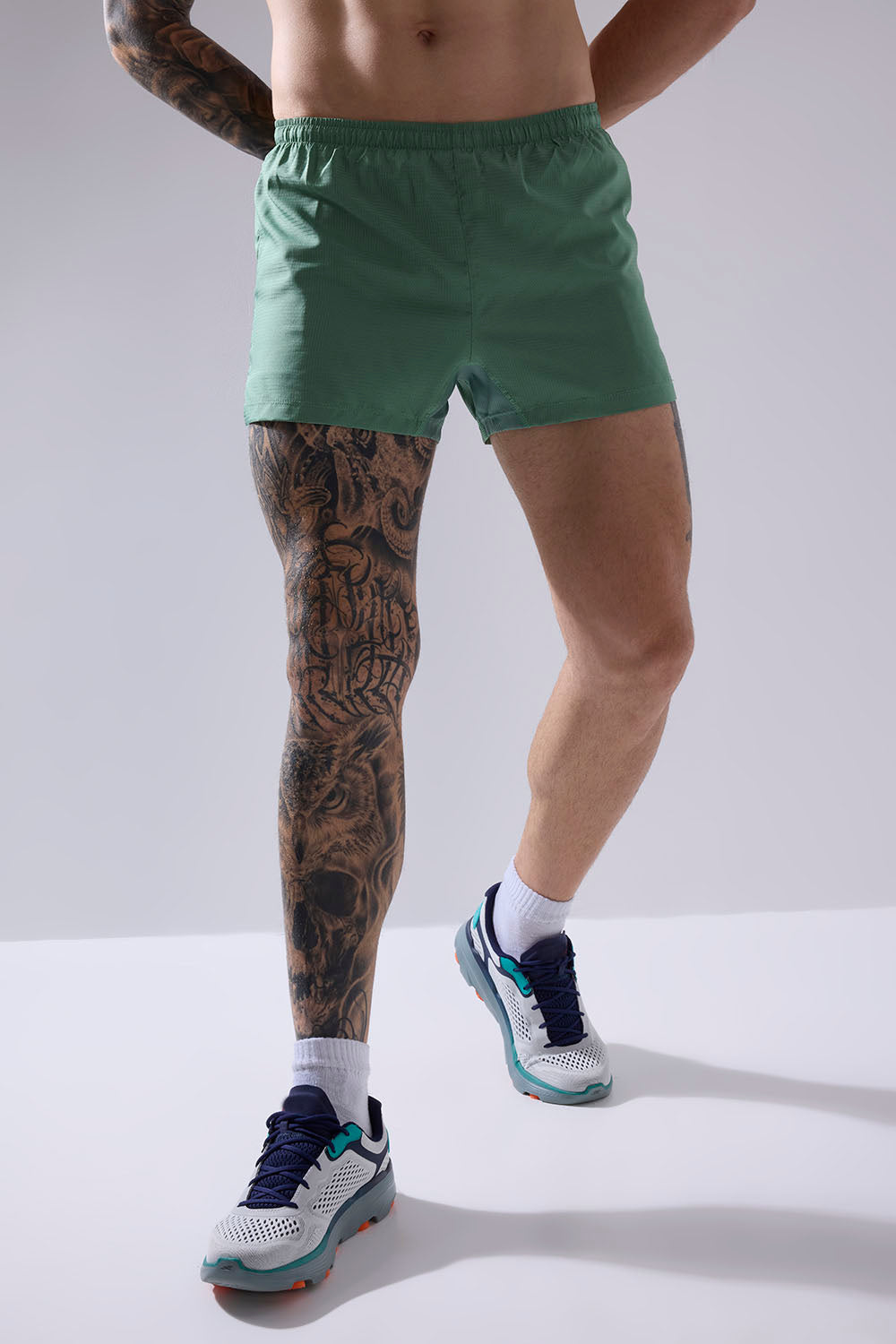
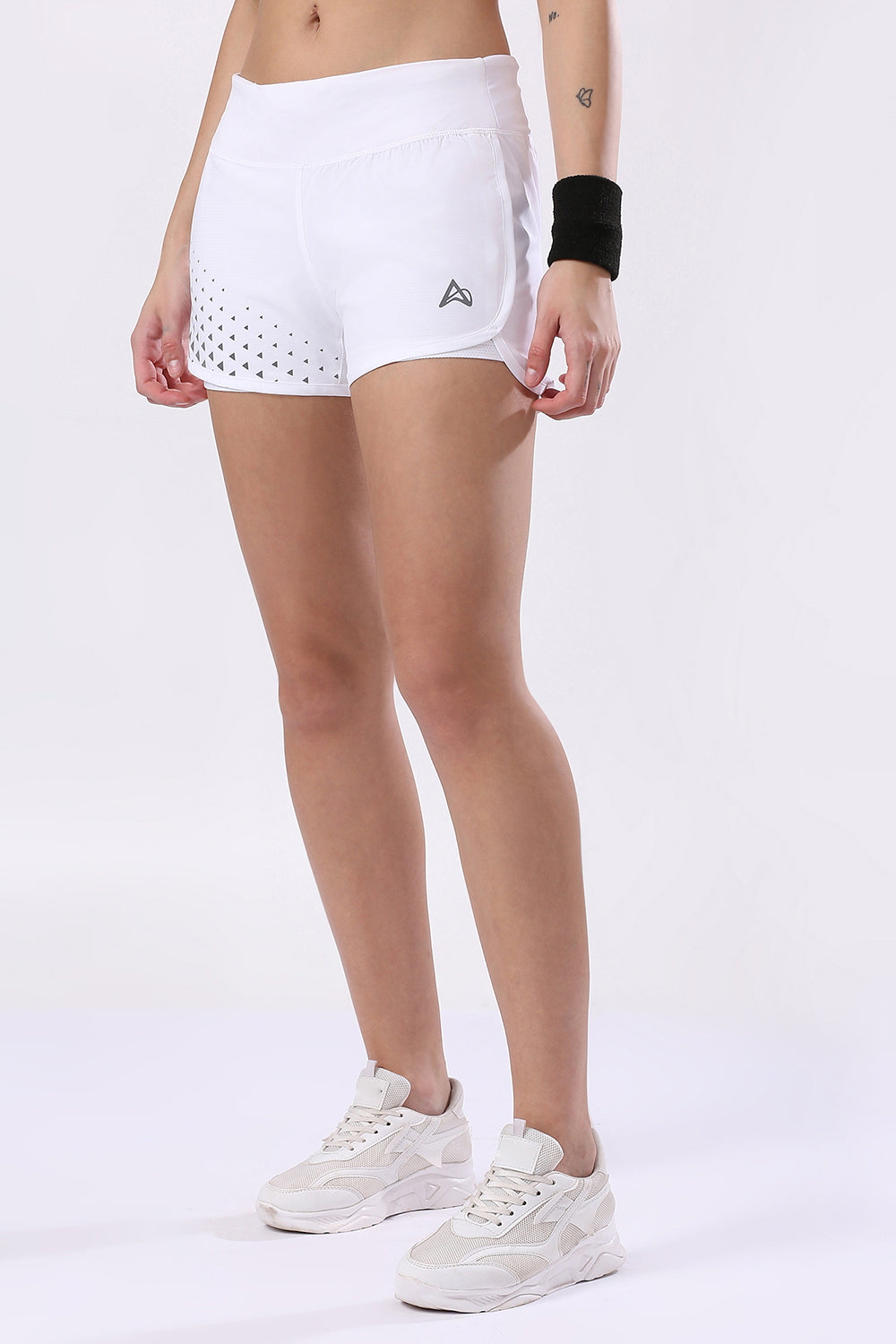
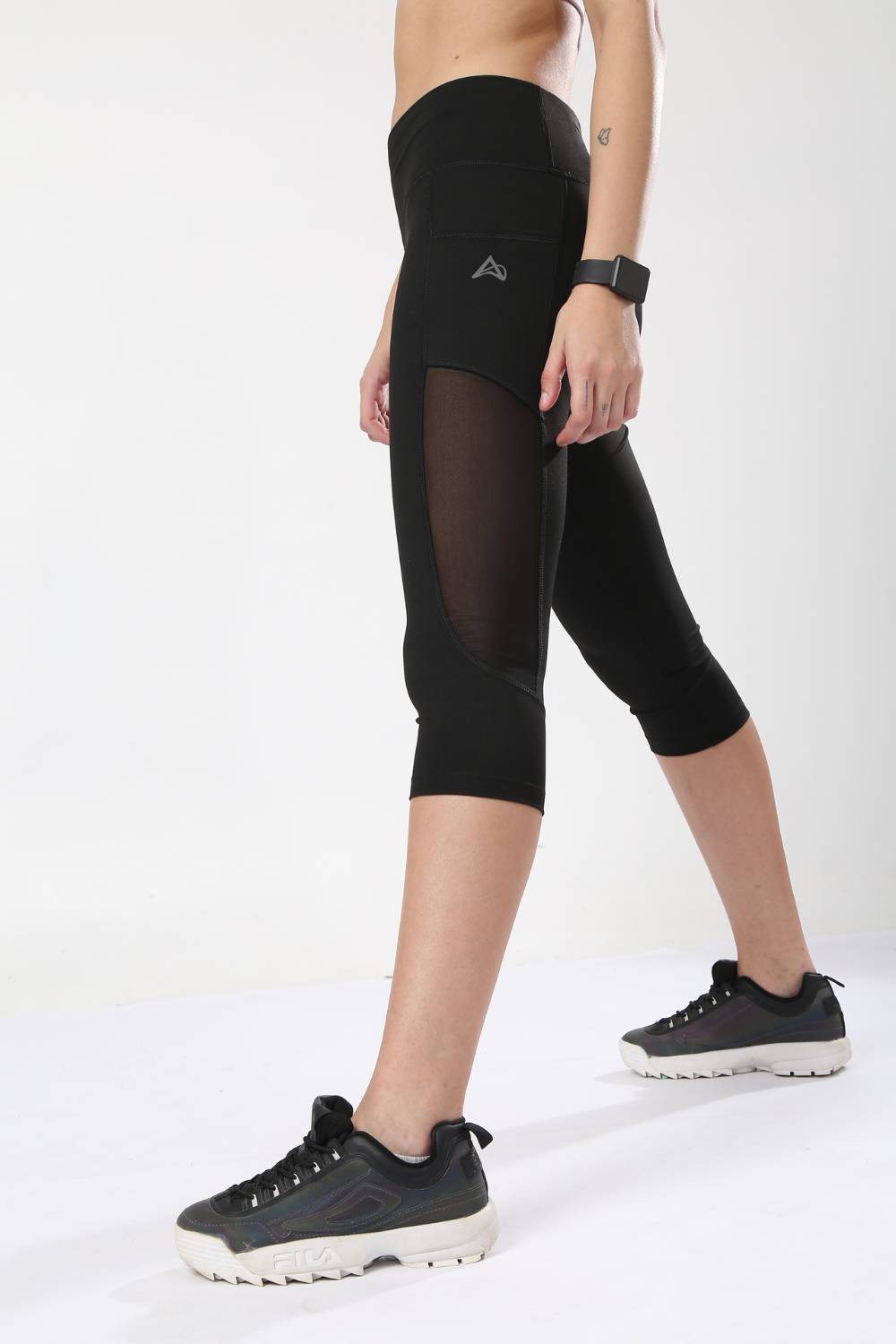
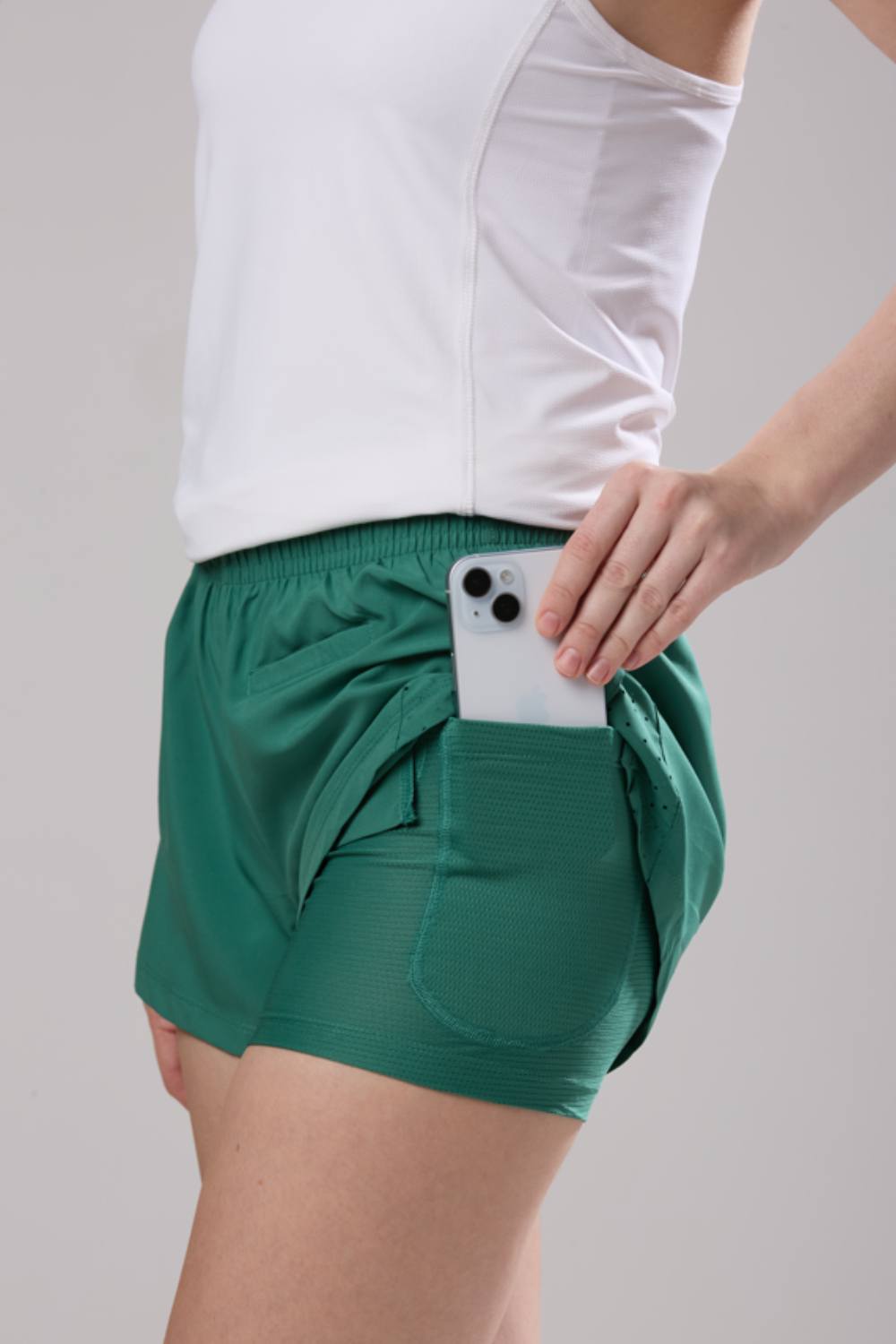
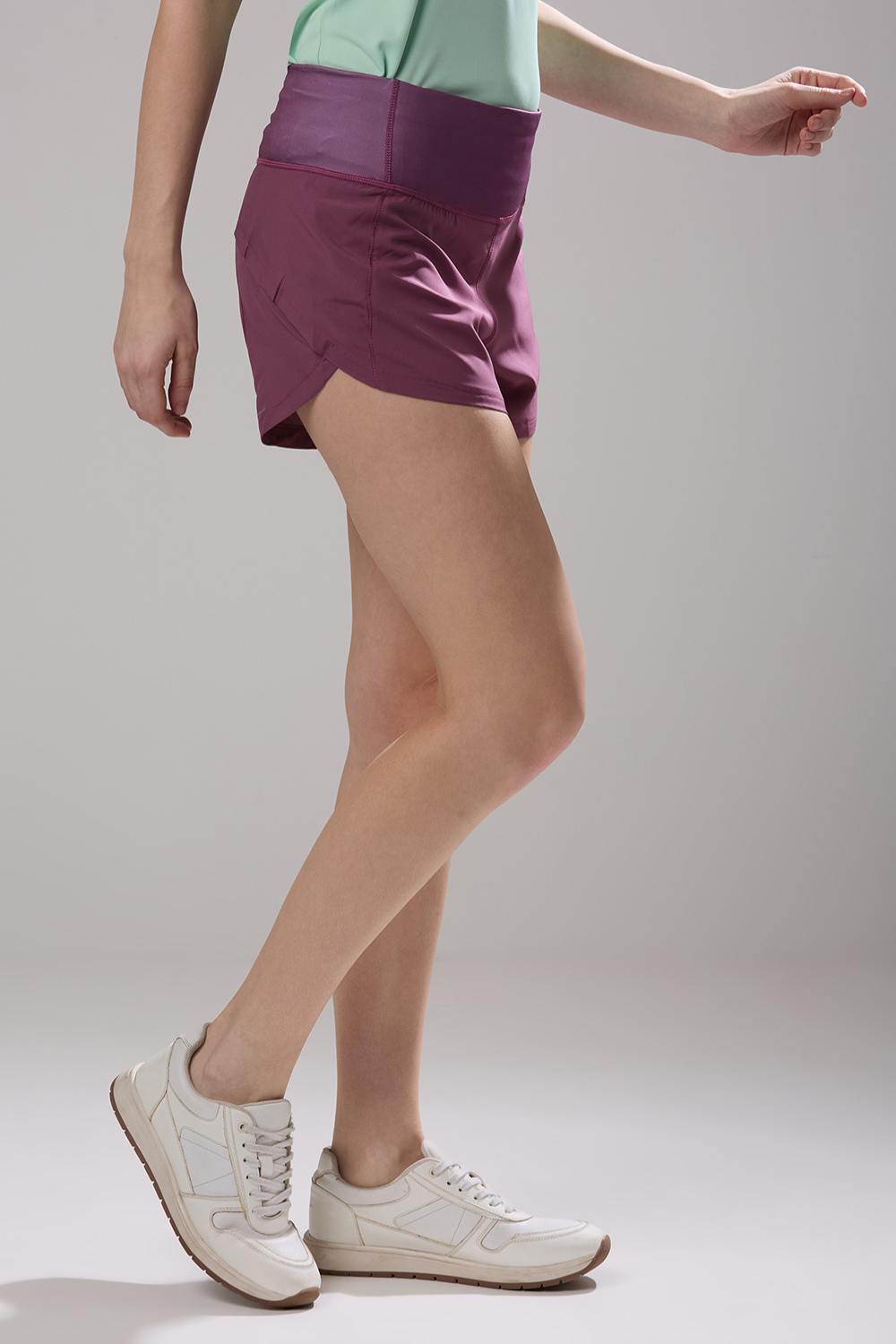
Strategic mesh panels, laser-cut perforations, and ultra-light constructions optimize cooling. In Delhi and Hyderabad's demanding summers, these design choices allow sweat to evaporate effectively instead of accumulating. Lightweight shorts featuring split hems and minimal seams help minimize chafing, supporting high-mileage training weeks without distraction.
Localized Fit and Cultural Relevance
Designs increasingly reflect Indian body types, typical movement patterns, and everyday preferences. Streamlined yet practical silhouettes resonate strongly with runners in Bangalore and Gurugram. Thoughtful styling details enable seamless transitions from training routes to casual urban settings.
Real-World Applications and Athlete Stories
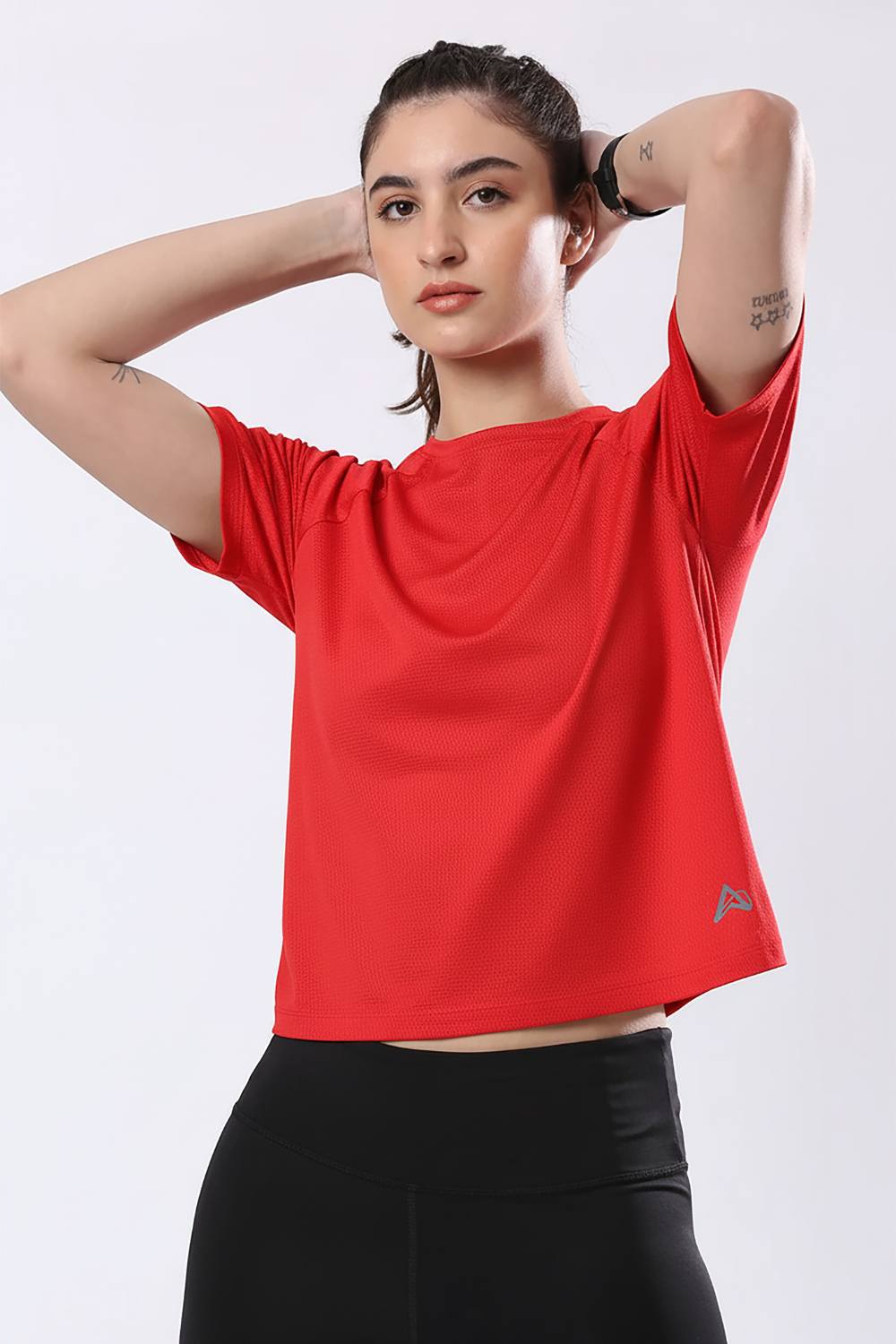
Everyday use across cities demonstrates the value. In Bangalore, breathable running shirts with targeted ventilation help athletes handle monsoon-season training when humidity peaks and sudden rains add complexity. The ability to dry quickly after downpours keeps sessions productive.
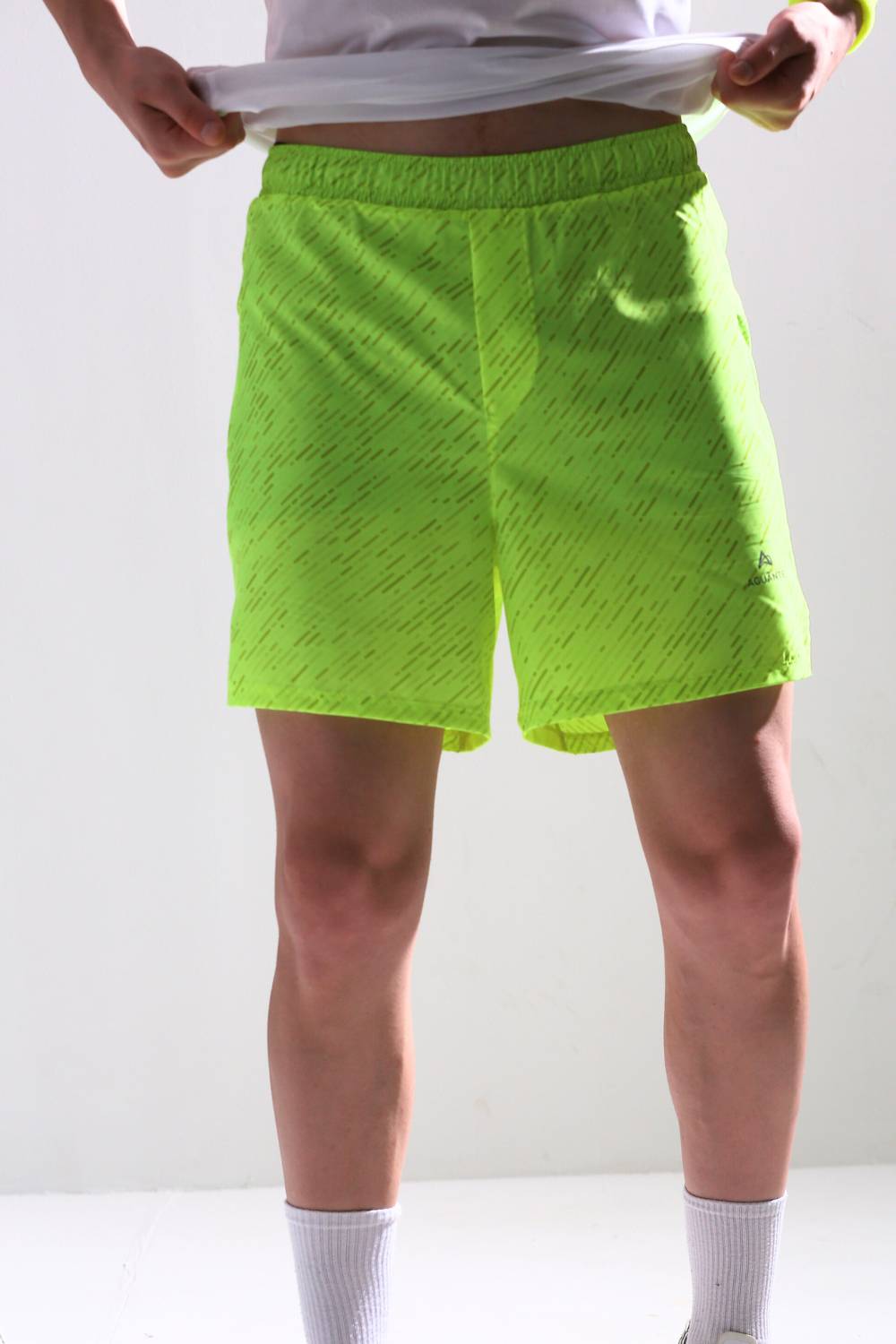
Along Mumbai and Navi Mumbai's coastal paths, reflective elements and quick-dry shorts serve as reliable choices for early and evening runs. These pieces manage salt-heavy humidity while maintaining visibility in traffic-prone areas. Urban marathon organizers in Delhi and Gurugram work with apparel developers to test prototypes in live events, collecting direct insights from participants facing peak heat stress.
Pune's collaborative environment supports fabric testing under simulated local conditions, resulting in meaningful refinements. Distributors in Ahmedabad and Surat adjust selections based on seasonal shifts, helping runners choose gear matched to upcoming weather patterns.
Insights from Leading Campaigns
Notable initiatives highlight the focus on performance in challenging conditions. Under Armour's “ZIDD FOR MORE” campaign, featuring two-time Olympic medalist Neeraj Chopra, captured intense training sessions and embodied relentless preparation with the powerful line “Har Taiyaari Se Badkar Hai Ziddari.” Such efforts underscore how top athletes push boundaries while dealing with exhaustion, injuries, and demanding regimens experiences many dedicated runners can relate to in India's urban heat.
Key Challenges That Persist
Even sophisticated options encounter limits. In Mumbai and Surat's extreme humidity, extended efforts can still overwhelm moisture management. Heat buildup remains an issue during runs exceeding an hour in still air.
Cost represents another practical consideration. Premium fabrics often carry higher prices, which can limit access for many enthusiastic runners in cities like Pune and Ahmedabad. Supply chain flexibility becomes essential to support localized production that meets evolving needs across different metros.
Education plays a vital role as well. Many runners in Delhi and Hyderabad continue using standard cotton or imported pieces not optimized for local weather. Straightforward advice on fabric performance and selection criteria helps close this gap effectively.
Opportunities Driving Positive Change
Improved apparel brings clear benefits in comfort and training consistency. Lower heat stress allows runners to hold proper form longer, enjoy their sessions more fully, and recover with greater ease. Reduced irritation means fewer forced breaks from favorite routes.
Brands embracing climate-specific thinking create meaningful differentiation. In Gurugram and Bangalore, companies stand out by addressing genuine runner challenges through careful details rather than broad claims. Emerging smart fabrics with basic monitoring capabilities add useful insights for training without compromising lightweight feel or freedom of movement.
Sustainability also gains importance. Durable, eco-friendly materials suited to humid environments help reduce replacement needs while resonating with conscious athletes in Mumbai and Pune. Shorter local supply chains support both efficiency and regional economies.
Future Outlook and Expert Perspectives
Fitness experts and sportswear professionals anticipate ongoing development in humidity-adapted running gear. The emphasis stays on practical, reliable performance that fades into the background during runs comfortable, dependable, and genuinely suited to Indian conditions.
Forward-looking approaches include AI-supported design that better predicts how fabrics will behave in specific microclimates. This could speed refinements for environments ranging from Delhi's drier heat to Ahmedabad's monsoon humidity. Companies prioritizing hands-on local testing, continuous feedback from runners, and detailed climate research will define the next chapter.
Choosing and Using Heat-Adapted Running Gear
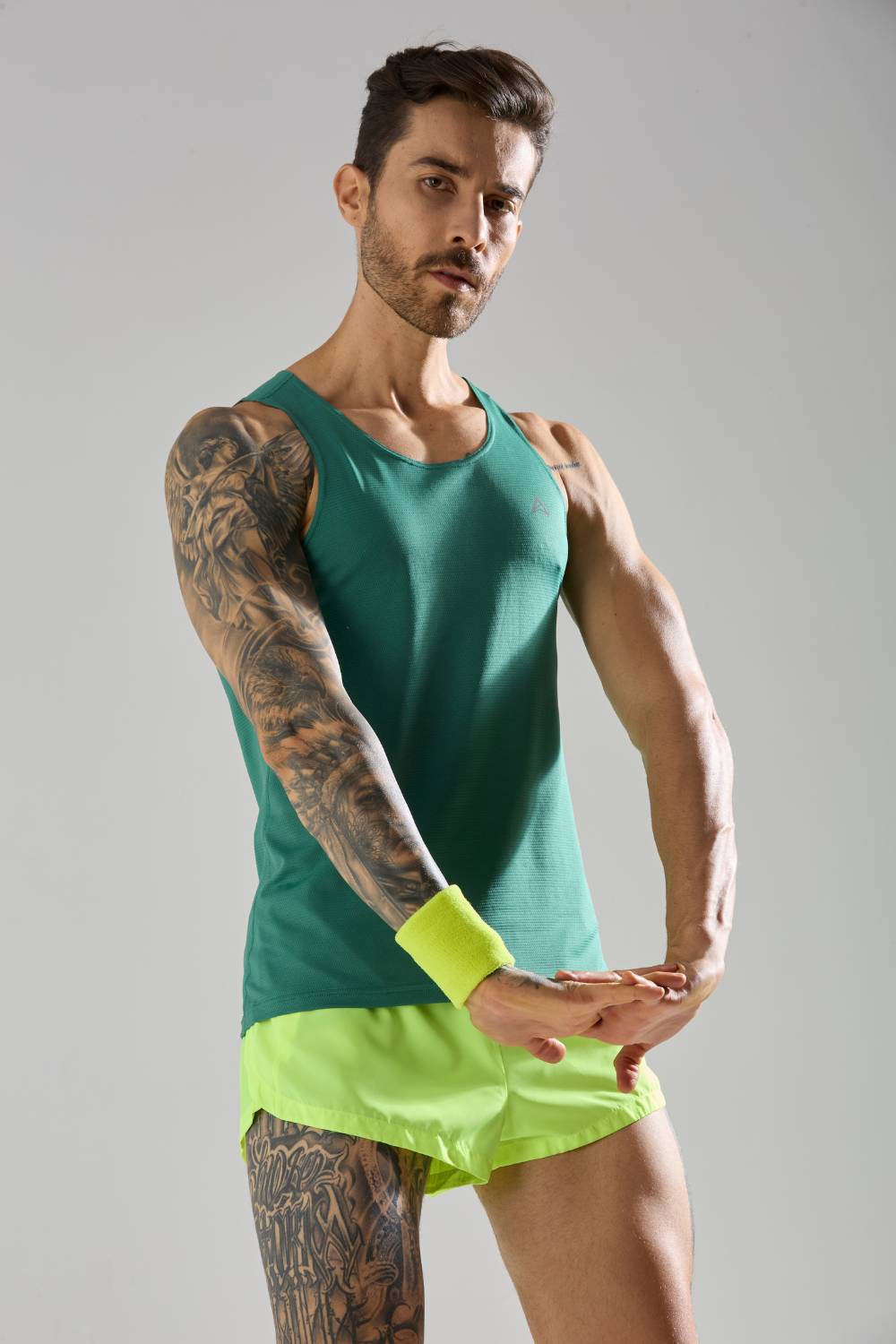
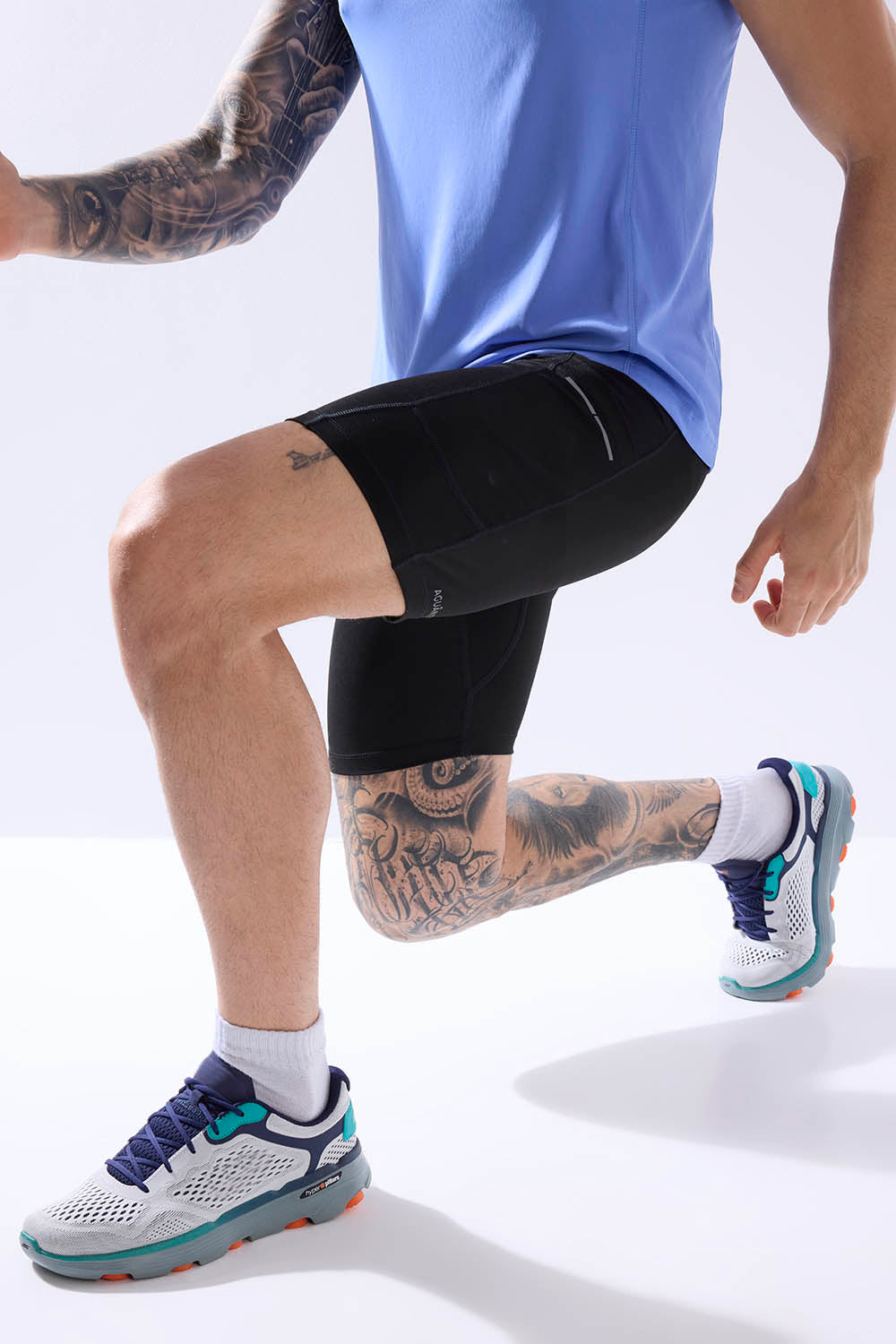
Begin with foundational items: a moisture-wicking tee or singlet matched with ventilated lightweight shorts. Test pieces during typical runs rather than depending only on descriptions. Focus on how the garment performs after 45 minutes or more real effectiveness shows over distance.
- Prioritize breathability for high-humidity days
- Look for quick-dry properties in coastal or monsoon areas
- Choose anti-chafing construction for longer efforts
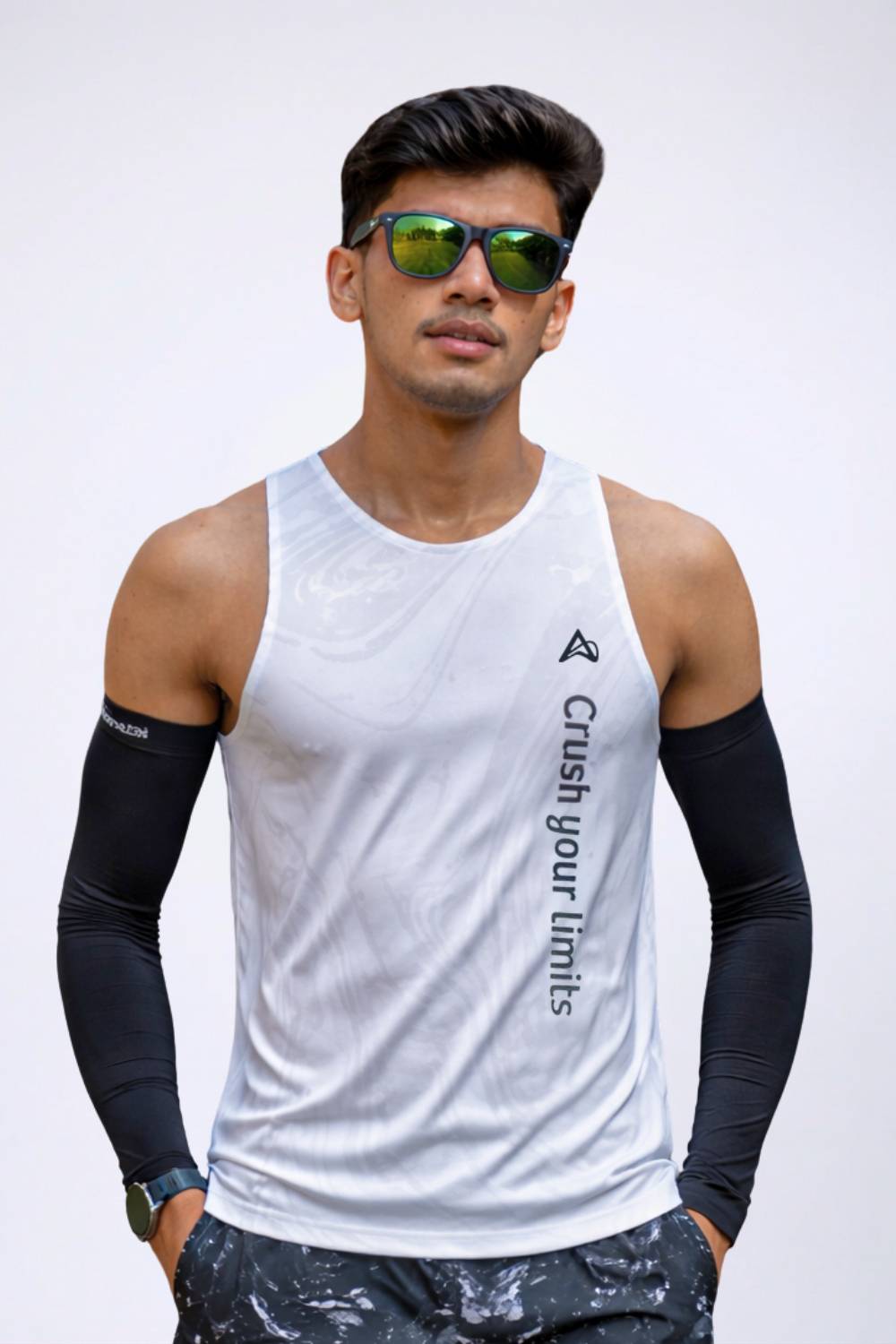
- Consider UV protection for daytime training
Match selections to your primary routes and seasonal realities. Coastal runners often value faster drying, while those inland emphasize maximum airflow. Modest upgrades frequently deliver substantial improvements in both enjoyment and sustained training.
Final Thoughts on the Road Ahead
The streets stay hot and humid, yet apparel continues to evolve in response. For runners dedicated to their cities and their goals, this progress provides more than fresh materials it offers greater confidence and freedom to move effectively, regardless of conditions. By staying attentive to fabric advancements and design improvements, athletes can turn environmental challenges into opportunities for stronger, more consistent performance. The evolution moves forward, carrying runners along with it.
Frequently Asked Questions
What features should I look for in running apparel for hot and humid climates like Bangalore or Mumbai?
For hot and humid conditions, prioritize moisture-wicking fabrics that pull sweat away from the skin and dry rapidly, along with anti-microbial treatments to keep gear fresher across repeated use. Look for strategic mesh panels, laser-cut perforations, and lightweight polyester or engineered knit blends that resist clinging and enhance airflow. Anti-chafing construction is especially important for longer runs, and UV protection adds an extra layer of defense during daytime training. Coastal runners should emphasize quick-dry properties, while inland runners benefit most from maximum airflow design.
Why is specialized running apparel important for Indian urban runners compared to regular cotton clothing?
Standard cotton absorbs sweat and clings to the skin, which raises core body temperature and causes chafing a real performance drain in India's tropical cities. Climate-engineered performance wear actively manages humidity by wicking moisture and allowing faster evaporation, helping runners maintain energy and form over longer distances. Designs tailored to Indian body types and local microclimates from Delhi's dry heat to Mumbai's coastal humidity offer a meaningful edge in both comfort and training consistency. Upgrading even foundational pieces like a singlet or shorts can significantly reduce fatigue and skin irritation.
What is the future of humidity-adapted running gear for Indian athletes?
Fitness and sportswear experts anticipate continued innovation in fabrics engineered specifically for India's diverse microclimates, including AI-supported design tools that predict how materials will perform under local conditions. Emerging smart fabrics with lightweight monitoring capabilities may offer useful training insights without compromising freedom of movement. Sustainability is also becoming a priority, with durable, eco-friendly materials reducing replacement frequency while appealing to environmentally conscious runners. Brands investing in hands-on local testing and direct runner feedback are expected to lead this next chapter of performance wear development.
Disclaimer: The above helpful resources content contains personal opinions and experiences. The information provided is for general knowledge and does not constitute professional advice.
You may also be interested in: Running Apparel Brands Focus on India's Hot Climate - Aguante
Tired of gear that slows you down? Chafing, soggy fabrics, and missing pockets kill your run's momentum. At Aguante, we're runners who get it. Our high-performance activewear features moisture-wicking fabrics, ergonomic designs, and smart storage to keep you focused. Shop Now!
Powered by flareAI.co