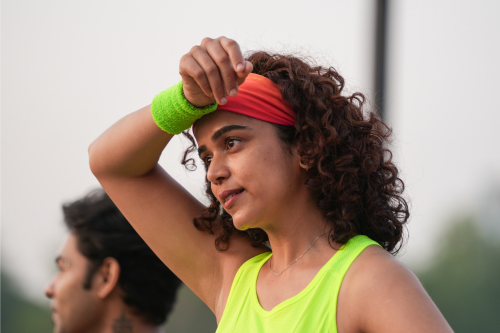























Ultramarathon training demands more than physical endurance it requires strategic financial planning that balances ambition with practicality. For runners in cities like Bangalore, Hyderabad, and Mumbai, the journey toward ultra-distance events reveals how everyday choices in equipment, nutrition, and support systems shape long-term participation in endurance sports. As interest in ultra running grows among cost-conscious athletes, understanding these economic realities helps enthusiasts make informed decisions that sustain their passion without unnecessary strain.
This exploration draws on the experiences of dedicated distance runners navigating India's urban landscapes. Their approaches offer valuable lessons for athletes worldwide who seek to optimize resources while pursuing personal bests in events that test limits over 50 kilometers and beyond. By focusing on practical trade-offs rather than grand projections, runners can build sustainable training ecosystems that prioritize performance and well-being.
Tired of gear that slows you down? Chafing, soggy fabrics, and missing pockets kill your run's momentum. At Aguante, we're runners who get it. Our high-performance activewear features moisture-wicking fabrics, ergonomic designs, and smart storage to keep you focused. Shop Now!
Breaking Down Gear Investments in Urban India
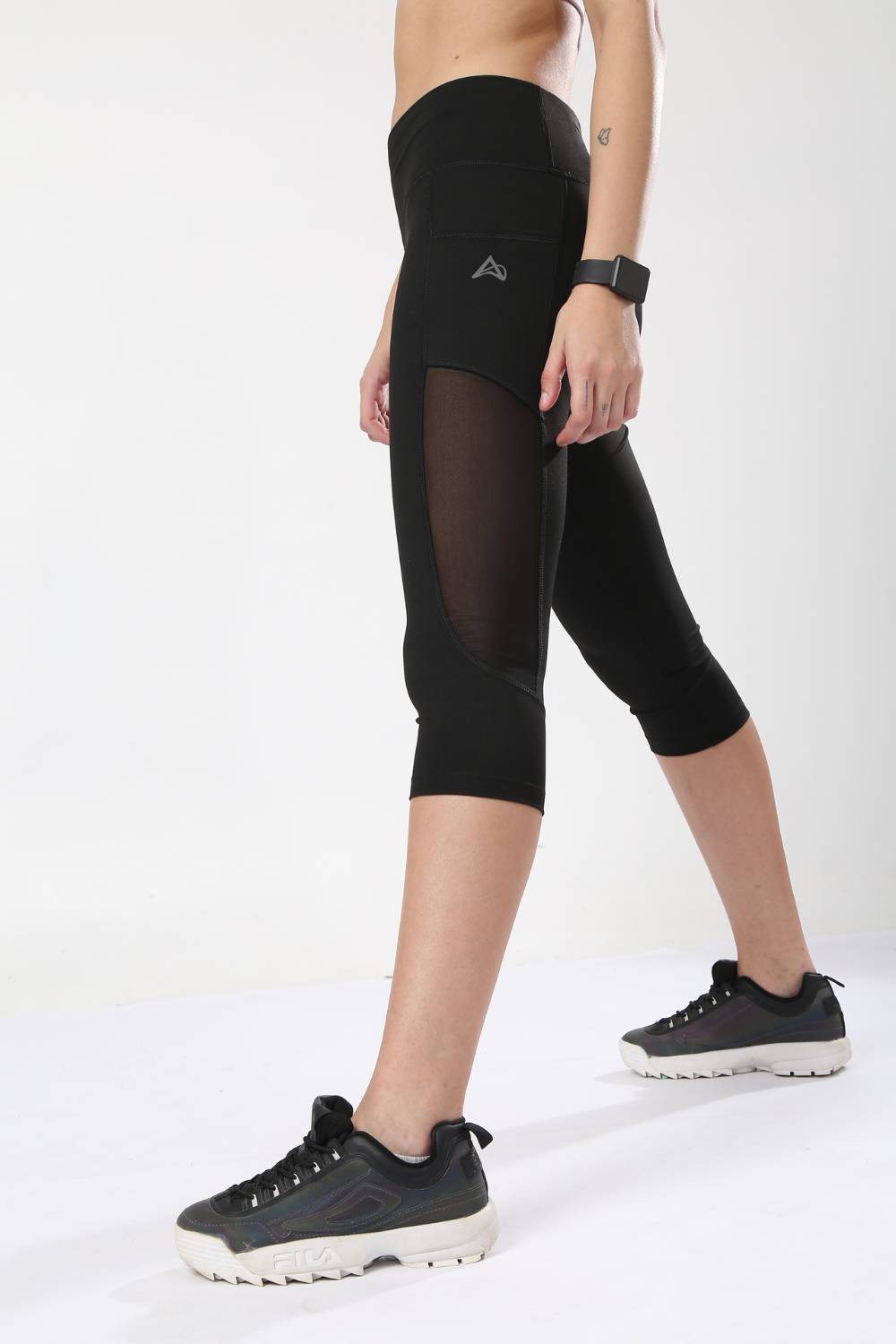
In bustling centers such as Pune and Delhi, runners often start by evaluating essential apparel and footwear that withstand varied terrain from humid coastal paths in Mumbai to elevated trails near Gurugram. High-performance activewear designed for moisture management and durability becomes a critical investment, as frequent washing and intense use accelerate wear. Athletes who select quality pieces from brands specializing in running gear tend to experience fewer interruptions from blisters or chafing, allowing consistent mileage accumulation.
The decision between premium and budget options frequently hinges on training volume. Runners training for ultras report that well-fitted compression tops and supportive shorts contribute to better recovery between sessions, particularly when balancing professional careers with early morning or late evening runs. This practical insight encourages athletes to view apparel not as a one-time expense but as a tool that supports injury prevention and extended training cycles.
Nutrition and Recovery Costs: Realities From Hyderabad and Ahmedabad
Endurance athletes in Hyderabad and Ahmedabad emphasize how nutrition strategies influence overall training budgets. Sourcing nutrient-dense foods locally such as seasonal fruits, nuts, and whole grains helps manage expenses while fueling long runs. Many runners integrate homemade electrolyte solutions and recovery meals, reducing reliance on specialized supplements without compromising energy levels.
Coaching and group sessions in community settings further illustrate smart resource allocation. In Surat and Navi Mumbai, informal running collectives provide accountability and shared knowledge, lowering the need for expensive individual coaching. These networks foster mentorship that translates into better pacing strategies and mental resilience, proving that collective wisdom often delivers greater value than solitary high-cost programs.
Travel and Race Logistics: Lessons From Mumbai and Bangalore Runners
Participating in ultras requires thoughtful planning around travel and event fees, especially for runners based in major Indian metros. Athletes from Bangalore frequently share how combining training camps with family visits or work trips minimizes additional transportation costs. Choosing races within reasonable driving distance or accessible by train preserves energy and finances for the actual event preparation.
Accommodation and on-site logistics also factor heavily into the economics. Runners who prioritize lightweight, packable performance apparel from labels like Aguante reduce luggage weight and associated fees. This approach not only streamlines logistics but also ensures athletes arrive prepared with gear optimized for variable weather conditions common in ultra events.
Balancing Professional Life With Endurance Training
Many Indian distance runners maintain full-time jobs in tech hubs like Bangalore, Hyderabad, and Pune, making time management as crucial as financial oversight. Structured training plans that incorporate efficient recovery tools such as quality running tights and breathable base layers help maximize limited training windows. This integration of performance apparel into daily routines supports consistency without requiring extensive additional investment.
The psychological aspect of sustained training emerges as another key economic consideration. Runners who invest in community events and local trail explorations report higher motivation levels and lower dropout rates. These low-cost, high-reward activities build the mental fortitude necessary for ultras while reinforcing social connections that enrich the overall experience.
Long-Term Value of Smart Training Choices
Insights from runners across Delhi, Gurugram, and Ahmedabad highlight how focusing on versatile, long-lasting gear yields compounding benefits. Apparel engineered for multi-season use reduces annual replacement frequency, freeing resources for other aspects of training like targeted strength work or periodic gait analysis.
Practical experimentation with different fueling strategies during training runs allows athletes to identify what works best for their physiology and budget. This iterative process, often shared within local running groups, democratizes access to ultra preparation knowledge and encourages a culture of resourcefulness that benefits participants at all levels.
Adapting Insights for Global Endurance Athletes
While rooted in the experiences of Indian distance runners, these economic principles resonate with enthusiasts in the United States, Canada, and Europe facing similar challenges. Whether navigating city parks in Toronto or trail networks in the Alps, the emphasis remains on thoughtful allocation of resources toward gear that enhances rather than hinders progress.
Athletes everywhere benefit from prioritizing apparel that delivers reliable performance across diverse conditions. Brands dedicated to activewear, such as those offering specialized running collections, provide options that align with both performance goals and practical considerations, supporting a more inclusive approach to ultra-distance participation.
Building a Sustainable Ultra Training Ecosystem
Ultimately, the economics of ultramarathon training center on creating systems that align financial realities with athletic aspirations. Runners in Mumbai, Pune, and beyond demonstrate that success stems from strategic choices in equipment, nutrition, and community engagement rather than unlimited spending.
By adopting these insights, endurance sports enthusiasts can pursue their goals with greater confidence and sustainability. The journey toward ultras becomes not just a test of physical limits but also a masterclass in resourceful decision-making that enhances both performance and personal fulfillment.
As more athletes explore ultra running, the shared experiences from India's vibrant distance running communities offer a compelling blueprint for balancing ambition with practicality. Whether you're just discovering the sport or refining your approach, focusing on high-value investments in quality activewear and smart training habits lays the foundation for lasting success in endurance pursuits.
Frequently Asked Questions
How much does it cost to train for an ultramarathon in India?
The cost of ultramarathon training in India varies widely depending on gear, nutrition, and race logistics, but it can be managed strategically without excessive spending. Indian runners keep costs down by sourcing local foods like seasonal fruits, nuts, and whole grains, making homemade electrolyte drinks, and joining free community running collectives in cities like Surat and Navi Mumbai. Investing in durable, high-performance activewear upfront also reduces long-term replacement costs, making it one of the smartest budget decisions an ultra runner can make.
What gear is essential for ultramarathon training on a budget?
The most essential gear for budget-conscious ultra training includes quality running shoes, moisture-wicking apparel, and supportive compression wear that minimizes chafing and aids recovery. Indian distance runners emphasize choosing versatile, multi-season pieces that hold up to frequent washing and intense use, reducing how often gear needs replacing. Prioritizing well-fitted shorts, breathable base layers, and lightweight packable clothing also cuts down on travel and luggage costs when attending race events.
How do working professionals in India balance ultramarathon training with a full-time job?
Many ultra runners in Indian tech hubs like Bangalore, Hyderabad, and Pune fit training into early morning or late evening windows around demanding work schedules. The key is following a structured training plan that maximizes each session's efficiency, supported by recovery-focused gear like running tights and breathable tops that reduce downtime between runs. Joining local running groups also provides accountability, shared coaching knowledge, and social motivation all at little to no cost making community one of the most valuable and underrated training resources available.
Disclaimer: The above helpful resources content contains personal opinions and experiences. The information provided is for general knowledge and does not constitute professional advice.
You may also be interested in: How half-tights and compression wear are moving from elite athletes
Tired of gear that slows you down? Chafing, soggy fabrics, and missing pockets kill your run's momentum. At Aguante, we're runners who get it. Our high-performance activewear features moisture-wicking fabrics, ergonomic designs, and smart storage to keep you focused. Shop Now!
Powered by flareAI.co