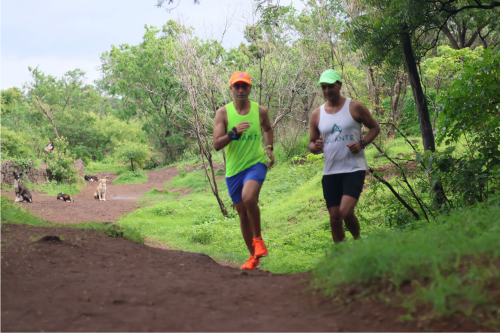
In our fast-paced professional lives, that nagging backache after long hours at a desk or sore knees following a weekend run often feels like an unavoidable part of modern living. Yet what many professionals overlook is how the clothes we wear can either compound these issues or actively help prevent them. Comfortable, thoughtfully designed apparel is emerging as a quiet but powerful ally in injury prevention spanning offices, factories, warehouses, and fitness routines alike.
This connection between apparel comfort and injury prevention is gaining real momentum as more individuals and organizations prioritize movement, recovery, and long-term well-being. From tech professionals in bustling innovation hubs to workers in physically demanding roles, the right clothing choices are delivering measurable improvements in reducing physical strain and supporting sustained health.
Tired of gear that slows you down? Chafing, soggy fabrics, and missing pockets kill your run's momentum. At Aguante, we're runners who get it. Our high-performance activewear features moisture-wicking fabrics, ergonomic designs, and smart storage to keep you focused. Shop Now!
The Growing Importance of Ergonomic and Supportive Apparel
Modern work patterns have blurred traditional lines between activity and rest. Many employees spend extended hours seated in front of screens, while others perform repetitive tasks on job sites or distribution centers. In this environment, moisture-wicking fabrics have become a practical solution. These advanced materials help regulate body temperature and keep the wearer dry during physical activities, reducing discomfort that often leads to poor posture or compensatory movements over time.
Beyond basic comfort, today's ergonomic apparel incorporates compression elements, strategic padding, and flexible constructions that better support joints and muscles. This helps minimize the risk of strains and overuse injuries. Professionals across North America and Europe are increasingly adopting such clothing not merely for weekends but as part of their daily work attire, recognizing its role in maintaining performance throughout demanding days.
Regional Trends Shaping Active and Functional Wear
Across cities like New York, Toronto, London, and Berlin, the shift toward healthier, more active lifestyles continues to reshape everyday wardrobes. A growing health-conscious population is incorporating more exercise into daily routines whether through yoga, running, gym sessions, or simply choosing movement-friendly clothing for commutes and office environments .
This trend has fueled strong interest in functional athletic apparel designed for both performance and comfort. The blurring line between athletic wear and everyday fashion allows employees to move more naturally throughout their day without needing to change outfits, thereby reducing the physical toll of prolonged sitting or sudden bursts of activity.
Adapting to Diverse Climates and Work Settings
From humid summers in southern U.S. cities to colder winters across Canada and Northern Europe, apparel must perform reliably in variable conditions. Moisture-wicking properties prove particularly valuable here, preventing sweat buildup that can cause irritation or distraction during long shifts. In logistics hubs, manufacturing facilities, and corporate campuses, supportive workwear helps employees maintain proper form, lowering the likelihood of common musculoskeletal issues that arise from repetitive tasks or static positions.
Real-World Applications Across Industries
Progressive organizations are already witnessing tangible benefits from prioritizing apparel comfort. Technology companies in Silicon Valley and financial centers in London have introduced ergonomic clothing initiatives, equipping teams with supportive activewear suitable for both focused desk work and regular movement breaks. Participants frequently report fewer instances of lower back discomfort and better daily focus, crediting improved posture support and reduced physical fatigue.
In construction, logistics, and industrial sectors spanning the Midwest United States and key manufacturing regions in Germany, specialized footwear and body-support garments are helping reduce workplace incidents. These pieces distribute pressure more evenly and provide necessary flexibility without compromising durability, enabling workers to handle demanding tasks with less strain on knees, backs, and shoulders.
Amateur athletes and fitness enthusiasts in places like Vancouver and Manchester are experiencing similar advantages. Local gyms, running groups, and sports clubs now commonly recommend injury-reducing apparel as part of regular training, supporting consistency and helping participants avoid setbacks that interrupt progress and recovery.
Addressing Key Challenges in Implementation
While the advantages are clear, several practical hurdles remain. Initial costs can discourage smaller businesses from adopting premium ergonomic options. Certain traditional industries still show resistance, sometimes perceiving specialized apparel as an unnecessary expense rather than essential support for workforce health and safety.
Additionally, availability of regionally tailored, high-quality solutions can vary. Supply considerations and awareness gaps mean that not every organization has easy access to the most suitable products. Overcoming these obstacles requires focused education highlighting how better apparel choices contribute to lower absenteeism, reduced healthcare needs, and stronger overall team performance.
Strategic Opportunities for Businesses and Leaders
Organizations that invest in employee well-being through comfortable, supportive clothing frequently see gains in productivity, morale, and retention. When staff feel physically supported in their roles, they tend to experience higher job satisfaction and greater engagement. In today's competitive talent markets across the United States, Canada, and Europe, these initiatives stand out as meaningful differentiators that help attract and retain skilled professionals.
For apparel manufacturers and retailers, rising demand creates exciting avenues for innovation. There is growing interest in customized solutions ranging from breathable garments suited to office environments to reinforced, durable options for industrial settings. By centering real user needs and practical outcomes, brands can strengthen customer loyalty and develop valuable partnerships in corporate wellness programs.
Emerging Innovations and the Road Ahead
Looking forward, the integration of smart technologies promises even greater impact. Fabrics embedded with subtle sensors could eventually provide real-time feedback on posture or muscle fatigue, helping individuals adjust movements before minor issues escalate. Though still developing, these advancements align naturally with broader digital health and workplace wellness trends.
Occupational health specialists recommend beginning with straightforward actions : evaluating existing uniforms, testing supportive alternatives with key teams, and collecting direct feedback from employees. Often, modest adjustments in fabric selection or garment fit deliver noticeable improvements in daily comfort and long-term injury prevention.
Practical Steps Organizations Can Take Today
- Conduct thorough assessments: Gather input from employees about specific discomfort points during typical work activities.
- Launch targeted pilots: Introduce moisture-wicking and supportive apparel options in departments with higher physical demands.
- Choose knowledgeable partners: Collaborate with suppliers familiar with local climate needs and relevant workplace regulations.
- Track meaningful results: Monitor changes in comfort levels, injury reports, and team engagement over several months.
Workplace ergonomics guidelines in Europe and occupational safety standards in North America increasingly recognize the value of such supportive measures, reinforcing their importance for forward-thinking employers.
Making Comfort a Strategic Priority
The relationship between what we wear and how effectively our bodies handle the demands of contemporary work and life has never been more relevant. Apparel that genuinely prioritizes comfort and functional support represents far more than a perk it stands as a smart investment in human performance and organizational resilience.
As businesses throughout the U.S., Canada, and Europe adapt to evolving work patterns and heightened expectations around employee well-being, those who thoughtfully embrace this connection will build healthier, more capable teams ready for sustained success.
In the end, effective injury prevention often begins with attention to everyday details. The right apparel choices can transform these details into meaningful advantages, turning potential vulnerabilities into sources of strength, comfort, and productivity.
“True performance-oriented clothing is no longer reserved for elite athletes it has become essential support for anyone committed to long-term health and effectiveness in both work and daily life.”
By making informed decisions around apparel, professionals and organizations alike can move through their days more comfortably, confidently, and sustainably.
Reference: Insights drawn from analysis of North American athletic wear trends and the practical benefits of moisture-wicking fabrics in supporting active lifestyles.
Frequently Asked Questions
How does wearing comfortable, ergonomic apparel help prevent workplace injuries?
Ergonomic apparel incorporates features like compression elements, strategic padding, and flexible constructions that support joints and muscles during prolonged activity. Moisture-wicking fabrics help regulate body temperature and keep the wearer dry, reducing discomfort that can lead to poor posture or compensatory movements over time. By minimizing physical strain, supportive workwear lowers the risk of common musculoskeletal issues especially for employees in repetitive or sedentary roles.
What types of industries benefit most from injury-preventing, supportive workwear?
Virtually every industry stands to gain, from tech and finance to construction, logistics, and manufacturing. Office workers report fewer instances of lower back discomfort when wearing posture-supportive activewear, while workers in industrial settings benefit from specialized footwear and body-support garments that distribute pressure more evenly across the knees, back, and shoulders. Even amateur athletes and fitness enthusiasts use injury-reducing apparel to maintain training consistency and avoid setbacks.
What should organizations look for when choosing moisture-wicking and ergonomic apparel for employees?
Organizations should start by assessing employee feedback on specific discomfort points during typical work activities, then pilot moisture-wicking and supportive options in departments with the highest physical demands. Choosing suppliers familiar with local climate conditions and relevant workplace safety regulations ensures the apparel performs reliably across different environments. Tracking measurable outcomes such as changes in injury reports, comfort levels, and team engagement over several months helps determine the program's long-term value.
Disclaimer: The above helpful resources content contains personal opinions and experiences. The information provided is for general knowledge and does not constitute professional advice.
You may also be interested in: Running in Comfort: How to Choose the Best Gear for Your Next
Tired of gear that slows you down? Chafing, soggy fabrics, and missing pockets kill your run's momentum. At Aguante, we're runners who get it. Our high-performance activewear features moisture-wicking fabrics, ergonomic designs, and smart storage to keep you focused. Shop Now!
Powered by flareAI.co