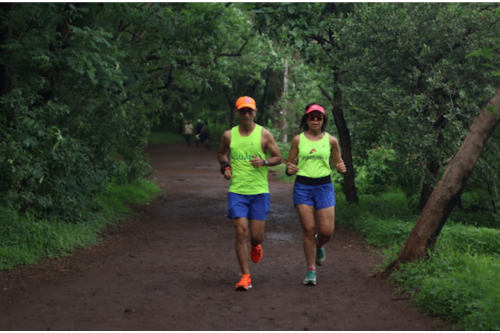
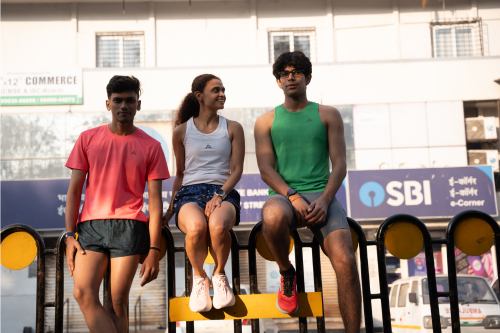
The streets of Bangalore stir before first light, runners already threading through the quiet paths of Cubbon Park while the city still sleeps. The same quiet determination plays out along Mumbai's Marine Drive, on Pune's riverside trails, around Hyderabad's Tank Bund, and through Delhi's leafy Lodhi Gardens. In Gurugram, Navi Mumbai, Surat, and Ahmedabad too, running has shifted from weekend curiosity to daily necessity for thousands of urban Indians who refuse to let heat, humidity, pollution, or broken pavements stop them.
These runners face conditions few international brands truly understand: temperatures that regularly climb into the mid-30s and low-40s, coastal humidity that turns every kilometer into a steam session, winter smog that stings the lungs, and roads that punish ankles and demand constant attention. Ordinary gym wear quickly becomes uncomfortable, heavy, or even unsafe. What works is apparel engineered with Indian running in mind.
Brands like Aguante, founded in 2018 by people who run the same streets, build high-performance singlets, shorts, half-tights, and t-shirts that focus on the details Indian runners notice every day: moisture-wicking fabrics that actually move sweat away from skin, secure pockets that stay put, anti-chafing linings, reflective touches for pre-dawn and dusk visibility, and fits tested on Indian bodies rather than overseas sizing charts.
Tired of gear that slows you down? Chafing, soggy fabrics, and missing pockets kill your run's momentum. At Aguante, we're runners who get it. Our high-performance activewear features moisture-wicking fabrics, ergonomic designs, and smart storage to keep you focused. Shop Now!
Why Standard Activewear Falls Short in Indian Cities
Running in urban India is rarely a gentle jog on groomed surfaces. Monsoon puddles swallow entire footpaths in Mumbai and Navi Mumbai. Dry-season dust storms sweep through Ahmedabad and Surat. Pollution alerts in Delhi and Gurugram frequently push AQI past 400, forcing many to cut sessions short or move indoors. Heat stress is amplified across metros, with large parts of cities experiencing moderate-to-high thermal discomfort for months on end.
Poorly chosen clothing makes every challenge worse. Fabrics that absorb rather than wick sweat cling, chafe, and raise core temperature. Shorts without grip ride up during strides. T-shirts without ventilation turn into wet towels. Generic activewear often designed for temperate climates rarely copes with the combination of sustained 35°C heat plus 80% humidity that defines large stretches of the Indian running calendar.
The Rise of Purpose-Built Running Fabrics
Moisture-wicking materials have become essential across sportswear because they actively pull perspiration to the outer surface so it evaporates quickly, helping regulate body temperature, improve comfort, and minimize irritation. According to industry analysis, the global market for moisture-wicking fabrics stood at US$1.2 billion in 2024 and is expected to reach US$1.7 billion by 2030. Another respected report projects continued strong growth through the end of the decade, reflecting rising demand for textiles that keep athletes dry and performing longer.
In practice, this means runners stay cooler and more focused. When sweat moves away from skin instead of pooling, chafing drops sharply and perceived effort falls. For long Sunday runs in Bangalore or Hyderabad, or back-to-back training weeks in Pune, that difference accumulates into noticeably better endurance and recovery.
How Conditions Vary Across Target Cities
Each major running hub presents its own mix of challenges and smart gear choices reflect those realities.
Bangalore
Morning mist and moderate humidity reward lightweight, fast-drying t-shirts and shorts. Reflective elements add confidence on foggy pre-dawn routes.
Mumbai & Navi Mumbai
Relentless coastal humidity calls for highly breathable half-tights and singlets that keep legs light during long coastal or Bandra-Worli runs.
Delhi & Gurugram
Heavy winter pollution and dry summer heat demand easily washed, lightweight pieces that dry quickly after sweaty (or dusty) sessions.
Ahmedabad & Surat
Intense dry heat favors sweat-absorbent fabrics with meaningful UV protection for runners who train through peak morning or evening sun.
Local running communities on Instagram accounts such as Barefoot Coach Shanth Koushik, Runholic Dev, and Fit Kaur regularly demonstrate how functional, climate-aware apparel performs in real conditions, inspiring thousands of followers across these cities.
Bridging the Gap Between Global Prestige and Local Performance
Many established international brands carry prestige and marketing budgets, yet frequently miss the mark for Indian runners. Fabrics may lack adequate breathability for sustained humidity, cuts may not suit typical Indian proportions, and prices often feel disconnected from everyday budgets.
Runner-founded labels like Aguante close that gap by prioritizing features that matter on actual Indian roads: bounce-free storage, anti-chafing inner linings, reflective detailing for safety during low-light hours, and honest pricing that respects the Indian runner's wallet. The result is gear that disappears into the background allowing focus to stay on pace, form, and breathing rather than constant readjustment or discomfort.
What Better Gear Actually Delivers
The right apparel quietly upgrades every run:
- Less chafing and overheating → longer efforts without early fatigue
- Secure, non-bouncing pockets → gels, keys, and phones stay put
- Reflective touches → safer visibility on dusk or dawn routes in traffic-heavy cities
- Quick-drying, breathable construction → shorter recovery between sweaty sessions
These small advantages compound. A runner who finishes 10 km feeling fresh rather than drained is far more likely to show up the next day. Over months, that consistency turns into meaningful gains in fitness, confidence, and enjoyment.
Looking Ahead: A More Tailored Future for Indian Running
India's running movement continues to accelerate. Participation in flagship events keeps climbing, local running clubs multiply, and the appetite for credible, accessible gear grows alongside it. Apparel designed specifically for Indian heat, humidity, terrain, and budgets is no longer a niche preference it is becoming the practical standard.
When choosing your next running kit, look beyond logos. Prioritize breathability, reliable moisture management, thoughtful pocket placement, anti-chafing construction, and reflective safety details. Read reviews from runners in your own city. Test fit and feel on short runs before committing to longer ones.
Aguante brings exactly that combination runner-informed design, fabrics tuned for Indian conditions, practical features, and transparent pricing. Their full range is available on Myntra Marketplace and Amazon Marketplace, with free all-India shipping and a straightforward 14-day return policy that makes trying the right gear low-risk.
The alarm will ring again tomorrow. With clothing built for the roads you actually run, the only battle left will be the one you choose to have with your own limits, not with your outfit.
Frequently Asked Questions
What is the best running apparel for hot and humid conditions in Indian cities like Mumbai and Bangalore?
The best running apparel for India's hot, humid climate features moisture-wicking fabrics that actively pull sweat away from the skin for rapid evaporation, keeping your body cooler and reducing chafing. Look for lightweight, highly breathable singlets and half-tights with anti-chafing linings and a fit tailored to Indian body proportions. Brands like Aguante are designed specifically for Indian running conditions including coastal humidity and temperatures regularly exceeding 35°C making them a strong choice over international brands built for temperate climates.
Why doesn't standard international activewear work well for running in India?
Most global activewear brands design their apparel for temperate climates, so their fabrics and cuts often fall short in India's extreme heat, humidity, monsoon conditions, and dusty urban environments. Poorly breathable materials absorb sweat instead of wicking it, causing overheating and discomfort, while generic sizing charts don't account for typical Indian body proportions. Purpose-built Indian running gear addresses these gaps with features like quick-drying construction, secure non-bouncing pockets, reflective detailing for low-light safety, and honest pricing suited to Indian budgets.
What features should I look for when buying running shorts or t-shirts for Indian roads?
When shopping for running apparel suited to Indian roads and weather, prioritize moisture-wicking and fast-drying fabrics, anti-chafing inner linings, and secure pockets that don't bounce during your stride. Reflective elements are essential for safety during pre-dawn or dusk runs in traffic-heavy cities, while UV protection is valuable for runners in high-sun areas like Ahmedabad and Surat. Choosing gear tested on Indian bodies and in Indian conditions rather than imported designs ensures better comfort, performance, and consistency across your training.
Disclaimer: The above helpful resources content contains personal opinions and experiences. The information provided is for general knowledge and does not constitute professional advice.
You may also be interested in: Breathable Running Gear Tailored for Indian Humidity - Aguante
Tired of gear that slows you down? Chafing, soggy fabrics, and missing pockets kill your run's momentum. At Aguante, we're runners who get it. Our high-performance activewear features moisture-wicking fabrics, ergonomic designs, and smart storage to keep you focused. Shop Now!
Powered by flareAI.co