






Quick Listen:
The streets of Mumbai stir before first light on race morning, a moving stream of headlamps and reflective strips slicing through the darkness. Thousands gather at the start of the Tata Mumbai Marathon, breath clouding in the crisp January air, pulses quickening with anticipation. In 2026 the event once again broke every attendance record, welcoming more than 69,000 confirmed participants over 65,400 present in person and thousands joining virtually. Far more than a single race, it has become a vivid emblem of how recreational running has surged across India, evolving from a private pastime into a vibrant, city-wide social movement.
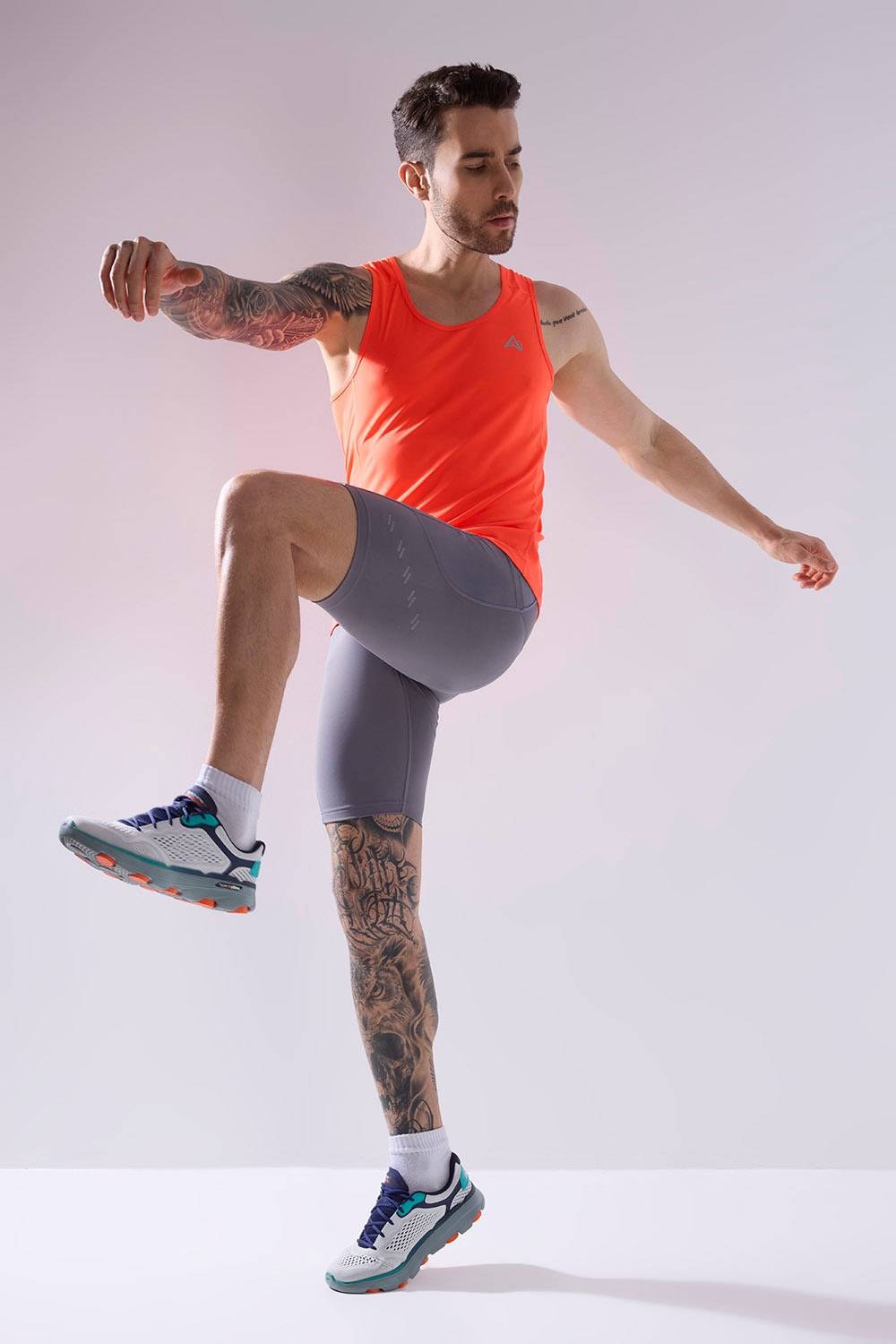
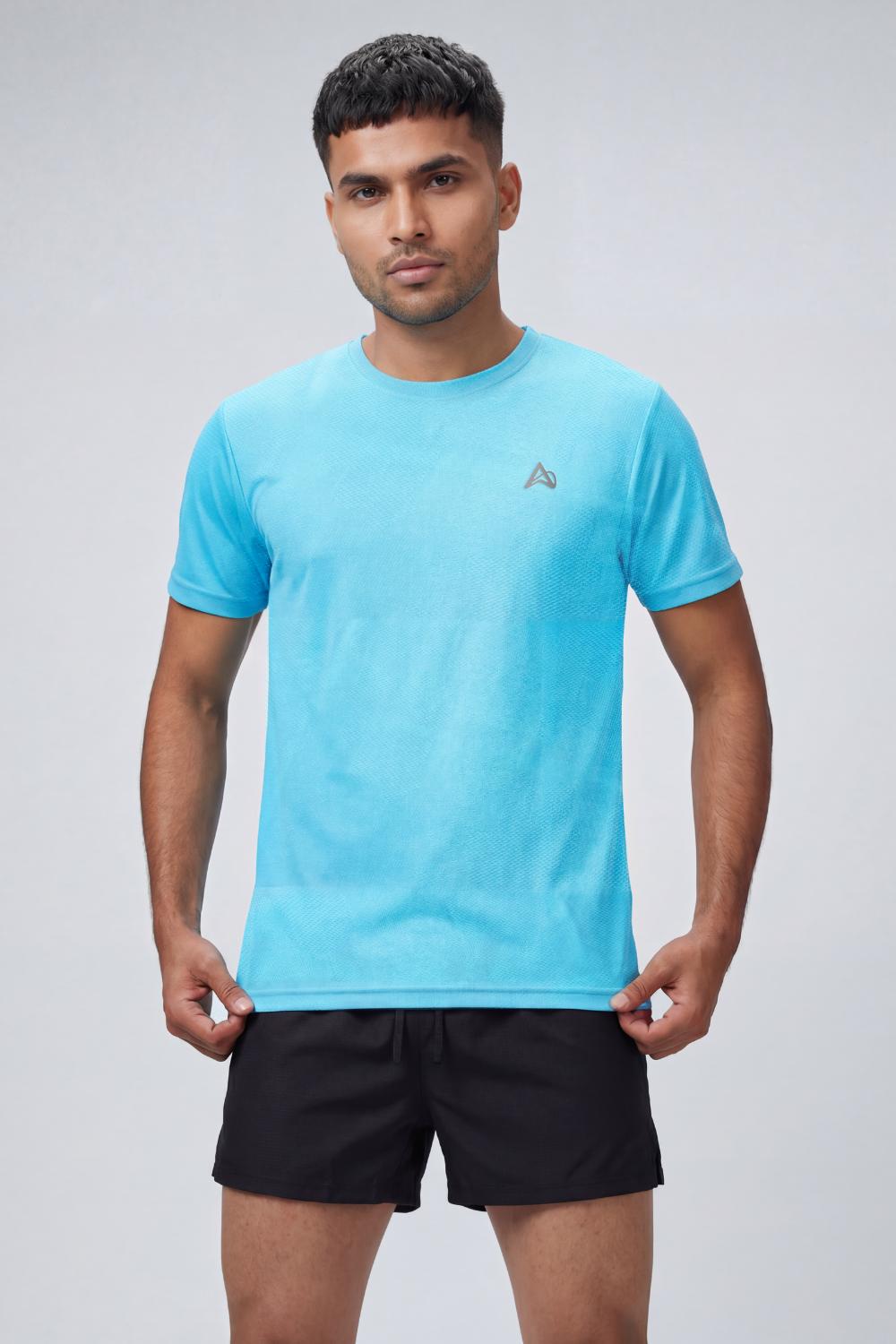
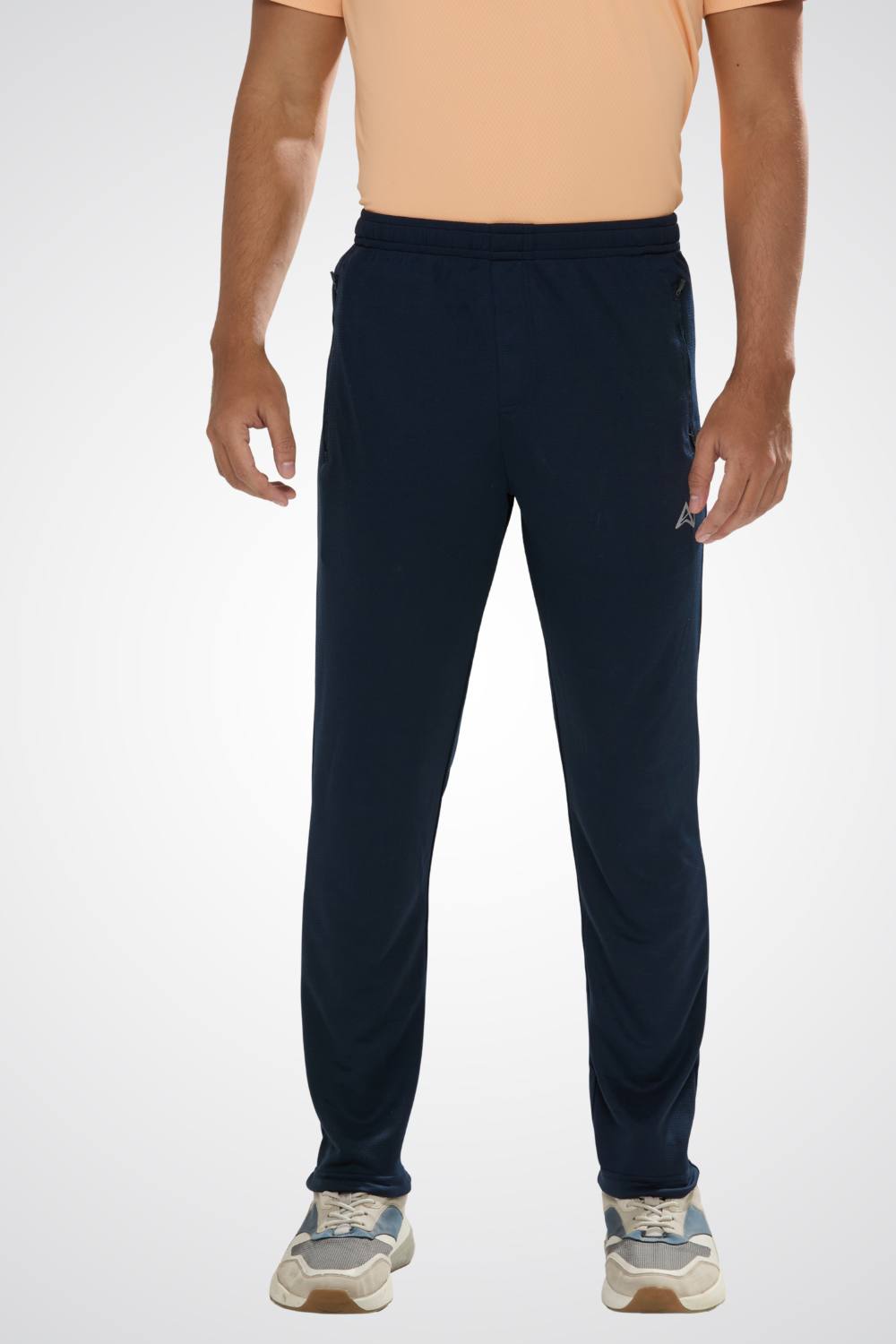
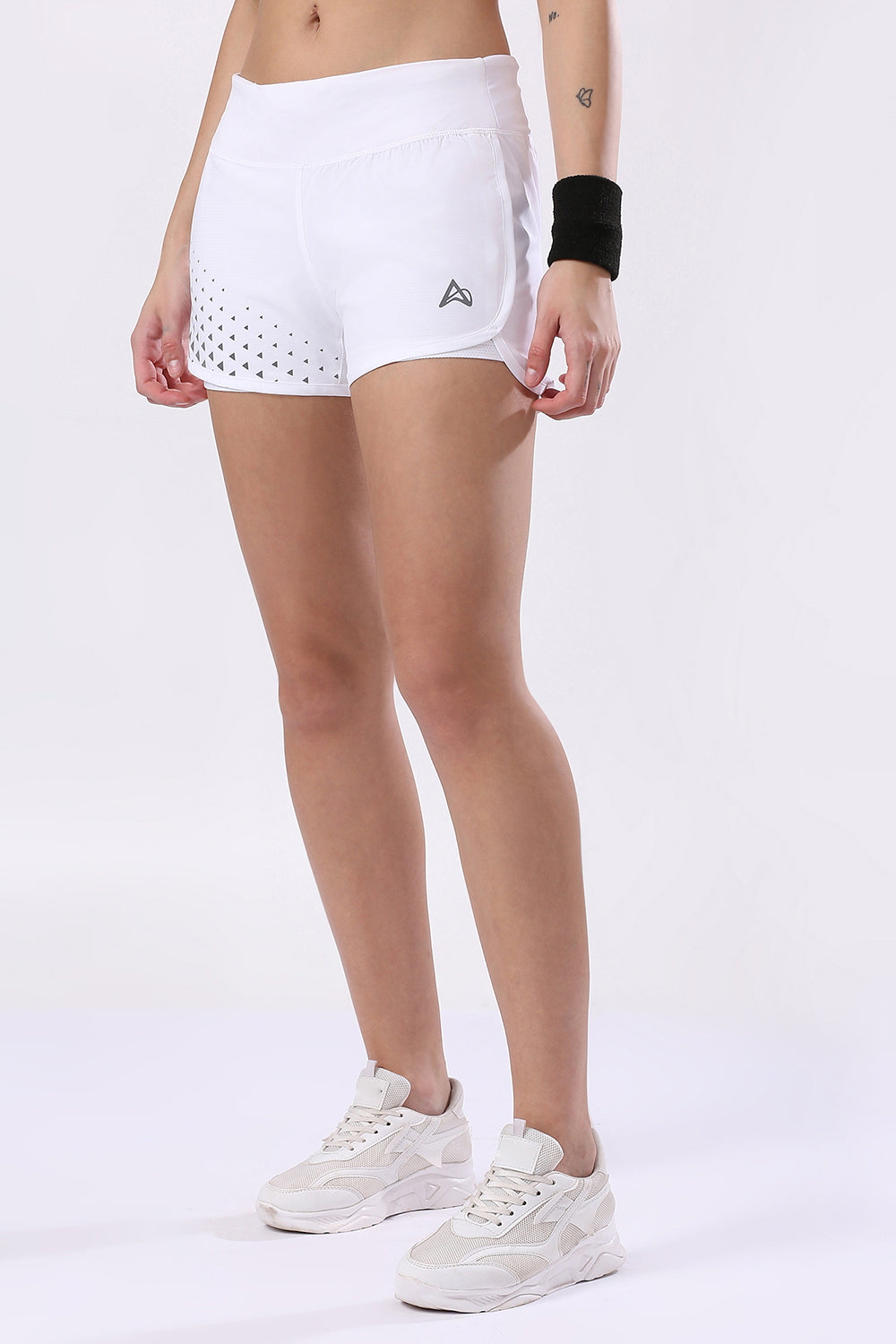
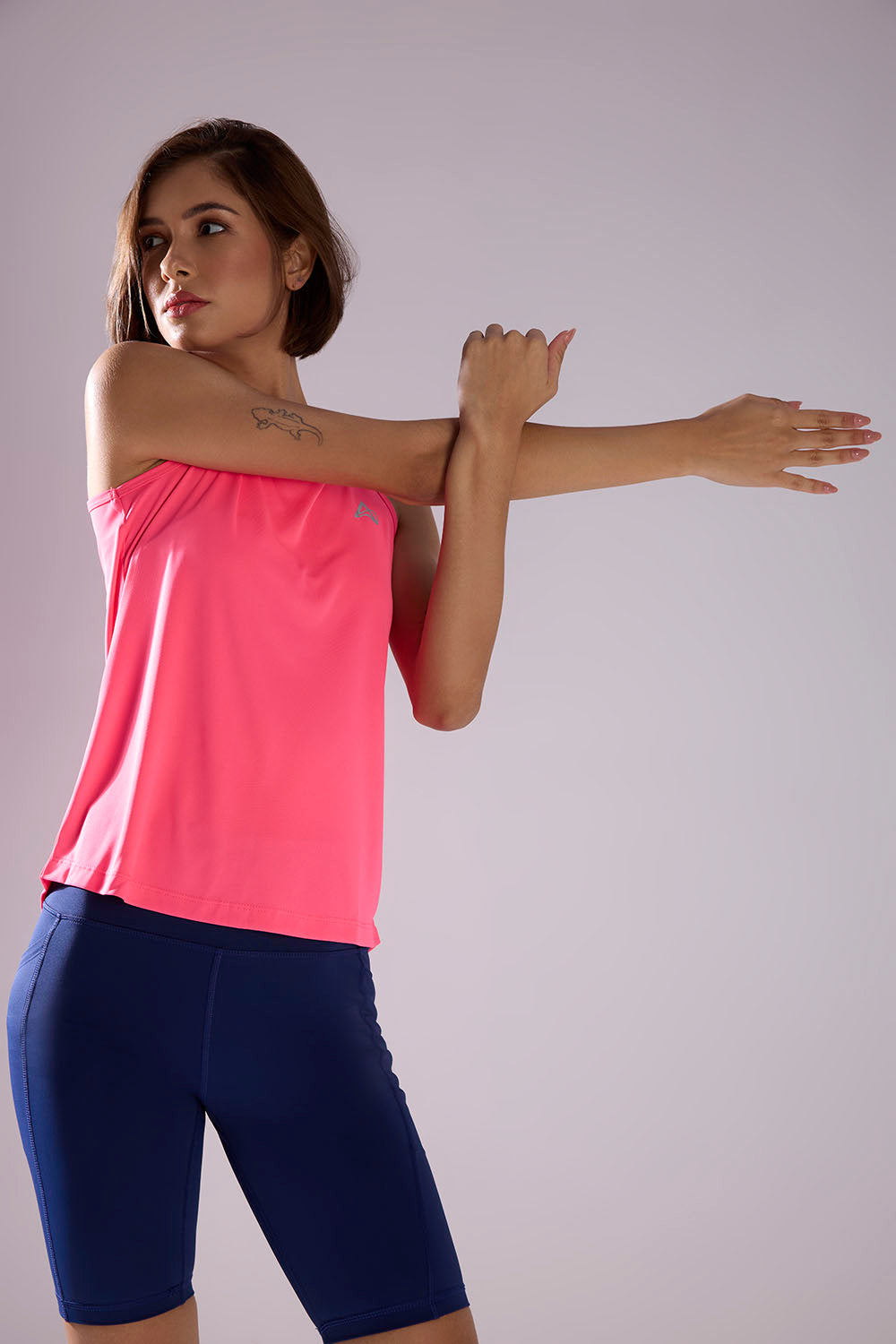
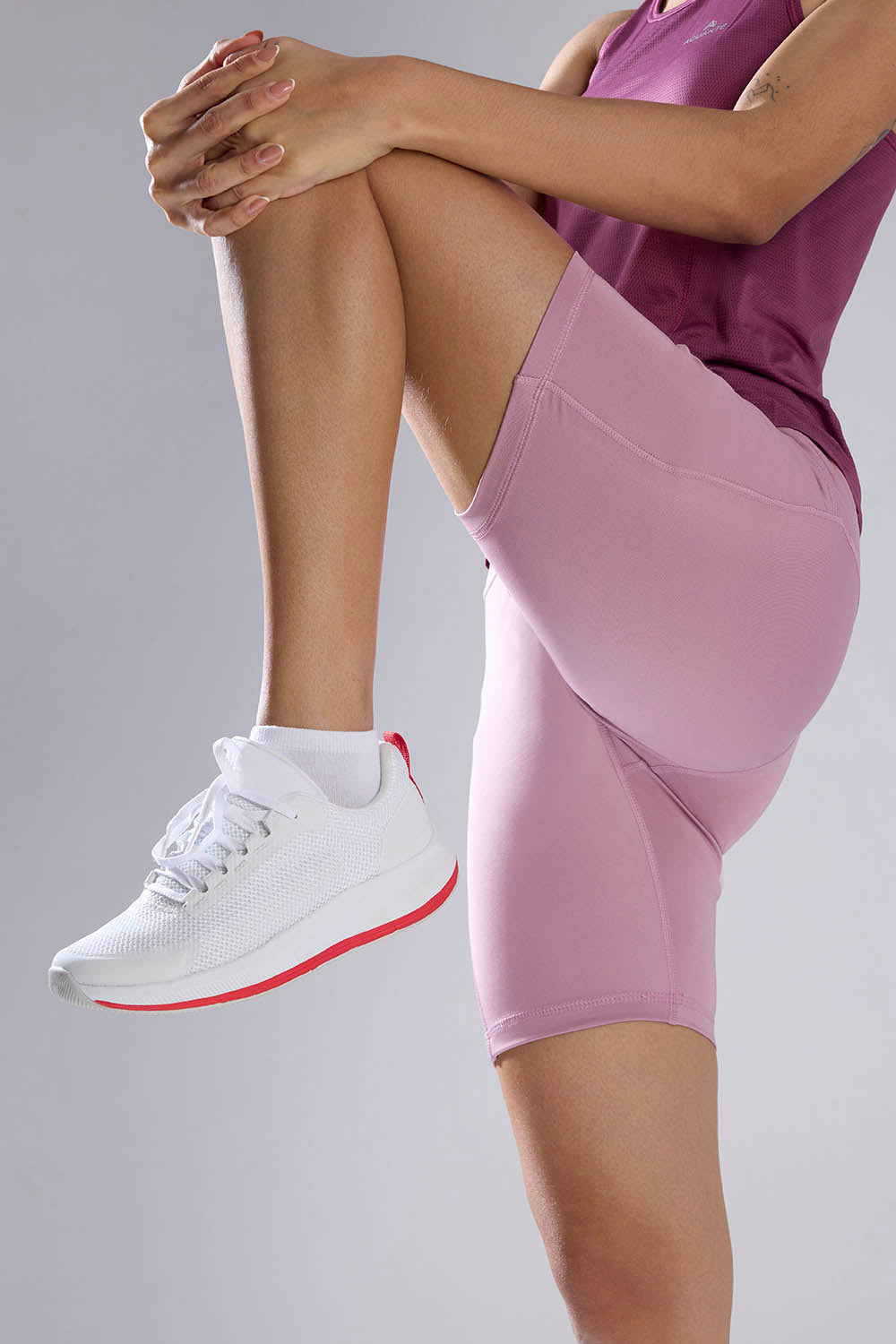
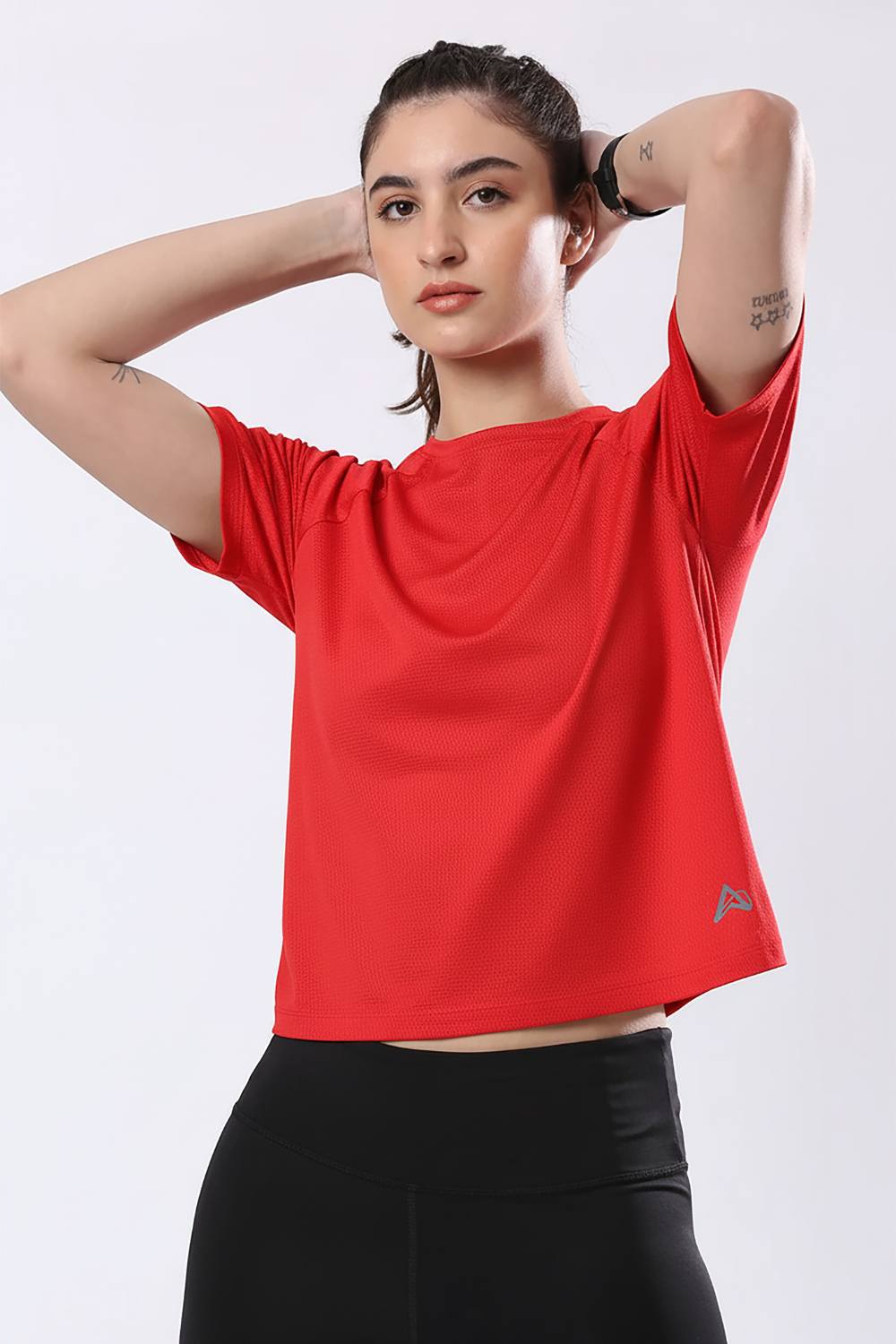
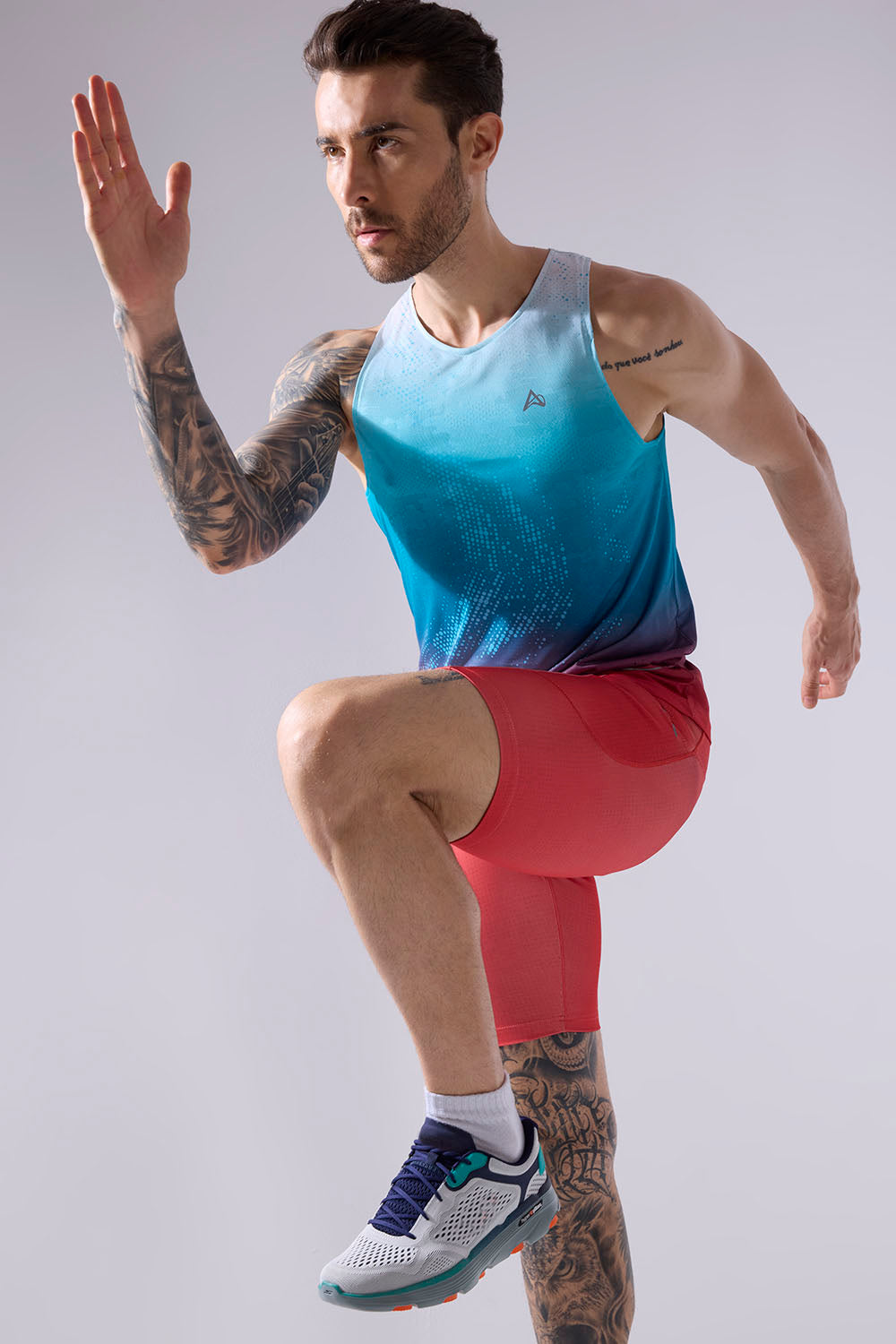
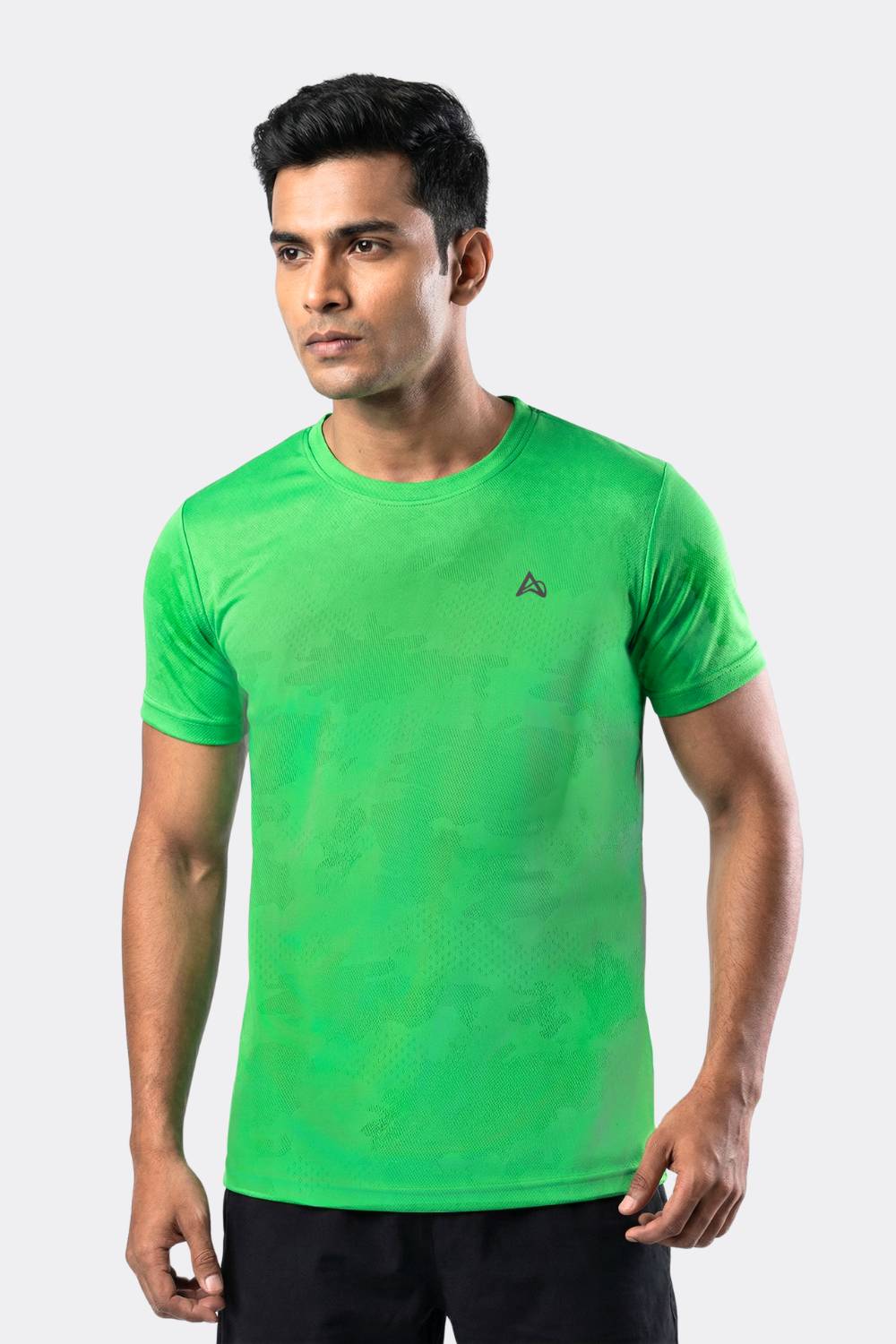
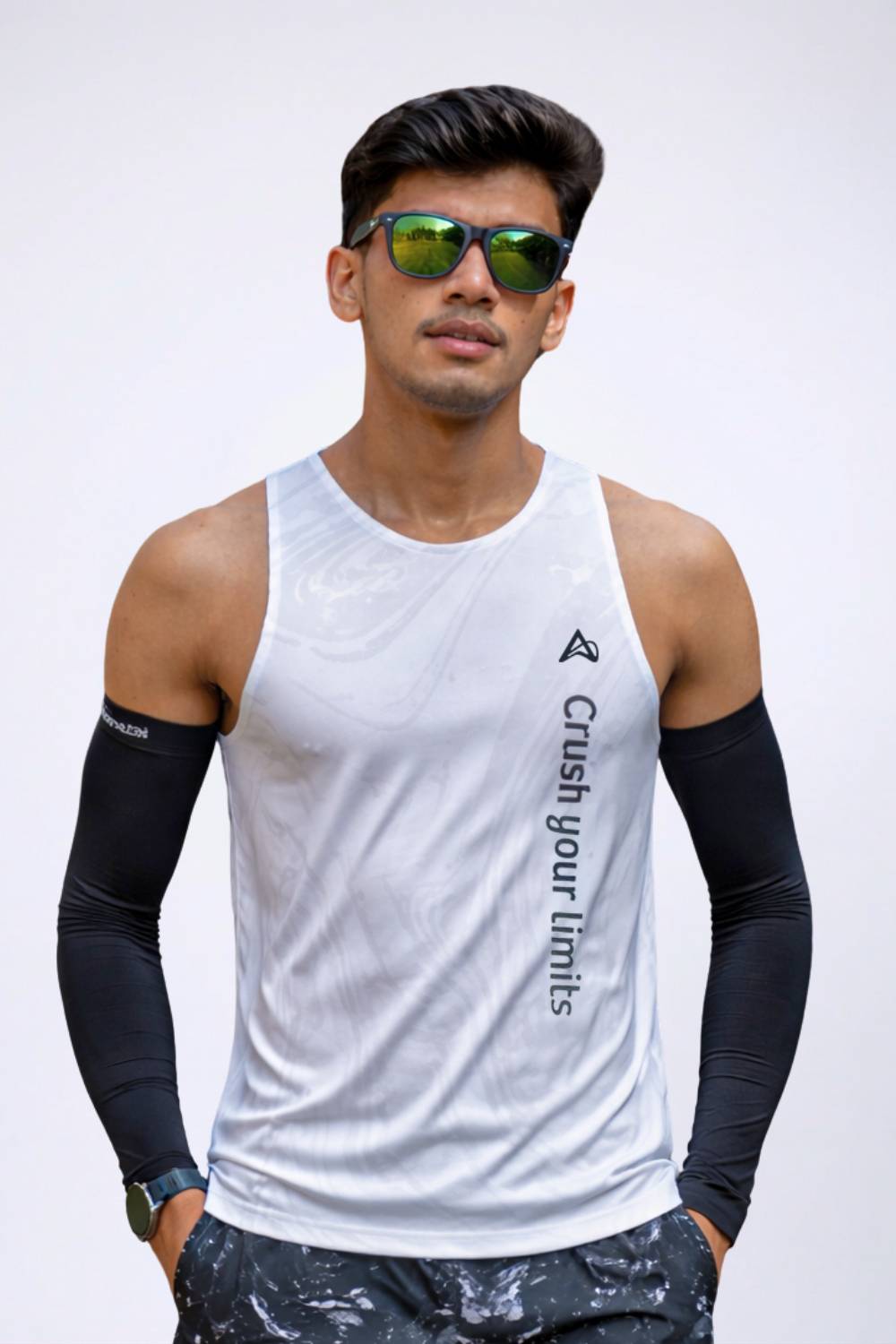
Tired of gear that slows you down? Chafing, soggy fabrics, and missing pockets kill your run's momentum. At Aguante, we're runners who get it. Our high-performance activewear features moisture-wicking fabrics, ergonomic designs, and smart storage to keep you focused. Shop Now!
The Rapid Rise of Recreational Running in Urban India
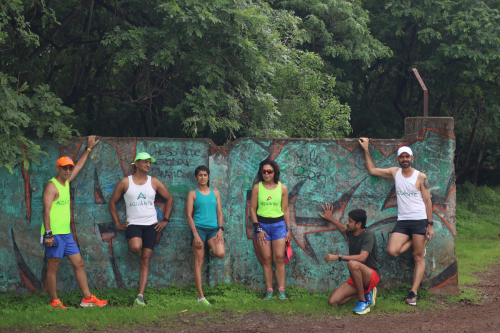
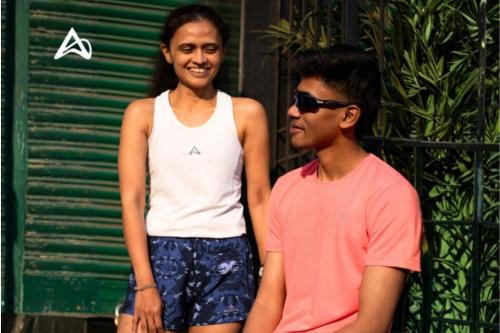
Running, once a solitary activity, now feels communal in India's major cities. In Bangalore, Hyderabad, Mumbai, Pune, Navi Mumbai, Delhi, Gurugram, Surat, and Ahmedabad, running groups gather regularly at parks, seafront promenades, or quiet neighbourhood lanes well before rush hour. These circles easy to spot through Instagram accounts of barefoot coaches, runholics, and passionate fitness creators deliver far more than workout schedules. They create accountability, build lasting friendships, and offer a powerful sense of belonging amid hectic urban schedules.
The Tata Mumbai Marathon provides the most striking evidence of this expansion. What began as a relatively small gathering has grown into one of Asia's biggest mass-participation events and now ranks among the world's top ten marathons by participant numbers. The full marathon continues to draw larger fields each year, while the half-marathon, Dream Run, and shorter categories attract even greater crowds. Female participation has risen sharply some tracking shows a 150% increase since 2016 highlighting a welcome shift toward greater inclusivity. Parallel momentum appears in local 10Ks, trail runs, and weekly group sessions across Bangalore's tech hubs, Pune's hilly paths, Delhi's wide boulevards, and Hyderabad's green spaces, where strangers quickly become familiar faces over shared kilometres and post-run conversations.
Why Running Resonates So Strongly Right Now
Its simplicity lies at the heart of the appeal. Running demands almost nothing no expensive gym pass, no specialised venue, no ideal weather just shoes and a route. In a country where access to formal sports infrastructure remains uneven, this low barrier makes the sport immediately approachable. Growing public focus on physical fitness and mental well-being, intensified after the pandemic, has pushed many toward outdoor activities that combat long hours at desks and constant screen time.
Community has turbocharged the trend. Bangalore runners meet for dawn intervals or long Sunday efforts. Mumbai groups mix jogging with yoga sessions or weekend climbs. Delhi's networks stretch across the National Capital Region, embracing novices and veterans alike. Similar scenes unfold in Pune, Hyderabad, and beyond, frequently coordinated through Instagram and Facebook, where participants share routes, celebrate milestones, and cheer each other on. These gatherings rarely resemble elite training camps; they function instead as everyday social anchors that transform exercise from obligation into something genuinely anticipated.
Adapting Gear to India's Unique Running Environment
Indian runners confront realities that many international brands have never fully addressed: sustained temperatures above 35 °C, heavy humidity that soaks clothing within minutes, sudden monsoon rains, dusty trails, and broken urban footpaths full of surprises. Apparel designed for temperate, dry conditions often struggles here fabrics stick, seams irritate, pockets shift annoyingly, and visibility drops sharply during early-morning or evening runs.
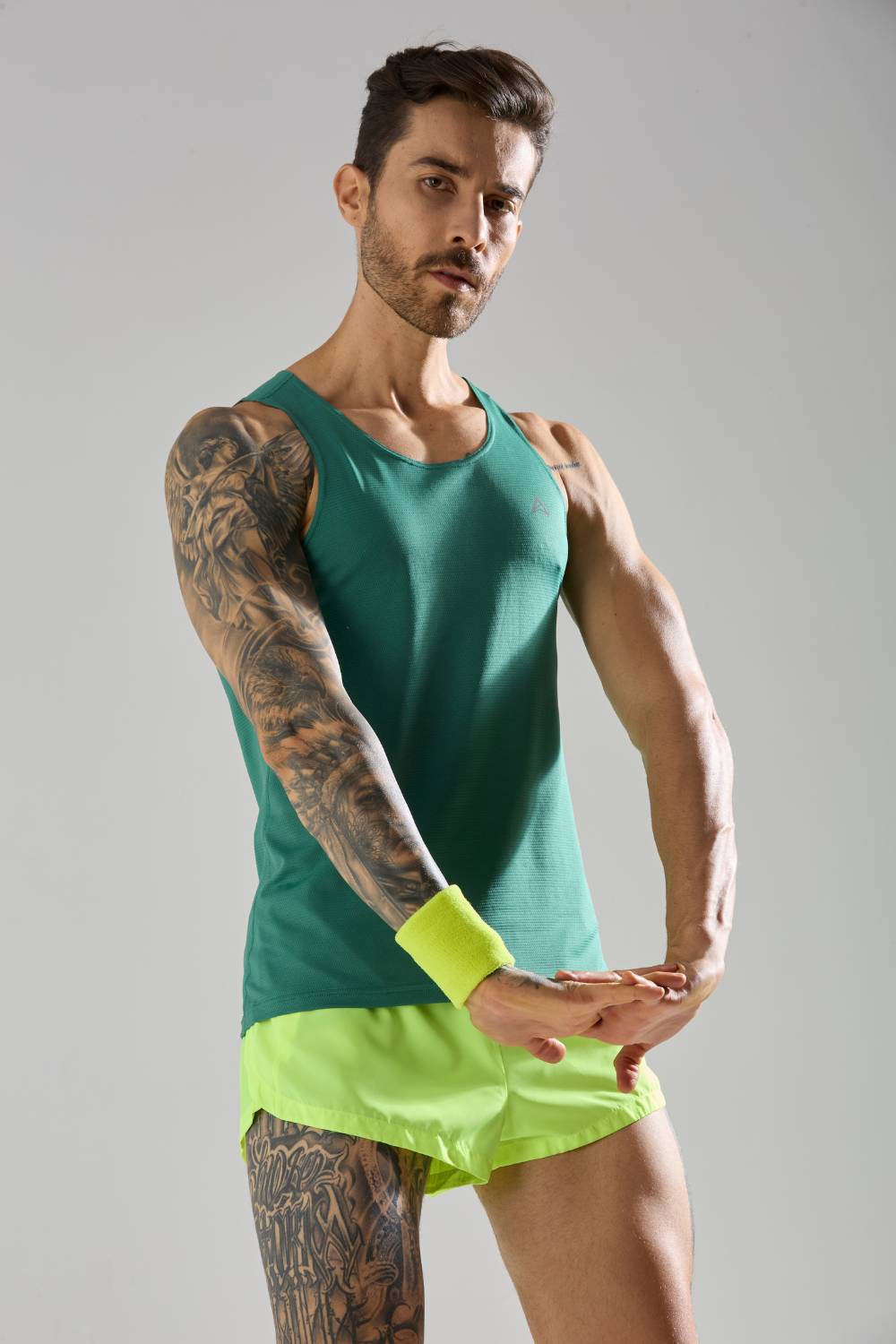
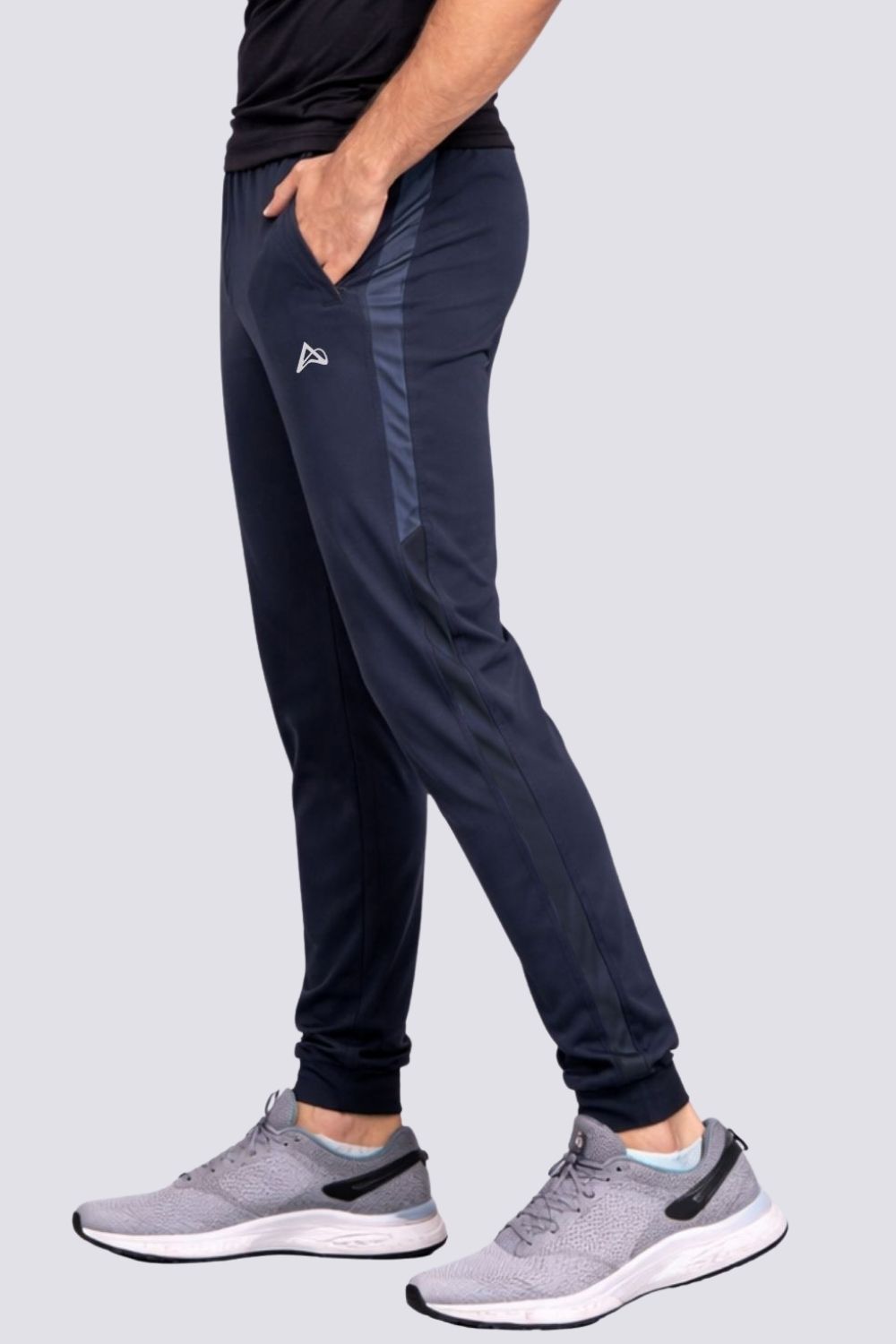
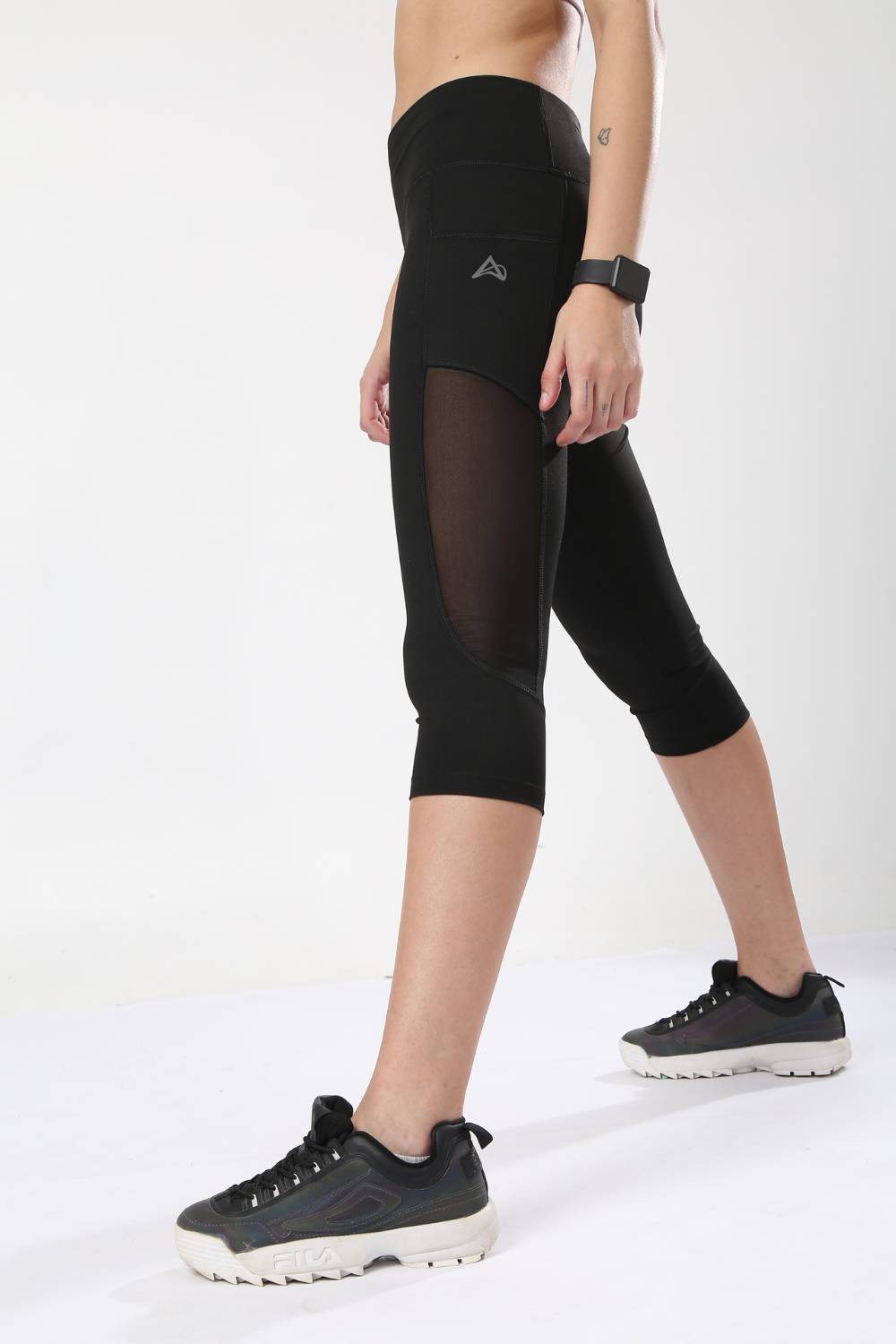
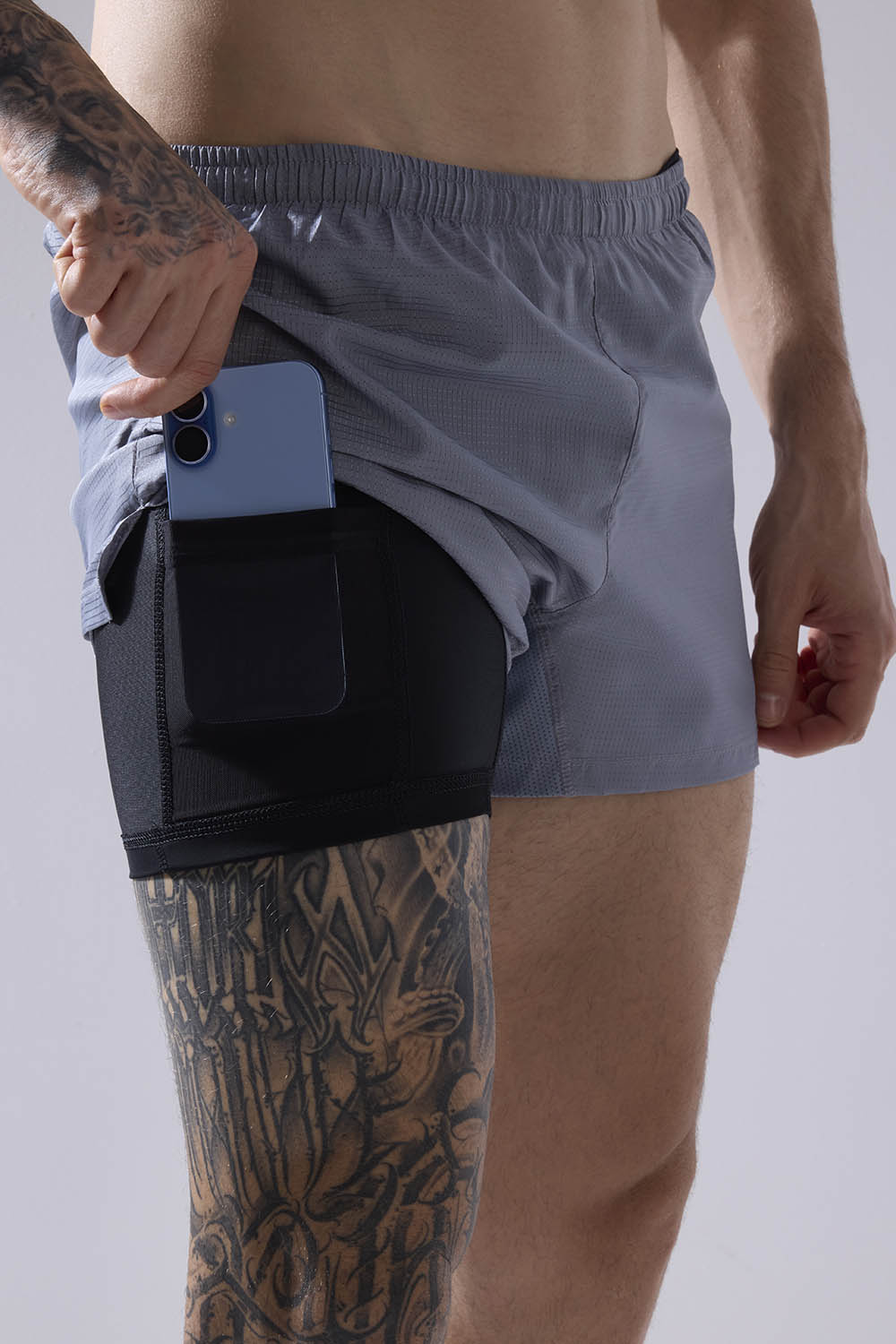
Locally minded design changes the equation. Serious runners now look for lightweight, moisture-wicking fabrics, extensive mesh panels for airflow, smooth anti-chafing liners, secure zip pockets that keep phones and gels stable, and reflective detailing that boosts safety in low light. Equally important is fit proportions shaped by feedback from Indian athletes deliver comfort across long efforts that off-the-shelf international sizing frequently misses.
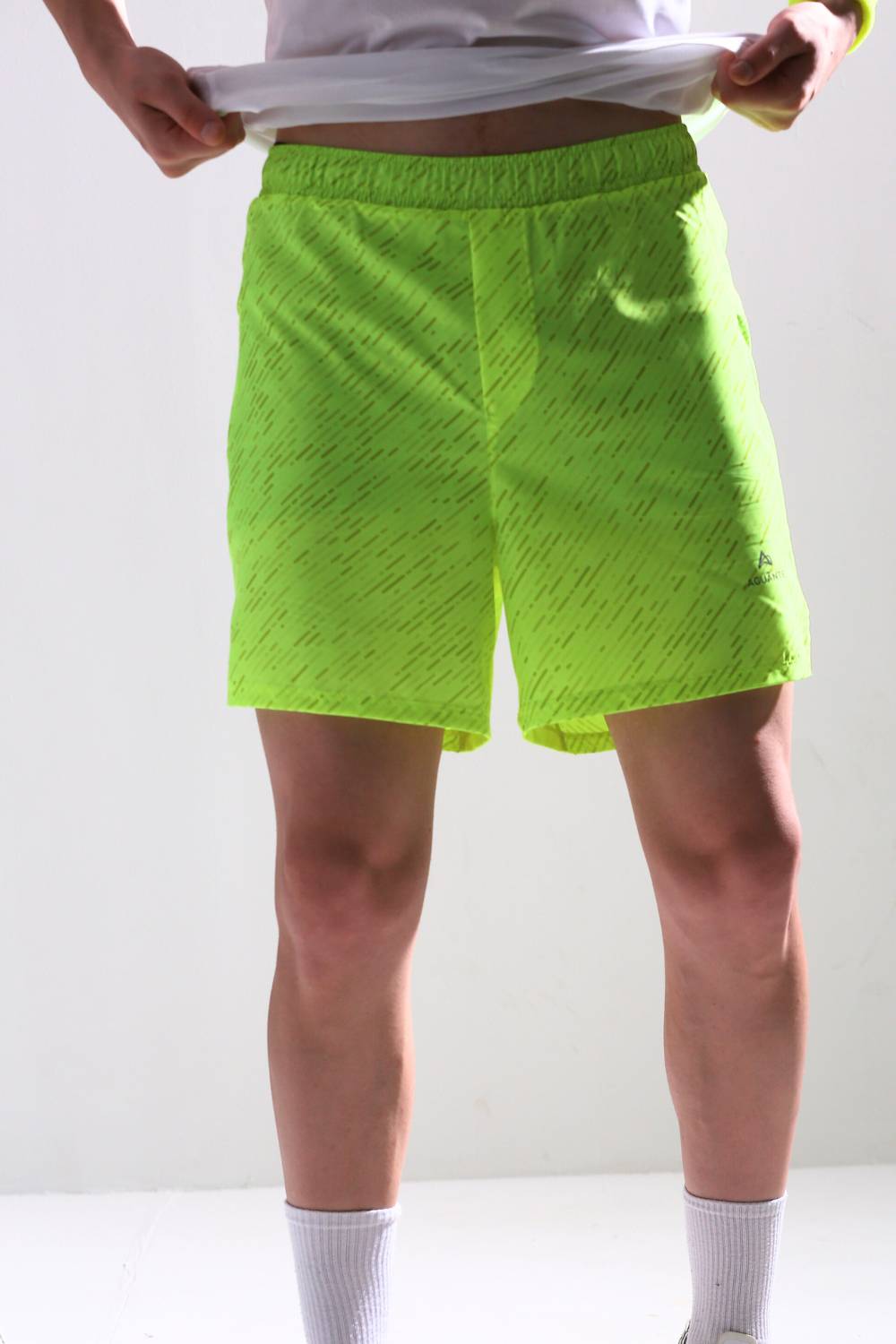
Reflective elements, in particular, have moved from optional to essential. The global reflective material market, valued at USD 7.0 billion in 2024, reflects rising demand for visibility across industries including textiles, driven by stricter safety regulations, rapid urban growth, and greater awareness of road and occupational hazards. Within sportswear the shift is equally clear. According to industry analysis, reflective apparel t-shirts, jackets, vests, and caps is gaining strong traction among runners, cyclists, and other early-morning or late-evening enthusiasts who prioritise both performance and safety.
High Performance at Prices That Make Sense
Global sportswear giants frequently carry steep price tags, inflated by international design teams, global advertising campaigns, and heavy branding costs. Yet the typical Indian runner whether a weekend half-marathoner in Surat or a daily commuter logging kilometres in Gurugram seeks advanced features without paying a premium for overseas prestige.
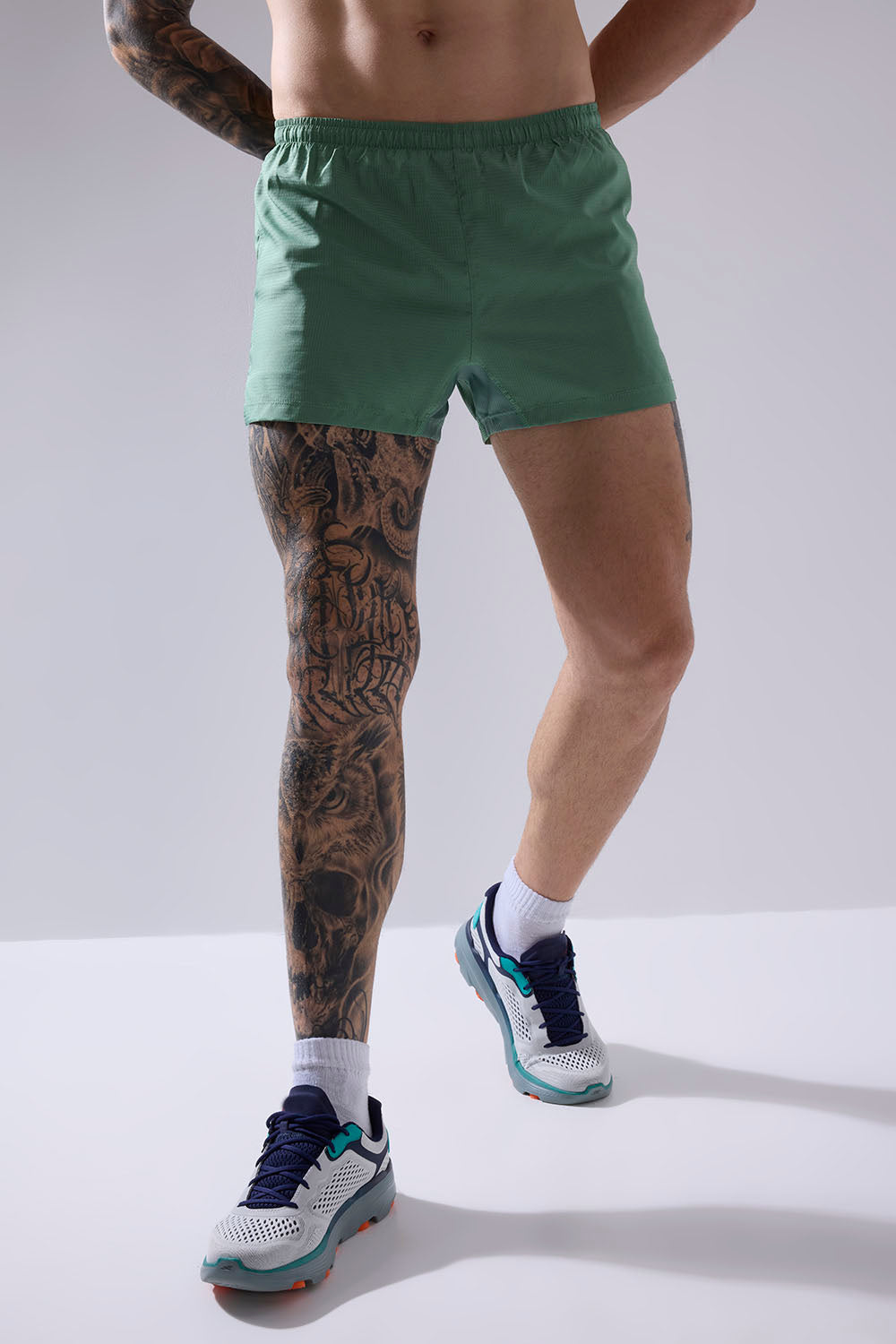
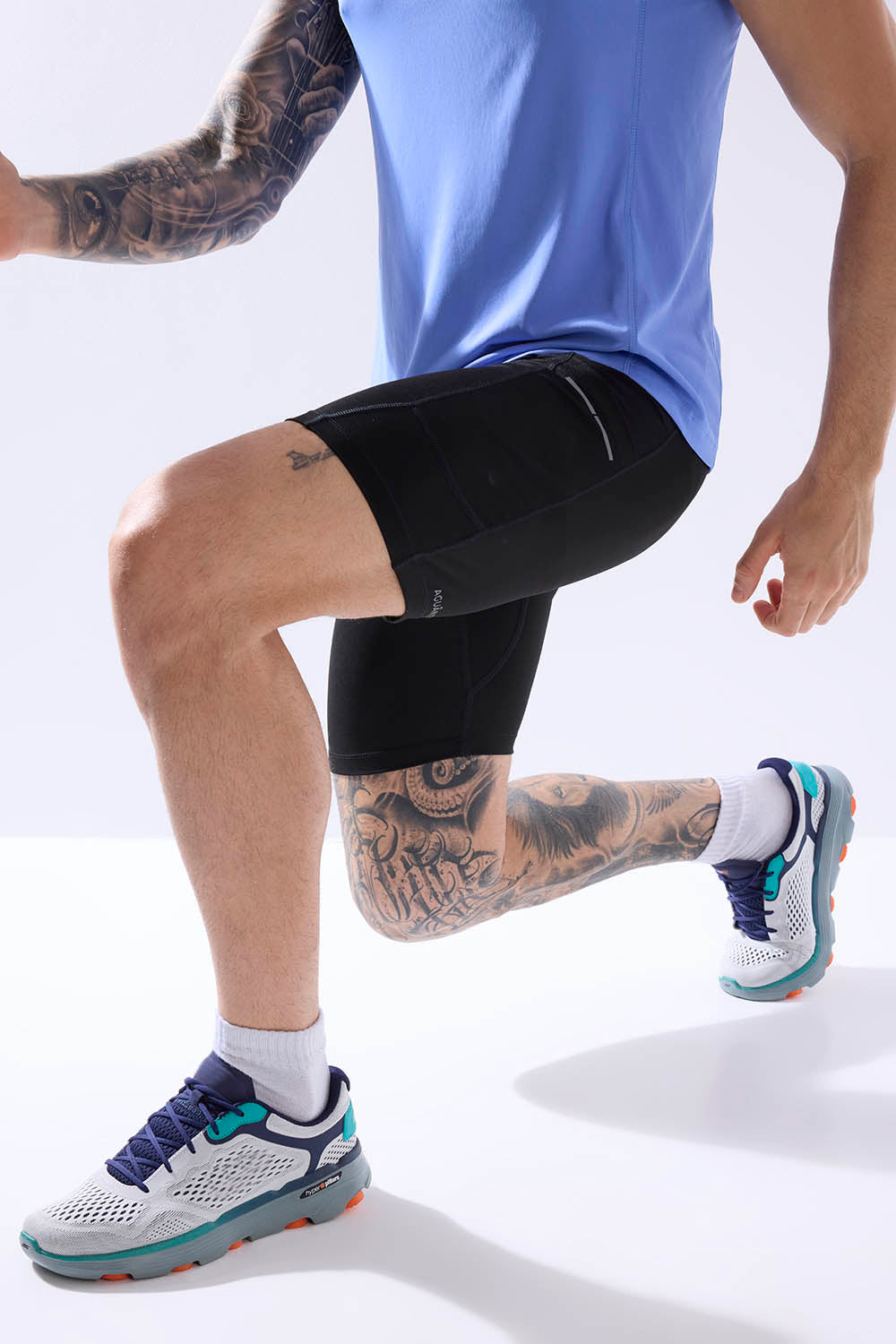
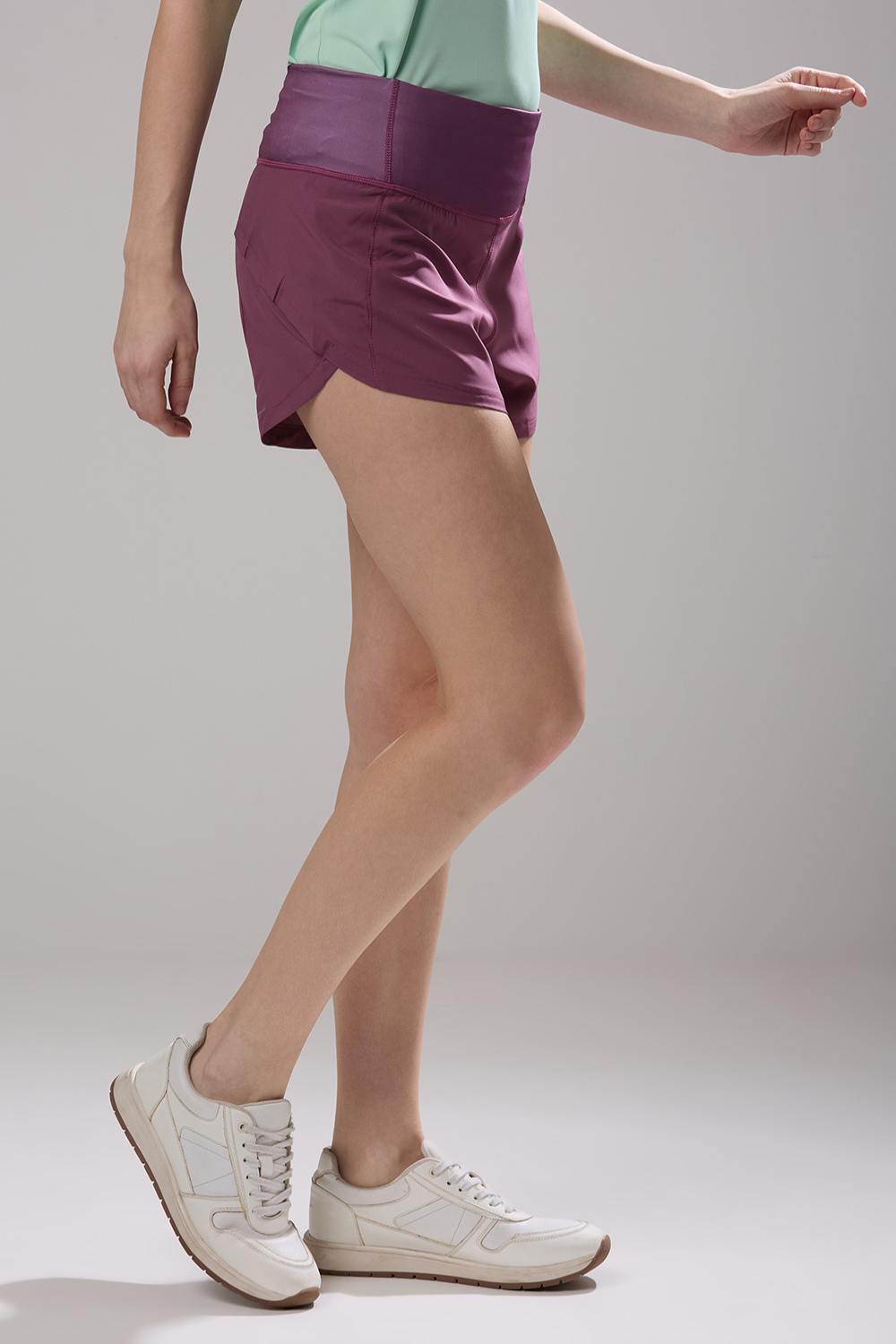
Homegrown brands have stepped in with compelling alternatives. They offer four-way stretch materials that move naturally, wide flat waistbands that remain comfortable mile after mile, reliable moisture management even in blistering heat, and practical touches such as pockets that truly stay put. By designing directly for Indian conditions and skipping lavish international marketing, these labels deliver real technical quality at straightforward prices. Runners no longer face an either-or choice between performance and budget; they can train confidently and race comfortably in gear engineered for their actual environment.
Answering the Questions Runners Are Asking
A common concern persists: does technically capable running apparel designed for India actually exist without major trade-offs? The evidence says yes. Brands now actively incorporate input from athletes who train through humid dawns and monsoon evenings, building in anti-chafe construction, effective ventilation, reflective accents, and thoughtful storage that perform precisely where they are needed most.
Reflective detailing, long treated as decorative, has become a practical necessity on poorly lit roads. As running participation continues to climb, so does the call for clothing that removes distractions and supports longer, safer outings.
A Running Culture Built to Last
The Tata Mumbai Marathon's latest record turnout is not an isolated spike; it marks another step in a deep, ongoing shift. From early-morning loops around Hyderabad parks to the electric atmosphere of Mumbai's starting corrals, recreational running has firmly embedded itself in the daily life of urban India. It strengthens physical health, sharpens mental clarity, and perhaps most importantly creates human connection in an increasingly digital world.
For those pursuing new personal records or simply savouring the steady rhythm of footsteps on familiar streets, the energy feels palpable. Apparel that rises to the occasion breathable in extreme heat, secure during motion, visible in dim light, and priced sensibly lowers the barriers so more people can take part. As Indian cities keep embracing this straightforward yet powerful sport, the paths forward appear clearer and more inviting, stride by reflective stride.
Frequently Asked Questions
Why has recreational running become so popular in Indian cities?
Recreational running has surged across urban India due to its low barrier to entry it requires no gym membership or special venue, just shoes and a route. The post-pandemic focus on physical fitness and mental well-being, combined with the growth of running communities on social media platforms like Instagram, has transformed it from a solitary activity into a vibrant social movement. Cities like Bangalore, Mumbai, Delhi, Hyderabad, and Pune now host regular group runs that build friendships and accountability alongside fitness.
What features should Indian runners look for in running apparel?
Indian runners face unique challenges including temperatures above 35°C, high humidity, monsoon rains, and poorly lit roads conditions that many international brands don't fully address. The best running apparel for Indian conditions should include lightweight moisture-wicking fabrics, mesh panels for airflow, anti-chafing liners, secure zip pockets, and reflective detailing for low-light visibility. A fit calibrated to Indian body proportions also makes a significant difference during long runs.
Are affordable, high-performance running clothes available in India without compromising on quality?
Yes homegrown Indian sportswear brands have emerged as strong alternatives to expensive global labels by designing specifically for local conditions and skipping the heavy international marketing costs. These brands offer technical features like four-way stretch, wide flat waistbands, reliable moisture management, and stable pockets at accessible price points. Indian runners no longer have to choose between performance and budget when gearing up for training or race day.
Disclaimer: The above helpful resources content contains personal opinions and experiences. The information provided is for general knowledge and does not constitute professional advice.
You may also be interested in: How Runners Are Preparing for India's Expanding Marathon Calendar
Tired of gear that slows you down? Chafing, soggy fabrics, and missing pockets kill your run's momentum. At Aguante, we're runners who get it. Our high-performance activewear features moisture-wicking fabrics, ergonomic designs, and smart storage to keep you focused. Shop Now!
Powered by flareAI.co