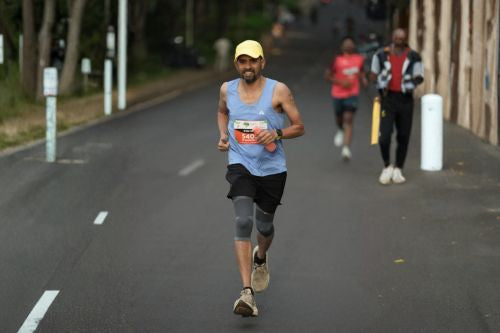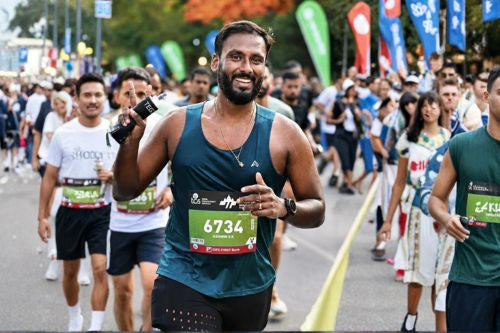













The Tata Mumbai Marathon 2026 pulled in an extraordinary turnout, with more than 69,000 runners registered before race day, cementing its status as India's biggest and most prestigious running event. Staged on under World Athletics Gold Label standards, the 21st edition welcomed over 65,400 participants on the actual course plus thousands more in the virtual run, with final figures climbing past 69,100 and some counts edging close to 70,000 once every finisher was tallied.
This remarkable participation wave reflects a powerful, nationwide embrace of running, particularly in India's major urban centers where fitness has evolved into a genuine lifestyle commitment.
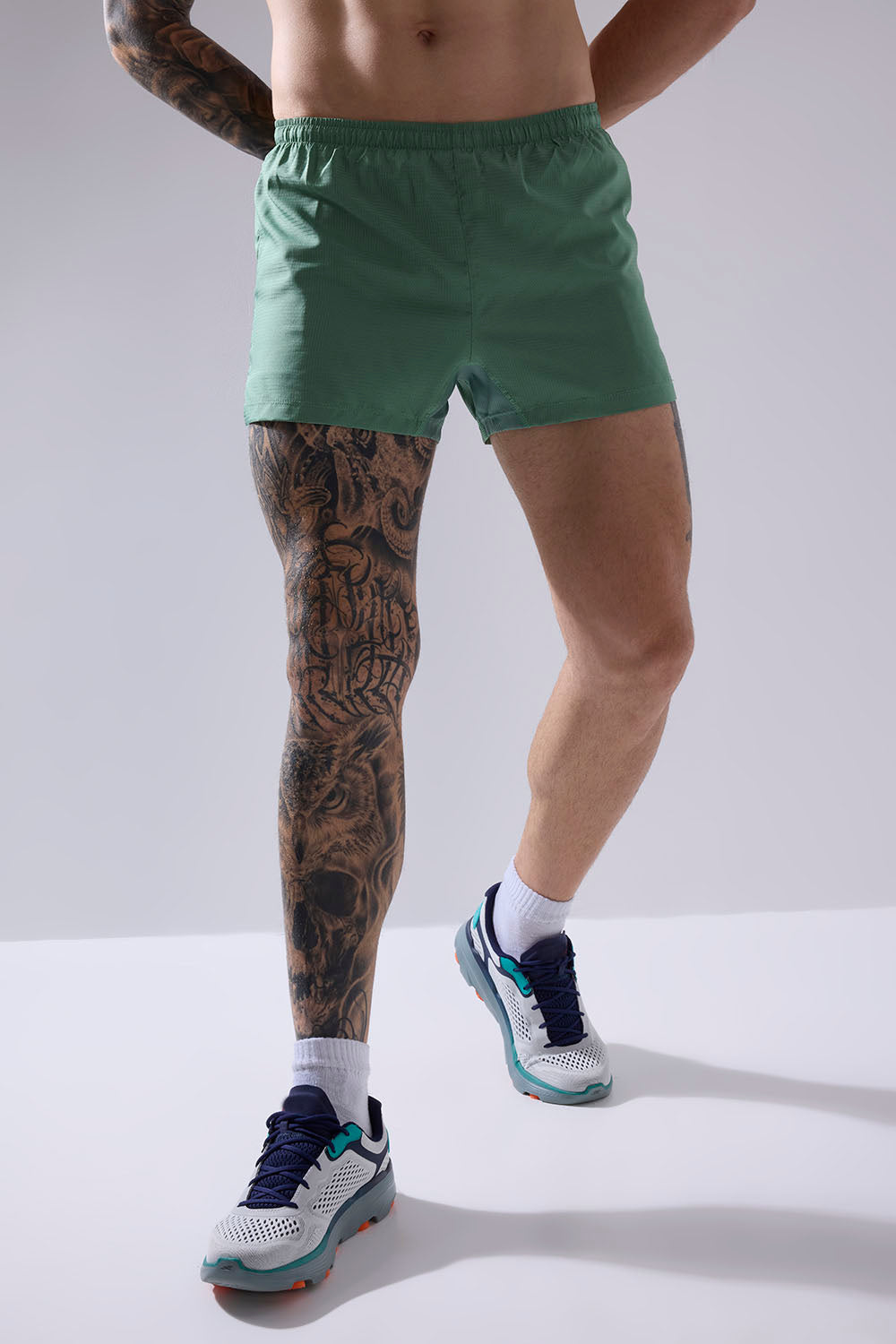
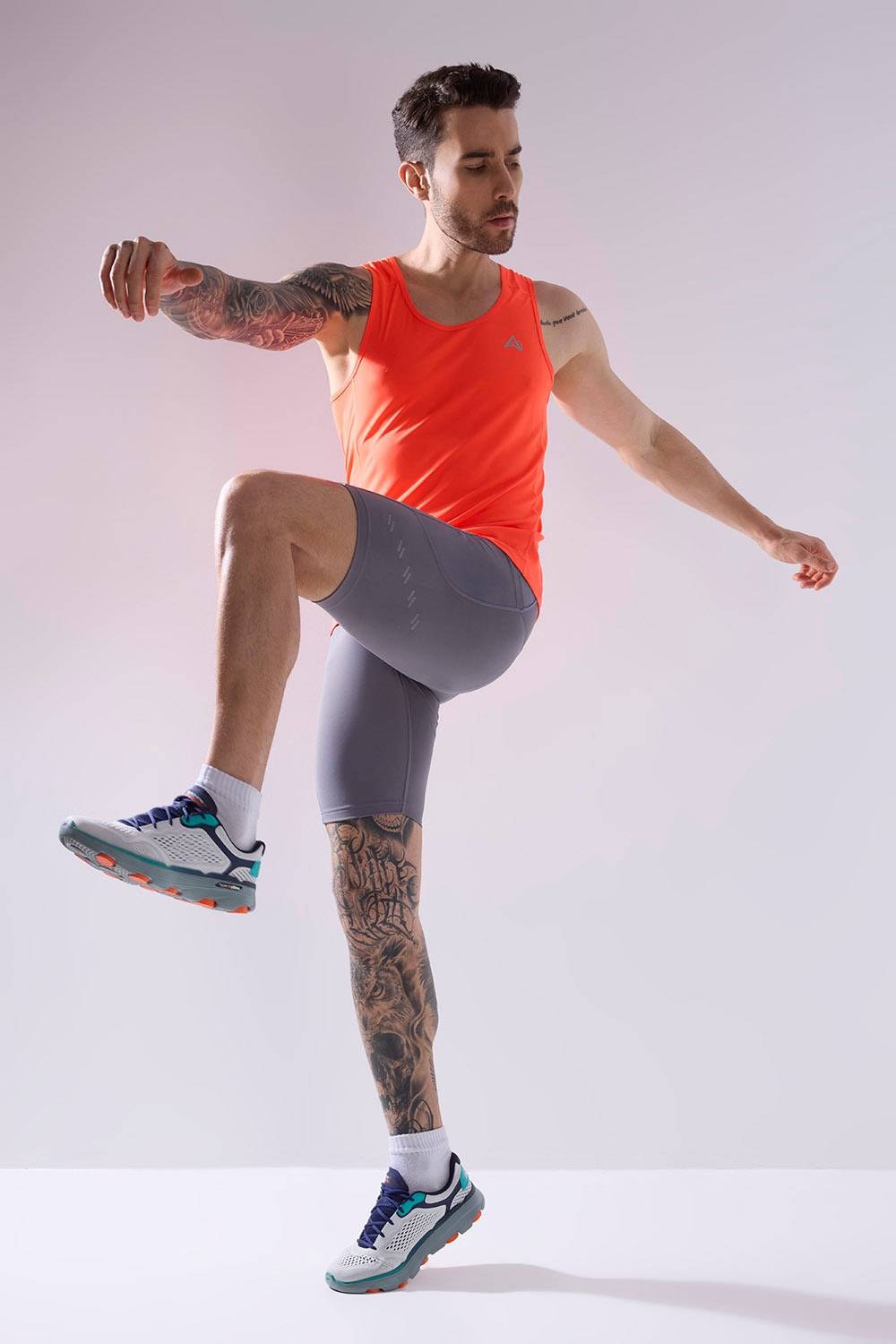
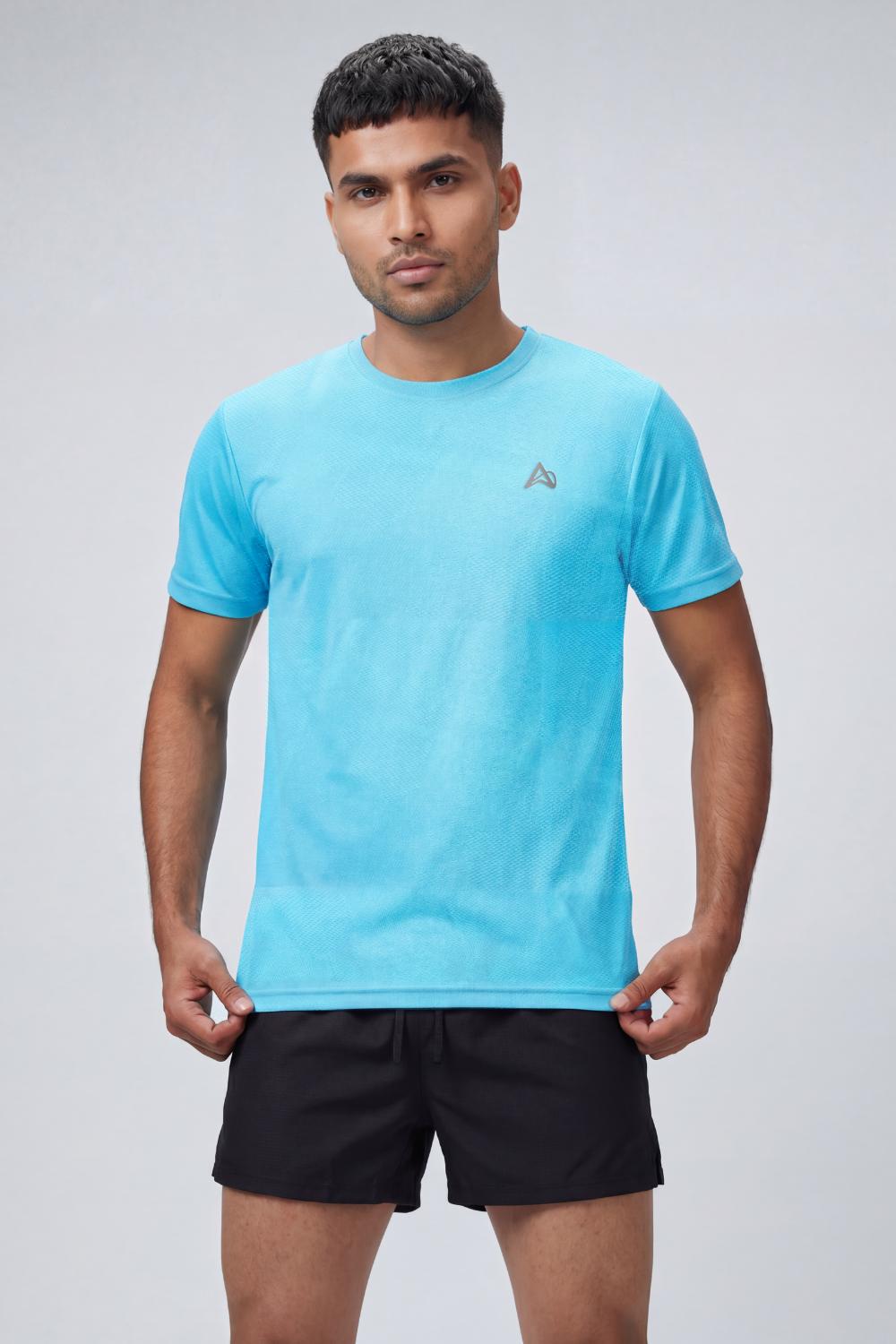
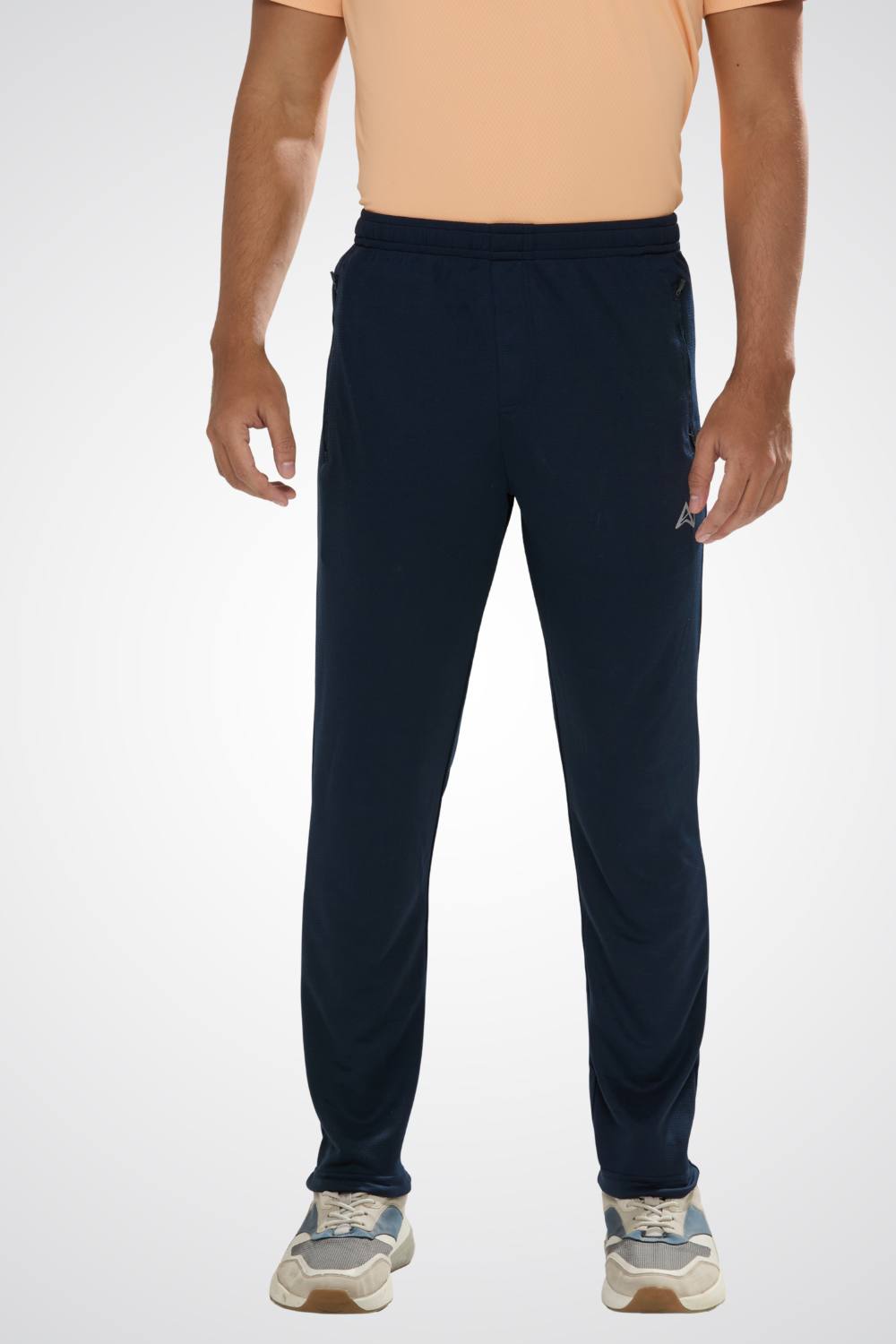
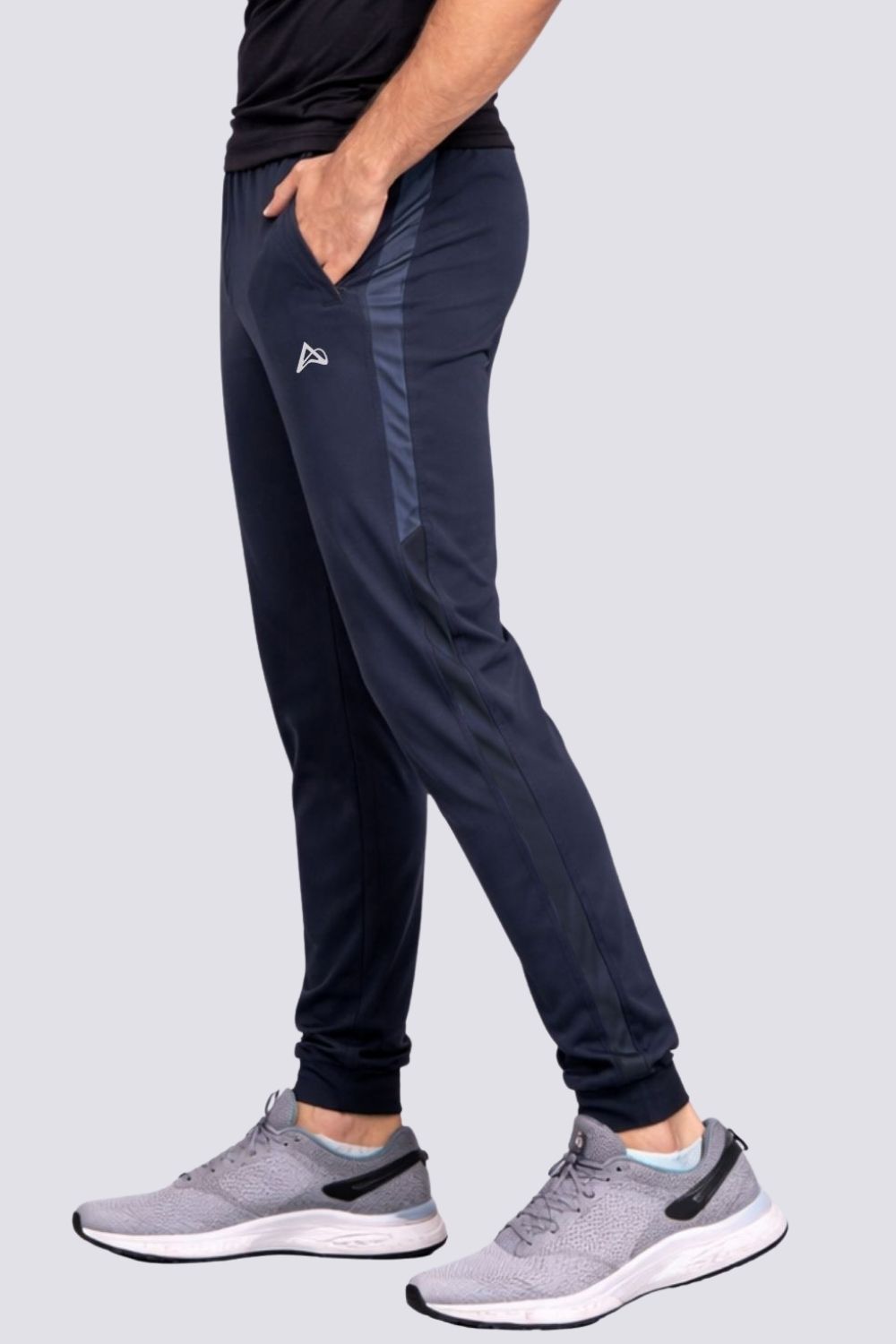
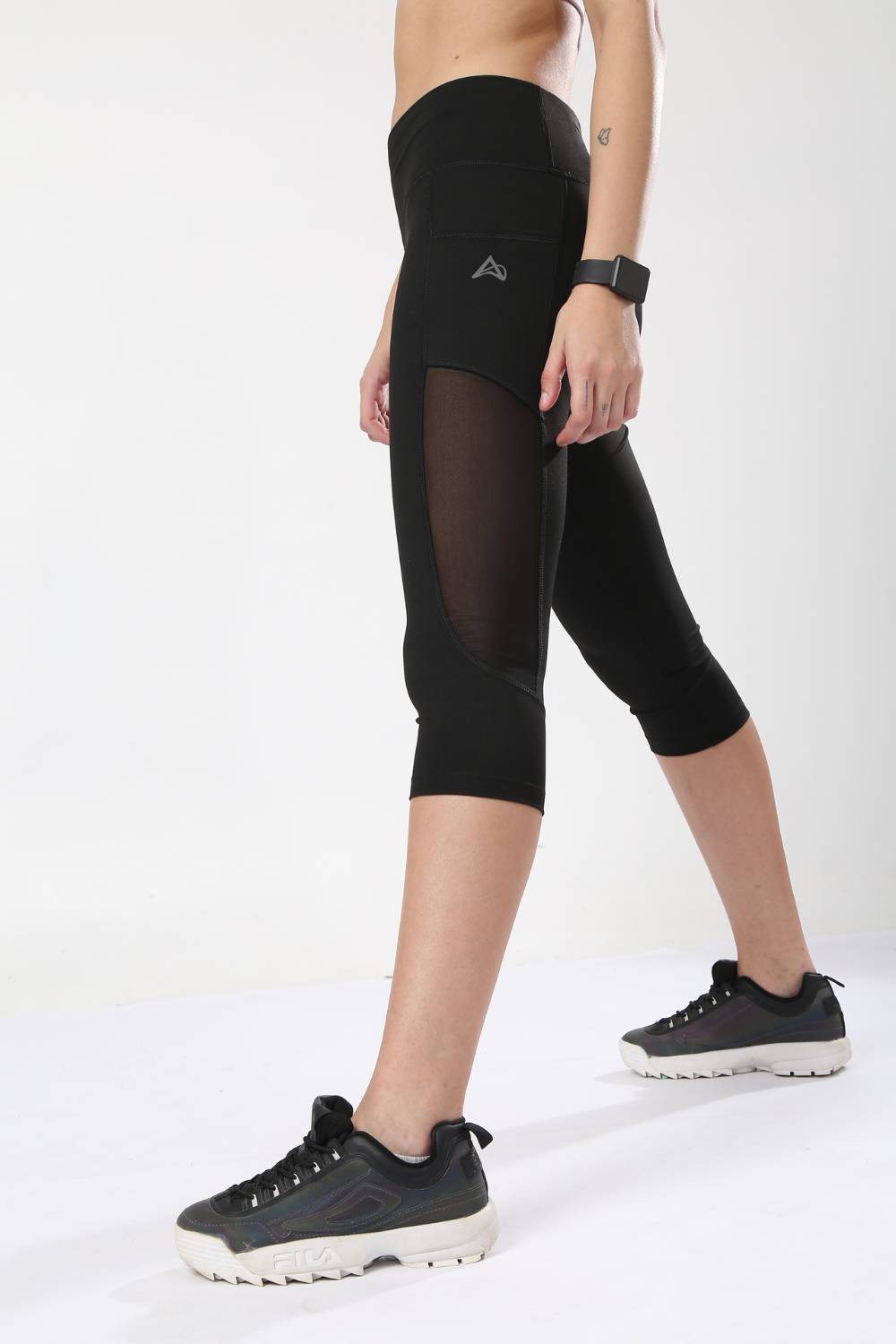
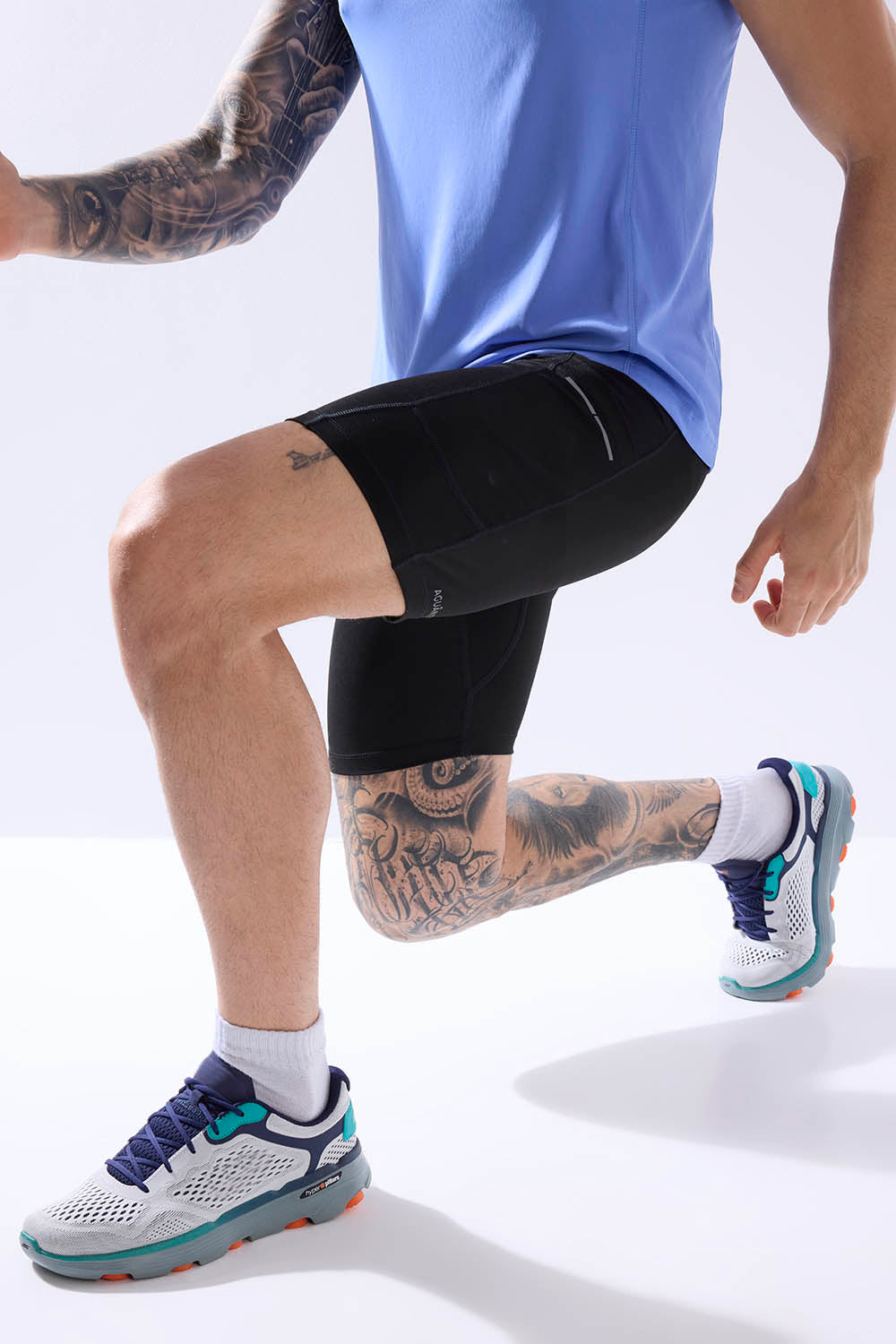
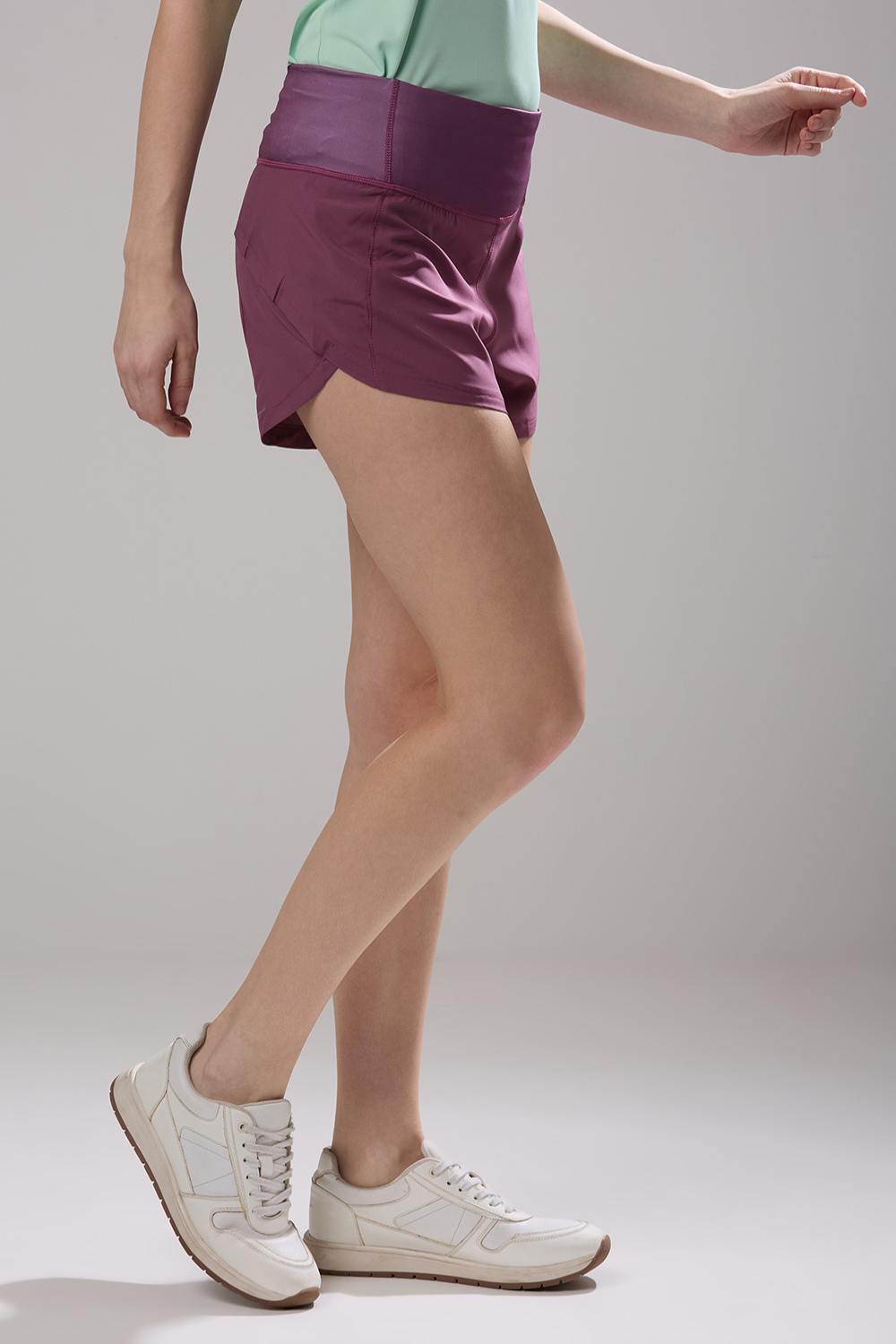
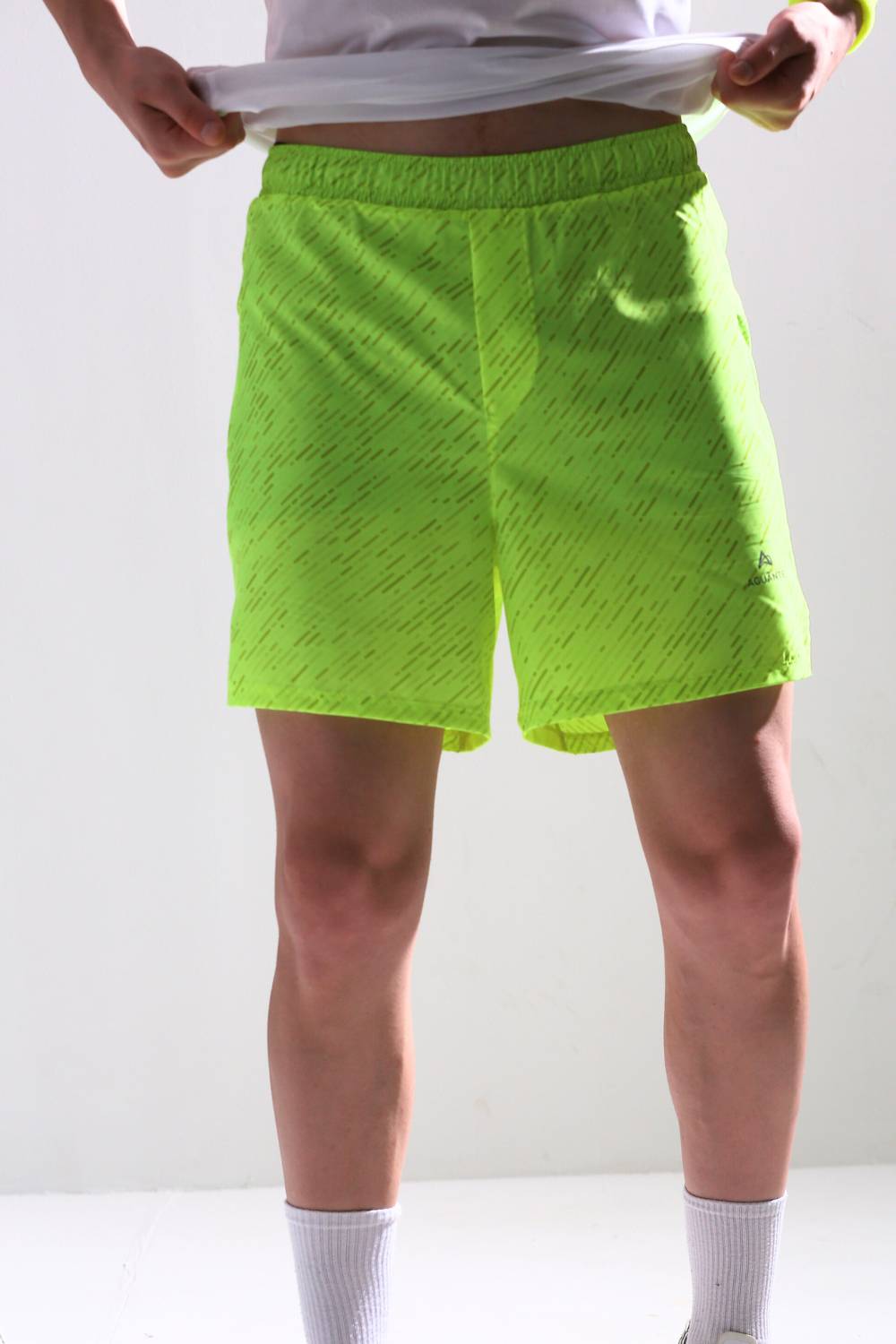
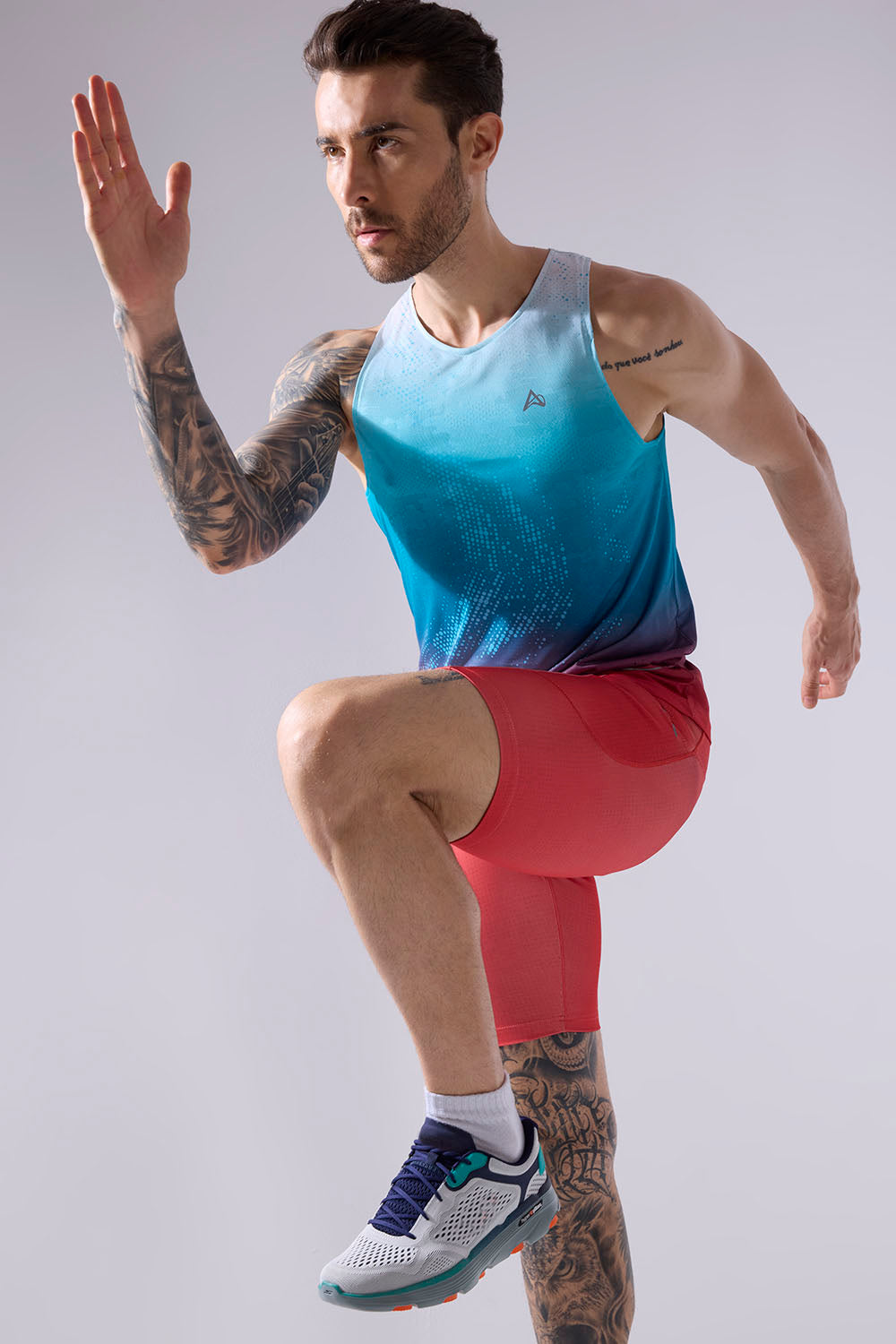
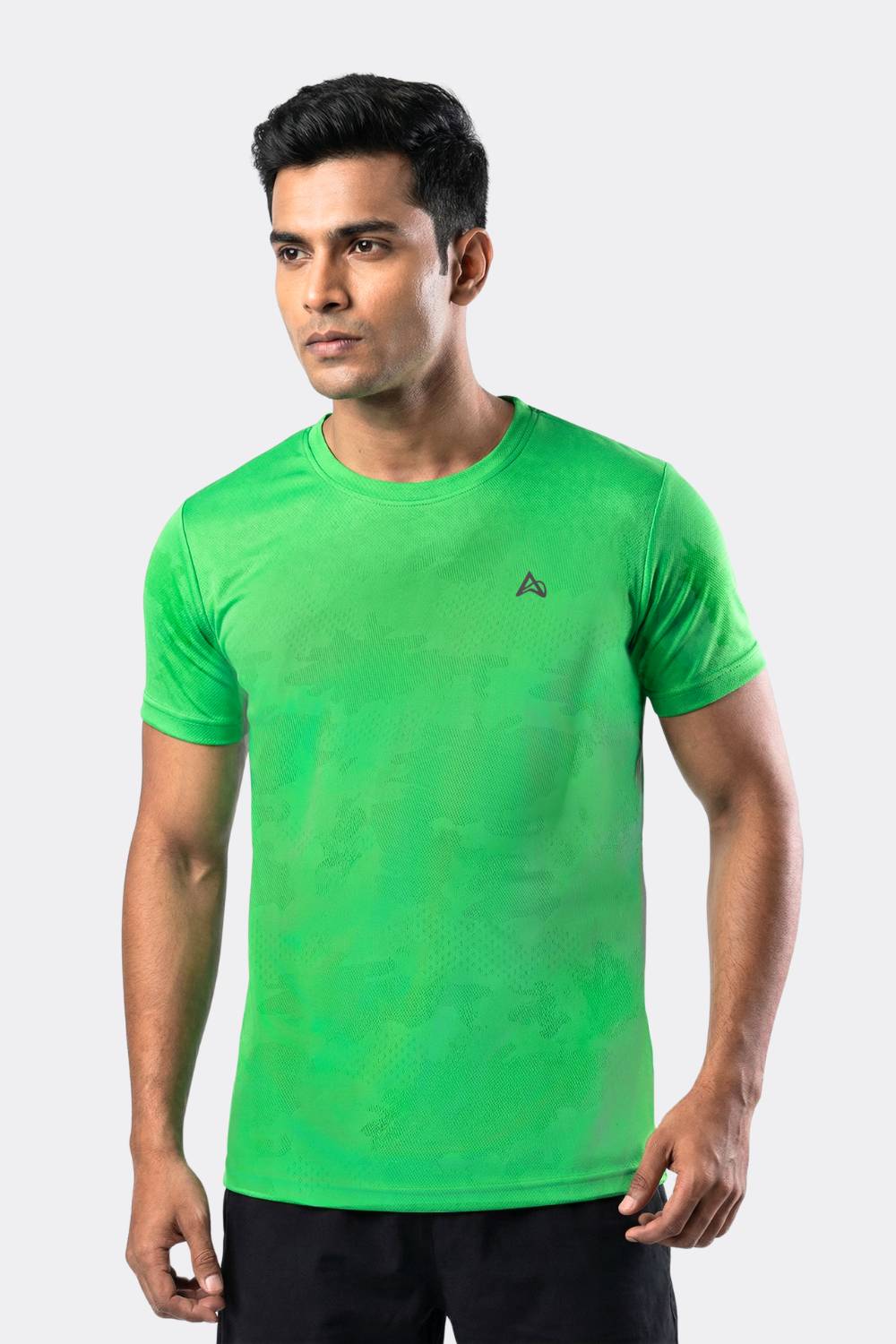
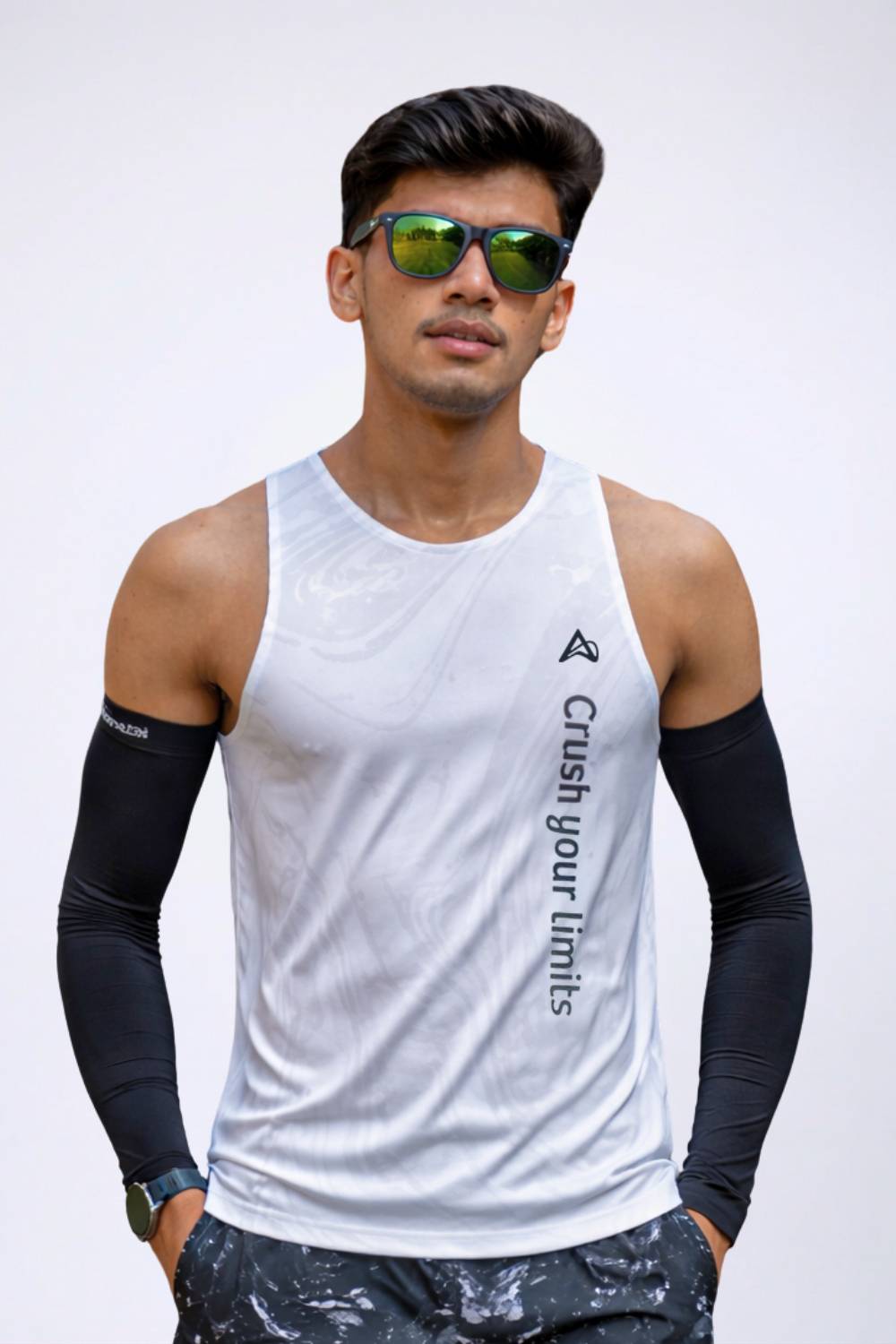
Tired of gear that slows you down? Chafing, soggy fabrics, and missing pockets kill your run's momentum. At Aguante, we're runners who get it. Our high-performance activewear features moisture-wicking fabrics, ergonomic designs, and smart storage to keep you focused. Shop Now!
The Surge of a Nationwide Running Movement
Over the past two decades the Tata Mumbai Marathon has grown from an ambitious local initiative into Asia's largest single-day mass-participation sporting occasion. The 2026 edition delivered unmistakable proof that momentum continues to build rather than plateau.
Athletes traveled from Bangalore, Hyderabad, Pune, Delhi, Gurugram, Navi Mumbai, Surat, and Ahmedabad to line up along Mumbai's iconic streets. Each of these cities now hosts its own lively running ecosystem dawn training packs, lakeside Sunday long runs, corporate fitness circles, and a constant flow of newcomers encouraged by Instagram coaches, Strava groups, and word-of-mouth enthusiasm.
The shift toward personal health that gathered speed after the pandemic has clearly stuck. Millions of Indians have experienced firsthand how consistent movement improves mood, energy, and resilience, and flagship events like this marathon provide the perfect focal point for that journey.
Key Figures That Tell the Story
One number stands out: a historic 14,059 runners completed the full 42.195 km distance for the very first time in the event's 21-year history. That single statistic captures both the event's expanding scale and the growing willingness of everyday athletes to invest months or even years in disciplined preparation.
Women's participation has shown especially strong growth, rising 150 percent since 2016 across multiple editions and signaling a welcome broadening of the sport's appeal. Corporate squads, neighborhood running collectives, and solo enthusiasts from every listed target city arrived in large numbers, briefly transforming Mumbai into the undisputed endurance capital of the country.
The economic footprint was equally impressive. Hotels reached full occupancy weeks in advance, restaurants filled with pasta dinners and early breakfast crowds, and the entire city hummed with pre-race excitement and post-race celebration. For homegrown performance brands that understand Indian running conditions intimately, such moments represent genuine commercial openings.
Voices and Experiences from the Course
Runners arrived carrying the character of their home cities. Mumbai and Navi Mumbai locals ran with the easy familiarity of people covering familiar ground turned festive. Pune athletes accustomed to the inclines around their city attacked the flatter coastal route with characteristic determination. Bangalore groups posted real-time splits and course photos, while contingents from Hyderabad and Ahmedabad rolled in together, sharing transport and encouragement.
Social platforms overflowed with firsthand accounts: training logs from early-morning sessions, final gear choices, nervous smiles at the start corrals, and tearful finishes. Running clubs based in Delhi and Gurugram chartered buses, turning travel days into extended team-building experiences.
Across hundreds of conversations one sentiment surfaced repeatedly: the marathon offered far more than a finishing time. It delivered belonging, a chance to test personal boundaries, and quiet proof of progress in the face of India's signature heat and humidity.
Navigating the Inevitable Obstacles
Mass-participation events of this magnitude come with built-in difficulties. Mumbai's tightly packed urban grid requires meticulous traffic planning, road closures, and crowd flow management. Warm, humid conditions well known to participants from Bangalore, Hyderabad, and other southern and western cities demanded careful hydration and pacing, even on a relatively mild race-morning reading of 21°C.
Injury threats never disappear, particularly for the large cohort of first-time full-marathon runners. Shin splints, IT-band irritation, dehydration, and the dreaded wall can derail even the best-laid plans. Organizers responded with expanded aid stations, roaming medical crews, and consistent pre-race education about realistic goal-setting and listening to the body.
Still, runners consistently described the new Coastal Road section as a highlight that more than balanced the effort. Sweeping sea views and fresh air provided a mental reset exactly when legs began to protest.
Business Upside and Brand Relevance
Beyond finisher medals and personal bests, the marathon generates measurable benefits for the host city. Tourism revenue climbs, hospitality bookings surge, and local retailers enjoy a concentrated demand spike for running shoes, apparel, and accessories.
Performance brands that design specifically for Indian realities gain particular advantage during these periods. Features such as highly breathable, moisture-wicking fabrics that cope with heavy perspiration, secure non-bouncing pockets for gels and phones, anti-chafing inner liners, and reflective accents for low-light starts speak directly to the conditions runners actually face. When imported alternatives carry premium pricing and fit that feels foreign to Indian frames and roads, locally conceived gear at reasonable prices finds a receptive audience.
Corporate involvement deepened further this year, with companies from Delhi, Gurugram, and other business hubs fielding sizable employee teams. The natural alignment between workplace wellness programs and endurance events continues to strengthen sponsorship pipelines and brand visibility.
The Road That Lies Ahead
The running boom in India shows every sign of sustained growth. Surat and Ahmedabad have emerged as promising new centers, with fresh clubs forming regularly and participation numbers rising year after year. Observers expect endurance events to weave themselves more tightly into the national fabric through expanded school initiatives, office-based fitness challenges, and community-led weekly runs.
For anyone considering a first marathon, the guidance remains refreshingly direct: begin with manageable distances, train with patience and consistency, and invest in apparel that supports rather than distracts. Brands engineered by runners who understand local heat, monsoon unpredictability, and uneven surfaces can remove friction from those formative months, delivering comfort and reliability at accessible price points.
The Tata Mumbai Marathon 2026 served as a vivid reminder of why these gatherings matter. Beneath the roar of the crowd, the sting of salt in the eyes, and the cooling touch of coastal wind, the event illustrated that true endurance is less about kilometers covered and more about resolve, community, and the quiet decision to keep moving forward. Whether your training loop circles Mumbai's Marine Drive or winds through Pune's hills, the path ahead feels full of promise.
Interest in specialized running apparel continues to rise alongside participation levels. The category now features advanced moisture-wicking materials, seamless construction for reduced irritation, and thoughtful details that enhance comfort and performance during long efforts qualities that matter deeply to athletes tackling courses as demanding as Mumbai's.
Frequently Asked Questions
How many runners participated in the Tata Mumbai Marathon 2026?
The Tata Mumbai Marathon 2026 saw over 69,000 confirmed participants, with more than 65,400 runners on the actual course and thousands more in the virtual run. Final tallies pushed the number close to 70,000 once all finishers were counted, making it a historic milestone for the 21st edition of Asia's largest single-day mass-participation sporting event.
What made the Tata Mumbai Marathon 2026 a record-breaking event?
For the first time in the event's 21-year history, a record 14,059 runners completed the full 42.195 km distance. Women's participation has also surged by 150% since 2016, and the addition of the scenic Coastal Road section provided a standout experience for runners. The event, held under World Athletics Gold Label standards on January 18, 2026, drew athletes from major cities including Bangalore, Hyderabad, Pune, Delhi, and Ahmedabad.
What gear and apparel should runners choose for the Mumbai Marathon conditions?
Mumbai's warm, humid race conditions with temperatures around 21°C on race morning make breathable, moisture-wicking fabrics essential for marathon runners. Key features to look for include anti-chafing inner liners, secure non-bouncing pockets for gels and phones, and reflective accents for low-light early starts. Locally designed running apparel built for Indian heat and humidity tends to offer the best comfort and fit at competitive price points.
Disclaimer: The above helpful resources content contains personal opinions and experiences. The information provided is for general knowledge and does not constitute professional advice.
You may also be interested in: How Runners Are Preparing for India's Expanding Marathon Calendar
Tired of gear that slows you down? Chafing, soggy fabrics, and missing pockets kill your run's momentum. At Aguante, we're runners who get it. Our high-performance activewear features moisture-wicking fabrics, ergonomic designs, and smart storage to keep you focused. Shop Now!
Powered by flareAI.co