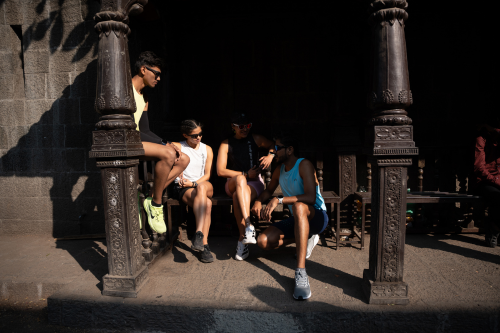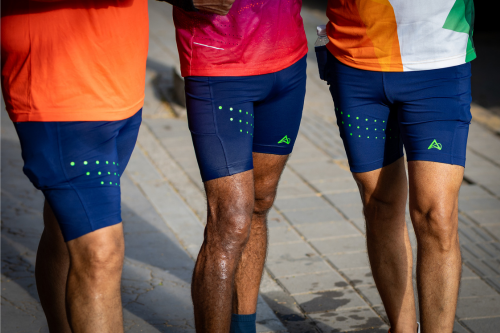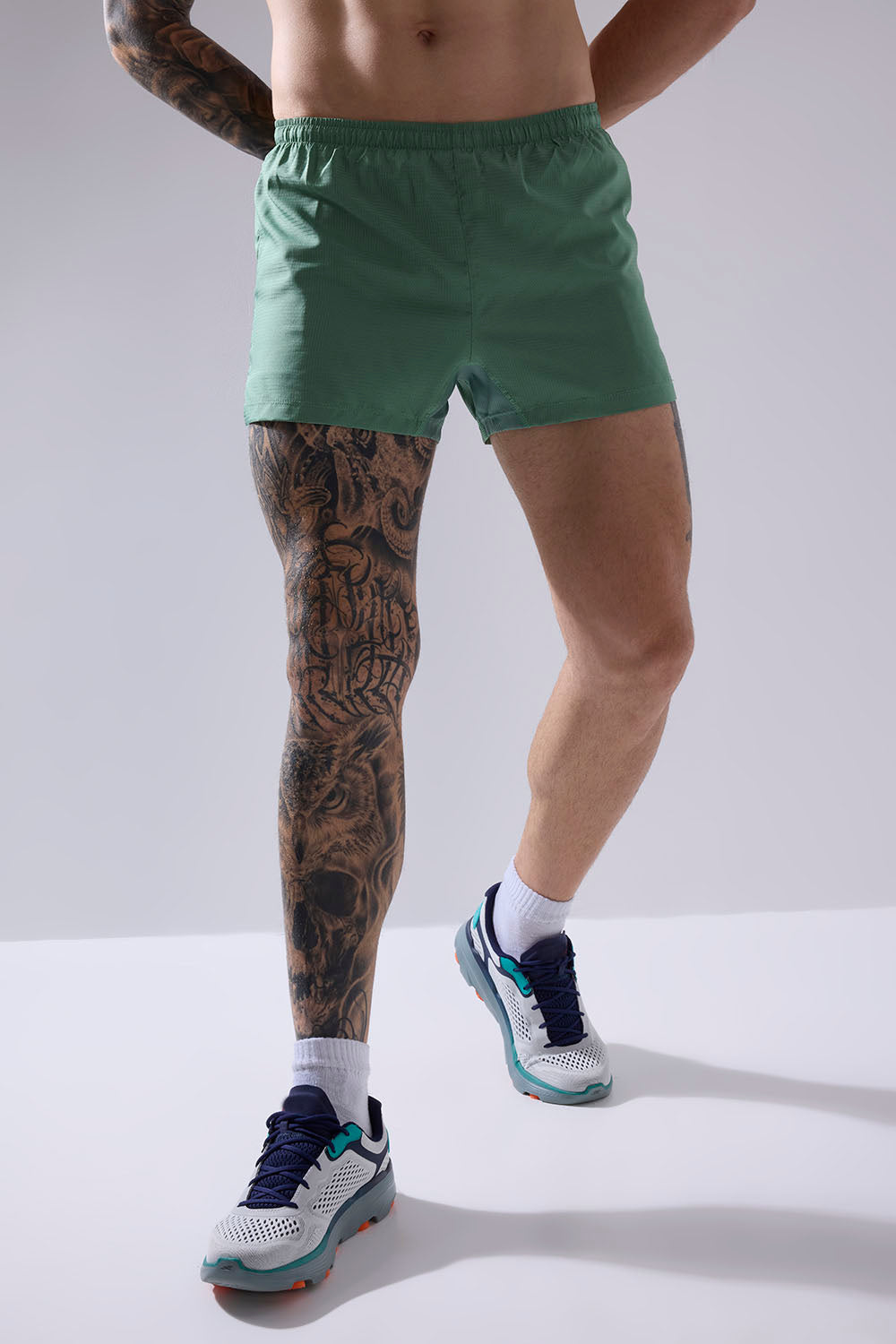

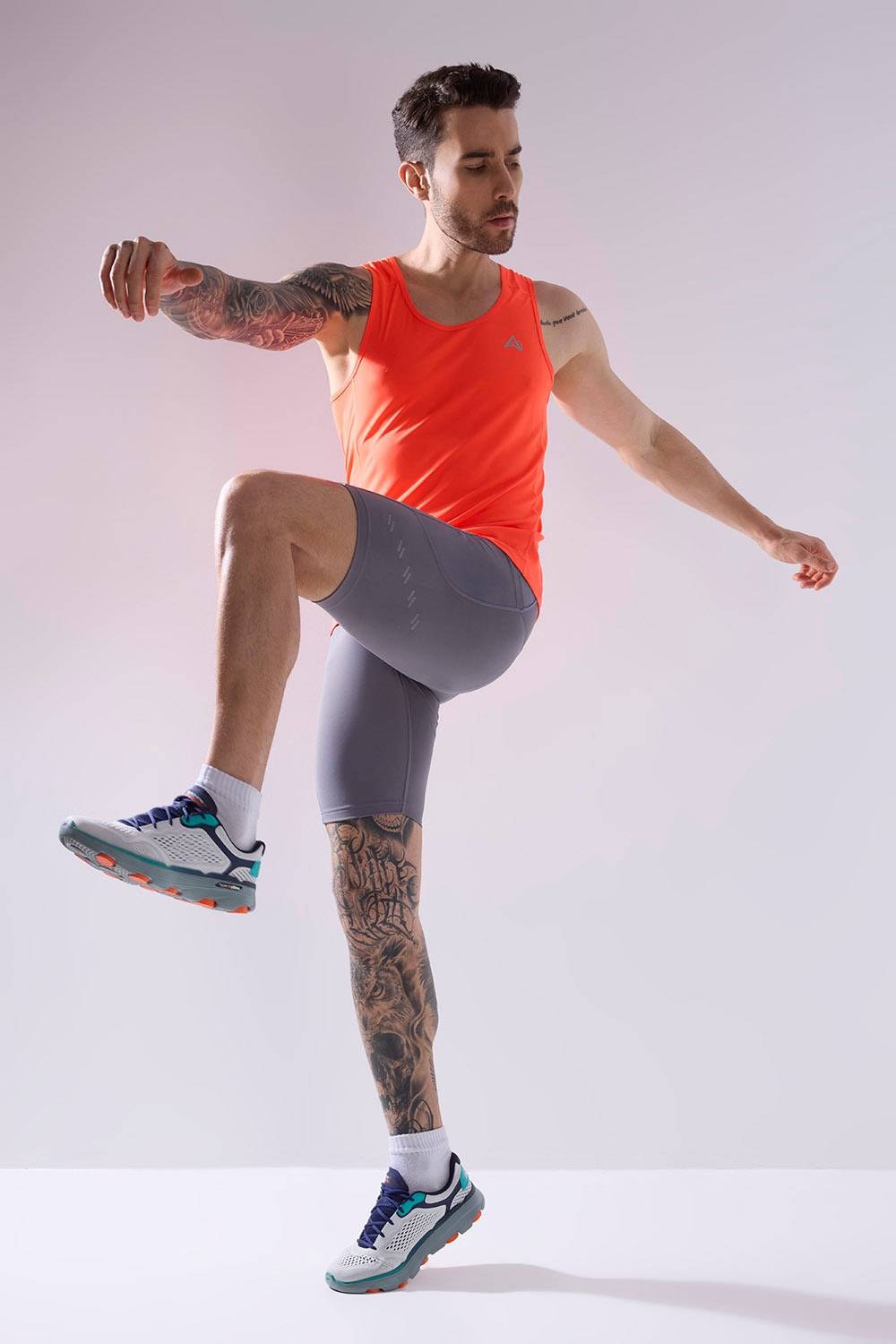
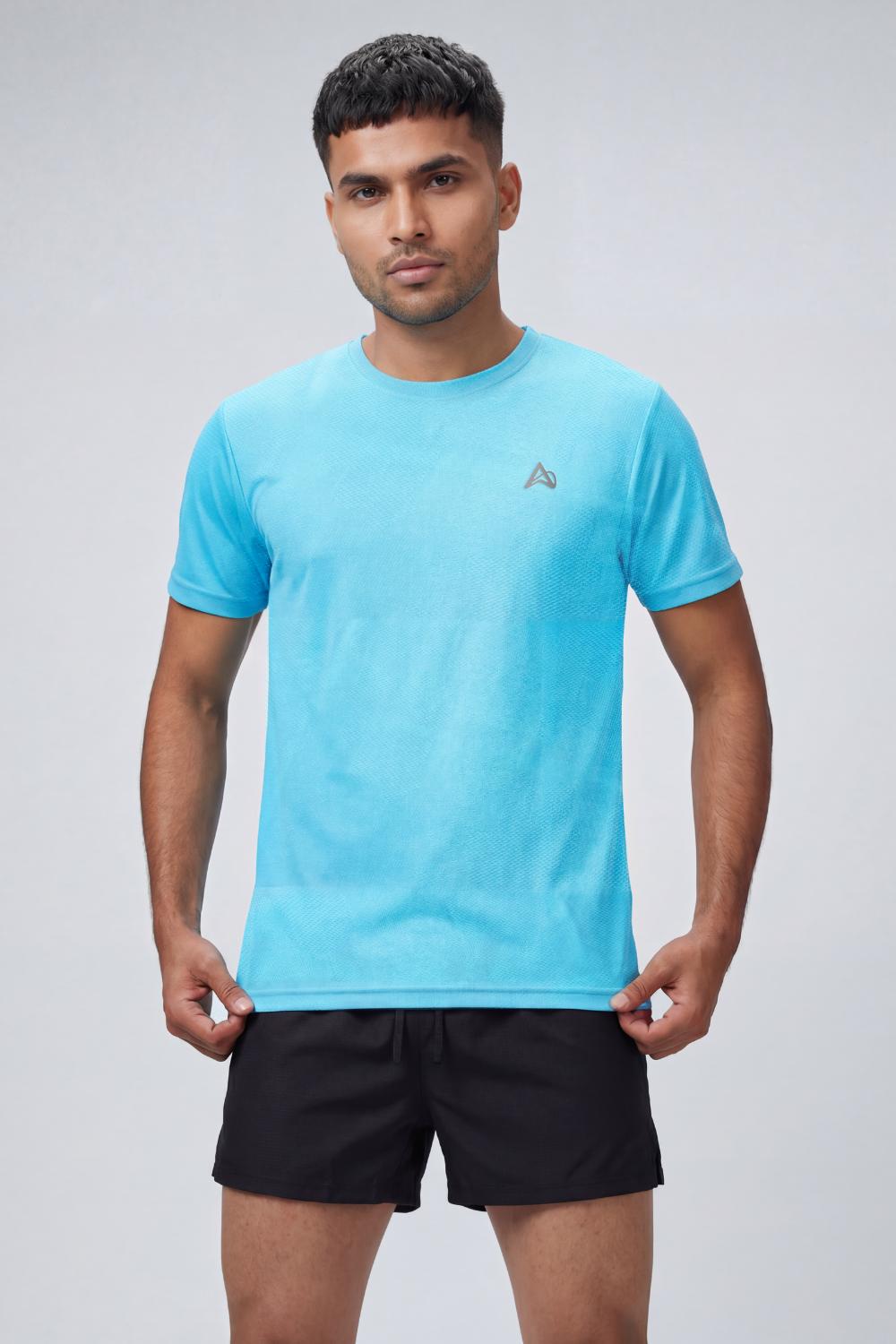
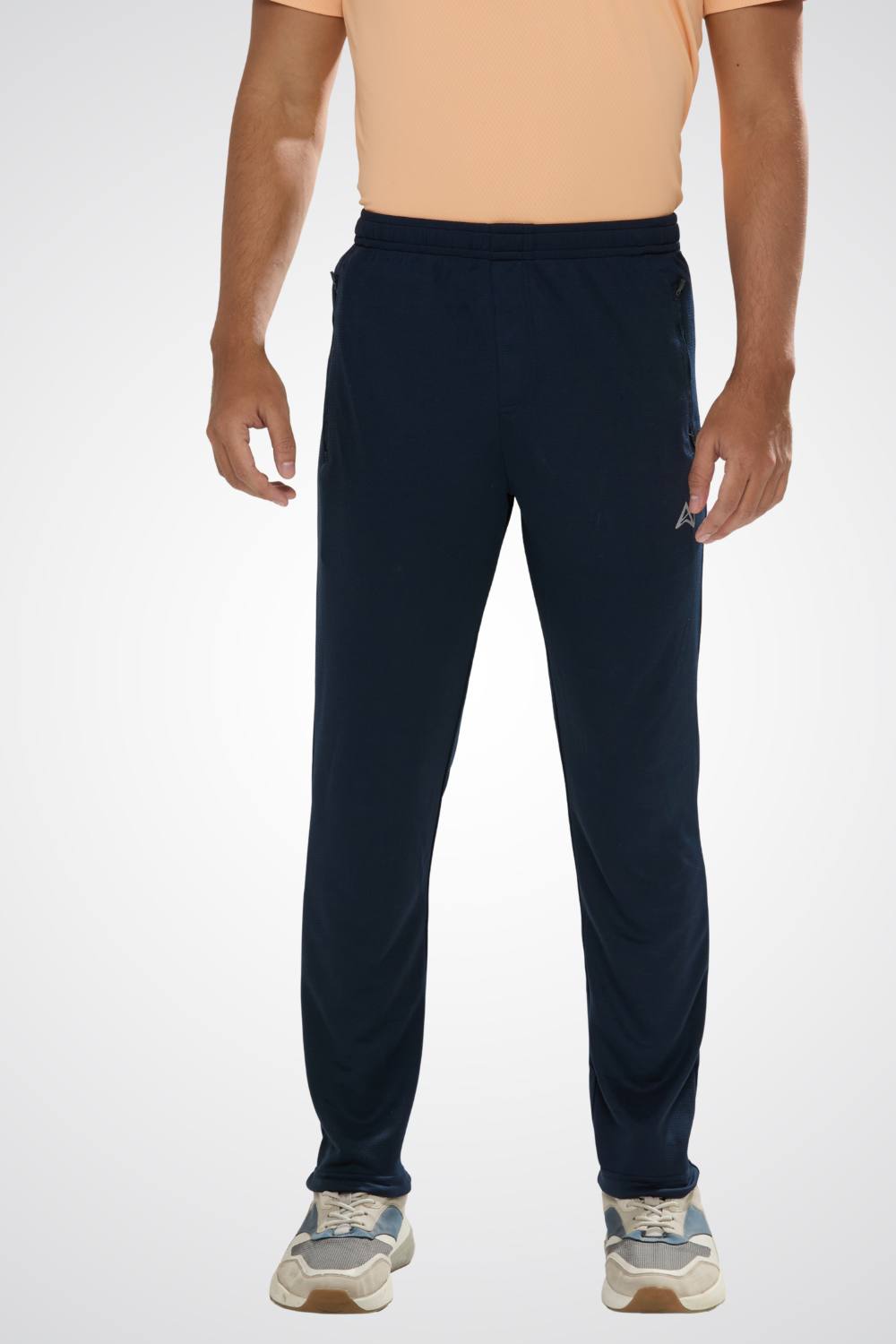
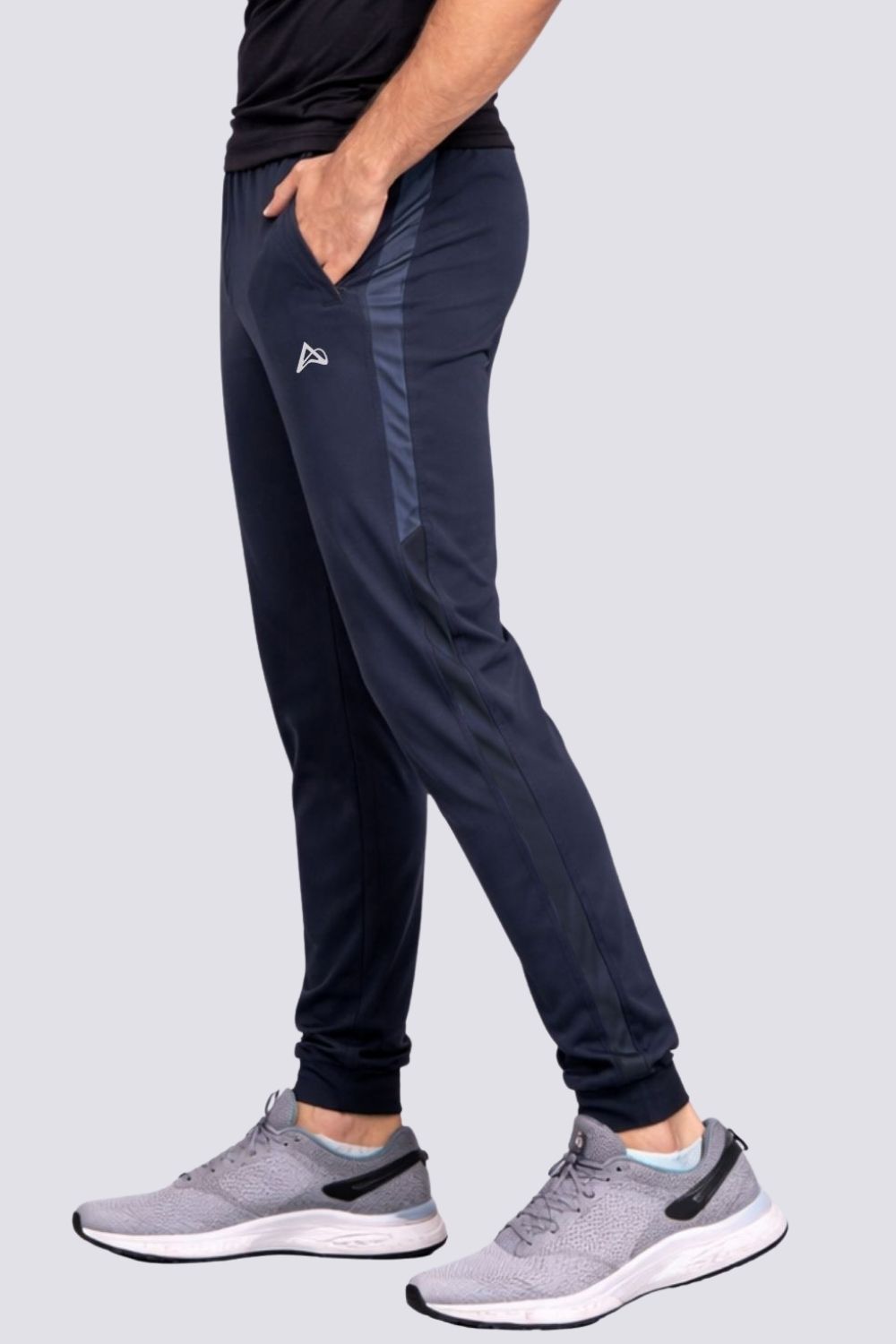
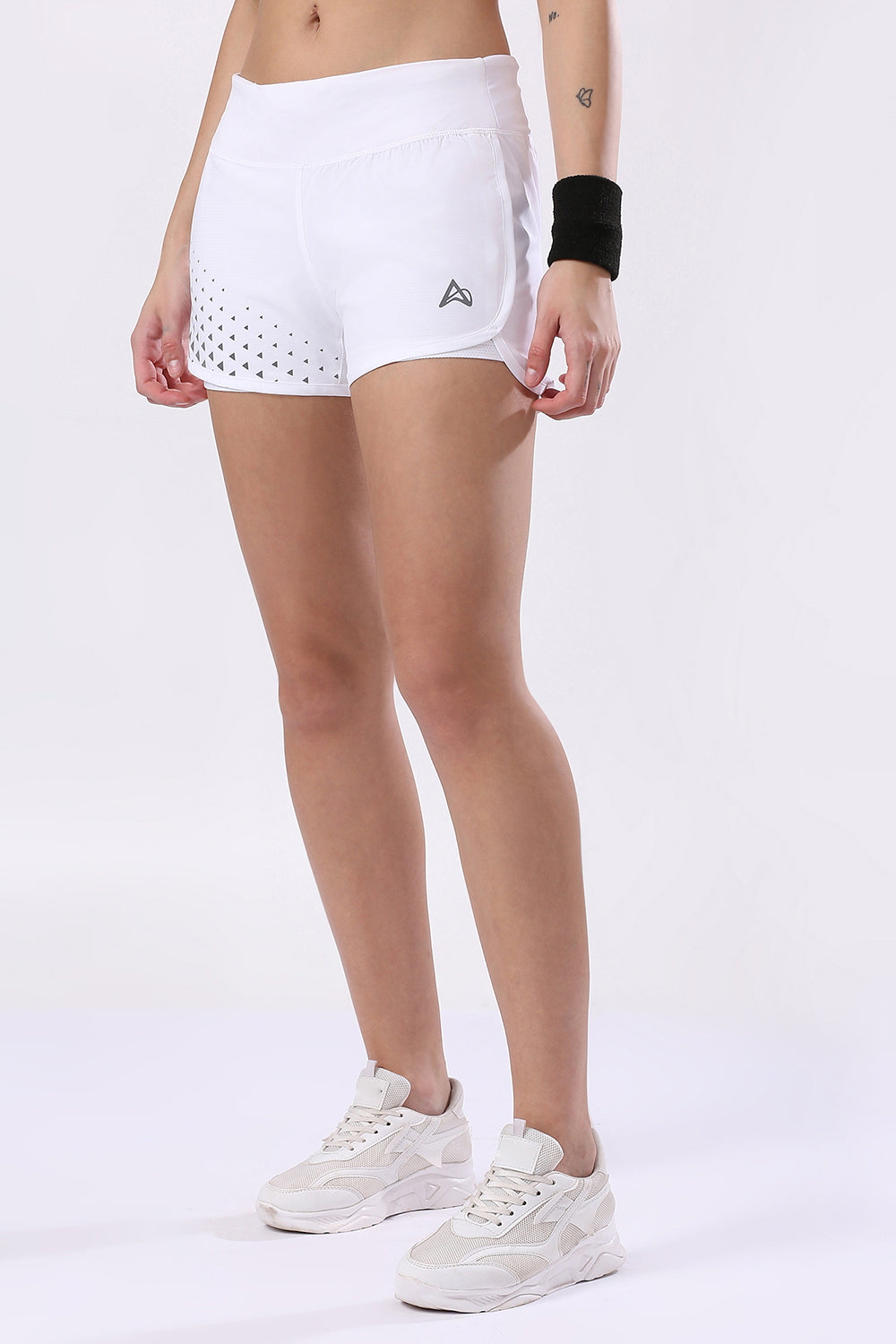

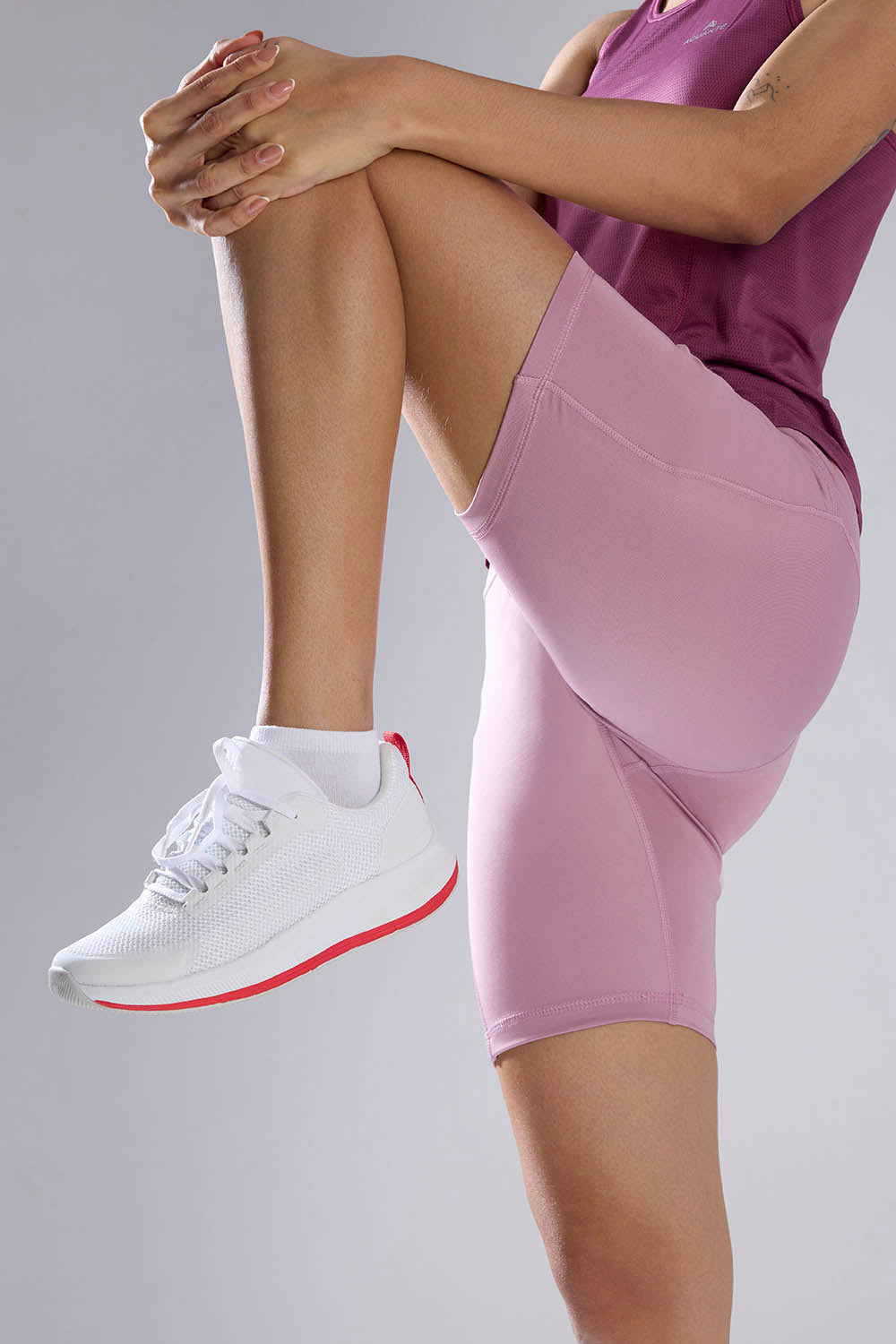
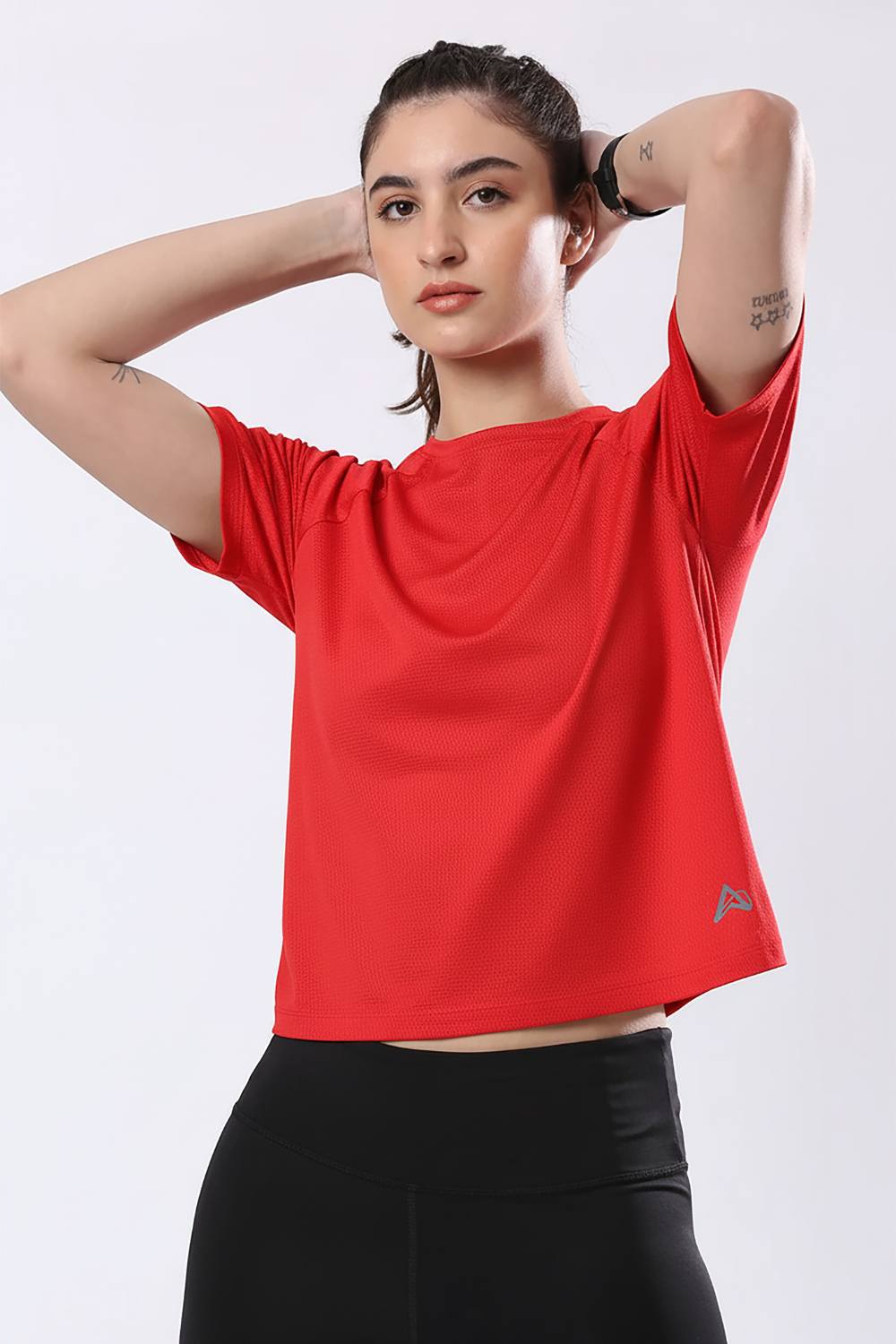
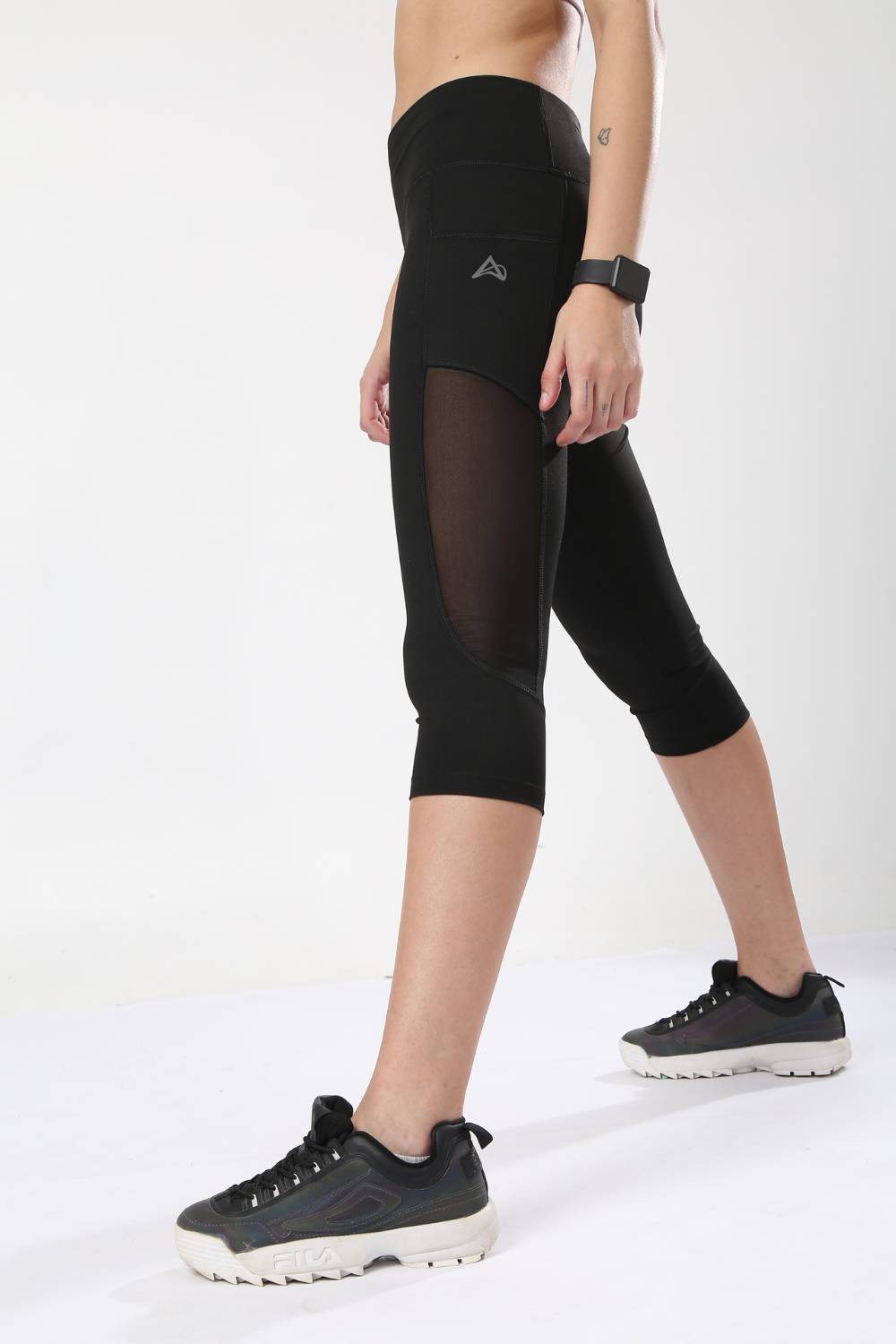



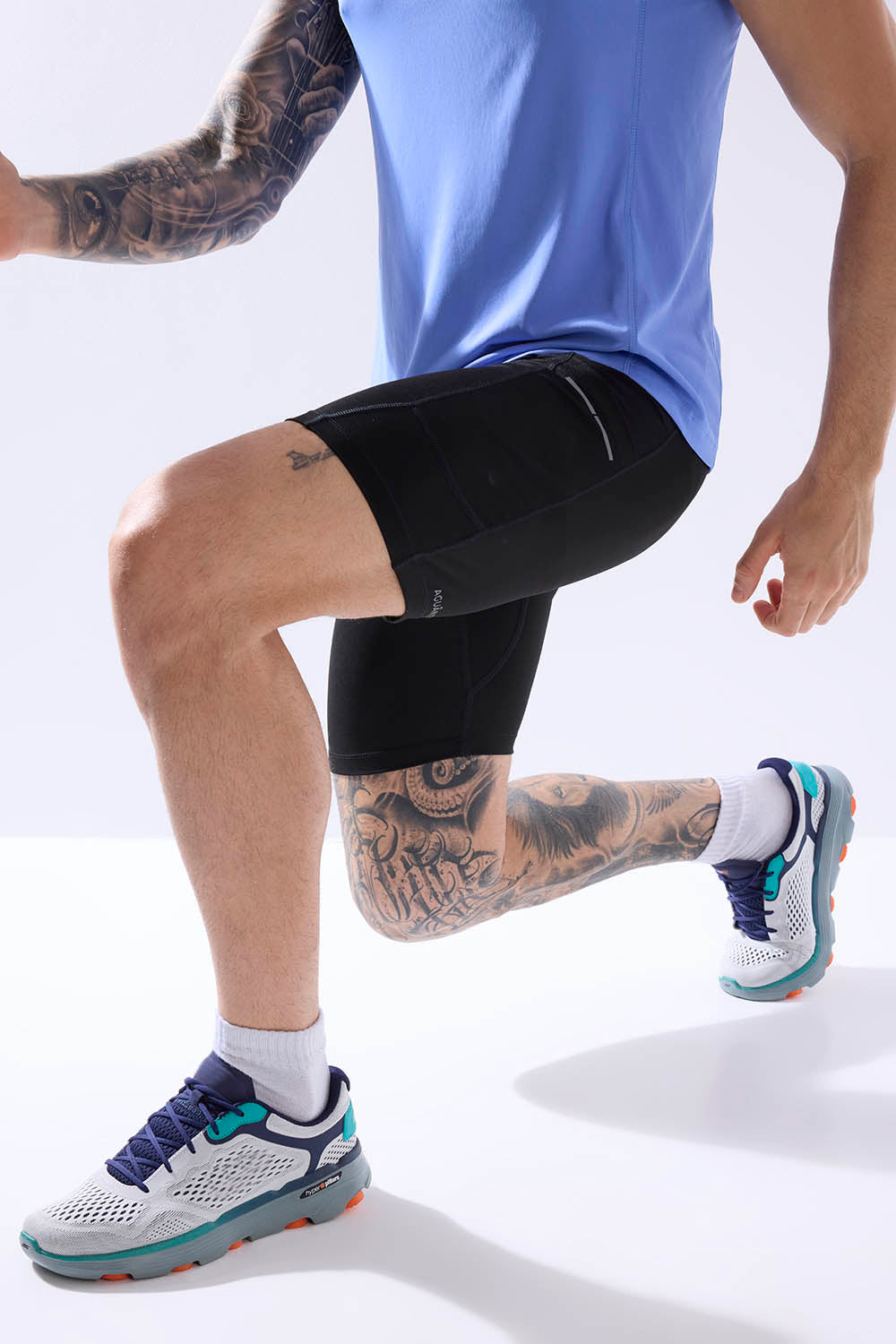
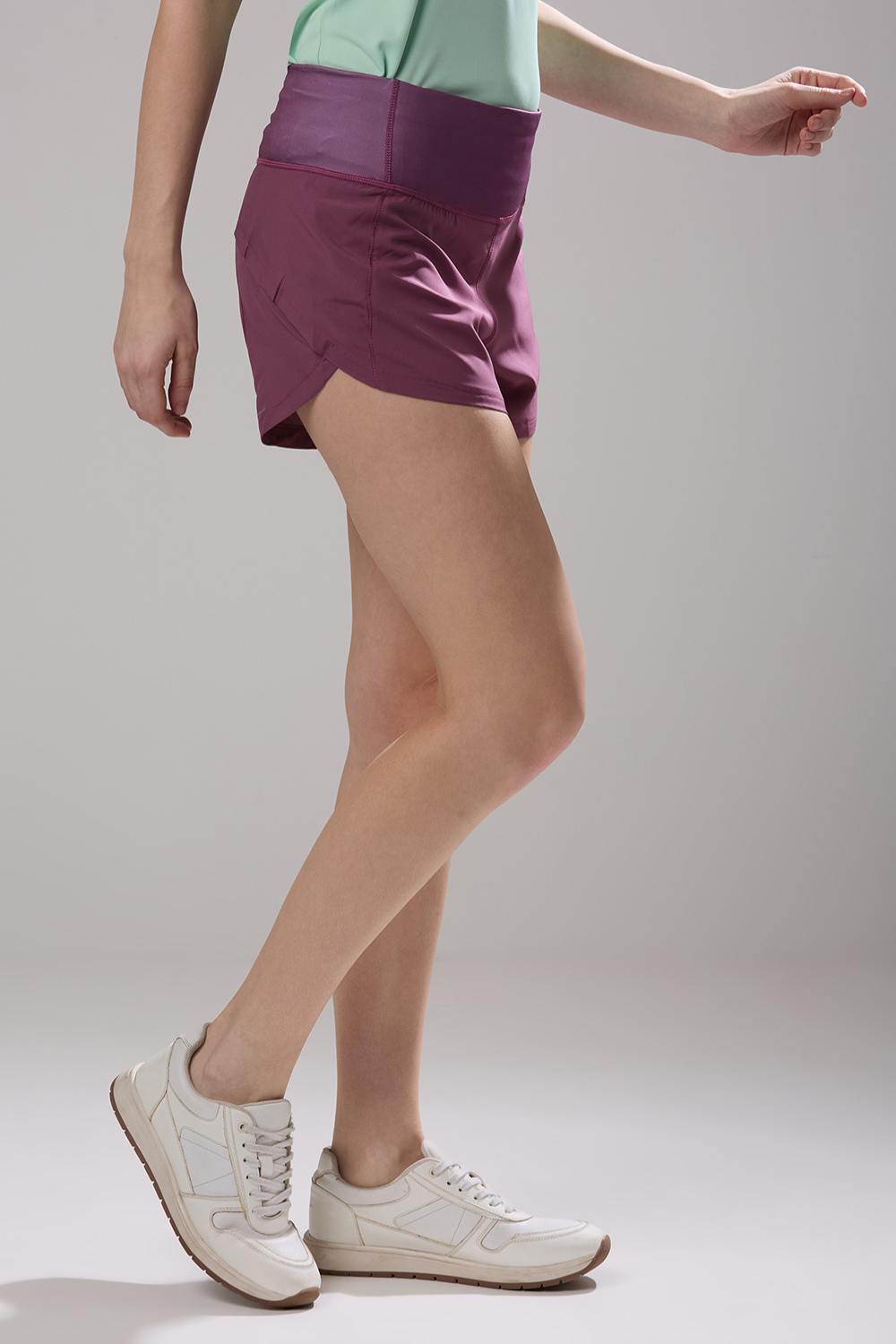
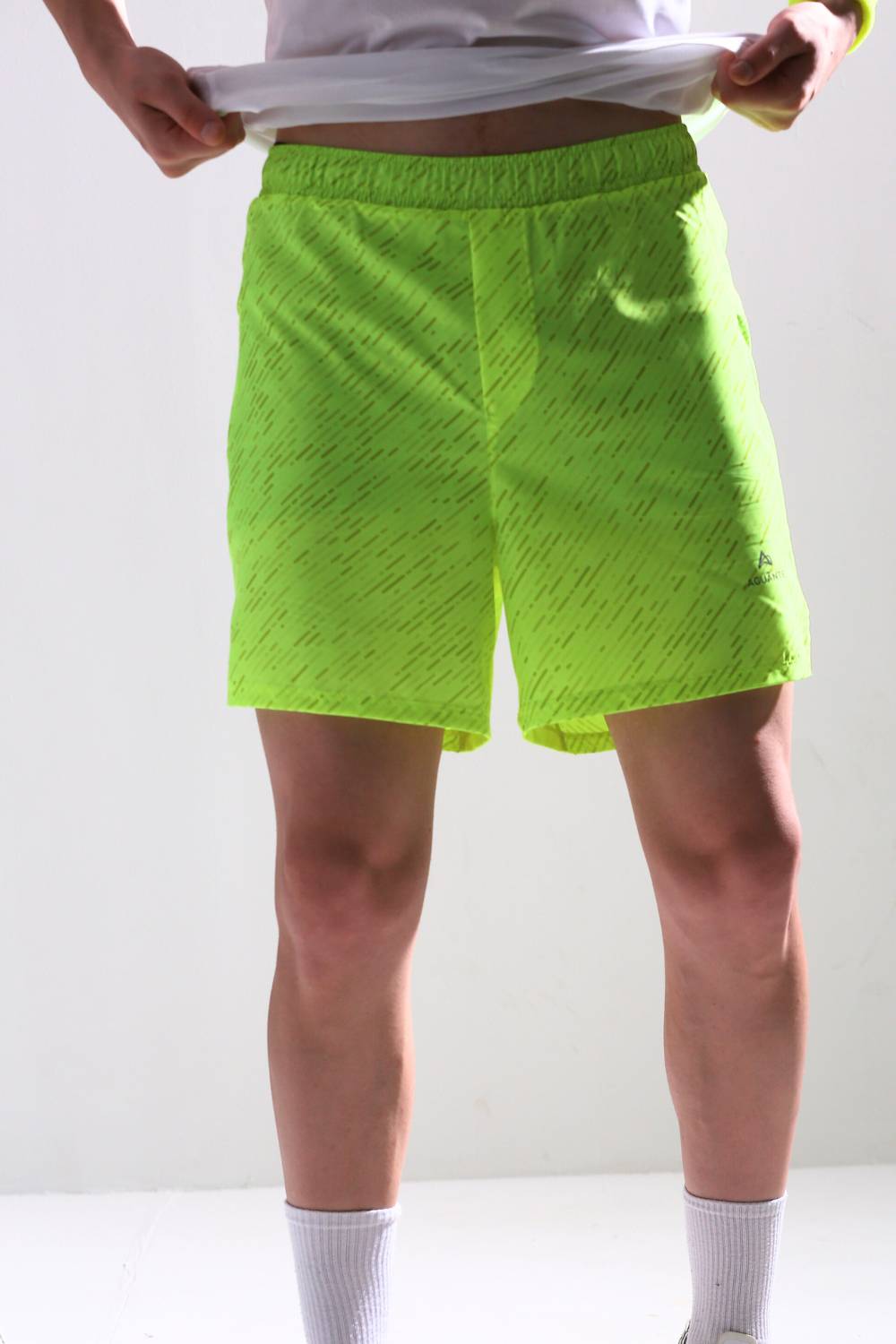





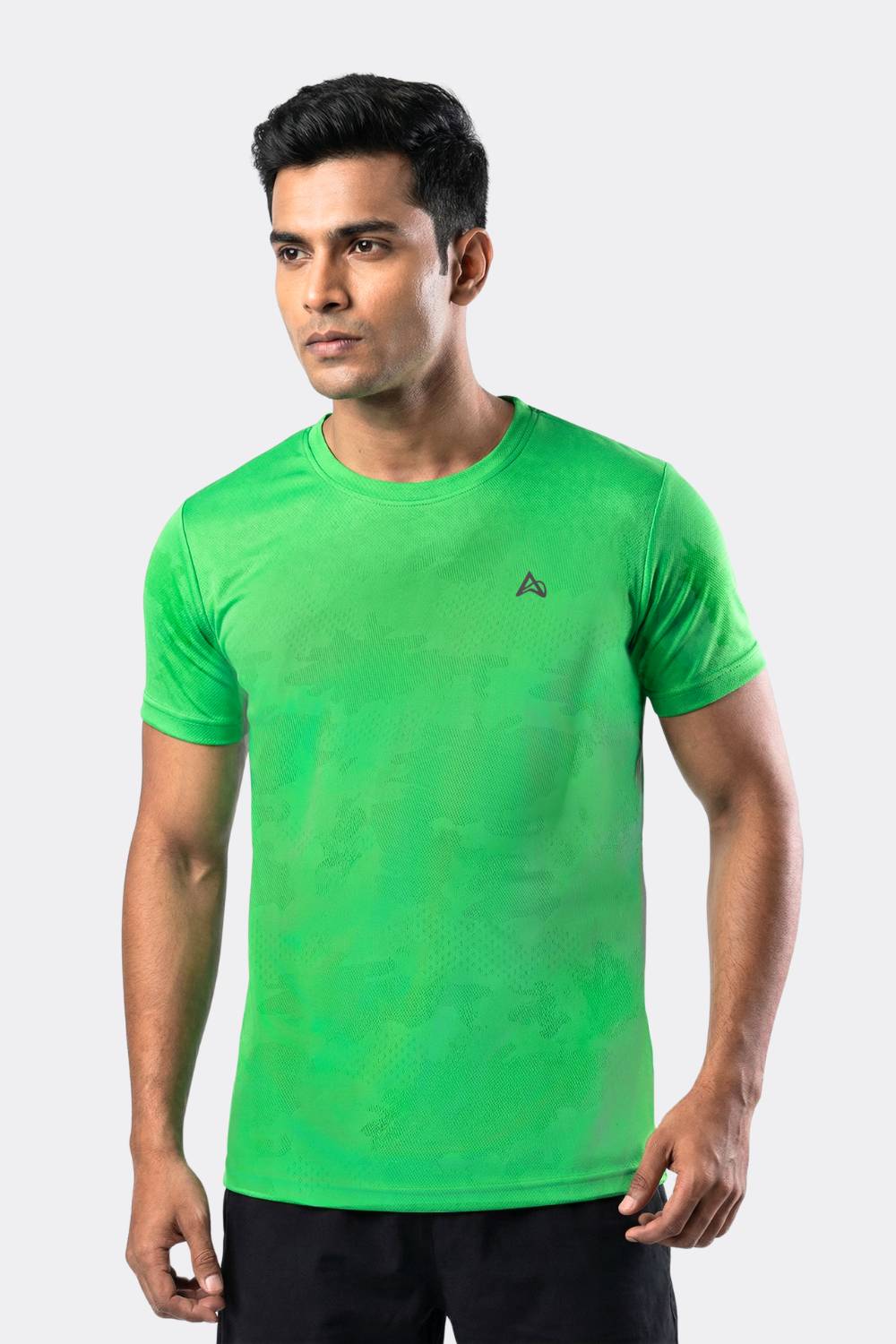
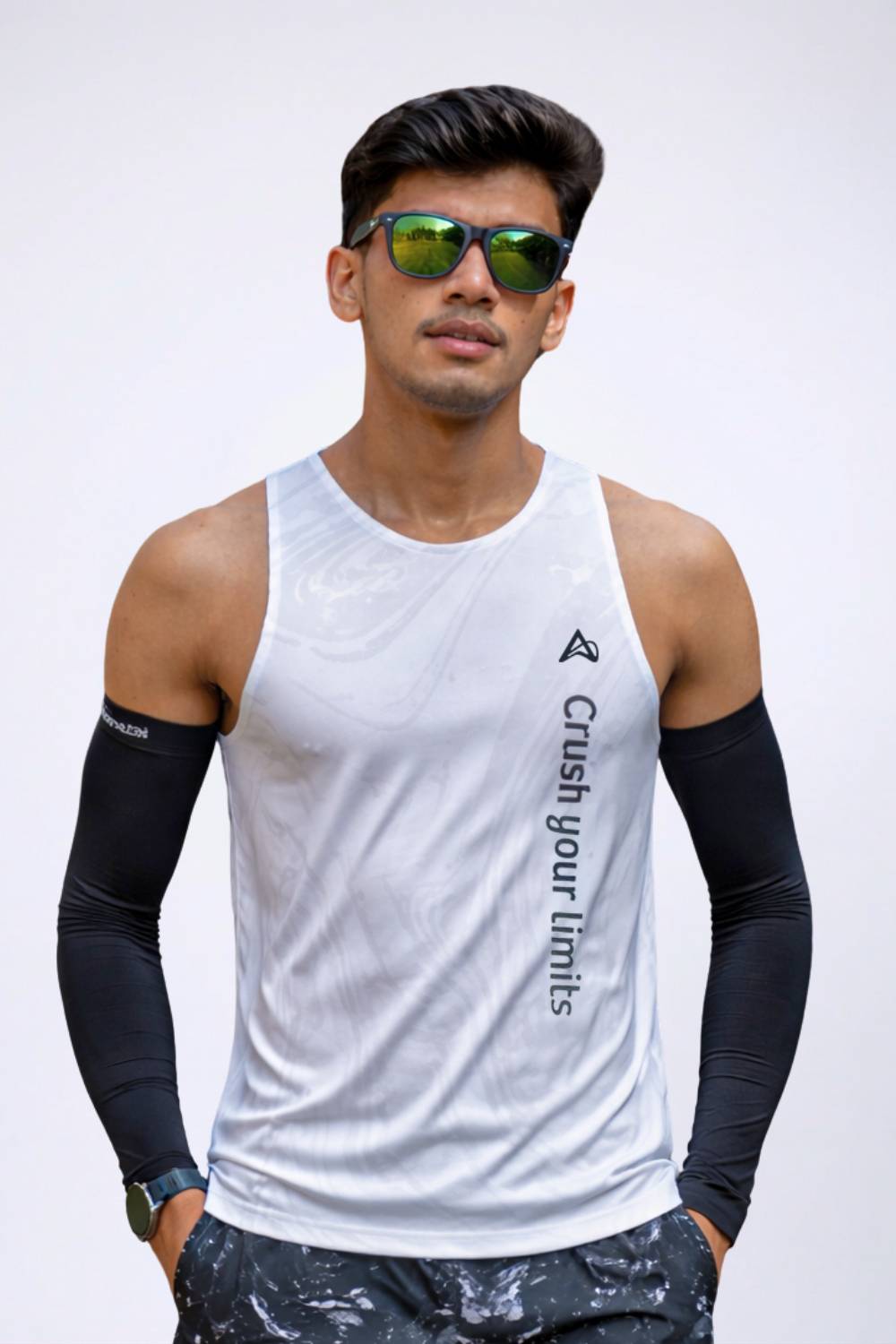

In the vibrant running scenes of India's major cities from Bangalore and Hyderabad to Mumbai, Pune, Navi Mumbai, Delhi, Gurugram, Surat, and Ahmedabad runners and fitness enthusiasts are quietly transforming the activewear landscape. Performance still matters most: breathability in punishing humidity, secure pockets that survive long strides, fabrics that fight chafing on uneven roads. Yet an additional question now routinely shapes buying decisions: how sustainable is this garment?
Sustainable materials have moved from a nice-to-have feature to a meaningful influence on purchasing choices across these urban centers. Shoppers in these fitness-forward regions increasingly favor gear that delivers on Indian running realities while reducing environmental harm. This evolution sits within a sector experiencing robust expansion. According to verified industry analysis, the India running gear market reached USD 2.4 billion in 2024 and is projected to climb to USD 4.8 billion by 2033, reflecting a compound annual growth rate of 7.71% between 2025 and 2033. Parallel growth appears in the wider activewear category: one estimate places the India activewear market at USD 15,107.3 million in 2024, with expectations of reaching USD 29,972.9 million by 2030 at a 12.2% CAGR from 2025 onward. Another respected forecast values the same market at USD 11.64 billion in 2024, expanding to USD 23.83 billion by 2033 with an 8.33% CAGR over 2026–2033.
Tired of gear that slows you down? Chafing, soggy fabrics, and missing pockets kill your run's momentum. At Aguante, we're runners who get it. Our high-performance activewear features moisture-wicking fabrics, ergonomic designs, and smart storage to keep you focused. Shop Now!
The Rise of Environmentally Aware Decision-Making in Running Hubs
Across the listed primary cities, activewear consumers no longer evaluate garments solely on technical merits. Heat, monsoon moisture, polluted air, and broken pavements set a high bar for functionality, yet many runners now also scrutinize the ecological footprint of their kit. In running groups that gather before dawn in Cubbon Park, along Marine Drive, around Hauz Khas, or beside Hussain Sagar, conversations frequently touch on recycled content, water usage in production, and end-of-life recyclability.
This shift draws strength from several converging forces visible in these metros: surging participation in city marathons and weekly fun runs, greater visibility of climate-related discussions on social media channels such as Instagram, Facebook, and YouTube, and growing disposable incomes that allow thoughtful rather than purely price-driven purchases. Sustainability has therefore become part of the mainstream dialogue among serious recreational runners and casual fitness participants alike in these regions.
Materials That Match Indian Conditions and Values
Leading options gaining acceptance include recycled polyester produced from post-consumer plastic bottles. The material retains excellent moisture management and quick-drying characteristics essential for humid morning sessions in Hyderabad, Surat, or Mumbai, while diverting waste from landfills. Blends featuring organic cotton or bamboo deliver superior natural ventilation and softness, performing reliably during extended efforts in hot, sticky weather common across these cities.
Additional innovations involve mechanically recycled nylon, Tencel or lyocell derived from sustainably managed wood pulp, and low-impact dyeing processes that reduce chemical runoff. Each choice aims to preserve core running attributes freedom of movement, chafe prevention, reflective safety elements for early or late runs while addressing environmental concerns that matter to buyers in these urban markets.
Homegrown Brands Bridging Performance and Responsibility
Indian-origin activewear labels are capitalizing on this demand by engineering products expressly for local runners. Several incorporate meaningful percentages of recycled polyester alongside performance-focused features such as non-bouncing zipped pockets, flatlock seams, and targeted ventilation zones. Others prioritize plant-based fibers or closed-loop manufacturing processes, earning trust among transparency-seeking consumers in Navi Mumbai, Ahmedabad, Pune, and beyond.
These brands deliberately contrast with many international names by offering gear designed and tested on Indian roads and for Indian physiques at accessible price points. The combination of credible sustainability credentials, rigorous local fit testing, and honest pricing resonates strongly within fitness communities active across the targeted cities.
Barriers Slowing Wider Adoption
Progress is real, yet meaningful obstacles persist. Reliable, large-scale supply of certified sustainable textiles remains inconsistent within India, forcing brands to navigate complex sourcing networks. Maintaining uncompromising performance critical when temperatures regularly exceed 30°C with high humidity in places like Delhi, Gurugram, or Bangalore requires careful material selection and extensive wear testing.
Cost premiums associated with traceable recycled inputs or organic certifications can still create friction, particularly for price-sensitive segments of the market. Equally important is the ongoing need for clear, evidence-based communication; many potential buyers in these regions remain uncertain about the real-world durability and functional differences between sustainable and conventional options.
Strategic Advantages for Forward-Thinking Brands
Companies that successfully integrate sustainable materials stand to build deeper loyalty among environmentally conscious runners and fitness participants in these key metros. Authentic storytelling supported by third-party certifications, transparent supply-chain information, and real-user feedback helps differentiate offerings in crowded digital and physical retail channels.
From a commercial perspective, lower waste in production, potential regulatory tailwinds, and alignment with the values of younger demographics create structural benefits. In influencer-rich ecosystems such as those found in Mumbai, Bangalore, and Delhi NCR, sustainable gear frequently receives organic exposure across Instagram reels, YouTube training vlogs, and Facebook running groups, amplifying reach and conversion without heavy advertising spend.
Outlook: From Niche Preference to Market Standard
Current trajectories suggest sustainable materials will transition from a differentiating factor to a baseline expectation in India's activewear and running-gear sectors. With verified forecasts pointing to sustained double-digit or high single-digit growth through the end of the decade and into the 2030s, brands that invest early in regionally relevant, high-performing eco-innovations are best positioned to capture share.
For runners and gym-goers across Bangalore to Ahmedabad, the ideal future kit will quietly deliver elite-level comfort and utility while visibly respecting planetary boundaries. Achieving that balance rigorous local design intelligence paired with credible environmental responsibility represents one of the clearest opportunities in India's rapidly maturing activewear market.
Frequently Asked Questions
What sustainable materials are used in running and activewear in India?
Indian activewear brands are increasingly using recycled polyester made from post-consumer plastic bottles, organic cotton, bamboo blends, mechanically recycled nylon, and Tencel (lyocell) derived from sustainably managed wood pulp. Low-impact dyeing processes that reduce chemical runoff are also gaining traction. These materials are chosen specifically to maintain performance in India's hot, humid conditions while reducing environmental harm.
Why are Indian runners choosing sustainable activewear over conventional options?
Urban runners across cities like Bangalore, Mumbai, Delhi, and Hyderabad are increasingly factoring in a garment's ecological footprint including recycled content, water usage in production, and end-of-life recyclability alongside traditional performance criteria. Growing climate awareness on social media platforms like Instagram and YouTube, rising disposable incomes, and surging participation in city marathons are key drivers pushing sustainability into mainstream buying decisions.
How big is India's sustainable activewear and running gear market?
India's running gear market reached USD 2.4 billion in 2024 and is projected to double to USD 4.8 billion by 2033, growing at a CAGR of 7.71%. The broader activewear market is estimated at USD 11–15 billion in 2024, with forecasts suggesting it could reach USD 24–30 billion by 2030–2033. Brands investing early in eco-friendly, locally adapted activewear are well-positioned to capture a significant share of this rapidly expanding market.
Disclaimer: The above helpful resources content contains personal opinions and experiences. The information provided is for general knowledge and does not constitute professional advice.
You may also be interested in: The Impact of India's Weather Diversity on Apparel Design - Aguante
Tired of gear that slows you down? Chafing, soggy fabrics, and missing pockets kill your run's momentum. At Aguante, we're runners who get it. Our high-performance activewear features moisture-wicking fabrics, ergonomic designs, and smart storage to keep you focused. Shop Now!
Powered by flareAI.co