



Quick Listen:
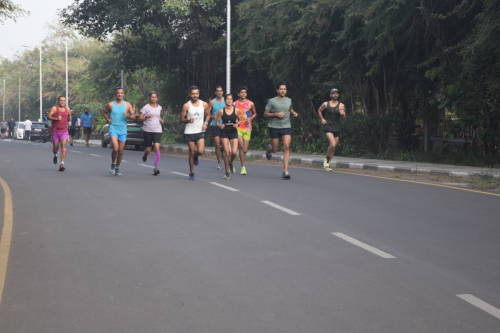
Imagine pounding the pavement in Delhi's scorching summer heat, where the mercury climbs to 45 degrees Celsius and the air feels like a steamy blanket. Runners across India face this reality daily, battling not just distance but the relentless assault of humidity and sun. Yet, amid this challenge, a new wave of specialized gear is emerging, designed to turn the tide. It's gear that doesn't just endure the heat it conquers it.
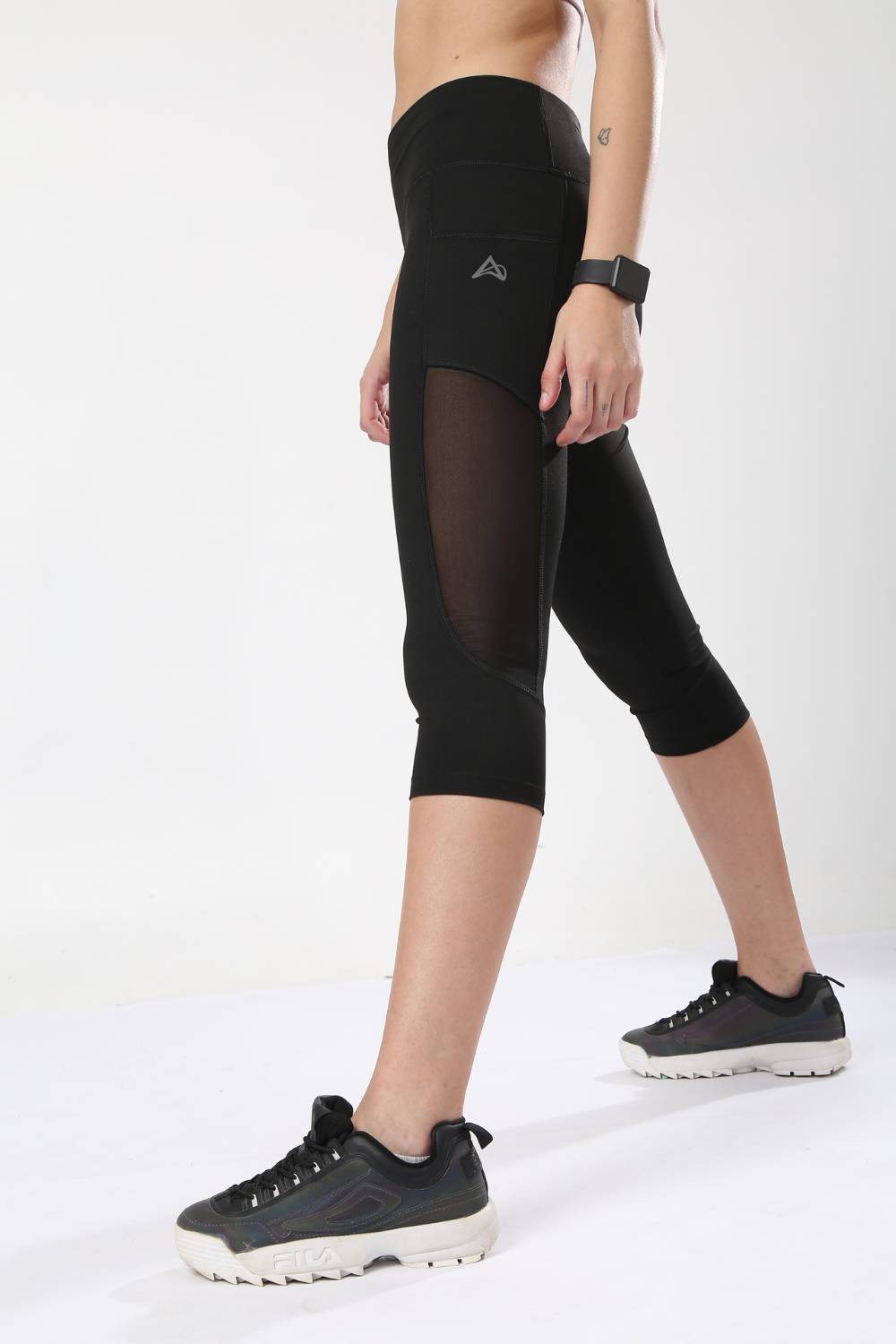
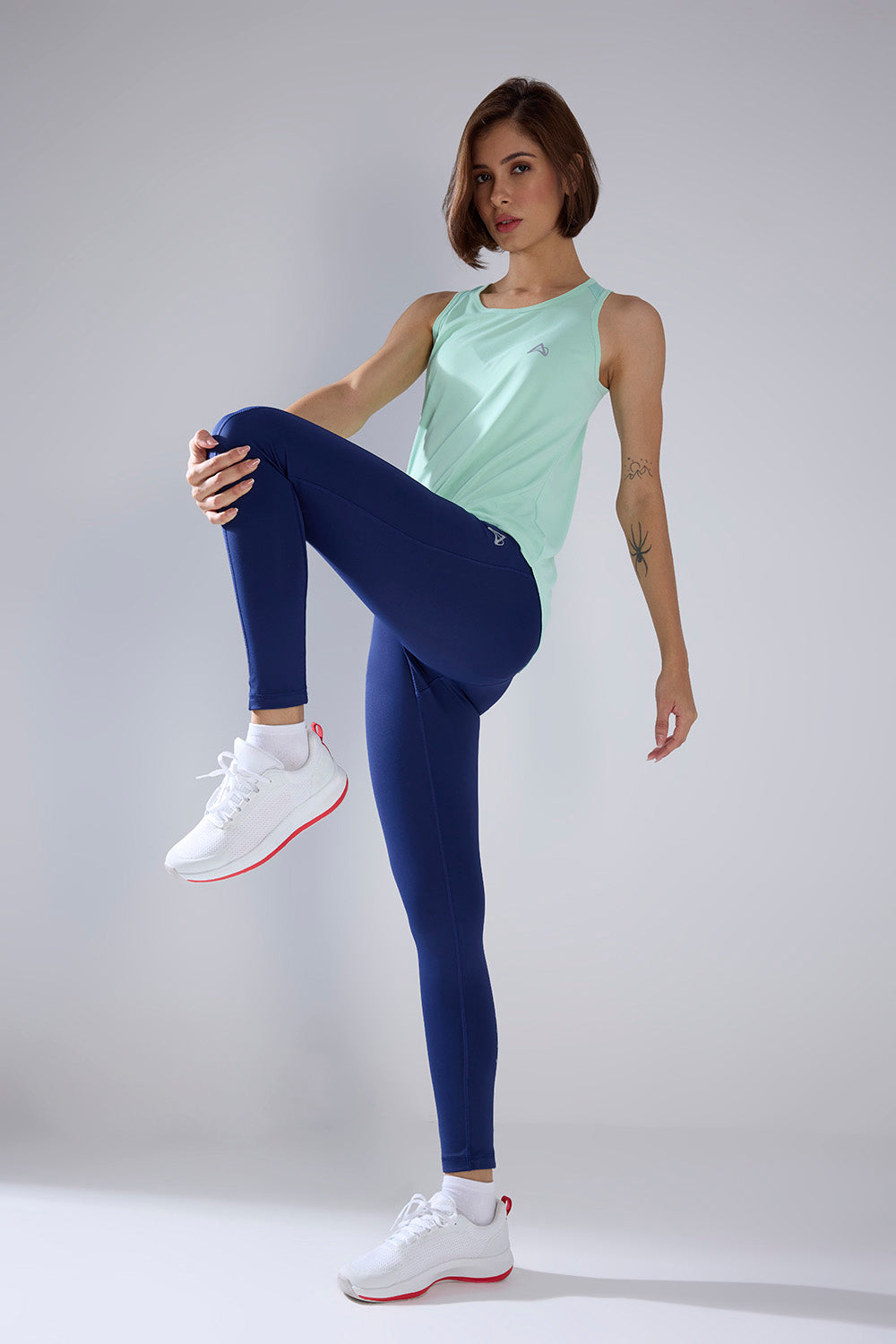
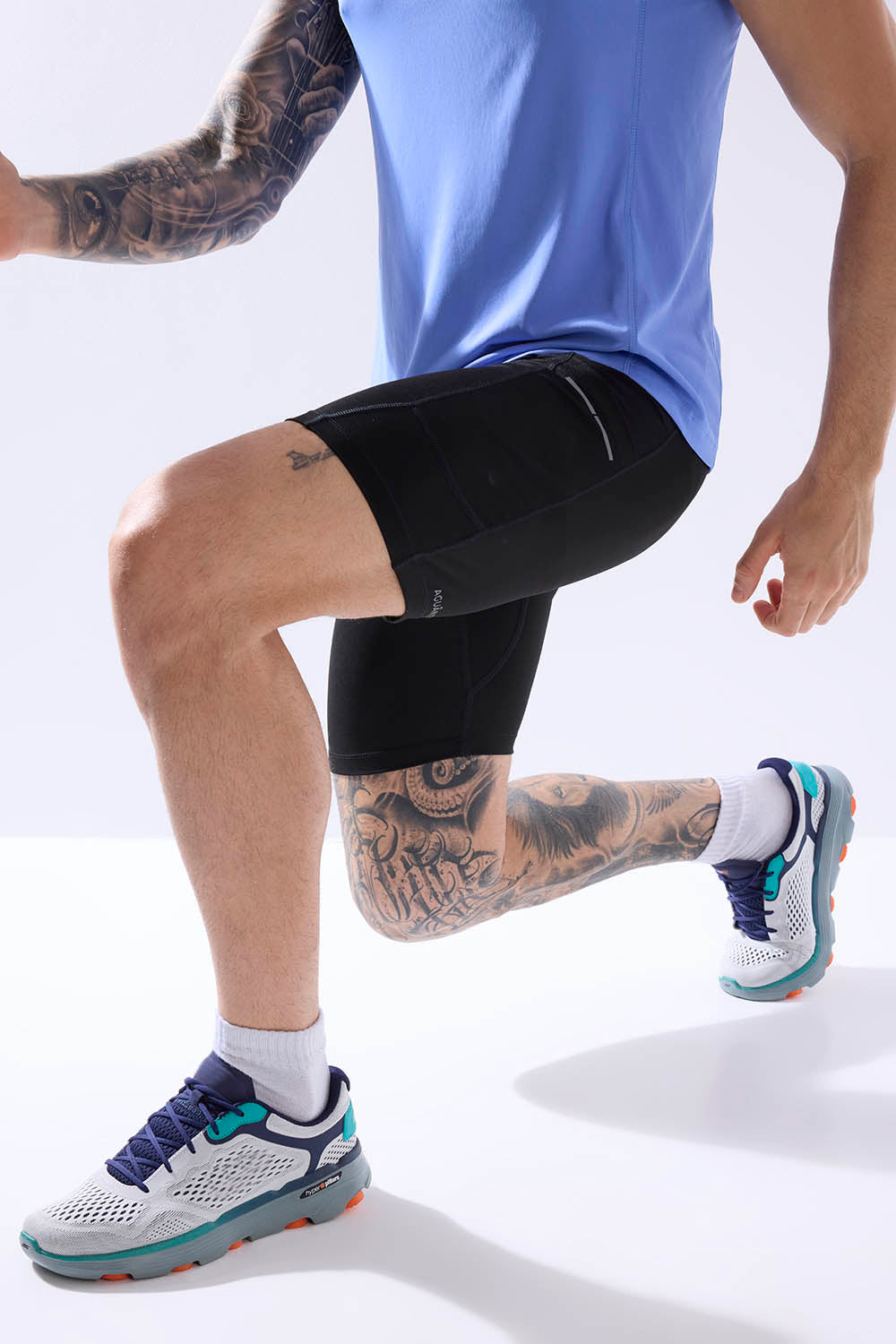
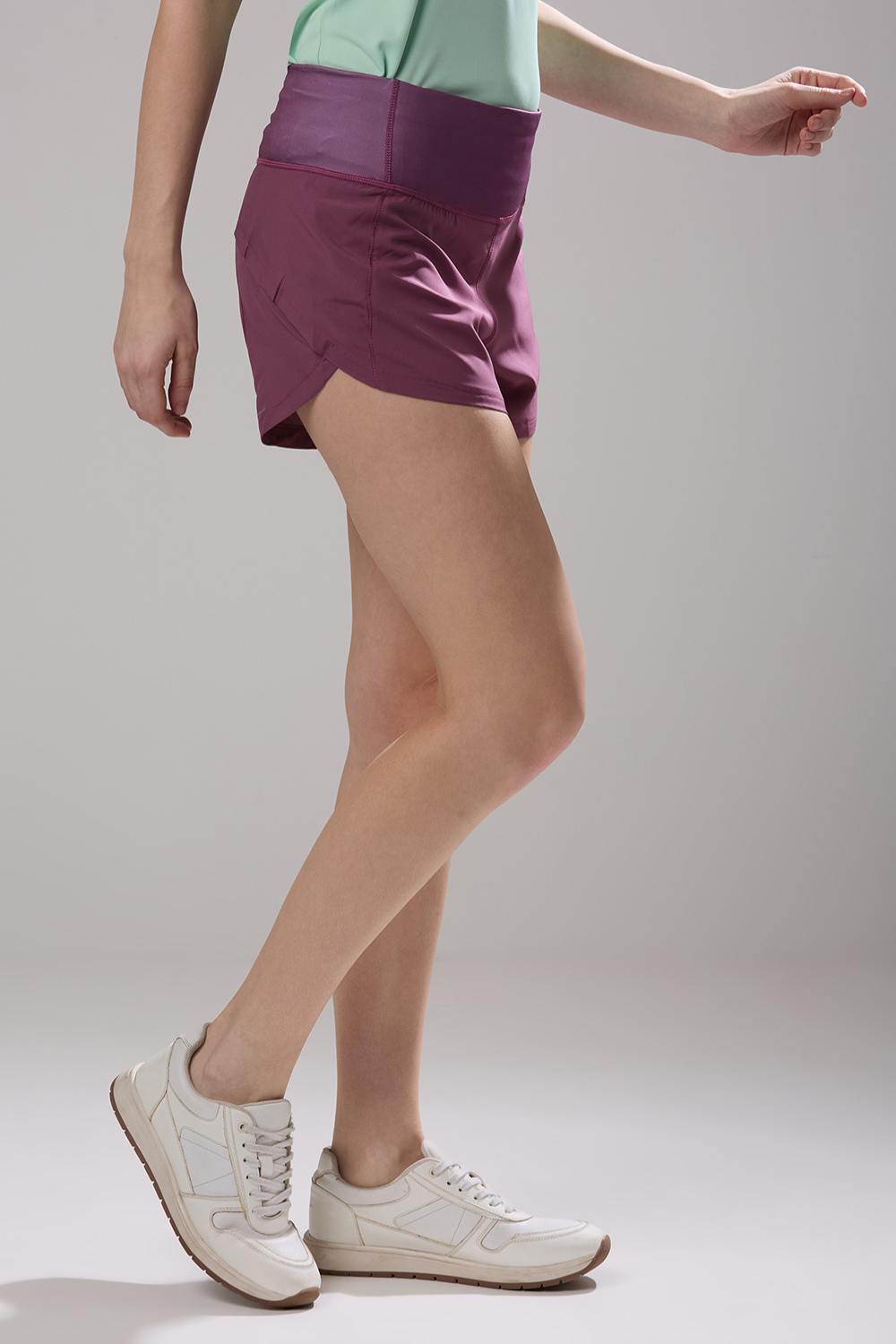
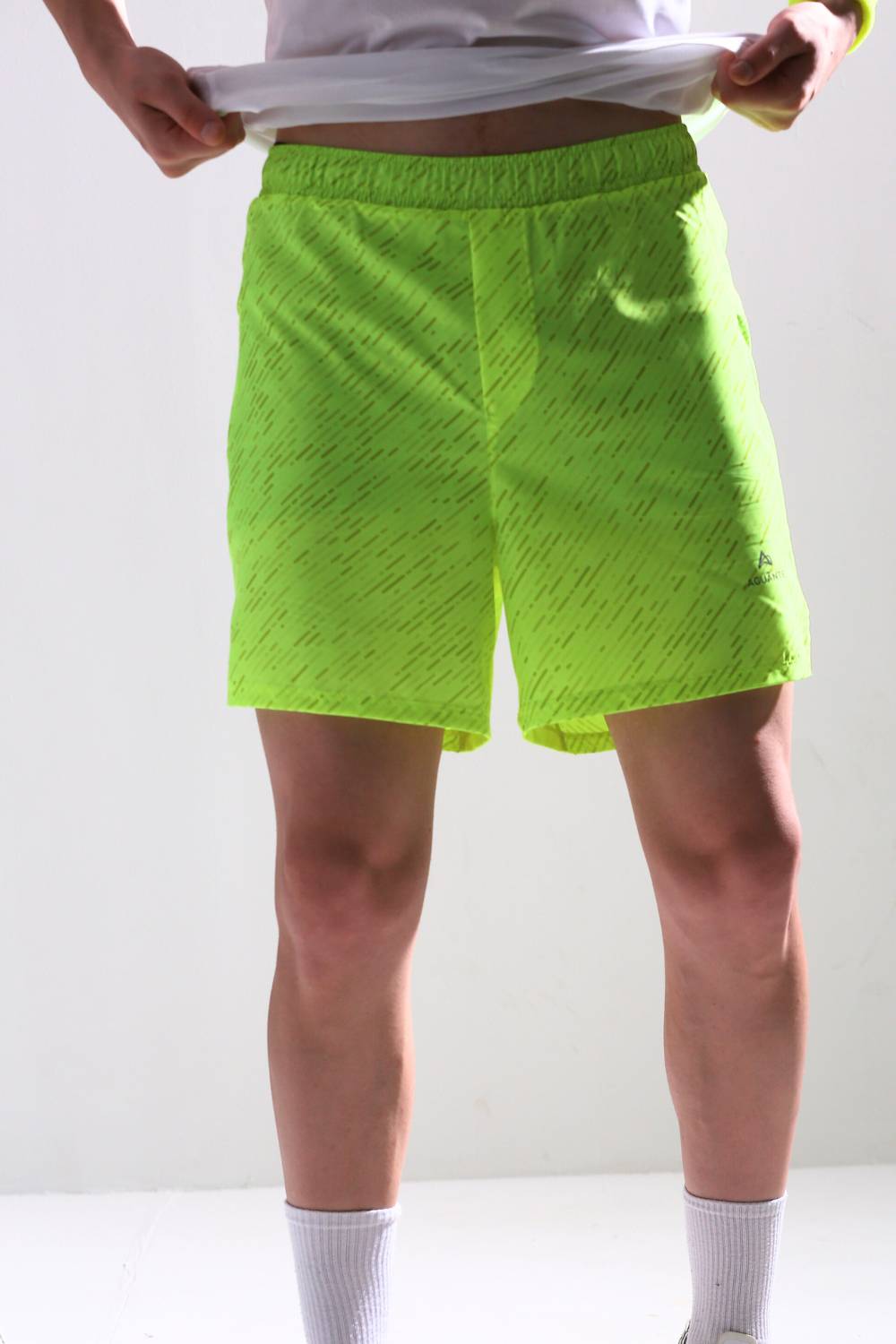
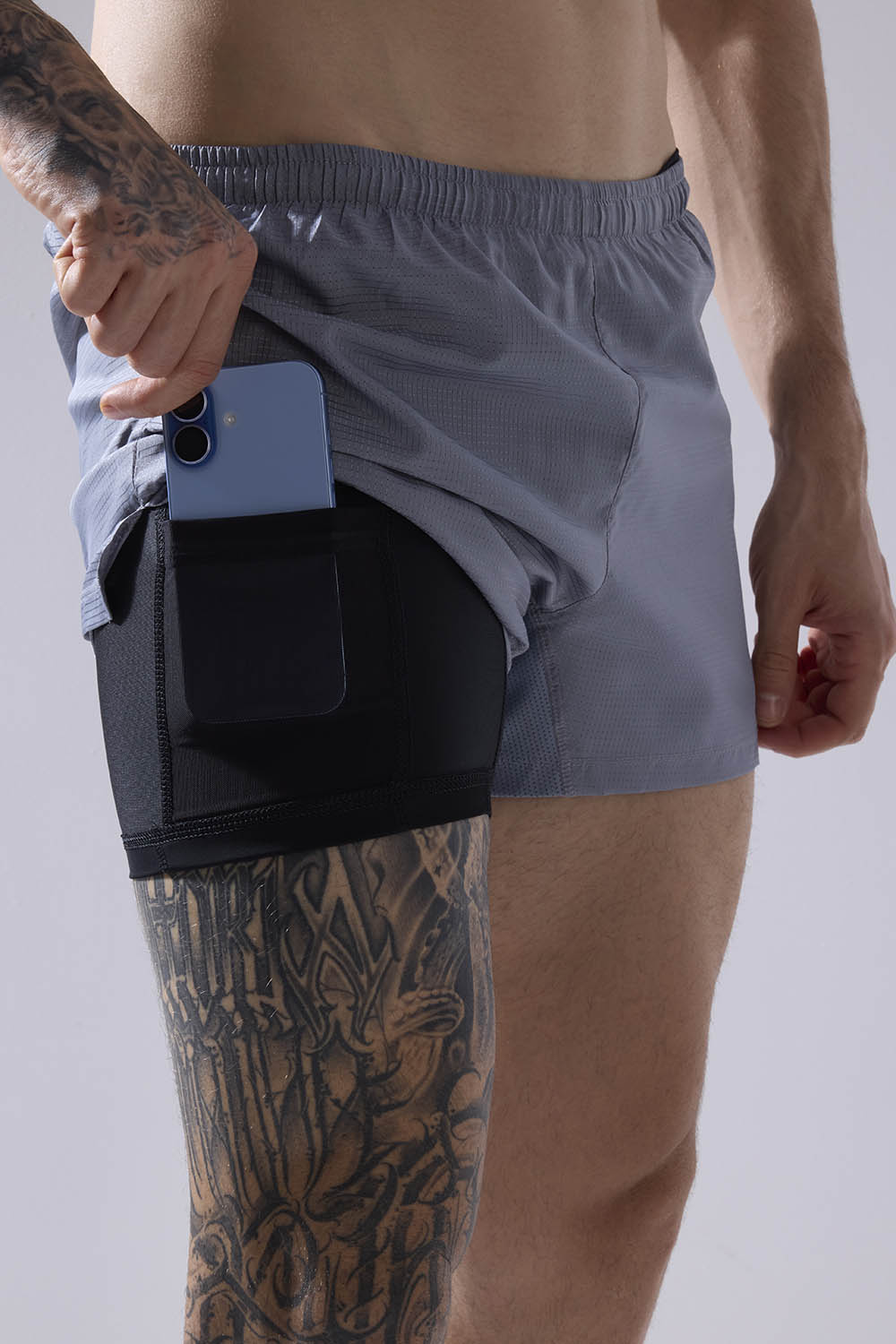
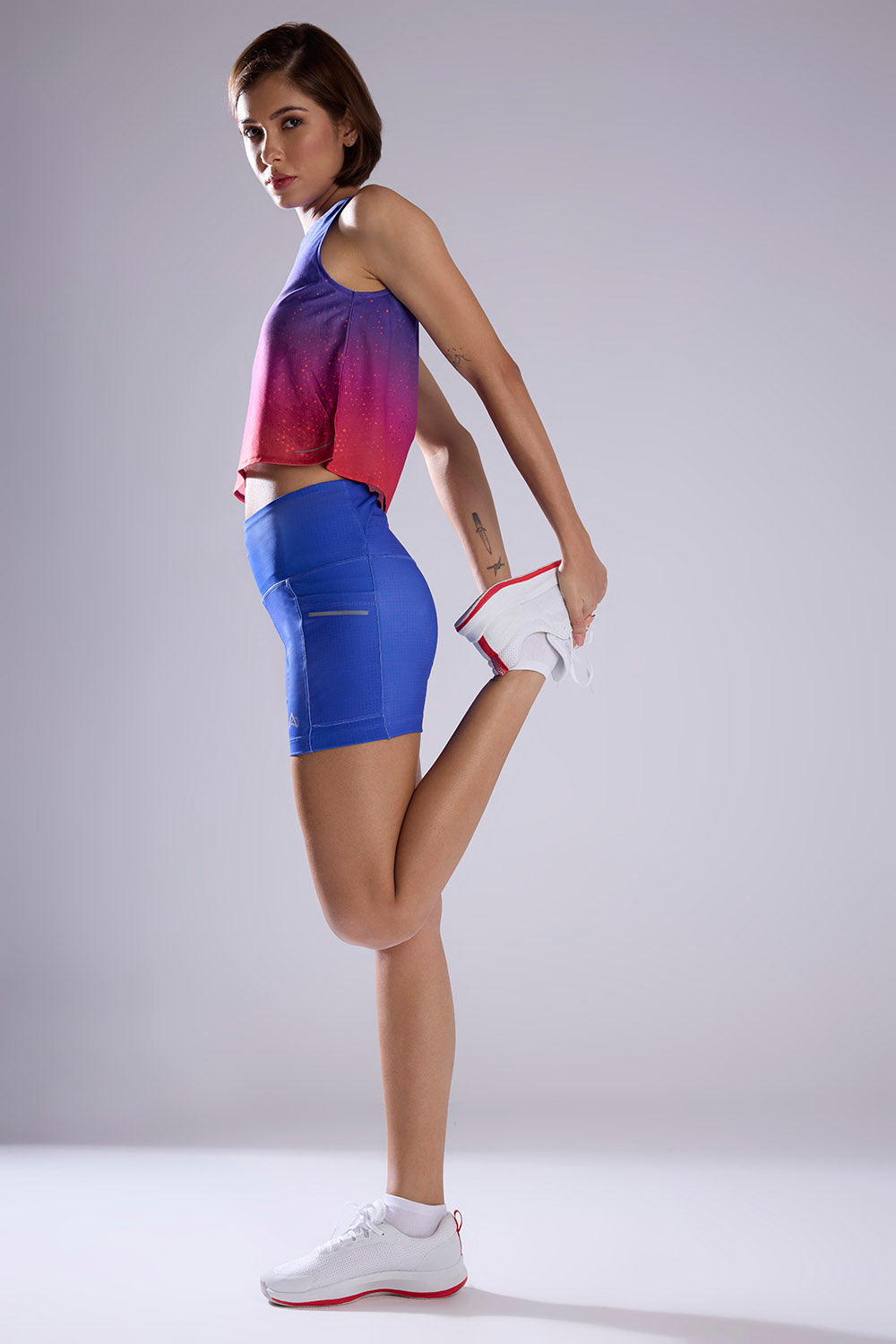
Tired of gear that slows you down? Chafing, soggy fabrics, and missing pockets kill your run's momentum. At Aguante, we're runners who get it. Our high-performance activewear features moisture-wicking fabrics, ergonomic designs, and smart storage to keep you focused. Shop Now!
The Surge in Running Culture Amid Global Fitness Boom
Running has evolved from a solitary endeavor into a cultural phenomenon, drawing millions worldwide into its rhythmic embrace. In places like India, where bustling cities and rising health consciousness collide, the sport is booming. The running apparel market, pegged at USD 90.44 billion in 2026, is on track to hit USD 97.02 billion this year and soar to USD 137.98 billion by 2031, advancing at a compound annual growth rate of 7.28% from now through 2031. This expansion reflects heightened awareness of well-being, breakthroughs in fabric technologies, and the fusion of athletic functionality with casual appeal, captivating diverse demographics.
Notably, women's involvement in running and fitness has spiked, fueling the need for customized apparel lines. This segment alone is forecasted to expand at 8.72% annually until 2031. In emerging markets, factors like urban expansion and increasing household incomes are propelling participation, with Asia-Pacific leading the charge at an 8.01% growth rate. Innovations such as sustainable materials from recycled sources and bio-based alternatives are also gaining ground, projected to rise 8.29% yearly, aligning with eco-conscious trends.
Broadening the lens to the entire activewear market, the figures are staggering. Valued at USD 406.83 billion in 2024, it's anticipated to reach USD 440.39 billion in 2026 and climb to USD 677.26 billion by 2030, with a 9.0% CAGR over that span. North America commanded a 38.46% share last year, but Asia Pacific is accelerating fastest at 10.9%, buoyed by urbanization and a burgeoning middle class. Women dominate with a 47.62% revenue slice, while online channels are set to grow at 9.9%, transforming how consumers access performance wear.
The Critical Role of Breathability in Extreme Heat
When temperatures rise, the human body ramps up its cooling mechanisms, expelling sweat to dissipate heat through evaporation. But ill-suited clothing can hinder this process, trapping moisture and leading to overheating, irritation, and diminished performance. Enter advanced textiles engineered for efficiency. The moisture-wicking fabrics market, worth US$ 1.0 billion in 2023, is poised to double to US$ 2.4 billion by 2034, expanding at an 8.0% CAGR from 2024 onward. These fabrics excel at transporting perspiration away from the skin, facilitating quicker drying and enhanced ventilation.
Polyester holds the lion's share in this arena, prized for its durability and effectiveness. Trends point to innovations like dry-tech applications in military gear for extreme weather endurance and affordable options penetrating lower-income regions. Drivers include a surge in demand for sweat-free comfort during physical exertion, alongside healthcare uses such as cooling wound dressings to aid healing and reduce inflammation.
Delving deeper, performance fabrics elevate the game with attributes like UV shielding, elasticity, and thermal regulation. This sector, sized at USD 80.70 billion in 2024, is expected to grow to USD 114.66 billion by 2033 at a 4.1% CAGR starting this year. Asia Pacific leads with 39.2% of the market, fueled by industrial growth and rising affluence in nations like India. Aramid materials are surging at 4.8%, valued for their strength in demanding applications, while polyester claims 35.5% due to its versatility and eco-friendly recycled variants.
In the textile and apparel segment, which captured 39.4% last year, consumers seek gear that blends comfort with utility. Defense and public safety applications are accelerating at 4.5%, driven by needs for flame-resistant and protective clothing amid global tensions. These developments underscore a shift toward smart, adaptive materials that respond to environmental stresses, making them indispensable for athletes in tropical climates.
The Science Driving Breathable Innovations
At its core, breathability hinges on fabric structure and composition. Materials like polyester blends allow vapor to escape while blocking liquid water, creating a microclimate that keeps the wearer cool. Add spandex for stretch, and you get apparel that moves seamlessly with the body. In hot, humid settings, this tech prevents the buildup of heat stress, which can spike heart rates and accelerate fatigue. Studies show that proper ventilation can lower core body temperature by up to 1-2 degrees during prolonged exercise, a game-changer for endurance sports.
For Indian runners, these features are non-negotiable. From Chennai's coastal mugginess to Rajasthan's arid blasts, terrain and weather vary wildly. Generic imports often overlook these nuances, leading to discomfort on potholed roads or during monsoon downpours. Local designs, however, incorporate reflective elements for low-light safety and anti-chafing seams for long-haul comfort.
Aguante's Tailored Approach: Engineering for India's Demands
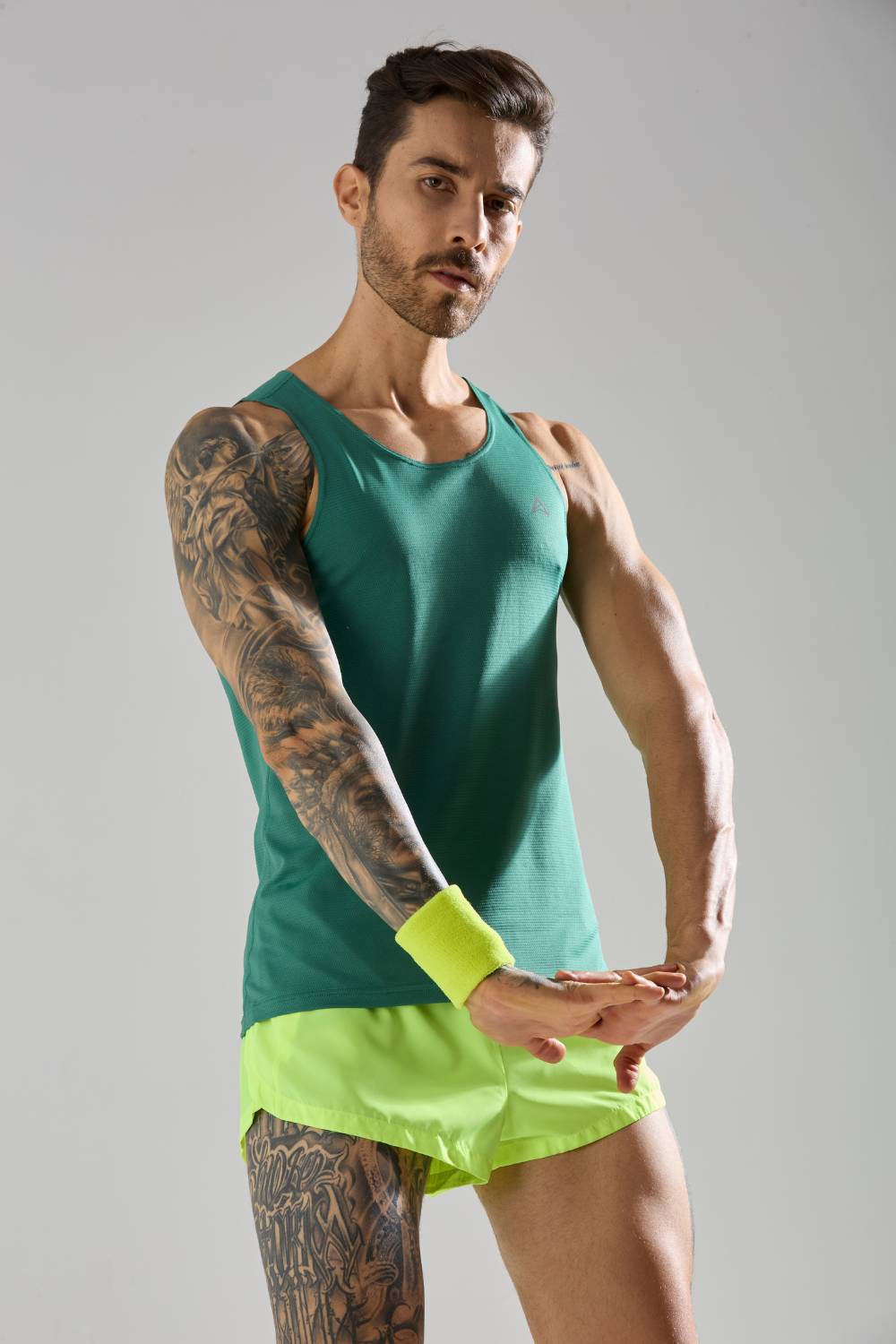
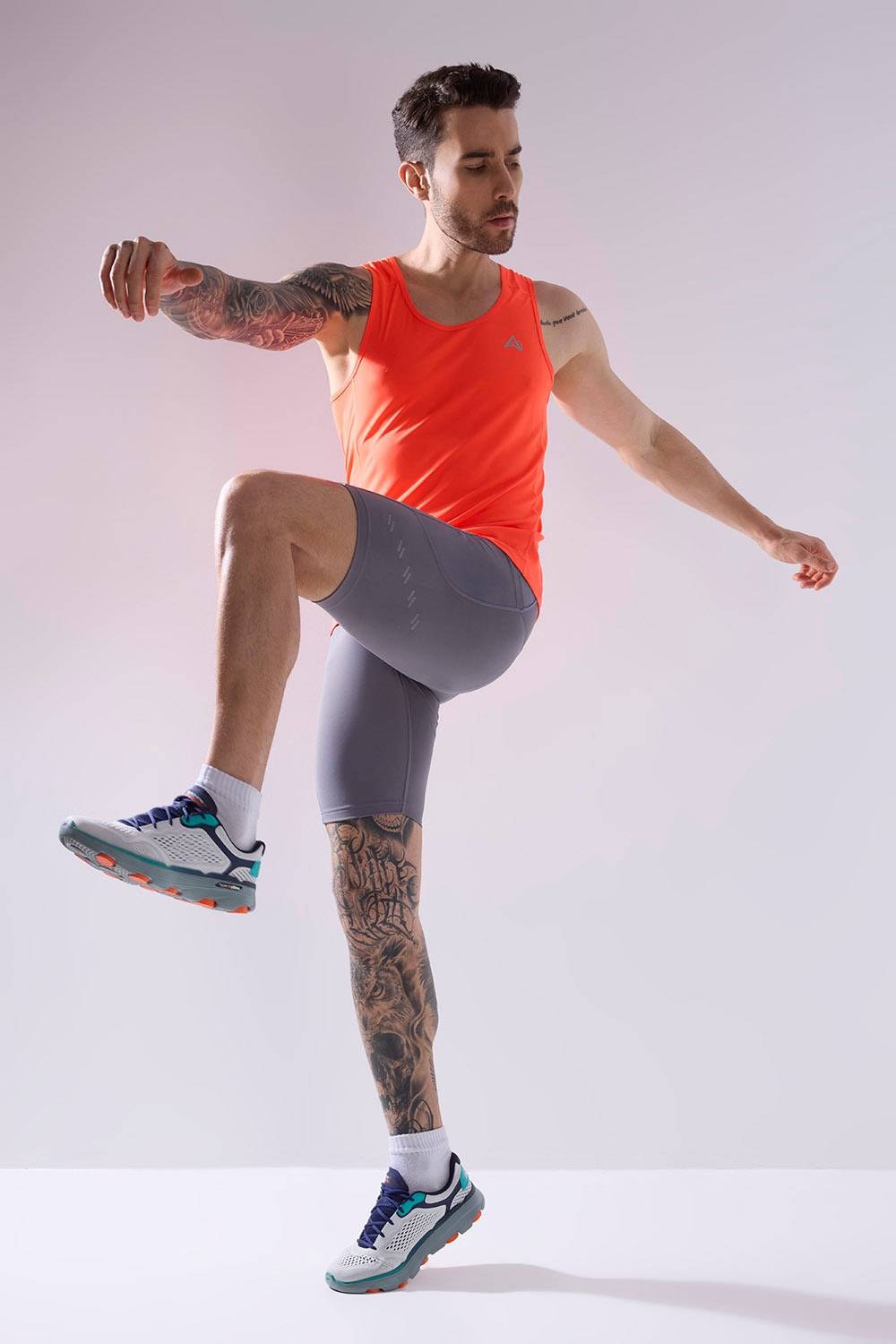
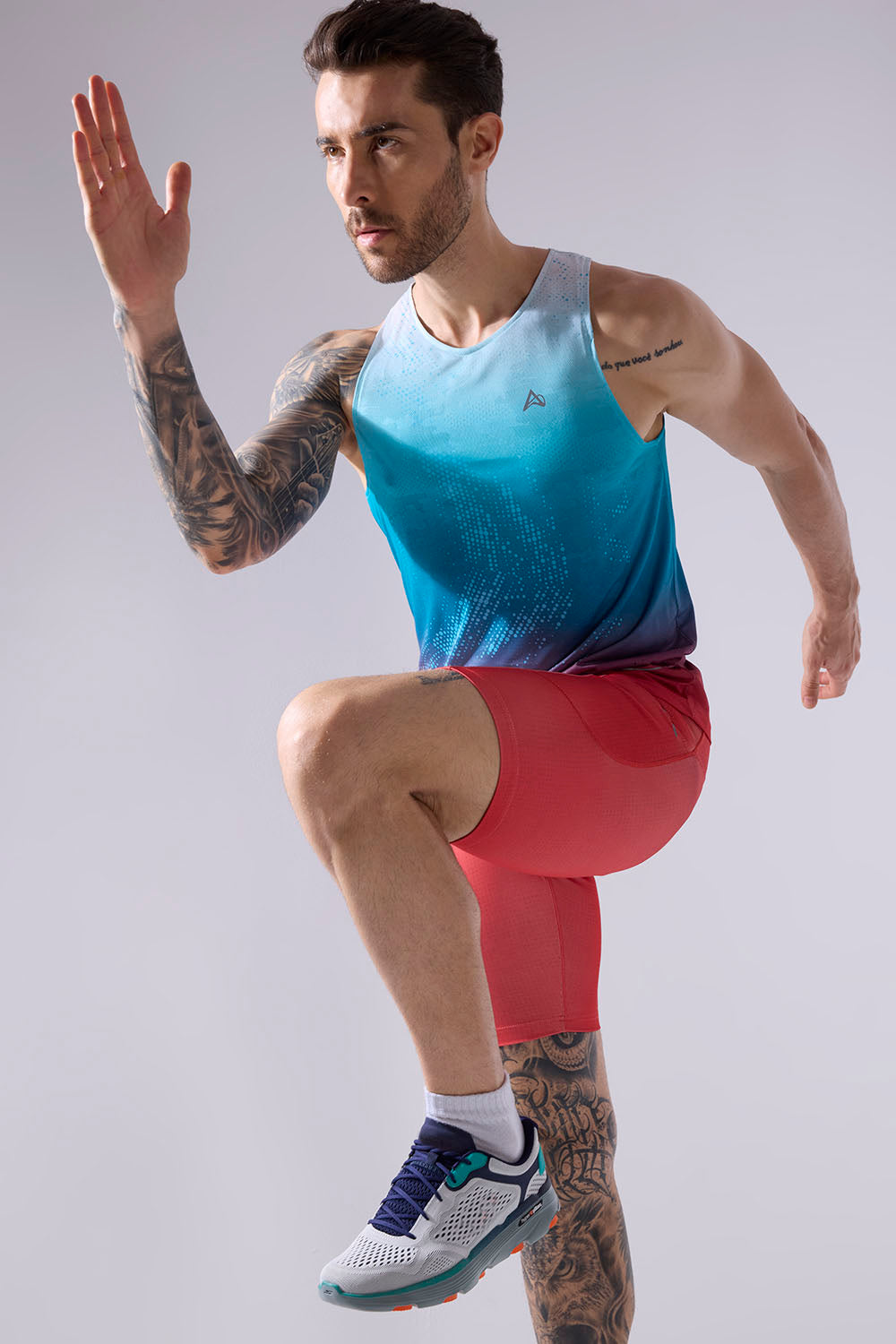
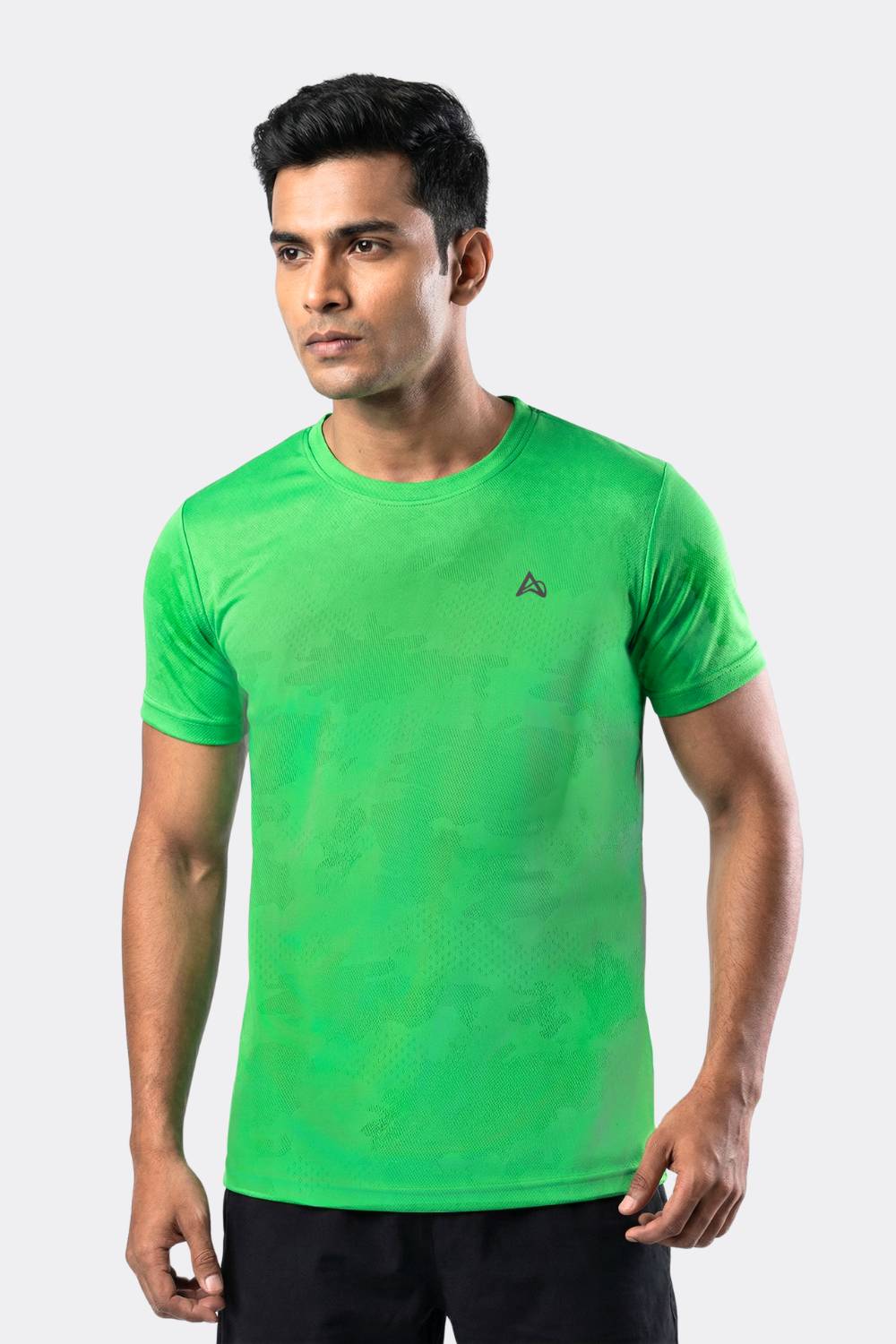
Aguante stands out by crafting gear explicitly for Indian conditions, as detailed in this exploration of Singlets Engineered for Maximum Breathability in Hot Conditions. Their products shun one-size-fits-all generics, focusing instead on heat, humidity, and uneven paths. Take the Men's Flex Running Singlet, blending 92% polyester with 8% spandex for superior airflow and flexibility. This setup ensures runners stay dry and unrestricted, even in sweltering sessions.
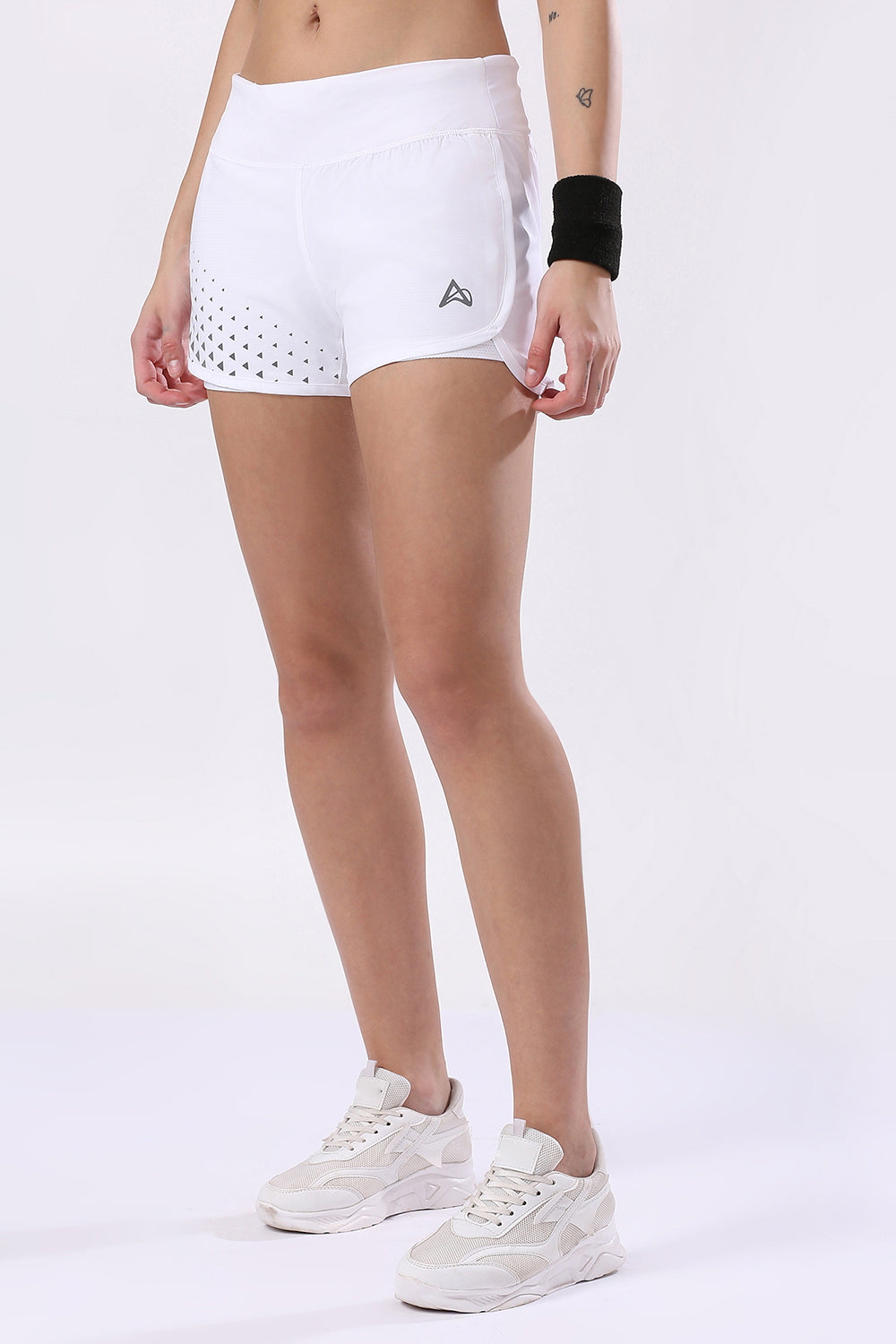
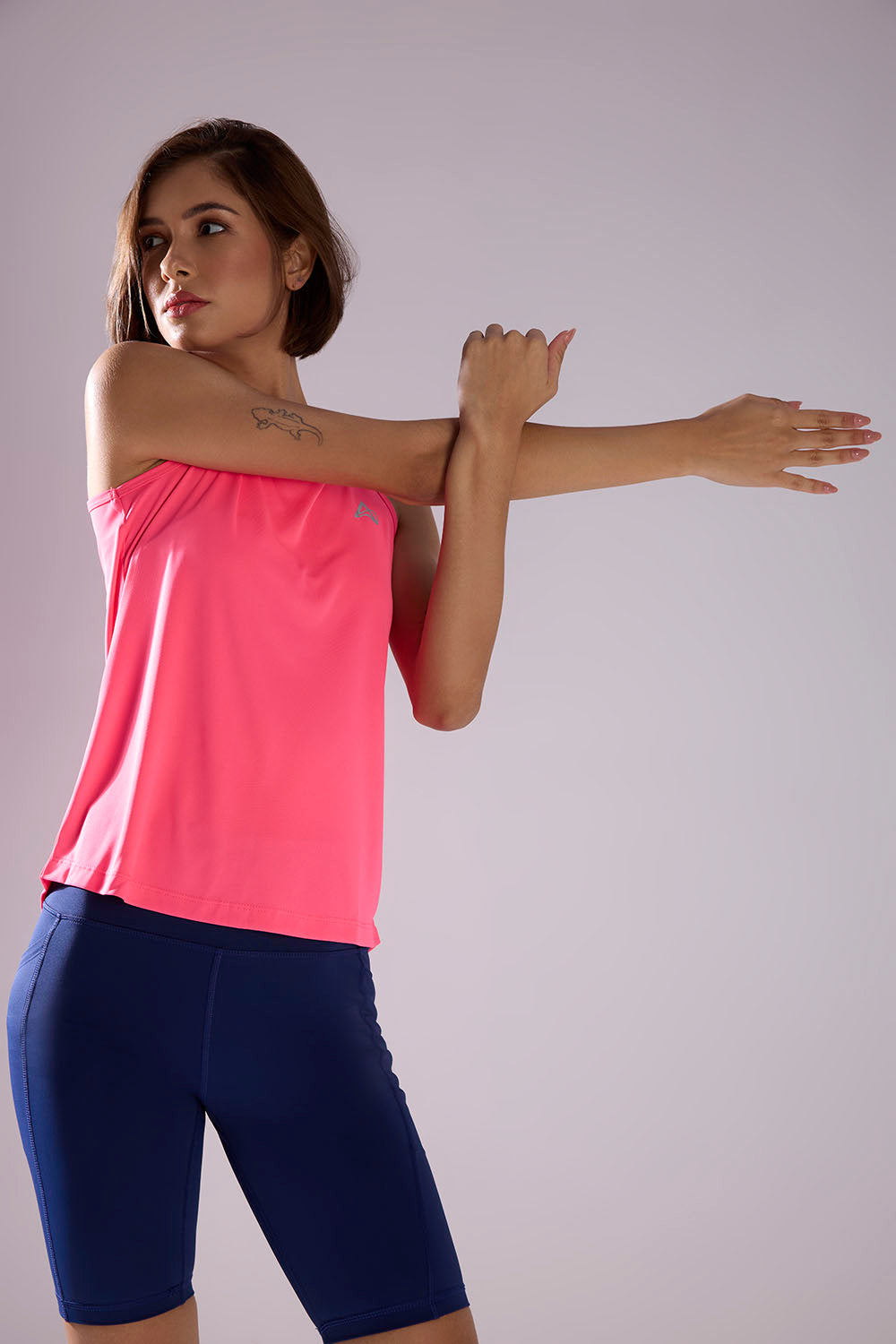
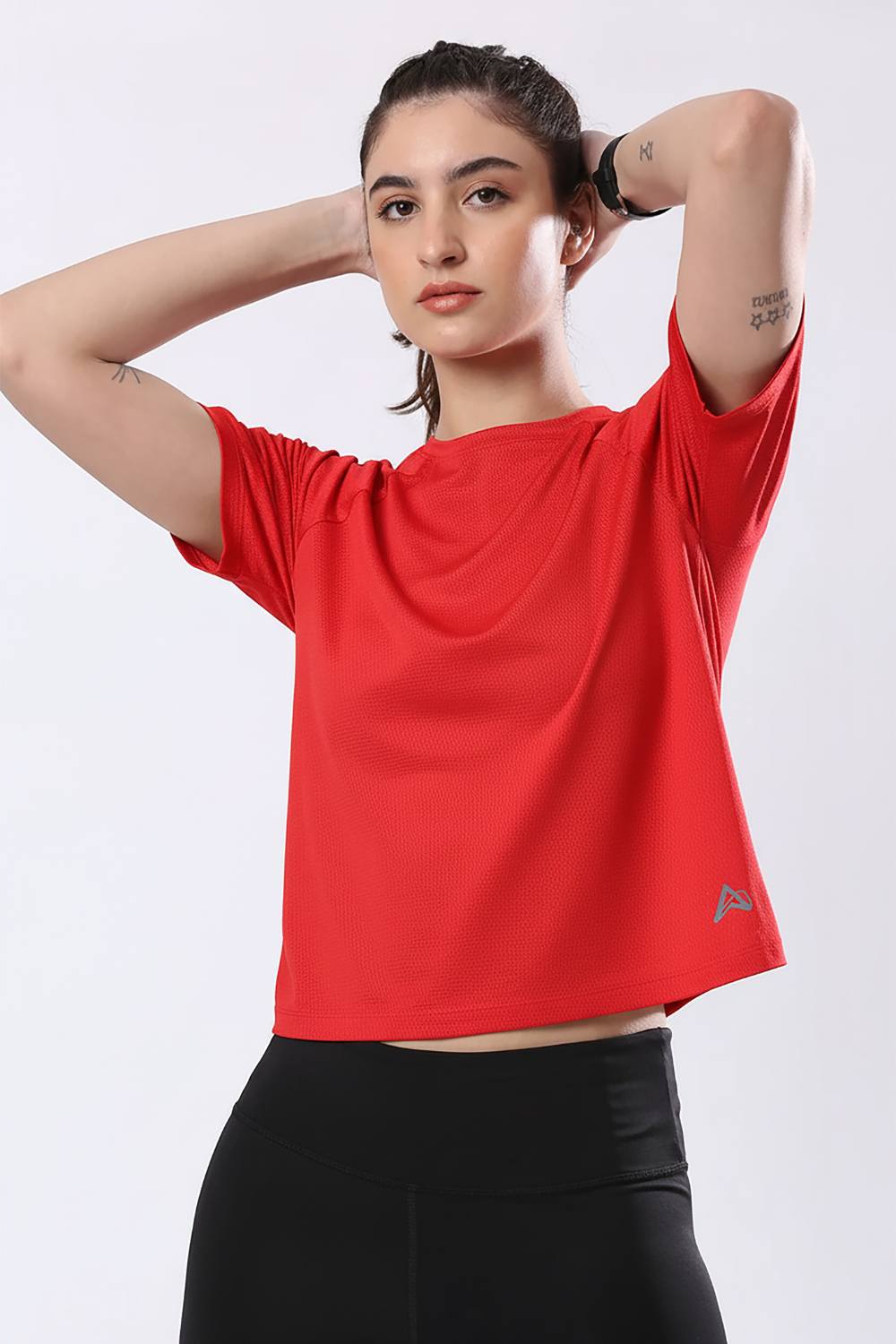
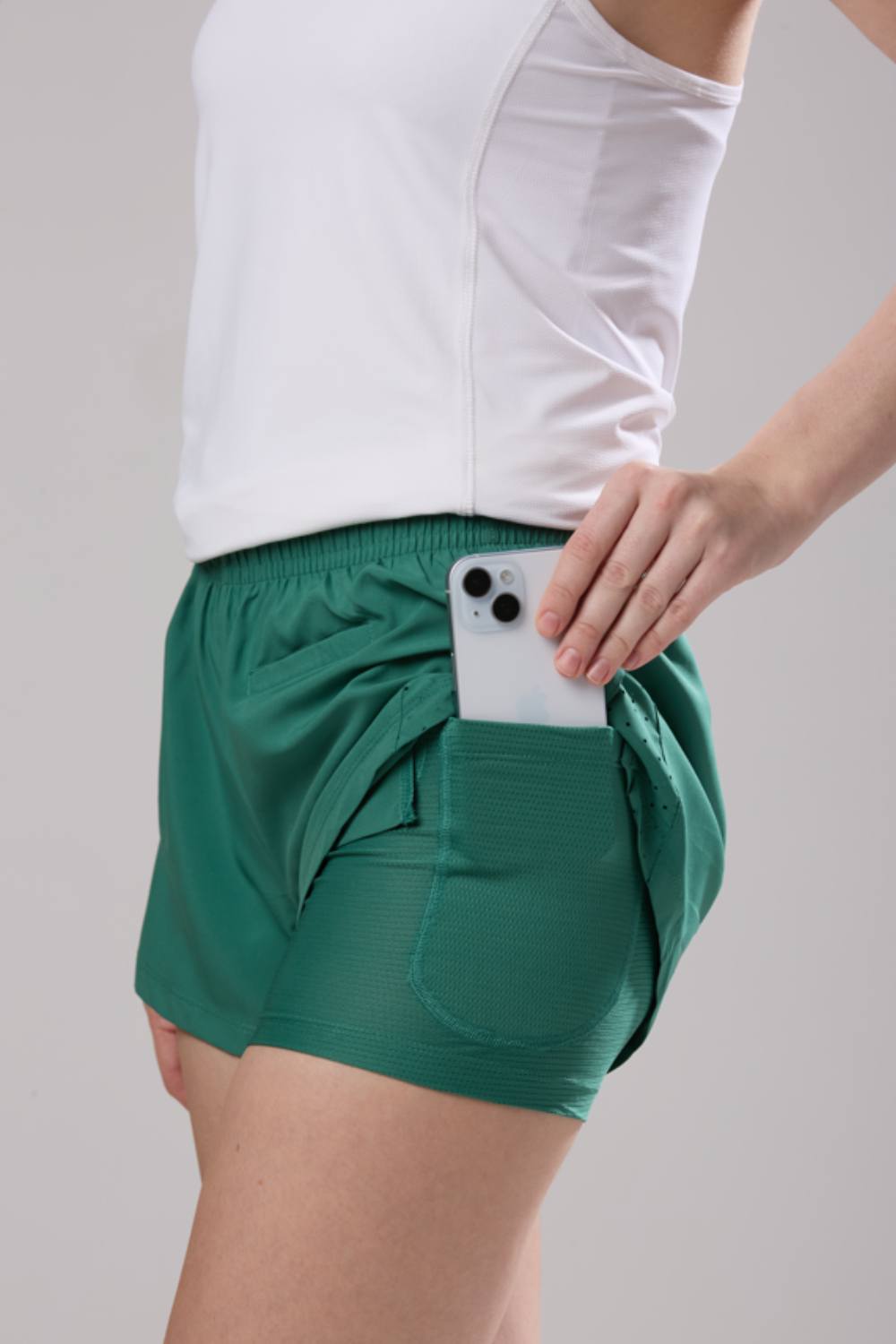
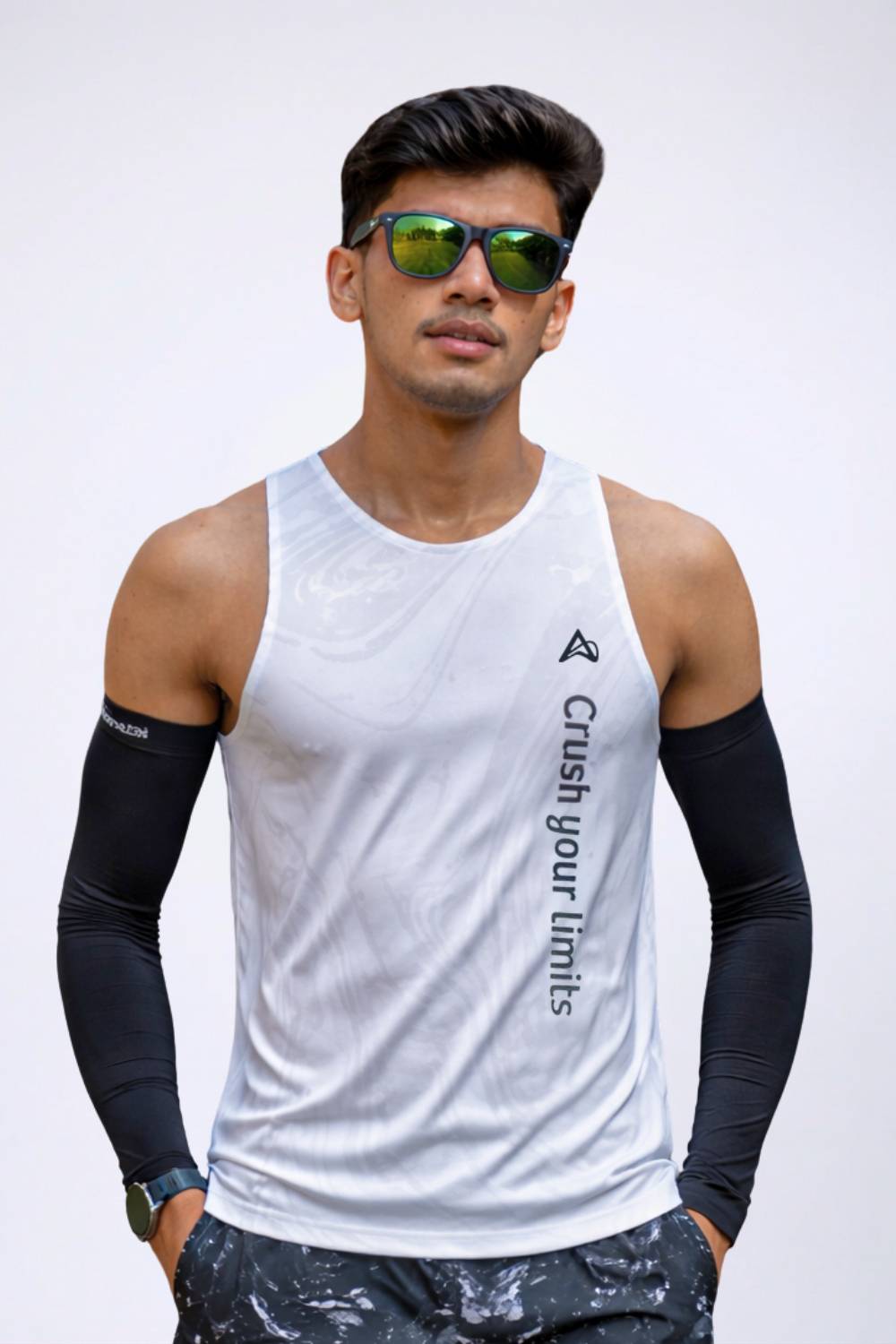
The Men's Race Singlet ups the ante with ultra-light, sweat-wicking material and a perforated back panel for optimal ventilation. Reflective accents enhance visibility during dawn or dusk runs, crucial in traffic-heavy urban areas. Women's options, like the Muse Singlet, feature lightweight, stretchable fabrics with moisture management, available in fits that flatter Indian body types. These designs include stable pockets for essentials, minimizing bounce and distractions.
What truly differentiates Aguante is their obsession with runner-centric details: anti-odor treatments, thermoregulating properties, and durable builds tested in real Indian scenarios. Unlike premium foreign brands that inflate prices for overseas aesthetics, Aguante offers global standards at accessible rates, democratizing quality for everyday athletes.
Real-World Wins: From Training Grounds to Finish Lines
Marathon training in India demands resilience, with events like the Tata Mumbai Marathon drawing over 59,000 participants in 2024. Breathable singlets prove vital here, supporting thermoregulation to curb dehydration and maintain momentum. Runners report fewer breaks and better focus, thanks to fabrics that expel sweat efficiently.
Enthusiasts echo this. Barefoot coach Shanth Koushik emphasizes gear that allows natural movement, while ultra-runner Rajesh Parida praises ventilation for endurance in heat. Influencers like Runholic Dev and Fit Kaur highlight how such singlets transform humid workouts, and Coach Amit Kumar notes their role in injury prevention through reduced chafing.
Beyond stats, the impact is tangible. In a market where India's marathon engagement jumped 242% by 2025, accessible, effective apparel like Aguante's fosters broader participation, especially among women who now hold nearly half the activewear share.
Addressing Common Hurdles and Looking Ahead
Prospective buyers often worry about cost versus value, but Aguante counters with honest pricing and proven performance. Durability ensures longevity, outlasting cheaper alternatives in India's harsh elements. As the sector evolves, expect more integrations like smart textiles for real-time monitoring.
The defense segment's rapid growth hints at crossovers, with high-strength fabrics trickling into consumer wear. Sustainability remains key, with recycled materials reducing environmental footprints.
Embracing the Next Stride
As running fervor intensifies in a warming world, singlets like Aguante's emerge as essential partners, blending science with practicality. They empower runners to push boundaries, staying cool and composed mile after mile. For those ready to elevate their game, explore Aguante on Instagram, Facebook, or YouTube where innovation meets the road, one breathable step at a time.
Frequently Asked Questions
Why is breathability important in running singlets for hot weather?
Breathable running singlets allow moisture and heat to escape from the body, preventing overheating and maintaining optimal performance in extreme temperatures. Advanced moisture-wicking fabrics transport sweat away from the skin and facilitate faster evaporation, which can lower core body temperature by 1-2 degrees Celsius during prolonged exercise. This is especially critical in hot, humid climates like India where temperatures can reach 45 degrees Celsius, as proper ventilation helps prevent heat stress, reduces fatigue, and minimizes chafing during long runs.
What makes Aguante singlets different from other running apparel brands?
Aguante designs running singlets specifically engineered for Indian climate conditions, incorporating features like ultra-light moisture-wicking materials, perforated ventilation panels, and anti-odor treatments. Unlike generic international brands that often overlook regional nuances like humid coastal weather or arid heat, Aguante's products include reflective elements for safety in traffic-heavy areas, anti-chafing seams, and fits tailored to Indian body types. The brand offers global-standard quality at accessible price points, with materials like 92% polyester and 8% spandex blends that provide superior airflow and flexibility without the premium markup of foreign competitors.
What fabric technology should I look for in a breathable running singlet?
The best breathable running singlets use moisture-wicking performance fabrics, typically polyester blends with added spandex for stretch and movement. These materials excel at transporting perspiration away from the skin while allowing vapor to escape, creating a cooling microclimate against your body. Look for features like perforated mesh panels for enhanced ventilation, UV protection, thermoregulating properties, and quick-drying capabilities. The moisture-wicking fabrics market is growing rapidly (projected to reach $2.4 billion by 2034) due to their effectiveness in managing sweat and maintaining comfort during intense physical activity in hot conditions.
Disclaimer: The above helpful resources content contains personal opinions and experiences. The information provided is for general knowledge and does not constitute professional advice.
You may also be interested in: Reflective Shorts Improve Visibility for Early Morning Runs
Tired of gear that slows you down? Chafing, soggy fabrics, and missing pockets kill your run's momentum. At Aguante, we're runners who get it. Our high-performance activewear features moisture-wicking fabrics, ergonomic designs, and smart storage to keep you focused. Shop Now!
Powered by flareAI.co