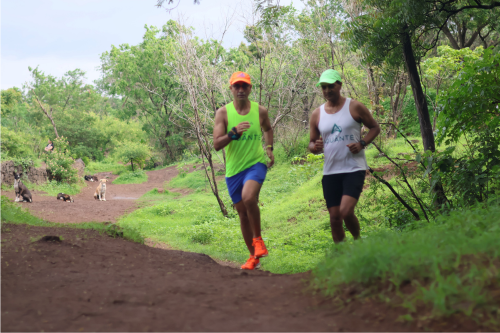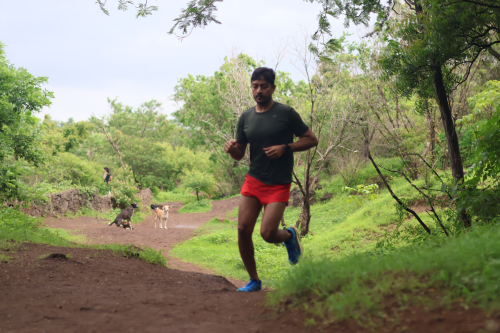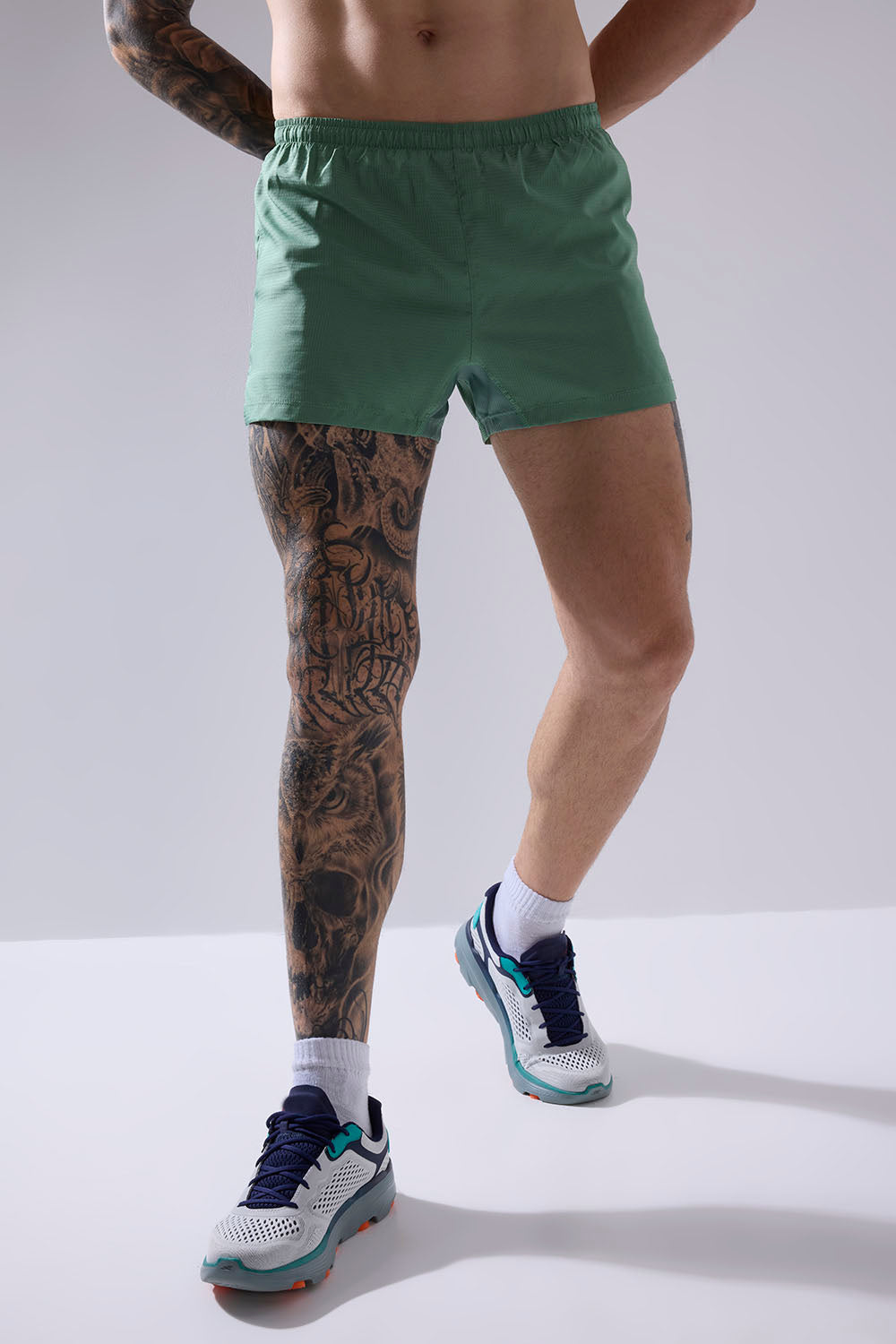
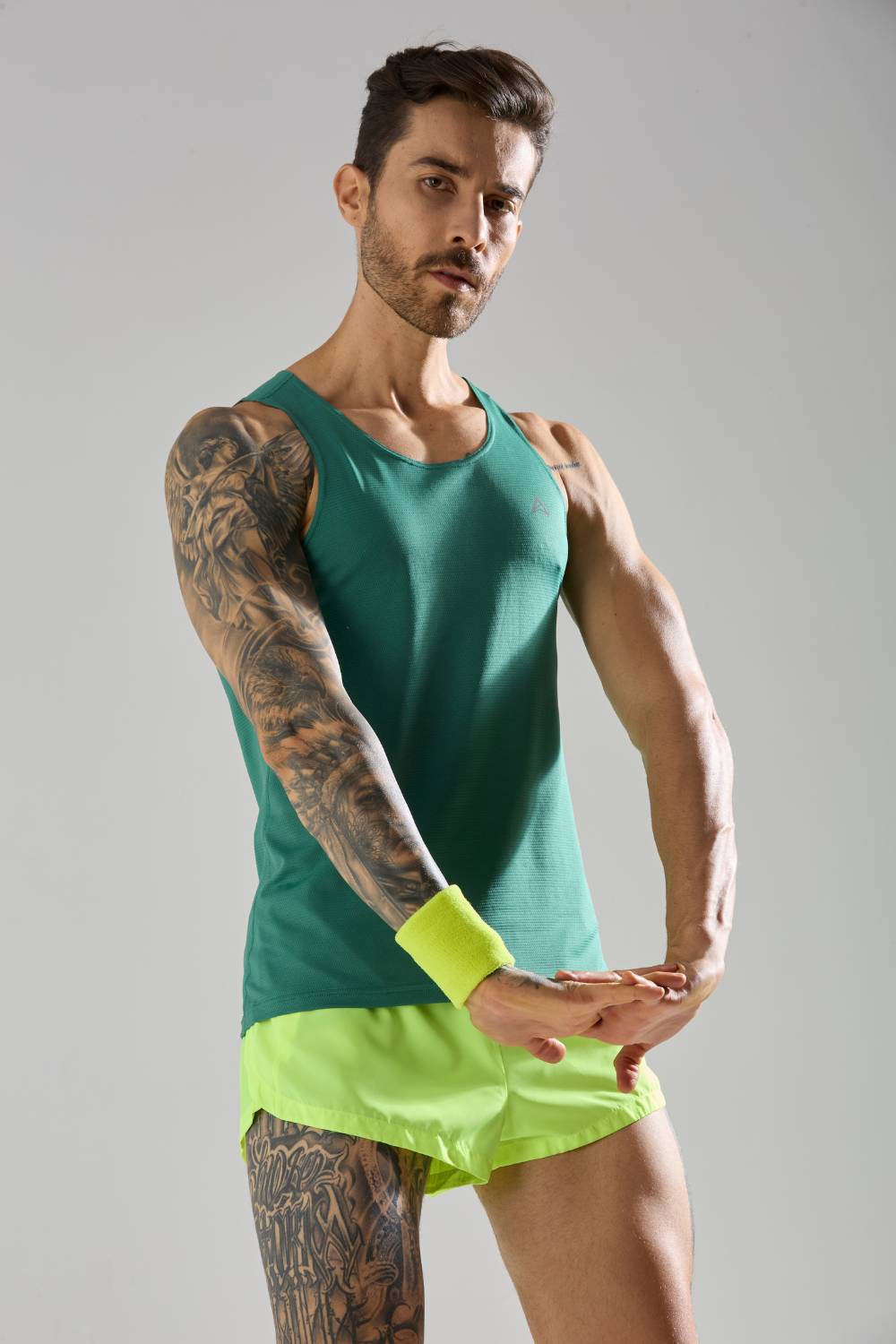
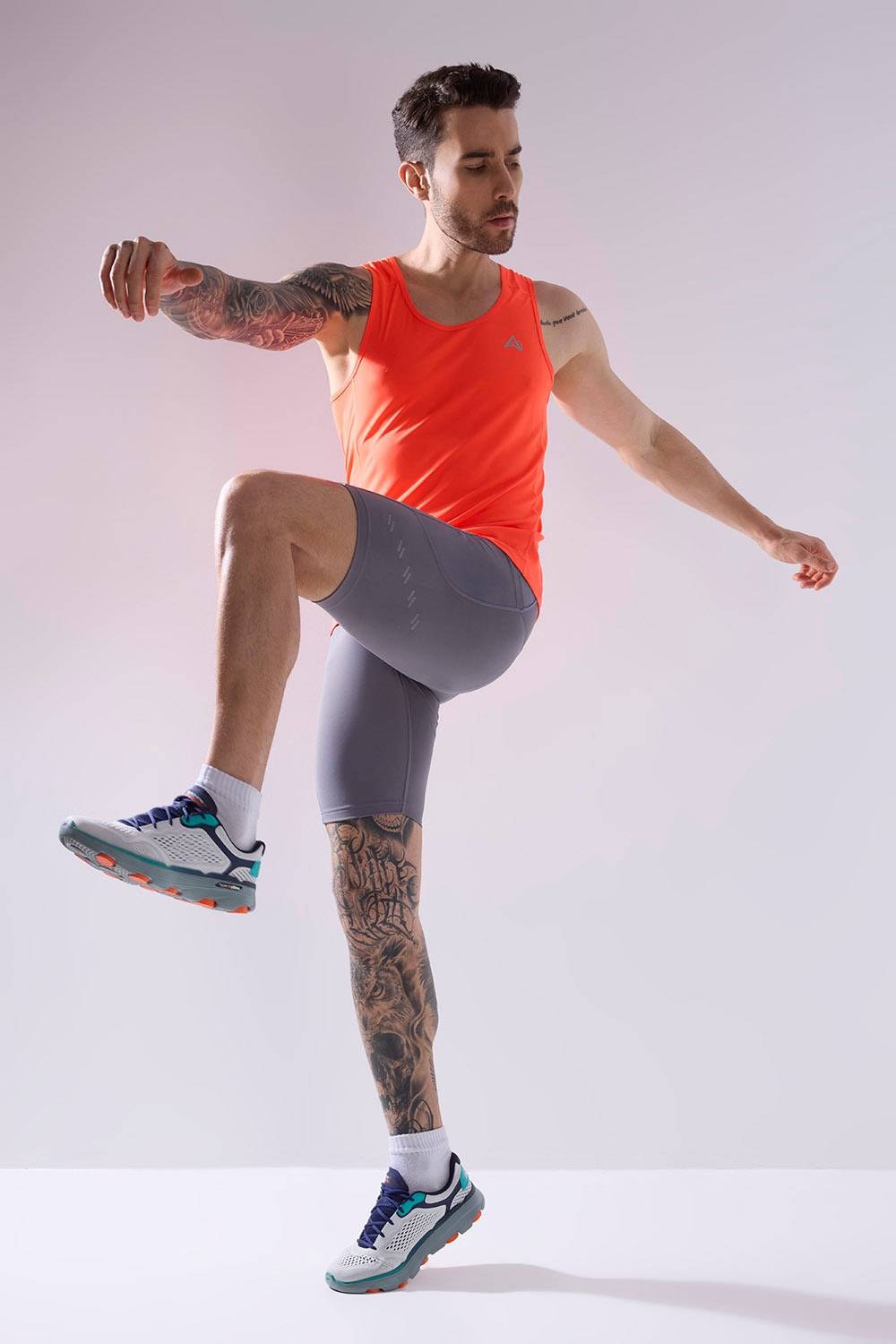
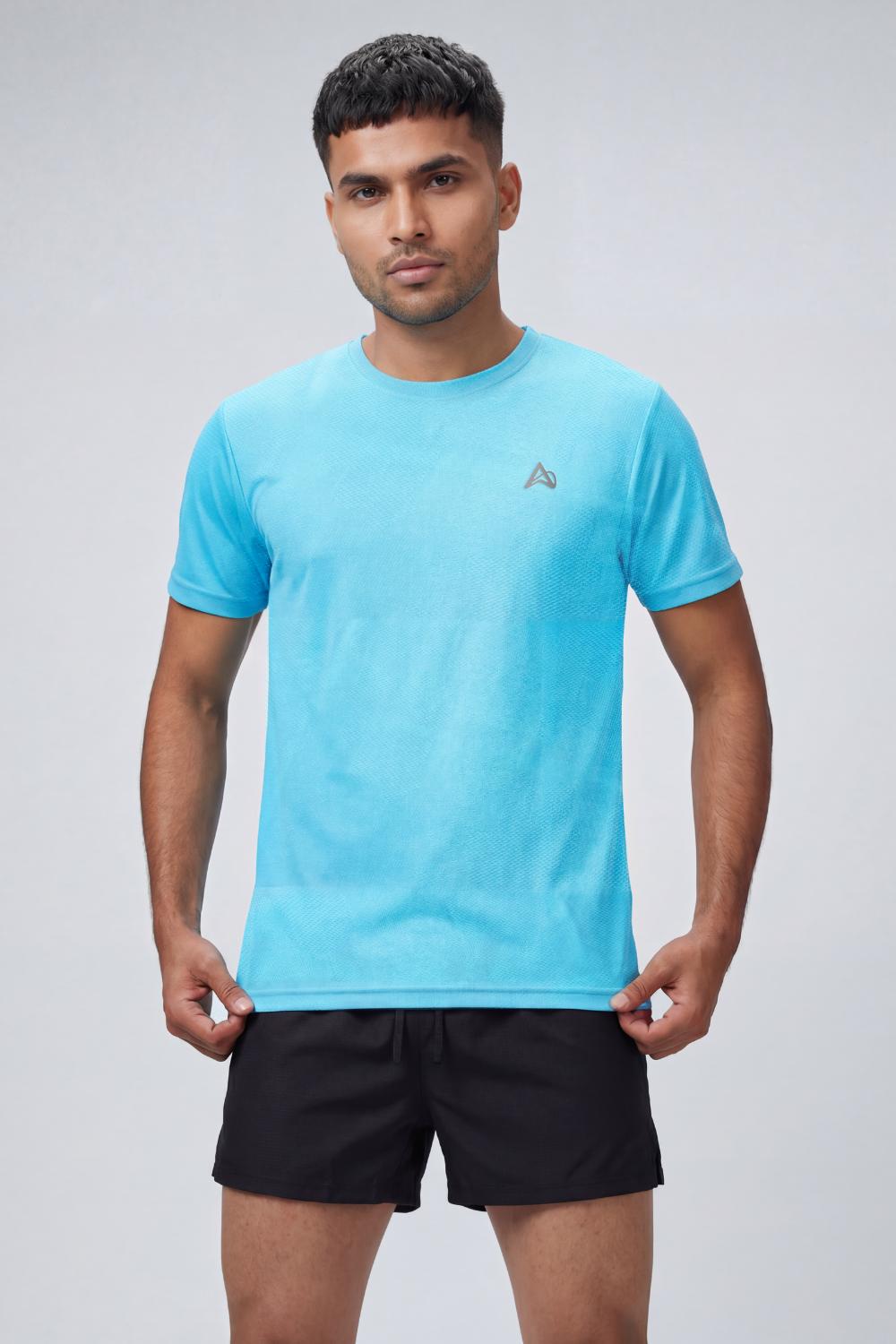
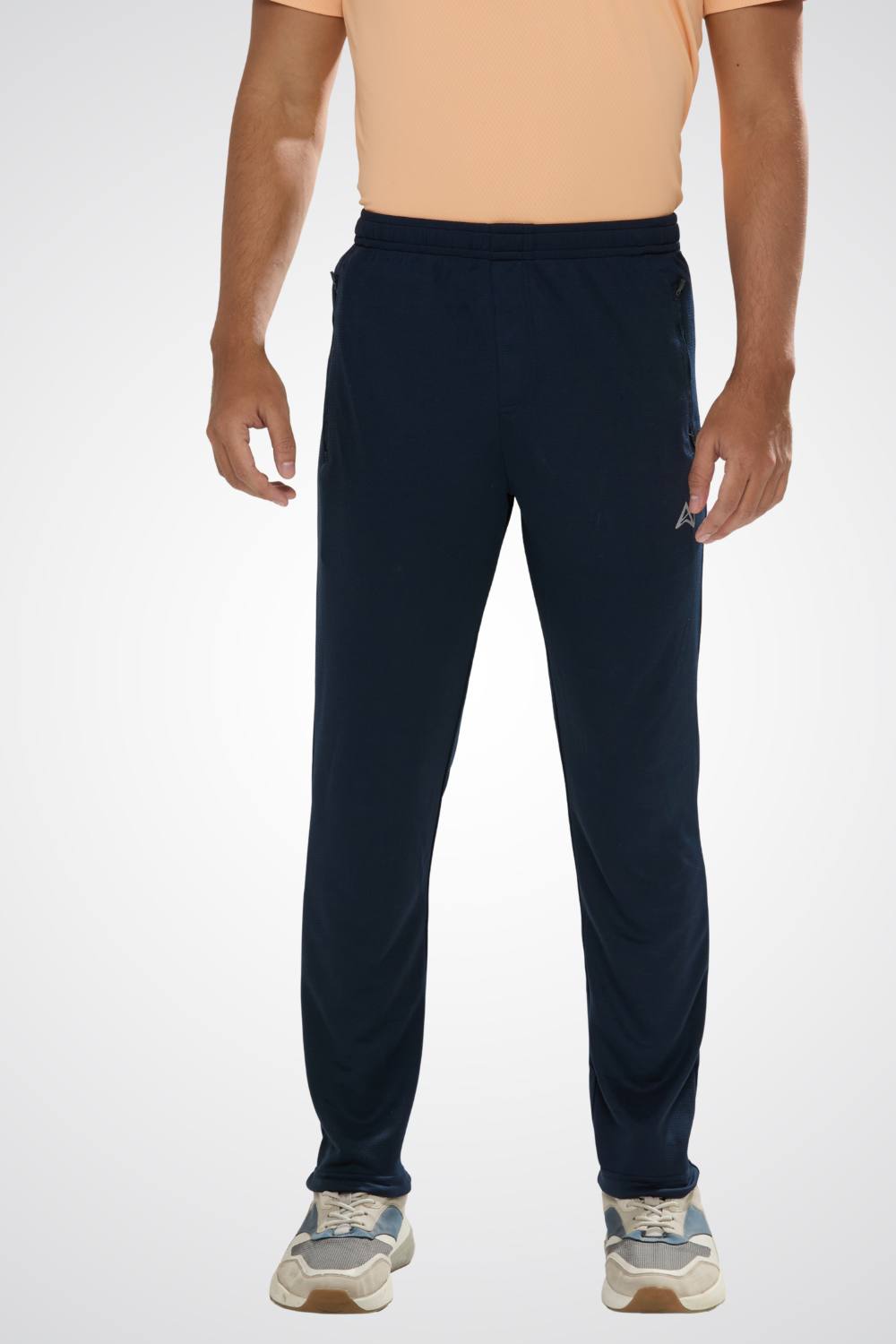
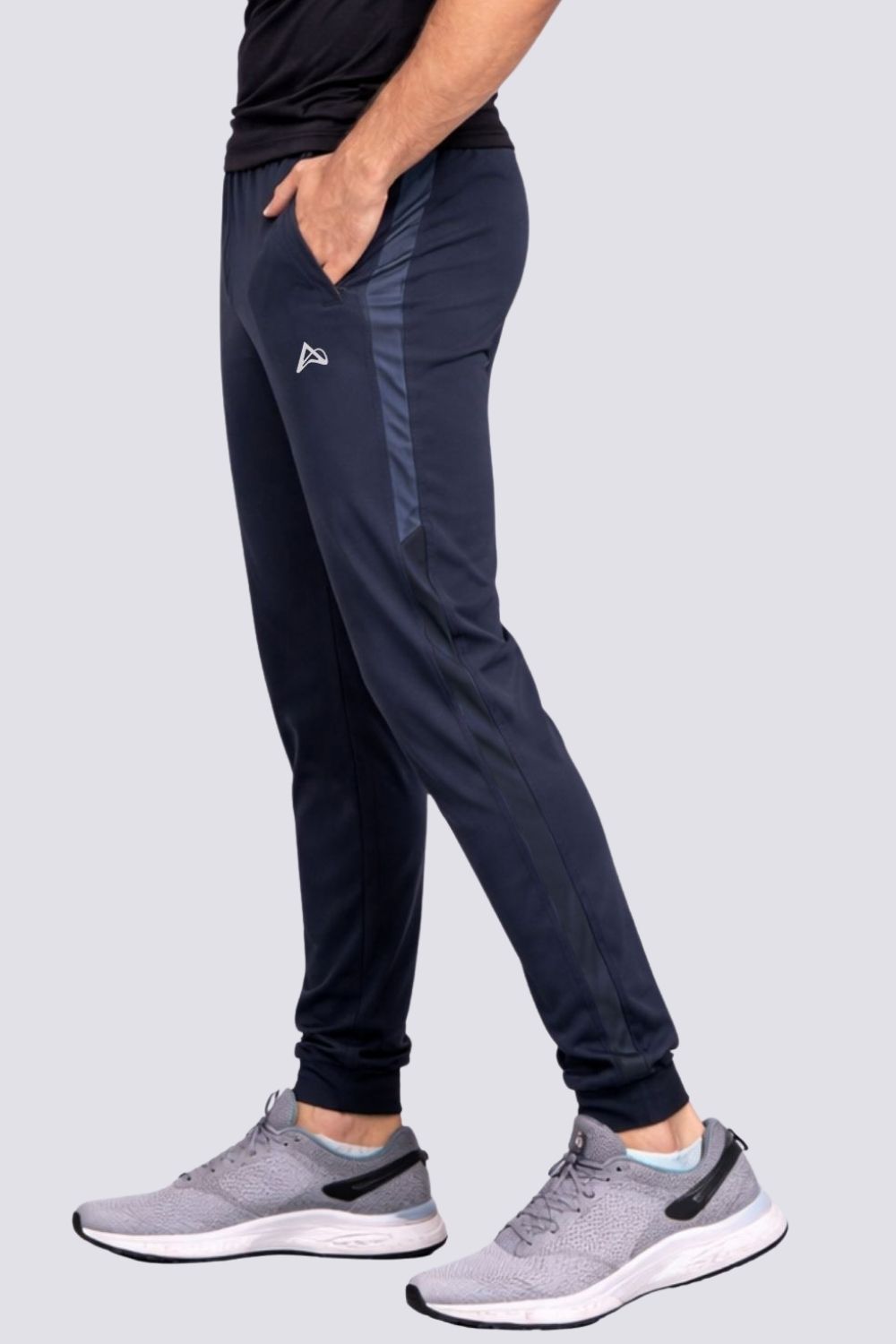


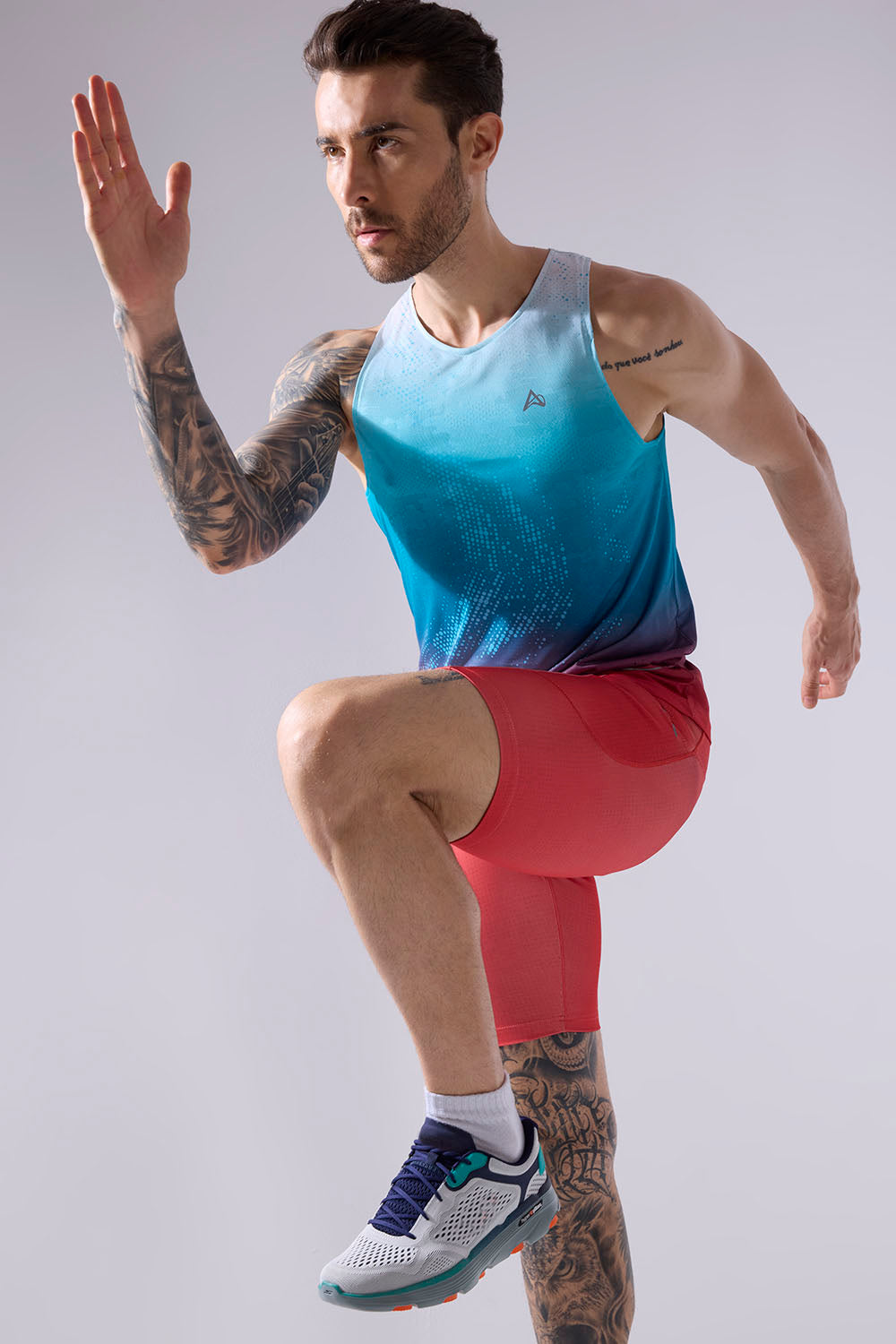

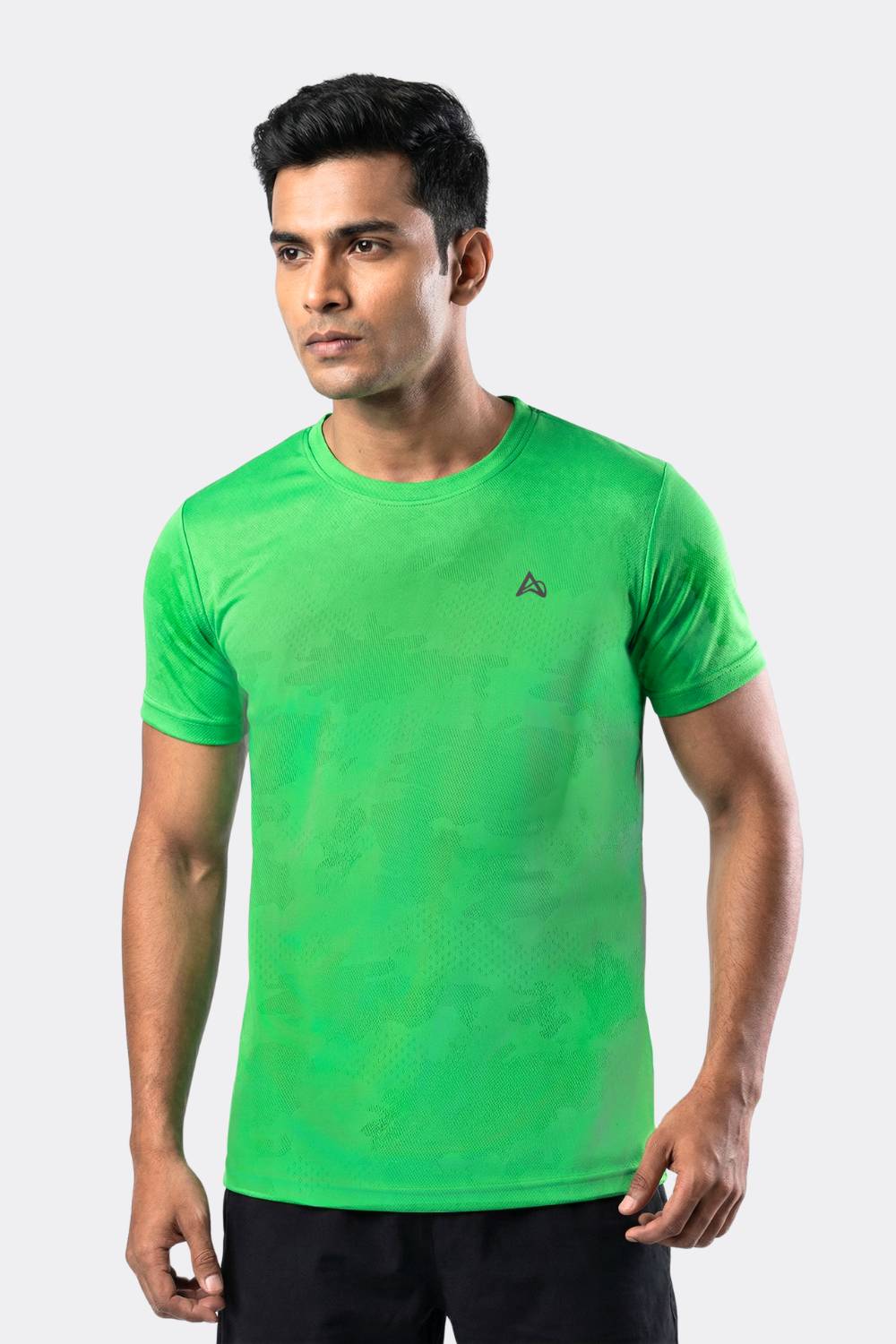
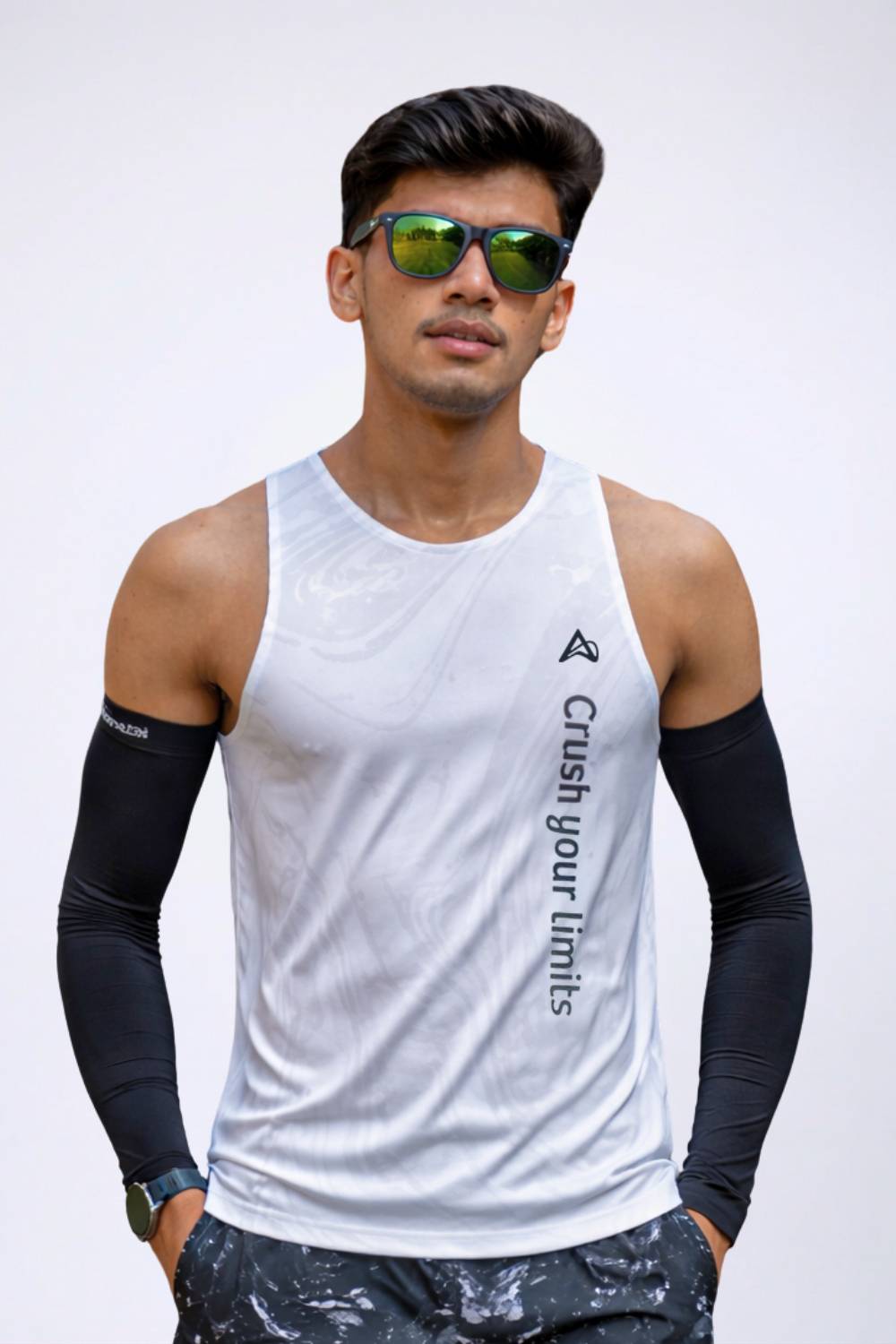

In the sticky pre-monsoon mornings of Bangalore or the humid evenings along Mumbai's Marine Drive, runners know the drill all too well. The singlet that felt perfectly fine during the first easy kilometer turns into a soggy, clinging distraction by the fifth. Sweat builds up, fabric rubs, and what began as a smooth flow state quickly becomes an exhausting battle against discomfort. For runners navigating India's most humid urban environments, the right singlet is far more than simple apparel it becomes the quiet advantage that lets you keep pushing instead of cutting the run short.
Singlet designs that enhance comfort in high humidity matter more in these conditions than almost anywhere else. Cities like Bangalore, Hyderabad, Mumbai, Pune, Navi Mumbai, Delhi, Gurugram, Surat, and Ahmedabad deliver not just heat but oppressive humidity that challenges every stride. Standard singlets built for drier climates trap moisture, limit breathability, and quietly drain motivation. Thoughtfully engineered alternatives flip that experience entirely.
Tired of gear that slows you down? Chafing, soggy fabrics, and missing pockets kill your run's momentum. At Aguante, we're runners who get it. Our high-performance activewear features moisture-wicking fabrics, ergonomic designs, and smart storage to keep you focused. Shop Now!
Why High Humidity Demands Specialized Singlet Design
Runners across these cities face a distinct mix of heat, lingering moisture, and demanding urban routes. Sweat refuses to evaporate cleanly in the thick air, creating that heavy, uncomfortable layer that disrupts rhythm, focus, and ultimately performance. Many conventional singlets, originally cut for temperate weather or basic use, saturate quickly. The outcome is familiar to anyone who has trained through a humid spell: chafing under the arms, skin irritation across the chest, and a growing mental burden that pulls attention away from pace and form.
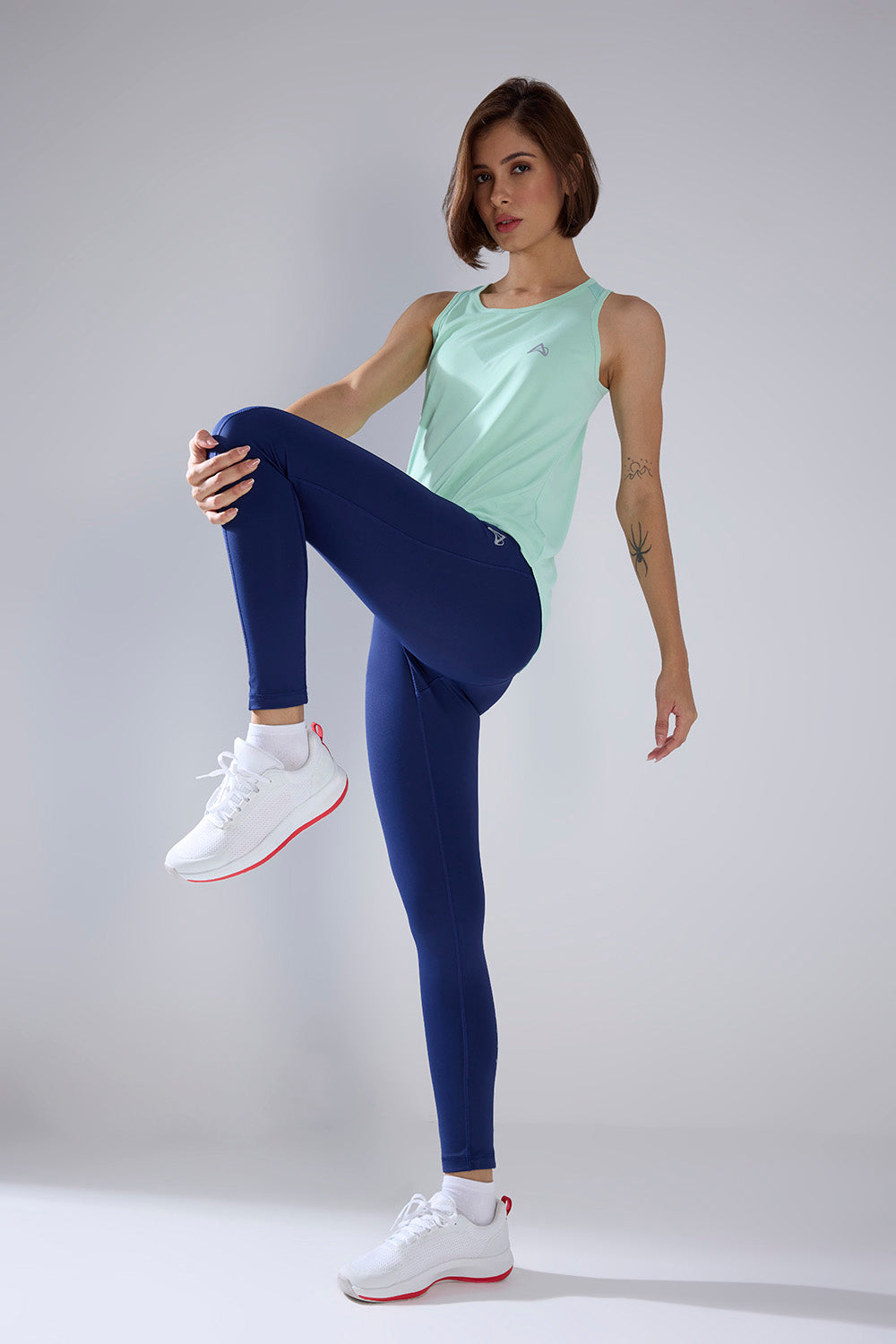
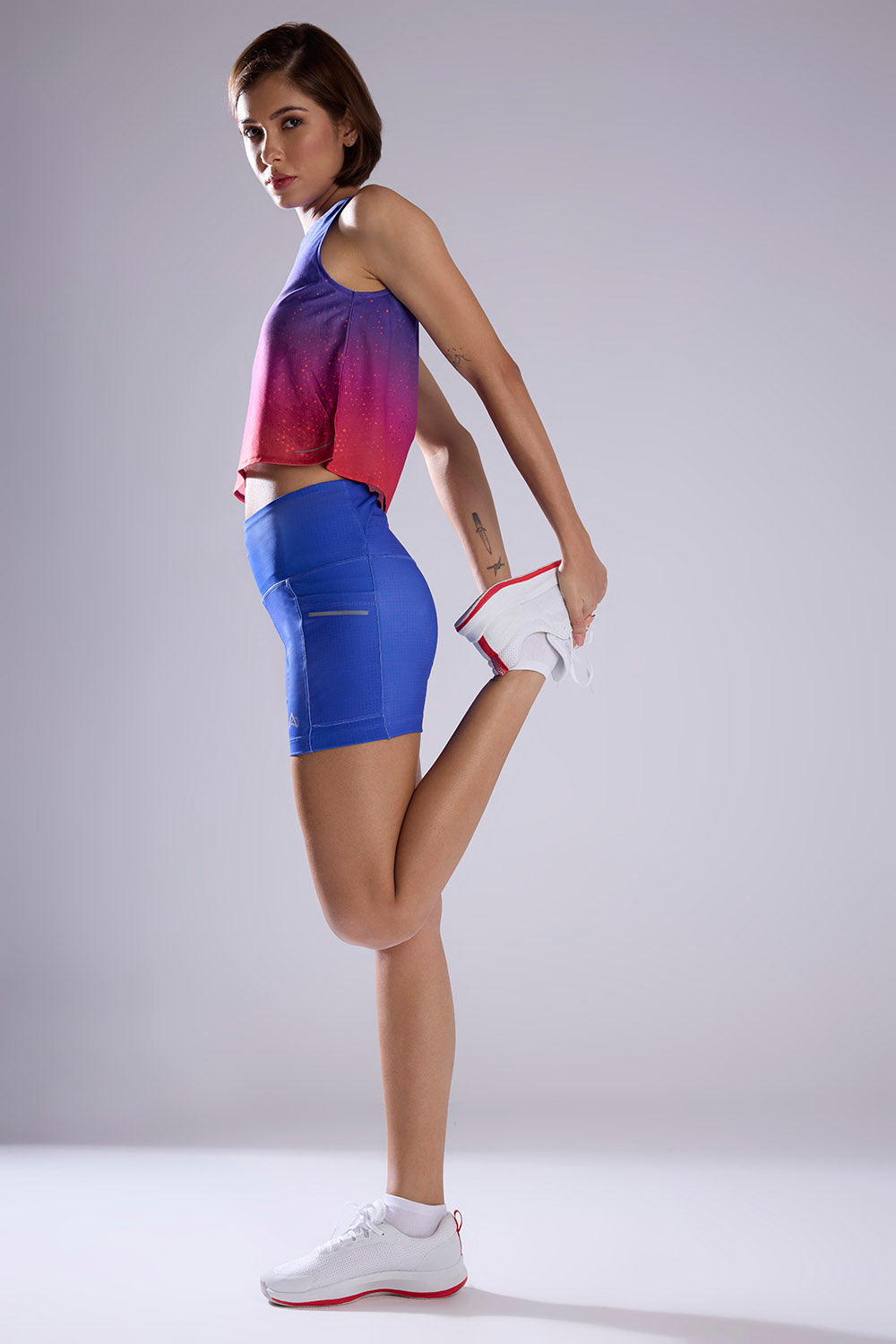
Aguante takes a different path. As an Indian activewear brand established in 2018 and crafted by runners for runners, the company tests every detail on the exact roads, trails, and conditions these cities present. Their singlets focus on features that deliver genuine solutions: advanced moisture-wicking fabrics that rapidly pull sweat away from the skin, strategic mesh panels for superior airflow, and lightweight construction that virtually disappears once you settle into your stride.
Essential Design Features for Humid Indian Conditions
Effective humidity-adapted singlets share several intelligent characteristics. Fabric selection stands above all else. Moisture-wicking materials specifically engineered for tropical climates draw perspiration outward and promote fast evaporation, helping runners stay drier and more comfortable for longer. In cities like Hyderabad or Surat, where humidity often stays elevated throughout training months, this capability proves essential rather than optional.
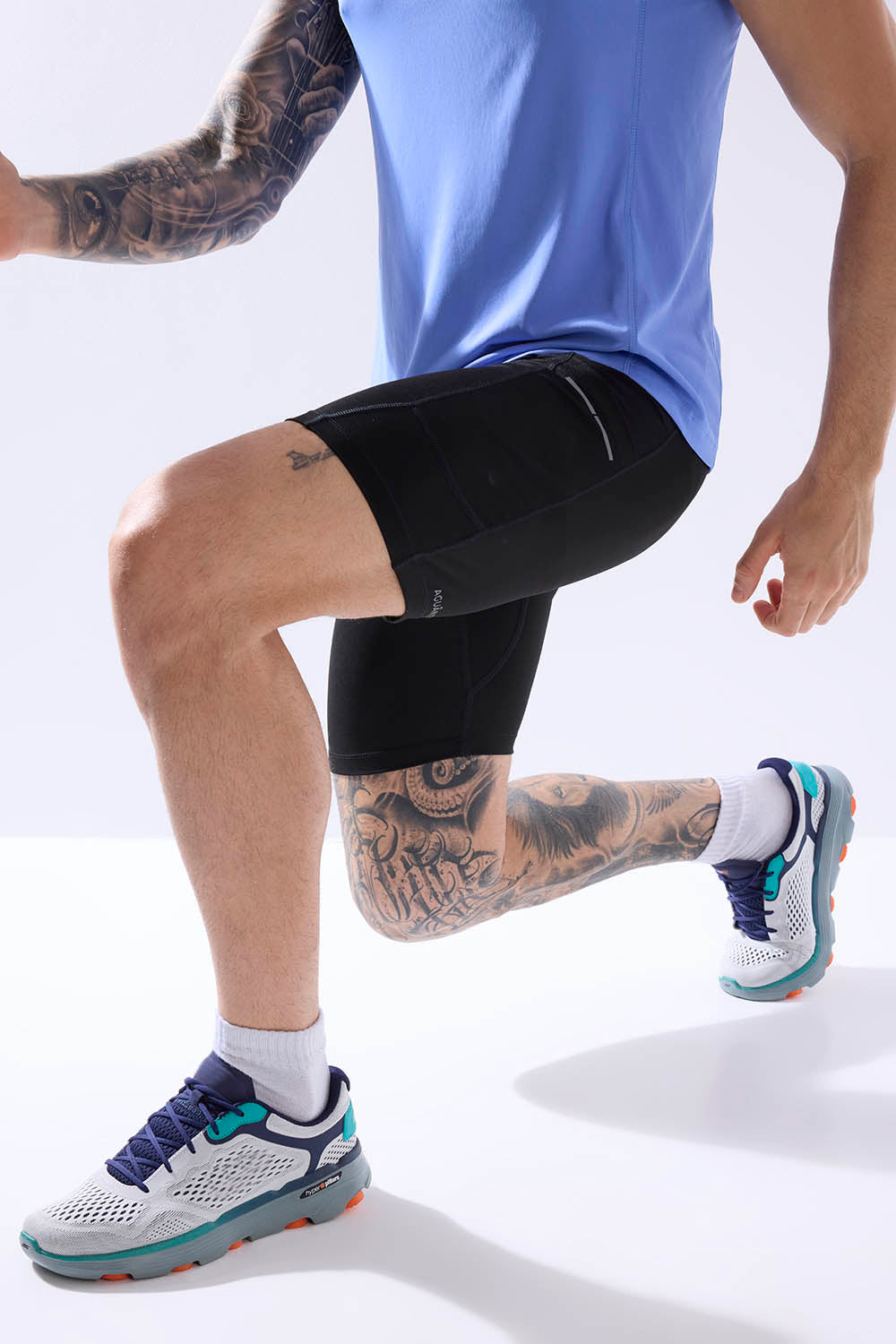
Ergonomic cutting also plays a crucial role. Slim yet non-restrictive fits minimize fabric bunching during movement, while anti-chafing inner linings and thoughtful seamless construction prevent the painful raw spots that can derail even the best-planned long run. Runners based in Pune and Navi Mumbai frequently share how these subtle refinements allow them to forget about their clothing completely and remain fully locked into the workout itself.
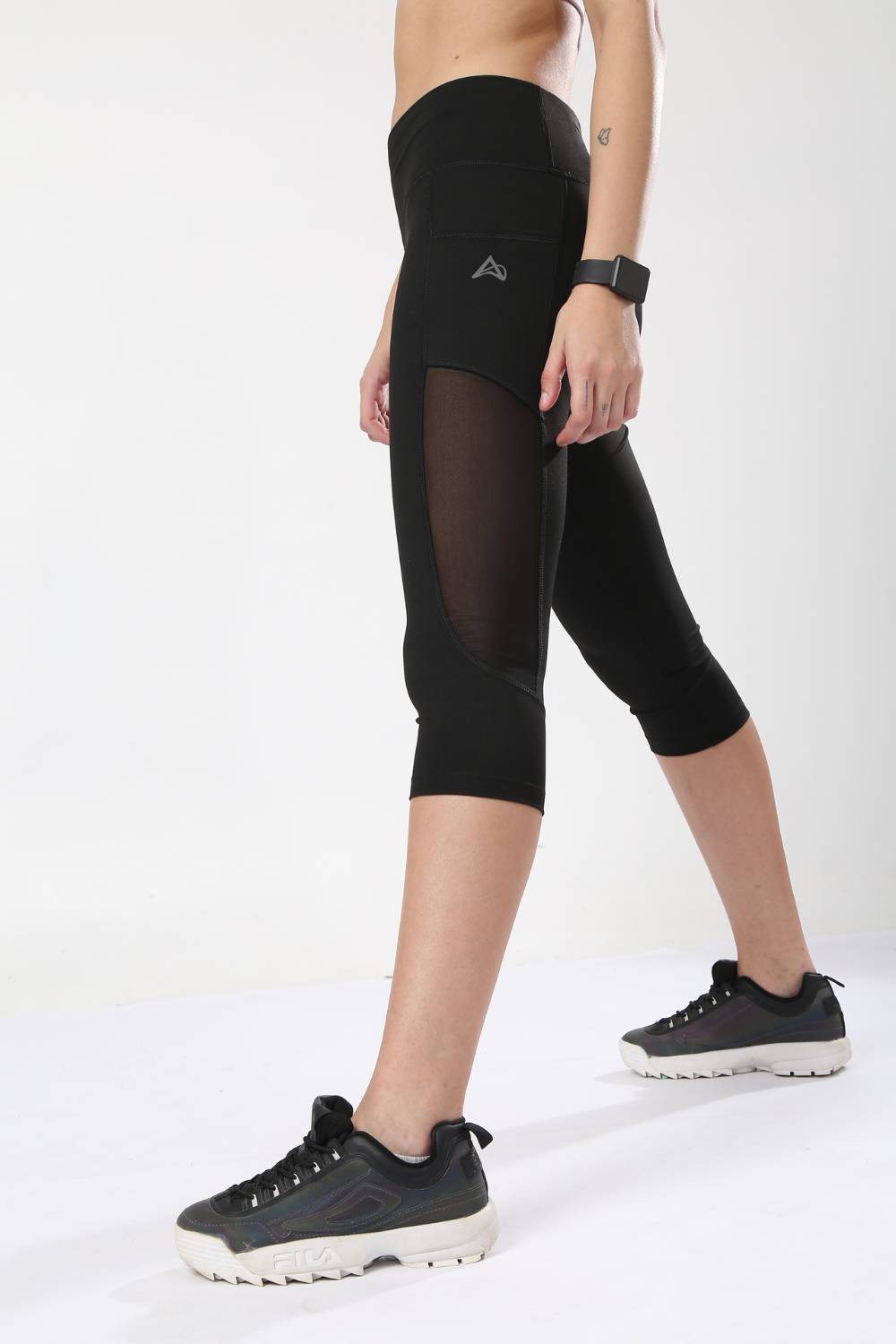
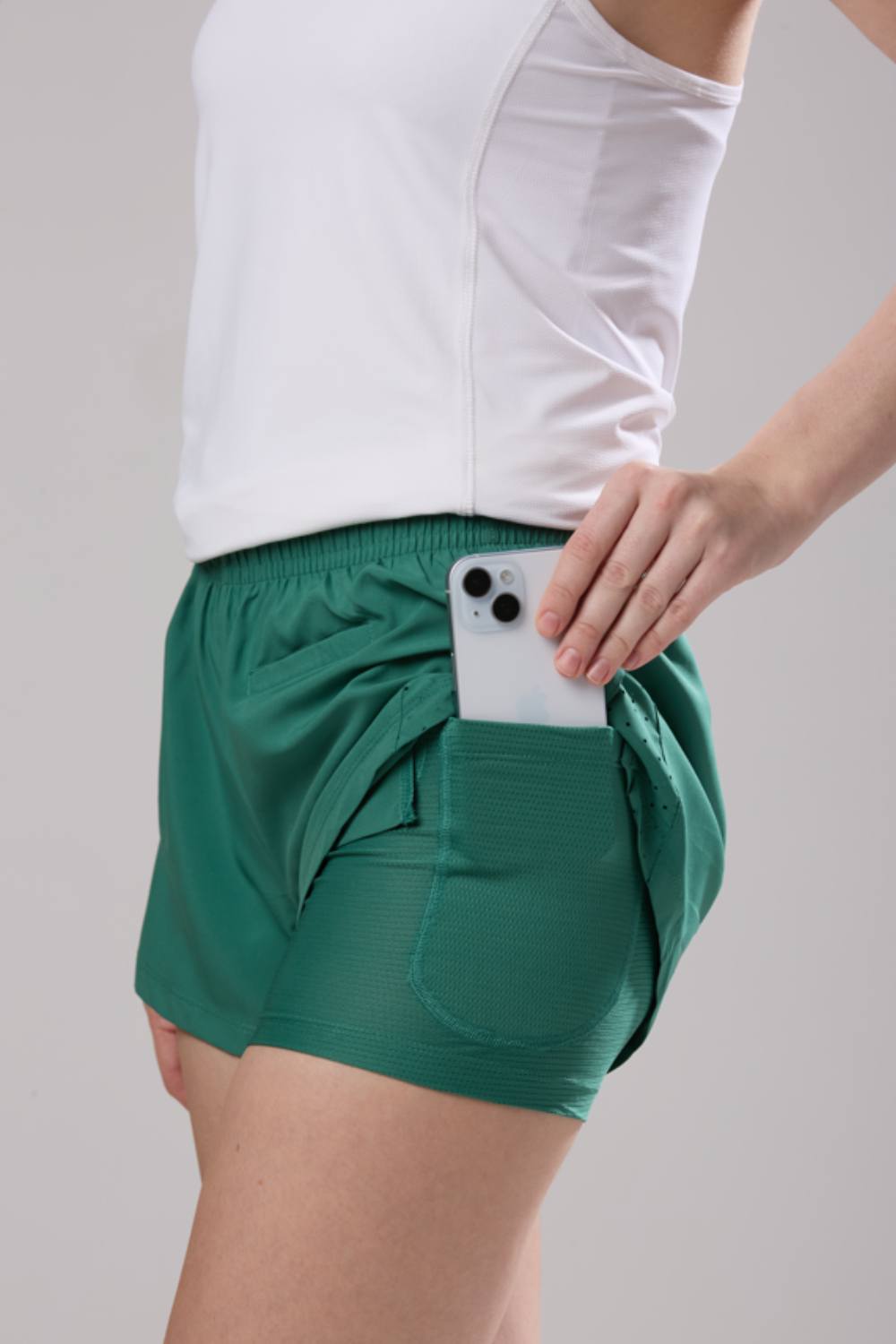
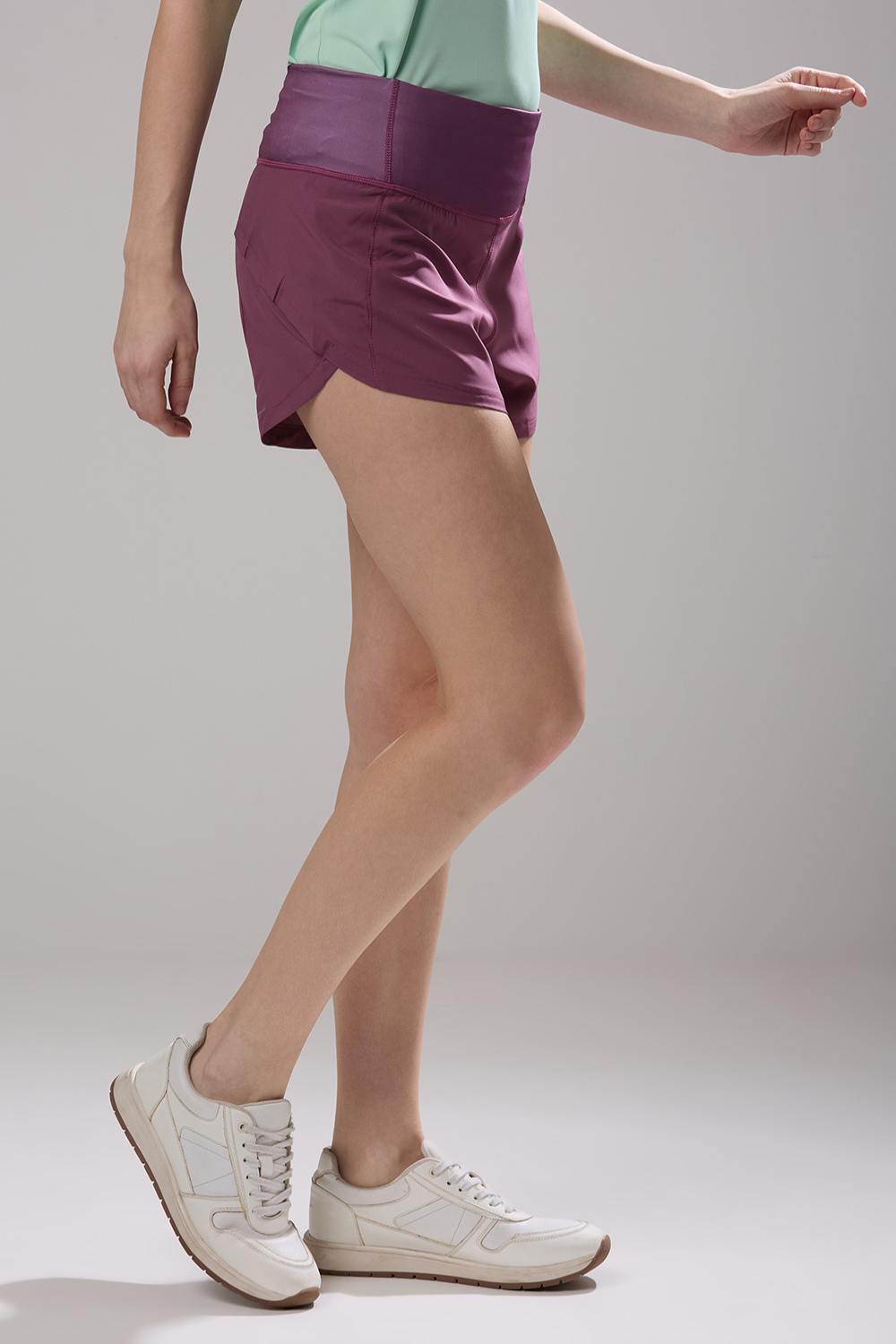
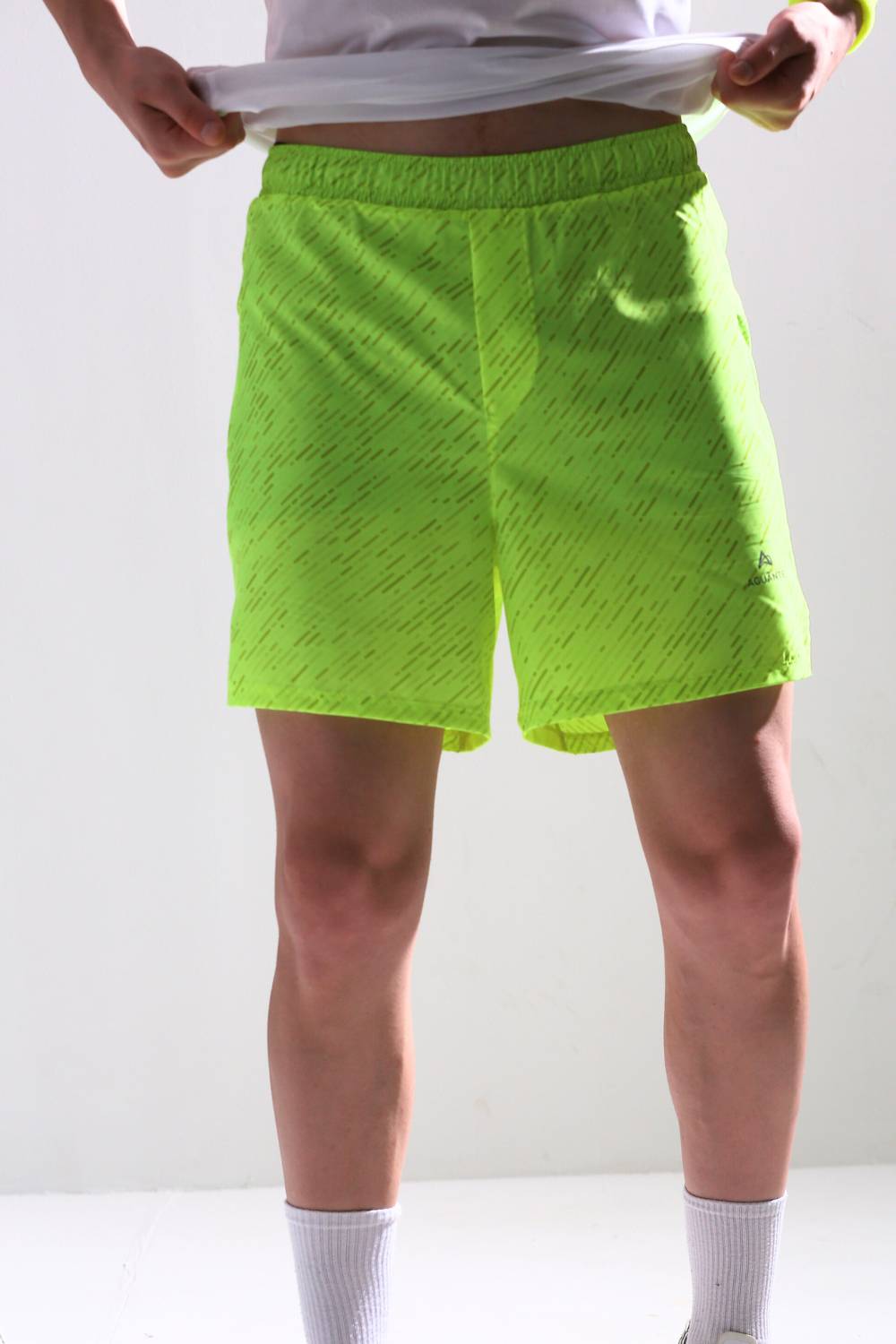
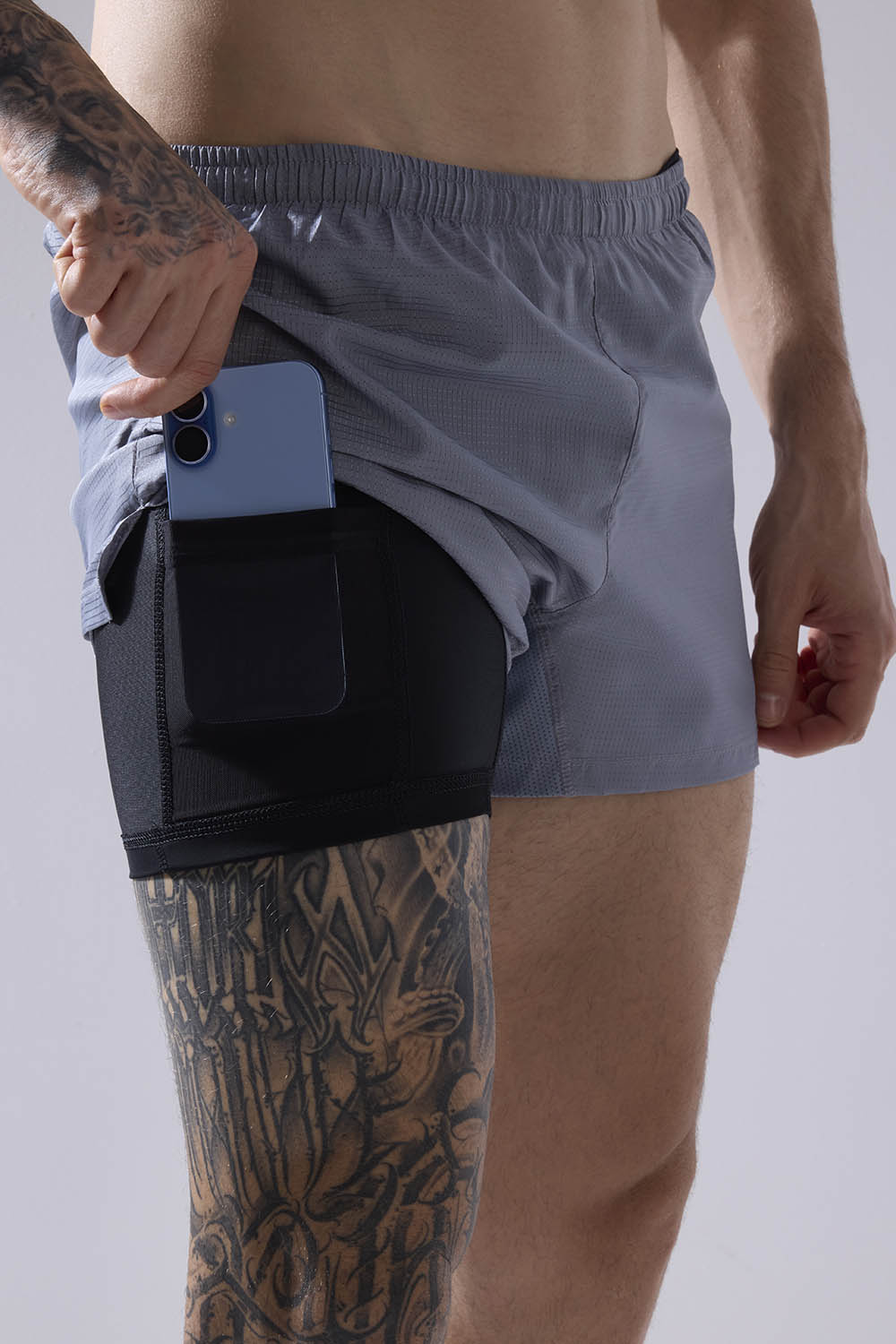
Practical touches further elevate the overall experience. Reflective elements boost visibility during early morning or late evening sessions on busy Indian city streets. Secure, bounce-free pockets provide convenient storage for gels, keys, or phones without the usual irritation. These details reflect runner-informed thinking developed specifically for local conditions rather than generic activewear templates.
Real-World Experiences from Indian Running Communities
Stories from active running groups across the country illustrate the difference best. In Bengaluru, marathon participants consistently report noticeably reduced skin irritation during demanding training blocks when using humidity-optimized singlets featuring specialized linings. The contrast often becomes clear after 15 to 20 kilometers, when others begin adjusting straps and dealing with growing discomfort.
Hyderabad's committed running clubs have steadily adopted locally designed singlets for their regular early morning sessions. Coaches observe meaningful improvements in sustained comfort during longer efforts, enabling members to hold consistent pacing even as the heat and humidity rise. Runners in Mumbai and Pune regularly exchange observations about moisture retention, noting how standard sportswear tends to hold onto sweat while climate-adapted designs help them move with greater freedom.
In Delhi and Gurugram, where monsoon humidity can feel particularly intense, performance remains steadier when wearing breathable, quick-drying fabrics. Many describe their ability to complete back-to-back quality sessions instead of needing extra recovery time from clothing-related issues.
Current Trends Shaping Running Singlets in Humid Climates
Indian runners are steadily shifting away from generic activewear toward gear purposefully built for their everyday reality. Moisture management leads discussions, yet it pairs naturally with broader thoughtful design elements reduced weight, enhanced airflow, and features that respect the specific demands of urban training in variable conditions.
Regional preferences emerge clearly across these major centers. Urban runners increasingly prioritize genuine function over purely aesthetic appeal. They seek singlets that deliver reliable performance through extended humid training periods, wash cleanly after tough sessions, and maintain quality run after run. This evolution signals a deeper appreciation that high-performance running apparel should function as a natural extension of the body rather than an additional burden.
Key Challenges in Developing Effective Humid-Weather Singlets
Designing truly effective singlets for these environments involves real complexities. Creators must carefully balance maximum breathability with sufficient durability to withstand repeated washing cycles and the occasional contact with rough surfaces. Fabric sourcing decisions carry significant weight materials need to manage heavy sweat volumes without losing shape or developing unwanted odors over time.
Consumer education remains equally important. In places like Ahmedabad and Surat, many runners continue discovering the clear advantages of functional, purpose-driven design compared to basic looks alone. Once they experience the difference firsthand during a challenging humid outing, the preference usually becomes permanent. Because humidity levels vary across regions, adaptable designs that perform consistently matter most.
Business and Performance Benefits of Climate-Specific Innovation
When activewear brands commit to climate-specific development, the advantages extend to everyone involved. Runners gain better experiences with fewer distractions, which supports more consistent training and deeper enjoyment of the sport. Companies that genuinely listen to local runner feedback tend to earn stronger loyalty within communities that prize authenticity and real-world relevance.
Aguante demonstrates what becomes possible when product development begins with Indian realities instead of simply adapting overseas templates. The brand's emphasis on local testing, direct input from runners, and fair pricing highlights a practical approach that delivers gear genuinely designed to make every run feel better staying true to its core mission.
Practical Guidance for Selecting Your Next Running Singlet
Runners training regularly in humid cities should focus on these proven priorities when choosing new singlets:
- Superior moisture-wicking fabric engineered to handle tropical sweat loads effectively
- Strategic ventilation panels positioned at key heat-generation zones
- Anti-chafing construction paired with comfortable, runner-tested fits
- Practical features including reflective details and functional secure pockets
- Proven durability that stands up to frequent training and laundry cycles
Whenever possible, test options during actual humid conditions before making a final decision. Many runners in these cities only identify their ideal singlet after direct comparison across several real training runs. The right choice quickly becomes the one you automatically reach for before every session.
Looking Forward for Runners Across India
As running culture continues to strengthen in Bangalore, Hyderabad, Mumbai, Pune, Navi Mumbai, Delhi, Gurugram, Surat, Ahmedabad, and many other centers, the call for climate-smart apparel grows steadily stronger. Runners are growing more selective, actively seeking products that respect their unique environment and genuinely support their ambitions.
Locally developed singlets offer something deeper than improved clothing alone. They represent meaningful respect for the distinct challenges Indian runners encounter every day. When gear comes from people who truly understand the heat, the humidity, and the roads, that knowledge translates into every single kilometer covered.
The next time you prepare for a run in sticky, demanding conditions, keep this in mind: the right singlet does far more than simply cover you. It frees your attention to focus on exactly why you run in the first place. Comfortable, capable, and intelligently engineered for these precise moments that remains the standard truly worth pursuing.
Frequently Asked Questions
What features should I look for in a running singlet for high humidity conditions in Indian cities?
For humid environments like Bangalore, Mumbai, or Hyderabad, prioritize singlets with advanced moisture-wicking fabrics engineered for tropical sweat loads, strategic mesh ventilation panels, and anti-chafing seamless construction. Practical additions like reflective elements for early morning visibility and secure bounce-free pockets further enhance the experience. The goal is gear that virtually disappears once you're moving, keeping your focus on the run rather than the discomfort.
Why do standard running singlets fail in humid climates like Mumbai or Hyderabad?
Conventional singlets designed for temperate or drier climates saturate quickly in high humidity because sweat cannot evaporate cleanly in thick, moisture-laden air. This leads to fabric clinging to the skin, chafing under the arms and across the chest, and a growing mental burden that disrupts pace and form. Singlets purpose-built for tropical conditions use specialized fabrics and ergonomic cuts to actively manage moisture rather than trap it.
Are there running singlets specifically designed for Indian weather and urban training conditions?
Yes Indian activewear brands like Aguante, established in 2018, develop singlets tested directly on Indian roads, trails, and climate conditions rather than adapting overseas templates. These locally informed designs address the specific mix of heat, humidity, and urban training demands found in cities like Pune, Delhi, Gurugram, and Ahmedabad. Runners who switch to climate-adapted singlets typically notice the difference most clearly after the 15–20 kilometre mark, when fabric performance separates comfortable runners from those battling discomfort.
Disclaimer: The above helpful resources content contains personal opinions and experiences. The information provided is for general knowledge and does not constitute professional advice.
You may also be interested in: Running Apparel Suited for India's Warm Climate - Aguante
Tired of gear that slows you down? Chafing, soggy fabrics, and missing pockets kill your run's momentum. At Aguante, we're runners who get it. Our high-performance activewear features moisture-wicking fabrics, ergonomic designs, and smart storage to keep you focused. Shop Now!
Powered by flareAI.co