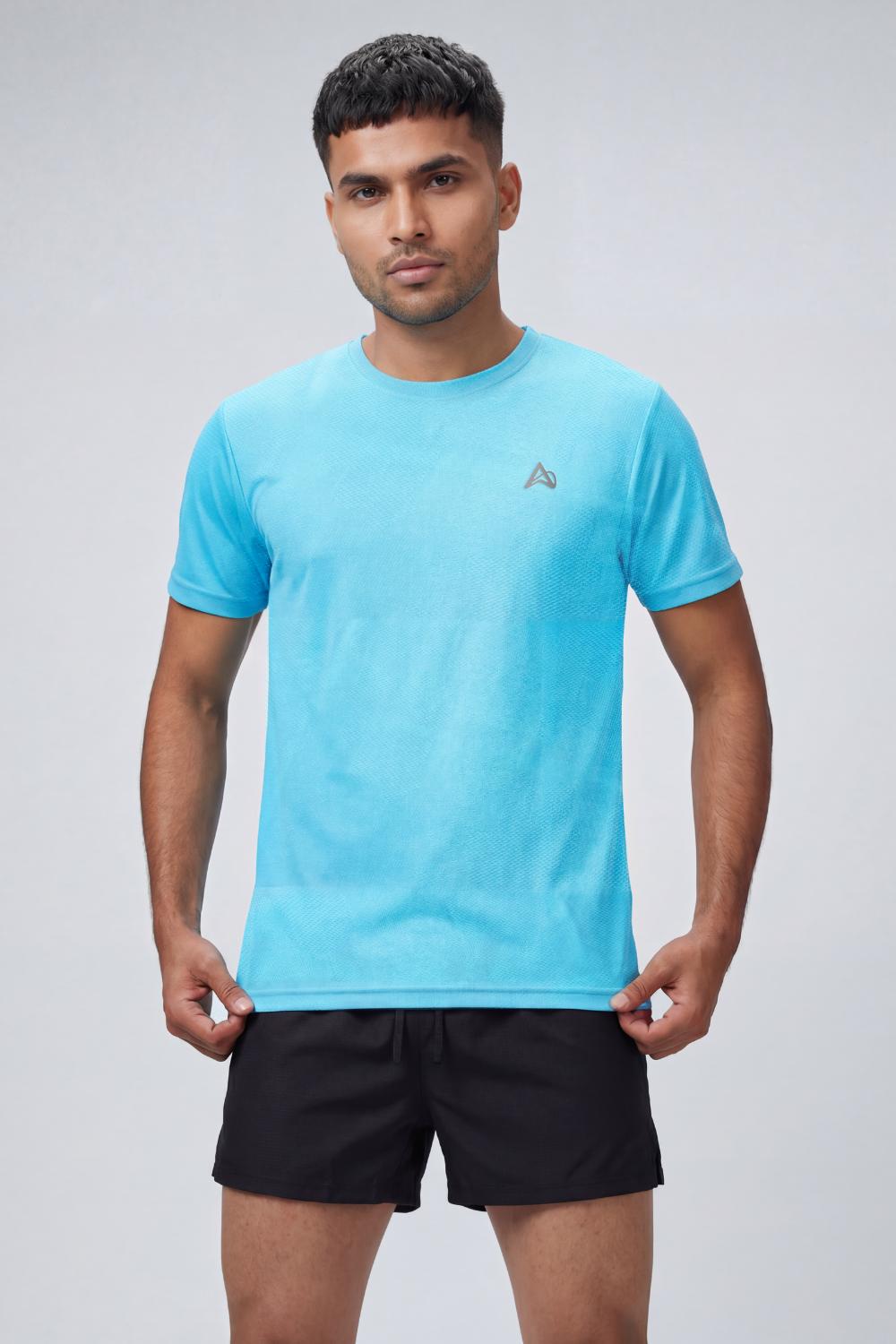
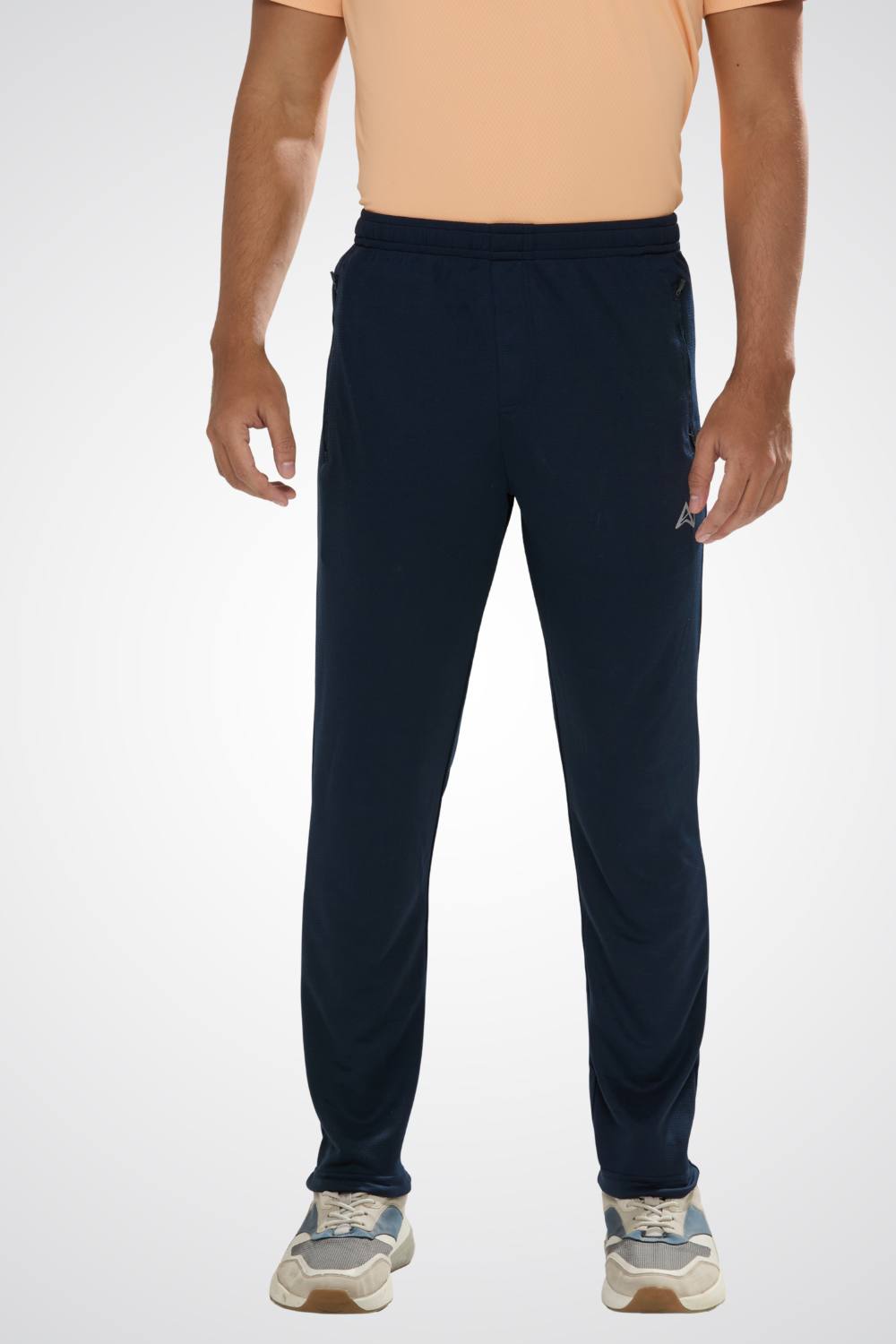
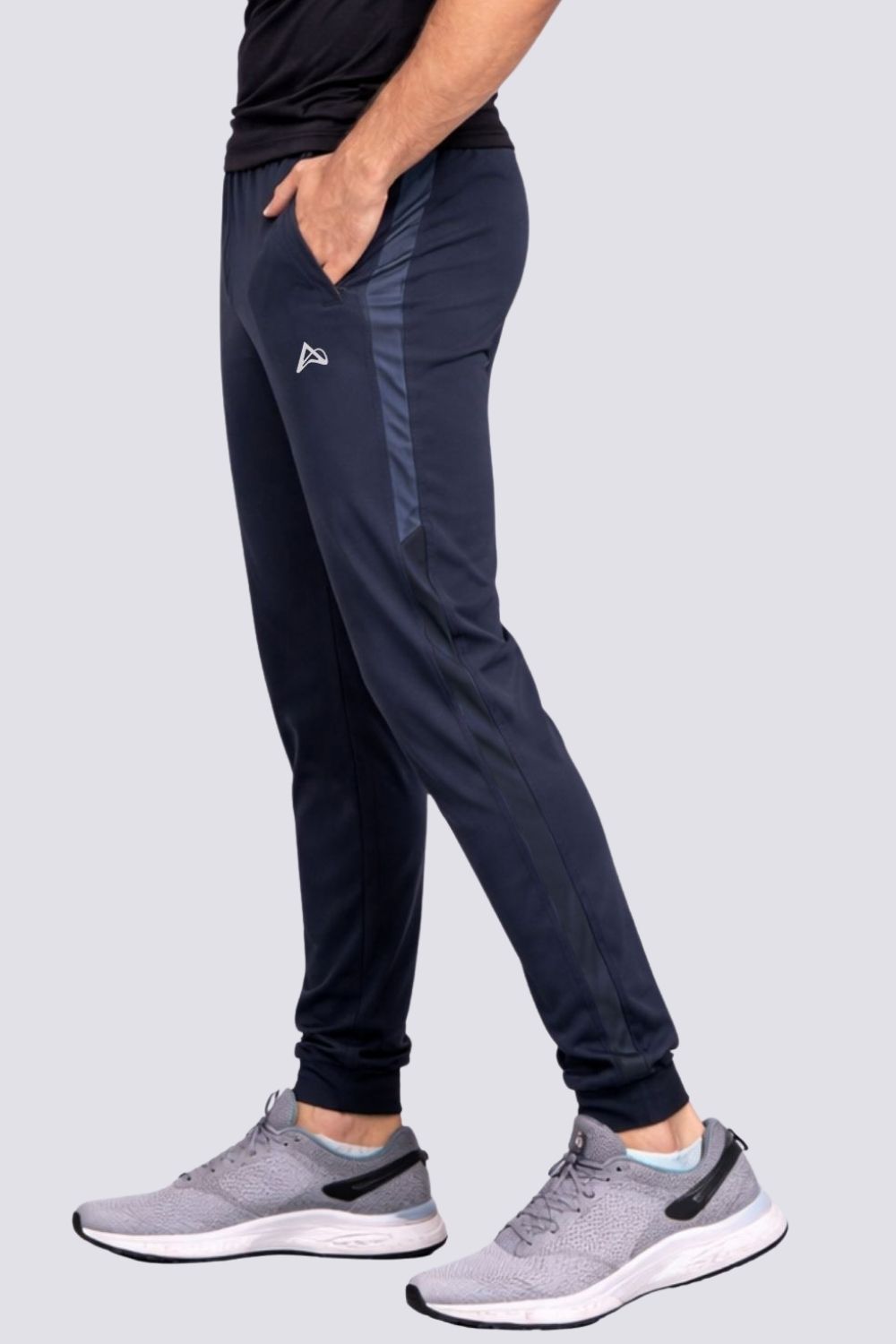
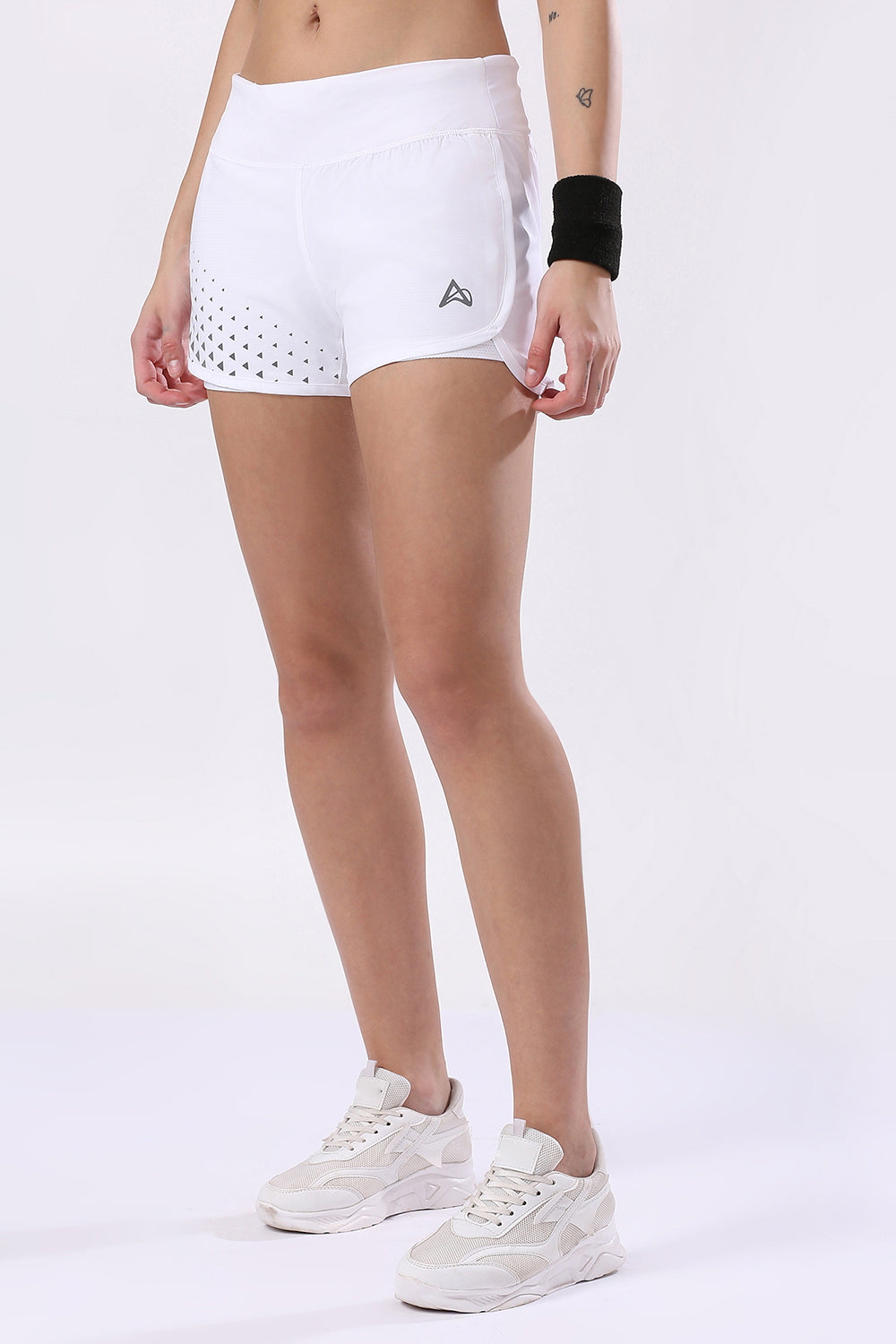




Running Shorts vs Half Tights: What Is the Difference? is a common question for runners deciding what type of lower-body apparel best supports their training. While both options are designed for running, they create a different experience through fit, coverage, movement, and comfort. The right choice depends less on which style is universally better and more on how the garment works with a runner's pace, distance, environment, and personal preferences.
Tired of gear that slows you down? Chafing, soggy fabrics, and missing pockets kill your run's momentum. At Aguante, we're runners who get it. Our high-performance activewear features moisture-wicking fabrics, ergonomic designs, and smart storage to keep you focused. Shop Now!
Understanding the Purpose of Running Shorts and Half Tights
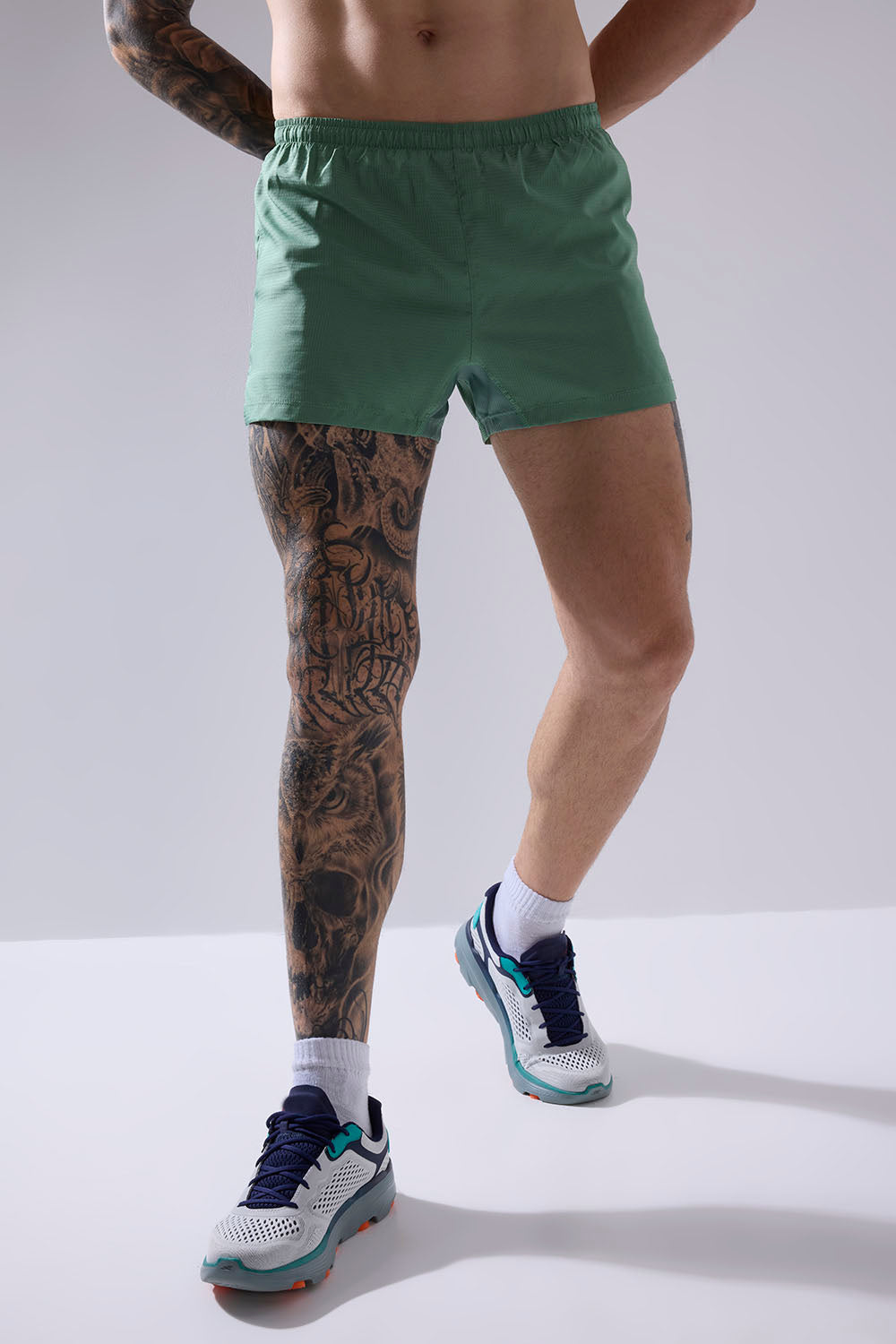
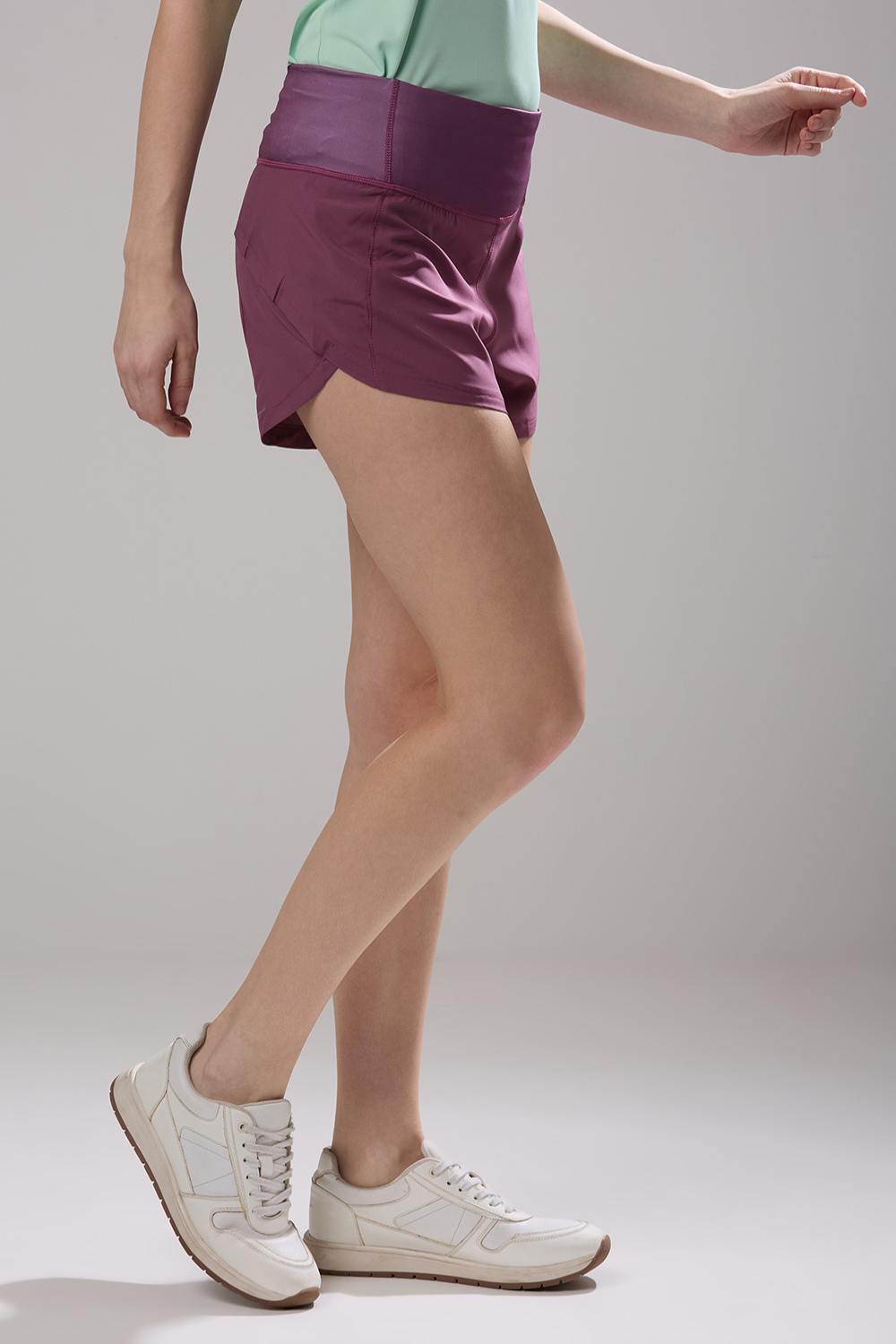
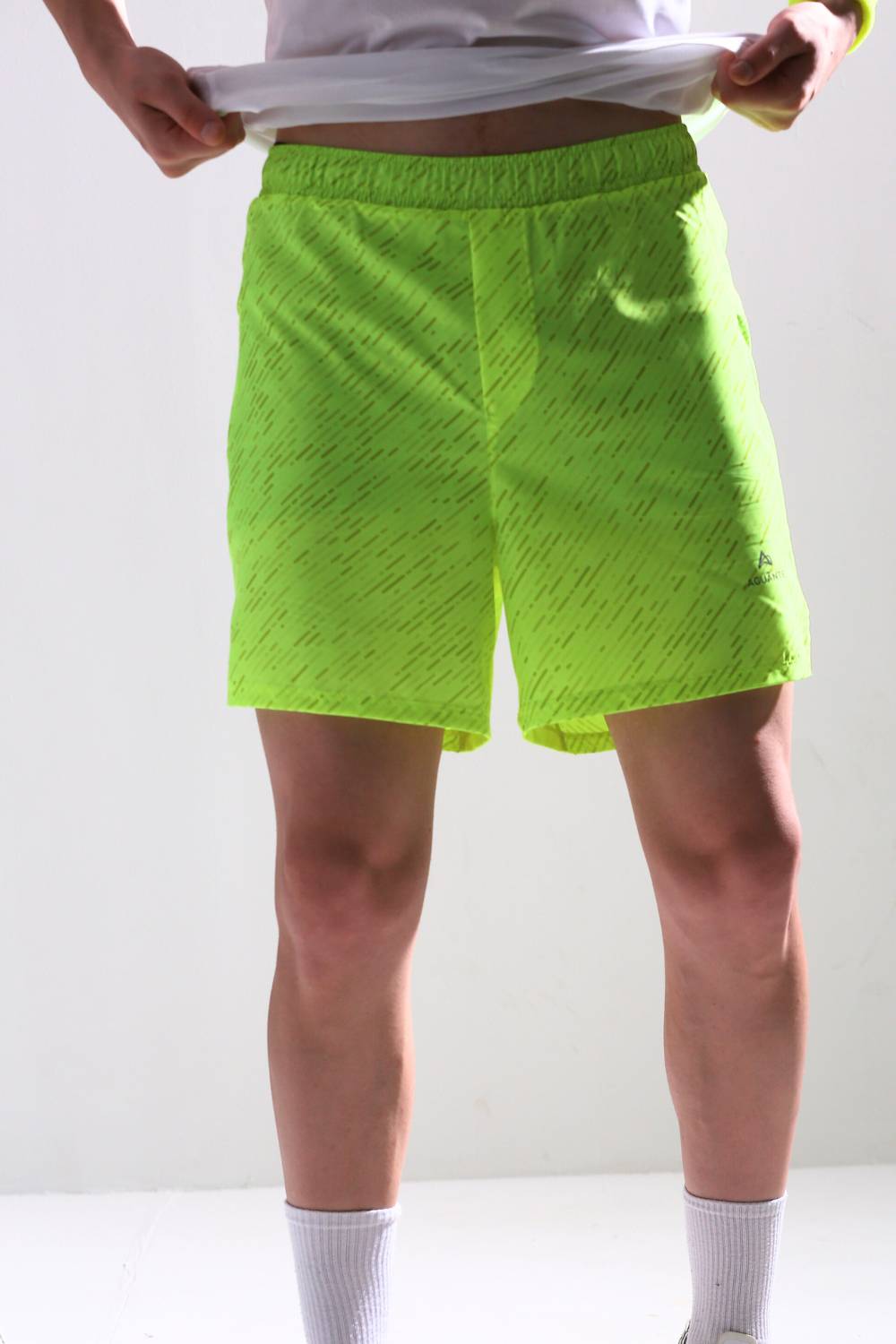
Running shorts have traditionally been designed around freedom of movement, lightweight construction, and ventilation. They allow air to move easily around the legs and often appeal to runners who prefer a minimal feel during workouts, speed sessions, or races. Their loose structure can make them feel unrestricted, especially during warmer conditions or higher-intensity efforts.
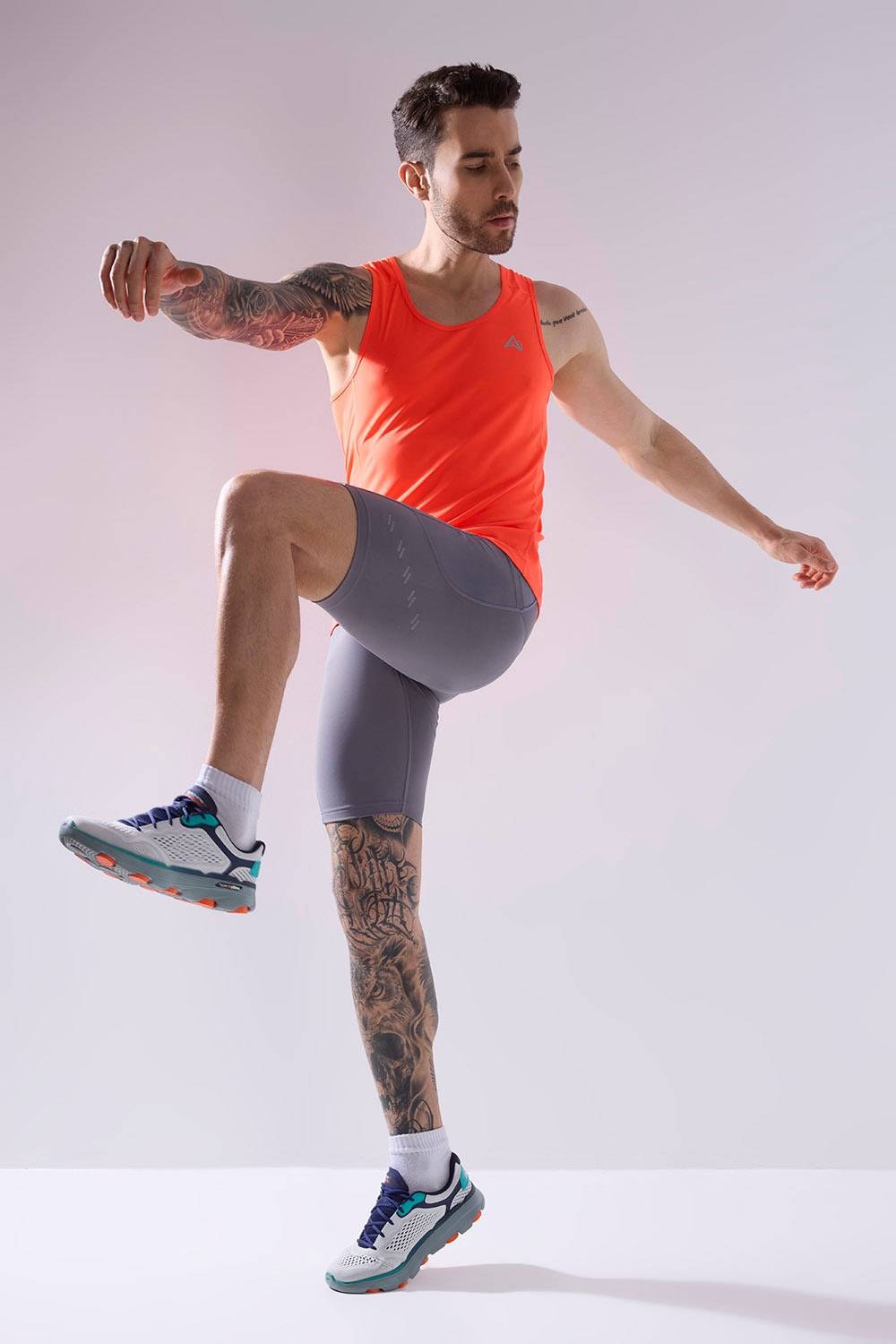
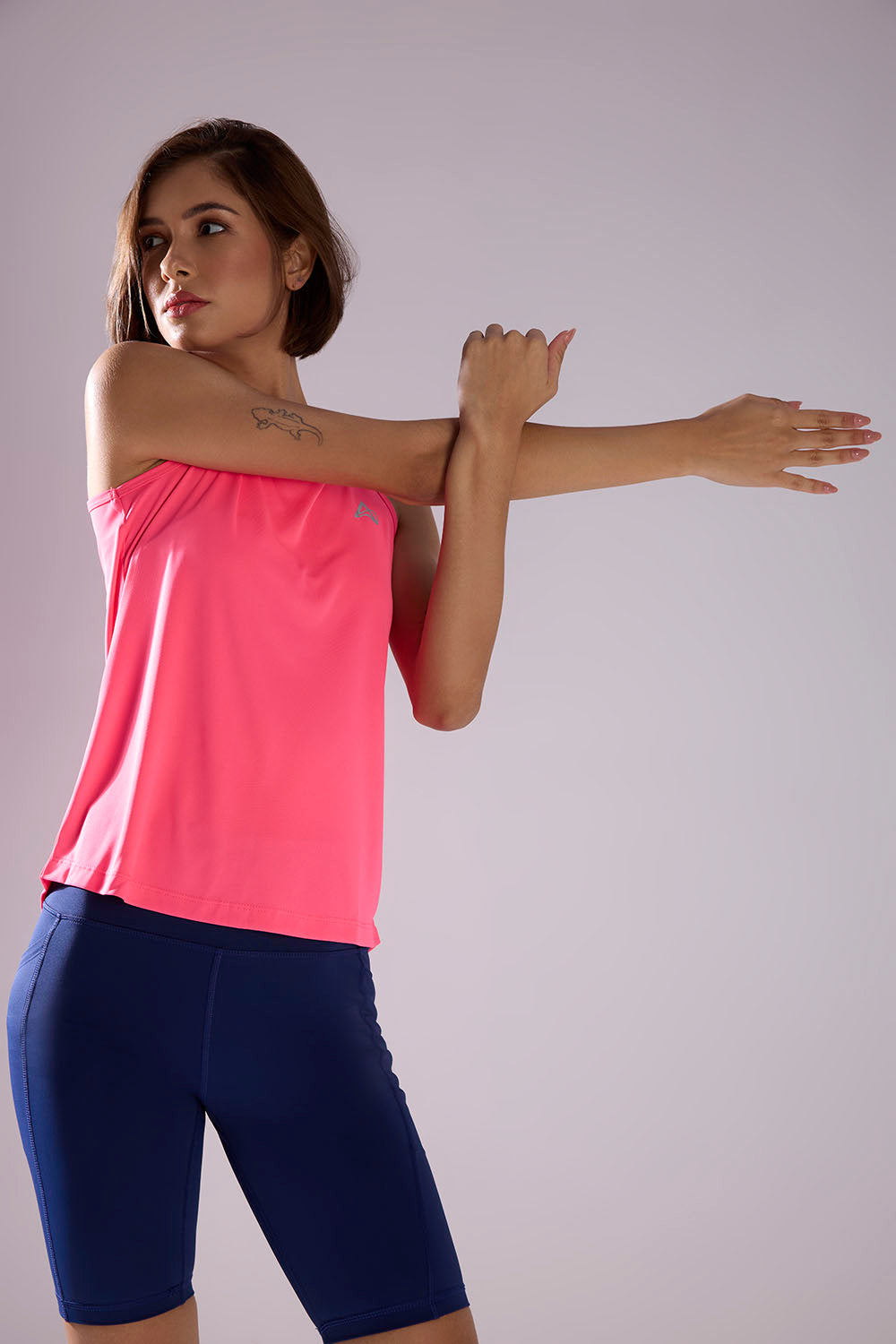
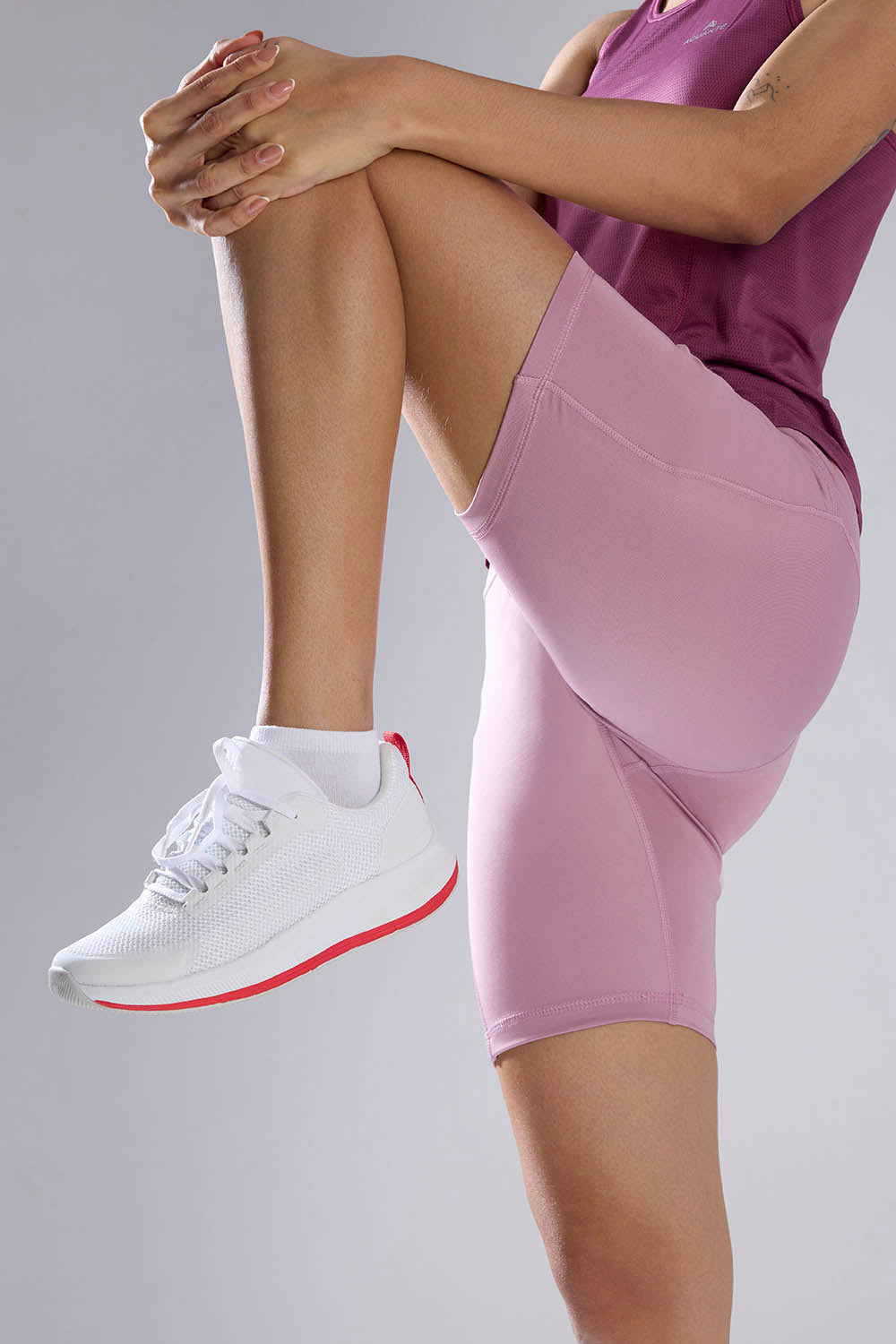
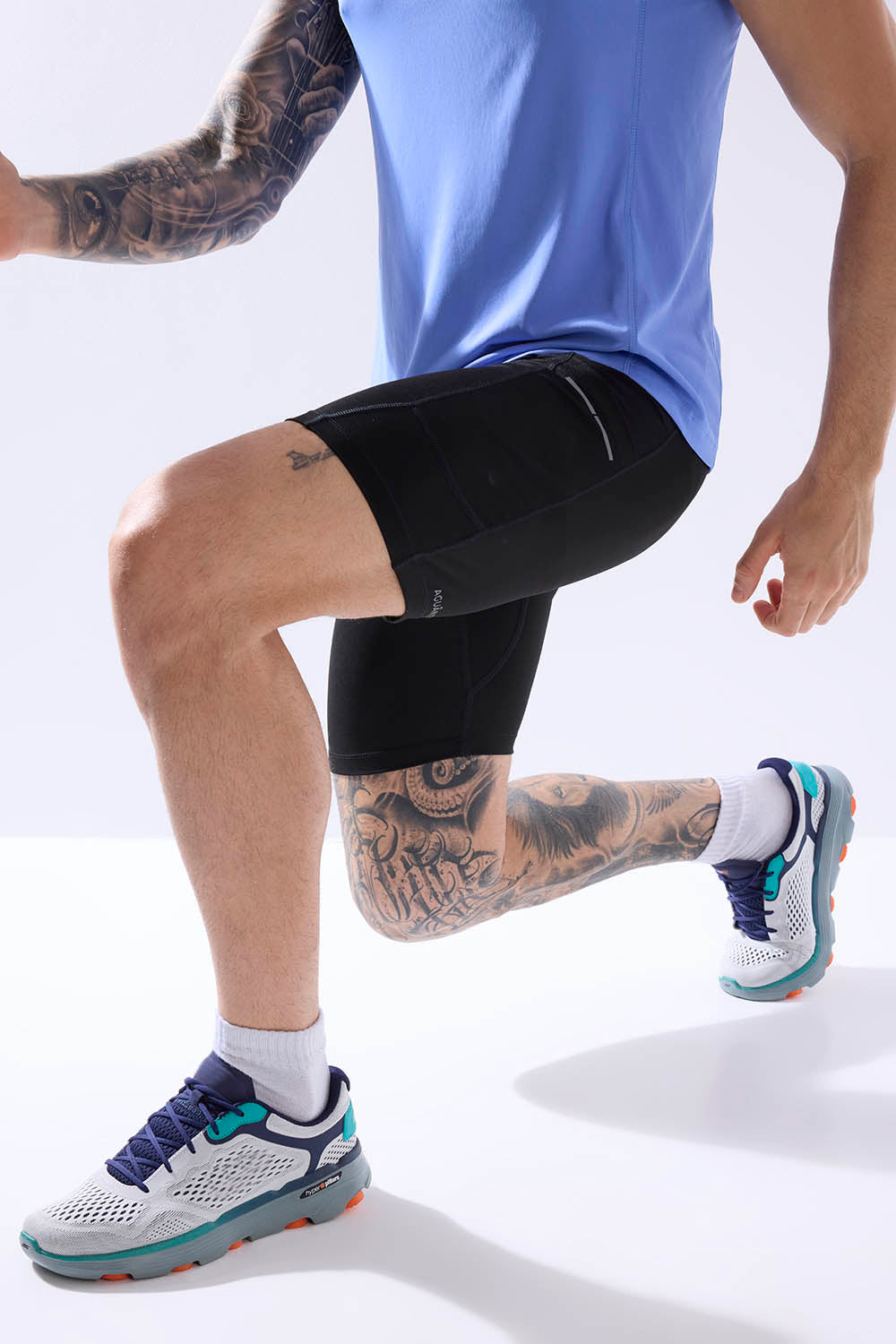
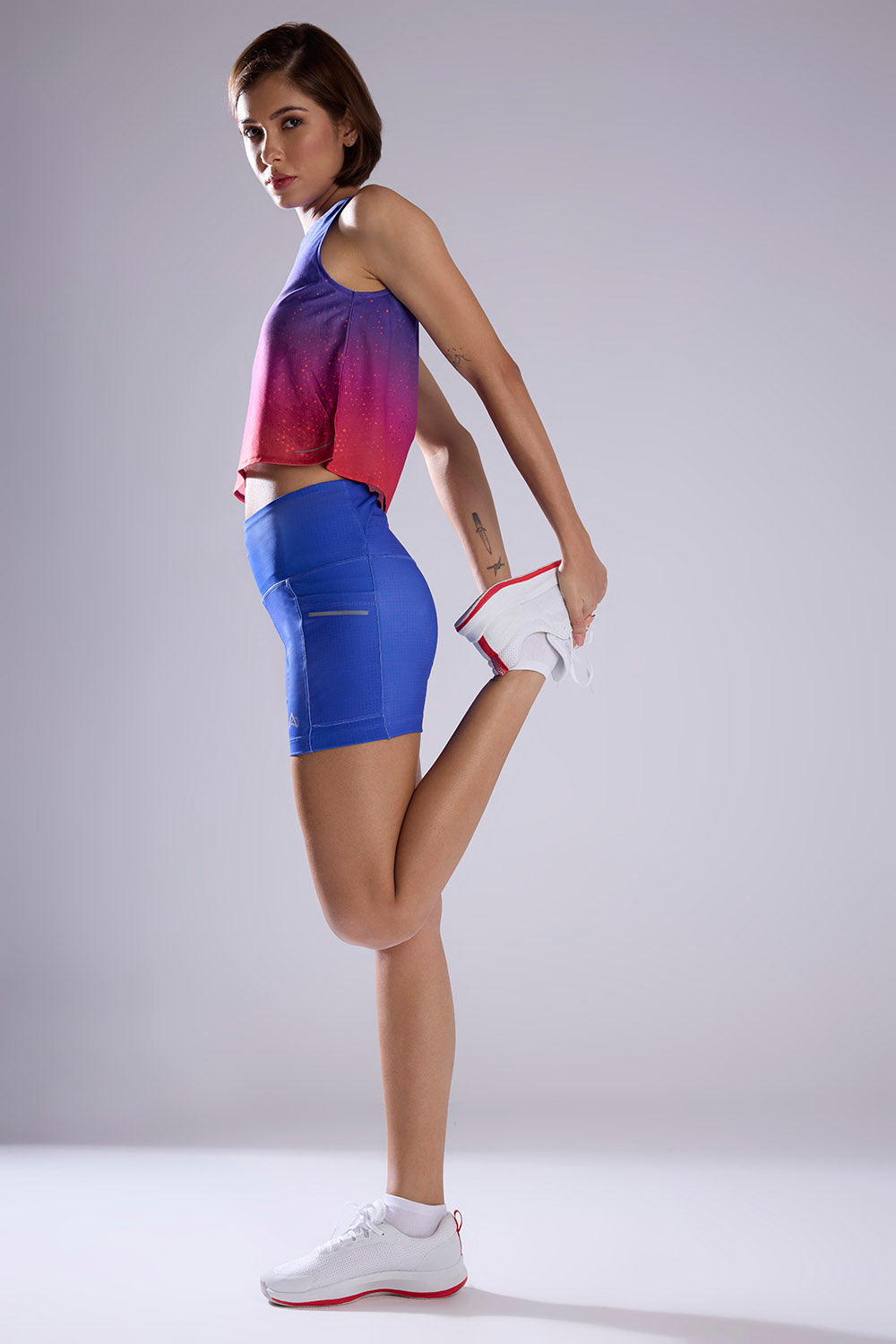
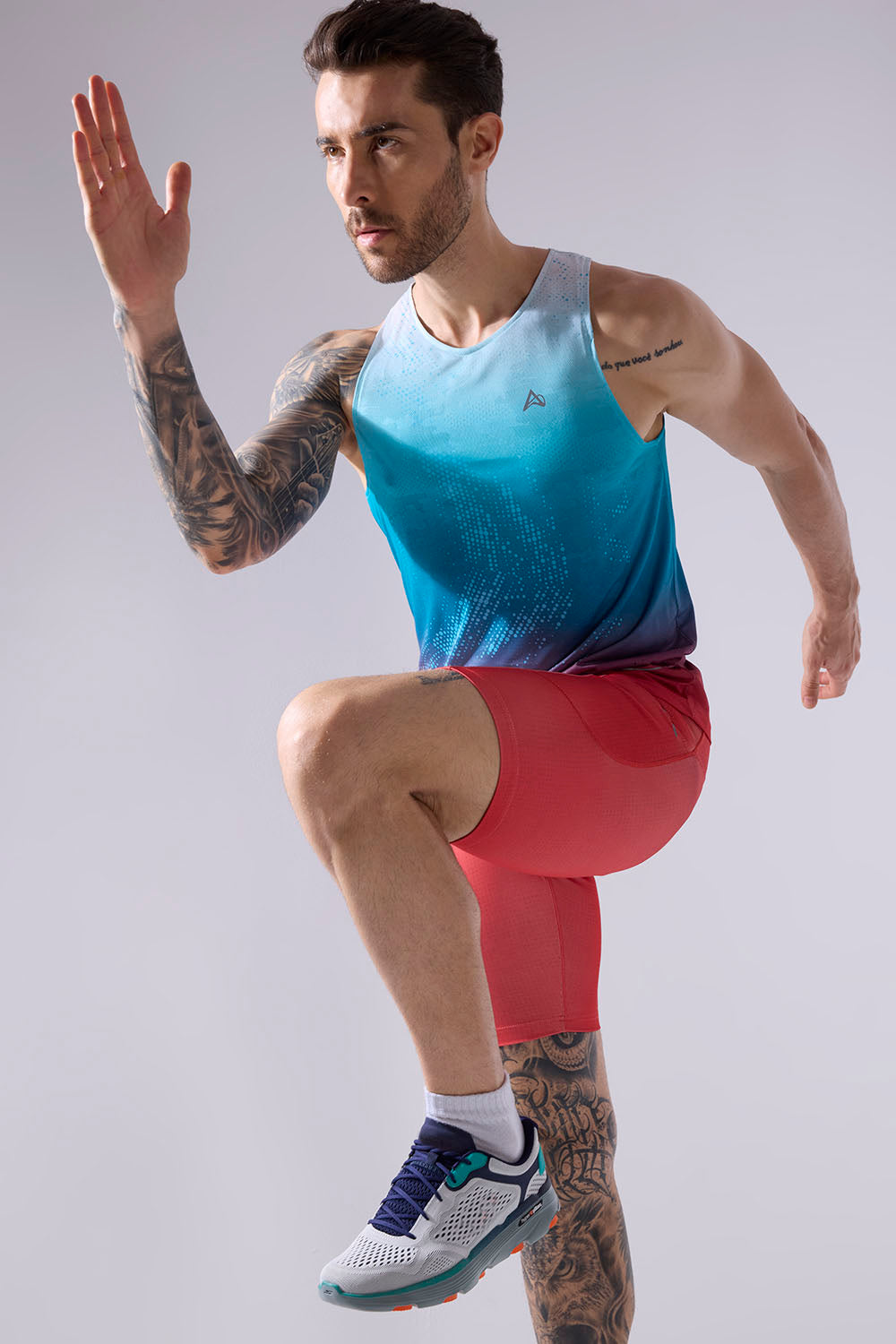
Half tights, on the other hand, use a closer fit that follows the shape of the legs. This design provides more coverage and reduces loose fabric movement while running. Many runners choose half tights because they prefer a secure feel, additional coverage, or a more streamlined fit during longer training sessions.
The choice between these two running bottoms is not simply about appearance. Modern running apparel has developed around specific performance needs, with designers considering factors such as mobility, storage, fabric management, and the way clothing behaves during repeated movement. Running shorts design trends show how different styles have evolved to support different types of runners and running situations.
Key Differences Between Running Shorts and Half Tights
Fit and Movement
The most noticeable difference is how each garment fits the body. Running shorts typically provide a looser shape around the thighs, creating a feeling of openness and airflow. This can be useful for runners who dislike restrictive clothing or prefer maximum leg movement.
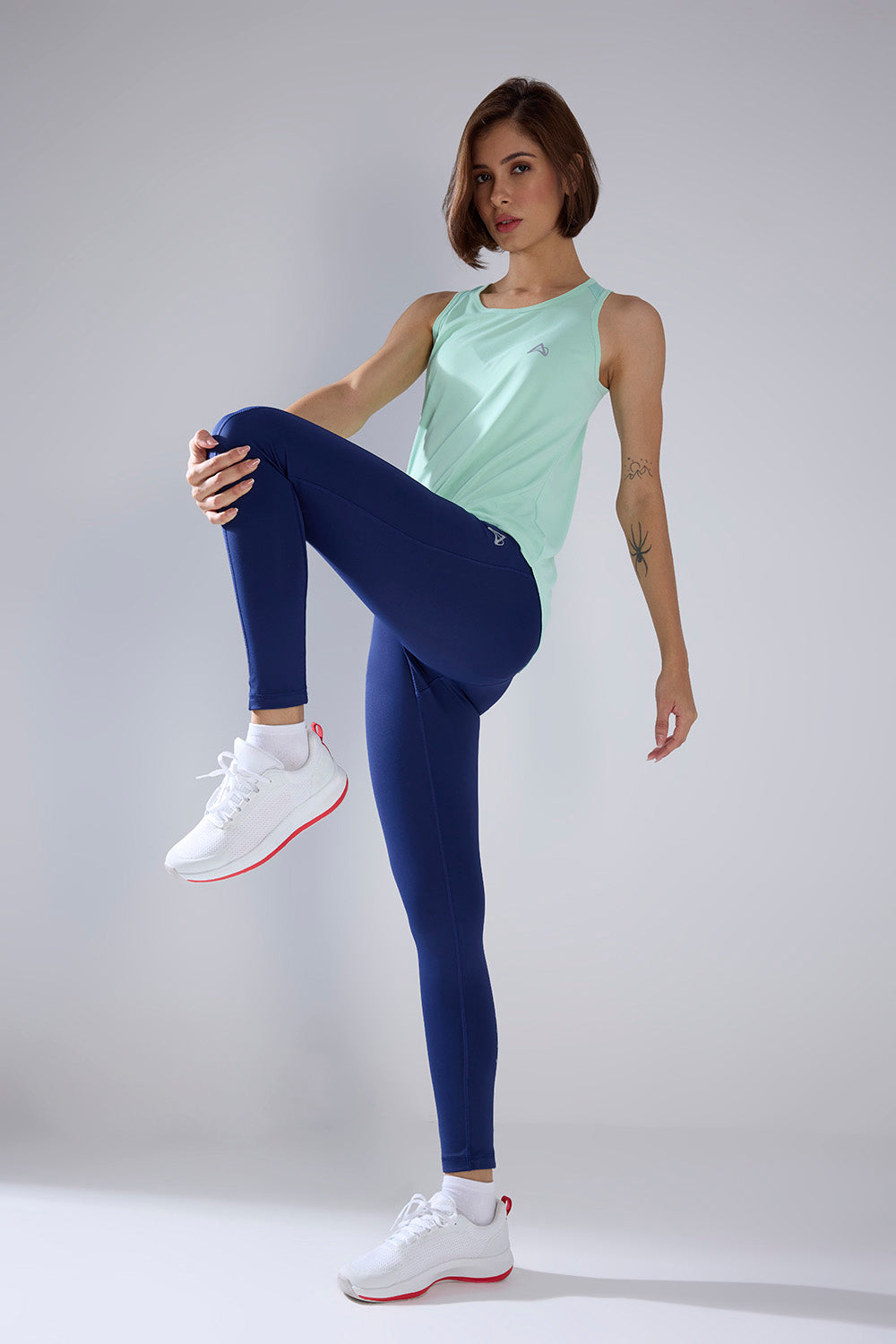
Half tights provide a closer fit that stays nearer to the body while moving. Because there is less loose material, some runners find them more comfortable during longer runs where repeated fabric movement may become distracting. The supportive fit can also create a more secure feeling when changing pace or running on varied terrain.
Coverage and Comfort
Coverage is another important factor when comparing running shorts vs half tights. Shorts provide a lightweight option with less material, which many runners prefer in warm weather. Half tights offer additional coverage around the thighs, making them appealing for runners who want more protection from changing temperatures, wind, or environmental conditions.comfort ultimately depends on personal preference. Some runners prefer the barely-there feeling of shorts, while others enjoy the consistent fit of half tights. Factors such as body shape, running distance, and individual sensitivity to fabric movement often influence which option feels better.
When Should You Choose Running Shorts?
Running shorts are a practical choice for runners who prioritise ventilation, flexibility, and a lightweight feel. They are commonly suited for shorter training sessions, warm-weather runs, and runners who prefer less coverage around the legs.
They can also be a strong option for faster workouts where unrestricted movement feels important. The reduced fabric coverage allows runners to focus on their pace without feeling weighed down by additional material.
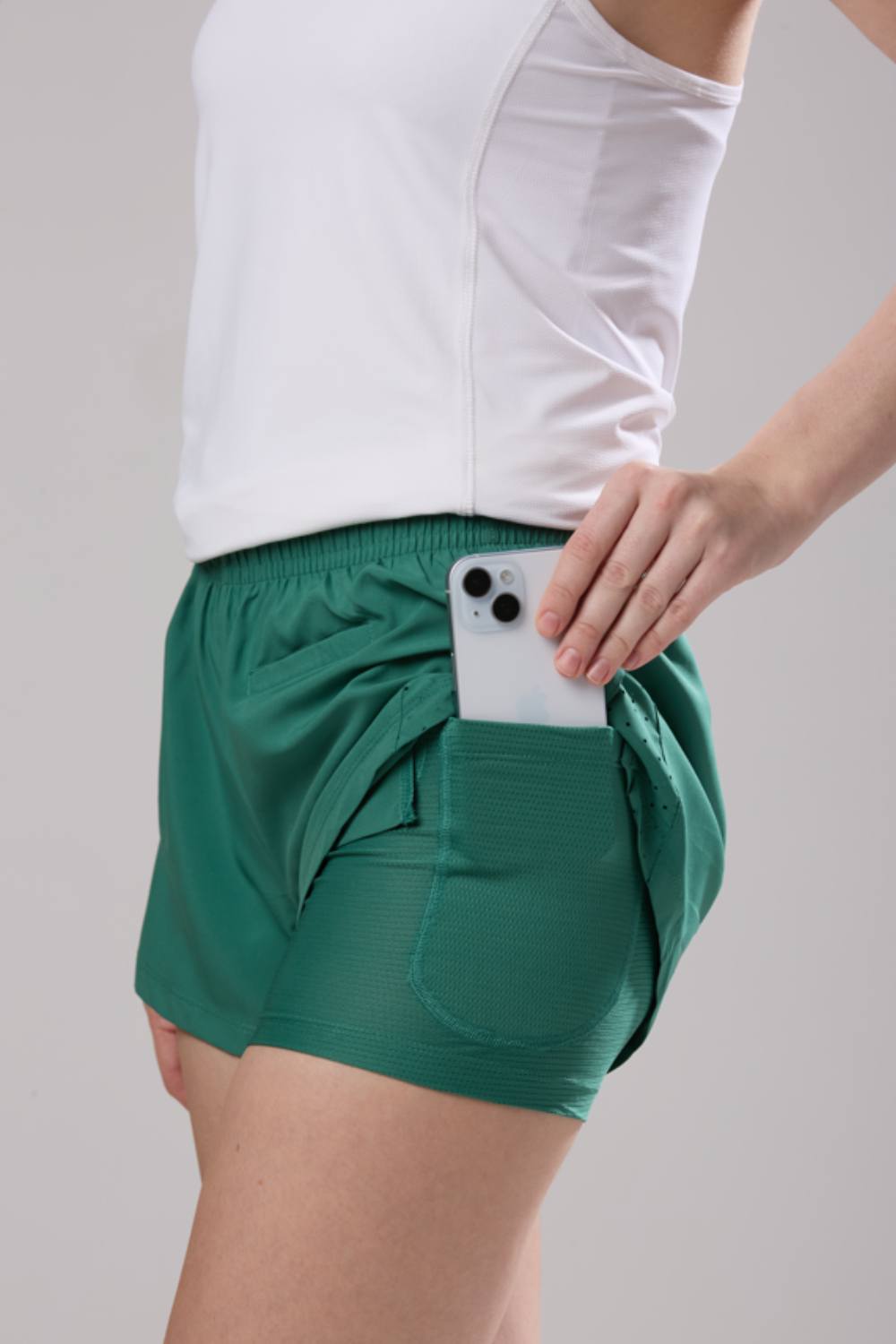
When selecting running shorts, runners should consider more than just length. Important features can include waistband comfort, secure storage, fabric feel, and whether the design stays comfortable throughout the intended distance. A well-designed pair of shorts should support movement without creating distractions during a run.
When Should You Choose Half Tights for Running?
Half tights for running are often preferred by athletes who want a closer fit and more coverage. The design reduces excess fabric movement and can provide a more secure feeling during longer training sessions or endurance-focused activities.
Runners who frequently deal with changing conditions may also appreciate the additional coverage compared with traditional shorts. The closer fit can help create a consistent layer between the body and the outside environment while maintaining flexibility.
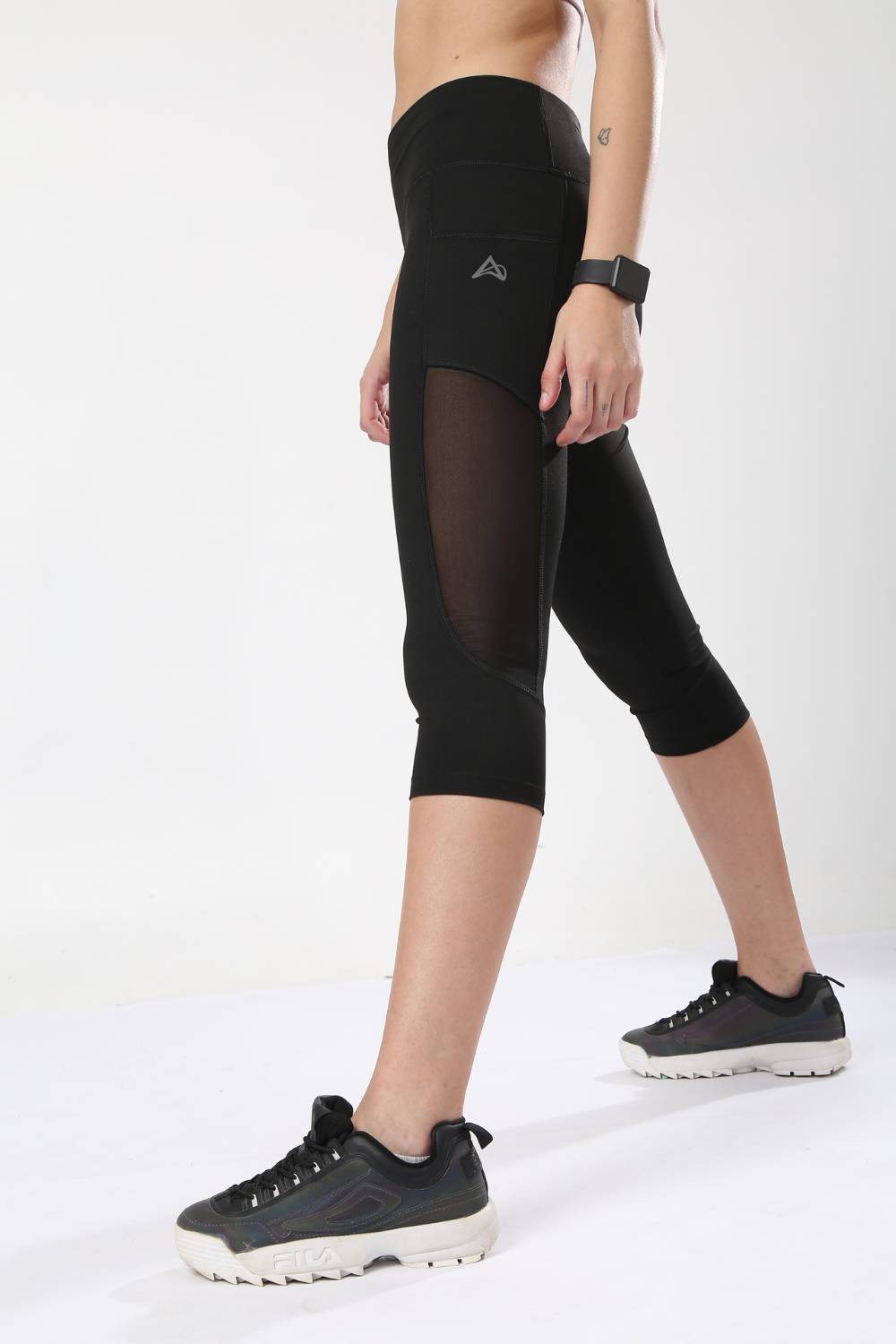
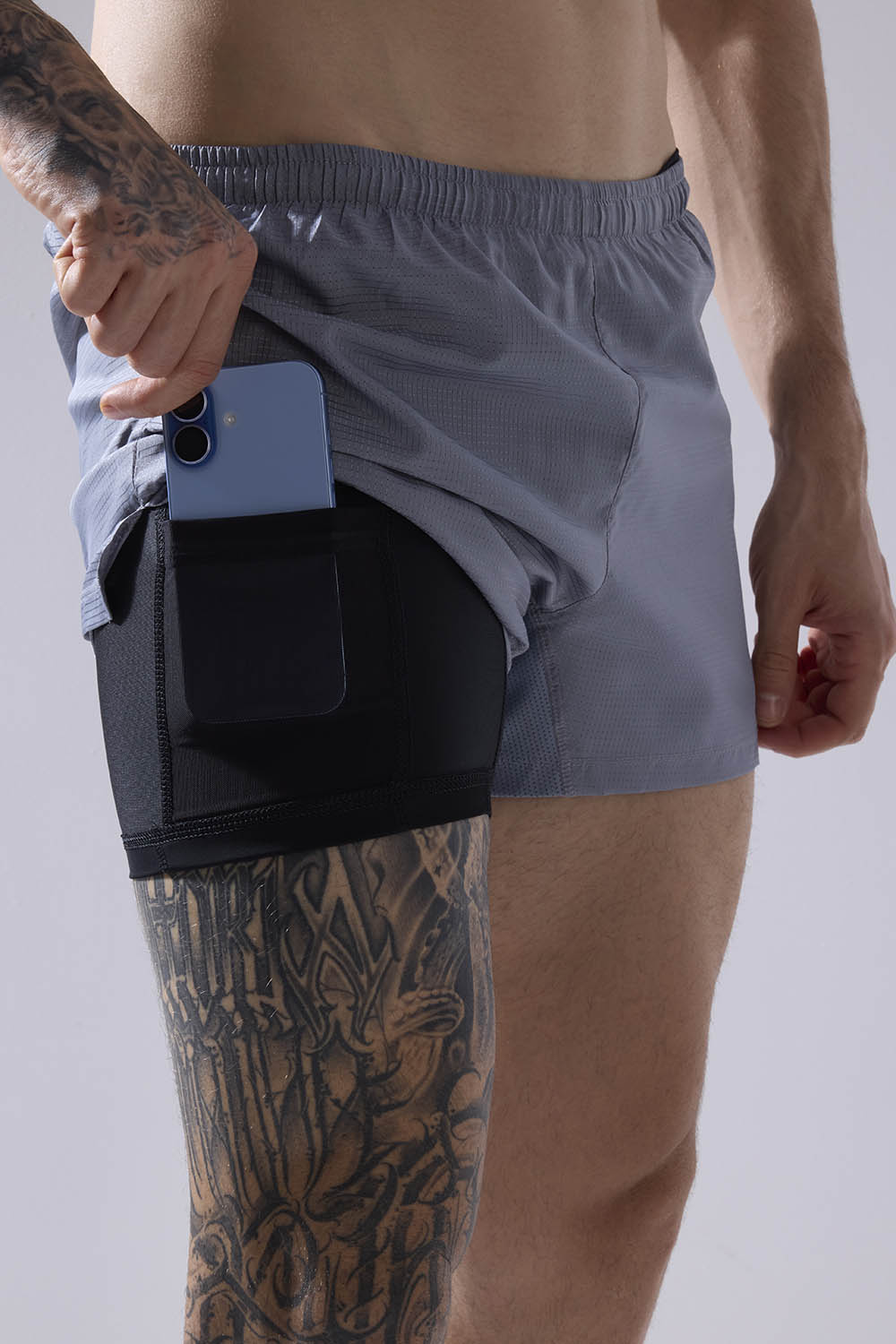
Another reason runners consider half tights is storage and practicality. Depending on the design, some options include features that help runners carry essential items during workouts. For runners who prefer fewer accessories while training, functional storage can influence their choice of running bottoms.
Running Shorts with Compression vs Half Tights: What Runners Should Know
The comparison between running shorts with compression and half tights can be confusing because both styles may offer a closer fit than traditional loose shorts. The main difference usually comes down to coverage and construction.compression-style shorts focus on a fitted feel, while half tights generally extend farther down the leg. This additional coverage changes how the garment feels during movement and can influence comfort preferences.
Rather than choosing based only on the idea of performance benefits, runners should think about the experience they want from their apparel. Questions such as these can help guide the decision:
- Do you prefer maximum airflow or a more secure fit?
- Will you mainly use the apparel for short runs, long runs, or mixed training?
- Do you prefer more coverage during outdoor sessions?
- Do you need storage features during your workouts?
The best running bottoms are the ones that remove distractions and allow the runner to focus on movement, consistency, and comfort.
How Distance, Weather, and Training Goals Influence the Choice
There is no single answer to what to wear for long distance running because runners experience different conditions and have different preferences. Distance, climate, and training goals all influence whether shorts or half tights feel more suitable.
For shorter runs or high-intensity sessions, some runners may prefer the lightweight feel of shorts. The extra airflow and minimal construction can support a sense of freedom during faster efforts.
For longer distances, some runners may lean toward half tights because the closer fit can reduce distractions caused by moving fabric. The additional coverage can also feel more comfortable during extended periods of activity.
Weather conditions can also affect the decision. Warmer environments may encourage runners to choose breathable options, while cooler or unpredictable conditions may make additional coverage more appealing. Ultimately, apparel selection is about matching design features with real running needs.
Choosing the Right Running Bottoms for Your Routine
The difference between running shorts and half tights becomes clearer when the decision is based on how each option fits into a runner's lifestyle. Instead of focusing on trends alone, runners should evaluate where, when, and how they train.
A useful approach is to build a running wardrobe that supports different situations. Some runners may prefer shorts for everyday training and choose half tights for longer efforts or specific conditions. Others may find one style works well across most of their running routine.
- Comfort: The garment should feel natural throughout the run.
- Mobility: The design should support a full range of movement.
- Fabric performance: Materials should help manage moisture and maintain comfort.
- Practical features: Storage and construction details can improve the overall running experience.
- Personal preference: The best choice is the one that matches individual needs and habits.
As running apparel continues to become more specialised, the focus is moving beyond simple clothing choices toward equipment that supports specific activities and personal preferences. The variety of available designs gives runners more ways to choose apparel that fits their training approach.
The Final Choice: Running Shorts or Half Tights?
Running shorts and half tights serve different purposes, and the better option depends on the runner wearing them. Shorts offer lightweight comfort, airflow, and freedom of movement, while half tights provide a closer fit, additional coverage, and reduced fabric movement.
For runners comparing running shorts vs half tights, the decision should come down to comfort, distance, weather, and training style. Understanding these differences makes it easier to select apparel that supports confidence and consistency on every run. The right pair of running bottoms is not about following a universal rule it is about finding the design that helps each runner move comfortably toward their goals.
Frequently Asked Questions
What is the difference between running shorts and half tights?
Running shorts are designed for lightweight comfort, airflow, and freedom of movement, while half tights provide a closer fit with more coverage and reduced fabric movement. The better option depends on factors such as running distance, weather conditions, and personal comfort preferences.
Are half tights better than running shorts for long distance running?
Half tights can be a preferred choice for long distance running because their closer fit may reduce distractions from loose fabric and provide additional coverage. However, some runners may still prefer running shorts for their lightweight feel and ventilation during longer sessions.
Should I choose running shorts or half tights for my training routine?
Choosing between running shorts or half tights depends on your training goals, running environment, and preferred level of coverage. Consider factors such as mobility, comfort, fabric performance, and storage needs to find the right running bottoms for your routine.
Disclaimer: The above helpful resources content contains personal opinions and experiences. The information provided is for general knowledge and does not constitute professional advice.
You may also be interested in: Why Breathable Running Gear Is a Game-Changer for Hot Weather
Tired of gear that slows you down? Chafing, soggy fabrics, and missing pockets kill your run's momentum. At Aguante, we're runners who get it. Our high-performance activewear features moisture-wicking fabrics, ergonomic designs, and smart storage to keep you focused. Shop Now!
Powered by flareAI.co