



Quick Listen:
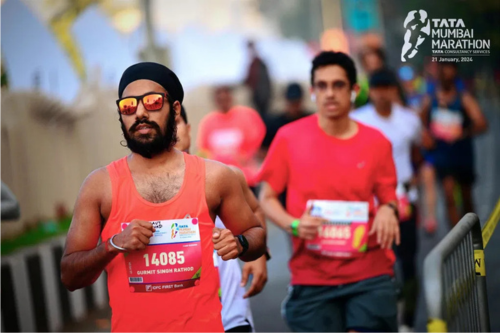
In the soft glow of dawn breaking over Bangalore's Cubbon Park, silhouettes of runners emerge from the mist, their rhythmic footfalls echoing through the awakening city. Similar scenes unfold along Mumbai's bustling Marine Drive, where the humid sea breeze mingles with the determination of early risers, and in Delhi's expansive green spaces, where joggers navigate the crisp morning air. This burgeoning urban running culture, spanning cities like Hyderabad, Pune, Navi Mumbai, Gurugram, Surat, and Ahmedabad, reflects a profound shift in India's fitness landscape. As more individuals embrace running for health, competition, and leisure, the demand for specialized gear has surged, placing running shorts at the forefront of innovation and necessity.
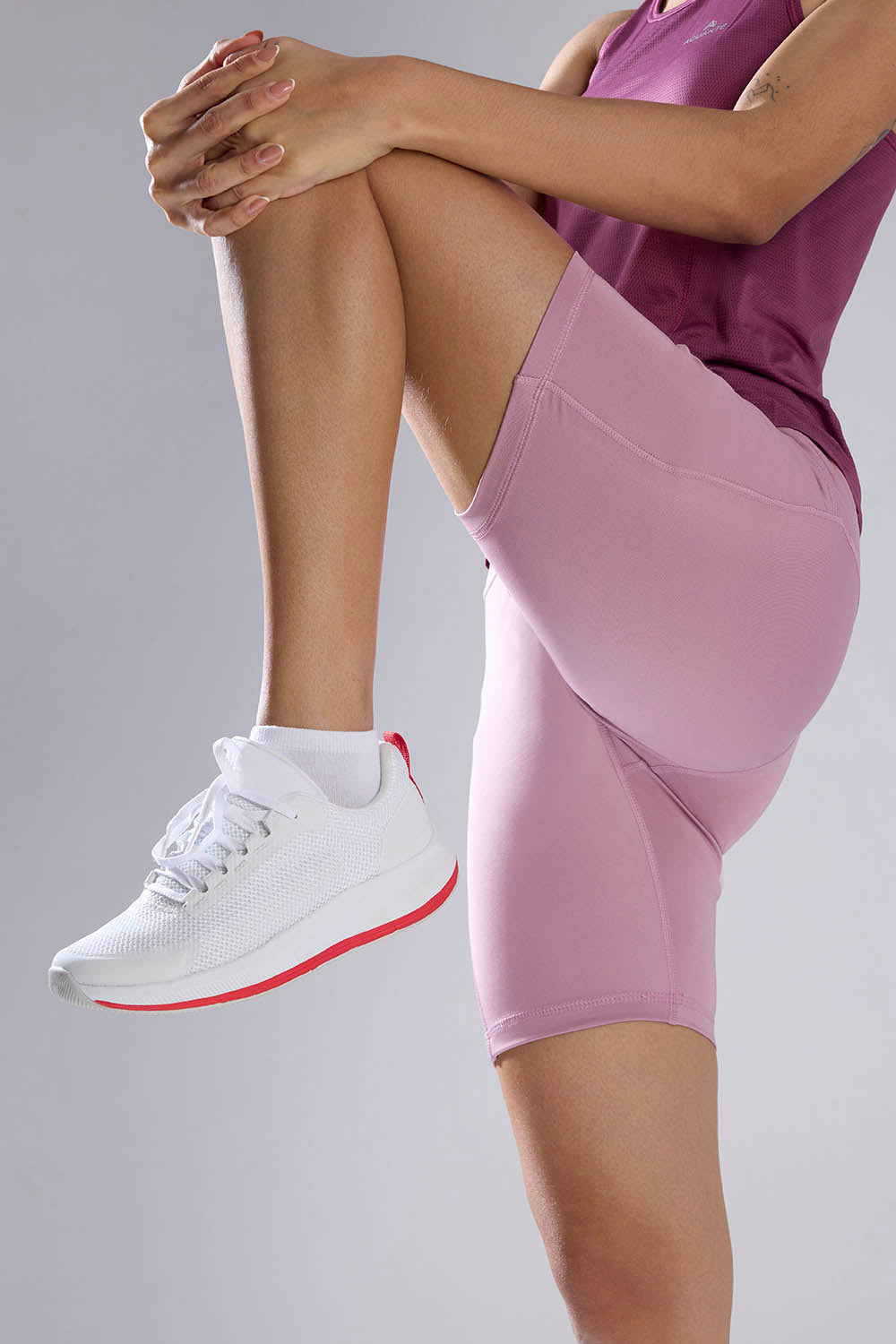
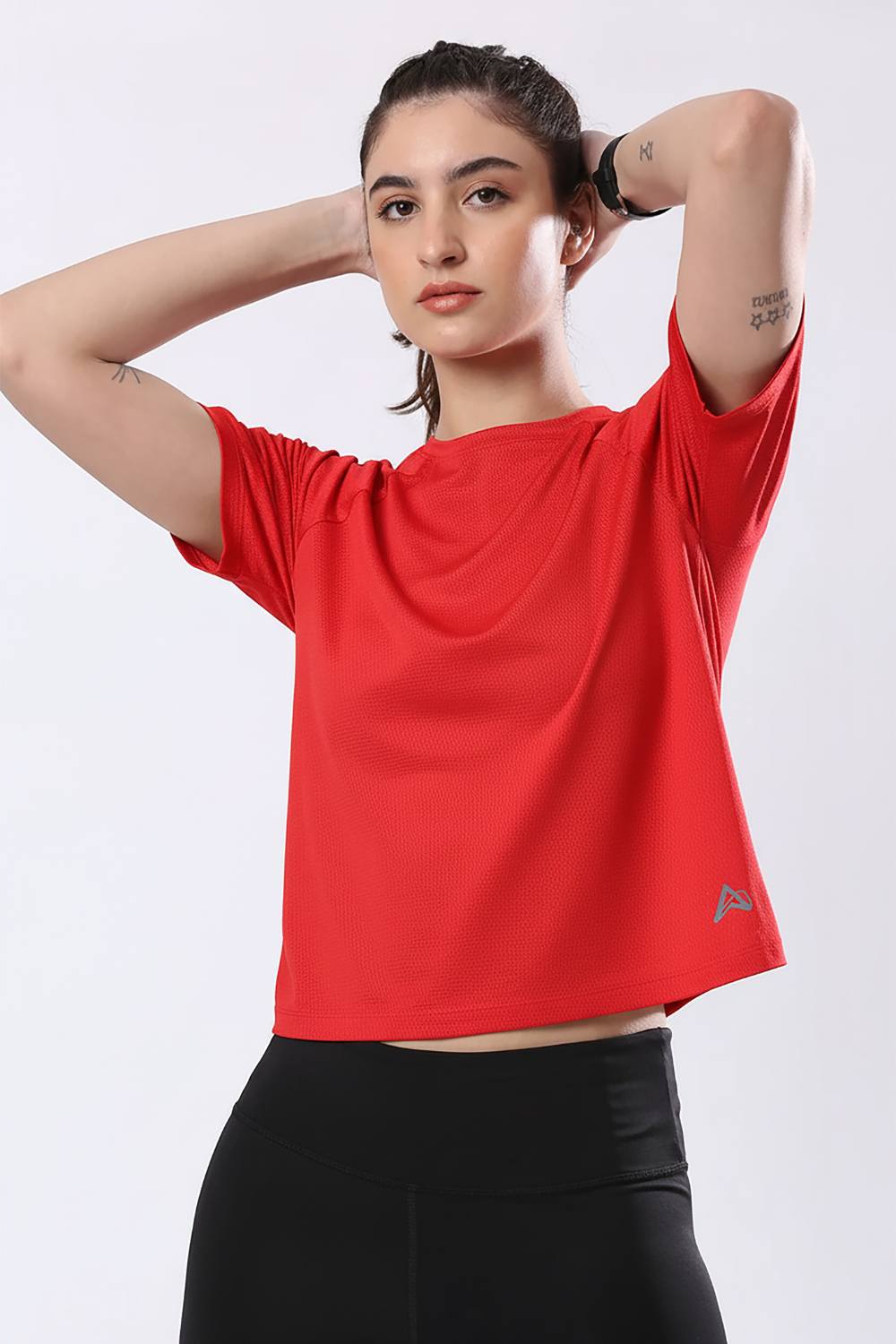
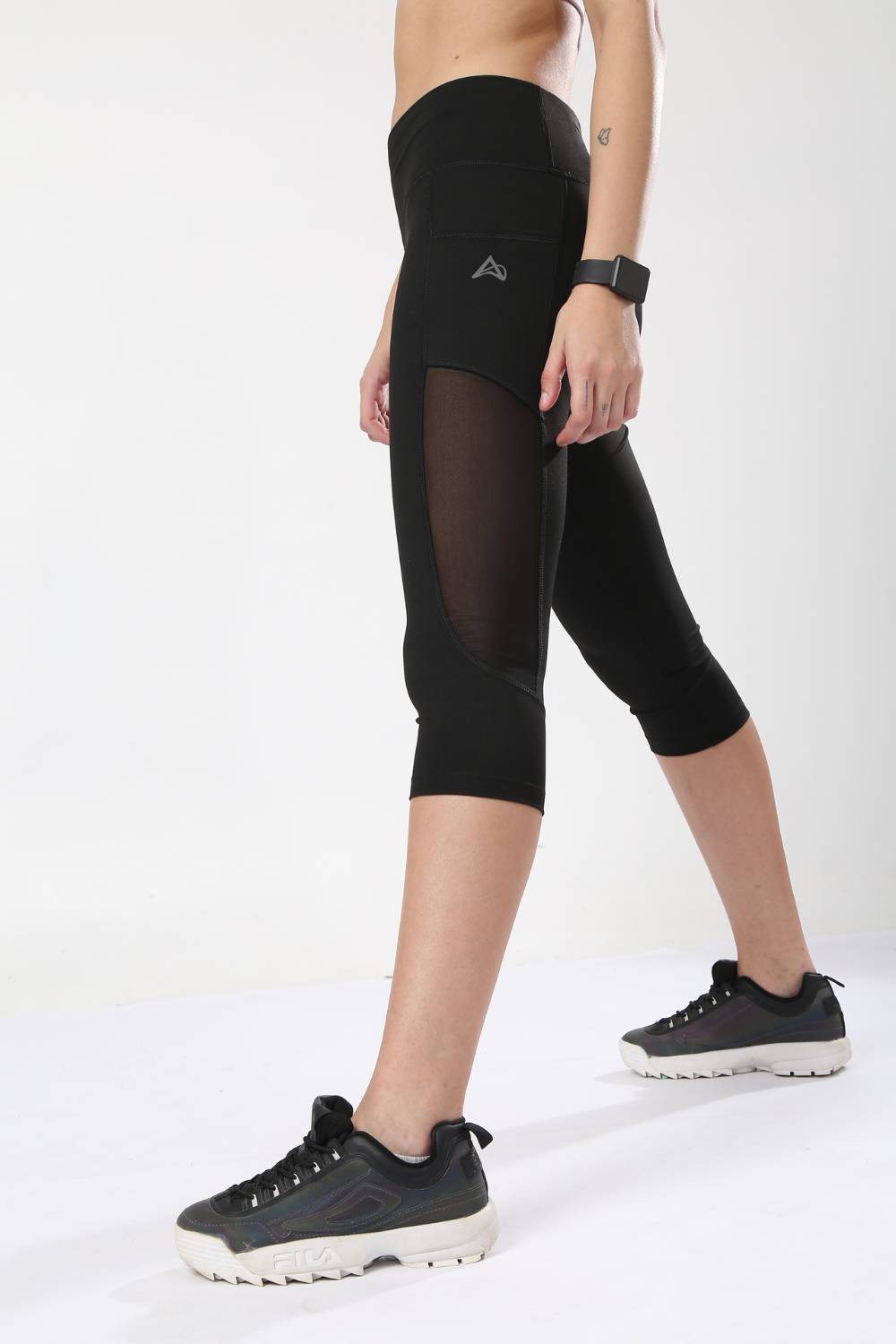
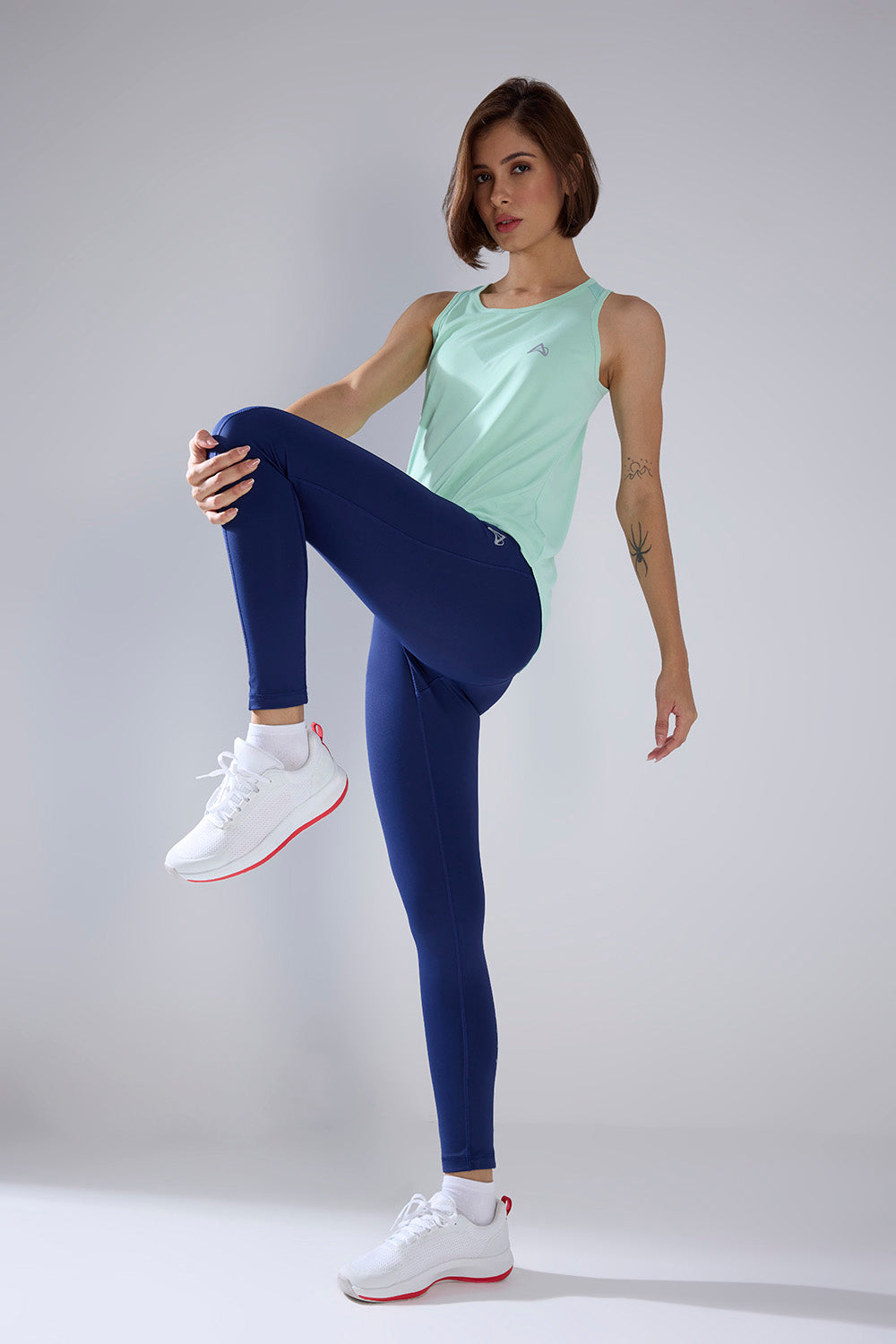
Tired of gear that slows you down? Chafing, soggy fabrics, and missing pockets kill your run's momentum. At Aguante, we're runners who get it. Our high-performance activewear features moisture-wicking fabrics, ergonomic designs, and smart storage to keep you focused. Shop Now!
Running Shorts: Finding the Perfect Fit for Every Runner in India's Fast-Growing Urban Running Hubs
This explosion in running participation isn't merely a trend; it's backed by robust market growth. The India sportswear market, valued at USD 10.69 million in 2025, is on track to expand to USD 16.65 million by 2034, achieving a steady compound annual growth rate of 5.04% from 2026 onward. This expansion is driven by increasing health consciousness, the mainstreaming of athleisure, higher disposable incomes allowing for premium buys, and supportive government programs aimed at sports infrastructure. Youth engagement initiatives and the boom in online shopping platforms are further amplifying access, even in smaller urban areas, thereby boosting the overall market share for sportswear in India.
Globally, the sportswear sector mirrors this vitality, with a valuation of USD 206.64 billion in 2024 and projections reaching USD 350.45 billion by 2032 at a CAGR of 7.84%. North America holds a dominant 45.86% share, but the appeal of products offering breathability, sweat management, and movement enhancement is universal. In India, urban dwellers are increasingly drawn to these benefits, as they protect against harsh weather, aid circulation, and help prevent injuries amid rising fitness activities.
At the heart of this movement lies the running apparel segment, which stood at USD 90.44 billion globally in 2025 and is expected to climb from USD 97.02 billion in 2026 to USD 137.98 billion by 2031, growing at a CAGR of 7.28%. Factors like heightened health awareness, material advancements, and the fusion of performance with casual wear are key drivers, appealing across demographics. Women's growing involvement in running has spurred demand for tailored designs, while in developing markets, urbanization and income growth fuel expansion.
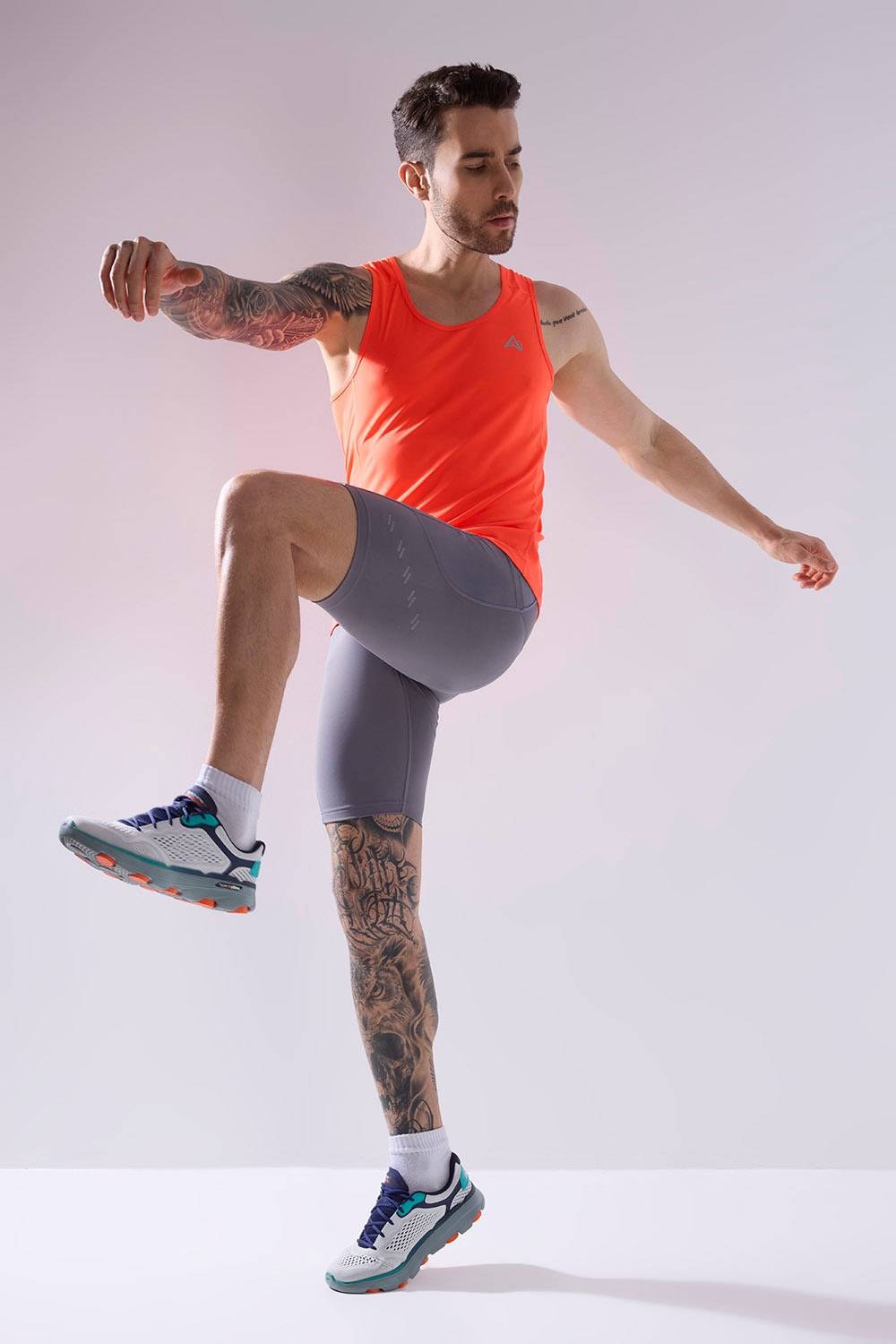
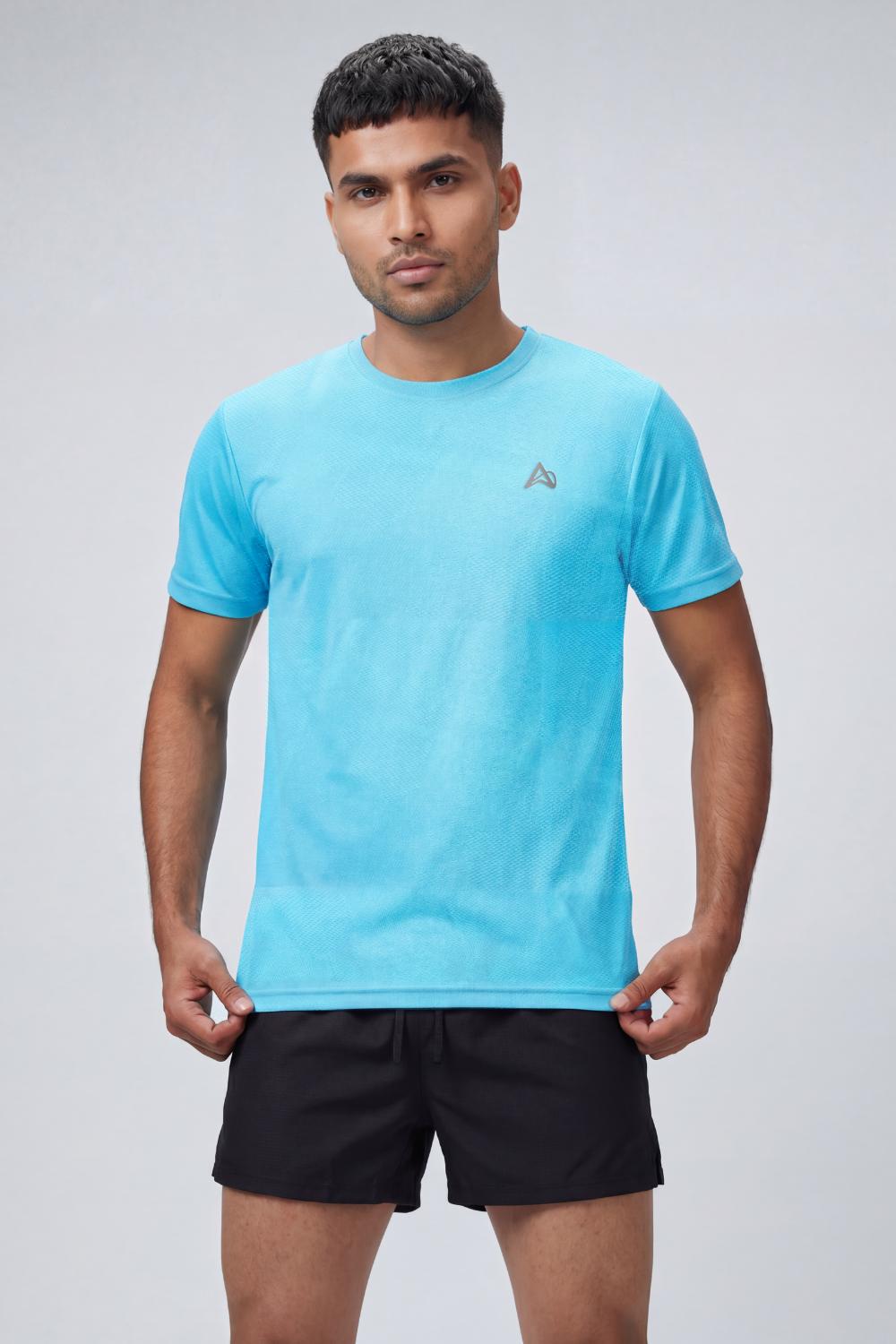
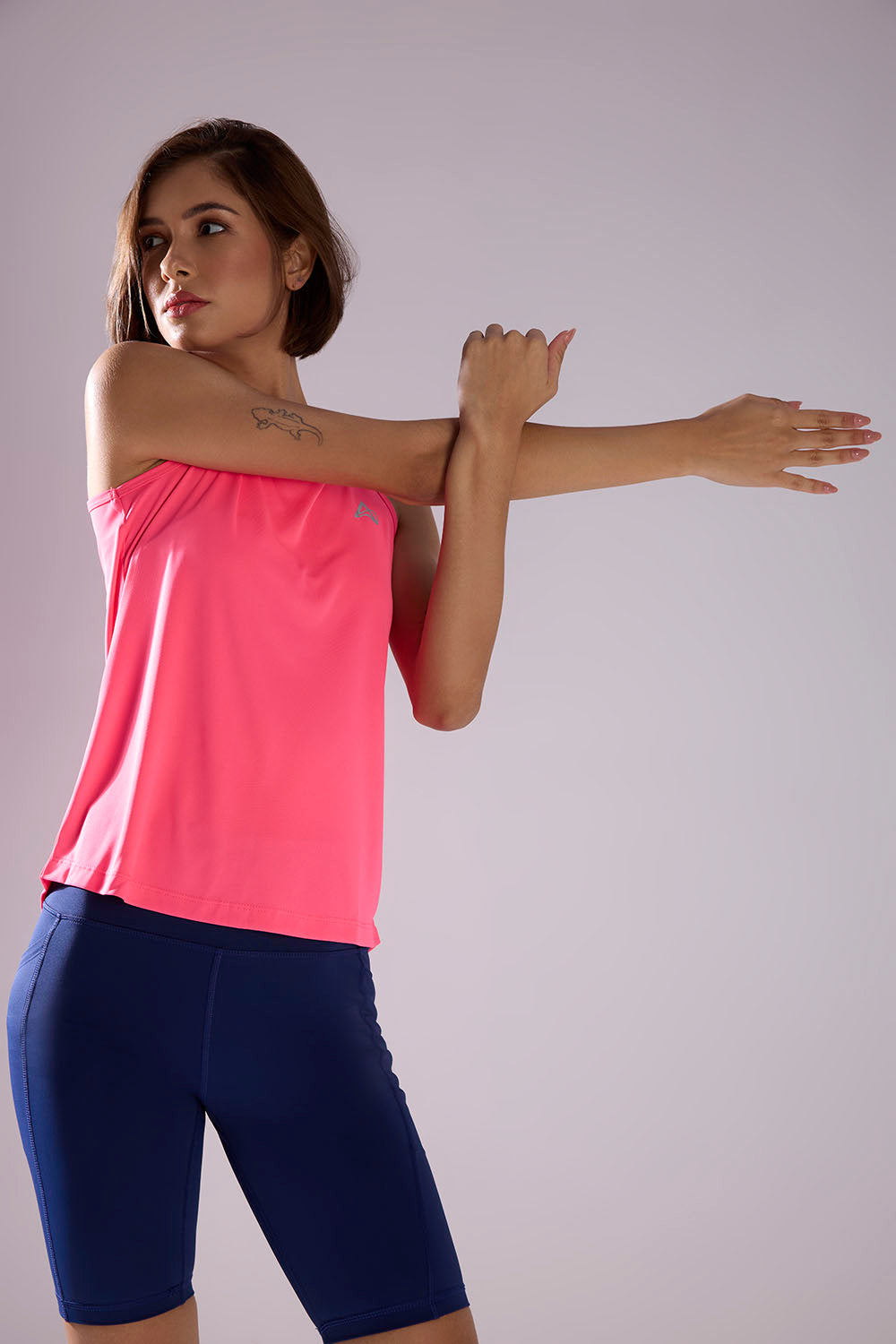
Running shorts, in particular, embody the intersection of functionality, comfort, and injury prevention. For runners pounding uneven pavements or circling park tracks, these garments must excel in moisture-wicking, chafing resistance, and unrestricted mobility. Retail brands, designers, and sourcing experts in India's performance activewear space recognize this, tailoring products to meet the unique demands of local environments and body types.
Urban Climates and Terrains Dictating Fit Demands
India's diverse urban landscapes impose specific challenges on running gear. In coastal cities such as Mumbai, Navi Mumbai, Surat, and Ahmedabad, where humidity levels soar, runners prioritize shorts with superior airflow and quick-drying capabilities. These conditions necessitate fabrics that efficiently evaporate sweat, preventing discomfort during extended sessions along seafront promenades or bustling streets.
In contrast, the intense heat of Delhi, Gurugram, and Hyderabad demands heat-dissipating designs that keep runners cool under the sun. Bangalore and Pune, with their milder mornings and evenings, allow for more flexible options, accommodating early or late runs without excessive layering. Across all these hubs, the prevalence of concrete-heavy routes think flyovers, sidewalks, and office park paths amplifies the need for durable materials that withstand fabric stress from irregular surfaces and varied stride patterns.
Park-based and track-oriented communities further influence preferences, where even minor terrain variations can impact performance. Runners report that well-designed shorts mitigate issues like restricted movement on uneven ground, ensuring that gear supports rather than hinders their efforts.
Evolving Design Innovations Tailored to Indian Runners
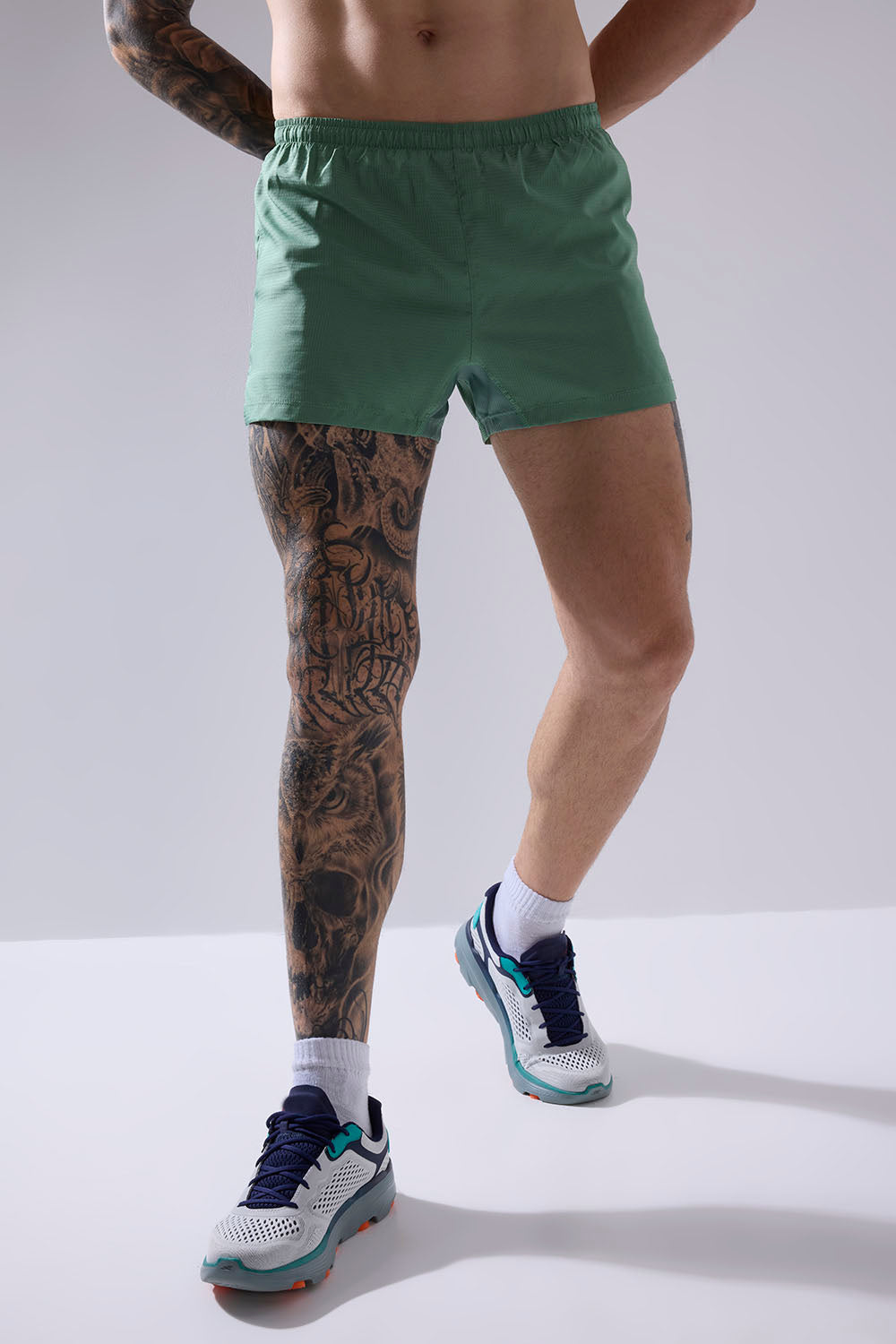
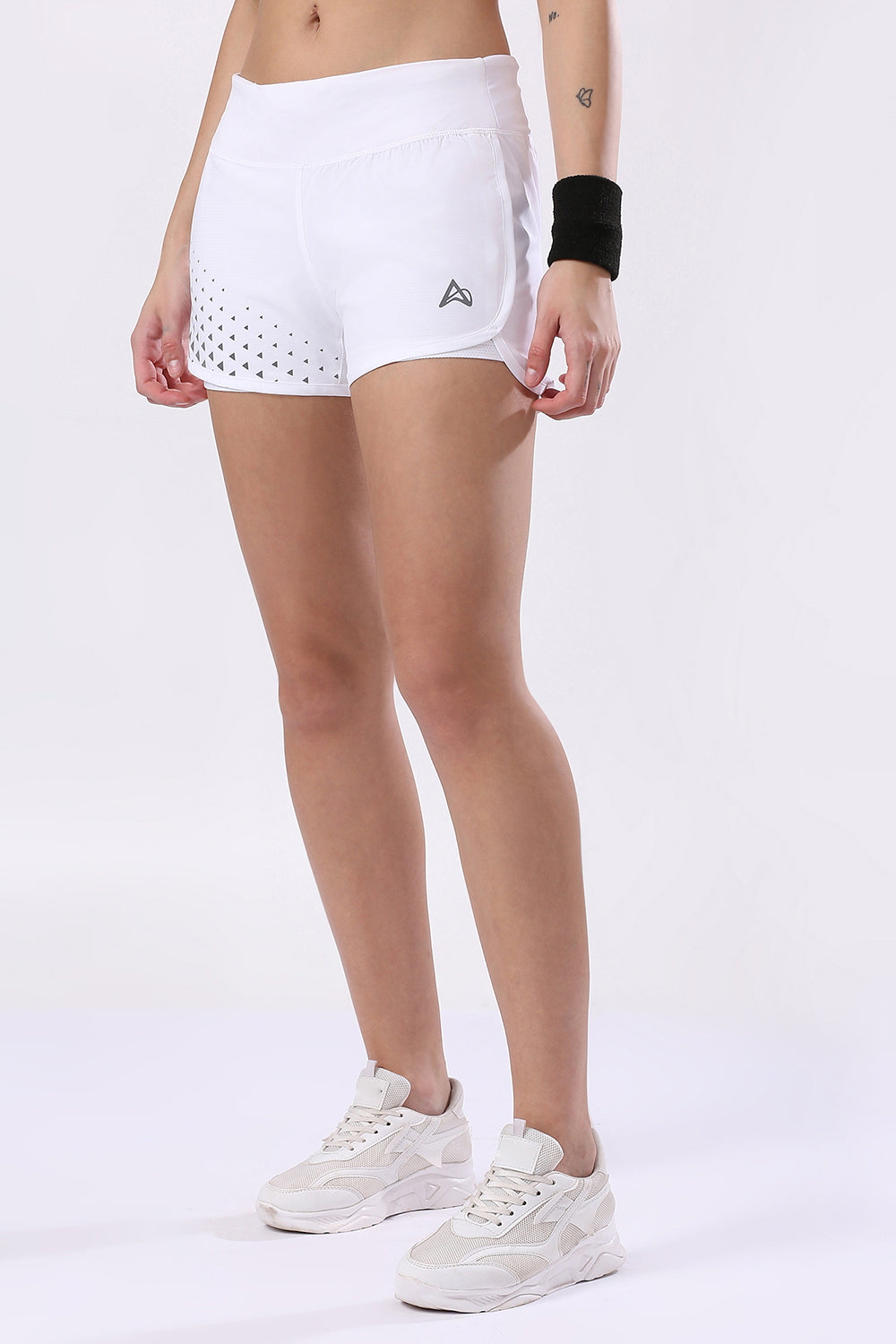
As the market matures, design trends in running shorts are adapting to local nuances. Length variations highlight this: shorter inseams of 3.5 to 5 inches appeal to speed demons in progressive tech cities like Bangalore and Hyderabad, offering minimal coverage for maximum freedom. Meanwhile, mid-thigh or knee-length styles are favored in warmer or more traditional settings for added protection against sun exposure and cultural sensitivities.
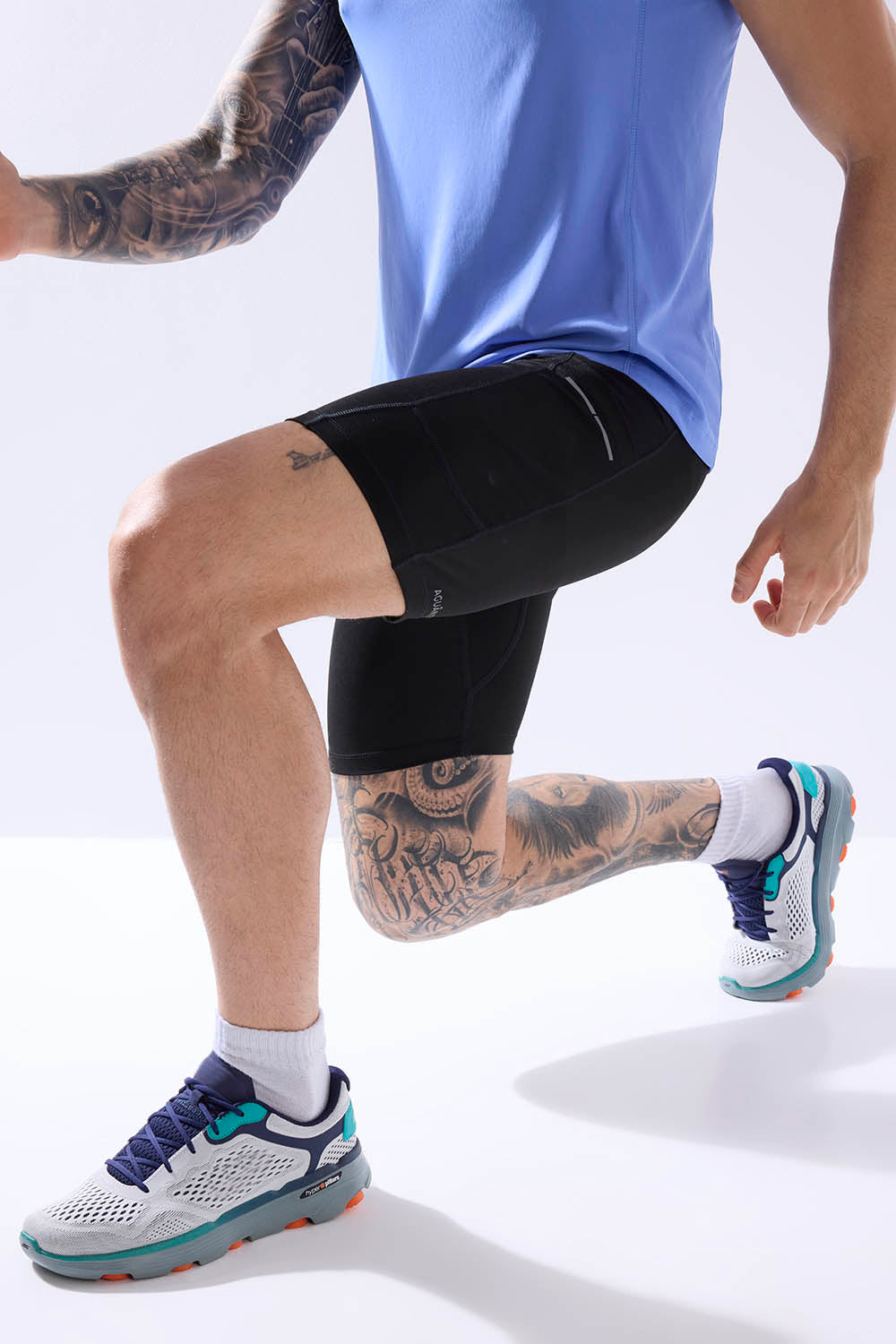
Anti-chafing features have become indispensable, especially for endurance athletes in Pune, Bangalore, and Delhi. Integrated liners provide a seamless barrier against friction, ideal for marathon training where every kilometer counts. Emphasis on flat-lock seams and strategic stitching reduces irritation, enhancing overall comfort during prolonged activity.
Fabric advancements cater specifically to India's sweat-prone climates. Lightweight synthetic blends excel in moisture evaporation, while rapid-drying properties are crucial in monsoon-affected areas like Mumbai and Ahmedabad. These innovations ensure shorts remain functional even after unexpected downpours, maintaining performance without added weight.
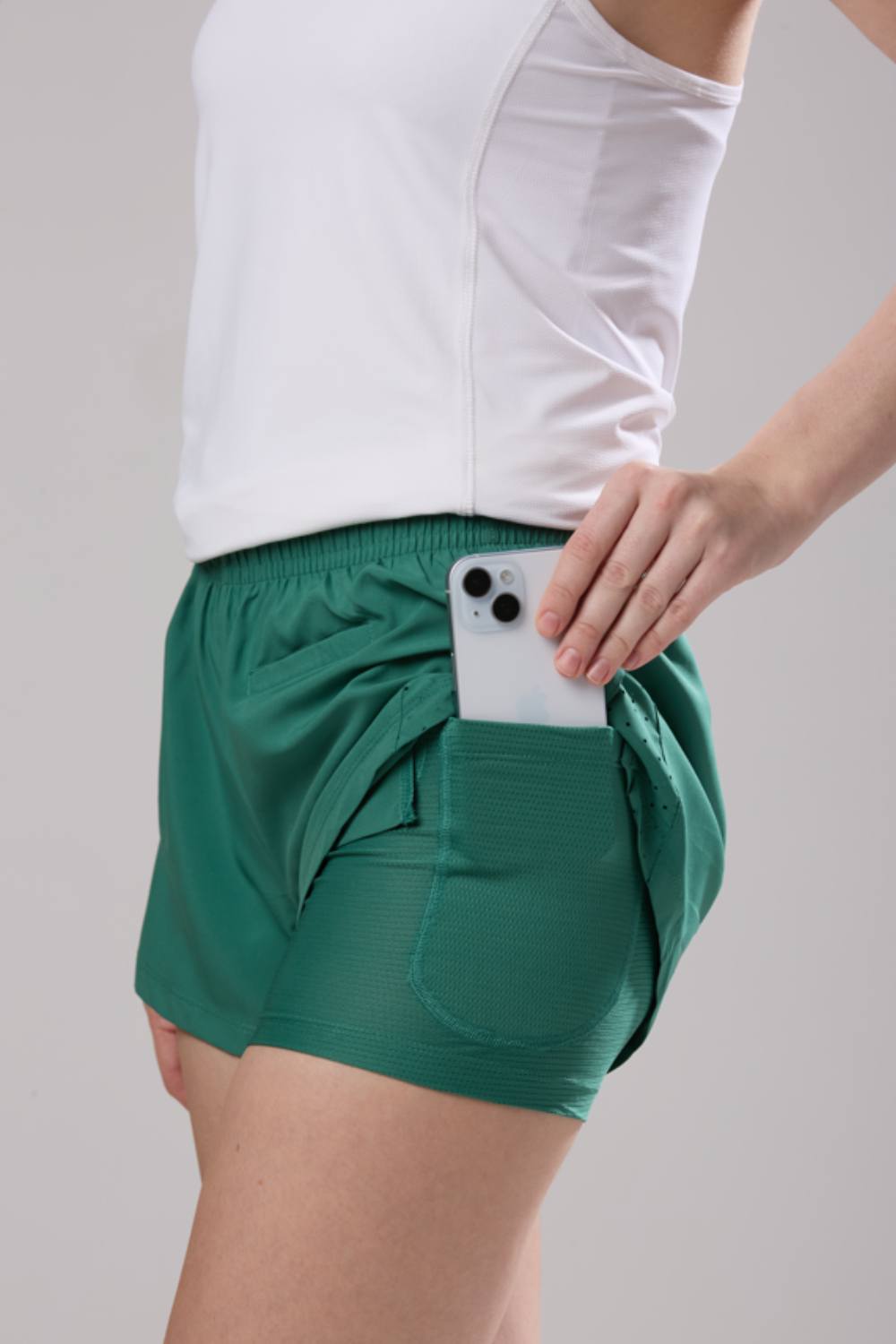
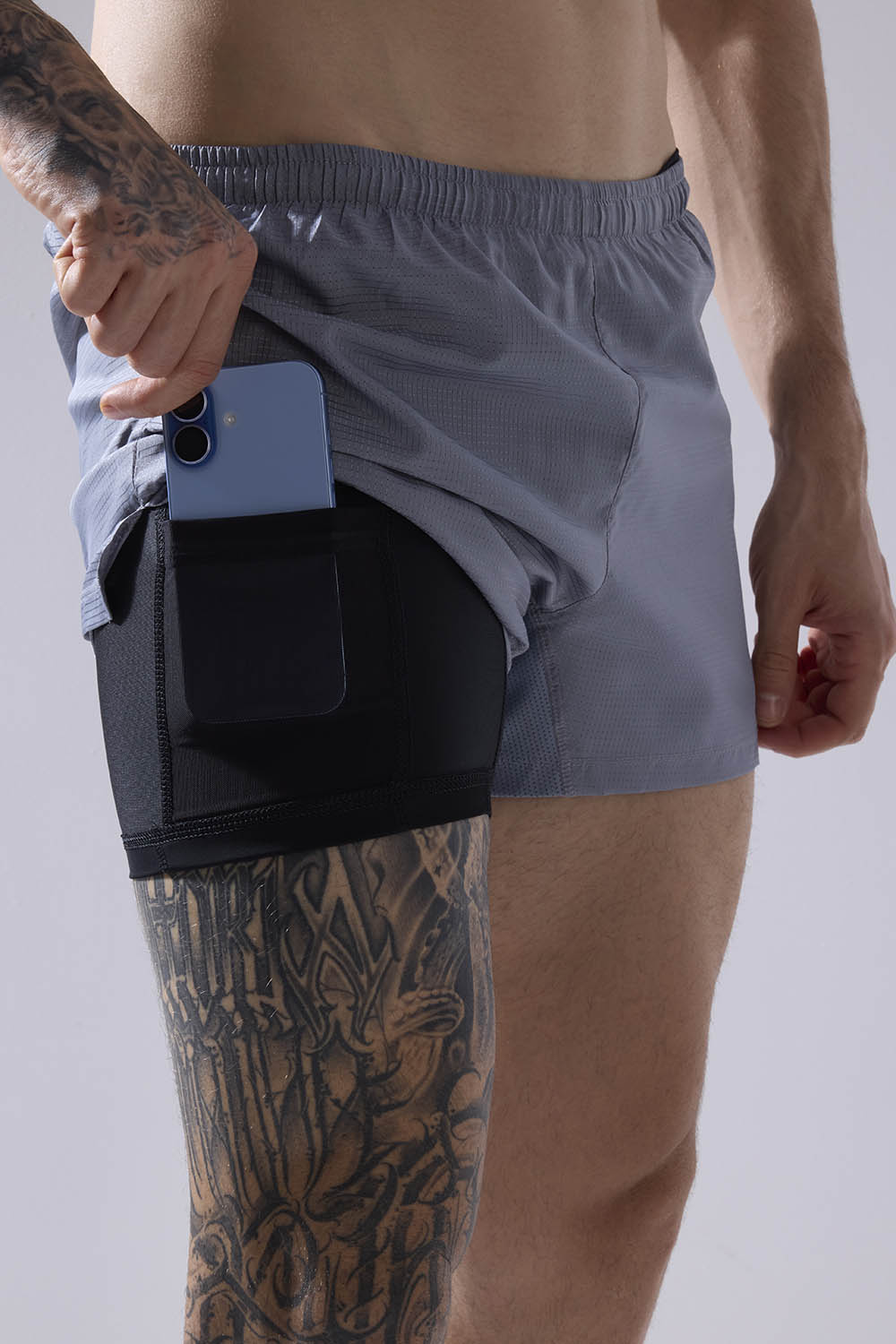
Utility elements are equally vital for urban runners. Secure, bounce-free pockets for phones, keys, and nutrition gels address the realities of city training, where safety during low-light hours is paramount. Women, in particular, seek designs accommodating waist-to-hip ratios, with adjustable waistbands that offer stability without constriction, promoting inclusivity across body shapes.
Insights from India's Vibrant Running Communities
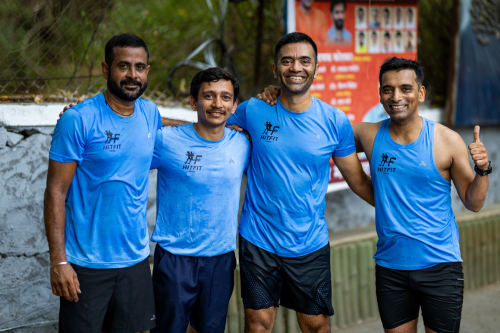
Usage patterns reveal stark differences between casual and serious runners. Weekend enthusiasts might opt for versatile, affordable options, while competitive groups training for ultras or marathons demand premium features. Running clubs in Bangalore, Mumbai, Pune, and the Delhi NCR region play a pivotal role, fostering discussions that shape apparel expectations and drive feedback loops for brands.
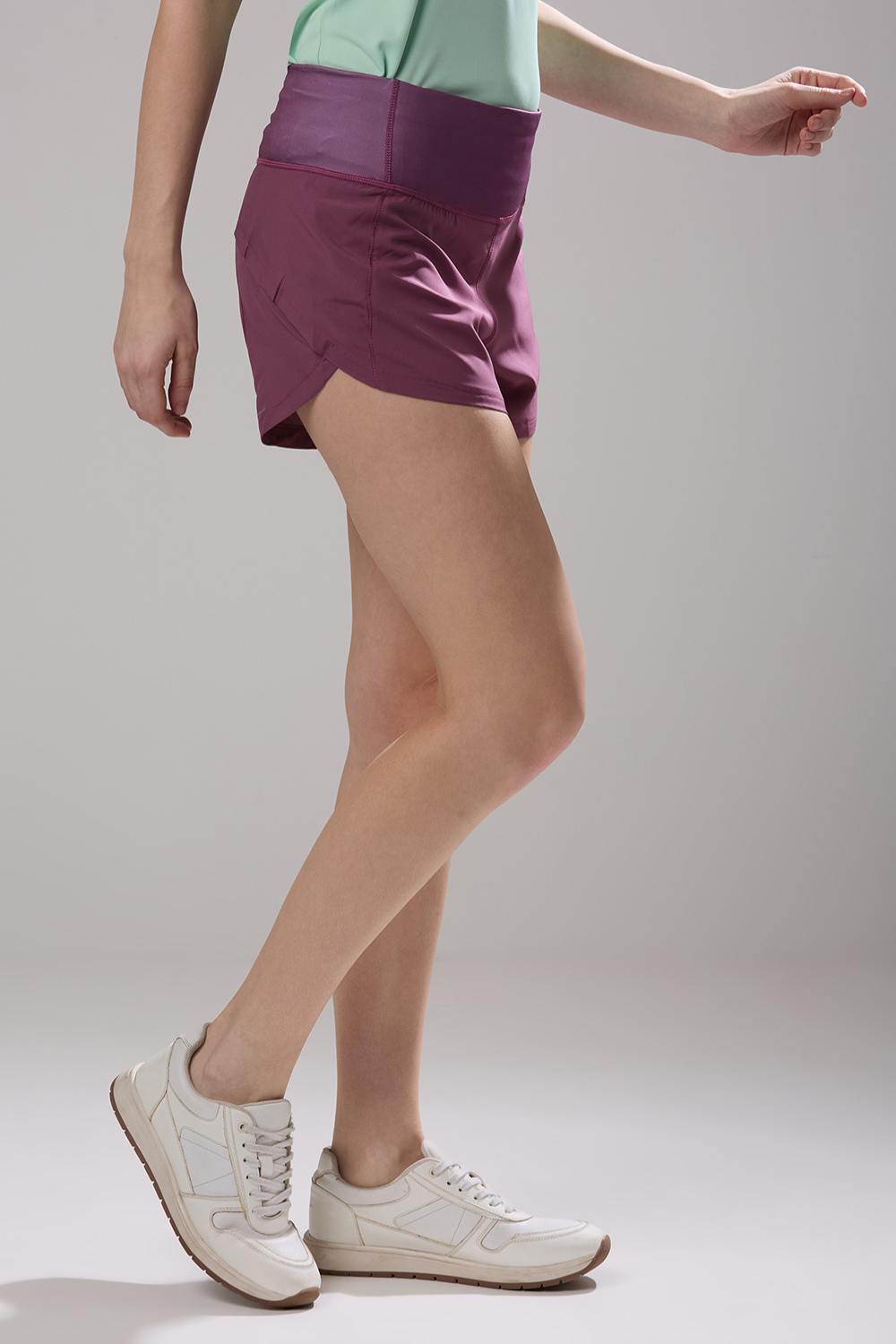
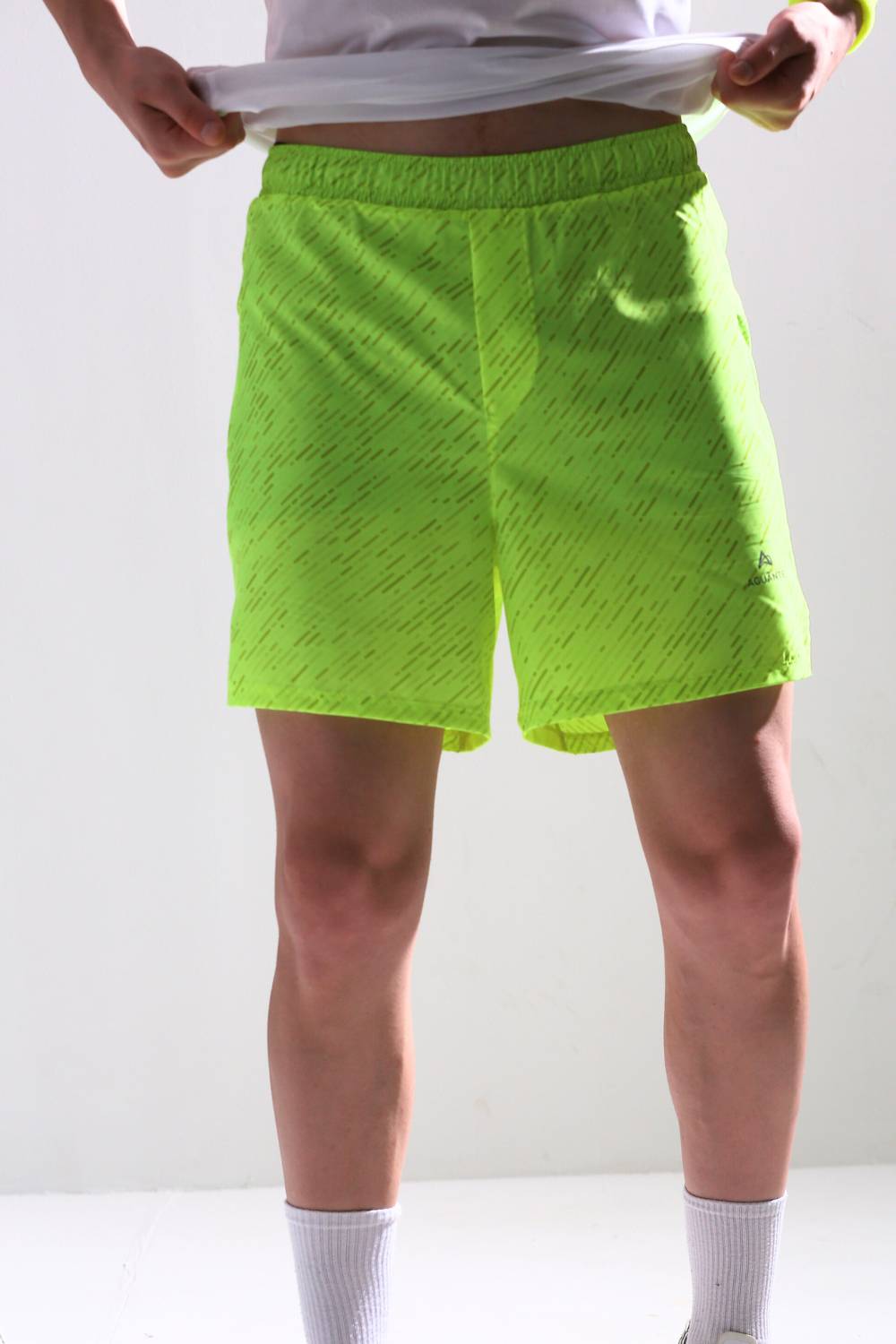
Gender dynamics add depth: women's preferences emphasize secure fits that prevent ride-up, alongside practical storage that doesn't compromise aesthetics. Across segments, the integration of technology like reflective elements for visibility aligns with urban safety concerns, making shorts more than mere clothing but essential tools for consistent training.
Persistent Challenges for Sportswear Brands
Despite growth, hurdles persist. Standardized global sizing often mismatches India's diverse physiques, causing discrepancies in fit across ages, regions, and genders. This mismatch can deter buyers, underscoring the need for localized adaptations.
Affordability versus quality remains a tightrope. In cost-conscious markets, brands must deliver high-performance fabrics without inflating prices, impacting profit margins. Durability issues compound this: frequent washing, exposure to sweat salts, and city pollution accelerate wear, leading to pilling and elastic breakdown faster than in milder environments.
Seizing Opportunities in India's Running Shorts Market
Forward-thinking brands can capitalize through hyper-local strategies. Developing city-tailored lines humidity-optimized for Mumbai or terrain-resilient for Pune enables resonant marketing in retail and direct-to-consumer channels. Storytelling around these adaptations builds loyalty among discerning runners.
Educational initiatives are key: comprehensive guides on inseams, liners, and fabric specs empower newcomers, particularly in Tier-1 cities where first-time buyers abound. This approach shifts focus from mere branding to tangible performance benefits, aligning with the market's value-driven ethos.
As the global sportswear market surges, India's segment thrives on accessibility. Running shorts often serve as entry points for performance apparel, drawing in novices who later expand their wardrobes, fueling sustained growth.
The Road Ahead for Running Shorts in India
Looking forward, data analytics will refine fits via customer insights, enhancing precision. Inclusivity in sizing and gender-specific designs will accelerate, mirroring women's rising participation. Thriving communities will encourage loyalty and repeat purchases, solidifying shorts as core portfolio items.
In this dynamic arena, mastering fit transcends design it's a strategic imperative for brands eyeing dominance in Bangalore, Hyderabad, Mumbai, Pune, Navi Mumbai, Delhi, Gurugram, Surat, and Ahmedabad.
Aligning Innovation with Runner Realities
Ultimately, the "perfect fit" elevates from optional to essential, distinguishing winners in India's competitive activewear landscape. By syncing product development with local behaviors, climates, and needs, brands can empower runners to conquer urban challenges. As India's running narrative unfolds, those prioritizing authenticity and performance will lead the pack, inspiring a healthier, more active nation one stride at a time.
Frequently Asked Questions
What features should I look for when choosing running shorts for Indian weather conditions?
For India's diverse climates, prioritize running shorts with superior moisture-wicking and quick-drying fabrics, especially in humid coastal cities like Mumbai and Ahmedabad. Look for lightweight synthetic blends that offer excellent airflow and heat dissipation for hot regions like Delhi and Hyderabad. Anti-chafing features like integrated liners and flat-lock seams are essential for comfort during long runs, while secure pockets for phones and keys address urban training needs.
How do I find the right inseam length for running shorts in India?
The ideal inseam length depends on your running style and local climate. Shorter inseams of 3.5 to 5 inches offer maximum freedom of movement and are popular among speed-focused runners in cities like Bangalore and Hyderabad. Mid-thigh or knee-length styles provide better sun protection and suit warmer regions or those who prefer more coverage. Consider your typical running terrain concrete-heavy urban routes benefit from durable, flexible designs that accommodate varied stride patterns.
Why are running shorts important for preventing injuries and improving performance?
Well-designed running shorts play a crucial role in injury prevention through moisture management, chafing resistance, and unrestricted mobility. Quality shorts with proper fit prevent ride-up and friction that can lead to skin irritation during long-distance training. Advanced fabric technologies help regulate body temperature and manage sweat in India's challenging climates, while features like adjustable waistbands and strategic stitching support natural movement patterns, allowing runners to maintain proper form and reduce strain on muscles and joints.
Disclaimer: The above helpful resources content contains personal opinions and experiences. The information provided is for general knowledge and does not constitute professional advice.
You may also be interested in: 5 Features That Every Runner Wants in Their Activewear
Tired of gear that slows you down? Chafing, soggy fabrics, and missing pockets kill your run's momentum. At Aguante, we're runners who get it. Our high-performance activewear features moisture-wicking fabrics, ergonomic designs, and smart storage to keep you focused. Shop Now!
Powered by flareAI.co