Quick Listen:
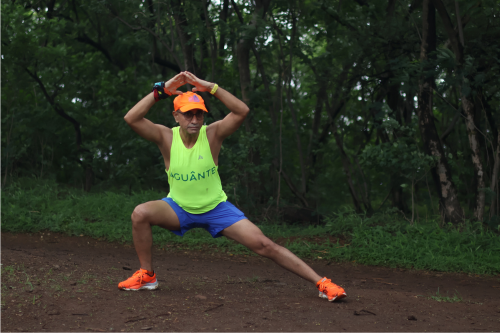
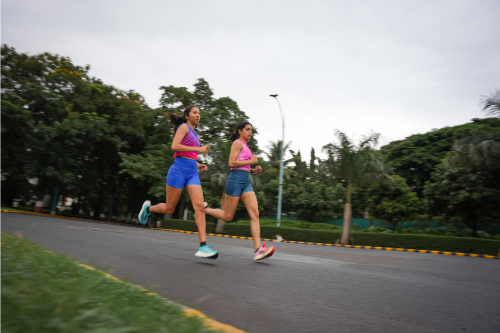
In the humid dawn haze of Mumbai, where the air feels thick enough to drink, runners lace up and head out anyway. In Bangalore, muggy mornings transform routine jogs into grueling tests of will. The same relentless conditions grip athletes across Hyderabad, Pune, Delhi, Gurugram, Navi Mumbai, Surat, and Ahmedabad India's major urban centers where soaring temperatures and punishing humidity demand far more from activewear than standard designs can deliver. As marathons multiply and daily running surges in these cities, the activewear and performance apparel sector has stepped up, developing specialized gear that keeps runners drier, cooler, and more focused even when sweat arrives faster than strides.
Tired of gear that slows you down? Chafing, soggy fabrics, and missing pockets kill your run's momentum. At Aguante, we're runners who get it. Our high-performance activewear features moisture-wicking fabrics, ergonomic designs, and smart storage to keep you focused. Shop Now!
The Surge in Demand Across India's Challenging Urban Climates
Runners in these metros confront a punishing combination: intense heat paired with humidity levels that severely hamper the body's natural cooling through evaporation. In Pune and Mumbai, monsoon-season spikes and summer oppression frequently render conventional apparel useless shirts cling and chafe, seams rub raw, and mental stamina erodes. Despite these hurdles, the running movement grows stronger, powered by vibrant local communities, major marathons, and heightened fitness consciousness in cities like Delhi, Bangalore, and Hyderabad.
This momentum has thrust specialized performance apparel into the spotlight. According to verified industry data, the global running gear market stood at USD 46.5 Billion in 2025 and is expected to expand to USD 71.6 Billion by 2034, reflecting a CAGR of 4.92% from 2026-2034. This moderate yet steady growth stems largely from technological progress in moisture-wicking fabrics, alongside greater consumer focus on health and participation in organized running events (source: IMARC Group).
The running apparel segment demonstrates even more robust expansion, valued at USD 90.44 billion in 2025, forecasted to rise to USD 97.02 billion in 2026 and reach USD 137.98 billion by 2031, growing at a CAGR of 7.28% over 2026-2031. Primary forces include heightened health awareness, breakthroughs in material science, gender-specific designs spurred by increasing female participation, and strong momentum in emerging economies driven by urbanization and rising disposable incomes (source: Mordor Intelligence).
These global figures gain special relevance in India, where Asia-Pacific stands out as a high-growth region, accelerating at an estimated 8.01% CAGR to 2031, fueled by middle-class expansion, urban infrastructure improvements, and organized fitness initiatives.
Cutting-Edge Solutions Designed for Extreme Conditions
The industry's answer lies in advanced fabrics and precision engineering. Moisture-wicking clothing relies on specialized fiber structures that function as tiny channels, drawing sweat away from the skin, spreading it across the surface, and enabling rapid evaporation. This mechanism keeps wearers dry, curbs overheating, and preserves concentration during exertion. Many designs incorporate perforations and mesh panels to boost breathability and overall comfort (source: Under Armour).
In high-humidity hotspots like Pune, brands now prioritize anti-chafing inner linings and secure, non-bouncing pockets that remove irritants during long efforts. Comparable features are gaining ground in Hyderabad, Navi Mumbai, and Ahmedabad, where July's oppressive mugginess challenges even veteran runners. In traffic-dense Delhi and Gurugram, reflective elements enhance visibility on early or late runs without compromising ventilation.
These advancements arise directly from lived experience rather than abstract trends. Local brands increasingly focus on India's signature extremes blistering heat, persistent humidity, and diverse city surfaces delivering gear engineered for real Indian bodies and conditions instead of one-size-fits-all international templates.
Tangible Benefits: How Runners Experience the Change
Feedback from running groups in Bangalore, Mumbai, and Pune underscores the transformation. Athletes describe staying noticeably drier over extended distances, experiencing far less chafing, and sustaining mental sharpness even in adverse weather. In Surat and Ahmedabad, where humidity intensifies heat, effective moisture control has become critical for maintaining regular training schedules.
Major events across these cities further accelerate adoption. The influx of women runners and participants from varied age groups has spurred demand for inclusive, gender-tailored fits, pushing continuous improvement in performance apparel.
Persistent Hurdles in the Pursuit of Ideal Gear
Progress notwithstanding, obstacles remain. Certain products underperform some fabrics lose wicking ability after multiple washes or fail to stay effective in extreme conditions. International brand's premium pricing often discourages everyday enthusiasts in Delhi or Hyderabad, while occasional sizing mismatches for Indian physiques appear in mass-market options.
Additional complications arise from urban pollution and erratic monsoon patterns in Mumbai and Bangalore, requiring apparel that withstands both environmental stress and frequent washing.
Bright Prospects for Innovation and Growth
The future looks encouraging. Escalating disposable incomes and rapid urbanization in these key cities continue to expand the market, opening doors for brands committed to local realities. Emerging homegrown solutions provide premium features superior moisture-wicking fabrics, anti-chafing construction, exceptional breathability at reasonable price points, merging world-class quality with India-centric design intelligence.
Retailers gain by prioritizing gear that genuinely excels in heat and humidity, converting pleased runners into repeat buyers and vocal promoters throughout Gurugram, Pune, and other hubs. Sustained material innovation, including greater emphasis on sustainability, positions the sector for long-term success.
Ultimately, as India's running culture flourishes amid these tough urban settings, the appropriate apparel transcends mere survival it unlocks peak potential. Through persistent evolution, the activewear and performance apparel industry demonstrates its ability to advance in step with the athletes it serves. From the humid pavements of Mumbai to the demanding trails of Bangalore, contemporary innovations ensure that heat and humidity no longer dictate the run they simply become part of the journey.
Frequently Asked Questions
Why is specialized running gear important for Indian urban climates?
Indian cities like Delhi, Hyderabad, and Ahmedabad present a punishing combination of intense heat and high humidity that severely hampers the body's natural cooling through evaporation. Standard activewear often fails in these conditions, leading to clinging fabrics, chafing, and reduced performance. Specialized gear designed for India's climate extremes includes anti-chafing linings, superior breathability, and moisture-wicking technology that enables runners to maintain their training schedules even in adverse weather.
How much is the running apparel market expected to grow in the coming years?
The global running apparel market is valued at USD 90.44 billion in 2025 and is forecasted to reach USD 137.98 billion by 2031, growing at a CAGR of 7.28%. This growth is driven by heightened health awareness, material science breakthroughs, increased female participation, and strong momentum in emerging economies like India. The Asia-Pacific region, in particular, is accelerating at an estimated 8.01% CAGR through 2031, fueled by urbanization and rising disposable incomes.
What makes moisture-wicking clothing effective for running in high humidity?
Moisture-wicking fabrics use specialized fiber structures that function as tiny channels, drawing sweat away from the skin and spreading it across the surface for rapid evaporation. This mechanism keeps runners dry, prevents overheating, and maintains focus during intense workouts. Many advanced designs also incorporate mesh panels and perforations to enhance breathability, which is especially crucial in humid cities like Mumbai, Bangalore, and Pune.
Disclaimer: The above helpful resources content contains personal opinions and experiences. The information provided is for general knowledge and does not constitute professional advice.
You may also be interested in: Why marathon runners demand apparel designed with climate
Tired of gear that slows you down? Chafing, soggy fabrics, and missing pockets kill your run's momentum. At Aguante, we're runners who get it. Our high-performance activewear features moisture-wicking fabrics, ergonomic designs, and smart storage to keep you focused. Shop Now!
Powered by flareAI.co