



Quick Listen:
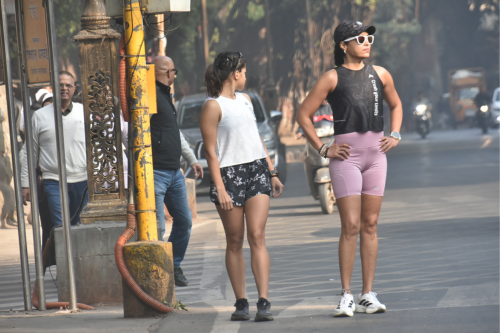
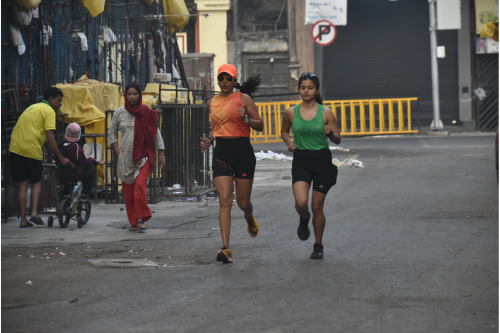
India's urban dawn breaks with purpose. In Bangalore, runners trace shadowed paths around Cubbon Park as the city stirs. Mumbai's Marine Drive hosts determined groups pushing through thick humidity. Delhi's wide avenues and parks fill with joggers navigating early light and familiar chaos. Hyderabad's emerging trail networks draw adventurers seeking elevation and escape. What unites these scenes is more than shared sweat it's a burgeoning national appetite for running that has transformed a simple activity into a cultural and economic force.
According to the latest analysis from IMARC Group, the India running gear market reached USD 2.4 Billion in 2024. It is expected to reach USD 4.8 Billion by 2033, exhibiting a growth rate (CAGR) of 7.71% during 2025-2033. This expansion stems from deepening health awareness, greater participation in fitness pursuits, accelerating urbanization, rising disposable incomes, the surge in recreational running, the multiplication of marathons and community races, prominent athlete endorsements, and the rapid rise of e-commerce channels.
The momentum feels palpable on the ground. Post-pandemic shifts reinforced wellness as a priority, turning running into an accessible, low-barrier ritual for millions. Young professionals dominate the ranks, yet the base widens steadily women's involvement grows noticeably year over year, while older generations increasingly join dawn patrols and evening circuits. Government efforts, including initiatives like Khelo Bharat Niti 2025 that promote sports integration and infrastructure, further embed physical activity into everyday life.
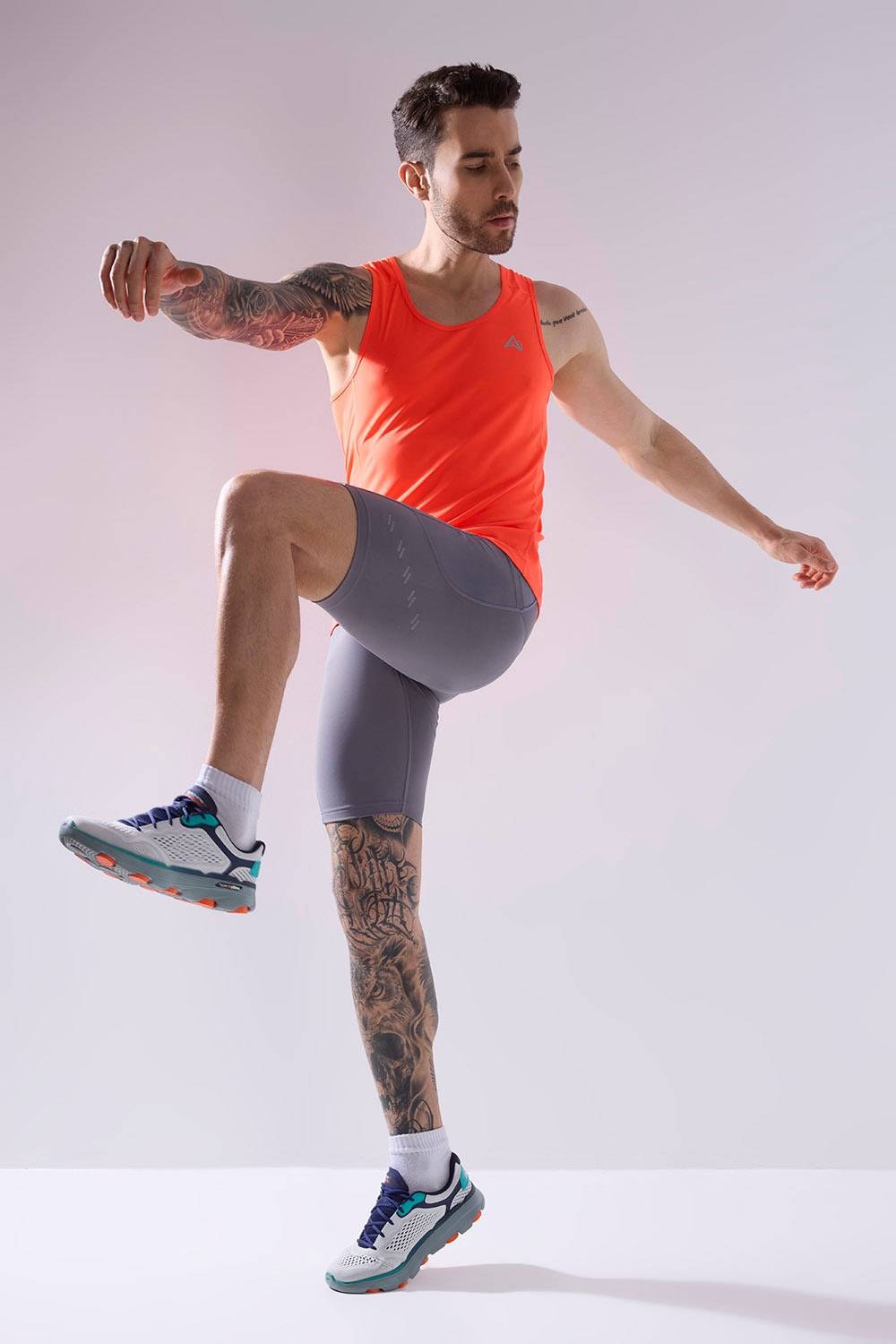
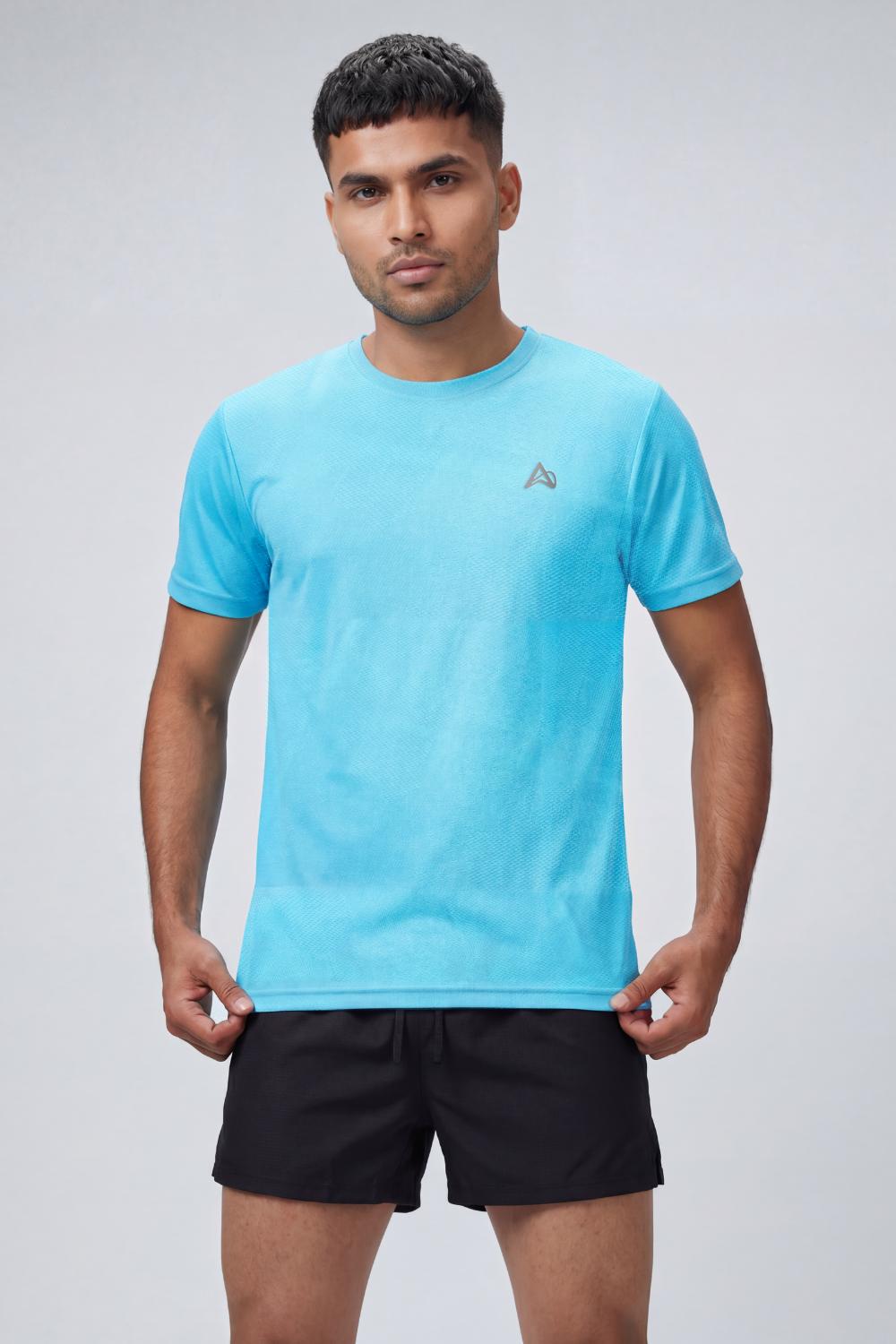
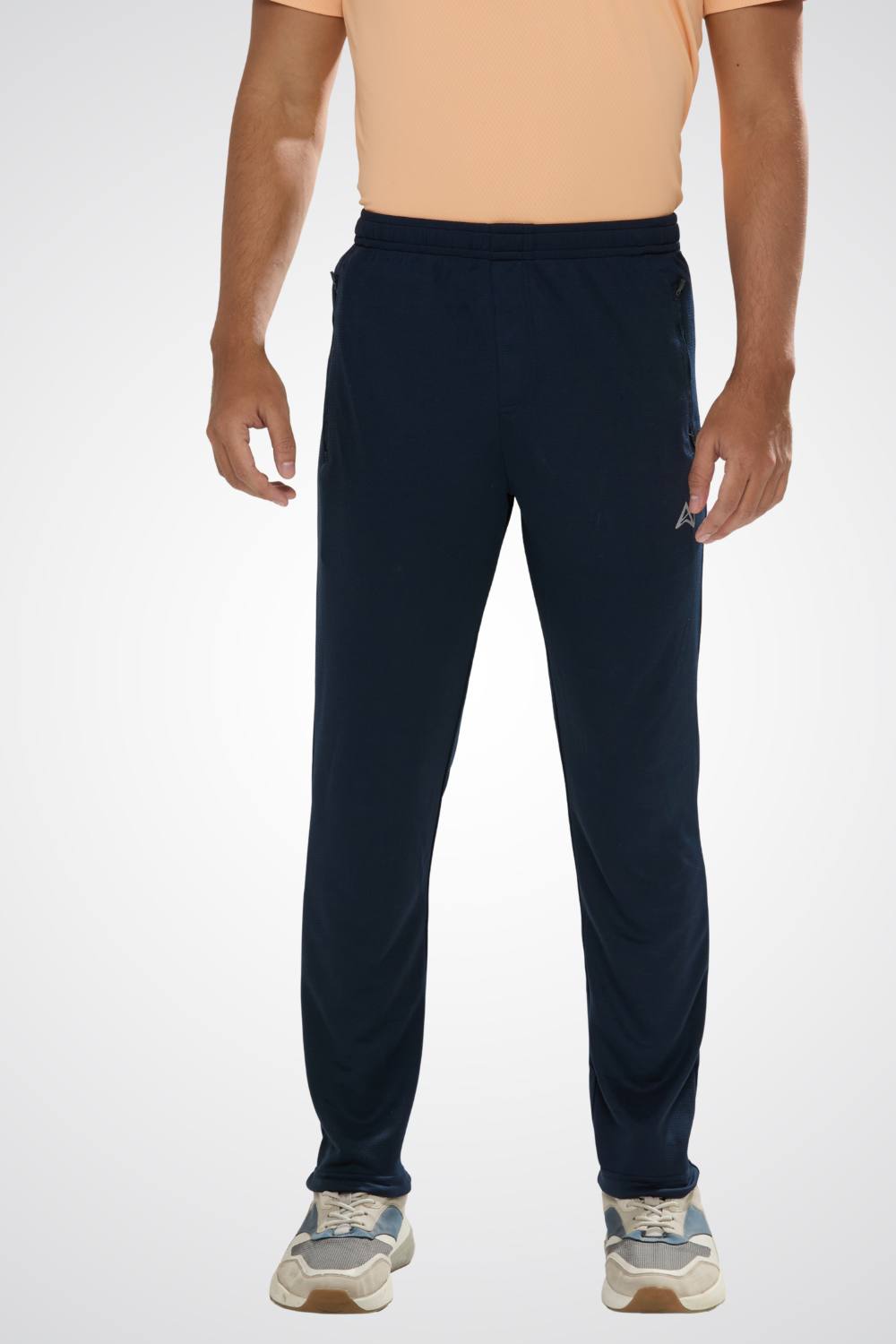
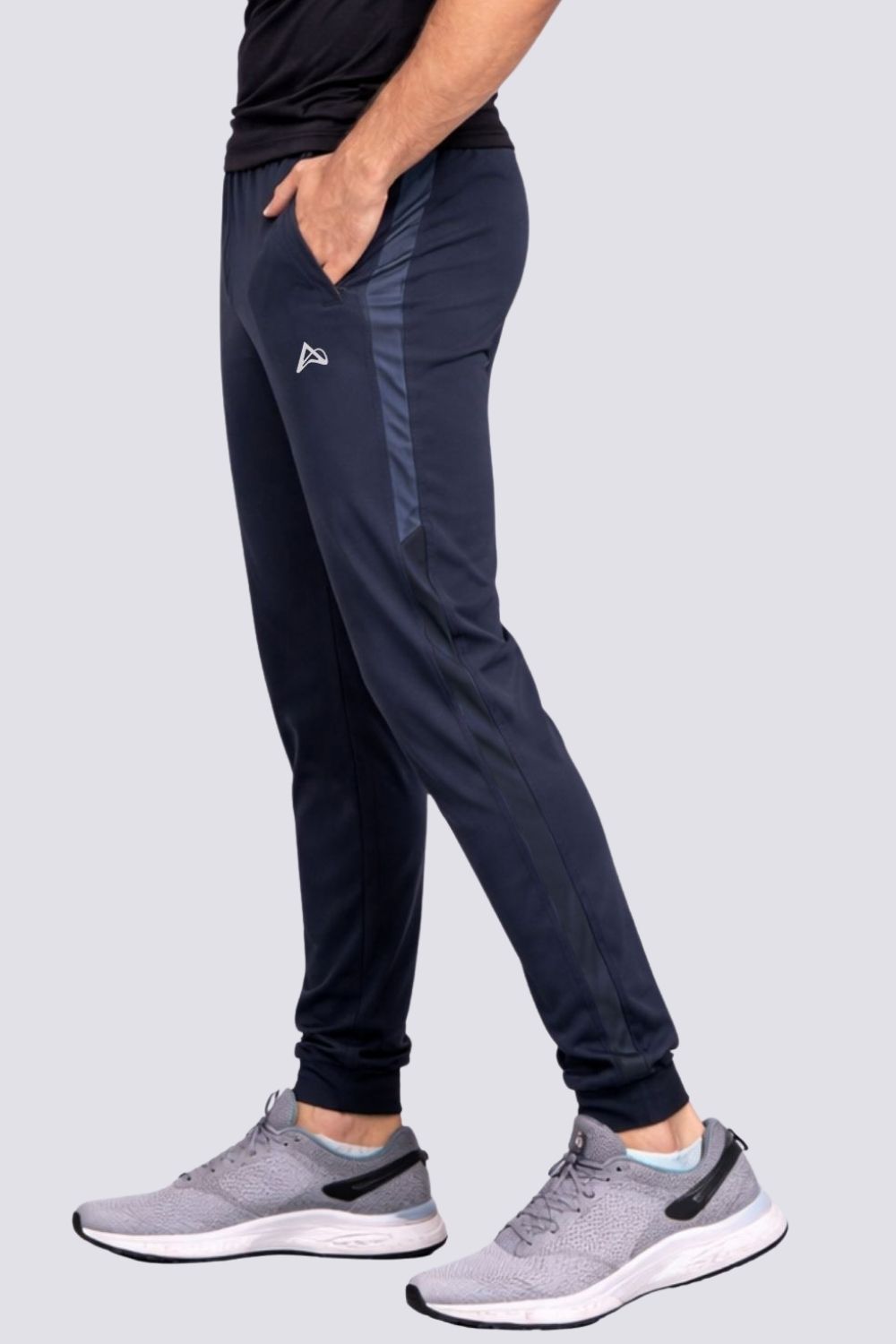
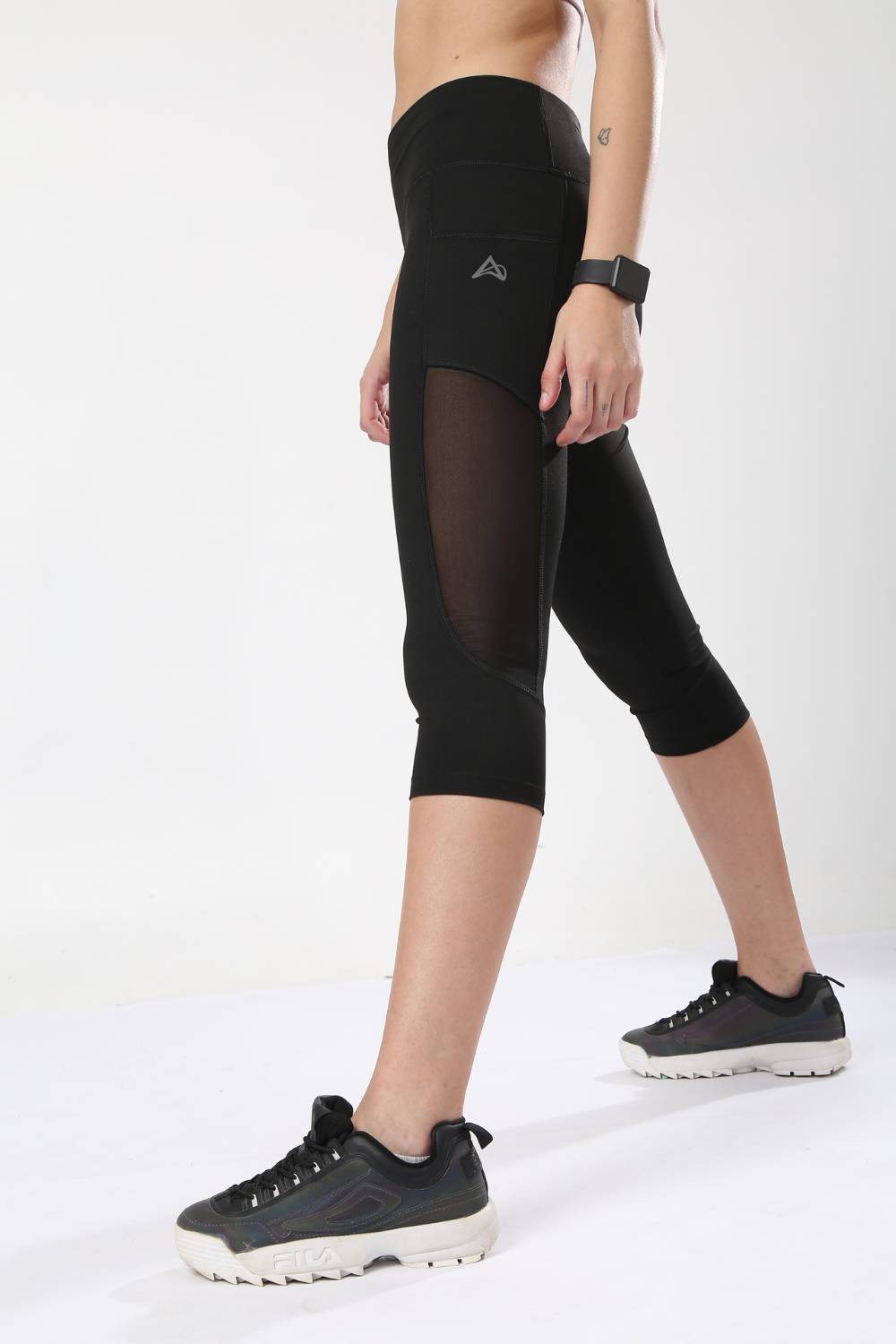
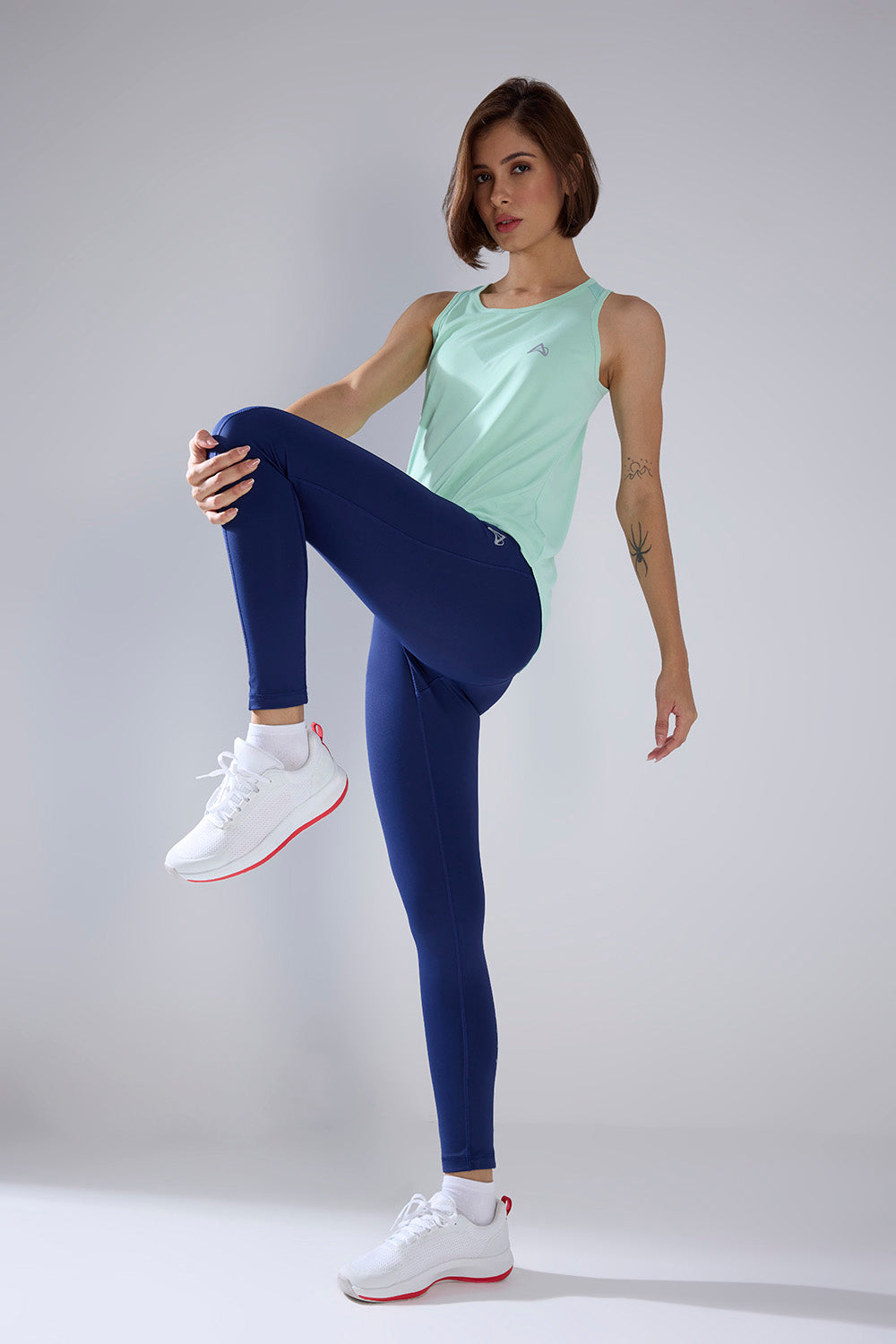
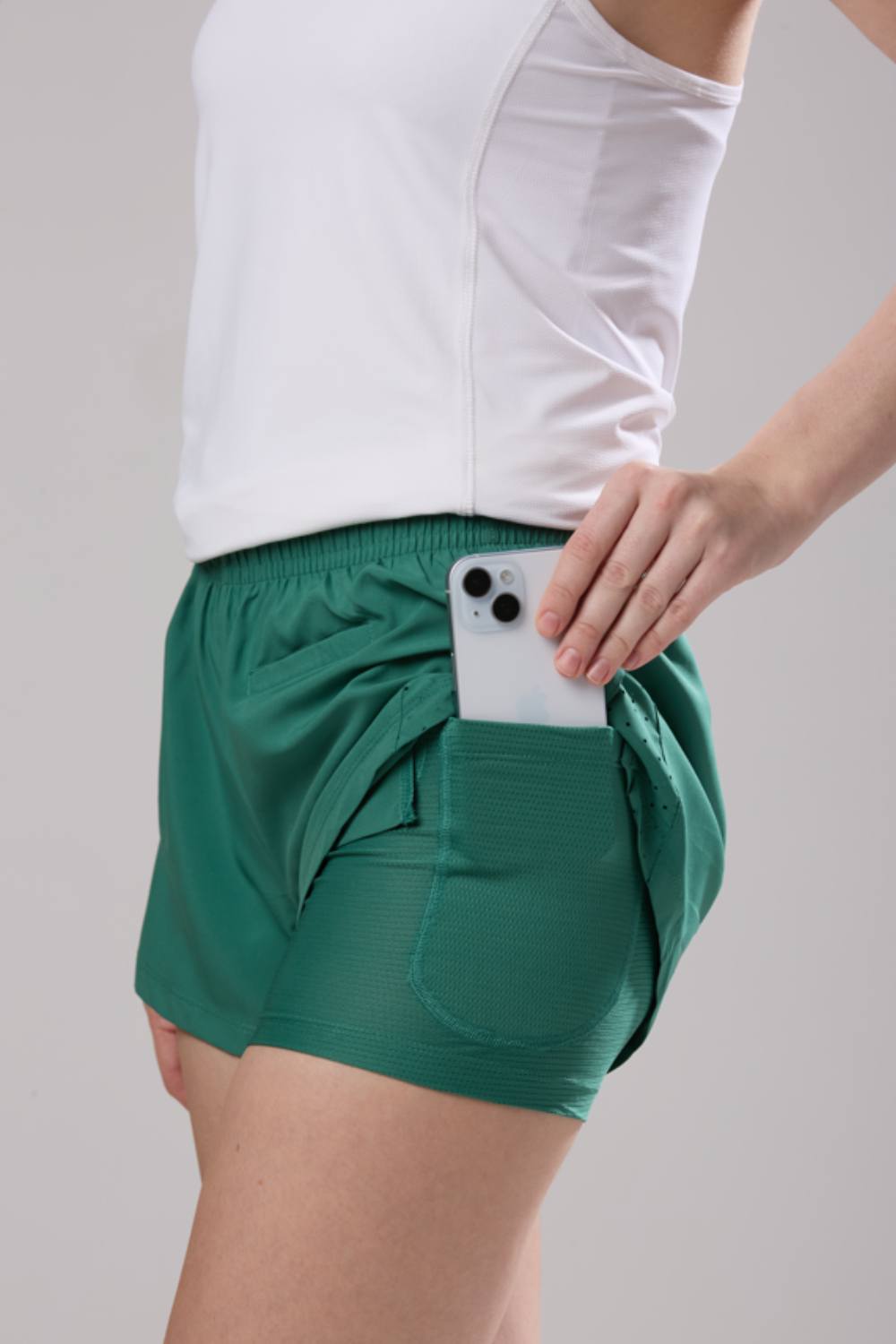
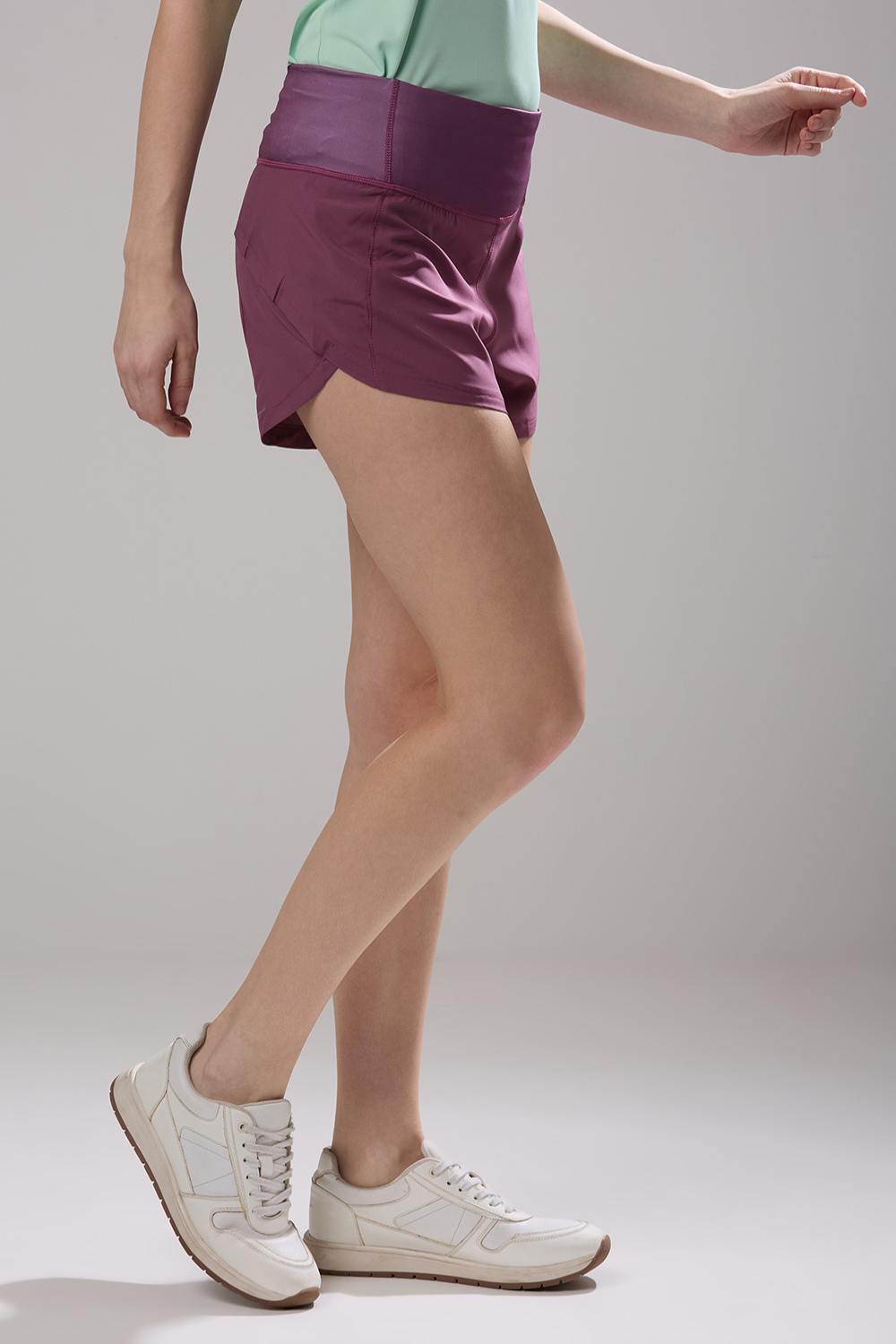
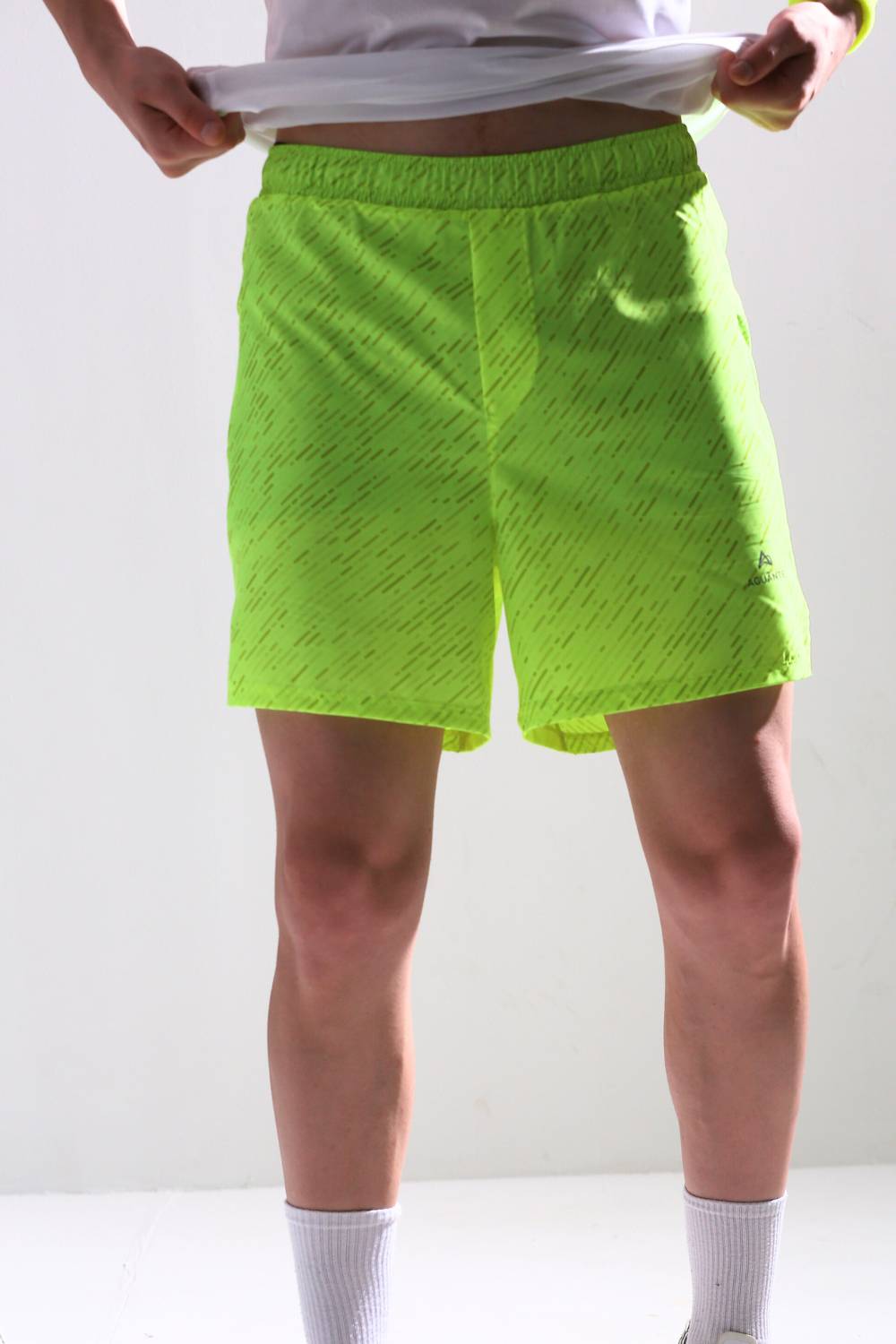
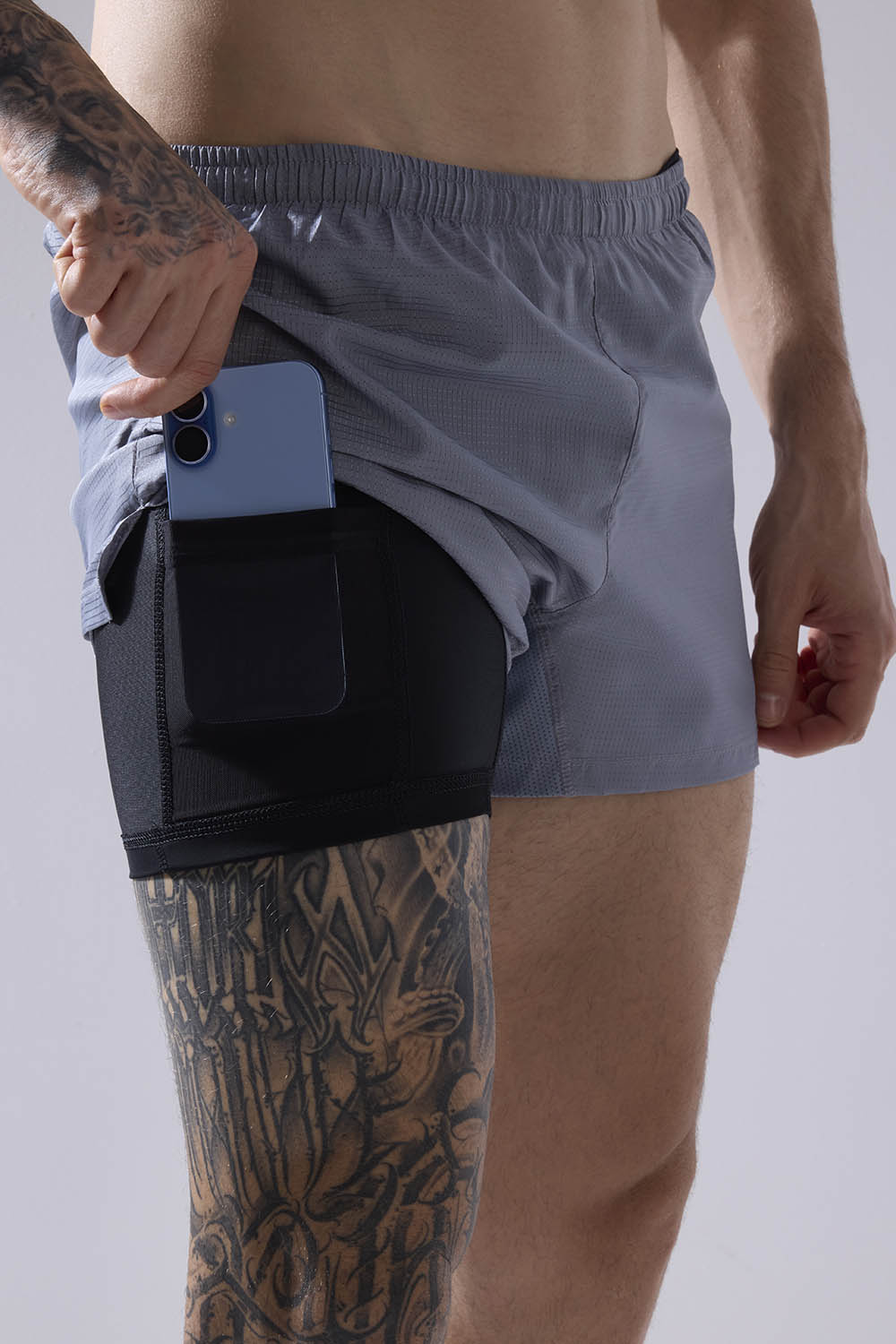
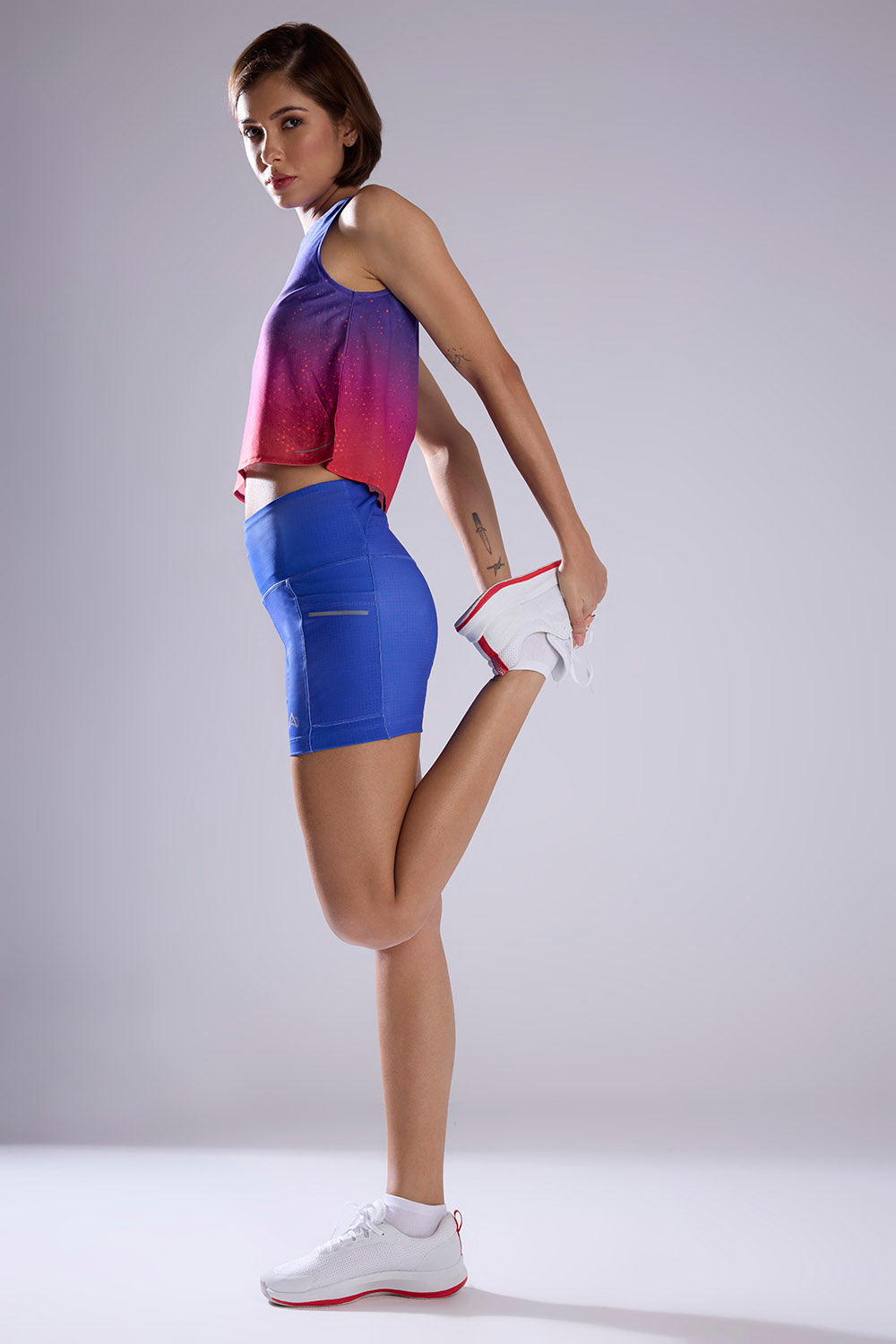
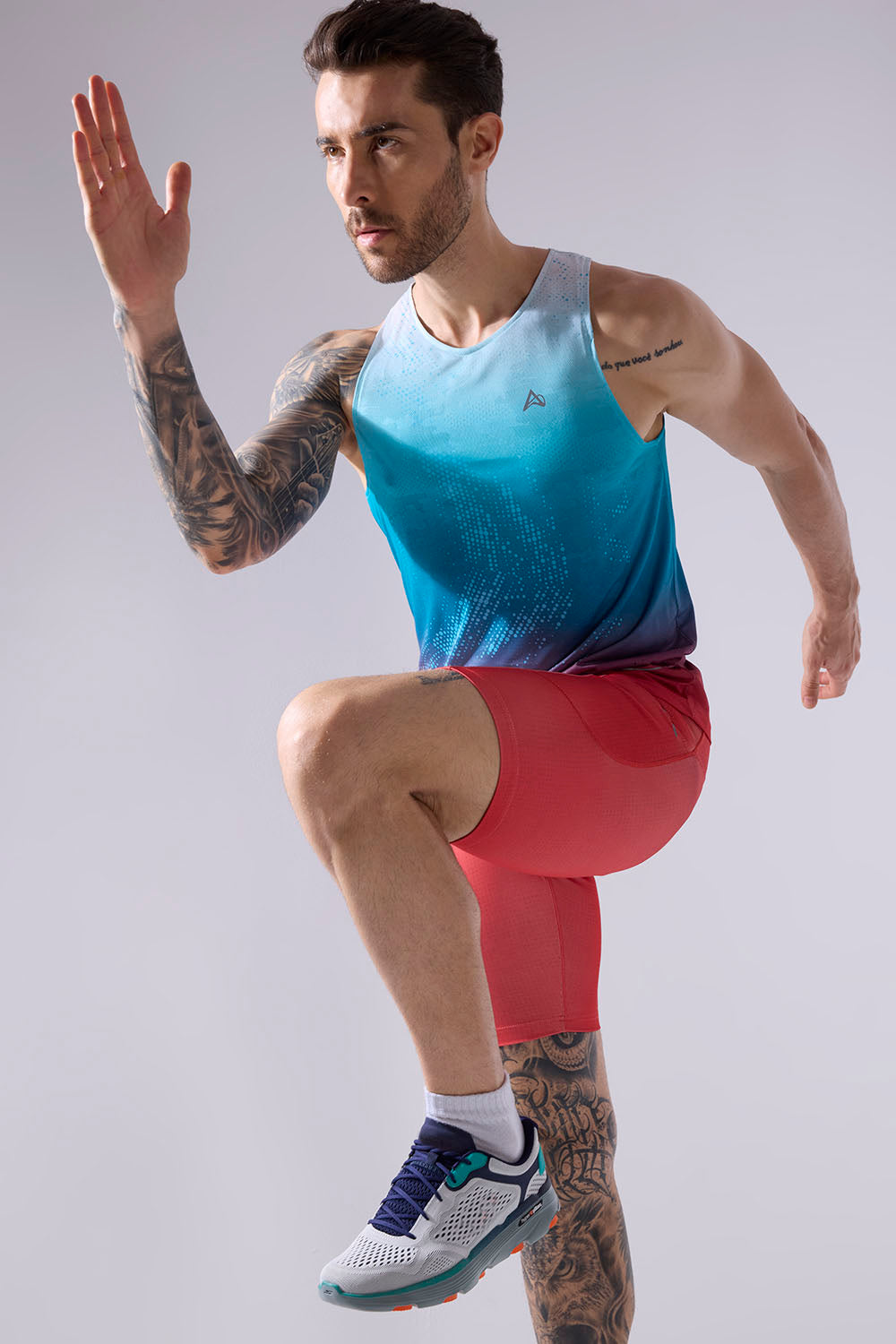
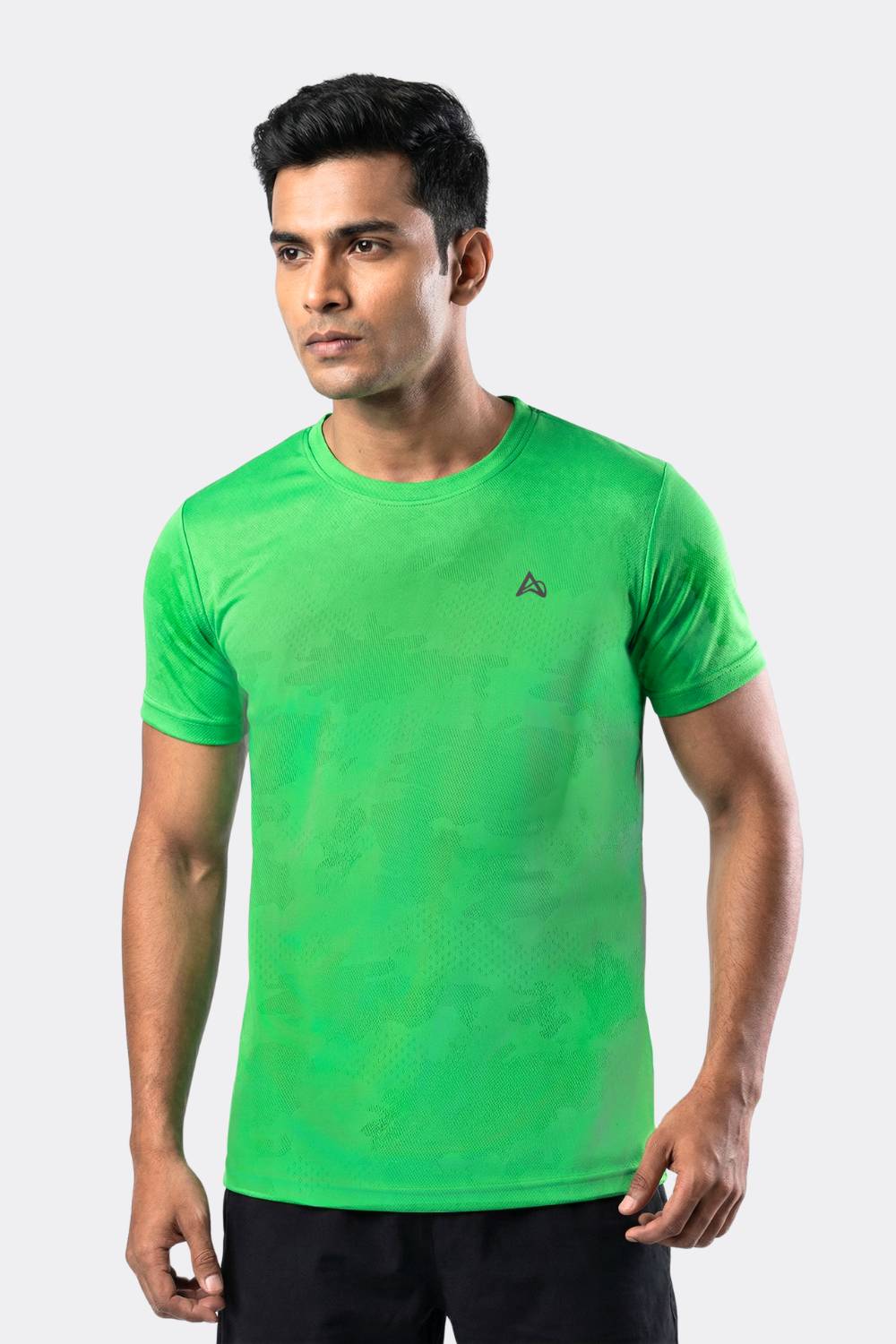
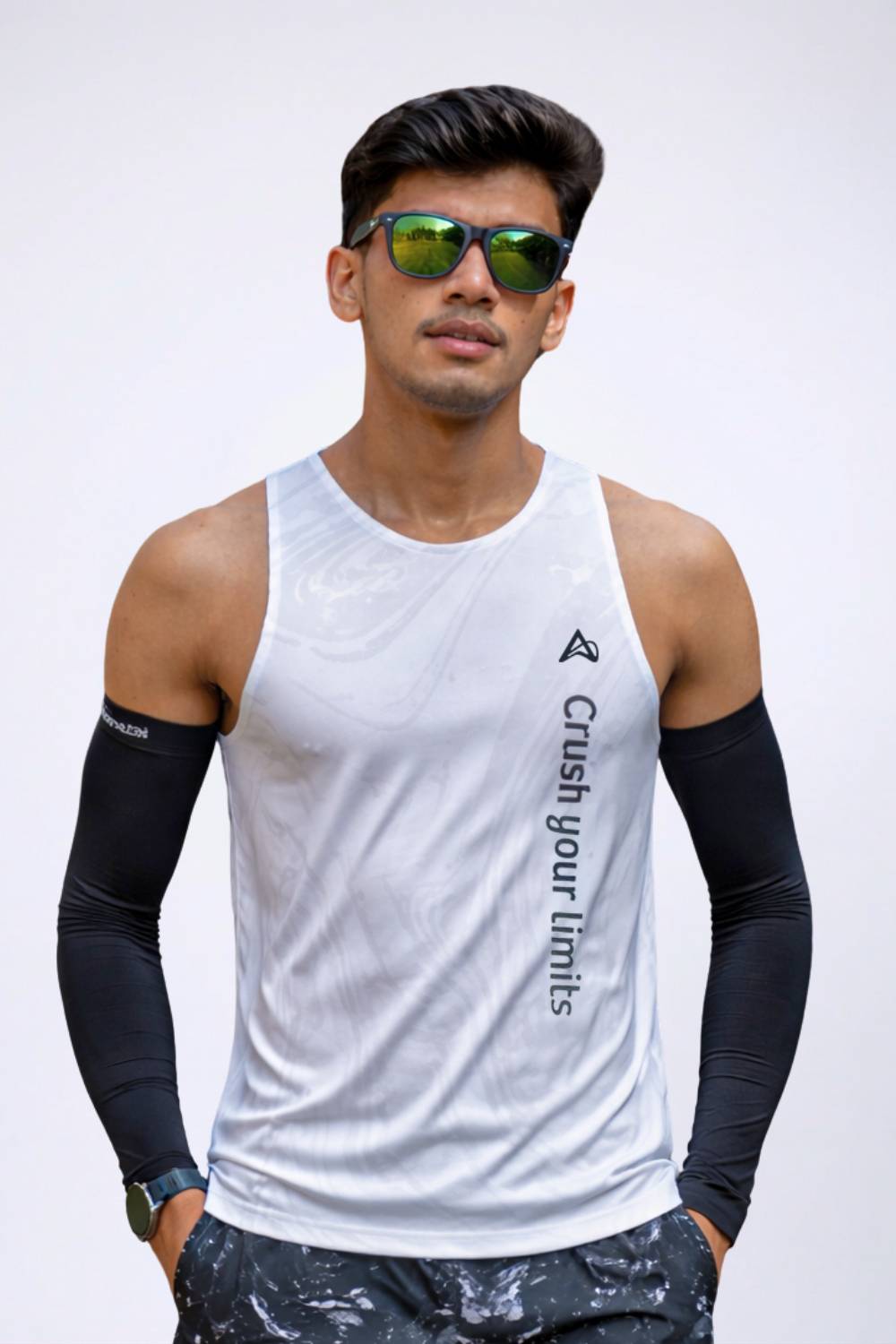
Tired of gear that slows you down? Chafing, soggy fabrics, and missing pockets kill your run's momentum. At Aguante, we're runners who get it. Our high-performance activewear features moisture-wicking fabrics, ergonomic designs, and smart storage to keep you focused. Shop Now!
The Pulse of Urban Running Culture
India's metropolitan hubs drive the trend. Bangalore leverages its temperate climate and tech-savvy population to sustain vibrant running communities and flagship events such as the TCS World 10K. Mumbai's iconic Standard Chartered Marathon routinely draws massive crowds, converting the city's coastline into a festival of endurance. Delhi's half-marathon series and Hyderabad's expanding trail events add regional flavor, each gathering amplifying demand for equipment suited to local realities intense sun, monsoon deluges, uneven pavements.
These gatherings transcend fitness; they foster ecosystems. Clubs form, routes circulate on apps, stories spread across social platforms. Participation breeds consumption: runners seek apparel and footwear that withstand heat, wick moisture instantly, and offer reliable grip on wet or dusty surfaces.
Global players respond decisively. Asics, the Japanese performance brand, pursues aggressive positioning in the premium running-shoe category. The company targets leadership in India's high-end segment by 2029, pursuing up to 35% annual growth through localized strategies, increased domestic manufacturing, and expanded retail footprint.
Adapting Gear to India's Demands
Modern running equipment has evolved far beyond rudimentary designs. Apparel now features advanced synthetics engineered for superior breathability and rapid drying essential in Mumbai's muggy air or Delhi's arid summers. Lightweight constructions prevent overheating during extended efforts in Pune, Surat, or other growing centers.
Footwear innovations address urban punishment: responsive midsoles absorb shock from concrete, while durable outsoles handle abrasive surfaces. Reflective details enhance visibility for twilight runs through Gurugram's residential pockets. Emerging smart integrations embedded sensors linking to mobile apps cater to performance-oriented users in Navi Mumbai and similar tech-forward enclaves.
Distribution channels evolve in tandem. Online platforms such as Amazon India and Flipkart extend reach into tier-2 and tier-3 markets, overcoming sparse physical retail. This shift broadens access to specialized items, although affordability constraints linger in less affluent areas.
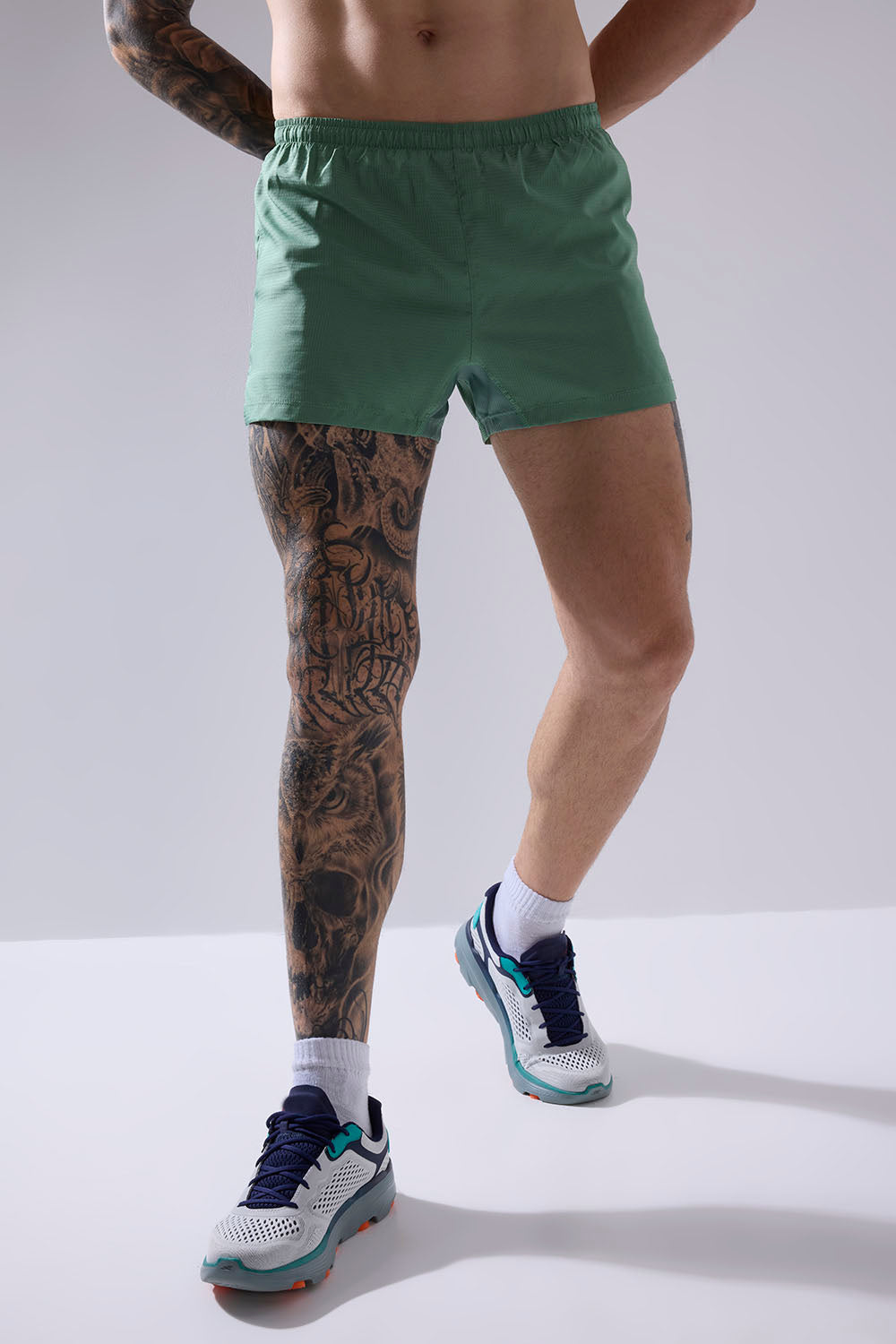
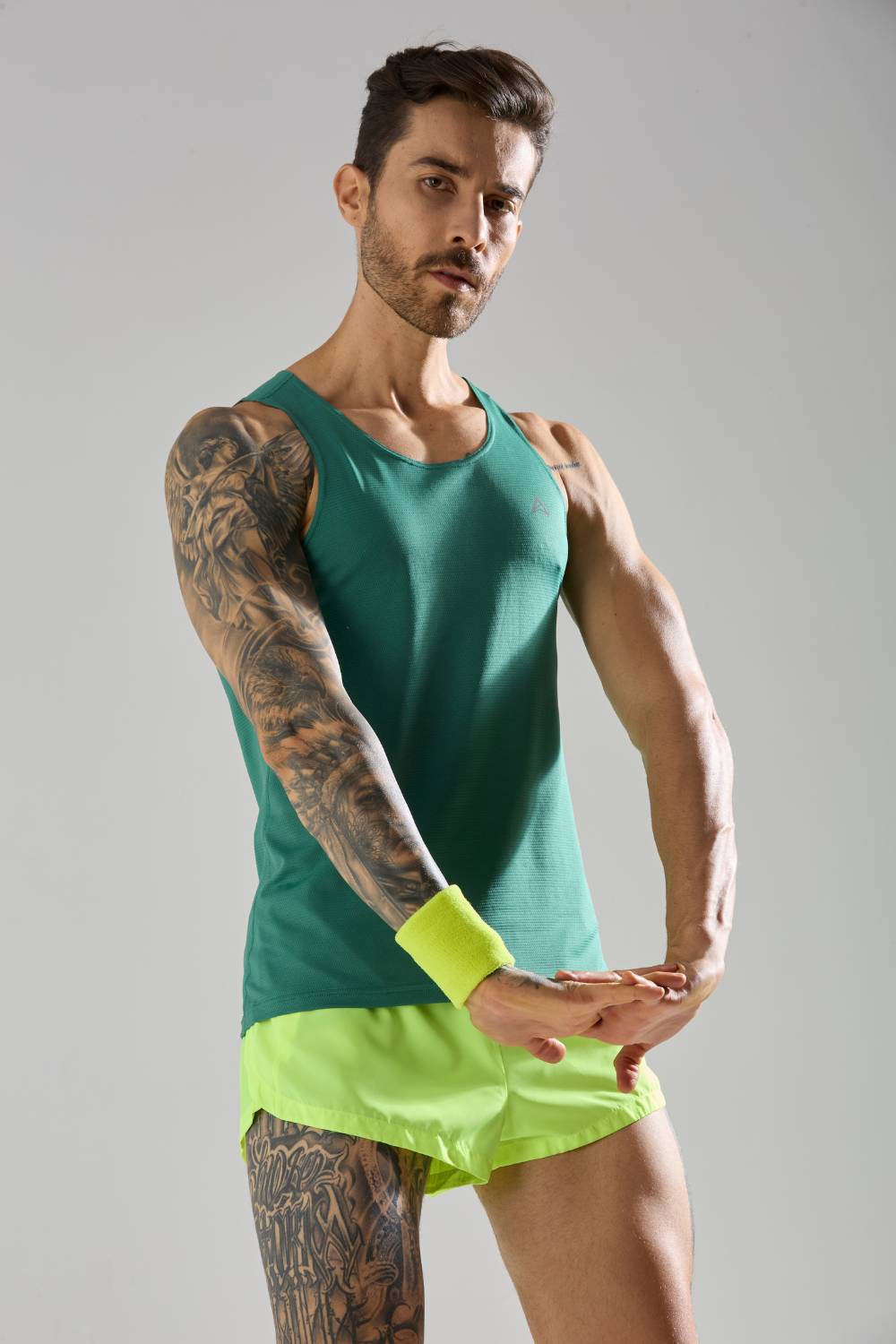
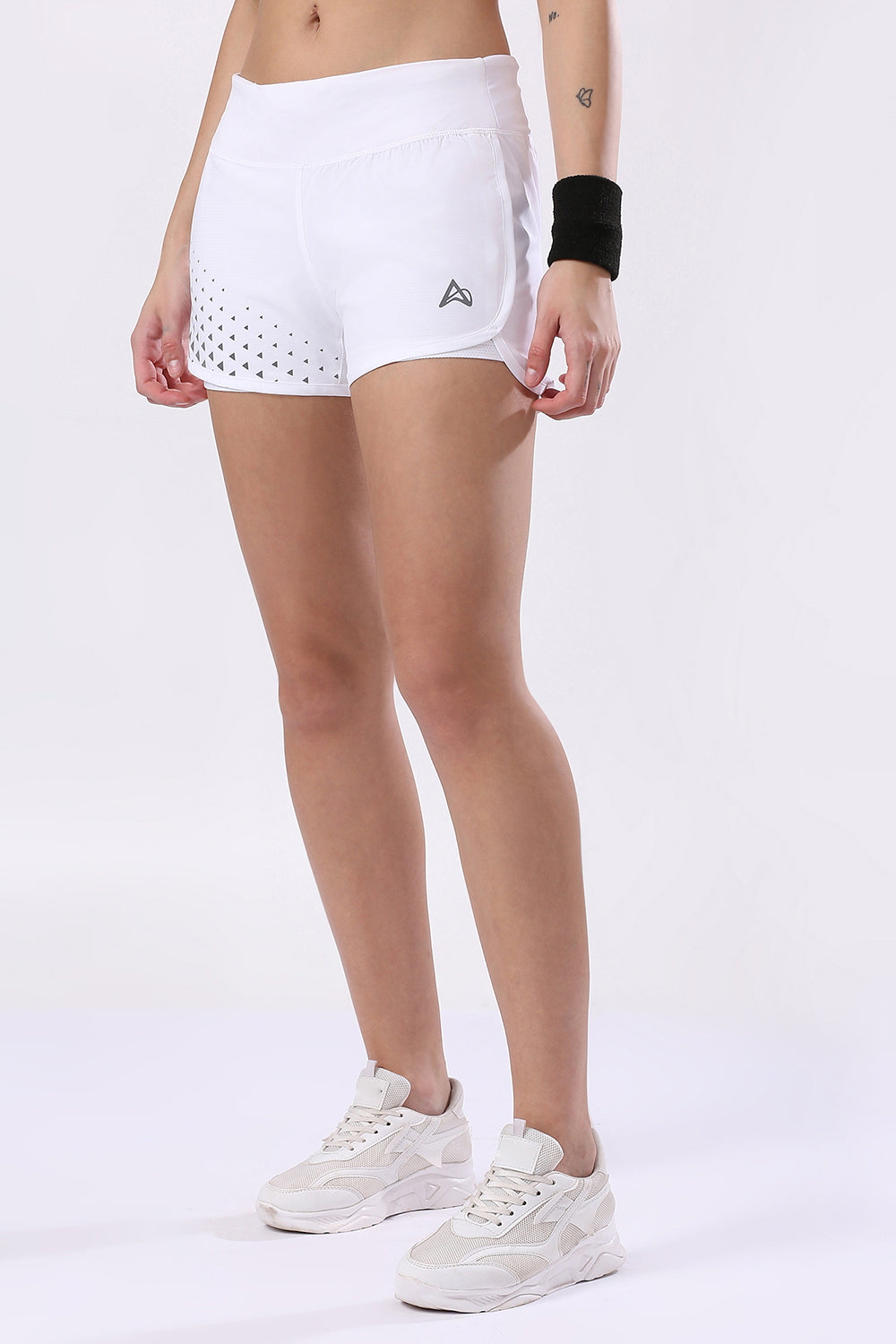
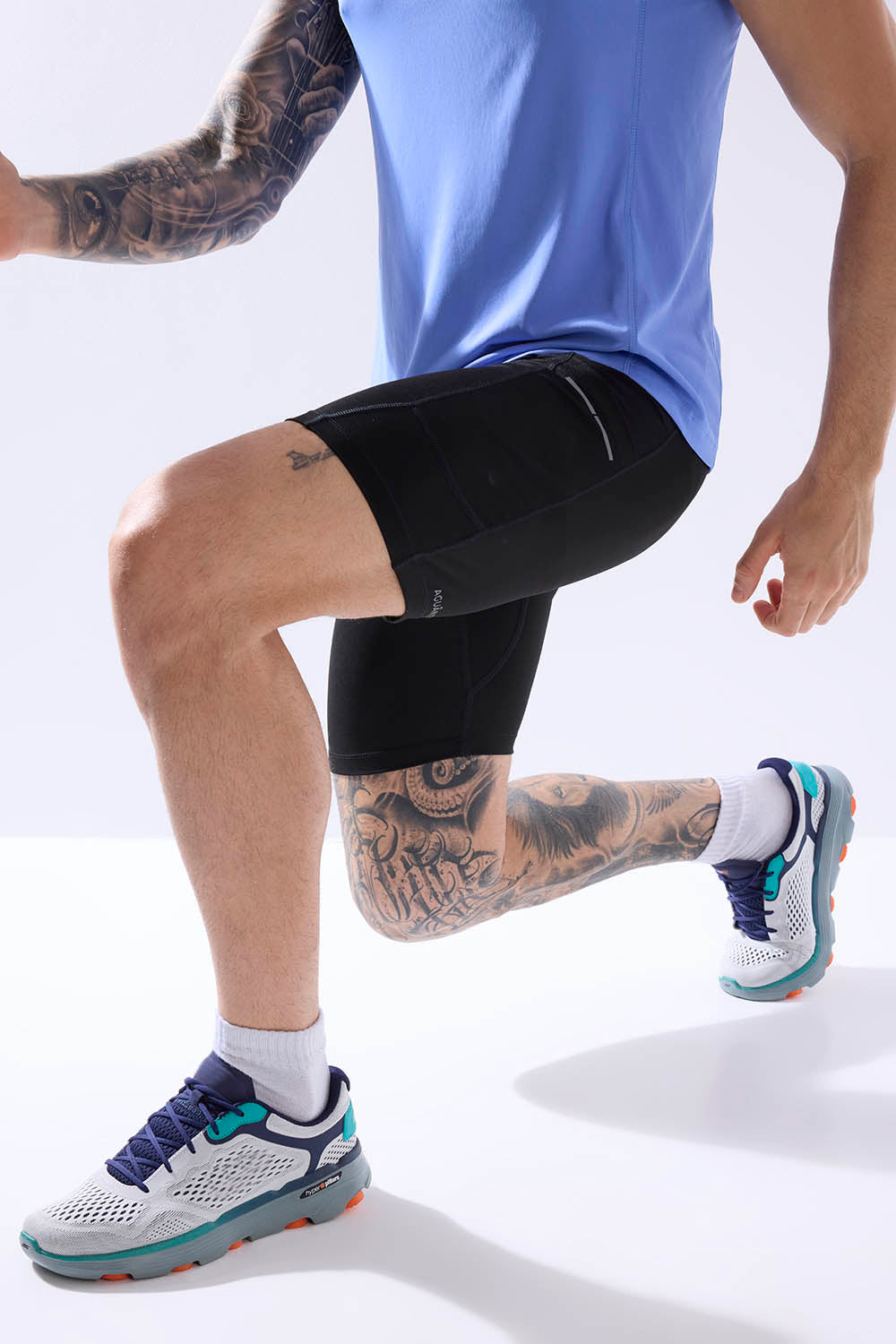
Domestic brands carve meaningful space by prioritizing local insight. Aguante Sports, a homegrown label rooted in runner experience, develops split shorts, half-tights, and other endurance-focused pieces informed directly by community feedback. Such grounded approaches build loyalty in a landscape where international dominance meets rising appreciation for regionally attuned performance.
Persistent Barriers Amid Expansion
Rapid ascent invites complications. Logistics networks strain to serve beyond major metros, leaving many tier-2 and tier-3 locations underserved. Climatic variety poses ongoing tests: Hyderabad's monsoon-drenched paths require different resilience than Delhi's winter dryness.
Economic realities temper enthusiasm. Premium international offerings often sit beyond reach in Ahmedabad, Surat, and comparable cities, where value perception remains paramount. Counterfeit products undermine confidence in authenticity. These pressures, however, stimulate creativity brands innovate toward accessible quality, climate-specific adaptations, and transparent supply chains.
Environmental considerations gain ground, especially among younger, urban consumers in Bangalore and Hyderabad. Options incorporating recycled fibers, lower-impact dyes, and repairable construction resonate with those balancing performance against sustainability.
The Road Forward
Indicators point to sustained momentum. Fitness-tracking applications log progress, influencers map scenic routes, corporate programs subsidize participation each element deepens engagement. Collaborations between brands and signature events Delhi marathons, Mumbai club gatherings strengthen visibility and belonging.
Success for market participants hinges on precision: customizing for regional weather patterns, merging meaningful technology with realistic pricing, prioritizing longevity for India's demanding terrain. The reward is a sector not merely expanding in volume but maturing in sophistication, where quality running gear edges toward essential status.
Ultimately, India's running surge captures a broader transformation: millions stepping out, committing to motion, embracing vitality. The journey toward USD 4.8 Billion by 2033 represents far more than economic projection it stands as collective momentum, an open call to lace up, adapt, and advance together.
Frequently Asked Questions
What is driving the growth of India's running gear market?
India's running gear market is expanding due to several key factors: increased health awareness post-pandemic, rising participation in marathons and community races, growing urbanization, and higher disposable incomes among young professionals. Government initiatives like Khelo Bharat Niti 2025, which promote sports infrastructure and integration, are also embedding physical activity into everyday life. The market is projected to grow at 7.71% annually, reaching USD 4.8 billion by 2033.
Which cities in India have the strongest running culture and events?
Bangalore, Mumbai, Delhi, and Hyderabad lead India's urban running movement. Bangalore hosts the flagship TCS World 10K and benefits from a temperate climate ideal for year-round running. Mumbai's Standard Chartered Marathon draws massive crowds along the iconic Marine Drive coastline. Delhi features popular half-marathon series, while Hyderabad's expanding trail networks attract runners seeking varied terrain and elevation challenges.
What features should runners in India look for in running shoes and apparel?
Indian runners should prioritize gear designed for local climate challenges advanced moisture-wicking fabrics for high humidity, lightweight materials to prevent overheating, and breathable synthetics for rapid drying. Footwear should feature responsive midsoles for shock absorption on concrete surfaces, durable outsoles for abrasive terrain, and reflective details for early morning or evening visibility. Smart integrations like embedded sensors that connect to mobile apps are increasingly popular among performance-focused urban runners.
Disclaimer: The above helpful resources content contains personal opinions and experiences. The information provided is for general knowledge and does not constitute professional advice.
You may also be interested in: Why Choosing High-Performance Gear Is Crucial for Marathon
Tired of gear that slows you down? Chafing, soggy fabrics, and missing pockets kill your run's momentum. At Aguante, we're runners who get it. Our high-performance activewear features moisture-wicking fabrics, ergonomic designs, and smart storage to keep you focused. Shop Now!
Powered by flareAI.co