



Quick Listen:
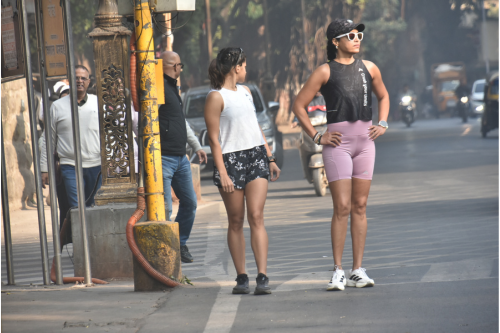
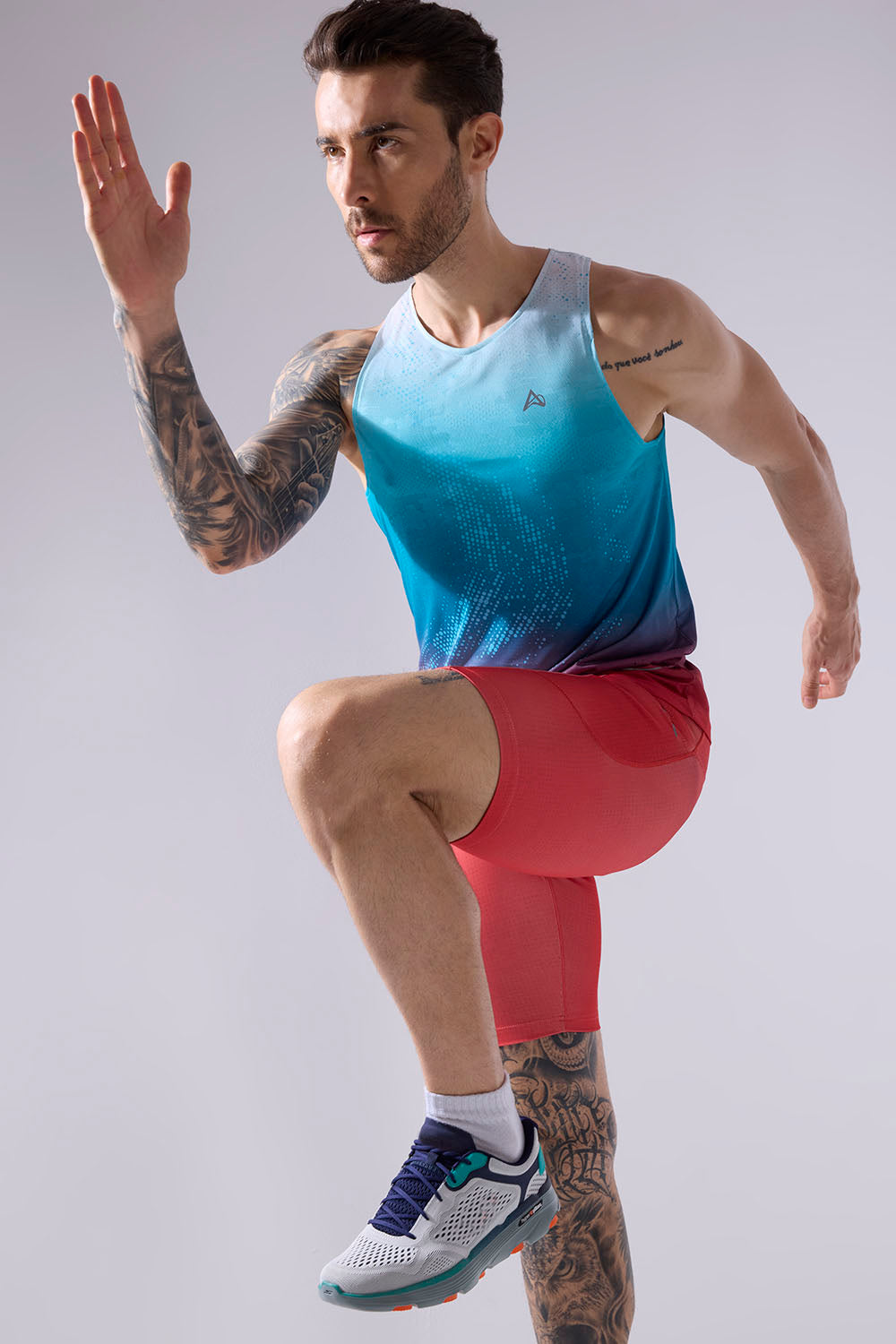
In the early morning mist of Bangalore, where humidity wraps around runners like a damp embrace, joggers dart through tree-lined paths, their strides cutting through the thick air. Along Mumbai's rain-slicked promenades, marathoners navigate monsoon-soaked streets, while Delhi's runners endure heat that radiates like an open flame. Across India's urban centers, a transformation is underway not only in the growing ranks of runners but in the apparel that shields them from the country's grueling summers, where humidity often climbs to 80% and temperatures soar past 40°C. Breathable, moisture-wicking fabrics have become essential for these athletes, a critical response to India's unforgiving tropical climate.
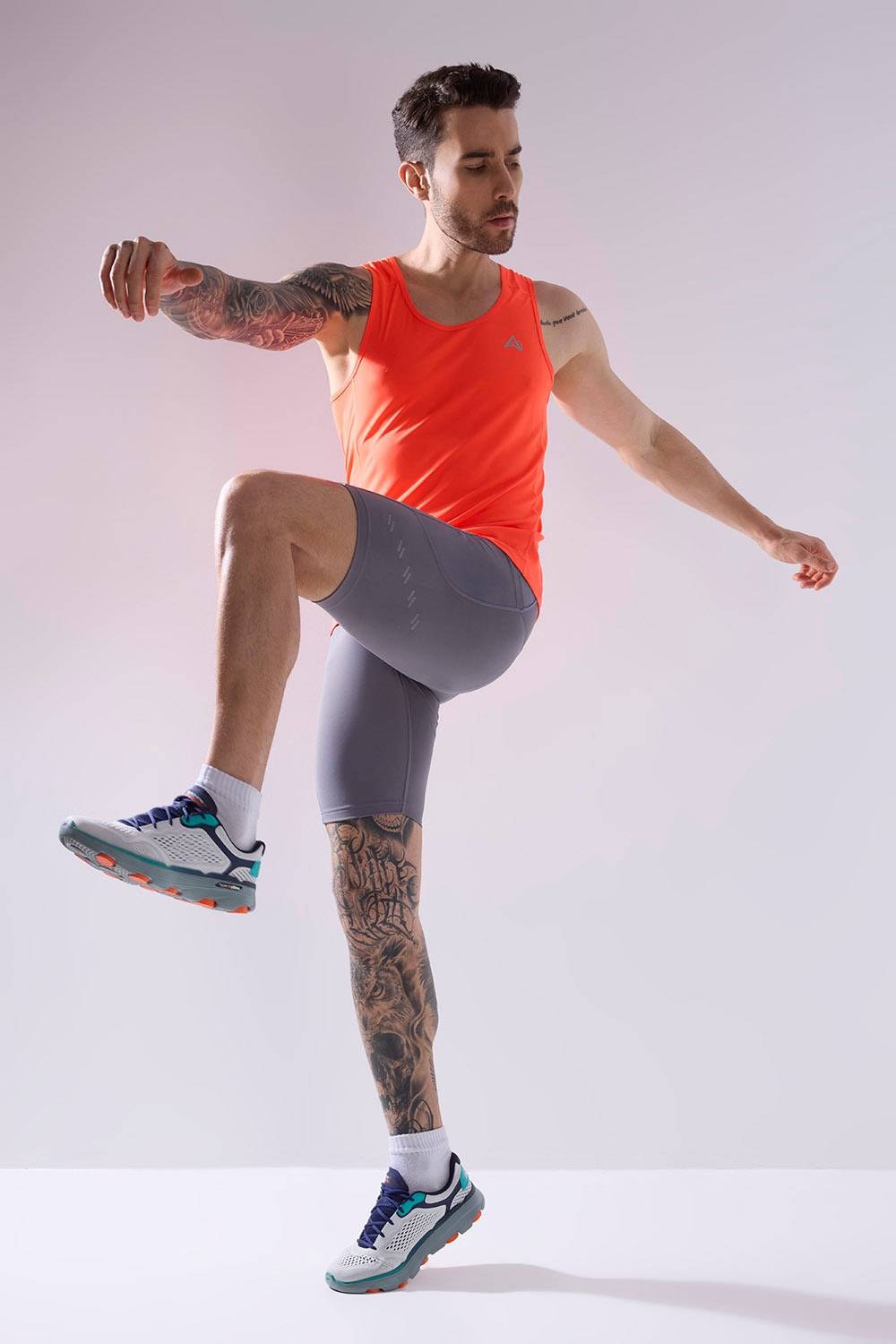
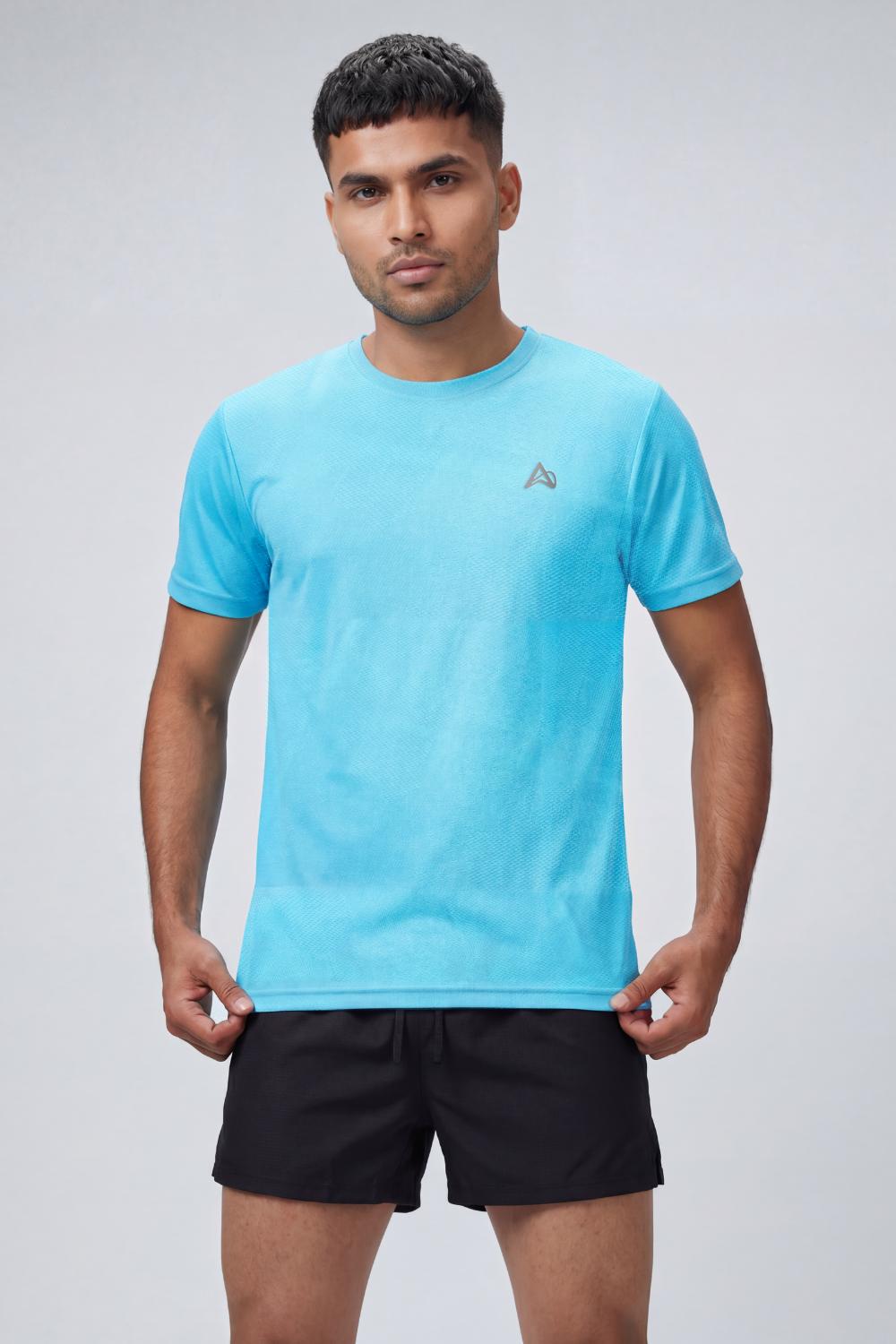
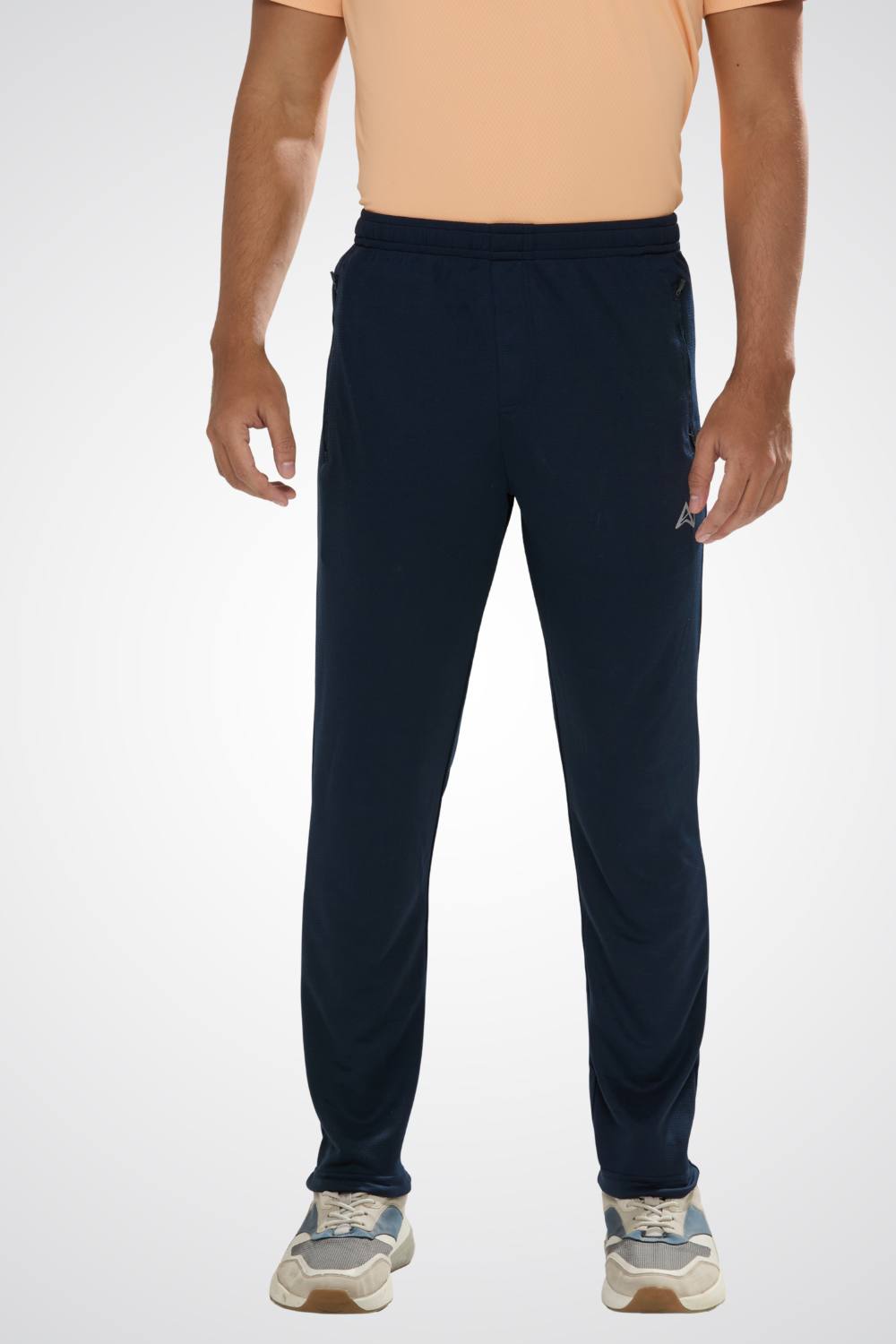
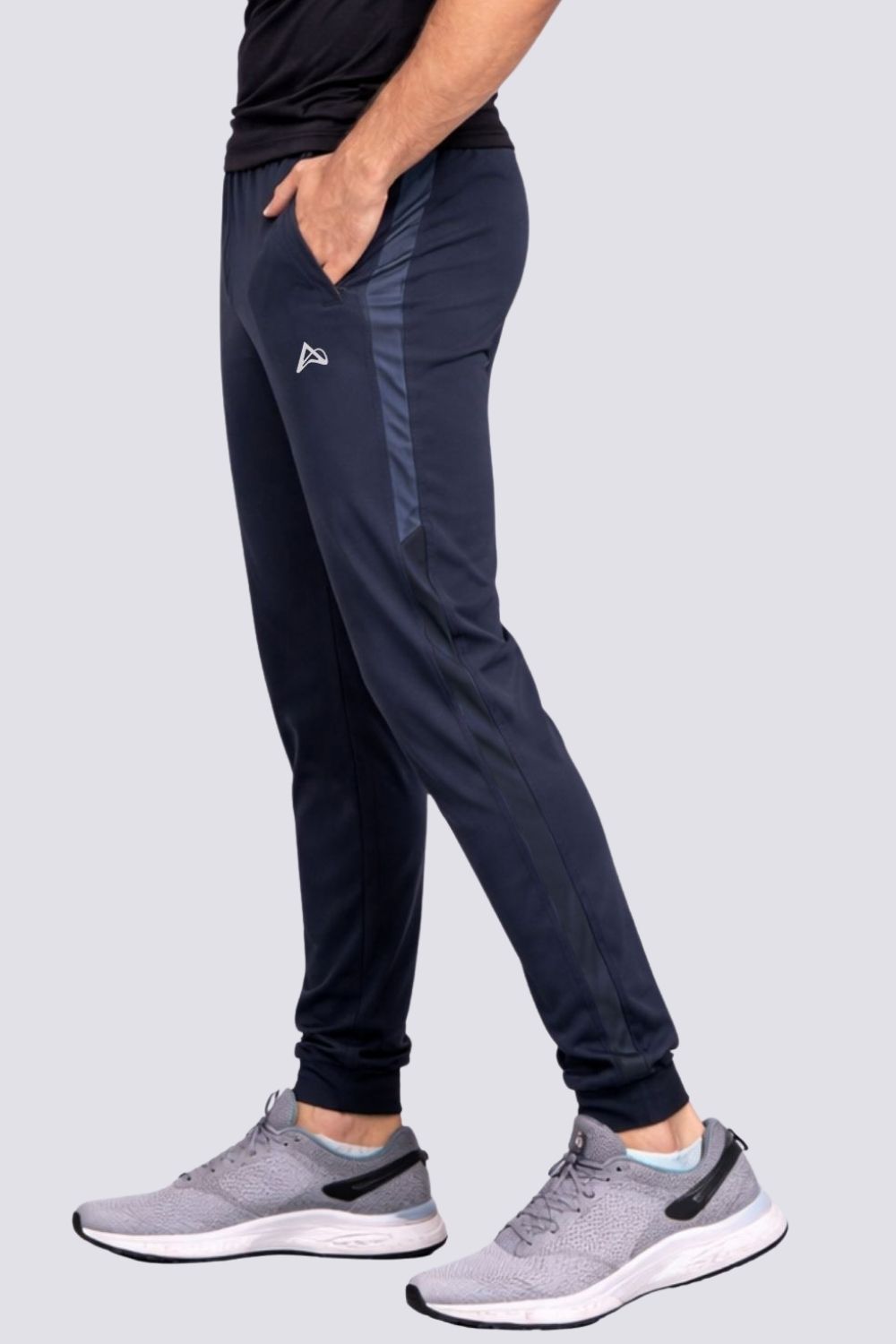
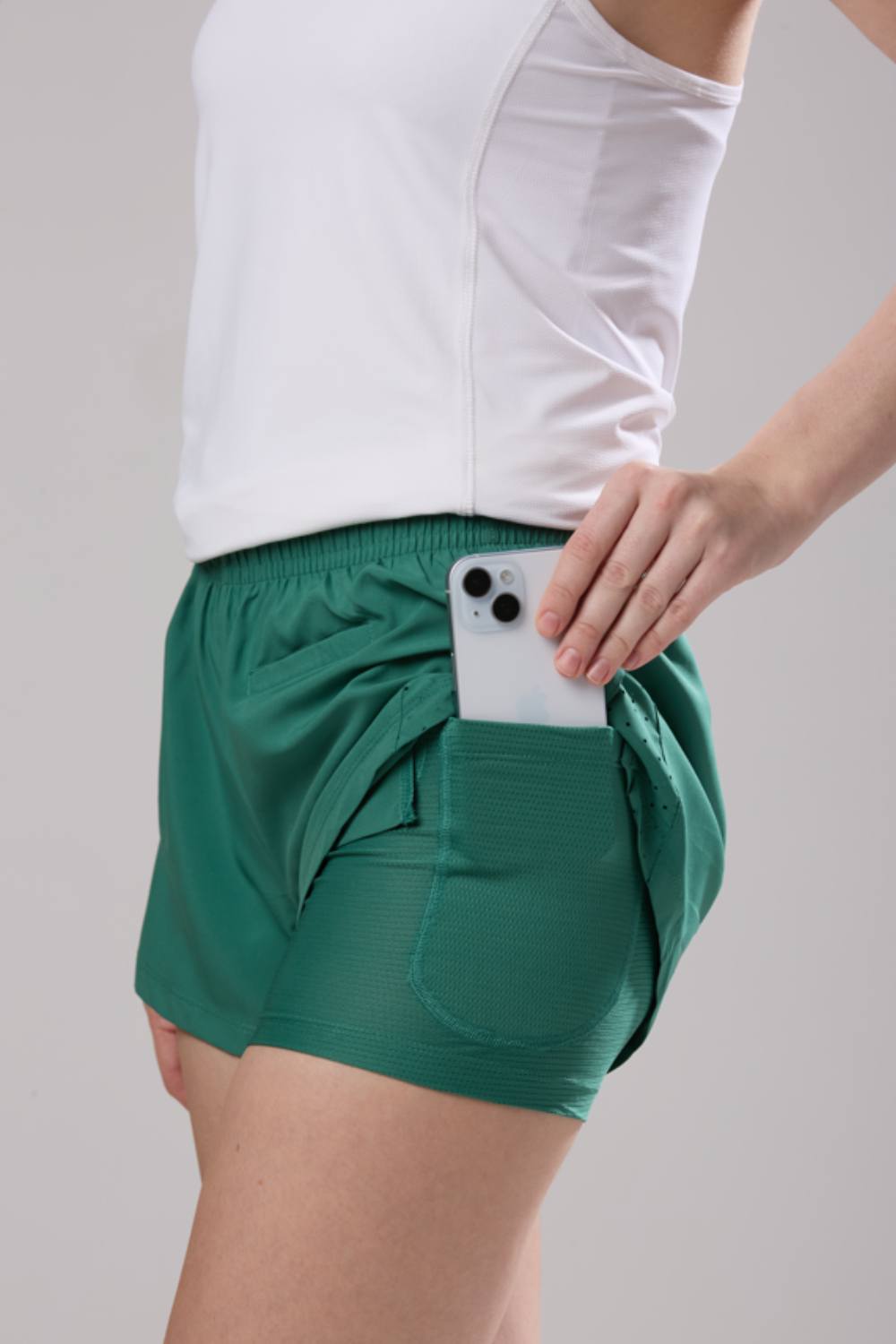
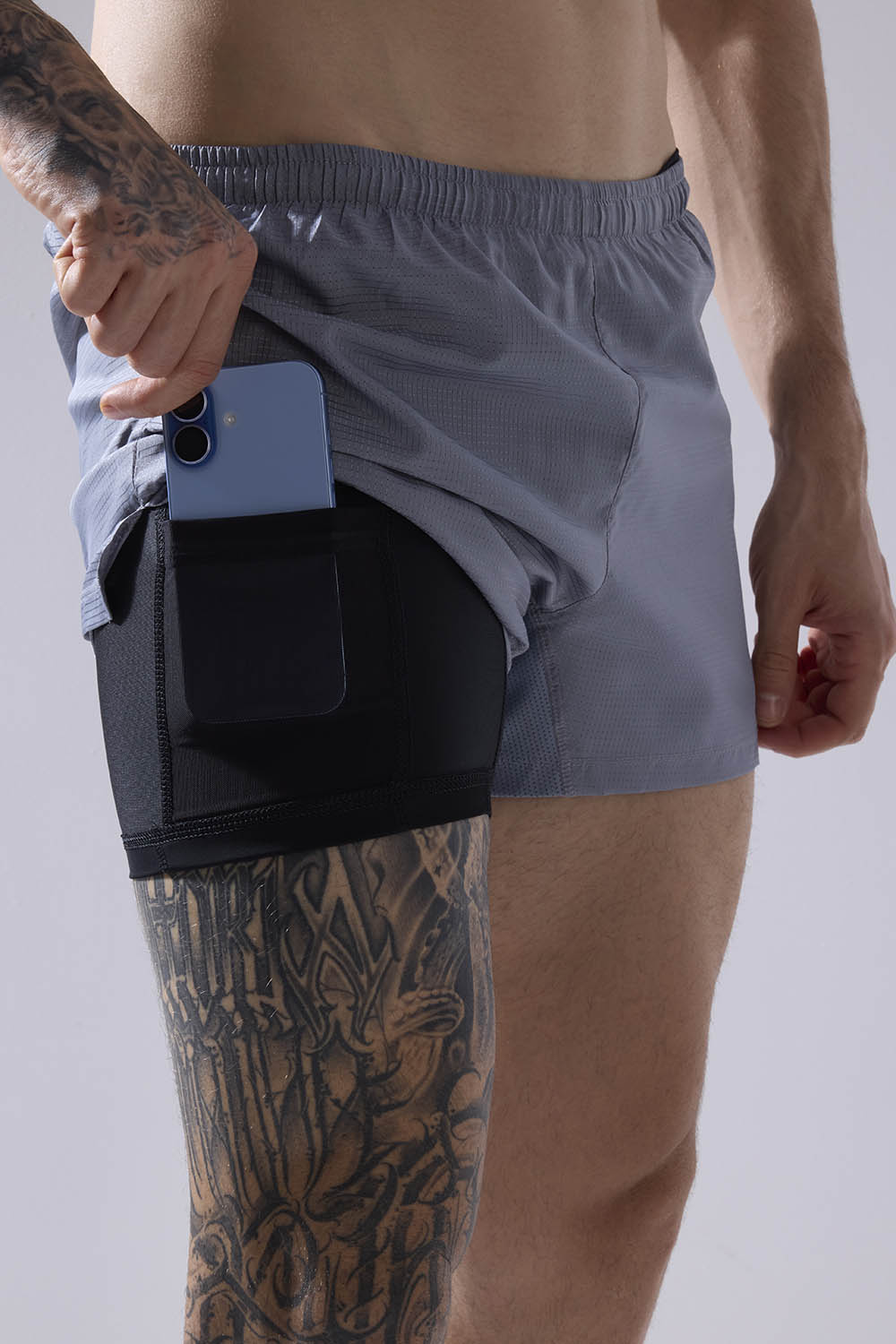
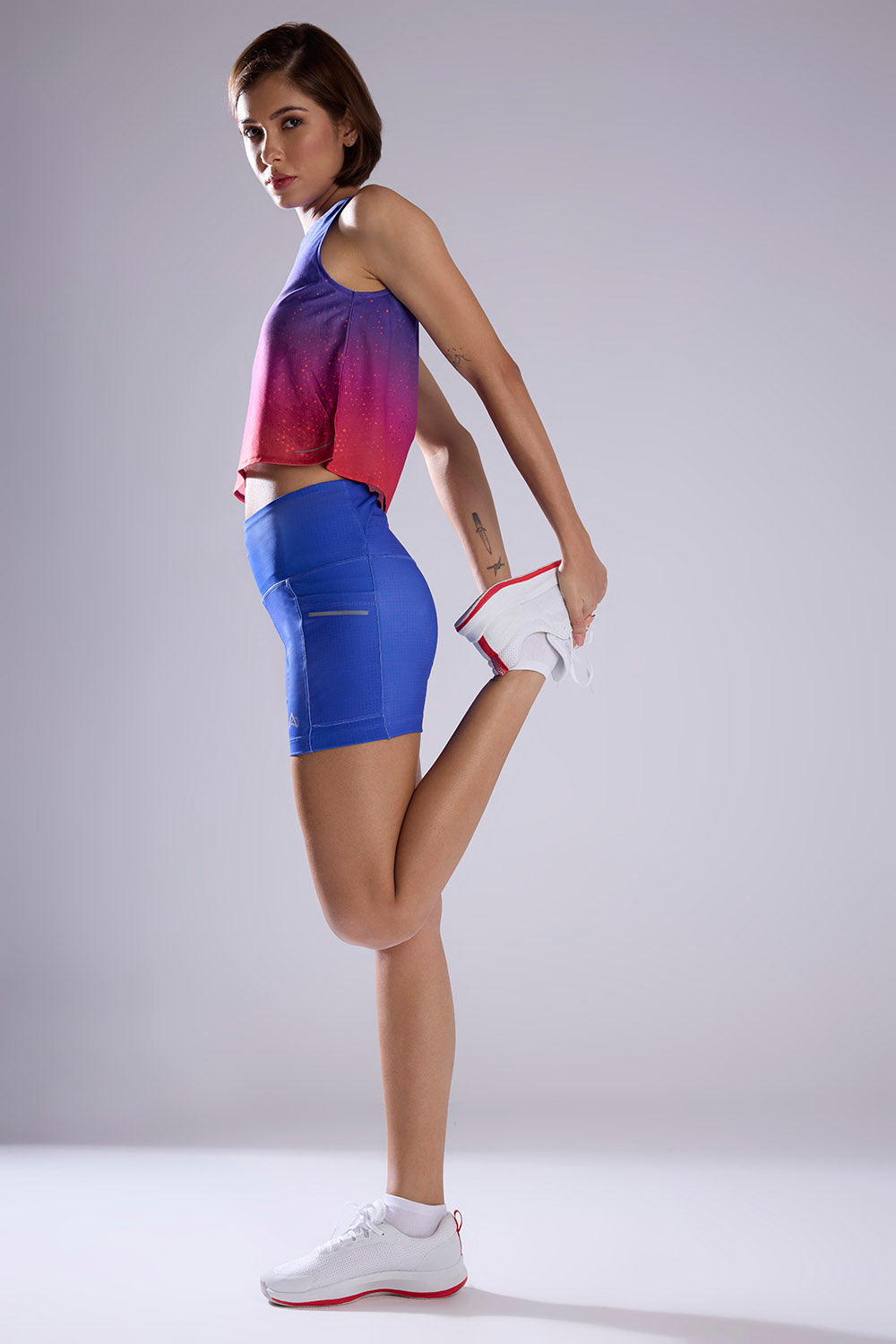
Tired of gear that slows you down? Chafing, soggy fabrics, and missing pockets kill your run's momentum. At Aguante, we're runners who get it. Our high-performance activewear features moisture-wicking fabrics, ergonomic designs, and smart storage to keep you focused. Shop Now!
Runners Seek Breathable Apparel to Combat India's Humid Summers
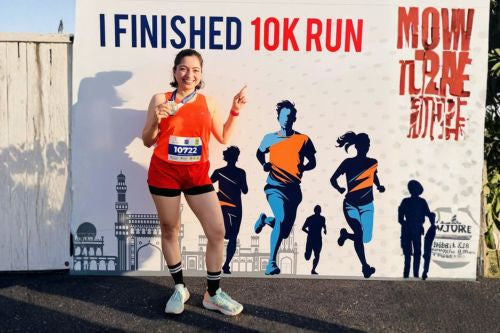
India's running scene is thriving, with events like the TCS World 10K Bangalore and the Mumbai Marathon attracting thousands, driven by a surge in health awareness and vibrant running communities. Yet, the nation's climate intense humidity in coastal hubs like Mumbai and Pune, or blistering dry heat in Delhi and Gurugram demands more than determination. Runners require apparel engineered for performance. A 2024 study by NIFT Bengaluru highlights breathability and sweat-wicking as top priorities for Indian runners. Data from the India Meteorological Department (IMD) underscores the challenge: summer humidity in cities like Hyderabad and Bangalore frequently reaches 70–80%, making traditional cotton clothing heavy and ineffective.
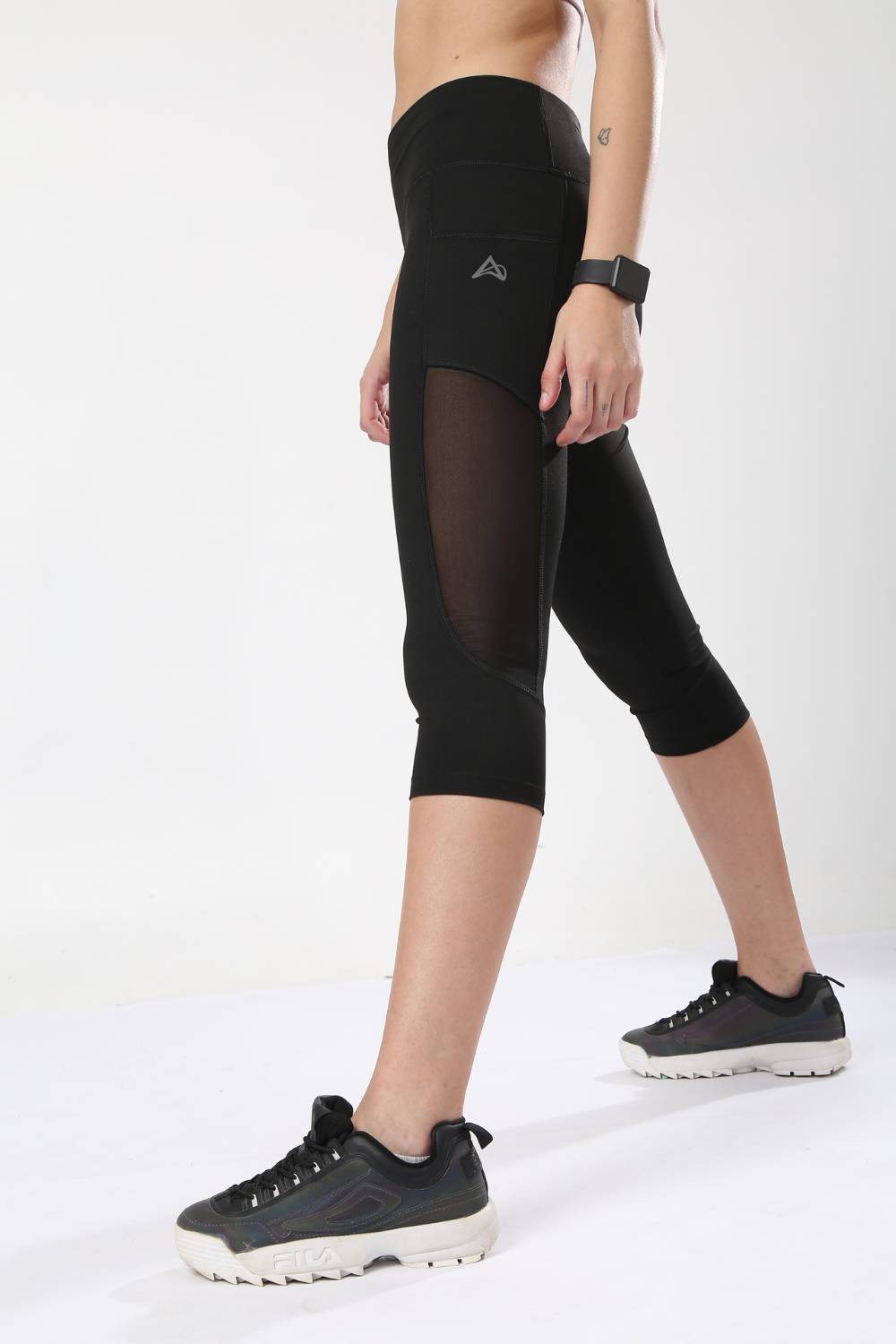
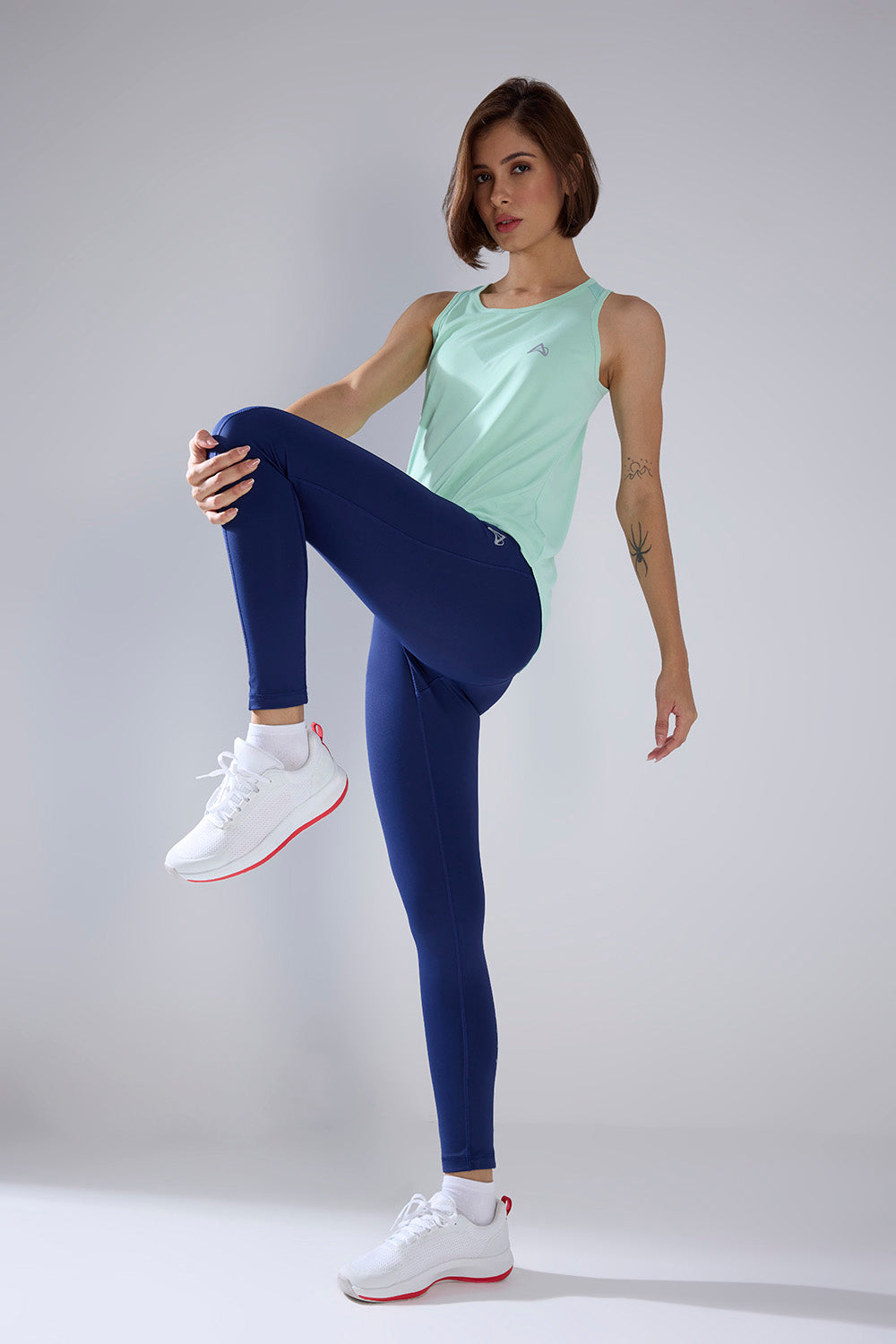
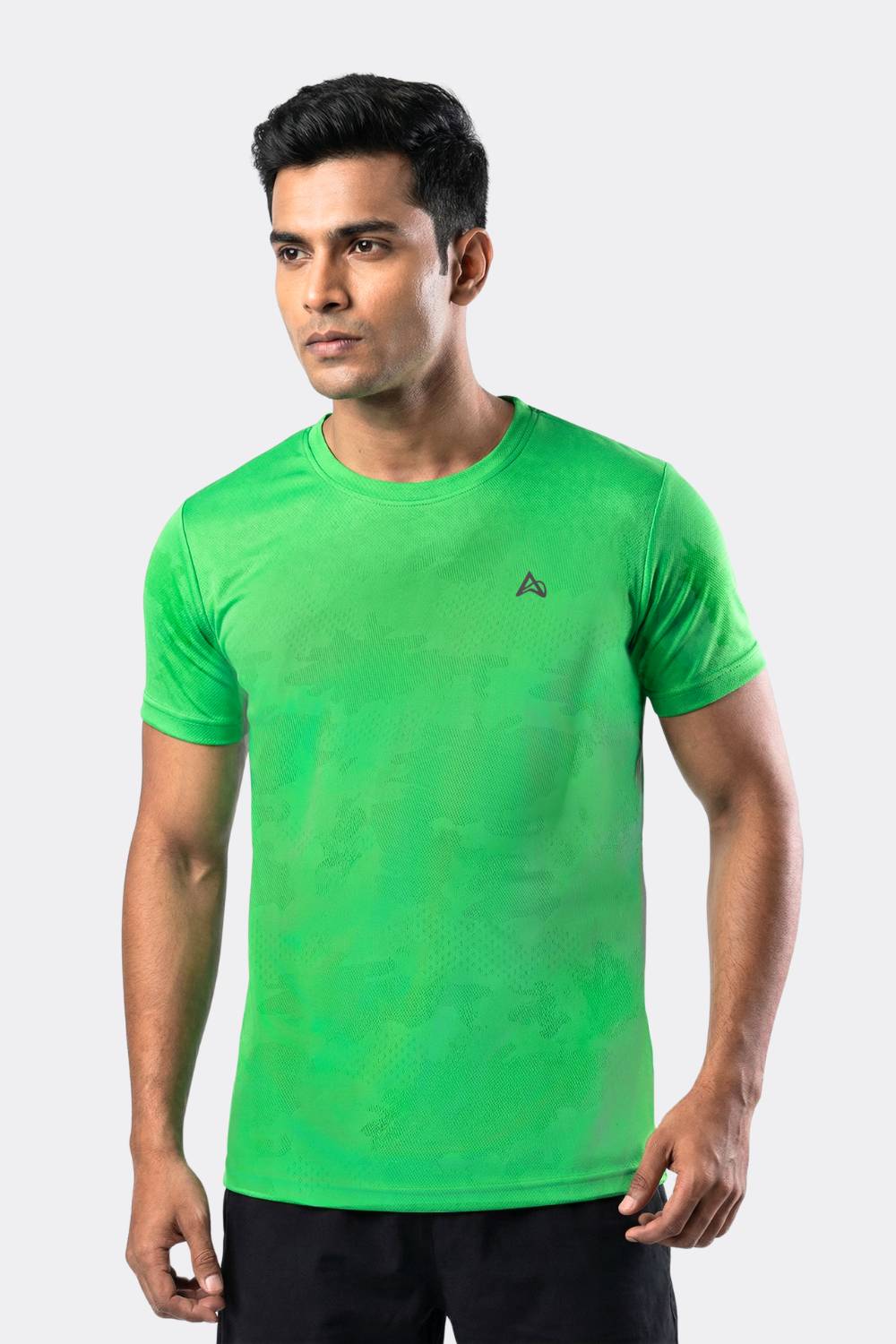
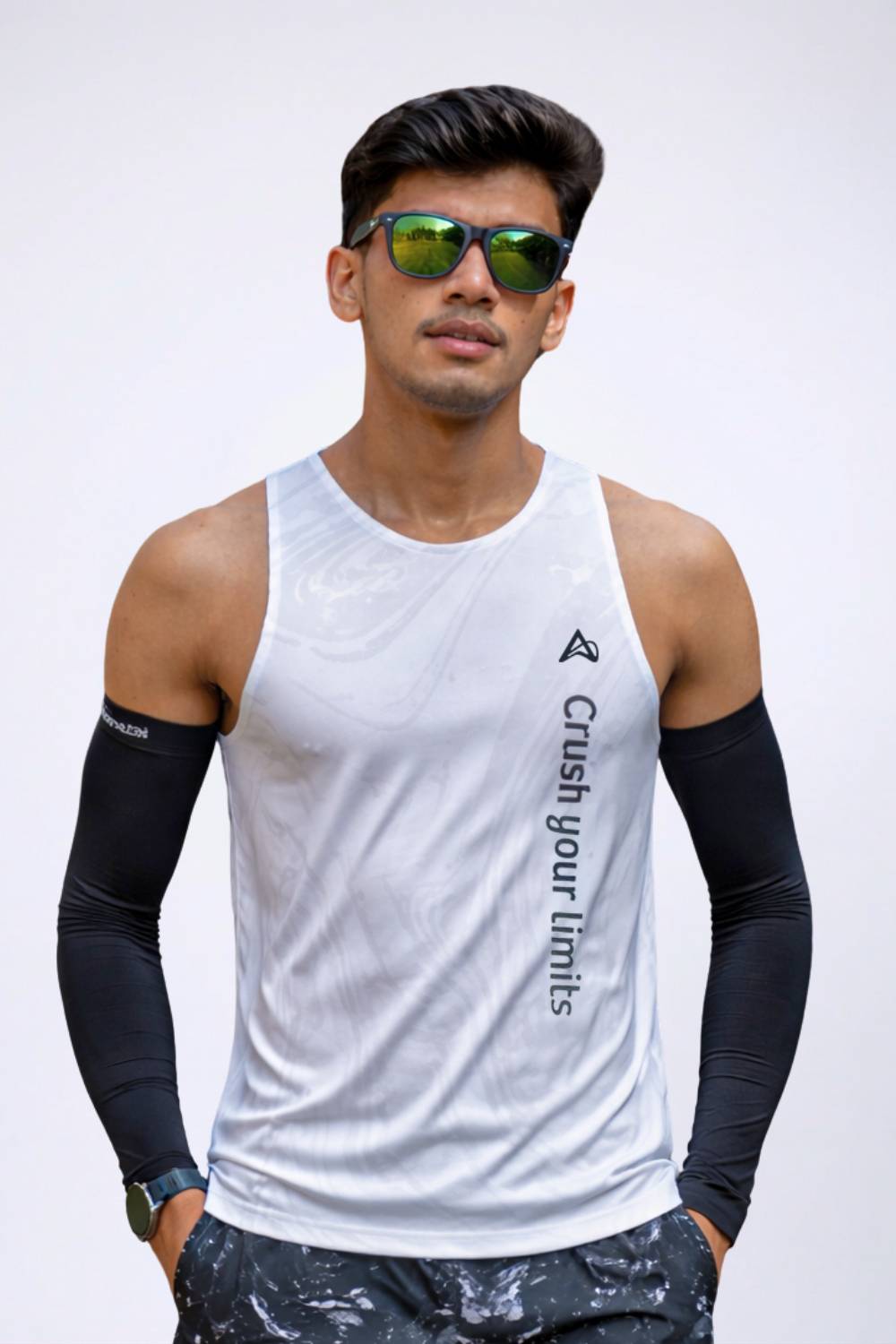
This climatic reality has ignited innovation in the activewear sector. The India sportswear market, valued at USD 10.2 million in 2024, is expected to grow to USD 16.6 million by 2033, with a CAGR of 5.1%. This expansion is fueled by a rising fitness culture, growing disposable incomes, and a focus on stylish yet functional sportswear. Brands are responding with advanced materials like poly-spandex blends and micro-mesh panels, designed to enhance airflow and keep runners dry across India's varied climates.
Tailoring Performance to Regional Climates
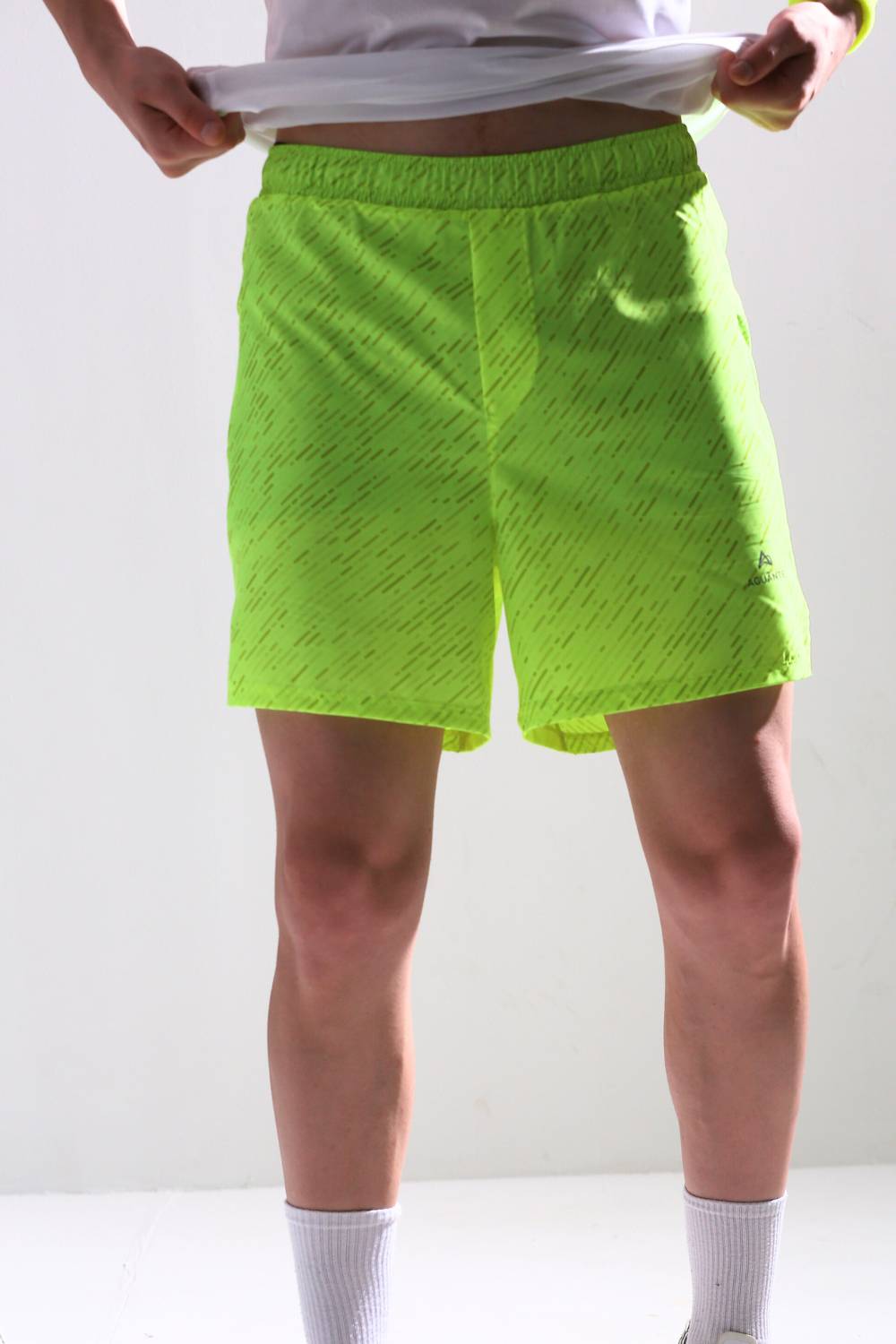
India's urban runners face distinct challenges, and brands are customizing solutions to match. In Mumbai and Pune, where evening runs unfold under dim streetlights, reflective threads woven into fabrics improve visibility. In Bangalore and Hyderabad, where lingering humidity fosters odor, apparel with anti-microbial treatments is in high demand. Delhi and Gurugram runners, battling intense daytime heat, seek UV-protective gear. A 2024 Fibre2Fashion India Market Insight report forecasts a CAGR of 10.5% for performance apparel through 2030, driven by these region-specific advancements.
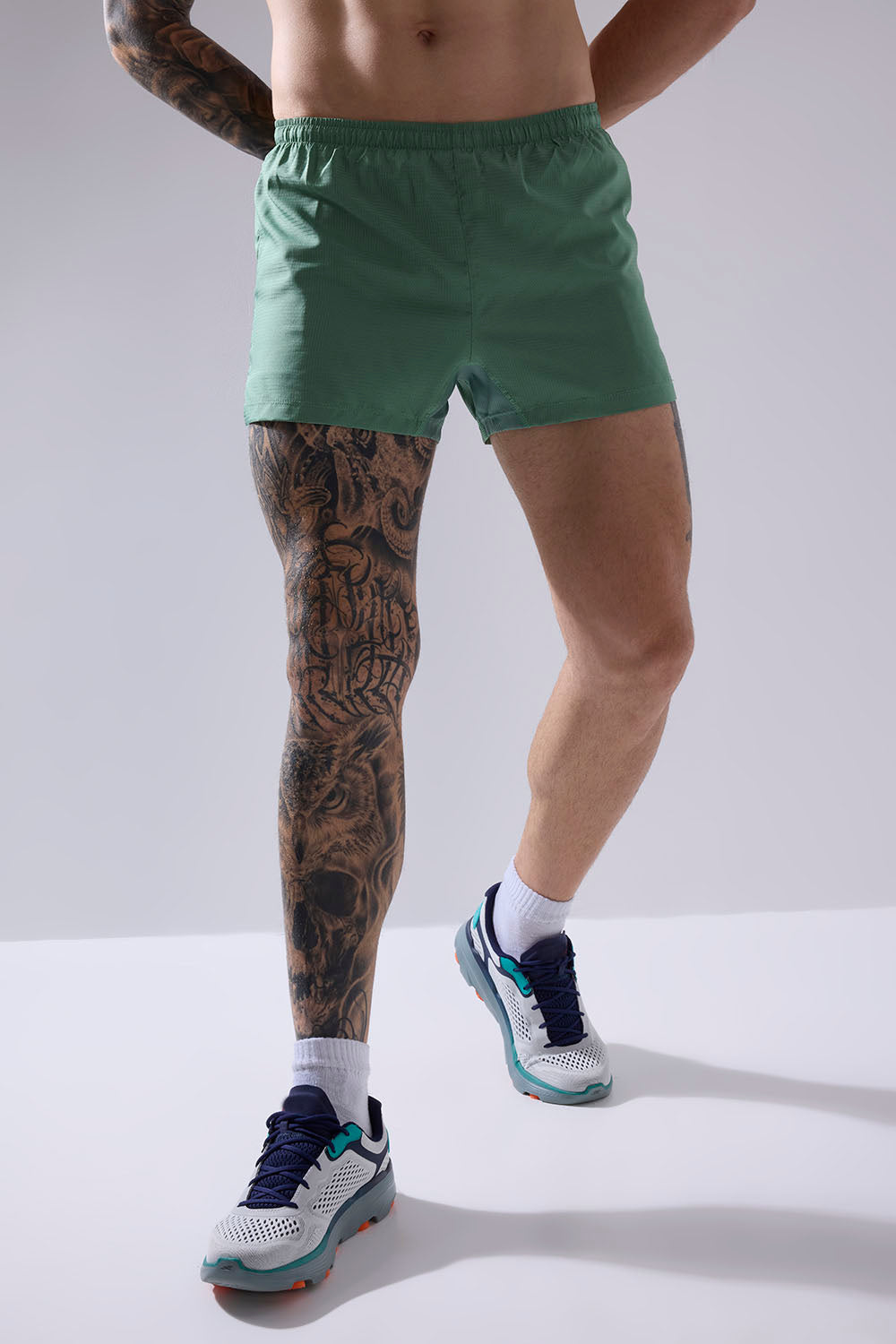
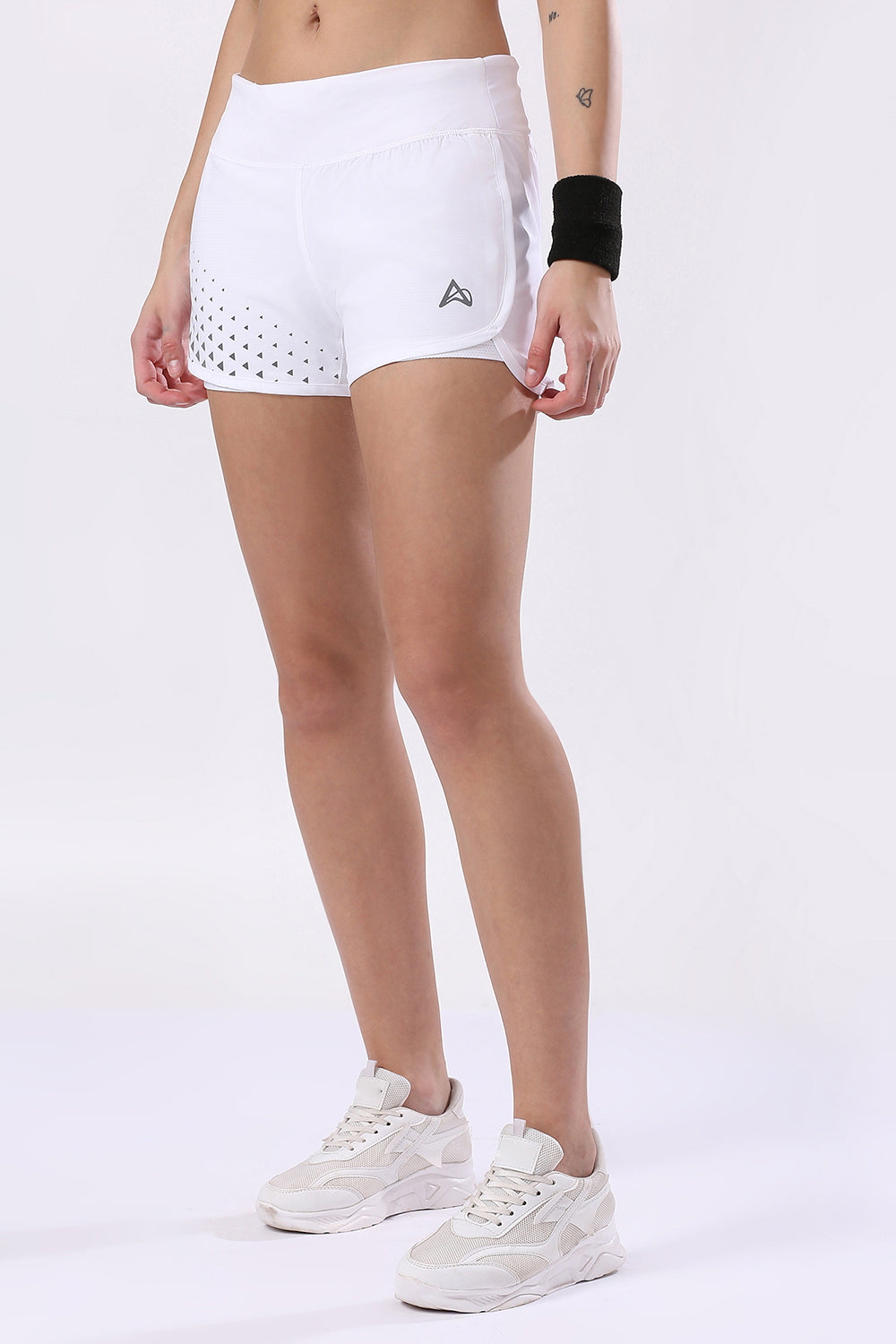
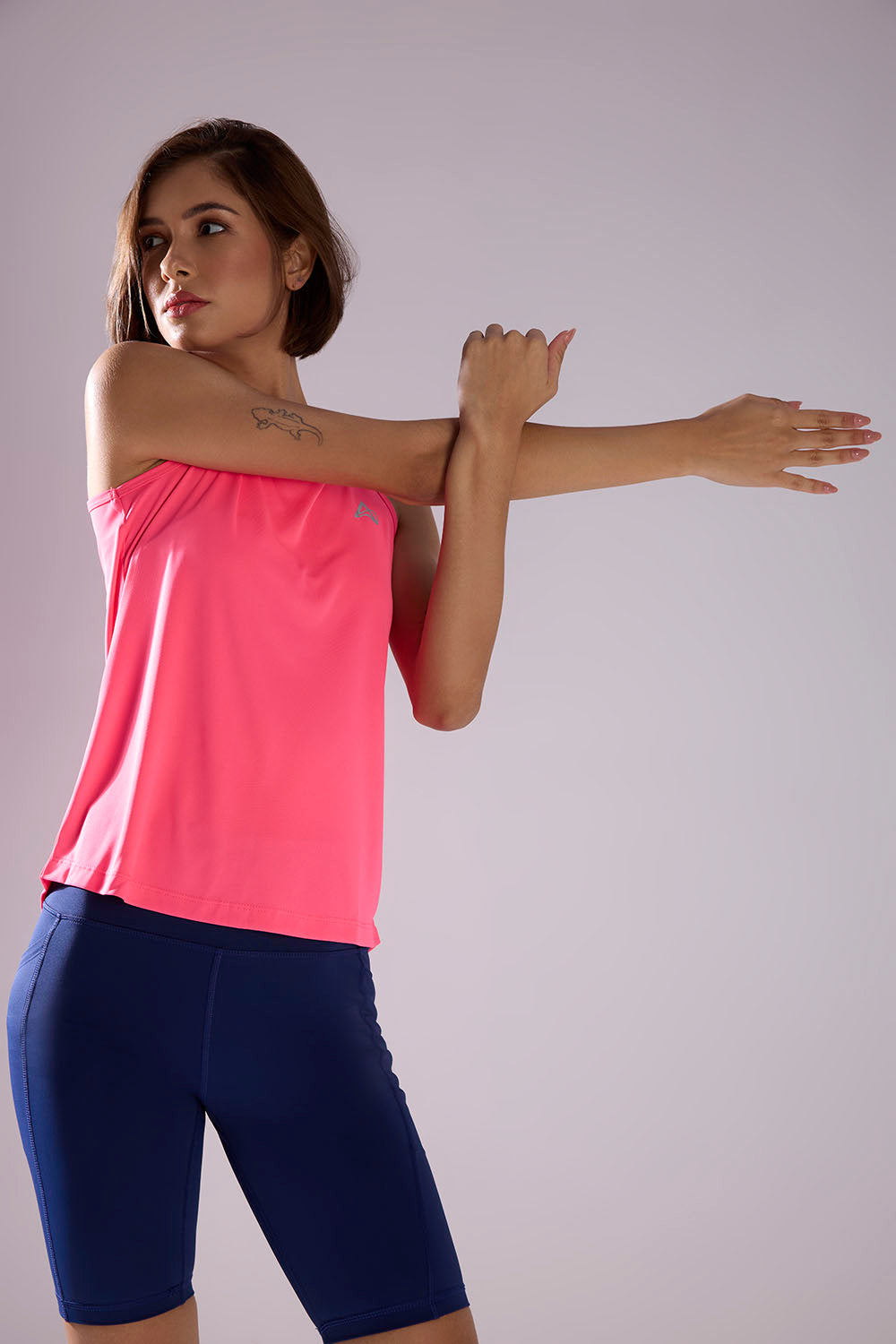
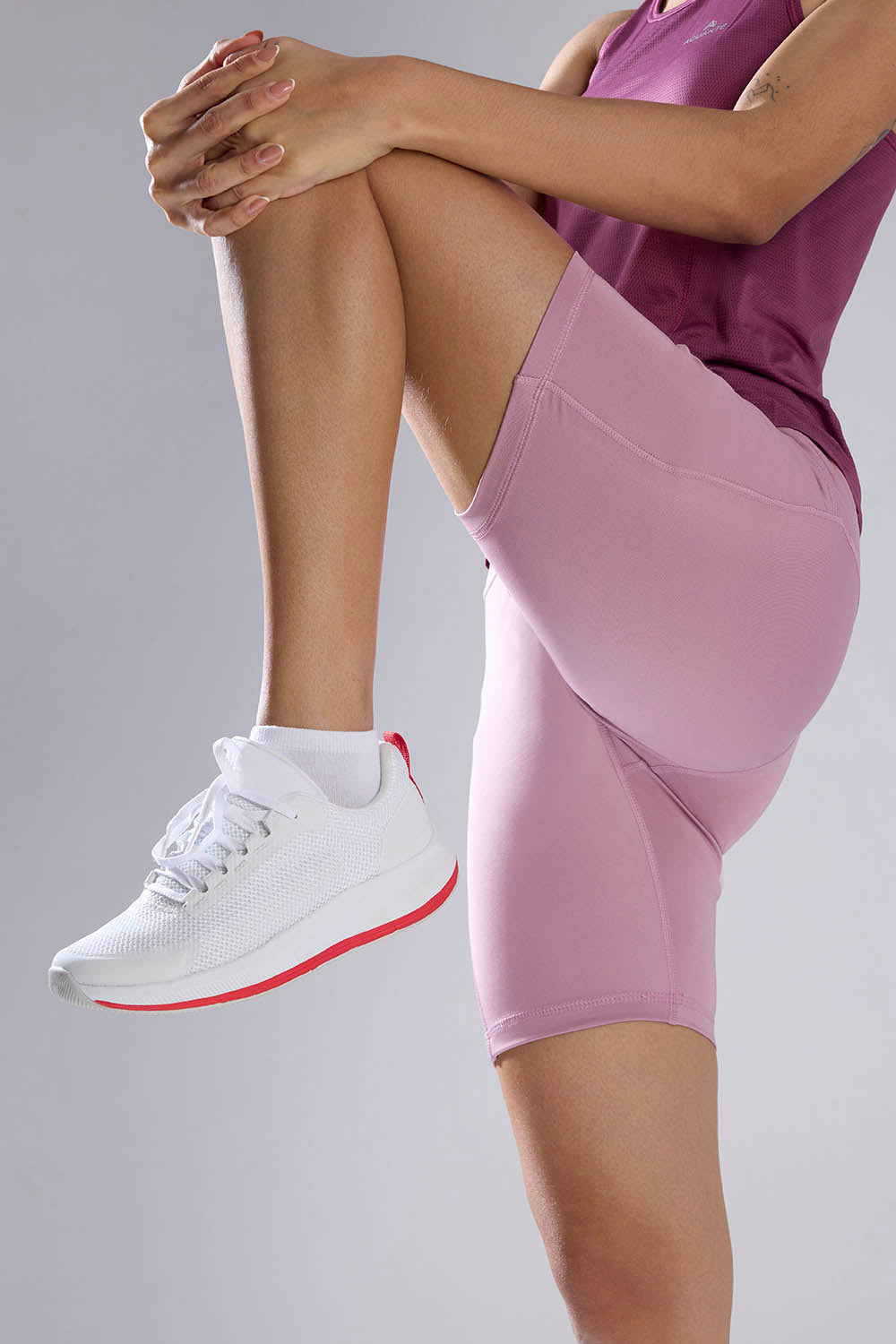
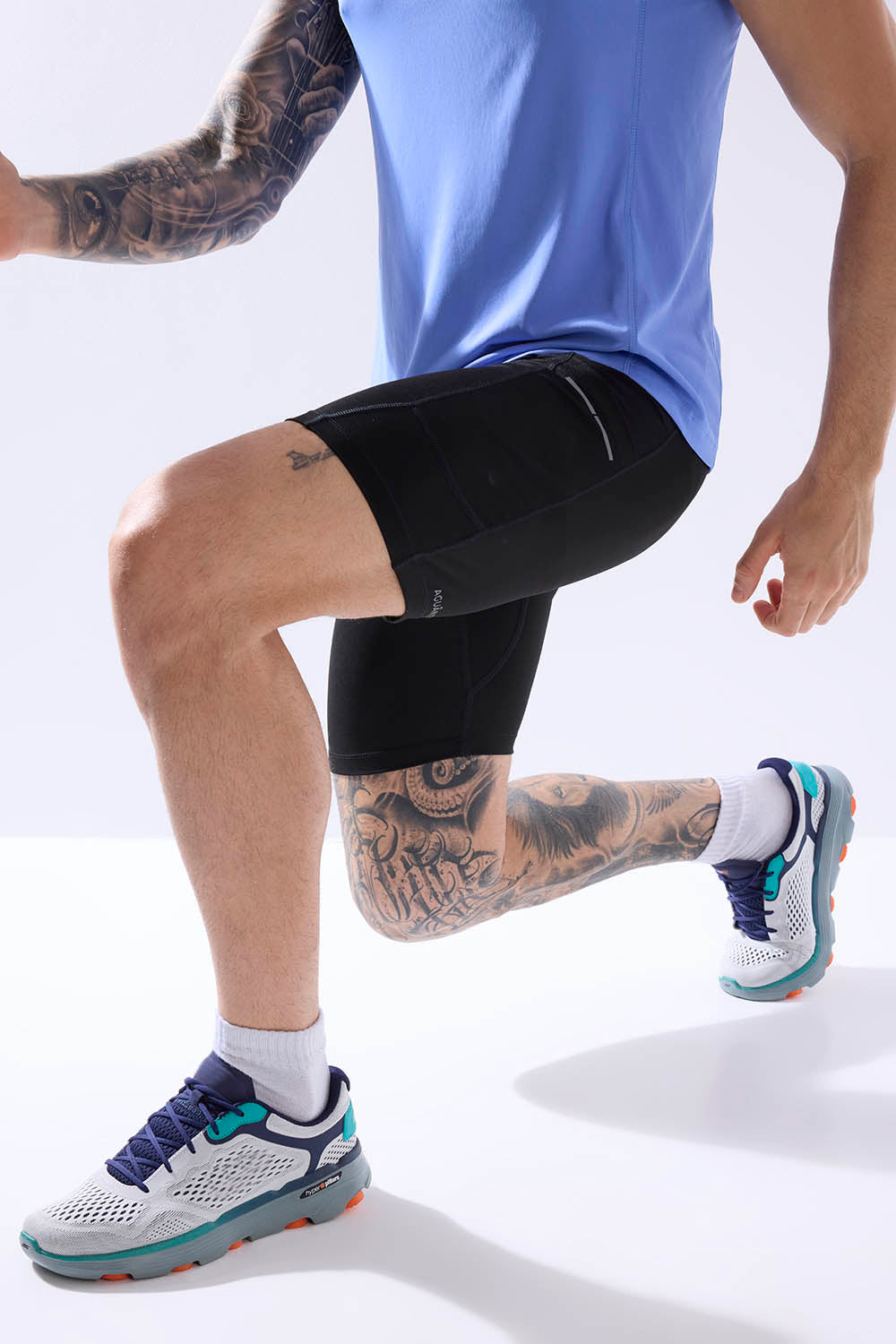
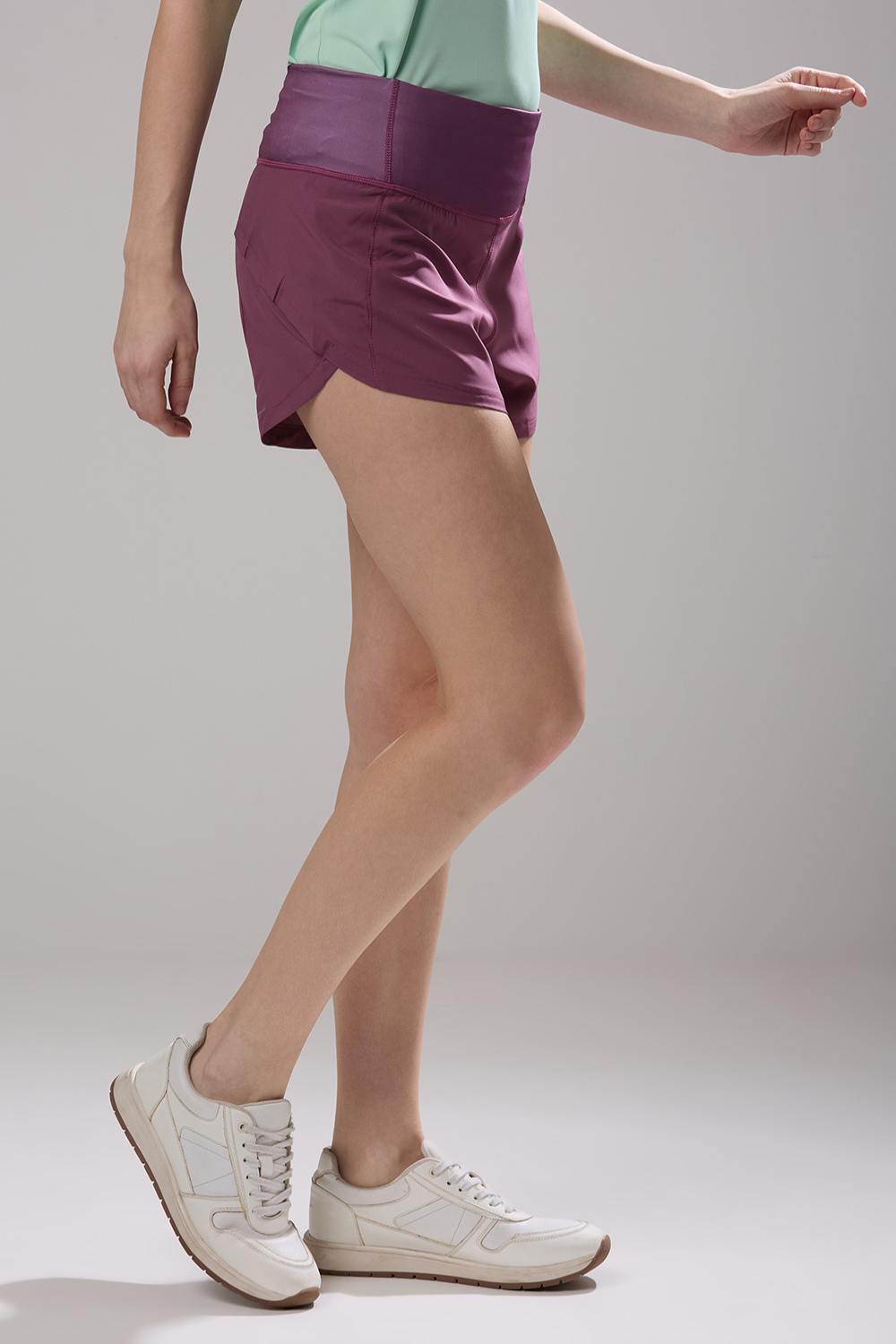
Local players like Aguante are leading the charge, crafting ultra-breathable half-tights rigorously tested for moisture management at IIT Delhi's textile labs. Decathlon India reported a 20% surge in breathable apparel sales in Mumbai and Pune during the 2024 summer season. Running groups, such as the Mumbai Road Runners and Hyderabad Runners Society, are also influencing the market, partnering with brands to test products and provide feedback that shapes design. This fusion of community input and technological innovation reflects a distinctly Indian approach to activewear development.
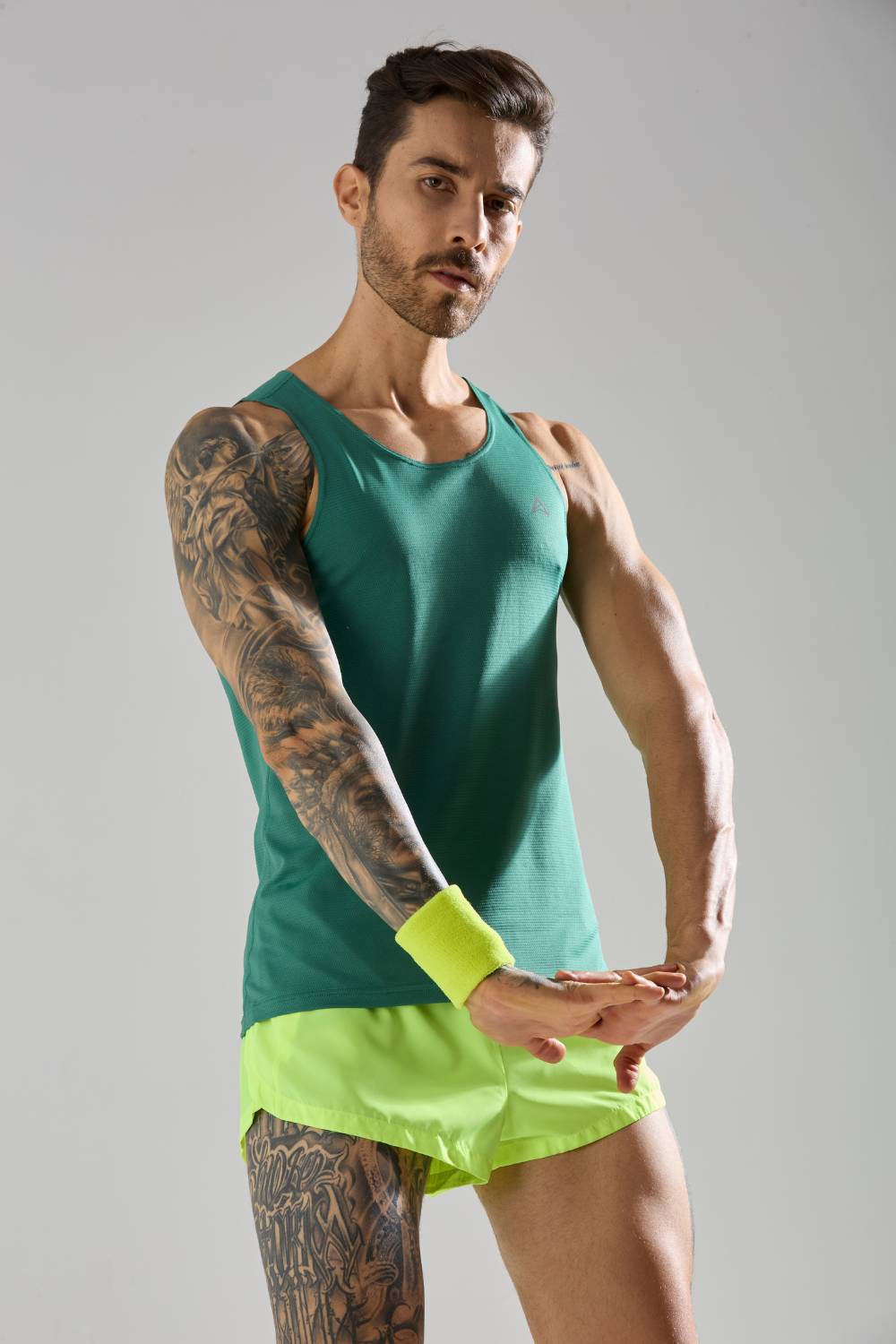
Beyond function, aesthetics play a pivotal role. The India sports apparel market, valued at USD 705.85 million in 2024, is projected to reach USD 1,592.58 million by 2030, boasting a CAGR of 14.52%. This growth is driven by a youth-led embrace of athleisure clothing that blends performance with casual style. Consumers now expect moisture-wicking, flexible fabrics that look sharp, a trend amplified by e-commerce growth and evolving fashion preferences, supported by government initiatives promoting sports and rising incomes.
Navigating Barriers to Widespread Adoption
Despite the market's promise, challenges persist. High-performance fabrics, while effective, remain expensive, limiting access for budget-conscious consumers in cities like Surat and Ahmedabad. The India apparel and footwear market, valued at USD 67.32 billion in 2024, is on track to reach USD 109 billion by 2030, with a CAGR of 8.45%. However, affordability remains a hurdle. India's limited production of advanced fibers forces brands to rely on costly imports, driving up prices. Sustainability is another concern: polyester-based fabrics, while excellent for sweat management, raise environmental red flags. Bangalore-based startups are exploring recycled PET yarns, but scaling these eco-friendly alternatives remains challenging.
Sizing issues also frustrate runners, particularly women in Delhi, Mumbai, and Gurugram, who report inconsistent fits. Global brands like Adidas and Nike, dominant in the India sports apparel market which generated USD 253 million in 2022 and is expected to hit USD 399.5 million by 2030 with a CAGR of 5.9% are slowly addressing this gap. With t-shirts and tops leading market growth, inclusive sizing is becoming a competitive necessity.
A Market on the Rise
India's technical apparel sector, valued at INR 12,500 crore in 2024, is projected to reach INR 23,000 crore by 2030, according to Technopak Advisors. Innovation is flourishing in unlikely corners. Surat's textile industry is shifting toward breathable fabric production, while Bangalore's startups leverage AI-driven thermal mapping to create climate-adaptive apparel. Direct-to-consumer (D2C) platforms are transforming retail, with Tier-1 city consumers gravitating toward specialized activewear brands offering tailored options.
Partnerships between academic institutions like NIFT and IITs and apparel companies are accelerating research and development. A NIFT Hyderabad textile engineering expert asserts, “The future of India's performance wear depends on localized material science breakthroughs tied to regional climate data.” By 2030, demand for heat-adaptive running gear in urban centers is expected to surge 2.3 times, driven by sustainable fibers and region-focused e-commerce platforms. Ahmedabad and Surat are poised to lead in eco-friendly textile production, integrating renewable fibers into sportswear.
Shaping the Future of Indian Activewear
As sunrise illuminates Hyderabad's Necklace Road or Mumbai's Marine Drive, the sight of runners in sleek, breathable gear signals more than a fitness movement it reflects India's dynamic response to climate and culture. From Surat's bustling textile mills to Bangalore's cutting-edge design studios, the nation is reimagining comfort for athletes. The path forward lies in merging regional climate insights, sustainable materials, and inclusive design. For runners enduring India's humid summers, each kilometer is a testament to an industry evolving to keep them cool, confident, and ready for the road ahead.
Frequently Asked Questions
What type of fabric is best for running in India's humid summer conditions?
Lightweight, moisture-wicking fabrics like polyester blends and advanced synthetics are ideal for running in India's humid summers. These materials draw sweat away from the skin, keeping runners dry and comfortable during intense workouts. Look for apparel with mesh panels for added ventilation, as highlighted in the blog.
How can I choose running apparel that stays comfortable during long runs in high humidity?
Opt for loose-fitting, breathable running apparel with anti-odor properties to stay comfortable during long runs in humid conditions. The blog emphasizes selecting gear with quick-dry technology to prevent chafing and irritation. Ensure the clothing has reflective elements for safety during early morning or evening runs.
Why is breathable running gear important for summer workouts in India?
Breathable running gear is crucial in India's humid summers to regulate body temperature and prevent overheating. The blog explains that apparel with ventilation features, like mesh inserts, enhances airflow, reducing sweat buildup. This improves performance and comfort, allowing runners to focus on their training.
Disclaimer: The above helpful resources content contains personal opinions and experiences. The information provided is for general knowledge and does not constitute professional advice.
You may also be interested in: Indian Activewear Brands Focus on Performance and Value
Tired of gear that slows you down? Chafing, soggy fabrics, and missing pockets kill your run's momentum. At Aguante, we're runners who get it. Our high-performance activewear features moisture-wicking fabrics, ergonomic designs, and smart storage to keep you focused. Shop Now!
Powered by flareAI.co