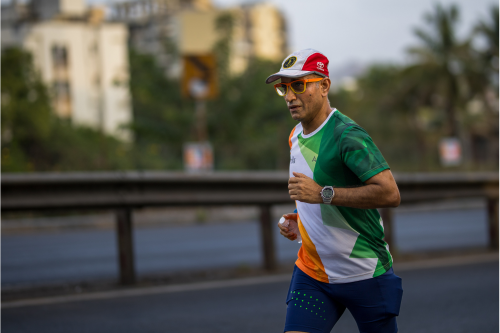
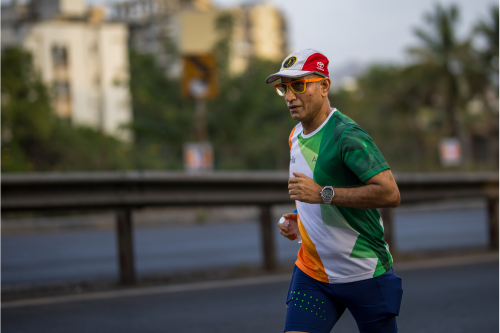
Before the sun breaches the horizon in Bangalore's Cubbon Park, runners dart through the morning mist, their silhouettes punctuated by flashes of light. These aren't mere accessories but reflective singlets, engineered for safety in India's burgeoning outdoor fitness movement. From the bustling promenades of Mumbai's Marine Drive to the serene paths of Delhi's Lodhi Gardens, these garments are becoming indispensable for athletes training in low-light conditions, signaling a shift where performance meets protection.
Tired of gear that slows you down? Chafing, soggy fabrics, and missing pockets kill your run's momentum. At Aguante, we're runners who get it. Our high-performance activewear features moisture-wicking fabrics, ergonomic designs, and smart storage to keep you focused. Shop Now!
Reflective Singlets Illuminate India's Fitness Surge
India's fitness landscape is undergoing a seismic transformation. A 2024 report from IMARC Group reveals that the India activewear market reached USD 10.20 million and is forecasted to climb to USD 16.60 million by 2033, driven by a 5.10% CAGR from 2025 to 2033. This growth stems from heightened health awareness, the meteoric rise of e-commerce, and the increasing allure of athleisure apparel that effortlessly bridges workouts and daily wear. Reflective singlets, designed to enhance visibility during dawn or dusk, are gaining traction in urban hubs like Bangalore, Mumbai, and Delhi, where outdoor exercise is a cultural mainstay.
The demand for reflective gear is rooted in necessity. Urban India is embracing fitness at all hours, with evening jogs, early-morning bike rides, and weekend marathons becoming commonplace. In Gurugram, where cyclist and pedestrian safety is a pressing issue, reflective singlets provide a critical edge, using advanced fabrics that amplify light to ensure visibility. According to Grand View Research, the broader India activewear market generated USD 15,107.3 million in 2024, with projections to hit USD 29,972.9 million by 2030 at a 12.2% CAGR. Women are at the forefront, driving demand for activewear that fuses safety, comfort, and style.
Fostering a Culture of Fitness and Vigilance
India's fitness revolution transcends physical exertion it's a communal endeavor. In Hyderabad, cyclists converge at twilight, their reflective singlets gleaming as they navigate the city's edges. Pune's running clubs are similarly adopting this trend, particularly during events like the Pune International Marathon, where low-light visibility is paramount. TechSci Research reports that the India sports apparel market was valued at USD 705.85 million in 2024 and is expected to reach USD 1,592.58 million by 2030, with a robust 14.52% CAGR. This surge is fueled by growing participation in fitness activities, from gym memberships to marathon events, and a youth-driven preference for versatile, stylish performance wear.
Reflective materials, while not novel, are revolutionizing activewear. Globally, the reflective material market stood at USD 7.0 billion in 2024, projected to reach USD 10.0 billion by 2033 with a 4.06% CAGR. The Asia-Pacific region, including India, commands over 40% of this market, propelled by stringent safety standards and growth in sectors like automotive and construction. In activewear, reflective fabrics are seamlessly integrated into singlets, jackets, and bottoms, providing comprehensive visibility. Global giants like Nike and Adidas, alongside emerging local brands, are launching collections that prioritize both safety and aesthetics.
Ground-Level Impact: Voices from the Field
Bangalore's Midnight Marathon has evolved into a cultural phenomenon, attracting thousands who race beneath a starlit sky. Here, reflective singlets are a common sight, their luminous strips piercing the darkness. A Mumbai-based running coach, whose group trains along Carter Road at dawn, emphasizes their value: “It's not just about style visibility can be the difference between safety and risk in heavy traffic.” In Navi Mumbai, fitness influencers leverage social media to promote reflective gear, blending it with athleisure trends to captivate younger demographics.
Hyderabad's cycling community echoes this sentiment. Evening rides along the Outer Ring Road are safer with reflective singlets, now a symbol of practicality. Local innovation is rising to meet demand a Delhi startup recently unveiled a reflective activewear line optimized for India's climate, offering lightweight, breathable, and moisture-wicking fabrics that resonate with urban fashion sensibilities. This aligns with the India gym apparel market, which reached USD 4,661.6 million in 2024 and is projected to grow to USD 8,285.8 million by 2030 at a 10.2% CAGR. Top wear, including singlets, dominates, while bottom wear is the fastest-growing segment.
The adoption of reflective singlets isn't limited to metros. In cities like Chennai and Kolkata, running and cycling groups are beginning to embrace these garments, spurred by community events and social media campaigns. However, the narrative shifts in smaller cities, where the concept of specialized activewear is still taking root. This gradual spread underscores the potential for growth, as awareness campaigns and local fitness initiatives gain momentum.
Navigating Challenges in Adoption
Despite their promise, reflective singlets face obstacles. In Tier-II and Tier-III cities like Surat and Ahmedabad, awareness remains limited, with many viewing such gear as a premium rather than a necessity. Cost is a significant barrier high-quality reflective fabrics, often sourced internationally, inflate prices, sidelining lower-income consumers. Brands face the challenge of delivering cutting-edge technology while keeping products affordable in a price-sensitive market.
Style presents another hurdle. Indian consumers, particularly millennials and Gen Z, prioritize aesthetics, favoring sleek, minimalist designs over the bold, utilitarian look of reflective singlets. A designer from a Pune-based activewear brand acknowledges the tension: “We're reimagining reflective gear to feel less like safety equipment and more like something you'd wear socially.” Cultural preferences for vibrant colors and intricate patterns further complicate design strategies, urging brands to innovate in ways that resonate with local tastes.
Distribution also poses challenges. While e-commerce has democratized access to activewear, logistical issues in smaller cities can delay delivery and deter adoption. Brands must invest in robust supply chains and localized marketing to penetrate these markets effectively, ensuring reflective singlets reach beyond urban elites.
Seizing Opportunities for Growth
The ascent of reflective singlets signals vast opportunities. Global and local brands are forging partnerships with fitness studios in Mumbai and Gurugram, sponsoring events to showcase their products. E-commerce platforms, a cornerstone of the activewear market, are expanding access, enabling even Tier-III city residents to purchase reflective gear. The potential for smart technology integration such as fabrics that adapt reflectivity to ambient light or singlets embedded with fitness trackers could redefine the market, appealing to India's tech-forward youth.
Government initiatives like Khelo India are amplifying sports participation, indirectly boosting demand for performance apparel. Rising disposable incomes further empower consumers to invest in gear that enhances their fitness experience. Reflective singlets, once a niche offering, are on track to become mainstream, particularly as urban India cements fitness as a lifestyle choice. Collaborations between brands and fitness influencers could accelerate this shift, leveraging social media to drive awareness and adoption.
Innovation isn't limited to product design. Brands are exploring sustainable reflective materials, aligning with global trends toward eco-conscious apparel. By positioning reflective singlets as both functional and environmentally friendly, companies can tap into the growing demand for responsible fashion, further solidifying their market presence.
A Bright Future for Fitness and Safety
As dusk settles over Delhi's India Gate, runners prepare for their evening jog, their reflective singlets glowing against the fading light. They embody a broader movement where fitness, safety, and innovation intersect. Reflective activewear is more than a passing fad it's a reflection of India's evolving relationship with health and mobility. With markets poised for exponential growth and brands pushing the boundaries of design, these luminous garments are paving the way for a safer, fitter nation. From Bangalore's misty trails to Pune's vibrant streets, reflective singlets are not just illuminating paths they're defining the future of fitness in India.
Frequently Asked Questions
Why are reflective singlets becoming popular among Indian runners and cyclists?
Reflective singlets are gaining popularity in India because they enhance visibility and safety during early-morning and evening workouts in low-light conditions. With India's activewear market projected to reach USD 29,972.9 million by 2030, urban fitness enthusiasts in cities like Bangalore, Mumbai, and Delhi are increasingly adopting reflective gear that combines safety with performance. These singlets use advanced reflective fabrics that amplify light, making them essential for runners and cyclists navigating busy streets during dawn or dusk.
How much is the reflective activewear market expected to grow in India?
The India activewear market is experiencing significant growth, with projections showing it will reach USD 16.60 million by 2033 from USD 10.20 million in 2024, representing a 5.10% CAGR. The broader sports apparel market is expected to grow from USD 705.85 million in 2024 to USD 1,592.58 million by 2030 at a 14.52% CAGR. This surge is driven by increased health awareness, the rise of athleisure, and growing participation in fitness activities like marathons and cycling events across major Indian cities.
What challenges do reflective singlets face in the Indian market?
Reflective singlets face three main challenges in India: limited awareness in Tier-II and Tier-III cities where specialized activewear is still emerging, higher costs due to premium reflective fabrics that can be prohibitive for price-sensitive consumers, and aesthetic preferences as Indian consumers favor vibrant colors and sleek designs over utilitarian safety gear. Brands are addressing these barriers by reimagining reflective gear to blend safety with fashion-forward designs that resonate with millennials and Gen Z, while leveraging e-commerce platforms to expand accessibility beyond metro cities.
Disclaimer: The above helpful resources content contains personal opinions and experiences. The information provided is for general knowledge and does not constitute professional advice.
You may also be interested in: Direct-to-Consumer Activewear Gains Traction in India
Tired of gear that slows you down? Chafing, soggy fabrics, and missing pockets kill your run's momentum. At Aguante, we're runners who get it. Our high-performance activewear features moisture-wicking fabrics, ergonomic designs, and smart storage to keep you focused. Shop Now!
Powered by flareAI.co