






Quick Listen:
As the sun dips below the skyline in Mumbai, casting long shadows over Marine Drive, a stream of runners emerges from the humid evening air, their silhouettes flickering under sporadic streetlights. In cities like this Bangalore, Delhi, Mumbai where tropical heat pushes workouts to dawn or dusk, a simple strip of reflective fabric can mean the difference between being seen and being sidel, well, roadkill. It's not just gear; it's a quiet revolution in urban safety, turning night runs into something smarter and safer.
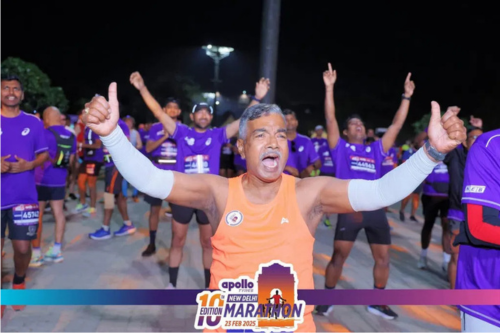
Picture this: Bangalore's tech workers lacing up after a 12-hour coding marathon, pounding the pavement along MG Road as traffic roars by. Or Delhi's corporate crowds in Gurugram hitting the trails post-sunset, dodging potholes in the winter fog. These aren't isolated scenes. Running communities are booming here, with groups like the Mumbai Road Runners logging thousands of kilometers weekly, and Bangalore's Jayanagar Jaguars drawing hundreds to weekend meets. Data from Strava's India reports shows night runs spiking 25% year-over-year in these metros, fueled by gym closures during peak heat and a post-pandemic fitness surge. But with that comes risk poor lighting, erratic drivers, monsoon slicks. Enter reflective detailing, evolving from basic safety vests to sleek, integrated designs in activewear. What's driving it? A mix of global market growth trickling down locally and homegrown innovation making visibility as essential as breathable fabric.
The numbers tell part of the story. India's sports apparel market, valued at USD 705.85 million in 2024, is projected to hit USD 1,592.58 million by 2030, growing at a CAGR of 14.52%. That's not just yoga pants; it's performance wear blending style with function, including reflective elements for low-light conditions. Rising health consciousness and urban fitness events are key think marathons where participants demand gear that wicks sweat and glows under headlights.
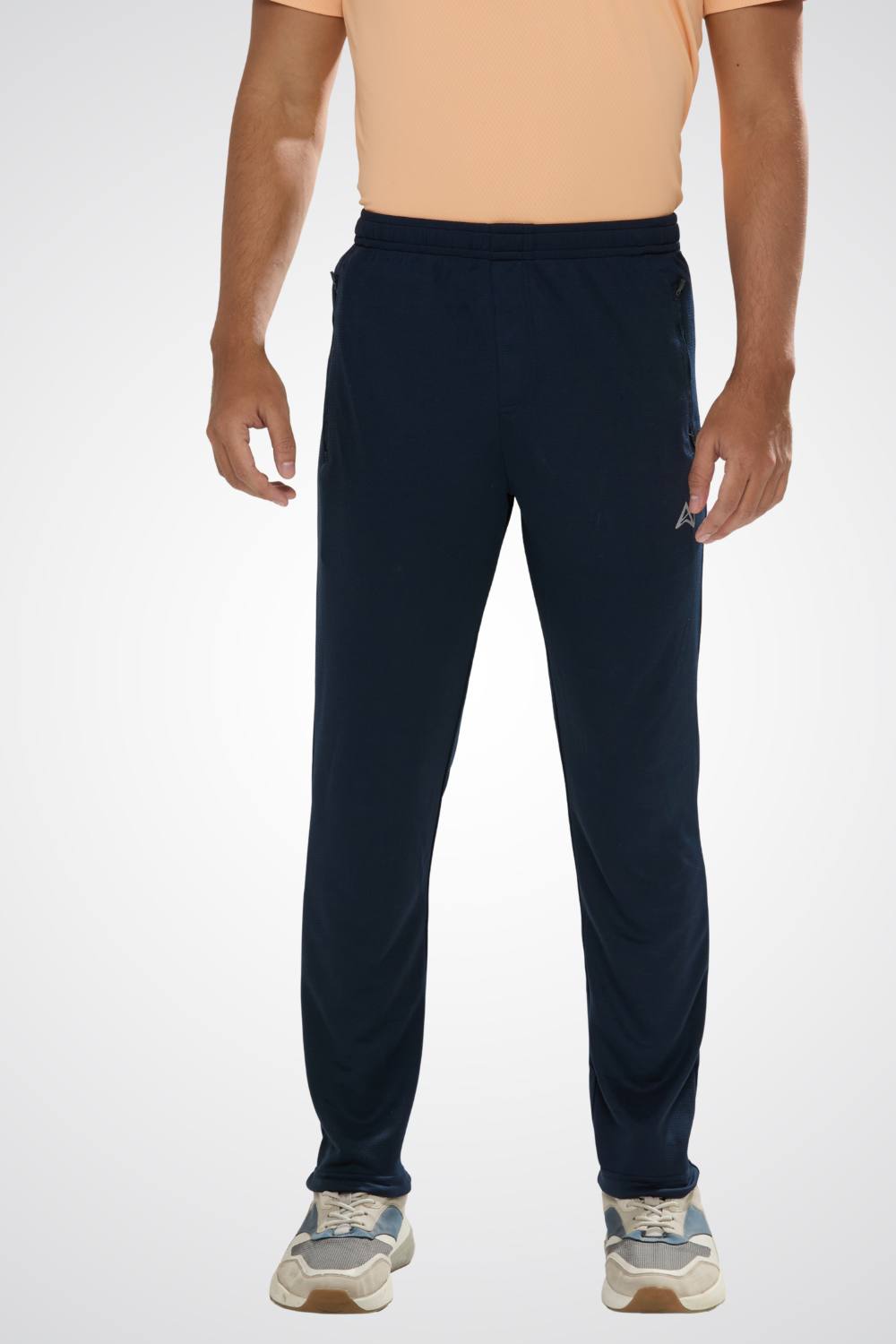
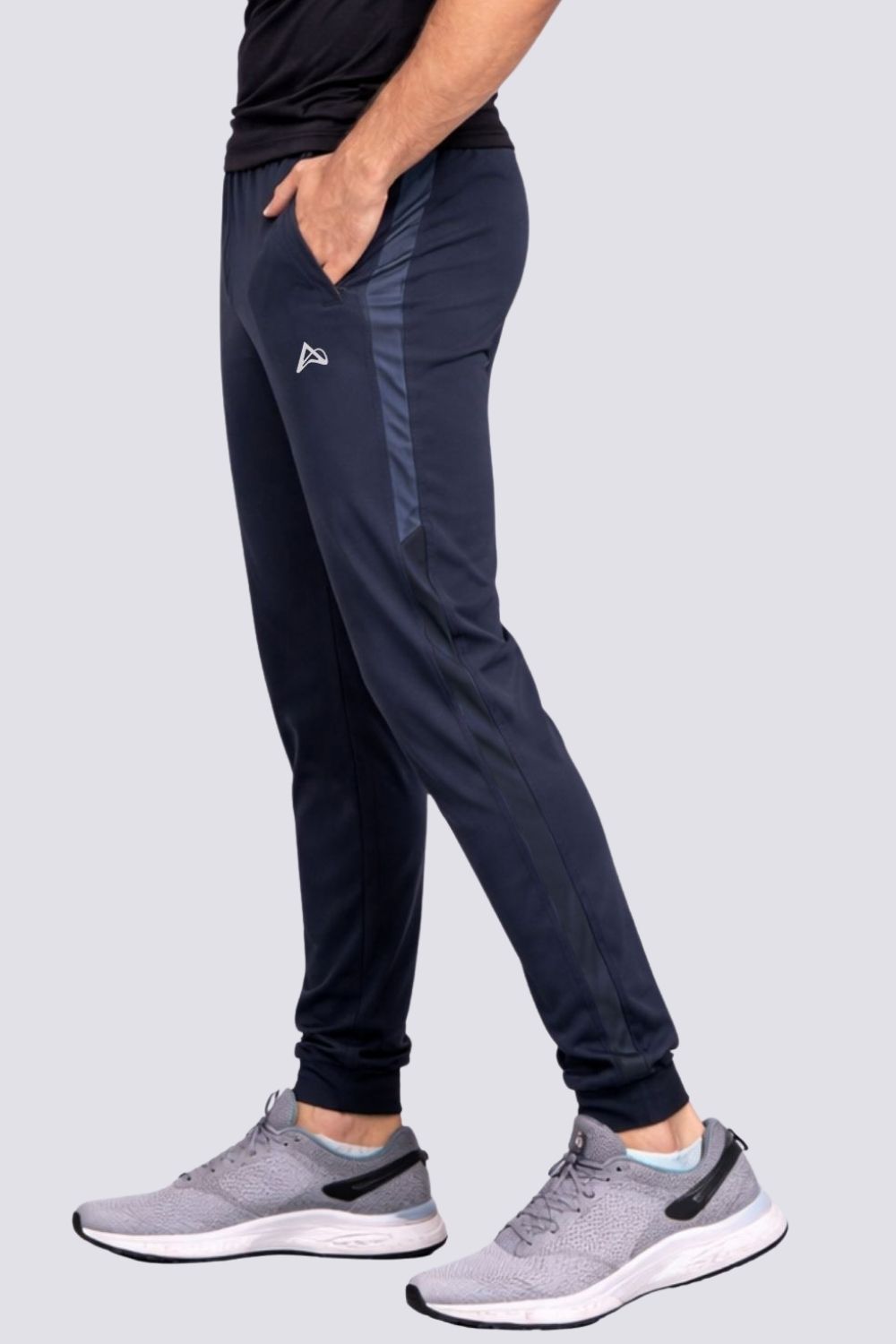
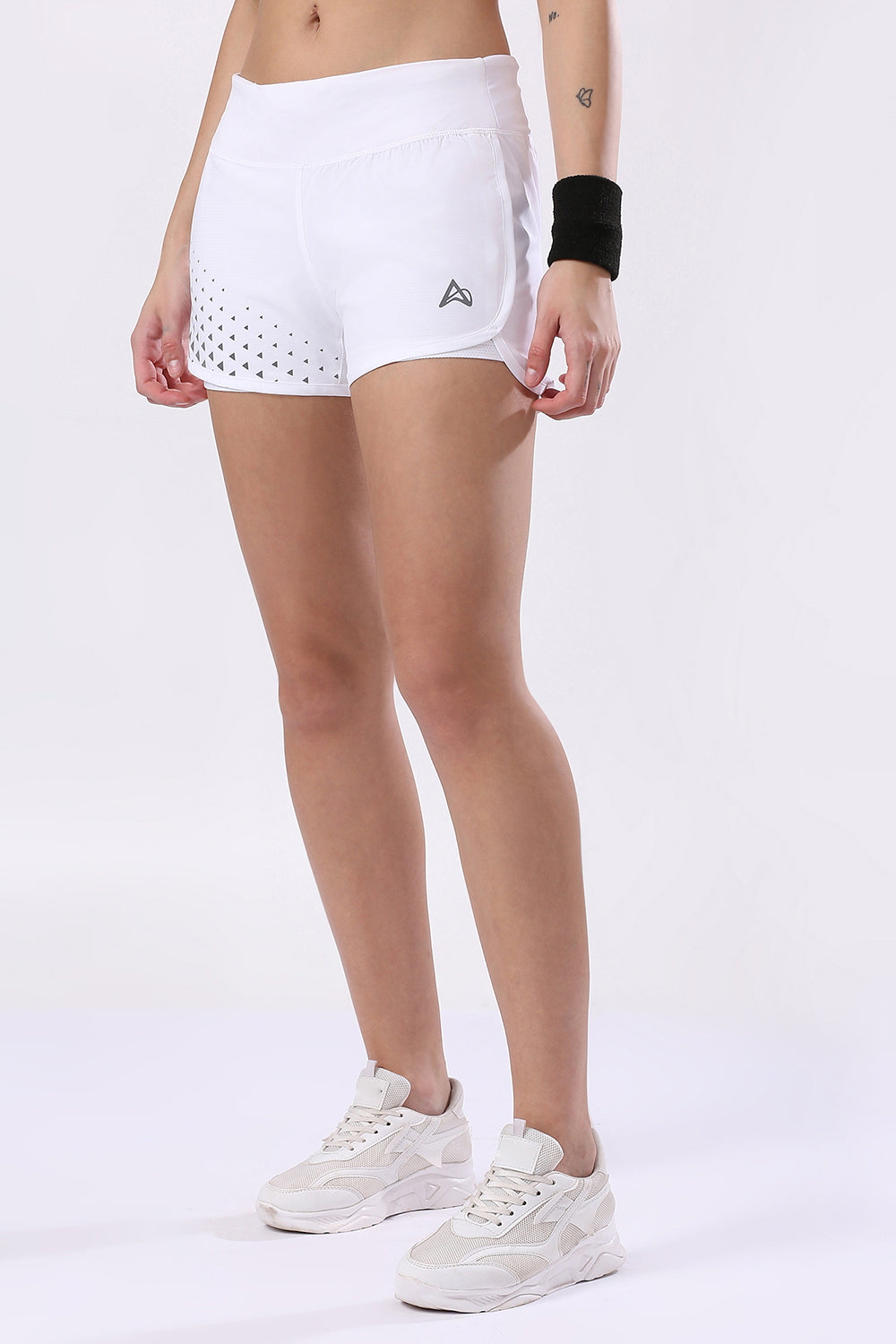
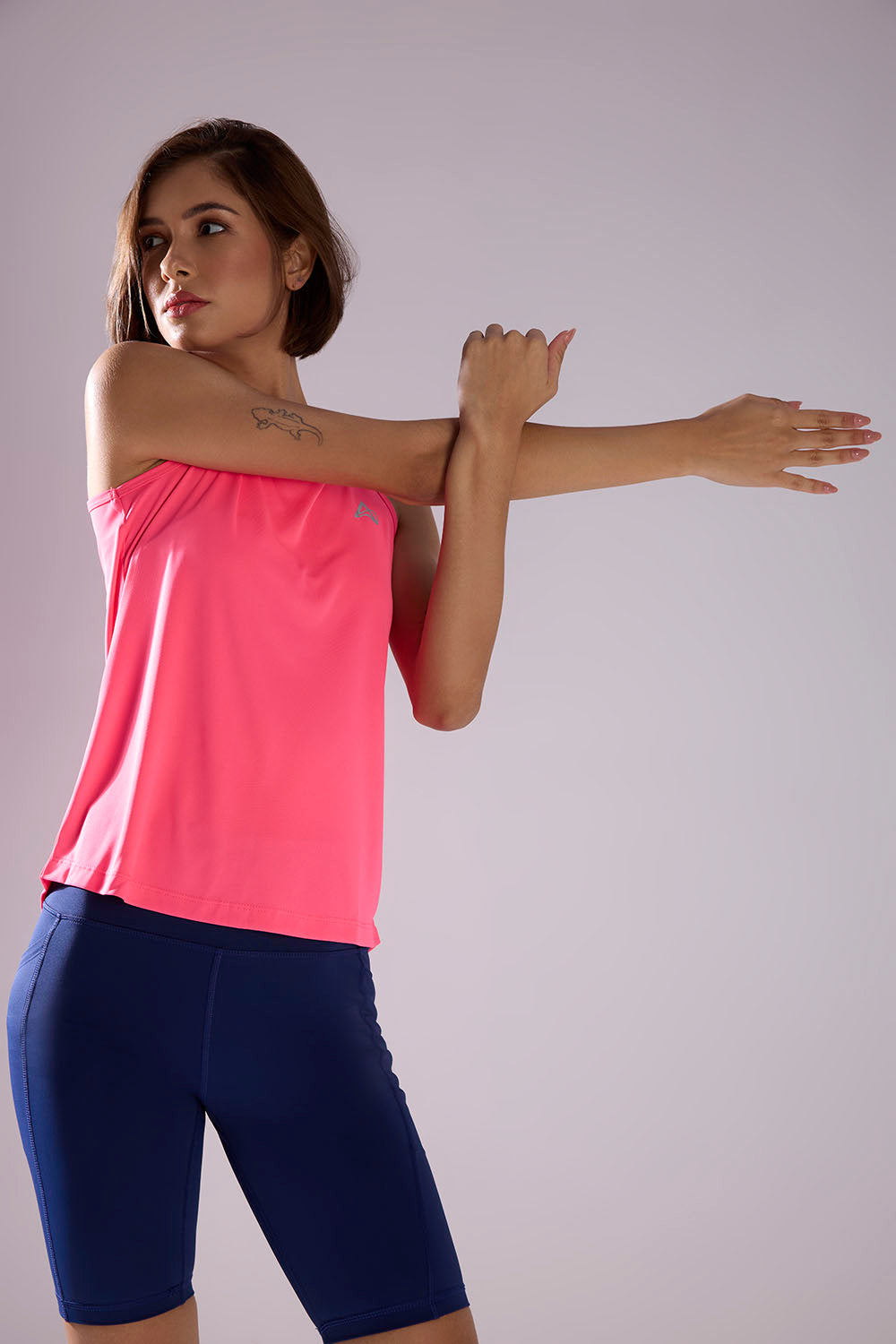
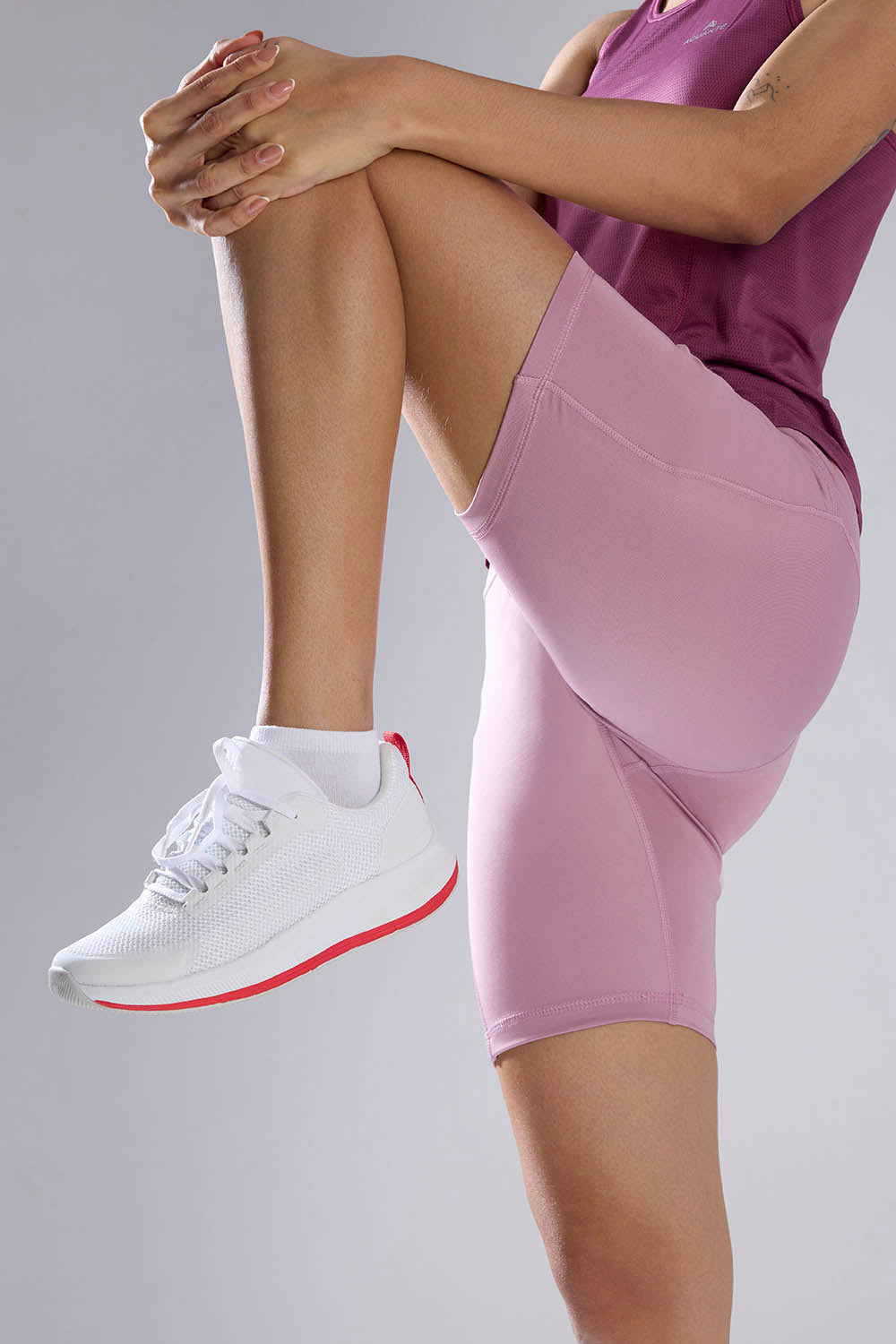
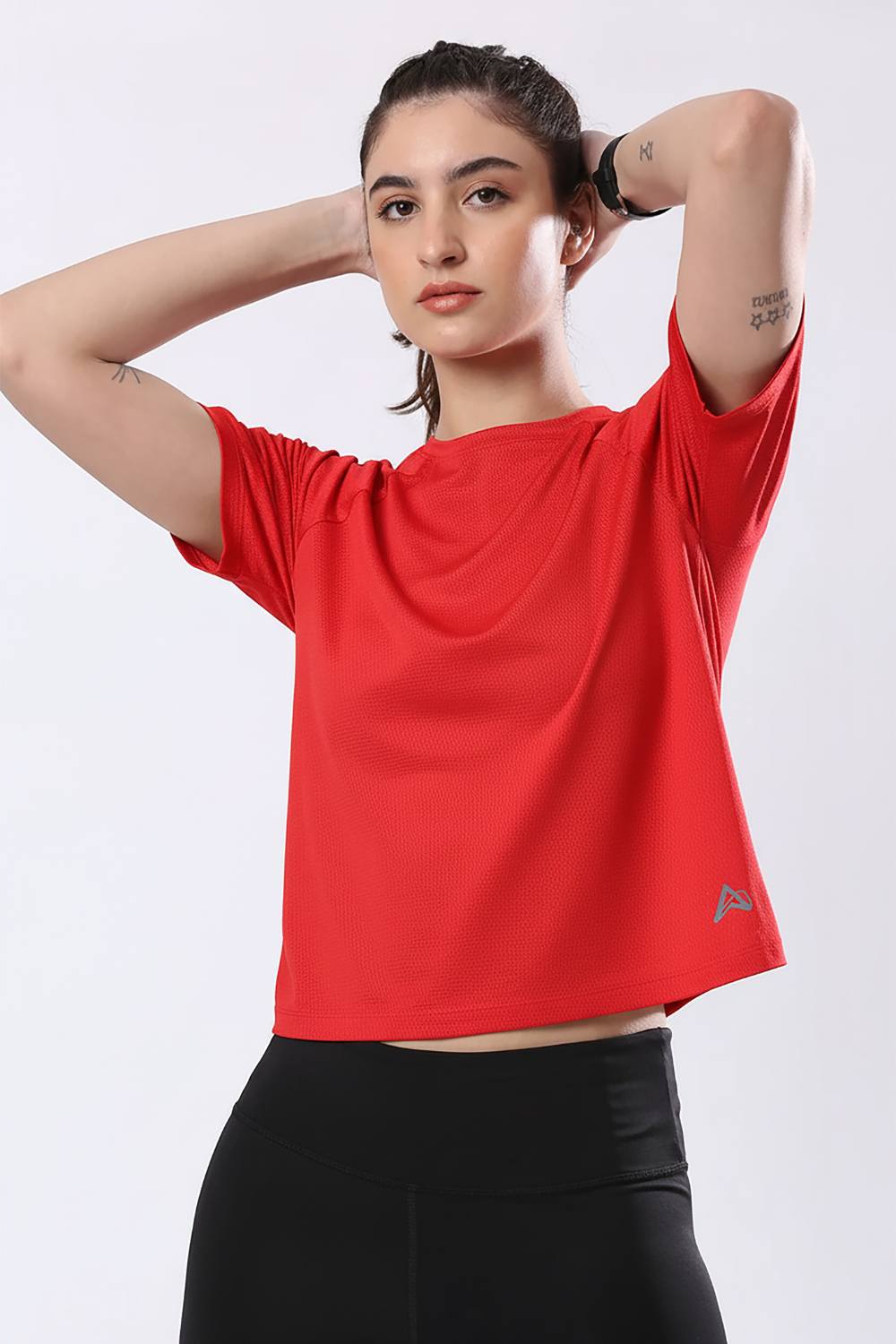
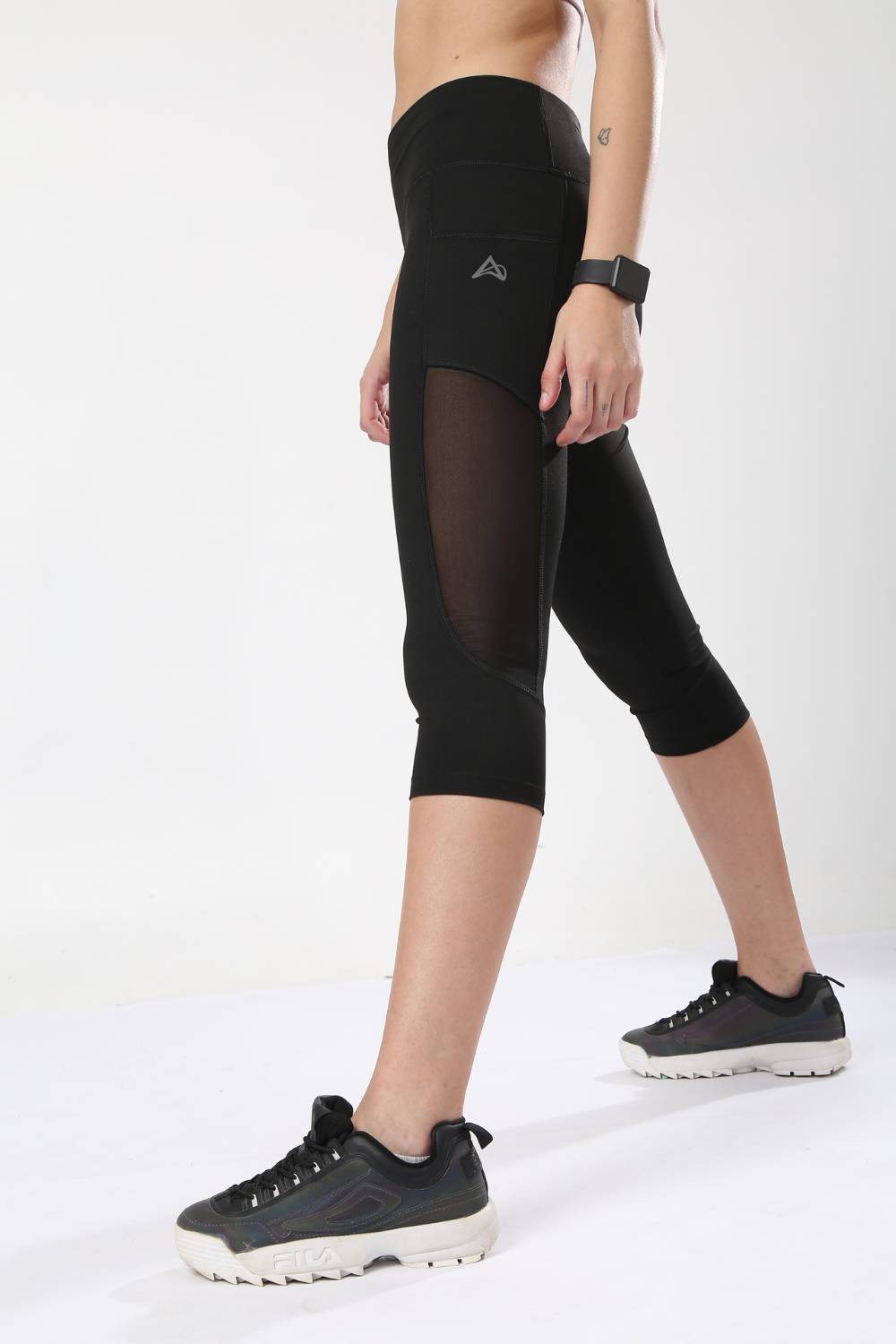
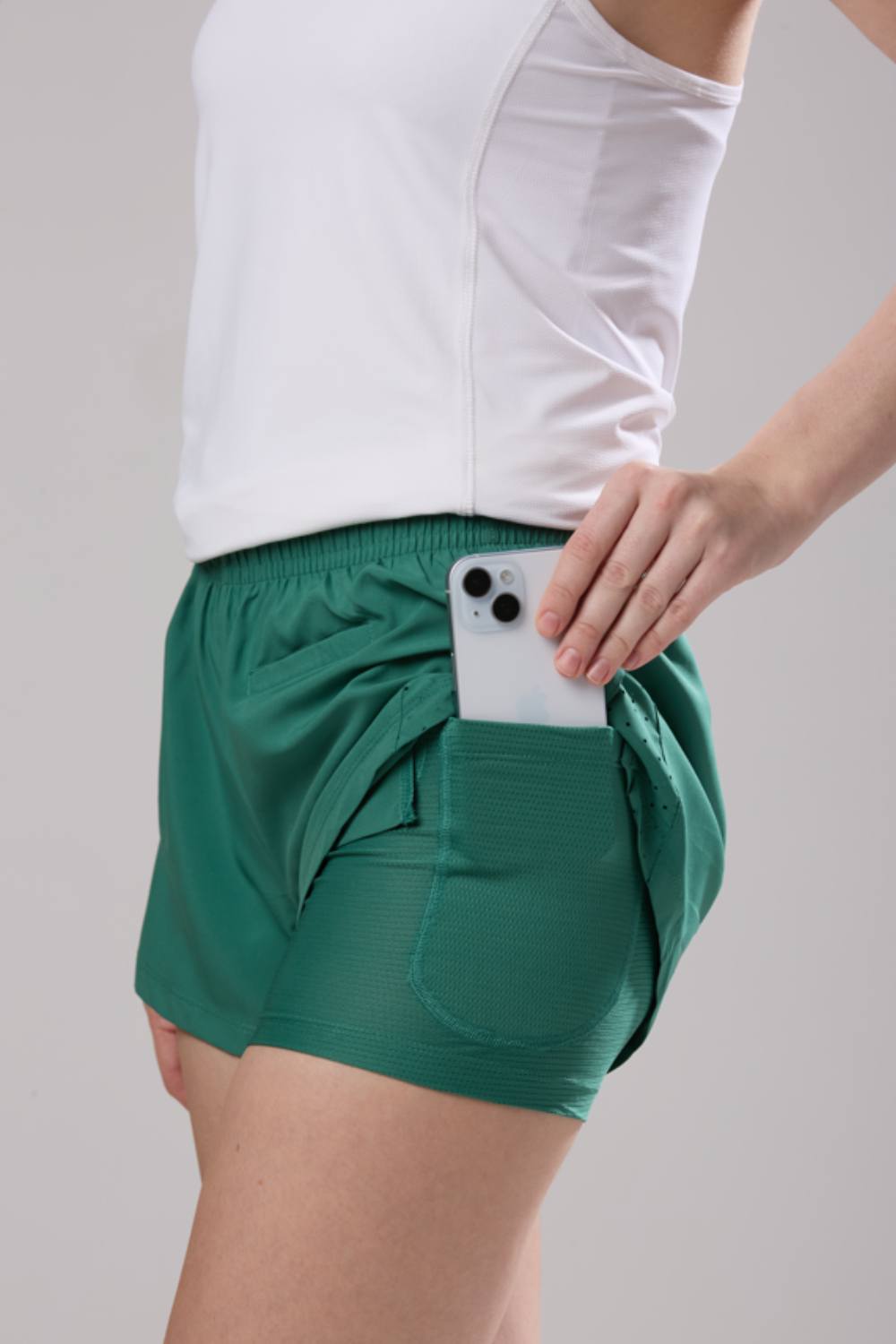
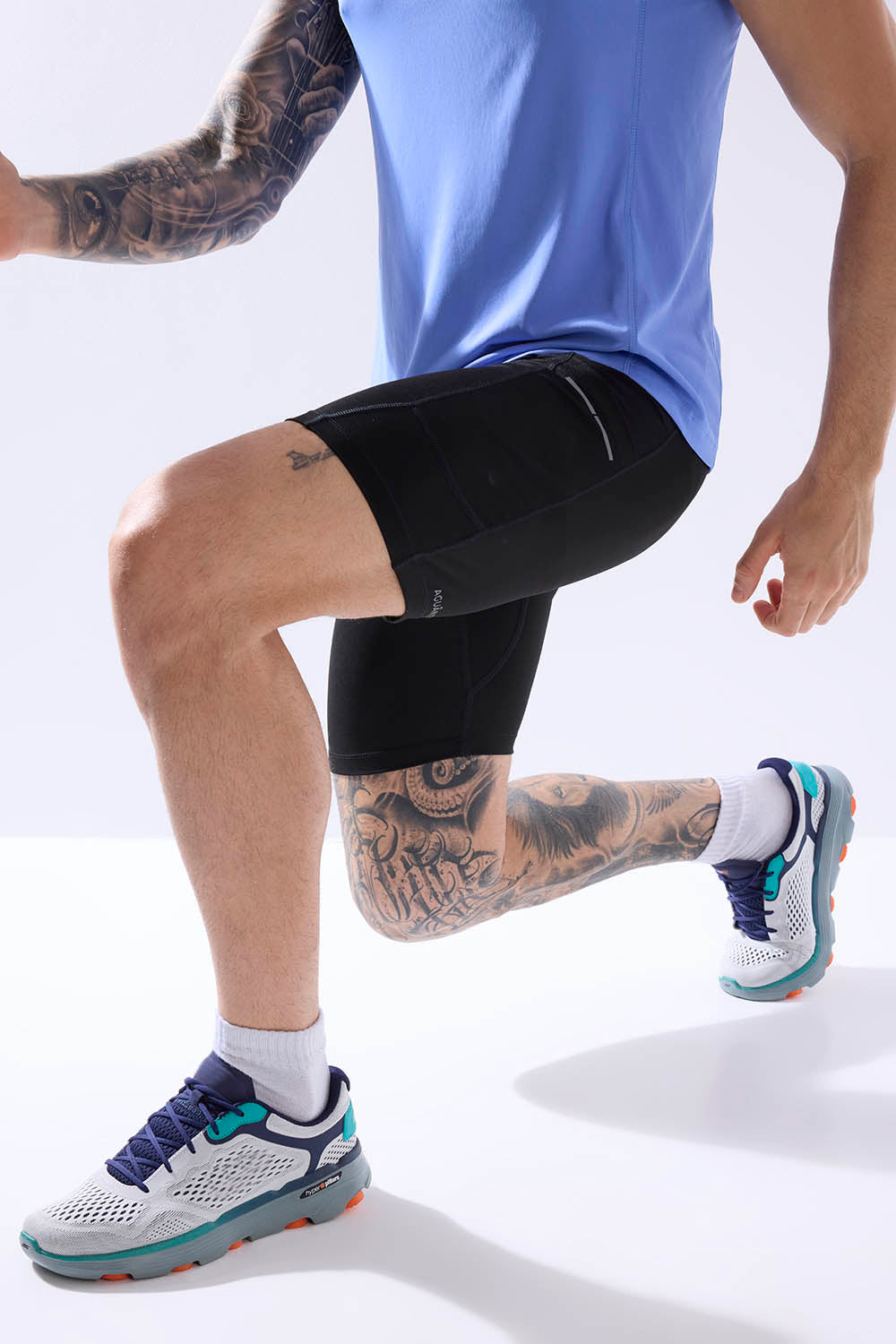
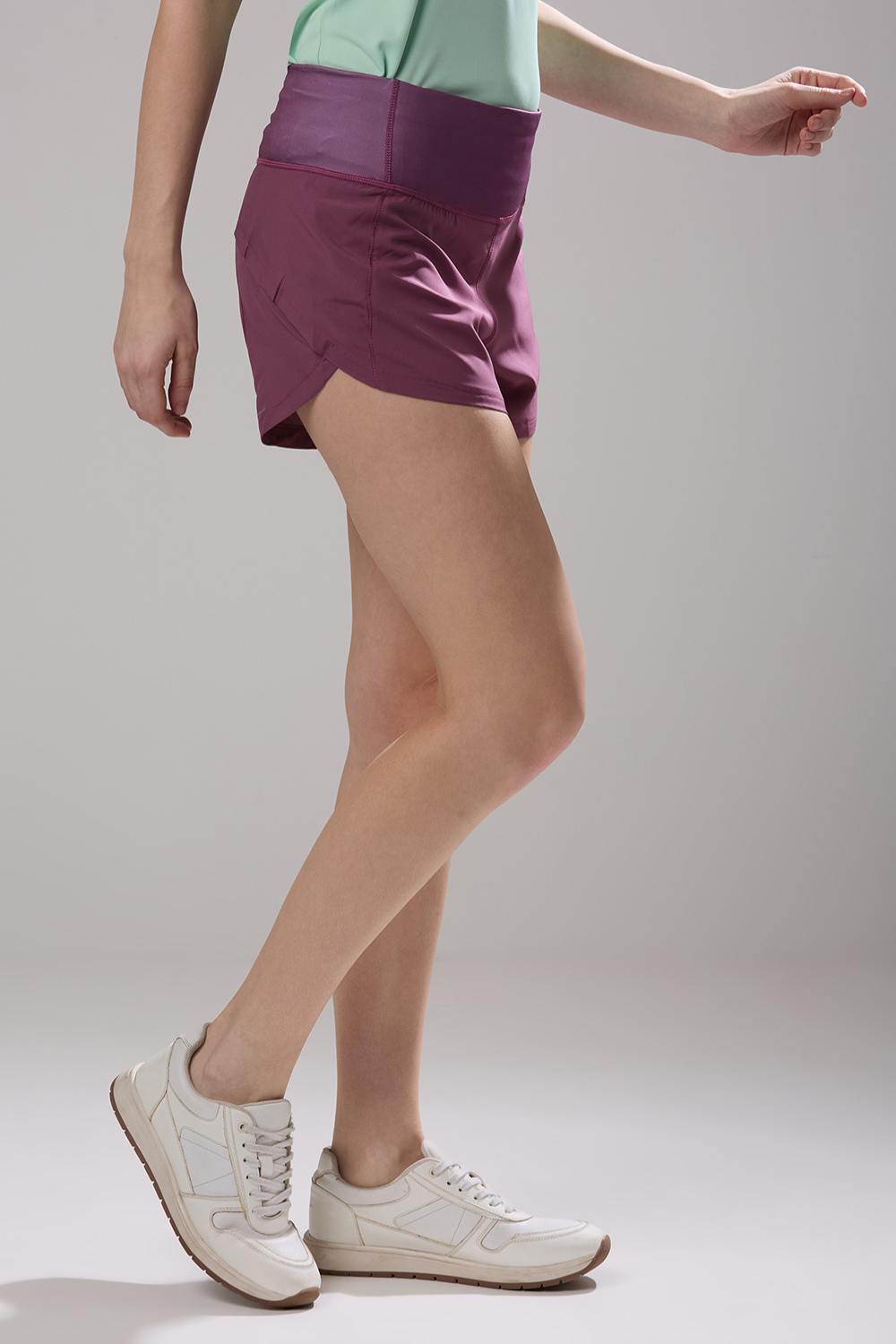
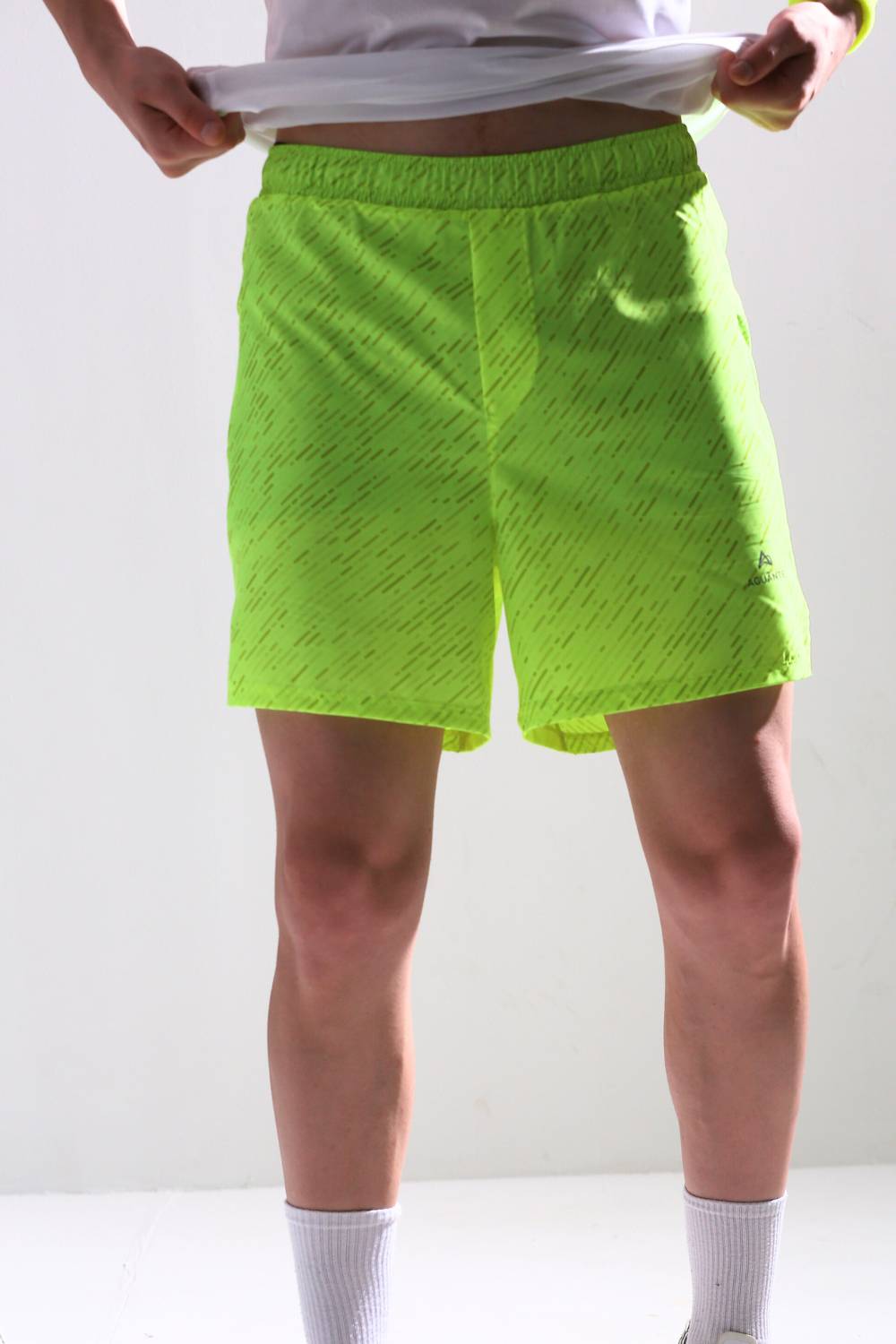
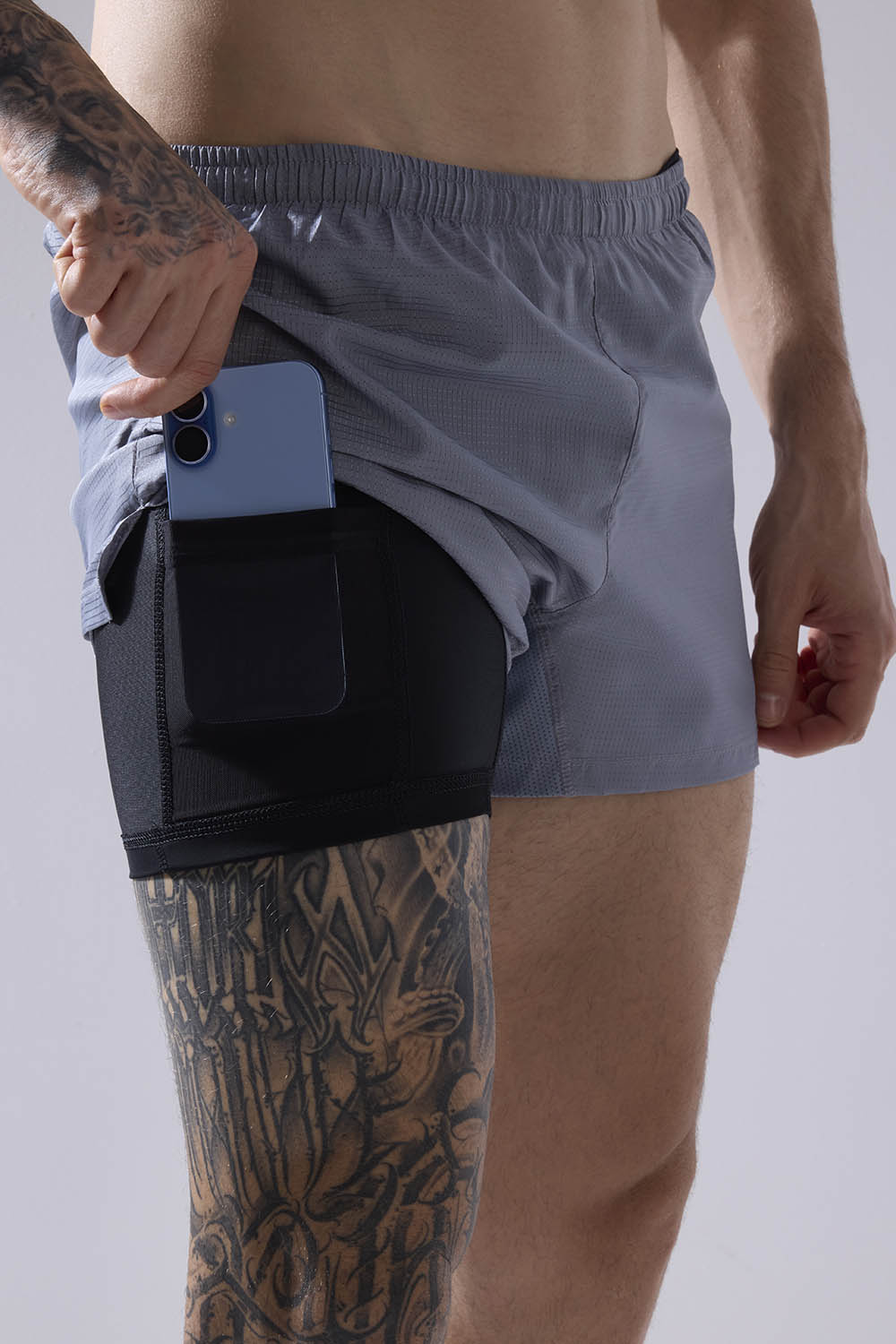
Tired of gear that slows you down? Chafing, soggy fabrics, and missing pockets kill your run's momentum. At Aguante, we're runners who get it. Our high-performance activewear features moisture-wicking fabrics, ergonomic designs, and smart storage to keep you focused. Shop Now!
The Urban Running Boom and Why Reflection Matters
Start with the basics: why run at night? In Bangalore, average daytime temps hover at 35°C, pushing folks to cooler hours. Mumbai's humidity does the same, while Delhi's pollution peaks midday. Communities thrive on this shift. The Hyderabad Runners club, for instance, hosts twilight sessions attended by over 500 weekly, per their social media tallies. Decathlon's India trends echo this, noting a 40% uptick in sales of illuminated accessories in these cities.
Reflective tech isn't new globally, but in India, it's hitting stride. The worldwide reflective material market stood at USD 7.0 billion in 2024, eyeing USD 10.0 billion by 2033 at a 4.06% CAGR, led by Asia-Pacific's 40% share. Closer to home, high-visibility clothing globally was USD 1,814.0 million in 2024, set for USD 2,695.1 million by 2030 at 6.9% growth Asia Pacific grabbed 34% revenue in 2024, with India poised for 8.4% CAGR. Reflective clothing specifically? From USD 2.68 billion in 2024 to USD 5.77 billion by 2035 at 7.22%, and safety variants from $2.35 billion in 2023 to $4.86 billion by 2032 at 8.2%. These figures underscore demand in construction and roads, but they're spilling into sports. Urban runners, facing similar hazards, are adopting it vests held 37.2% market share in high-vis gear last year.
It's more than stats. In Pune's startup scene, brands weave reflective yarns into tees, drawing from Surat's textile hubs where micro-polymer coatings get perfected. Gurugram's ATDC trains designers on this, blending aesthetics with utility think matte prints that shine only when needed, not screaming "safety vest" during the day.
Trends Lighting Up Local Brands
Indian sportswear is getting reflective smarts. Startups in Pune experiment with heat-transfer films, sourcing from Ahmedabad's R&D clusters. The Textile Commissioner's Office in Mumbai reports a 15% rise in domestic production of retroreflective fabrics, cutting import reliance on glass beads.
Style meets safety: minimalist panels on sleeves or hems appeal to the Instagram crowd. No more bulky add-ons; it's integrated, like smart fabrics with illumination that activate in motion. Aesthetics matter urban runners want gear that transitions from trail to cafe. Local brands nail this, using Gujarat's polymer tech for durable, wash-fast reflections.
Bangalore leads events like the Bengaluru Midnight Marathon, where reflective wear is mandatory. Participants glow under floodlights, a spectacle that's boosted local sales. Mumbai's Marine Drive runners swear by it during rains, when lights dim and puddles hide dangers. Clubs partner with brands for workshops, teaching how a simple top can cut accident risks by 30%, per road safety studies.
City Spotlights: From Marine Drive to Millennium Park
In Delhi and Gurugram, corporate wellness programs distribute reflective kits Confederation of Indian Industry reports show 20% of firms now include them in employee fitness perks. Gurugram's tech parks see joggers in branded gear, reflecting ambulance lights amid traffic.
Manufacturing muscle comes from Surat and Ahmedabad, supplying trims to national labels. This "Make in India" chain means affordable, climate-suited options breathable for humidity, quick-dry for sweats. Runners in Navi Mumbai test them on uneven paths, where infrastructure lags.
Challenges persist. Awareness dips beyond Tier-1; in Hyderabad or Pune suburbs, reflections are seen as extras, not essentials. Street lighting's spotty Navi Mumbai's outskirts dim enough to render even top gear less effective. Costs bite: imported films hike prices, though local alternatives emerge. India's BIS standards lack specific visibility tests for apparel, leaving gaps regulators eye.
Opportunities in the Glow
Yet upside abounds. Urban fitness grows 15-18% YoY per FICCI insights, opening doors for brands to pitch reflective as tech-edge in mid-premium wear. Imagine Mumbai municipalities co-branding with clubs for campaigns, or exports to Southeast Asia's similar climes.
Experts at NIFT Delhi see fusion ahead: eco-fibers with sensors, power-free glow from Bengaluru labs. By 2027, it'll be standard in premium lines, they predict.
A Brighter Path Forward
As cities pulse with after-dark energy, reflective details aren't just trends they're lifelines woven into fabric. In India's running renaissance, safety shines as bright as performance, proving that in the glow of headlights, innovation keeps pace with every stride.
Frequently Asked Questions
Why is reflective gear important for night runners in Indian cities?
Reflective gear significantly improves visibility for runners in Indian cities where poor street lighting, heavy traffic, and weather conditions like monsoon rains create hazardous conditions. Studies show that reflective clothing can reduce accident risks by 30%, making it essential safety equipment rather than just an accessory. With night runs increasing 25% year-over-year in metros like Mumbai, Bangalore, and Delhi where daytime heat and humidity push workouts to dawn or dusk reflective detailing has become a crucial element in urban running safety.
How is India's sportswear market incorporating reflective technology?
India's sports apparel market, projected to grow from USD 705.85 million in 2024 to USD 1,592.58 million by 2030, is increasingly integrating reflective elements into performance wear. Local startups in cities like Pune and manufacturing hubs in Surat and Ahmedabad are developing innovative solutions using heat-transfer films, micro-polymer coatings, and retroreflective fabrics. Modern designs feature minimalist reflective panels on sleeves and hems that blend aesthetics with functionality, allowing gear to transition seamlessly from running trails to casual settings while maintaining safety standards.
Which Indian cities are leading the adoption of reflective running gear?
Bangalore, Mumbai, and Delhi-Gurugram are at the forefront of reflective gear adoption, driven by active running communities and mandatory requirements at major events like the Bengaluru Midnight Marathon. Mumbai's Marine Drive runners particularly rely on reflective wear during monsoons, while Gurugram's corporate wellness programs now include reflective kits as part of employee fitness perks, with 20% of firms distributing them. Hyderabad is also emerging as a key market, with clubs like Hyderabad Runners hosting twilight sessions attended by over 500 participants weekly who prioritize visibility gear.
Disclaimer: The above helpful resources content contains personal opinions and experiences. The information provided is for general knowledge and does not constitute professional advice.
You may also be interested in: Early-Morning Schedules Define Urban Running in India
Tired of gear that slows you down? Chafing, soggy fabrics, and missing pockets kill your run's momentum. At Aguante, we're runners who get it. Our high-performance activewear features moisture-wicking fabrics, ergonomic designs, and smart storage to keep you focused. Shop Now!
Powered by flareAI.co