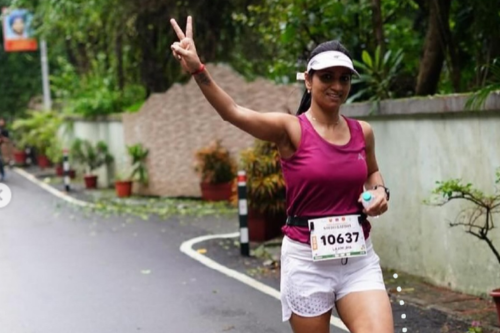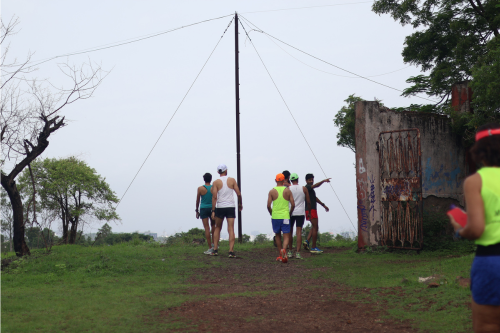
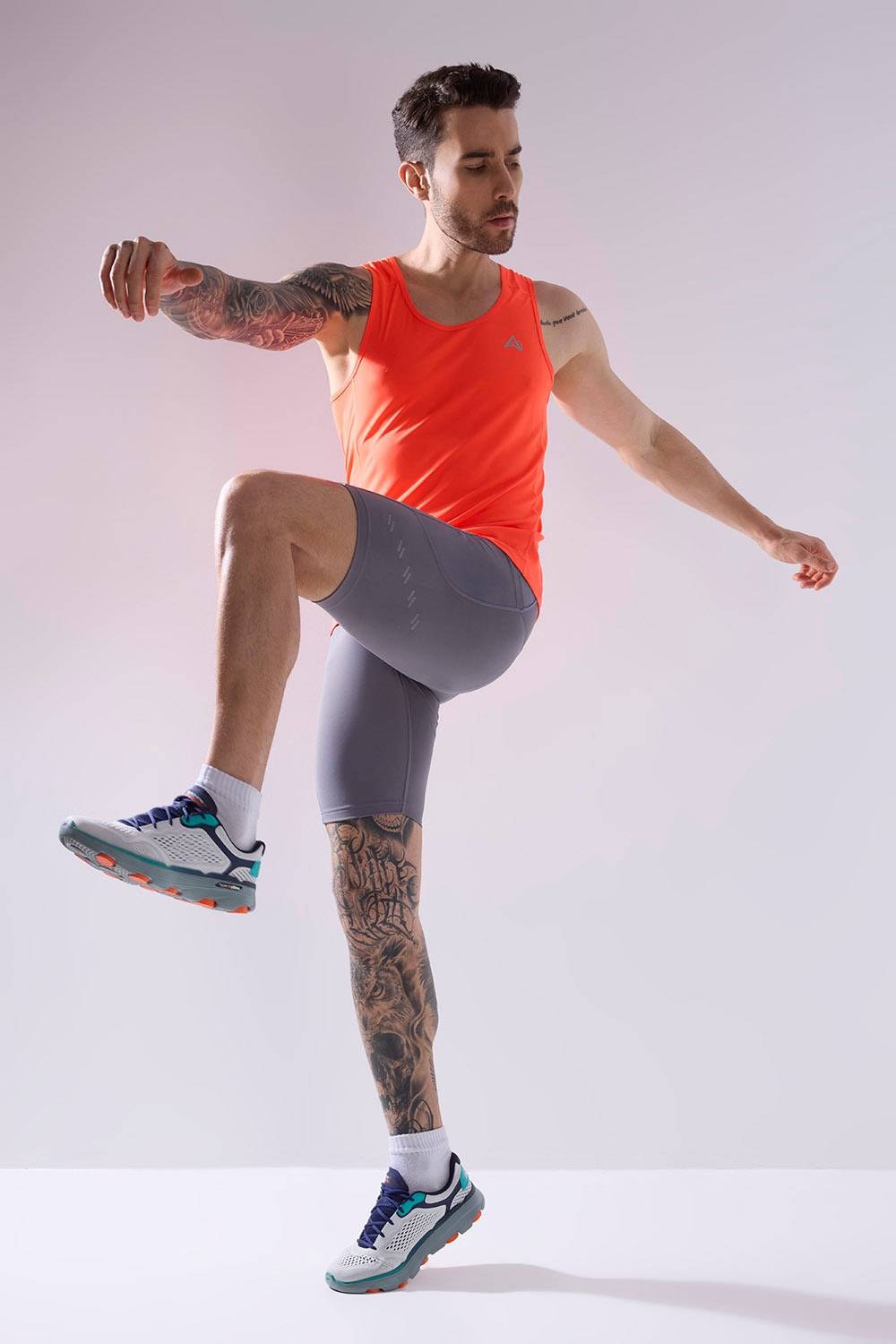
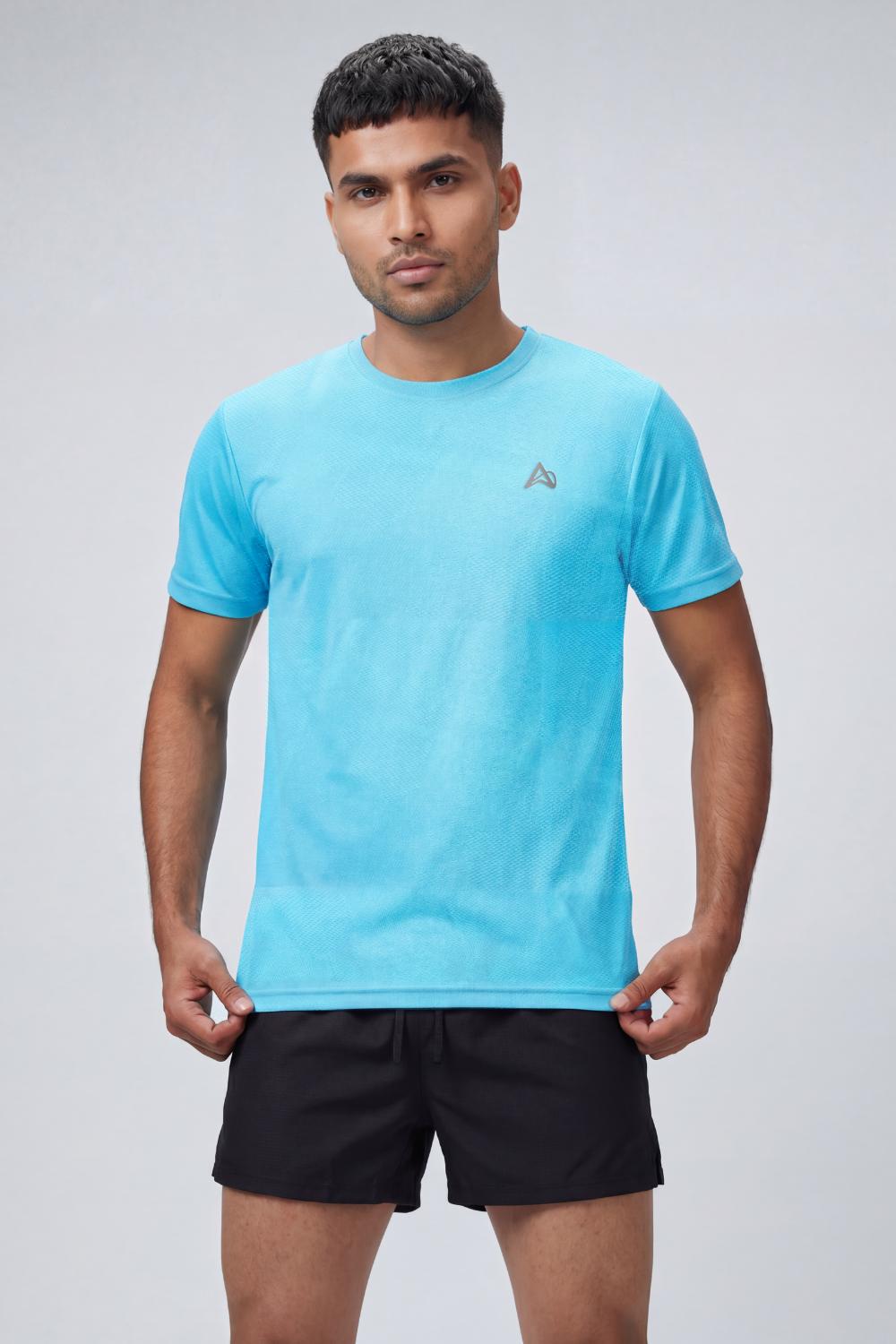
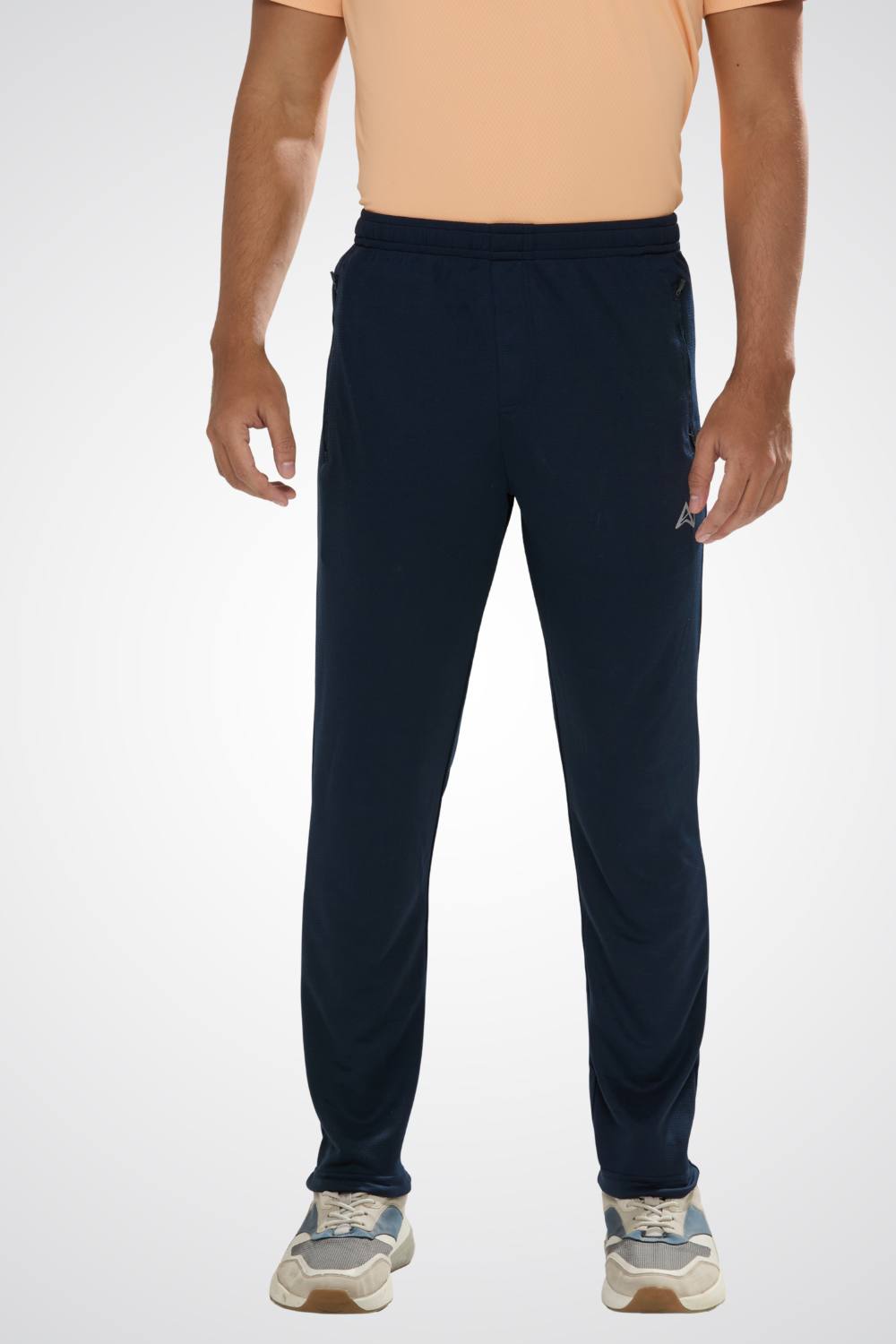
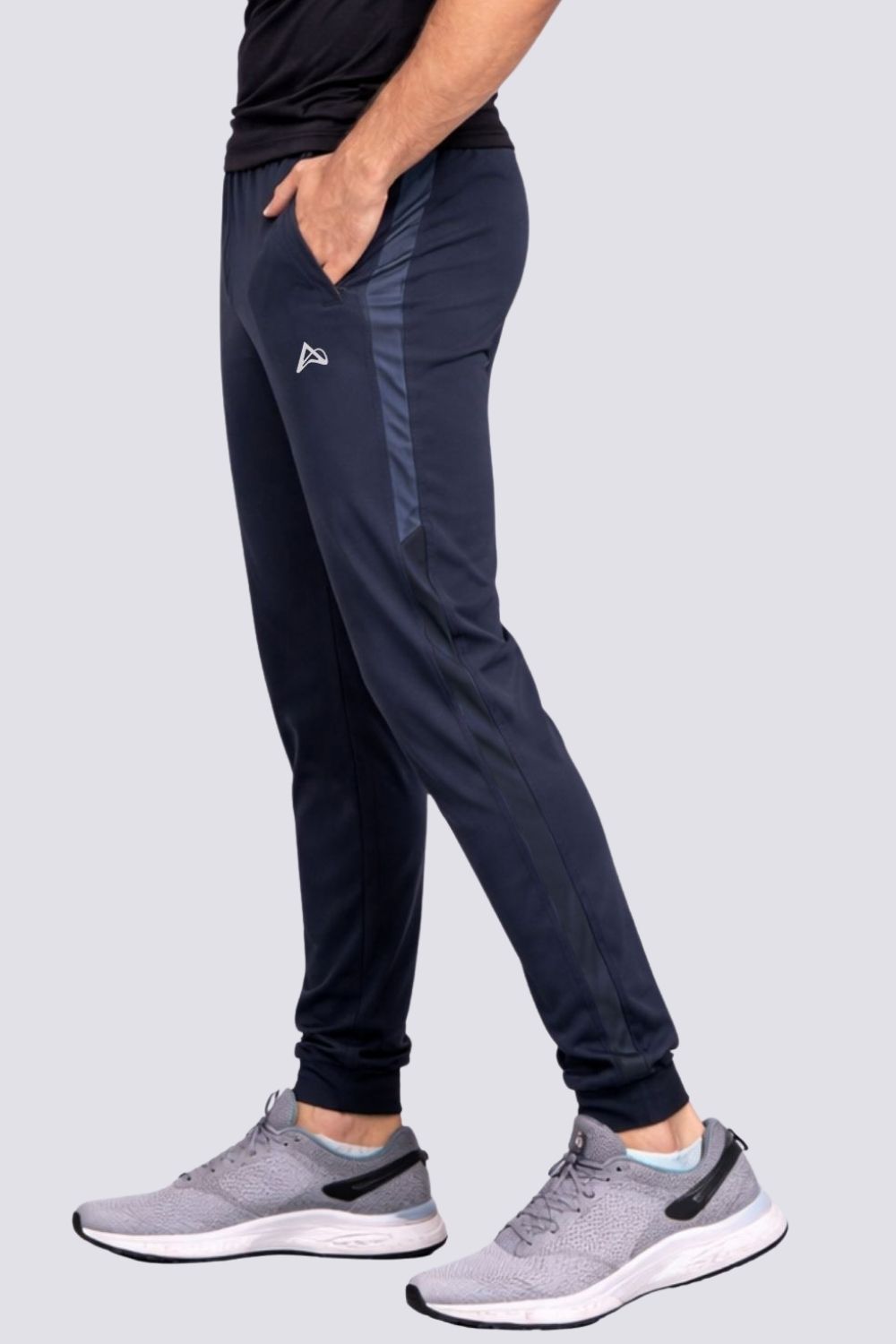




Stepping out for an early morning run in Mumbai or Bangalore as the monsoon gathers force, you sense the thick, humid air pressing in even before the rain begins. Clothes quickly cling to your skin, sweat blends with falling drops, and what promised to be a refreshing session becomes an uncomfortable struggle against moisture and distraction. Across India's energetic running communities, the monsoon tests far more than physical stamina it challenges the very gear that should support you.
Dedicated runners in Bangalore, Hyderabad, Mumbai, Pune, Navi Mumbai, Delhi, Gurugram, Surat, and Ahmedabad push forward anyway. Consistency in training matters too much to surrender to the weather. What makes the difference for many is advanced quick-dry materials engineered precisely for these humid, unpredictable conditions.
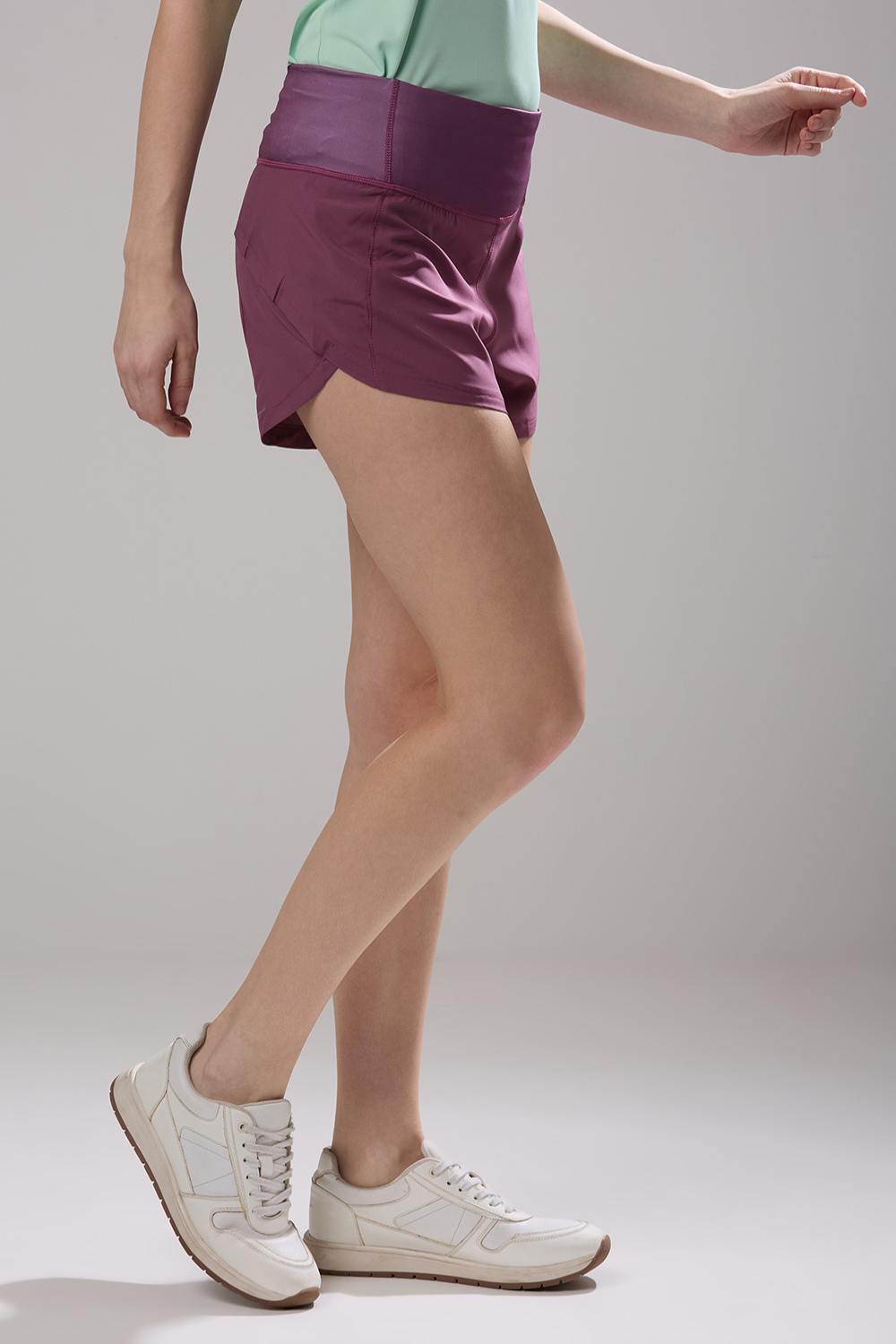
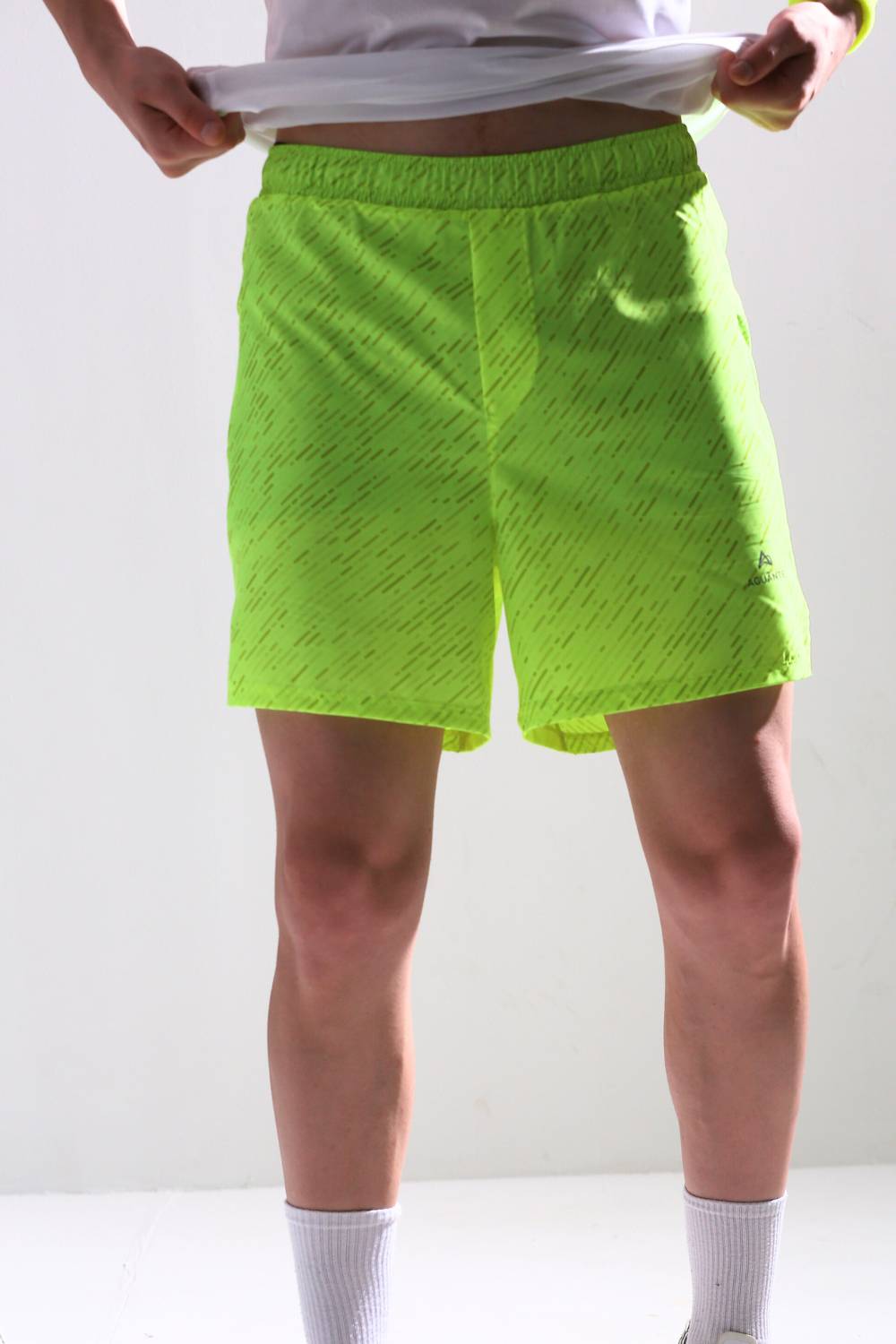
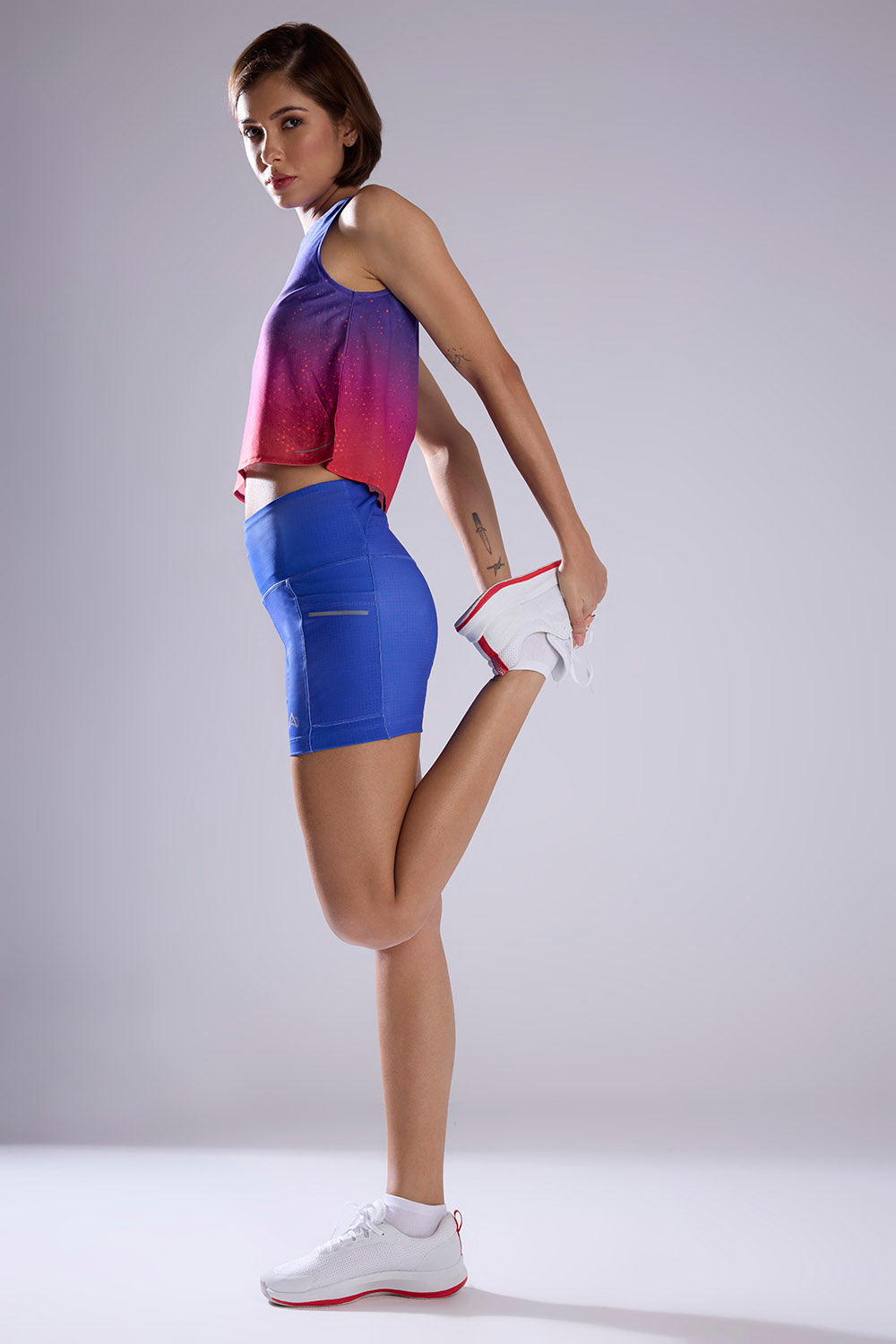
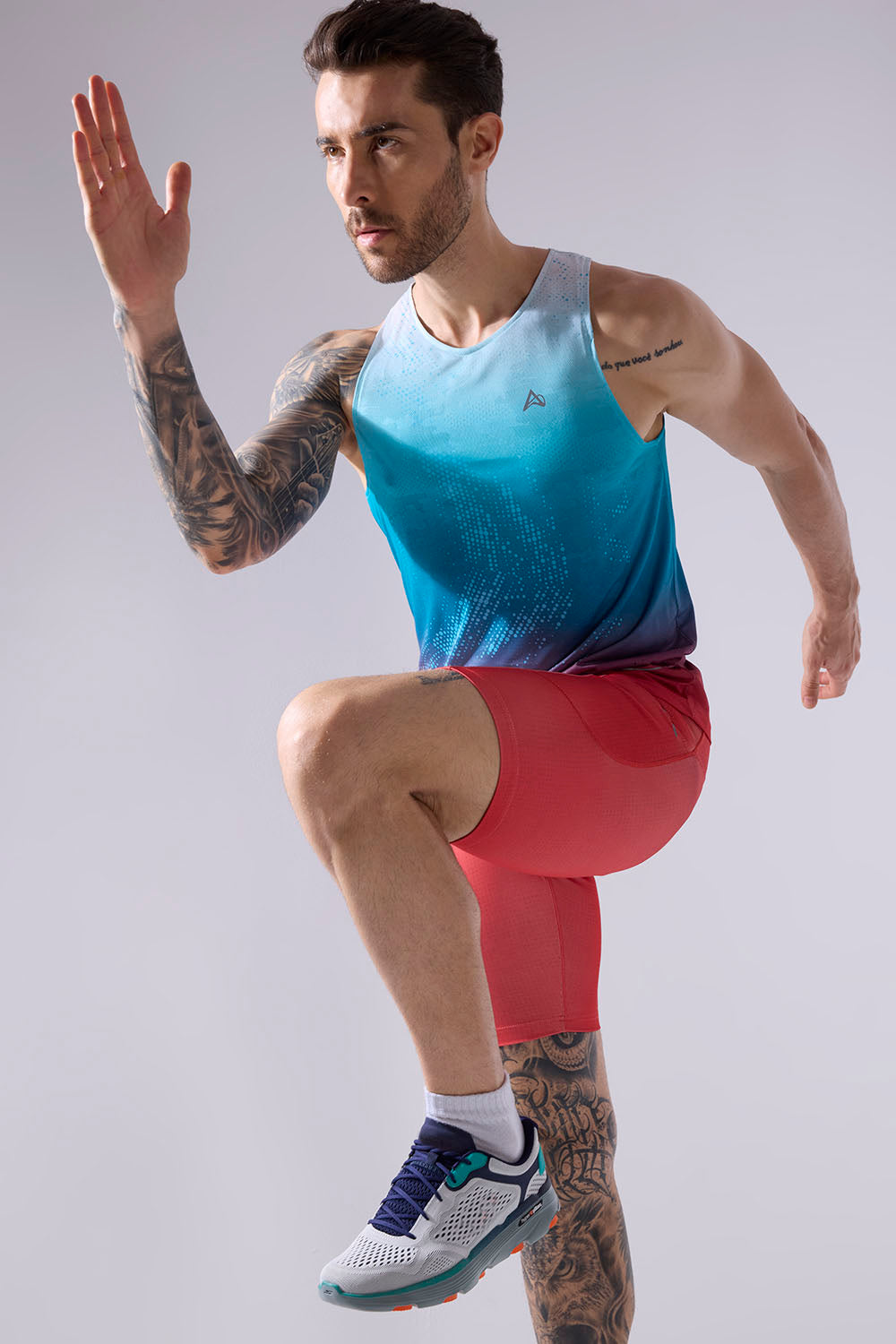
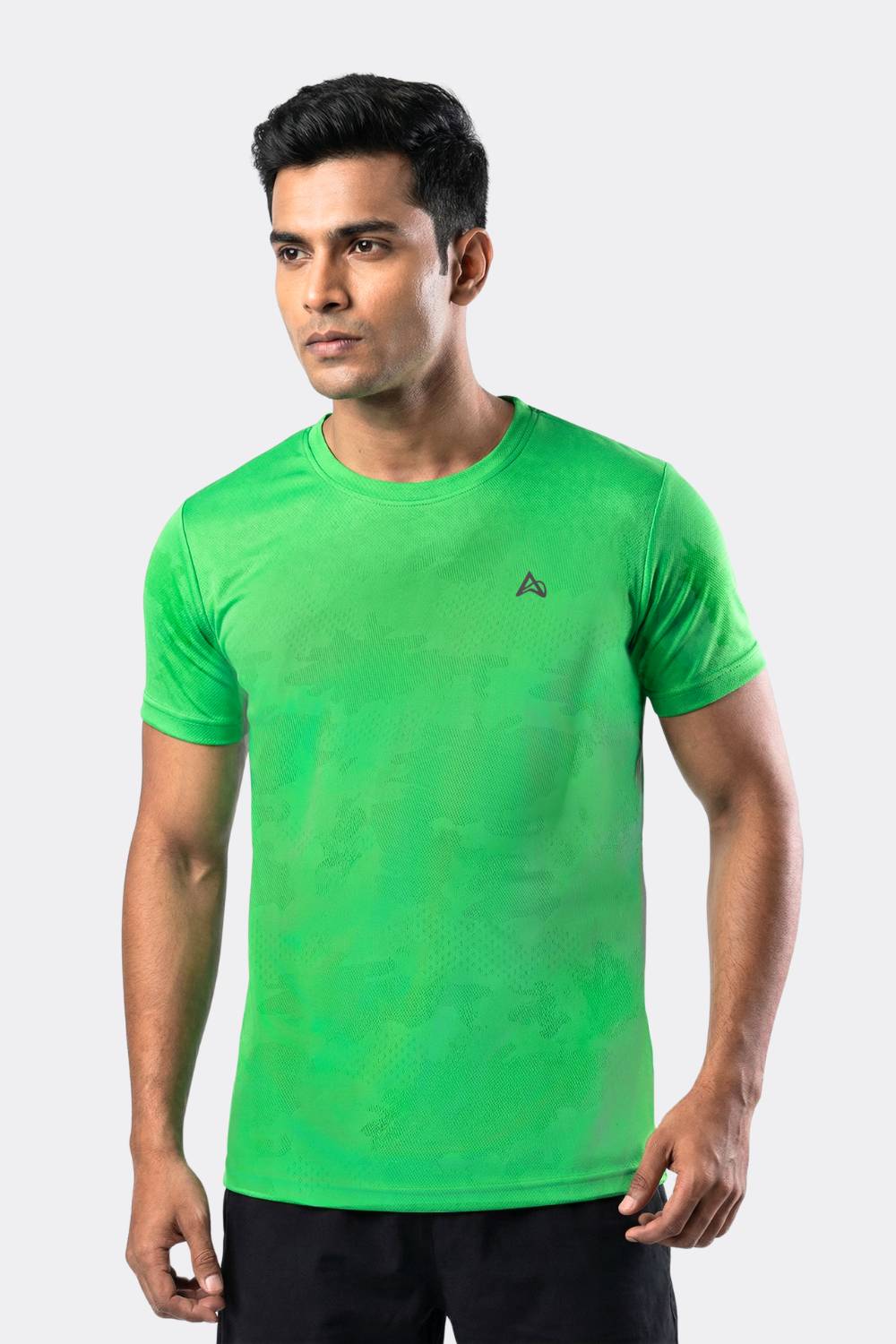
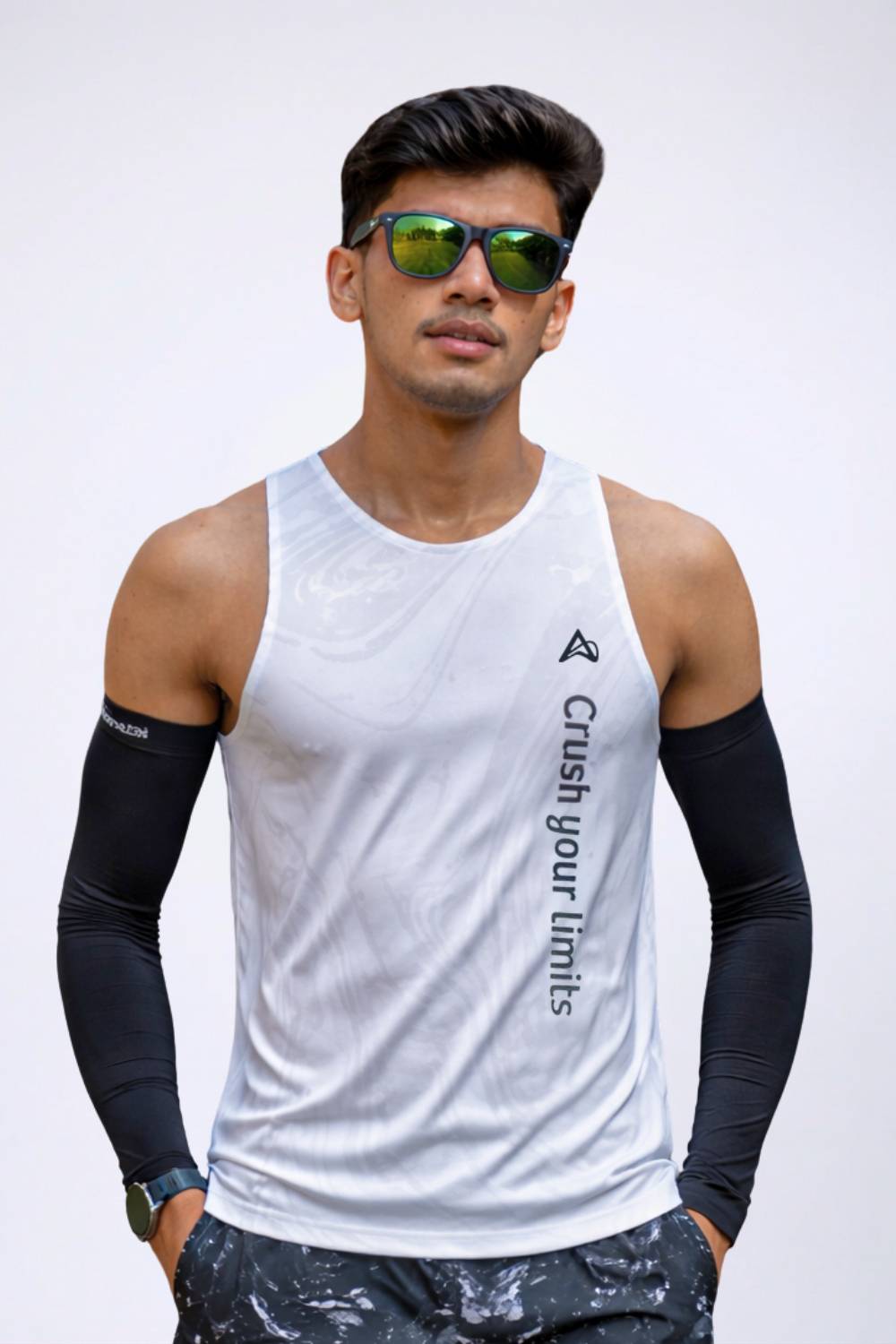
Tired of gear that slows you down? Chafing, soggy fabrics, and missing pockets kill your run's momentum. At Aguante, we're runners who get it. Our high-performance activewear features moisture-wicking fabrics, ergonomic designs, and smart storage to keep you focused. Shop Now!
Why Monsoon Running Requires Specialized Activewear
India's monsoon delivers a demanding combination of torrential rains, oppressive humidity, and tricky surfaces from slick city streets in Pune to waterlogged paths around Hyderabad. Ordinary cotton soaks up moisture rapidly and dries slowly, leaving runners feeling weighed down, prone to chafing, and mentally pulled away from their pace.
Runners sharing experiences on Instagram profiles of barefoot coaches, passionate trainers, and dedicated enthusiasts frequently highlight how standard gear disappoints precisely when commitment feels hardest to sustain. Quick-dry fabrics address this directly by actively moving sweat and rainwater away from the body through sophisticated moisture-wicking systems, then dispersing it for fast evaporation. The outcome is a noticeably drier, cooler, and more focused run even amid heavy showers.
The Science Behind Quick-Dry Performance in High Humidity
Quick-dry materials depend on carefully engineered synthetic fibers that operate at a microscopic scale. While natural fibers tend to hold onto liquid, these fabrics employ hydrophobic surfaces and structured channels that promote rapid transport. Moisture encounters the inner layer, travels efficiently outward via capillary action, and evaporates across a broad exterior surface before saturation occurs.
Even in India's characteristically humid monsoon atmosphere where natural drying slows considerably these fibers manage substantial moisture volumes without losing effectiveness. Runners based in coastal hubs such as Mumbai and Surat report an immediate shift: no more saturated shorts or tops that drag after only a few kilometers, allowing smoother, lighter movement throughout the session.
Tangible Advantages Experienced on Everyday Indian Routes
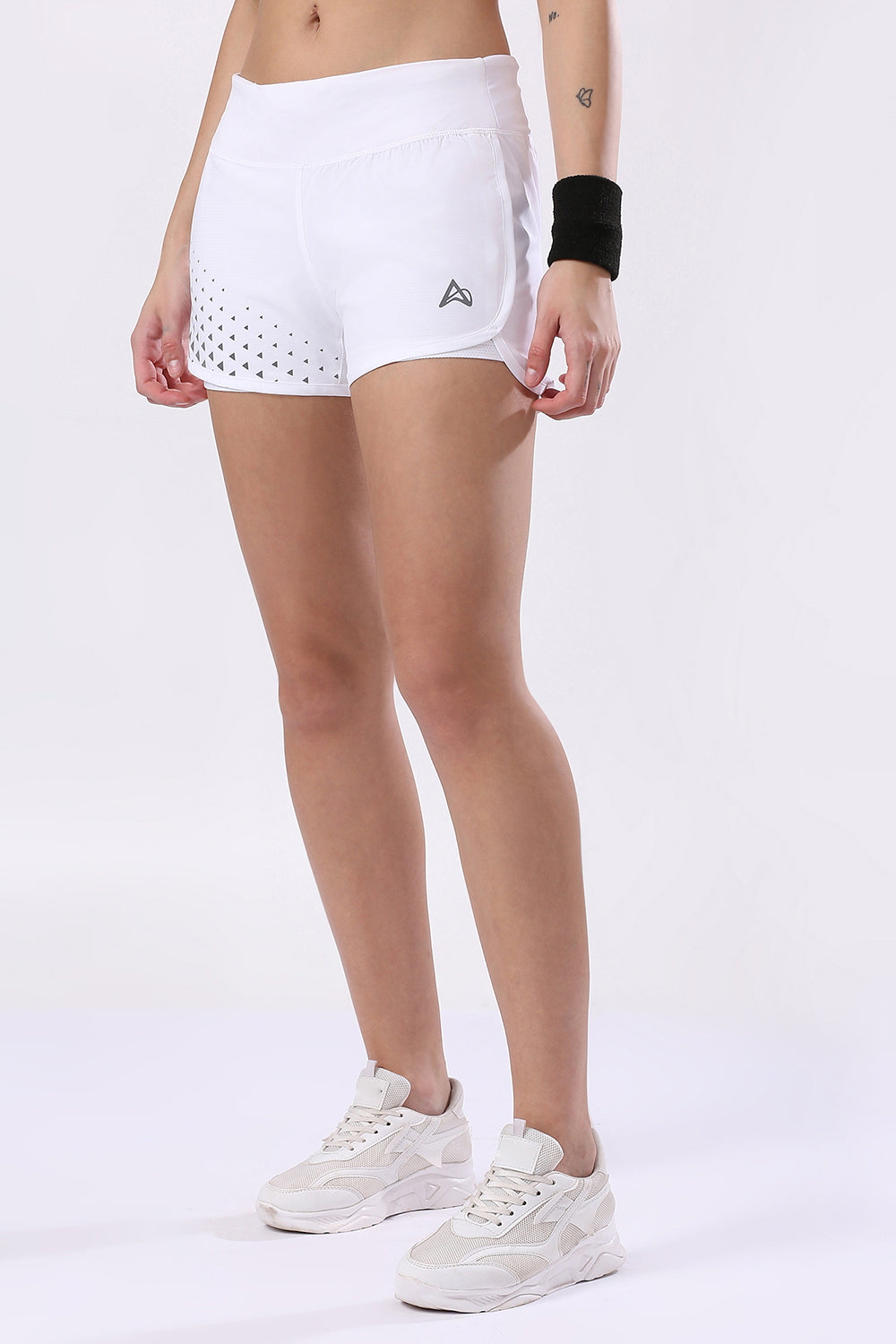
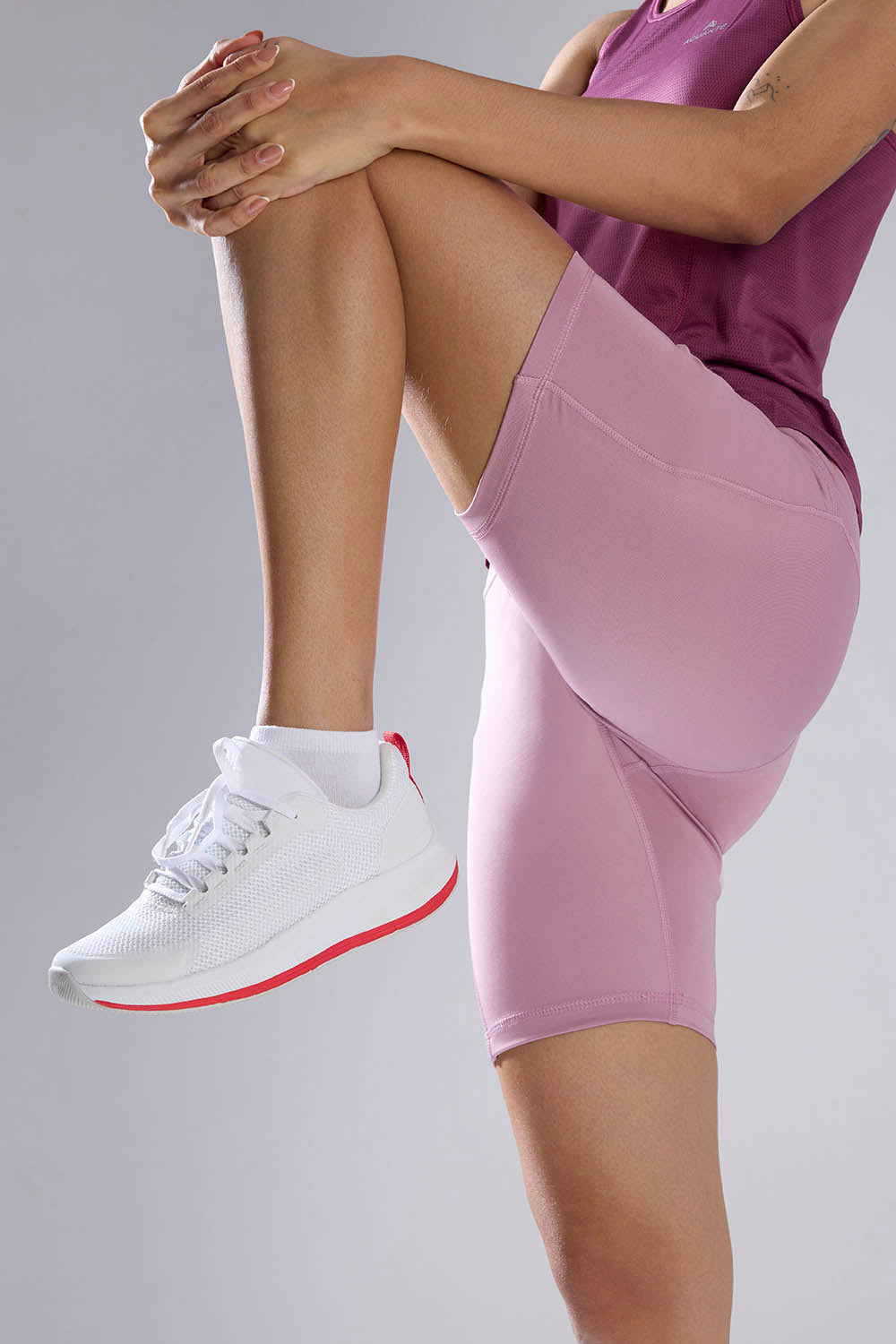
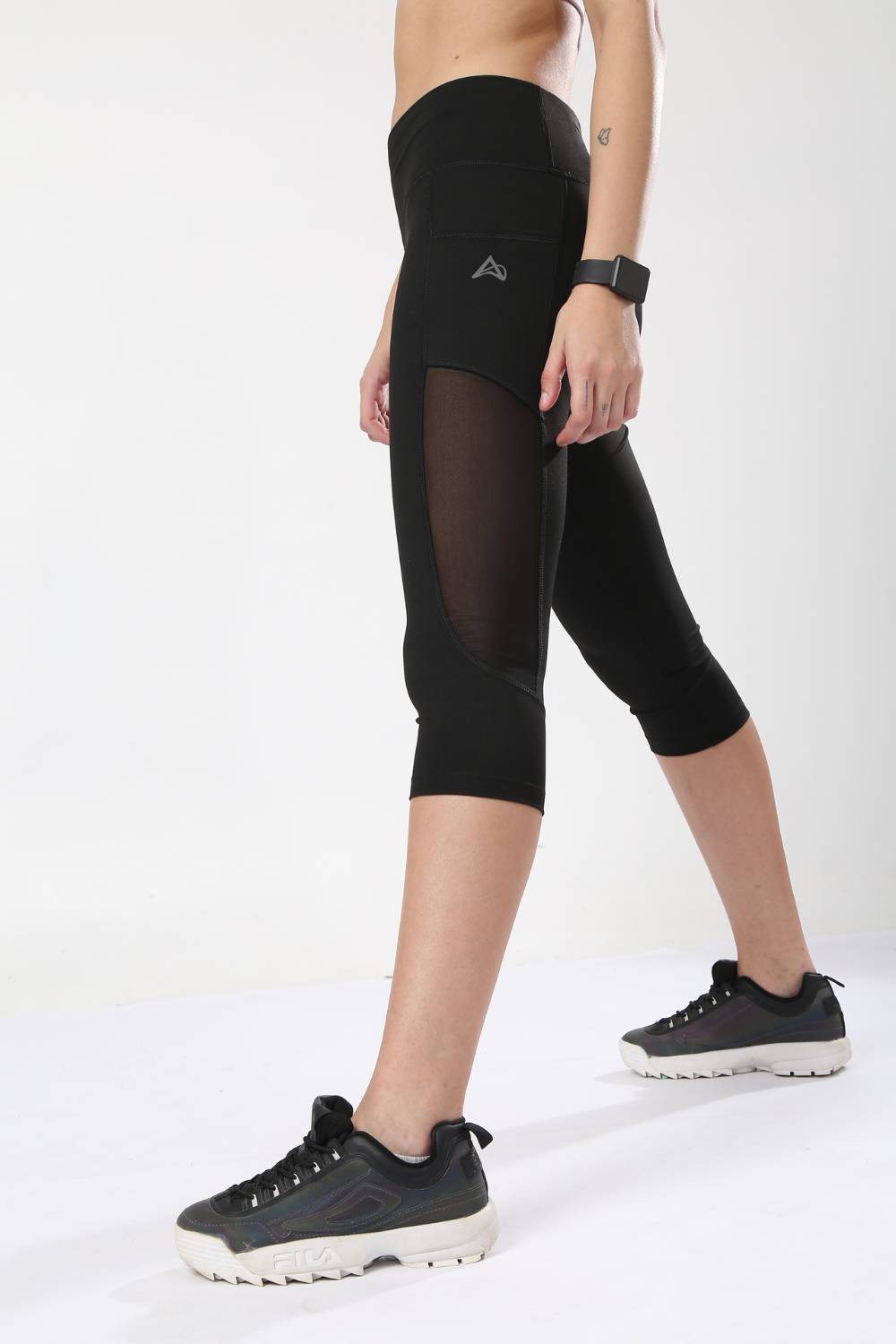
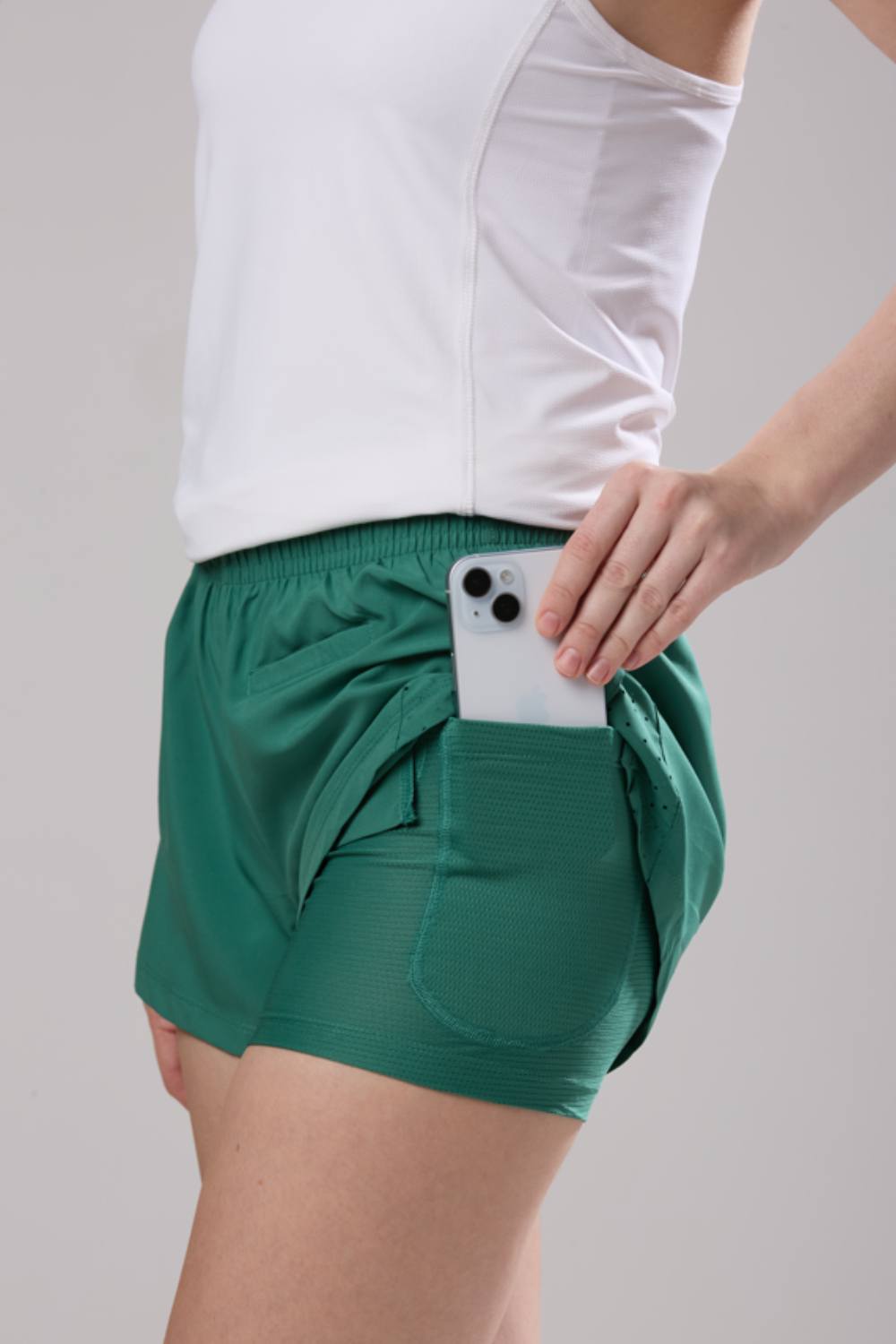
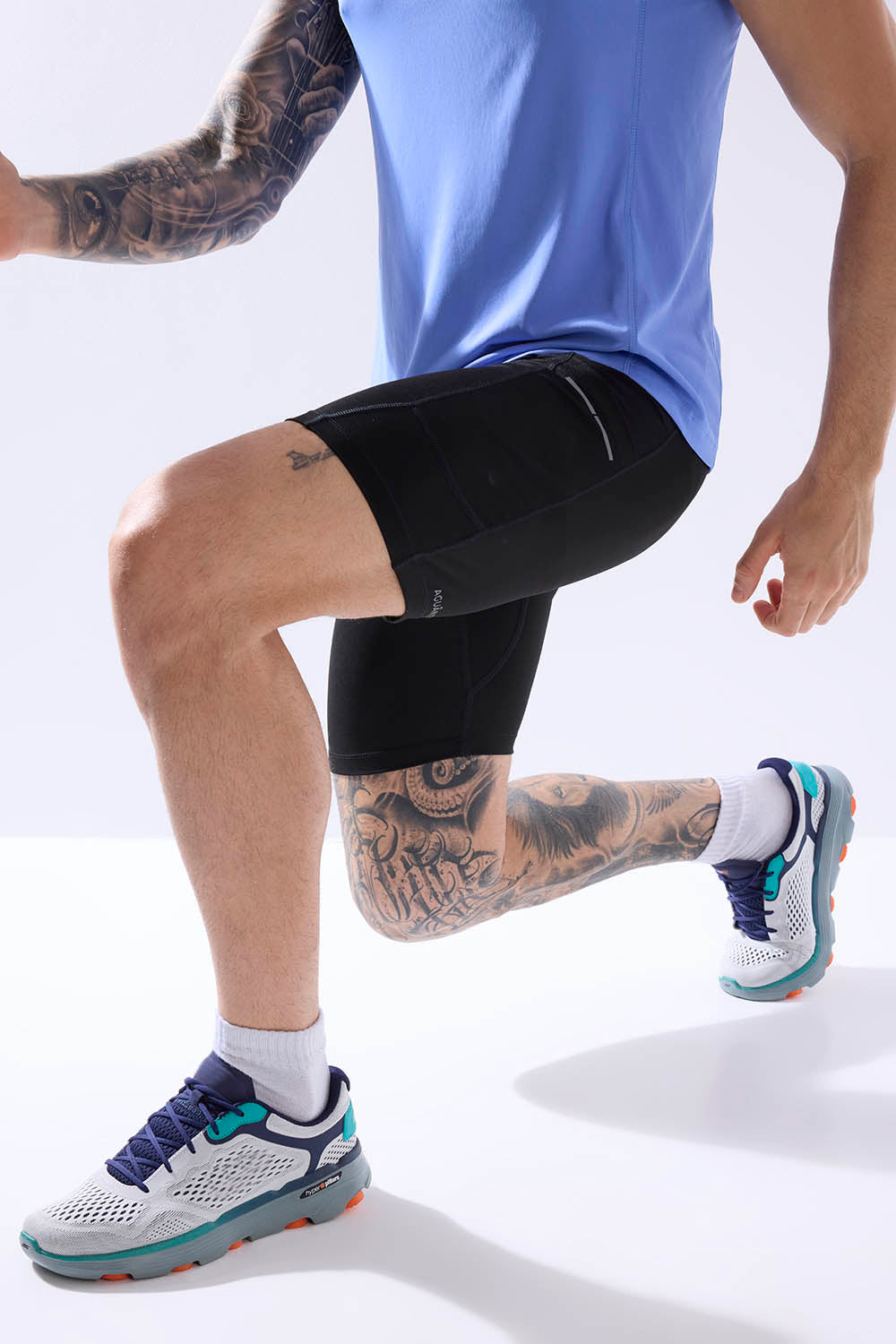
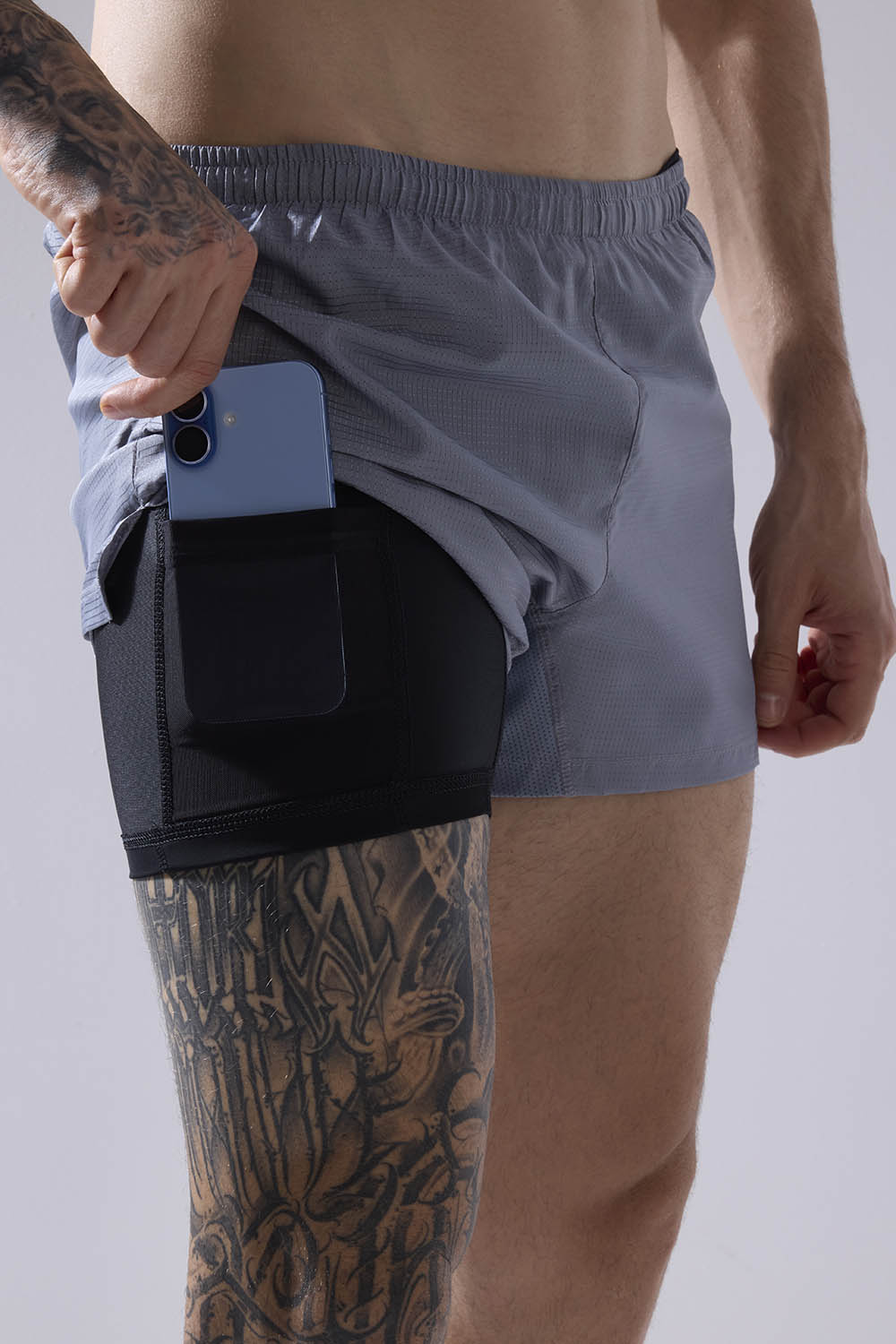
Enhanced comfort leads the benefits, yet the real value extends further. When quick-dry outer layers pair with thoughtful anti-chafing linings, they shield against the skin irritation that frequently disrupts extended wet-weather training. Secure, non-bouncing pockets provide reliable storage for essentials like nutrition, keys, or phones, while reflective details enhance visibility on overcast streets in Gurugram or Delhi.
Superior breathability plays a critical role as well. Materials that trap warmth transform humid efforts into stifling experiences. Effective quick-dry options promote airflow that helps maintain stable body temperature, reducing the risk of overheating that compels many to shorten or abandon runs.
Those following running coaches across Instagram, Facebook, and YouTube often note extended, more reliable training periods after adopting gear tailored to local realities. Movement feels unrestricted, attention stays on the run, and runners cross the finish of each session with greater satisfaction despite sudden downpours.
Aguante's Philosophy: Designed for Indian Conditions and Real Runners
Many established brands develop activewear in temperate environments and reflect those origins in both design and cost. Aguante follows a more grounded approach. Each item emerges from deep consideration of Indian running realities intense heat, heavy humidity, varied terrain, and the physiques that navigate them daily delivering exceptional comfort, breathability, and performance at realistic prices.
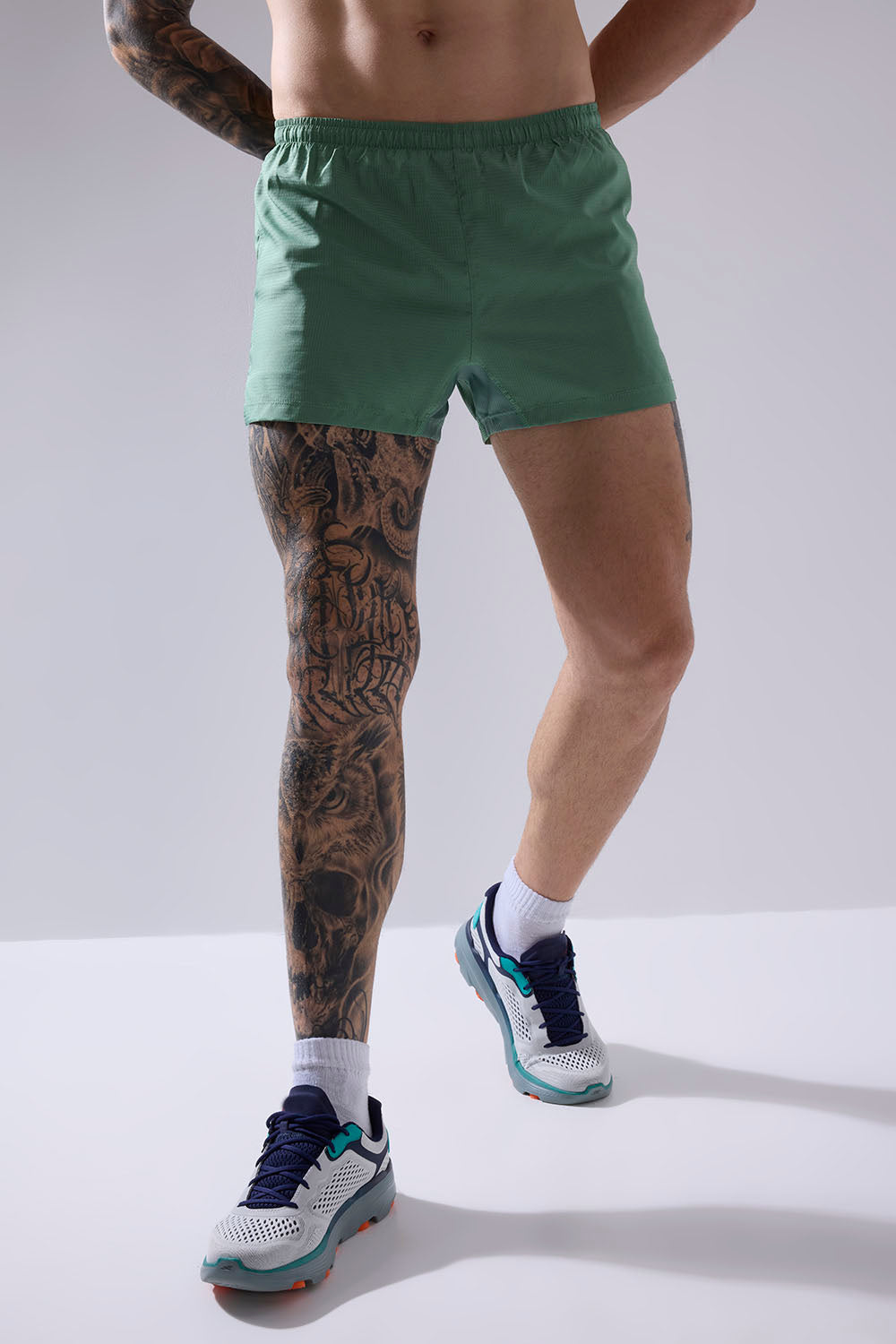
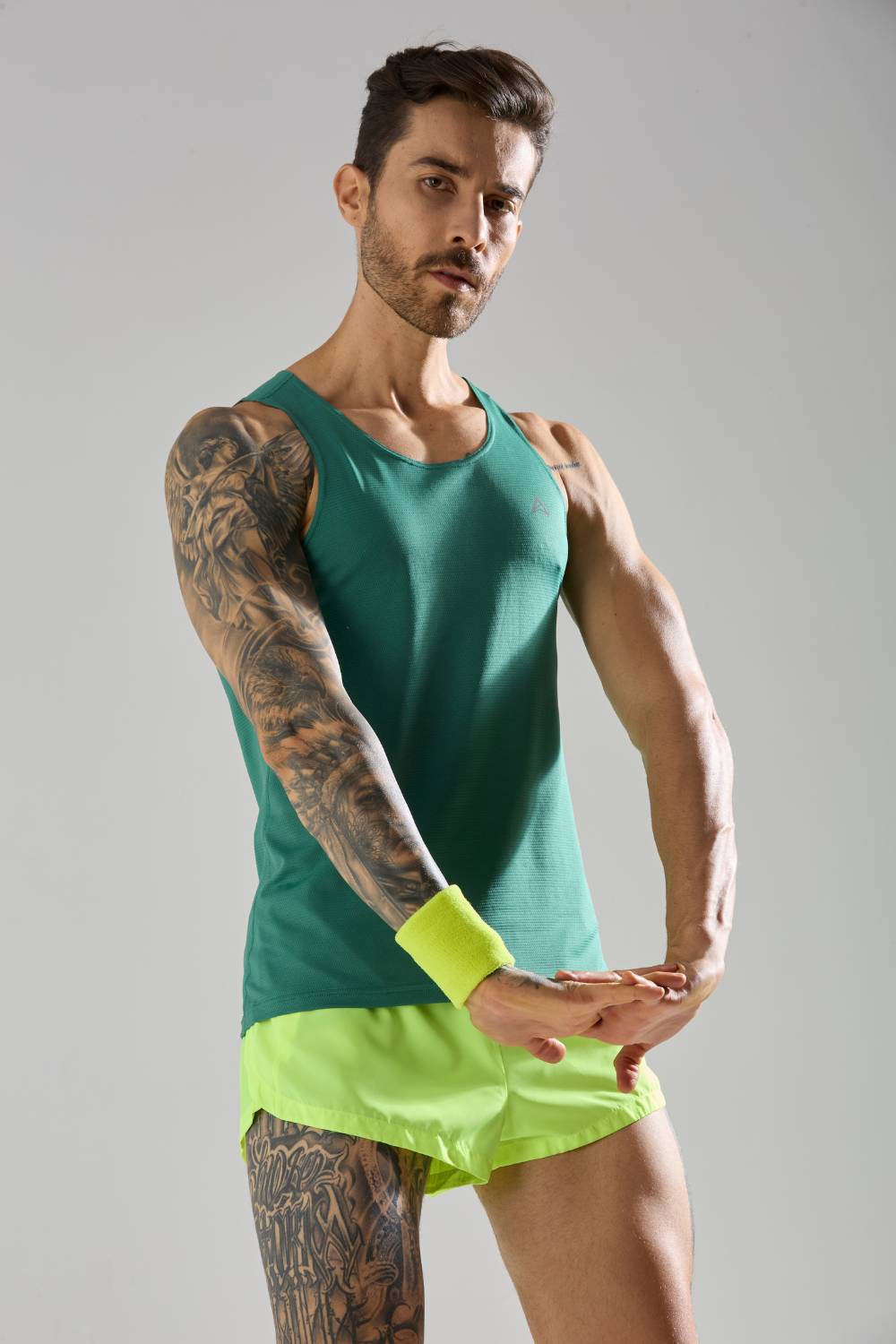
Attention to meaningful details sets this gear apart: pockets engineered to remain stable during dynamic strides, linings that guard against prolonged friction, fabrics that efficiently manage both perspiration and rainfall, reflective accents for safety, and fits validated by athletes on the very roads used in Navi Mumbai or Ahmedabad. This represents purposeful local innovation grounded in global standards rather than off-the-shelf solutions.
Monsoon-Specific Gains from Purposefully Crafted Equipment
In the heart of the rainy season, athletes equipped with specialized quick-dry materials frequently preserve stronger running form since they spend less time readjusting soaked apparel. Fewer interruptions support steadier pacing and decrease compensatory adjustments that raise injury potential on slippery ground.
When local insight combines with high manufacturing quality, the resulting products excel in environments where globally designed alternatives can struggle with extreme moisture levels.
Responding to Typical Doubts About Technical Performance Fabrics
Runners sometimes question whether synthetic constructions feel unnatural or encourage odors. Contemporary quick-dry fabrics incorporate antimicrobial properties and improved weave structures that enhance ventilation compared to earlier versions. In practice, many wearers find them lighter and more skin-friendly than thoroughly drenched traditional materials.
Long-term durability raises another valid point. Quality running apparel withstands frequent laundering and the abrasive nature of Indian pavements and trails far more effectively than fragile substitutes, preserving quick-dry capabilities across multiple seasons.
Cost concerns surface regularly too. Although luxury choices exist, brands focused on genuine value provide robust performance without excessive premiums driven by overseas branding, broadening access to dependable monsoon gear for runners throughout key urban centers.
Actionable Guidance for Effective Monsoon Training
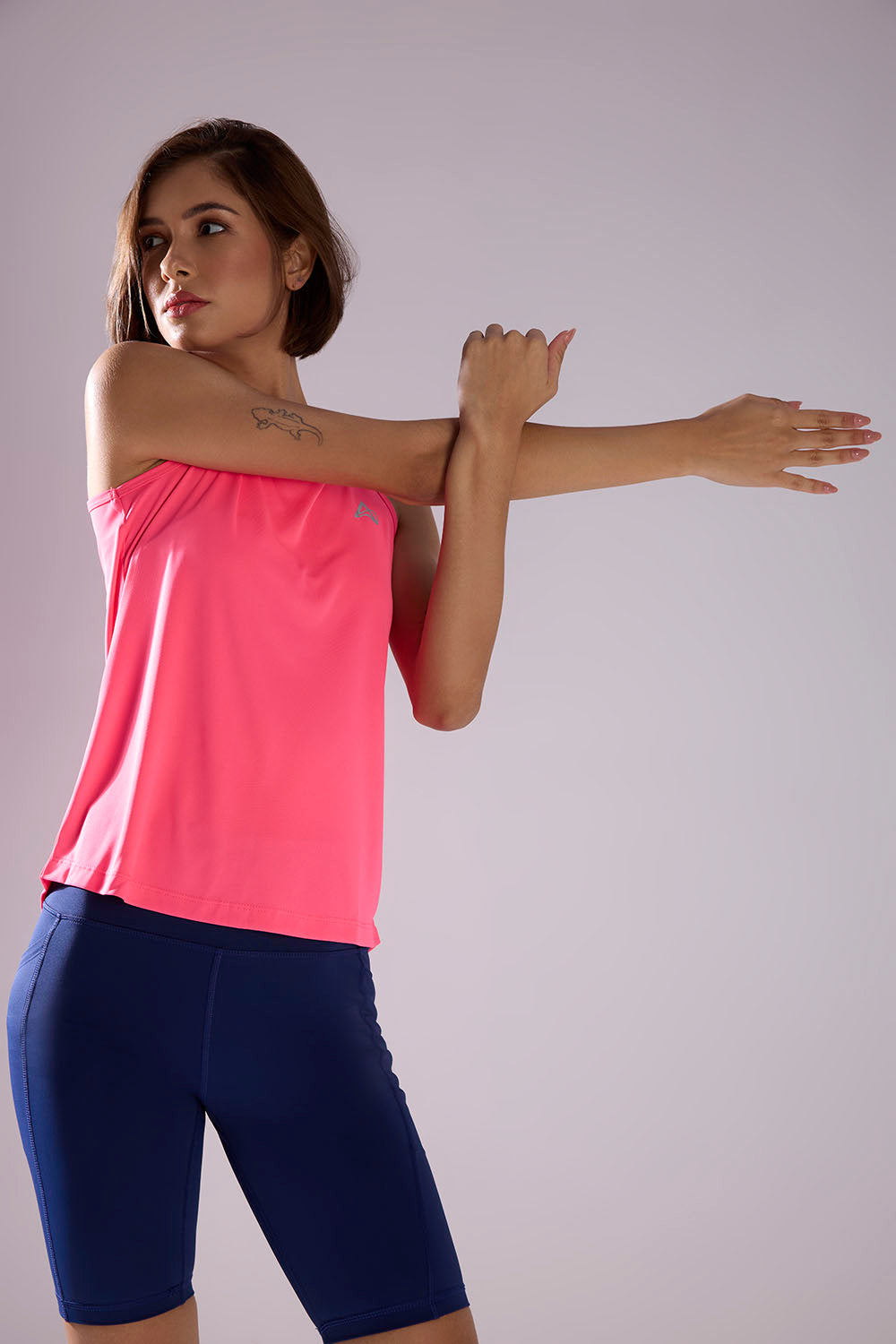
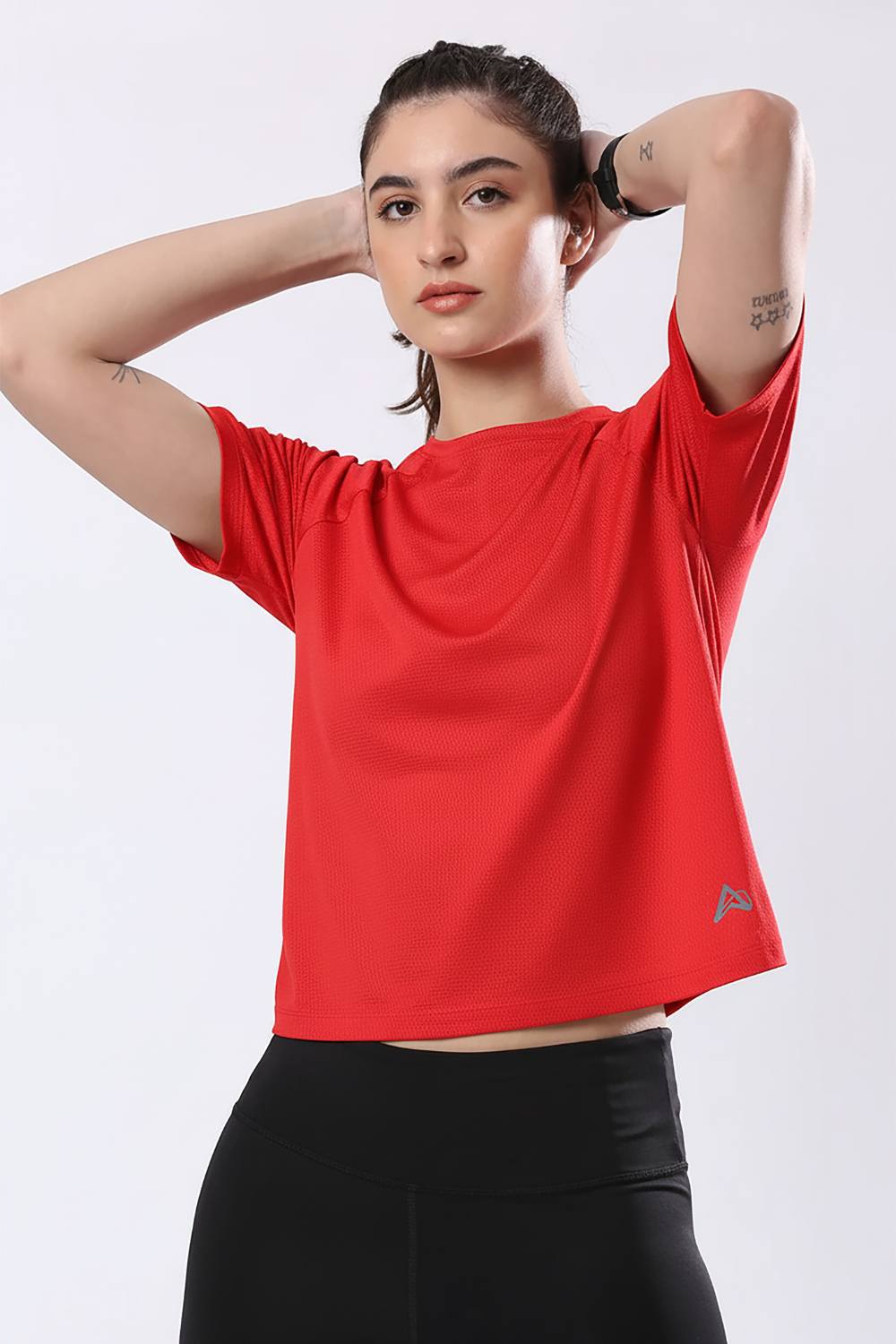
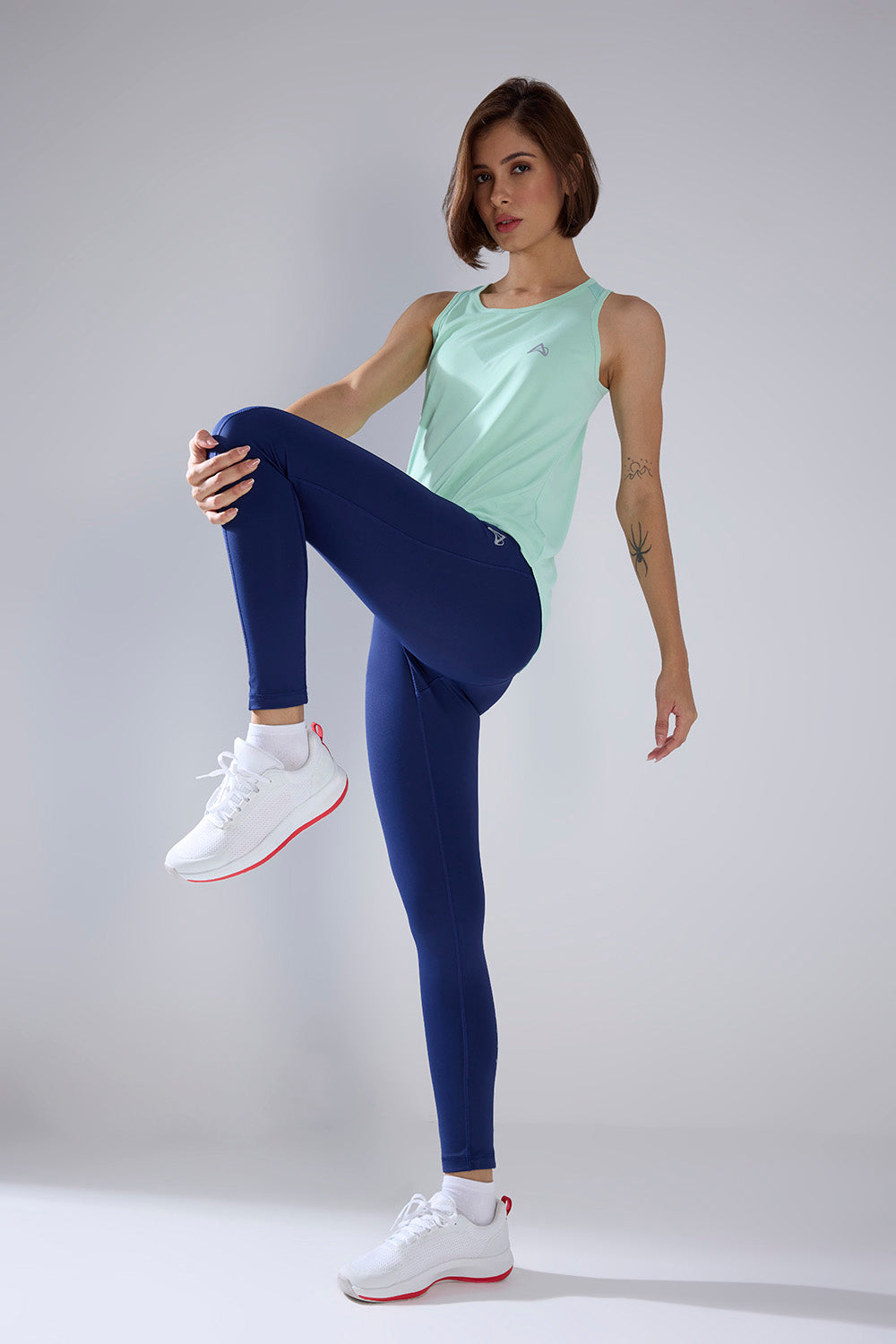
Select tops and bottoms featuring demonstrated moisture-handling capabilities. Keep layering minimal a capable quick-dry foundation manages most scenarios without added weight. Verify fit and functionality on shorter outings before committing to longer efforts. Prioritize reflective elements for any runs scheduled during lower visibility periods.
- Favor lighter shades during intense rain they appear to dry more rapidly and improve overall visibility.
- Keep a compact quick-dry cloth handy or rely on the shirt's own properties for quick face wipes during the run.
- Following sessions, perform a light rinse and air-dry the items; advanced fabrics rebound swiftly for subsequent use.
- Pair technical gear with attentive form and careful route selection to prioritize safety amid wet conditions.
Maintaining Training Momentum When Conditions Challenge Commitment
Athletes who navigate monsoon periods successfully share a common strategy: they reduce avoidable obstacles through intelligent equipment choices. Quick-dry materials eliminate a primary source of frustration, redirecting mental energy back to the essentials the steady cadence of strides, the fulfillment of accumulated distance, and the clear-headedness that emerges afterward.
Active online communities on Instagram, Facebook, and YouTube, populated by both professional coaches and regular participants, regularly explore how modest upgrades in apparel yield significant gains in both pleasure and adherence during demanding weather windows.
Building Year-Round Consistency Through Thoughtful Preparation
The monsoon need not force compromises in training volume or push athletes toward indoor substitutes. When apparel reflects genuine understanding of Indian environments, runners sustain progress regardless of the calendar. Improvements appear not only in immediate comfort but also in the quiet assurance that allows lacing up even as heavy clouds build on the horizon.
From the modern avenues of Bangalore to the timeless lanes of Ahmedabad, appropriate materials transform potential disruptions into manageable aspects of the overall experience. Quick-dry advancements, when guided by regional knowledge, help preserve the fundamental satisfaction of motion even when the elements push back.
Ultimately, persisting with runs through India's monsoon reinforces the core reasons many began: not to await ideal weather, but to cultivate resilience that carries beyond any single season. Deliberate selections in running apparel render the entire process smoother, drier, and substantially more gratifying, supporting the community of runners who refuse to pause when the rains arrive.
Frequently Asked Questions
What makes quick-dry materials better than cotton for monsoon running in India?
Quick-dry fabrics use hydrophobic synthetic fibers and structured channels that actively wick sweat and rainwater away from the skin through capillary action, then disperse moisture across a broad surface for fast evaporation. Cotton, by contrast, absorbs and holds moisture, leaving runners feeling heavy, prone to chafing, and uncomfortable. In India's high-humidity monsoon conditions especially in coastal cities like Mumbai and Surat quick-dry materials maintain a noticeably drier, cooler feel even during heavy downpours.
Are quick-dry running fabrics suitable for India's extreme monsoon humidity?
Yes modern quick-dry materials are engineered to handle high moisture volumes without losing performance, making them well-suited for India's intense monsoon season. Unlike earlier synthetics, contemporary versions incorporate antimicrobial properties and improved weave structures that enhance ventilation and reduce odor. Runners in cities like Bangalore, Hyderabad, and Pune report lighter, more unrestricted movement and fewer training disruptions compared to standard activewear.
How should I choose monsoon running gear for training in Indian cities?
Look for tops and bottoms with proven moisture-wicking capabilities, anti-chafing linings, and reflective accents for visibility on overcast or low-light streets. Prioritize secure, non-bouncing pockets for storing essentials, and opt for lighter shades that dry faster and improve visibility in heavy rain. Test new gear on shorter runs first, and choose brands that design specifically for Indian conditions factoring in local humidity levels, terrain, and body types rather than generic international alternatives.
Disclaimer: The above helpful resources content contains personal opinions and experiences. The information provided is for general knowledge and does not constitute professional advice.
You may also be interested in: The Impact of India's Weather Diversity on Apparel Design - Aguante
Tired of gear that slows you down? Chafing, soggy fabrics, and missing pockets kill your run's momentum. At Aguante, we're runners who get it. Our high-performance activewear features moisture-wicking fabrics, ergonomic designs, and smart storage to keep you focused. Shop Now!
Powered by flareAI.co