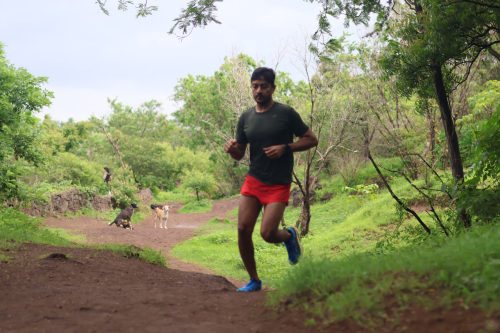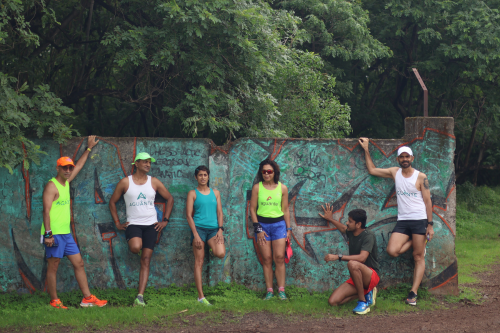























Running your first half marathon is an exciting milestone for both recreational runners and endurance enthusiasts. Yet, the path to completing 13.1 miles requires more than just motivation it demands structured preparation, smart pacing, and an understanding of the lessons shared by those who have recently crossed the finish line. Drawing insights from recent races in Bangalore, Hyderabad, Mumbai, Pune, and Delhi, this guide explores practical strategies, common pitfalls, and race-day tips to help first-time half marathoners achieve a successful and enjoyable experience.
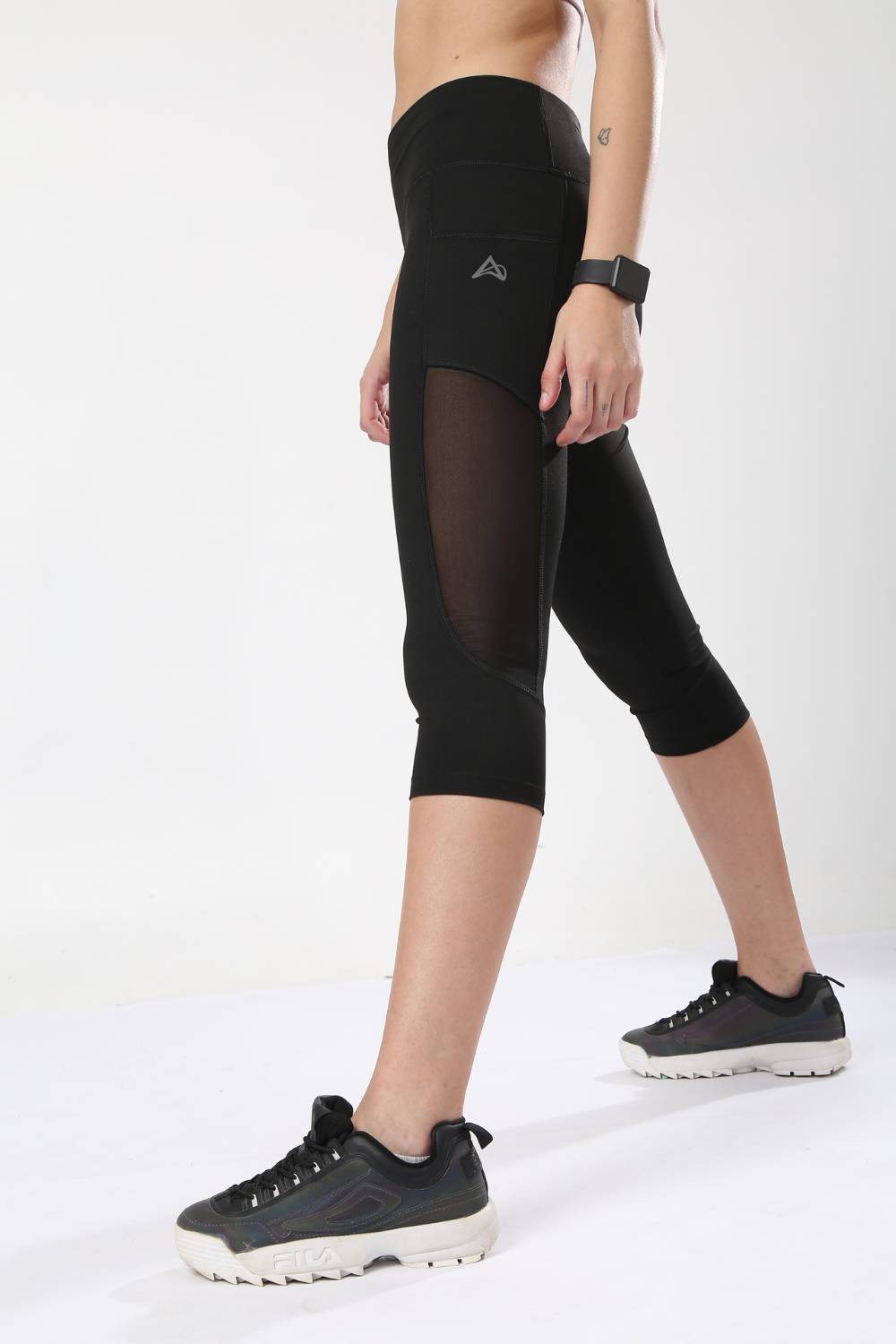
Tired of gear that slows you down? Chafing, soggy fabrics, and missing pockets kill your run's momentum. At Aguante, we're runners who get it. Our high-performance activewear features moisture-wicking fabrics, ergonomic designs, and smart storage to keep you focused. Shop Now!
Establishing a Structured Training Routine
One of the most important lessons from recent half marathons in Bangalore and Hyderabad is the value of a consistent training schedule. Runners who followed structured plans, gradually increasing their weekly mileage while incorporating rest days, reported fewer injuries and improved endurance. A practical approach involves mixing long runs, interval sessions, and recovery runs to build stamina while preventing overtraining.
Local running clubs in Pune and Navi Mumbai often emphasize the importance of a progressive long-run plan. For beginners, starting with a comfortable pace and gradually extending distances by 10–15% per week can help the body adapt. Additionally, incorporating strength and mobility exercises especially targeting the core, glutes, and calves enhances running efficiency and reduces the risk of common overuse injuries.
Understanding Pacing and Energy Management
Recent participants in Delhi and Gurugram half marathons highlight pacing as a critical factor in finishing strong. Many first-time runners make the mistake of starting too fast, leading to fatigue in the later miles. Experts recommend using a conversational pace for the first 8–10 kilometers, reserving energy for the latter stages of the race. Employing a negative split running the second half slightly faster than the first has proven effective for both maintaining endurance and enhancing mental confidence.
Additionally, runners should practice their race-day pace during training sessions. For example, incorporating tempo runs in Mumbai at or near the target pace allows the body to acclimate to the desired effort. Fueling strategies, including small energy gels or electrolyte drinks every 45–60 minutes, also support sustained performance and help avoid the mid-race slump.
Nutrition and Hydration Strategies
Lessons from recent races in Hyderabad and Surat indicate that proper nutrition and hydration can dramatically impact race-day performance. Consuming a balanced diet rich in carbohydrates, moderate protein, and healthy fats during the training phase ensures glycogen stores are adequately topped up. Additionally, testing pre-race meals during long training runs helps identify what works best for the individual.
Hydration strategies should also be tailored to the climate. In cities like Mumbai and Pune, where temperatures can rise quickly, runners benefit from pre-race electrolyte loading and small, frequent sips during the race. Avoiding excessive fluid intake prevents discomfort and the risk of hyponatremia, while practicing hydration during training ensures the body is accustomed to the strategy.
Gear Selection and Comfort Considerations
Choosing the right running gear is often overlooked by first-time participants but can make a significant difference. Recent runners in Bangalore and Delhi reported that well-fitted performance apparel, such as moisture-wicking shirts, breathable shorts, and supportive running shoes, improved both comfort and efficiency. For men and women alike, investing in high-performance sportswear reduces friction, minimizes chafing, and allows greater range of motion.
Additionally, accessories like running socks designed for blister prevention, lightweight caps, and reflective gear for early morning or late evening runs can enhance the experience. Testing the entire race-day outfit during long training runs ensures that everything functions as expected, preventing surprises on the course.
Pre-Race Preparation and Mental Readiness
Mental preparation is as crucial as physical readiness. Runners in Gurugram and Pune emphasize the value of visualization techniques, where imagining the race, including challenging segments and the finish line, builds confidence. A consistent pre-race routine, such as setting out gear the night before and arriving early at the venue, reduces stress and helps maintain focus.
Moreover, developing a race-day checklist that includes nutrition, hydration, warm-up routines, and gear inspection helps first-time participants feel prepared. Engaging in light mobility exercises and dynamic stretches before the start can activate key muscle groups, promoting smoother running and reducing injury risk.
Learning From Race-Day Experiences
Insights from the recent half marathon in Mumbai show that first-time runners often underestimate the psychological demands of the event. Crowd support, audio cues from music playlists, and running with a friend or group can provide motivation when fatigue sets in. Being flexible and adjusting goals based on how the body feels rather than rigidly adhering to a target pace ensures a more positive experience.
Additionally, runners should pay attention to the course layout and environmental factors. Training on similar terrain, practicing hills if the race route includes them, and acclimating to local weather conditions in Delhi or Ahmedabad can prevent surprises. Such preparation allows first-time participants to approach the race strategically, focusing on energy conservation and smart pacing.
Post-Race Recovery and Reflection
Effective recovery is essential for long-term running sustainability. After completing a half marathon, participants in Surat and Navi Mumbai reported that gentle stretching, hydration, and balanced meals rich in protein aid muscle repair and replenish energy stores. Light movement, such as walking or low-impact cycling, on the following days promotes circulation and reduces soreness.
Reflecting on the experience helps runners identify areas for improvement. Recording which pacing strategies worked, how nutrition and hydration impacted performance, and any discomfort or challenges encountered allows for better planning for future races. Connecting with local running communities in Bangalore or Pune can provide mentorship and motivation for subsequent training cycles.
Common Mistakes to Avoid
Observations from recent races reveal recurring pitfalls among first-time half marathoners. Overestimating fitness levels and skipping progressive training often leads to burnout or injury. Neglecting hydration and nutrition, starting too fast, and ignoring gear testing are common errors that can compromise race-day performance.
Another frequent mistake is underestimating the mental aspect of endurance events. Approaching the race with unrealistic expectations or failing to plan for challenging moments can lead to discouragement. Learning from peers and observing experienced runners in Delhi, Hyderabad, and Mumbai provides valuable lessons in pacing, strategy, and maintaining motivation throughout the course.
Embracing the Half Marathon Journey
Preparing for your first half marathon requires a balance of physical training, strategic planning, and mental preparation. Insights from recent races across Bangalore, Hyderabad, Mumbai, Pune, Delhi, Gurugram, Surat, and Ahmedabad highlight the importance of structured training, proper pacing, nutrition, gear selection, and recovery strategies. By learning from these real-world experiences, first-time runners can approach their race with confidence, enjoy the journey, and establish a foundation for continued participation in endurance events.
For those aiming to integrate technology and community engagement into their preparation, adopting tools such as fan engagement platforms can provide motivation and track progress, while insights from sports streaming platforms offer exposure to live race coverage and strategies from seasoned athletes.
Frequently Asked Questions
How should a beginner train for their first half marathon?
Beginners should follow a structured training plan that gradually increases weekly mileage by 10–15% to allow the body to adapt safely. A well-rounded routine includes long runs, interval sessions, and recovery runs, along with strength and mobility exercises targeting the core, glutes, and calves. Consistency and built-in rest days are key to building endurance while avoiding overuse injuries.
What is the best pacing strategy for a first-time half marathon runner?
First-time runners should aim for a conversational pace during the opening 8–10 kilometers to conserve energy for the later miles. A negative split approach running the second half slightly faster than the first helps maintain stamina and boosts mental confidence near the finish line. Practicing your target race pace during tempo training runs ensures your body is well-prepared for the actual effort on race day.
What should I eat and drink before and during a half marathon?
In the weeks leading up to race day, focus on a balanced diet rich in carbohydrates, moderate protein, and healthy fats to keep glycogen stores topped up. Test your pre-race meal during long training runs to confirm it works for your stomach. During the race, take small sips of water or electrolyte drinks frequently, and consider consuming an energy gel every 45–60 minutes to sustain performance and avoid a mid-race energy slump.
Disclaimer: The above helpful resources content contains personal opinions and experiences. The information provided is for general knowledge and does not constitute professional advice.
You may also be interested in: Affordable High-Performance Shorts Attract Indian Marathon Runners
Tired of gear that slows you down? Chafing, soggy fabrics, and missing pockets kill your run's momentum. At Aguante, we're runners who get it. Our high-performance activewear features moisture-wicking fabrics, ergonomic designs, and smart storage to keep you focused. Shop Now!
Powered by flareAI.co