






















Quick Listen:
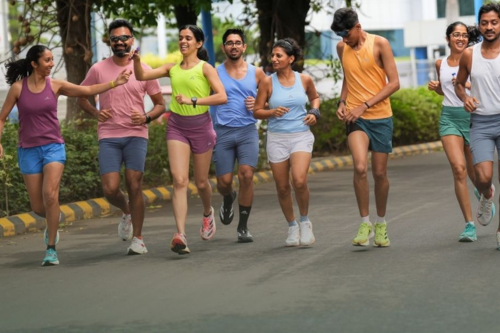
For committed runners across Bangalore, Hyderabad, Mumbai, Pune, Navi Mumbai, Delhi, Gurugram, Surat, and Ahmedabad, the arrival of the monsoon season rarely signals a pause in training. Instead, it introduces a new set of challenges that require preparation, adaptability, and a thoughtful approach to performance. Whether training for a local race, maintaining fitness, or pursuing long-term endurance goals, runners who embrace wet-weather conditions often discover that consistency through the monsoon can strengthen both physical resilience and mental discipline.
Understanding how to prepare for monsoon runs goes beyond carrying a rain jacket or accepting wet shoes. Successful runners adapt their routes, gear choices, hydration strategies, and recovery routines to handle changing weather conditions safely. These practical monsoon running tips can help athletes stay comfortable, reduce risk, and continue progressing throughout India's rainy season.
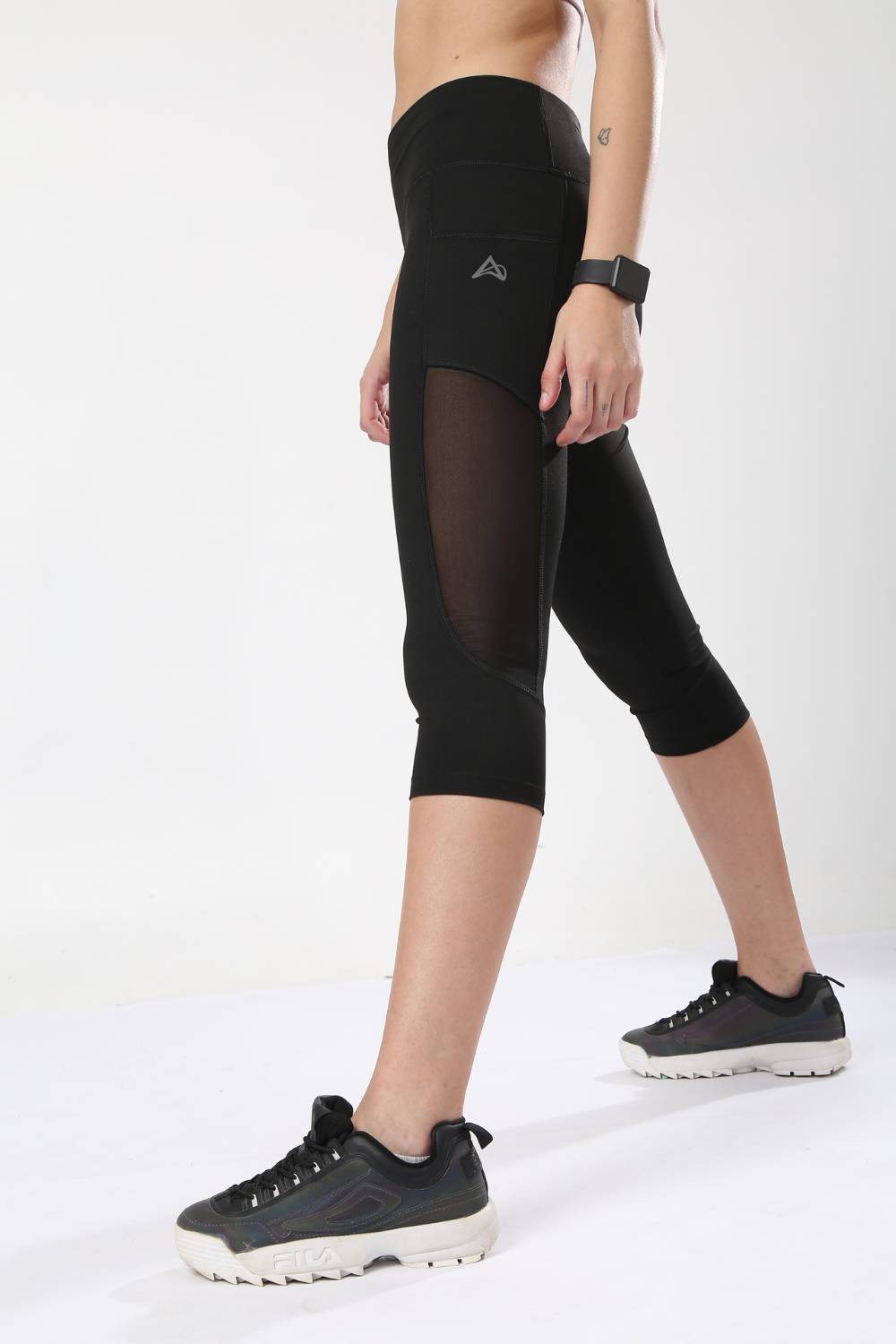
Tired of gear that slows you down? Chafing, soggy fabrics, and missing pockets kill your run's momentum. At Aguante, we're runners who get it. Our high-performance activewear features moisture-wicking fabrics, ergonomic designs, and smart storage to keep you focused. Shop Now!
Understanding the Unique Challenges of Running During the Indian Monsoon
Running during the Indian monsoon presents a combination of environmental factors that differ significantly from dry-season training. Heavy rainfall, standing water, slippery surfaces, reduced visibility, and elevated humidity levels can affect pace, comfort, and overall training quality.
In cities such as Mumbai and Navi Mumbai, runners frequently encounter waterlogged roads and coastal humidity. Meanwhile, Bangalore and Pune often experience intermittent showers that can change conditions within minutes. Delhi, Gurugram, Surat, Ahmedabad, and Hyderabad may experience sudden downpours that transform otherwise familiar routes into unpredictable terrain. These variations mean that runners must remain flexible and make real-time decisions about safety and route selection.
Rather than viewing these conditions as obstacles, many experienced runners treat them as opportunities to improve adaptability. Training through changing weather can help athletes become more comfortable managing discomfort, adjusting pacing strategies, and maintaining consistency despite external challenges.
Choosing the Right Apparel for Wet and Humid Conditions
One of the most important aspects of running in the rain India is selecting clothing designed for moisture management. Heavy cotton garments often become saturated quickly, increasing discomfort and friction. Performance-focused fabrics that wick moisture away from the skin can help runners stay lighter and more comfortable during longer sessions.
The growing popularity of active lifestyles has contributed to increasing demand for functional sportswear. According to an India sports apparel market analysis, consumers increasingly prefer moisture-wicking, stretchable, and versatile apparel that performs well during both exercise and everyday activities. This shift reflects a broader focus on comfort and functionality, particularly in challenging weather conditions.
For monsoon training, many experienced runners prioritize lightweight tops, quick-drying shorts or tights, and technical socks designed to reduce moisture retention. Apparel that minimizes chafing becomes especially valuable during humid runs, where prolonged skin exposure to sweat and rainwater can lead to irritation.
Route Planning and Safety Should Always Come First
Among the most valuable rainy season running safety practices is careful route selection. Conditions that appear manageable from a window or weather app can differ significantly once runners are outdoors. Roads may contain hidden potholes beneath standing water, while footpaths can become slippery due to mud, moss, or debris.
Runners in Bangalore often favor well-maintained parks and established running loops during rainy periods because these environments offer greater predictability. In Mumbai and Navi Mumbai, many runners adjust schedules to avoid periods of intense rainfall when traffic congestion and poor visibility become more significant concerns. Similarly, runners in Delhi and Gurugram frequently choose routes with adequate lighting when cloud cover reduces visibility during early morning or evening sessions.
Safety-conscious athletes also make themselves easier to see. Reflective apparel, brighter clothing colors, and route-sharing features on fitness applications can provide an additional layer of security. While performance goals remain important, monsoon training should never compromise personal safety.
Adjusting Training Expectations and Race Preparation
Many runners preparing for races struggle when monsoon conditions affect pace targets. However, successful monsoon marathon training often involves focusing on effort rather than speed. Rain, humidity, and wet surfaces naturally influence running efficiency, making pace comparisons with dry-weather sessions less meaningful.
Experienced coaches frequently encourage athletes to use perceived effort or heart-rate zones during monsoon training cycles. This approach allows runners to maintain appropriate training intensity without becoming discouraged by slower pace readings. In cities like Pune and Hyderabad, where weather patterns can fluctuate throughout the week, flexibility often becomes a critical component of a successful training plan.
The psychological benefits are equally important. Athletes who continue training consistently through difficult conditions often develop greater confidence and adaptability. When race day presents unexpected weather, runners with monsoon experience are typically better prepared to adjust their strategy and remain composed under pressure.
Managing Hydration and Recovery in High Humidity
One common misconception about wet-weather running is that hydration becomes less important because temperatures may feel cooler. In reality, humidity can significantly affect how the body regulates temperature, making hydration a key component of performance and recovery.
In coastal environments such as Mumbai and Navi Mumbai, humidity levels can create conditions where sweat evaporation becomes less efficient. As a result, runners may continue losing fluids without fully appreciating the extent of their exertion. Similar challenges can occur in cities such as Surat and Ahmedabad during periods of heavy rainfall and elevated moisture levels.
Effective humid weather running tips include beginning runs well hydrated, replenishing fluids afterward, and monitoring recovery indicators such as fatigue, muscle soreness, and sleep quality. Recovery routines may also require greater attention to drying footwear promptly, changing out of wet clothing quickly, and maintaining skin health to avoid irritation caused by prolonged moisture exposure.
Building a Reliable Monsoon Running Routine
Consistency remains one of the most important factors in long-term running success. However, consistency during the monsoon often looks different than it does during other seasons. Rather than adhering rigidly to a training schedule, many experienced runners build flexibility into their routines.
For example, runners in Bangalore or Pune may adjust workout timing based on weather forecasts, while athletes in Delhi or Gurugram may substitute indoor cross-training sessions when severe conditions make outdoor running unsafe. This adaptive approach helps preserve training momentum without exposing runners to unnecessary risk.
Many running communities across India's major cities also provide valuable support during the monsoon season. Group runs can offer motivation, route familiarity, and shared experience when conditions become challenging. These communities often exchange practical wet weather running advice, helping members learn from one another's experiences and maintain accountability throughout the season.
Why Monsoon Training Can Make You a Stronger Runner
Although the monsoon introduces logistical and physical challenges, it also creates opportunities for growth. Training through rain, humidity, and changing conditions requires adaptability that extends beyond running itself. Athletes learn how to manage uncertainty, make informed decisions, and stay committed to long-term goals despite temporary discomfort.
The broader fitness culture across India reflects this dedication. The country's sports apparel sector was valued at USD 705.85 million in 2024 and is expected to reach USD 1,592.58 million by 2030, according to a verified sports apparel report. The report highlights increasing participation in fitness activities, growing interest in performance-oriented apparel, and stronger engagement in active lifestyles. These trends reflect the commitment many runners bring to year-round training, regardless of weather conditions.
For runners across Bangalore, Hyderabad, Mumbai, Pune, Navi Mumbai, Delhi, Gurugram, Surat, and Ahmedabad, monsoon season does not have to interrupt progress. By following practical best practices for running in rain, selecting appropriate gear, prioritizing safety, adjusting expectations, and maintaining flexibility, athletes can continue building endurance and confidence throughout the rainy months.
Ultimately, the runners who thrive during the monsoon are not necessarily the fastest or most experienced. They are the ones who prepare thoughtfully, adapt intelligently, and remain consistent when conditions become unpredictable. Those habits often become the foundation for stronger performances long after the rain has passed.
Frequently Asked Questions
What are the best tips for running in the rain during India's monsoon season?
Successful monsoon running in India requires adapting your gear, routes, and expectations. Choose moisture-wicking, quick-drying apparel and technical socks to minimize discomfort and chafing. Plan routes carefully favor well-maintained parks or established loops, and watch for hidden potholes under standing water. Focus on effort over pace, since rain and humidity naturally slow performance compared to dry-season runs.
How should I stay hydrated during humid weather runs in cities like Mumbai or Surat?
Hydration remains critical during monsoon runs, even when the air feels cooler. High humidity reduces how efficiently sweat evaporates, meaning your body continues losing fluids without you fully sensing the effort. Start every run well-hydrated, replenish fluids afterward, and watch recovery signals like fatigue and muscle soreness. Also prioritize changing out of wet clothing quickly to protect skin health.
Can monsoon marathon training still be effective despite slower paces and wet conditions?
Absolutely monsoon training can actually make you a stronger, more adaptable runner. Coaches recommend training by perceived effort or heart-rate zones rather than pace targets, since wet surfaces and humidity affect running efficiency. Runners who stay consistent through challenging conditions build mental resilience and composure, which pays off when race day brings unexpected weather. Flexibility in scheduling swapping outdoor runs for indoor cross-training when needed helps maintain momentum safely.
Disclaimer: The above helpful resources content contains personal opinions and experiences. The information provided is for general knowledge and does not constitute professional advice.
You may also be interested in: Understanding Garment Stretch for Improved Running Posture
Tired of gear that slows you down? Chafing, soggy fabrics, and missing pockets kill your run's momentum. At Aguante, we're runners who get it. Our high-performance activewear features moisture-wicking fabrics, ergonomic designs, and smart storage to keep you focused. Shop Now!
Powered by flareAI.co