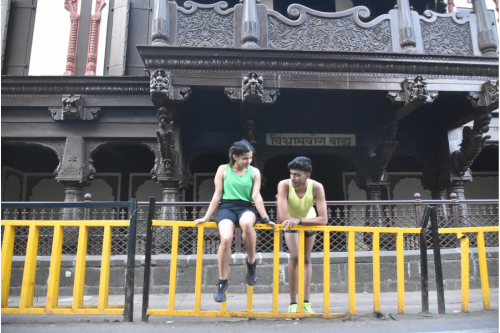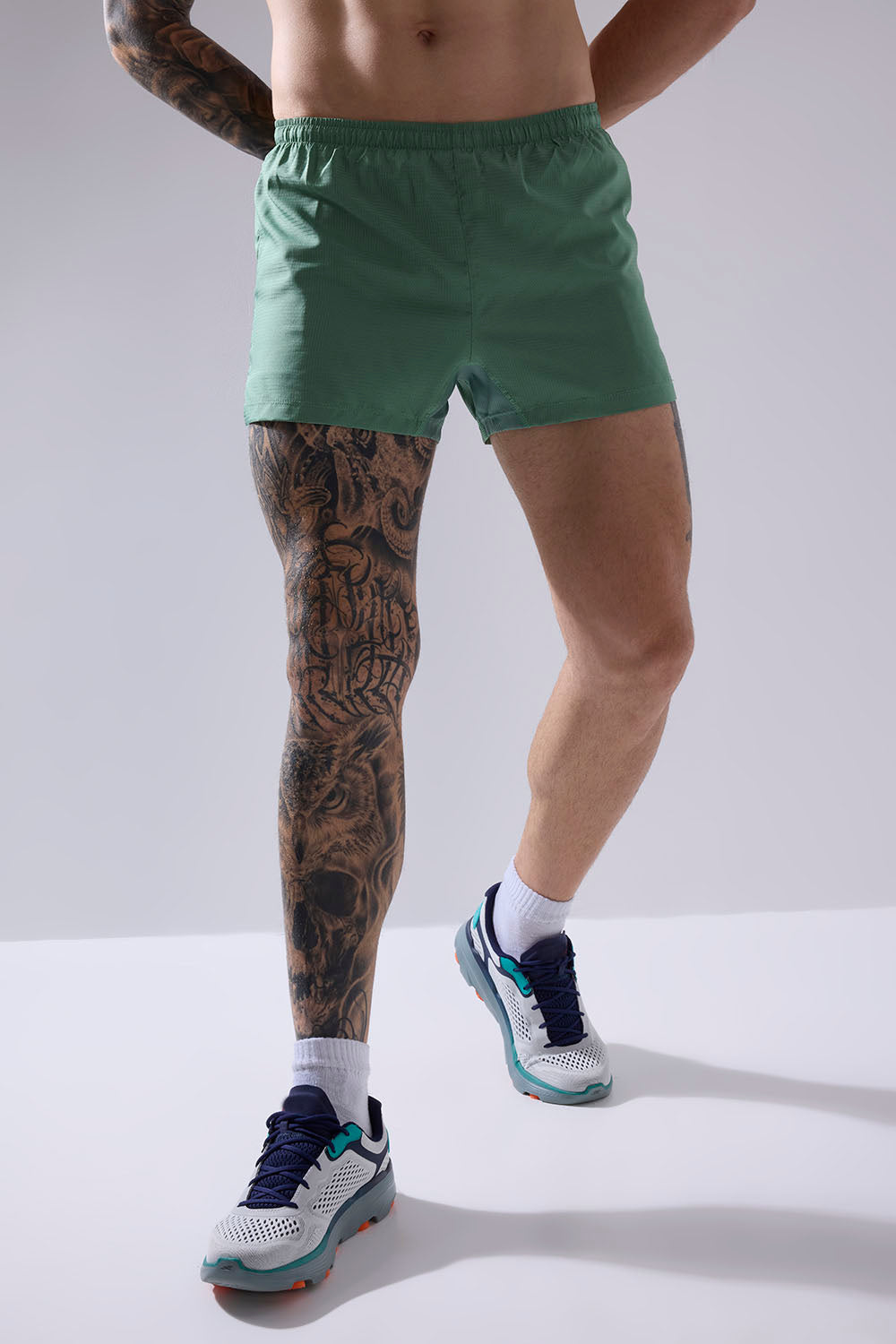
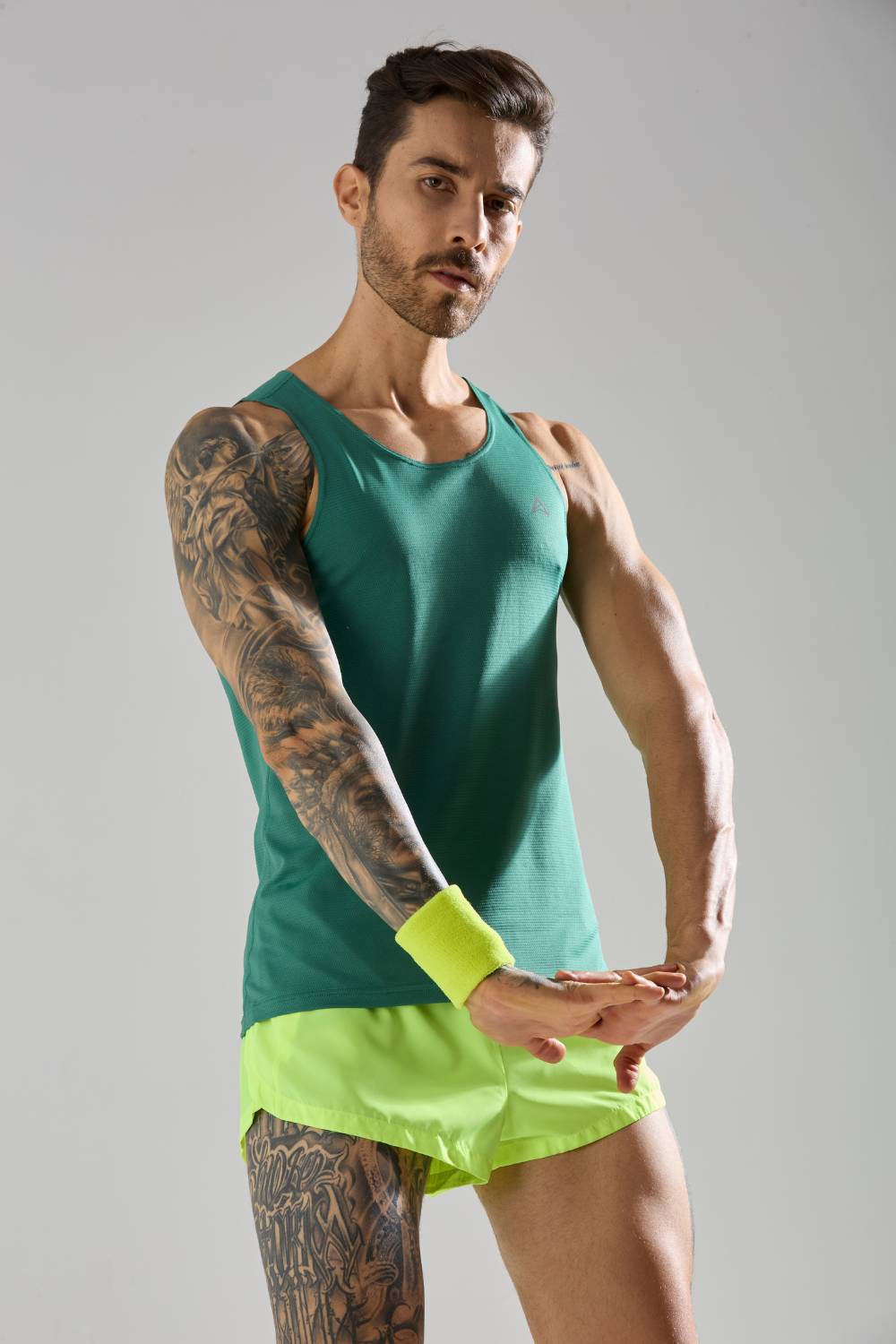
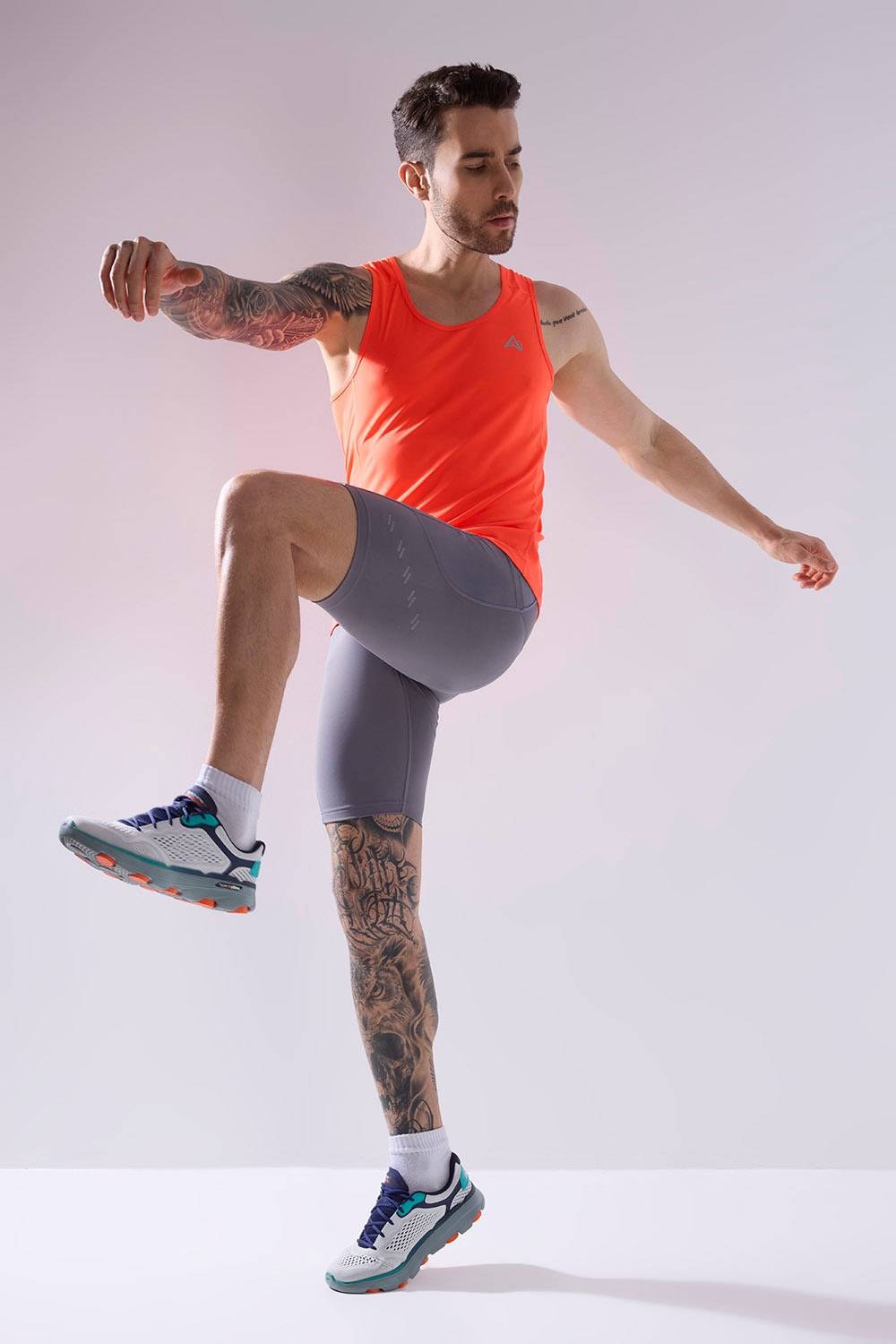
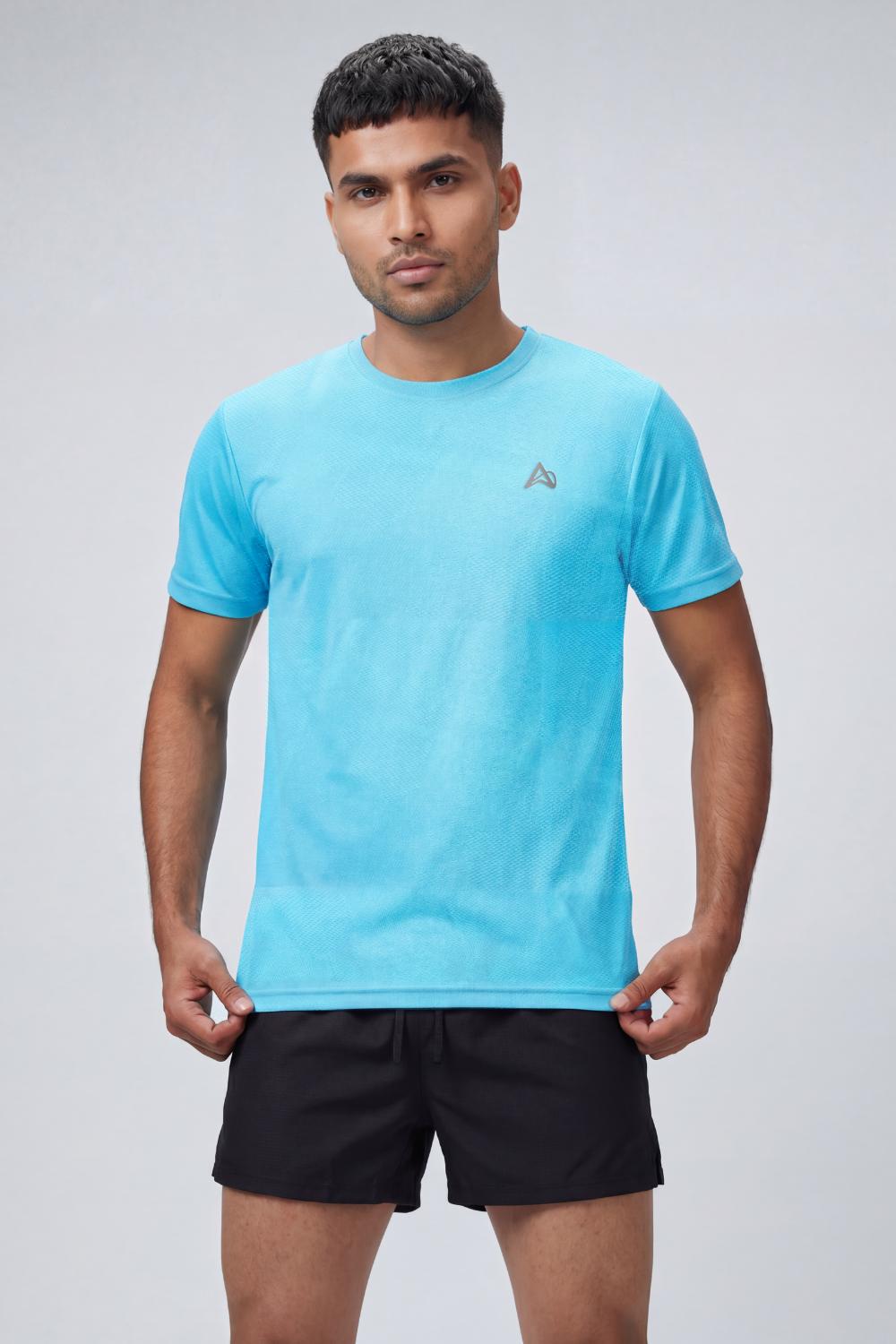
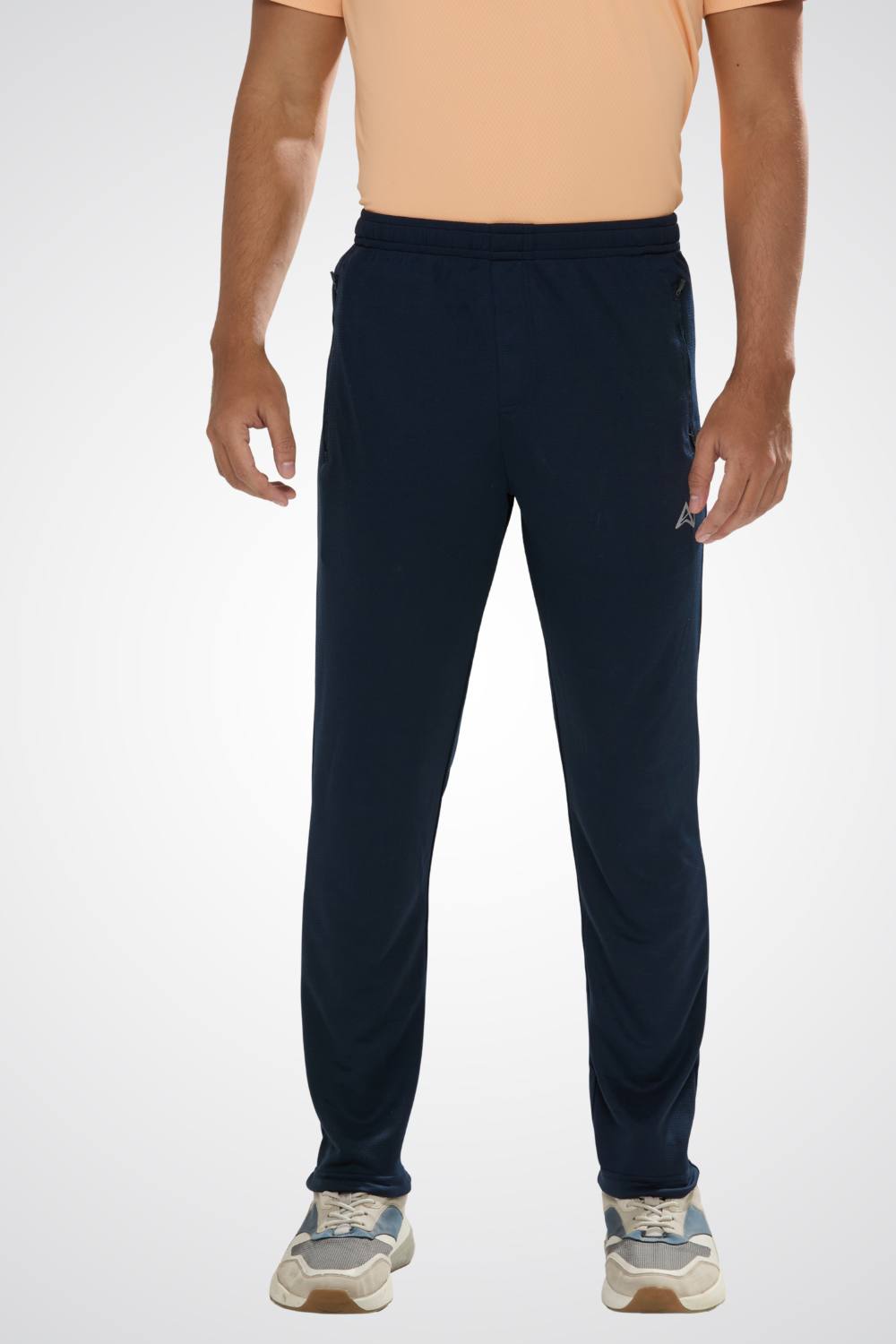
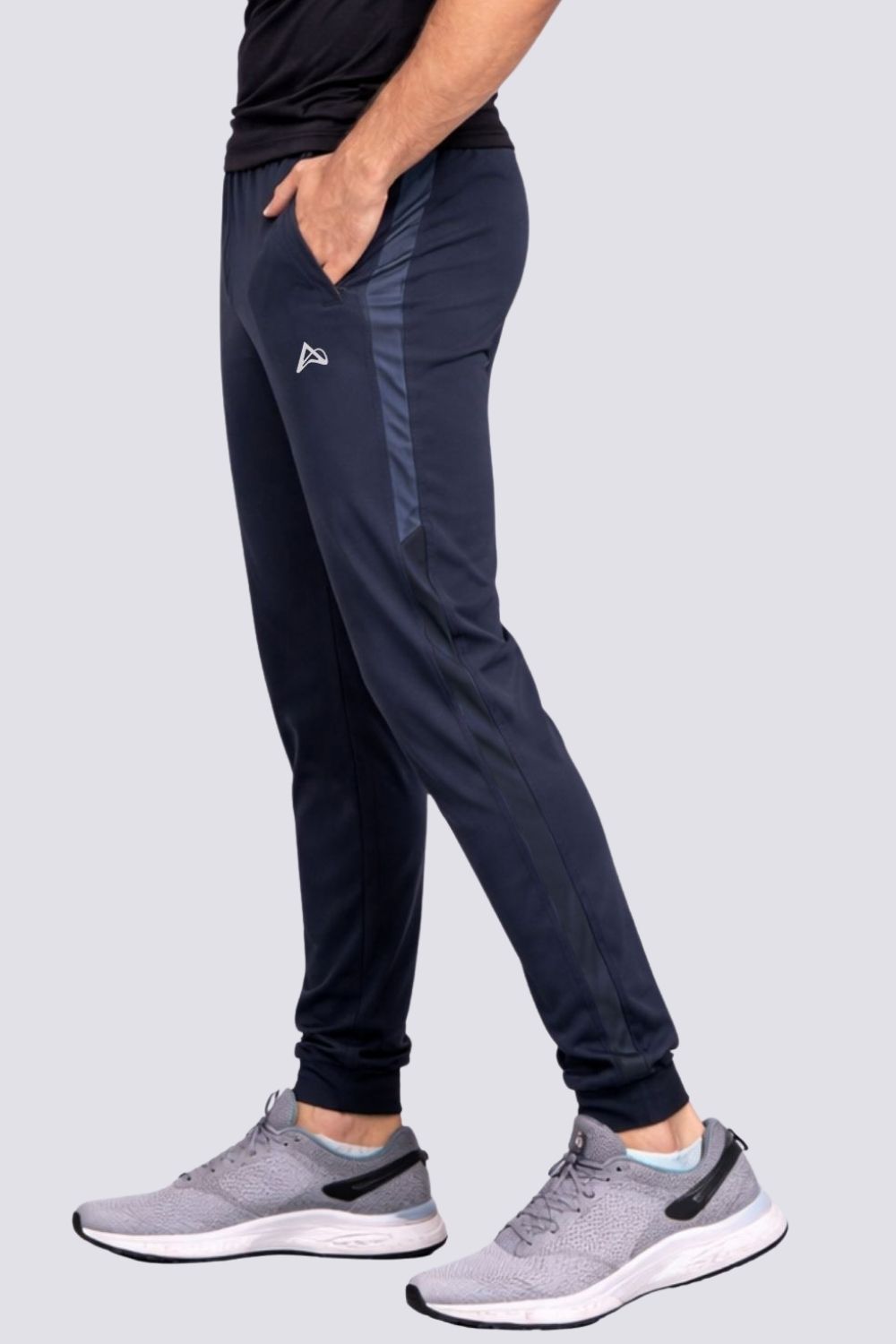
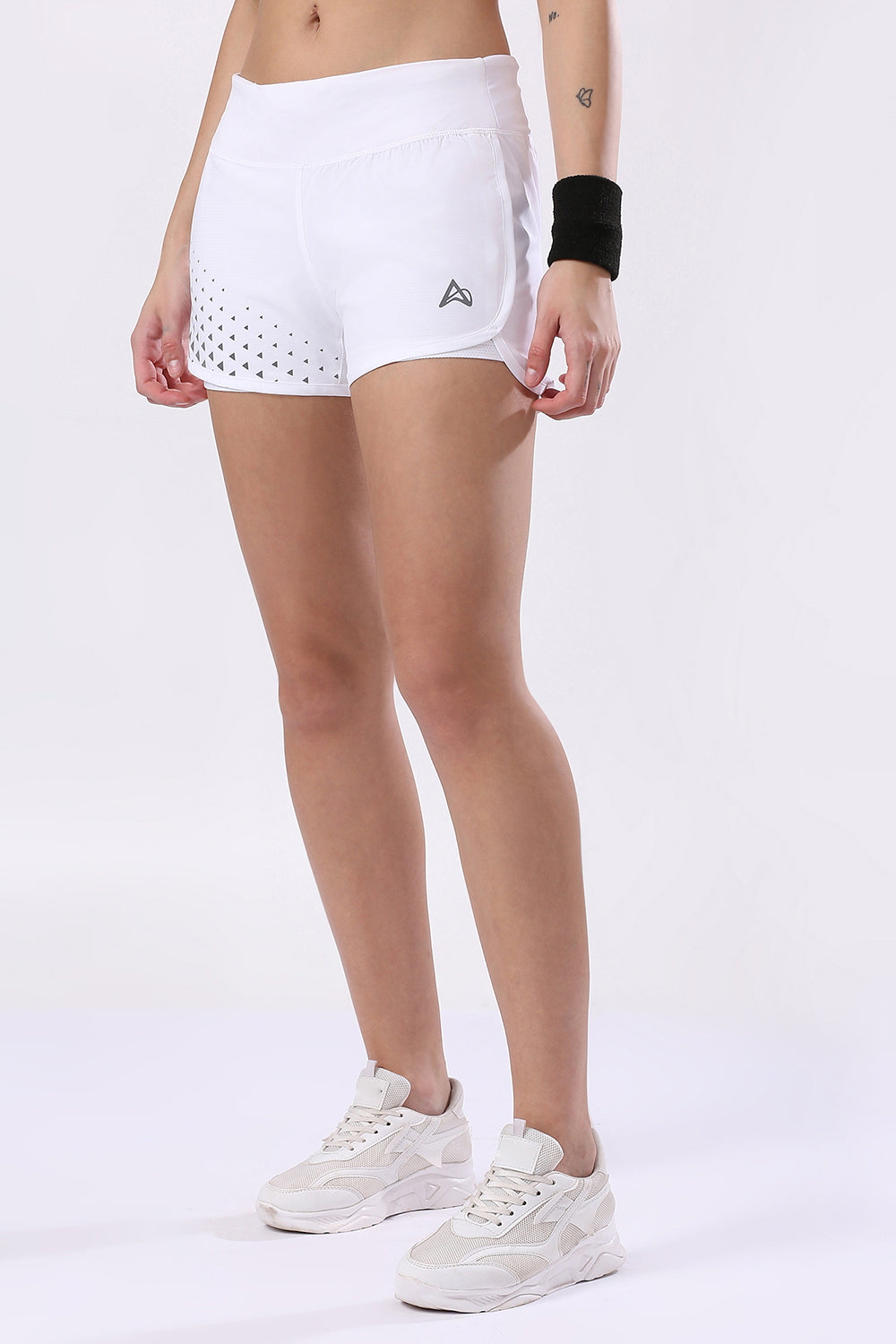
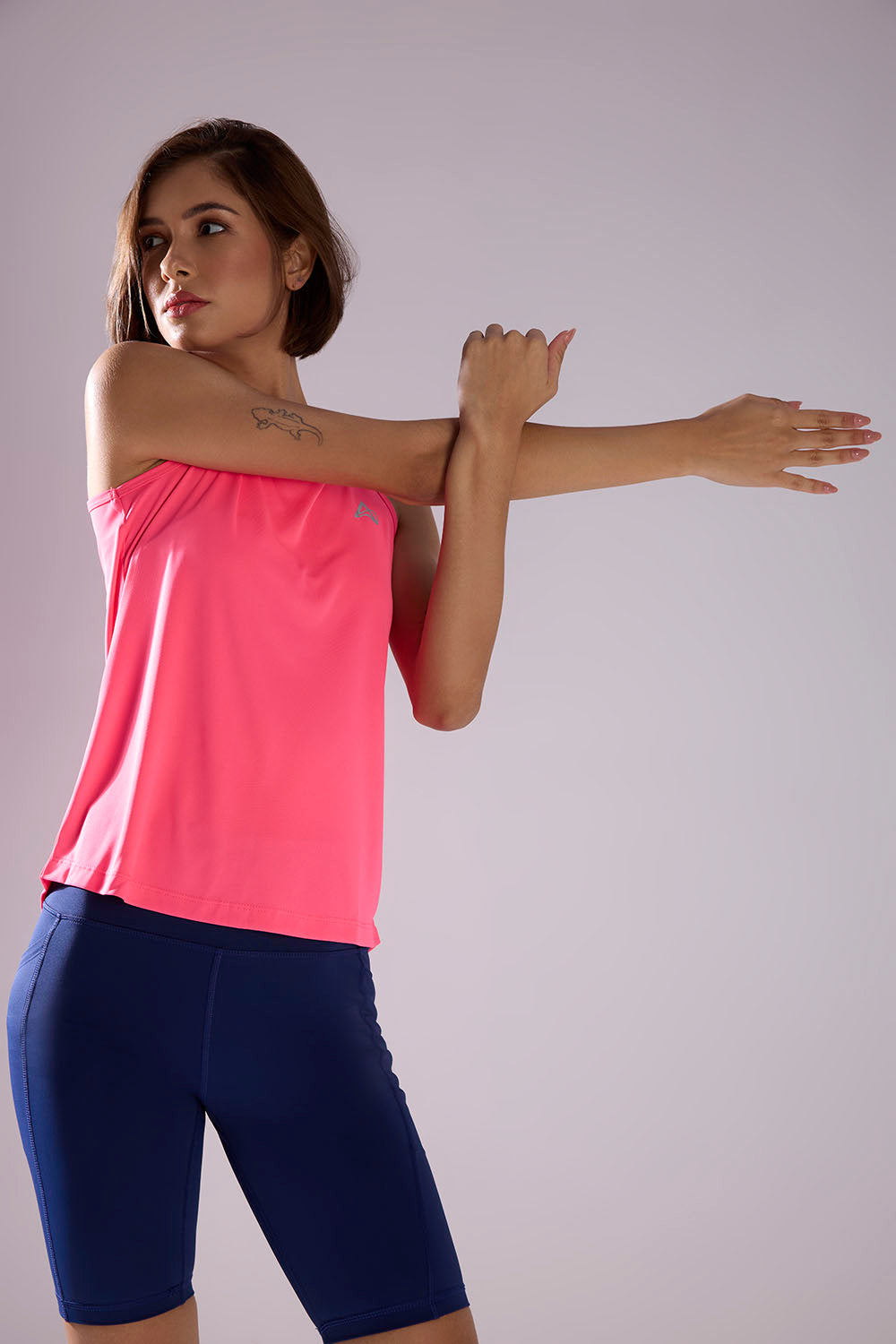
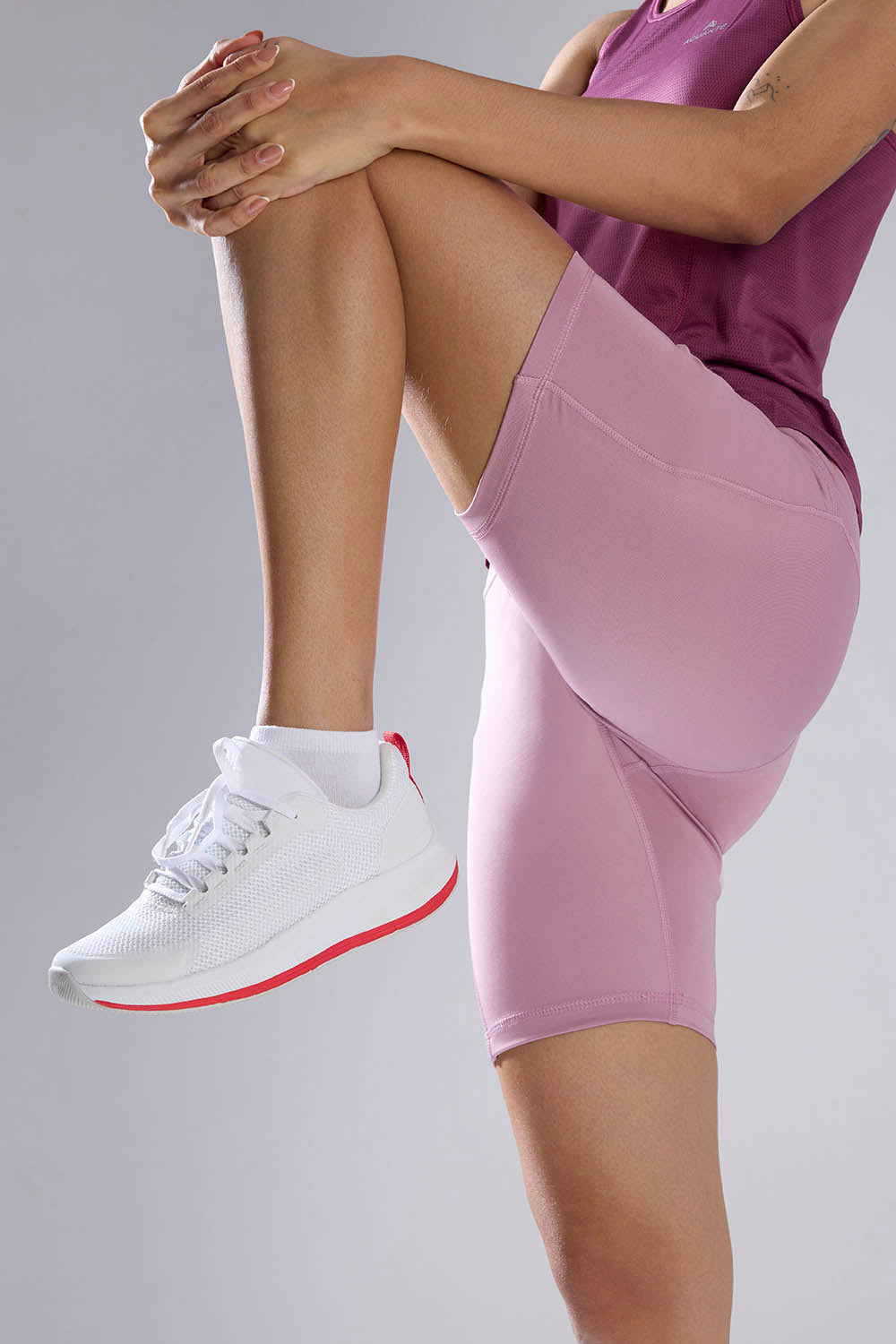
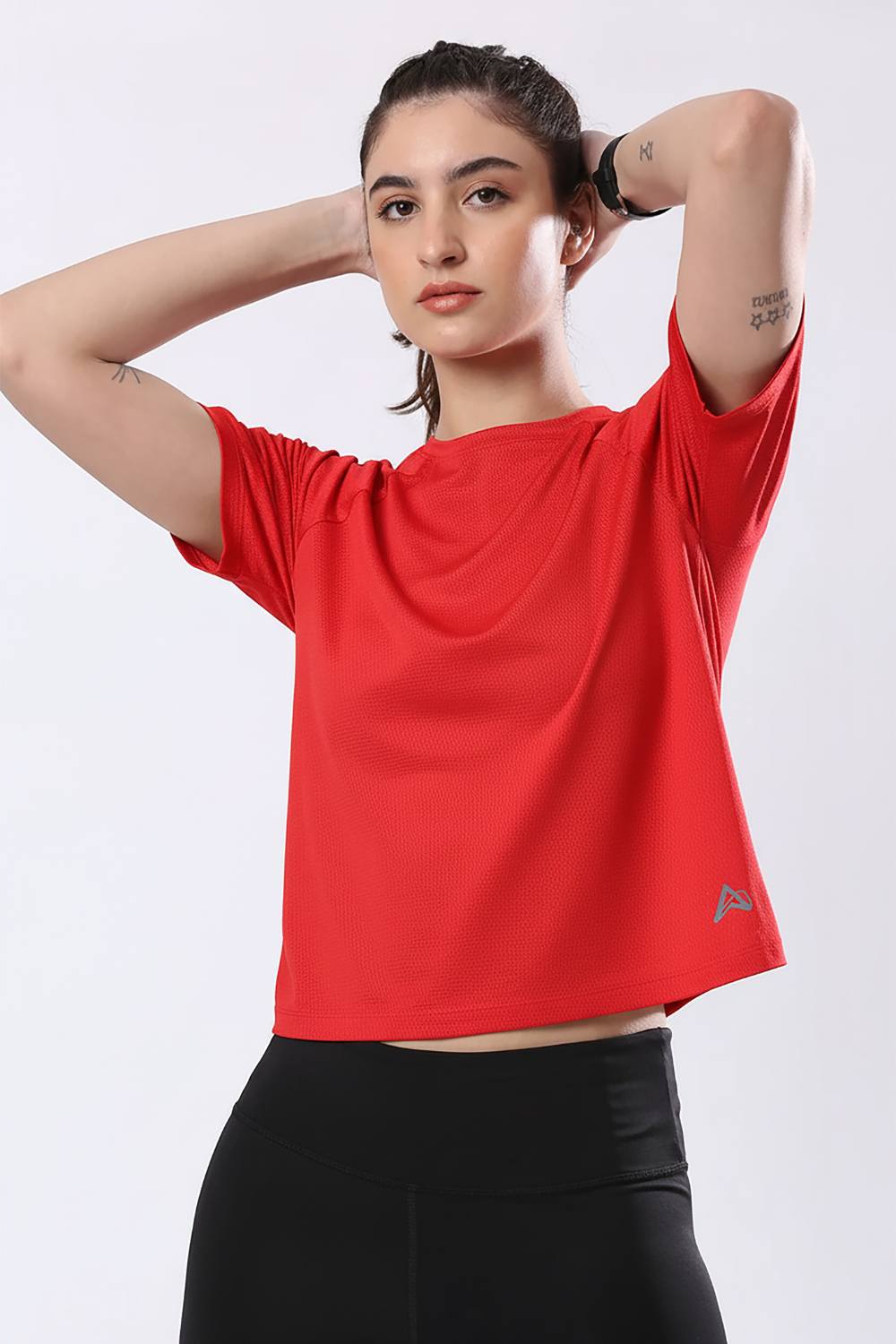
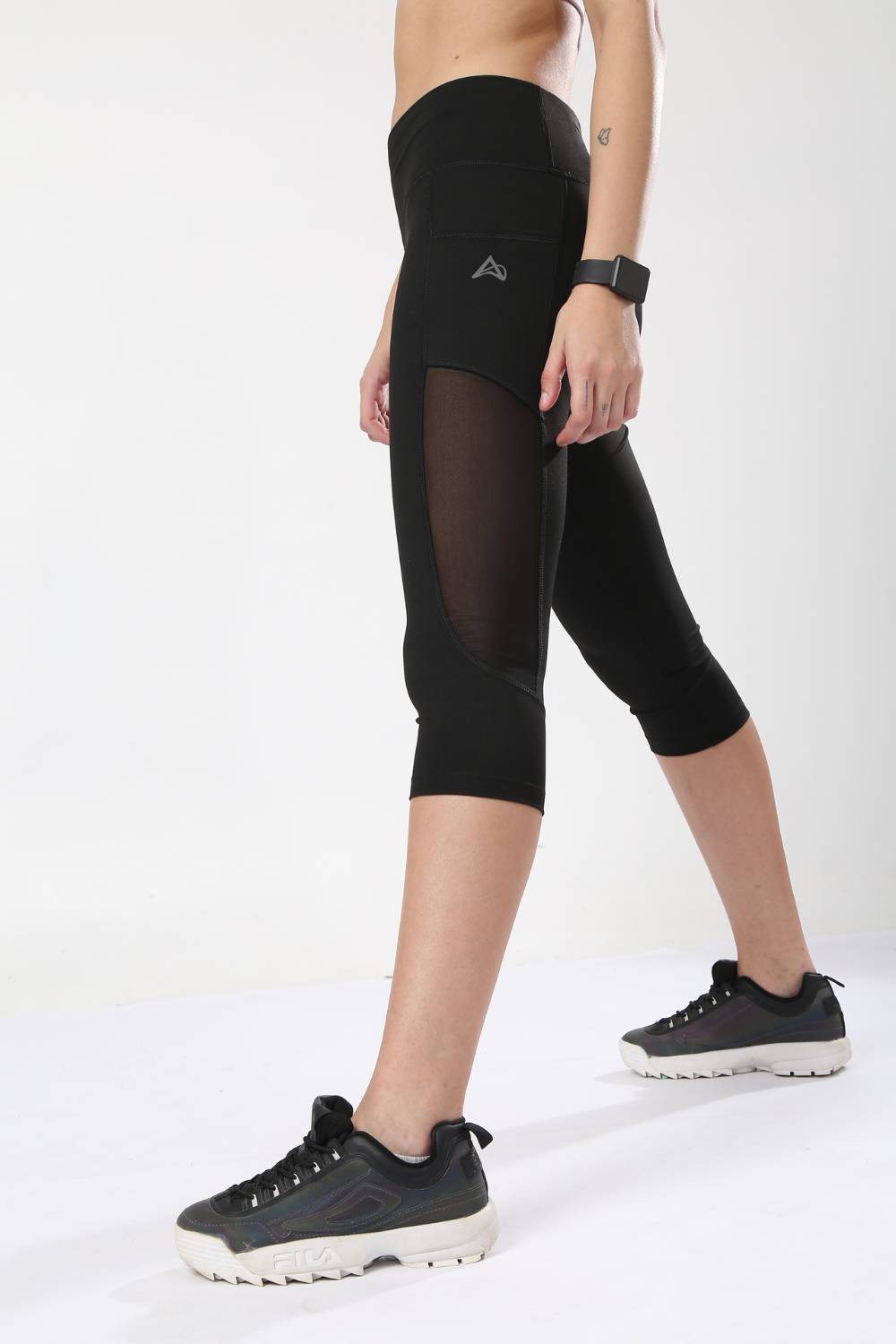

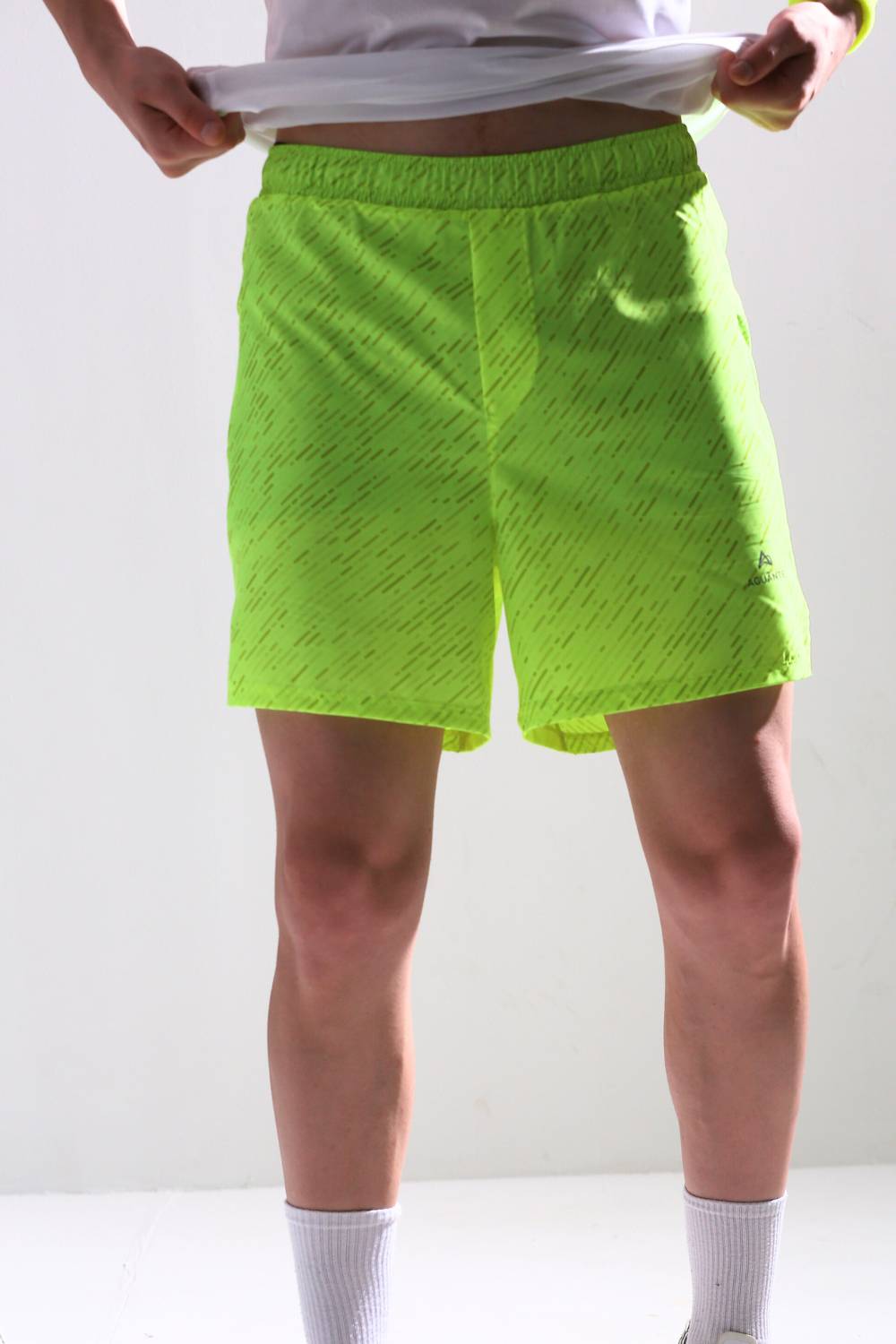

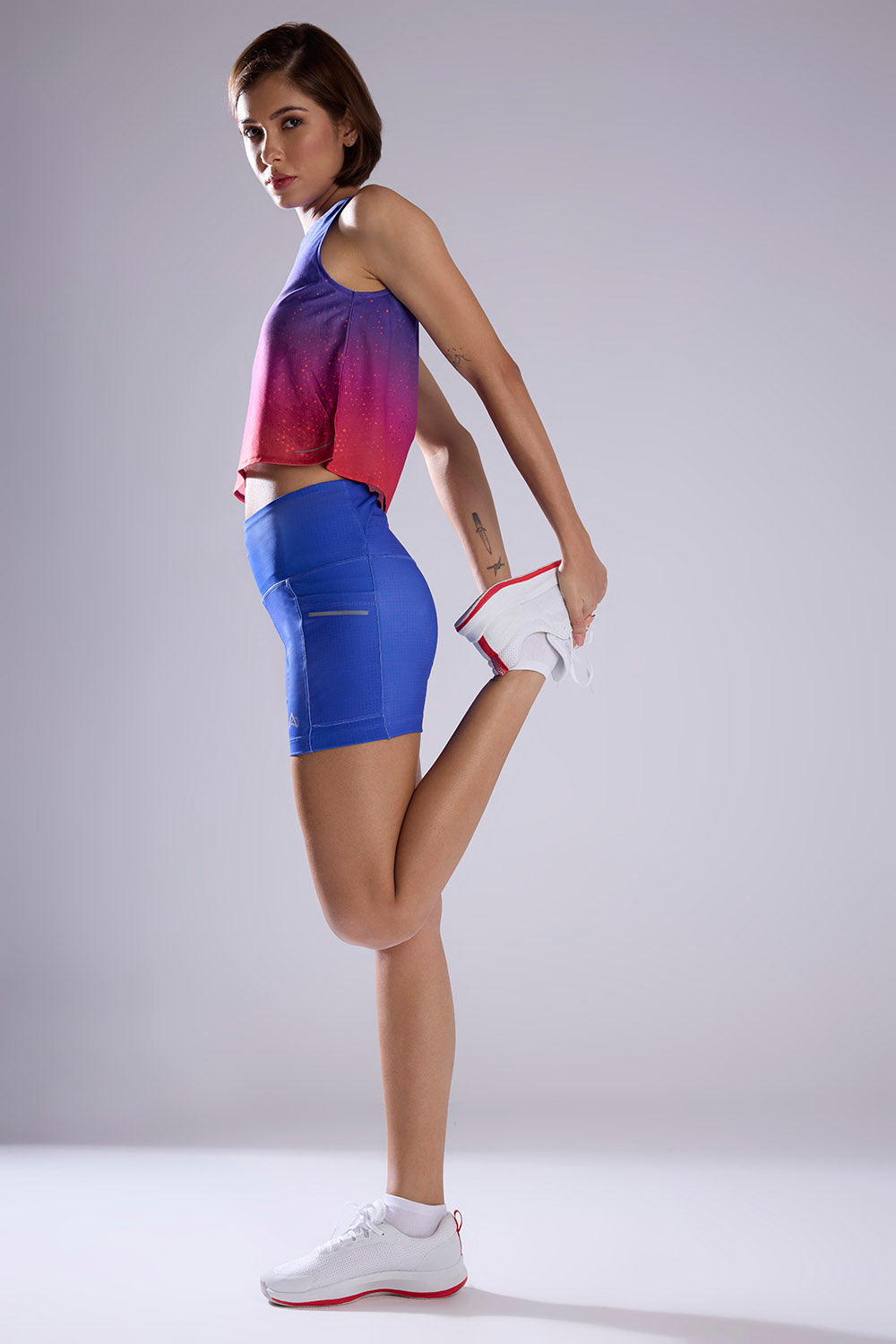
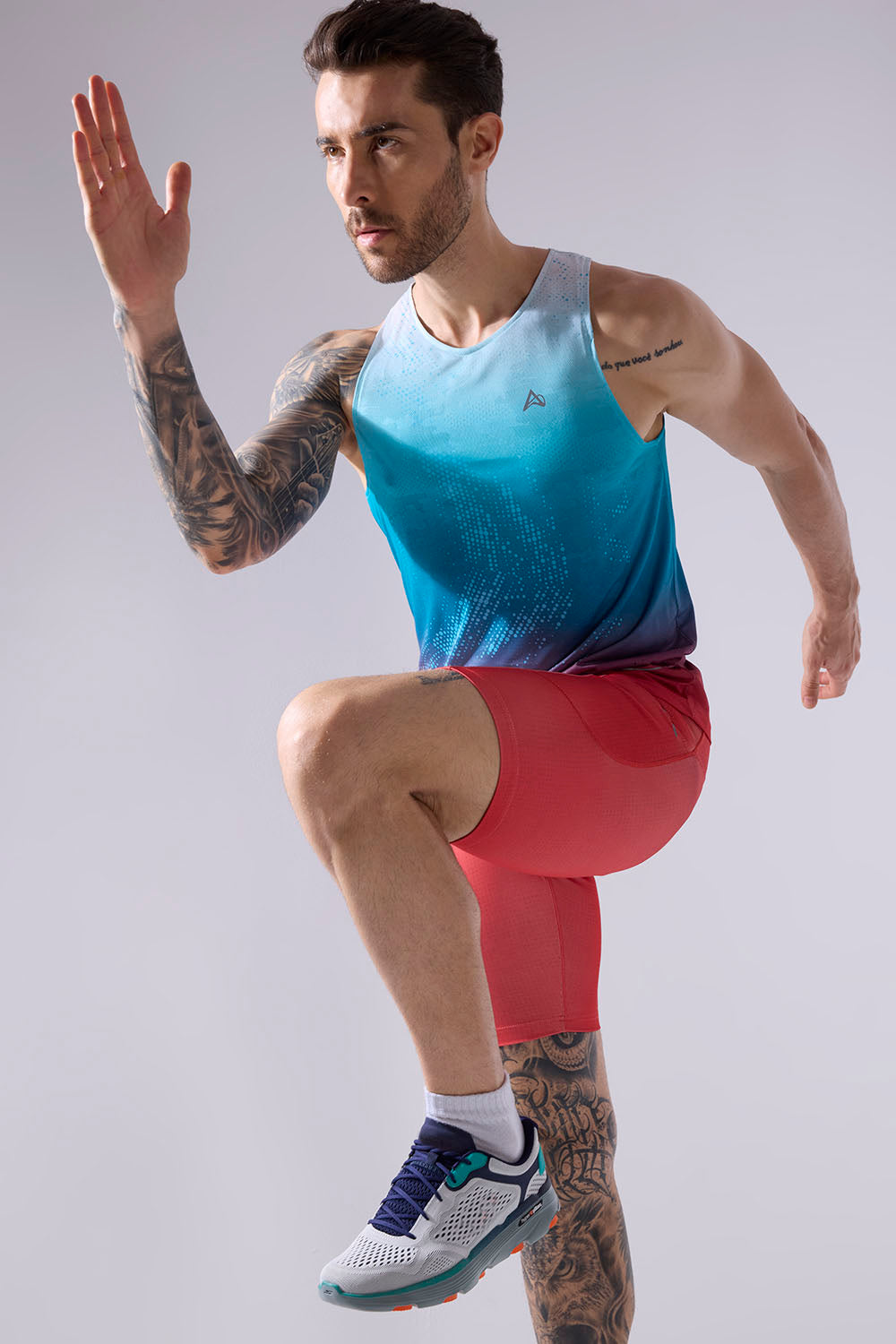

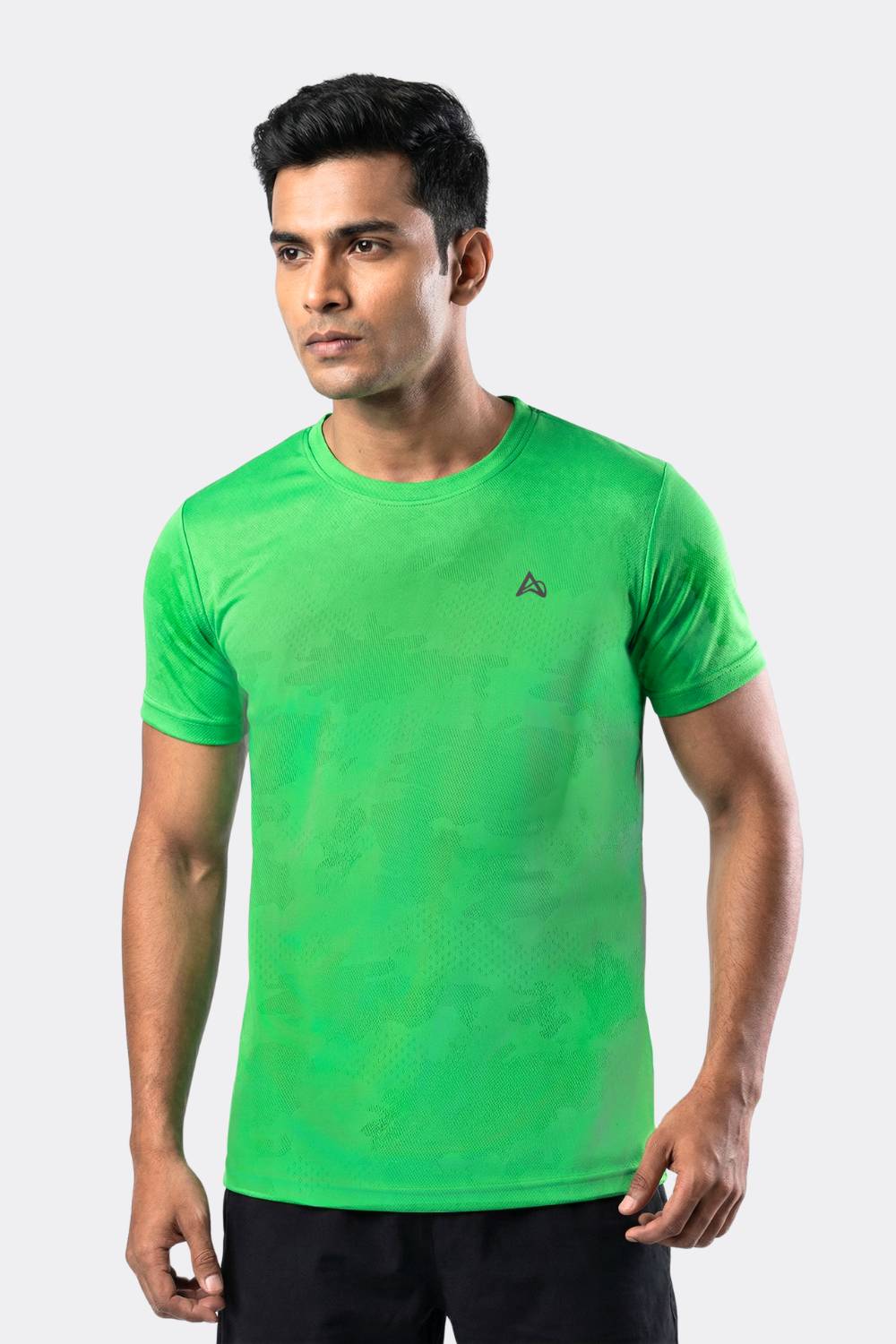
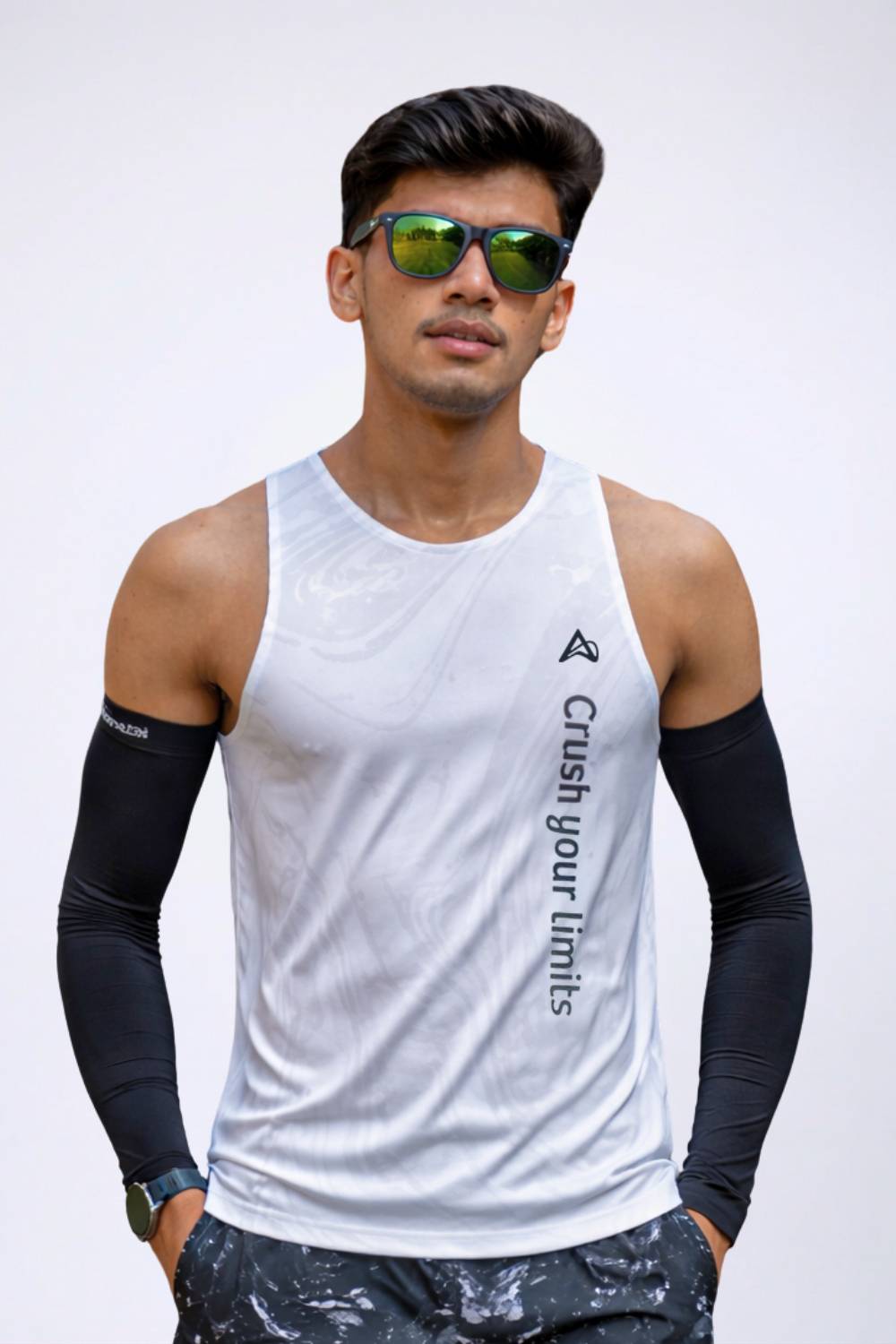

Imagine dashing through bustling city streets at dawn, smartphone in hand for real-time navigation, keys subtly secured, and a card ready for that essential post-run espresso. Then, without warning, your device shifts awkwardly or your keys threaten to escape mid-stride. For urban commuter runners balancing fitness with daily demands, these minor annoyances accumulate quickly. The answer frequently rests in a deceptively straightforward detail: thoughtful pocket placement in running apparel.
Modern run-commuters expect clothing that exceeds basic moisture management. Gear must transport daily essentials reliably, preserving natural movement and eliminating distracting bounce. Forward-thinking designers have addressed this with intelligent storage systems that enable seamless transitions from home to workplace.
Tired of gear that slows you down? Chafing, soggy fabrics, and missing pockets kill your run's momentum. At Aguante, we're runners who get it. Our high-performance activewear features moisture-wicking fabrics, ergonomic designs, and smart storage to keep you focused. Shop Now!
Why Pocket Placement Proves Essential for Urban Runners
Running as a commute merges physical activity with practical transportation. Participants carry more than just mileage they manage phones, keys, identification, payment methods, occasional snacks, or wireless earbuds. Ineffective pocket configurations transform these items into interruptions. A swinging phone or loose keys can compromise rhythm and safety amid pedestrians and busy intersections.
Optimal placement aligns with the body's natural center of gravity near the hips, upper thighs, and core. Objects positioned here move less, minimizing chafing and unnecessary effort. Experienced runners consistently note that intelligently located pockets distinguish fluid journeys from those requiring frequent interruptions.
How Storage Solutions in Running Apparel Have Advanced
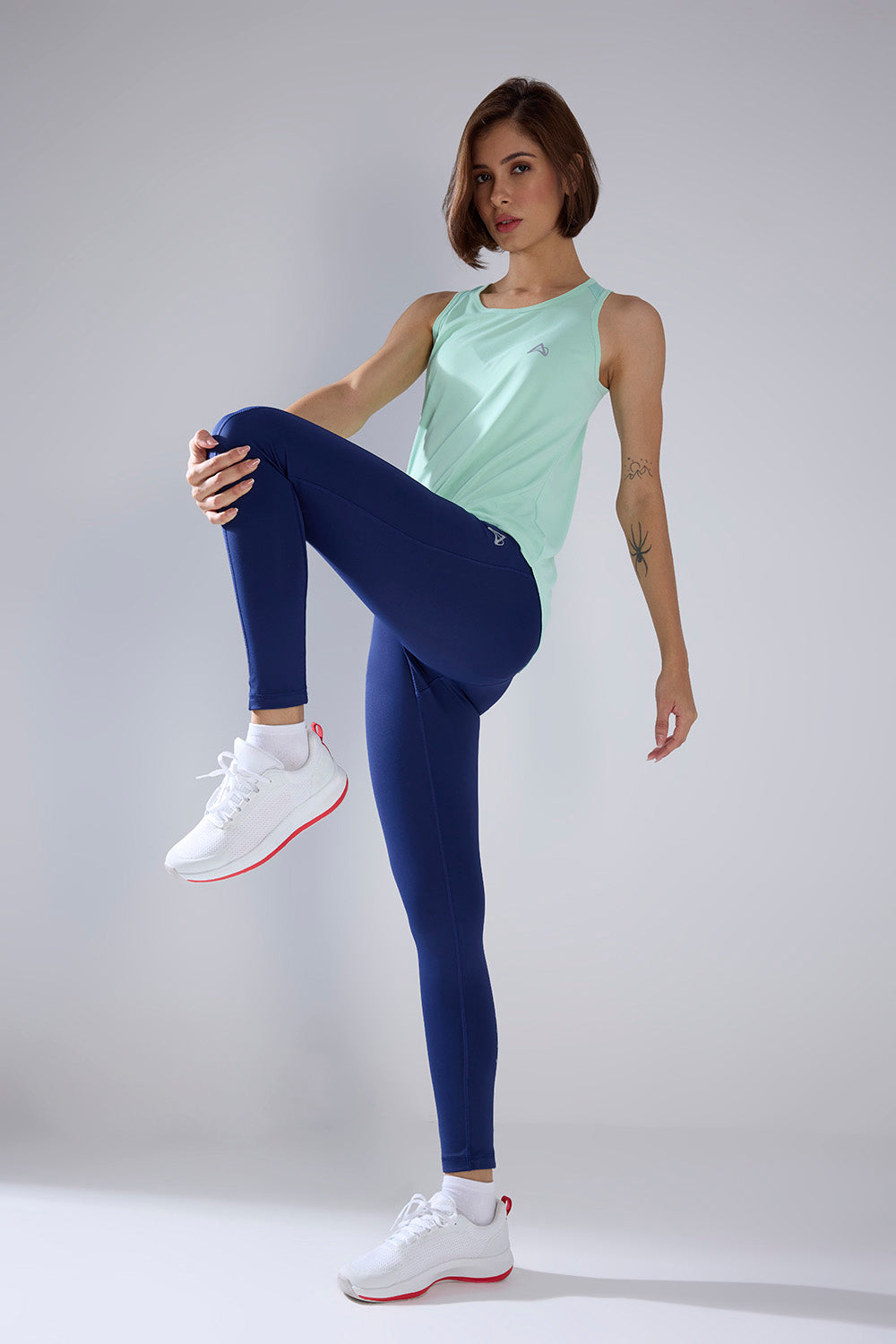
Running clothing has progressed significantly beyond rudimentary shorts featuring one inadequate waistband slot. Contemporary options integrate varied storage tailored to specific requirements. Thigh-side compartments, rear waistband enclosures, and concealed zip features now feature prominently in shorts, tights, and lightweight outer layers.
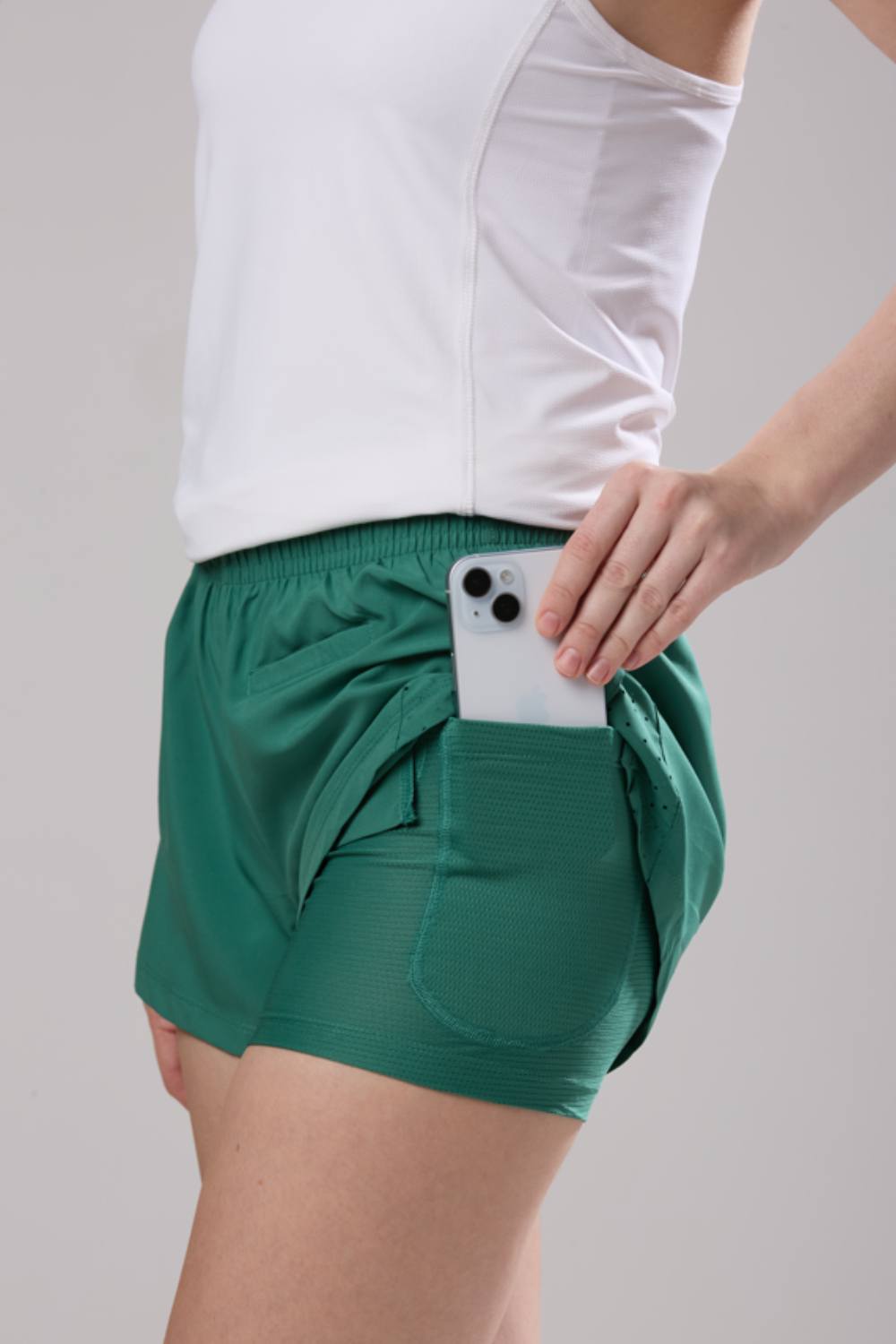
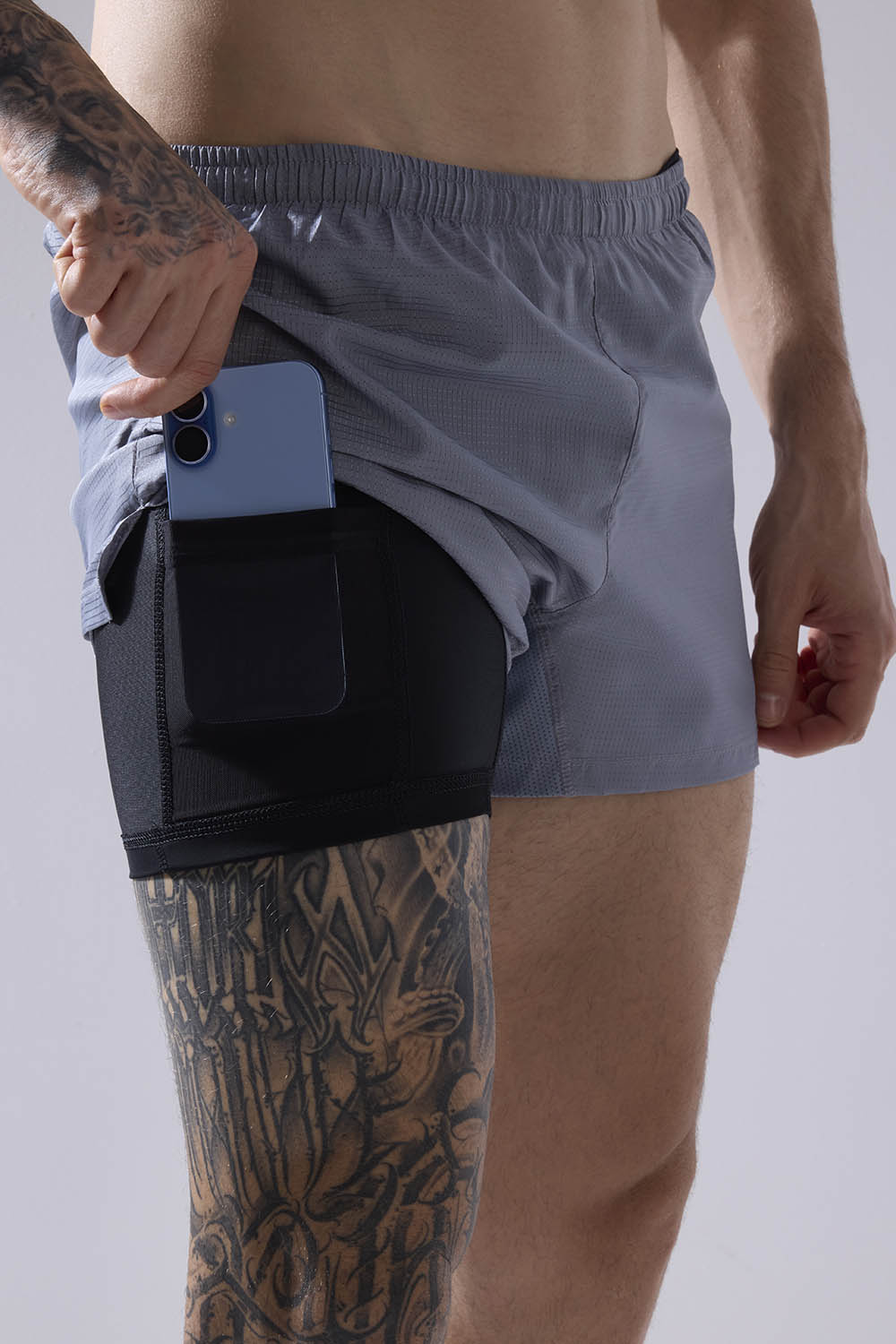
Versatility stands central for those who run to work. An upper-thigh phone pocket that lies flat against the leg averts unwanted motion. A zip-secured rear section protects valuables on extended paths that might include brief stops. Such innovations demonstrate a commitment to functionality while preserving the featherlight, ventilated qualities runners demand.
Strategic Positions for Daily Essentials
Effective design begins by identifying typical commute needs. Urban runners usually value rapid smartphone access for mapping or audio, paired with protected areas for keys and cards.
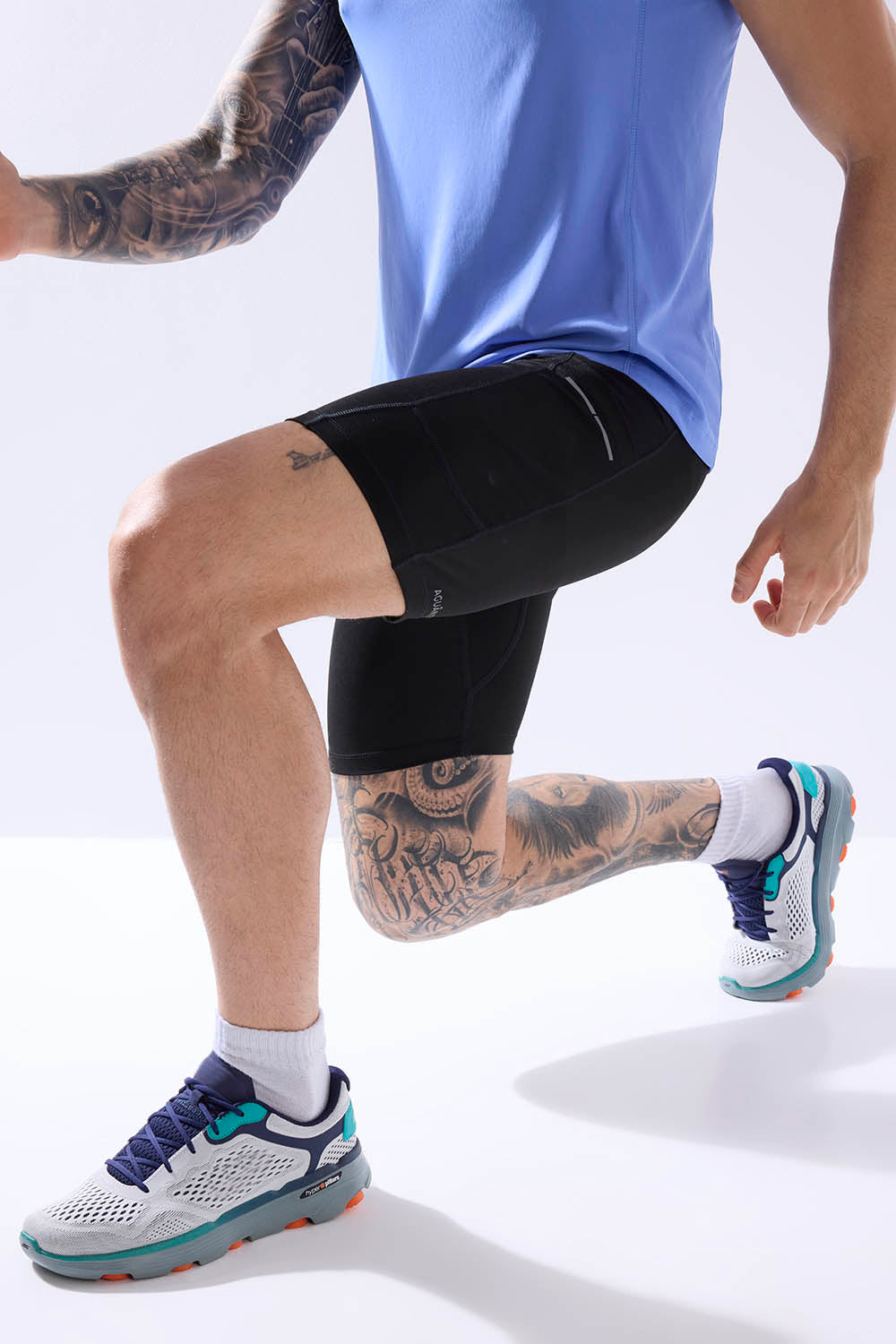
- Upper thigh pockets: Superior for smartphones. Situated mid-to-upper thigh on base layers or shorts, they curb movement and permit convenient retrieval without halting pace.
- Rear waistband zipper pockets: Perfect for keys, ID, or backup cash. Positioned close to the body's balance point, they remain stable across irregular urban surfaces.
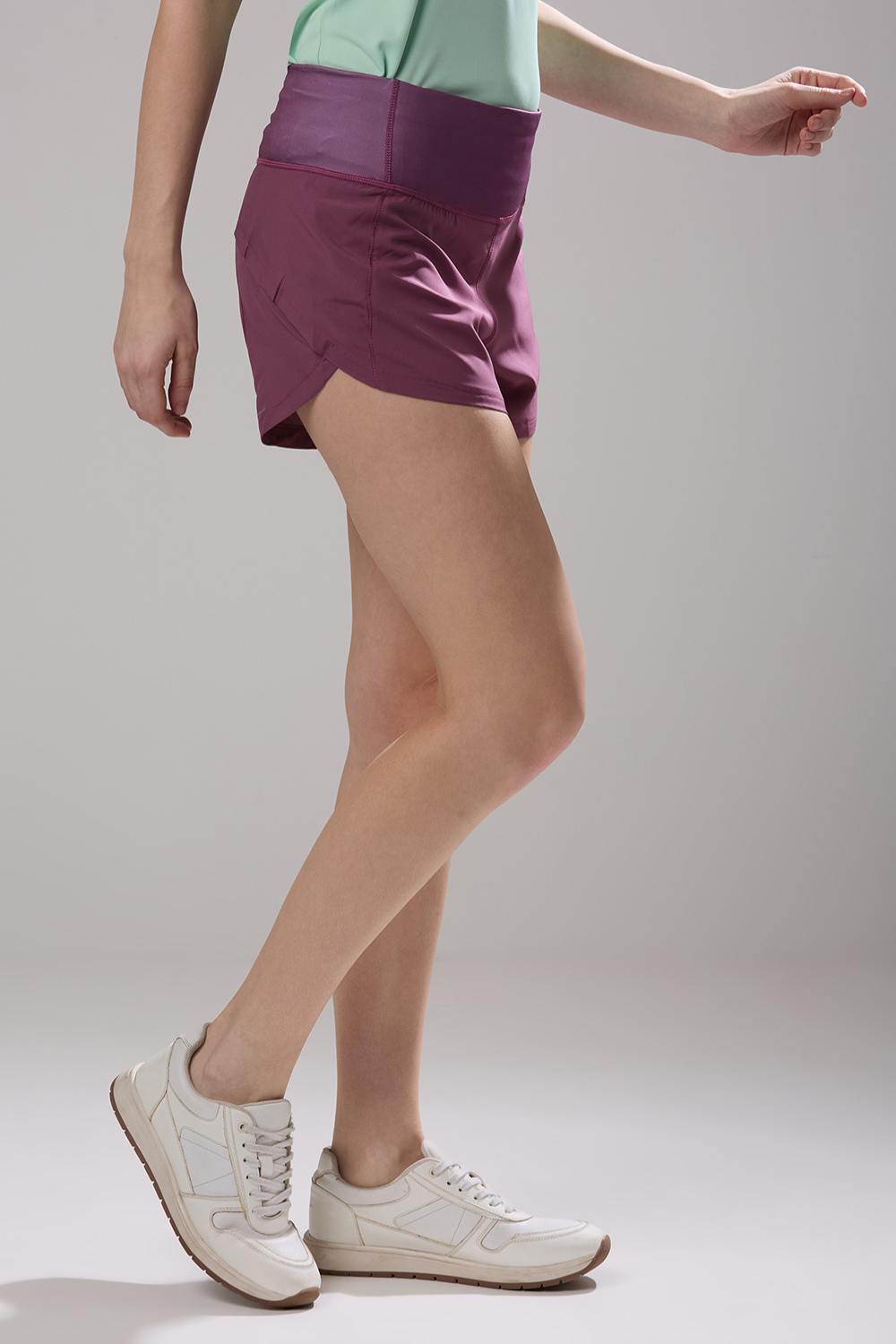
- Side or hip pockets: Useful for energy gels, tissues, or transit passes. Deeper constructions using flexible fabrics prevent contents from migrating.
Combining these elements often yields a comprehensive carrying system. Lightweight shorts with liner-integrated phone storage, matched to a jacket offering supplementary secure options, accommodate most daily scenarios adeptly.
Unique Demands of City-Based Run Commuting
Metropolitan running presents conditions absent from park or trail outings. Dense sidewalks necessitate frequent pace changes. Unexpected transit delays can lengthen routes. Shifting weather calls for adaptable layers retaining storage capacity. Unlike pure training sessions, losing critical items en route to work proves costly.
Pocket engineering must counter vibration on hard pavement, deter opportunistic theft in crowded zones, and facilitate swift access when hands manage signals or beverages. Apparel falling short in these areas soon limits itself to recreational use. Advanced details like internal grip textures or reinforced seams enable pieces to endure routine urban stresses.
Guidance for Selecting Functional Pocketed Gear
Shopping for commuter-oriented apparel requires looking past surface appeal. Load pockets with your standard items phone, keys, card and test movement. Simulate strides or light jumps if store policy allows; superior designs feel nearly imperceptible when filled.
Factor in your regular path. Brief trips may suit minimal storage, whereas extended ones reward greater capacity. Fabrics that breathe and dry rapidly, united with practical pockets, help arrivals appear collected instead of rumpled. Subtle reflective accents near storage areas enhance visibility during low-light hours.
Layering expands possibilities. A foundational piece with thigh storage beneath a vest or jacket with waist compartments provides adaptable setups for variable conditions.
Valuable Pocket Characteristics to Prioritize
- Device-specific sleeves offering stretch to fit various smartphone dimensions
- Zippered sections that guard against loss amid motion
- Mesh or ventilated linings promoting airflow and faster drying
- Positioning that harmonizes with natural arm swing and leg cadence
The Tangible Benefits for Daily Run Commutes
Athletes adopting superior pocketed clothing frequently experience a meaningful change. Mental distractions diminish as concerns about shifting or dropped items fade. Attention shifts fully to the activity, converting the commute into authentic training rather than obligation.
A recurring insight emerges: reliable, well-crafted gear motivates wider adoption of run-commuting. When practical elements operate effortlessly, obstacles dissolve. Time savings accumulate, dependence on packed public options decreases, and fitness integrates naturally into schedules without dedicated extra sessions.
Future Directions in Practical Running Apparel
Interest in devices monitoring activity and wellness keeps rising, highlighting the importance of clothing that accommodates such tools comfortably. The wearable technology market reflects strong momentum driven by health awareness, including concerns around obesity and chronic conditions that boost use of activity trackers and monitors. North America maintains a leading position in this space.
Innovators explore subtler integrations, from pockets seamlessly incorporated into textiles to adaptable systems adjusting across activities. For urban commuter runners, these developments signal clothing that aligns precisely with the rhythms of city life.
Wrapping Up: The Value of Intelligent Design
Superior pocket placement may lack dramatic appeal, yet it elevates routine run commutes from adequate to genuinely satisfying. By securing essentials with stability, accessibility, and protection, considered construction allows city runners to concentrate on essentials fluid motion, mental clarity, and reaching the workplace refreshed and prepared.
On your next urban outing, observe your current setup closely. Modest enhancements in storage often yield substantial improvements in reliability and ease. Ultimately, the finest running apparel recedes from notice, empowering the run and the day that follows to shine.
Frequently Asked Questions
What is the best pocket placement in running apparel for urban commuters?
The most effective pocket placements for urban commuter runners are upper thigh pockets for smartphones, rear waistband zip pockets for keys and cards, and side or hip pockets for smaller items like transit passes or energy gels. These positions align with the body's natural center of gravity, minimizing bounce and movement during your run. Combining multiple storage zones across shorts and a jacket creates a comprehensive carrying system suited to most daily commute scenarios.
How do I choose running shorts or tights with functional pockets for commuting?
When shopping for commuter-friendly running apparel, load the pockets with your actual essentials phone, keys, and a card and simulate movement to test stability. Look for features like device-specific stretch sleeves, zippered closures, mesh linings for breathability, and positioning that doesn't interfere with your arm swing or leg cadence. Fabrics that wick moisture and dry quickly are equally important so you arrive at work looking and feeling fresh.
Why does pocket placement matter for run commuting in the city?
Urban run commuting involves unique challenges like dense sidewalks, frequent pace changes, and the real cost of losing essential items mid-route making reliable pocket design far more critical than for recreational running. Poorly placed pockets cause items to shift or bounce, disrupting rhythm and focus, and can even create safety hazards at busy intersections. Well-engineered storage that counters pavement vibration, deters theft in crowded areas, and allows quick one-handed access lets runners stay fully present and arrive at work prepared.
Disclaimer: The above helpful resources content contains personal opinions and experiences. The information provided is for general knowledge and does not constitute professional advice.
You may also be interested in: How Runner Feedback Drives Indian Activewear Innovation - Aguante
Tired of gear that slows you down? Chafing, soggy fabrics, and missing pockets kill your run's momentum. At Aguante, we're runners who get it. Our high-performance activewear features moisture-wicking fabrics, ergonomic designs, and smart storage to keep you focused. Shop Now!
Powered by flareAI.co