
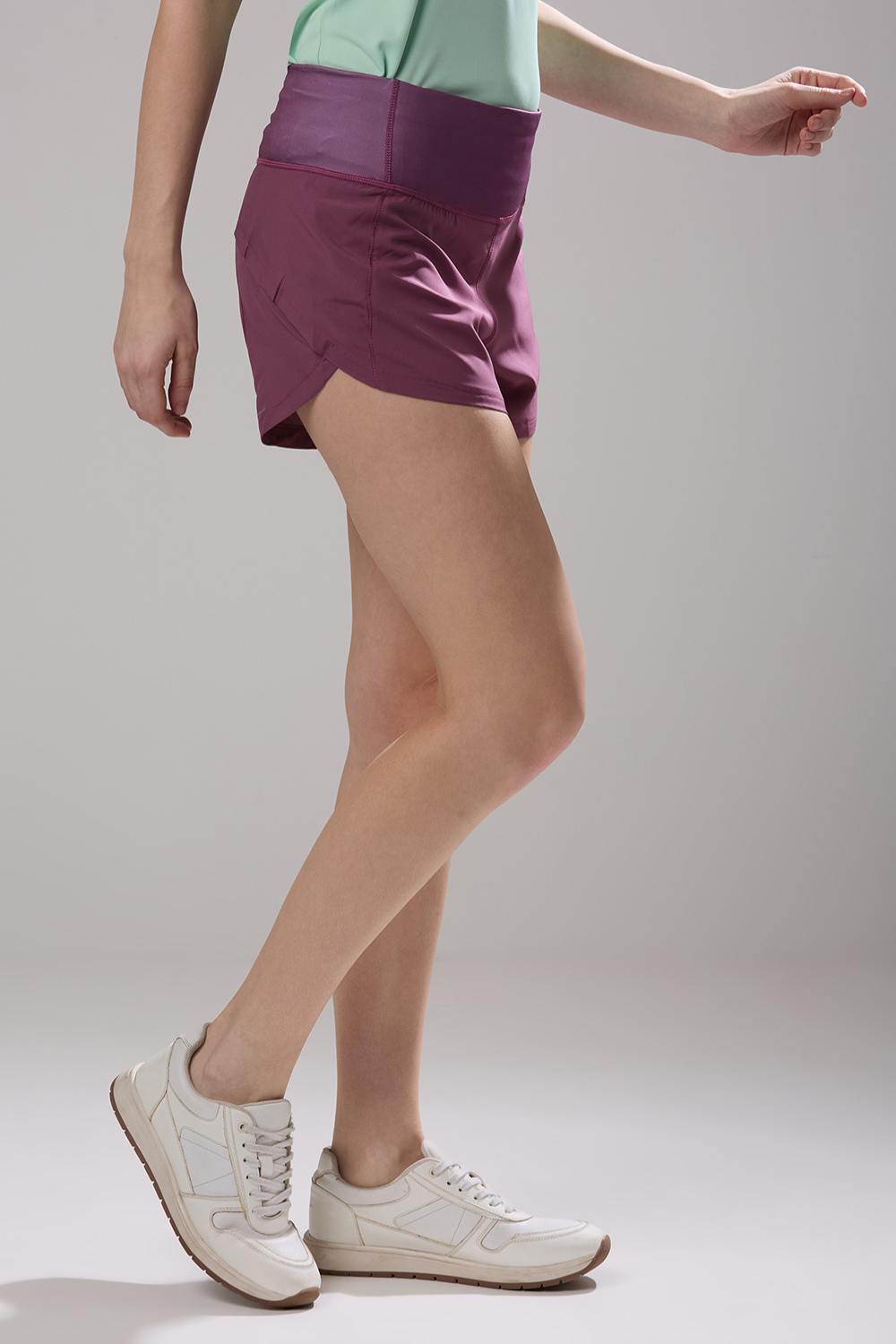
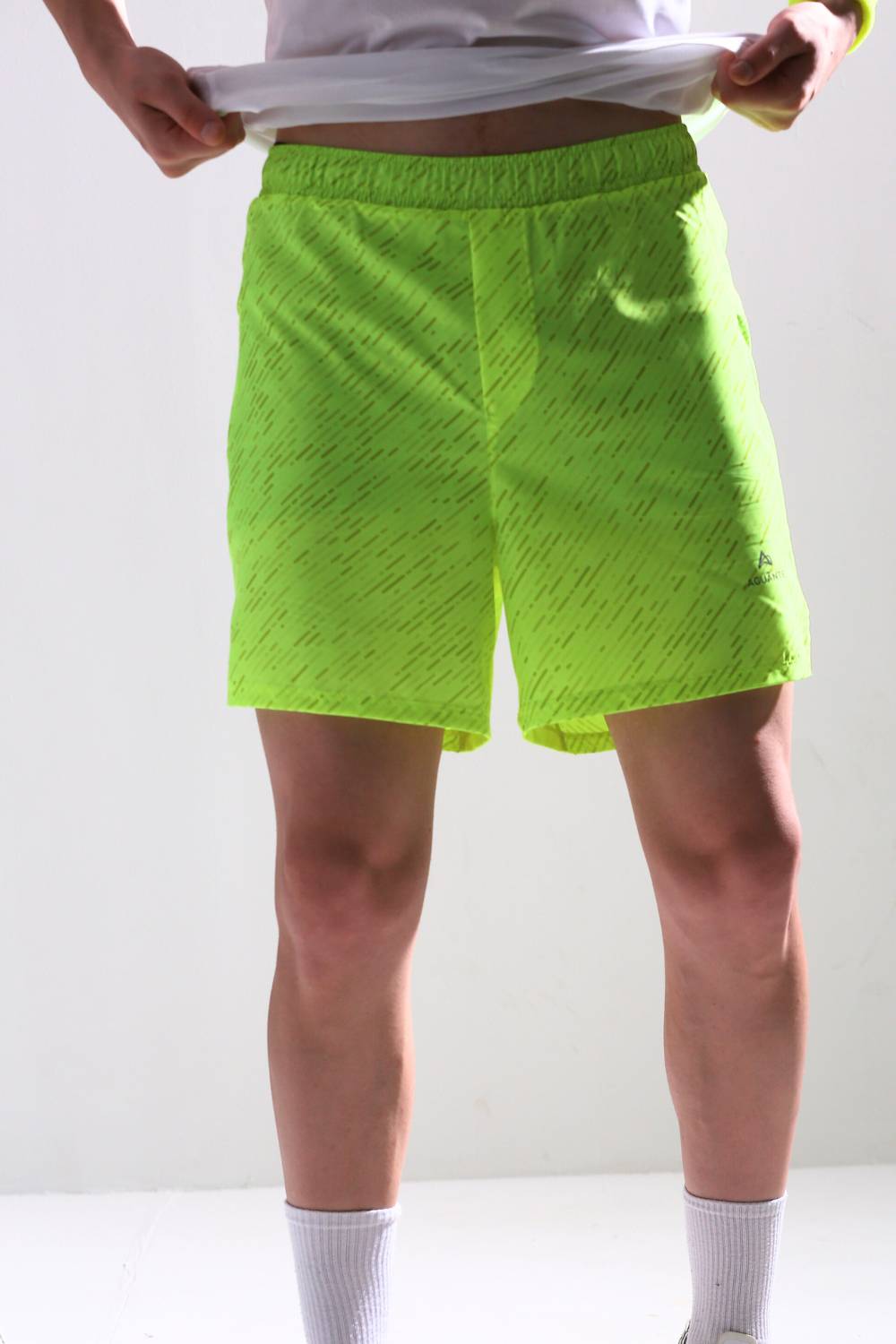

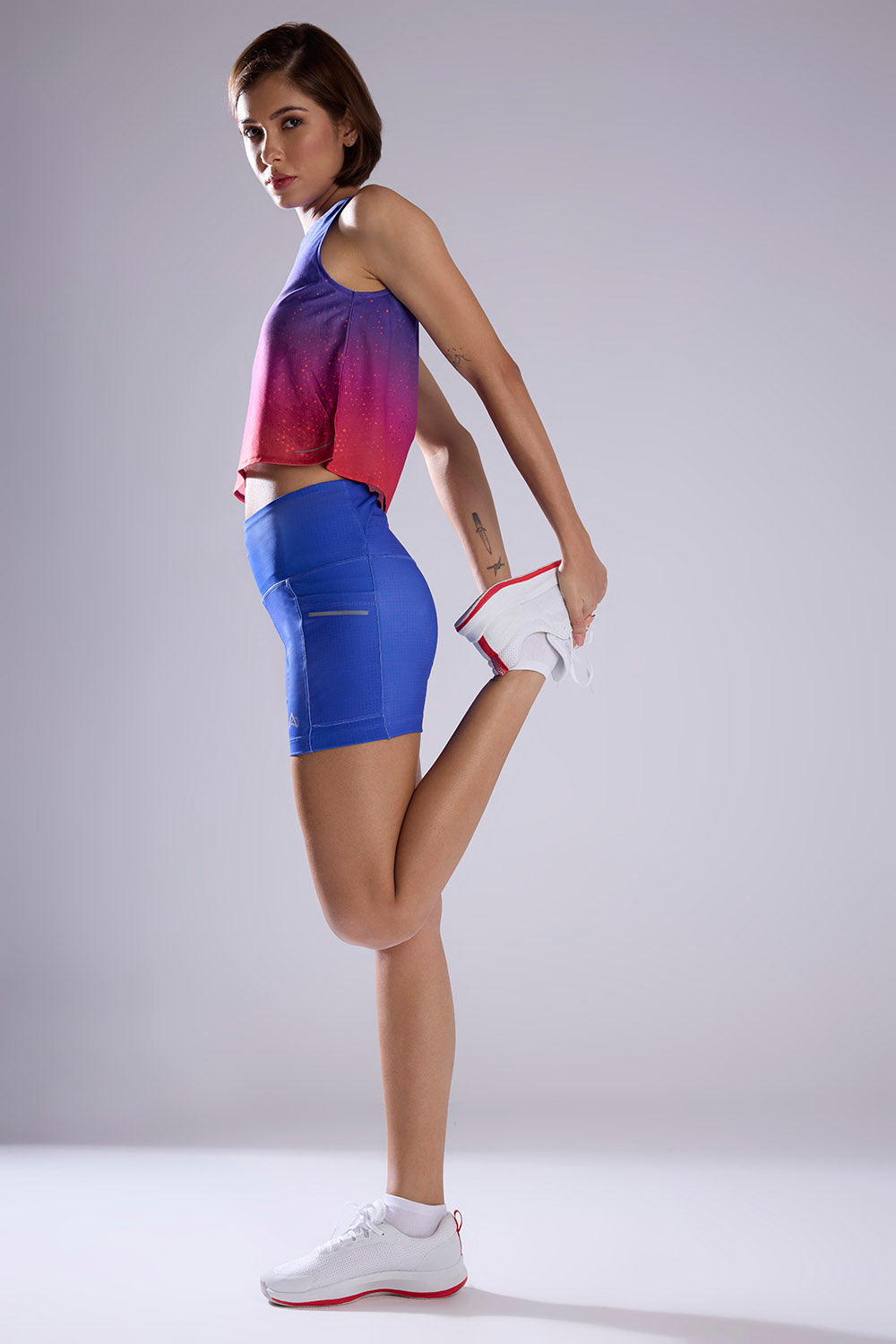
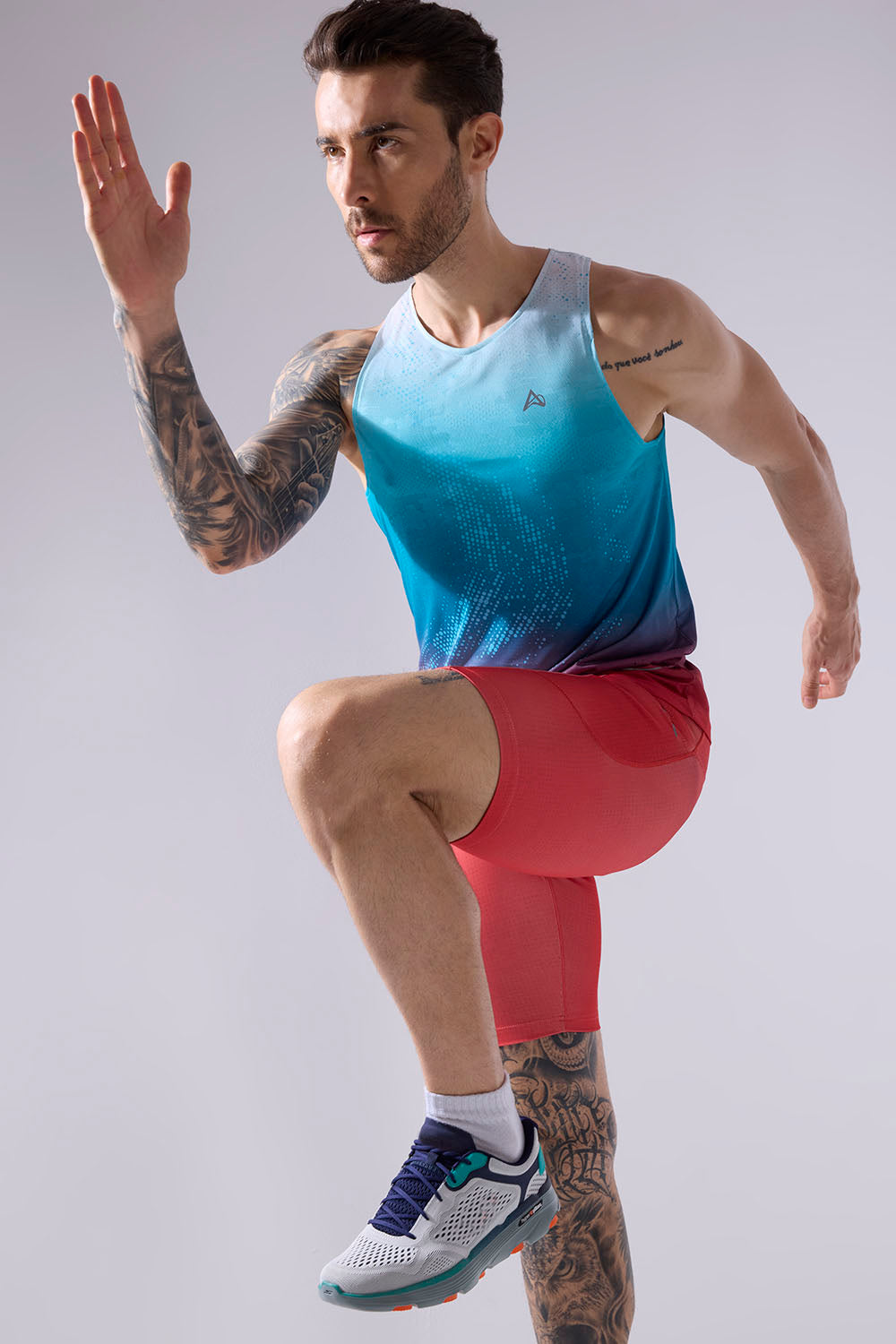

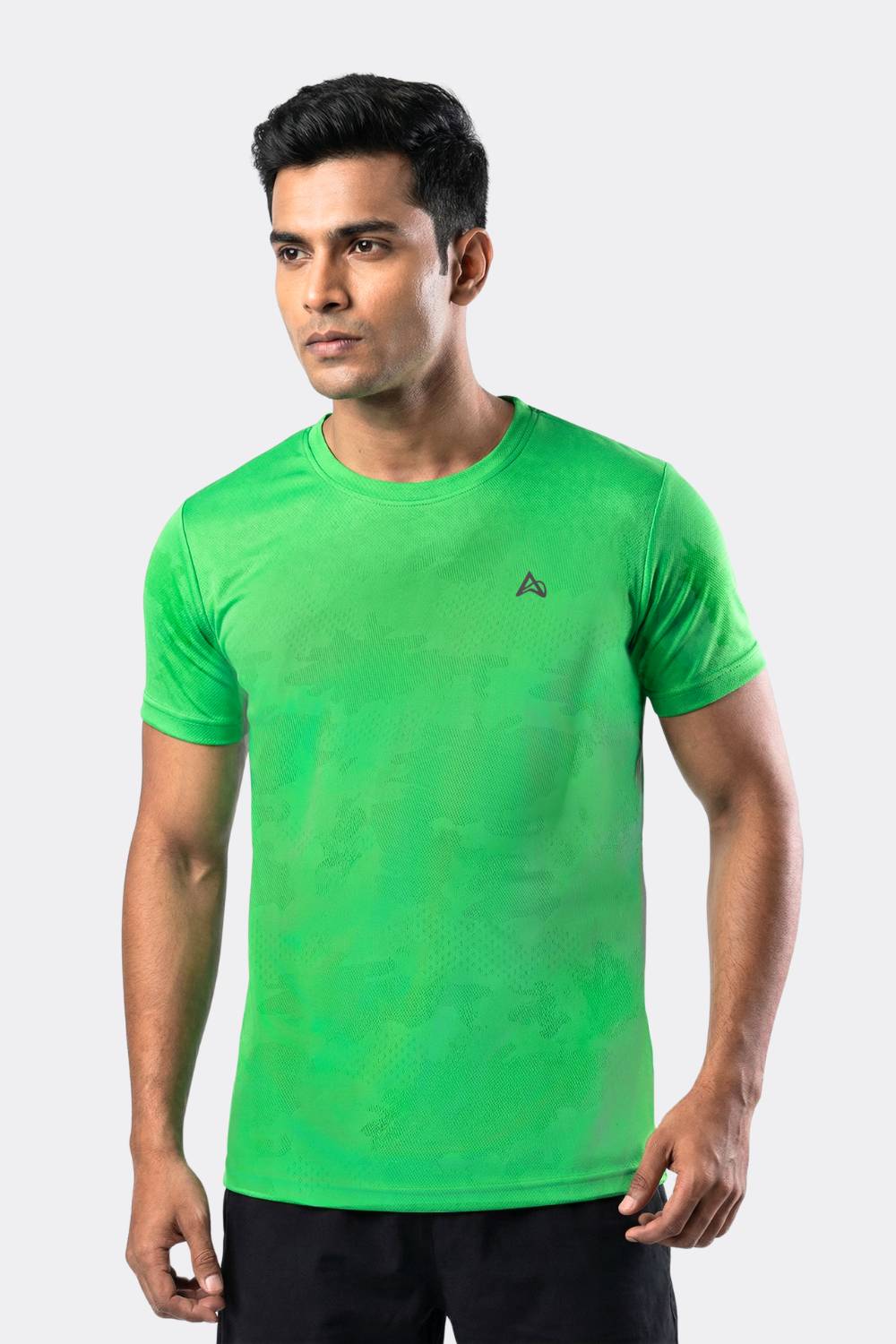
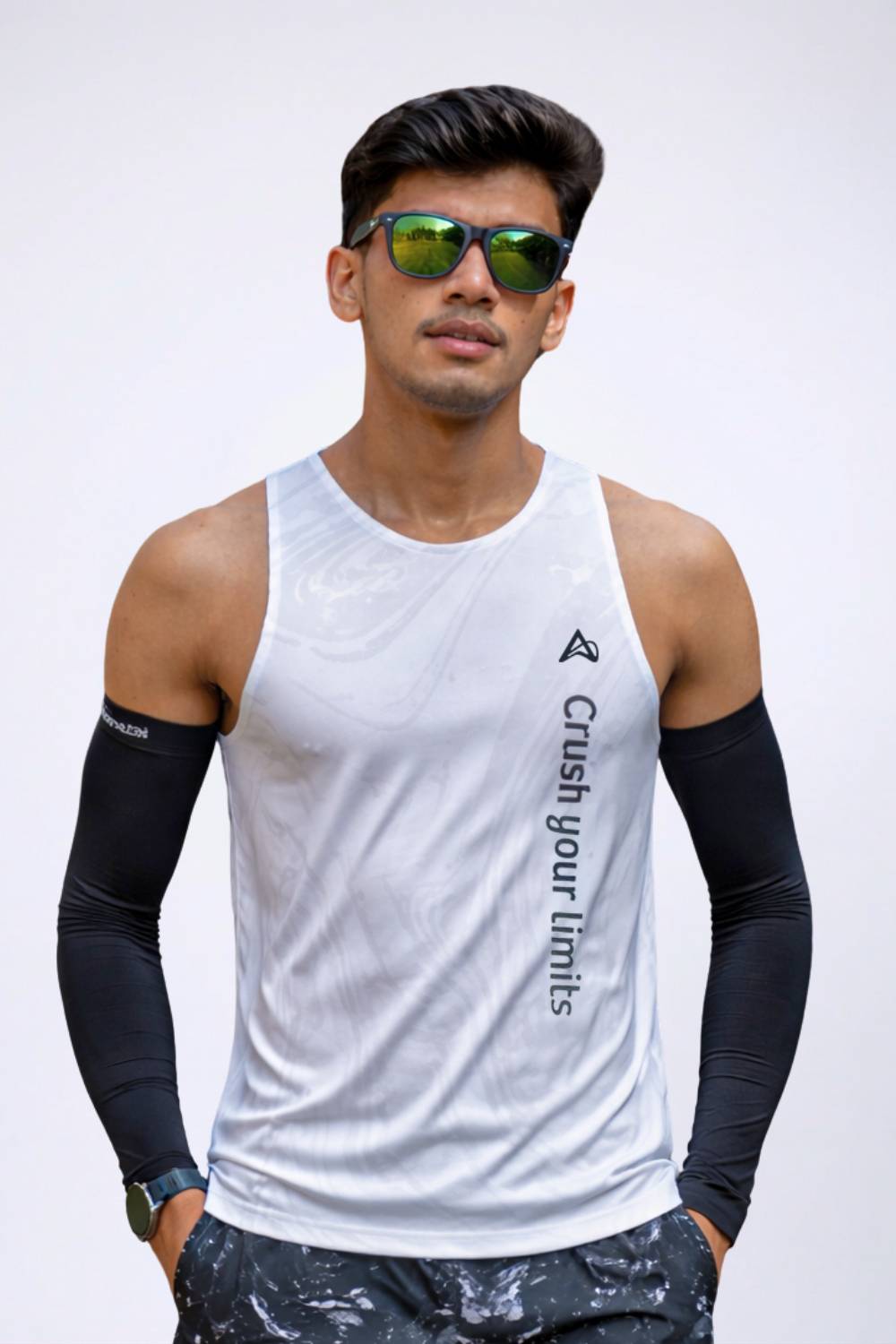

Runners often notice the difference between ordinary sportswear and purpose-built running clothing when distance, intensity, or weather conditions become more demanding. A basic T-shirt and shorts may feel comfortable for casual exercise, but running creates specific challenges: repeated movement, sweat management, body temperature changes, and the need for unrestricted motion. This is where performance running apparel and regular sportswear begin to differ. Understanding those differences helps runners choose clothing based on how they train rather than simply selecting what looks suitable.
The distinction is not about one type of clothing being suitable for every person or every workout. Regular sportswear remains useful because it is designed for flexibility across different activities. Performance running apparel, however, is developed around the needs of runners and the demands created by continuous movement. For people evaluating running gear, knowing how fabrics, construction, and design choices affect comfort can make the selection process easier.
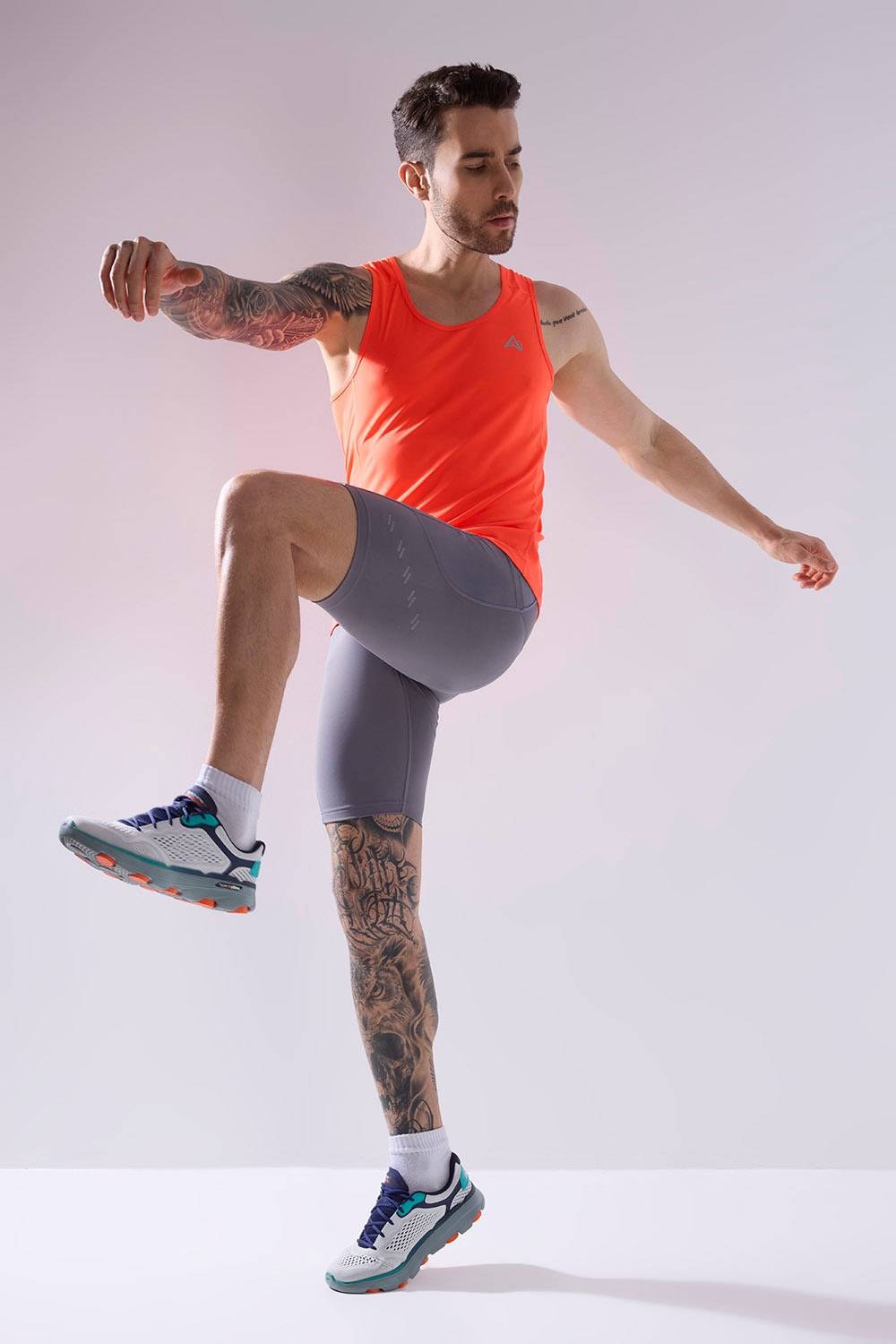
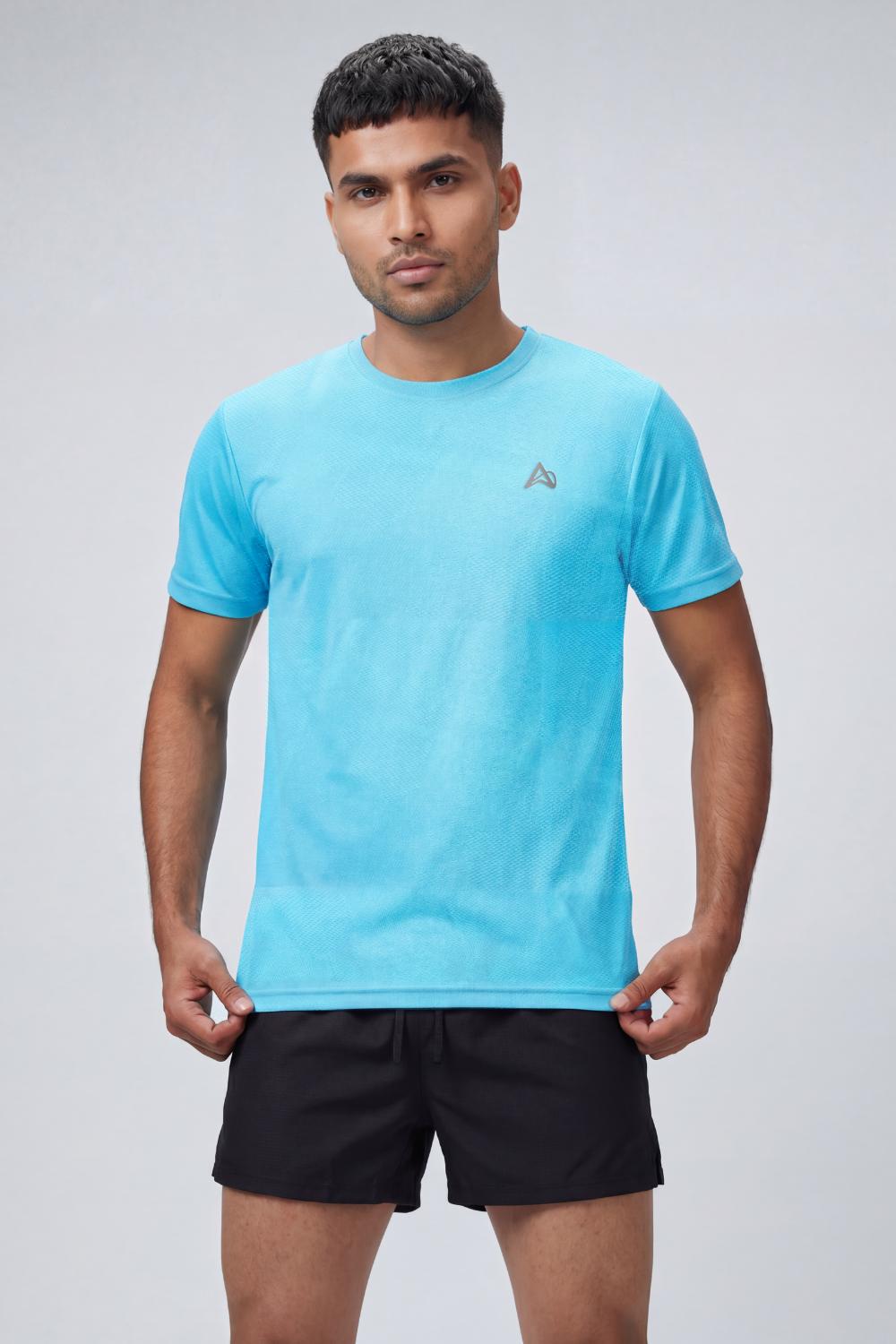
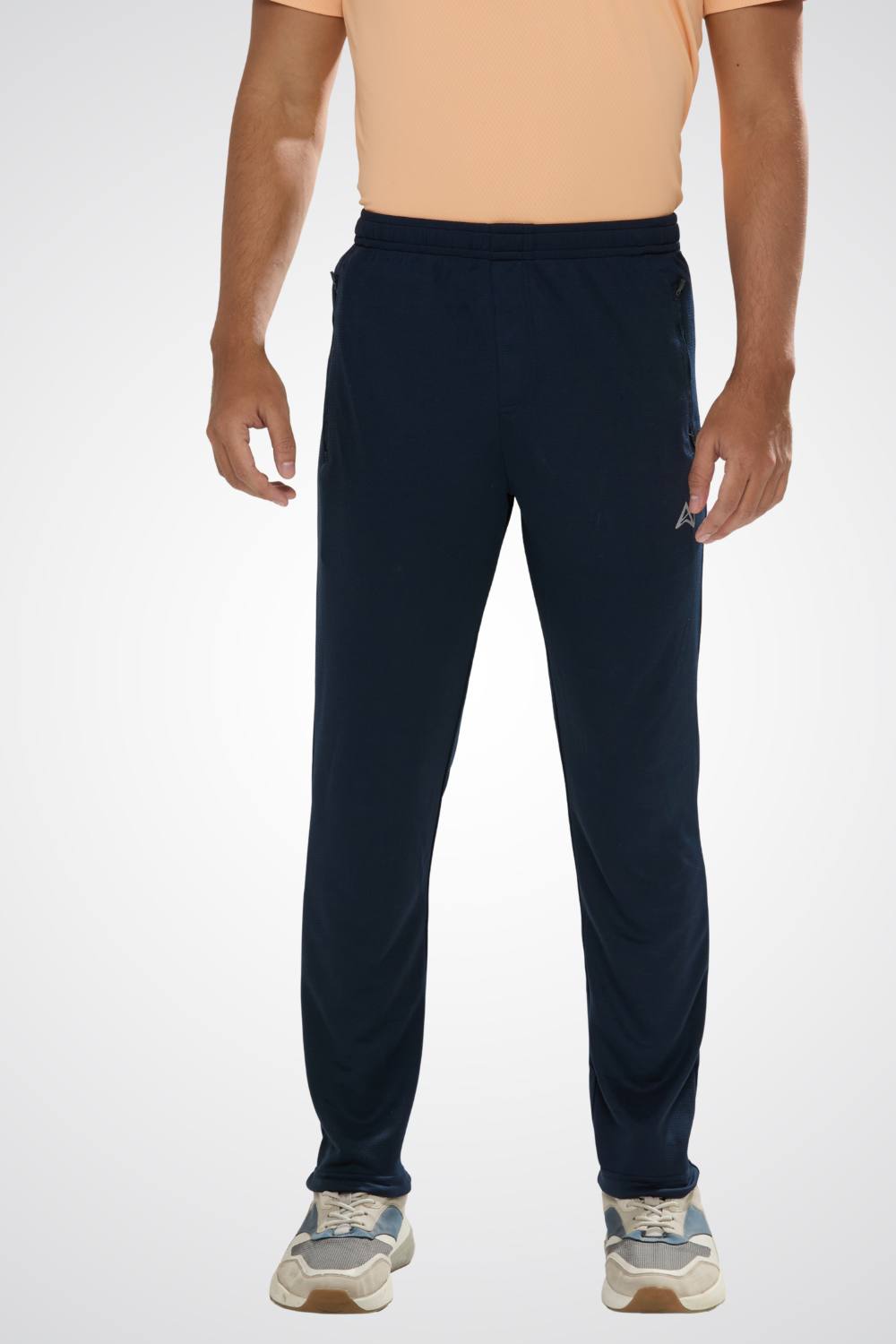
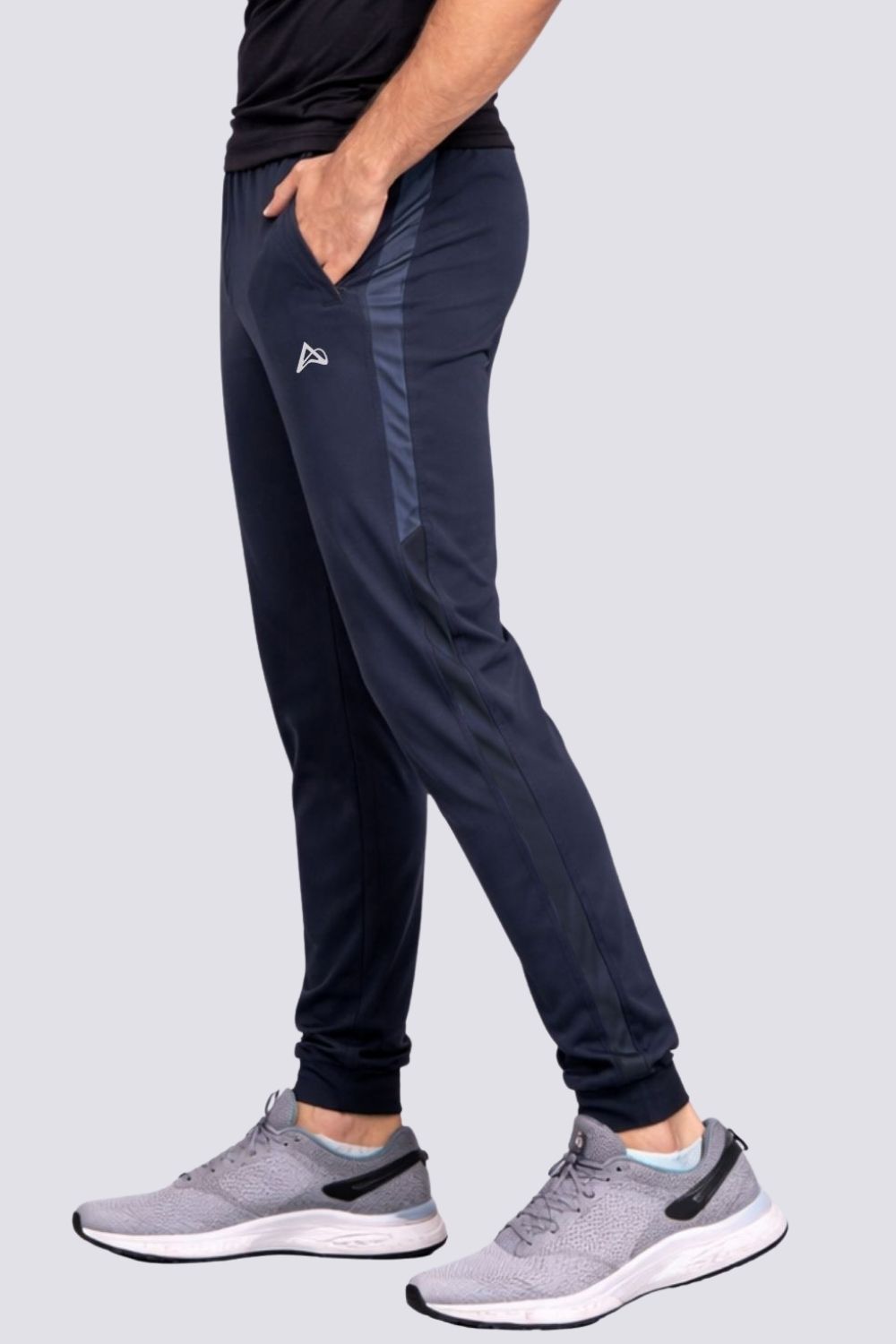
Tired of gear that slows you down? Chafing, soggy fabrics, and missing pockets kill your run's momentum. At Aguante, we're runners who get it. Our high-performance activewear features moisture-wicking fabrics, ergonomic designs, and smart storage to keep you focused. Shop Now!
What Makes Performance Running Apparel Different?
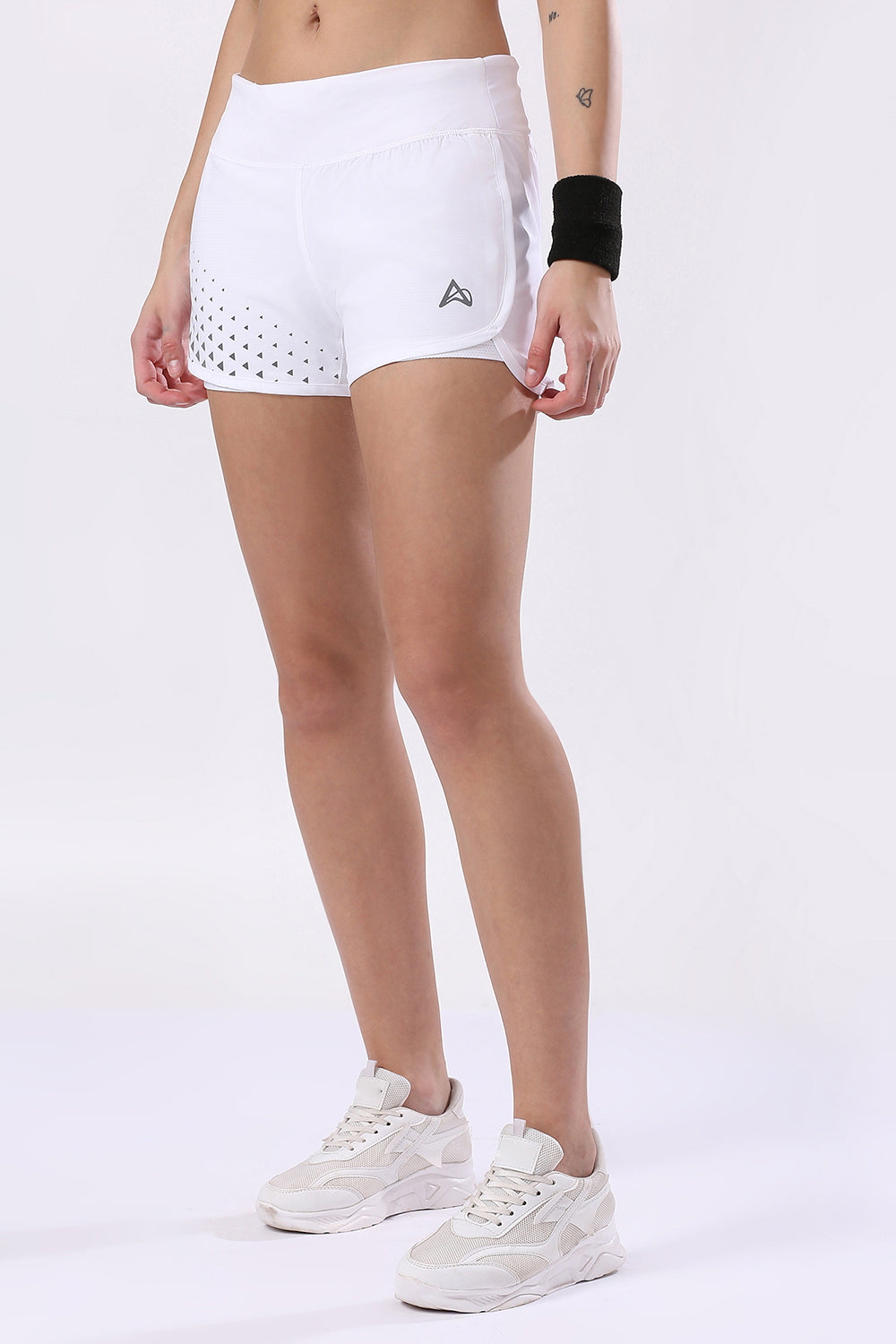
Performance running apparel is designed with running-specific requirements in mind. Unlike general activewear, which often aims to support multiple forms of exercise, running-focused clothing considers factors such as repetitive stride patterns, sweat accumulation, ventilation, and long-duration comfort.
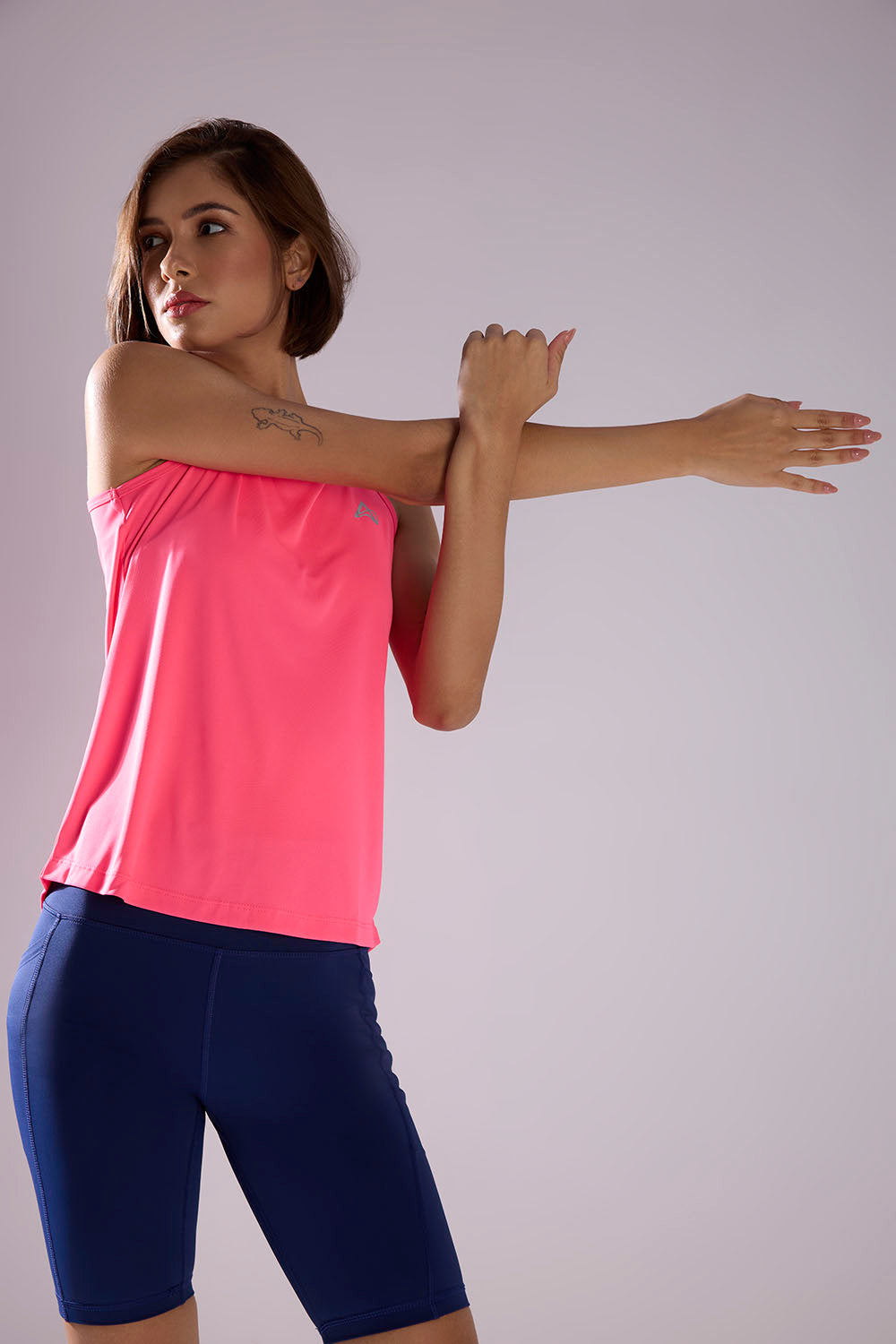
One of the most important differences is fabric performance. Running generates heat and perspiration quickly, especially during longer sessions or higher-intensity workouts. Technical running garments are typically designed to help move moisture away from the skin, allowing runners to stay more comfortable while maintaining their pace.
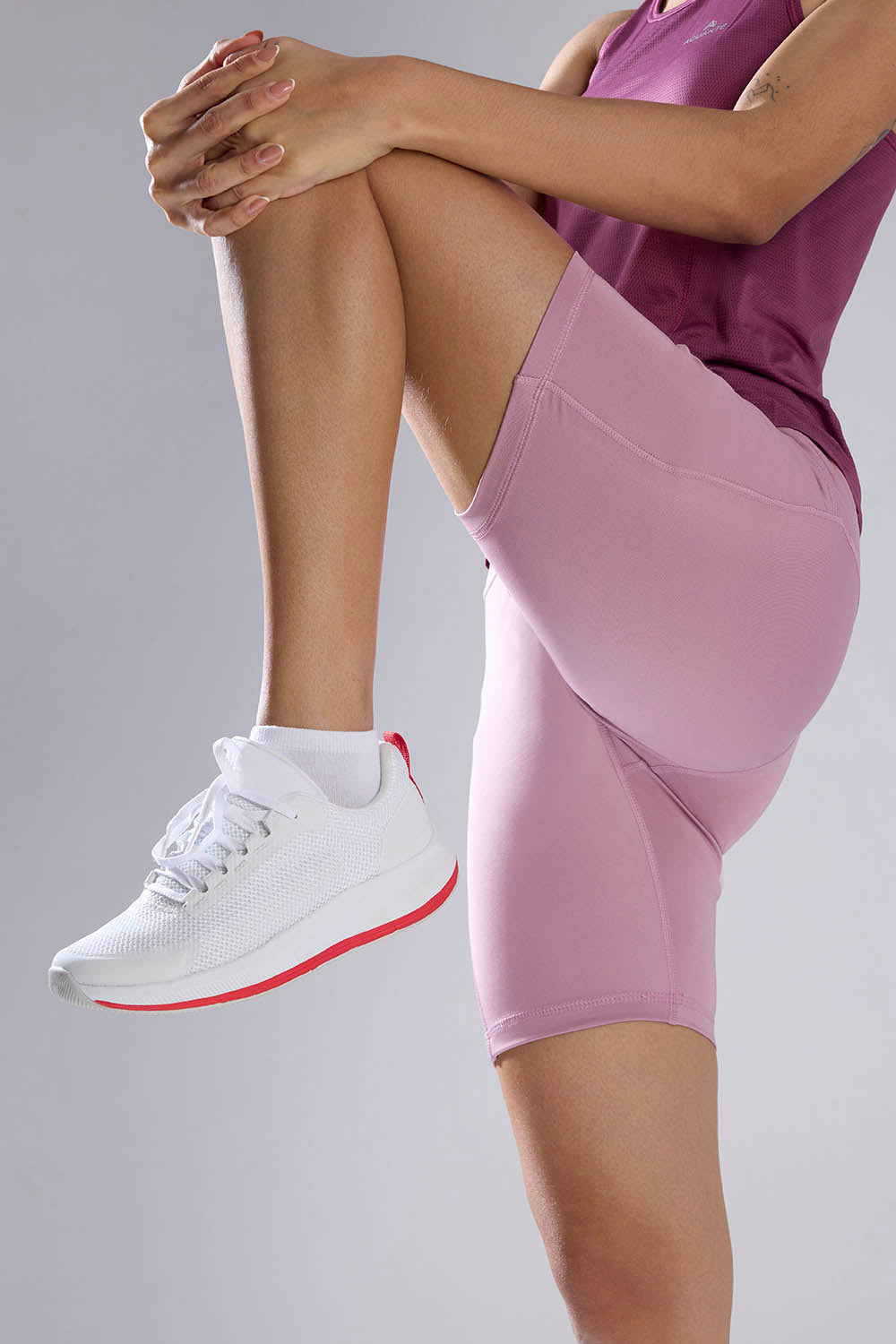
Fit is another key consideration. Running involves thousands of repeated movements, so clothing that feels acceptable during a short workout may become distracting over a longer run. Performance designs often focus on reducing unnecessary movement of the fabric, supporting freedom of motion, and creating a more stable feel during activity.
These features explain why specialized running wear has become more common among athletes and recreational runners. Performance-focused sportswear development reflects how athletic clothing is increasingly being created around specific sports and performance goals rather than treating all activities in the same way.
How Regular Sportswear Differs From Running Apparel
Regular sportswear is usually designed to provide versatility. A single garment may be used for gym sessions, casual workouts, walking, travel, or everyday comfort. This flexibility makes general activewear practical for people who participate in different activities throughout the week.
The difference appears when the activity has more specific demands. Running places continuous stress on clothing because the body remains in repetitive motion for an extended period. A garment designed for general exercise may not always address issues such as heat buildup, moisture retention, or movement during longer runs.
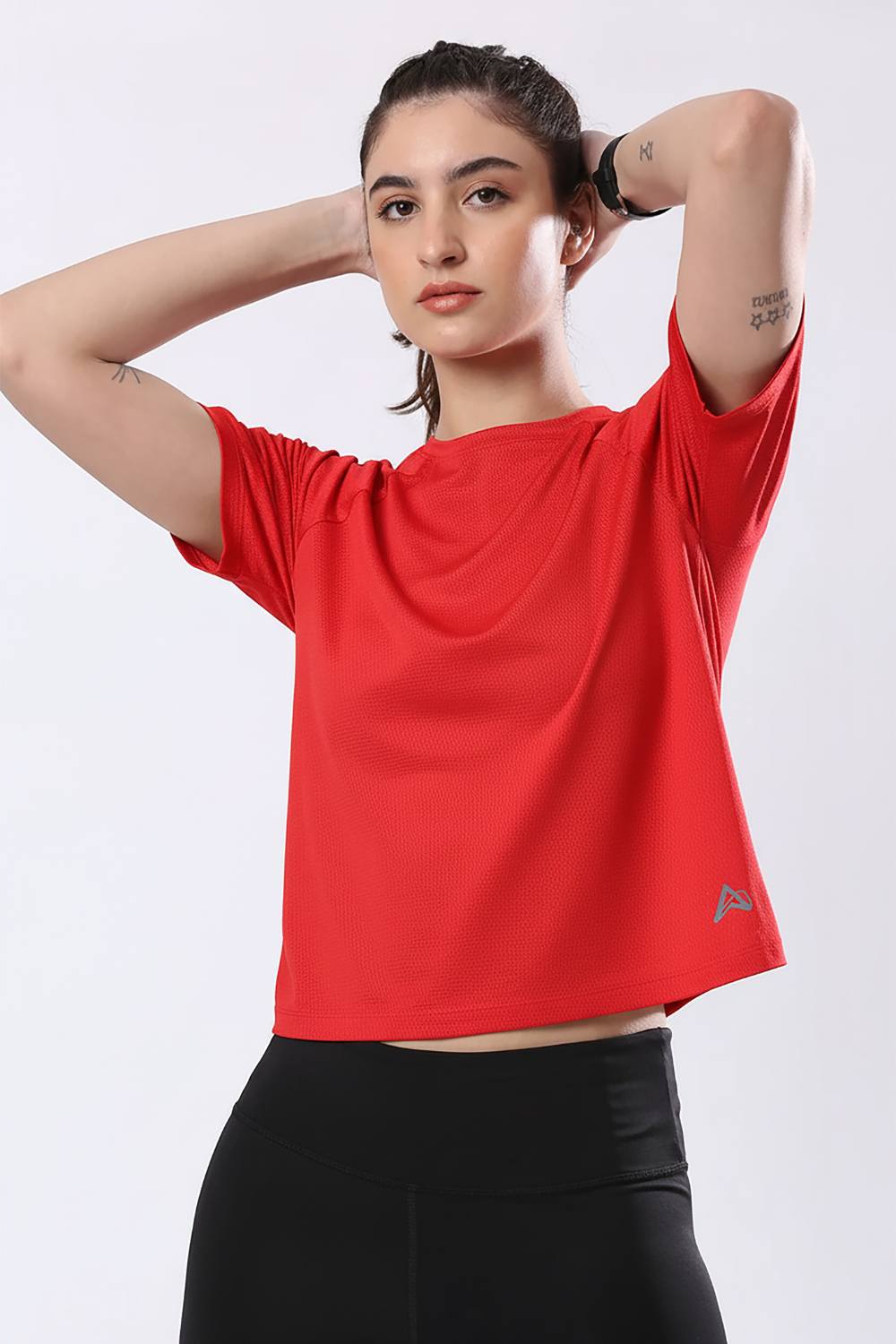
For example, a cotton-based casual workout top may feel comfortable at the beginning of a session but may become heavier when it absorbs sweat. A performance running top is usually created with moisture management as a priority, helping runners maintain comfort as conditions change.
The choice between the two depends on the runner's needs. Someone doing occasional short runs may prefer versatile sportswear. Someone training regularly, preparing for longer distances, or running in challenging weather conditions may place more value on specialised features.
Key Running Apparel Features That Matter
Moisture Management and Breathability
Among the most important running apparel features is the ability to manage sweat. Running increases body temperature, and clothing that does not allow moisture to escape can create discomfort. Breathable materials help maintain a better balance between airflow and coverage.
Moisture wicking running clothes are designed around this challenge. Instead of simply absorbing sweat, performance fabrics are intended to help transfer moisture away from the body so it can dry more effectively. This can be .
Weather conditions also influence clothing choices. Running apparel needs to work with the environment rather than against it. Guidance on seasonal running preparation highlights the value of breathable layers and moisture management, while noting that heavy fabrics can become uncomfortable when runners build up heat during activity. Breathable running layers can help runners adapt clothing choices to changing conditions.
Fit, Movement, and Comfort
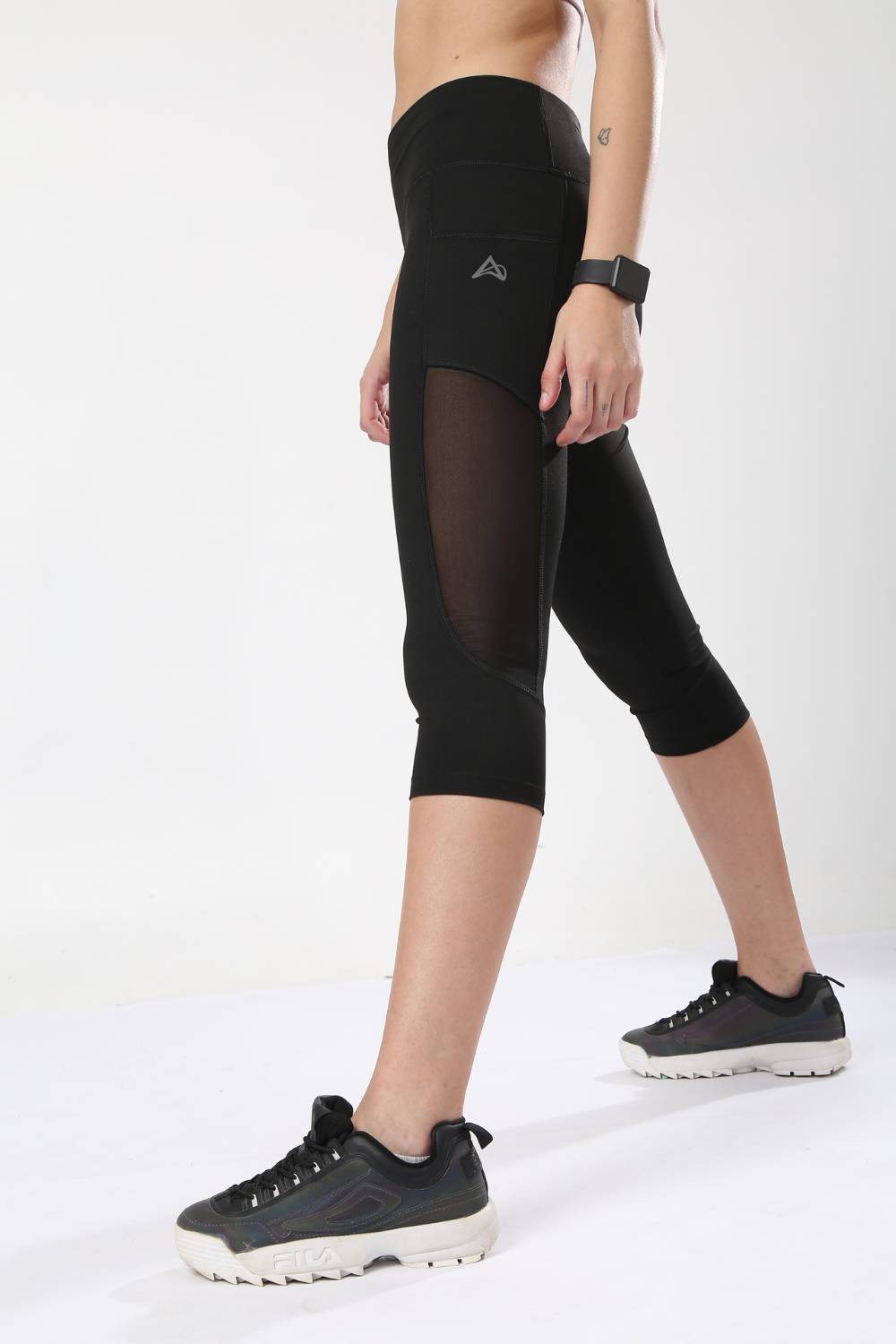
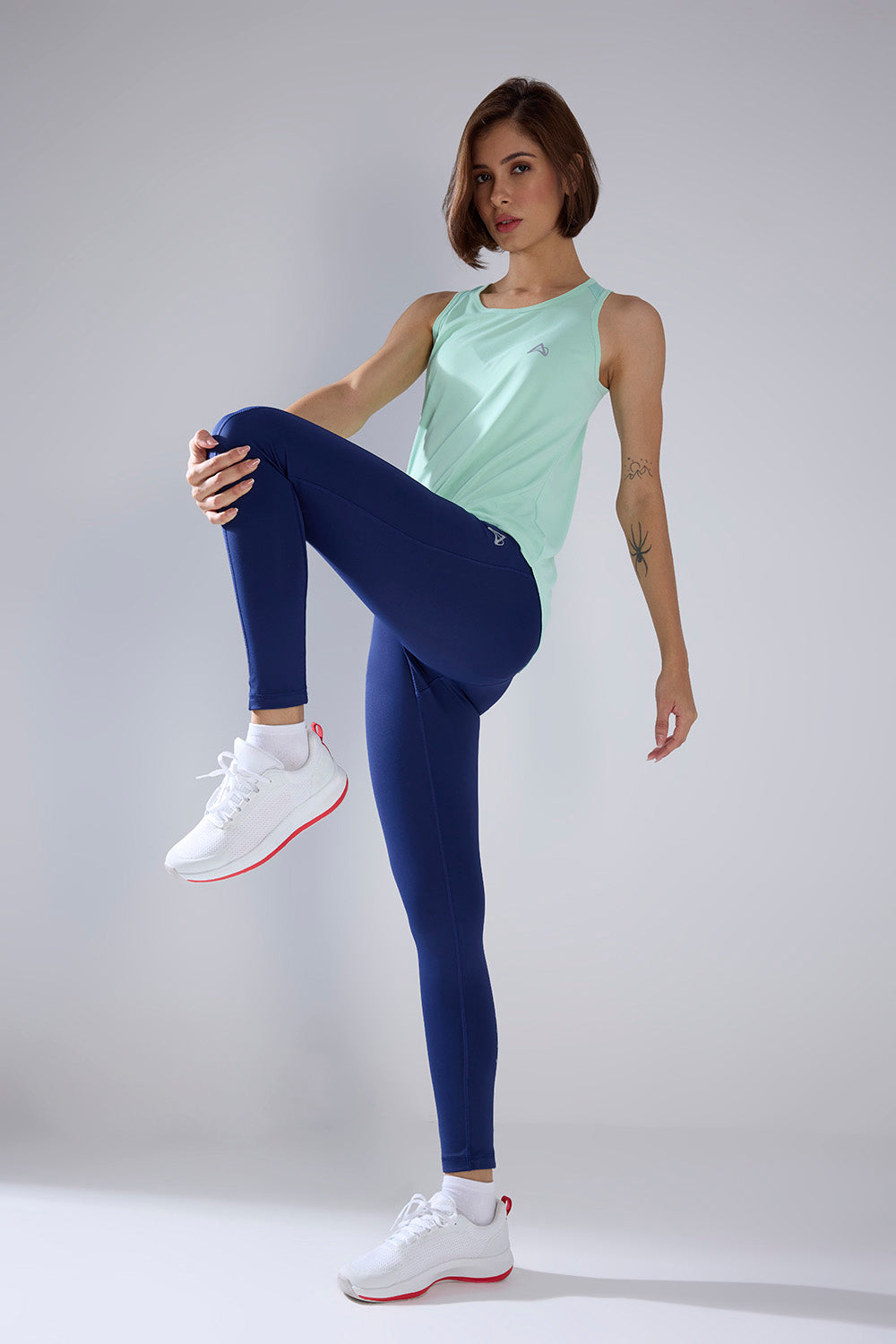
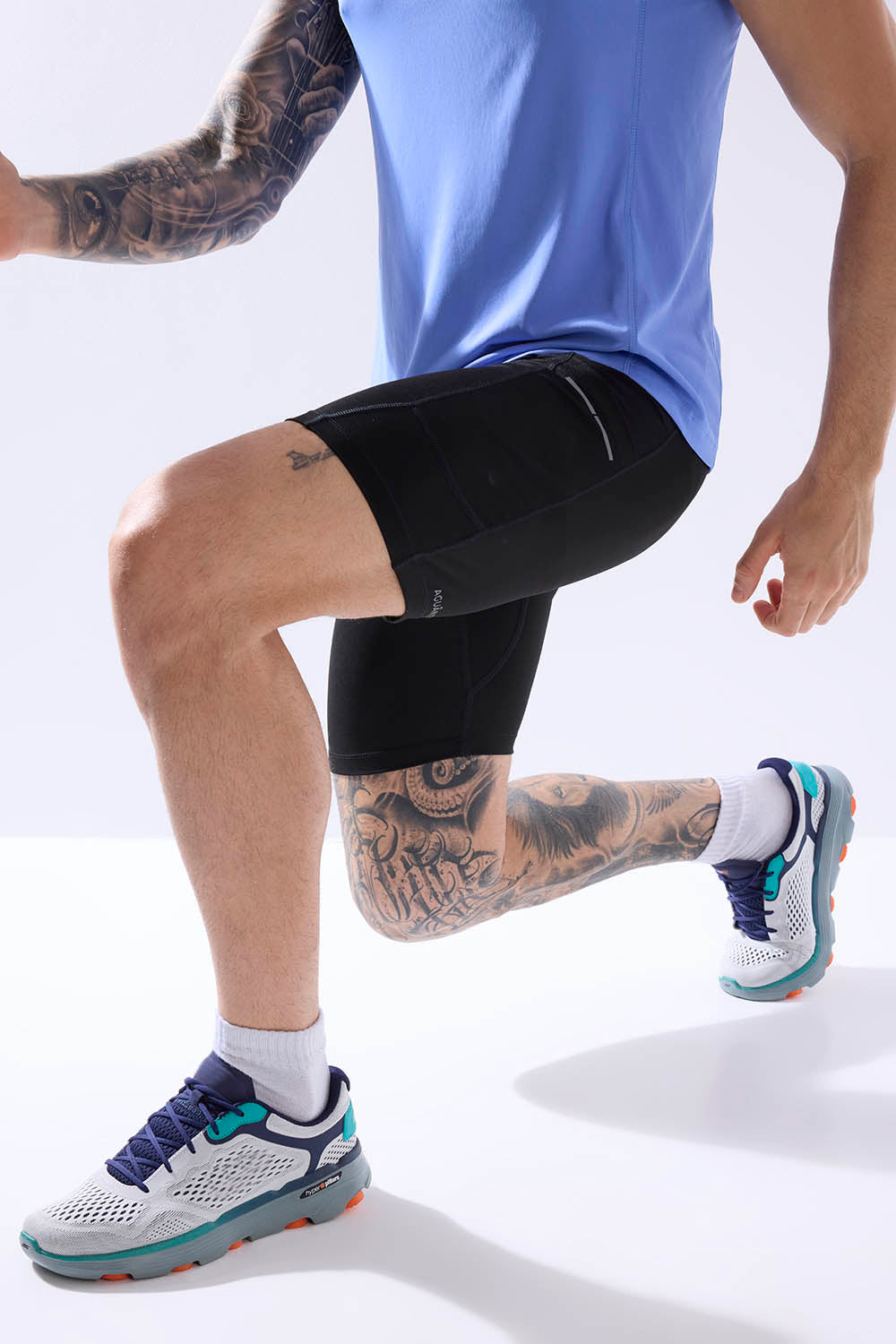
Running requires a different relationship between clothing and movement compared with many other workouts. A good running garment should allow natural movement without creating distractions. Features such as an ergonomic fit, flexible construction, and carefully positioned seams can improve the overall experience.
Comfort also becomes more important as distance increases. A runner who feels comfortable during the first few minutes of a session may experience irritation later if clothing shifts, restricts movement, or does not handle sweat effectively.
Practical Design Details
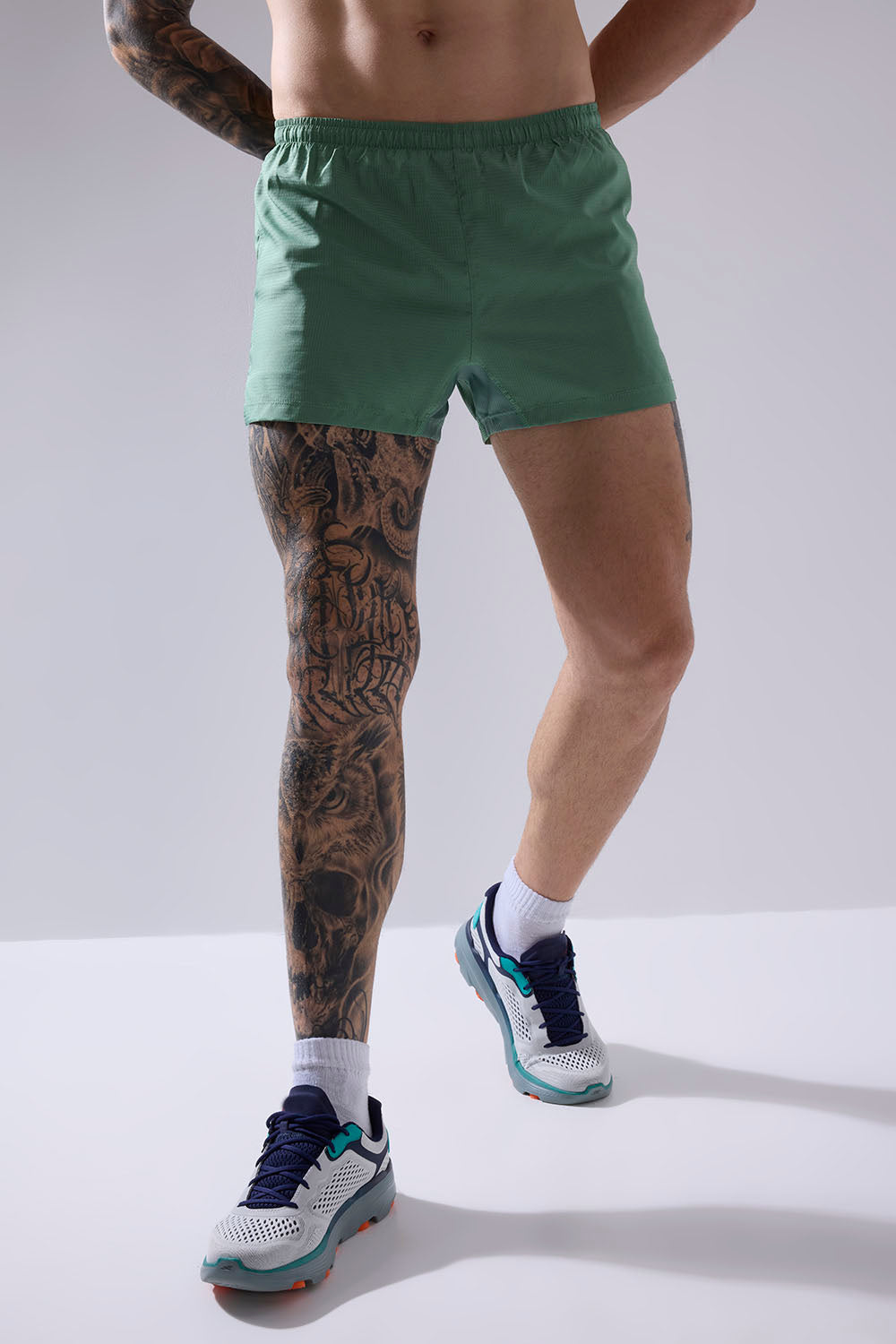
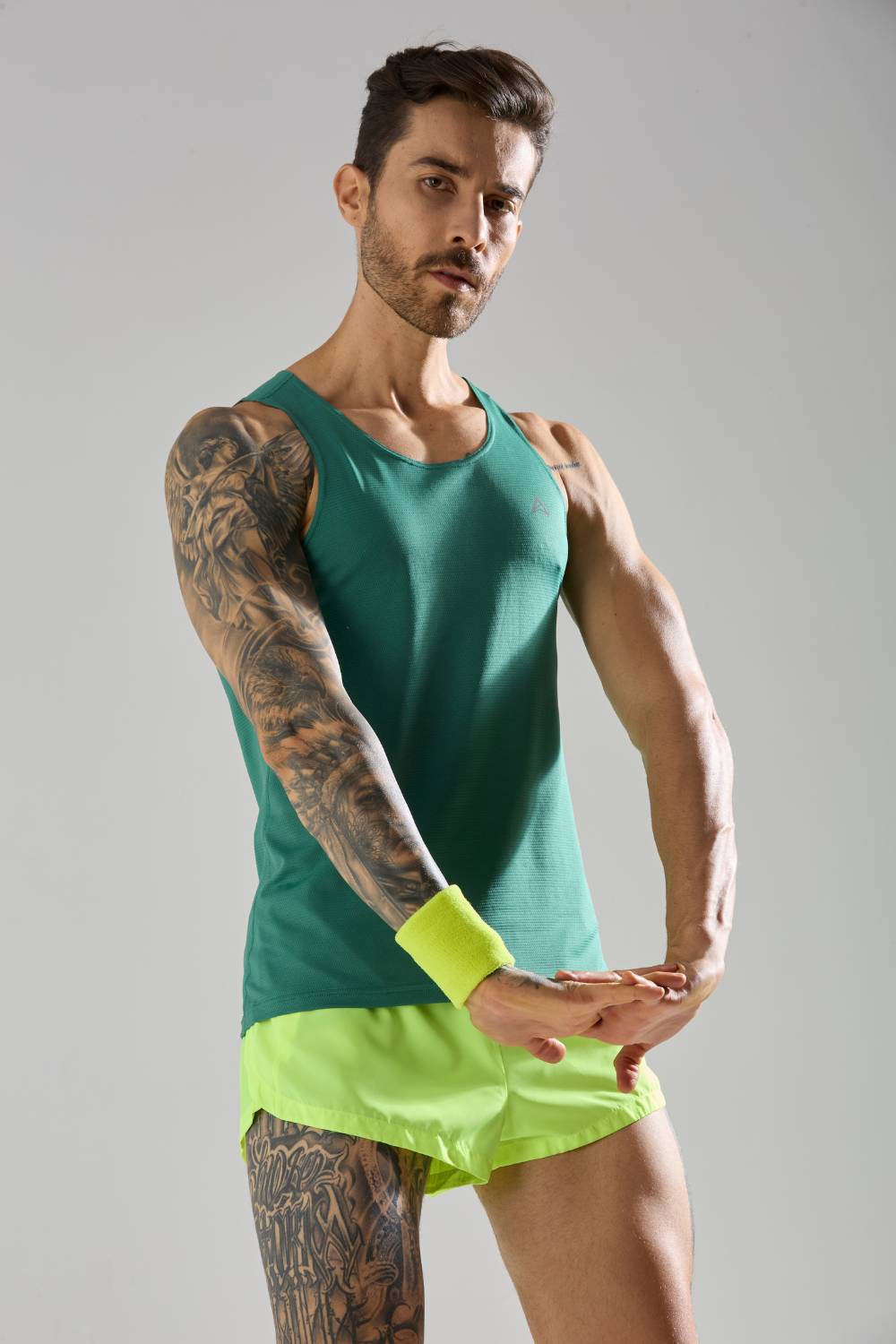
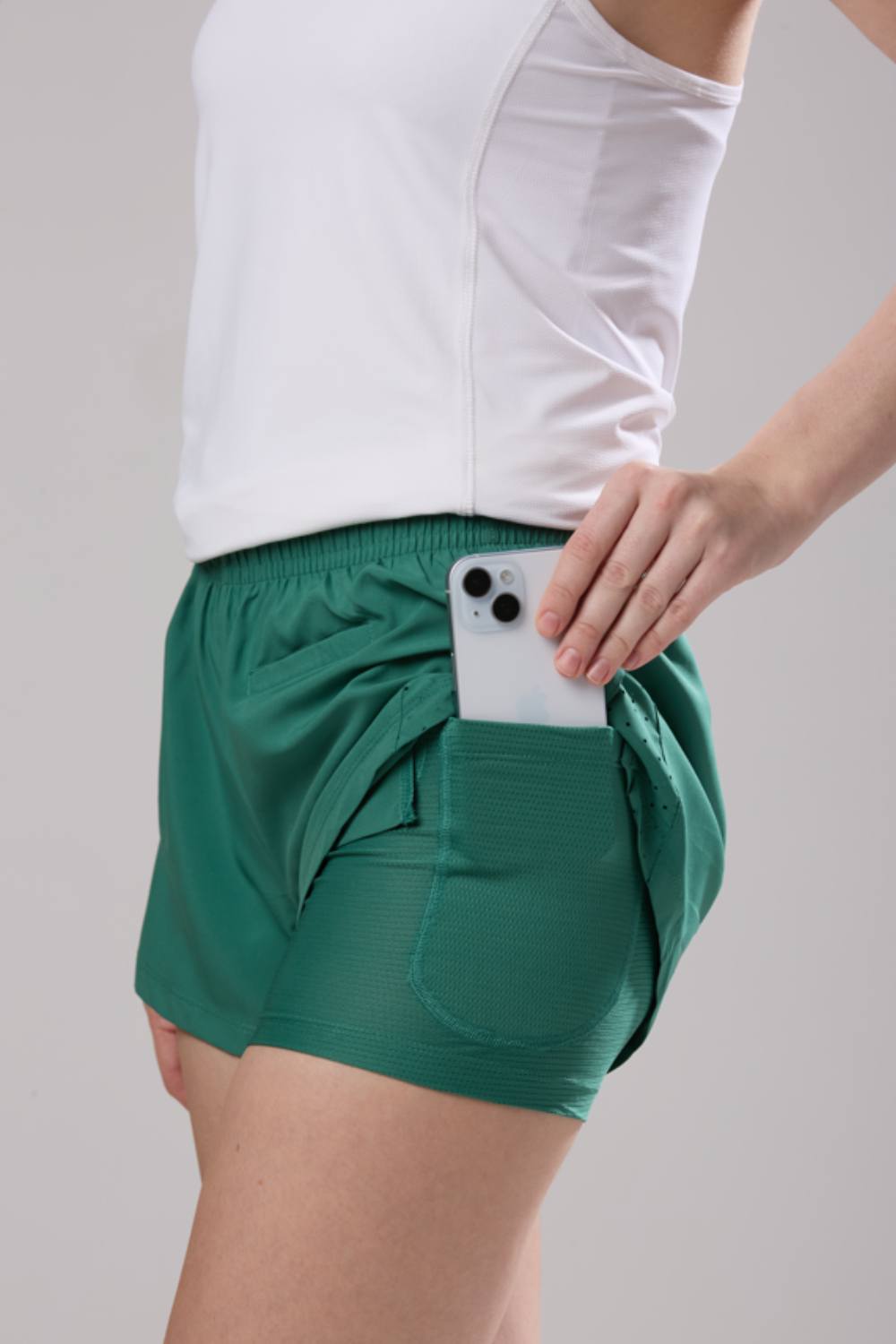
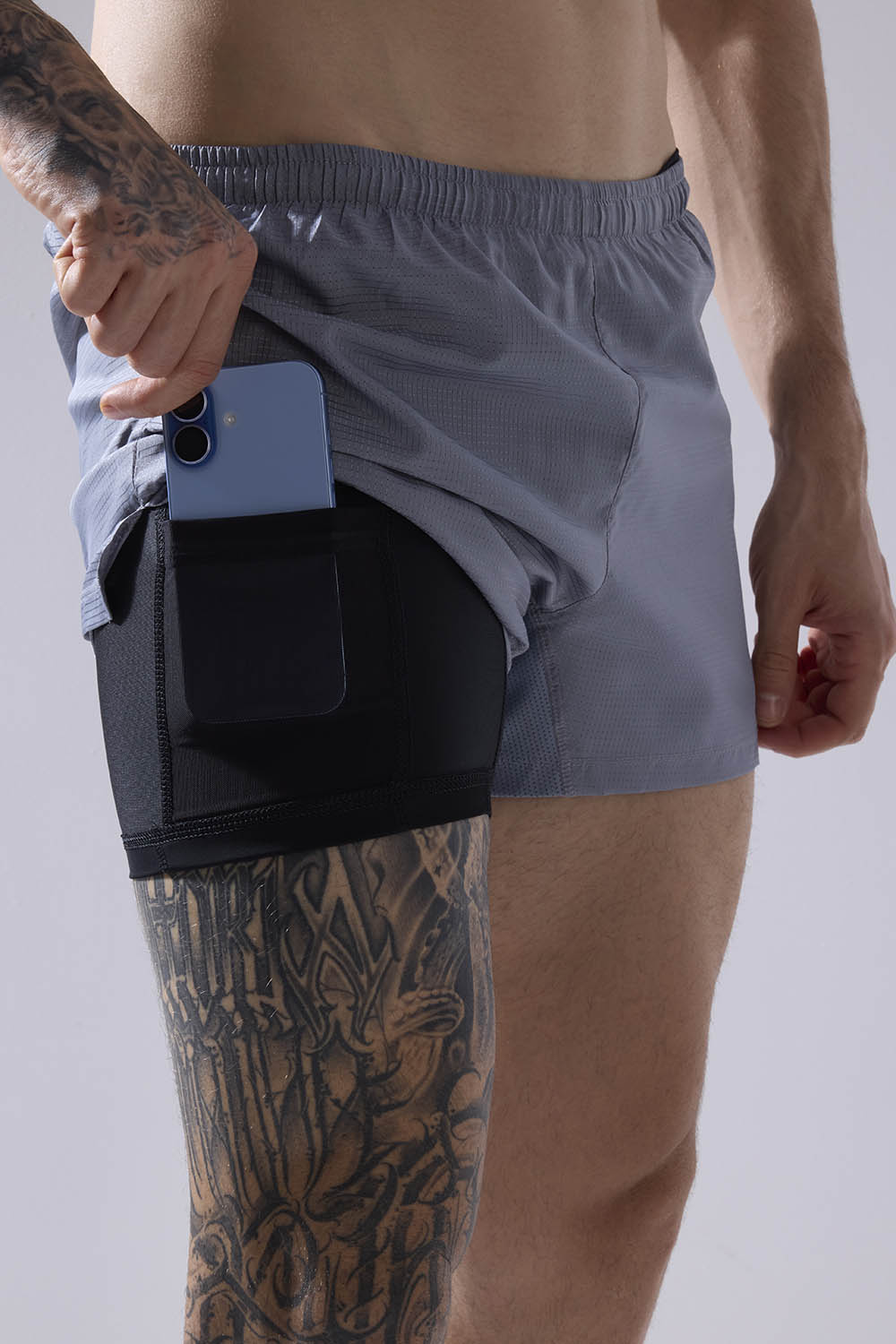
Small design choices can have a significant impact on usability. Runners often consider details such as storage, visibility, lightweight construction, and layering options when selecting apparel.
These features are not necessarily required for every runner, but they become valuable when clothing needs to support specific training situations. Someone completing an evening run may appreciate visibility features, while someone covering longer distances may prioritise lightweight materials and convenient storage.
Why Running-specific Clothing Matters for Different Training Goals
The need for specialised running apparel depends largely on the runner's goals. A casual jog, a structured training session, and a long-distance event each place different demands on clothing.
For beginners, comfort and ease of movement may be the primary concerns. As runners increase distance or frequency, they often become more aware of how apparel affects their experience. Clothing that manages sweat, supports movement, and feels comfortable over time can become an important part of a consistent routine.
Experienced runners may also consider how clothing performs across different environments. A runner training outdoors in warm and humid conditions may have different priorities from someone running early mornings in cooler weather. This is why the question is not simply whether performance apparel is better, but whether its features match the runner's requirements.
The growing focus on specialised athletic products shows a wider shift in how sportswear is developed. Brands are increasingly creating products around particular sports and activities instead of relying on one general approach. This allows runners to select apparel based on practical needs rather than appearance alone.
How to Choose Between Performance Running Wear and Gym Clothes
When comparing specialised running wear vs gym clothes, the most useful approach is to consider the activity first. Clothing designed for strength training, indoor workouts, or general fitness may prioritise flexibility and durability across multiple movements. Running apparel focuses more specifically on sustained forward motion and endurance.
- How often do you run?
- Are your sessions short, long, easy, or high intensity?
- Do you usually run in hot, humid, cold, or changing conditions?
- Do you need features such as storage, lightweight construction, or visibility?
- Does the clothing remain comfortable throughout your entire session?
These considerations help avoid choosing apparel based only on appearance. The right clothing should support the way a person actually runs.
For runners building a regular training habit, investing attention in apparel selection can improve comfort and reduce distractions. For occasional runners, versatile sportswear may still meet their needs. The important factor is matching the garment's purpose with the activity it will support.
The Role of Performance Apparel in Modern Running Culture
Running communities today include people with many different goals, from improving fitness to preparing for endurance events. As participation grows, runners are becoming more aware that equipment choices can influence their overall experience.
Performance apparel fits into this shift by focusing on practical improvements rather than unnecessary complexity. The goal is not simply to add more features, but to solve common challenges runners face during training.
This approach is relevant for brands that design clothing specifically around runner requirements. By understanding how athletes move, sweat, and train, performance-focused apparel can provide options that feel more connected to real running conditions.
For a brand like Aguante, which focuses on running-oriented activewear, educating runners about these differences creates a natural connection between product design and customer needs. The topic helps runners understand why certain apparel features exist and how those features relate to their own training experiences.
Performance Running Apparel vs Regular Sportswear: Making the Right Choice
The difference between performance running apparel and regular sportswear comes down to purpose. Regular sportswear offers versatility and can support many forms of exercise, while performance running apparel is built around the specific demands of running.
Features such as moisture management, breathable materials, comfortable fit, lightweight construction, and practical details can make specialised running clothing valuable for people who spend more time on the road, track, or trail.
There is no single choice that works for every runner. The best option depends on training habits, personal comfort preferences, and the conditions in which someone runs. Understanding these differences allows runners to make more informed decisions and choose clothing that supports their individual goals.
As running continues to become a more structured and personalised activity, the gap between general sportswear and performance-focused apparel becomes easier to understand. The right clothing is not only about what runners wear it is about helping them move comfortably, train consistently, and enjoy every run.
Frequently Asked Questions
What is the difference between performance running apparel and regular sportswear?
Performance running apparel is designed specifically for the demands of running, with features such as moisture management, breathable fabrics, ergonomic fit, and improved freedom of movement. Regular sportswear is usually made for versatility across different activities, while running-specific clothing focuses on comfort and performance during sustained runs.
Why are moisture wicking running clothes better for long-distance running?
Moisture wicking running clothes help move sweat away from the skin, allowing runners to stay more comfortable during longer or higher-intensity sessions. They can reduce discomfort caused by damp fabrics and support better temperature management while running.
How do I choose between specialized running wear and gym clothes?
Choosing between specialized running wear and gym clothes depends on your activity, training goals, and running conditions. Running apparel is better suited for repetitive movement, endurance sessions, and outdoor runs, while gym clothes may be more suitable for general fitness activities and varied workouts.
Disclaimer: The above helpful resources content contains personal opinions and experiences. The information provided is for general knowledge and does not constitute professional advice.
You may also be interested in: Compression Half Tights India: A Complete Guide for Runners
Tired of gear that slows you down? Chafing, soggy fabrics, and missing pockets kill your run's momentum. At Aguante, we're runners who get it. Our high-performance activewear features moisture-wicking fabrics, ergonomic designs, and smart storage to keep you focused. Shop Now!
Powered by flareAI.co