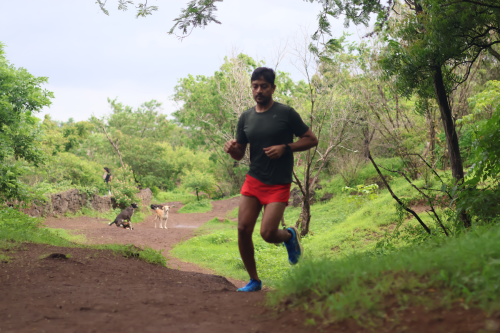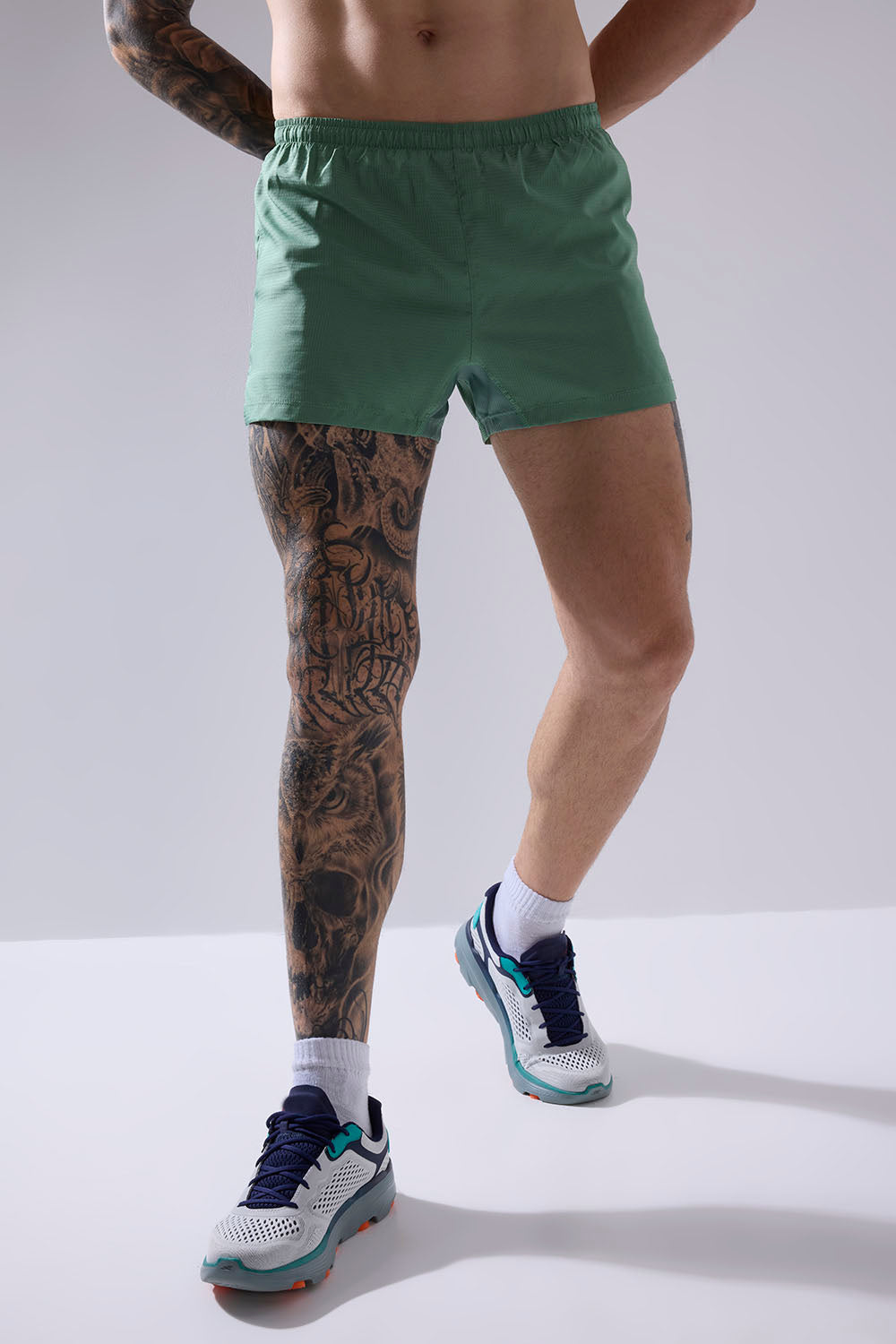
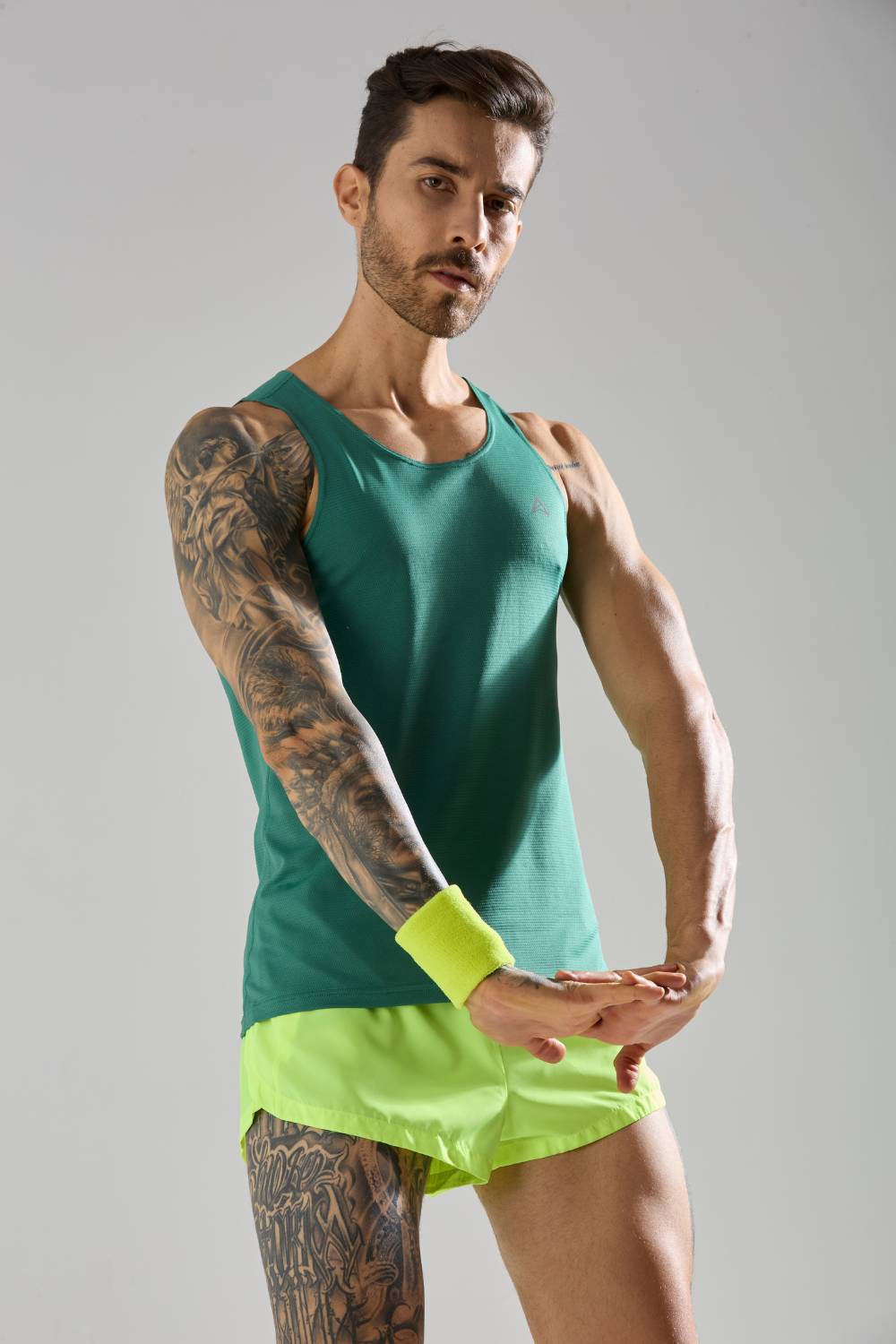
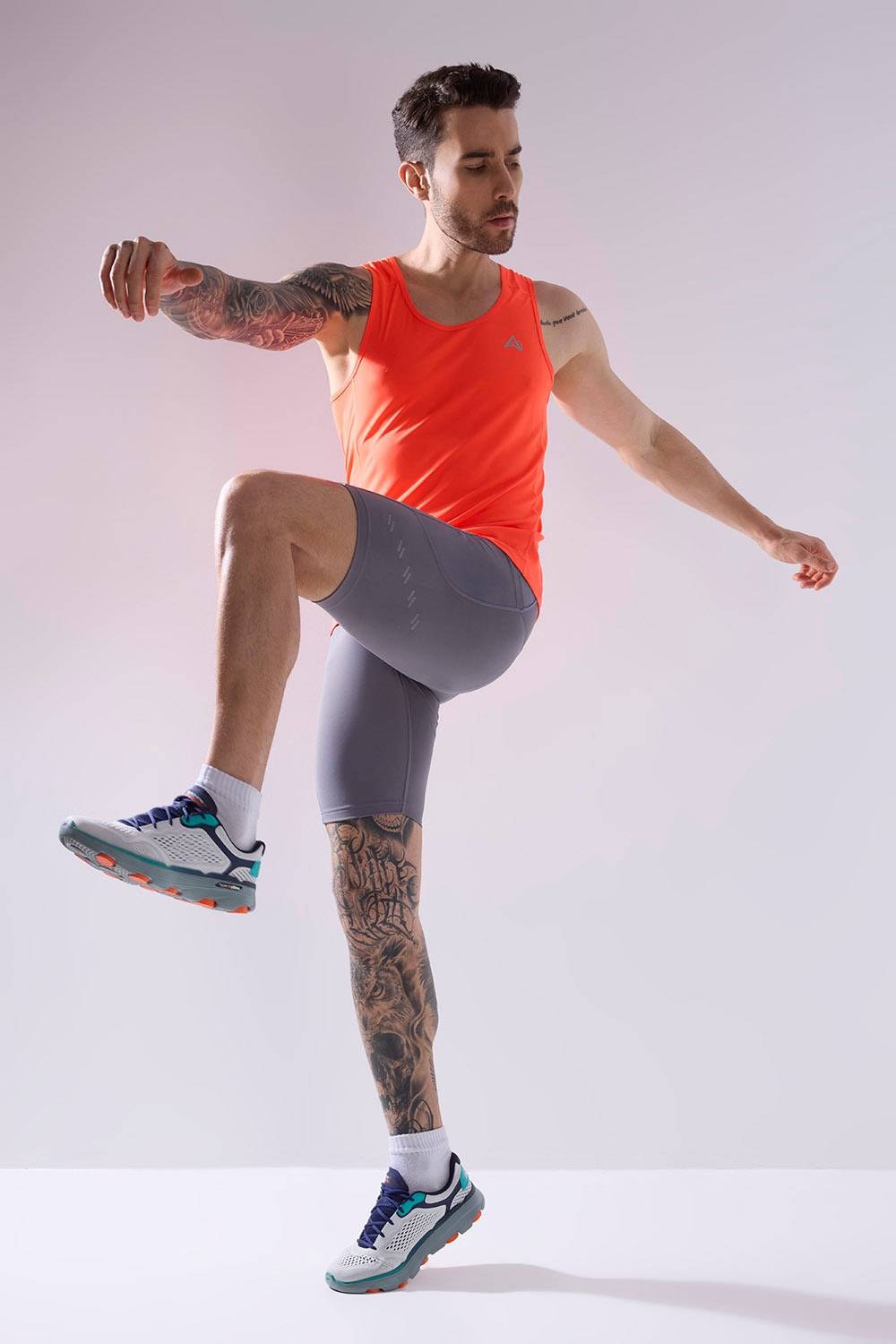
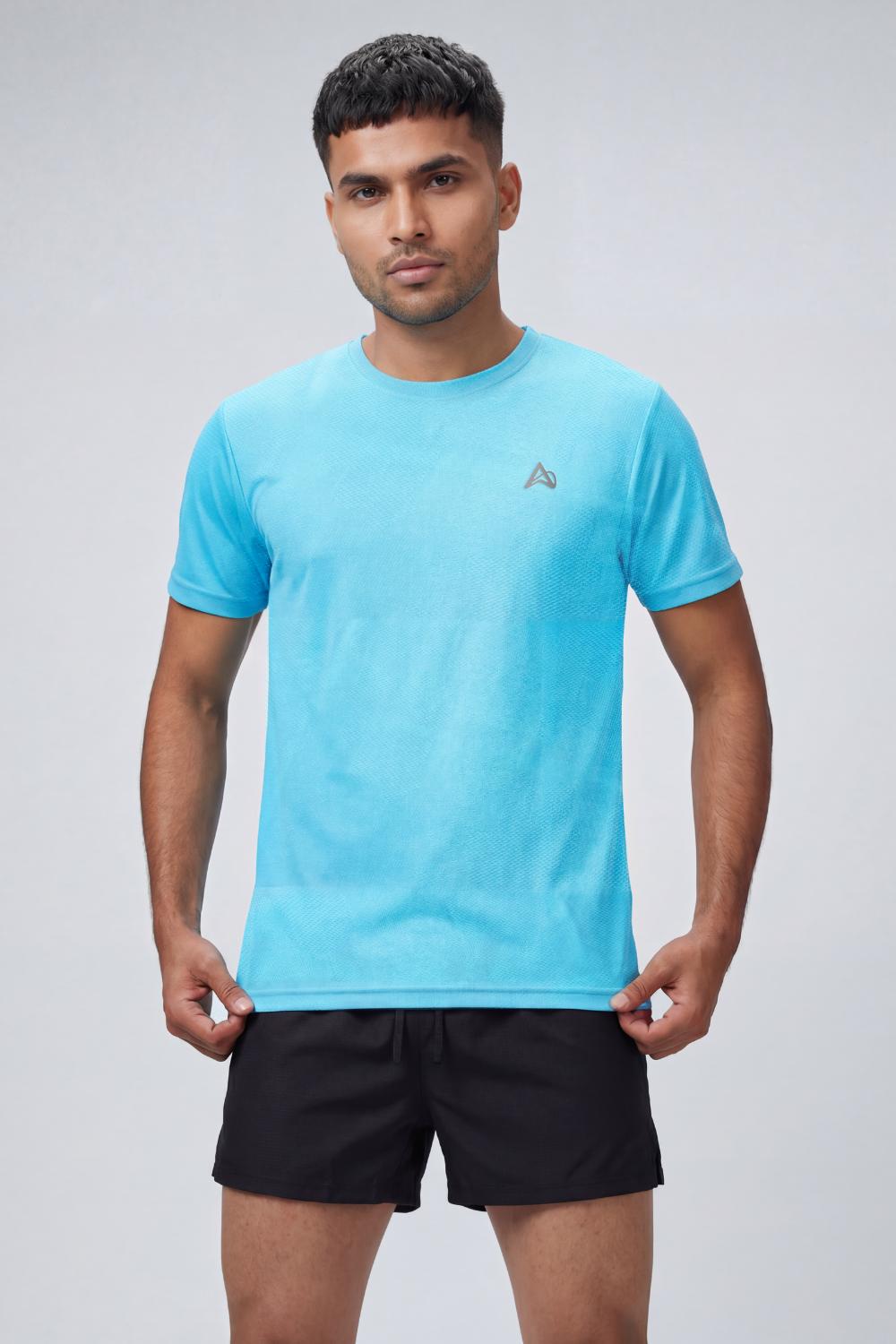
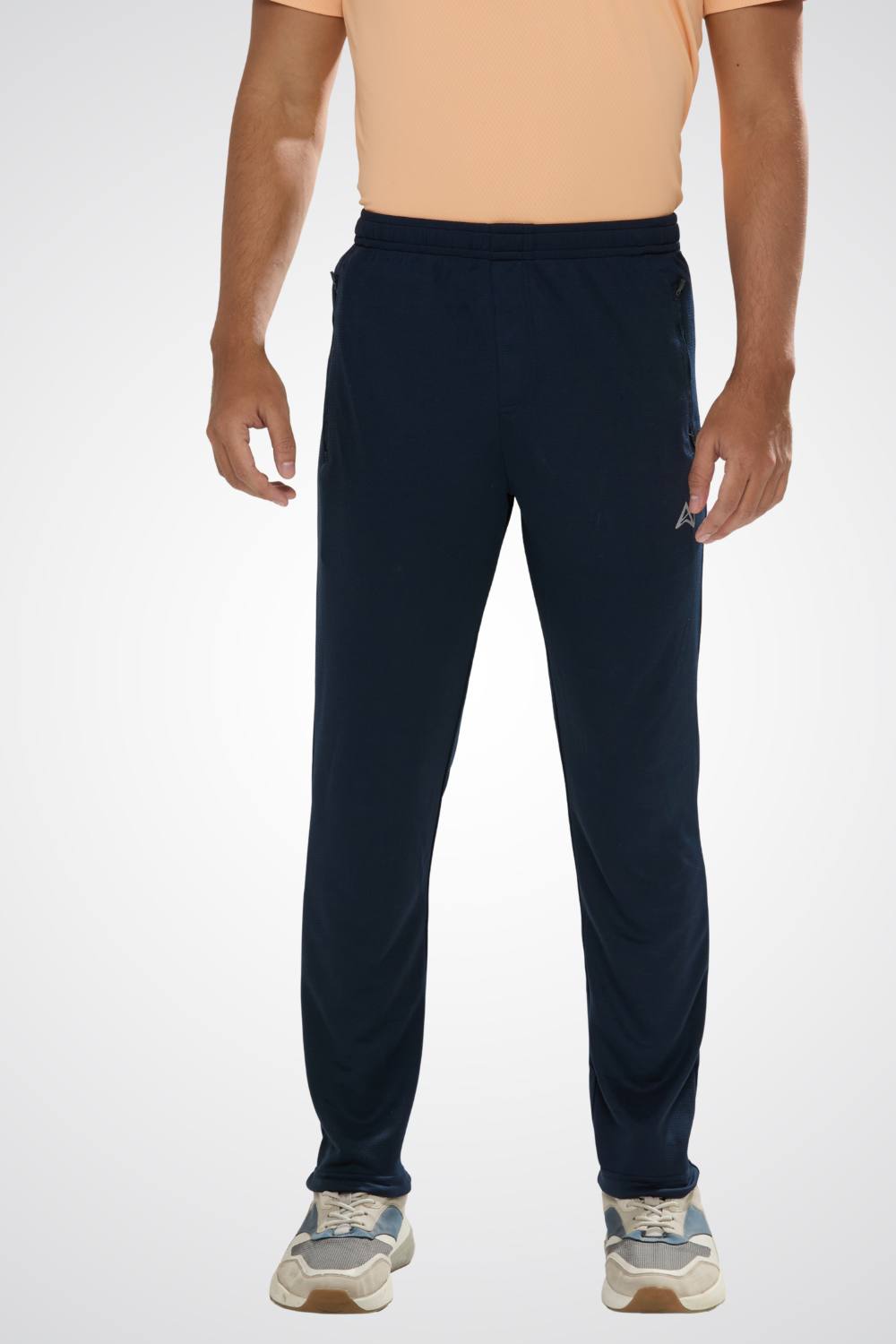
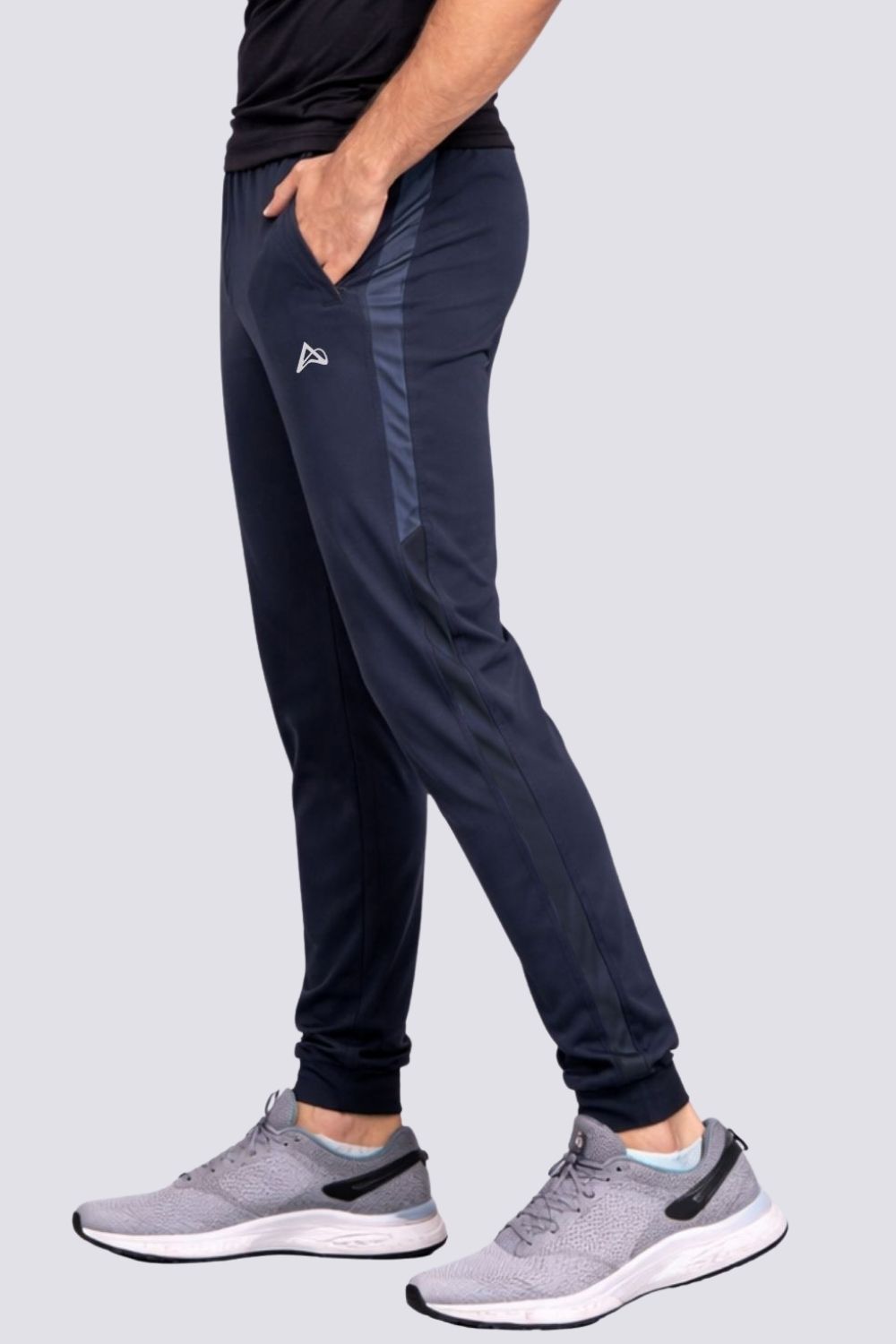
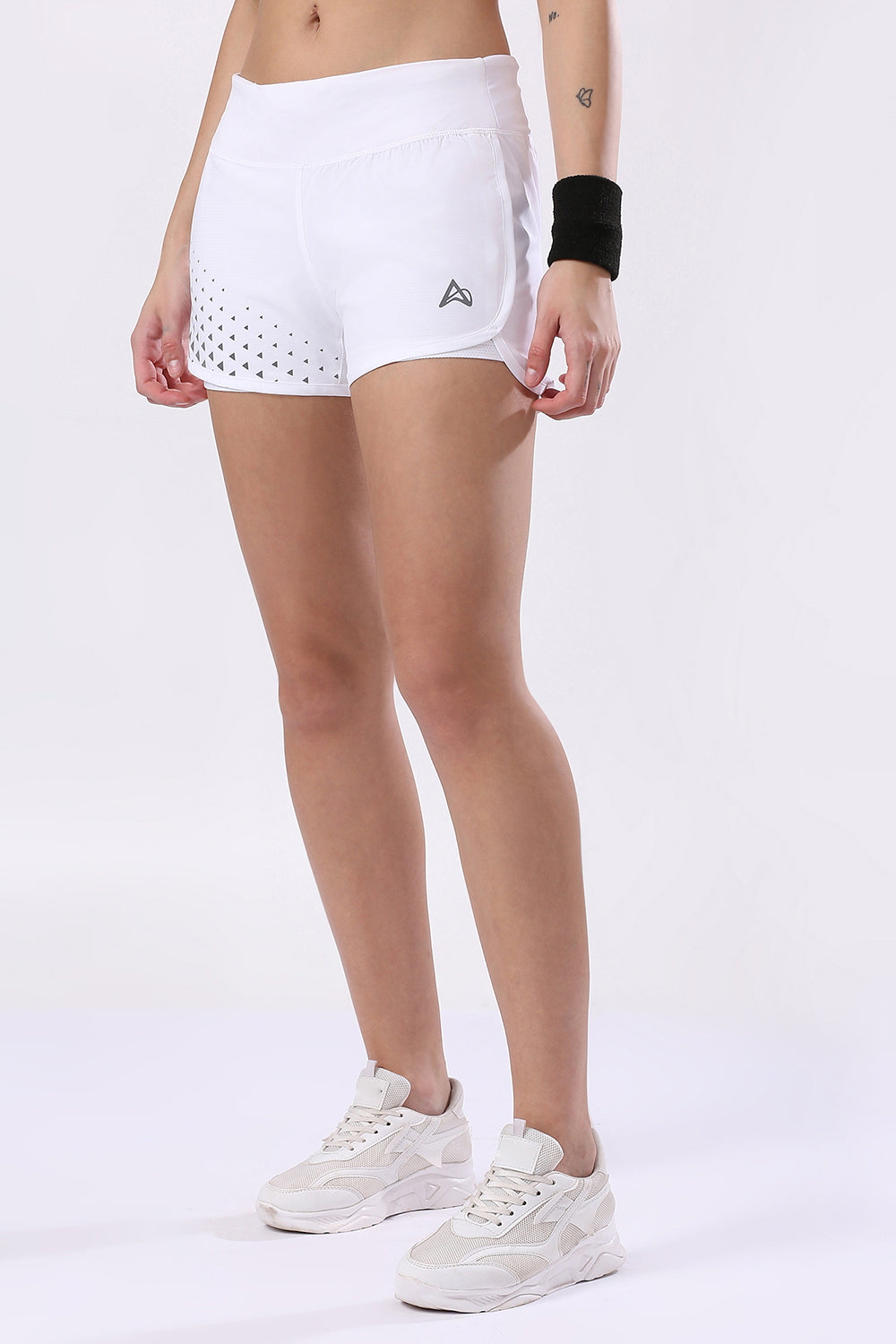

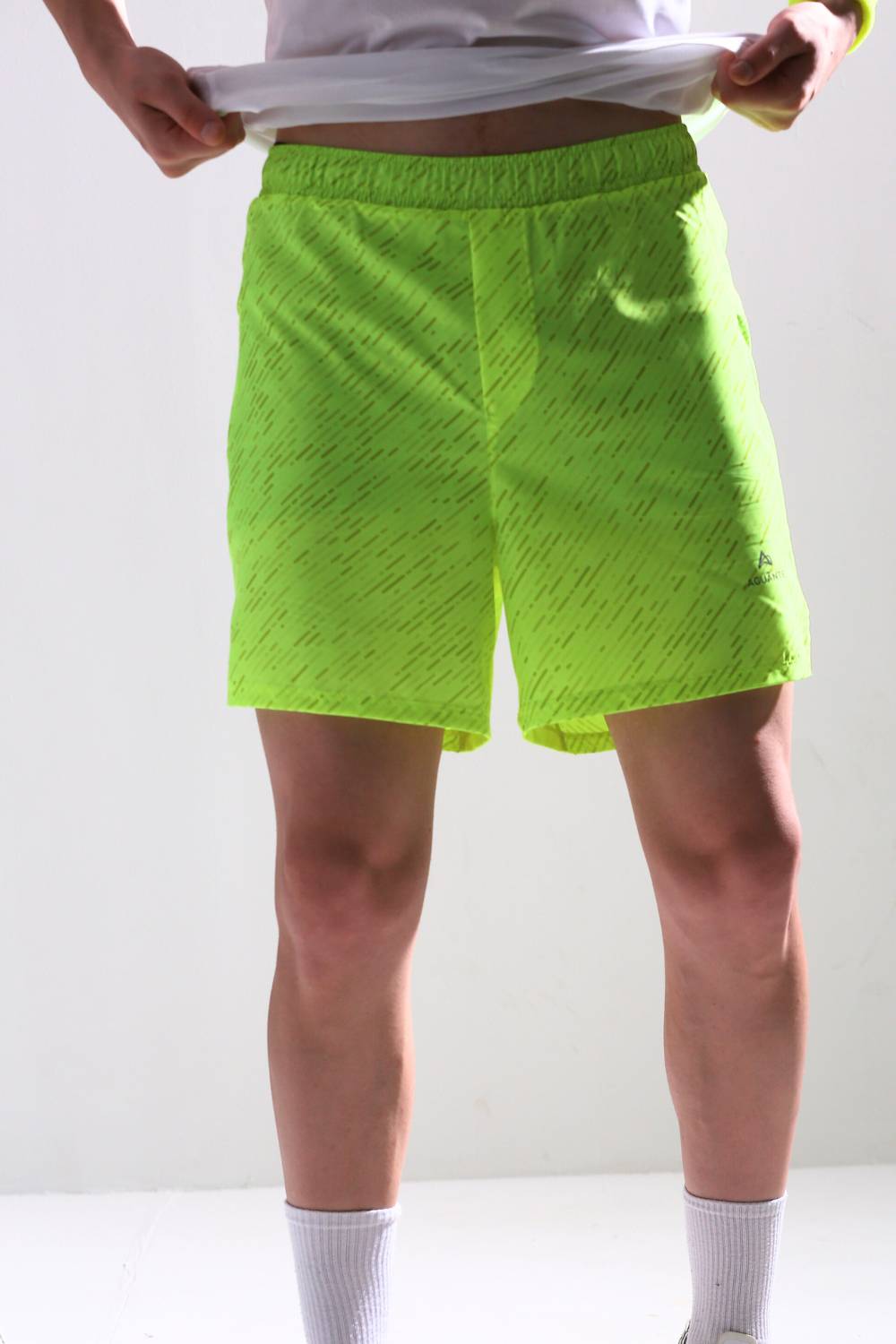

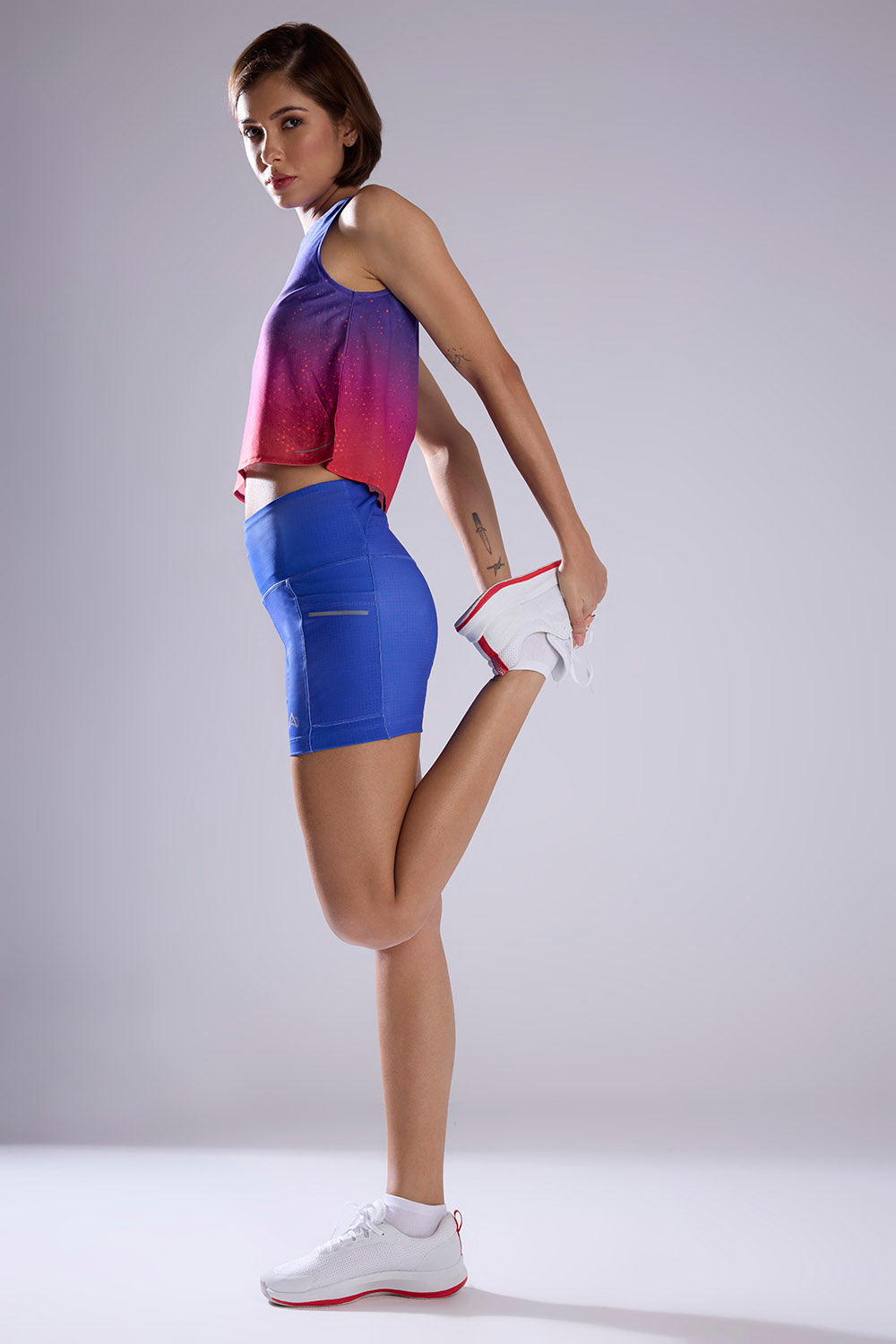
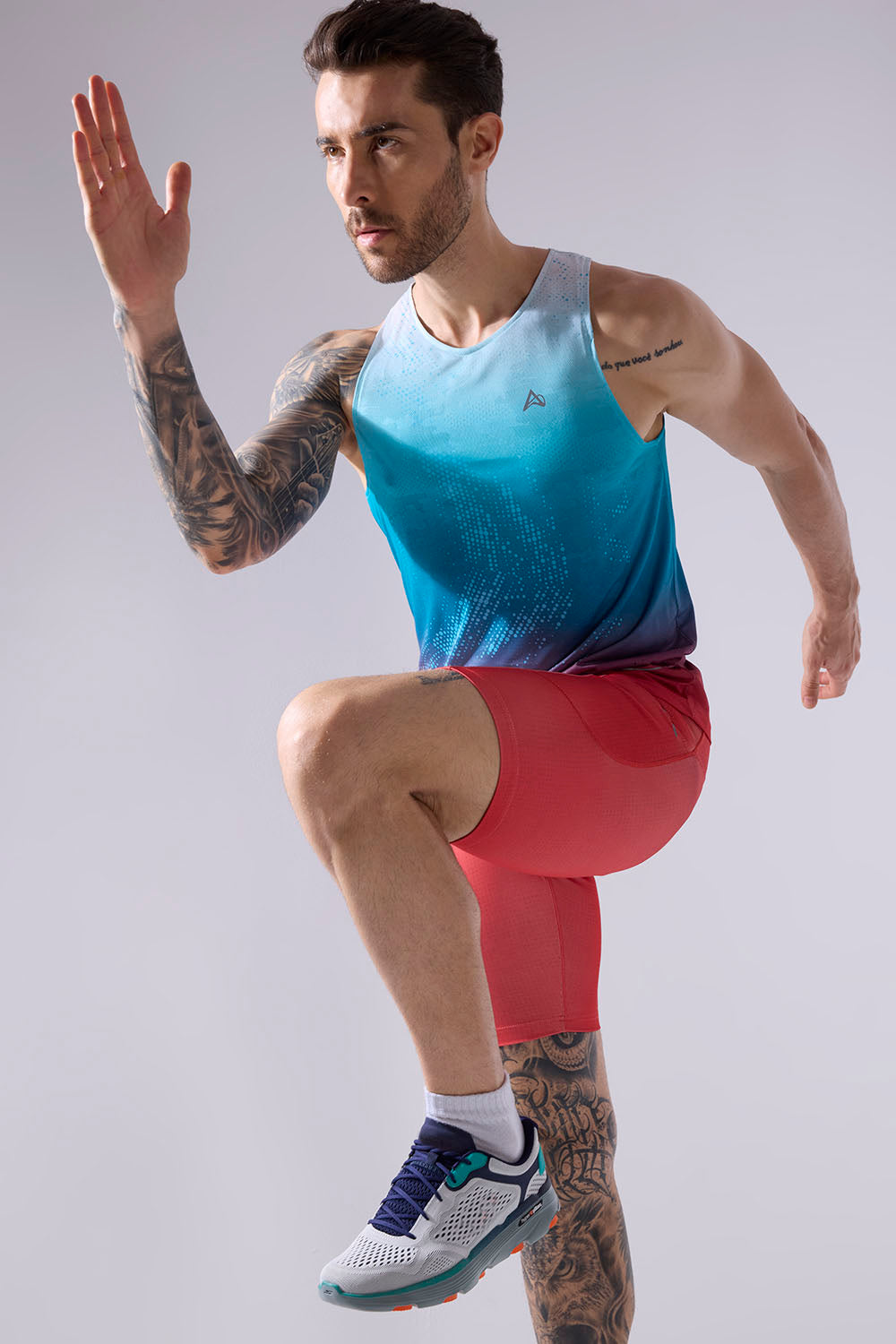

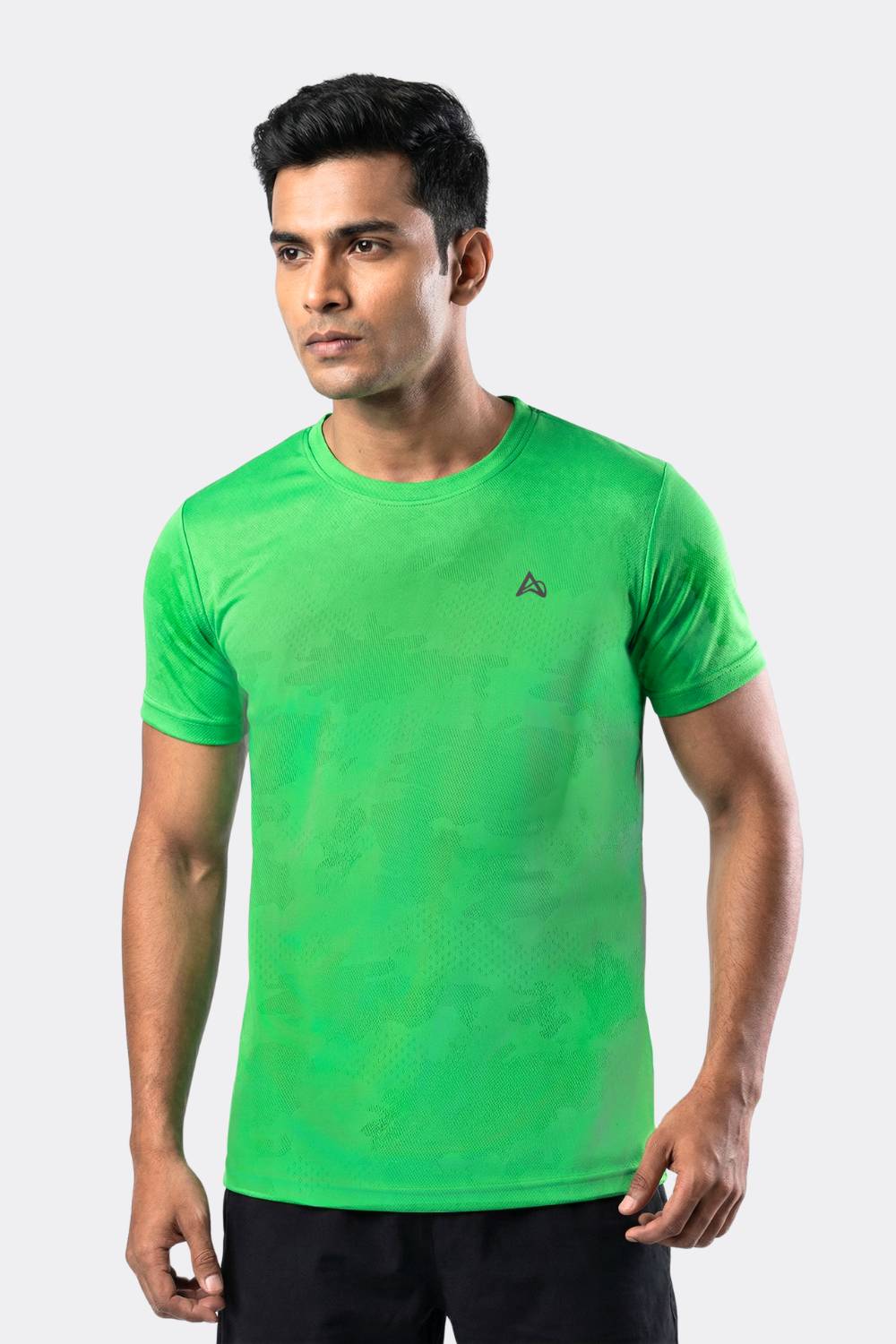
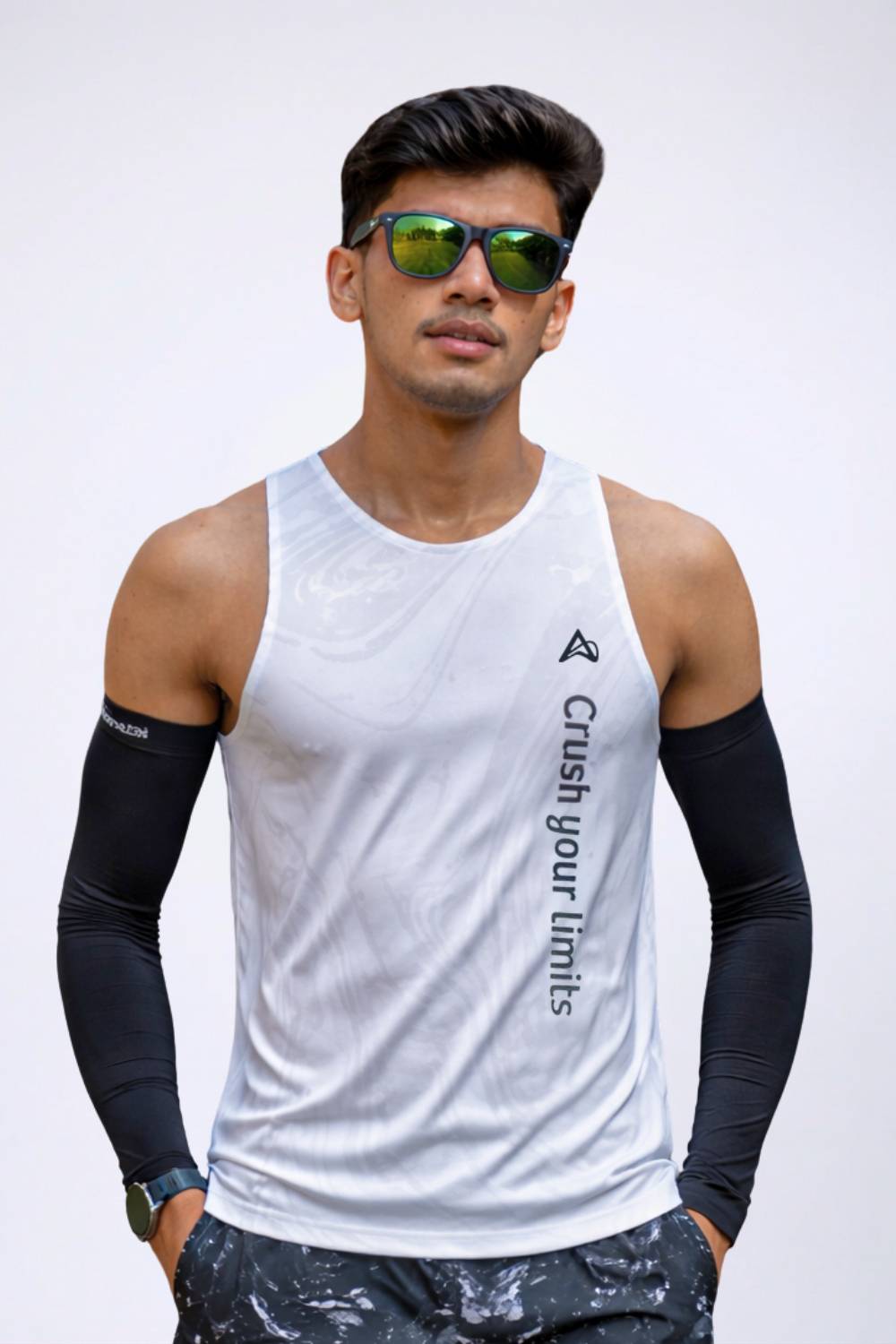

In the vibrant chaos of Mumbai's avenues or the serene dawn-lit parks of Delhi, dedicated runners defy the oppressive heat and pervasive humidity that characterize India's cityscapes. Their commitment underscores the necessity for apparel that not only endures but thrives in such environments. Exploring "Performance Apparel That Supports Runners Through Hot and Humid Conditions", we see how tailored clothing is vital for endurance enthusiasts in locales like Bangalore, Hyderabad, Pune, Navi Mumbai, Gurugram, Surat, and Ahmedabad.
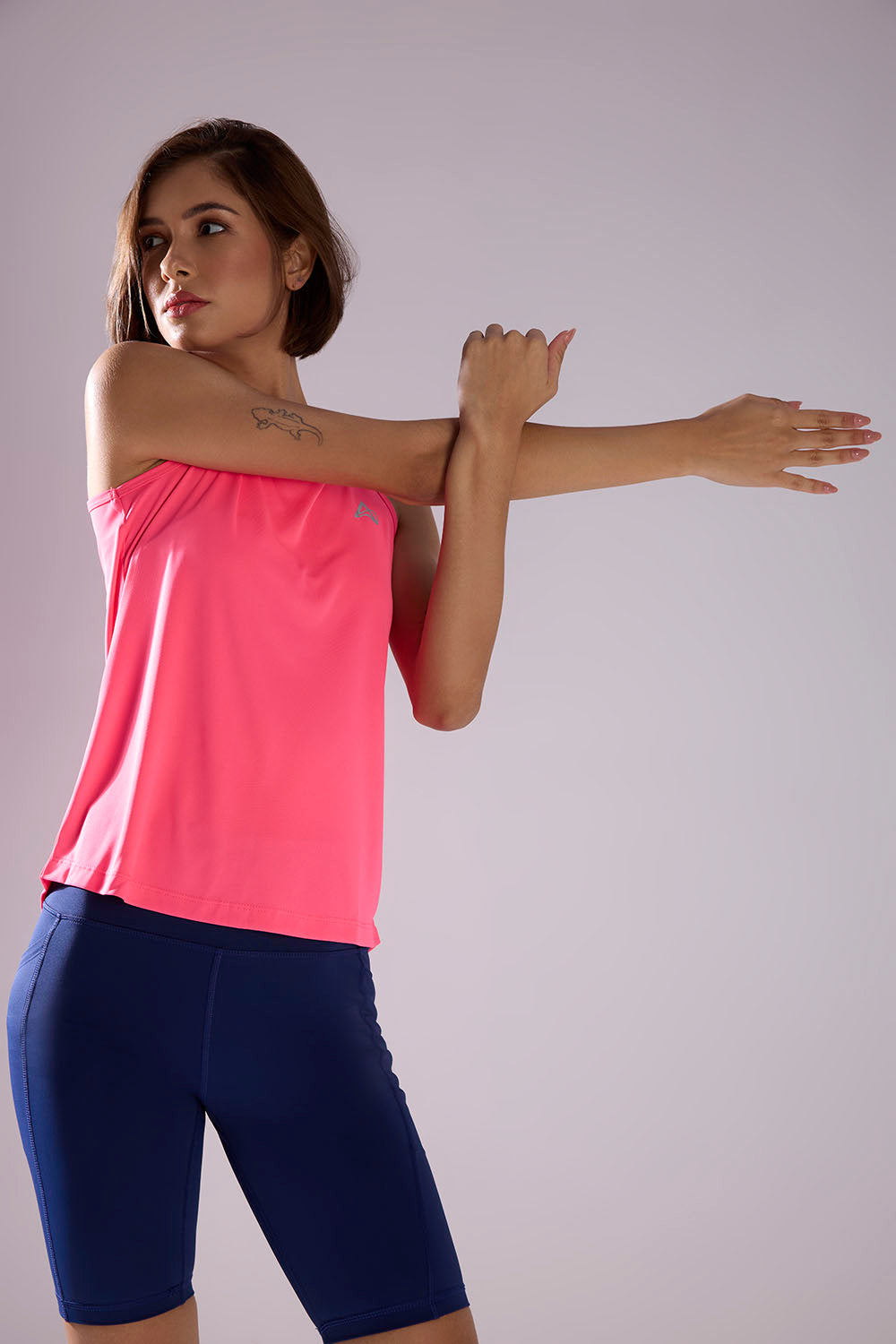
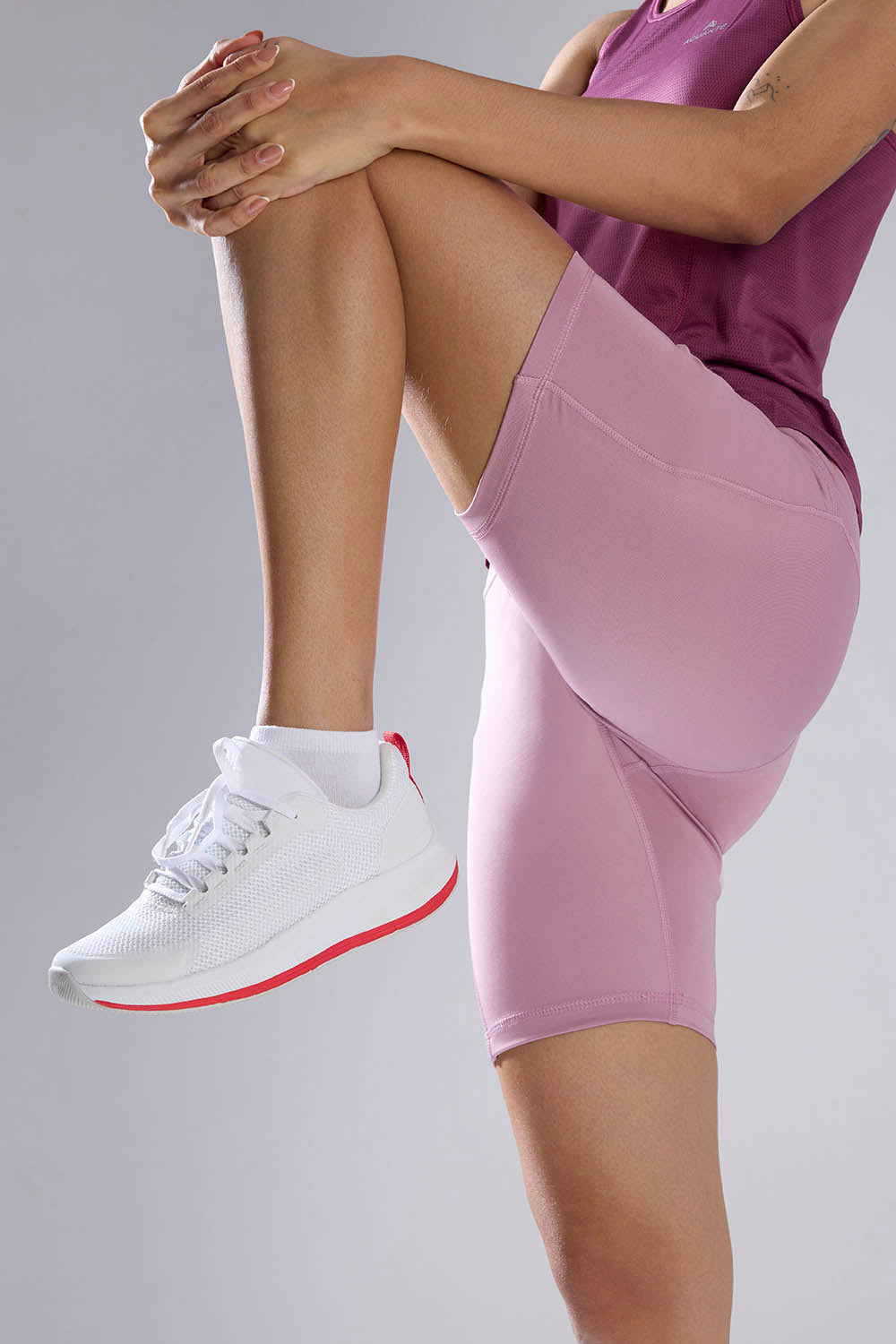
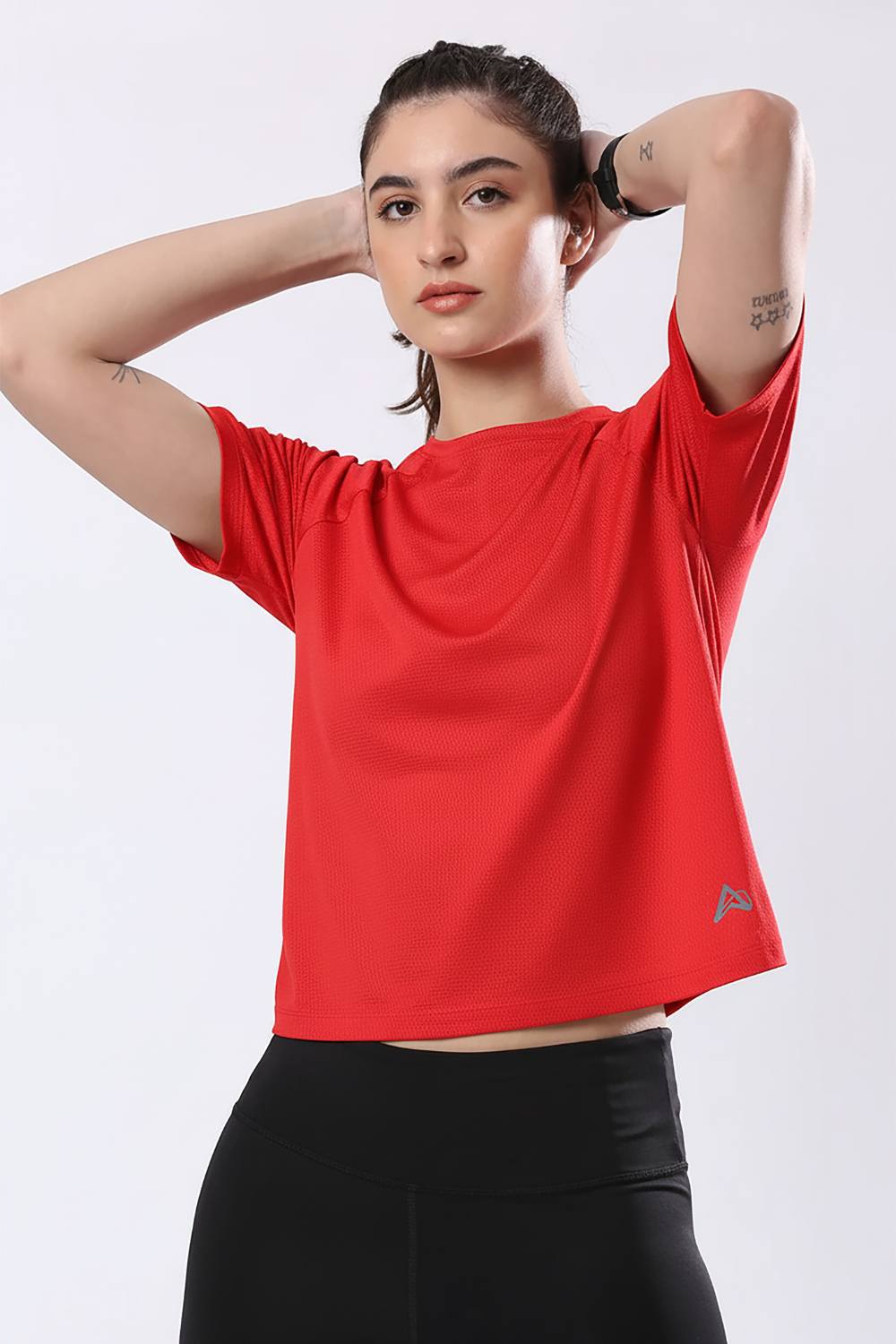
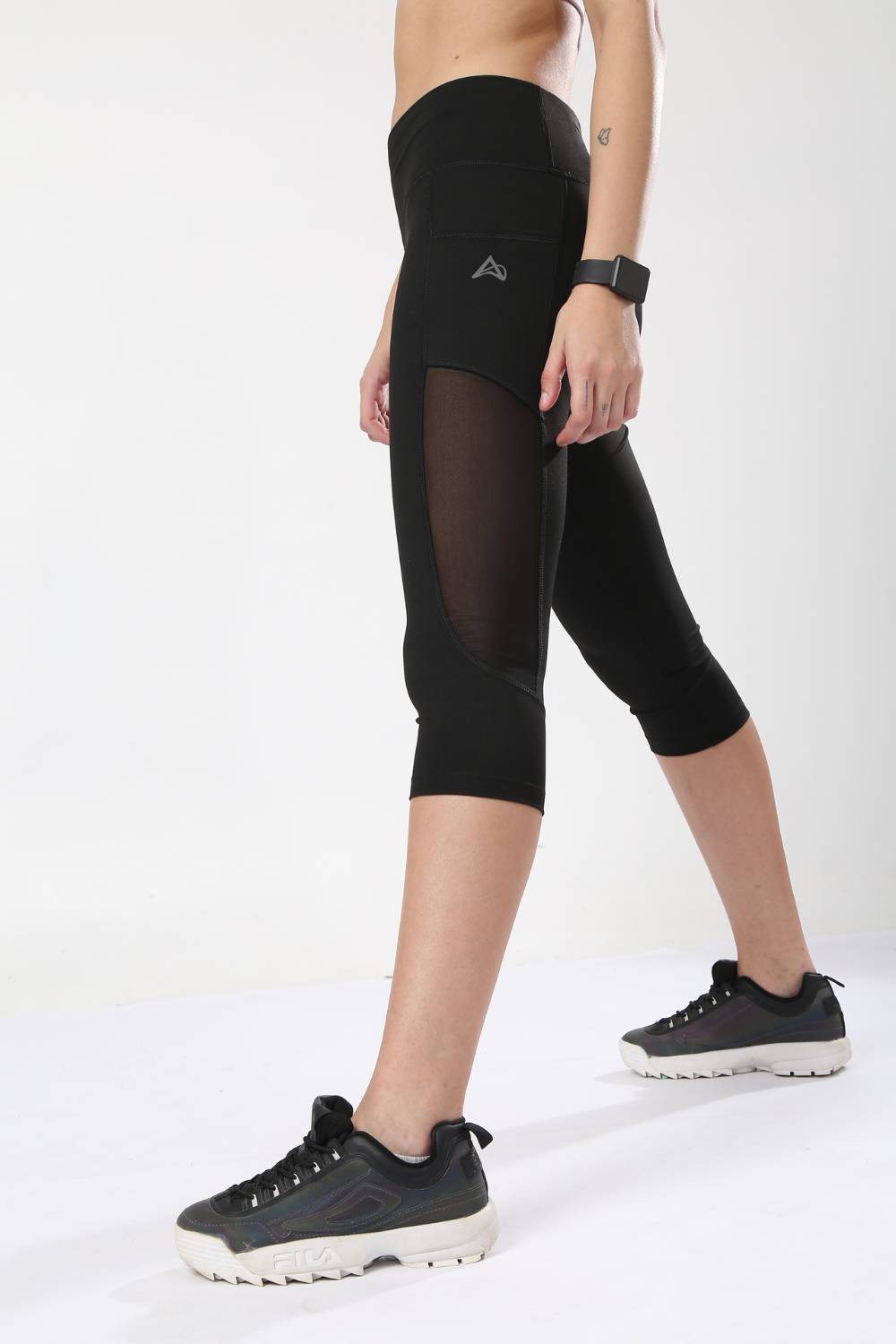
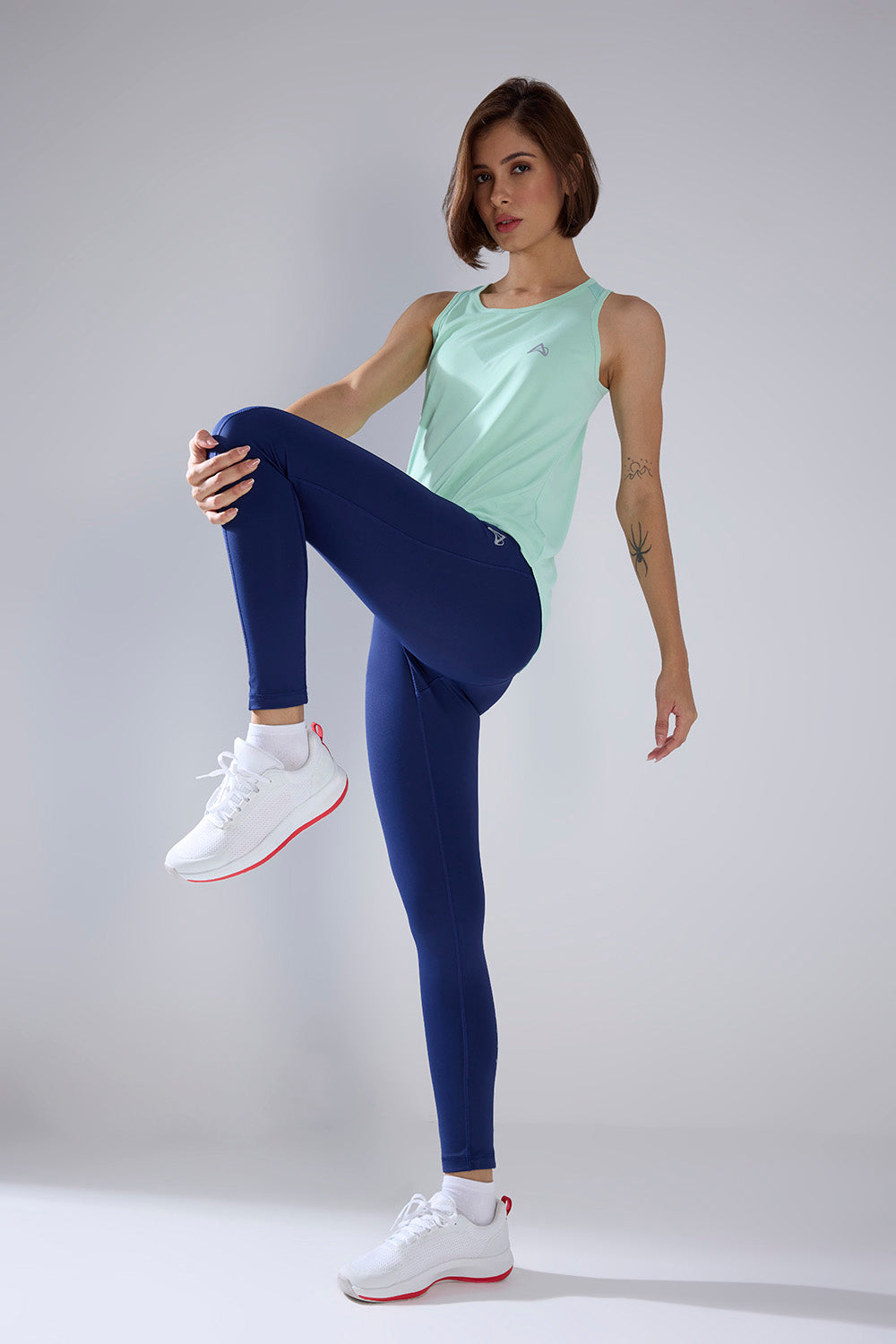
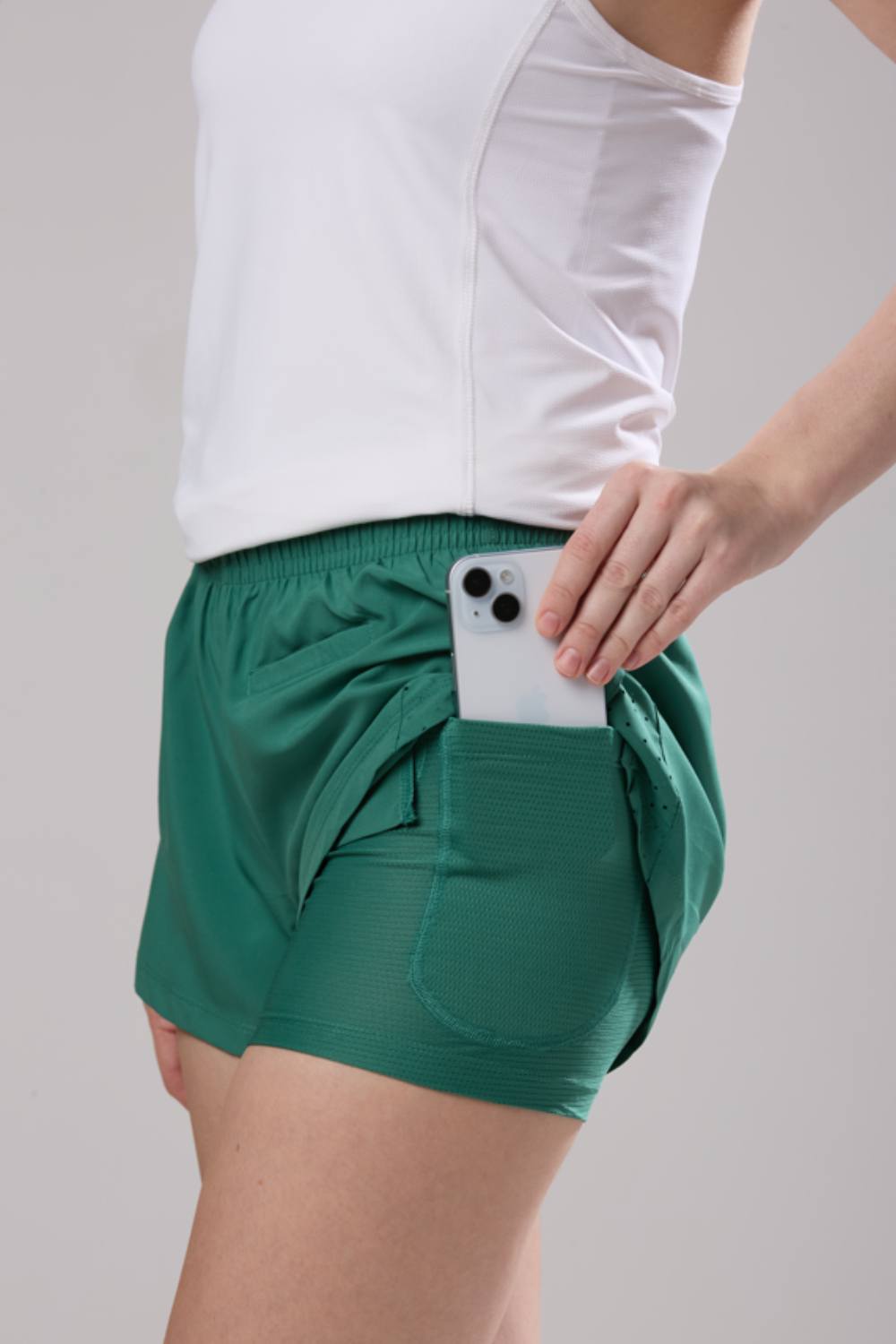
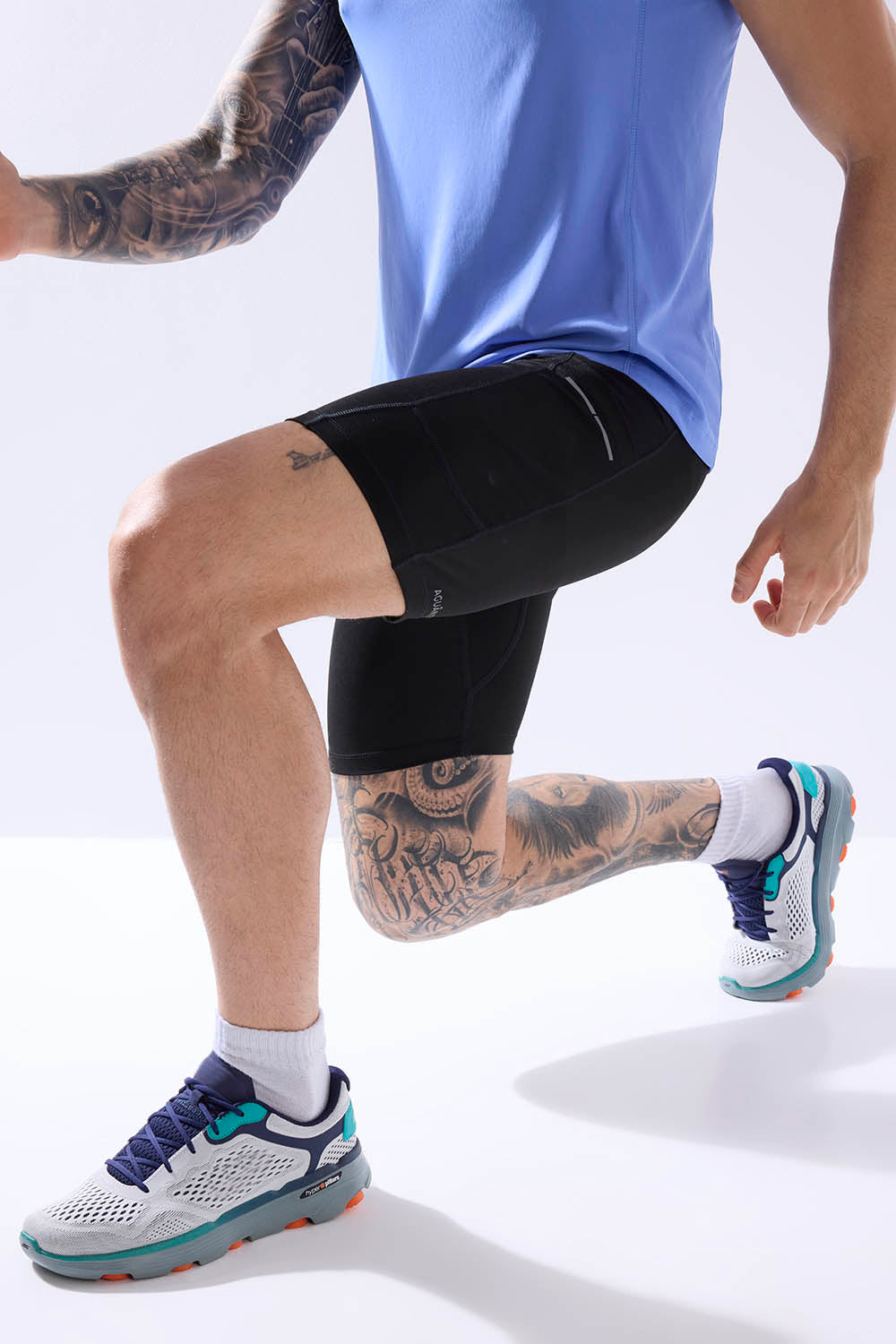
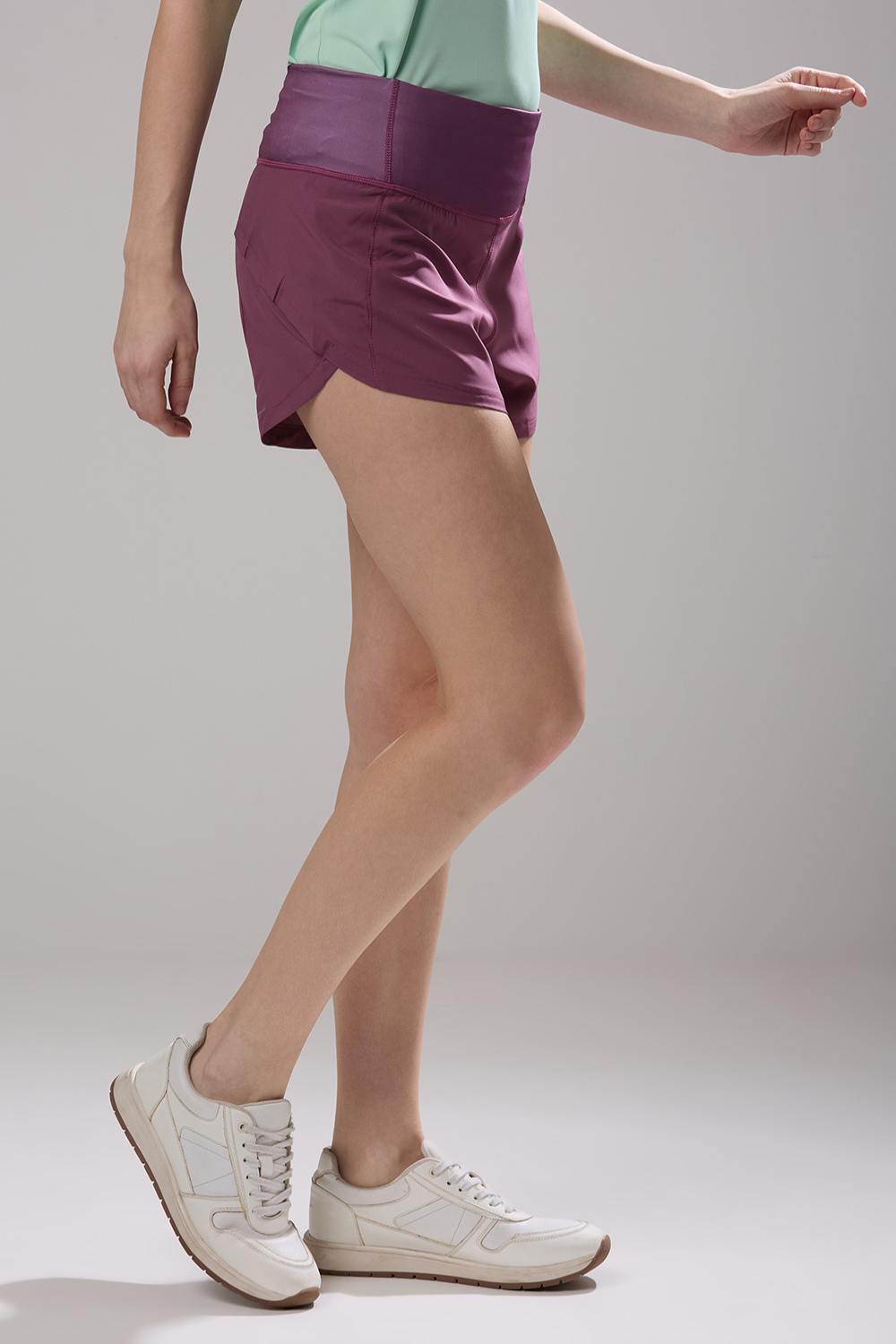
Tired of gear that slows you down? Chafing, soggy fabrics, and missing pockets kill your run's momentum. At Aguante, we're runners who get it. Our high-performance activewear features moisture-wicking fabrics, ergonomic designs, and smart storage to keep you focused. Shop Now!
The Intensifying Challenge: Humidity's Impact on Indian Runners
India's tropical weather presents formidable obstacles for runners, with temperatures frequently exceeding 30°C and humidity surpassing 80% in both coastal and interior urban areas. In Mumbai, the blend of urban heat traps and seasonal dampness turns each run into a grueling test of resilience. Delhi runners similarly contend with scorching summers and lingering humidity into the fall.
A striking example comes from the Wipro Bangalore Marathon on September 21, 2025: starting at a comfortable 21°C, humidity climbed from 88% to 94%, resulting in numerous medical cases. Cramps dominated at 55.6% in the full marathon and 46.2% in the half, alongside dizziness and fainting. This highlights humidity's role in hindering sweat evaporation, elevating body heat, and heightening risks like dehydration and heat-related ailments in places like Hyderabad and Surat.
In Gurugram and Pune, urban sprawl has diminished open areas, exacerbating tiredness from polluted air intertwined with humidity. A Delhi runner's observation on social media poignantly notes: "At only 21 AQI, it's showing poor weather for running In Delhi, people run marathons in 400+ AQI." Such scenarios necessitate clothing that effectively manages moisture to avert chafing and overheating.
Evolving Innovations in Apparel for Steamy Climates
As India's running scene flourishes, so do advancements in gear suited to sweltering, moist settings. Manufacturers are pivoting to airy, featherlight textiles such as sophisticated sweat-pulling synthetics and natural-derived options that boost ventilation while maintaining robustness.
A notable shift involves incorporating green practices, mirroring wider trends but customized for India. The women's activewear market globally hit $202.2 billion in 2024, anticipated to grow to $326 billion by 2033, fueled by increasing health concerns among women, greater involvement in activities like yoga and high-intensity training, convenient online shopping, and sustainable production methods. This apparel category encompasses outfits for exercise, crafted from fabrics that pull perspiration away, ensuring dryness and ease during workouts or casual wear.
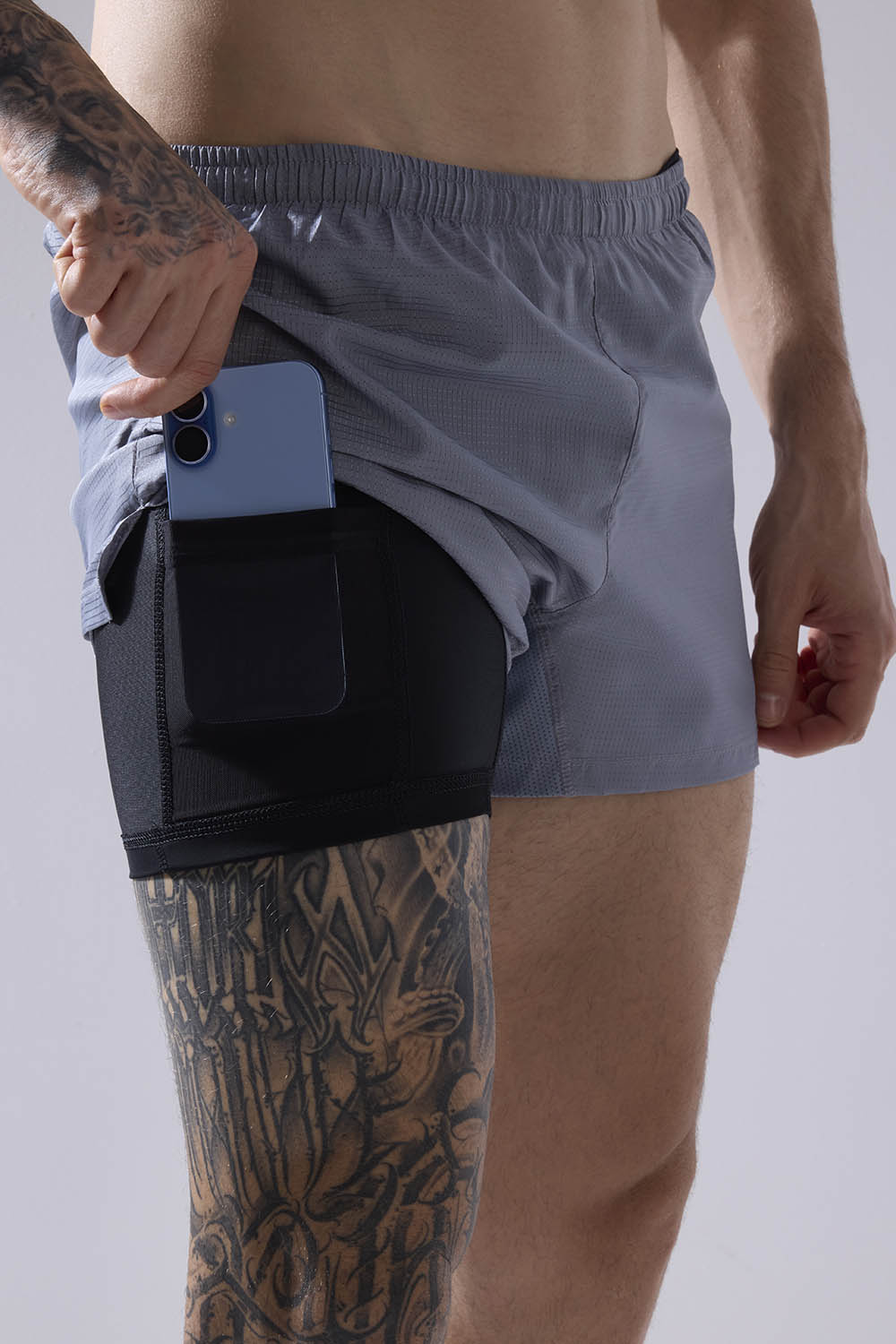
Seamless constructions and chafe-resistant interiors are popular, with additions like visibility strips for dim morning jogs in misty Delhi or Gurugram. Domestic labels prioritize runner essentials such as stable compartments that stay put perfect for toting items on damp trails in Pune's undulating landscapes or Ahmedabad's lively boulevards. Furthermore, athleisure's rise merges functionality with daily style, attracting Navi Mumbai commuters who shift from exercise to office seamlessly.
Sustainability in the Spotlight
Upcycled synthetics and botanical fibers are surging, minimizing ecological footprints while providing excellent airiness. In Surat, a textile epicenter, indigenous creators lead in these developments, syncing with the drive for environmentally aware equipment.
Practical Scenarios: Insights from India's Running Epicenters
In these focal cities, athletes rigorously evaluate performance wear. Mumbai runners navigate coastal paths where concrete holds warmth, relying on quick-dry tops and bottoms. One local expressed: "Being a runner in Mumbai is no joke, it's always hot, humid and sweaty," emphasizing gear that combats constant dampness.
Hyderabad's communal jogs in verdant spaces stress rapid-evaporating materials amid sudden downpours. A Bloomberg report on the Mumbai Marathon details overcoming "searing heat, choking pollution and dangerous roads," attributing success to adaptive clothing that supports persistence.
In Ahmedabad and Surat, event participants adjust to shifting arid-to-humid weather using UV-shielding and vented outfits. Pune studies reveal predawn workouts dodging peak warmth, favoring compressive leggings and vests with tailored contours. A Bangalore ultra-endurance athlete remarked on pollution's toll: exercise in contaminated air turns fitness into intensified pollutant inhalation, but suitable apparel lessens some hazards.
- In Delhi, seasoned runners in their sixties push through hazy dawns clad in sweat-managing strata.
- Gurugram's digital natives choose sensor-embedded tops tracking fluid levels in muggy weather.
To expand, consider how these real-life applications demonstrate apparel's role. For instance, during monsoons in Navi Mumbai, water-repellent yet breathable fabrics prevent sogginess, allowing consistent training. In Surat's industrial zones turned running paths, durable materials withstand abrasive surfaces while wicking away sweat efficiently. These stories illustrate not just survival but optimization in challenging climates.
Core Obstacles and Hazards in Muggy Running Settings
Humidity accelerates fluid loss since perspiration lingers on skin, disrupting natural cooling and causing salt imbalances. In metropolises like Mumbai and Delhi, this merges with contaminants, amplifying breathing stress joggers inhale volumes akin to smoking during sessions.
Wet fabric-induced irritation plagues Hyderabad's rainy seasons, while Pune and Navi Mumbai's varied grounds require resilient, adaptable kit. Dangers encompass heatstroke, evident in Bangalore races, and chronic effects from subpar air in Gurugram and Ahmedabad. Off-the-shelf clothing, often for milder weathers, underperforms here, fostering unease and diminished output.
Addressing these demands gear with odor-fighting traits to counter sweat smells in Surat's humid work-to-run transitions. Moreover, urban pollution multiplies intake during exertion, with studies showing runners absorb 5-10 times more toxins, underscoring the need for protective yet performative designs.
Prospects and Commercial Influences in India's Sportswear Arena
The burgeoning running ethos opens substantial avenues. India's activewear sector, valued at over $15 billion in 2024, is set to nearly double by 2030, propelled by city dwellers embracing wellness amid busy lives.
Regional hubs like the north (Delhi, Gurugram), west (Mumbai, Pune, Ahmedabad, Surat), and south (Bangalore, Hyderabad) drive this expansion through digital retail on sites like Myntra and Amazon. Native brands such as Aguante leverage this by supplying budget-friendly, athlete-vetted items featuring sweat-control cloths and safety accents, aiding sportspeople in these environs.
Commercial effects span employment in Surat's production centers and broader outlets in Pune. Complimentary delivery and exchanges enhance online operations, as influencers via Instagram, Facebook, and YouTube propel fashions.
Broad Economic Waves
This sector's ascent fosters creativity, with homegrown adaptations surpassing foreign alternatives in fitting local physiques and climes. It also encourages community events, boosting local economies through marathons and fitness gatherings.
Forward Perspectives: Specialist Views and Advice
Authorities foresee ongoing focus on mixed materials uniting eco-friendliness and efficacy. A brand specializing in tropical gear states: gear for hot, humid climates must emphasize thermoregulation, with innovations like cooling vests and meshes keeping athletes composed.
For urban runners here, suggestions involve selecting items with reliable storage, friction-free interiors, and permeable structures. Labels attuned to regional demands, providing tanks, shorts, and tights for all genders, are poised to dominate. Upcoming visions include intelligent cloths gauging moisture, mitigating threats in Delhi's smog or Mumbai's swelter.
In essence, outfitting runners with deliberate equipment elevates not only their runs but fortifies group endurance against environmental trials. As evidenced in Mumbai's thriving scene, India's running surge persists undeterred with apt apparel ensuring each step advances progress.
Frequently Asked Questions
What type of running apparel is best for hot and humid conditions in Indian cities like Mumbai and Bangalore?
For India's hot and humid climate, runners should look for lightweight, moisture-wicking fabrics that pull sweat away from the skin and promote rapid evaporation. Seamless constructions with chafe-resistant interiors are highly recommended, as wet fabric friction is a common problem during humid runs. Features like mesh ventilation panels, UV protection, and secure pockets add further performance benefits for city runners navigating coastal heat or urban sprawl.
How does high humidity affect runner's health and performance during races in India?
High humidity often exceeding 80% in cities like Mumbai, Hyderabad, and Bangalore significantly impairs the body's natural cooling mechanism by preventing sweat from evaporating efficiently. This leads to elevated core body temperature, faster dehydration, electrolyte imbalances, and increased risk of heat-related illnesses like cramps and heatstroke. At the 2025 Wipro Bangalore Marathon, for example, humidity levels between 88–94% contributed to widespread medical cases, including cramps affecting over 55% of full marathon participants.
Are there sustainable running apparel options designed specifically for India's tropical climate?
Yes, the Indian activewear market is increasingly embracing eco-friendly innovations tailored to tropical conditions. Brands particularly those based in textile hubs like Surat are producing apparel from upcycled synthetics and botanical fibers that offer superior breathability while reducing environmental impact. India's activewear sector, valued at over $15 billion in 2024 and projected to nearly double by 2030, is seeing homegrown labels lead in creating sustainable, climate-specific gear that outperforms generic international alternatives.
Disclaimer: The above helpful resources content contains personal opinions and experiences. The information provided is for general knowledge and does not constitute professional advice.
You may also be interested in: Running Apparel Designed for India's Hot and Humid Climate
Tired of gear that slows you down? Chafing, soggy fabrics, and missing pockets kill your run's momentum. At Aguante, we're runners who get it. Our high-performance activewear features moisture-wicking fabrics, ergonomic designs, and smart storage to keep you focused. Shop Now!
Powered by flareAI.co