



Quick Listen:
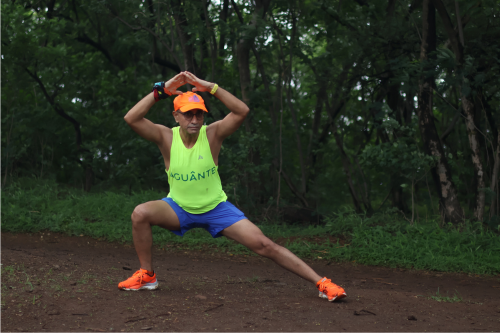
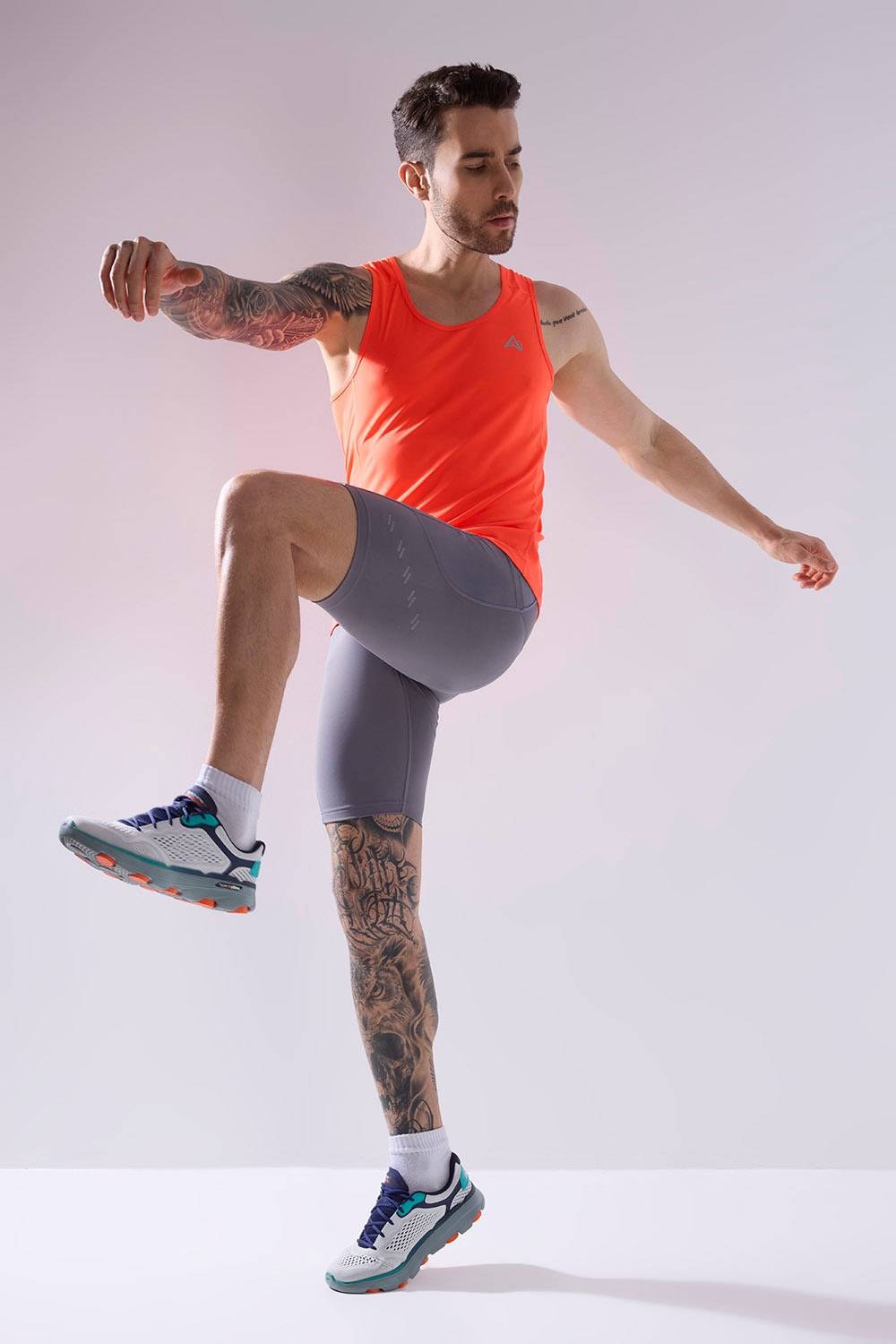
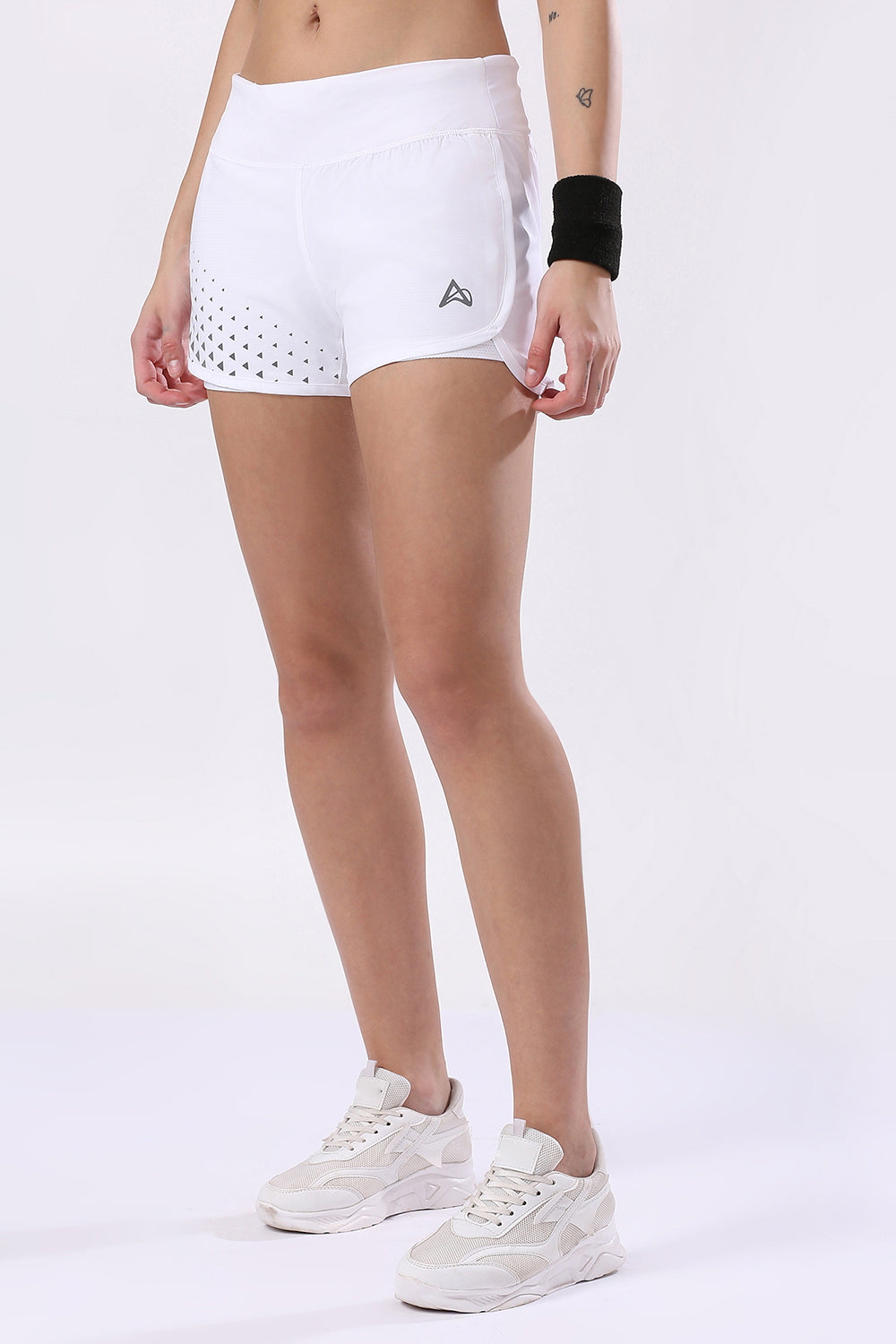
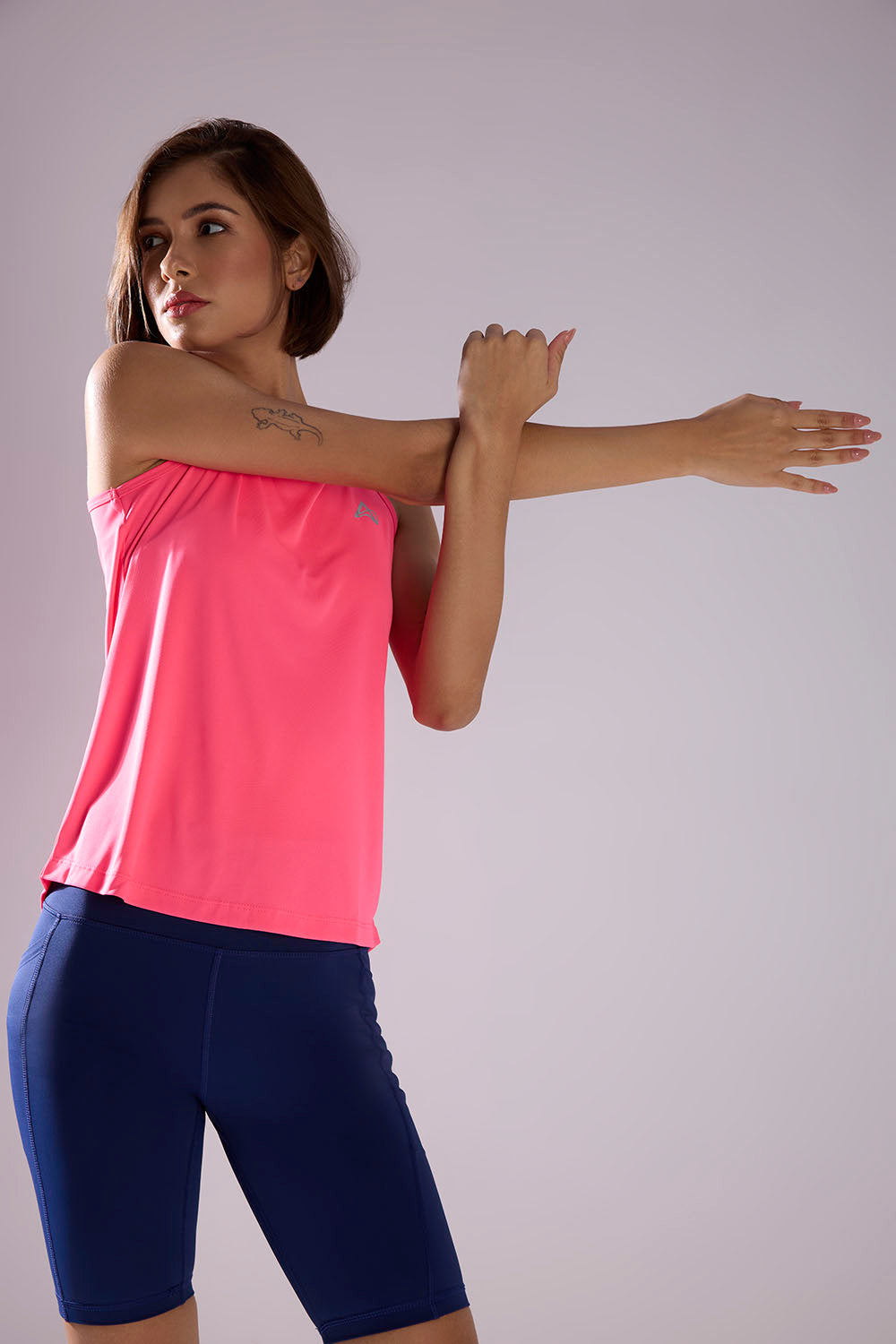
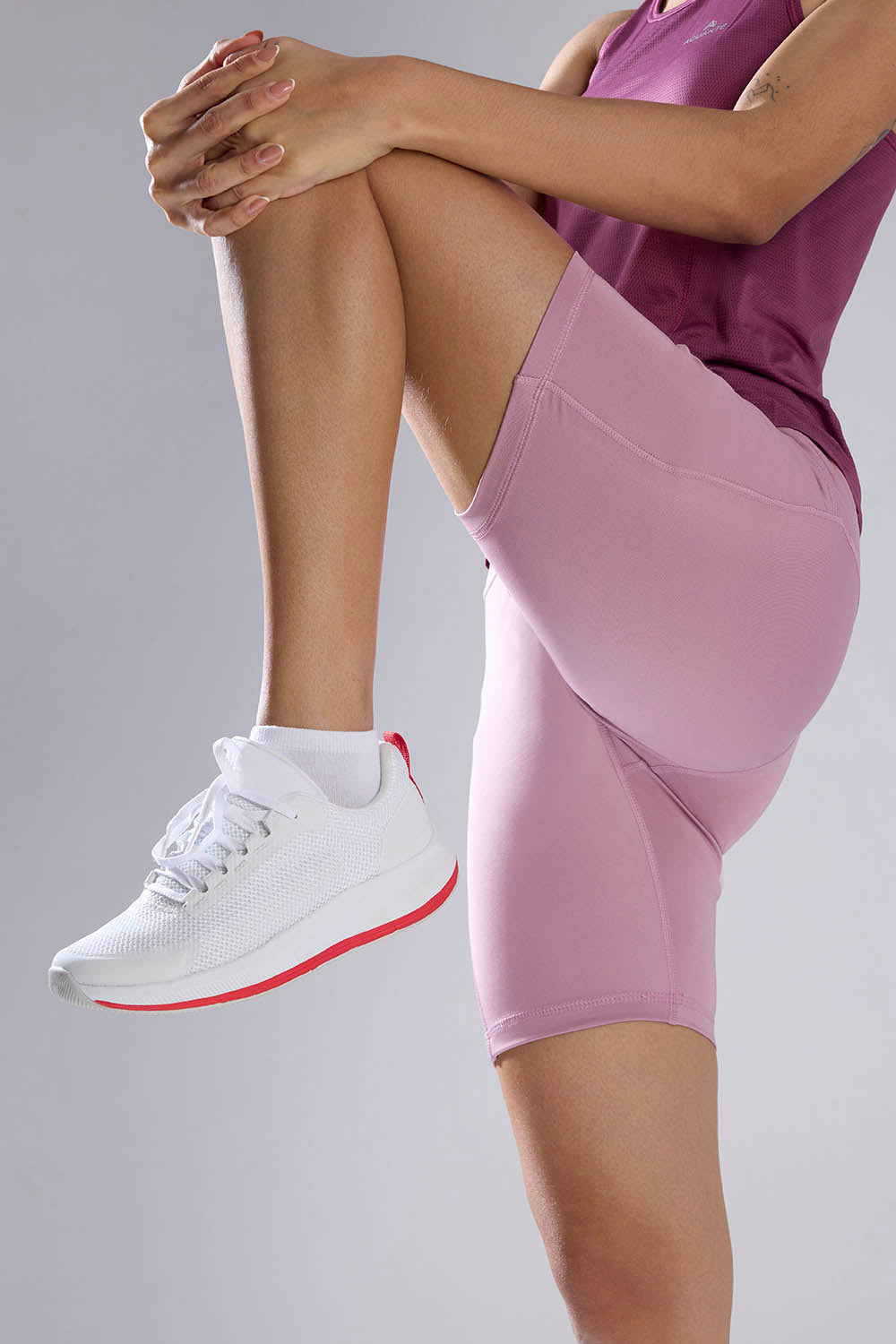
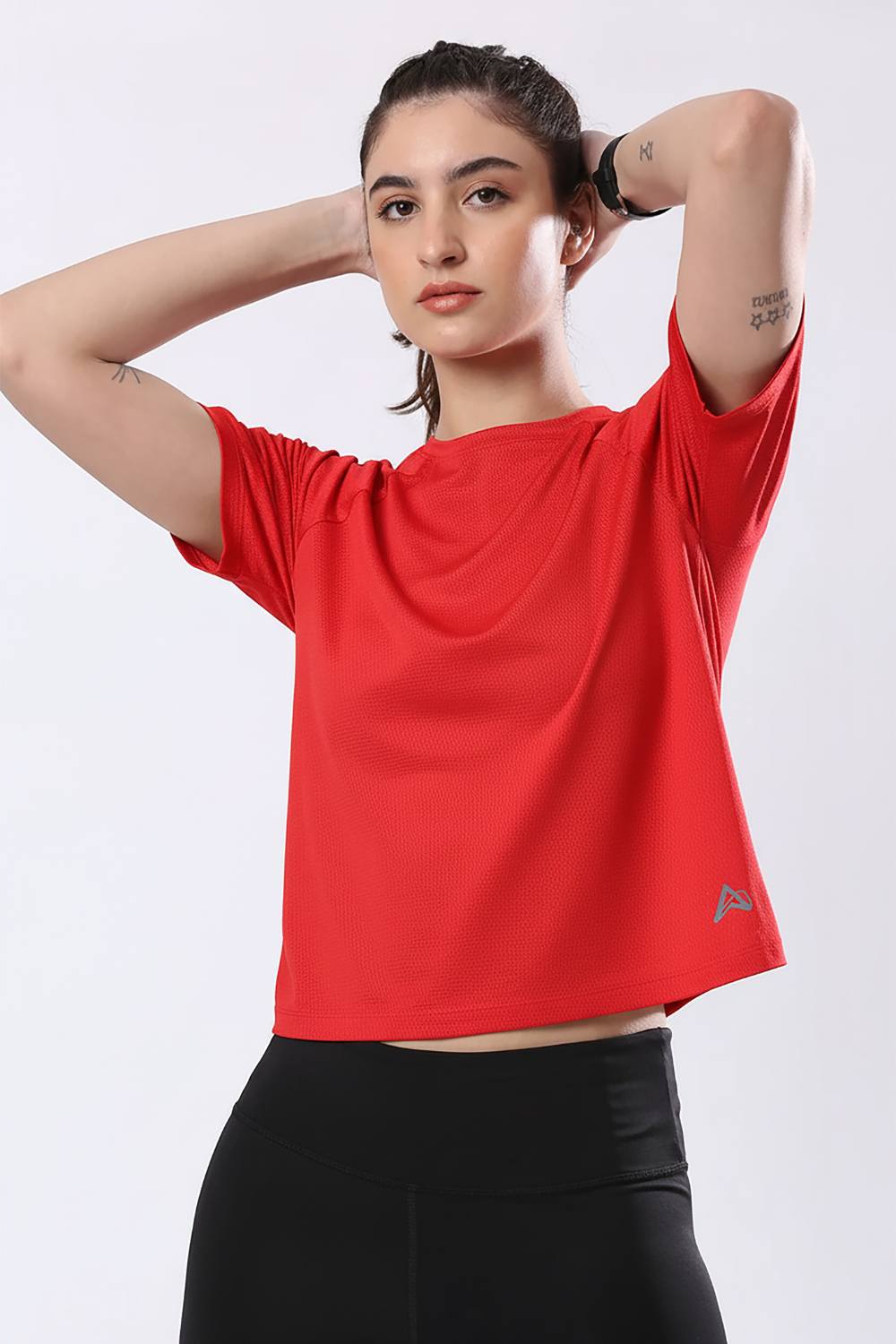
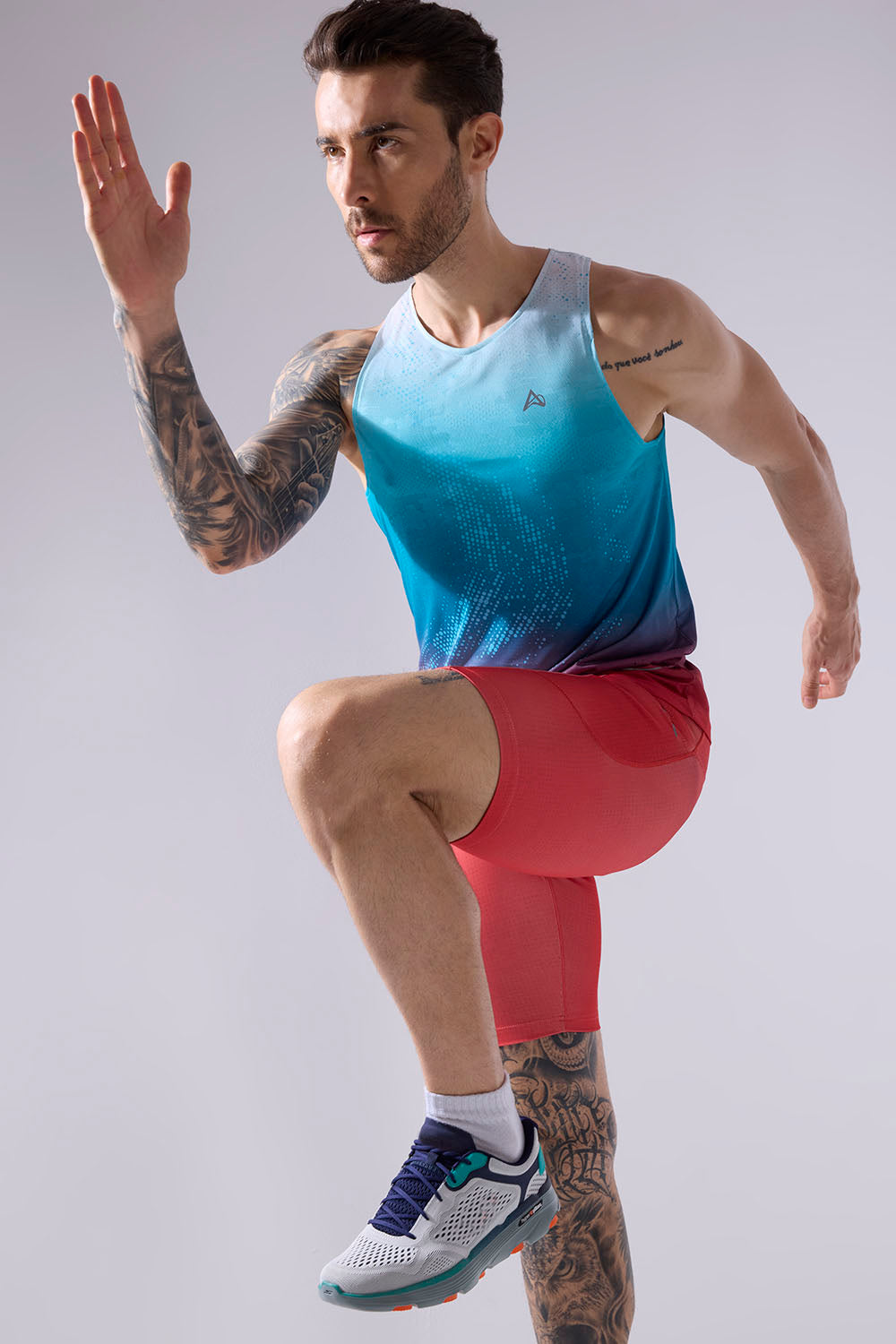
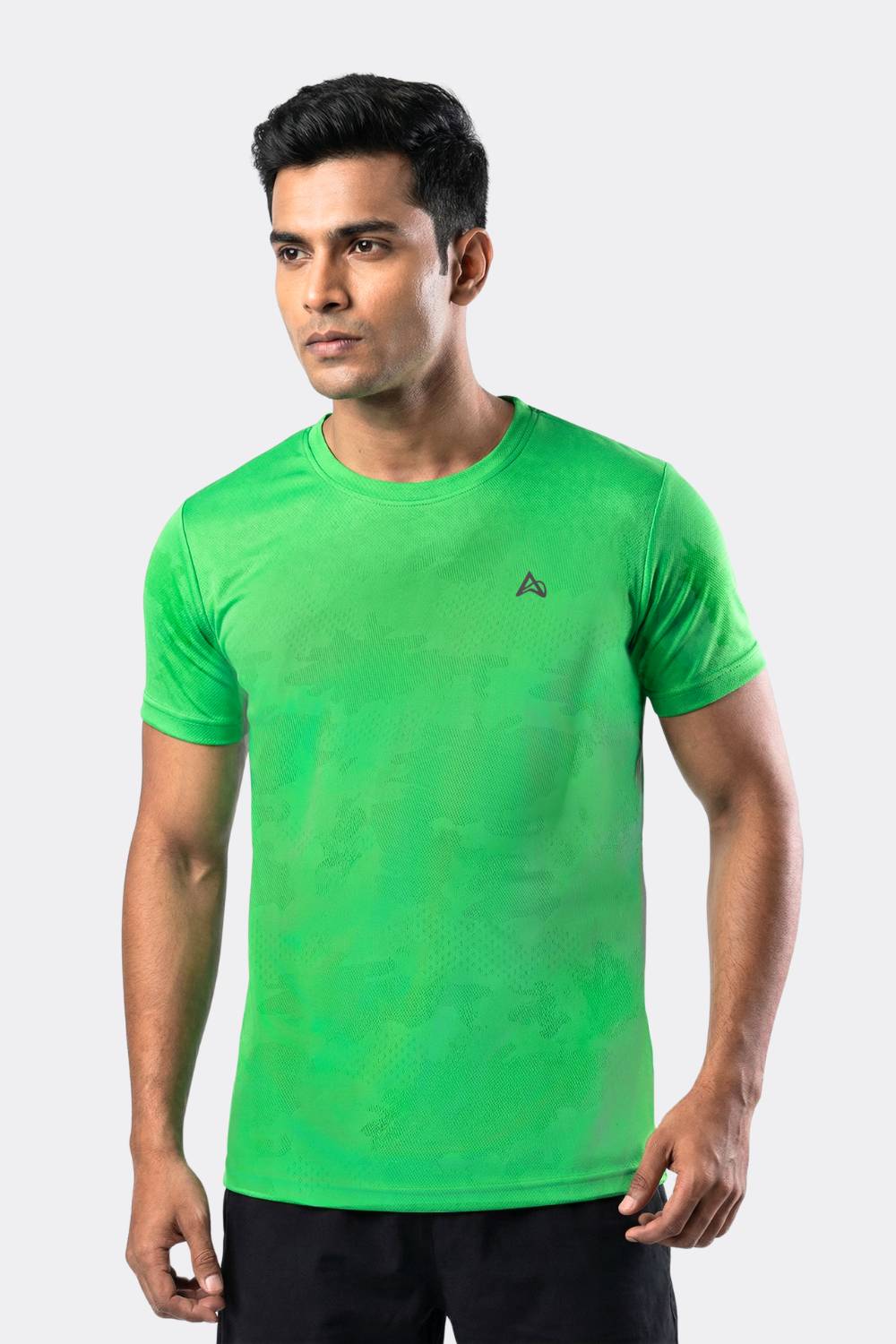
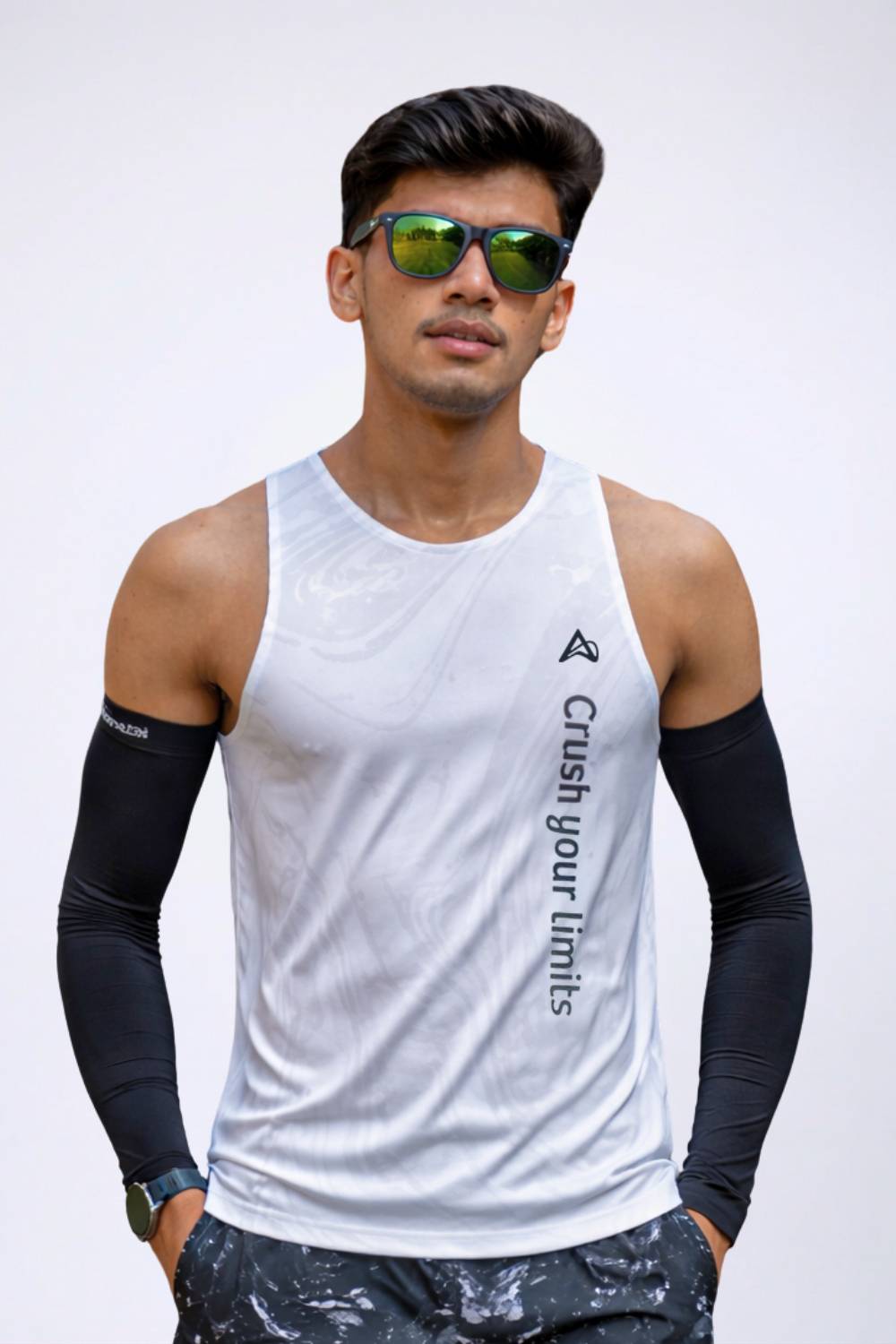
The surge in running across India's bustling metros has transformed predawn pavements and weekend park loops into real-world laboratories for gear that actually works. In cities such as Bangalore , Hyderabad , Mumbai , Pune , Navi Mumbai , Delhi , Gurugram, Surat , and Ahmedabad , runners increasingly reject generic imported kits ill-suited to relentless humidity, broken sidewalks, and abrupt weather shifts. They now favor performance apparel crafted by those who run the same streets, with brands like Aguante delivering clothing engineered precisely for India's demanding conditions.
This movement goes beyond aesthetics. It centers on clothing that endures a muggy 30°C dawn trot through Mumbai or a gritty trail burst in Pune without compromising comfort or concentration. Industry data underscores the wider momentum: the global running apparel market is projected to grow from USD 106.23 billion in 2025 to USD 112.55 billion in 2026, reaching USD 161.77 billion by 2031 at a CAGR of 7.53% between 2026 and 2031. Asia-Pacific stands out as the fastest-growing region, with an anticipated 7.71% CAGR through 2031, propelled by rising middle-class incomes, urban expansion, heightened health consciousness, and the proliferation of organized running events in markets including India.
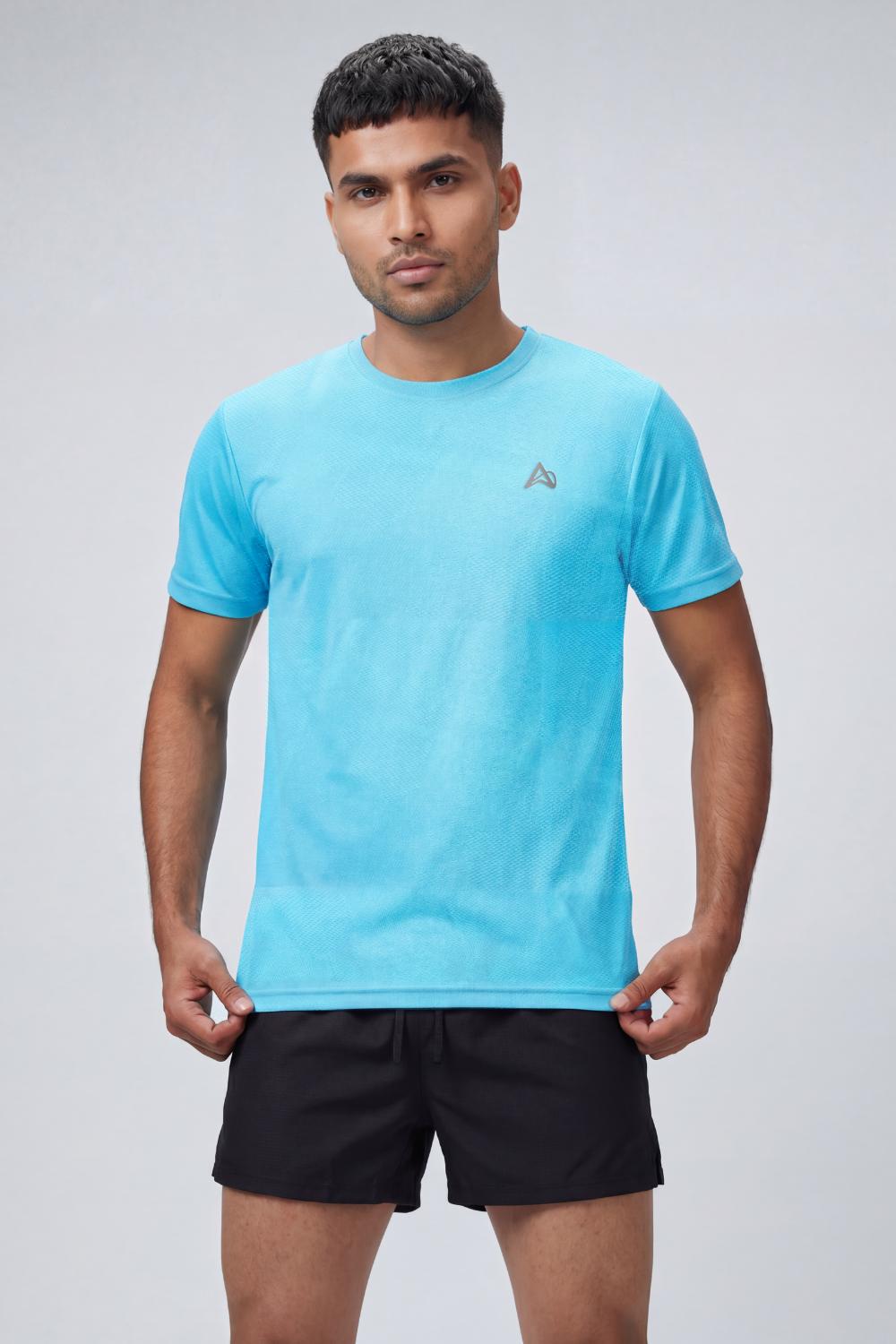
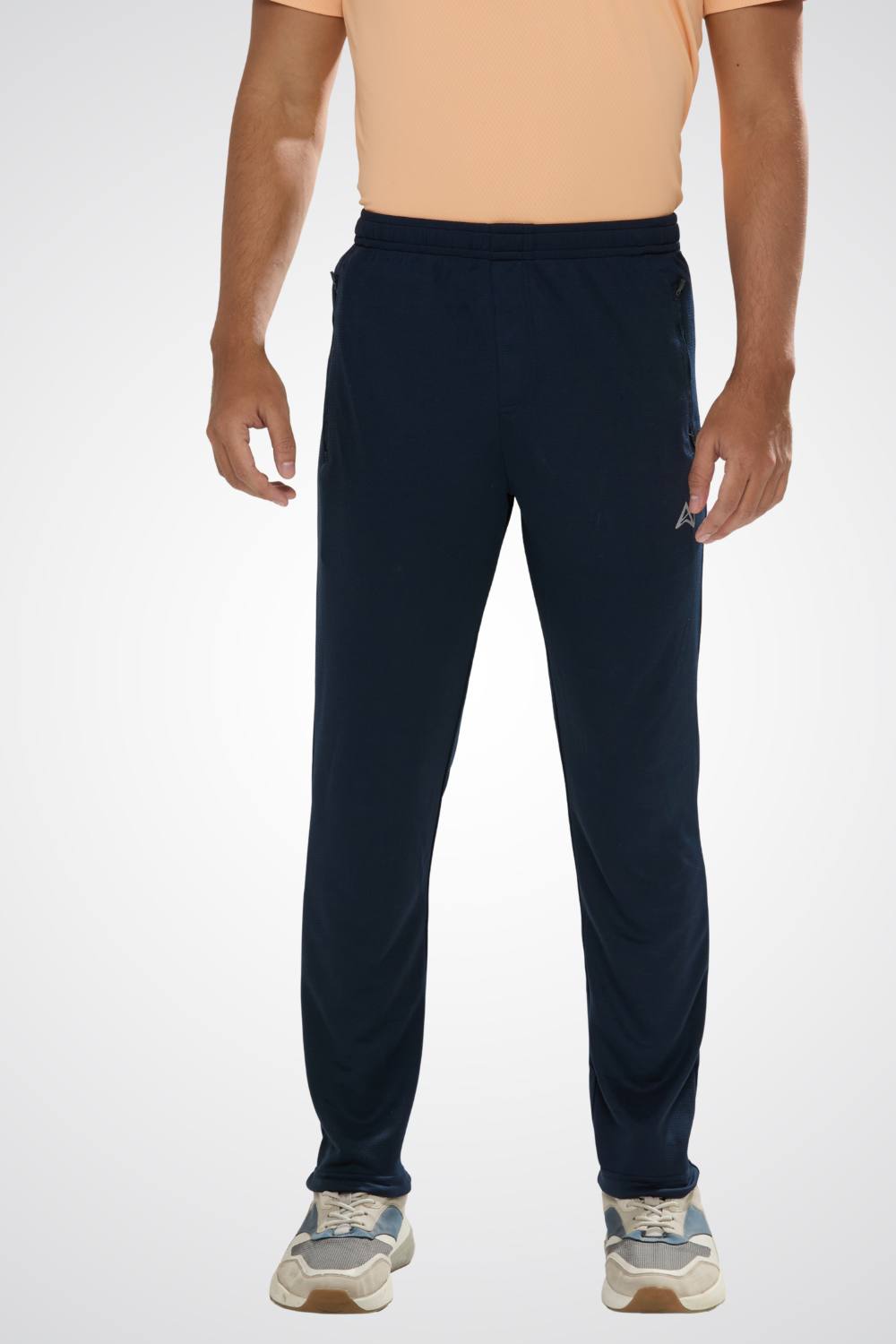
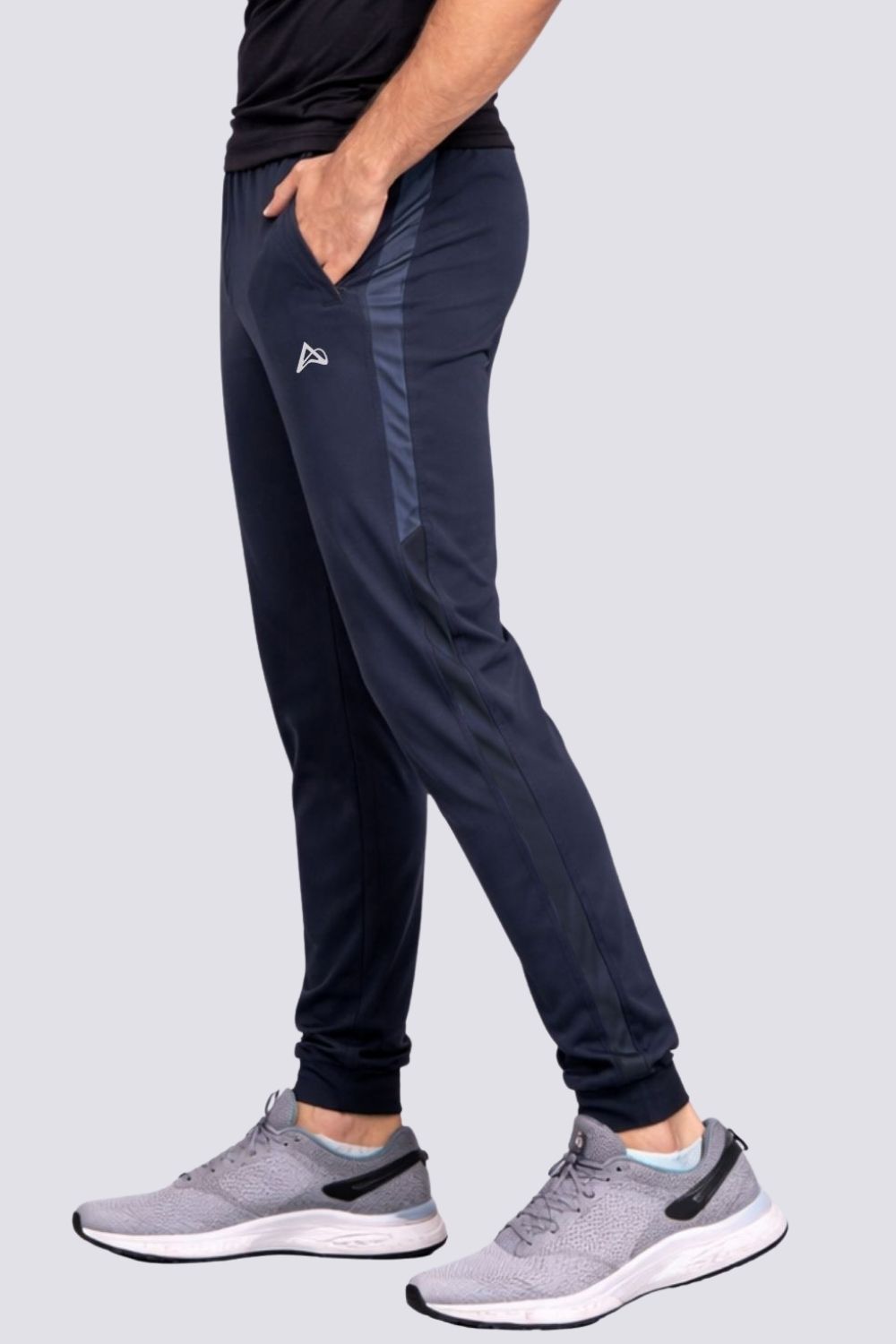
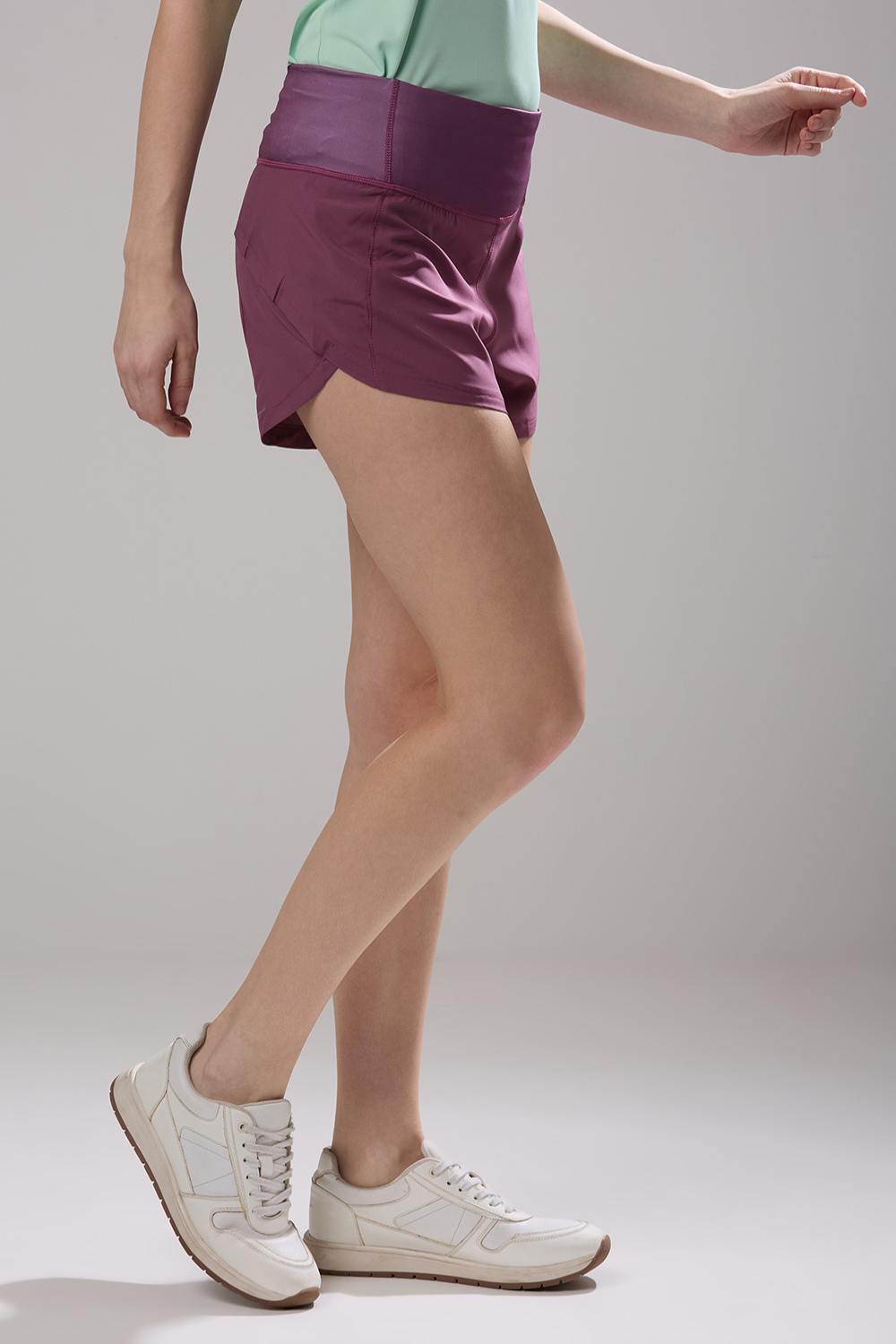
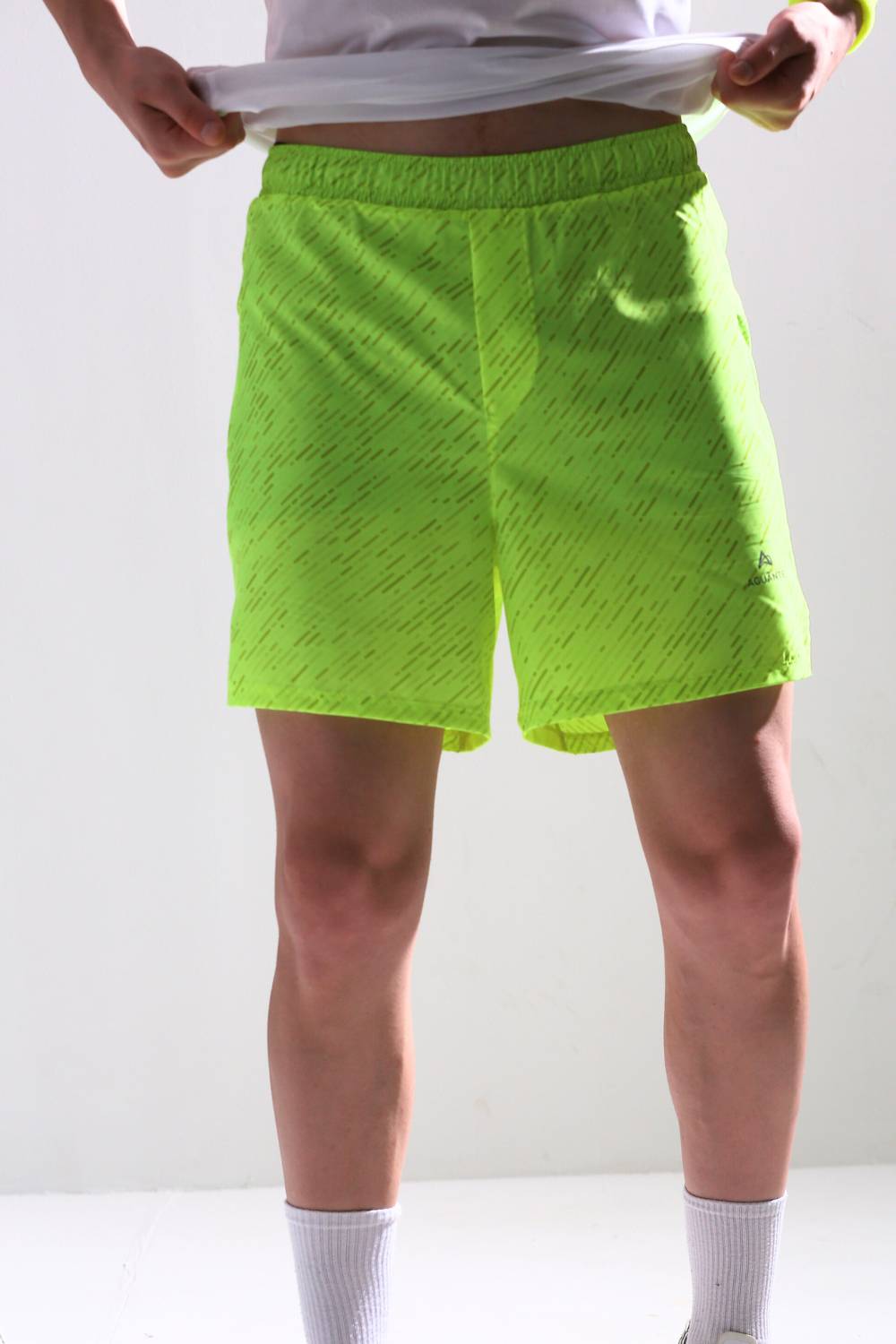
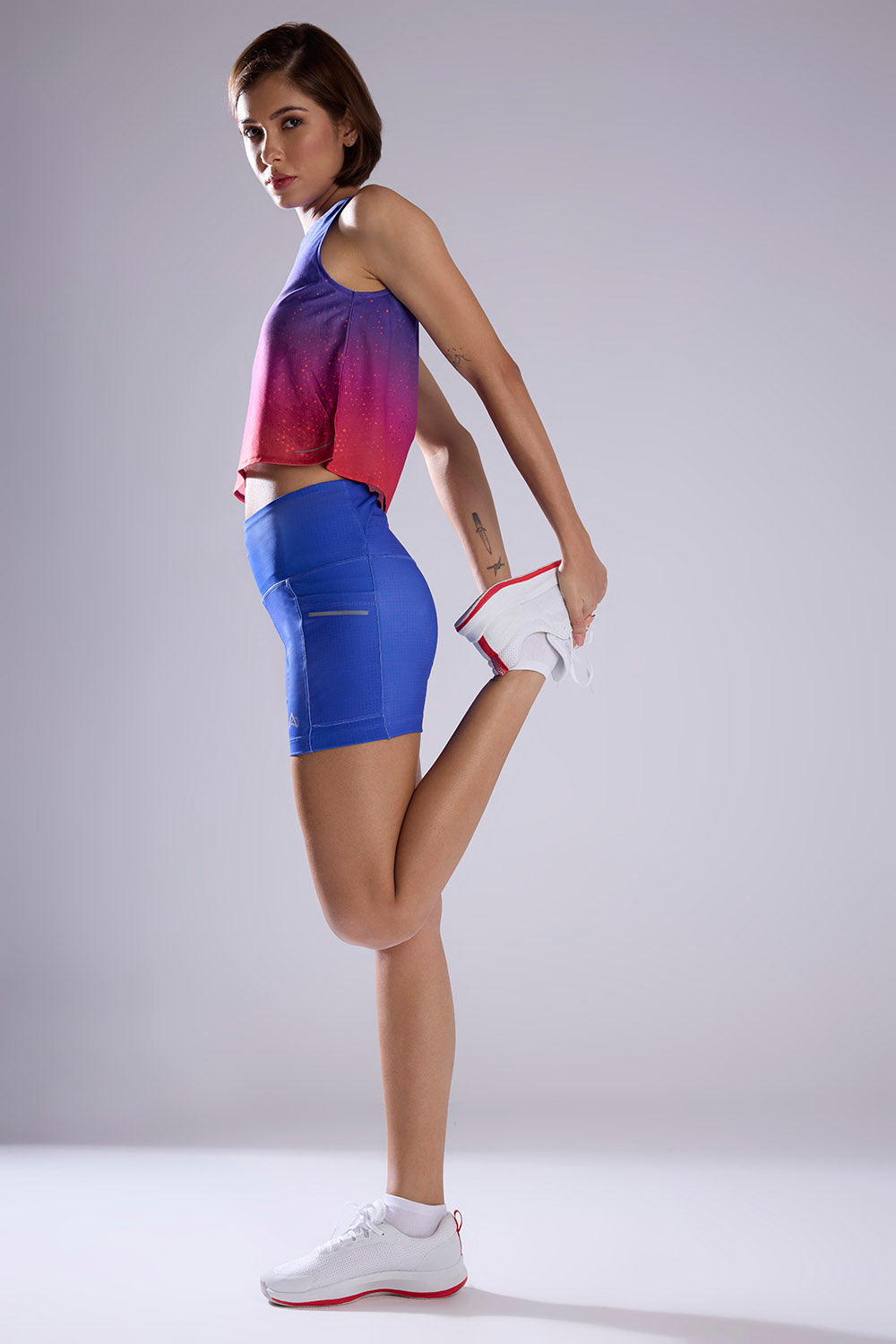
Tired of gear that slows you down? Chafing, soggy fabrics, and missing pockets kill your run's momentum. At Aguante, we're runners who get it. Our high-performance activewear features moisture-wicking fabrics, ergonomic designs, and smart storage to keep you focused. Shop Now!
The Urban Running Wave Redefining Gear Standards
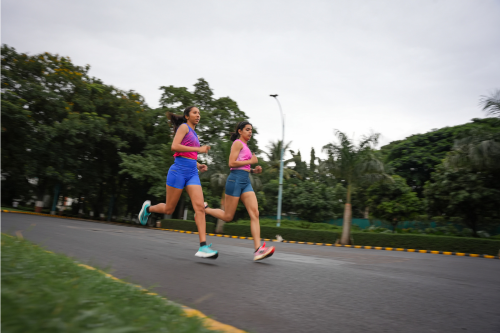
India's major cities have adopted running at an extraordinary pace. Metropolitan marathons attract tens of thousands, workplace wellness schemes fund group outings, and neighborhood clubs convene regularly along promenades and green spaces. Tech corridors in Bangalore and Hyderabad host dawn circuits around water bodies or office campuses. Mumbai and Pune participants weave through congested walkways and monsoon-soaked paths, while Delhi-NCR and Gurugram crews contend with seasonal fog and intense summer heat.
Across these diverse settings, one complaint unites runners: conventional activewear rarely accounts for local realities. Fabrics stick rather than draw sweat away, seams irritate after extended efforts, pockets shift with every stride, and visibility elements feel haphazard on dimly lit routes. Today's participants seek garments designed to preempt those frustrations rather than merely react to them.
Runner-Crafted Gear Built for Local Realities
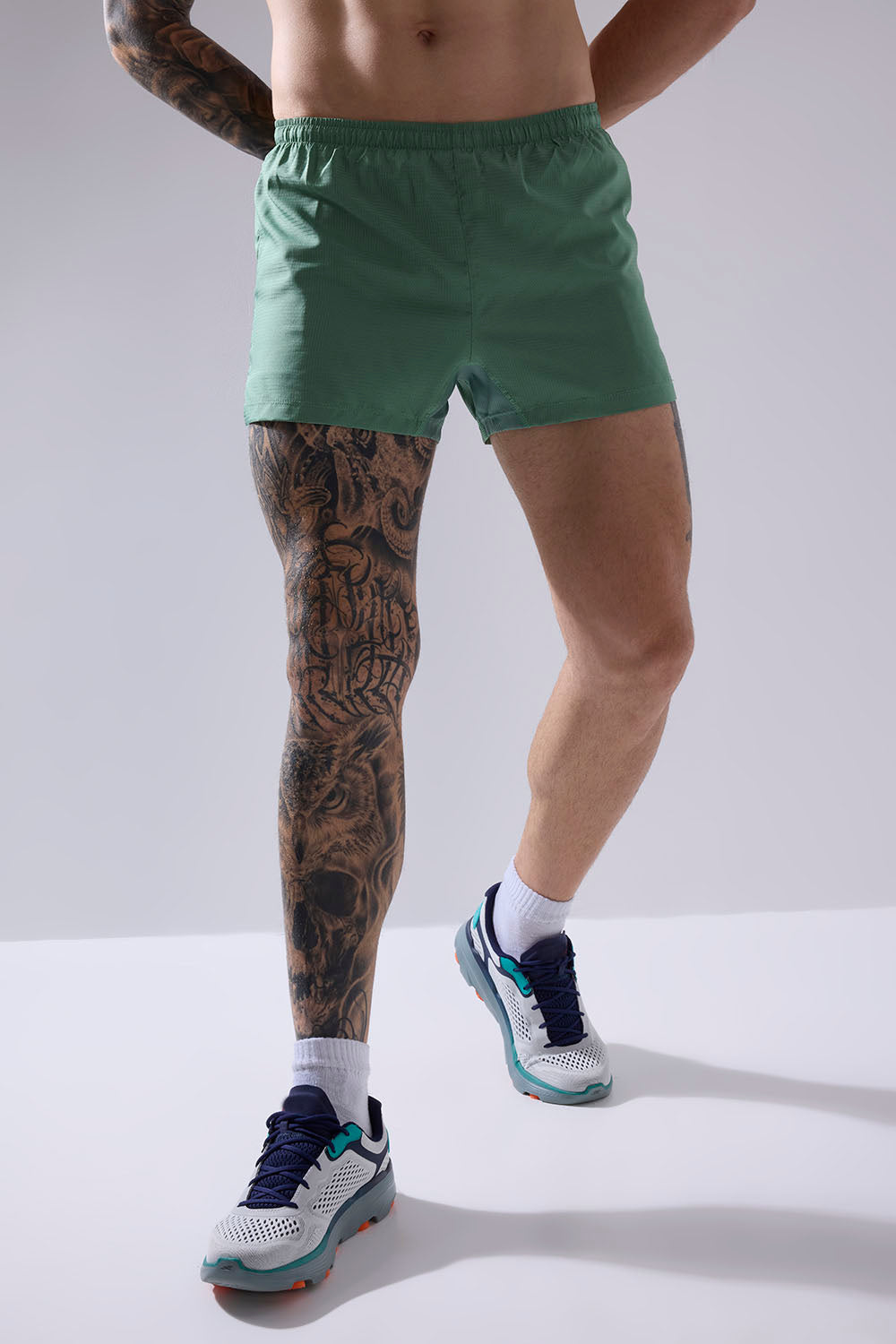
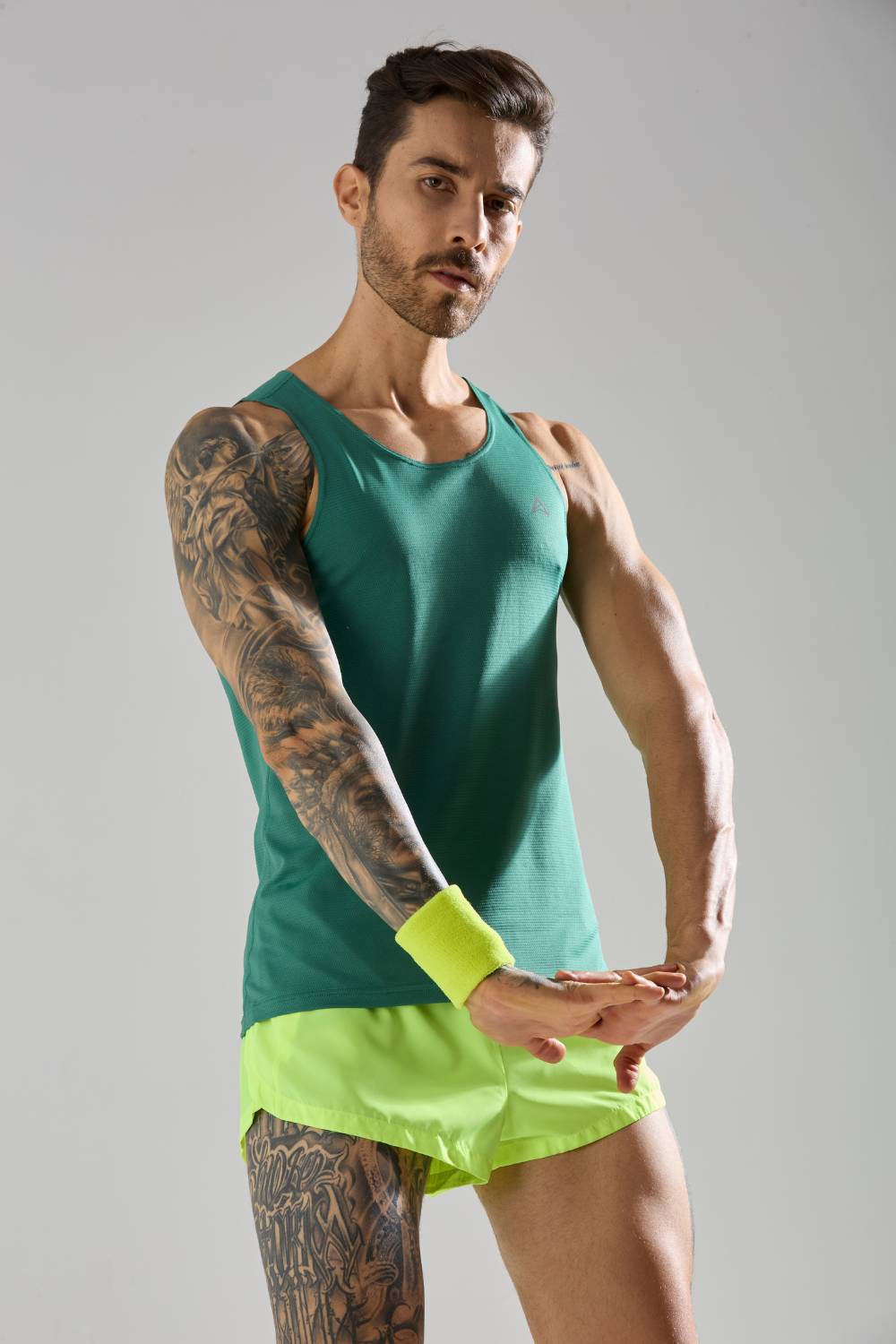
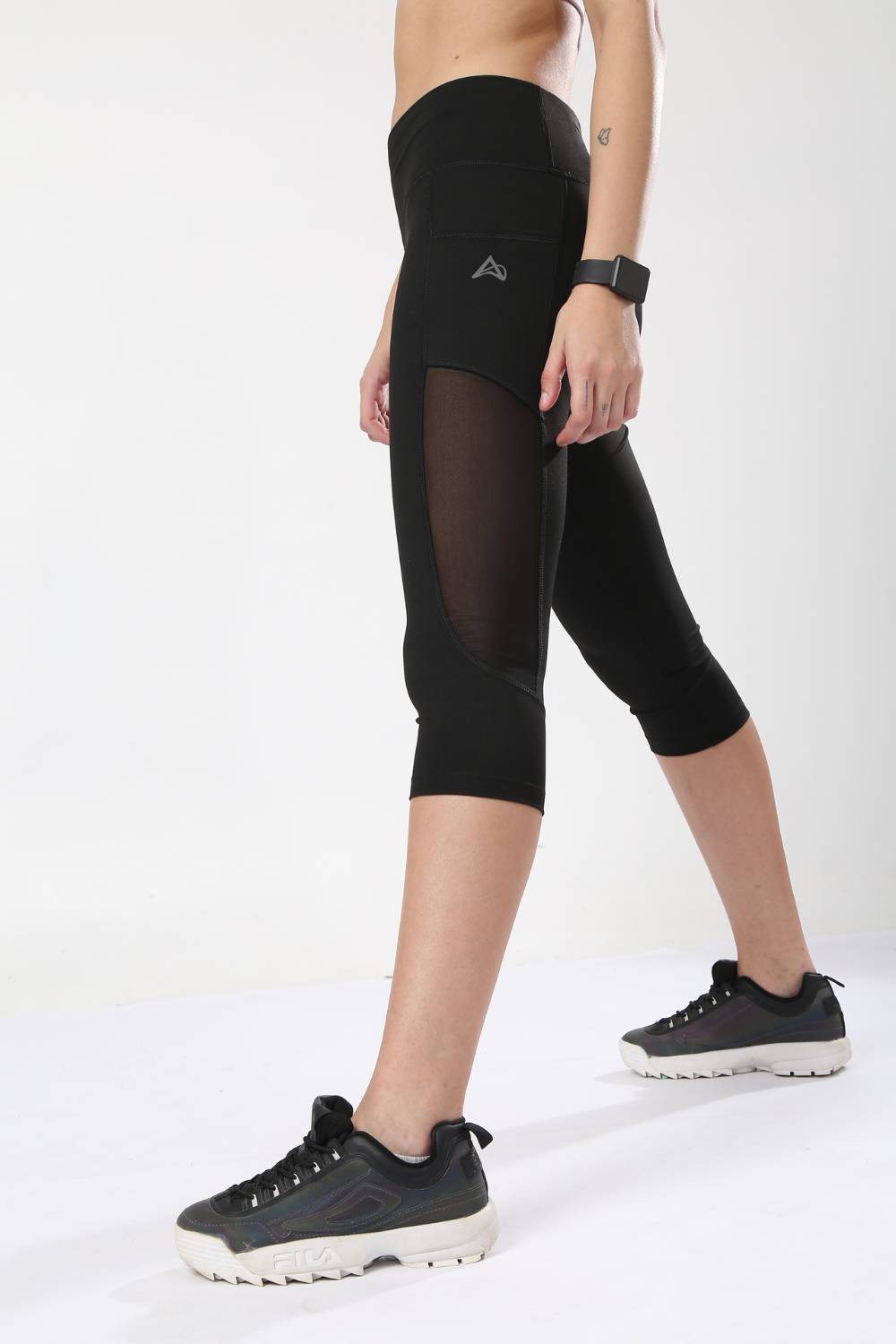
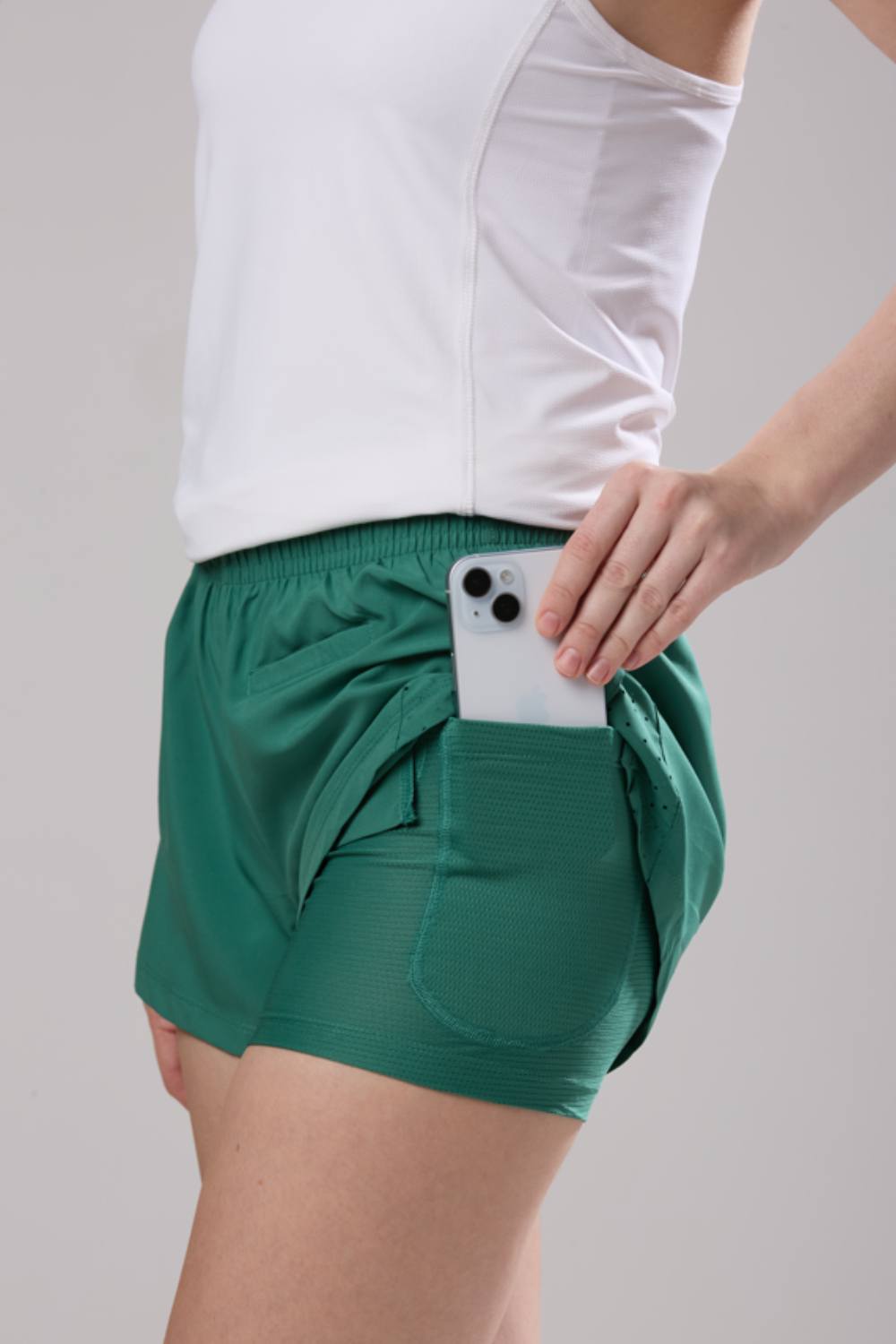
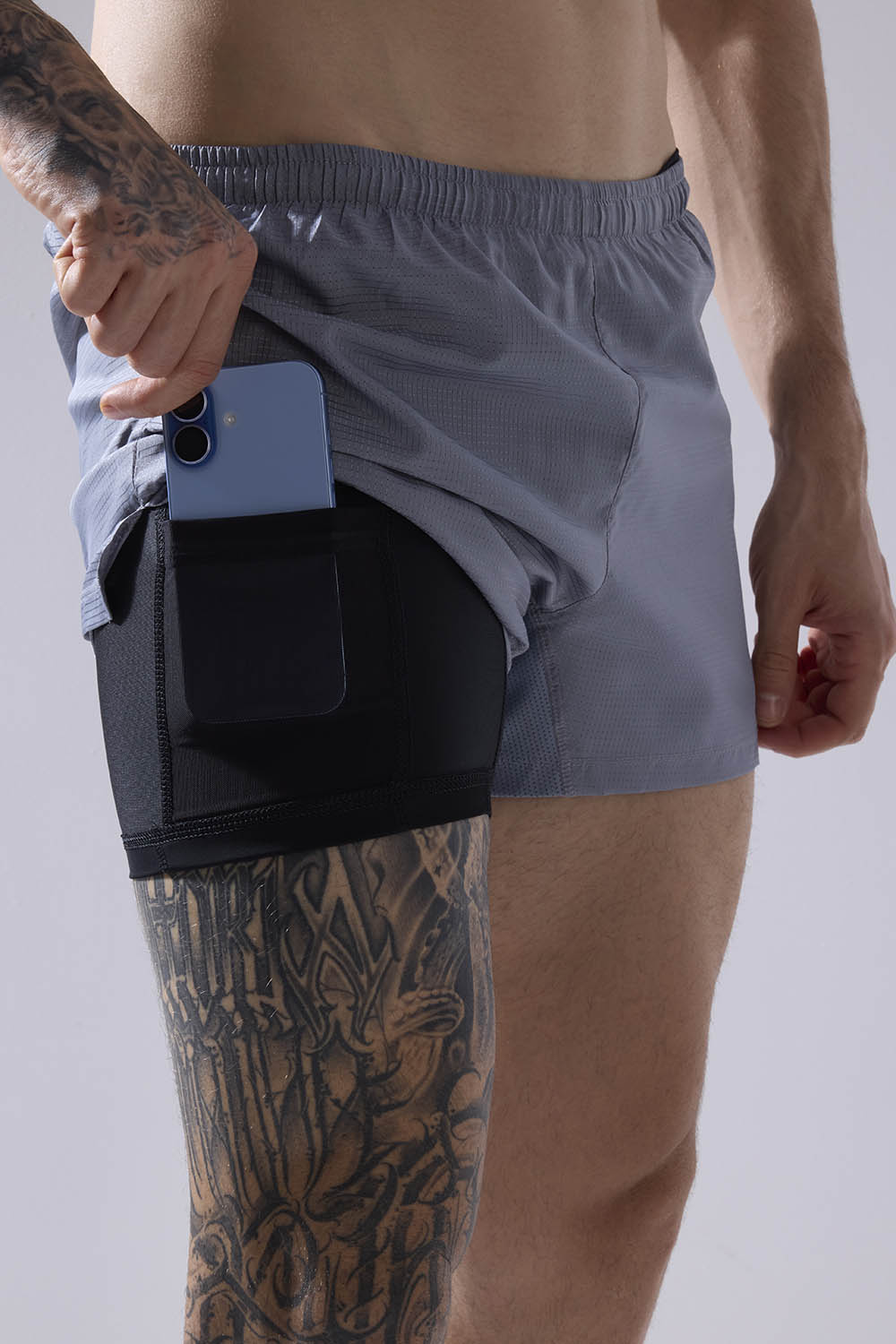
Leading brands in this space share a defining trait: their creators are active runners intimately familiar with Indian terrain. This "by runners, for runners" philosophy drives intentional decisions advanced moisture-wicking textiles optimized for extreme humidity, chafe-resistant inner layers durable over long hauls, strategically placed secure pockets that align with natural arm swing, and sizing iteratively improved via direct input from domestic athletes.
Such precision proves essential given the variables every outing presents: oppressive pre-monsoon stickiness in Ahmedabad and Surat, irregular surfaces in Navi Mumbai, or morning pollution layers in Delhi. Gear that reliably handles these elements quickly gains allegiance within close-knit running circles. Trust spreads rapidly after a chafe-free, sweat-managed half-marathon or when a phone stays locked in place across dozens of kilometers.
Community Input Fueling Continuous Advancement
Running collectives in Bangalore and Hyderabad function as de facto development centers. Participants trial early versions in weekly sessions, exchange detailed post-race observations, and advocate for adjustments overlooked by multinational design teams. Trail enthusiasts in Pune insist on ruggedness against scrapes; road stalwarts in Mumbai prioritize featherlight ventilation. These direct exchanges compress iteration timelines far beyond conventional product development schedules.
Corporate running circles in Gurugram and Delhi introduce additional nuance. Busy professionals who carve out training amid demanding calendars demand apparel that flows effortlessly from transit to session to workplace remaining unobtrusive and unrestricted. The outcome is clothing that harmonizes serious performance with practical daily utility.
Overcoming Persistent Hurdles in the Market
Price consciousness persists as a core concern in these urban centers. International premium labels often charge steep sums for designs conceived far from local conditions, whereas homegrown alternatives strive to match or surpass technical capabilities at accessible price points. Focus remains on genuine value resources channeled into superior materials and construction rather than extravagant promotion.
Credibility accumulates gradually for emerging entrants challenging entrenched leaders. Runners demand substantiation via open accounts of testing processes, prominent endorsements from community members, and repeated proof of reliability in actual use. Brands that immerse themselves in regional races, outfit local groups, or partner with pace-setters establish authority more convincingly than traditional advertising.
Manufacturing constraints further influence possibilities. Dependence on specialized imported fabrics can restrict volume, but targeted innovation leveraging readily available high-performance options enables clear differentiation without awaiting fully mature domestic supply chains.
The Path Forward for Runner-Focused Brands
The potential stands out sharply: India's metropolitan running networks favor companies committed to climate-attuned, athlete-guided creation. With involvement expanding driven by major events, online running communities, and broader wellness priorities the appetite for gear that eliminates distractions and maximizes output will continue rising.
Local groups provide powerful organic promotion avenues. A standout performance at a flagship city race, a widely shared club-run image, or consistent peer recommendations in messaging threads can accelerate uptake more effectively than paid campaigns. Direct-to-consumer channels flourish here, as urban runners already rely heavily on online purchases and value products validated by trusted fellow participants.
Looking further ahead, frontrunners will strengthen those community connections developing small-batch releases informed by club insights, aligning launches with peak race calendars, or exploring recurring models for periodic wardrobe updates. Runner-informed design has moved beyond specialty status; it now represents the benchmark distinguishing enduring brands from fleeting ones.
Ultimately, India's running culture no longer trails international patterns it charts an independent course shaped by its own climate, infrastructure, and communal spirit. The apparel destined to thrive alongside it will emerge from precisely the same dedication, distance, and resolve that power every determined start and satisfying finish in these vibrant urban landscapes.
Frequently Asked Questions
What makes Indian running apparel brands different from international ones?
Indian running apparel brands are built by active runners who train on the same streets, trails, and in the same climate as their customers. This "by runners, for runners" approach drives design choices like advanced moisture-wicking fabrics optimized for extreme humidity, chafe-resistant inner layers, and secure pockets engineered to stay put across long distances. Unlike multinational brands that design for generalized global markets, homegrown labels address hyper-local realities from Mumbai's monsoon-soaked paths to Delhi's smoggy mornings while keeping prices accessible.
Why is performance running gear especially important for runners in Indian cities like Bangalore, Mumbai, and Hyderabad?
India's urban running environments present unique challenges that generic activewear simply isn't built for including relentless pre-monsoon humidity, uneven surfaces, pollution, and dramatic seasonal temperature swings. Runners in cities like Bangalore, Hyderabad, and Pune need fabrics that actively wick sweat rather than trap it, seams that don't irritate over extended efforts, and visibility features suited to dimly lit early-morning routes. Gear engineered specifically for these conditions directly improves comfort, performance, and safety on every run.
How fast is the running apparel market growing in India and Asia-Pacific?
The global running apparel market is projected to grow from USD 106.23 billion in 2025 to USD 161.77 billion by 2031, with Asia-Pacific emerging as the fastest-growing region at an anticipated CAGR of 7.71% through 2031. This growth in India is fueled by rising middle-class incomes, rapid urban expansion, a surge in organized marathon events, and growing health consciousness across major metros. As participation in running clubs and city races continues to climb, demand for technically superior, climate-adapted performance apparel is set to accelerate sharply.
Disclaimer: The above helpful resources content contains personal opinions and experiences. The information provided is for general knowledge and does not constitute professional advice.
You may also be interested in: Direct-to-Consumer Activewear Gains Traction in India - Aguante
Tired of gear that slows you down? Chafing, soggy fabrics, and missing pockets kill your run's momentum. At Aguante, we're runners who get it. Our high-performance activewear features moisture-wicking fabrics, ergonomic designs, and smart storage to keep you focused. Shop Now!
Powered by flareAI.co