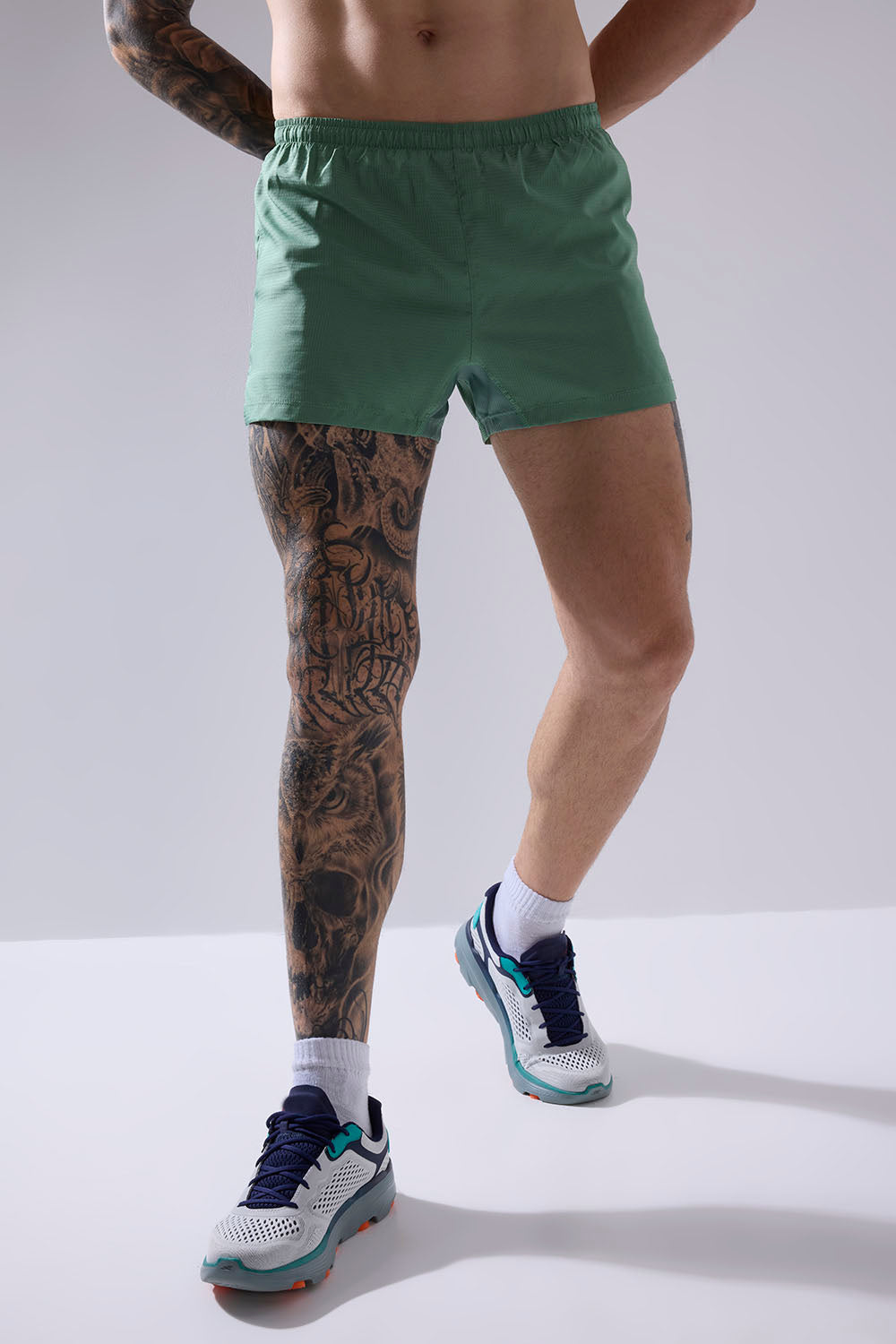

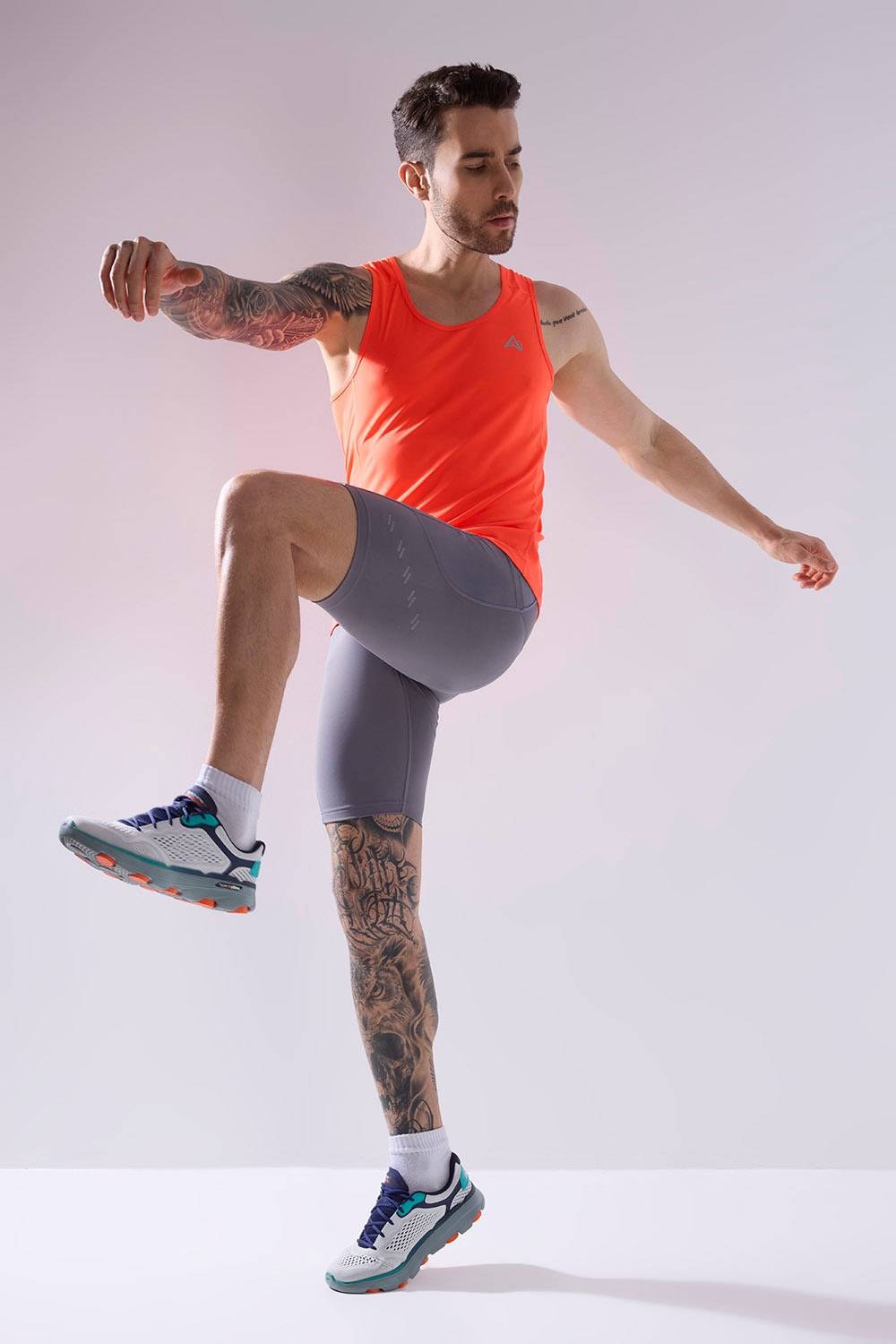
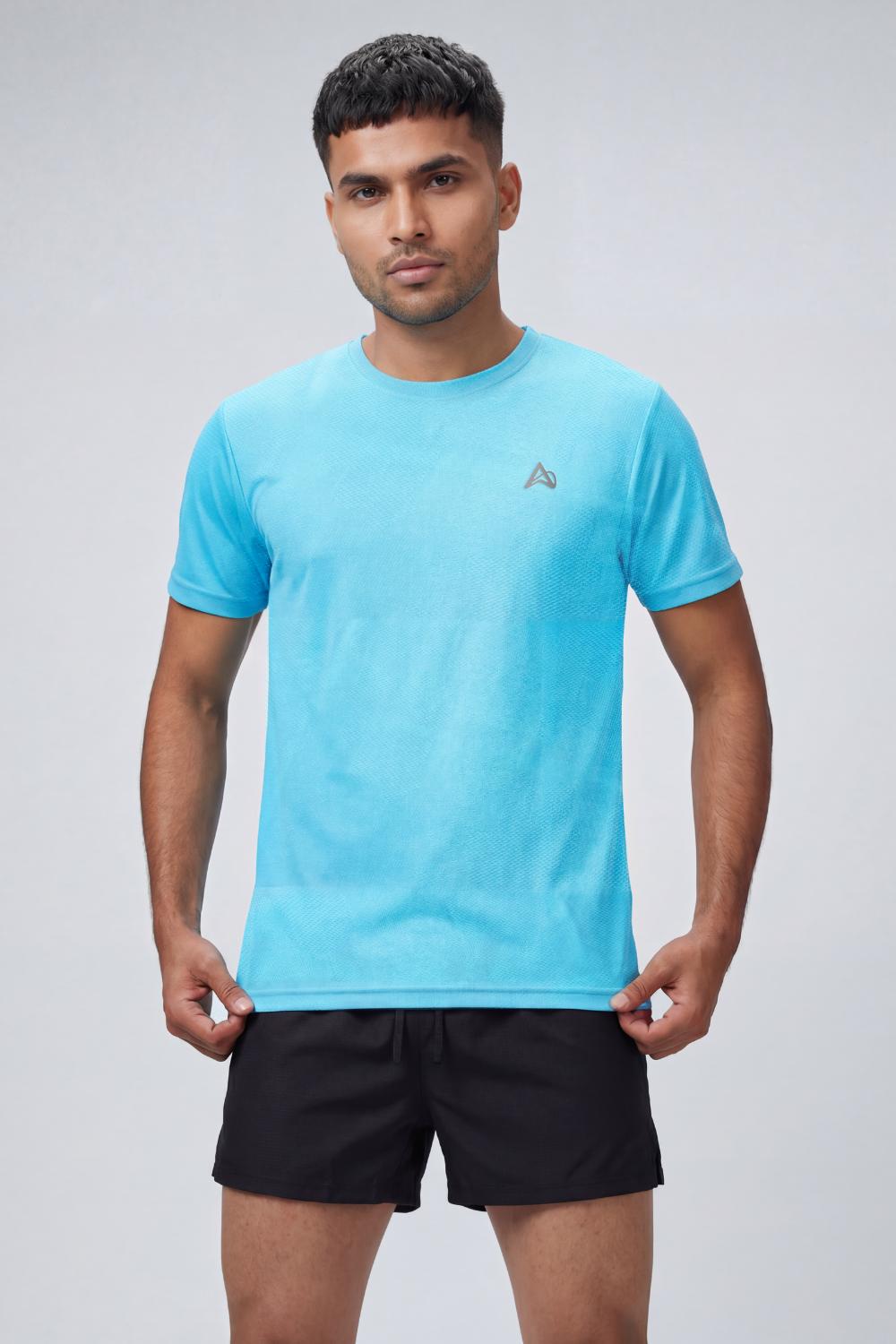
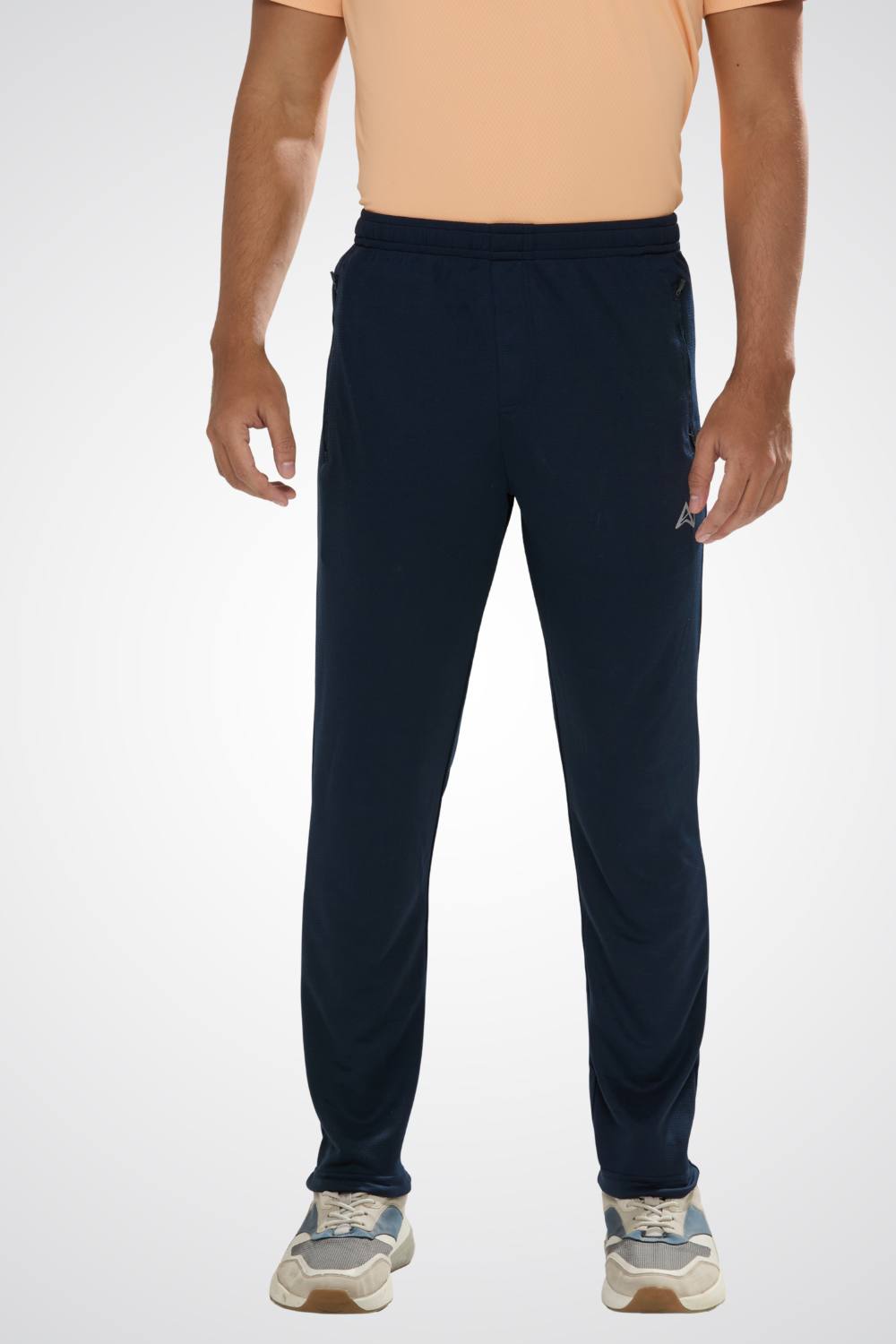
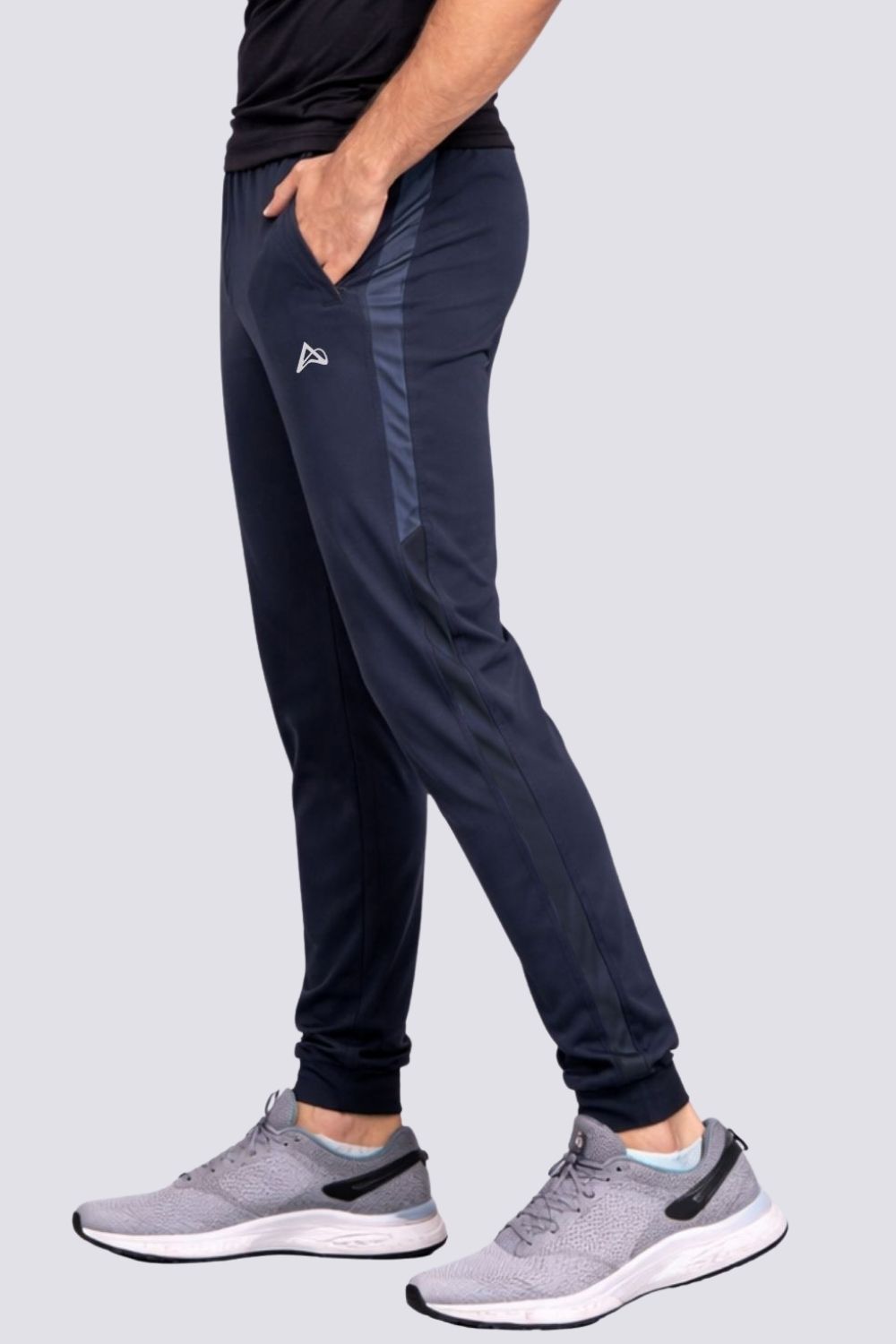
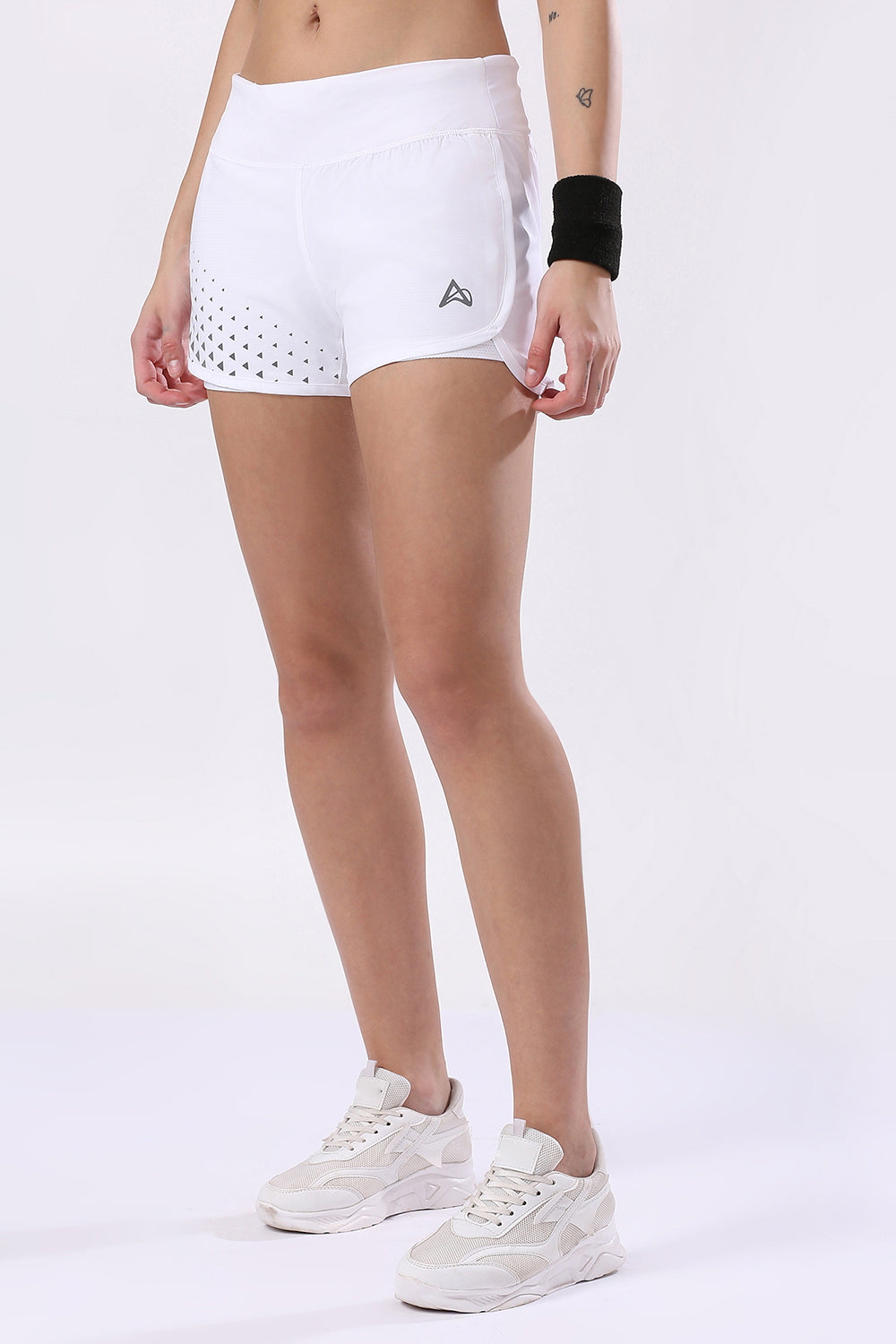


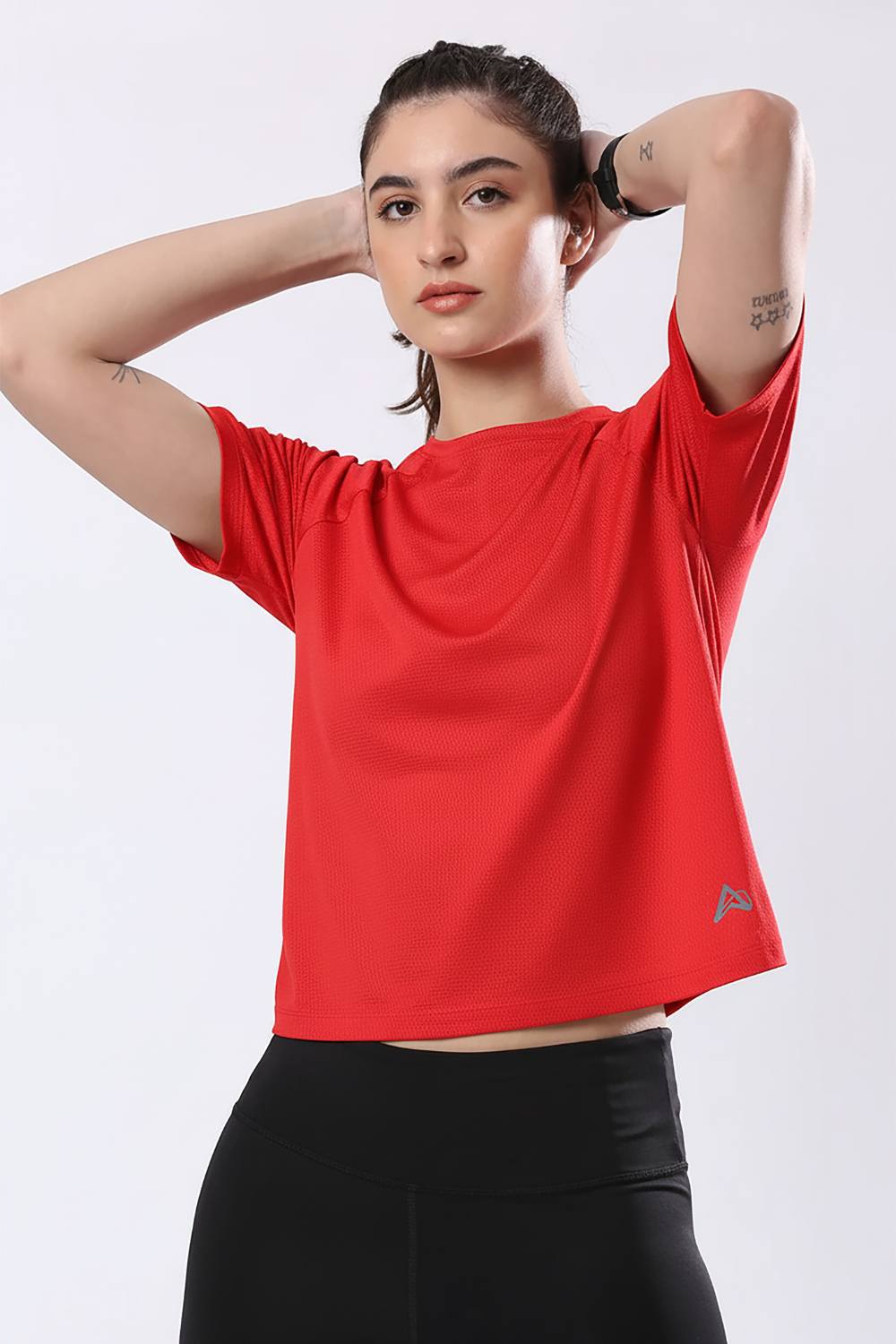
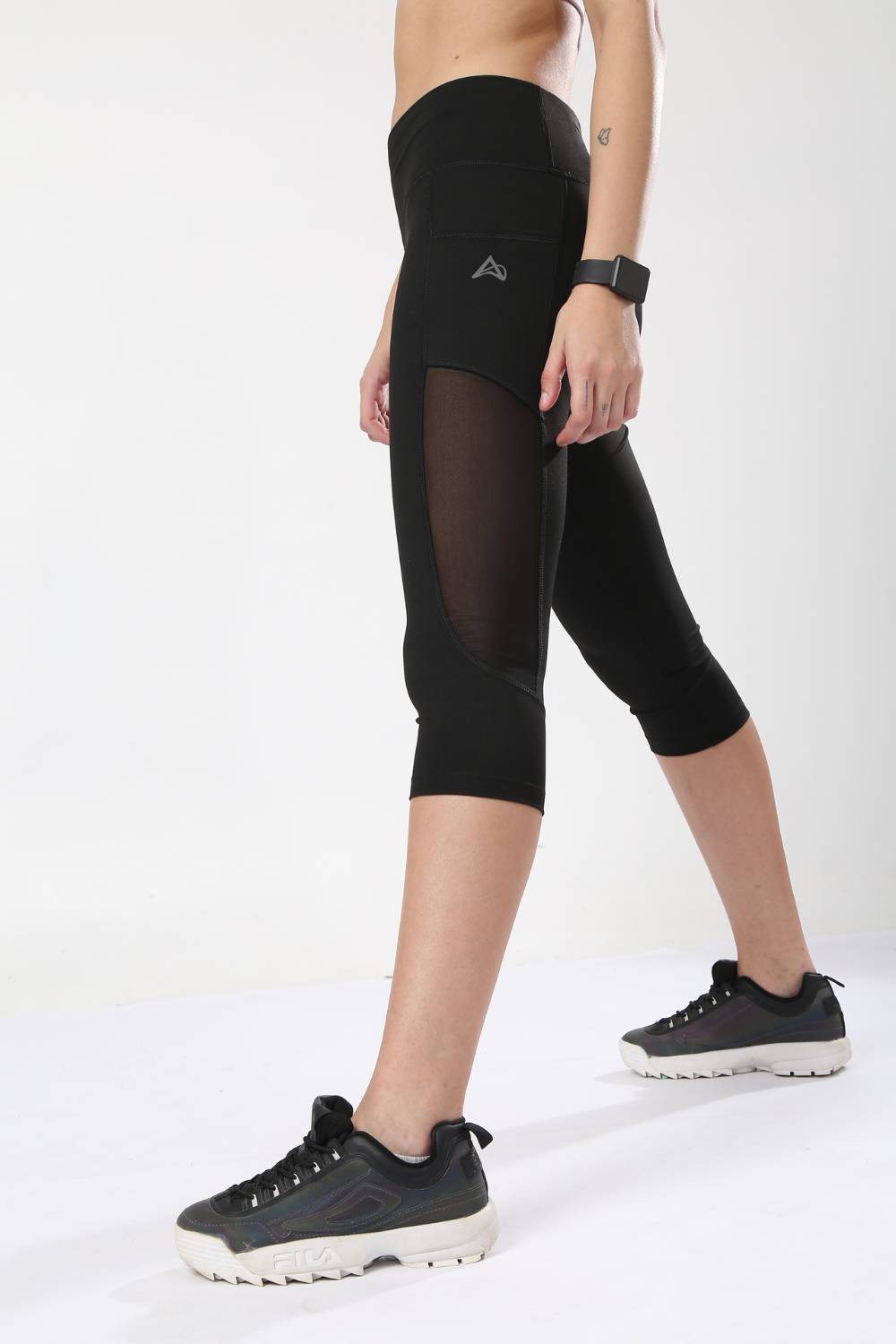



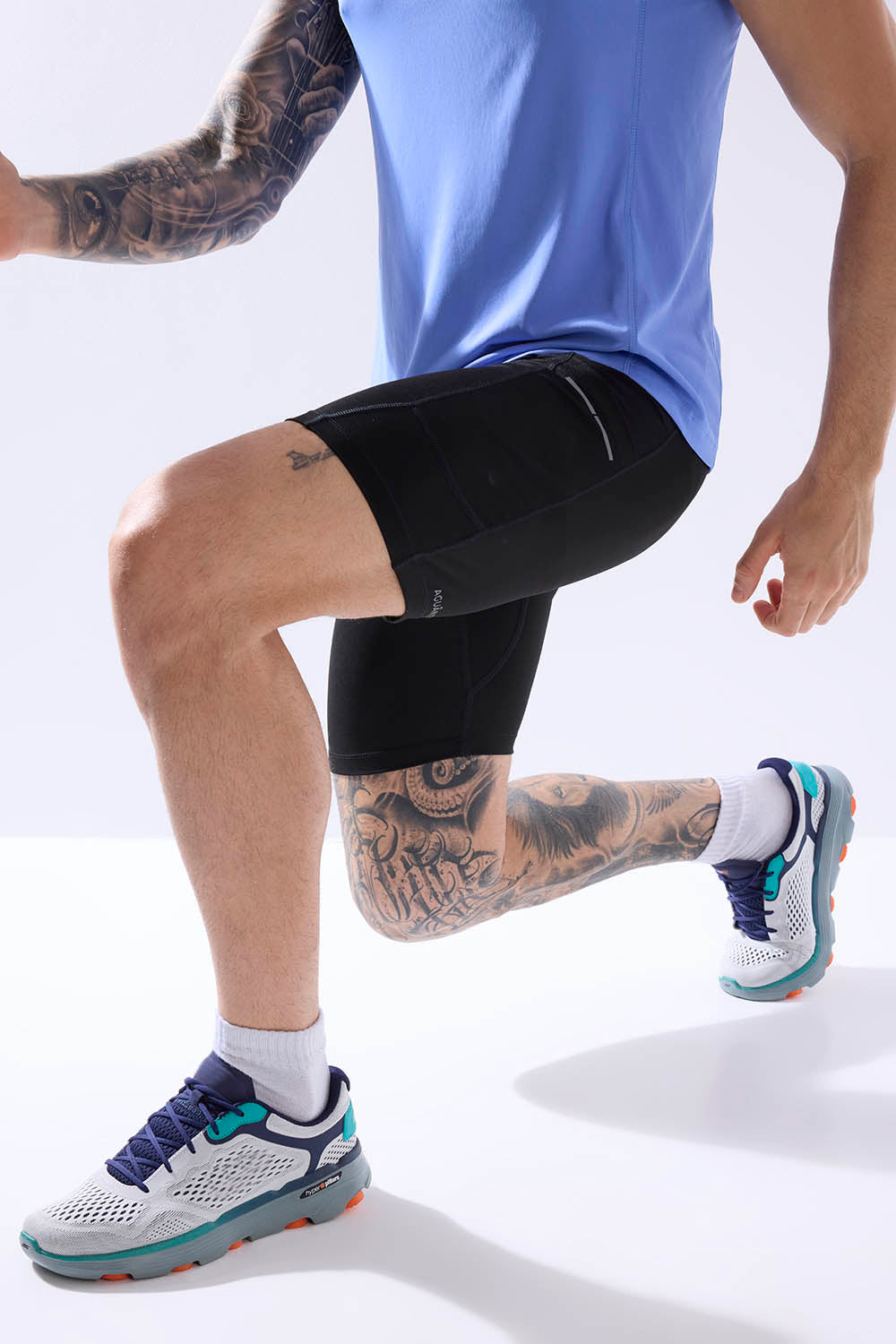
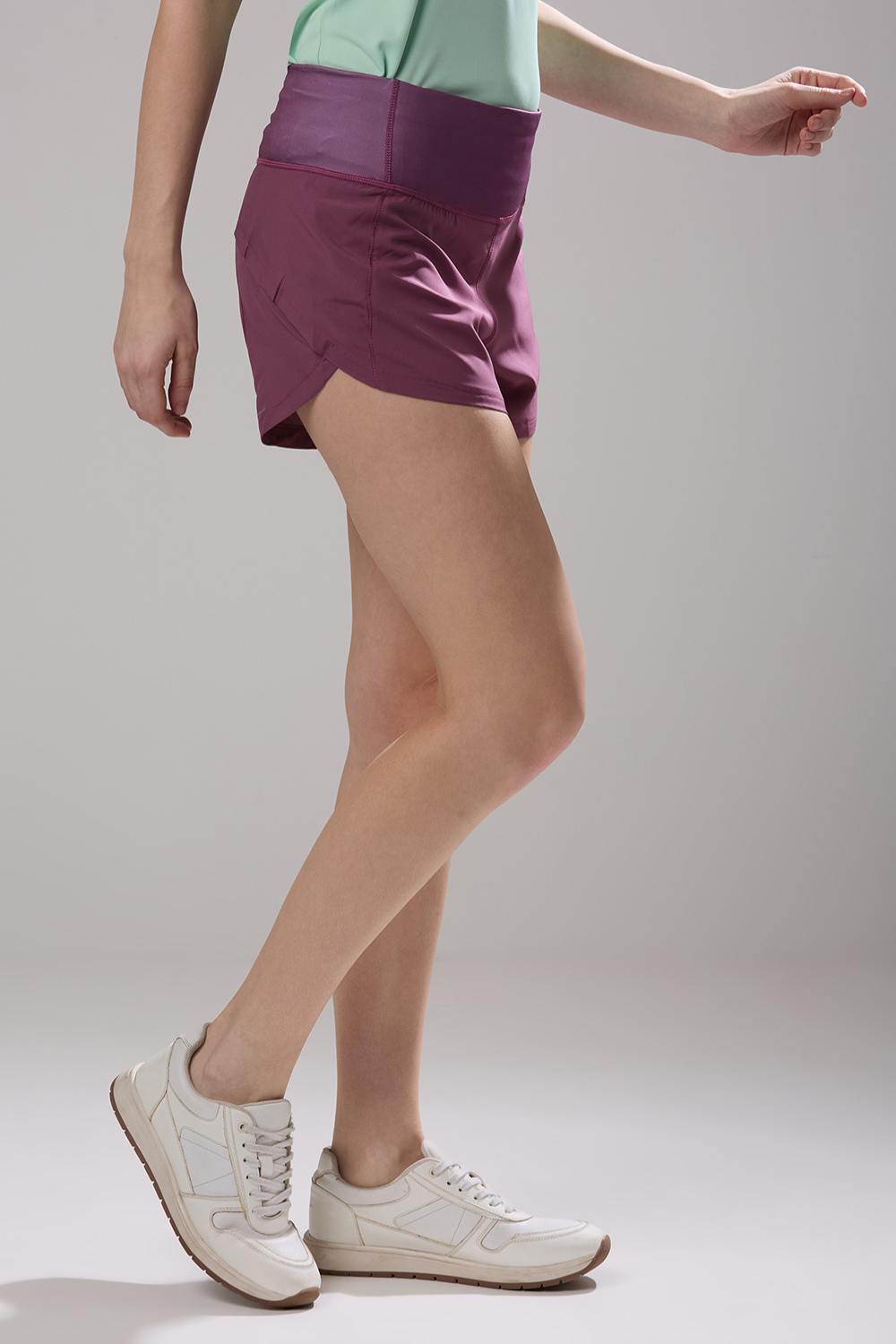
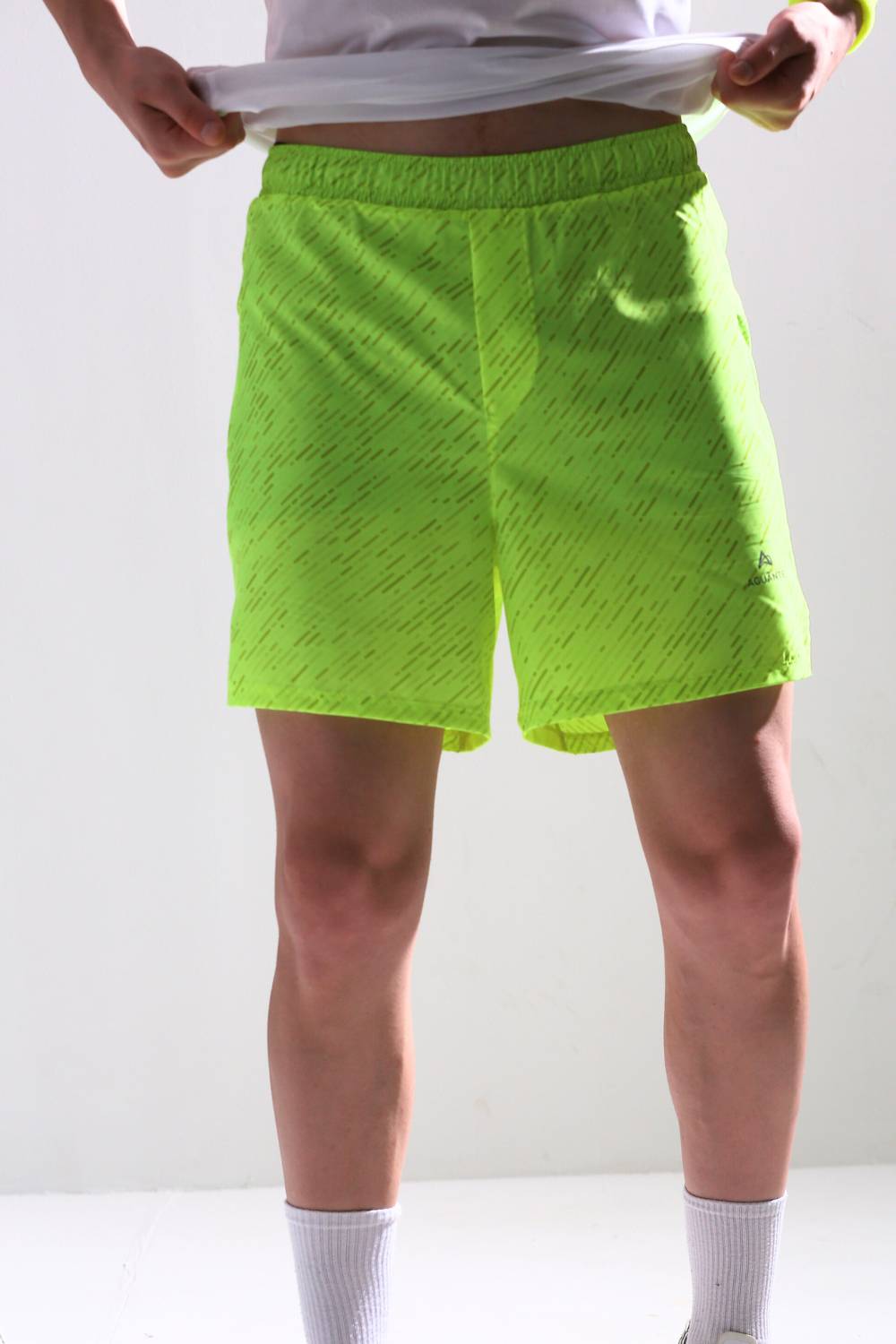



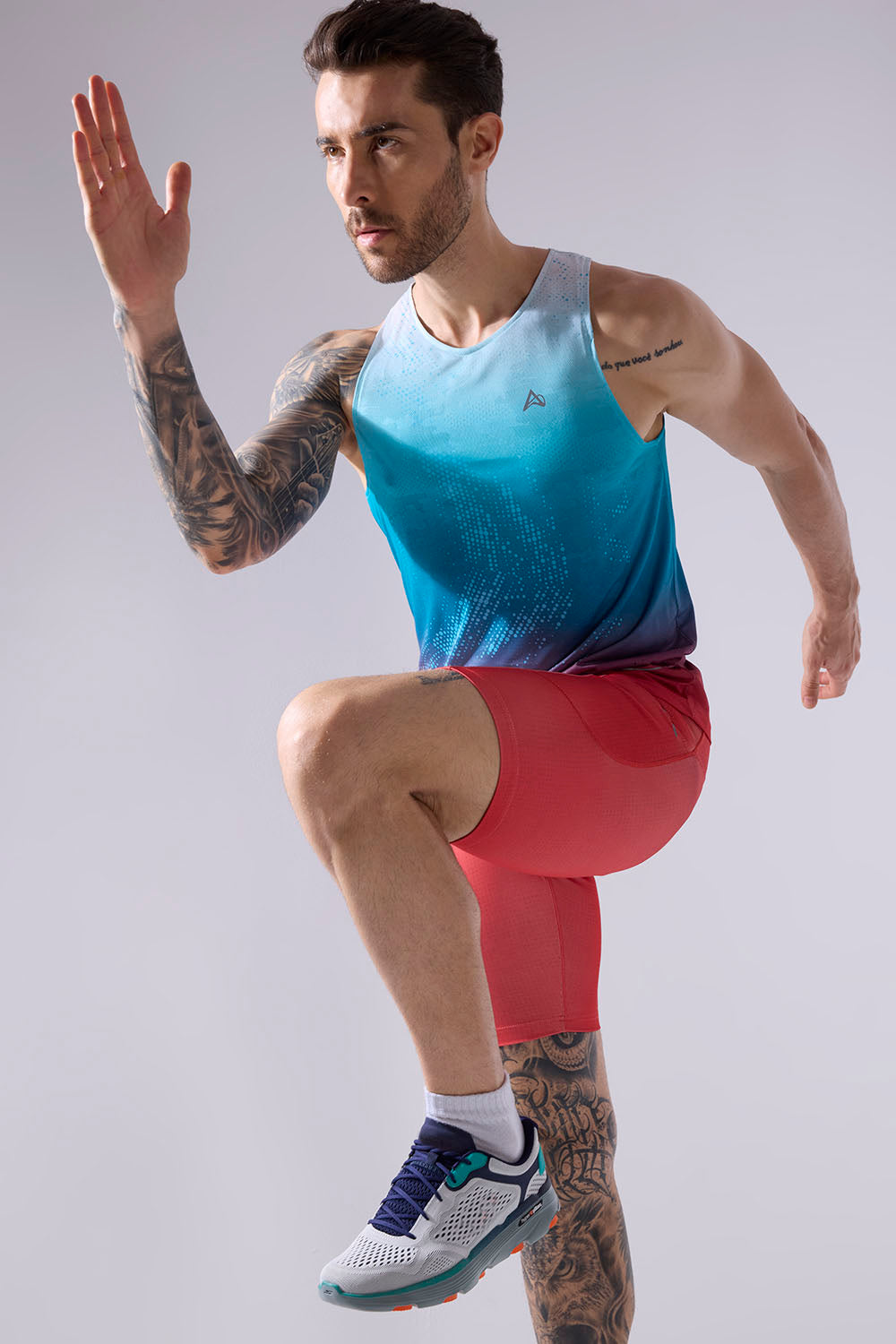

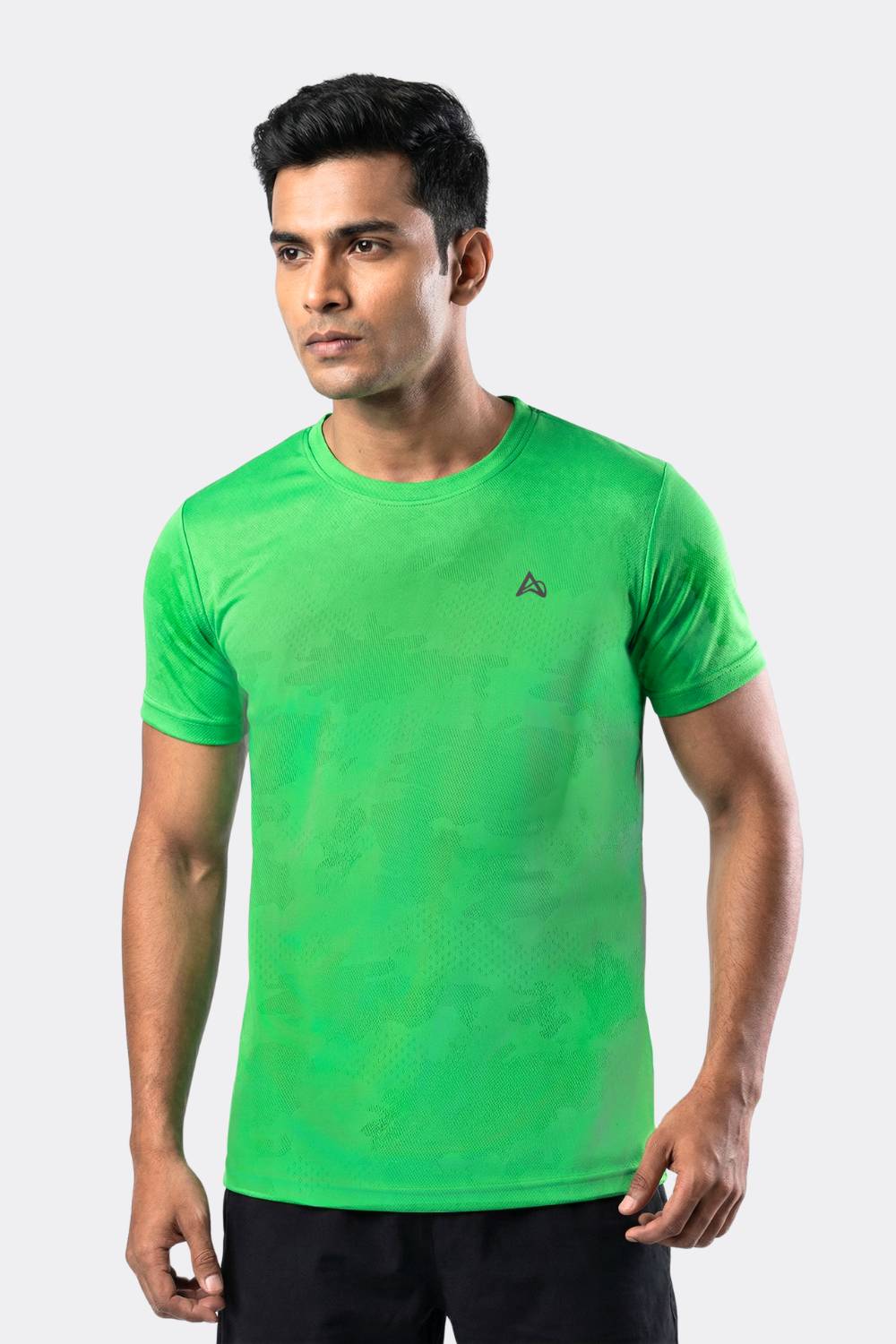
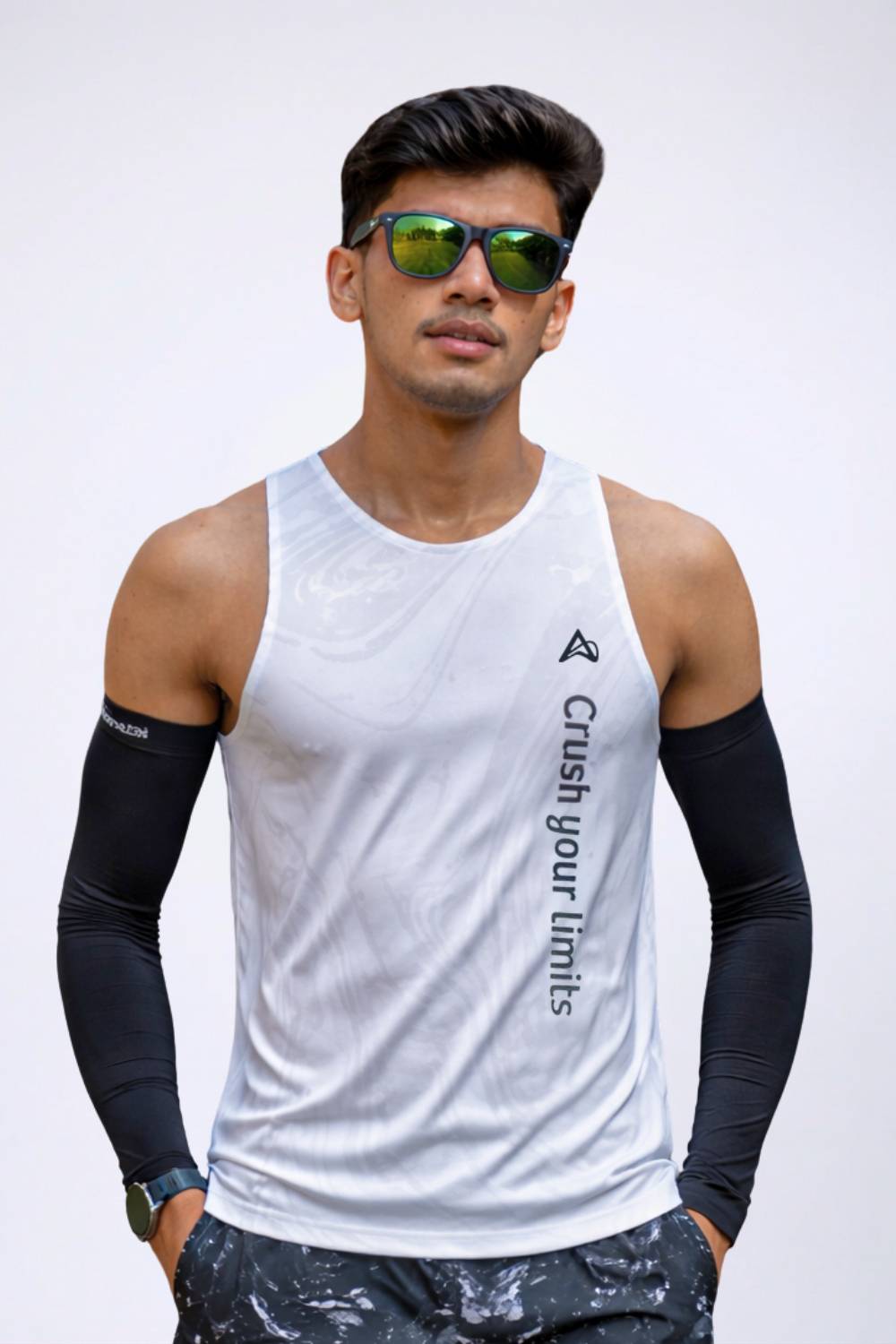

In the heart of Tirupur, India's knitwear capital, a transformation is taking shape. Factories pulse with the rhythm of looms, crafting synthetic fibers into high-performance sportswear that balances style and utility. This isn't merely about producing running tees or yoga leggings it's about India carving out a formidable presence in the global activewear market. Driven by a booming fitness culture and a strategic shift toward local manufacturing, India's sportswear ecosystem is thriving, with cities like Bangalore, Mumbai, and Surat at the forefront. What's fueling this evolution, and how is it redefining the way Indians engage with fitness and fashion?
The data paints a vivid picture. A 2024 report values India's sportswear market at USD 10.2 million, with forecasts predicting a rise to USD 16.6 million by 2033, driven by a steady 5.1% CAGR from 2025 to 2033. This growth is propelled by a burgeoning fitness culture, rising disposable incomes, and a focus on stylish yet functional sportswear. Meanwhile, the activewear segment, generating USD 15,107.3 million in 2024, is poised to nearly double to USD 29,972.9 million by 2030, with an impressive 12.2% CAGR. Women, in particular, are the fastest-growing consumer base, reshaping market dynamics. This surge is anchored in a pivot to domestic production, with brands establishing manufacturing hubs in urban centers to meet soaring demand for performance apparel.
Bangalore, long celebrated for its tech prowess, is now a sportswear innovation hub. Local brands like Aguante leverage the city's textile clusters to produce running gear that competes with global leaders. By sourcing materials and assembling products locally, these companies cut costs and expedite delivery, ensuring fresh designs reach consumers swiftly. This model is gaining traction in Mumbai and Surat, where factories are weaving a narrative of quality and pride, positioning “Made in India” as a hallmark for fitness enthusiasts nationwide.
Tired of gear that slows you down? Chafing, soggy fabrics, and missing pockets kill your run's momentum. At Aguante, we're runners who get it. Our high-performance activewear features moisture-wicking fabrics, ergonomic designs, and smart storage to keep you focused. Shop Now!
Embracing Sustainable and Tech-Driven Manufacturing
Local manufacturing is reshaping not just where sportswear is made, but how. In Delhi and Navi Mumbai, factories are adopting advanced technologies like 3D knitting and automated cutting, enabling precision and customization previously exclusive to international brands. These innovations align with a growing commitment to sustainability. Tirupur's knitwear cluster, responsible for 60% of India's knitwear exports and USD 4.5 billion in annual revenue, aims to increase the share of manmade fibers (MMF) from 10% to 30% by 2030. Using recycled polyester and organic cotton, the industry is shrinking its environmental footprint while appealing to eco-conscious buyers.
Beyond sustainability, local production offers agility. Brands can quickly adapt to trends, from vibrant colors inspired by Indian festivals to fabrics tailored for the country's humid climate. Sunil Jhunjhunwala, Vice-Chairman of CII Tirupur, notes, “Global buyers are diversifying beyond China, and India is stepping up.” This responsiveness is vital in a market where athleisure blending gym-ready functionality with everyday style reigns, particularly among women, who drive the activewear segment's rapid growth.
Regional Powerhouses: Bangalore, Mumbai, and Beyond
Bangalore exemplifies India's sportswear ambitions. Aguante, a runner-focused brand, harnesses the city's proximity to textile hubs to craft high-performance, affordable apparel. Local partnerships ensure rigorous quality control while keeping prices accessible, a critical factor for India's cost-conscious consumers. In Mumbai, manufacturing hubs are scaling to meet global and domestic demand, producing everything from sports bras to cricket kits. Exports to emerging markets in Africa and Latin America are fueling growth, with factories on the city's outskirts operating at full tilt.
Delhi and Gurugram are pushing the technological envelope. Manufacturers here invest in machinery that produces fabrics with advanced features like moisture-wicking and UV protection, catering to fitness aficionados. Startups are also innovating, with brands like Cava Athleisure introducing proprietary fabrics such as the breathable nylon-spandex blend “ADPT” in early 2025, available in over 50 styles. These advancements signal India's shift from a low-cost producer to a leader in high-performance textiles.
Navigating Challenges in Local Production
Yet, the path to dominance isn't without obstacles. Maintaining global quality standards is a persistent challenge, as some factories grapple with cost pressures. Skilled labor shortages pose another hurdle; while India's textile industry employs over 45 million people, the need for workers trained in specialized sportswear production outstrips supply. Infrastructure bottlenecks, such as congested logistics networks and unreliable power in hubs like Surat, complicate operations. Regulatory complexities spanning labor laws and environmental compliance further test manufacturers, particularly in fast-growing cities like Ahmedabad.
These challenges demand action. Industry leaders advocate for enhanced training programs and infrastructure upgrades to sustain growth. “We must blend traditional craftsmanship with modern expertise,” a Mumbai-based textile executive emphasizes, highlighting the need for strategic investment to unlock the sector's potential.
Economic and Social Impacts
The benefits of overcoming these hurdles are transformative. Local manufacturing reduces production costs, making sportswear more affordable for India's expanding middle class. It also generates significant employment, with hundreds of thousands of jobs created in cities like Pune, Hyderabad, and Mumbai. The broader apparel and footwear market, valued at USD 67.32 billion in 2024, is projected to reach USD 109 billion by 2030, growing at an 8.45% CAGR. This economic ripple effect underscores the sector's role as a cornerstone of India's industrial landscape.
Local production also fosters brand loyalty. When consumers see “Made in India” on their gym gear, it resonates as a symbol of innovation and community. Sustainability adds another layer of appeal, with reduced transportation emissions aligning with global environmental goals. Partnerships with organizations like bluesign, as seen with Techno Sport in 2024, reinforce this commitment, ensuring eco-friendly production standards.
A Vision for the Future
India's sportswear ecosystem stands at a pivotal juncture. Experts foresee a continued shift toward localized, technology-driven manufacturing, with Bangalore, Mumbai, and Surat leading the charge. “We're crafting more than apparel we're shaping a legacy,” a Tirupur factory owner declares, his words echoing the industry's ambition. For brands, the challenge lies in balancing innovation with affordability, ensuring high-performance gear is accessible to all. For consumers, it's about embracing a movement that intertwines national pride with personal wellness.
As India races toward a projected USD 58 billion sports market by 2030, the trajectory is clear. Local manufacturing is not just strengthening the sportswear ecosystem it's redefining what it means to run, sweat, and thrive in India. With cities buzzing, factories innovating, and consumers demanding more, the finish line is merely a starting point for this dynamic industry.
Frequently Asked Questions
Why is India becoming a hub for sportswear production?
India is emerging as a sportswear production hub due to its skilled workforce, cost-effective manufacturing, and growing domestic demand for activewear. The blog notes that government initiatives, like “Make in India,” support local production, while advanced textile technologies enable high-performance sportswear. This combination attracts both domestic and international brands to invest in India’s ecosystem.
How does local manufacturing benefit India’s sportswear industry?
Local manufacturing in India’s sportswear industry reduces reliance on imports, lowers production costs, and ensures faster delivery to meet market demands. By producing high-quality sportswear domestically, brands can cater to India’s growing fitness culture while maintaining competitive pricing. It also fosters job creation and strengthens the supply chain, as highlighted in the blog.
What role does sustainability play in India’s sportswear manufacturing?
Sustainability is a key focus in India’s sportswear manufacturing, with brands adopting eco-friendly materials and ethical production practices. The blog emphasizes that local production minimizes carbon footprints by reducing transportation needs. Additionally, manufacturers are investing in recyclable fabrics and waste-reduction techniques to align with global sustainability trends.
Disclaimer: The above helpful resources content contains personal opinions and experiences. The information provided is for general knowledge and does not constitute professional advice.
You may also be interested in: Indian Activewear Brands Focus on Performance and Value
Tired of gear that slows you down? Chafing, soggy fabrics, and missing pockets kill your run's momentum. At Aguante, we're runners who get it. Our high-performance activewear features moisture-wicking fabrics, ergonomic designs, and smart storage to keep you focused. Shop Now!
Powered by flareAI.co