



Quick Listen:
The thunderous footsteps of thousands echoing through the bustling streets of Hyderabad and Ahmedabad signal more than just personal triumphs; they underscore a deeper evolution in India's fitness landscape. Amid this surge, where marathons attract massive turnouts and casual runs foster tight-knit communities, a persistent grievance has plagued enthusiasts: apparel crafted overseas often falls short on fit. Waists that constrict unnaturally, fabrics that restrict during dynamic movements, shoulders that strain these issues are prompting a transformative shift. Brands are now prioritizing designs tailored for Indian bodies , leveraging national anthropometric insights, direct input from athletes, and region-specific needs to bridge this longstanding divide.
Tired of gear that slows you down? Chafing, soggy fabrics, and missing pockets kill your run's momentum. At Aguante, we're runners who get it. Our high-performance activewear features moisture-wicking fabrics, ergonomic designs, and smart storage to keep you focused. Shop Now!
Built for India: How Local Activewear Designs Fit Indian Body Types Better
This adaptation extends beyond mere convenience. Inadequate sizing fuels higher return rates, diminishes brand allegiance, and questions the reliability of performance gear. With India's running ethos gaining momentum from Bengaluru's innovation-driven fitness scenes to Mumbai's sweat-drenched coastal trails companies mastering these nuances are carving out a competitive advantage.
Central to this movement is the INDIAsize initiative, spearheaded by the Ministry of Textiles and implemented by the National Institute of Fashion Technology. Employing non-invasive 3D body scanning, it amassed data from over 25,000 individuals aged 15 to 65 across diverse locales like New Delhi, Mumbai, Chennai, Hyderabad, Kolkata, and Shillong. This endeavor yields comprehensive size guidelines reflecting authentic Indian dimensions such as waist-hip proportions, shoulder inclinations, inseam lengths, and limb girths superseding antiquated Western standards.
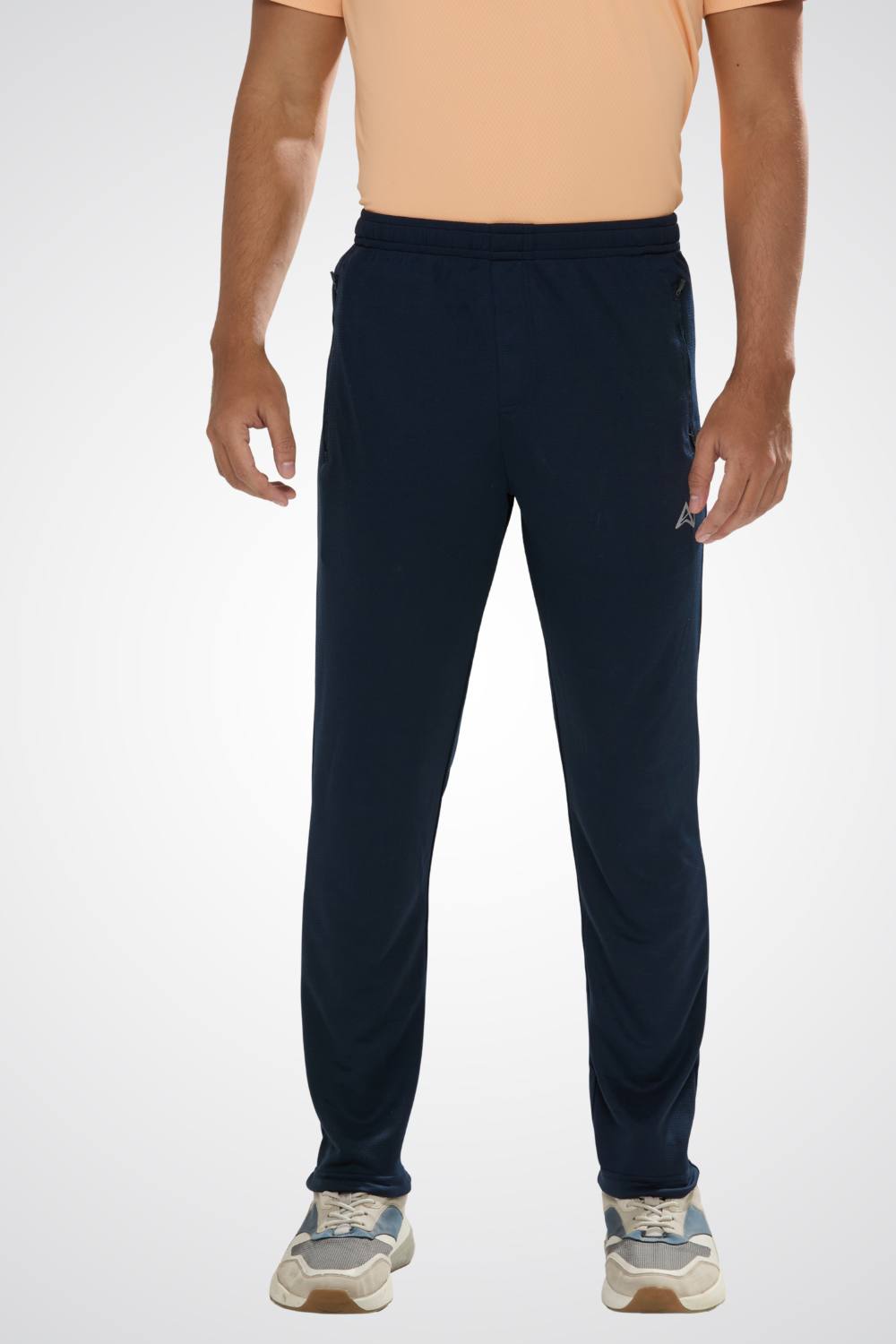
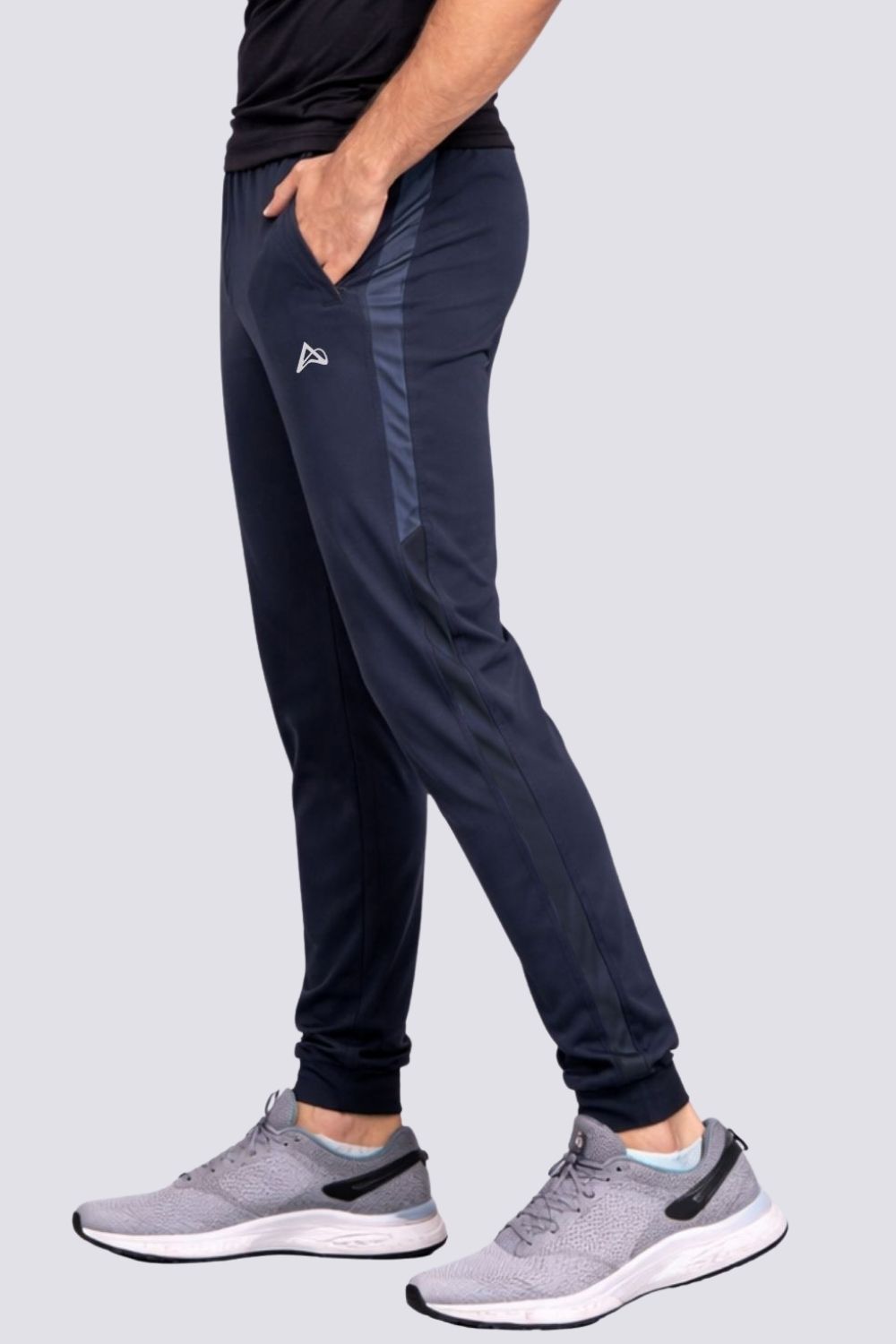
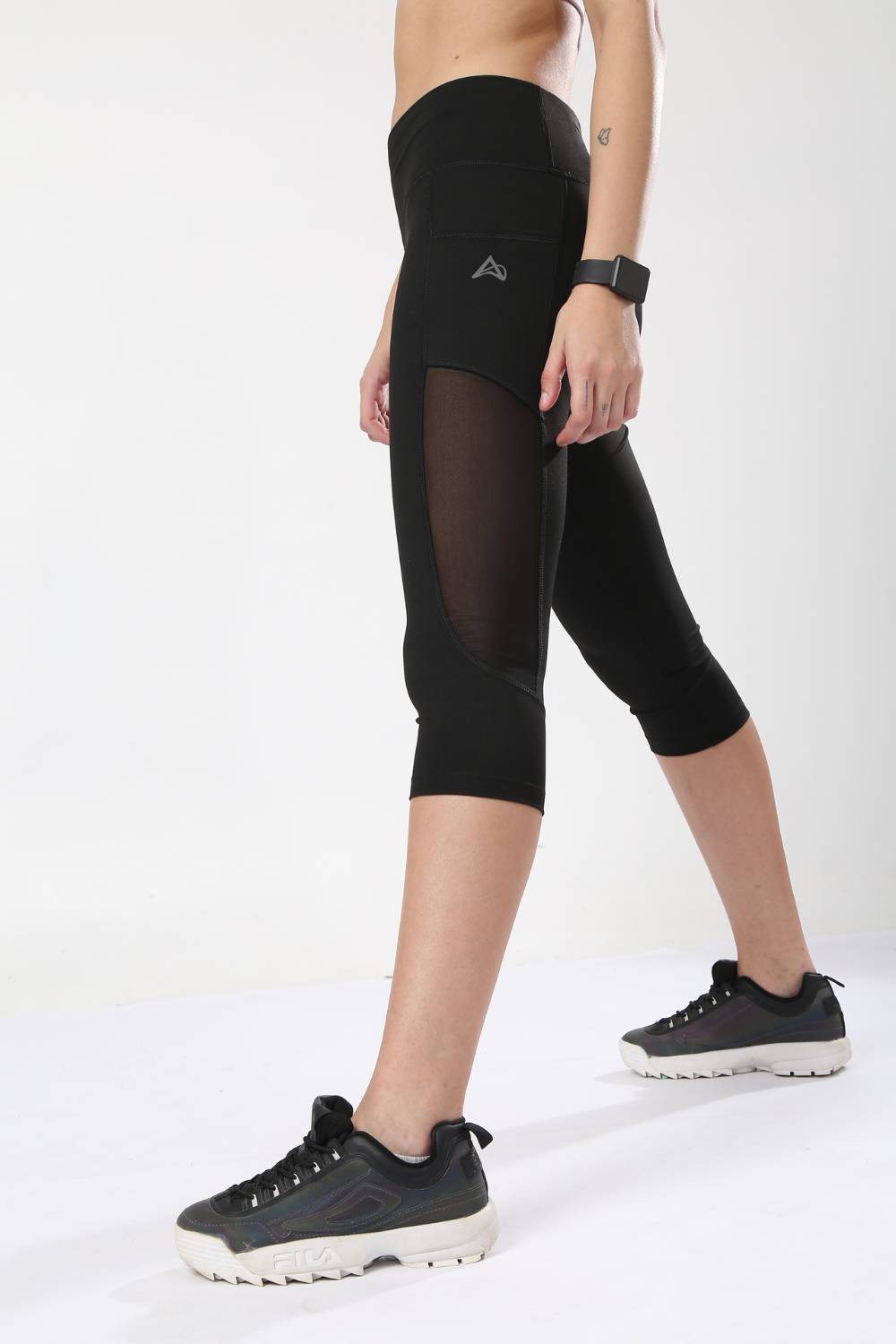
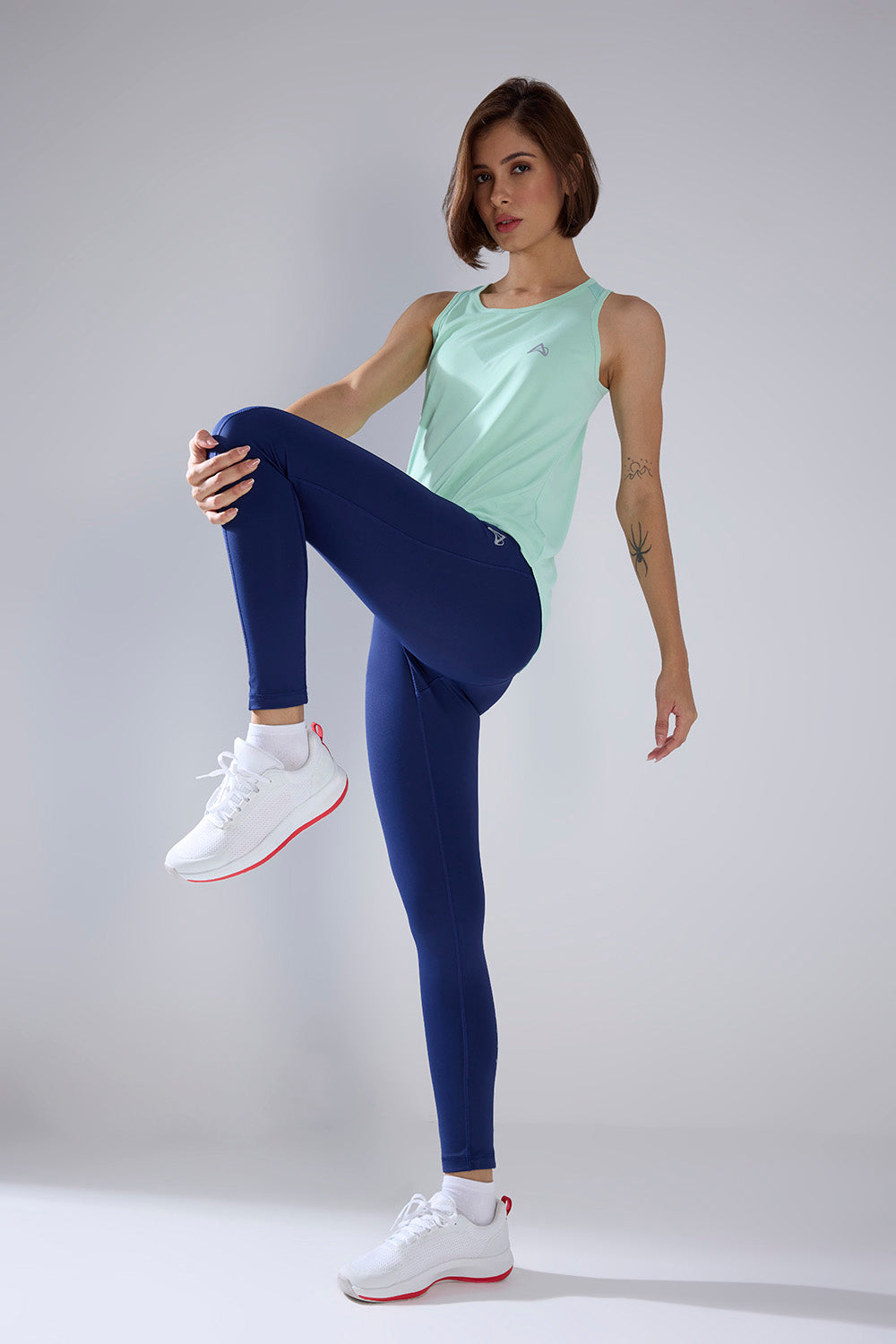
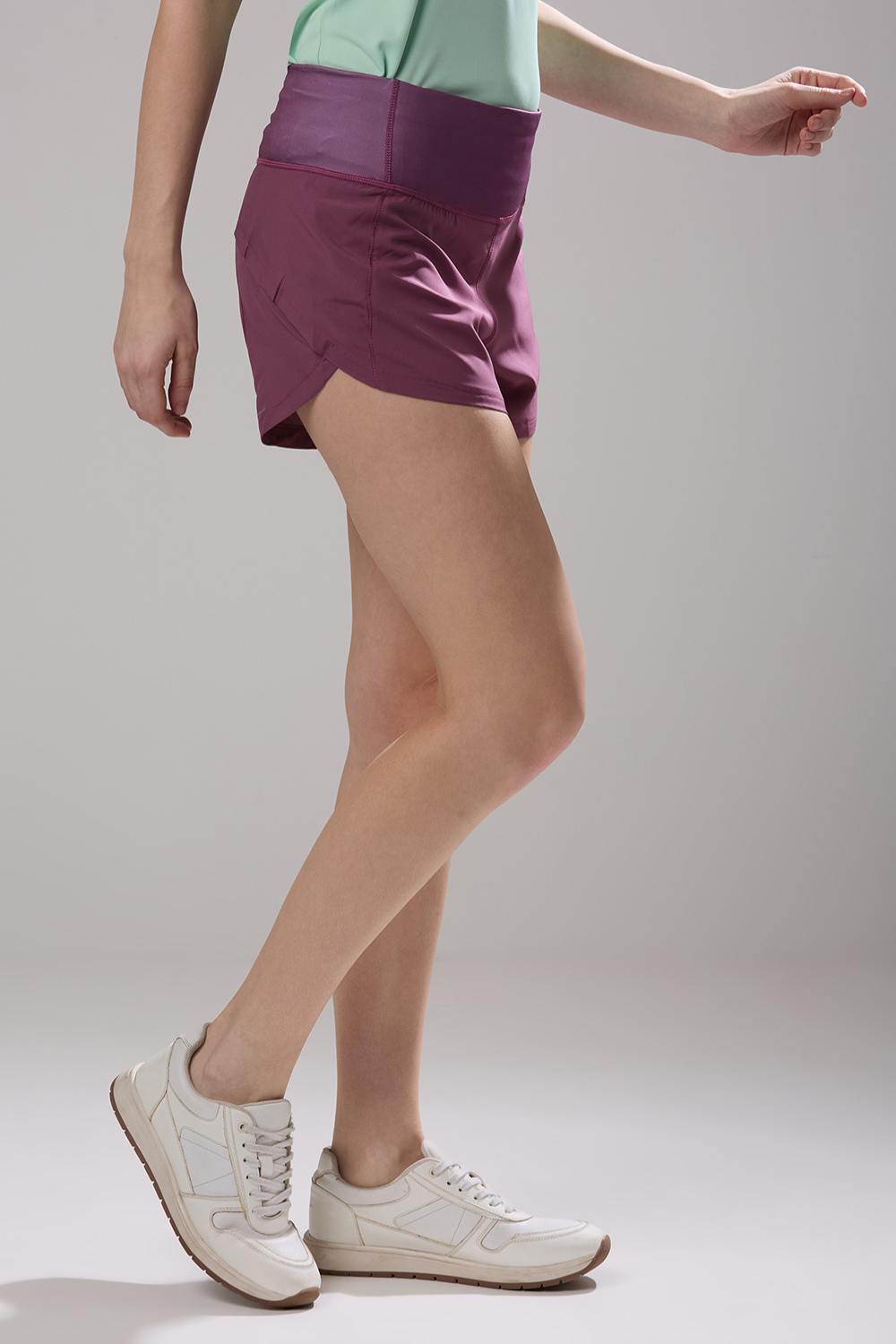
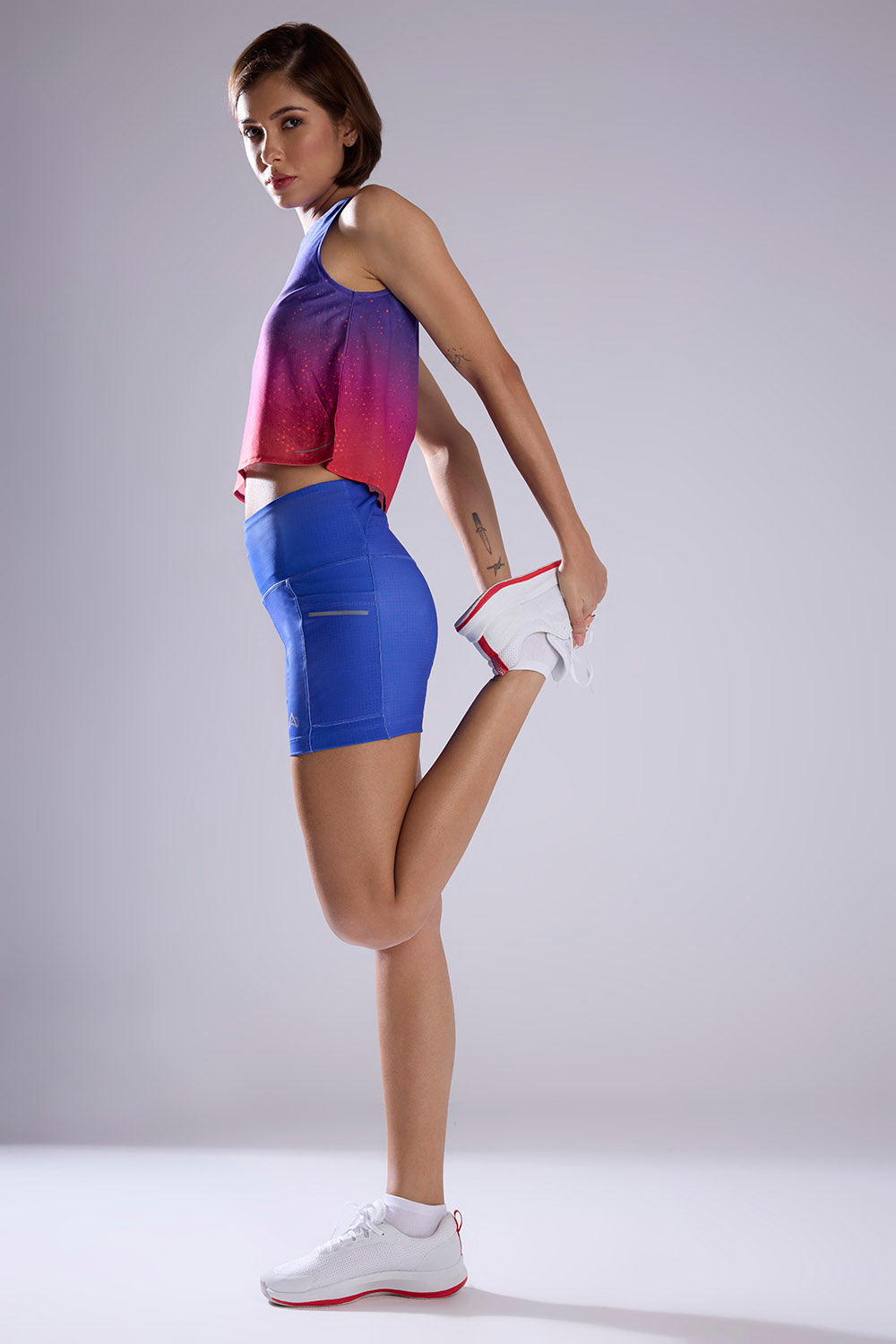
Far from perpetuating clichés, this data-driven framework refines scaling protocols and standardizes small, medium, and large designations. For activewear users, it manifests in tangible enhancements: elevated waistbands with adaptive hip-waist ratios, enhanced leg room for fluid motion, reinforced squat-resistant sections, and upper garments with optimized arm openings and body lengths. Even supportive undergarments like sports bras see upgrades through refined strap designs and ventilation placements suited to tropical climates.
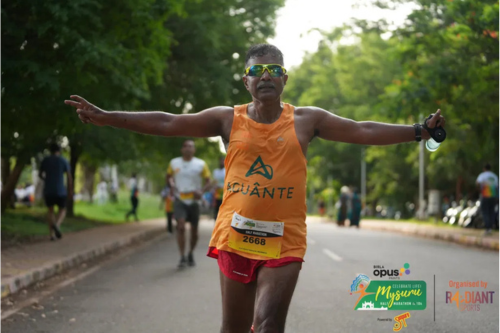
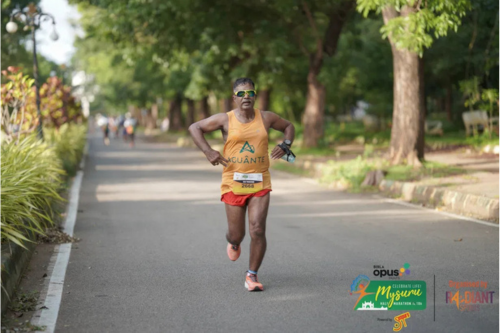
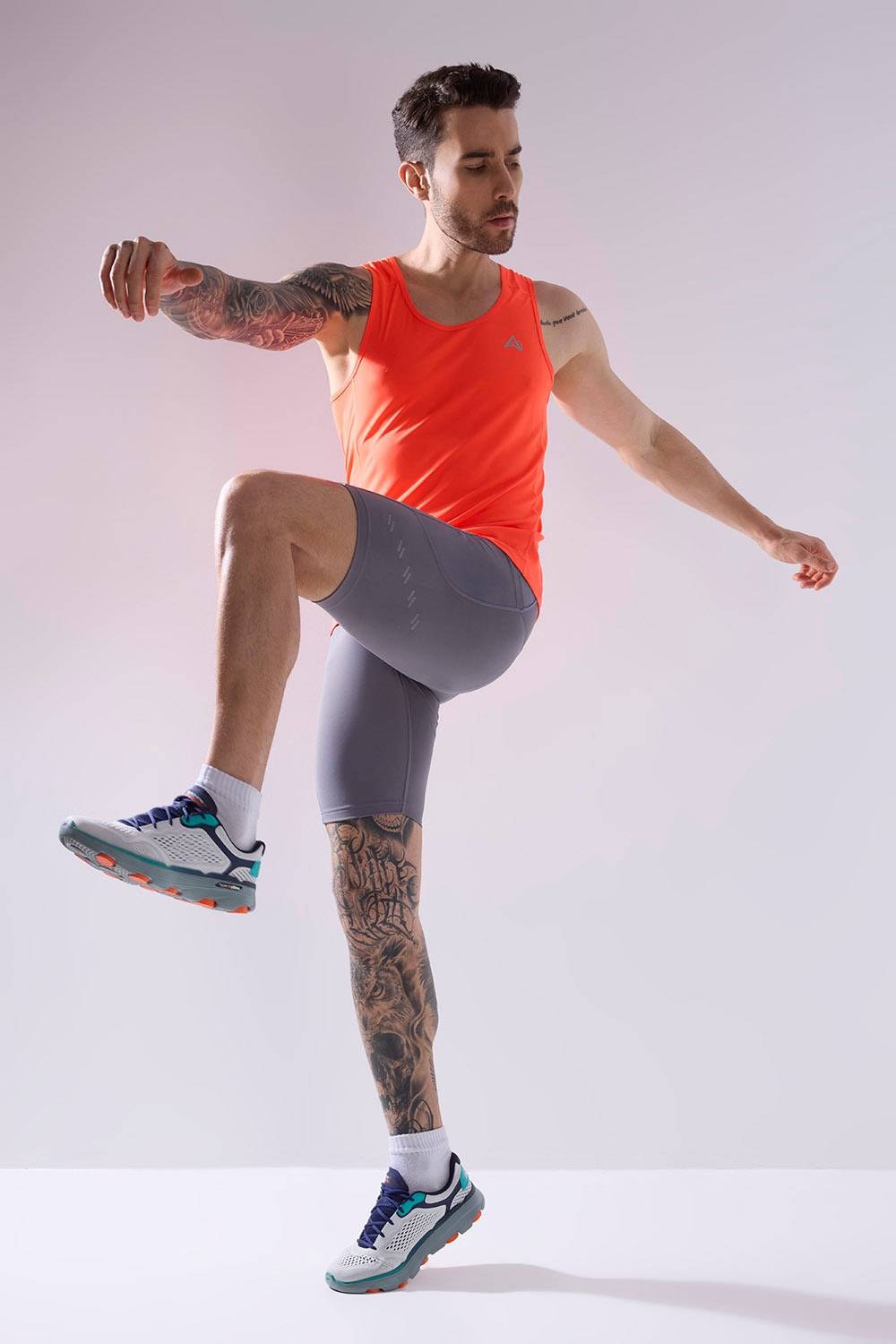
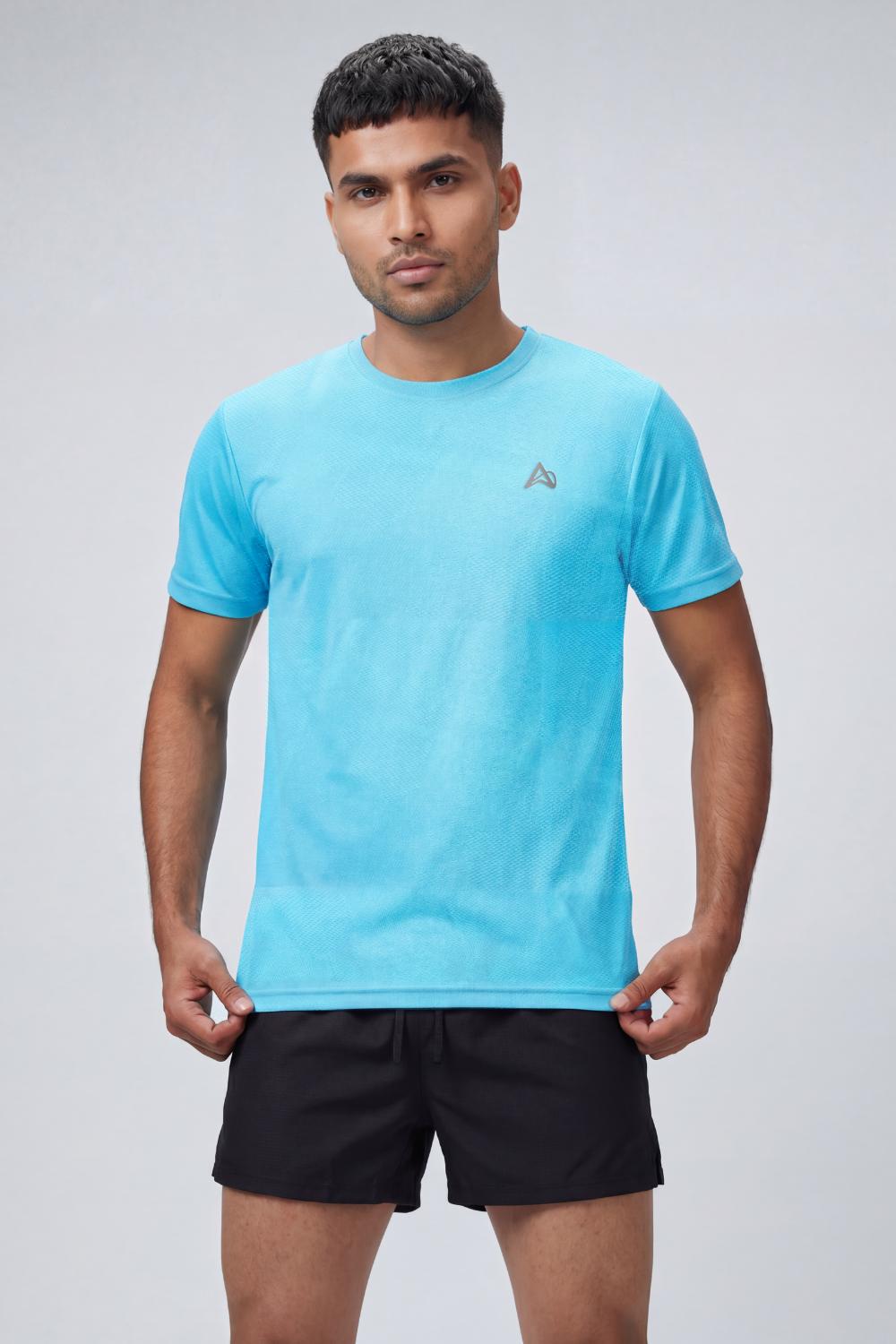
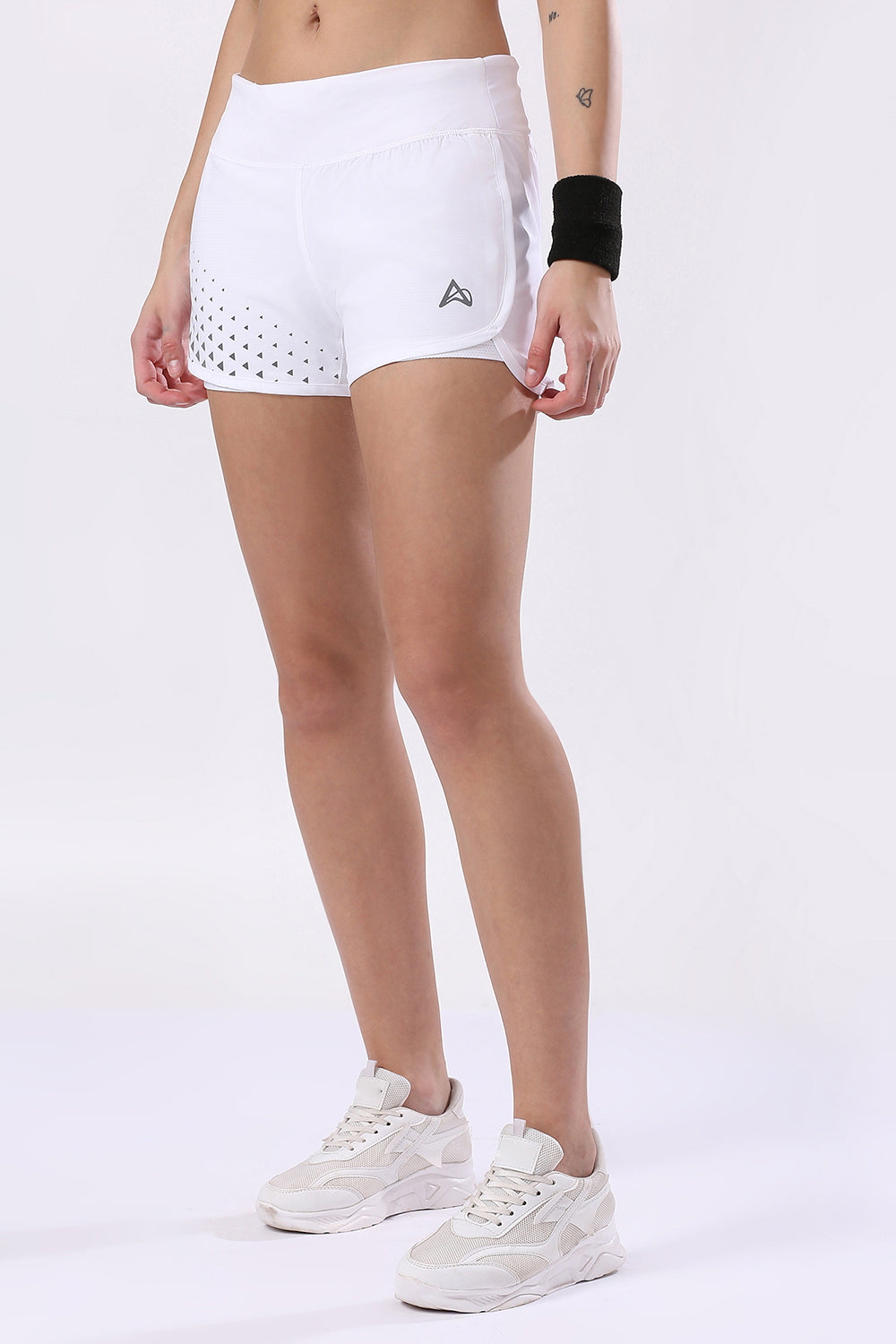
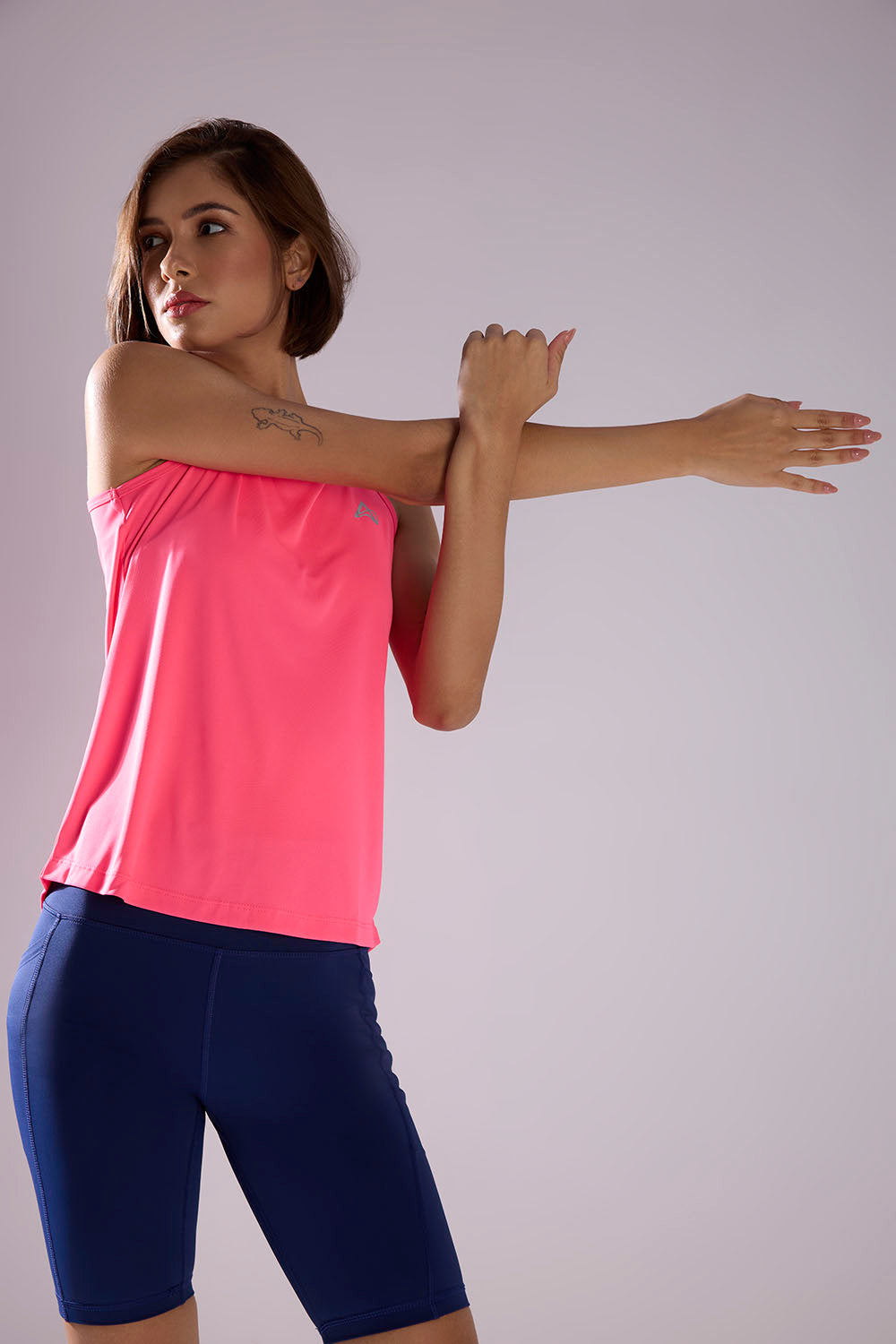
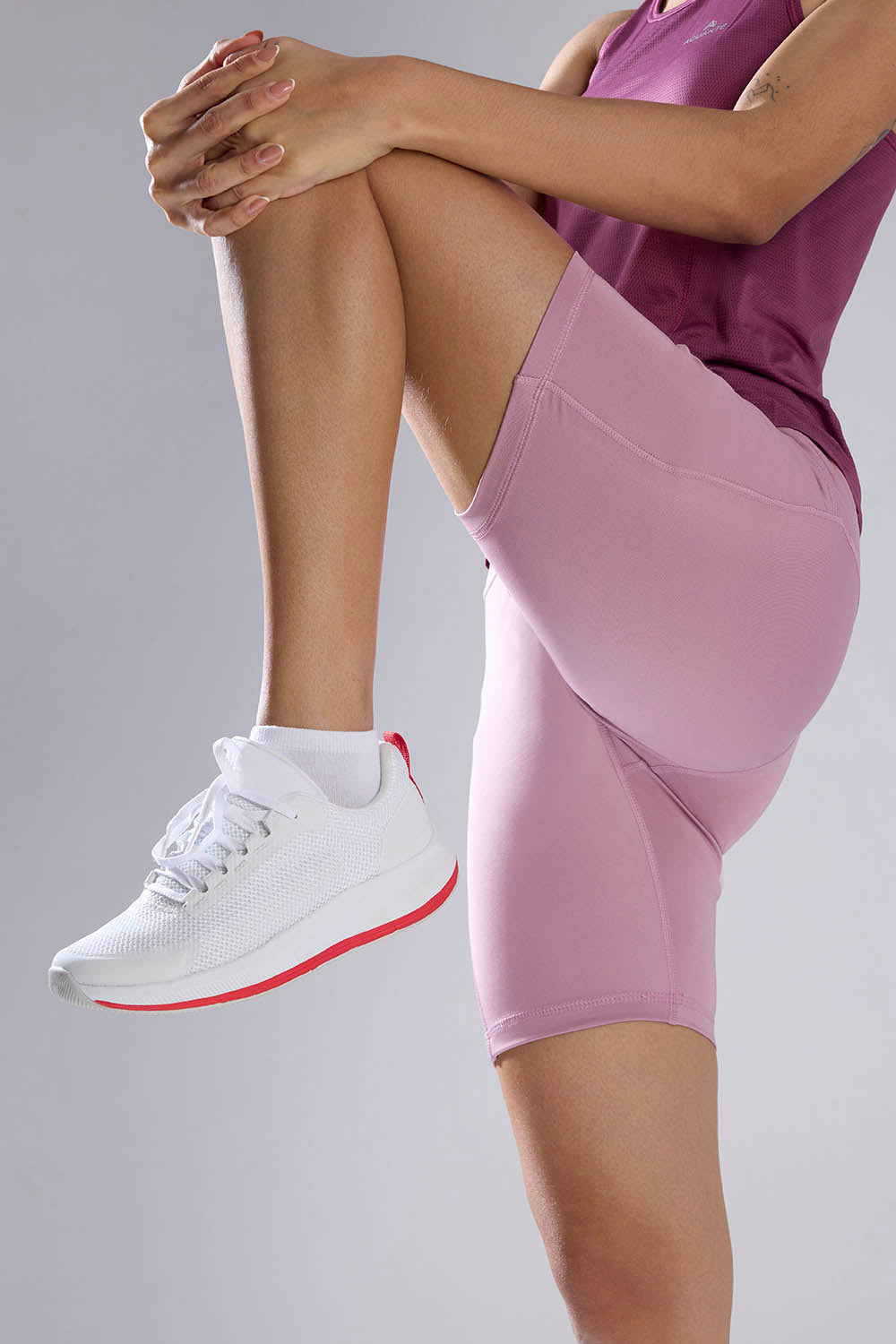
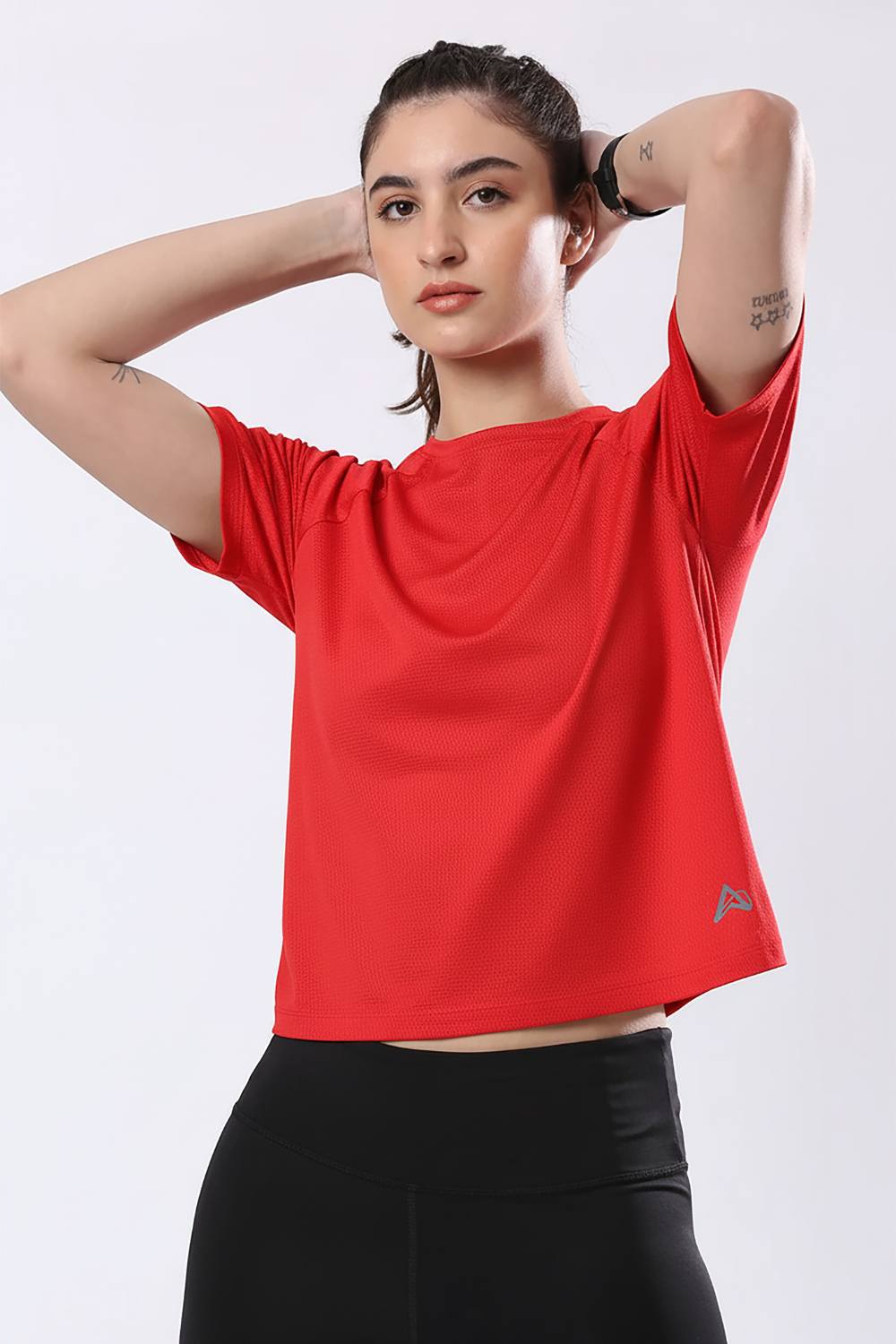
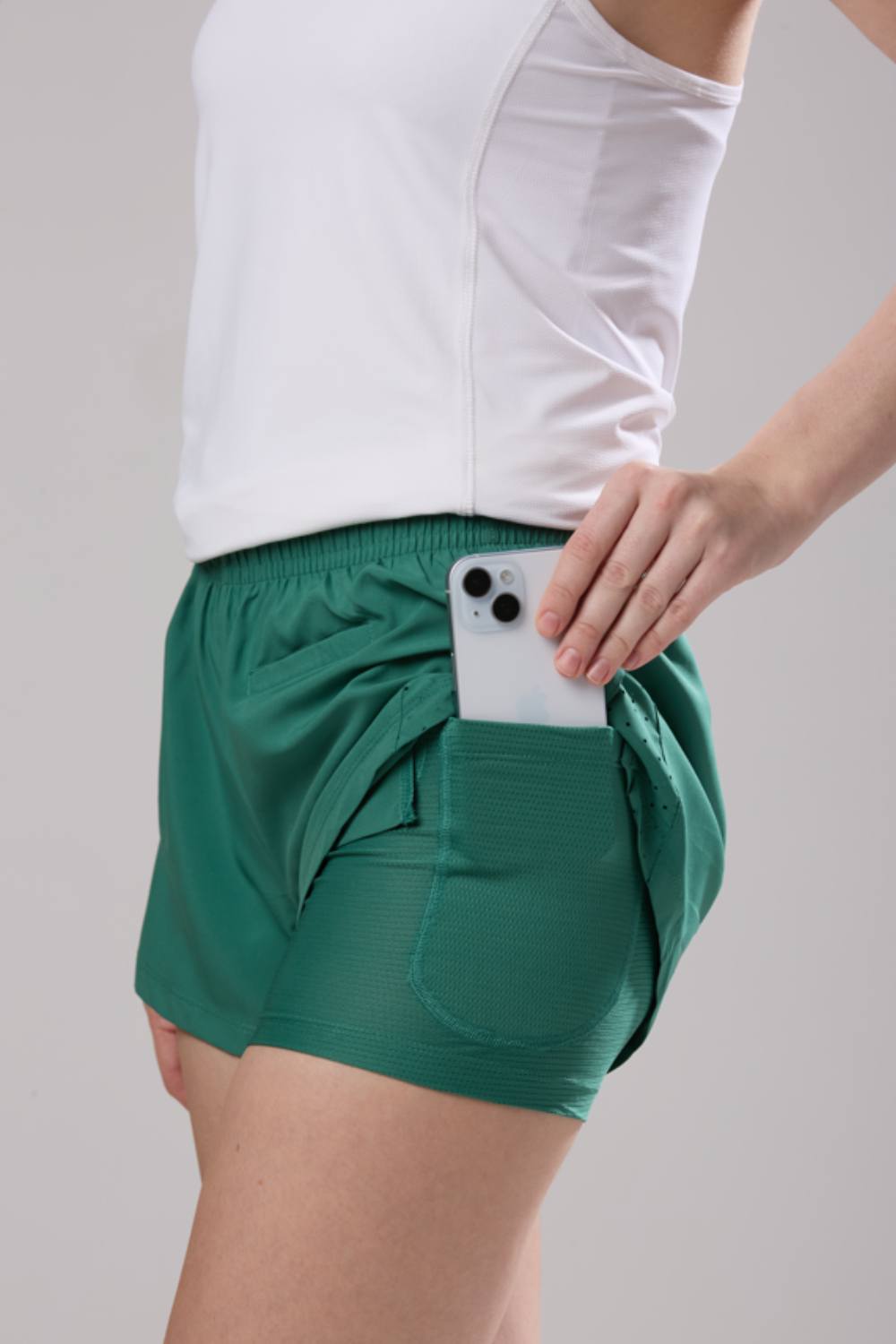
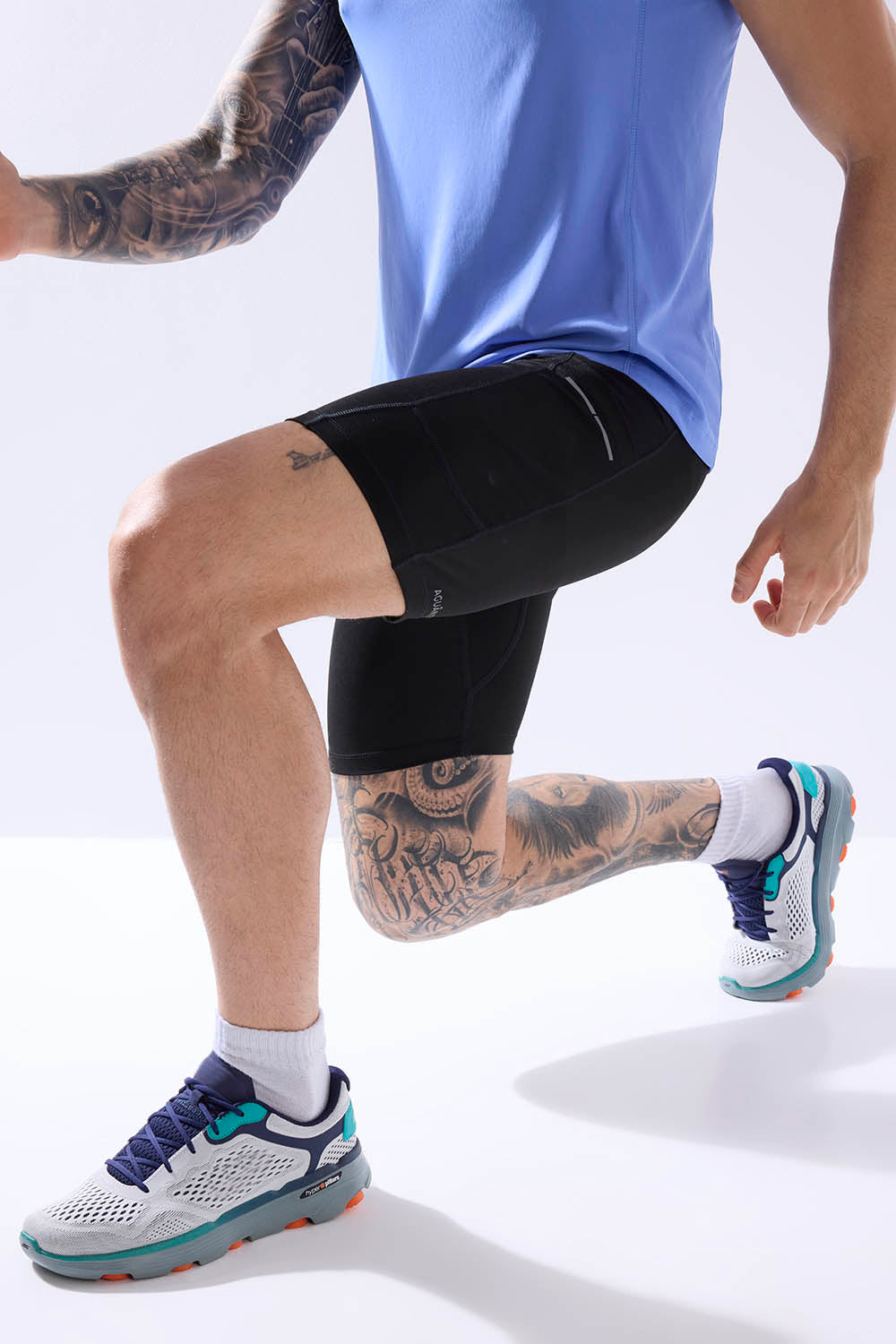
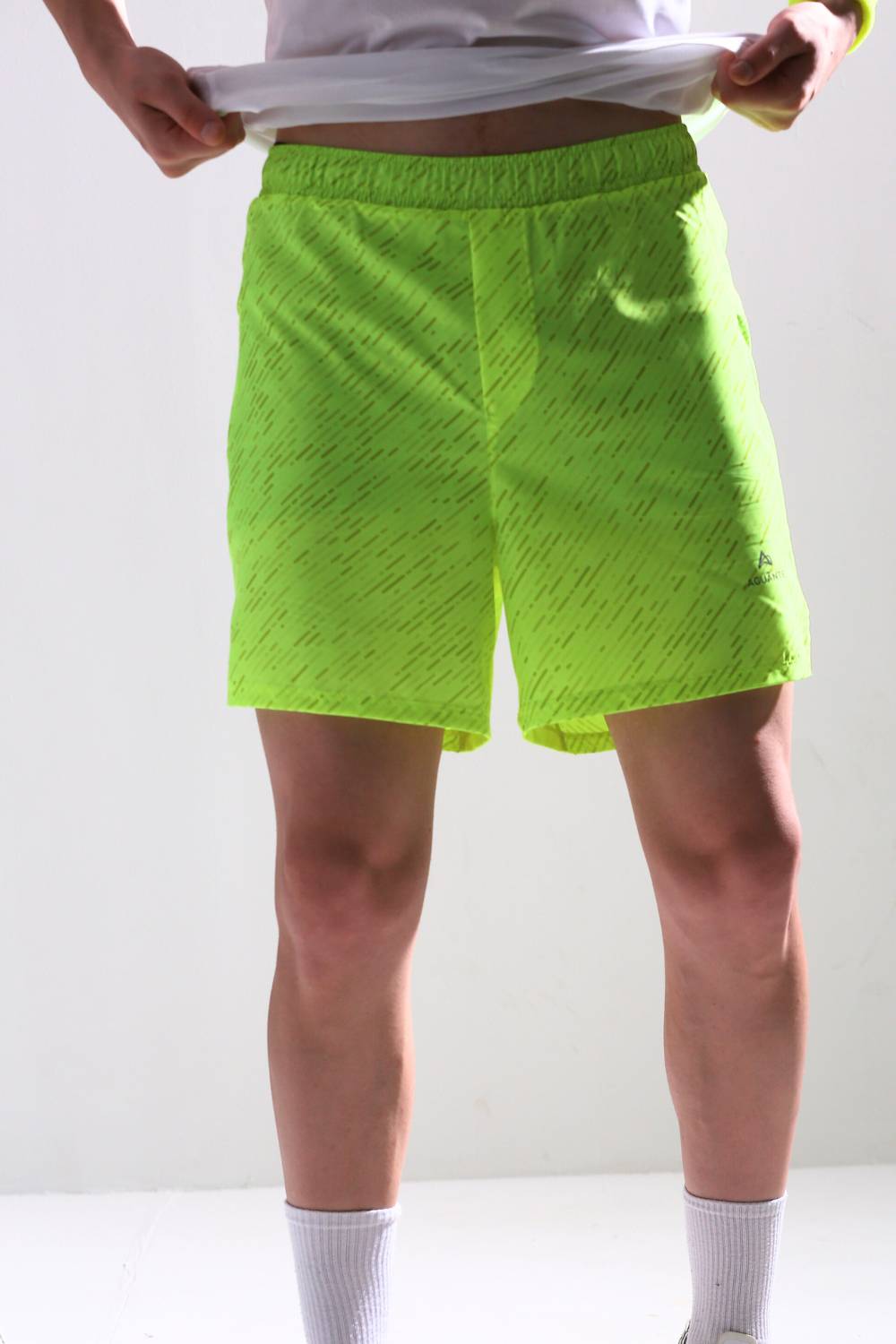
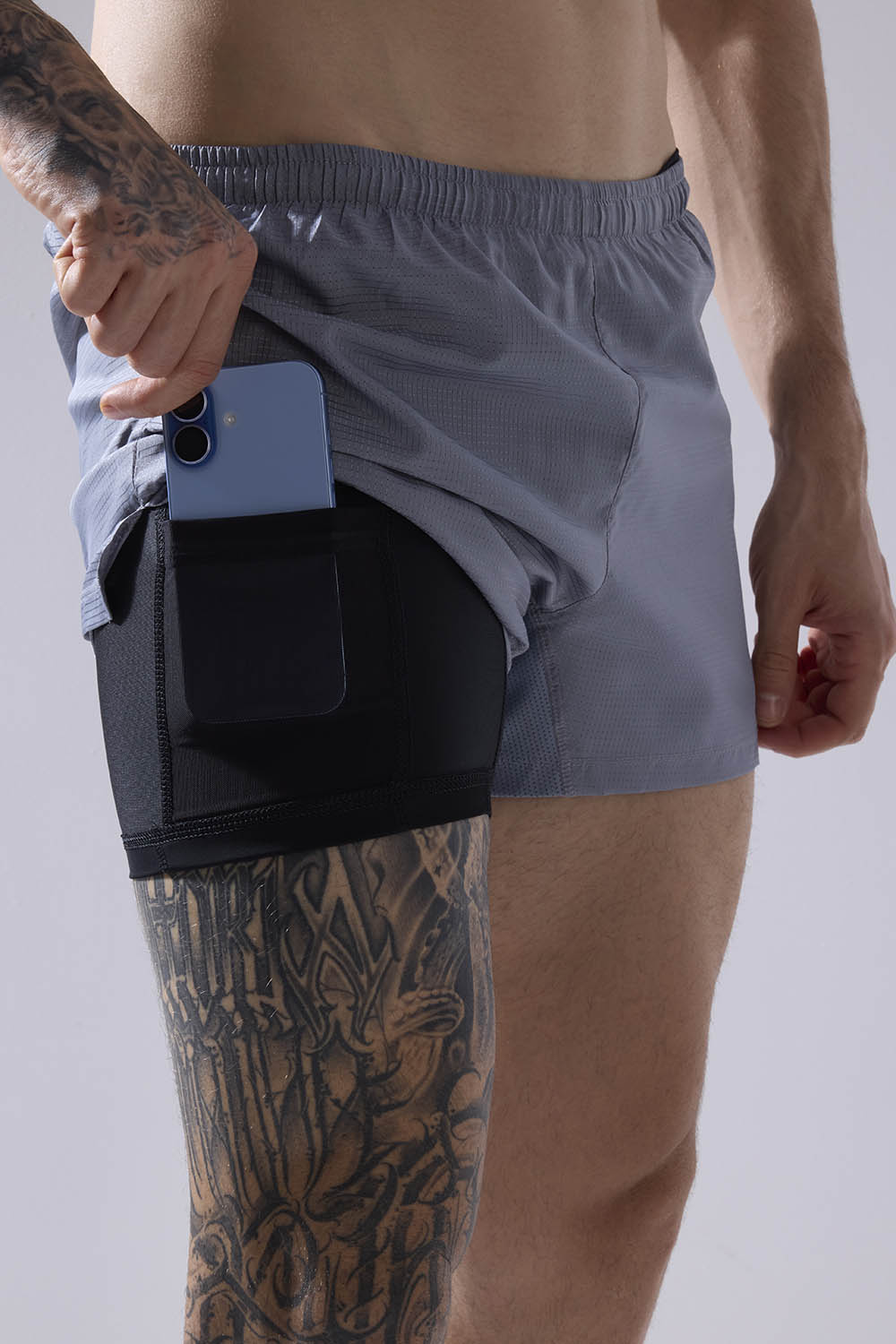
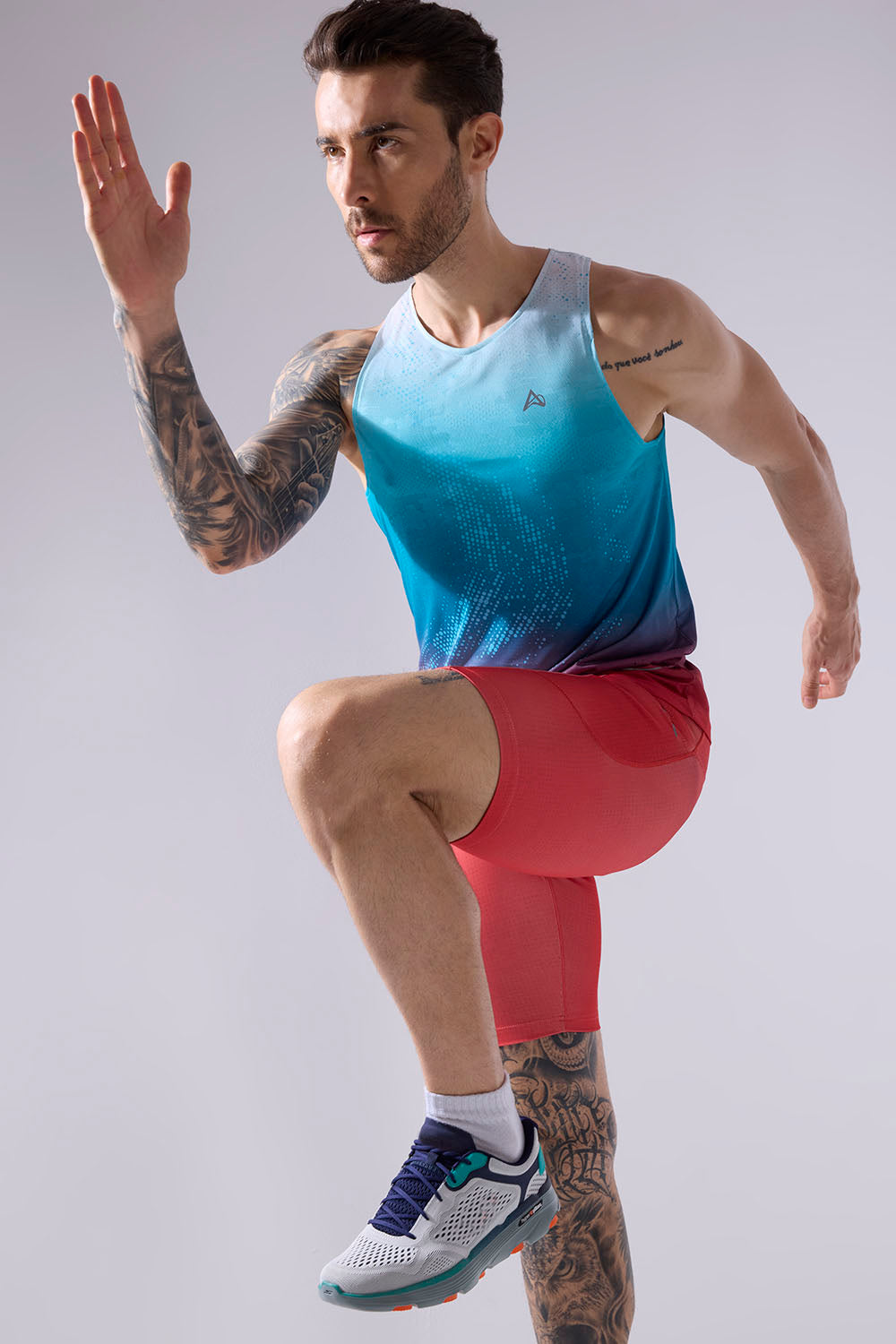
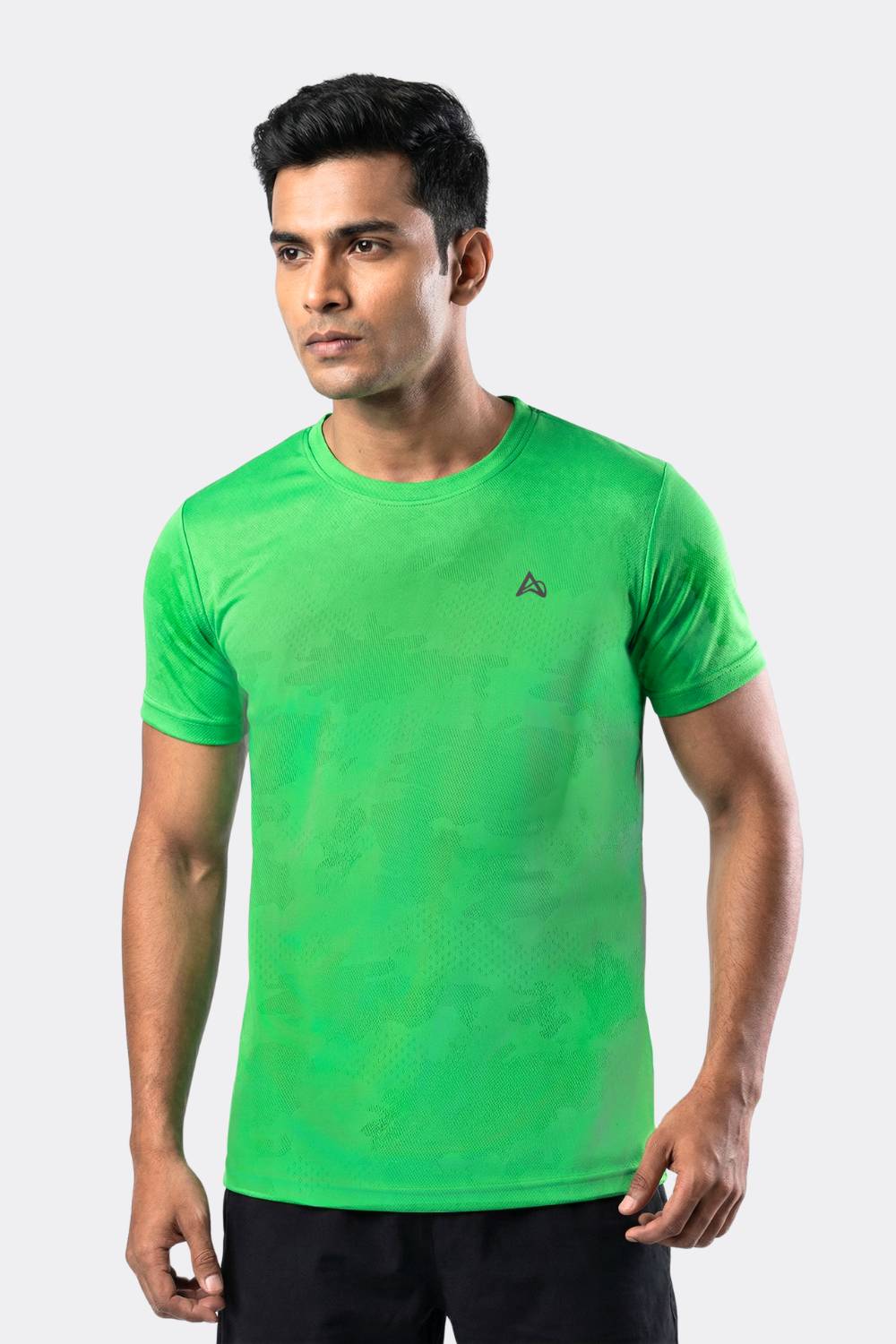
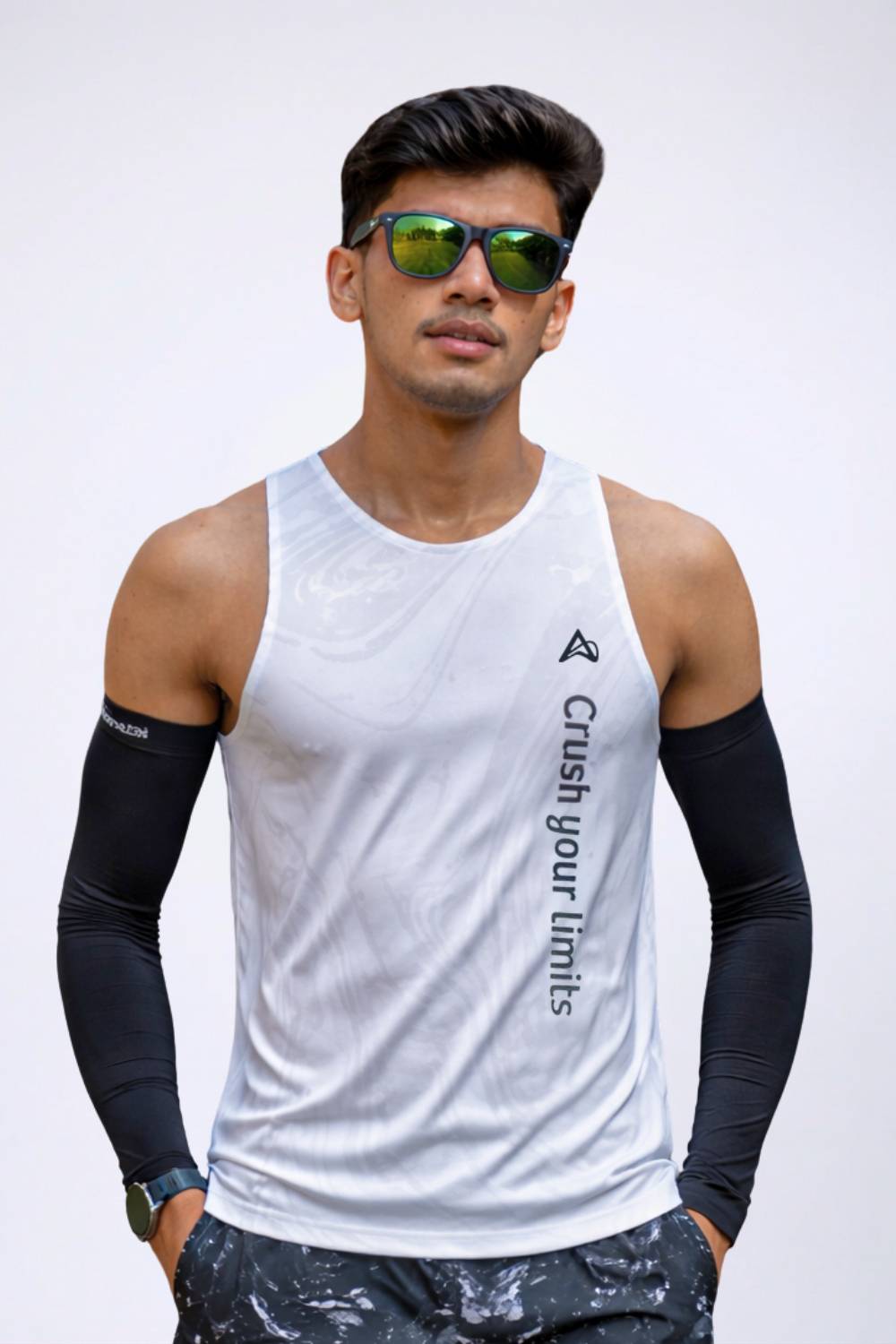
Emblematic of this ethos, Aguante crafts each item with Indian running exigencies in mind intense heat, pervasive moisture, irregular surfaces emphasizing ventilation, chafe-preventive interiors, stable compartments that remain secure, sweat-evaporating materials, visibility-enhancing accents, and silhouettes validated through athlete trials. Unlike multinational corporations that conceptualize remotely and impose steep costs, Aguante offers premium equipment attuned to local physiques, terrains, and routes at fair valuations, blending indigenous ingenuity with international benchmarks.
The Momentum Behind Localized Innovation
The India activewear market mirrors this vitality, clocking USD 15,107.3 million in revenue during 2024 and poised to hit USD 29,972.9 million by 2030, advancing at a 12.2% compound annual growth rate from 2026 onward. This escalation aligns with broader localization currents. For example, ASICS intends to elevate its India sportswear production to 40% from 30% in coming years, propelled by mandatory quality endorsements and import curbs that complicate foreign procurement.
Rephrasing industry insights, the overarching Indian textiles and apparel market stood at USD 222.08 billion in 2024, forecasted to balloon to USD 646.96 billion by 2033 via an 11.98% CAGR spanning 2026-2033. Propellants encompass escalating demand for upscale attire and intelligent fabrics, amplified governmental aid for artisans, and amplified adoption of eco-conscious resources. Global disruptions, such as instability in Bangladesh, redirect international retailers toward India, with New Delhi committing enhanced fiscal backing, including tax reductions on synthetics like polyester.
Similarly, the India clothing market registered USD 116.64 billion in 2026, slated for USD 177.70 billion by 2035 at a 4.30% CAGR from 2026. Catalysts involve structured retail proliferation, digital commerce surges, and evolving style inclinations influenced by online networks and worldwide influences. Eco-apparel's ascent, merging moral fabrication with superior cloths, shapes prospects, as evidenced by Cosset Clothing's November 2024 sustainable knit line. Athleisure's proliferation fuels fitness-oriented casual wear nationwide, with Reliance Retail's August 2024 Superdry expansion and 2026 joint venture with Delta Galil underscoring innovation in active segments.
On-the-ground dynamics, fueled by running collectives and grand spectacles, amplify requirements. Bengaluru's tech-savvy health aficionados favor sleek, work-to-workout adaptable outfits. Mumbai and Navi Mumbai participants emphasize perspiration control, friction mitigation, and rapid-evaporation textiles for extended, muggy exertions. Delhi and Gurugram's trendsetters pursue chic leisurewear bridging professional to athletic realms, incorporating cold-weather overlays. Pune's stamina devotees seek prolonged-session ease, generous carry spaces, and wear-resistant builds. Hyderabad's robust engagement surpassing 27,000 runners over 13 iterations of the NMDC Marathon highlights necessities for thermal regulation and UV shielding. Ahmedabad's premier gathering, the Adani Marathon, routinely attracts over 20,000 since 2023, accentuating cost-effective, robust equipment for sweltering periods.
These hubs transcend niches; from Hyderabad's endurance fest to Ahmedabad's soldier-honoring run, attendance metrics illuminate a widespread urban shift redefining gear anticipations.
Navigating the Hurdles of Adaptation
Yet, this pivot encounters obstacles. India's multifaceted populace defies a uniform "Indian silhouette" variations across regions, socioeconomic strata, and heredity endure, and generalization hazards exclusion. Online shopping grapples with label reliability deficits, as disparate branding muddles selections. Material compromises persist challenging: reconciling airiness with coverage, or firmness with sustained wearability, particularly in damp environs. Cultivating indigenous templates, rigorous durability assessments, and quality oversight escalates intricacy and expenditure.
Building on INDIAsize's bedrock, triumph necessitates continual evaluations with actual practitioners joggers, fitness buffs and evolutionary refinements to hone offerings.
Further complicating matters, the Clothing Manufacturer's Association of India cautions that elevating GST on apparel exceeding Rs 2,500 from 12% to 18% could devastate the sector, already strained by subdued exports and U.S. tariff repercussions. Such items aren't extravagances but embody elevated material and artisanal expenses, and the adjustment might penalize the upwardly mobile while eroding formalized operations. Immediate ramifications span woolens, celebratory outfits, and heritage crafts, jeopardizing artisan sustenance in a field sustaining over 12 million, predominantly female and modestly trained workers.
As Rahul Mehta, CMAI's chief mentor, articulates, overseas shipments lag amid tariffs impacting 35% of dispatches, heightening reliance on internal consumption where buyers, increasingly frugal, favor gadgets, voyages, and escapades over clothing. Prolonged payment terms from 45 to 120 days strangle liquidity, amid fluctuating input and transport costs, rendering cost absorption untenable.
Unlocking Potential and Strategic Imperatives
For enterprises, rewards abound: superior sizing assurance curtails refunds, elevates repurchases, and cements devotion in efficacy-centric domains. It forges distinctiveness versus alien contours that seem mismatched. Collaborative evolution alliances with regional jogging groups in Mumbai, Delhi, Bengaluru, Hyderabad, and Ahmedabad, or via after-sale critiques and India-centric size selectors transforms patrons into collaborators.
Aguante capitalizes here, connecting with enthusiasts through Instagram, Facebook, and YouTube, platforms where genuine narratives thrive. Its emphasis on runner-prioritized elements unimpeded mobility, dependable holdings, environment-adapted weaves fortifies its stance in a relevance-craving arena.
Inclusivity extends to the India plus size clothing market, valued at USD 10,075.39 million in 2024 and eyed to attain USD 18,286.77 million by 2032 at a 6.84% CAGR from 2024. Impetuses comprise burgeoning calls for diverse fashion, heightened body acceptance, and an expanding affluent middle stratum. Western India commands 32% share, trailed by North at 30%, with South and East progressing steadily.
The India apparel and footwear market, pegged at USD 67.32 billion in 2024, is anticipated to climb to USD 109 billion by 2030, progressing at an 8.45% CAGR over 2026-2030. This encompasses garment and shoe creation, circulation, and vending, with apparel spanning casual to athletic variants. Evolving fashions compel agile adaptations. Post-pandemic, comfort-centric athleisure endures, bolstered by wellness emphases and social media's sway. Sustainability gains traction, with eco-initiatives from majors like Aditya Birla and Lifestyle. Bespoke tailoring surges in menswear, presenting avenues amid unorganized competition's price undercuts.
Charting the Future
India-centric dimensioning transitions from promotional rhetoric to quantifiable tactics, buoyed by endeavors like INDIAsize and participation booms. Over the ensuing 12-24 months, anticipate uniform Indian size notations on listings, broadened metropolitan trial cohorts, and intensified weather-tailored advancements envision sophisticated venting schemas, seam safeguards against irritation, and expedited moisture dispersal.
Ultimately, catering to Indian buyers entails honoring variety: empirically grounded measurements fused with unwavering athlete insights. As thoroughfares brim with joggers at ease in their attire, the verdict resounds the activewear horizon here shuns imports. It's forged for the forms and pursuits that embody it.
Frequently Asked Questions
How is activewear designed for Indian body types different from international brands?
Activewear designed for Indian body types uses data from the INDIAsize initiative, which scanned over 25,000 Indians to capture authentic dimensions like waist-hip proportions, shoulder inclinations, and limb girths. This results in practical improvements such as elevated waistbands with adaptive hip-waist ratios, enhanced leg room for fluid motion, optimized arm openings, and climate-appropriate ventilation addressing common fit issues like constricting waists and restrictive fabrics that plague overseas brands.
What is the INDIAsize initiative and how does it help Indian activewear brands?
INDIAsize is a government initiative spearheaded by the Ministry of Textiles and implemented by the National Institute of Fashion Technology, using 3D body scanning technology to collect data from over 25,000 individuals across cities like Delhi, Mumbai, Chennai, Hyderabad, Kolkata, and Shillong. This comprehensive data provides Indian activewear brands with accurate size guidelines reflecting authentic Indian dimensions, enabling them to create better-fitting apparel with standardized sizing that supersedes outdated Western standards.
Why is the Indian activewear market growing so rapidly?
The Indian activewear market generated USD 15,107.3 million in 2024 and is projected to reach USD 29,972.9 million by 2030, growing at 12.2% annually. This growth is driven by the surge in running culture across cities like Bengaluru, Mumbai, Delhi, Hyderabad, and Ahmedabad, increased participation in marathons (with events attracting 20,000-27,000+ runners), rising health consciousness post-pandemic, and the proliferation of locally-designed gear that better fits Indian body types and climate conditions.
Disclaimer: The above helpful resources content contains personal opinions and experiences. The information provided is for general knowledge and does not constitute professional advice.
You may also be interested in: Indian Activewear Brands Focus on Performance and Value
Tired of gear that slows you down? Chafing, soggy fabrics, and missing pockets kill your run's momentum. At Aguante, we're runners who get it. Our high-performance activewear features moisture-wicking fabrics, ergonomic designs, and smart storage to keep you focused. Shop Now!
Powered by flareAI.co