





Quick Listen:
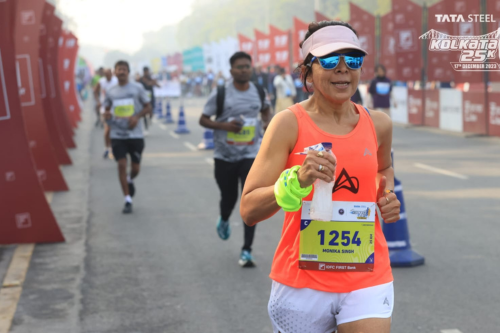
In the misty dawn of Bangalore's Cubbon Park or the steamy promenades lining Mumbai's coastline, a vibrant transformation is underway. Runners are hitting the pavements in unprecedented numbers, with clubs ballooning to hundreds-strong gatherings and marathons turning into urban spectacles across cities like Hyderabad and Ahmedabad. India's amateur running scene has exploded, now boasting an estimated 2.6 million participants a staggering leap from just 10,000 in 2004 cementing it as the country's fastest-growing sport. This surge, driven by young adults aged 21 to 35 seeking camaraderie and routine in bustling metropolises, is more than a fitness fad; it's redefining endurance culture.
This explosion extends beyond mere mileage it's revolutionizing runner's wardrobes. Tired of exorbitant costs from foreign giants and apparel ill-suited to India's sweltering heat, gritty dust, and erratic terrains, enthusiasts are pivoting to indigenous options. These homegrown labels, crafted by those who pound the same paths, deliver top-tier performance wear that balances excellence with affordability, sparing runners the financial strain.
Consider the broader apparel landscape: the sector achieved a global valuation of USD 1.77 trillion in 2024, with projections climbing to USD 2.26 trillion by 2030 at a compound annual growth rate of 4.2% from 2025 onward. Asia Pacific commanded a dominant 40.5% revenue share that year, propelled by escalating consumer spending on clothing worldwide. Emerging economies like India are at the forefront, with rising incomes encouraging frequent wardrobe refreshes and a tilt toward sustainable, eco-friendly garments. Social media's sway on style choices amplifies this, alongside the rise of direct-to-consumer models that offer convenience and sharp pricing through online platforms.
Yet, beneath this global swell, urban India witnesses a subtler evolution. In locales such as Pune, Delhi, Gurugram, Surat, and Navi Mumbai, runners favor equipment tailored to local realities airy textiles combating Bangalore's persistent humidity, fast-drying builds tackling Mumbai's muggy shores, durable constructions enduring the intense heat of Hyderabad, Surat, and Ahmedabad, and adaptable layers navigating Delhi-Gurugram's extreme weather shifts from scorching summers to chilly winters.
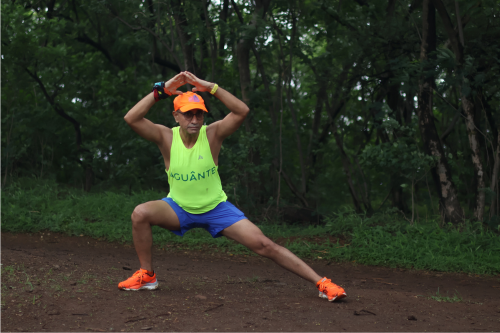
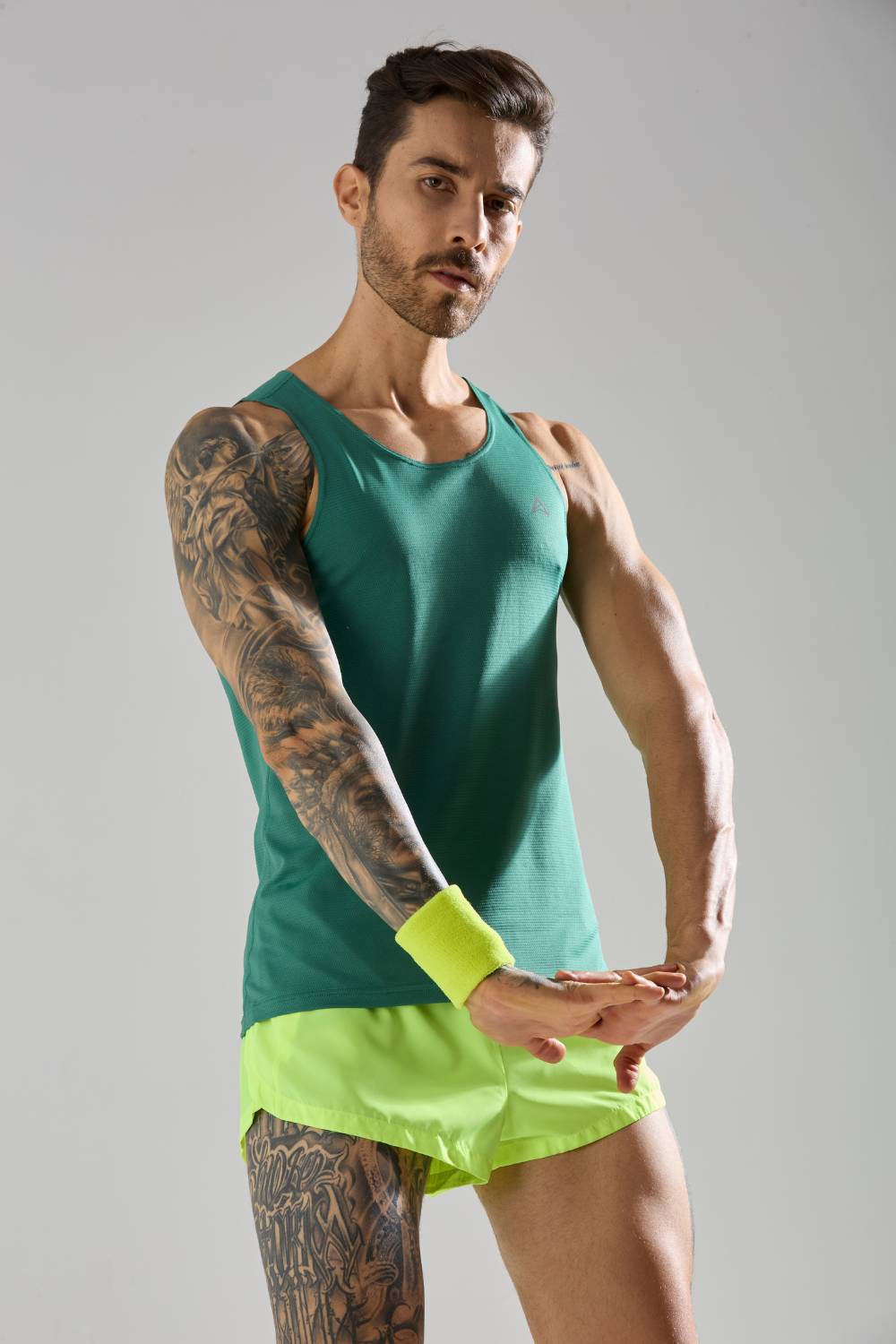
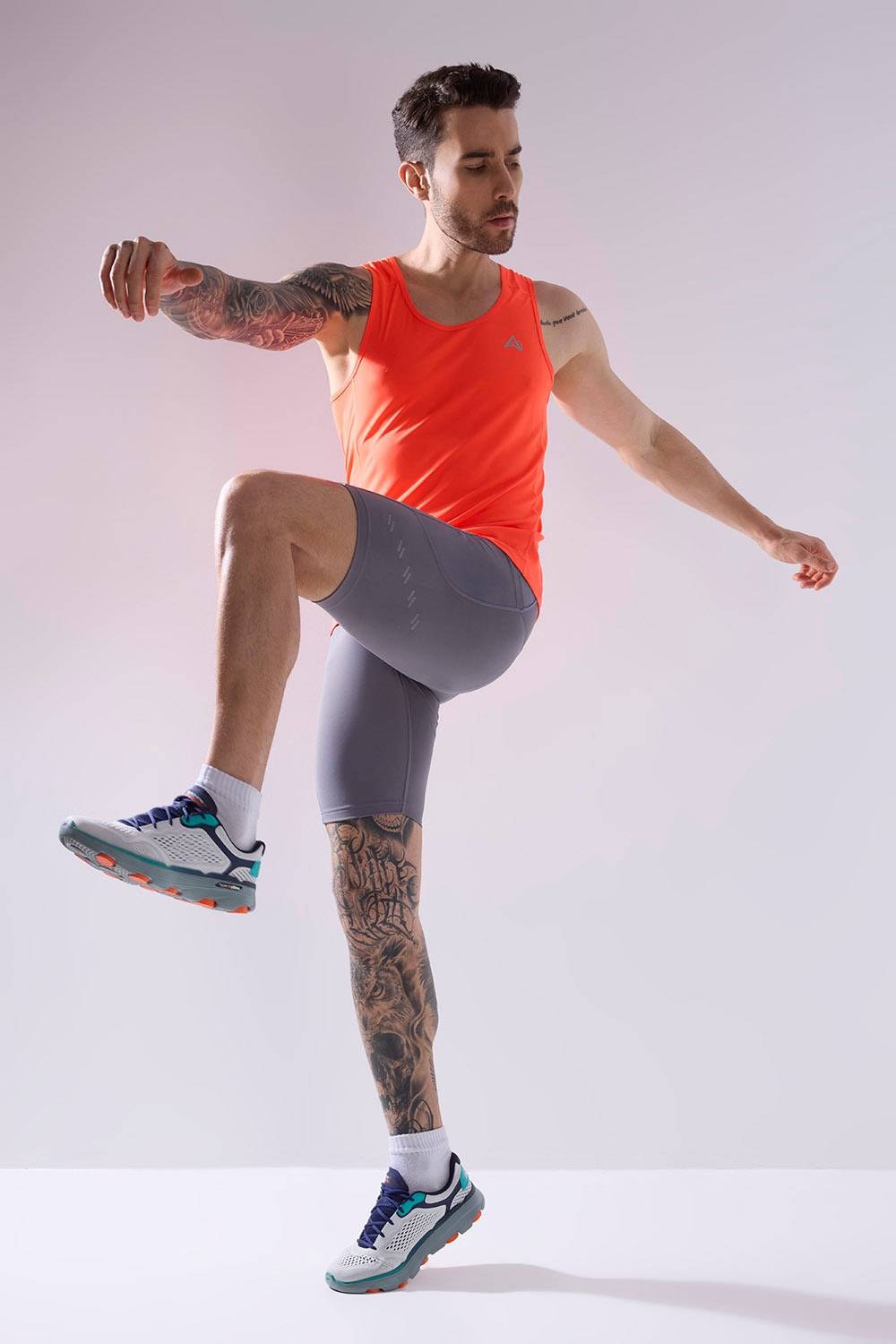
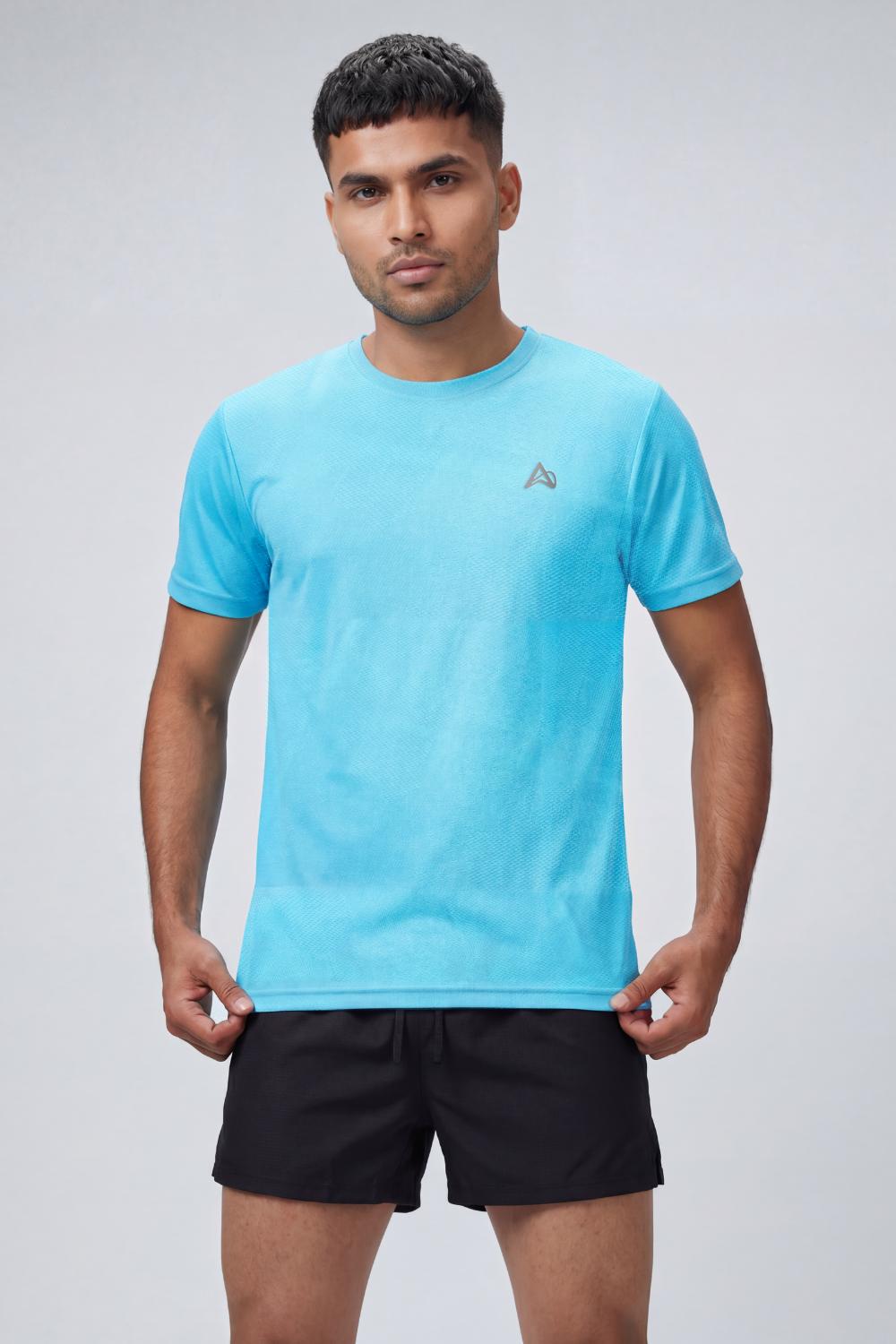
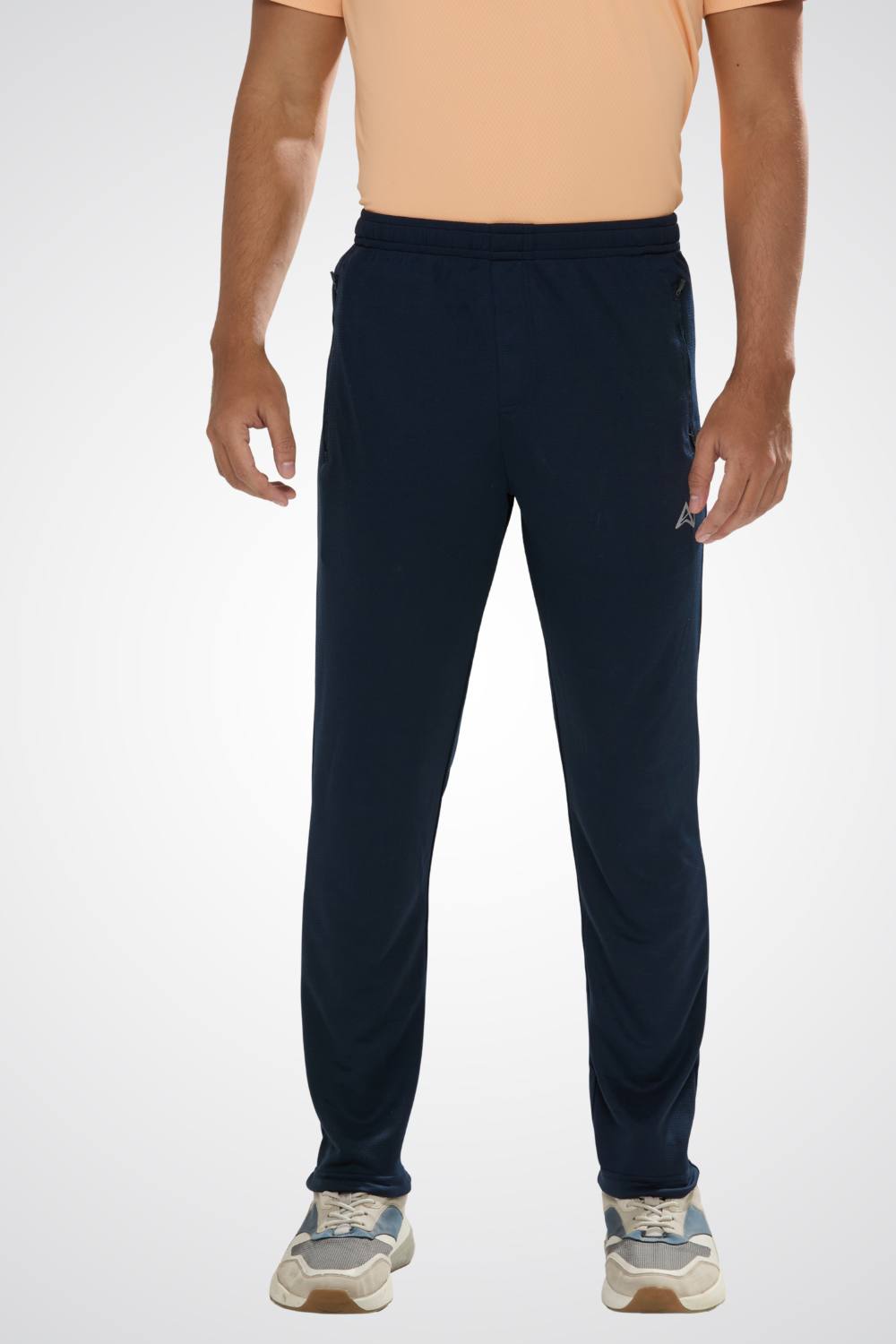
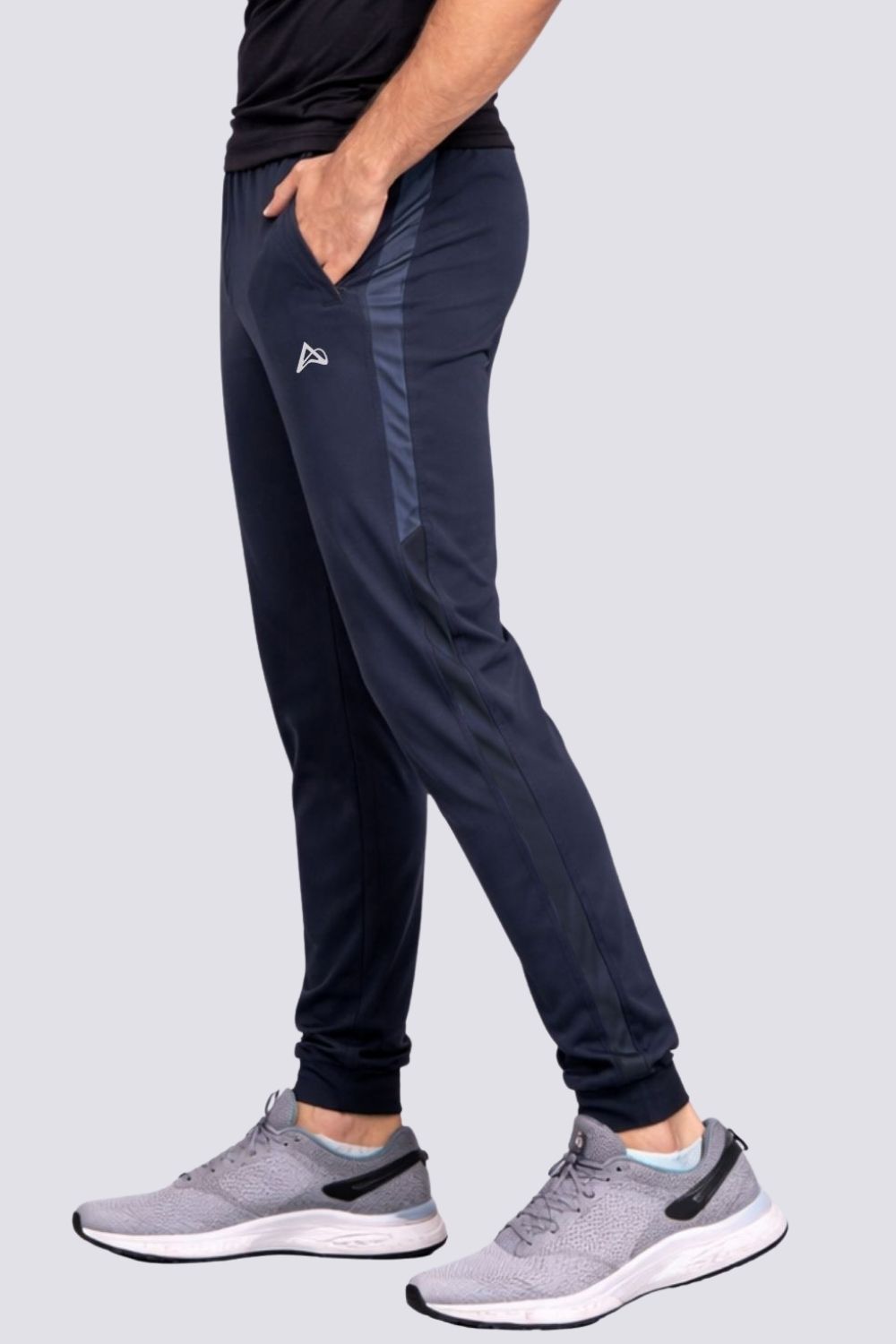
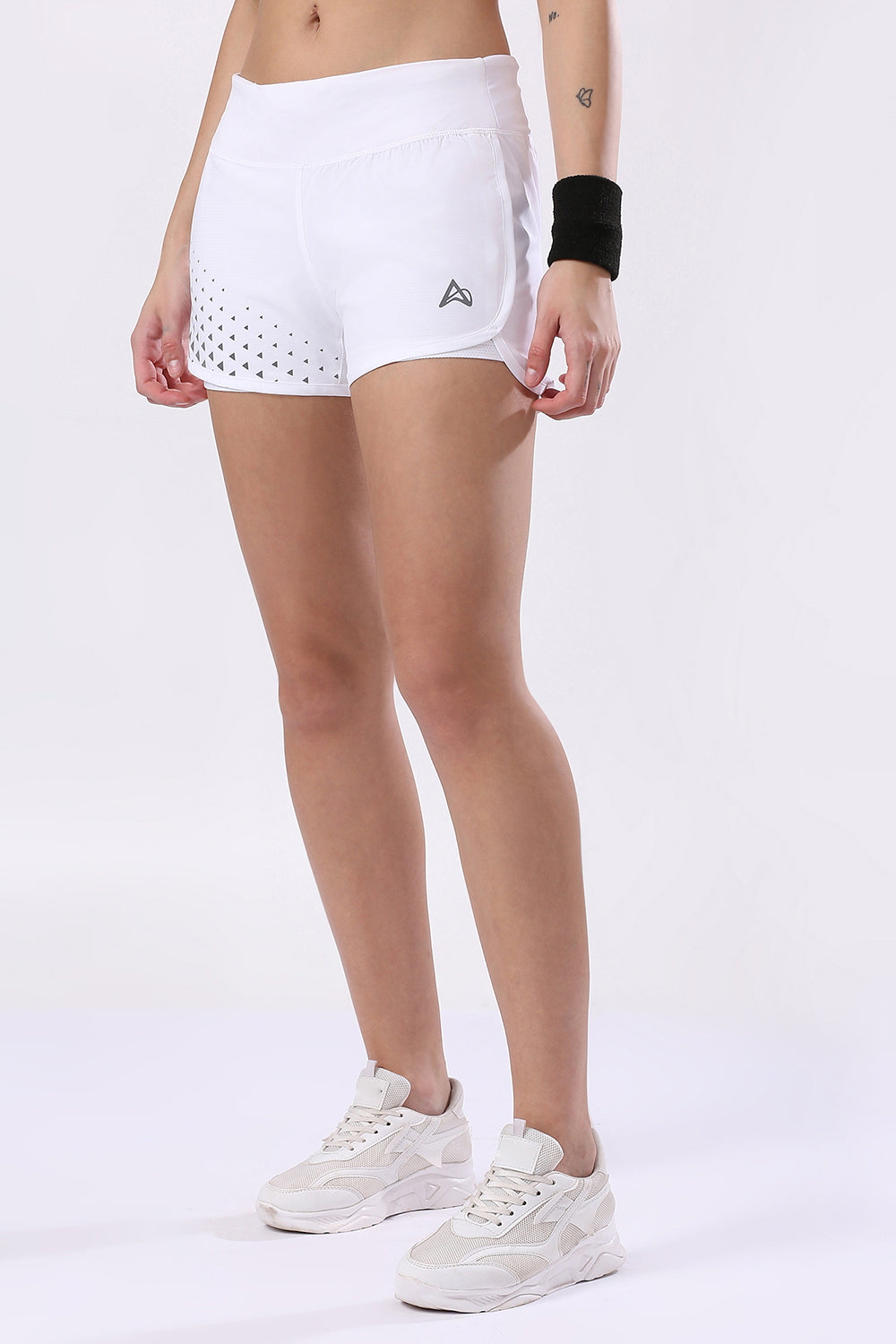
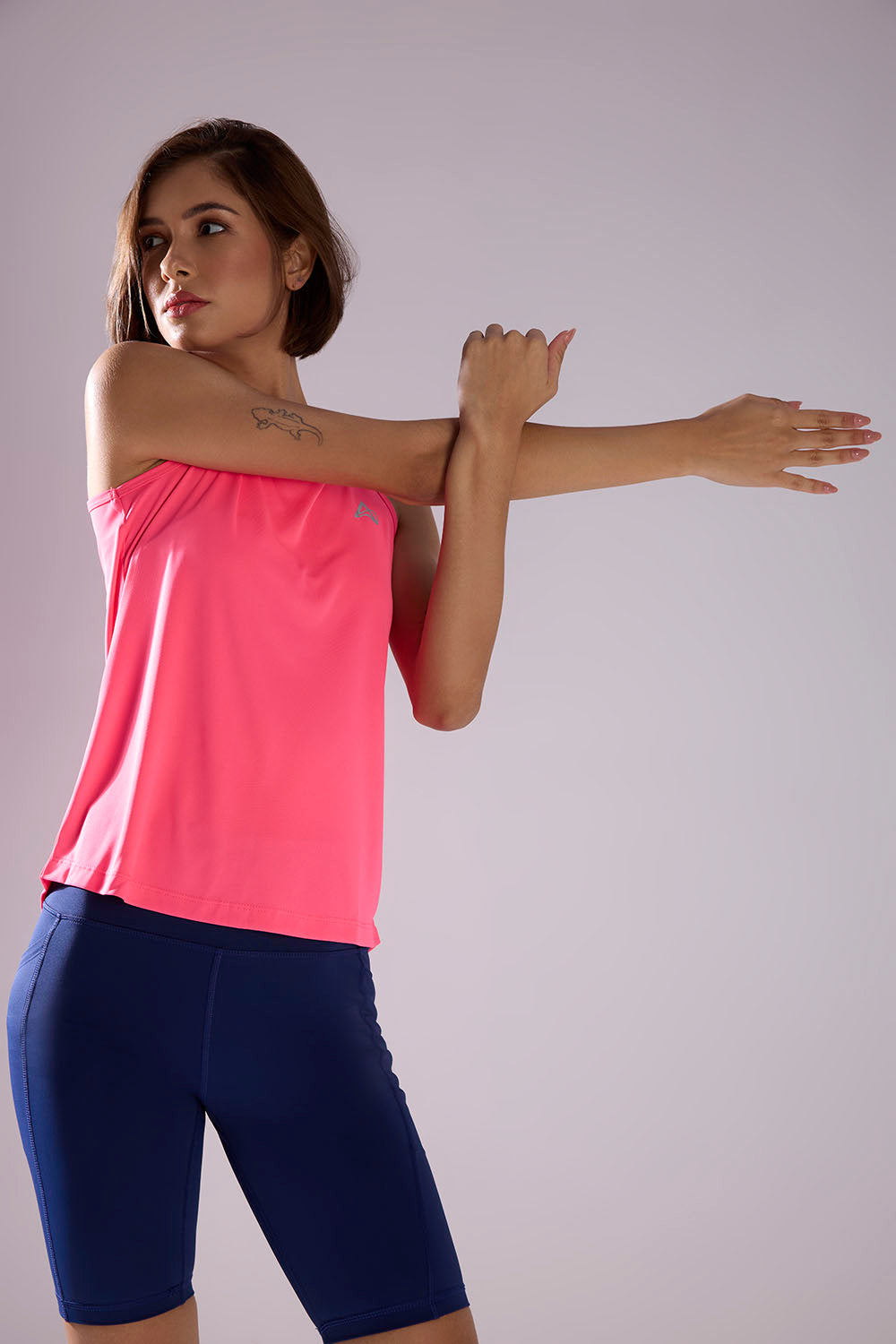
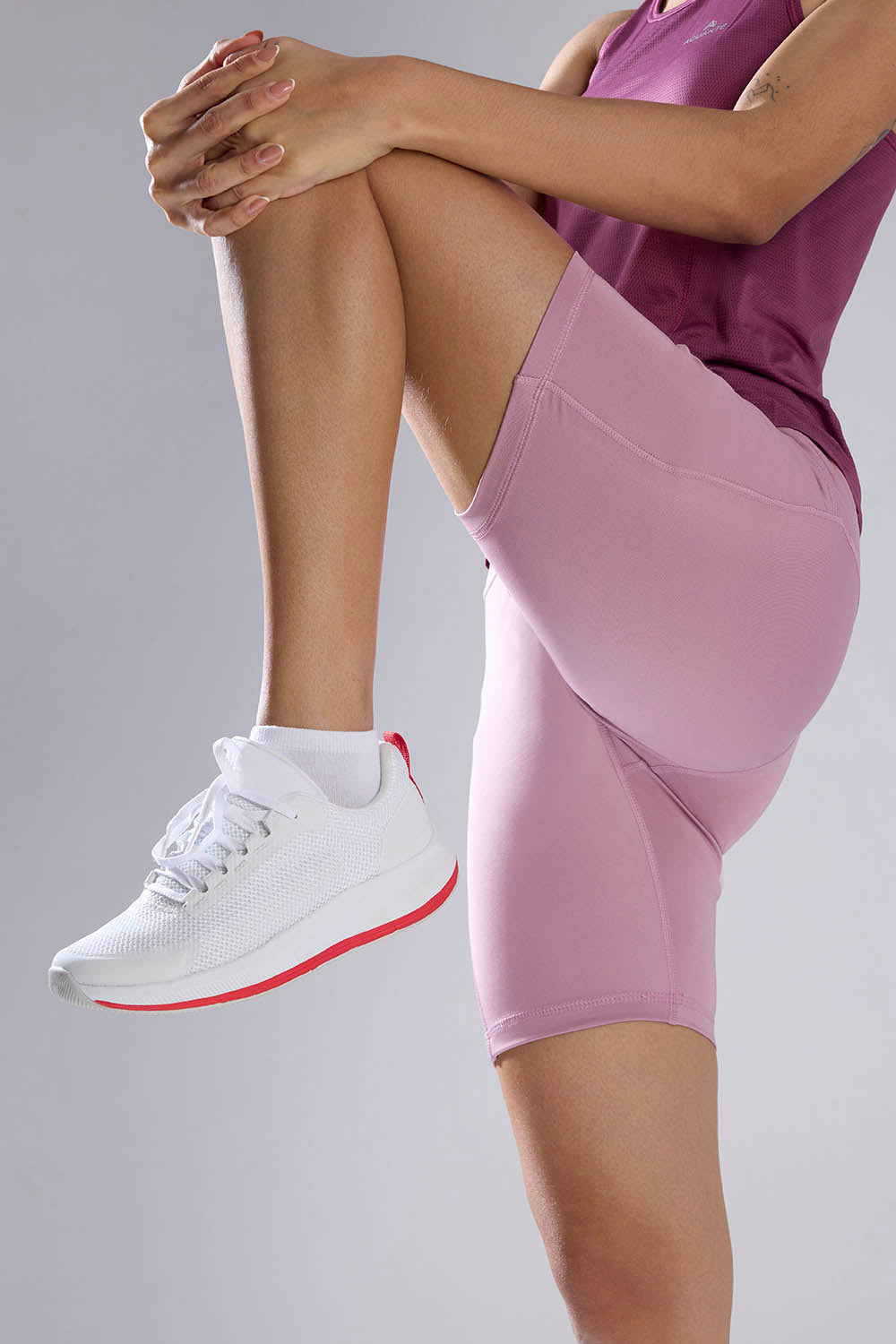
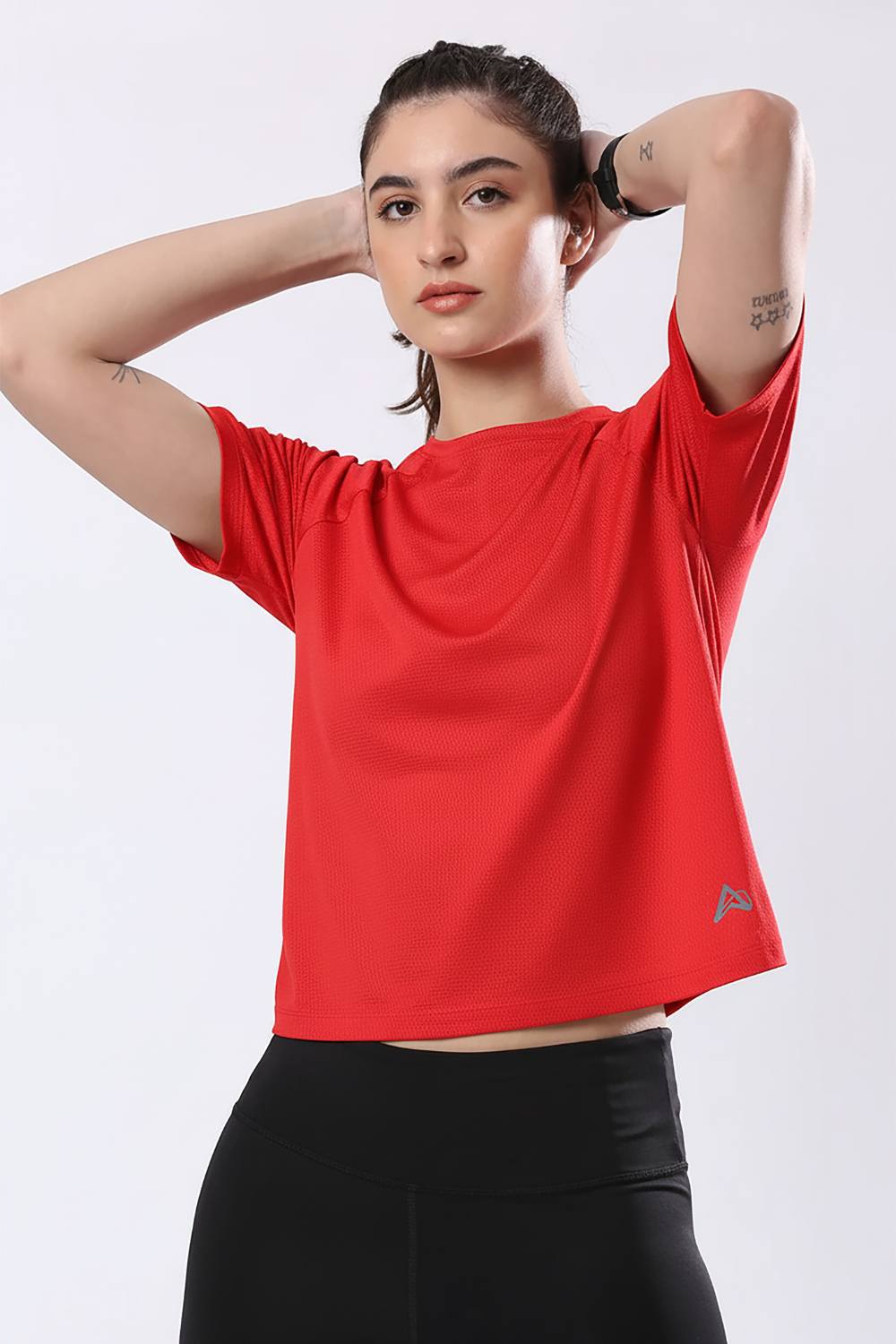
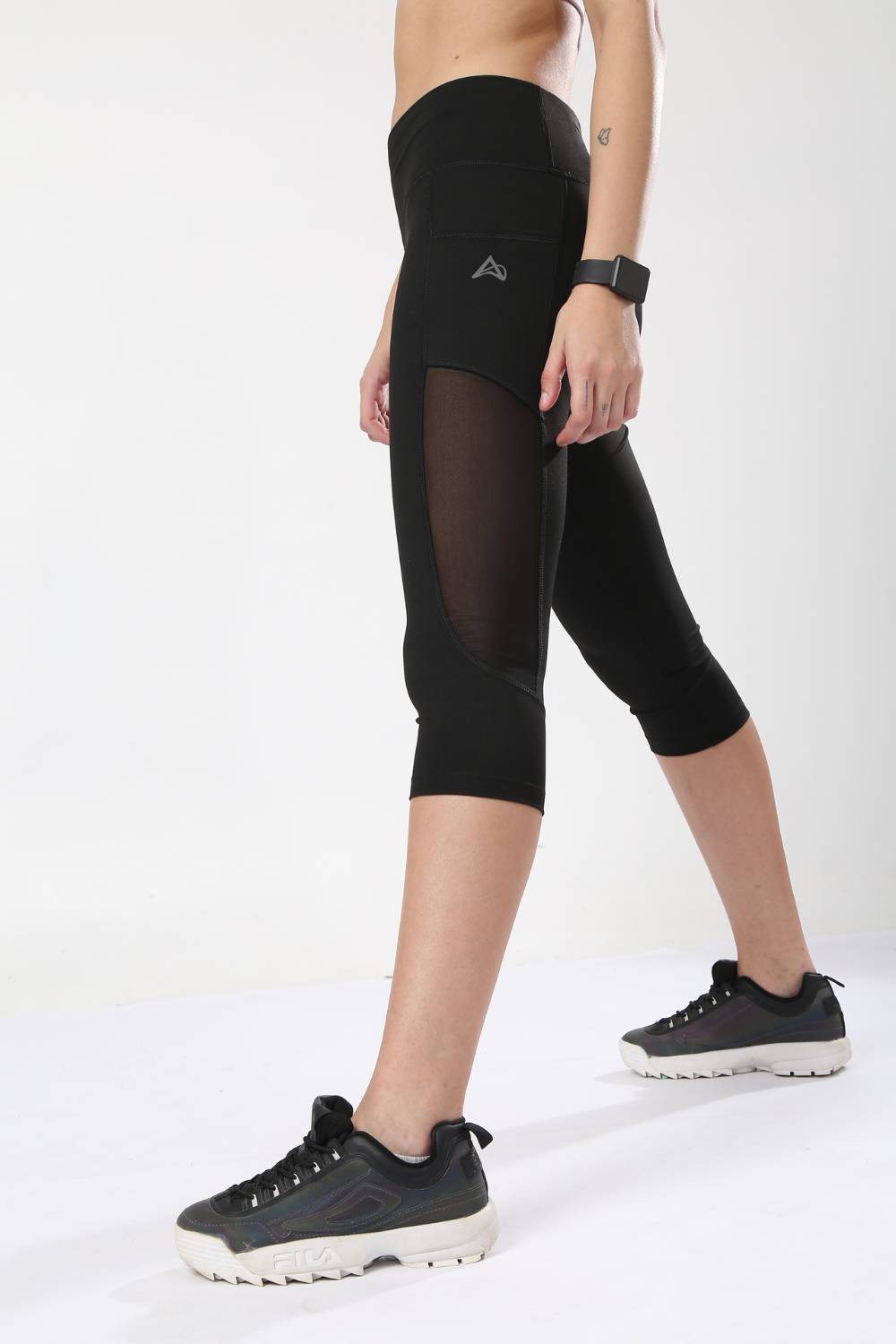
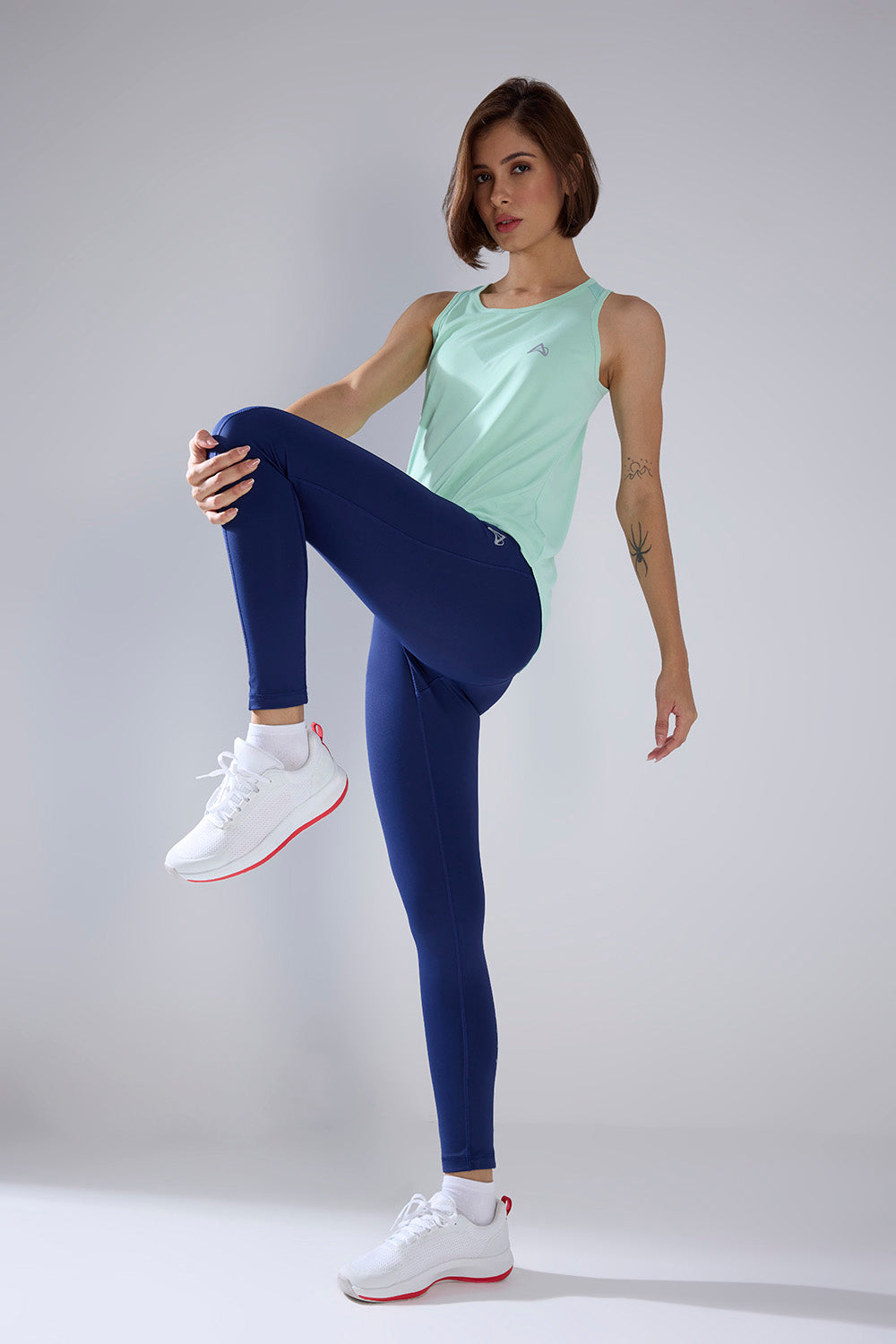
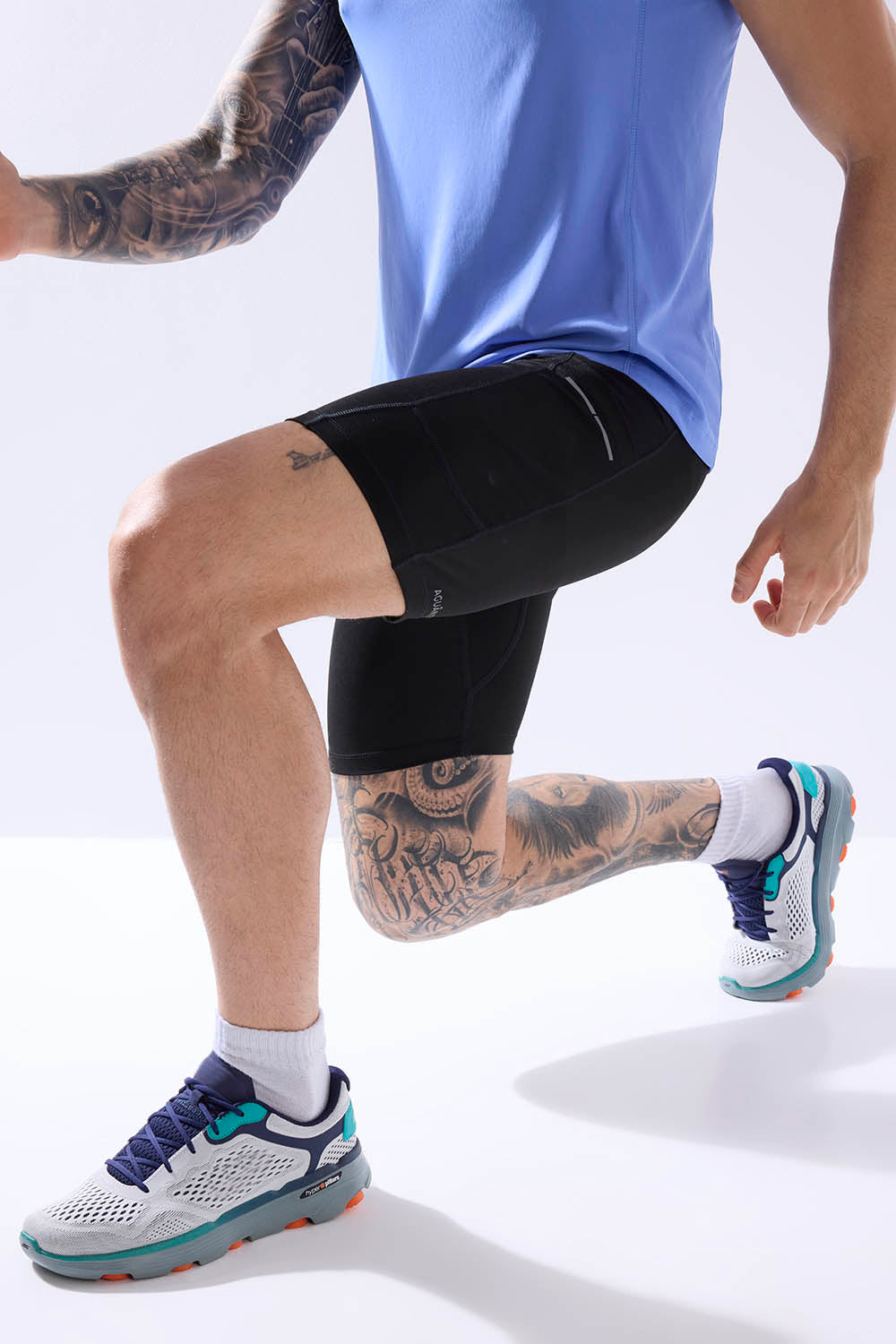
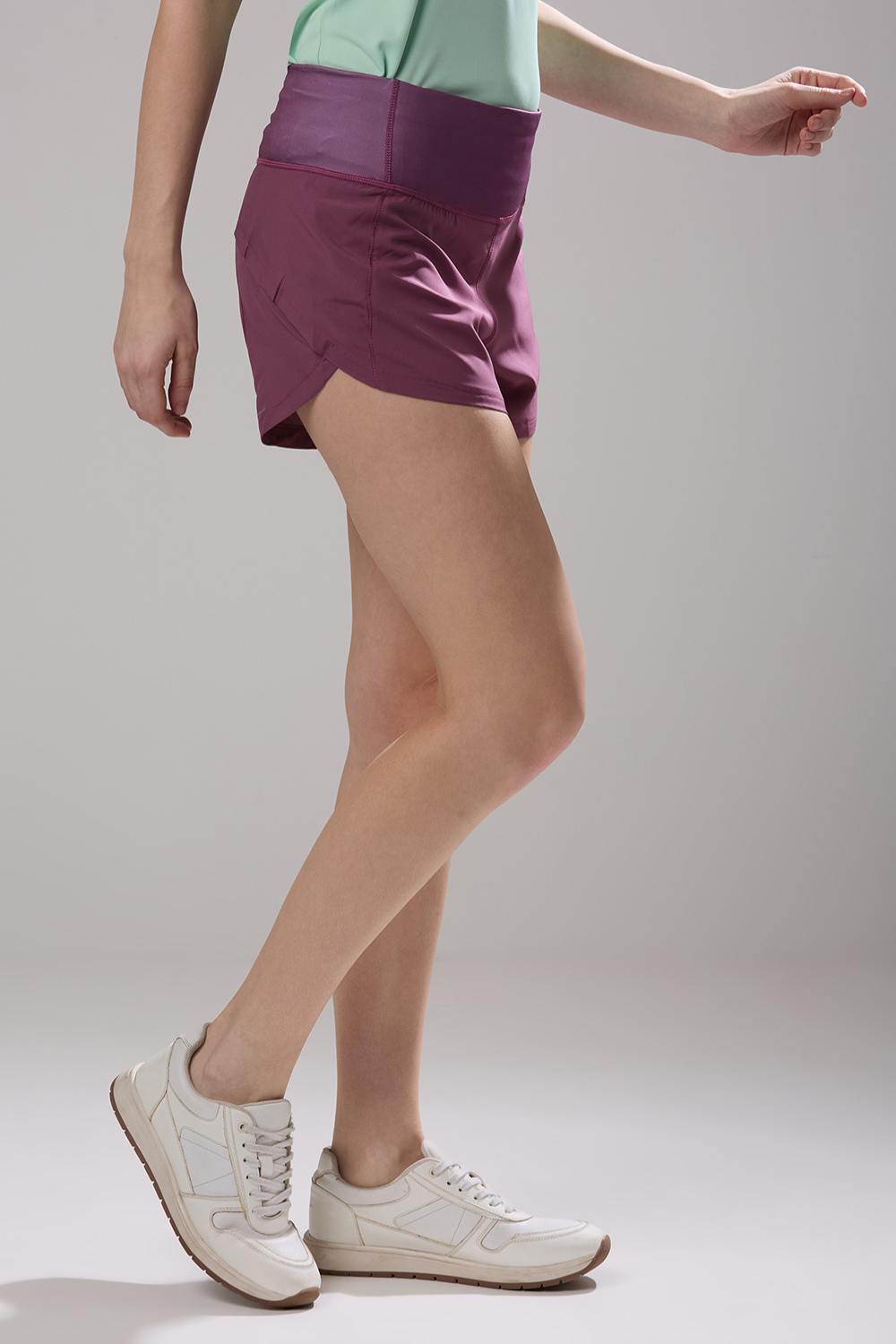
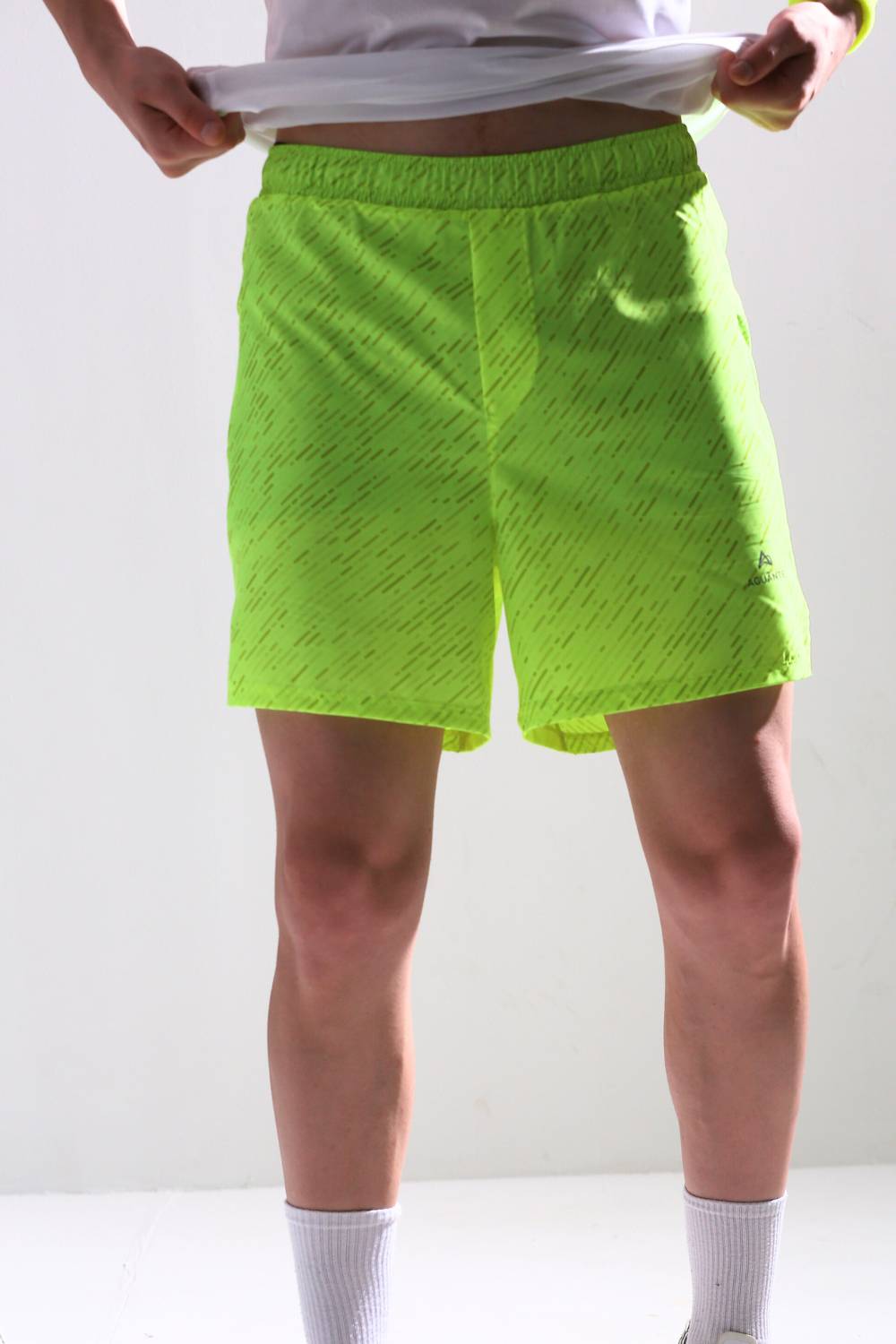
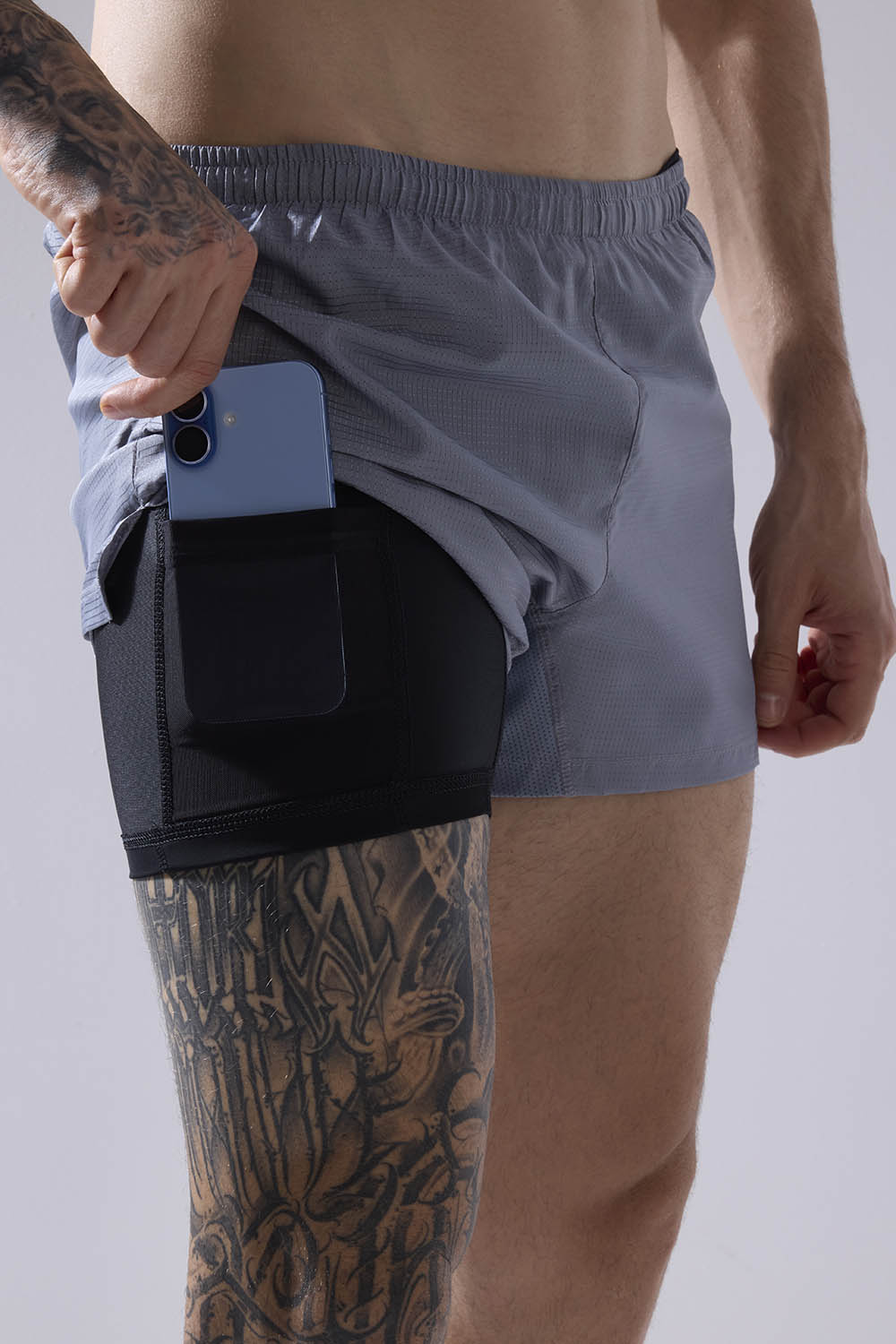
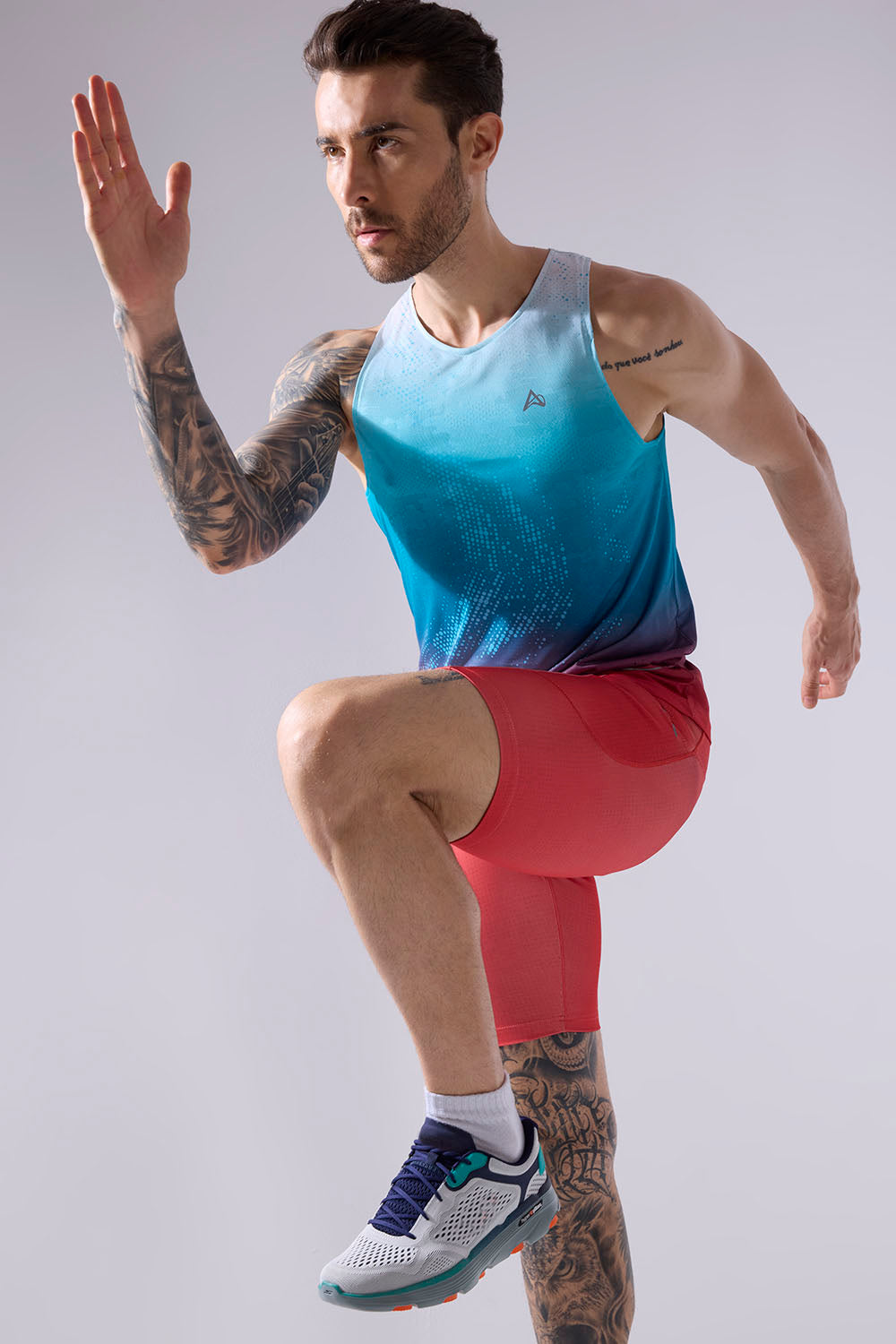
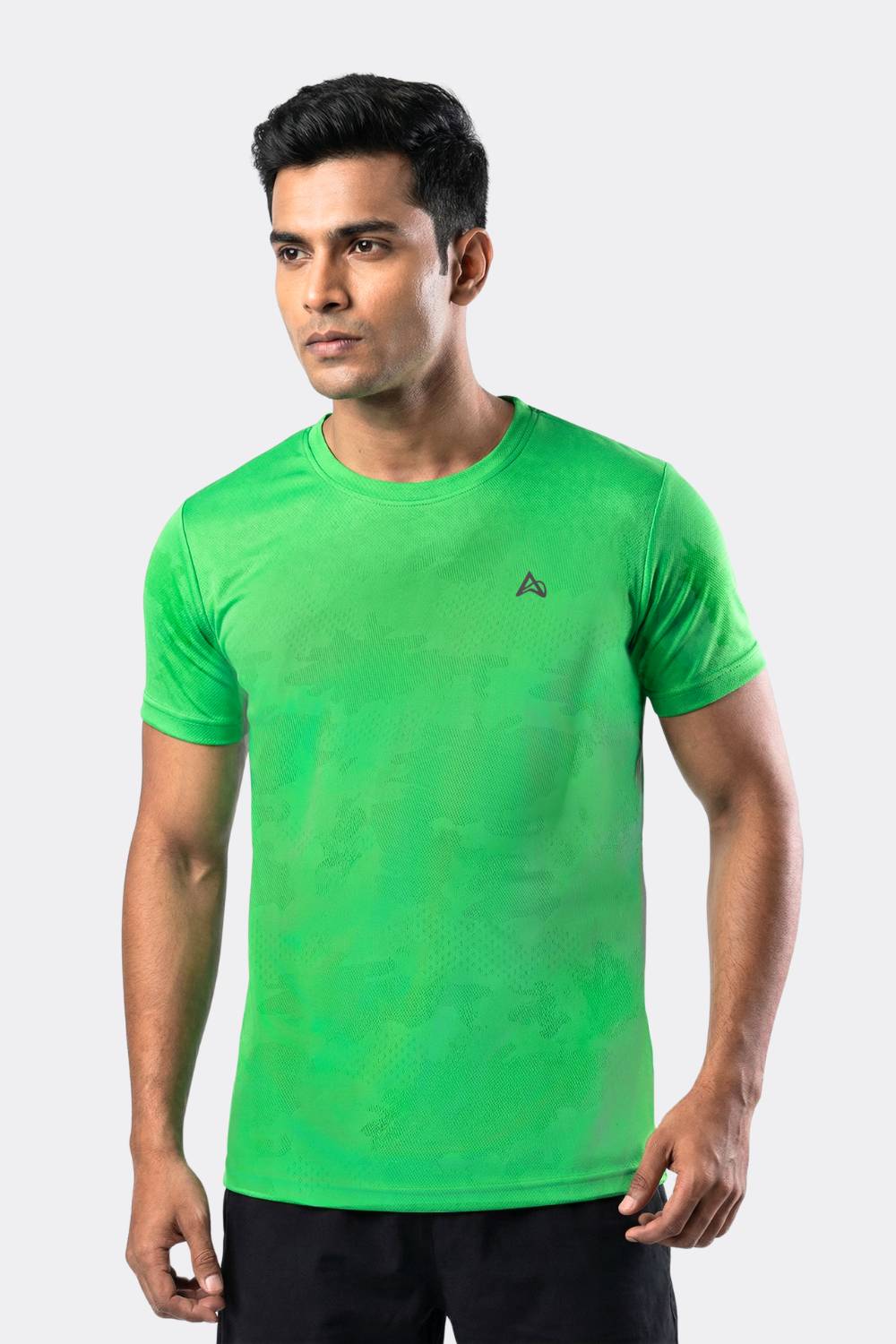
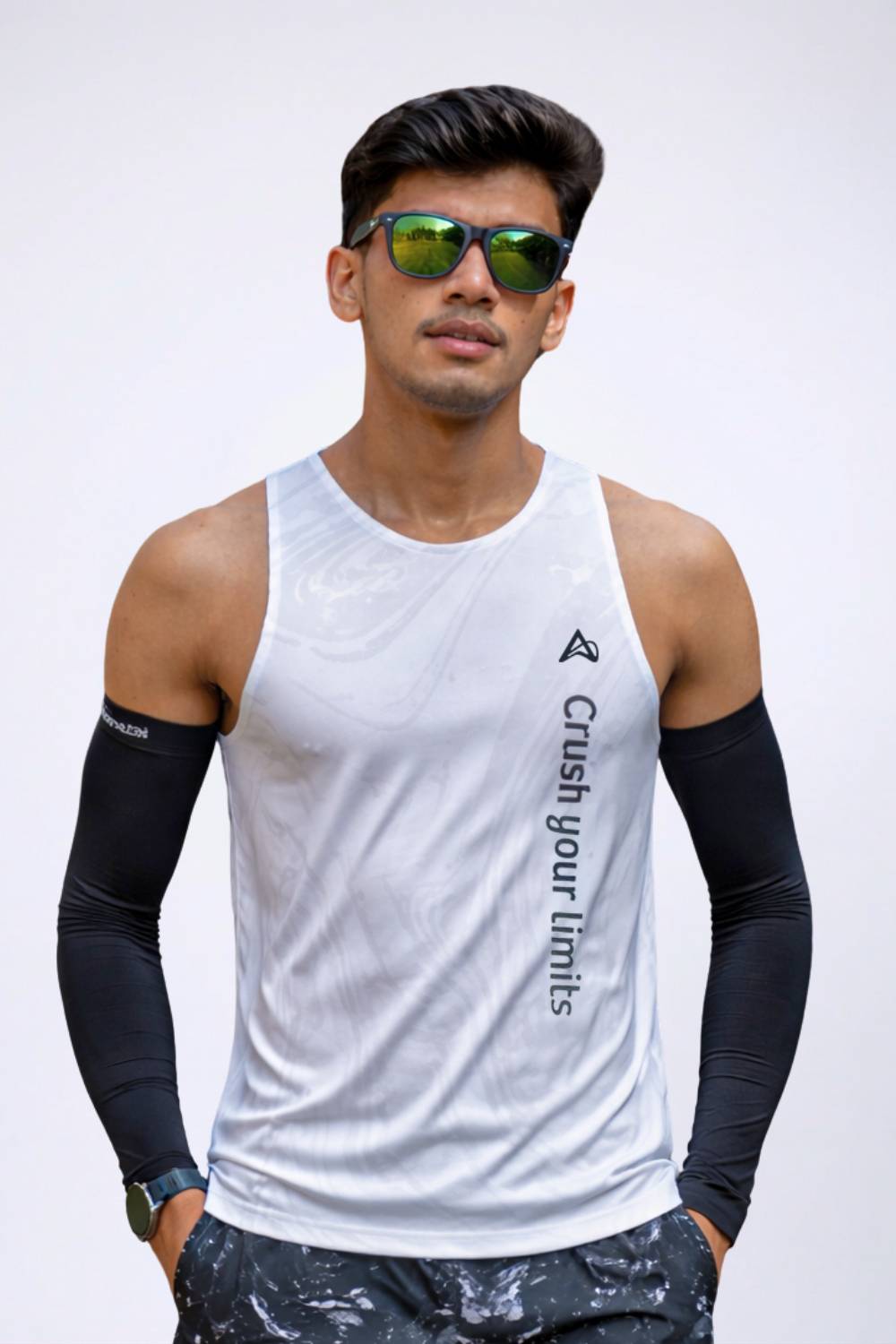
Tired of gear that slows you down? Chafing, soggy fabrics, and missing pockets kill your run's momentum. At Aguante, we're runners who get it. Our high-performance activewear features moisture-wicking fabrics, ergonomic designs, and smart storage to keep you focused. Shop Now!
How City-Specific Conditions Are Shaping Product Design
India's diverse urban landscapes mean no single running experience mirrors another. Bangalore and Pune, hubs of perpetual training devotion, require materials that excel in sweat evaporation without sticking to skin. In Mumbai and Navi Mumbai, priorities lean toward chafe-resistant interiors and reliable compartments for essentials during extended, perspiration-soaked seaside jaunts.
Delhi and Gurugram demand flexibility featherlight options for blistering heat and stackable designs for cooler months. The arid, punishing climates of Hyderabad, Surat, and Ahmedabad necessitate contoured silhouettes and superior ventilation to maintain mobility amid soaring temperatures. Such specifications stem not from distant boardrooms but from direct input by local athletes navigating these very challenges.
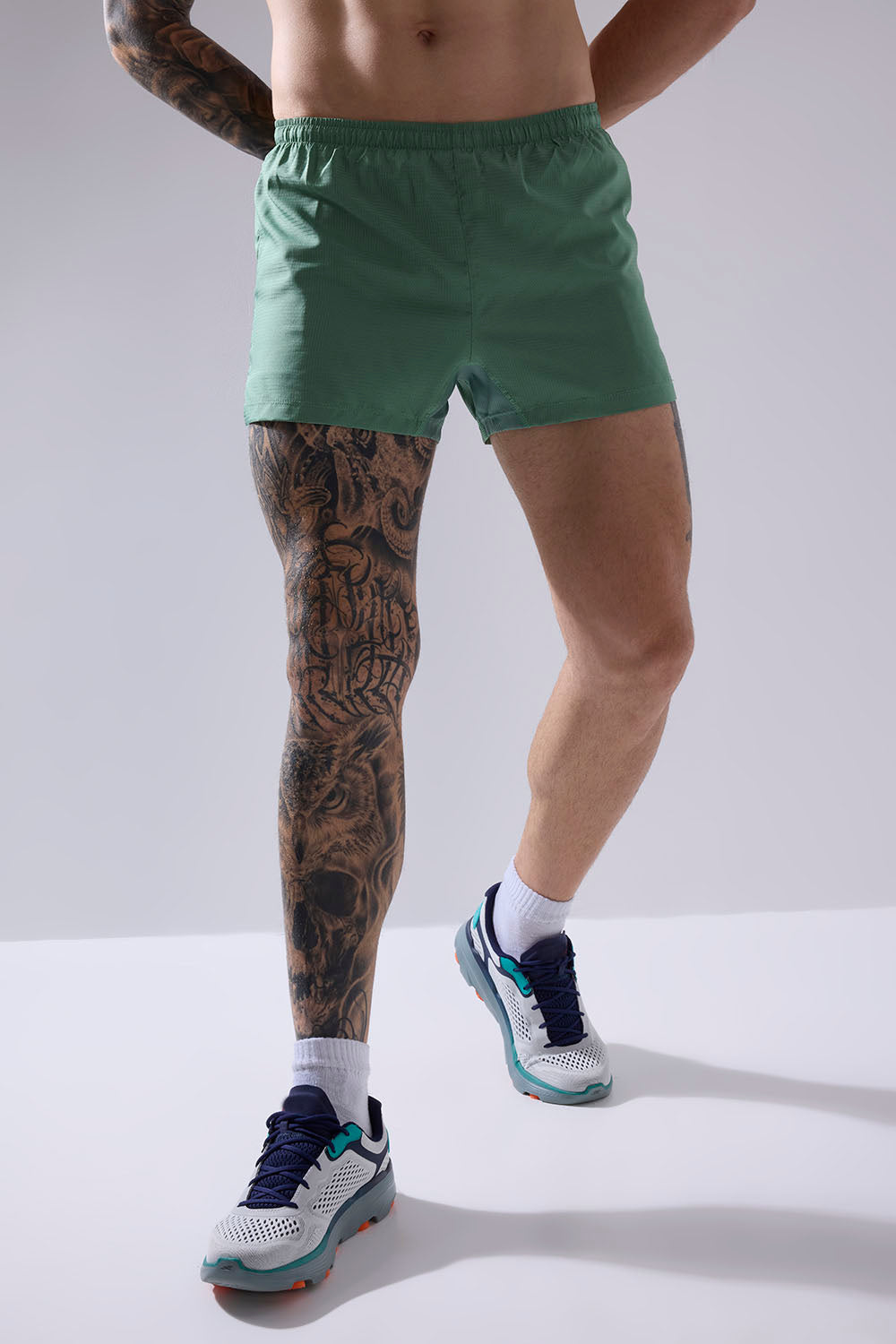
Local innovators prioritize runner-centric enhancements: non-bouncing storage for devices and nutrition, visibility strips for low-light sessions in Bangalore, Delhi, and Pune, and comprehensive anti-friction measures. This approach yields apparel that aligns seamlessly with authentic runs, outpacing generic imports tested in temperate zones.
Designed by Runners, Built for Indian Roads
Local brands excel by grasping nuances like Indian physiques, uneven roadways, and the pervasive mix of warmth, moisture, and particulates defining outings in Hyderabad, Ahmedabad, and Mumbai. Far from casual athleisure, these are precision-engineered items: sweat-pulling, focus-enhancing, and reasonably priced.
Unlike many international offerings that sidestep these specifics, domestic creativity fills the void with worldwide-standard attributes stable pockets, tailored ergonomics, safety reflectors at rates accessible to everyday enthusiasts. A Bizrate Insights survey of 515 U.S. consumers highlights this appeal: 50% express greater trust in local labels over nationals, while 56% view them as superior in quality. Additionally, 53% are open to premium pricing for locals, and 44% favor them outright, often motivated by economic support (65%). Though barriers like elevated costs (47%) and availability (39-45%) persist, the sentiment underscores growing allegiance to community-rooted producers. This trust manifests in India through candid product narratives and endorsements from grassroots users, fostering bonds stronger than flashy ads.
What Runners in Bangalore, Mumbai, and Delhi Are Choosing
Browse Instagram feeds in these epicenters, and the pivot becomes evident. Coaches and group influencers, vibrant on Instagram, Facebook, and YouTube, champion functional attire sans excess. Marketplaces like Amazon and Myntra serve as key portals, particularly in Pune, Hyderabad, Surat, and Ahmedabad, where assortment and ease steer selections.
Preferences here tilt toward outfits with transparent pricing, evident advantages, nationwide free delivery, protected transactions, and straightforward 14-day exchanges. Credibility builds via on-ground validations and peer insights, eclipsing star-driven promotions.
Expanding on this, sustainability emerges as a pivotal draw. Runners increasingly seek eco-conscious fabrics, aligning with broader trends where demand for green products surges, as noted in industry analyses. Local brands often incorporate recycled materials or ethical sourcing, resonating with environmentally aware athletes who log miles while mindful of their footprint.
Scaling Trust, Visibility, and Distribution
Challenges abound, naturally. Legacy internationals still overshadow in Delhi, Mumbai, and Bangalore. Skepticism persists that domestic equates to subpar craftsmanship. Supply chains strain across vast areas like the NCR (Delhi-Gurugram) or Mumbai-Navi Mumbai. Innovation must evolve swiftly to address varied weathers from Surat to Pune.
Nevertheless, prospects abound. An expanding middle-class, health-oriented demographic in these regions craves worthwhile investments. Direct-to-buyer and platform-based strategies flourish, bolstered by swift iterations from nearby production. Engaging communities through tutorials, localized tales, and events cultivates enduring devotion.
The wider consumer goods and retail arena reinforces this promise: pegged at USD 24.28 trillion in 2025, it's forecasted to swell to USD 39.5 trillion by 2032, advancing at a 7.2% CAGR. For enterprises, this enables focused manufacturing, promotion, and dispersal, yielding scale efficiencies and loyalty via branding. Shoppers benefit from diverse choices, effortless access, and time savings through retail networks.
Layer in Gen Z's sway born between 1998 and 2012, this digitally immersed cohort champions authenticity, sustainability, and societal influence. Diverse and cause-oriented, they insist on transparent practices across supply chains and favor brands embodying ethical values. Their tech fluency demands fluid omnichannel journeys, blending digital scouting with physical buys, where nearly half their spending hits mass merchandise and groceries. Influences like social platforms Instagram, TikTok, YouTube drive purchases via influencers and direct buys (53% use "buy" buttons). Balancing thrift 32% chase lowest prices, 37% sales with premiums for quality and morals, they propel shifts toward personalized, eco-aligned offerings, distinguishing them as the ultimate omnishoppers from prior generation's linear paths.
Strengthening Local Manufacturing and Runner Communities
By customizing for native environments, these labels fortify India's textile framework and invigorate base-level running ethos in Bangalore, Pune, Hyderabad, and Ahmedabad. City-grounded feedback cycles spur ongoing refinements, ensuring gear advances seasonally.
Moreover, this bolsters economic ripples: job creation in design and fabrication, plus sponsorship influxes. Emerging sports, including marathons, witnessed 19% sponsorship growth in 2024, totaling ₹2,461 crore, with marathons contributing significantly to this billion-dollar ecosystem.
Local Innovation Is Setting the Pace
As endurance pursuits intensify in Mumbai, Delhi, Bangalore, and rising centers like Surat and Ahmedabad, the call for meticulously crafted attire will escalate. Labels attuned to runner's voices, environmental truths, and fair costs stand ready to dominate.
Once viewed as opposites, value and superiority now converge in India's running gear domain they define the benchmark. For those eager to embrace apparel engineered for India's trails and tenacity, explore further at aguante.in. Elevate your strides today.
Frequently Asked Questions
Why are Indian runners choosing local running brands over international brands?
Indian runners are increasingly choosing local brands because they offer performance gear specifically designed for India's unique climate challenges from Bangalore's humidity to Delhi's extreme temperature swings. These homegrown labels provide features like superior moisture-wicking, anti-chafe construction, and proper ventilation at significantly lower prices than foreign giants. Additionally, local brands understand Indian physiques, road conditions, and runner needs better, creating products tested on the same terrain where they'll be used.
What makes running apparel from local Indian brands suitable for different cities?
Local Indian running brands design city-specific features based on regional conditions across major running hubs. For humid cities like Bangalore, Mumbai, and Pune, they prioritize breathable, quick-dry fabrics that prevent skin adhesion. Delhi and Gurugram get versatile layering options for seasonal extremes, while hot, arid cities like Hyderabad, Surat, and Ahmedabad receive contoured designs with superior ventilation. These brands incorporate runner feedback directly from local communities, ensuring features like secure pockets, reflective strips for safety, and anti-friction measures address real-world Indian running conditions.
How do local running brands in India balance affordability with quality?
Indian running brands achieve quality at accessible prices through direct-to-consumer models and localized production that eliminates international markup costs. They deliver world-standard features moisture-wicking fabrics, ergonomic fits, reflective safety elements, and secure storage without the premium pricing of imported gear. This approach resonates with India's growing middle-class runners who seek worthwhile investments, with many brands also incorporating sustainable, eco-friendly materials that appeal to environmentally conscious athletes without inflating costs.
Disclaimer: The above helpful resources content contains personal opinions and experiences. The information provided is for general knowledge and does not constitute professional advice.
You may also be interested in: Why Indian Runners Are Moving Beyond Imported Activewear
Tired of gear that slows you down? Chafing, soggy fabrics, and missing pockets kill your run's momentum. At Aguante, we're runners who get it. Our high-performance activewear features moisture-wicking fabrics, ergonomic designs, and smart storage to keep you focused. Shop Now!
Powered by flareAI.co