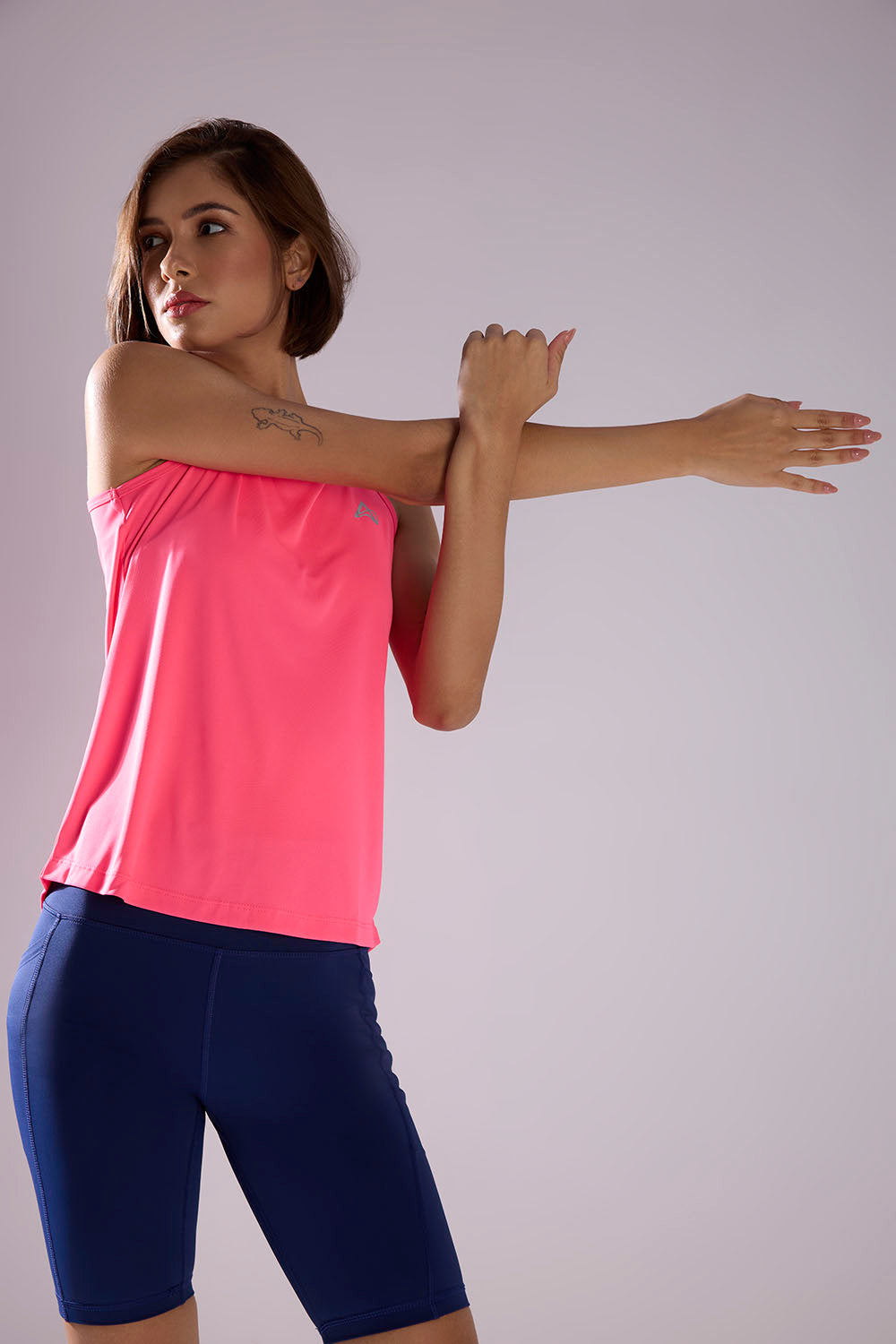
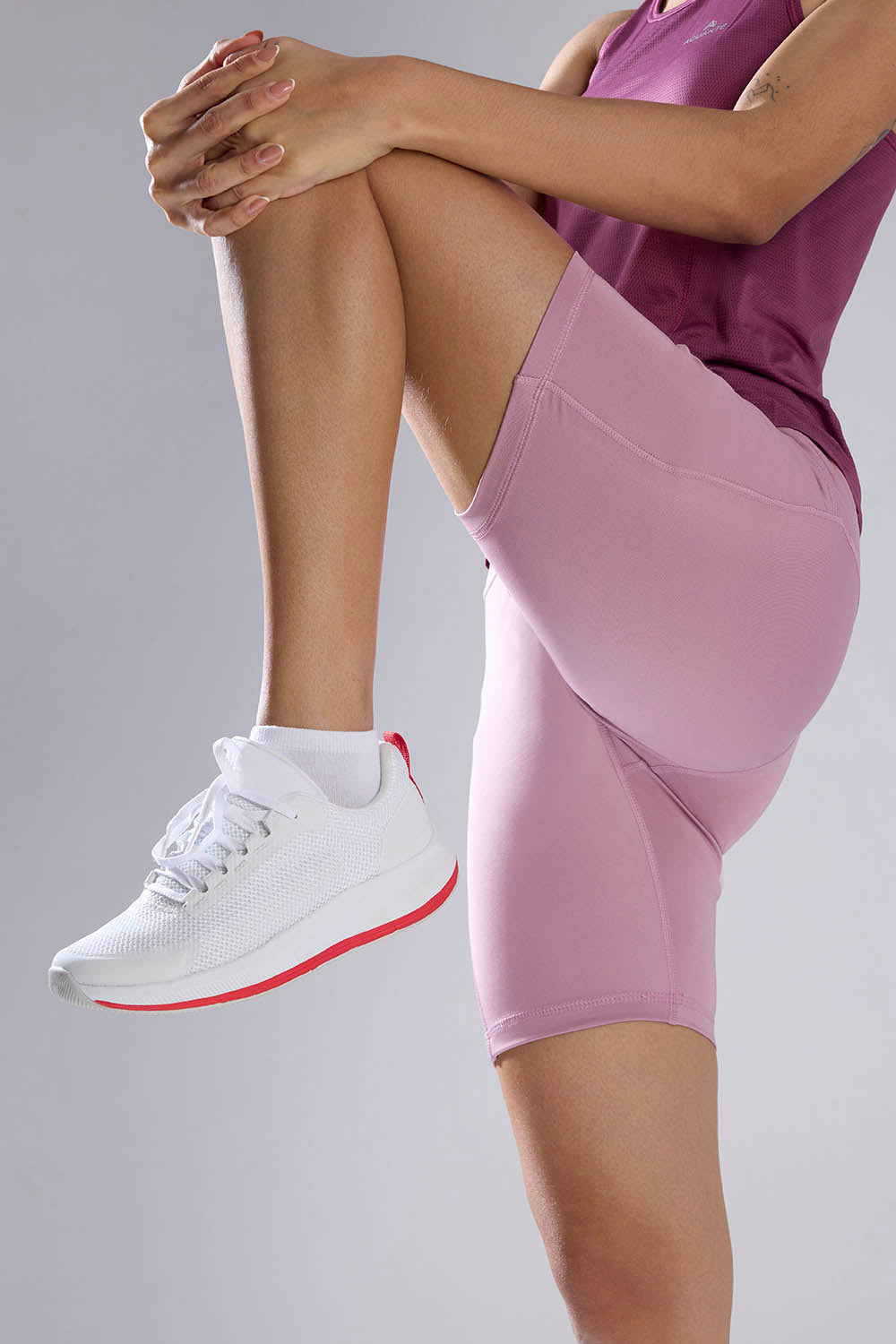
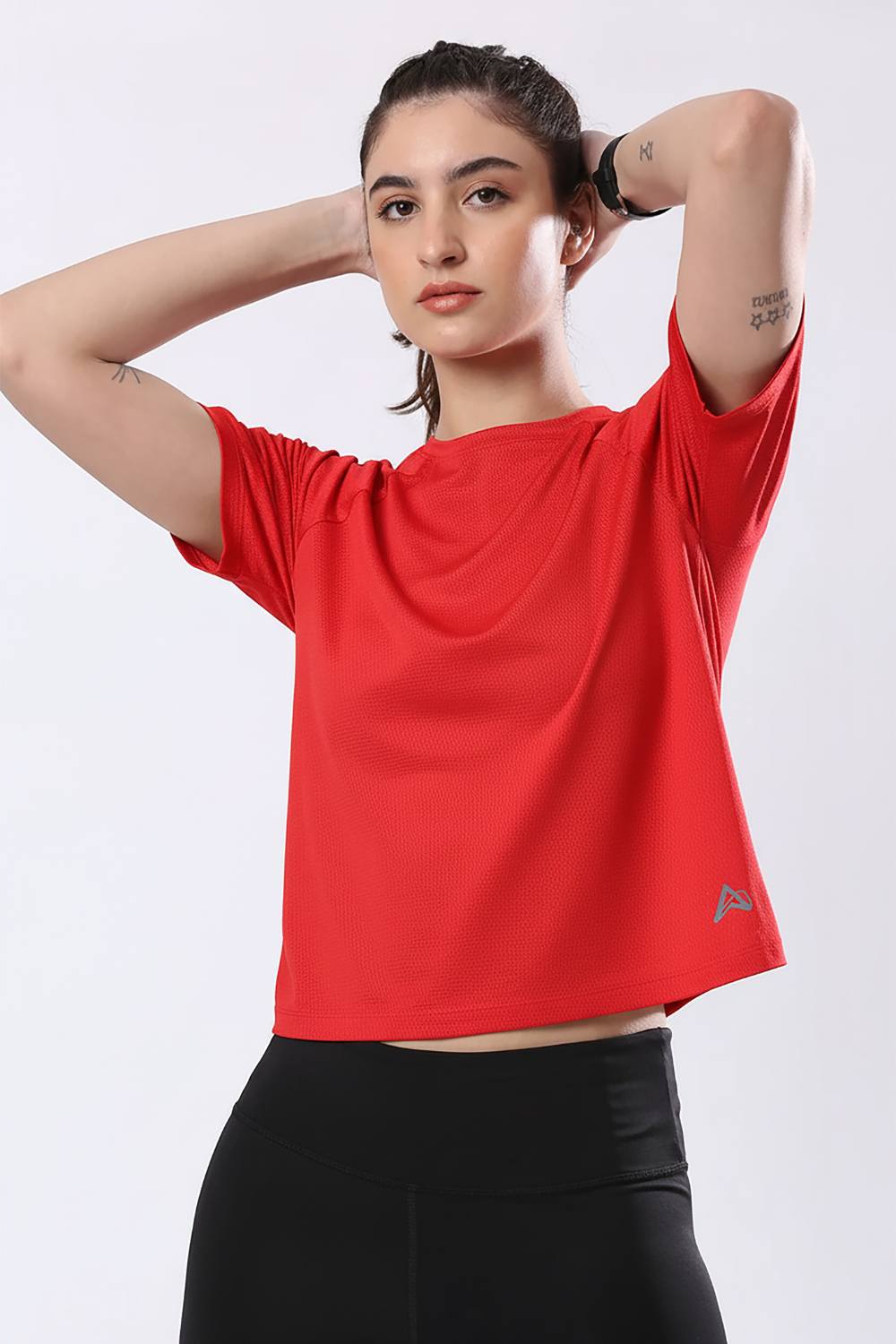
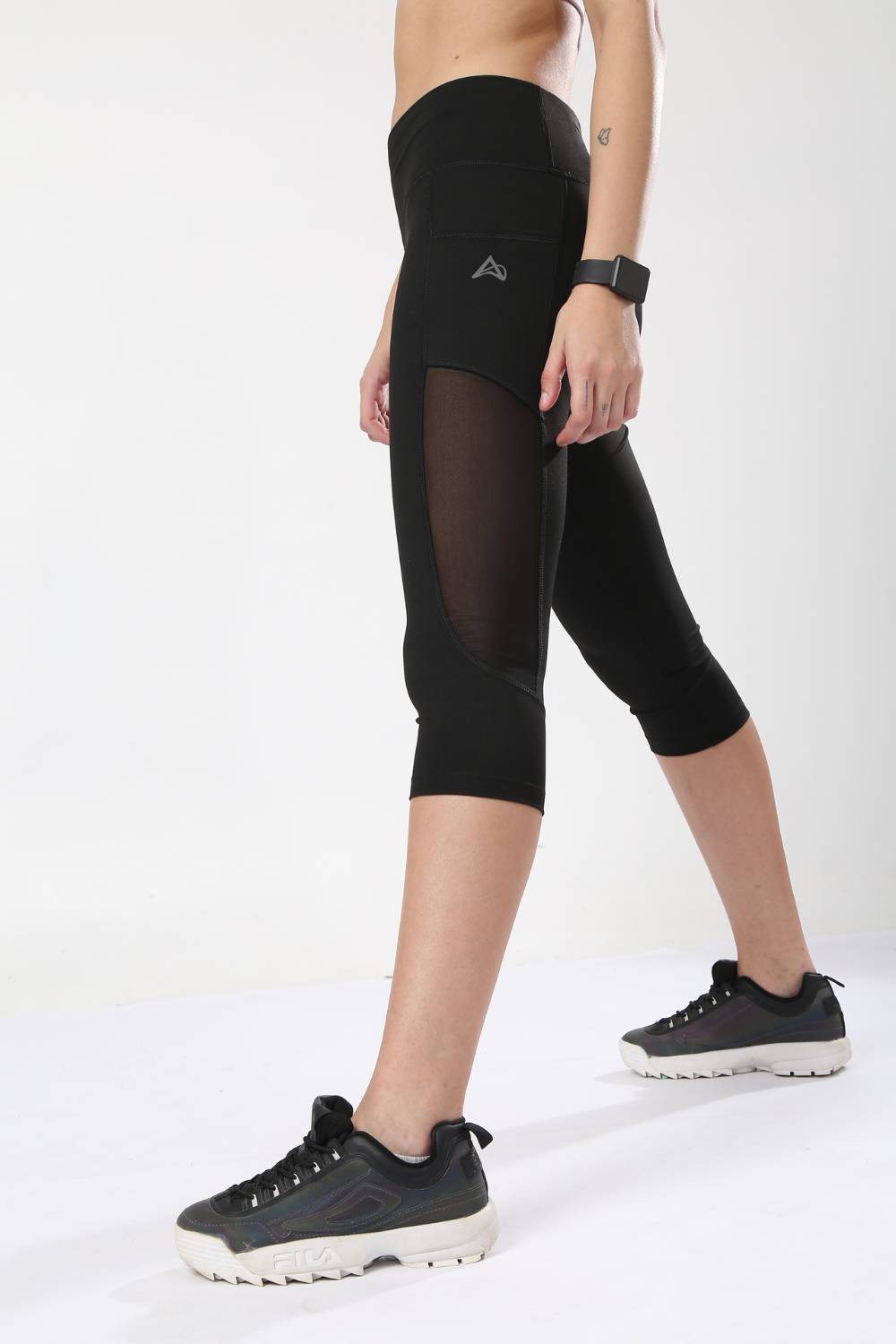
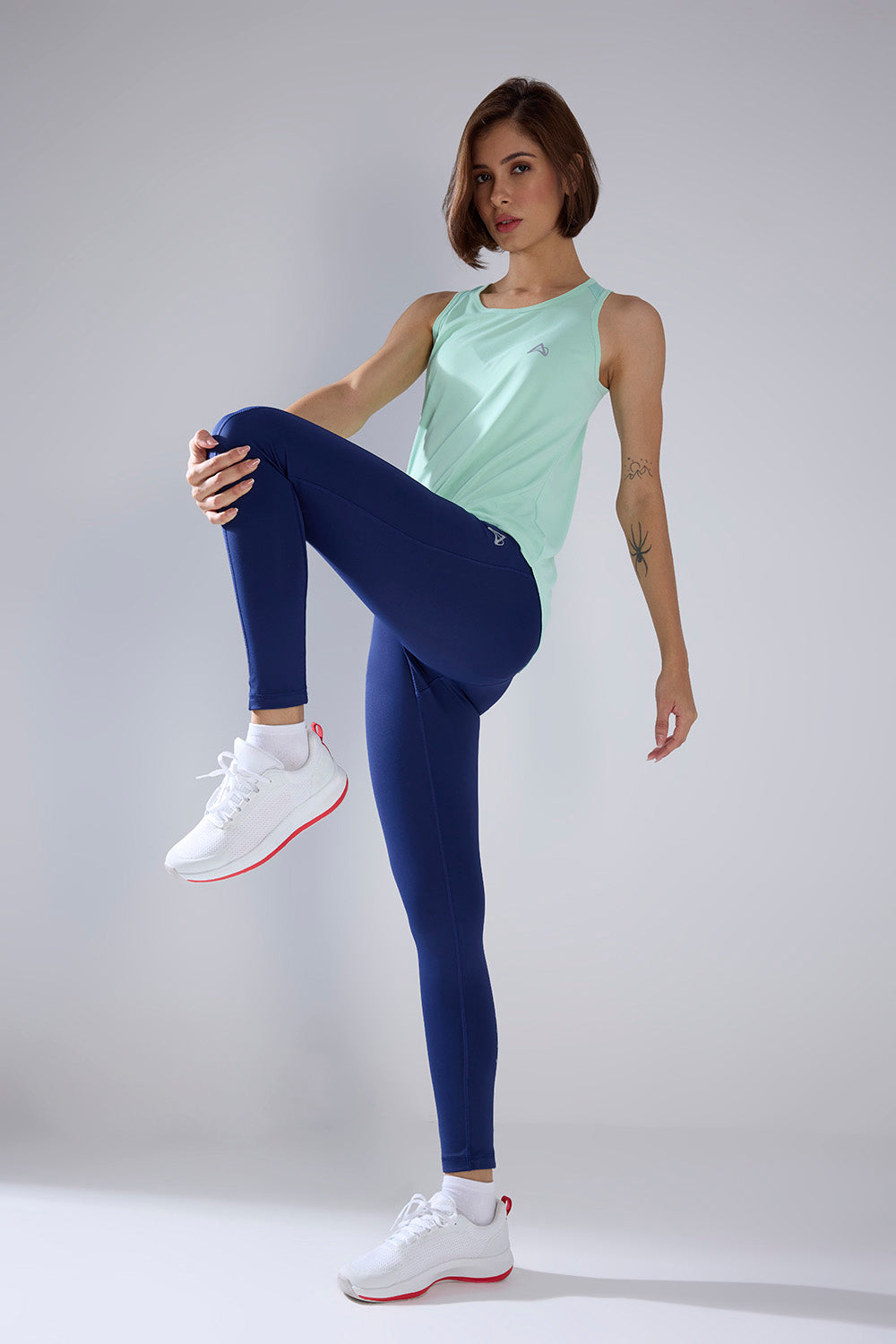

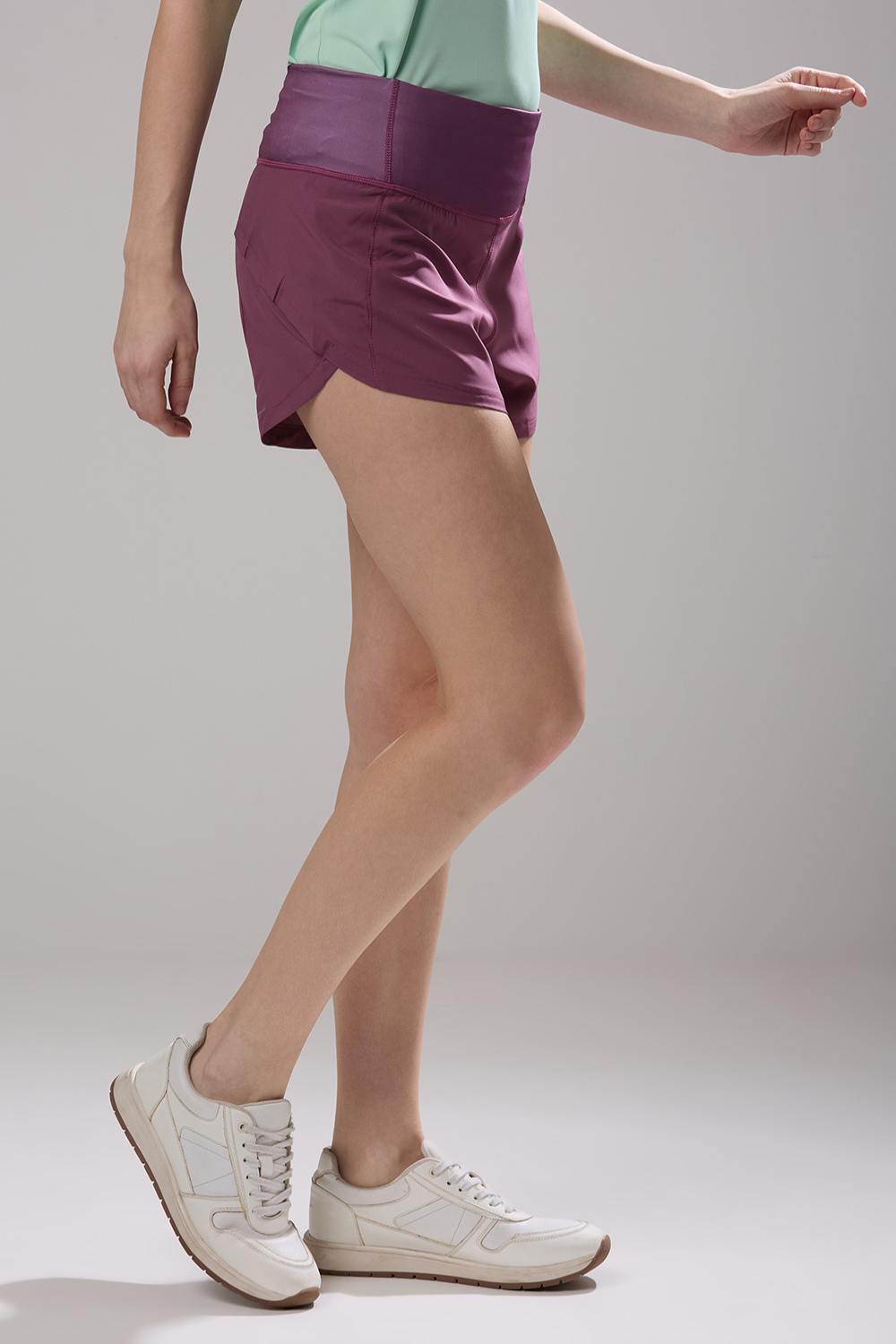
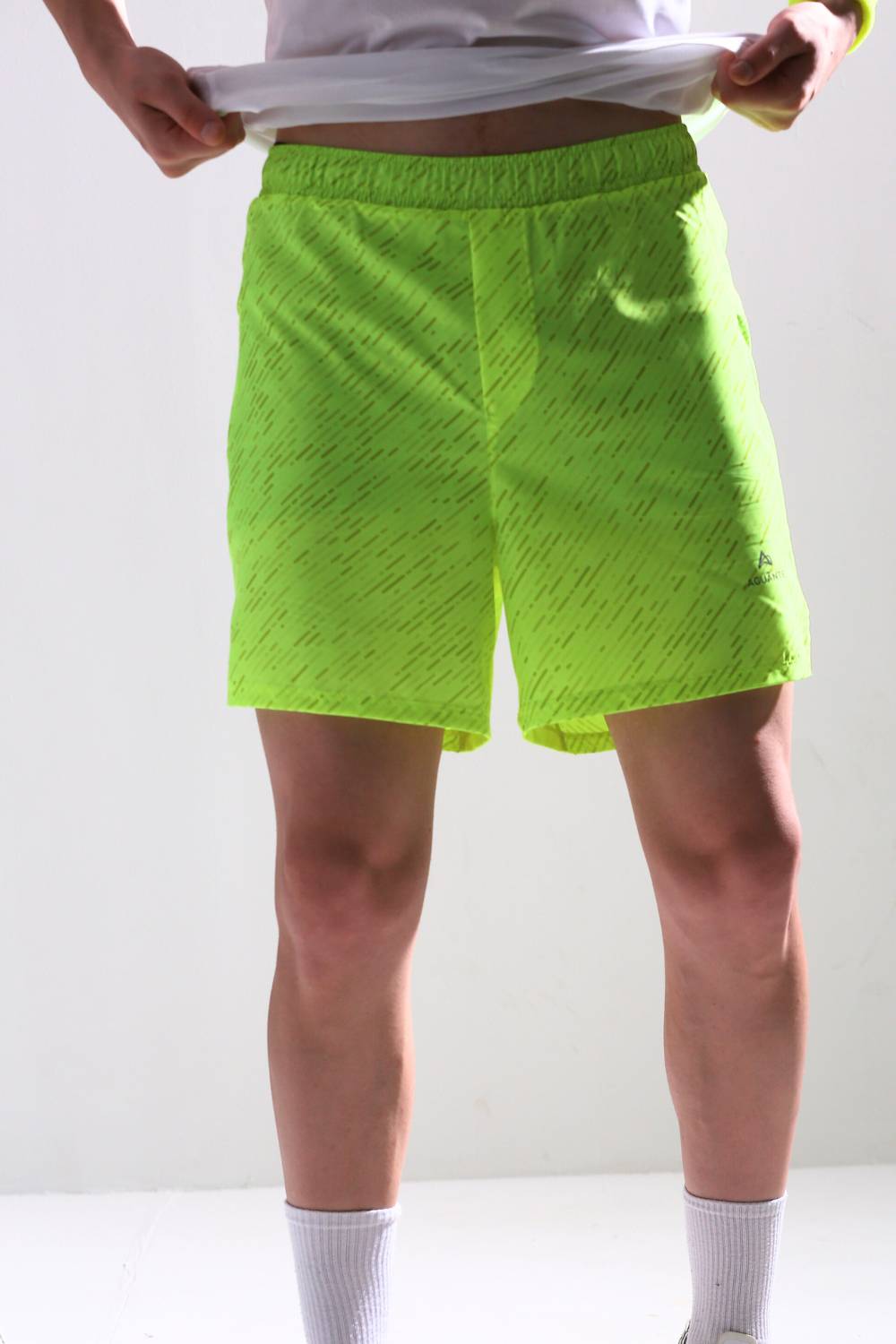

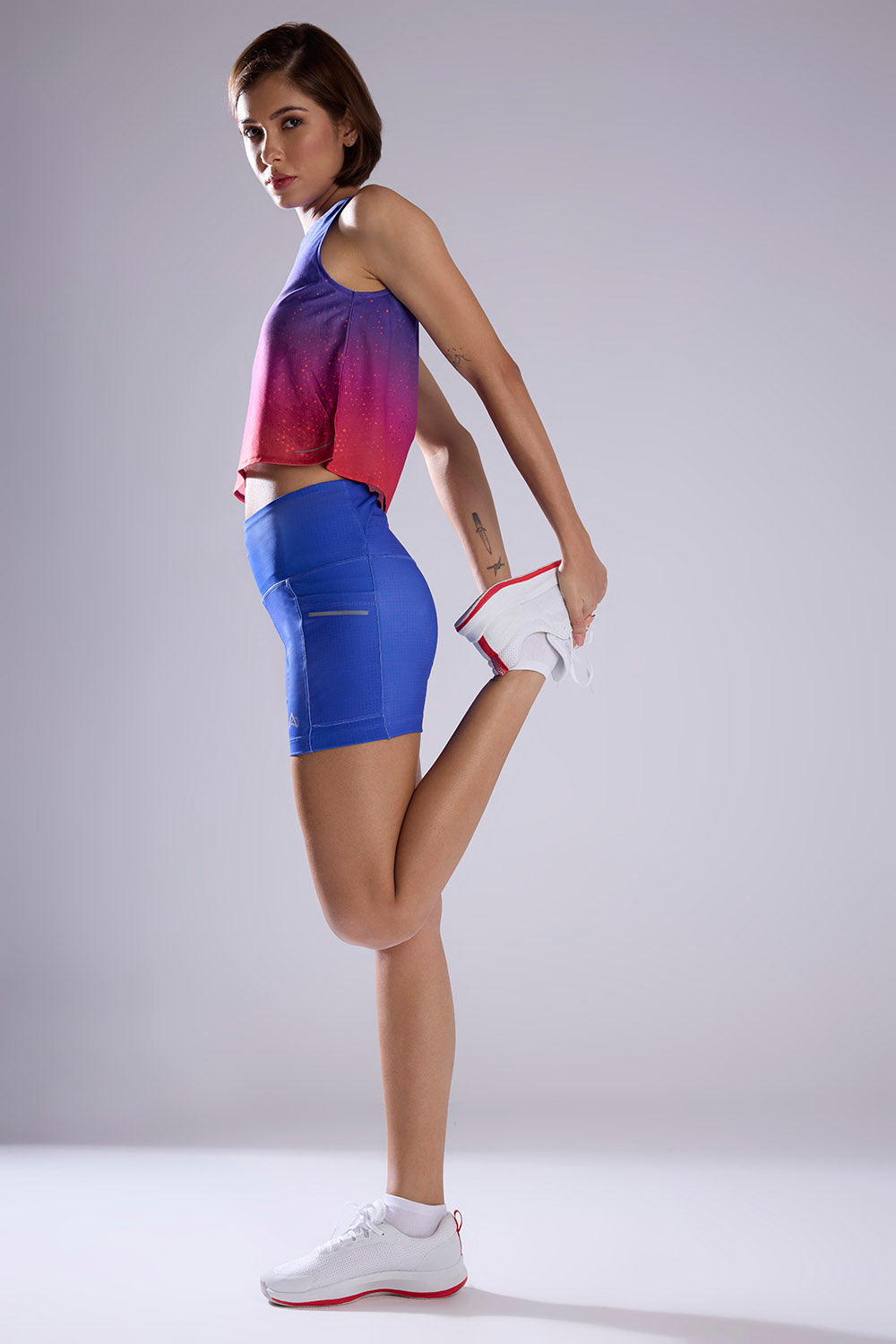
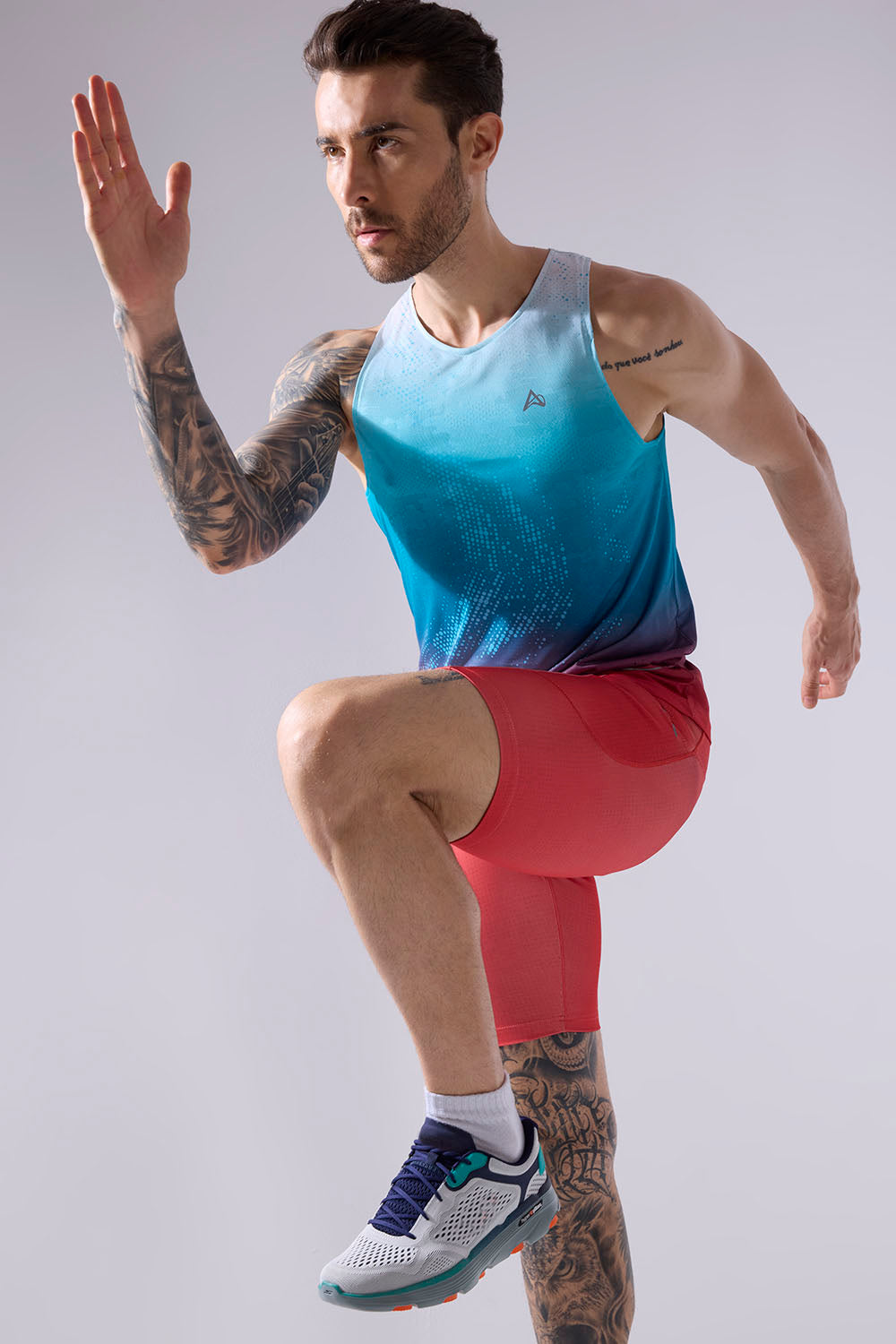

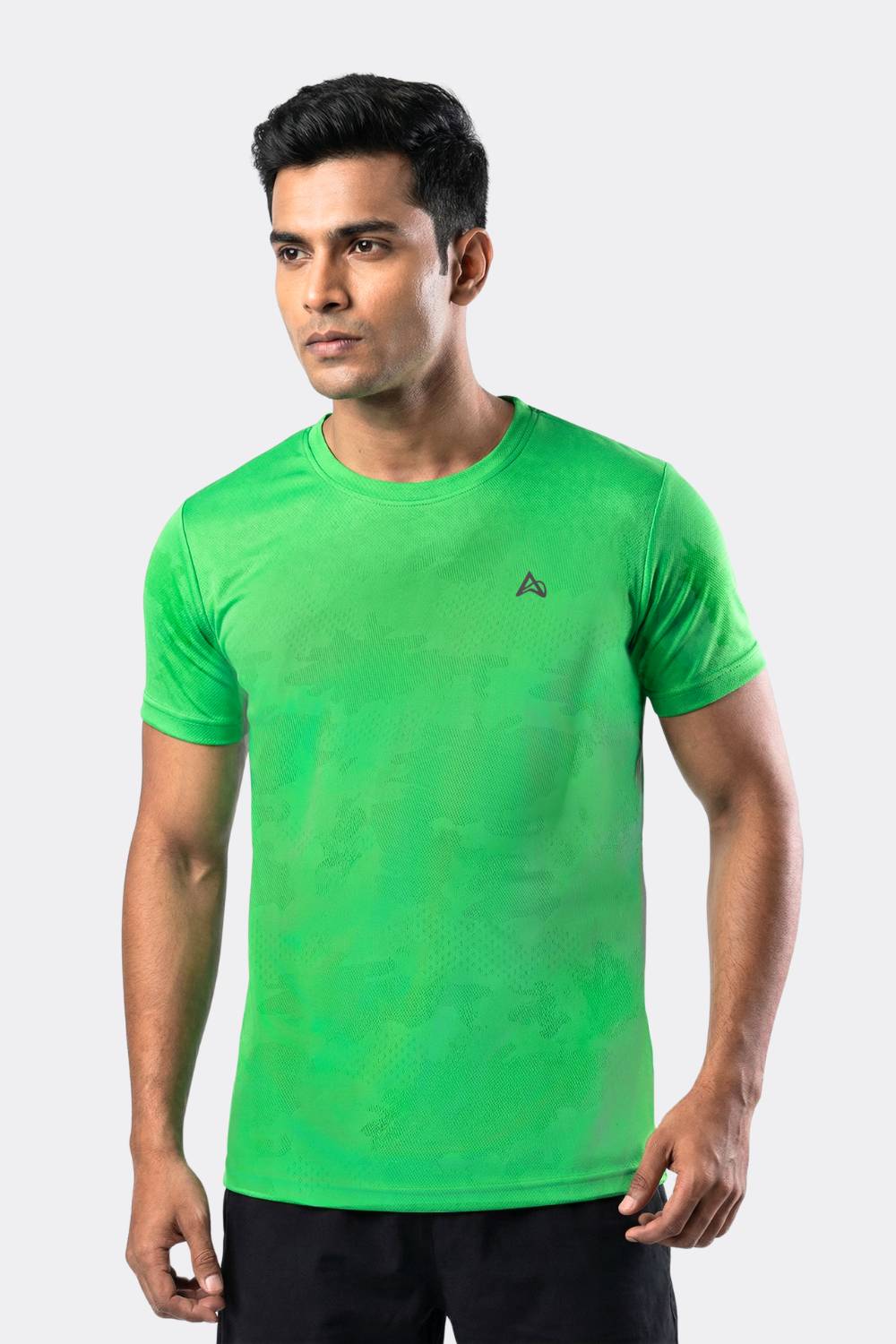
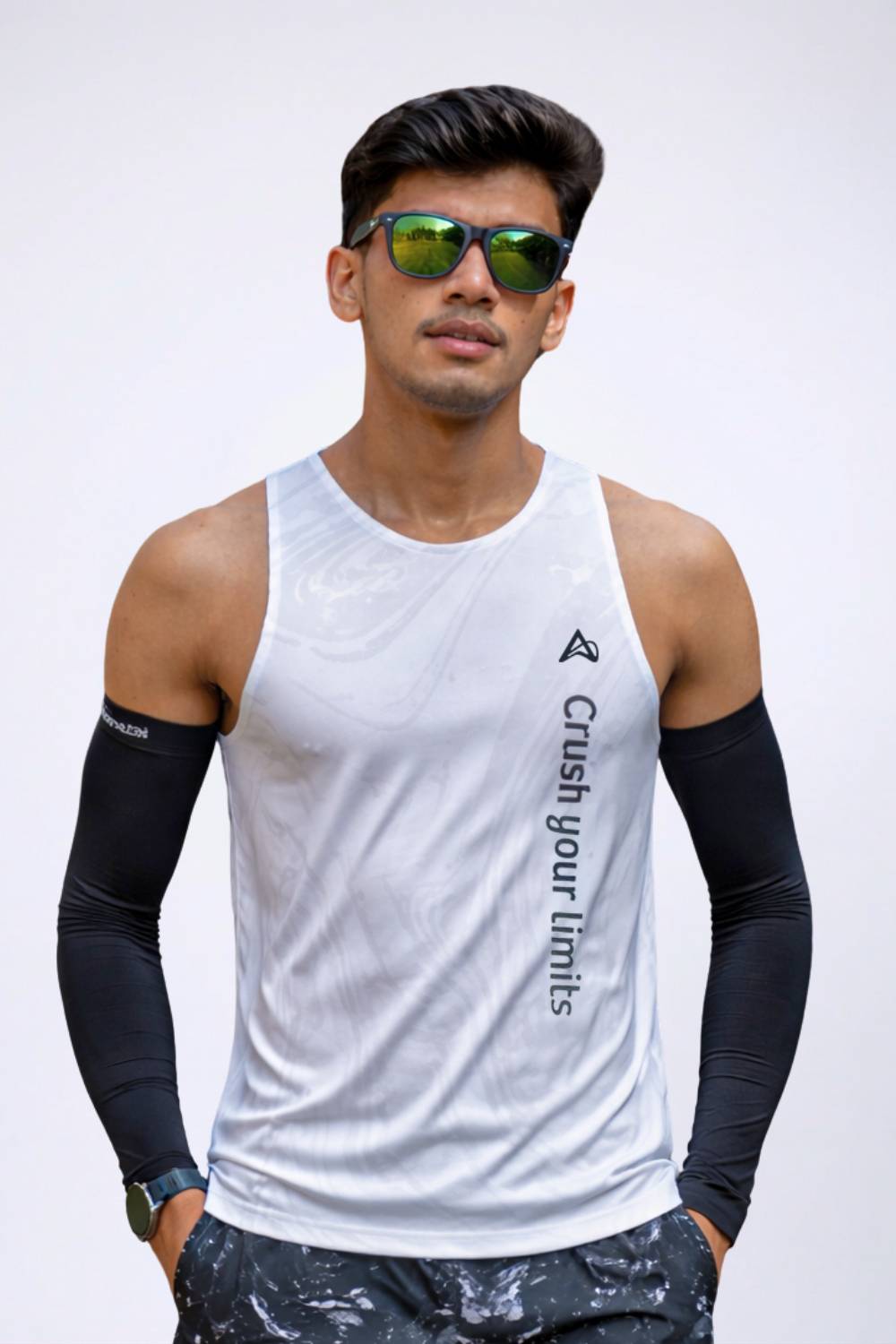

In cities across India where the thermometer rarely dips and humidity often feels like a second skin, showing up for a run day after day requires more than willpower. It demands clothing that refuses to turn against you when the heat presses in. For runners in Bangalore, Hyderabad, Mumbai, Pune, Navi Mumbai, Delhi, Gurugram, Surat, and Ahmedabad, innovation in quick-dry fabrics has quietly become one of the most practical differences between consistent training and a string of weather-related excuses.
These urban running communities wake before sunrise or head out after dusk, carving miles from crowded streets, uneven footpaths, and humid air. The right gear does not merely cover the body; it removes one of the biggest obstacles to showing up.
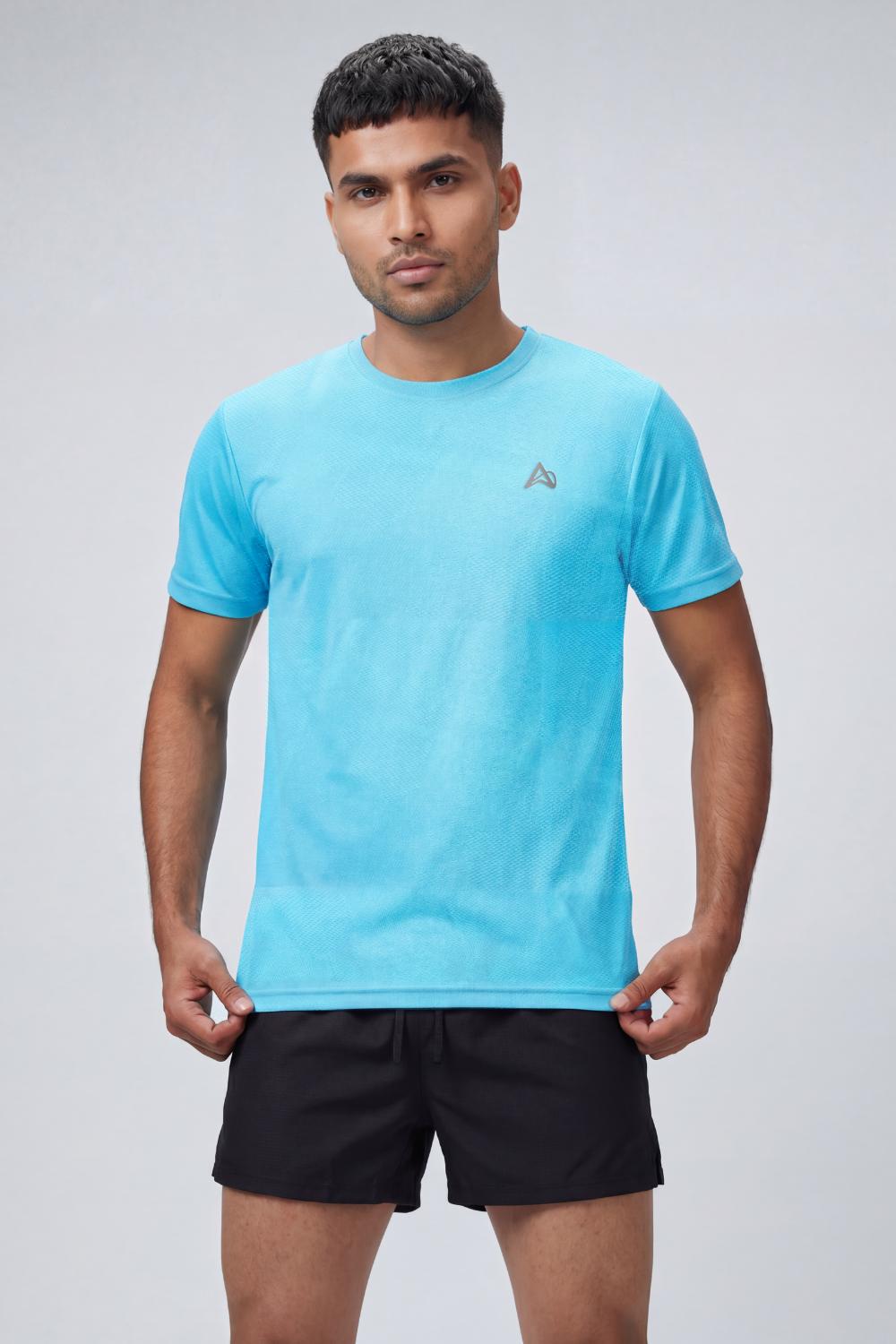
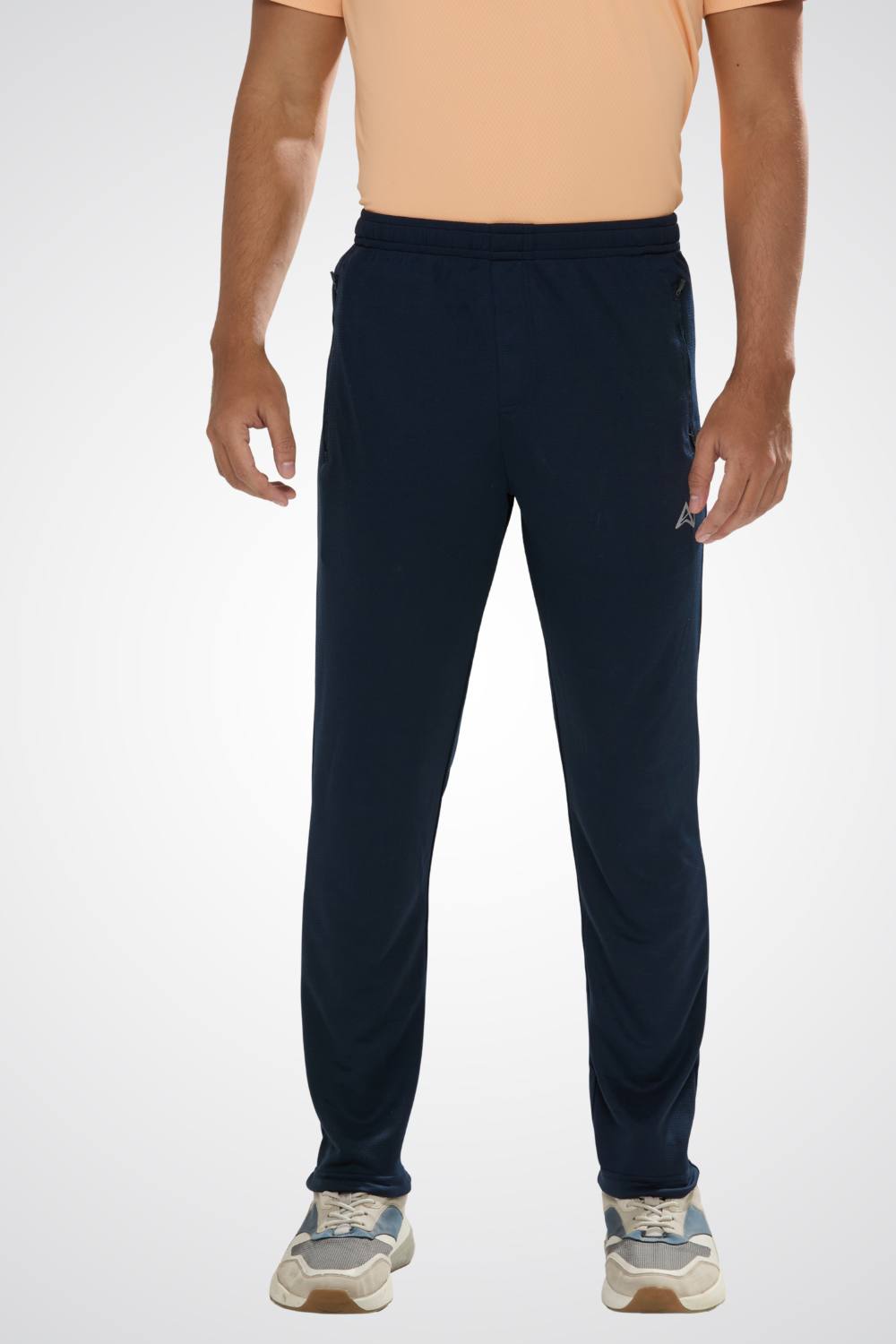
Tired of gear that slows you down? Chafing, soggy fabrics, and missing pockets kill your run's momentum. At Aguante, we're runners who get it. Our high-performance activewear features moisture-wicking fabrics, ergonomic designs, and smart storage to keep you focused. Shop Now!
The Real Cost of Fighting Humidity and Heat
Year-round running looks simple on paper. Then the monsoon lingers, or summer temperatures settle in the mid-30s Celsius with humidity climbing past 80%. Sweat no longer evaporates cleanly. Shirts and shorts cling, chafing begins, body temperature creeps upward, and mental focus drifts from rhythm to discomfort.
Cotton, once the default choice, soaks up perspiration and holds it close, growing heavier and colder with every kilometer. Many international sportswear lines, engineered primarily for temperate climates with far lower moisture levels, struggle in these conditions. The fabric retains sweat rather than releasing it, leaving runners in coastal metros like Mumbai or inland heat pockets like Delhi feeling trapped inside their own kit.
The consequence is predictable: skipped sessions, broken streaks, stalled improvement. Yet across India the appetite for running continues to grow, carried forward by rising health awareness, corporate wellness initiatives, community events, and the simple desire to feel stronger.
How Modern Quick-Dry Fabrics Actually Function
Advanced quick-dry fabrics rely on carefully engineered synthetic blends most commonly combinations of polyester, nylon, and a measured amount of spandex. These materials are structured to pull moisture away from the skin through capillary action, spreading it across a larger surface area so it evaporates rapidly.
Moisture-wicking is the companion mechanism: instead of letting perspiration pool against the body, the fabric channels it outward. Strategic placement of lightweight mesh ventilation panels under the arms, along the back, across the thighs introduces constant airflow that helps dissipate trapped heat even when the surrounding air is thick with humidity.
The result is not magic, but chemistry and design working together. Runners who wear properly constructed quick-dry gear report staying noticeably drier during long efforts, experiencing far less skin irritation, and maintaining a more stable core temperature. In practical terms, that difference often decides whether the next run feels inviting or punishing.
Why Local Design Thinking Makes a Measurable Difference
Most global sportswear brands develop and test products in climates far milder than those found in Surat, Ahmedabad, or coastal stretches of Maharashtra and Tamil Nadu. When those pieces arrive in India, the mismatch becomes obvious: evaporation slows dramatically, garments cling, and comfort erodes quickly.
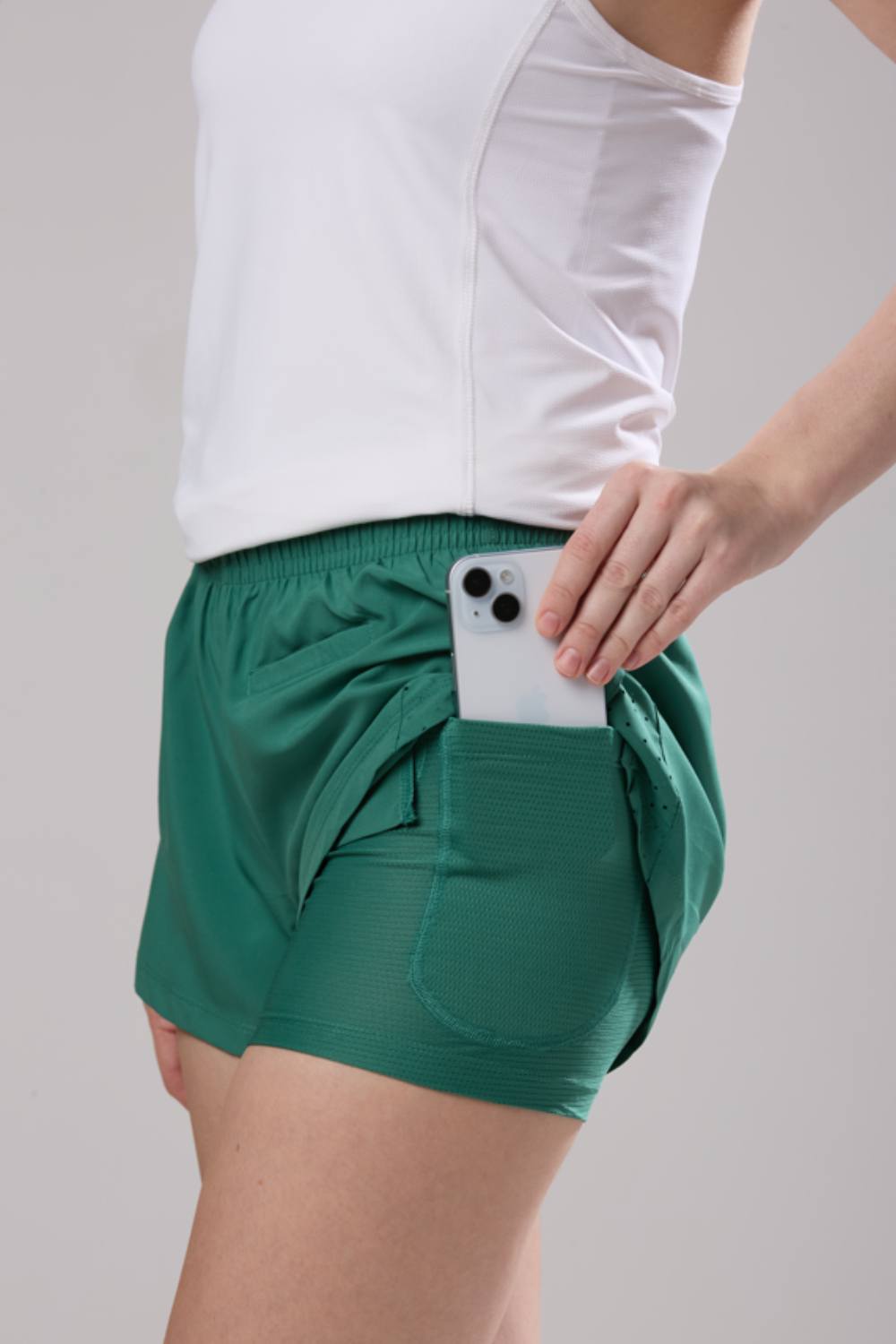
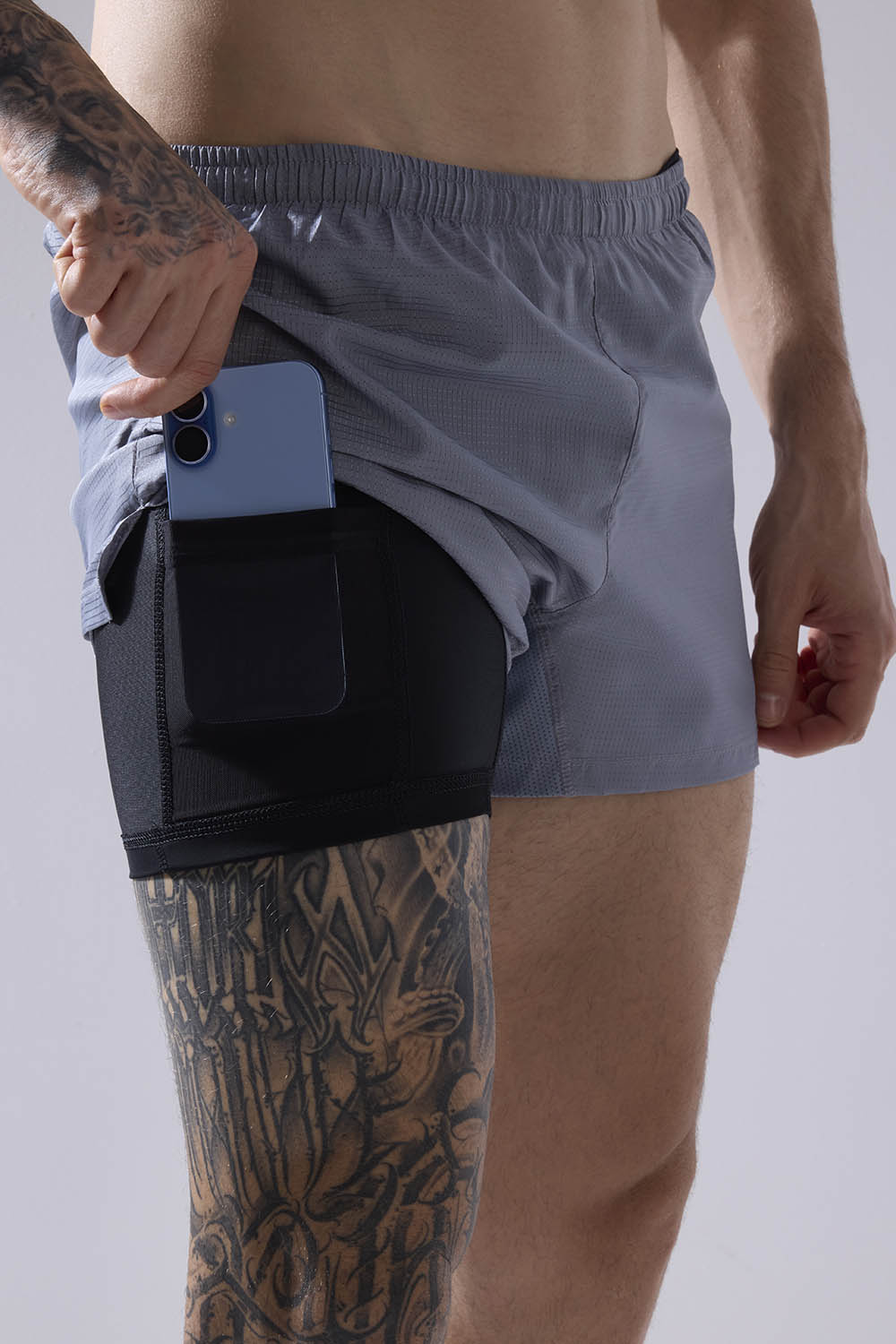
Homegrown brands approach the problem differently. Prototypes are tested on the same roads Indian runners use potholed side streets, humid seafront promenades, dusty outskirt trails. Fit is adjusted for typical Indian body proportions, seam placement is refined to eliminate chafe points, and pocket designs are stress-tested so keys, gels, or phones remain secure without bouncing.
This localized engineering produces apparel that handles 35-degree heat and near-saturated air without compromise. The fabrics continue to wick aggressively, dry fast enough to feel fresh mid-run, and allow freedom of movement that keeps the mind on pace rather than on discomfort. Importantly, this performance arrives at price points that do not carry the overhead of international branding campaigns.
Essential Features That Support Consistency
When choosing gear built for India's dominant running conditions, experienced runners look for the following elements:
- Fast-drying synthetic blends (polyester/nylon/spandex) engineered to wick sweat effectively even when ambient humidity exceeds 80%.
- Targeted mesh ventilation panels positioned at high-heat zones underarms, upper back, inner thighs to maintain steady airflow.
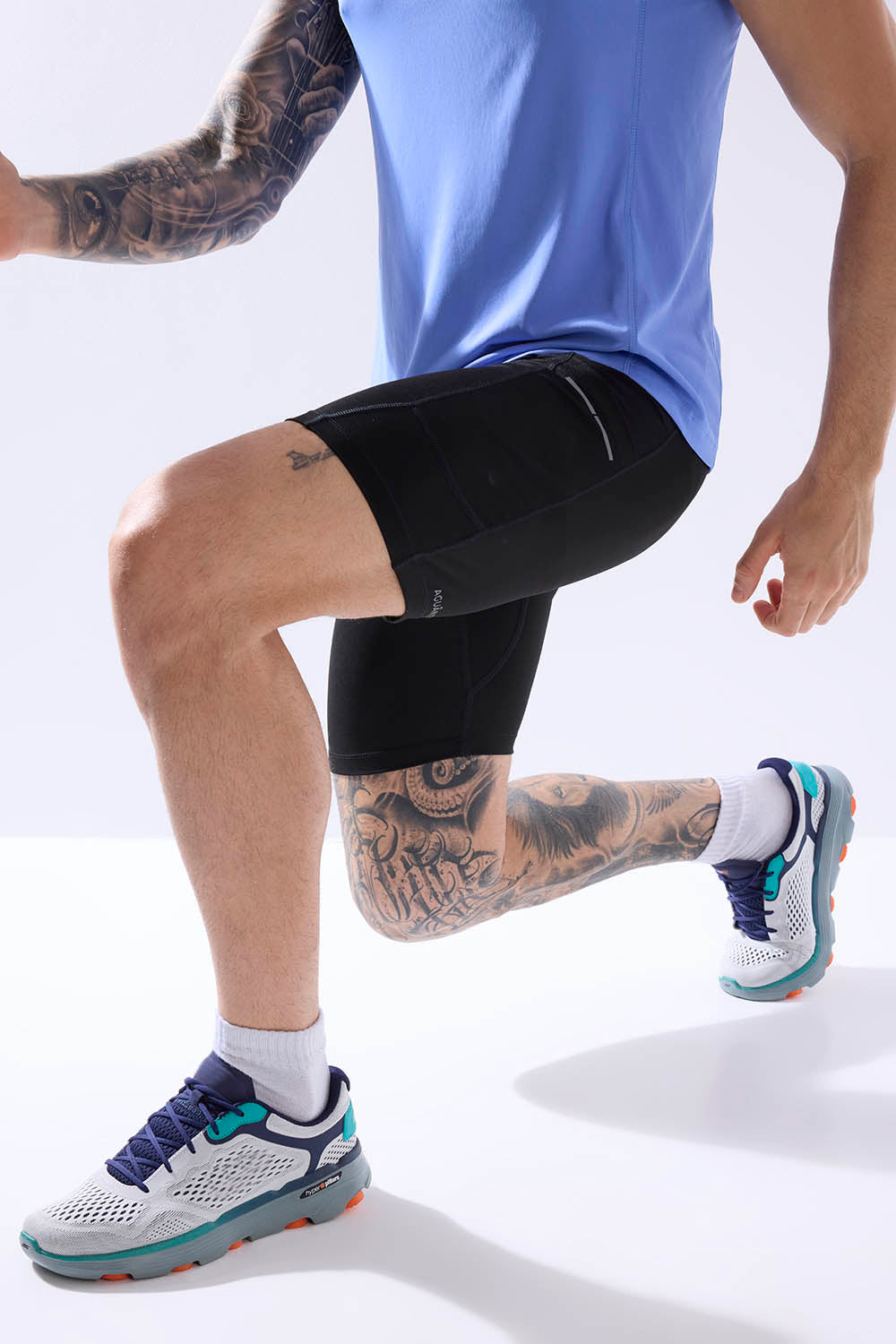
- Anti-chafe construction using flat-lock seams, seamless liners, or soft inner waistbands that prevent irritation over extended distances.
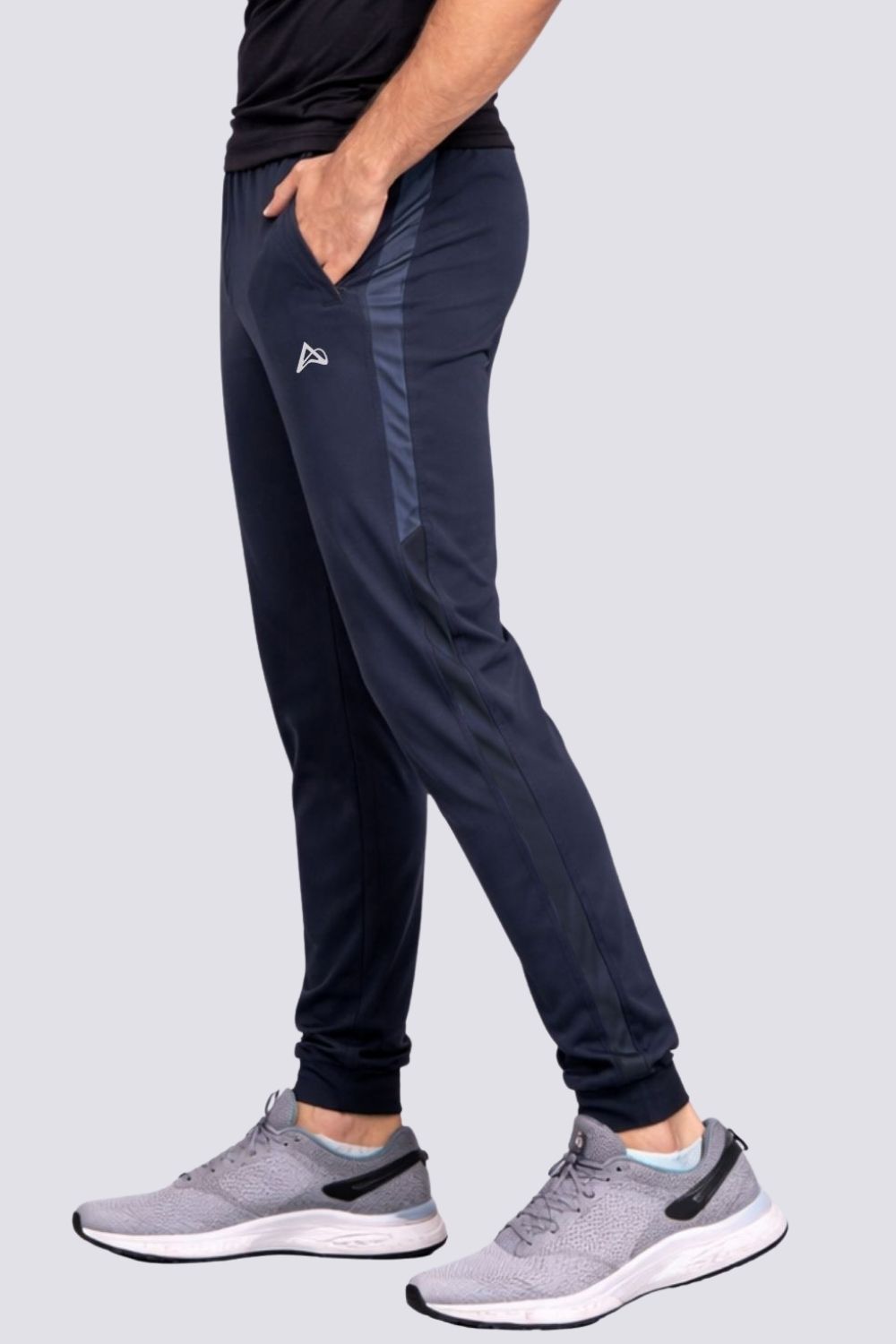
- Secure zip-closure pockets placed thoughtfully so essentials stay put without creating bounce or distraction.
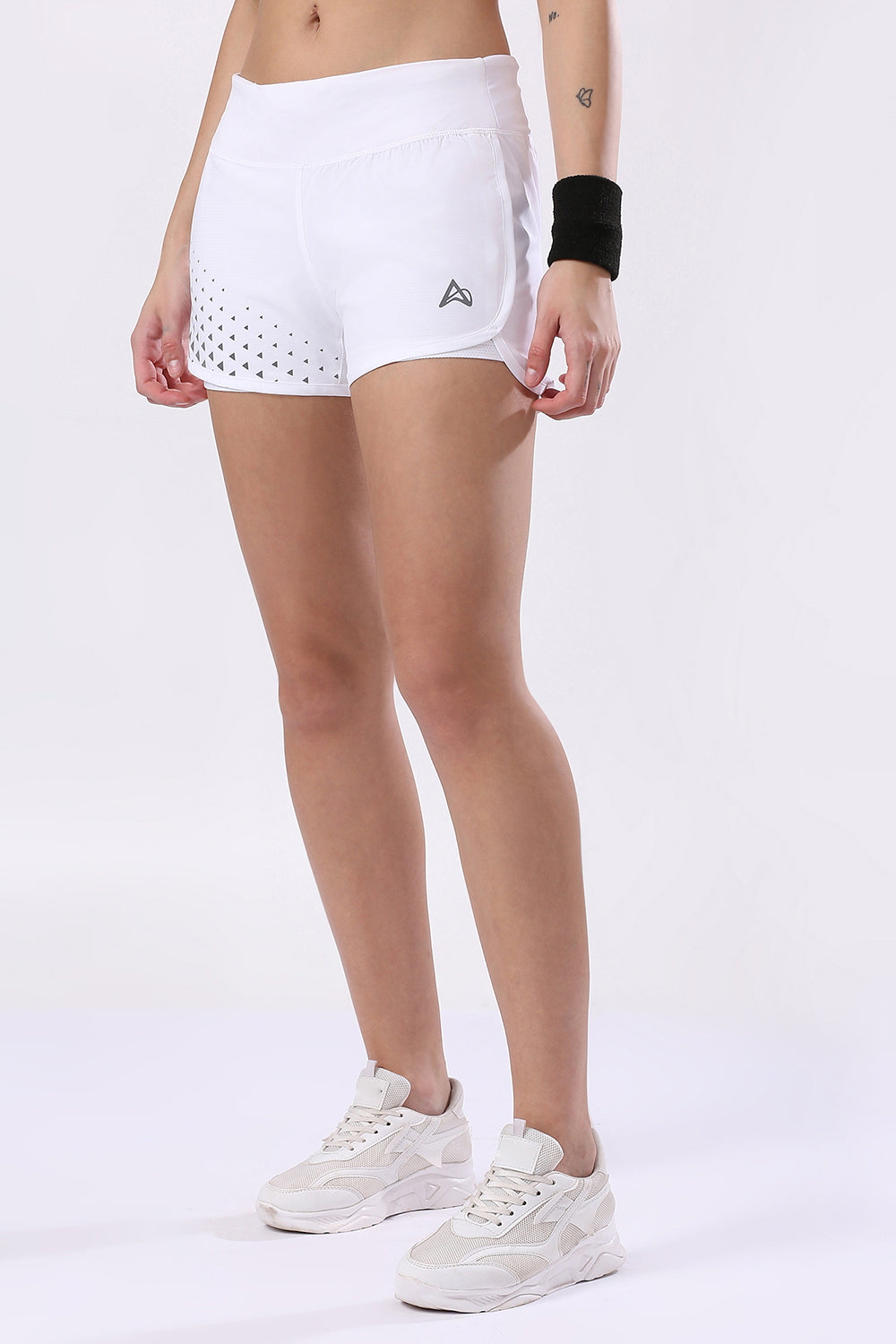
- Reflective detailing for improved visibility during early-morning or evening runs on poorly lit urban routes.
Each of these features, validated through real-world use on Indian terrain, removes a small but cumulative barrier. Over weeks and months the cumulative effect is clear: more runs completed, fewer interruptions, stronger habits.
Answering the Questions Runners Ask Most Often
Does locally made running apparel truly match the quality of international labels? In the specific domain of performance running gear designed for humid, hot climates, the answer is increasingly yes. While global brands excel at broad marketing reach, many homegrown labels concentrate their resources on function that directly addresses local realities.
What about price? Imported premium pieces often carry significant markups tied to brand prestige. Locally engineered alternatives deliver comparable or in some cases superior moisture management and comfort at prices that reflect honest production economics rather than advertising budgets.
And sustainability? The conversation is gaining traction. As material innovation advances, more brands explore recycled fibers and lower-impact dyeing processes. For most serious runners, however, consistent performance in punishing weather remains the immediate priority.
A Quiet Force Behind India's Running Surge
India's running community is no longer a niche. More marathons fill calendars, more group runs form in city parks, more everyday joggers discover the clarity that comes from steady miles. Health consciousness is rising in parallel, and reliable gear plays a supporting role that is easy to underestimate.
When quick-dry, moisture-wicking fabrics perform as intended, weather stops being the deciding factor. Runners move through lingering monsoons, punishing heatwaves, and sticky evenings with far less friction literal and psychological. Consistency compounds. Personal bests arrive not because conditions were perfect, but because the clothing refused to make them worse.
Looking Forward
The global appetite for running shows no sign of slowing. Ongoing material breakthroughs continue to push what is possible in extreme conditions. For runners in India's primary urban centers, that progress translates into steadily expanding choice: more pieces designed specifically for local heat, local humidity, local roads.
The outcome is straightforward yet powerful. Fewer abandoned training blocks. Stronger routines. Deeper satisfaction in the simple act of moving forward, one step at a time. When the fabric quietly does its job, the runner is finally free to focus on the road and on what comes next.
Frequently Asked Questions
What makes quick-dry fabrics better than cotton for running in India's hot and humid climate?
Unlike cotton, which absorbs sweat and holds it against the skin growing heavier and colder over time quick-dry synthetic blends use capillary action to pull moisture away from the body and spread it across a larger surface area for rapid evaporation. Most are made from polyester, nylon, and spandex combinations, often featuring mesh ventilation panels at high-heat zones like the underarms and upper back. In Indian cities where humidity can exceed 80%, this difference directly impacts comfort, chafe prevention, and the ability to maintain a stable core temperature throughout a run.
Are Indian running apparel brands as good as international sportswear labels for hot-weather performance?
For runners training in India's specific climate conditions, homegrown brands are increasingly competitive and in some cases superior. Global brands typically design and test products in temperate climates, meaning their fabrics can struggle with the intense heat and humidity found in cities like Mumbai, Delhi, or Ahmedabad. Local brands prototype and refine gear on the same humid roads Indian runners use, adjusting fit for Indian body proportions, seam placement to reduce chafing, and fabric composition for aggressive moisture-wicking often at more accessible price points.
What key features should I look for in running clothes designed for India's weather conditions?
The most important features for year-round running in India are fast-drying synthetic fabric blends (polyester/nylon/spandex), strategically placed mesh ventilation panels, and anti-chafe construction using flat-lock or seamless seams. Beyond comfort, secure zip-closure pockets keep essentials stable without bouncing, and reflective detailing improves visibility during the early-morning or evening runs that many Indian city runners prefer to avoid peak heat. Together, these elements reduce the cumulative friction physical and mental that leads to skipped sessions and broken training streaks.
Disclaimer: The above helpful resources content contains personal opinions and experiences. The information provided is for general knowledge and does not constitute professional advice.
You may also be interested in: Affordable Indian Brands Close the Gap in Marathon Apparel Quality
Tired of gear that slows you down? Chafing, soggy fabrics, and missing pockets kill your run's momentum. At Aguante, we're runners who get it. Our high-performance activewear features moisture-wicking fabrics, ergonomic designs, and smart storage to keep you focused. Shop Now!
Powered by flareAI.co