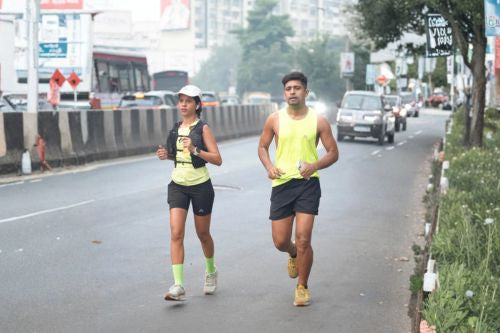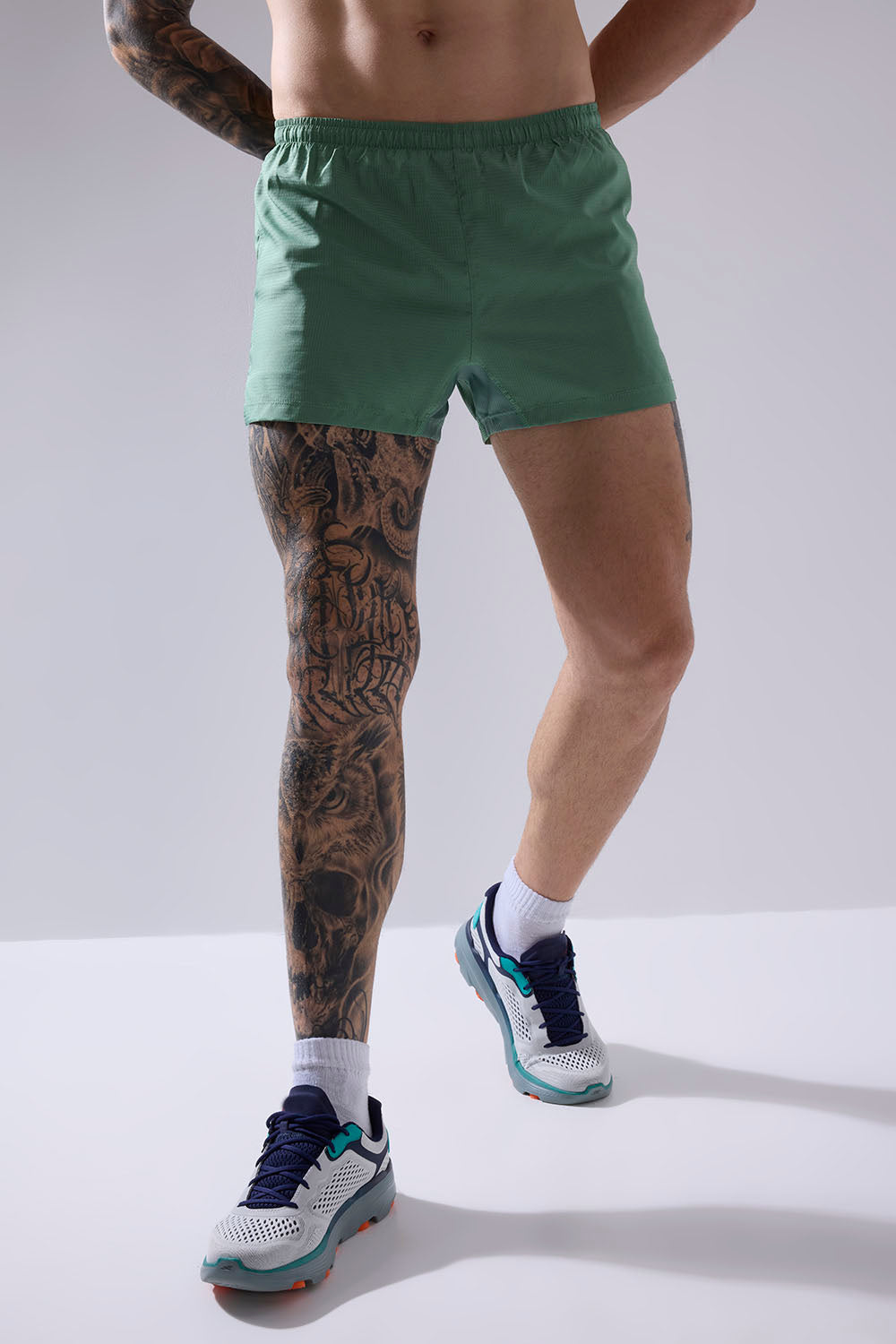

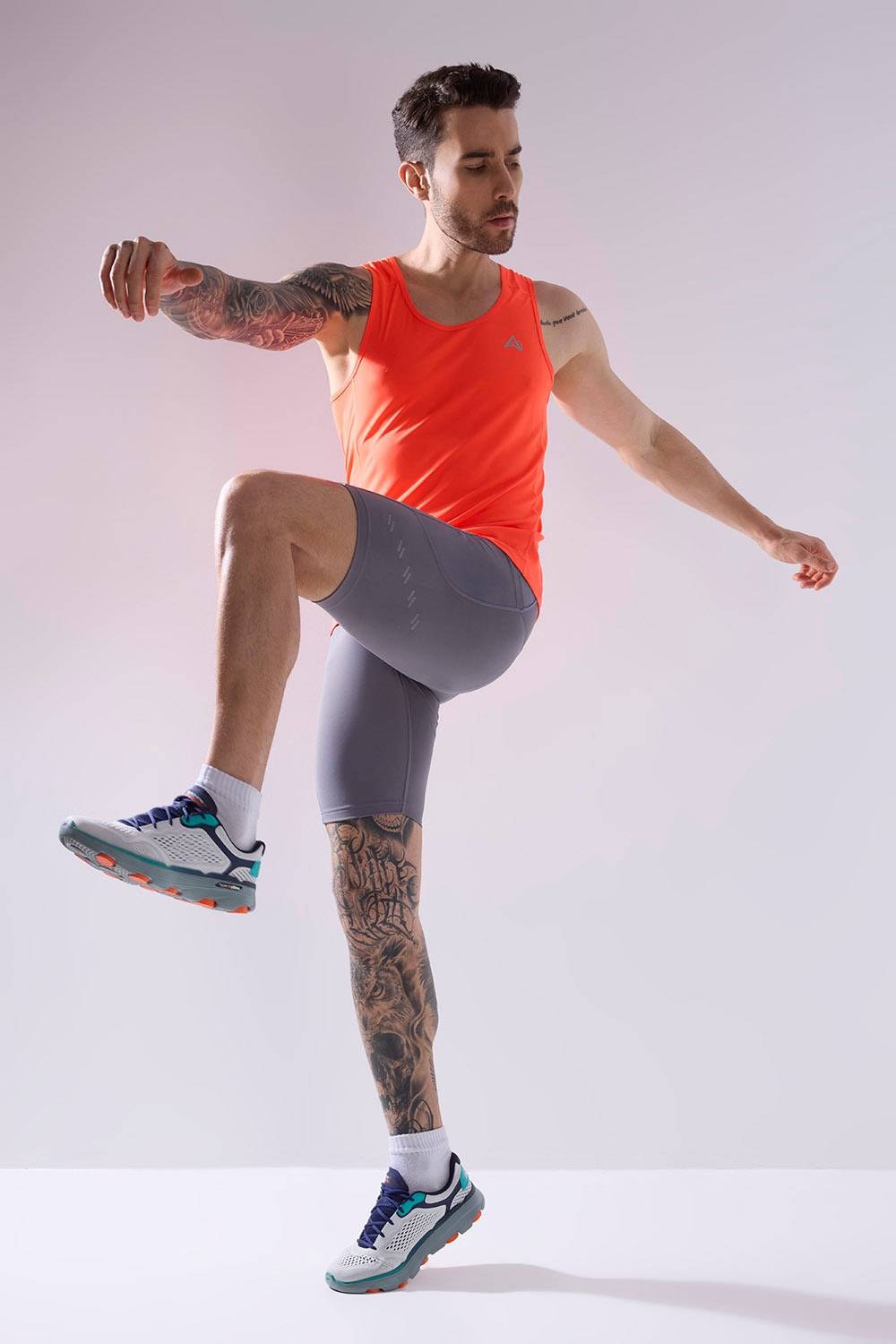
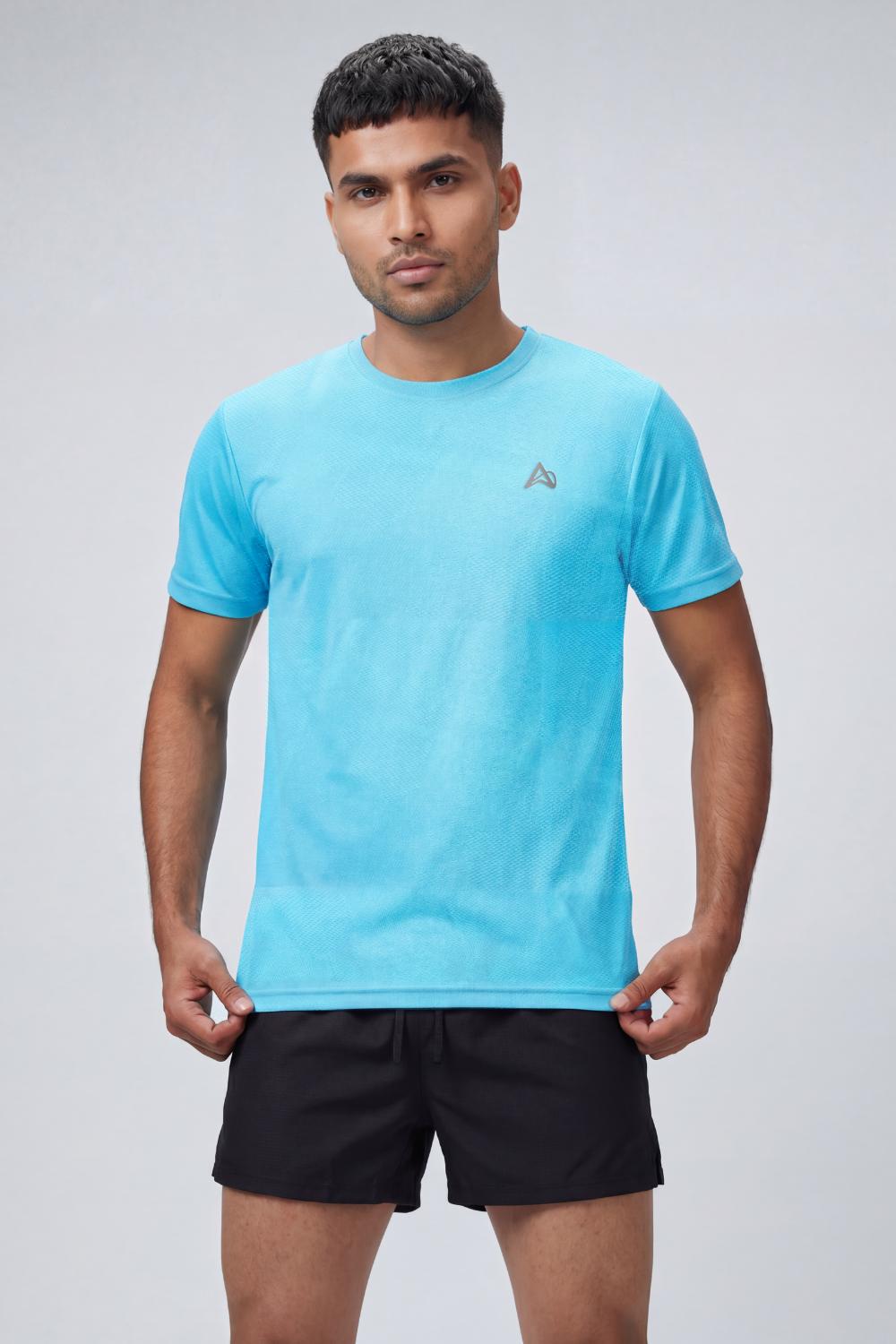






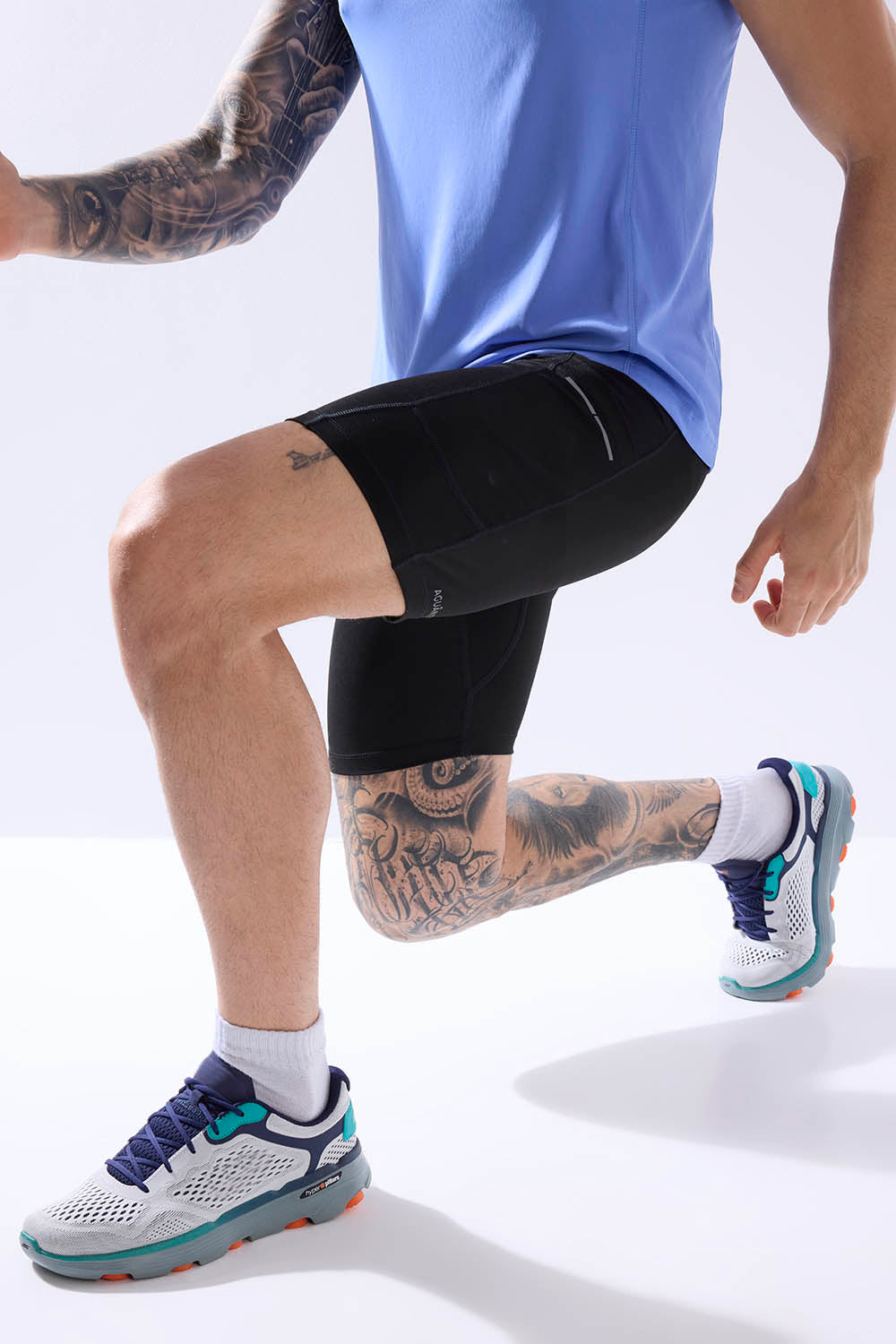
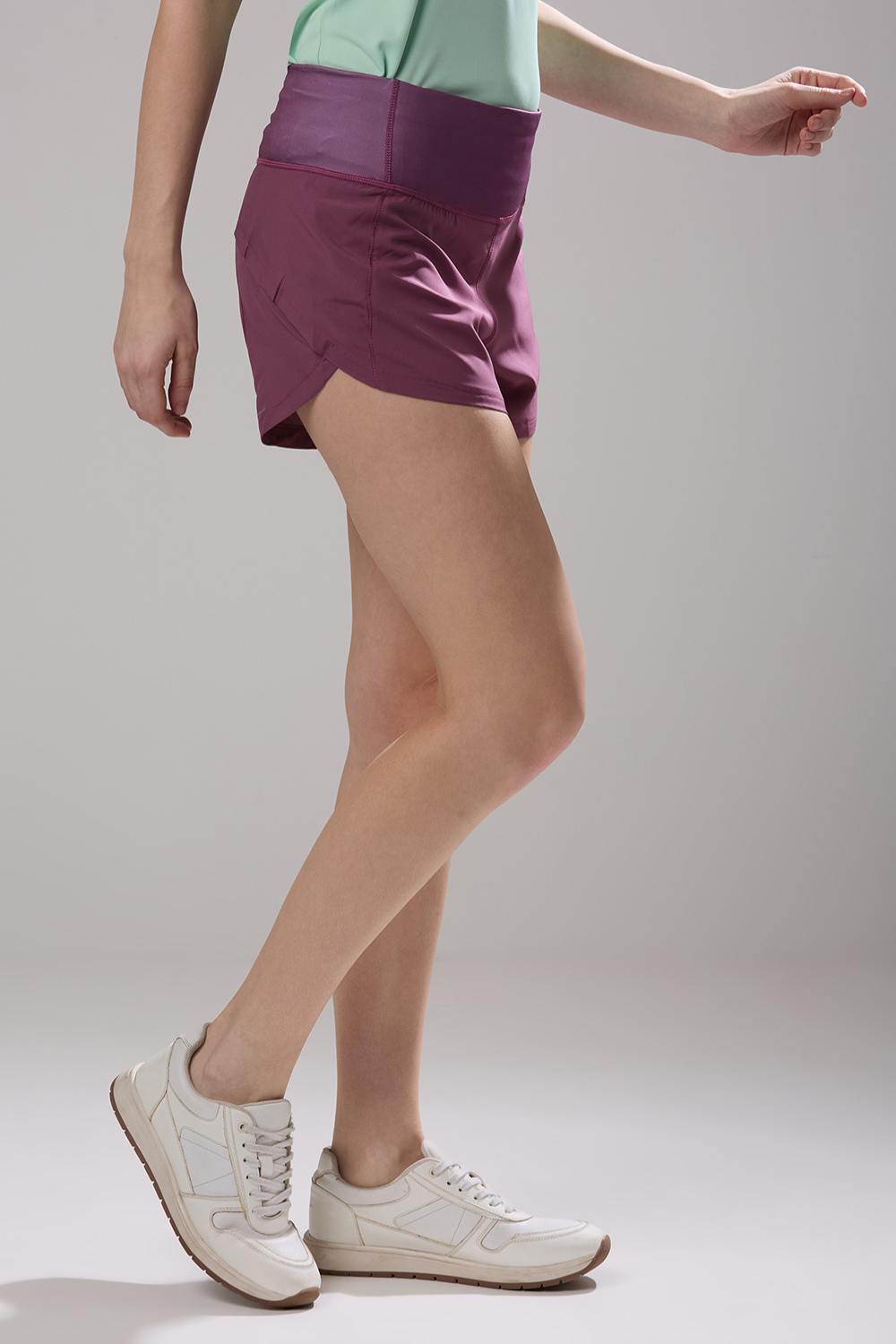






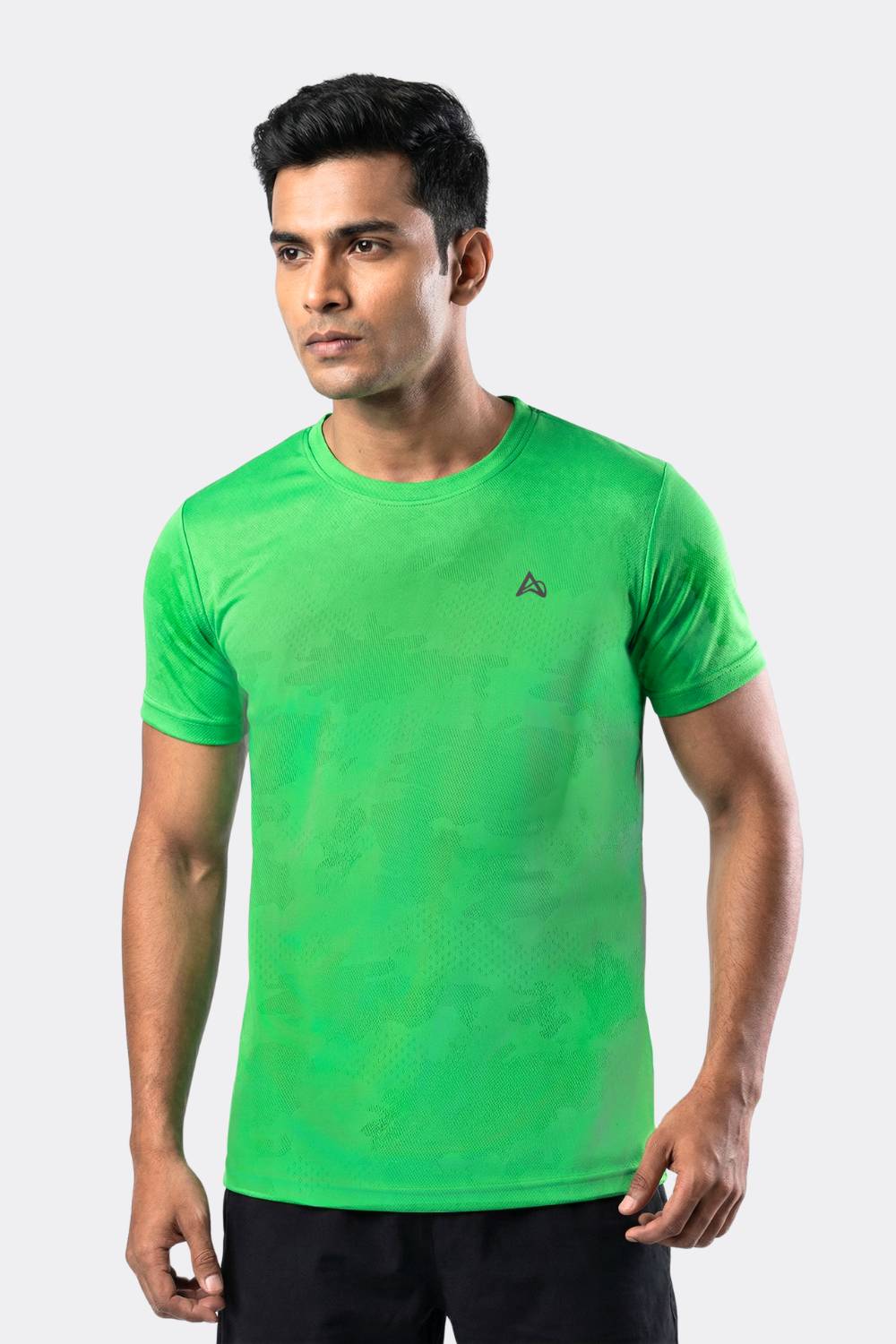
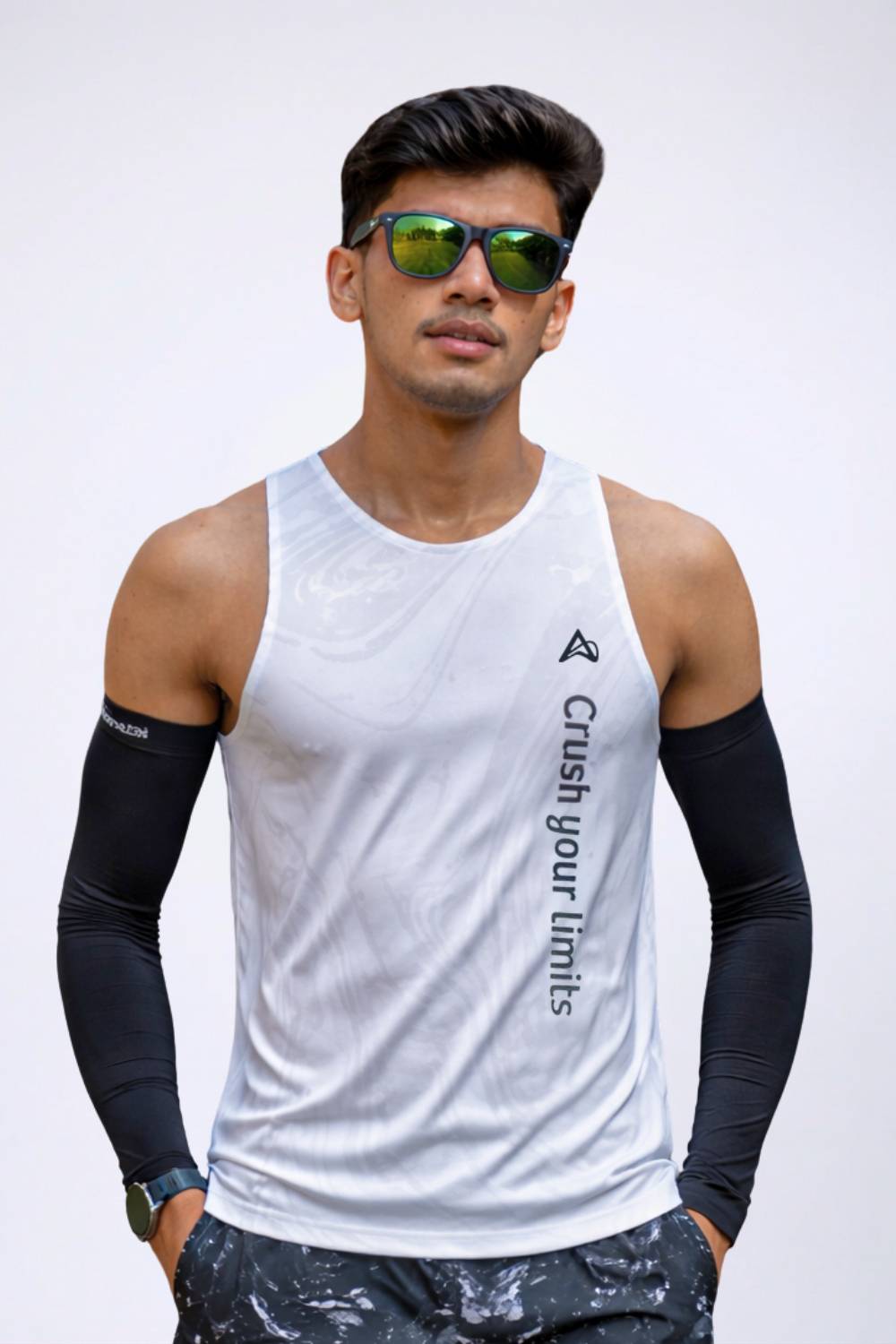

Before dawn breaks over Mumbai's Marine Drive, runners pound the pavement, their eco-friendly activewear glowing faintly under the streetlights. From Bangalore's tree-lined trails to Delhi's bustling urban paths, India is in the grip of a fitness revolution. This surge isn't just about staying healthy it's about doing so responsibly. As the nation's fitness culture accelerates, a new breed of sustainable, high-performance running apparel is transforming the activewear industry, fusing cutting-edge technology with an unwavering commitment to the environment.
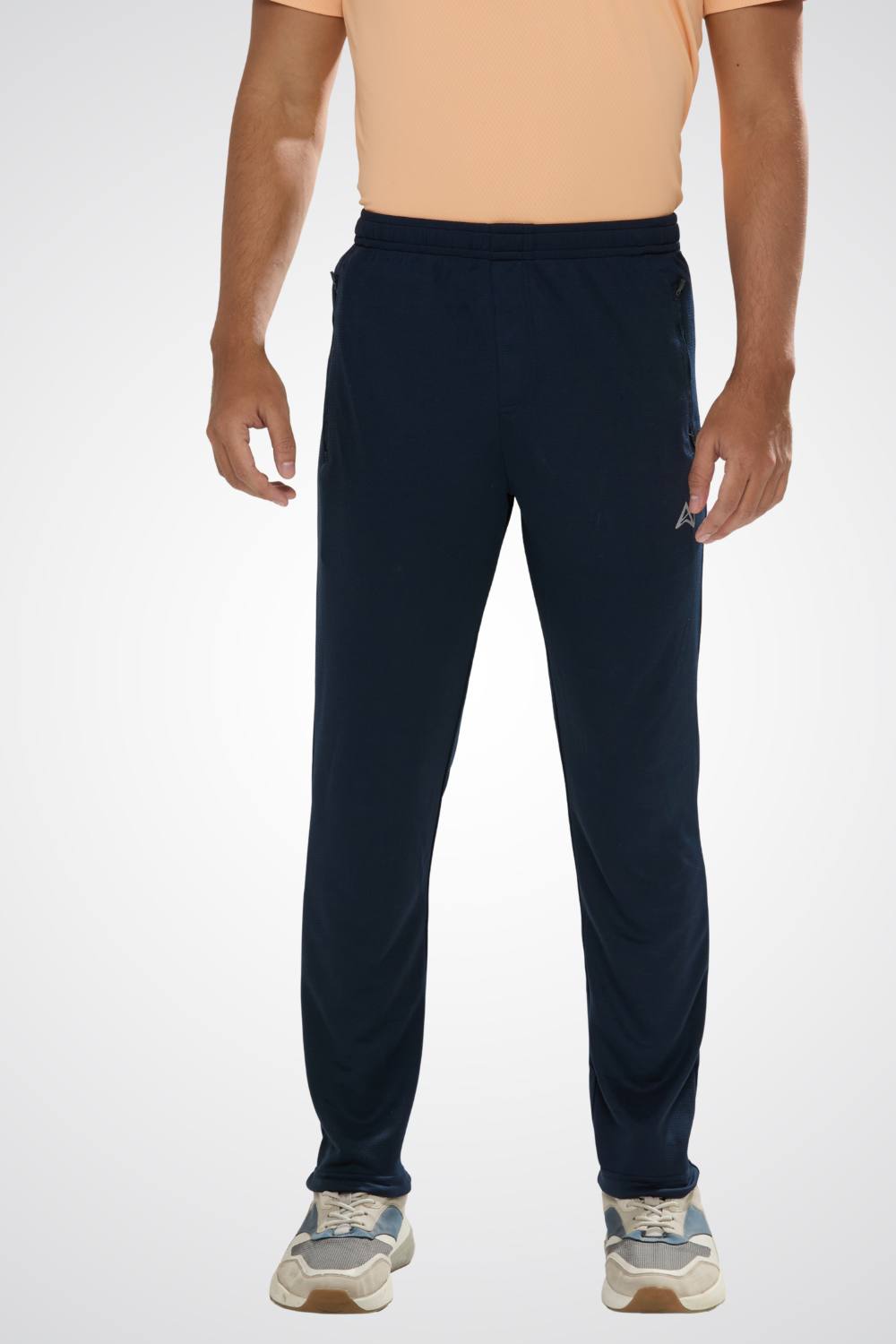
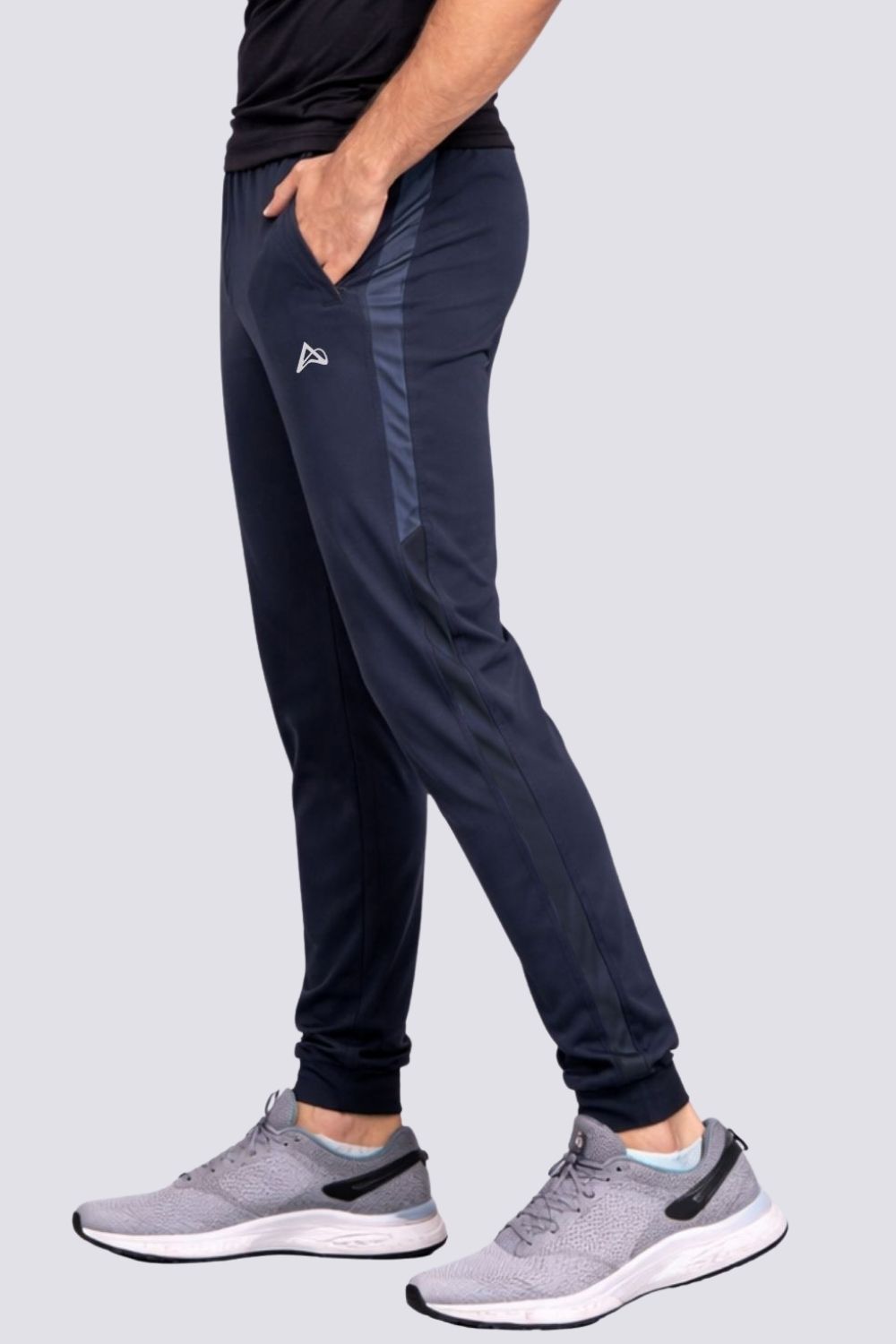
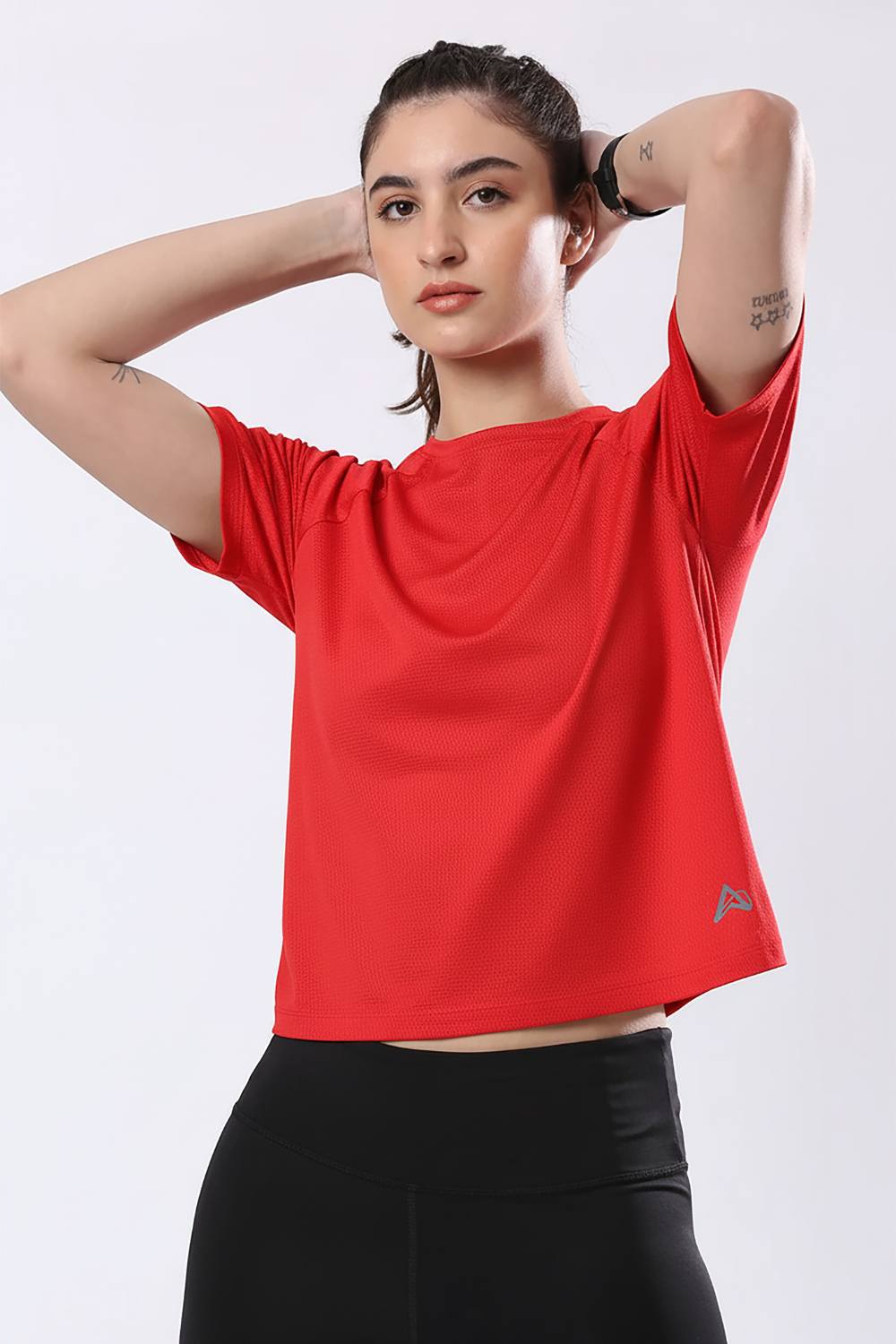
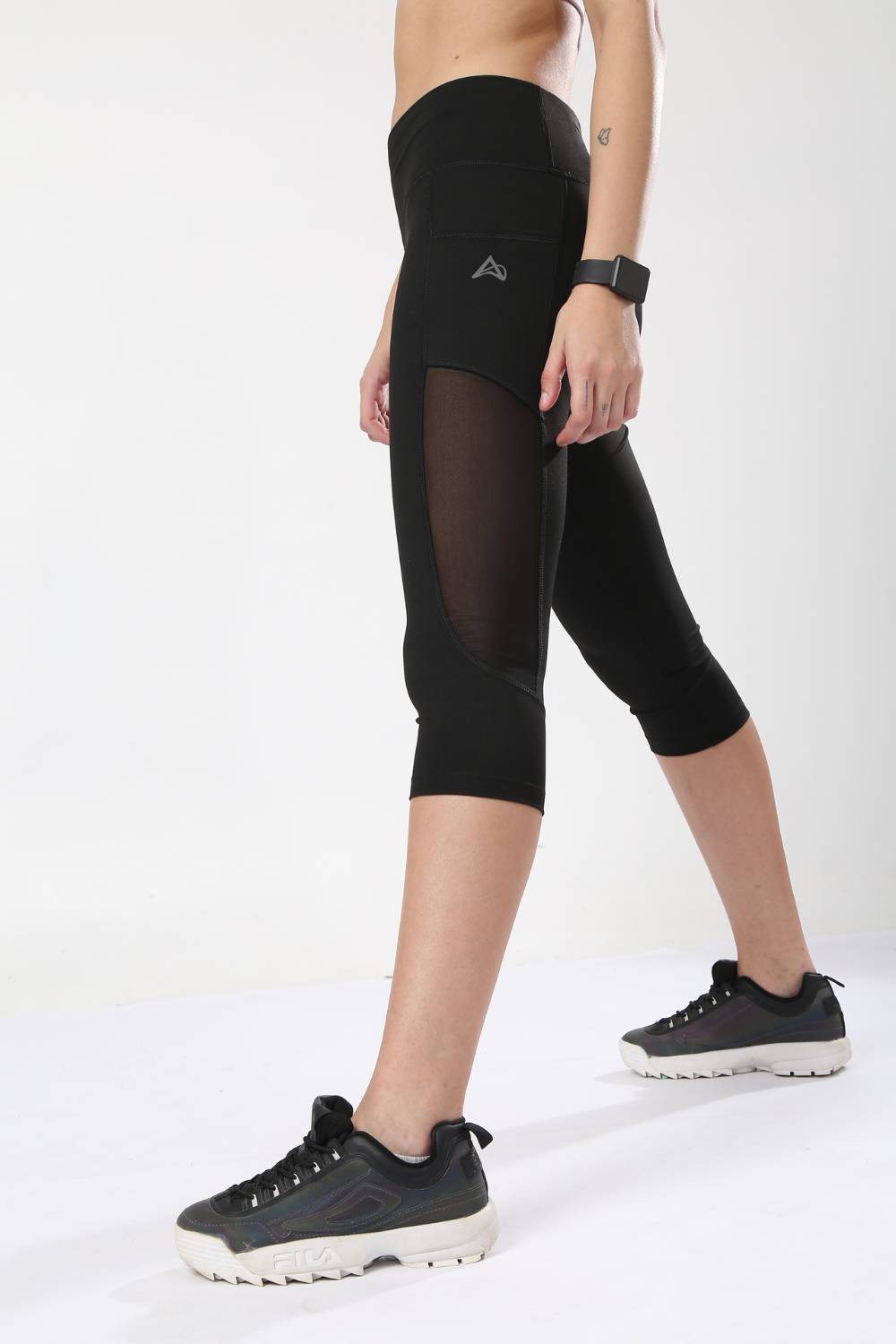
Tired of gear that slows you down? Chafing, soggy fabrics, and missing pockets kill your run's momentum. At Aguante, we're runners who get it. Our high-performance activewear features moisture-wicking fabrics, ergonomic designs, and smart storage to keep you focused. Shop Now!
India's Fitness Boom Fuels Sustainable Activewear Innovation
India's fitness landscape is undergoing a seismic shift. A Deloitte report projects that fitness facility memberships will nearly double, soaring from 12.3 million in 2024 to 23.2 million by 2030, though penetration remains low at 0.8 percent, hinting at immense untapped potential. Major cities like Mumbai, Delhi NCR, and Bengaluru drive 56 percent of the market's revenue, despite hosting only 31 percent of fitness facilities. Running has emerged as a cultural touchstone, with marathons in Pune and Hyderabad attracting thousands. This fitness wave is propelling the gym apparel market, valued at $4.66 billion in 2024, toward a projected $8.29 billion by 2030, with a robust 10.2 percent annual growth rate, according to Grand View Research.
Yet, for today's runners, performance alone isn't enough. In eco-conscious hubs like Bangalore and Pune, consumers demand gear that minimizes environmental harm. This has sparked a profound shift toward sustainable activewear, blending high-tech functionality with green principles to meet the needs of a new generation of runners.
Sustainable Fabrics Redefine Performance
In Bangalore's vibrant startup scene, innovators are reshaping the future of running gear. Brands are increasingly turning to recycled polyester and organic cotton, materials that cut waste while delivering the durability runners require. Some are venturing further, experimenting with hemp and biodegradable fabrics sourced from local farms to reduce carbon footprints. A 2025 study on India's textile sector underscores the challenge: despite widespread discussion of circular economy models among policymakers and industry leaders, small and medium enterprises struggle to adopt these practices due to unclear guidelines and limited frameworks. Still, in cities like Pune, pioneers are breaking through, using plant-based dyes to eliminate toxic waste and developing smart fabrics that wick moisture without synthetic chemicals.
These innovations serve a dual purpose: ethics and performance. Runners tackling Delhi's sweltering summers or Mumbai's humid coastal runs need gear that breathes, stretches, and endures. Brands are delivering with textiles that regulate temperature, block UV rays, and ensure comfort over long distances. In Gurugram, startups are pushing boundaries further, weaving sensors into fabrics to monitor heart rates or running metrics in real time, all while prioritizing sustainability. This fusion of technology and eco-consciousness is setting a new standard for activewear.
Athleisure: Blurring the Lines
In style-driven cities like Mumbai and Delhi, the boundary between workout gear and daily wear is fading. According to the IMARC Group, India's activewear market, worth $10.2 million in 2024, is on track to reach $16.6 million by 2033, growing at 5.1 percent annually, fueled by the athleisure trend. Runners crave versatile pieces sleek leggings, breathable jackets that move effortlessly from a 10K to a café. This demand for multifunctionality is driving brands to create apparel that's as fashionable as it is functional, appealing to urban consumers who value both form and utility.
Retail is adapting to this shift. In Mumbai's Bandra or Delhi's Hauz Khas, stores are transforming into immersive spaces, showcasing sustainable collections alongside interactive displays that highlight fabric performance. E-commerce is equally pivotal, making eco-friendly activewear accessible in emerging fitness hubs like Surat and Ahmedabad. This digital reach is democratizing the market, connecting brands with runners who might never visit a high-end boutique, and fostering a more inclusive fitness culture.
Navigating the Sustainability Roadblocks
The journey to sustainable activewear is fraught with challenges. Sourcing eco-friendly materials remains a logistical hurdle for many Indian brands. The textile study points to supply chain inefficiencies and a lack of standardized circular economy practices as major barriers. In Surat, a textile powerhouse, scaling sustainable production without inflating costs is a delicate dance. Ethical labor practices add further complexity, as brands strive to ensure fair wages while keeping prices competitive in a price-sensitive market.
Consumer awareness is another sticking point. While urban centers like Bangalore and Hyderabad embrace green fashion, runners in smaller cities like Navi Mumbai or Gurugram often require persuasion. High-performance sustainable gear carries a premium, which can deter cost-conscious buyers. Educational initiatives are gaining traction, but broader efforts are needed to make sustainability a universal priority across India's diverse markets.
Seizing Opportunities in a Growing Market
These challenges, however, are also gateways to opportunity. Brands that master sustainable practices are carving out a competitive edge, particularly in eco-aware markets like Delhi and Hyderabad. The MarkNtel Advisors report forecasts the apparel and footwear market to hit $109 billion by 2030, with an 8.45 percent growth rate, signaling vast potential for sustainable activewear. Tier-2 cities like Ahmedabad and Surat, where fitness culture is taking root, represent untapped markets. As running clubs multiply and marathons gain momentum, demand for high-quality, eco-conscious gear is set to surge.
E-commerce is a game-changer, enabling brands to reach runners in remote areas as easily as those in Mumbai. Through targeted digital campaigns and social media storytelling, companies are highlighting their sustainable practices, resonating with a growing cohort of environmentally conscious consumers. This digital-first approach is not only expanding market reach but also building brand loyalty among runners who value transparency and impact.
A Bright Future for Sustainable Activewear
As twilight falls over Pune's running trails, the promise of sustainable innovation shines brightly. India's fitness boom is more than a fleeting trend it's a transformative force, redefining the possibilities of activewear. From Bangalore's eco-driven startups to Mumbai's tech-savvy retail, the industry is proving that performance and sustainability can coexist. The road ahead will test brands with supply chain complexities and consumer hesitancy, but the rewards are immense. With a market primed for growth and runners eager for change, the future of sustainable activewear in India is as dynamic as the athletes it serves. For brands bold enough to innovate, the race is just beginning.
Frequently Asked Questions
How are Indian brands making fitness apparel more sustainable?
Indian brands are adopting eco-friendly practices by using organic cotton, recycled polyester, and biodegradable fabrics for fitness apparel. The blog notes that innovations like water-saving dyeing techniques and ethical production processes are gaining traction. These efforts cater to environmentally aware consumers while aligning with global sustainability trends.
What is fueling the growth of the fitness apparel market in India?
The fitness apparel market in India is booming due to a surge in health consciousness, rising gym memberships, and the popularity of athleisure among urban consumers. The blog highlights how India’s growing middle class and cultural embrace of yoga and fitness trends are driving demand for stylish, functional clothing. This shift has also spurred brands to innovate with sustainable materials to meet eco-conscious consumer needs.
Why should fitness enthusiasts in India choose sustainable apparel?
Sustainable apparel offers fitness enthusiasts in India eco-friendly options that reduce environmental impact without compromising performance. The blog explains that materials like bamboo or recycled fabrics provide breathability and durability, ideal for workouts. Choosing sustainable clothing also supports ethical brands and contributes to a greener planet.
Disclaimer: The above helpful resources content contains personal opinions and experiences. The information provided is for general knowledge and does not constitute professional advice.
You may also be interested in: Sustainable Activewear Gains Ground in India
Tired of gear that slows you down? Chafing, soggy fabrics, and missing pockets kill your run's momentum. At Aguante, we're runners who get it. Our high-performance activewear features moisture-wicking fabrics, ergonomic designs, and smart storage to keep you focused. Shop Now!
Powered by flareAI.co