




Quick Listen:
In the vibrant lanes of Mumbai and the innovative corridors of Bangalore, urban runners are embracing a transformative wave. They're integrating advanced gear that merges worldwide innovations with everyday practicalities, turning routine jogs into optimized experiences. This evolution underscores a fusion of heightened health awareness and tech progress, elevating running to a dynamic, data-informed pursuit. Delving into how urban runners in India are adapting to these global gear trends, we see a profound impact on daily lives in key metropolitan areas.
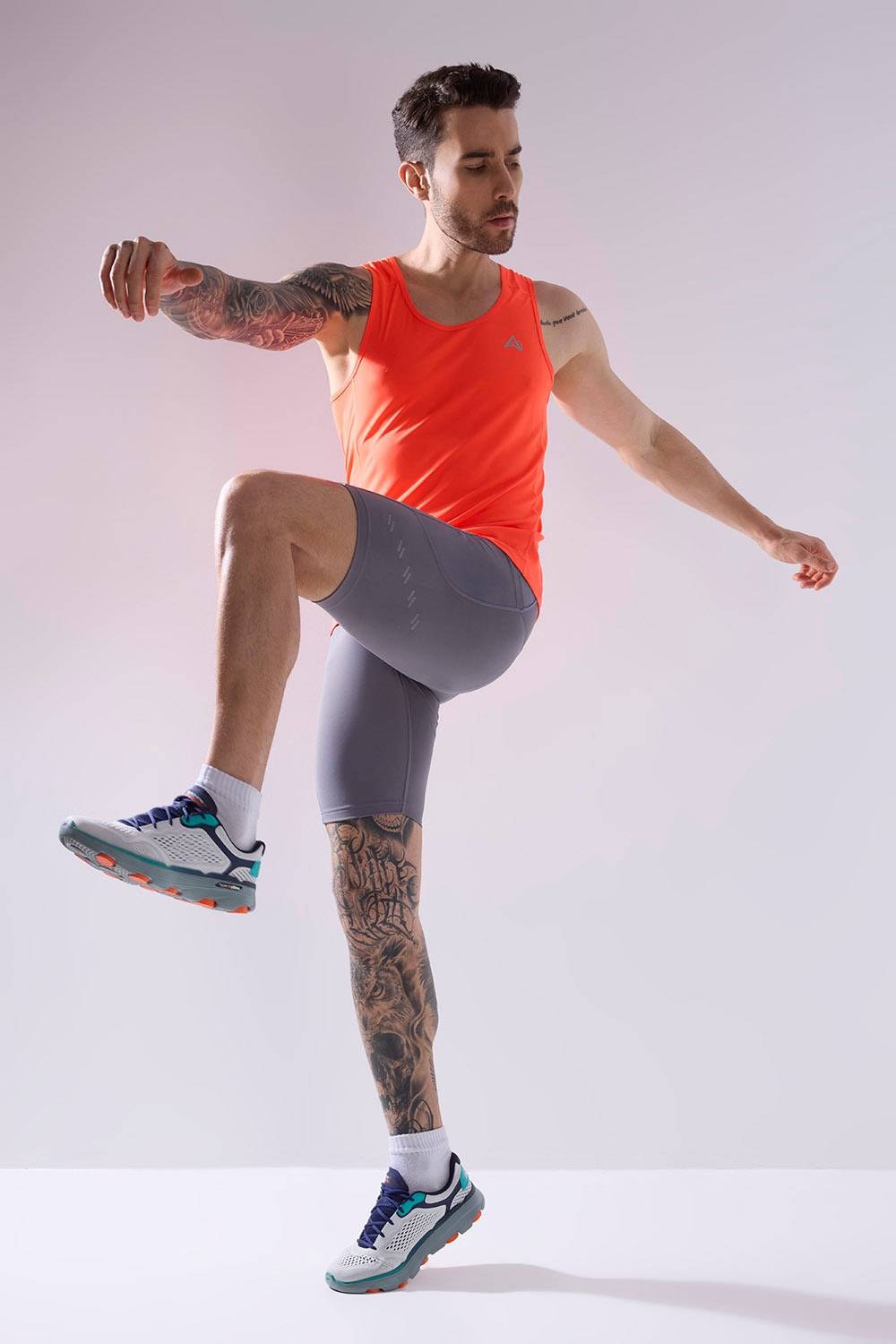
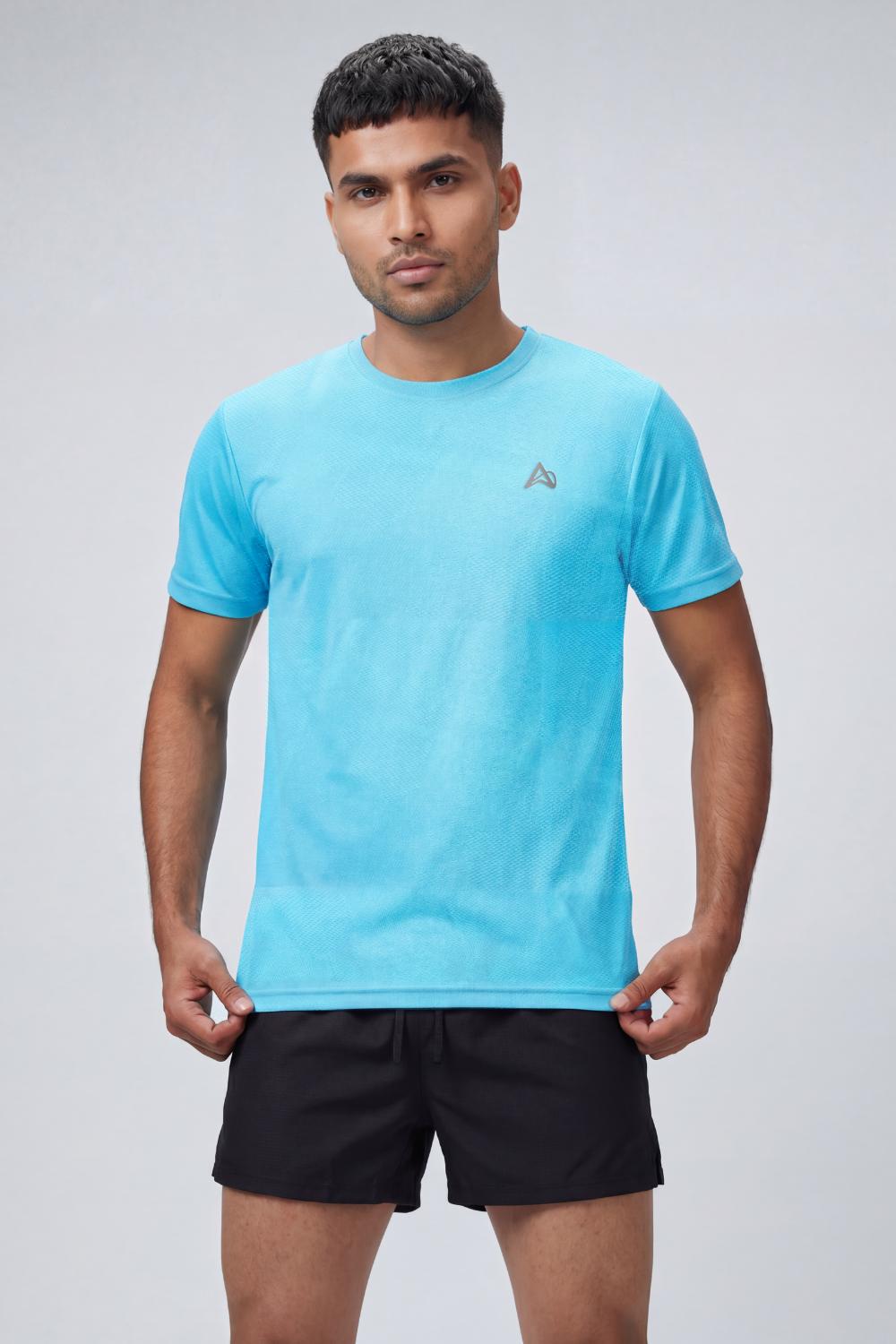
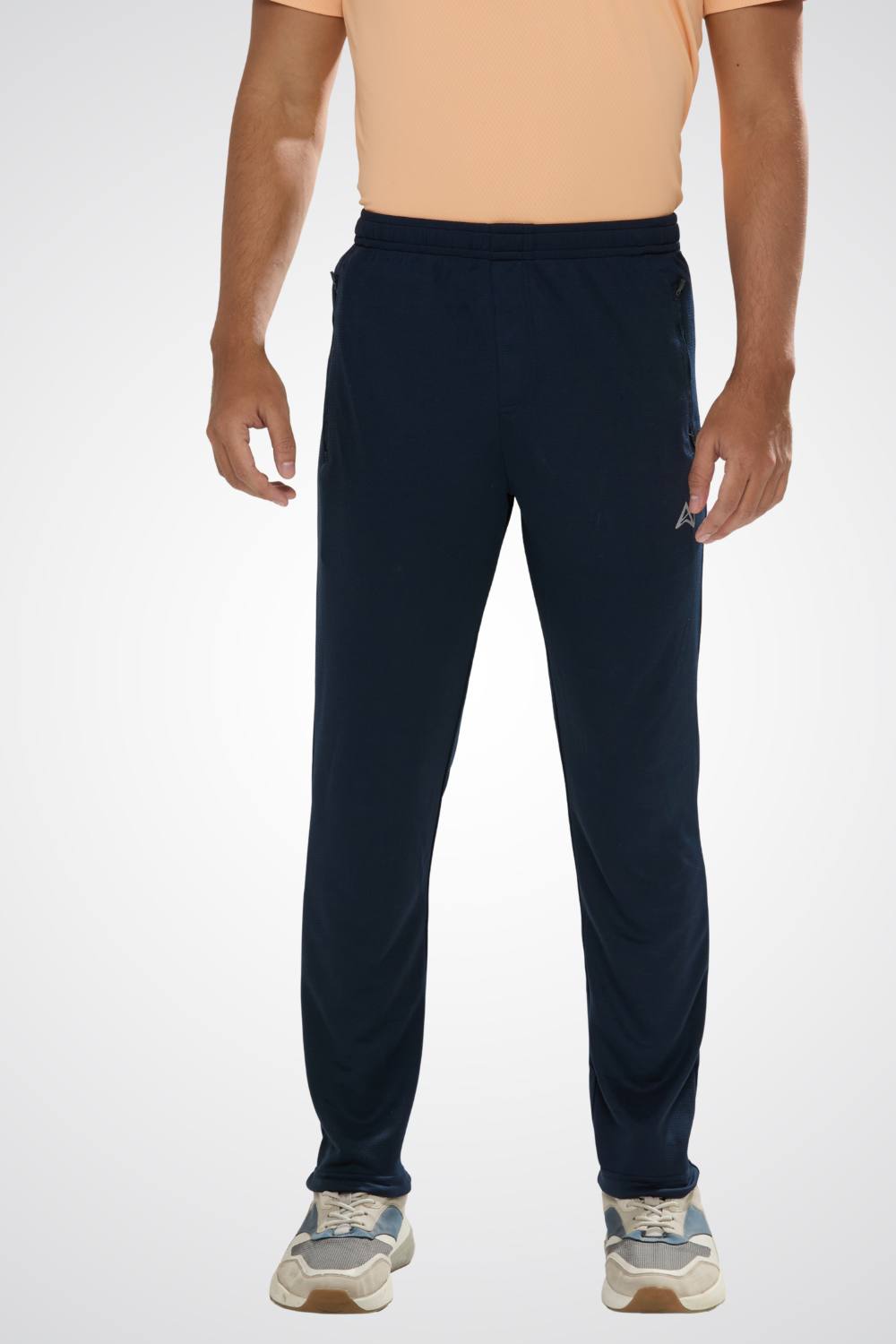
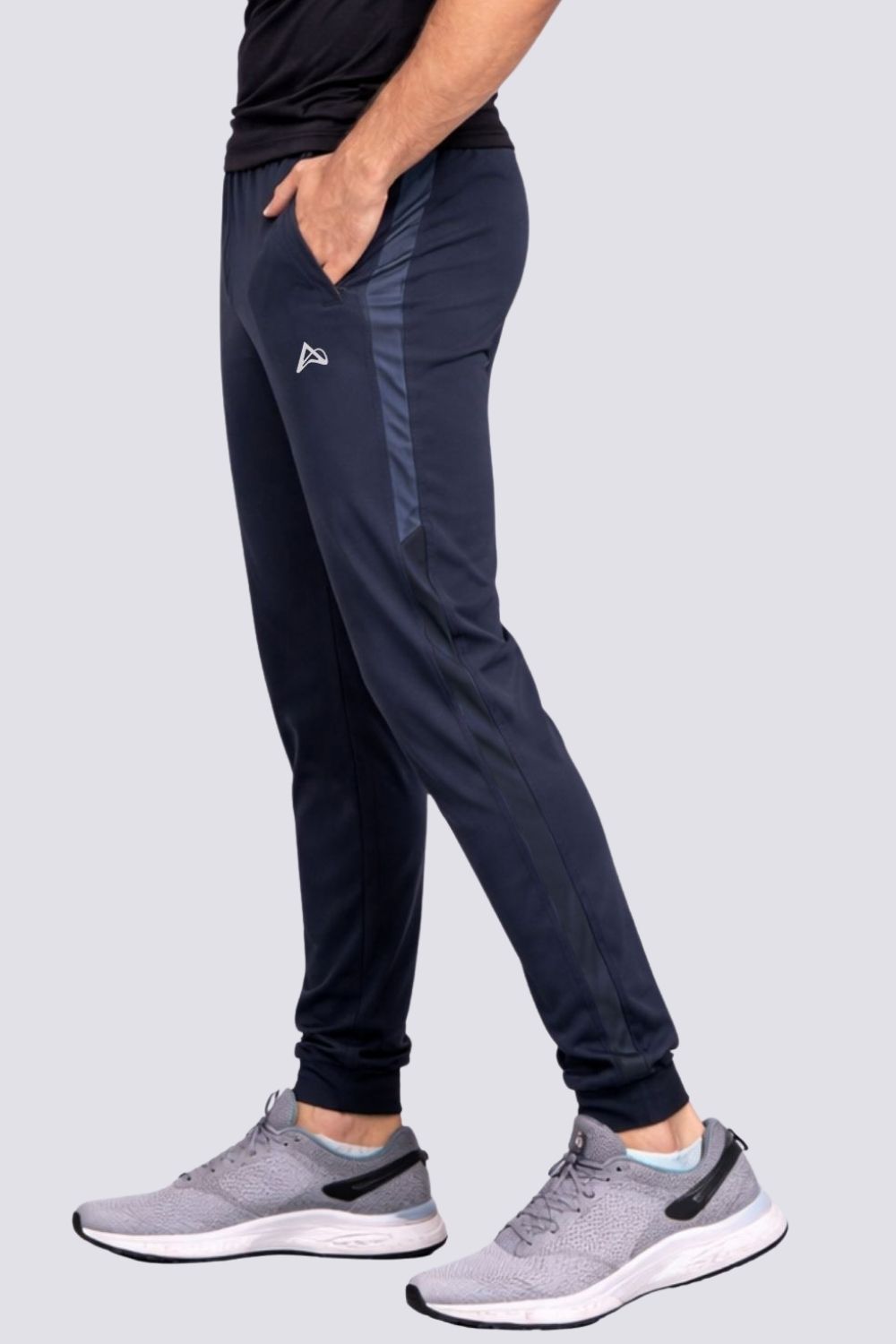
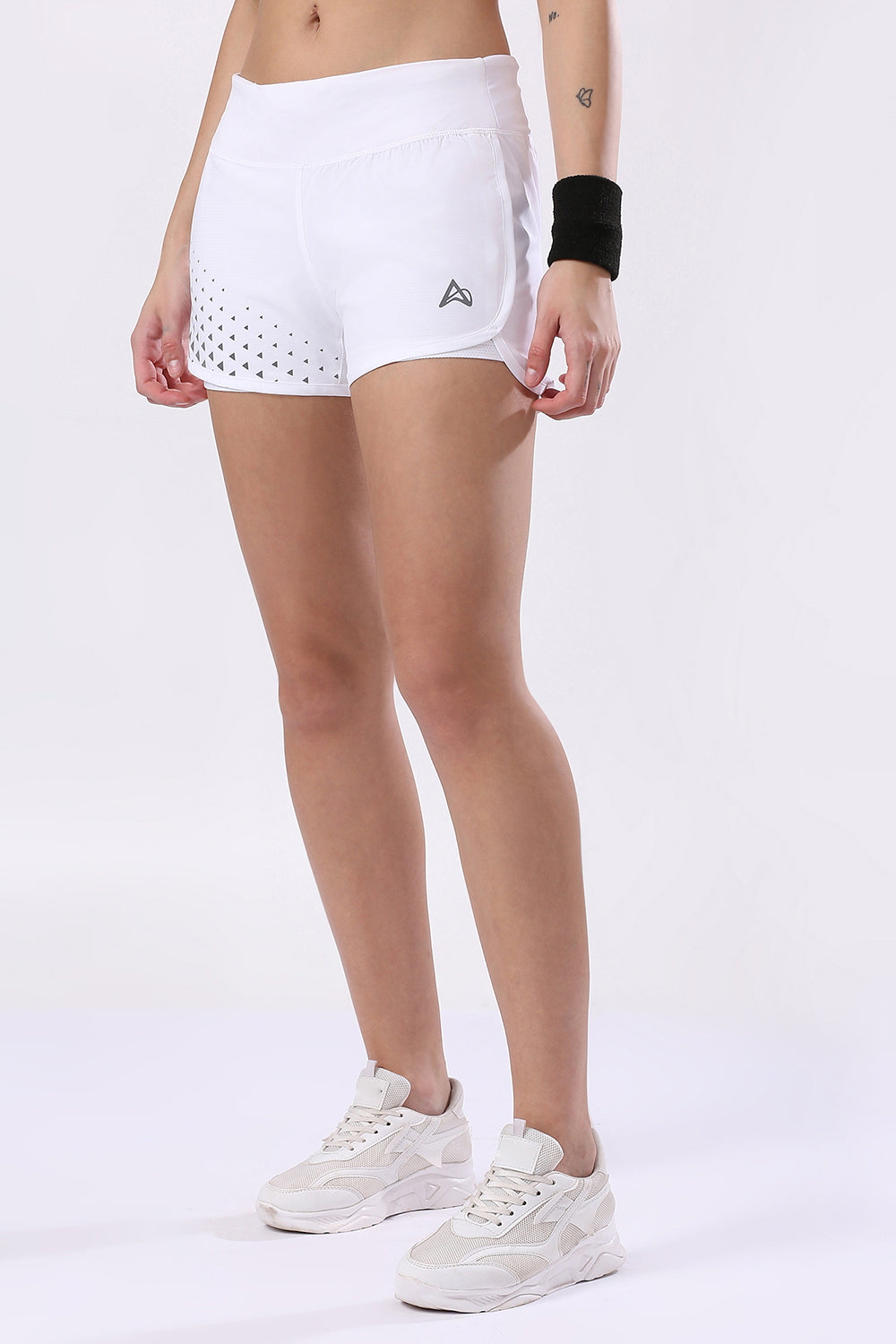
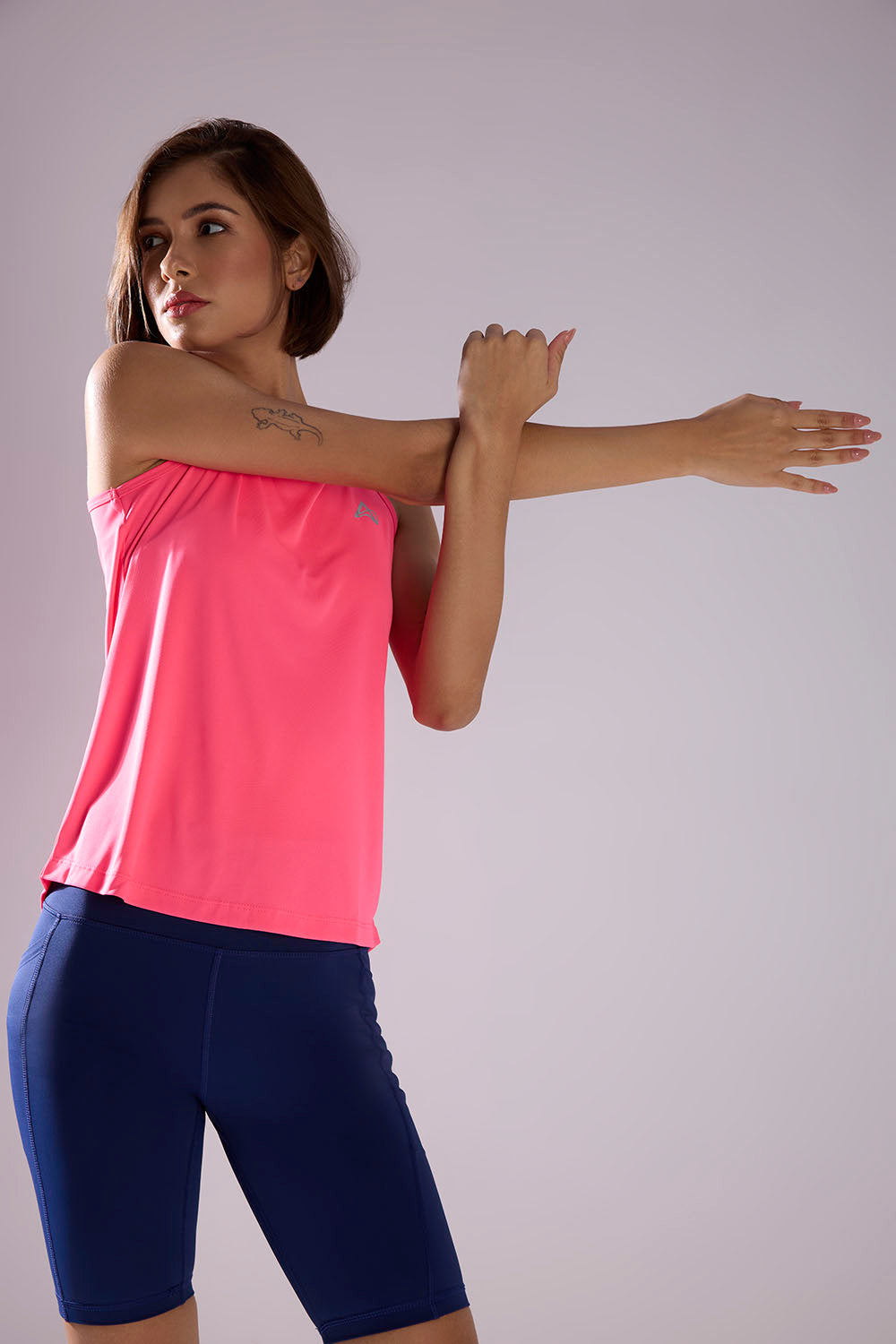
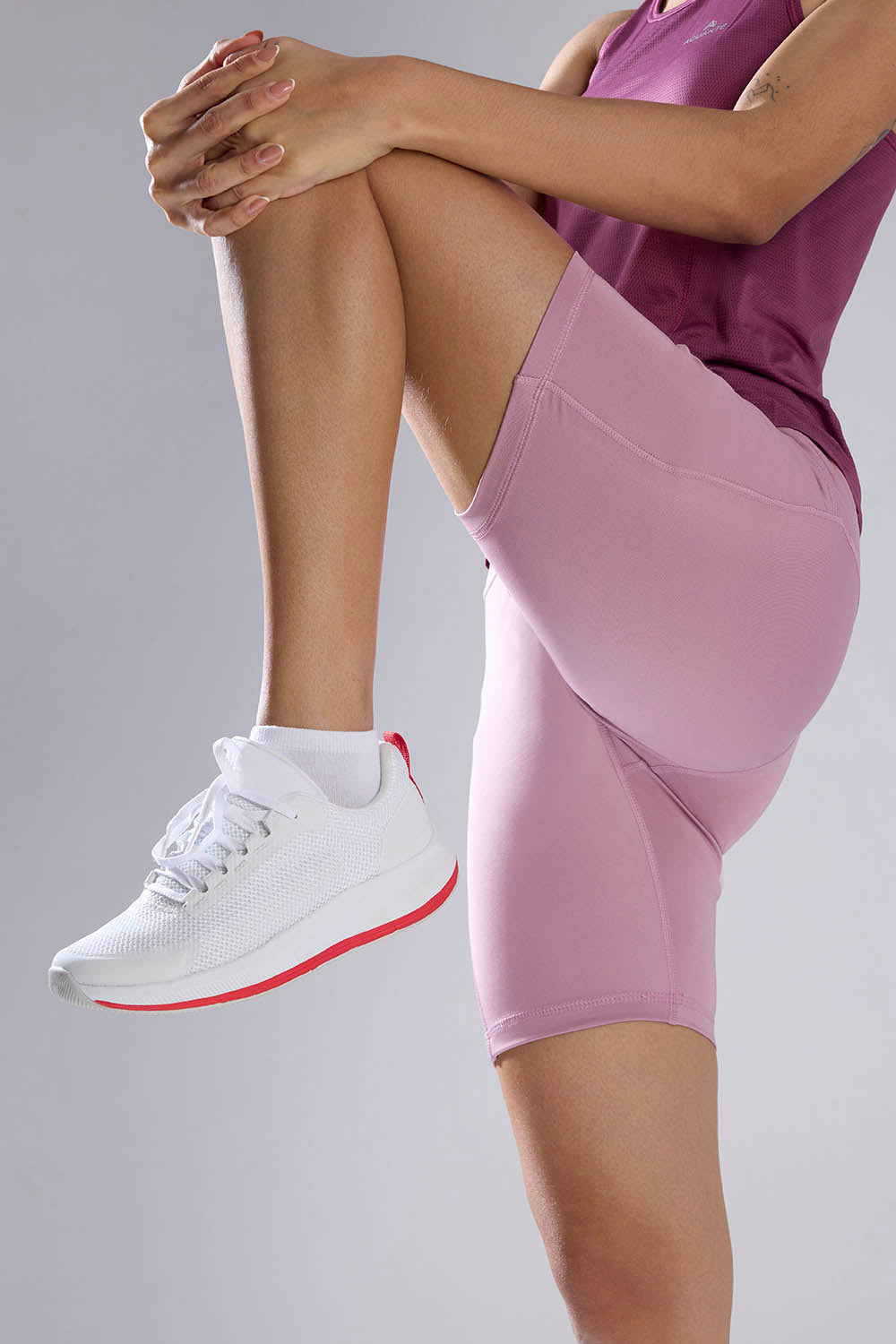
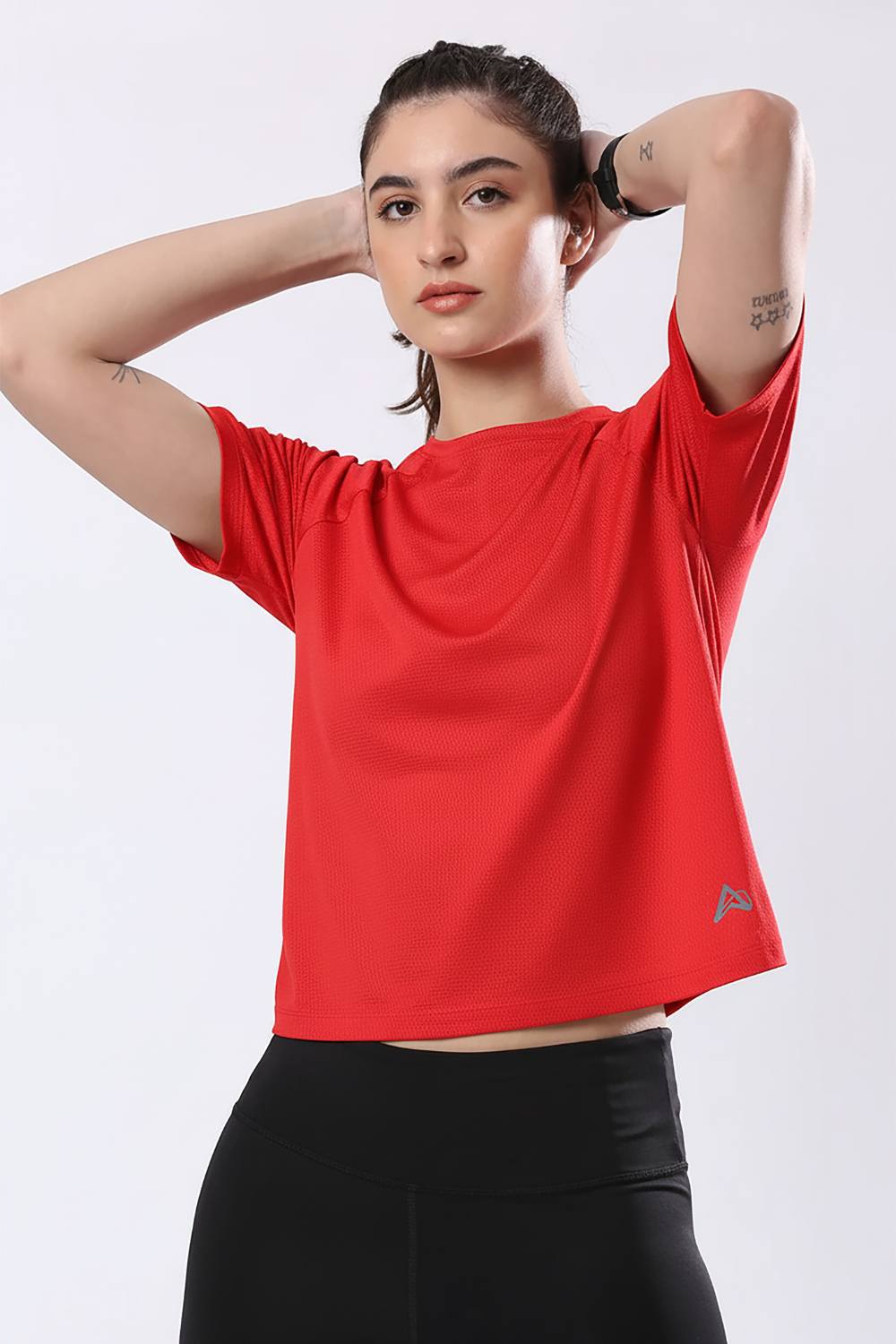
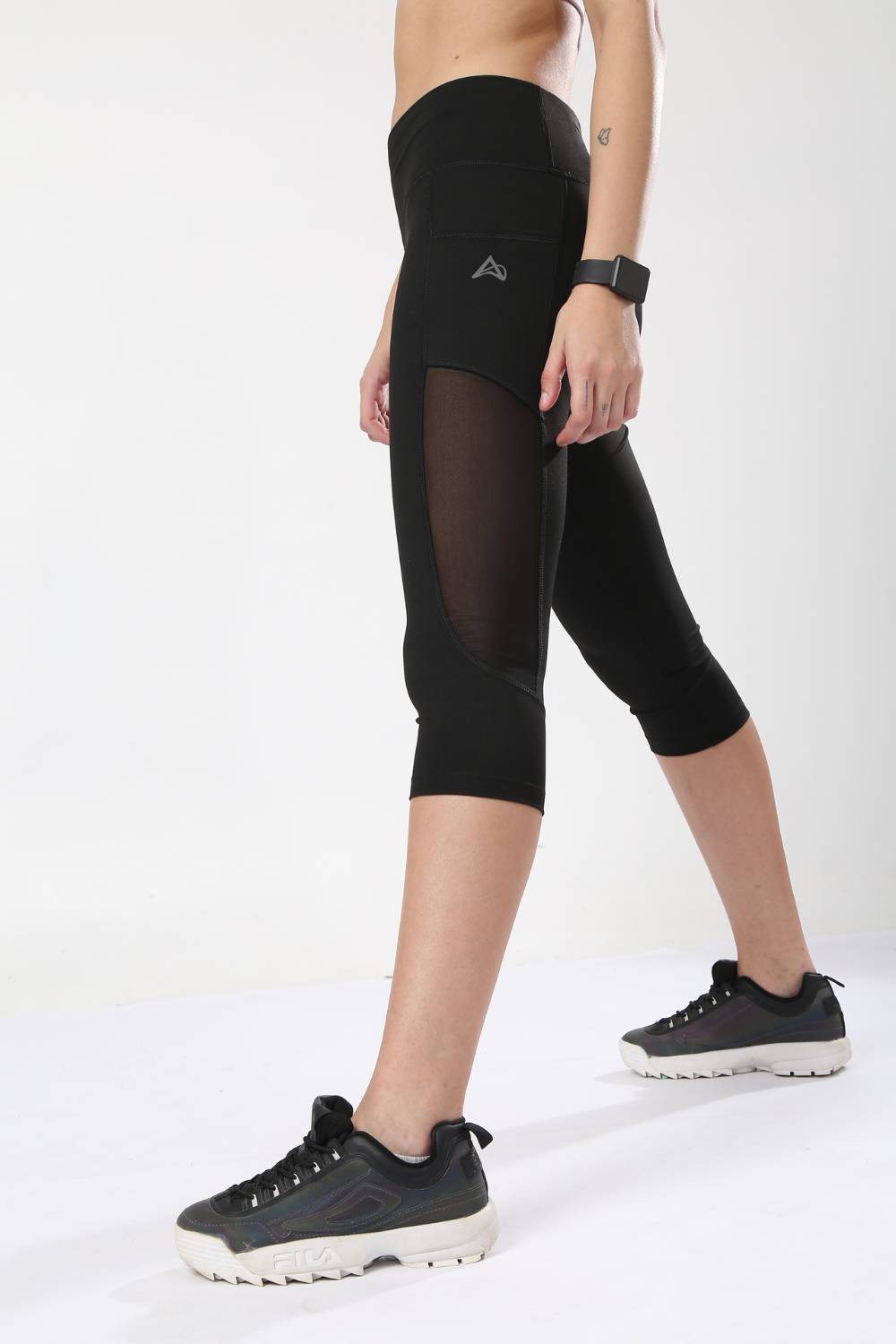
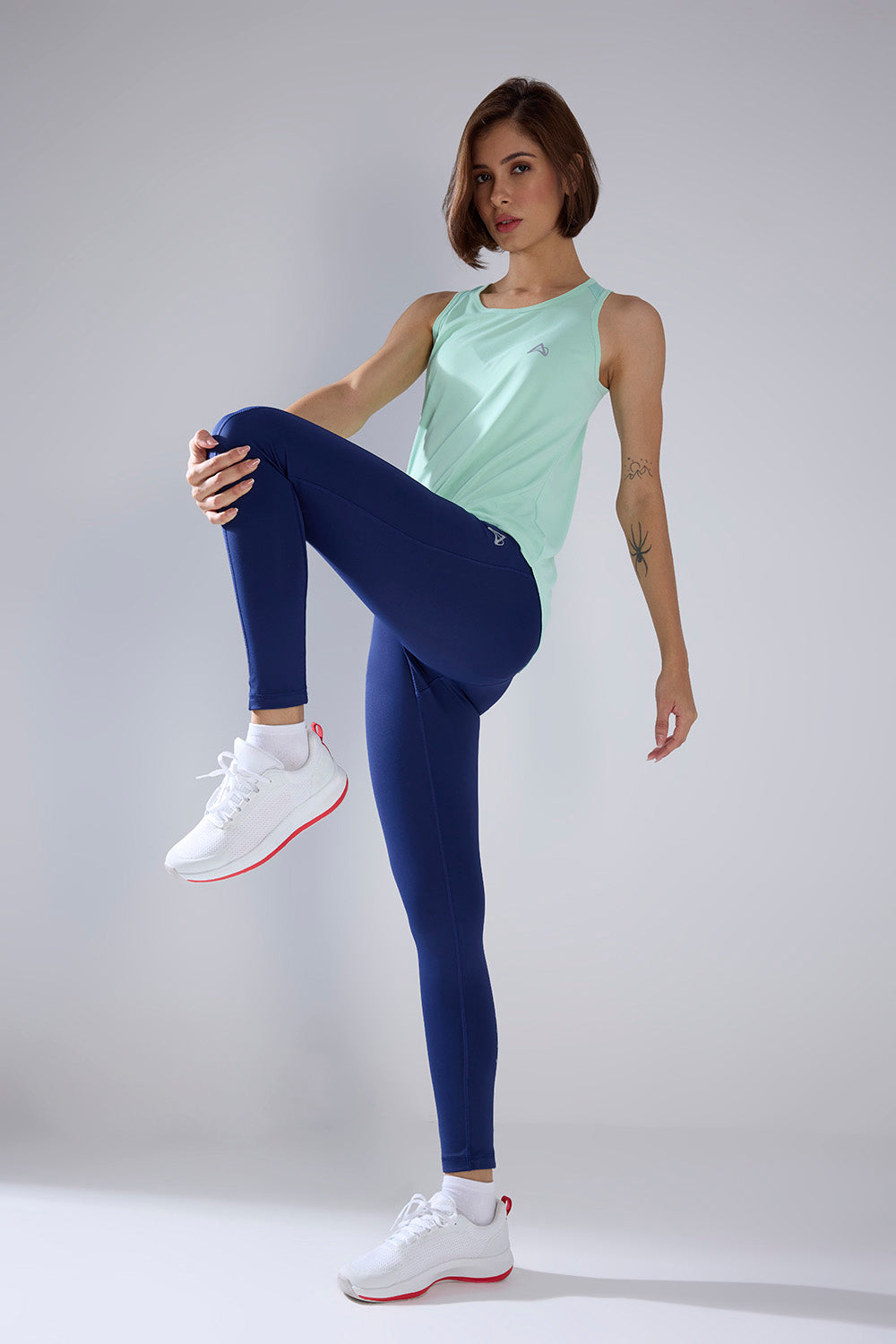
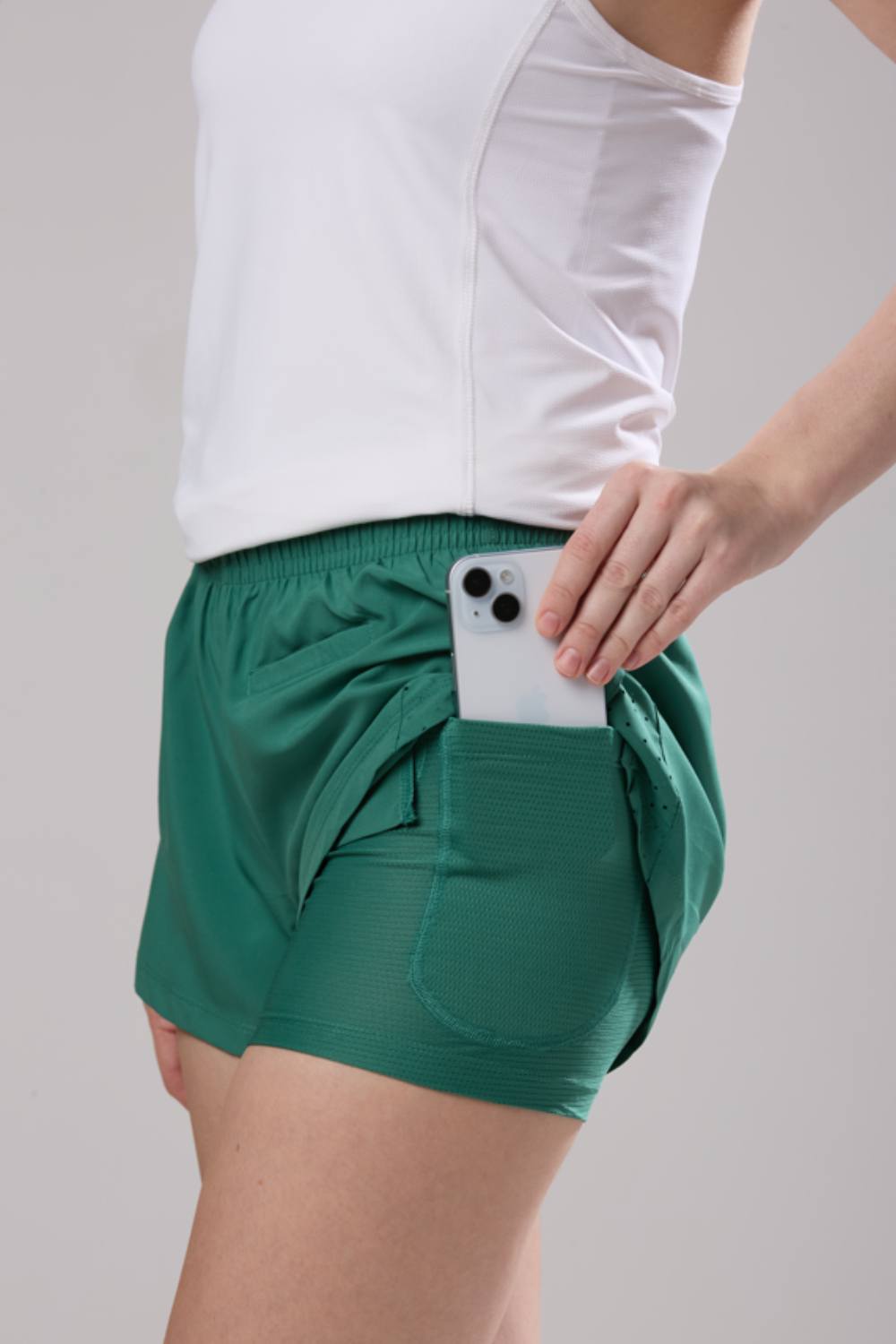
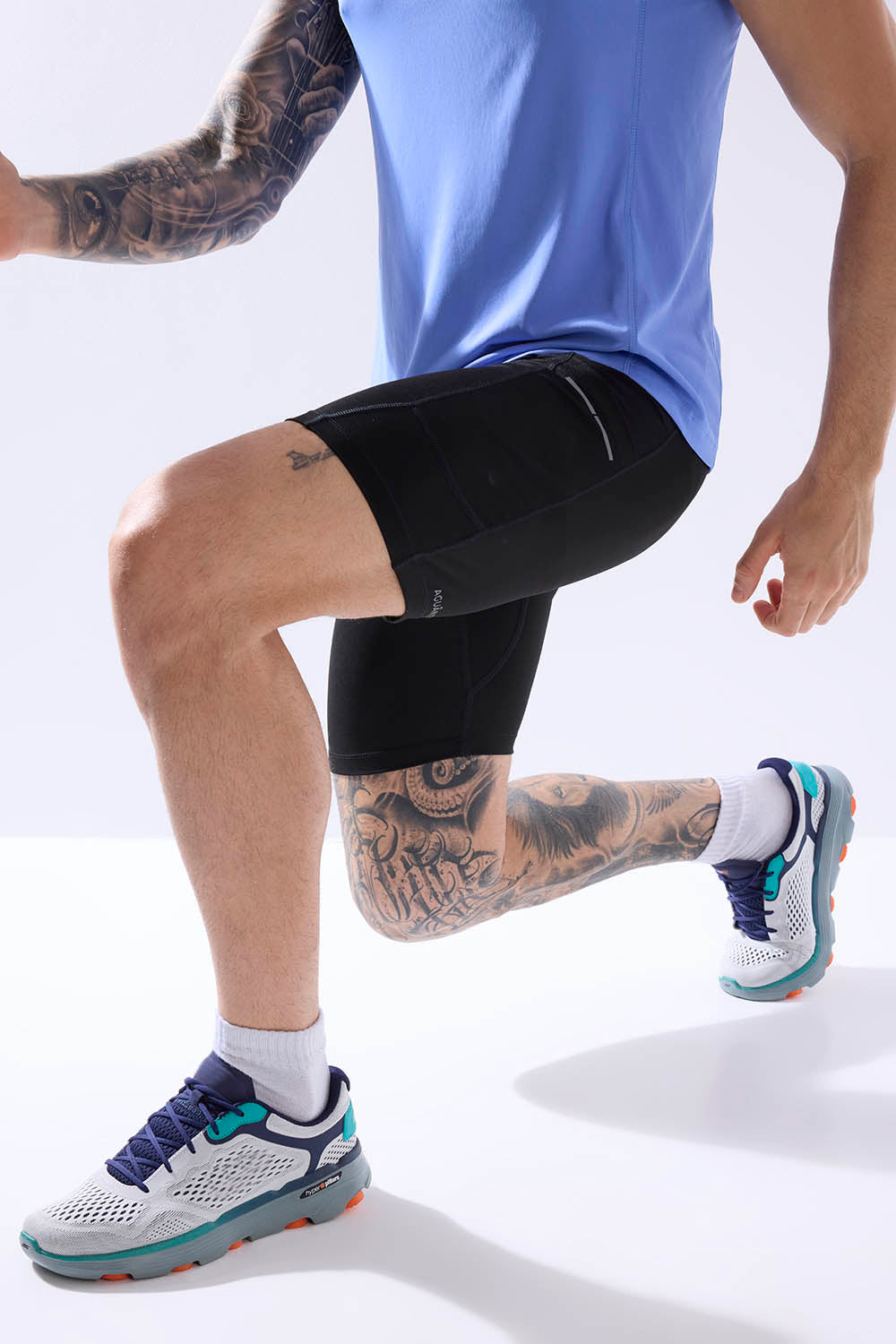
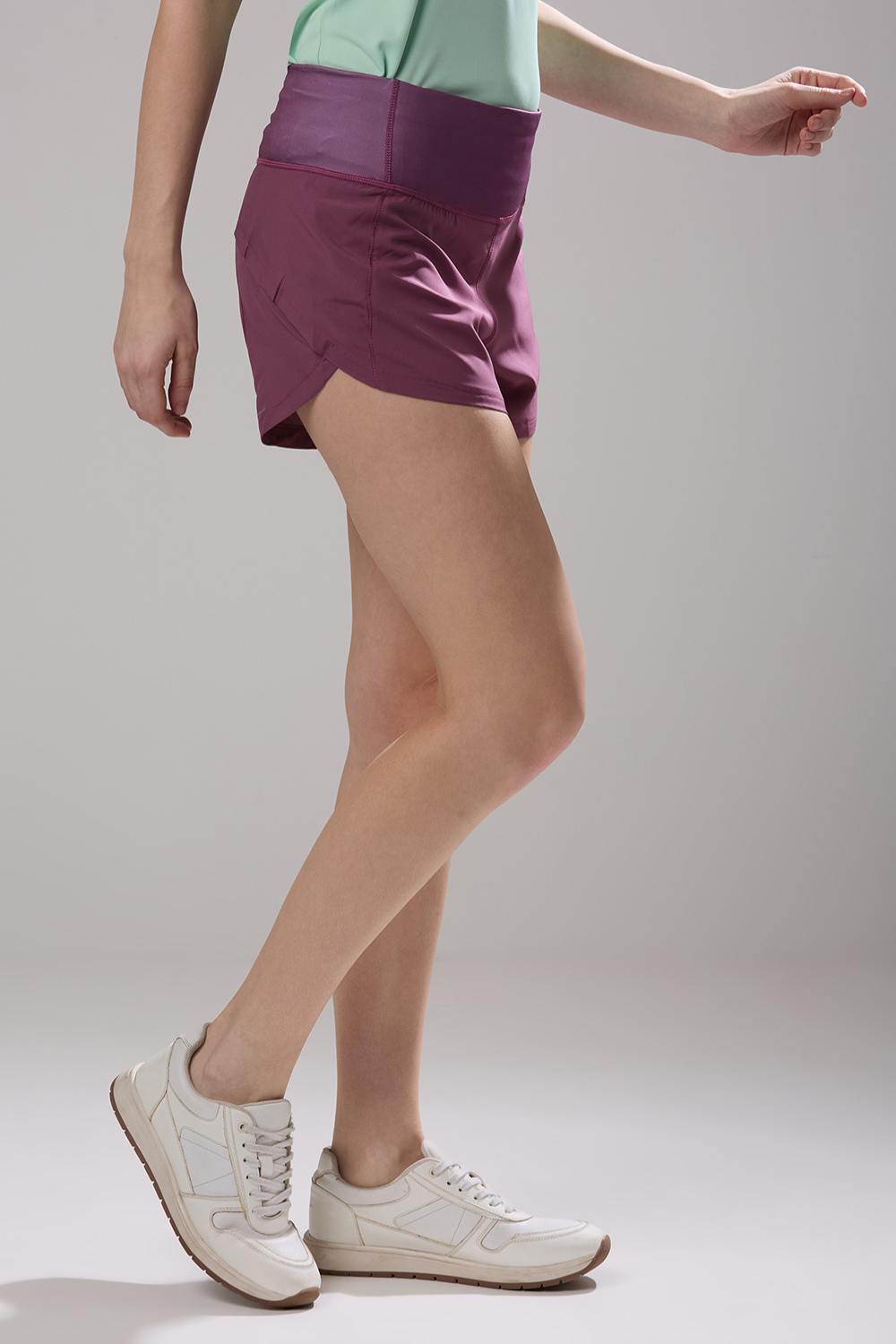
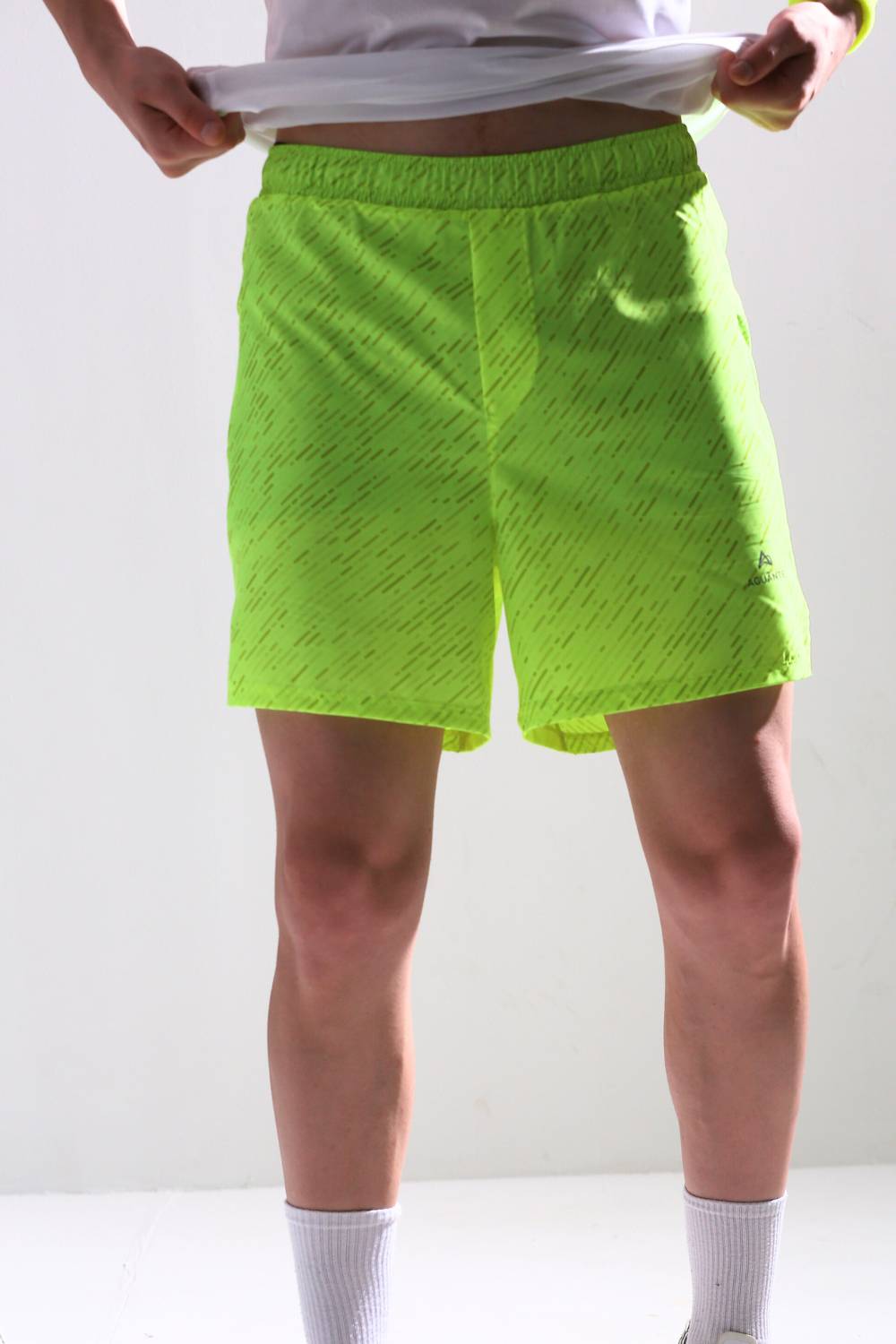
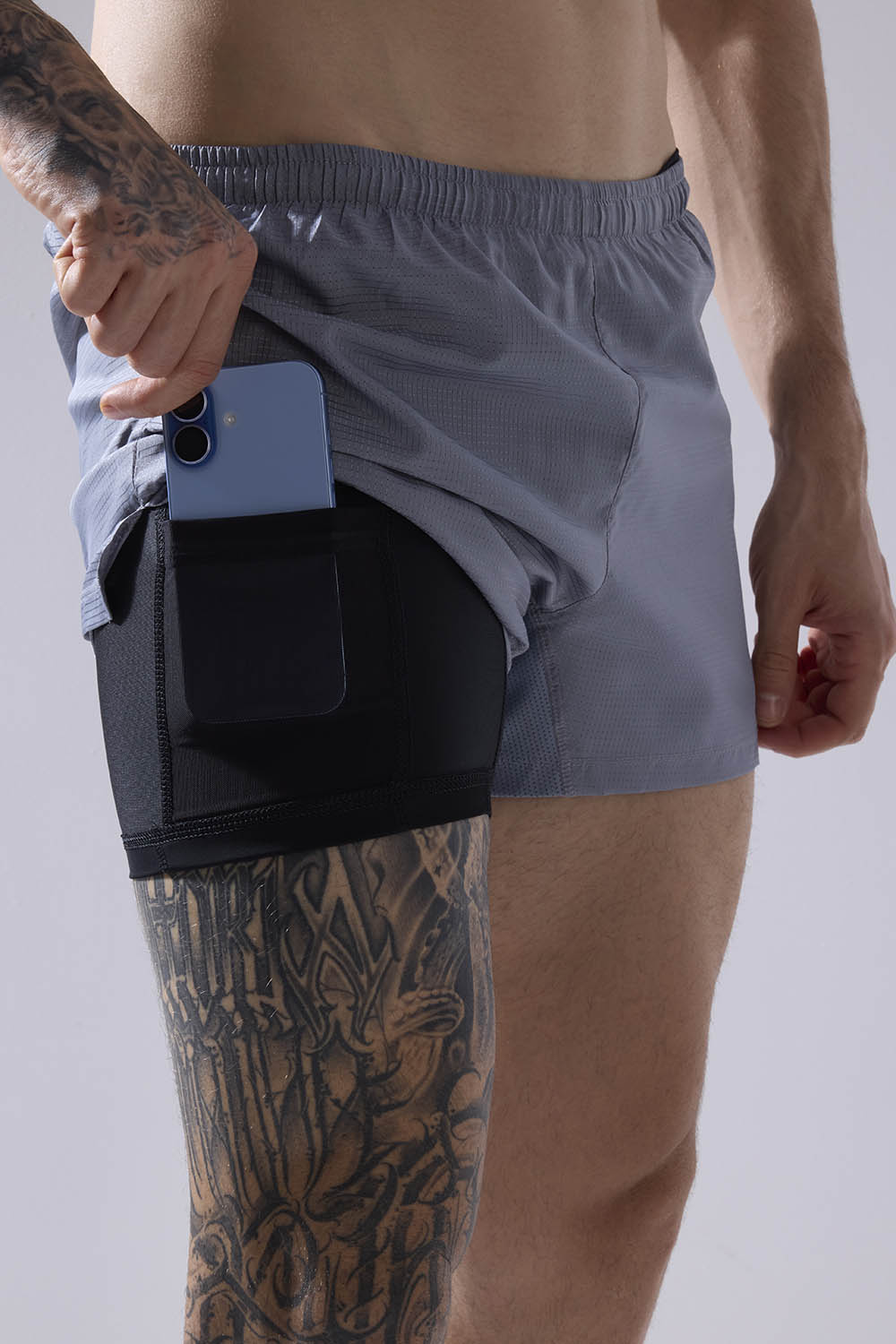
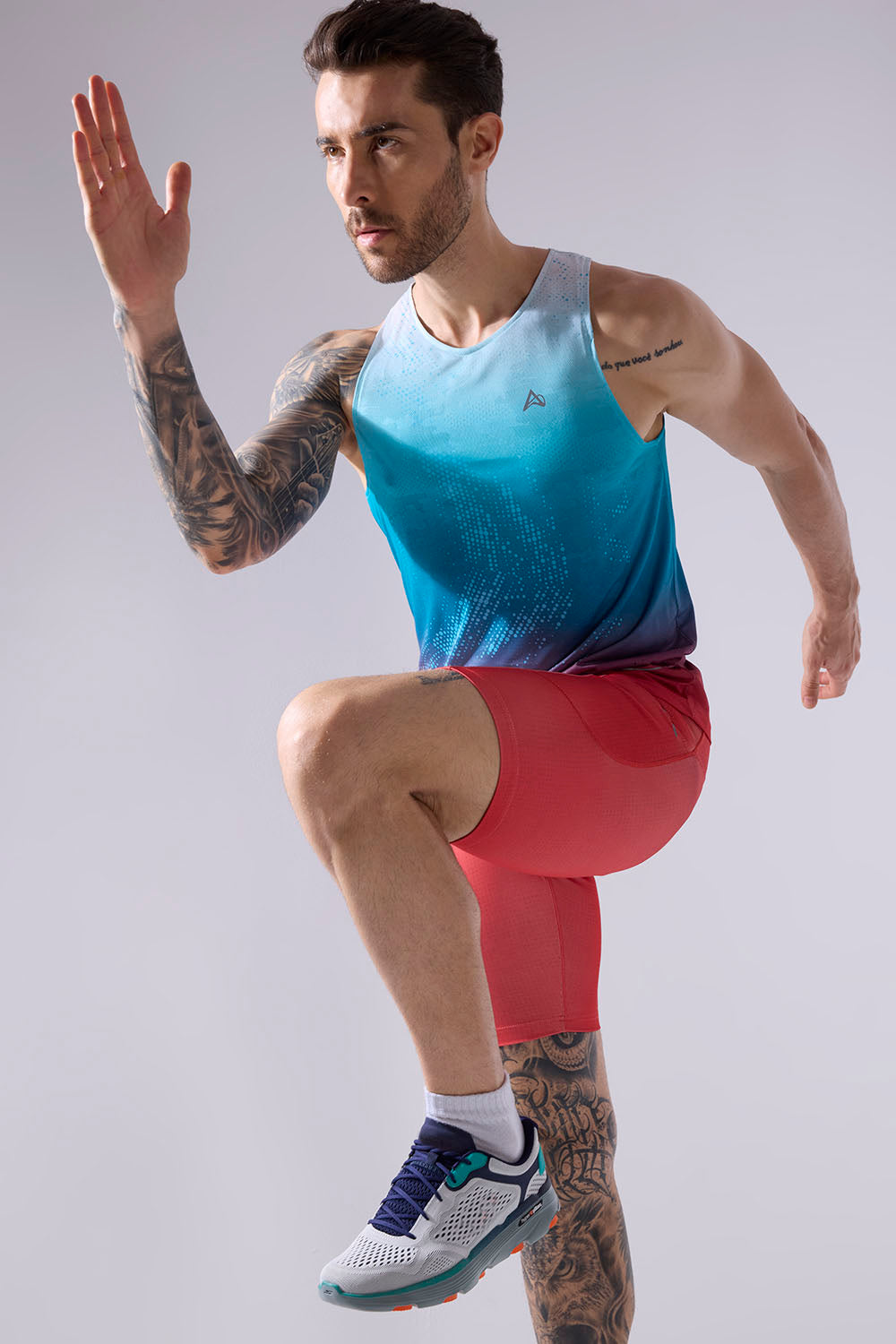
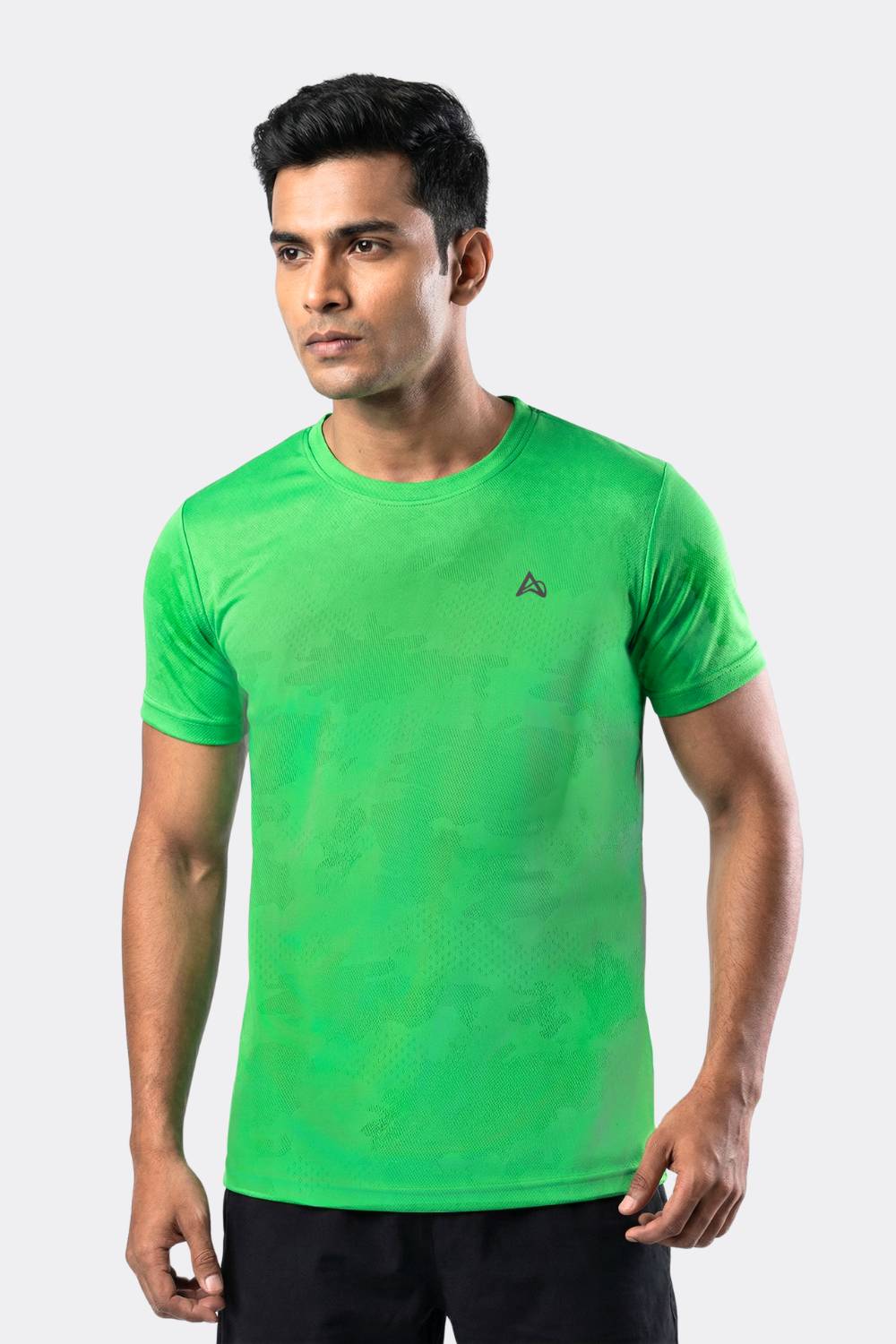
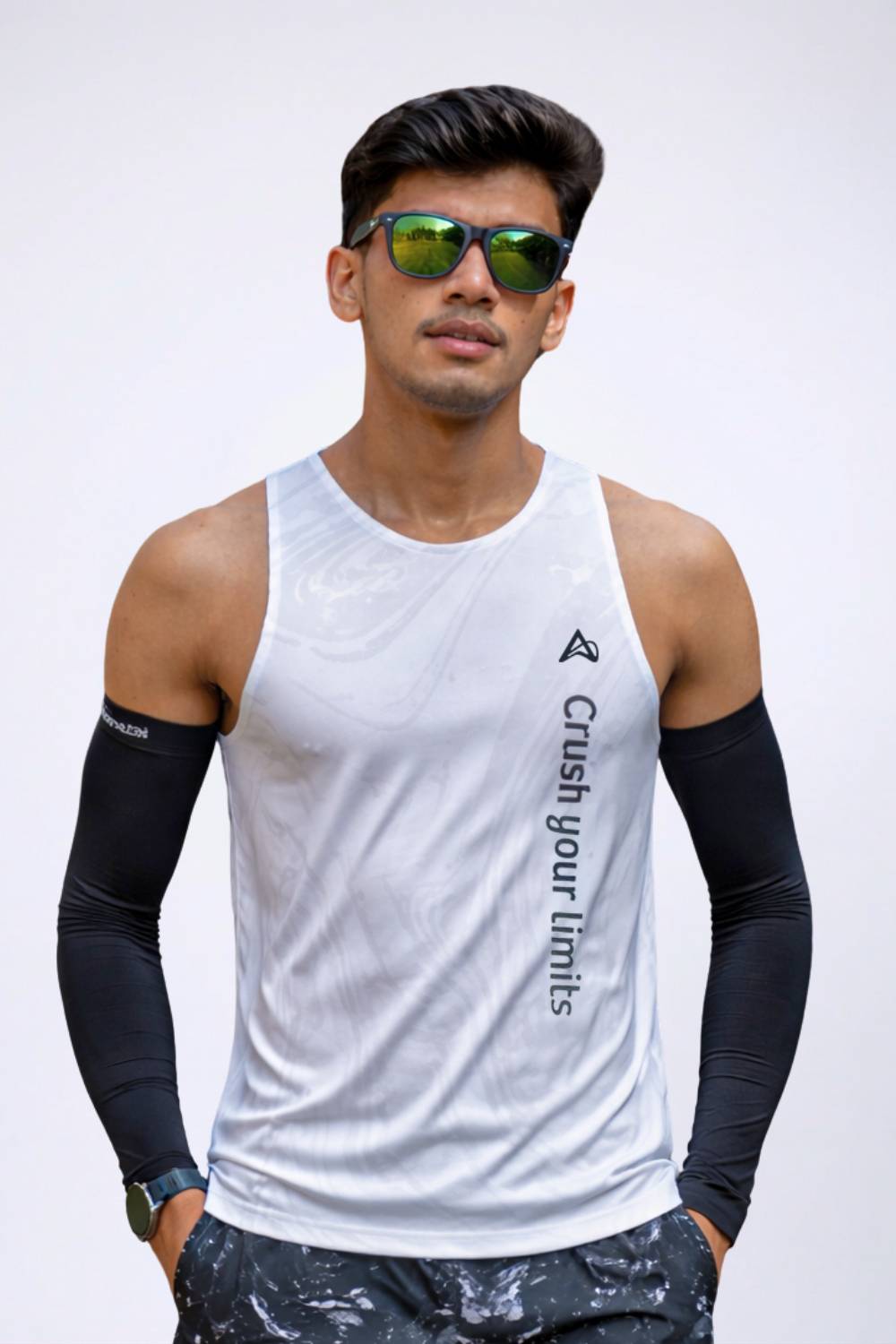
Tired of gear that slows you down? Chafing, soggy fabrics, and missing pockets kill your run's momentum. At Aguante, we're runners who get it. Our high-performance activewear features moisture-wicking fabrics, ergonomic designs, and smart storage to keep you focused. Shop Now!
The Rise of Health Consciousness Fueling Gear Choices
Across India's bustling cities, a fitness renaissance is unfolding, with running emerging as a cornerstone activity. In places like Delhi and Hyderabad, individuals are increasingly motivated by the lasting benefits of exercise, prompting a shift toward specialized equipment. Globally, the running gear market reflects this enthusiasm, valued at a substantial $44.18 billion in 2024 and anticipated to grow steadily due to factors like technological enhancements and greater involvement in organized runs.
This global momentum is particularly resonant in India, where urban dwellers are prioritizing fitness to combat sedentary lifestyles. Compared to broader athletic trends, such as the footwear sector's robust valuation, India's adaptation highlights a keen interest in gear that supports endurance and well-being. Runners in Pune and Gurugram, for instance, are gravitating toward items that offer comfort and performance boosts, aligning with international shifts toward integrated technology.
Key Trends Shaping the Running Landscape
International developments in running gear are making their mark in Indian urban settings, often customized to local conditions. Sustainability is becoming a priority, with runners in Ahmedabad and Surat opting for materials that endure tropical climates while being environmentally mindful. Breathable fabrics and supportive soles are favored, contributing to a market driven by the need for gear that enhances safety and enjoyment.
In Mumbai and Navi Mumbai, the integration of smart devices is notable. Trackers and connected footwear provide real-time insights, helping navigate humid weather and varied paths. This mirrors a worldwide emphasis on personalization, where accessories like GPS watches play a crucial role in optimizing runs. In Delhi, major events amplify this demand, encouraging participants to invest in apparel that withstands rigorous use.
The global athletic footwear market size accounted for USD 138.53 billion in 2024 and is predicted to increase from USD 144.07 billion in 2025 to approximately USD 204.56 billion by 2034, expanding at a CAGR of 3.97% from 2025 to 2034. Growing enthusiasm and awareness regarding the health benefits of sports and fitness activities are estimated to be the key trends driving the athletic footwear market growth.
Technology's Role in Daily Running Routines
Hyderabad's runners are incorporating advanced tools like compression wear to improve safety during dawn sessions. This adoption, accelerated by dense city environments, uses apps to chart efficient routes, blending global tech with practical urban navigation.
City-by-City Adaptations in Practice
Bangalore, dubbed India's tech epicenter, sees professionals merging commutes with exercise, favoring lightweight shoes ideal for moderate temperatures. Community groups note an uptick in enthusiasts using renowned brands tailored for local terrains. Similarly, Mumbai's coastal runners prefer quick-drying materials to handle moisture, with marquee marathons spurring gear upgrades.
In Pune, younger demographics explore budget-friendly options that rival premium lines, fostering broader accessibility. Gurugram's workforce integrates wearables into health regimes, enhancing corporate wellness. Meanwhile, in Surat and Ahmedabad, online platforms democratize access, allowing runners to embrace trends that prioritize injury prevention and longevity.
- Bangalore: Emphasis on tech-enhanced trail equipment.
- Hyderabad: Focus on accessories that mitigate risks in busy areas.
- Delhi: Preference for durable, eco-conscious options amid urban challenges.
Addressing Challenges in Gear Adoption
While enthusiasm abounds, hurdles remain in making high-quality gear widely available. In Surat, affordability issues arise, with premium imports straining budgets. Counterfeit items pose risks, potentially leading to discomfort or harm. Urban infrastructure, from Pune's uneven surfaces to Delhi's congested streets, demands resilient products, yet supply inconsistencies persist.
Environmental factors, like Hyderabad's humidity, accelerate wear, necessitating smarter choices. Women's involvement, though growing, contends with safety concerns that influence gear selection and usage patterns. Insights suggest that while metros drive much of the fitness surge, broader reach requires addressing these barriers through education and local solutions.
Unlocking Opportunities for Growth
The expanding fitness scene in India presents fertile ground for innovation, with urban centers leading the charge. In Gurugram and Navi Mumbai, digital marketplaces personalize offerings, streamlining access to cutting-edge gear. Domestic brands are rising to the occasion, developing products that tackle pollution and heat, such as integrated protective elements for Delhi's runners.
These adaptations yield tangible benefits: Heightened event engagement in Ahmedabad boosts community ties and tourism. Hyderabad's corporate initiatives encourage group purchases, while Pune's educational institutions nurture young adopters. Public investments in facilities, including Mumbai's upgraded parks, further stimulate demand, creating a cycle of health and economic vitality.
| City | Primary Opportunity | Expected Outcome |
|---|---|---|
| Bangalore | Partnerships with tech firms | Enhanced innovation in gear |
| Mumbai | Sponsorship of running events | Greater brand engagement |
| Delhi | Development of green gear | Improved sustainability focus |
Managing Potential Risks and Shifts
Global supply issues ripple into India, delaying advanced components and affecting Surat's enthusiasts. Trend dependency can lead to quick outdatedness, as wearable preferences evolve. Misuse of gear, such as unsuitable footwear on Ahmedabad's rough grounds, highlights the importance of informed selection to avoid health setbacks.
Proper education on gear fit and function is essential to maximize benefits and minimize risks in diverse urban settings.
Looking Ahead: Expert Perspectives and Pathways
Visionaries foresee a blend of international advancements and indigenous creativity defining India's running future. Analysts emphasize the potential for urban runners to pioneer adaptive solutions, supported by growing community involvement. Suggestions include bolstering local production to enhance affordability and fostering group activities in Hyderabad to strengthen user commitment.
As India's cities stride forward, this gear adaptation transcends equipment it's a step toward a more active, resilient society, propelled by shared global insights and local resolve.
Frequently Asked Questions
What types of running gear are urban runners in India choosing to keep up with global trends?
Urban runners across Indian cities are increasingly investing in tech-enhanced gear such as GPS watches, smart trackers, connected footwear, and compression wear that provide real-time performance insights. Breathable, quick-drying fabrics suited to tropical and humid climates are also highly popular, particularly in coastal cities like Mumbai. Many runners are also gravitating toward sustainable, eco-conscious materials that balance durability with environmental responsibility.
How are running gear trends different across major Indian cities like Bangalore, Mumbai, and Delhi?
Each city's unique environment shapes its runner's gear preferences. Bangalore's tech-savvy professionals favor lightweight shoes and trail equipment optimized for moderate temperatures, while Mumbai's coastal runners prioritize quick-drying materials built for humidity and major marathon events. Delhi runners lean toward durable, eco-conscious options that can withstand urban pollution and congested street conditions, with domestic brands increasingly developing gear with integrated protective features for these challenges.
What are the biggest challenges Indian runners face when trying to access quality running gear?
Affordability remains a key barrier, as premium imported running gear can strain budgets especially in cities like Surat and Pune. Counterfeit products pose safety and performance risks, while inconsistent supply chains can delay access to the latest innovations. Additionally, urban infrastructure issues such as uneven surfaces and environmental factors like Hyderabad's humidity accelerate gear wear, making informed gear selection and education critical for injury prevention and long-term performance.
Disclaimer: The above helpful resources content contains personal opinions and experiences. The information provided is for general knowledge and does not constitute professional advice.
You may also be interested in: Urban fitness trends drive demand for breathable, lightweight running
Tired of gear that slows you down? Chafing, soggy fabrics, and missing pockets kill your run's momentum. At Aguante, we're runners who get it. Our high-performance activewear features moisture-wicking fabrics, ergonomic designs, and smart storage to keep you focused. Shop Now!
Powered by flareAI.co