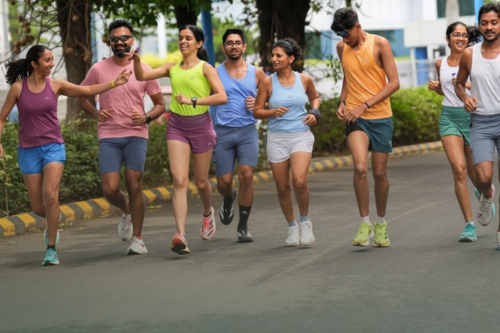














Summer running places a unique kind of demand on the body. The same pace that feels controlled in cooler months can suddenly feel heavier, slower, and more draining when heat and humidity rise. For endurance runners, the challenge is not just about pushing through discomfort but about adapting training habits so performance stays consistent while safety remains intact. The key lies in combining smart hydration, environmental awareness, gradual heat adaptation, and practical cooling strategies that help the body manage rising core temperatures without compromising training quality.
Tired of gear that slows you down? Chafing, soggy fabrics, and missing pockets kill your run's momentum. At Aguante, we're runners who get it. Our high-performance activewear features moisture-wicking fabrics, ergonomic designs, and smart storage to keep you focused. Shop Now!
Why Running Feels Harder in Summer Heat
When temperatures climb, the body naturally shifts into a protective mode. Heart rate increases, and core temperature rises more quickly, which can make even moderate efforts feel significantly more intense. This physiological response is the body's way of maintaining balance, but it also means runners may notice slower paces and earlier fatigue during hot-weather sessions.
In challenging conditions, runners are encouraged to adjust expectations rather than forcing performance targets that may not align with environmental stress. Practical adjustments such as reducing intensity, shortening distance, or incorporating walk breaks help maintain consistency while avoiding unnecessary strain. These principles align with runner's guide to heat safety in summer that emphasizes adapting training based on environmental conditions and recognizing early signs of overheating.
Understanding this physiological shift is the foundation of learning how to stay cool running summer conditions effectively. Once runners accept that heat changes performance dynamics, they can focus on strategies that improve resilience rather than resistance.
Heat Acclimatization and Performance Adaptation
One of the most effective ways to improve summer running comfort is gradual heat acclimatization. Over time, the body becomes more efficient at regulating temperature and managing sweat response, which helps maintain steadier performance during warm conditions. This adaptation does not happen overnight; it develops progressively through repeated exposure.
Structured guidance from endurance research highlights that the body typically adapts more effectively after consistent exposure over roughly 8 to 14 days. During this period, physiological changes such as improved sweat efficiency and more stable heart rate responses help runners tolerate heat with less performance drop-off. A detailed breakdown of these adaptations and safety strategies is outlined in runner's guide to heat safety in summer, which emphasizes gradual progression, controlled intensity, and attention to early warning signs like dizziness or nausea.
For runners across busy urban environments, this means planning training cycles that gradually introduce heat exposure instead of avoiding it entirely. Shorter sessions, controlled intensity, and consistent timing help build adaptation safely while reducing the risk of overheating.
Hydration Strategy for Summer Running Performance
Hydration plays a central role in maintaining endurance during warm-weather runs. As sweat rates increase in hotter conditions, fluid loss becomes more significant and directly impacts performance, energy levels, and recovery. A structured hydration approach helps stabilize effort and reduce the risk of early fatigue.
Guidance from endurance training experts recommends consuming approximately 400 to 800 milliliters per hour during longer runs, depending on intensity and conditions. This approach is often paired with electrolyte intake to help the body retain fluids more effectively and maintain balance during sustained effort. Small, frequent sips tend to be more effective than large infrequent intake, especially during continuous movement.
Runners who refine hydration timing often find that performance becomes more predictable in warm conditions. Adjusting fluid intake before, during, and after runs helps maintain steady energy levels while reducing post-run recovery strain. This becomes especially important when applying summer running hydration tips in humid environments where sweat loss is less visible but equally impactful.
Cooling Techniques That Help Manage Body Temperature
Cooling strategies can significantly improve comfort during summer runs without requiring major changes to training structure. Simple, practical methods can help regulate temperature mid-run and reduce heat accumulation in the body.
Professional endurance athletes often rely on proven field techniques to stay cool during extreme conditions. These include using ice-filled bandanas around the neck, soaking caps in cold water, and applying targeted cooling during breaks to reduce core temperature spikes. Such strategies help lower perceived exertion and allow for more stable pacing even in high heat. Broader athlete-tested guidance, including hydration pacing, recovery practices like cold showers, and timing runs for early morning or late evening conditions, is detailed in pro athlete advice for running through summer heat, which also emphasizes electrolyte replacement and post-run recovery as key performance factors.
Cooling is not limited to during-run strategies. Post-run recovery plays an equally important role, with methods such as cold showers or immersion in cooler environments helping the body reduce core temperature more efficiently. These small interventions collectively contribute to better adaptation and improved comfort during repeated exposure to heat.
Smart Timing, Routes, and Training Environment
The timing and location of a run can dramatically influence how the body experiences heat. Early morning or late evening sessions generally offer more stable temperatures and reduced direct sun exposure, making them more suitable for summer training consistency.
Route selection also plays a meaningful role. Shaded paths, tree-lined roads, and areas with less reflective surface heat provide a more manageable environment compared to open, sun-exposed stretches. Urban runners may notice significant differences in perceived effort depending on whether they run through densely built areas or greener corridors.
These adjustments support the broader goal of learning how to stay cool during summer runs by reducing external heat stress rather than relying solely on physical adaptation. When combined with hydration and acclimatization strategies, environmental planning becomes a powerful tool for maintaining training consistency across hot months.
Clothing Choices and Gear for Hot Weather Running
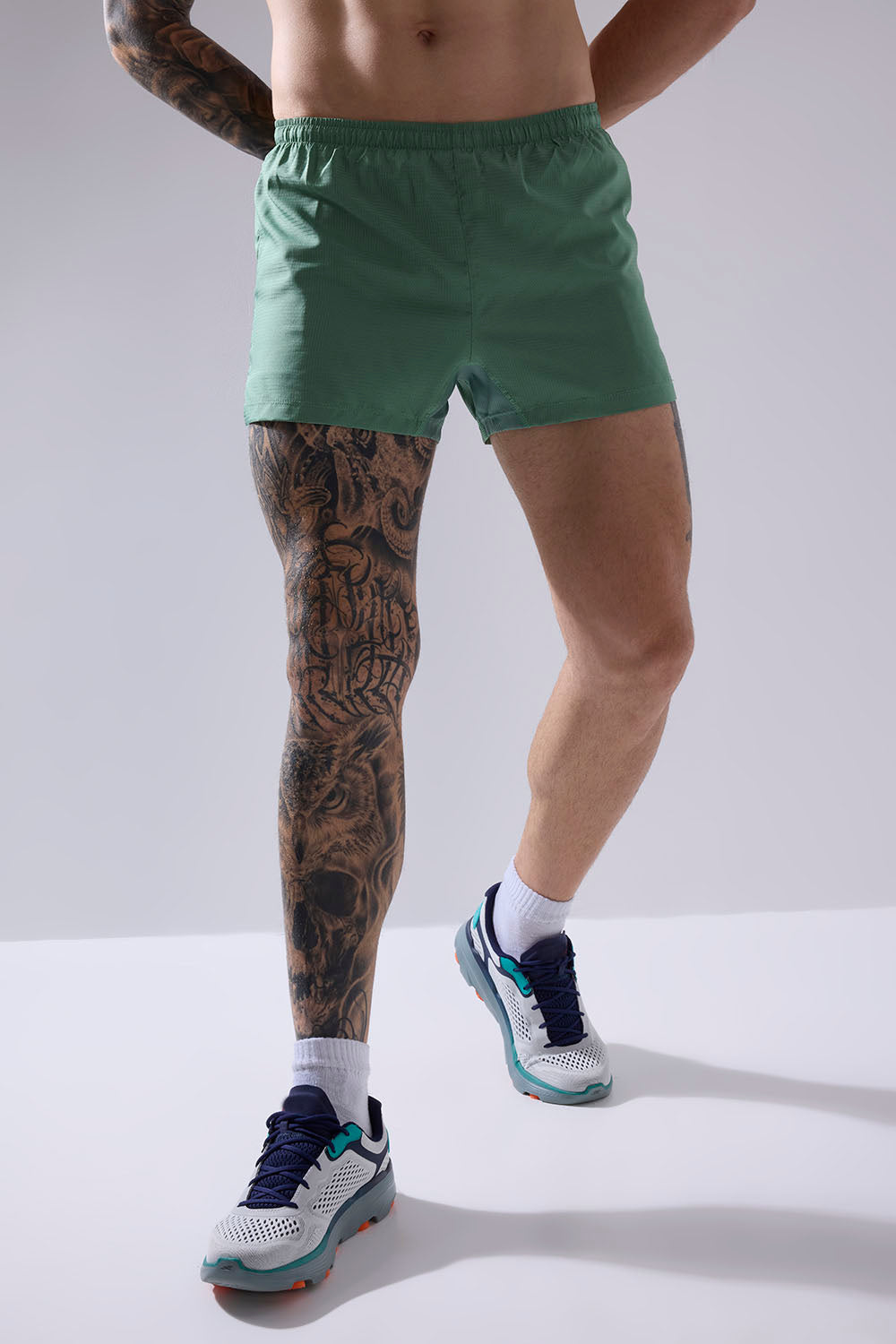
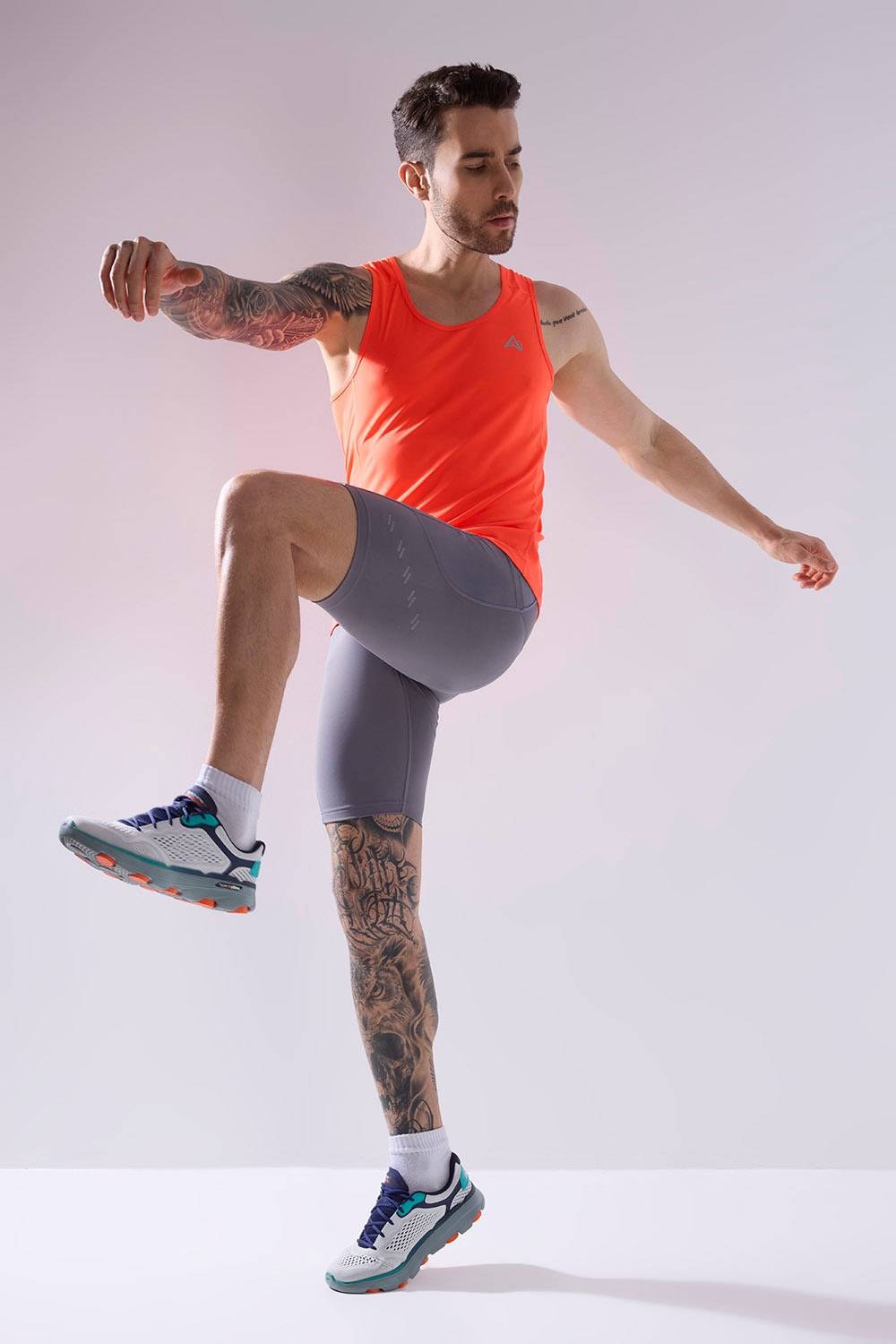
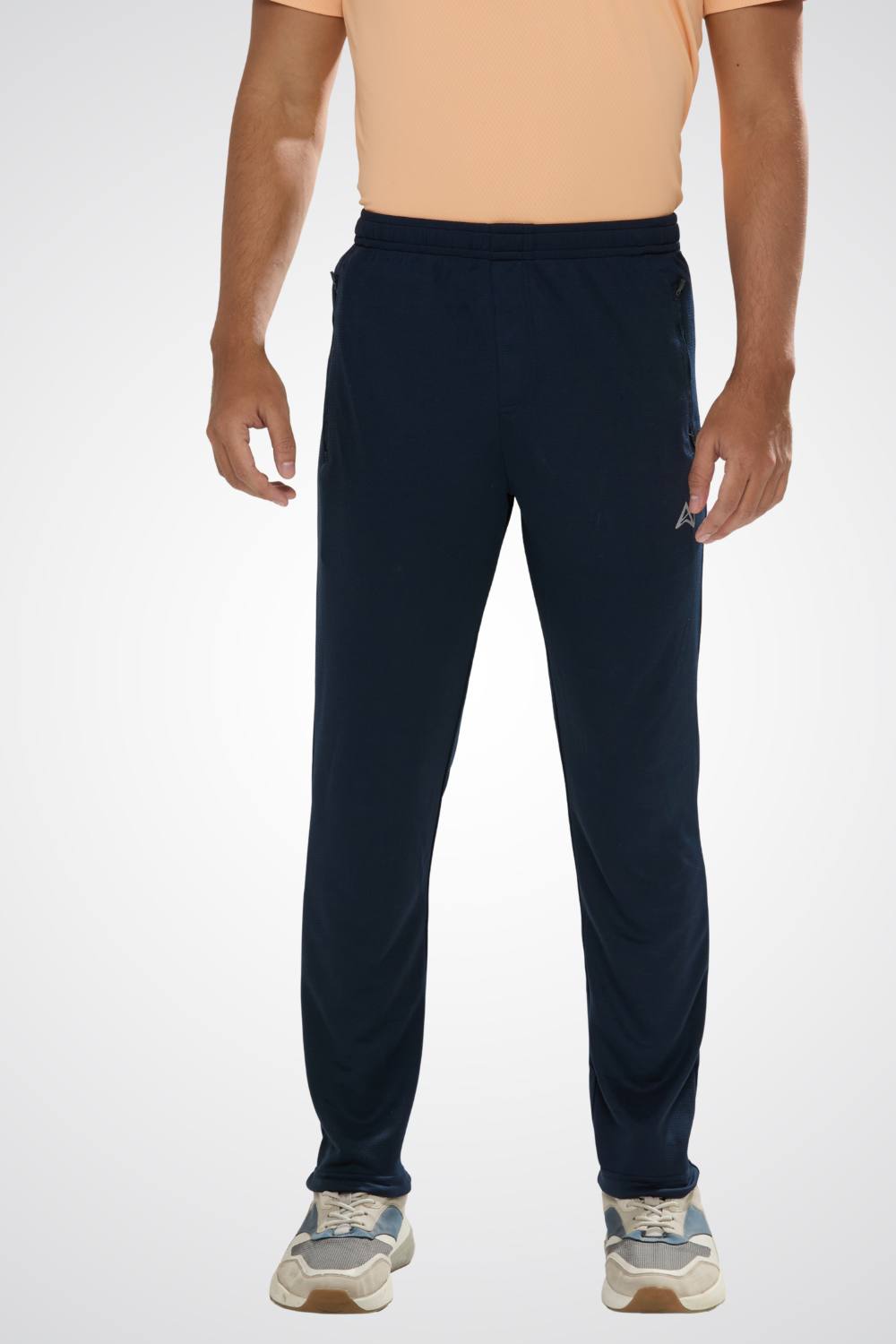
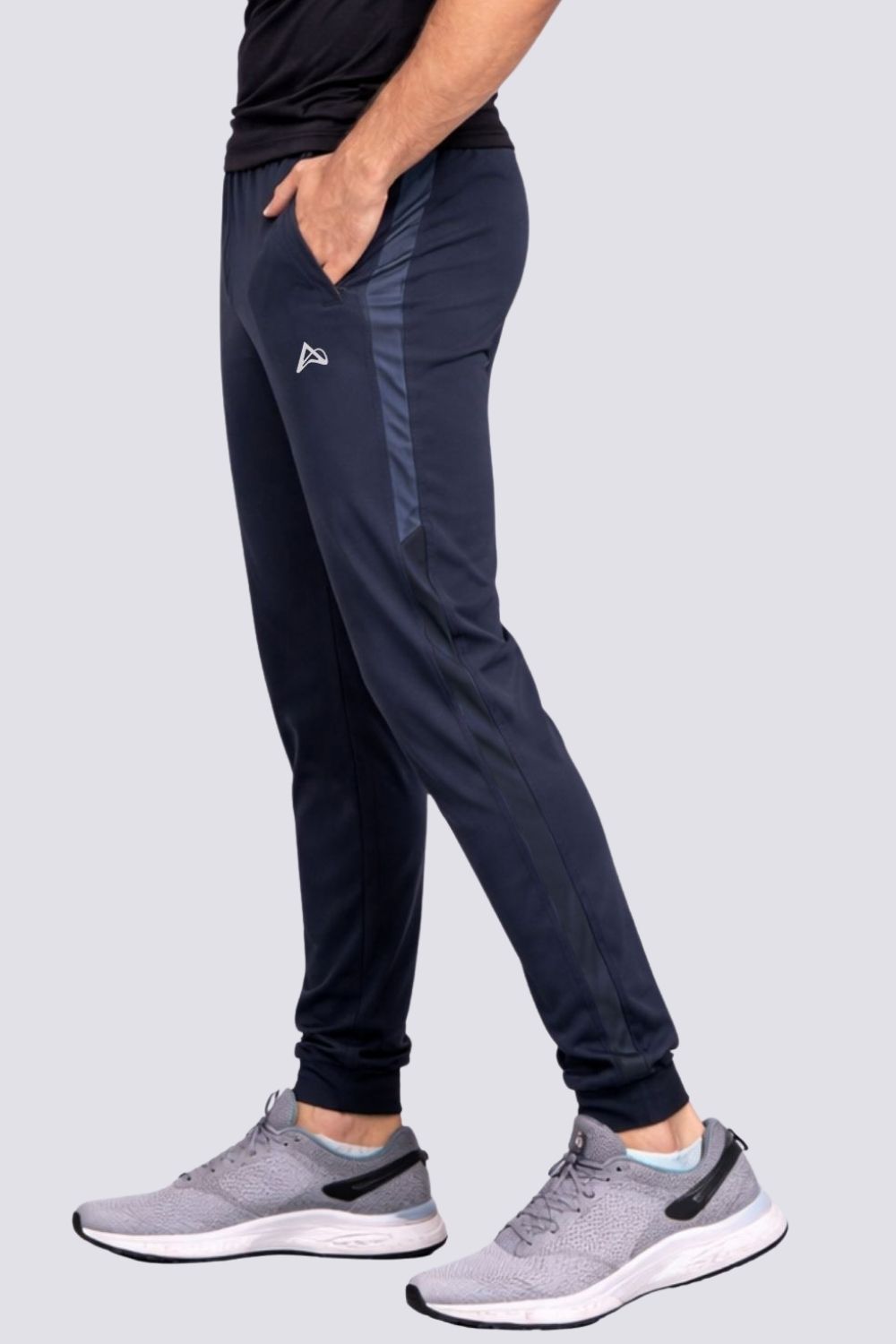
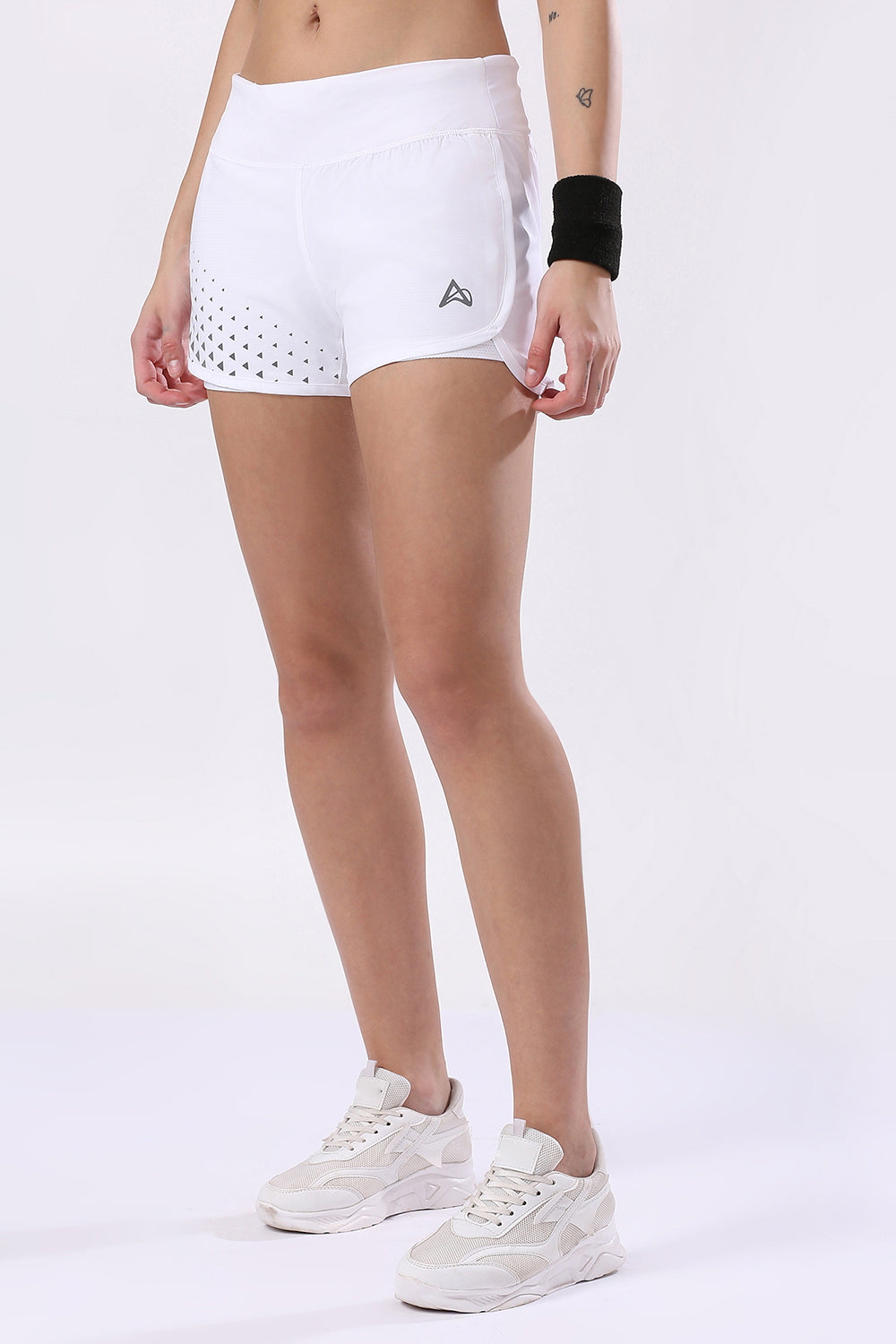
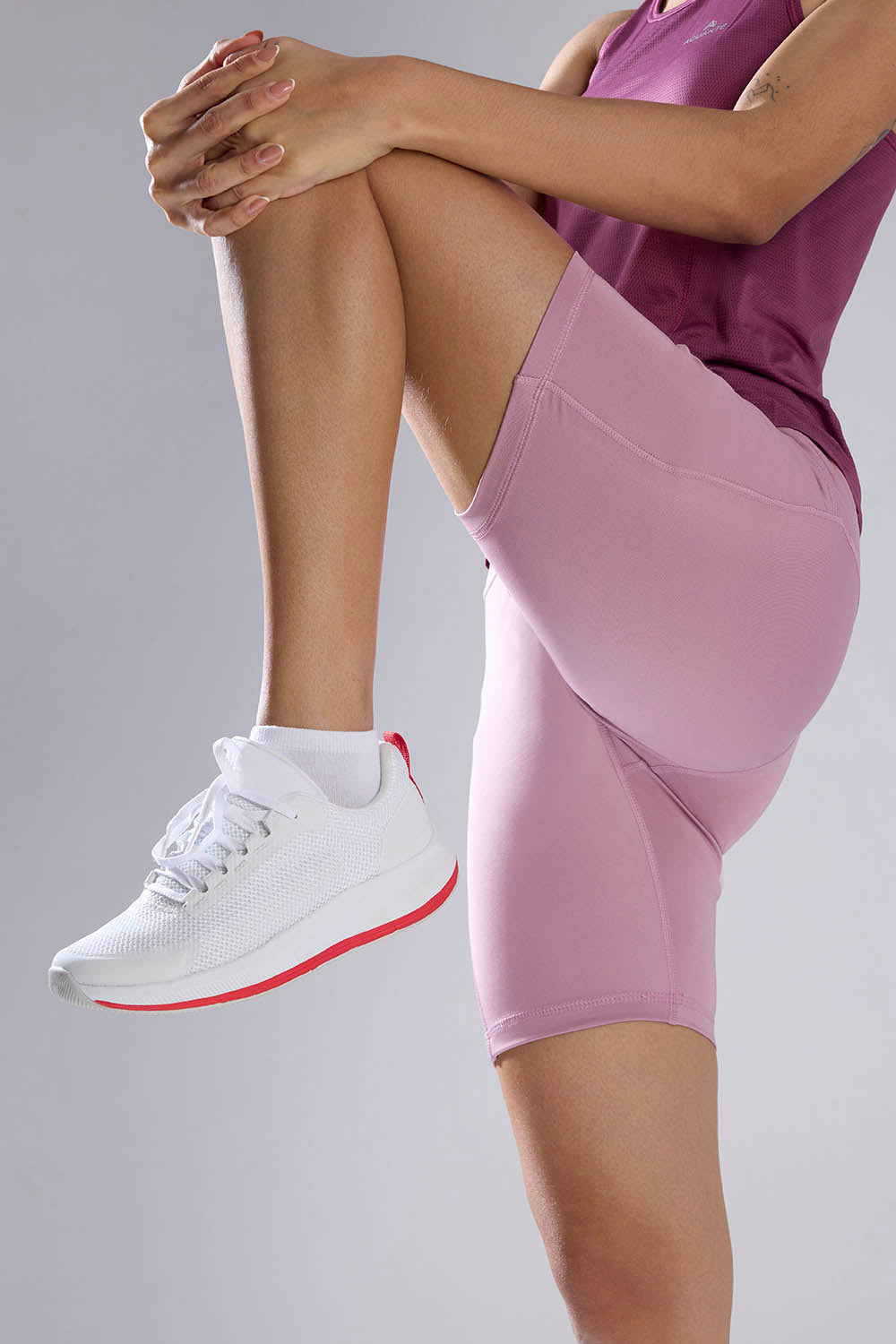
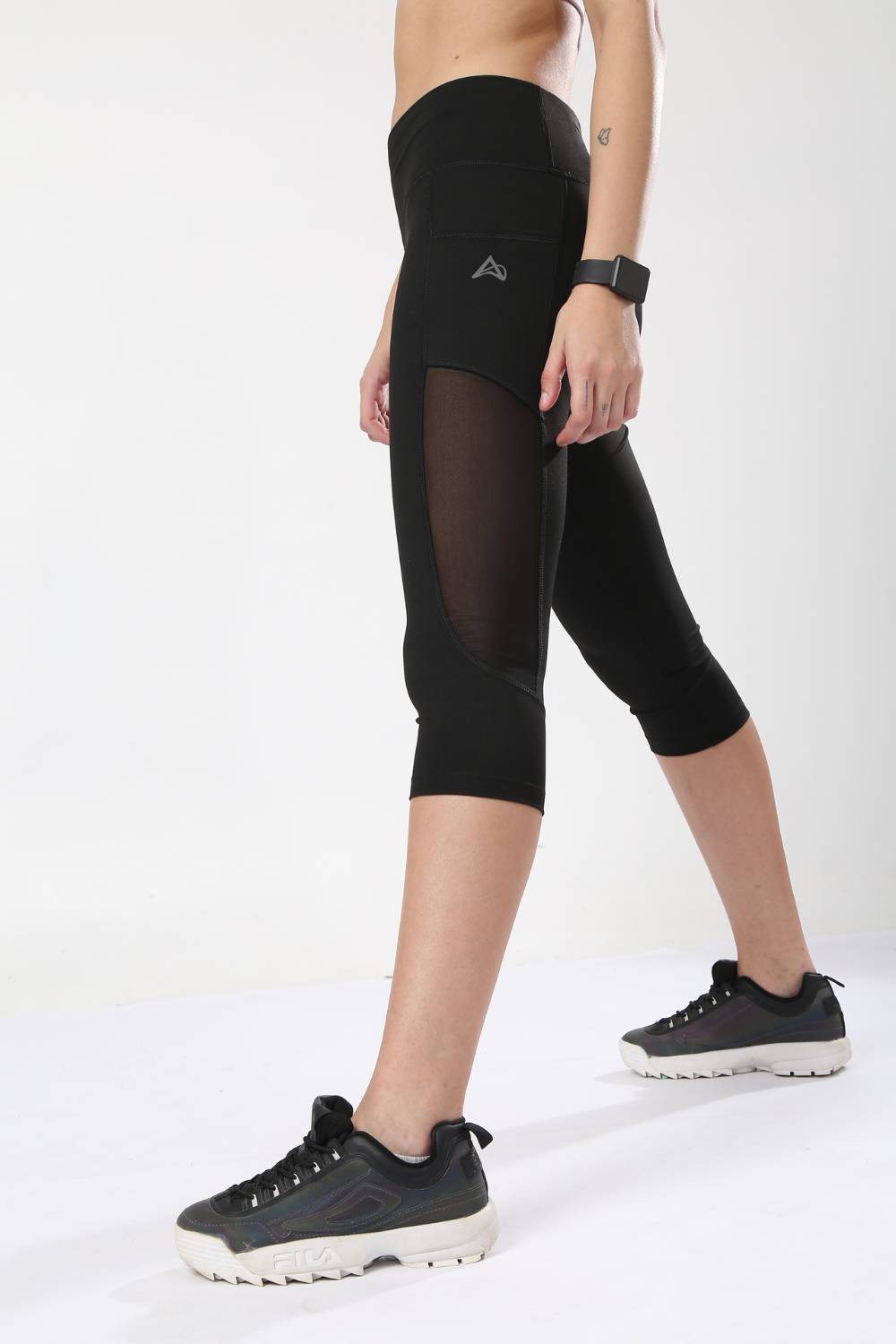
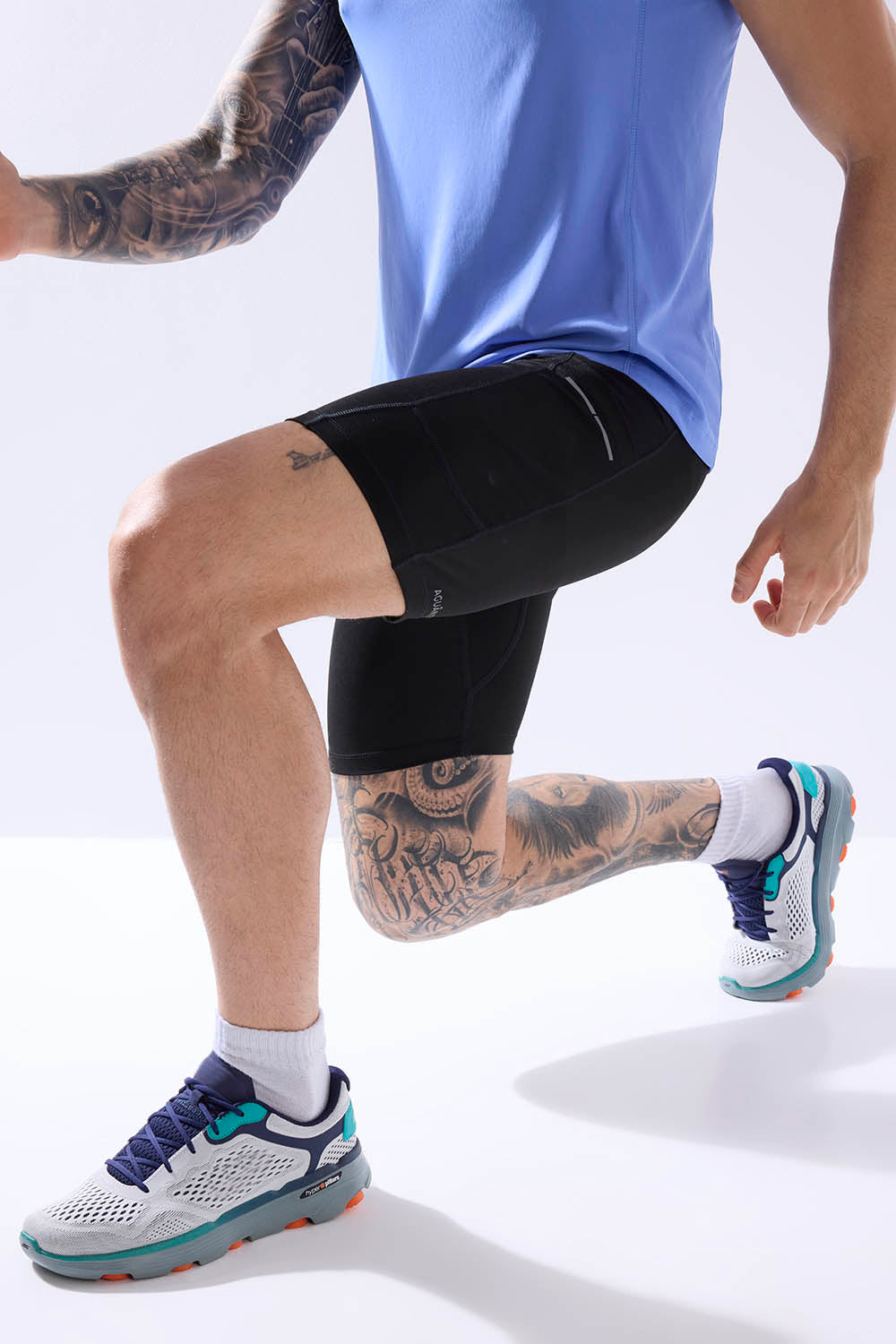
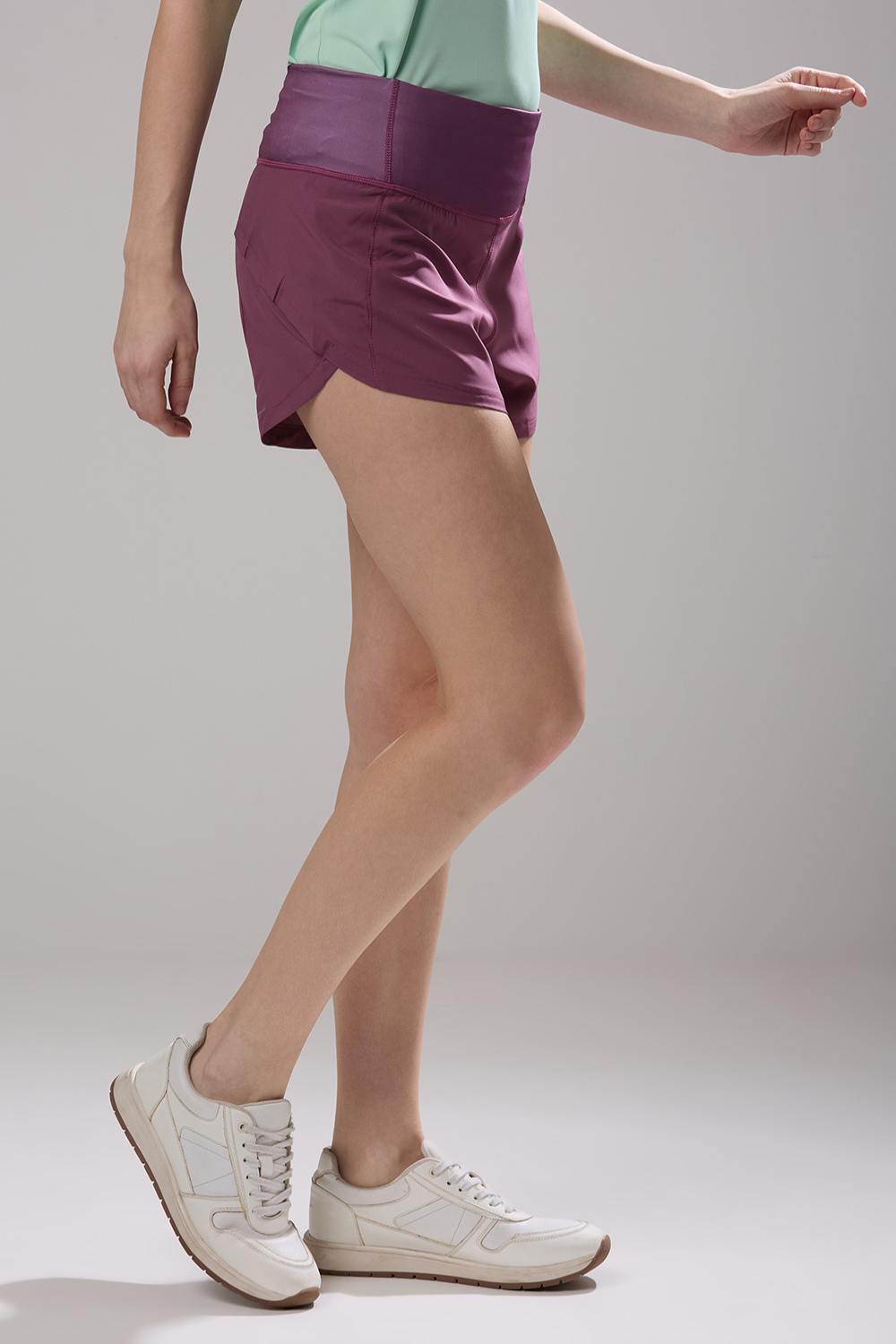
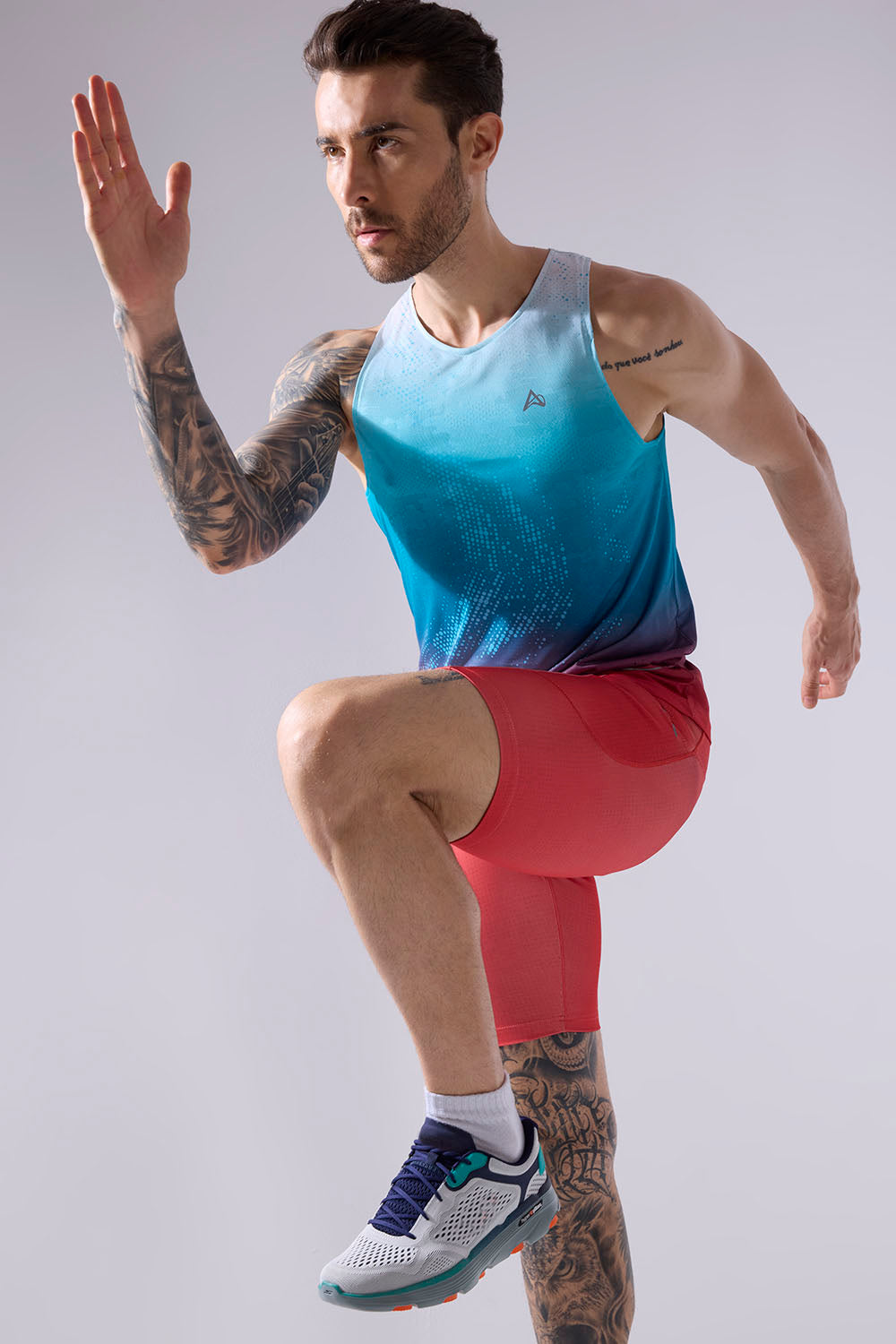
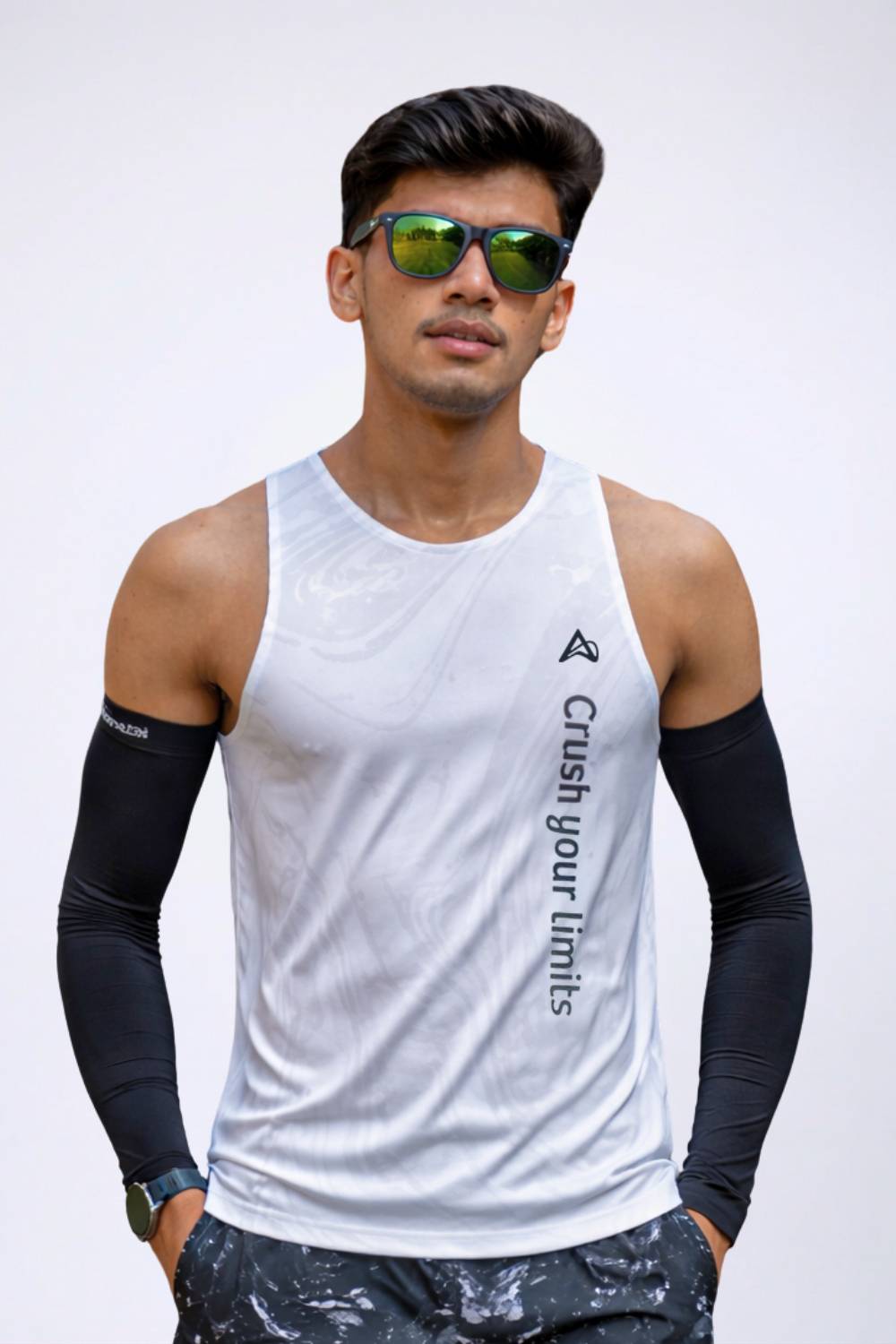
What runners wear during summer sessions directly impacts heat management. Lightweight, breathable fabrics that allow airflow and support moisture evaporation help the body regulate temperature more efficiently. Clothing design that includes ventilation zones or mesh panels can further improve comfort during sustained effort.
Footwear also plays a role in heat conditions. Shoes that accommodate natural swelling during longer runs and socks designed to manage moisture help reduce friction and discomfort. Anti-chafing protection becomes especially useful in humid conditions where sweat accumulation is higher.
Choosing the right apparel is a core component of best clothing for summer runs, particularly in climates where humidity and temperature combine to increase perceived effort. The goal is not just comfort but functional support that allows the body to manage heat more effectively throughout the session.
Recognizing Warning Signs and Supporting Recovery
Understanding early warning signs of heat stress is essential for safe summer training. Symptoms such as dizziness, headache, or nausea indicate that the body is struggling to regulate temperature effectively. In such cases, stopping activity and moving to a cooler environment is the safest response.
Recovery practices after hot-weather runs are just as important as in-run strategies. Cooling down gradually, rehydrating with fluids and electrolytes, and allowing the body to return to baseline temperature helps reduce cumulative stress from repeated heat exposure. Over time, this supports more sustainable training progression.
Heat training is ultimately about balance. By combining hydration awareness, acclimatization, cooling techniques, and smart environmental choices, runners can continue building endurance even in challenging conditions while minimizing risk.
Building Smarter Summer Running Habits
Staying consistent during hot weather requires more than motivation it demands adaptation. When runners integrate structured hydration, gradual heat exposure, cooling strategies, and thoughtful route planning, summer training becomes more manageable and less unpredictable. Instead of resisting the environment, the focus shifts toward working with it.
For runners aiming to improve performance in warm conditions, developing these habits creates long-term resilience. Over time, the body becomes more efficient at handling heat stress, and summer runs shift from being a challenge to an opportunity for building endurance strength. With the right approach, staying active through the hottest months becomes not only possible but sustainable.
Frequently Asked Questions
What is the best hydration strategy for summer running?
A strong summer running hydration strategy involves drinking approximately 400 to 800 milliliters of fluid per hour during longer runs, depending on intensity and conditions. Using electrolyte drinks helps replace lost salts and maintain fluid balance more effectively than water alone. Taking small, frequent sips before, during, and after runs supports steady energy levels and reduces fatigue.
How can I stay cool while running in hot summer weather?
Staying cool during summer runs requires a combination of smart timing, hydration, and environmental awareness. Running early in the morning or late in the evening helps avoid peak heat, while shaded routes reduce direct sun exposure. Wearing lightweight, breathable clothing and using cooling techniques like wet caps or ice bandanas can also help regulate body temperature during exercise.
How long does it take to acclimatize to running in the heat?
Heat acclimatization typically takes around 8 to 14 days of consistent exposure to warmer conditions. During this period, the body becomes more efficient at regulating temperature and improving sweat response, which helps stabilize performance. Gradually increasing training intensity and duration during this phase supports safer and more effective adaptation.
Disclaimer: The above helpful resources content contains personal opinions and experiences. The information provided is for general knowledge and does not constitute professional advice.
You may also be interested in: How Running Apparel Has Evolved for Urban Runners - Aguante
Tired of gear that slows you down? Chafing, soggy fabrics, and missing pockets kill your run's momentum. At Aguante, we're runners who get it. Our high-performance activewear features moisture-wicking fabrics, ergonomic designs, and smart storage to keep you focused. Shop Now!
Powered by flareAI.co