



Quick Listen:
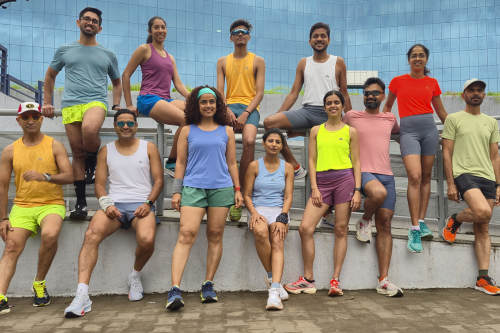
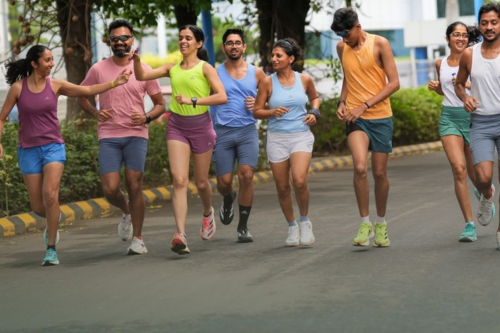
As March 2026 unfolds, India's major cities are already locked in the grip of early-season heat. Delhi routinely tops 42 °C in late March afternoons, Ahmedabad and Surat edge toward 44–45 °C during April peaks, and Mumbai's combination of temperature and near-saturated humidity turns even 34 °C into a punishing experience. Bangalore, long celebrated for its temperate climate, now sees morning runs beginning in the mid-30s thanks to expanding urban concrete and vehicle heat. Despite these conditions, running communities continue to expand, weekend races attract record entries, and more people choose early miles over extra sleep. The challenge has shifted: not whether to run in summer, but how to do so intelligently and safely.
The popularity is unmistakable. India's running gear market reached USD 2.4 billion in 2024 and is projected to grow steadily through the next decade, propelled by rising health consciousness, booming participation in marathons and local races, greater disposable income, urban fitness trends, athlete endorsements, and the convenience of online shopping. Broader activewear demand tells a similar story of sustained expansion, with women's segments particularly performance tops and sports bras driving much of the recent momentum.
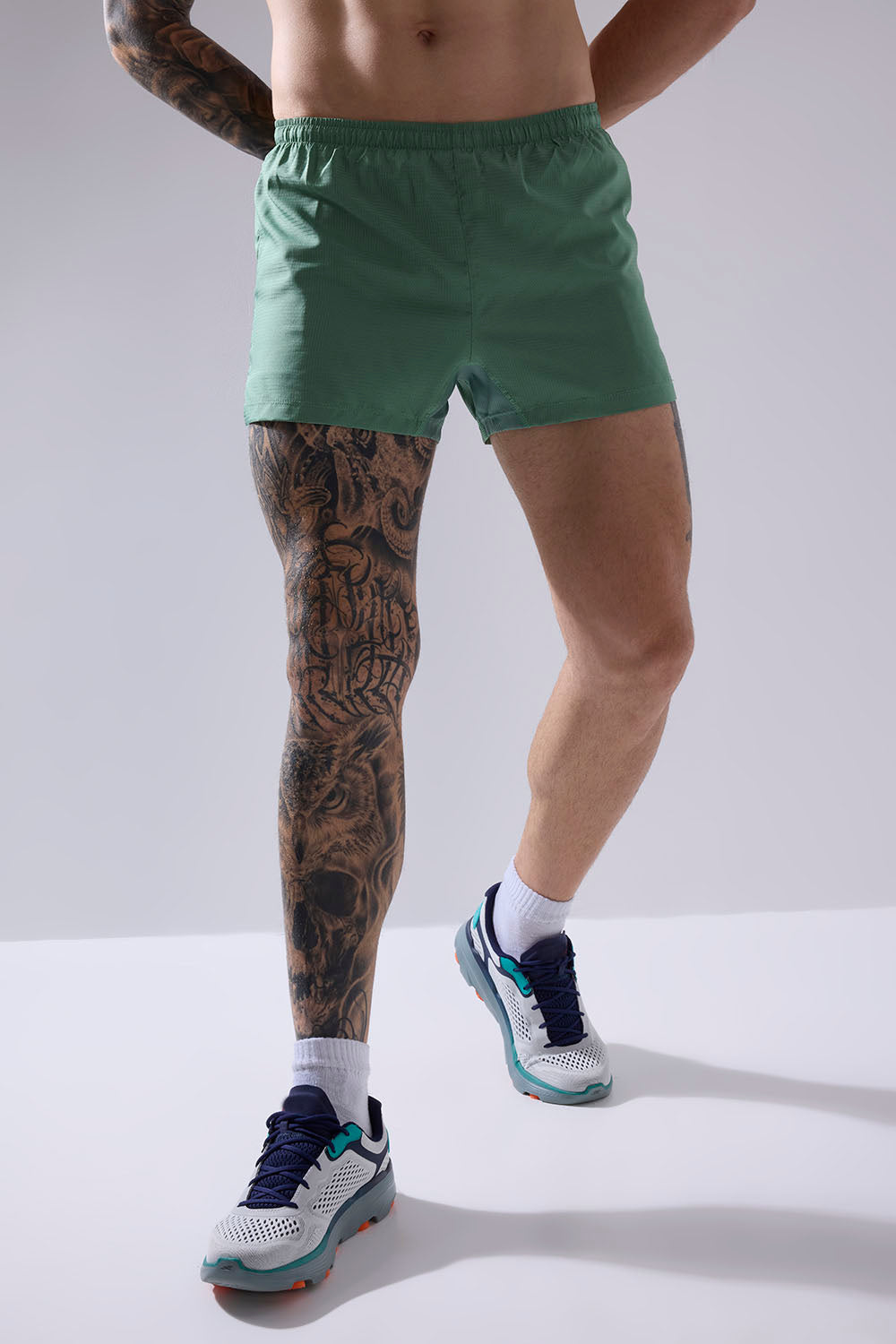
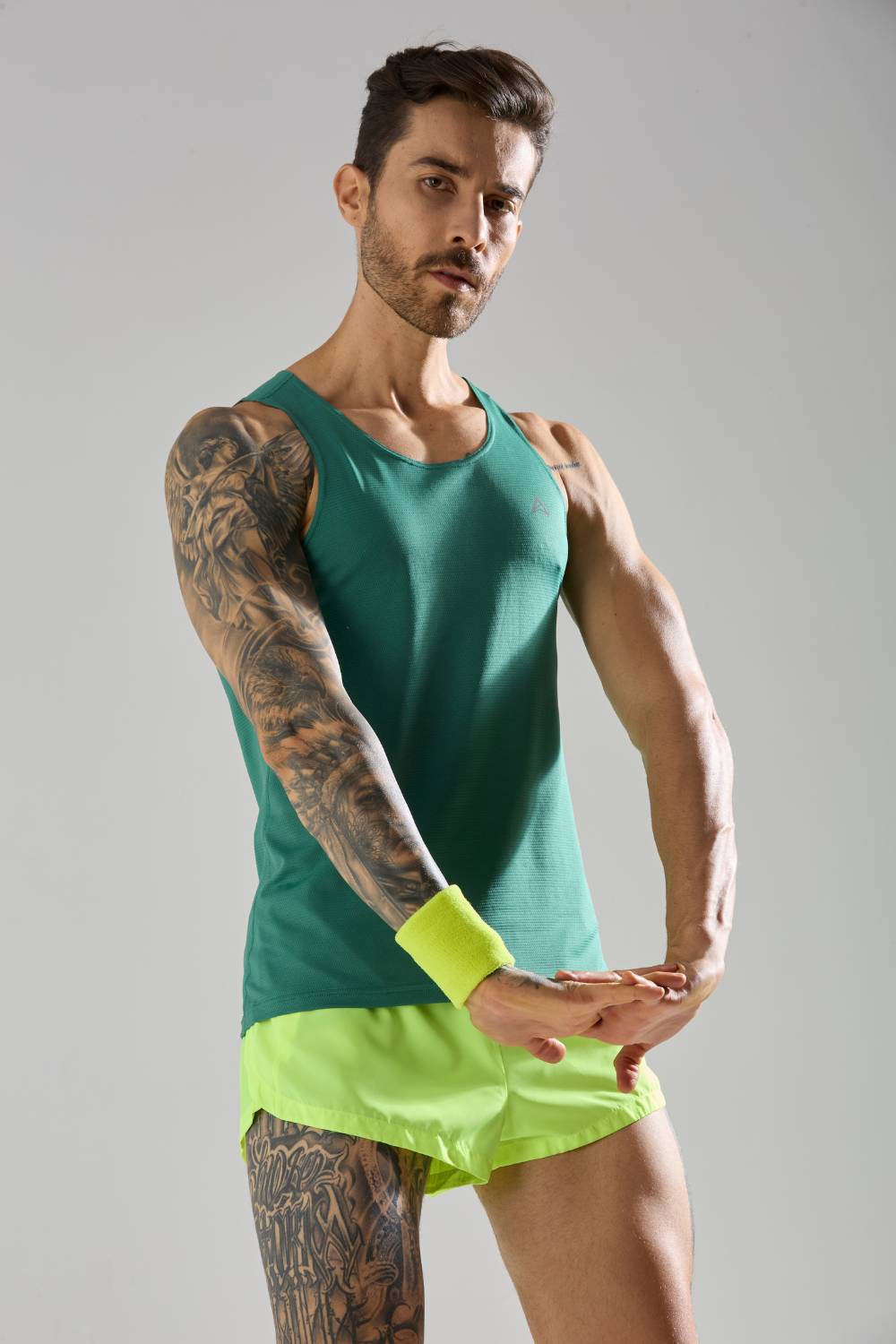
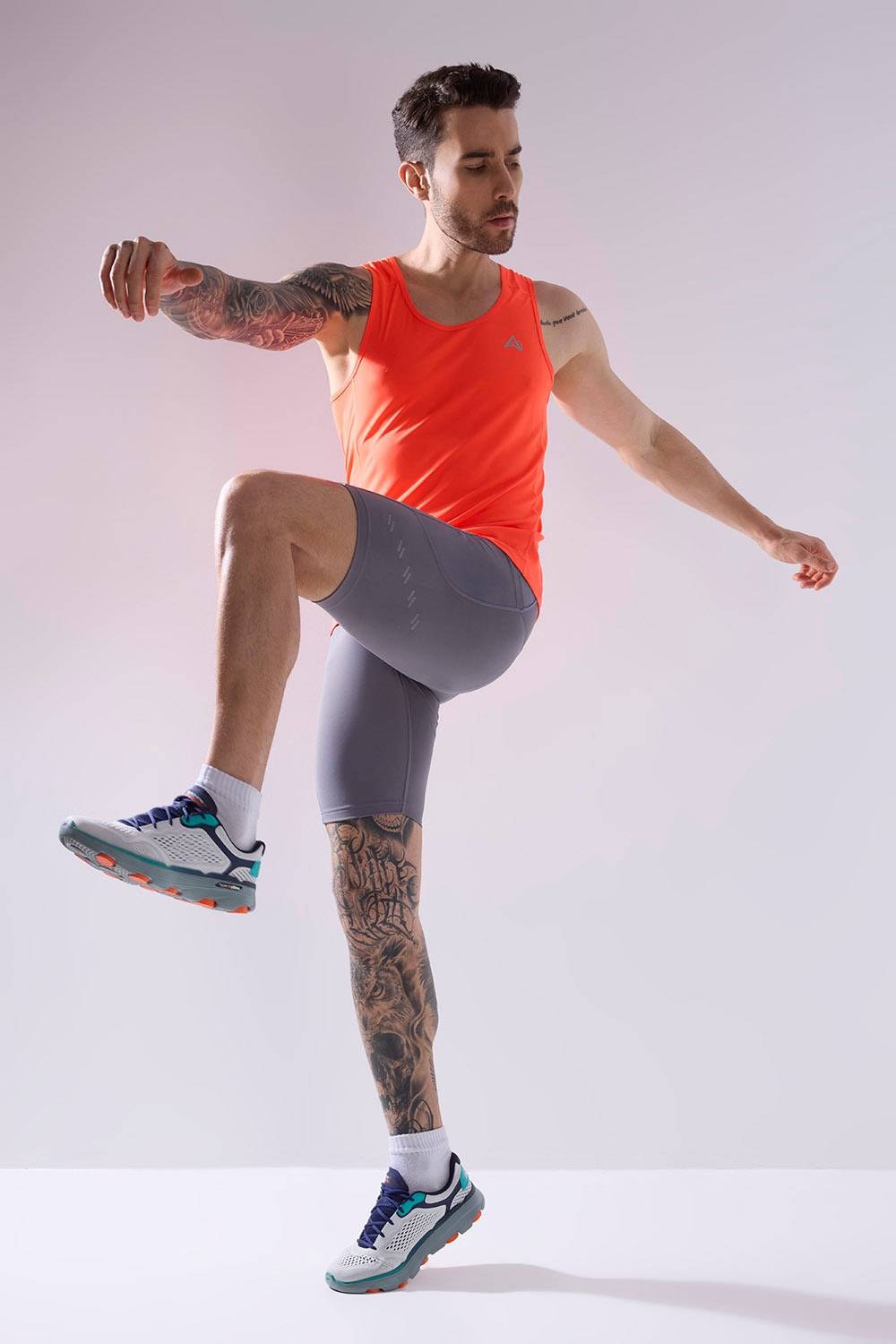
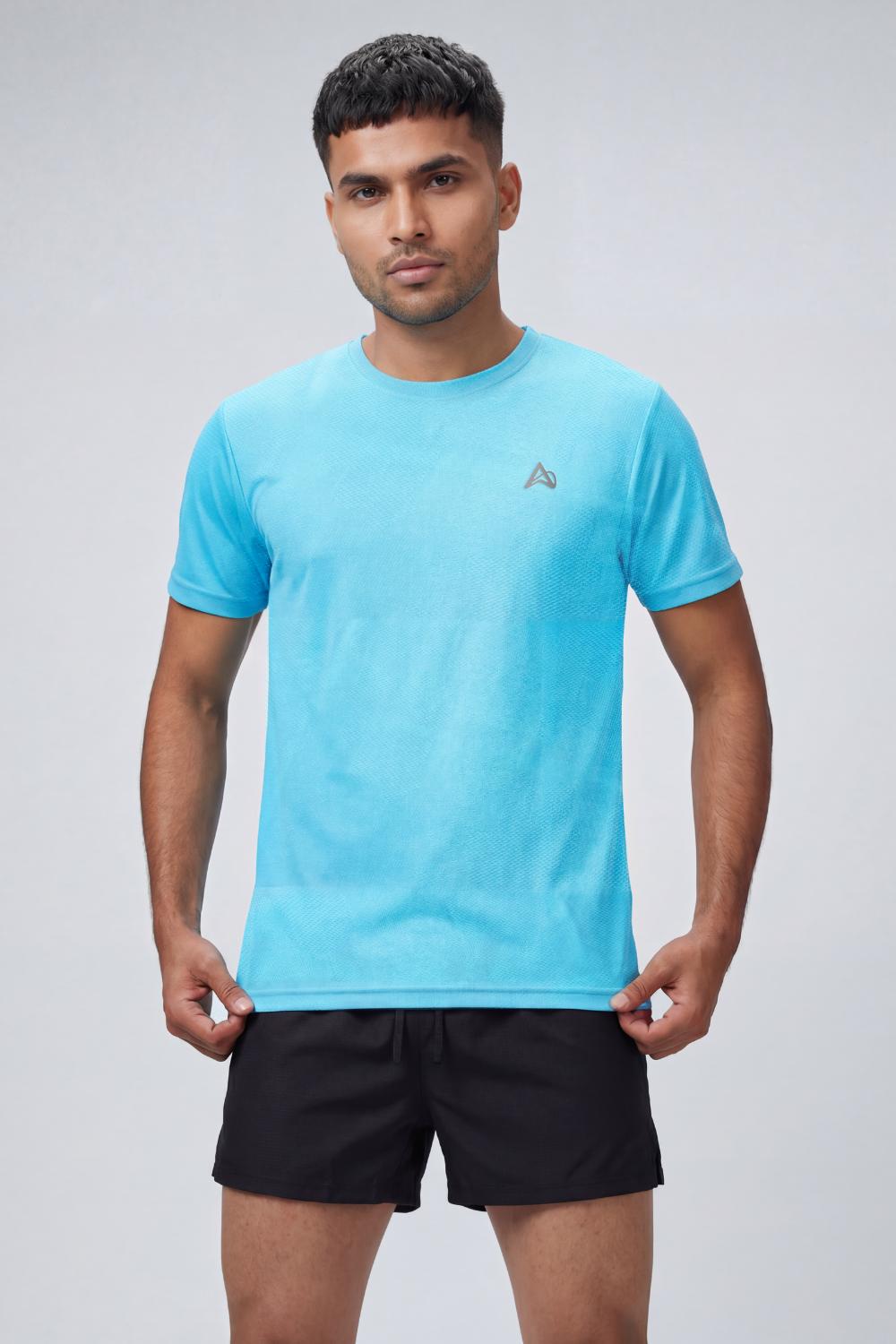
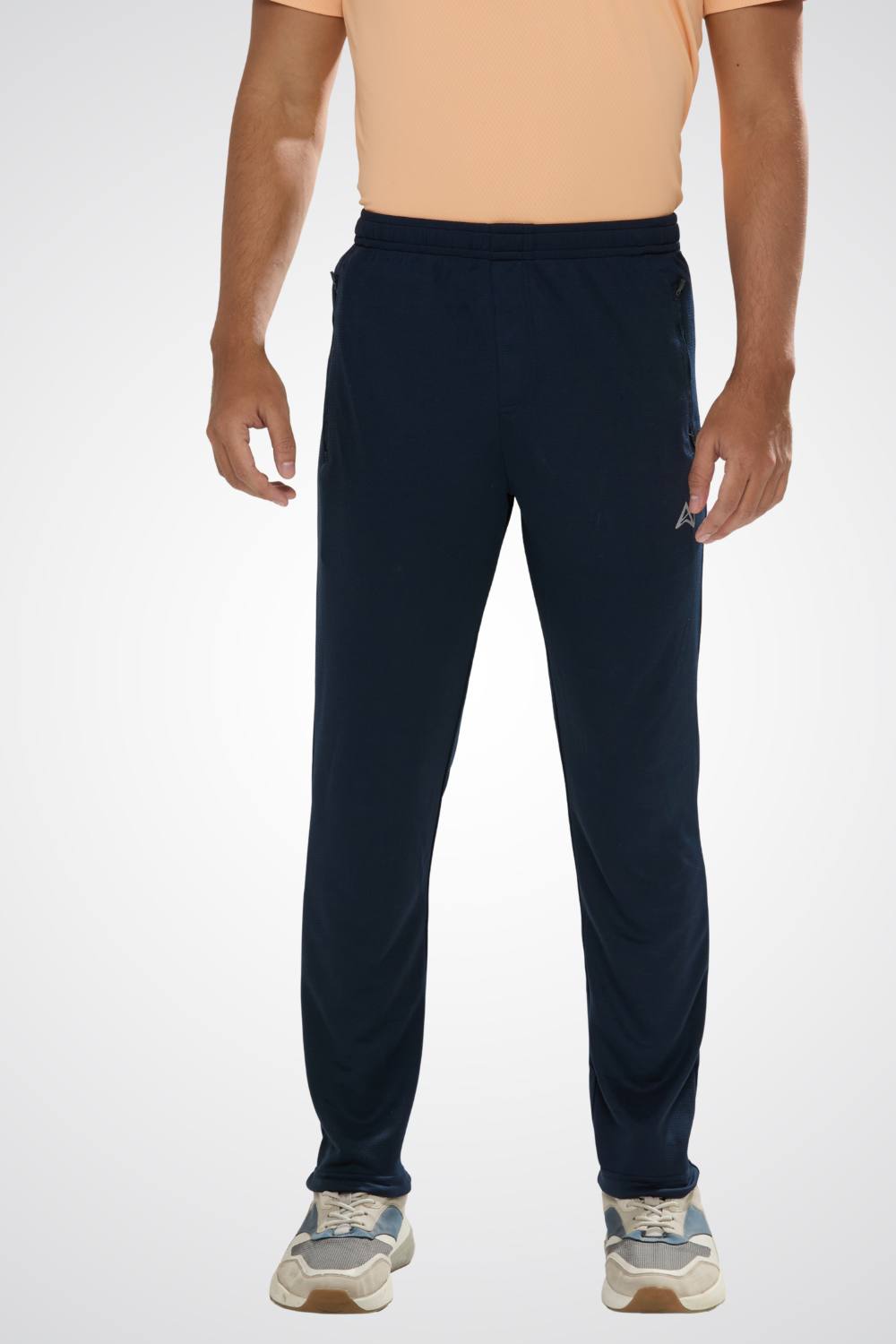
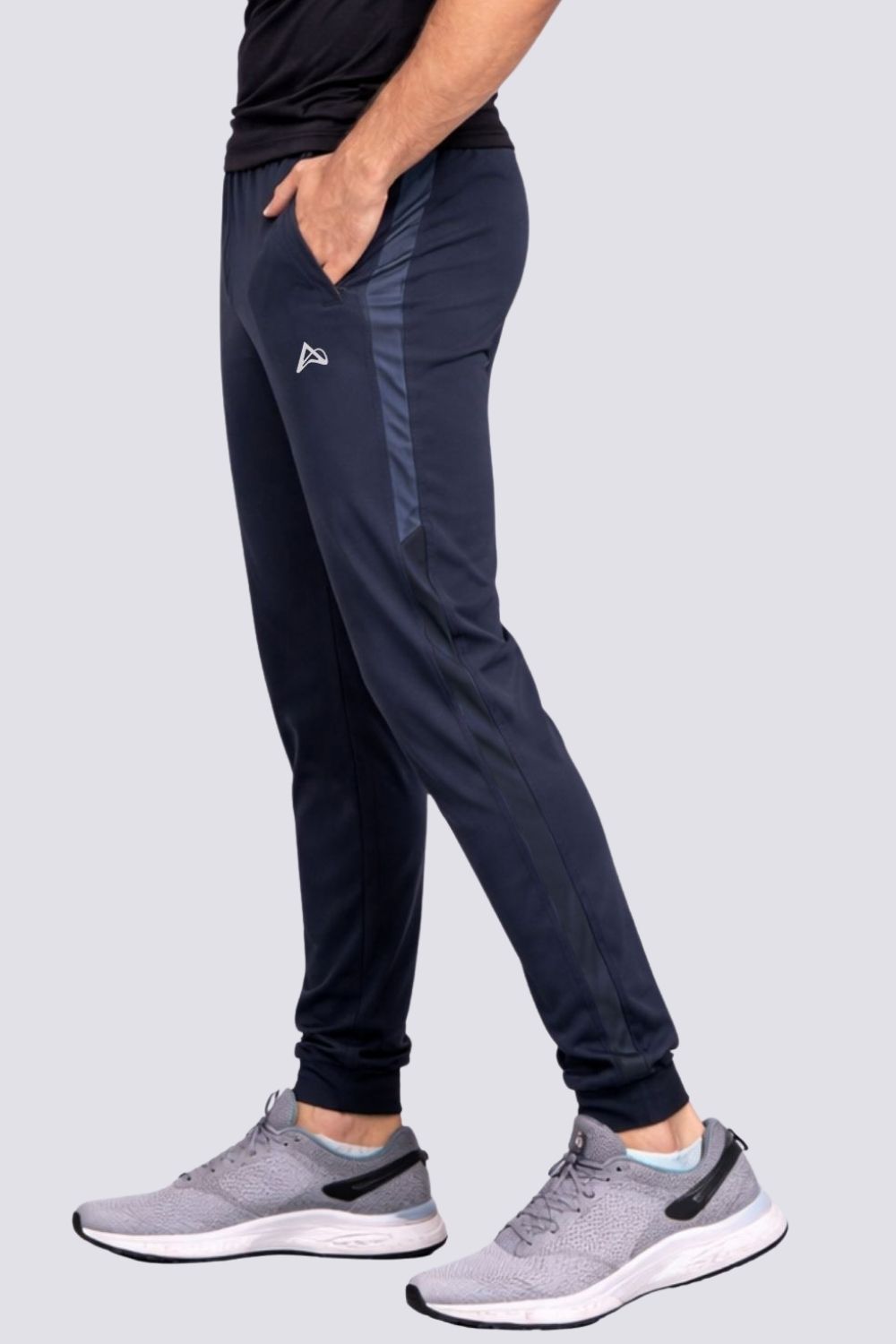
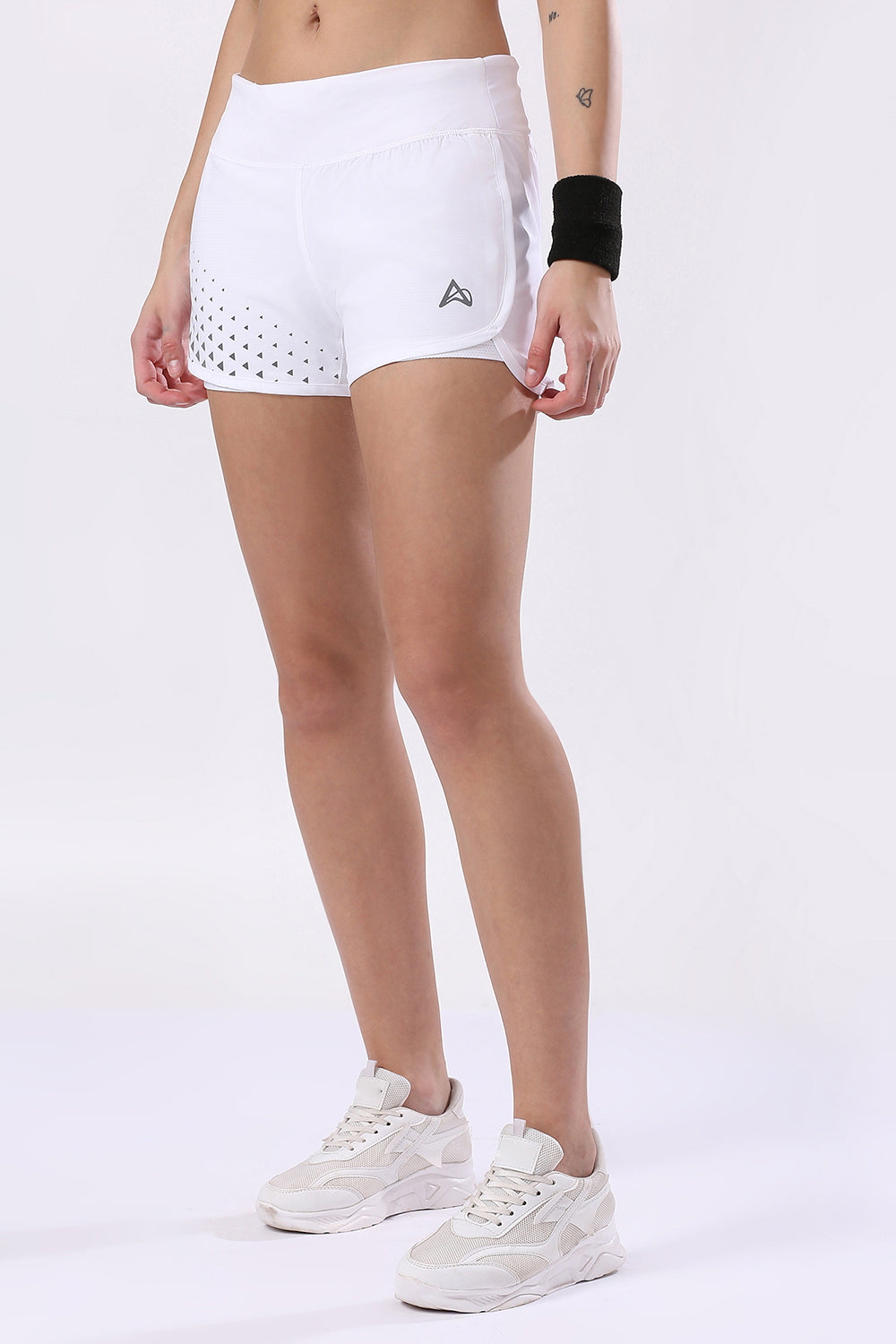
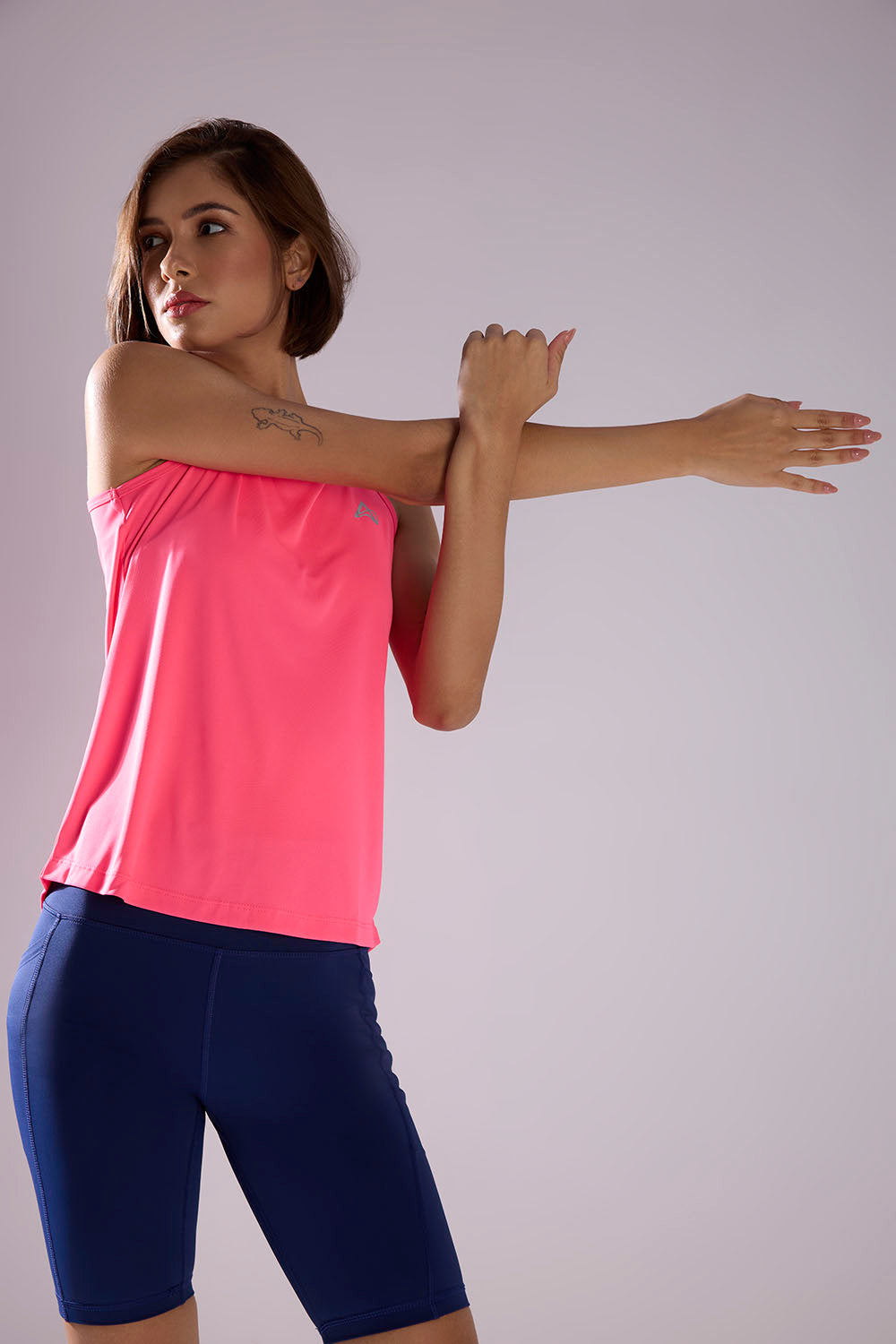
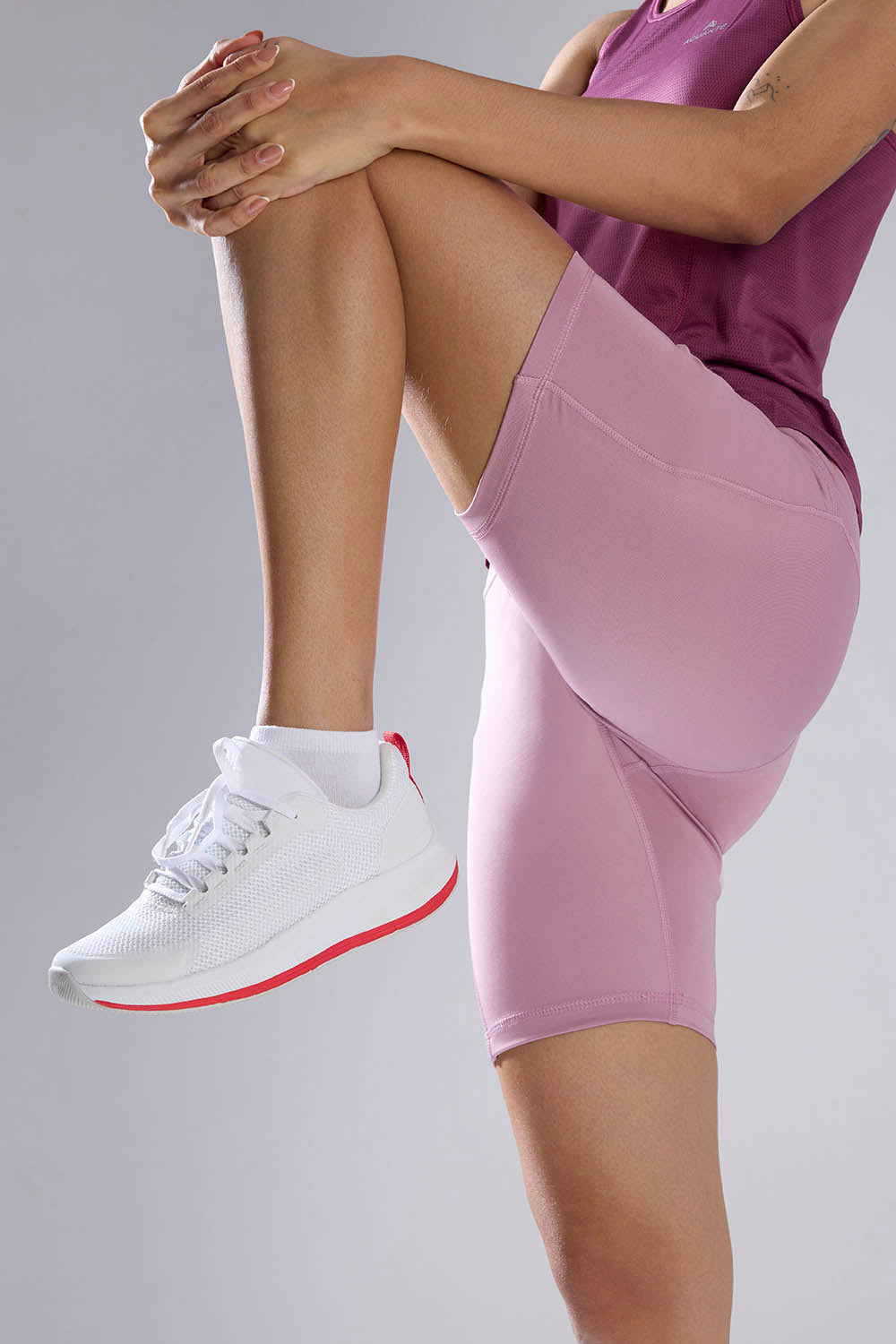
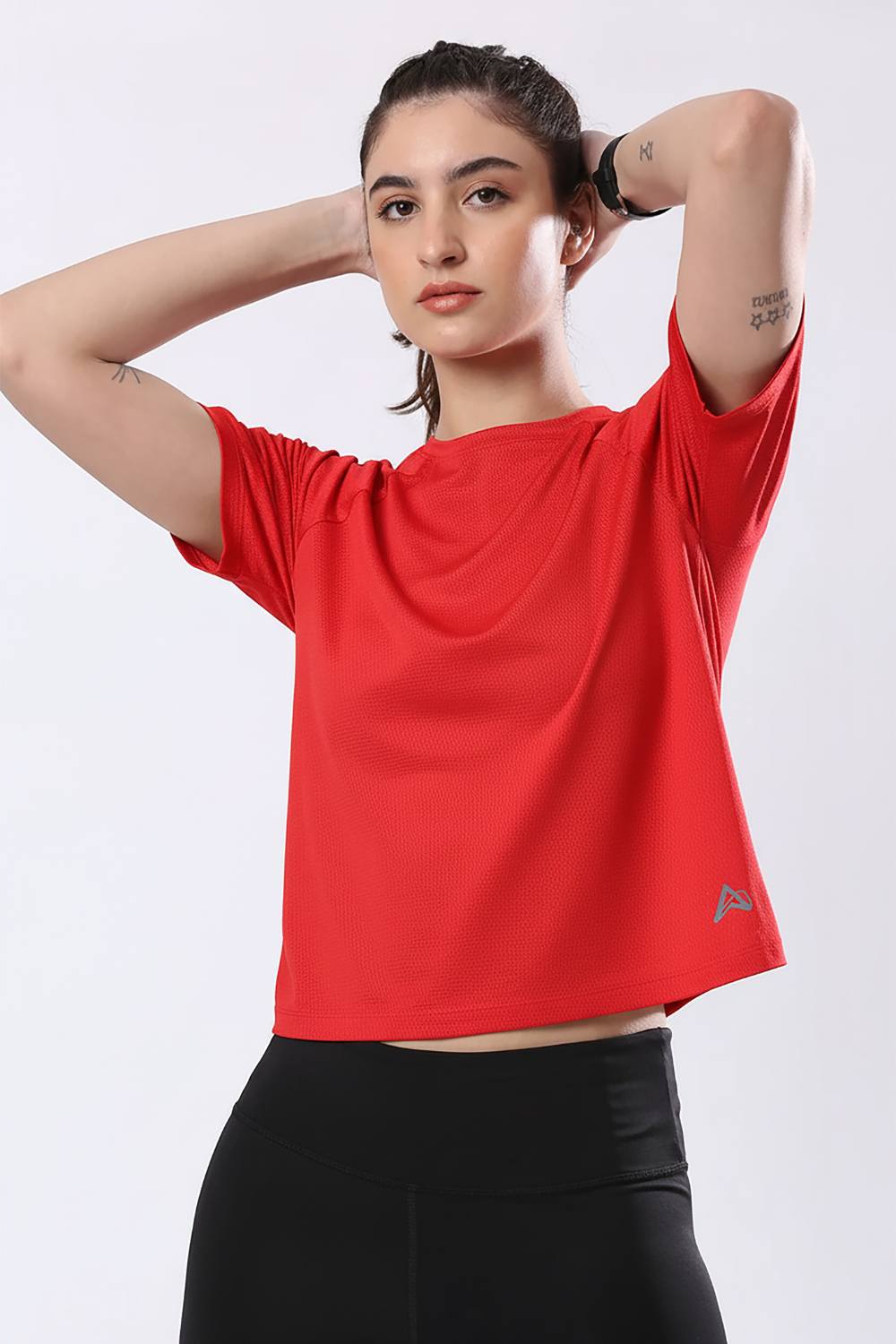
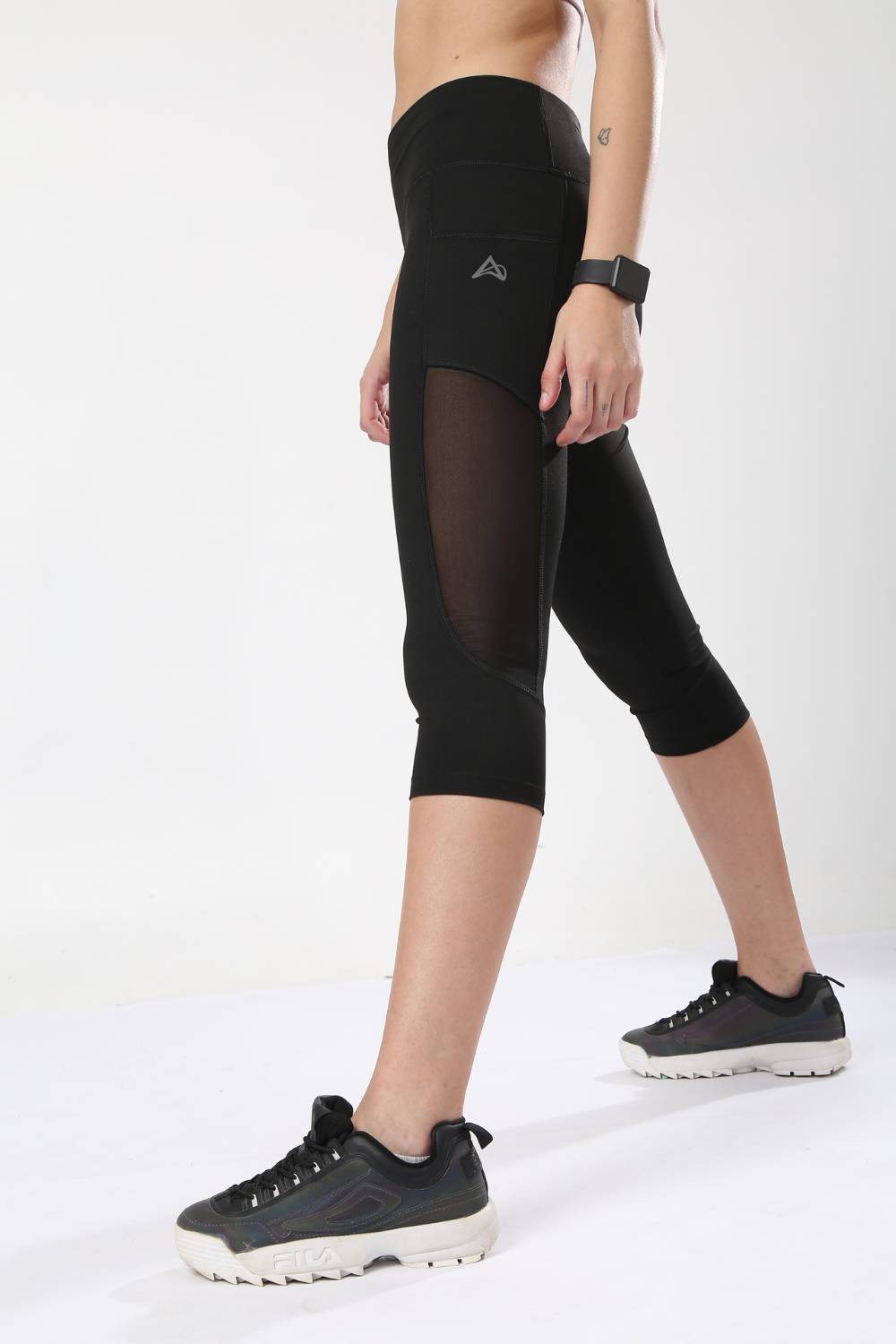
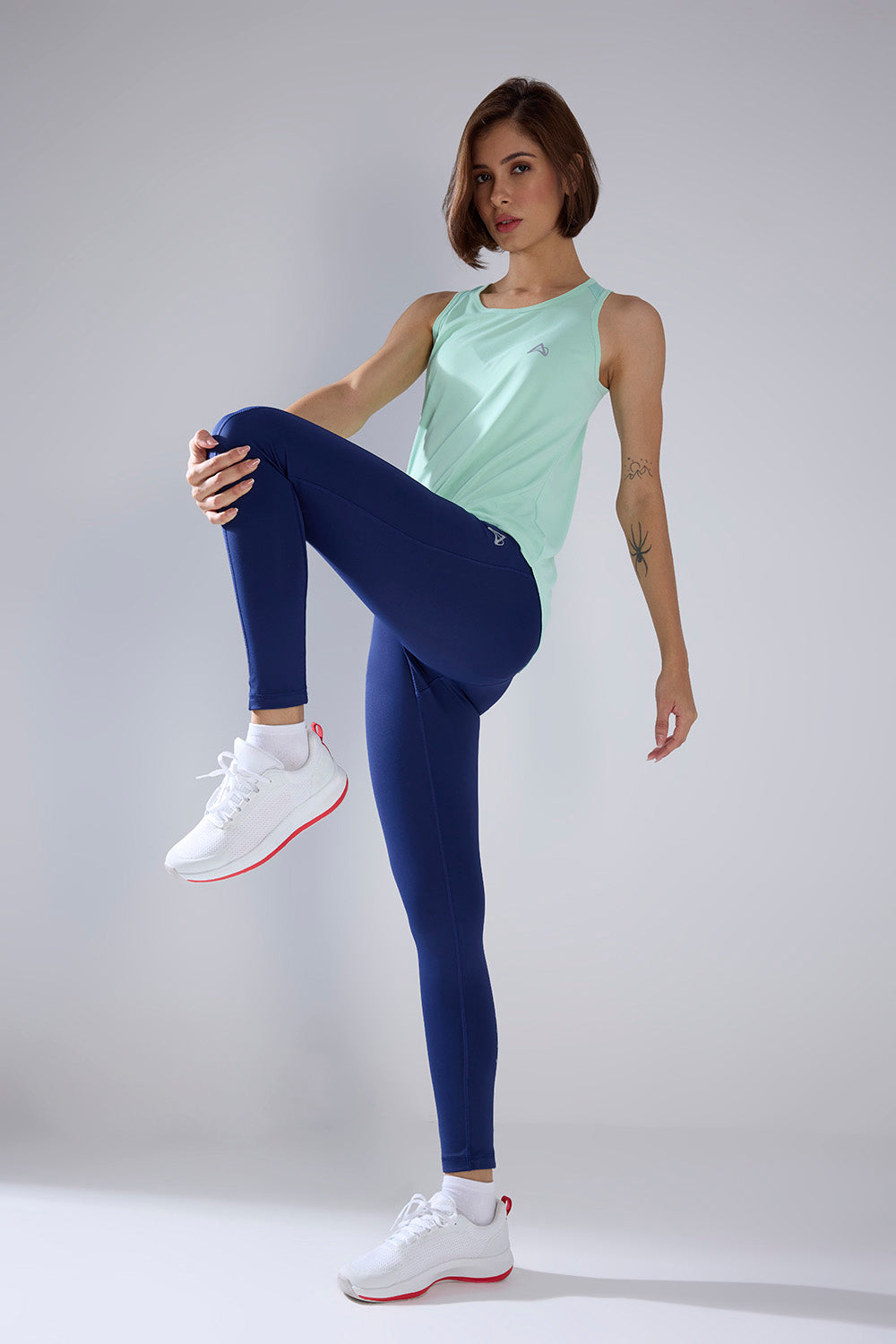
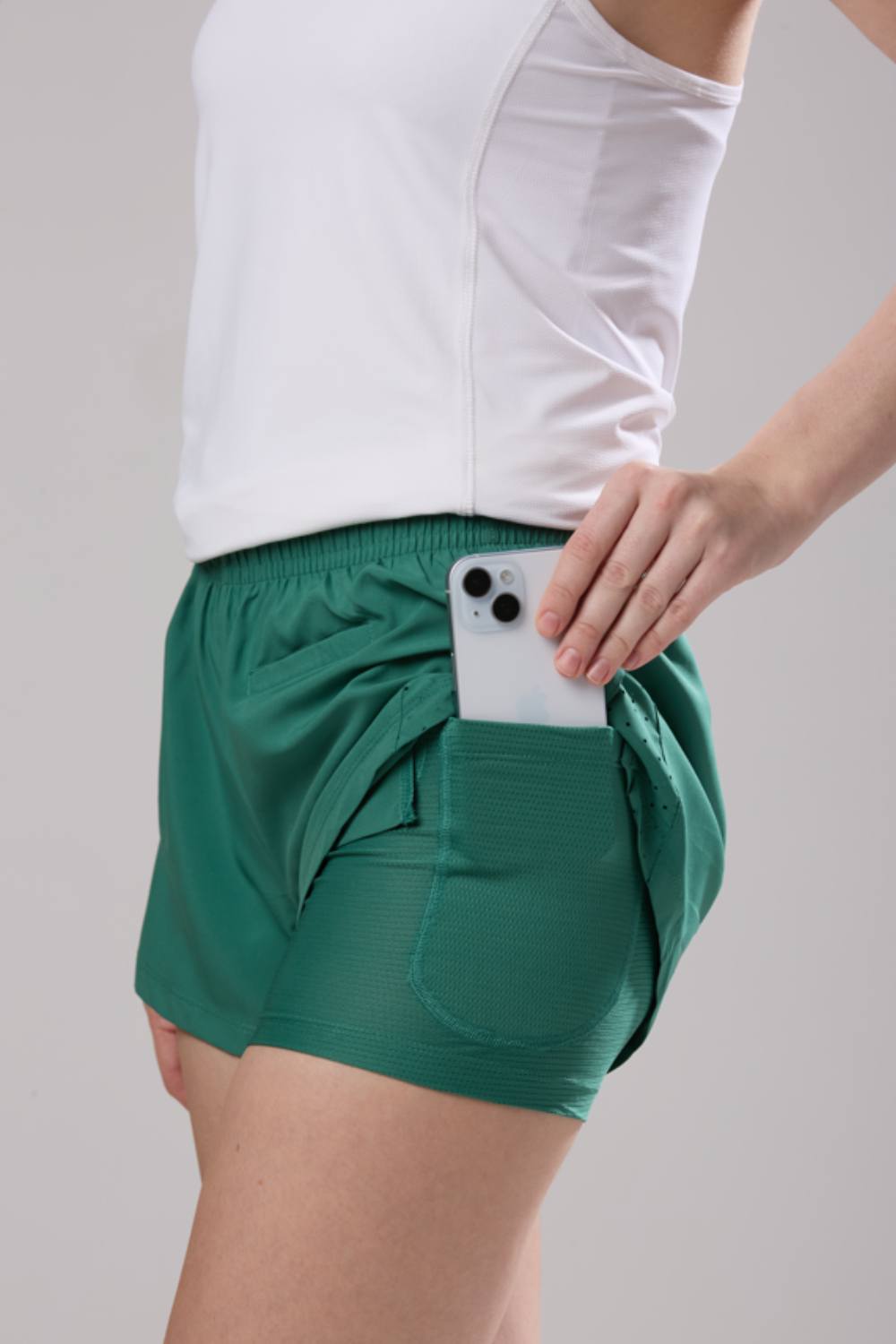
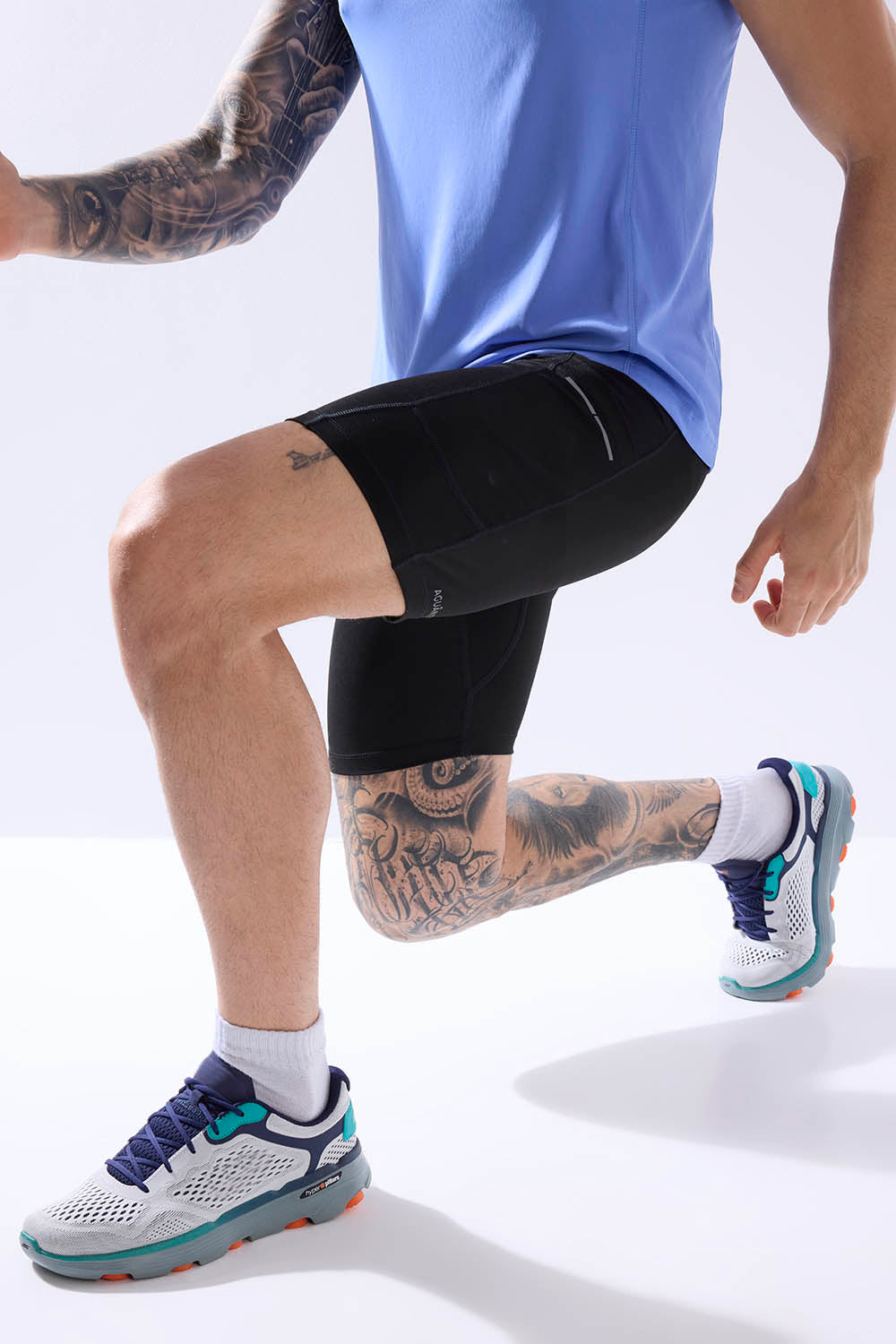
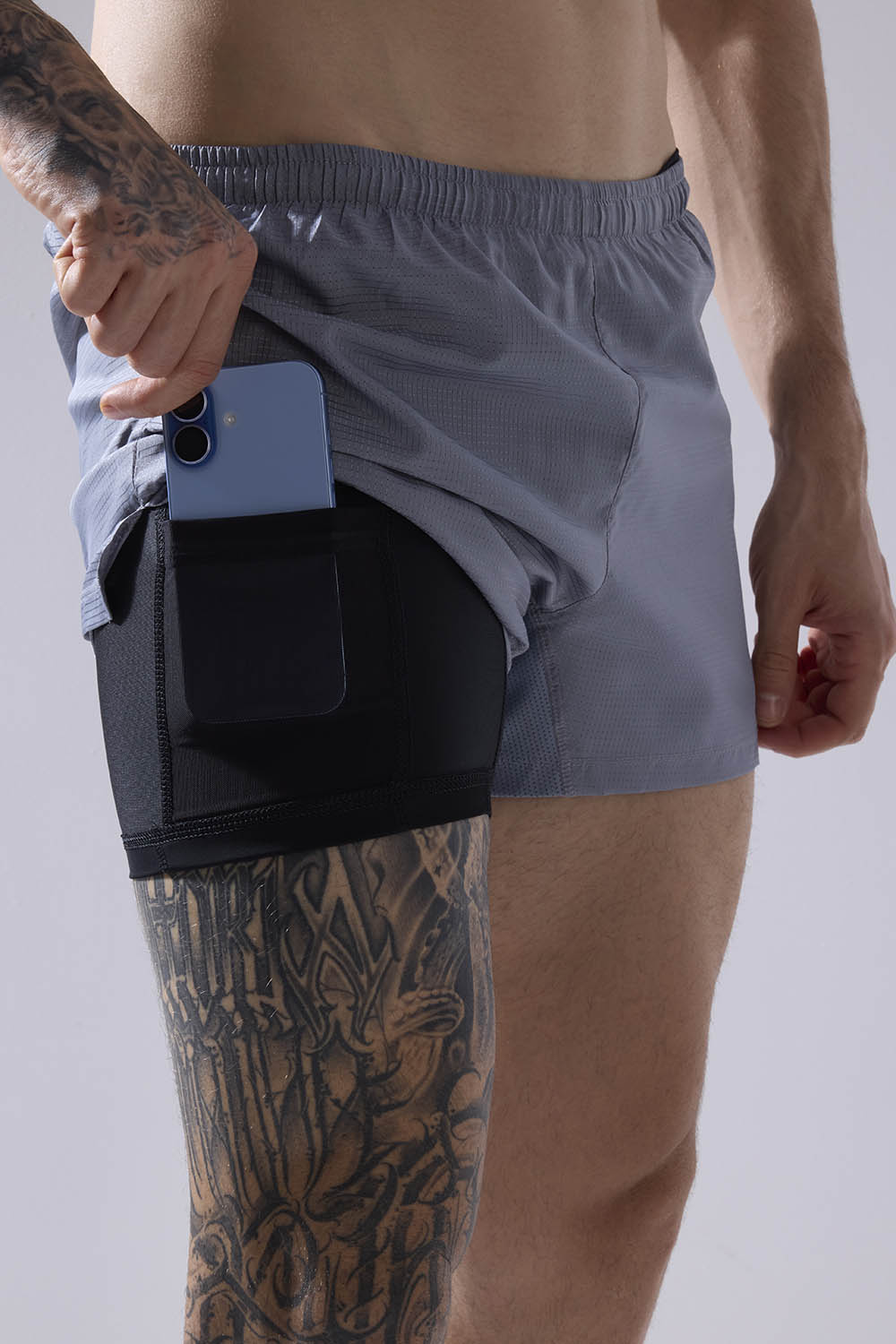
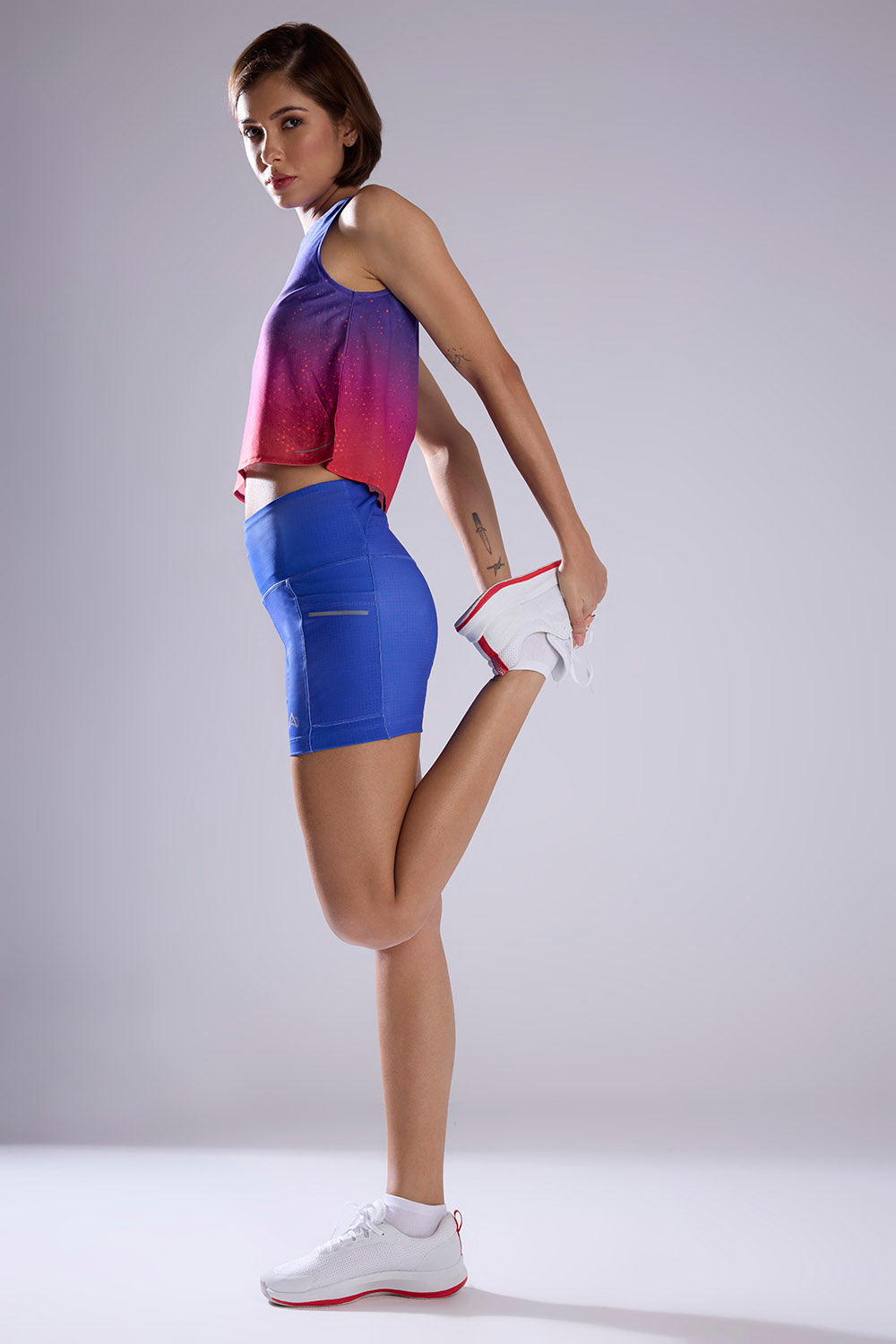
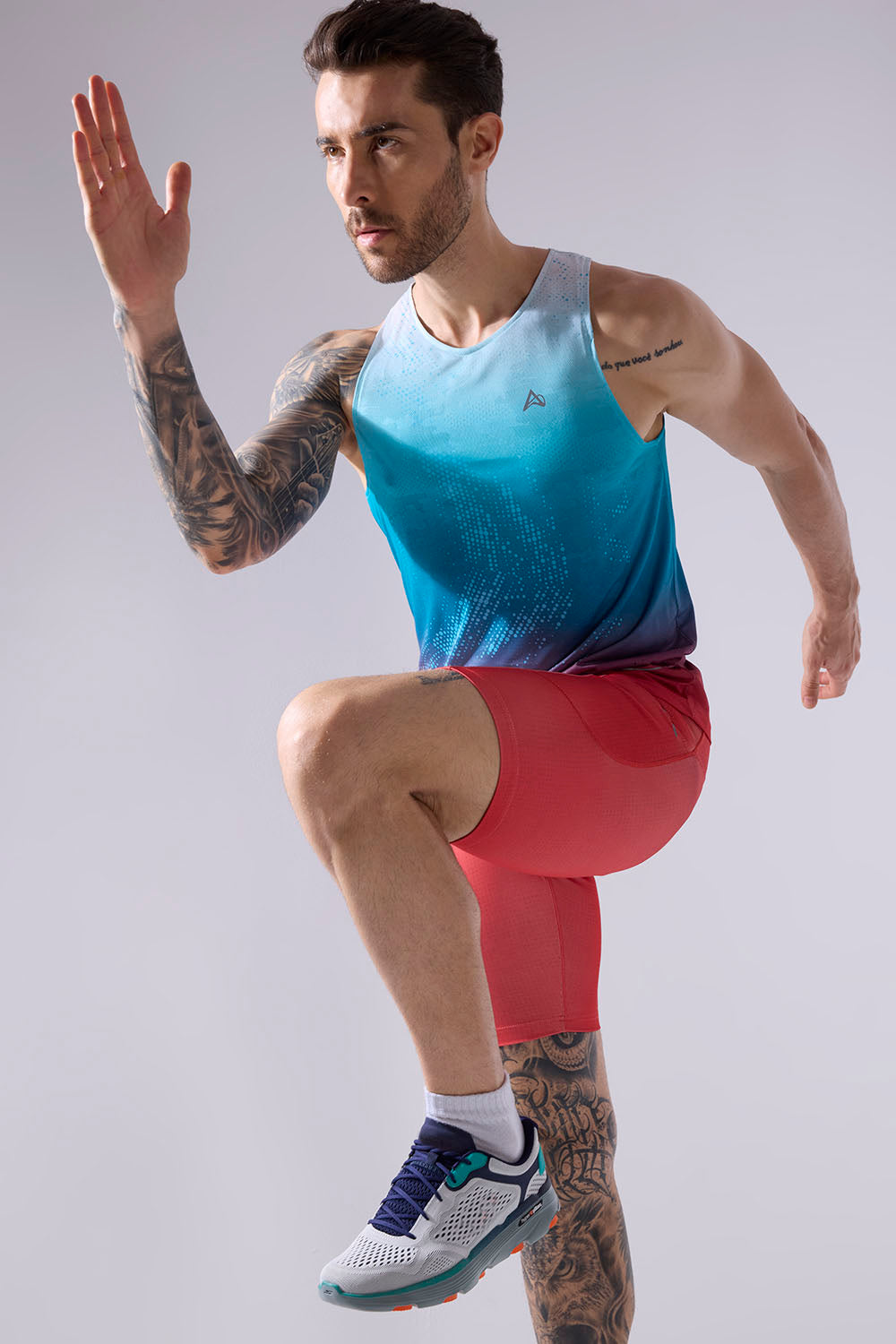
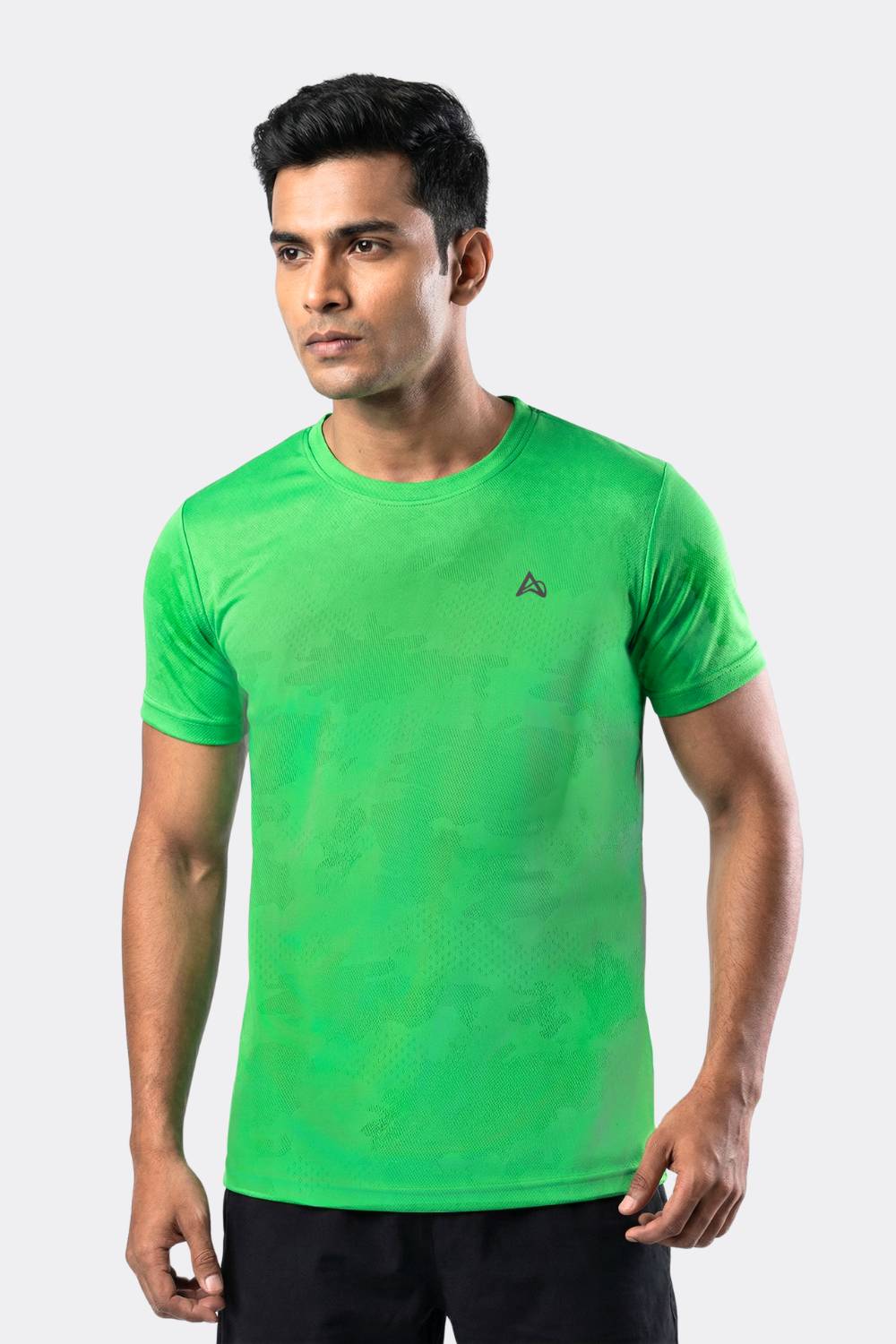
Tired of gear that slows you down? Chafing, soggy fabrics, and missing pockets kill your run's momentum. At Aguante, we're runners who get it. Our high-performance activewear features moisture-wicking fabrics, ergonomic designs, and smart storage to keep you focused. Shop Now!
Why Heat Feels More Intense Year After Year
Heatwaves now strike earlier and persist longer. The India Meteorological Department frequently issues orange and red alerts for northern plains, Rajasthan, Gujarat, and parts of central India well before April concludes. Night temperatures that refuse to drop below 28–30 °C deprive the body of essential cooling and recovery. Coastal metros face an additional burden: Mumbai and Navi Mumbai regularly see humidity levels of 80–90 %, pushing the heat index into hazardous ranges even when the actual reading appears moderate.
Southern cities are losing their historic advantage. Research from the Indian Institute of Science documents how central Bangalore and Hyderabad have warmed several degrees over the past two decades as green cover gives way to buildings and roads that trap and re-radiate heat well into the evening.
Communities Adapting Schedules to Outsmart the Sun
The traditional 7 a.m. start has largely disappeared among committed runners. Bangalore and Pune training groups now coordinate 4:45 a.m. meet-ups to finish before the serious heat arrives. In Delhi and Gurugram many shift to headlamp-lit evening sessions after sunset. Mumbai runners crowd sunrise hours because humidity escalates sharply later in the morning.
Gyms in Pune, Surat, and other cities report heavy treadmill traffic during the hottest weeks. Hybrid training mixing outdoor runs with indoor sessions helps preserve aerobic fitness while limiting dangerous exposure. Wearables have become standard tools, alerting users to heart-rate drift, hydration needs, and early signs of thermal strain.
City-Specific Windows That Minimize Risk
- Bangalore & Hyderabad: 5:15–7:00 a.m. offers the lowest solar and thermal load.
- Mumbai & Navi Mumbai: sunrise until roughly 8 a.m., before humidity dominates.
- Delhi, Gurugram, Ahmedabad, Surat: pre-dawn (4:30–6:30 a.m.) or fully dark hours after 8 p.m. during the April–June peak.
Hourly forecasts from the IMD and heat-index calculators have become as essential as GPS watches for setting daily plans.
Hydration and Nutrition Adjusted for Extreme Conditions
In 40 °C heat the old “drink when thirsty” guideline no longer suffices. Sports-science departments at universities in Pune and Delhi advise 500–700 ml of fluid per hour during moderate summer efforts in high-heat locations such as Ahmedabad and Surat. Runs exceeding 75 minutes demand electrolyte replacement sweat losses of 1.5–2 litres per hour quickly deplete sodium and other key minerals.
Smart runners begin rehydrating the previous evening with steady water intake and a small amount of added salt. Recovery nutrition within thirty minutes post-run carbohydrate, protein, and additional fluids accelerates rebound. Soft flasks and handheld bottles are now routine gear even for 8–10 km training runs.
Clothing and Route Selection That Reduce Heat Stress
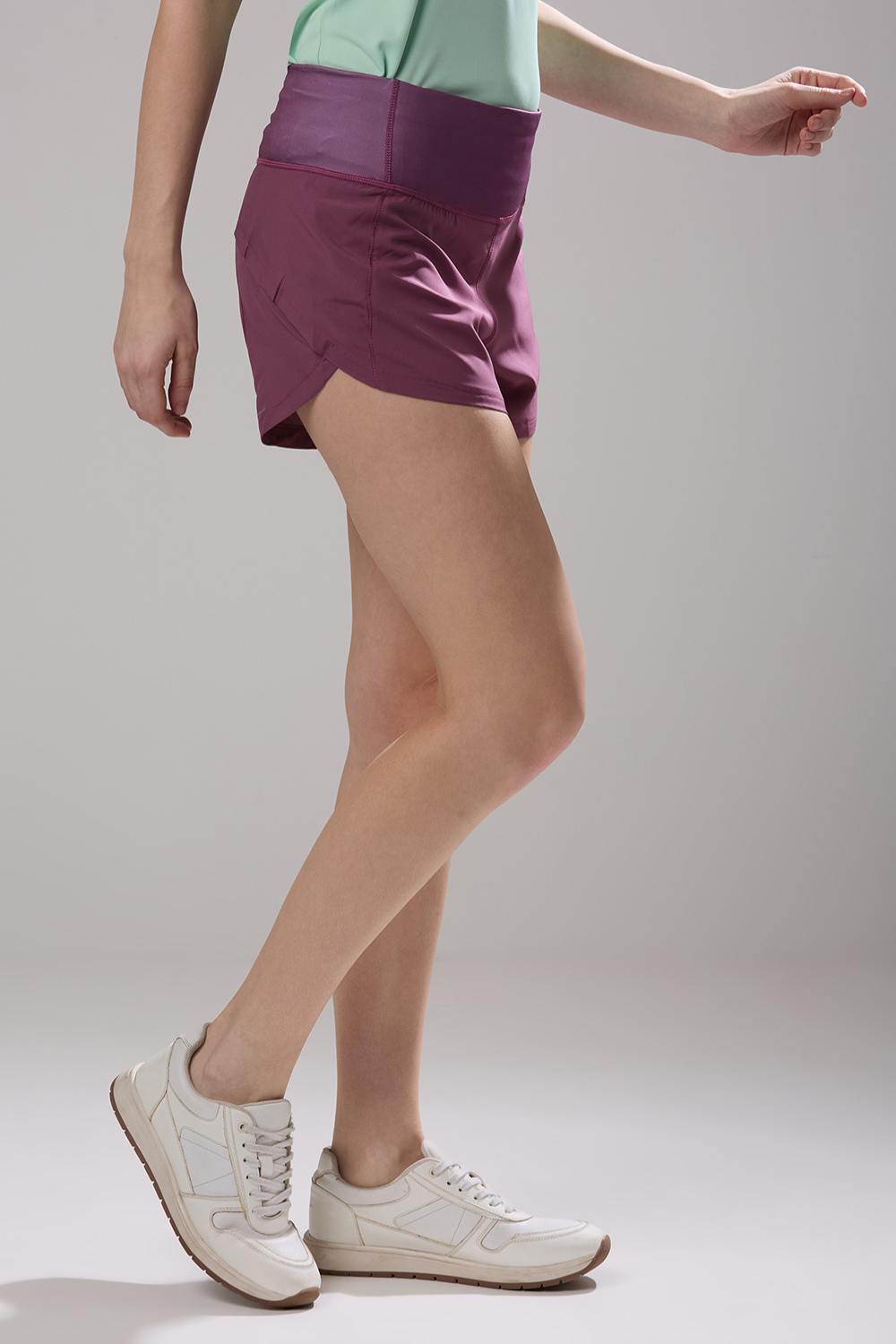
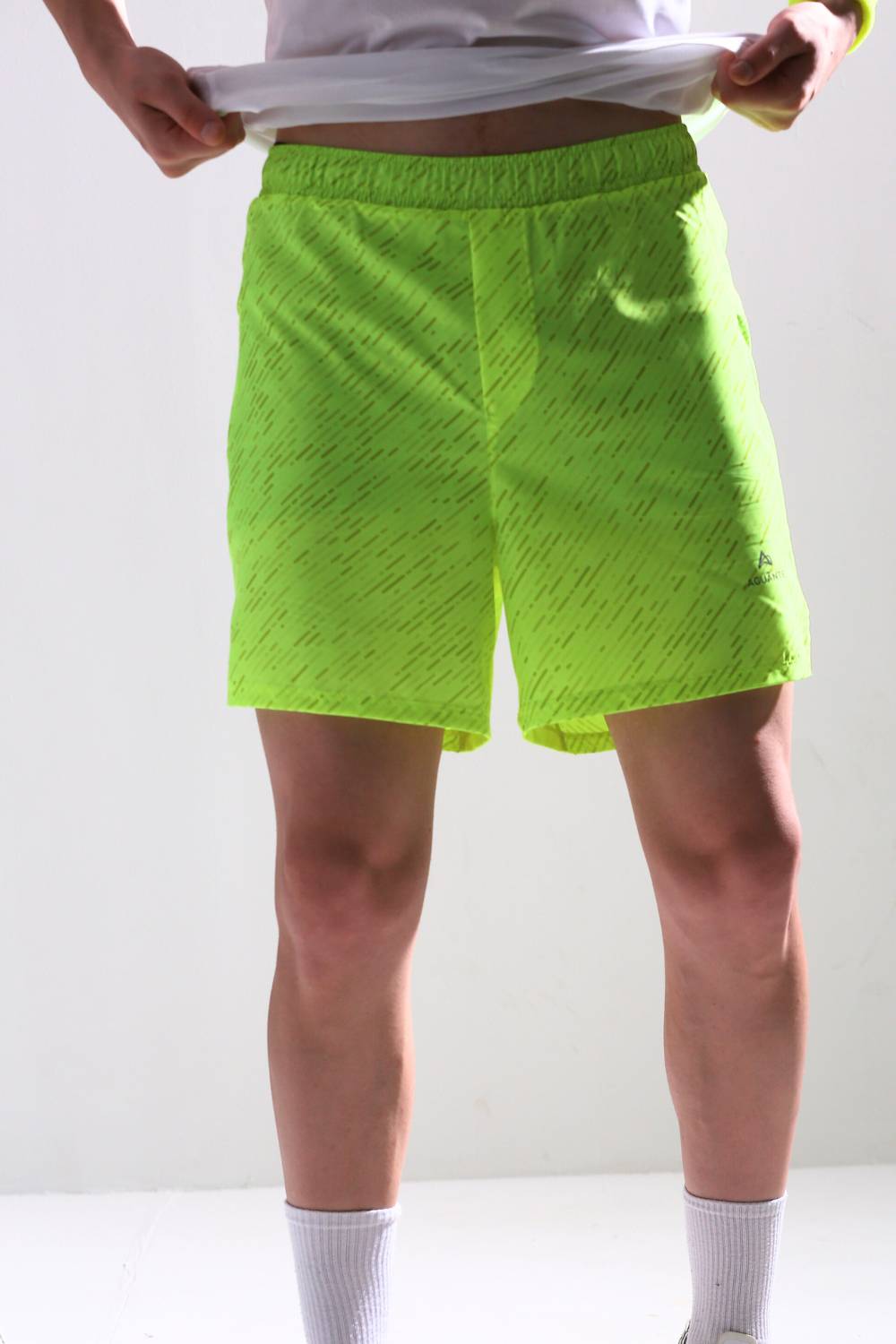
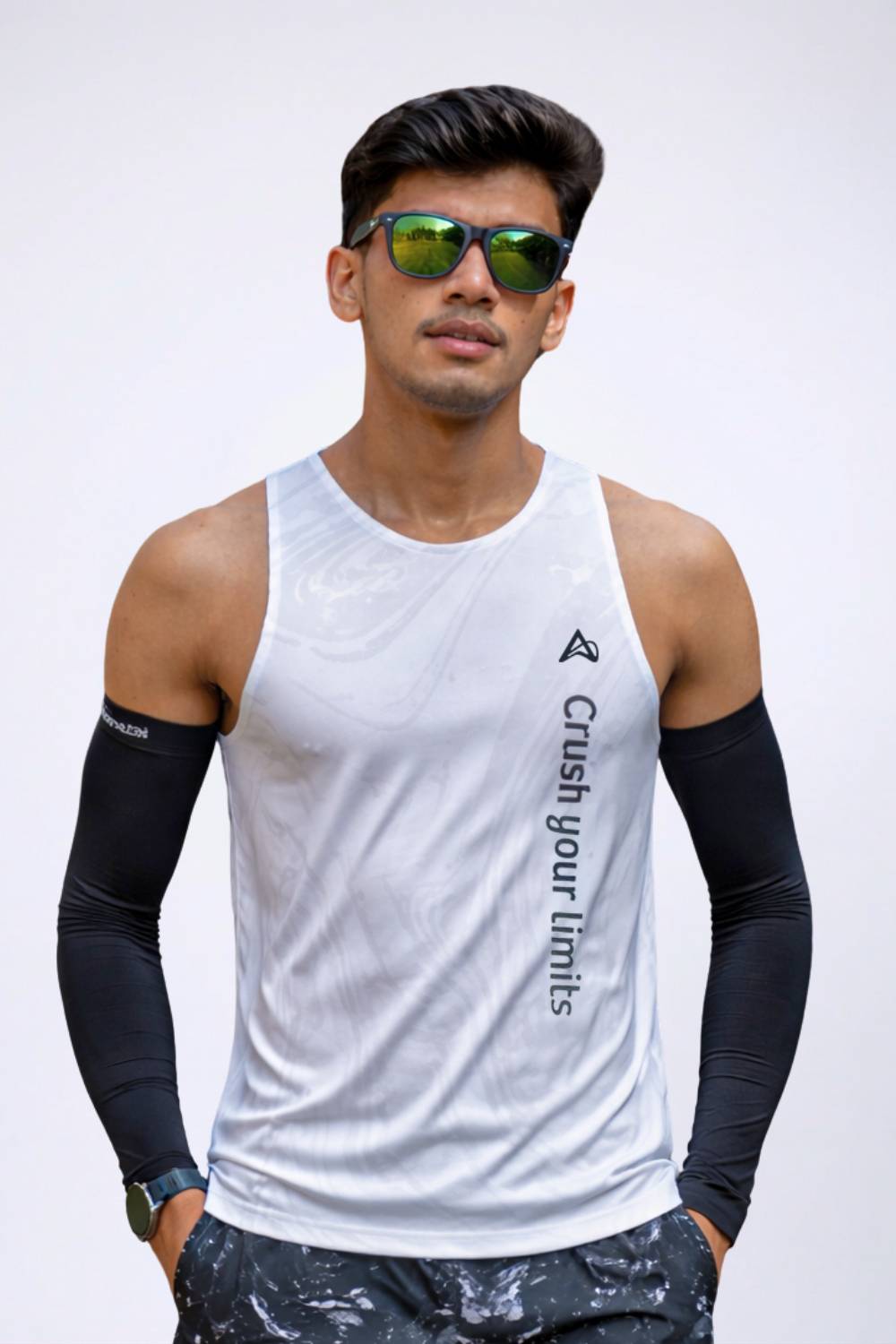
Today's wardrobes favor ultralight, highly breathable fabrics with strategic ventilation panels. Pale colours light greys, whites, soft pastels reflect sunlight far better than dark shades in cities like Delhi. Wide-brimmed caps, UV sleeves, and moisture-wicking socks help manage radiant heat and friction.
Route choice matters as much as gear. Bangalore runners favour shaded loops through Cubbon Park or around Sankey Tank. Delhi athletes gravitate toward the Ridge or Lodhi Garden trails. Mumbai runners follow sea-facing promenades to capture any available breeze. Exposed flyovers, unshaded main roads, and concrete-heavy commercial zones are deliberately avoided.
Real Health Risks That Cannot Be Ignored
Heat exhaustion often announces itself subtly dizziness, nausea, leaden legs before escalating to heatstroke if unchecked. Dehydration amplifies every symptom. In Delhi and Gurugram the toxic pairing of high temperatures and poor air quality places extra strain on lungs and circulation. Ahmedabad's municipal heat-action framework now includes specific guidance for training groups during severe alerts.
How the Fitness Landscape Is Evolving
Public parks in Bangalore and Pune are adding shaded tracks and mist-fan rest zones. Sports retailers in Mumbai and Hyderabad see sharp March–May increases in electrolyte products and cooling accessories. Popular training apps now pull IMD colour-coded warnings, automatically suggesting lighter sessions or indoor alternatives on dangerous days. Corporate wellness initiatives in tech hubs promote heat-aware programming for running employees.
Moving Forward in a Warming Climate
India's urban running scene shows no sign of retreat; instead it is becoming markedly more sophisticated. Municipal heat-response strategies, academic work on acclimatization, and countless daily decisions by ordinary runners are forging greater resilience. A structured 10–14 day period of progressive heat exposure remains an effective way to adapt. Paying close attention to the body's signals, consulting reliable weather data, and prioritising shade over pride allow consistent training even as summers intensify.
The roads are undeniably hotter than a generation ago. The runners using them are demonstrably wiser.
Frequently Asked Questions
What is the best time to run in India during summer to avoid heat exhaustion?
The safest running windows vary by city but generally fall in the pre-dawn or early morning hours. In Delhi, Gurugram, Ahmedabad, and Surat, runners should aim for 4:30–6:30 a.m. or after 8 p.m. during the April–June peak. In Bangalore and Hyderabad, a 5:15–7:00 a.m. slot offers the lowest thermal load, while Mumbai runners should head out at sunrise and finish by 8 a.m. before humidity becomes dangerous.
How much water should you drink while running in hot weather in India?
In temperatures around 40°C, the standard "drink when thirsty" rule is not sufficient. Sports-science experts recommend consuming 500–700 ml of fluid per hour during moderate summer runs in high-heat cities like Ahmedabad and Surat. For runs exceeding 75 minutes, electrolyte replacement is essential, as sweat losses of 1.5–2 litres per hour can rapidly deplete sodium and other key minerals. Pre-hydrating the evening before with water and a small amount of added salt also helps the body cope better.
What should runners wear to stay cool while running in India's summer heat?
Choosing the right clothing can significantly reduce heat stress during summer runs in India. Opt for ultralight, highly breathable fabrics with strategic ventilation panels, and stick to pale colours like whites, light greys, or soft pastels, which reflect sunlight better than dark shades particularly important in sun-intense cities like Delhi. Wide-brimmed caps, UV-protective sleeves, and moisture-wicking socks further help manage radiant heat and friction. Pairing smart clothing with shaded routes such as Cubbon Park in Bangalore, Lodhi Garden in Delhi, or sea-facing promenades in Mumbai makes a meaningful difference to your comfort and safety.
Disclaimer: The above helpful resources content contains personal opinions and experiences. The information provided is for general knowledge and does not constitute professional advice.
You may also be interested in: Moisture-Wicking T-Shirts Tackle India's Summer Heat - Aguante
Tired of gear that slows you down? Chafing, soggy fabrics, and missing pockets kill your run's momentum. At Aguante, we're runners who get it. Our high-performance activewear features moisture-wicking fabrics, ergonomic designs, and smart storage to keep you focused. Shop Now!
Powered by flareAI.co